
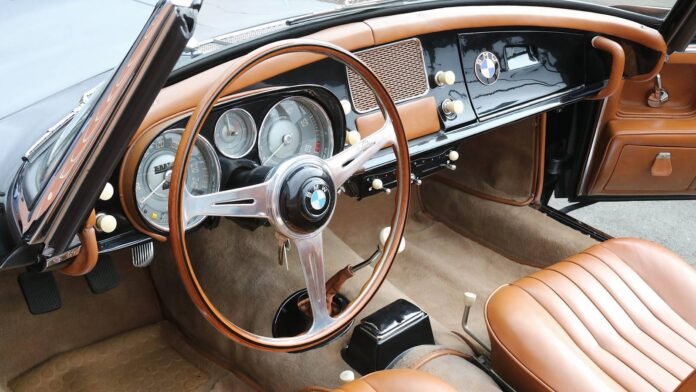
BMW is a badge that instantly conjures up images of performance cars, mostly sedans, but its performance legacy was not built around a single hero car. Yes, there are a couple of halo BMWs in its rich performance heritage, but its reputation revolves around decades of singularly-minded machines that turned luxury transportation into something sharper, faster, and more engaging. From compact coupes, sports sedans, and touring wagons to grand tourers, luxury flagships, and open-air roadsters, the stylized BMW propeller cultivated a reputation for blending precision engineering with driver engagement in ways few rivals can match.
Across multiple Series and generations, BMW developed a deep roster of enthusiast favorites that shared a common formula: responsive engines, balanced chassis tuning, dynamic driving manners, and an unmistakable connection to the person behind the wheel. Some classic BMWs emerged from motorsport ambition, others from engineering experimentation, and others still from performance one-upmanship, but collectively, they helped shape the company’s identity as the maker of “ultimate driving machines.”
The models on this list have been extensively researched with all information verified to the best of our ability. Models are ranked from the lowest estimated value to the highest estimated value.
10
BMW 2002tii
Estimated Value: $36,177
The BMW 2002 was created in the late 1960s to create a 2.0-liter version of the BMW 02, and enhance the chances of its being accepted by North American buyers. The 2002 further improved power output with dual carbs in the 2002ti and then fuel injection in the 2002tii. The BMW 2002tii existed solely to deliver more performance, greater sophistication, and broader international appeal for the Munich’s compact sports sedan. The 2002tii also sharpened throttle response and improved drivability, standing out as the most focused and advanced version of the already influential BMW 2002.
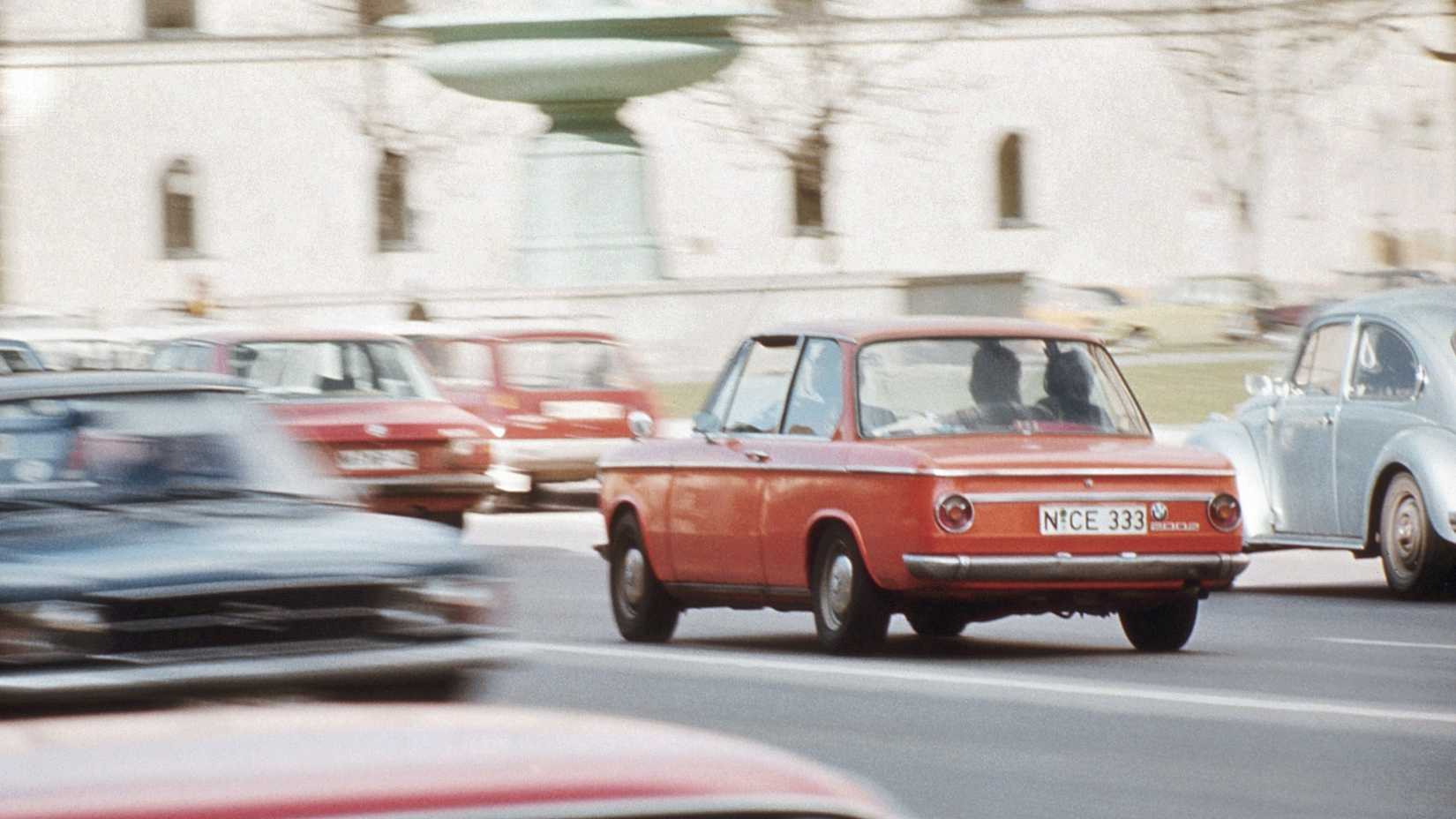
The 2002tii was perhaps the defining step in BMW’s evolution from niche manufacturer to global performer against compact contemporaries from Alfa Romeo and Datsun (Nissan), leaning into enthusiast territory with its combination of rear-drive balance, everyday usability, and distinct German engineering. It also established a blueprint that led to the legendary BMW 3 Series and would echo through generations of larger (and eventually smaller) BMW sport sedans with its driver-centric character.
BMW 2002tii Production Information
|
Production Years |
1972–1975 |
|---|---|
|
Units Produced |
38,703 |
|
Unique Features |
Compact, lightweight, performance-oriented RWD sports sedan/coupe |
9
BMW M Coupé
Estimated Value: $41,879
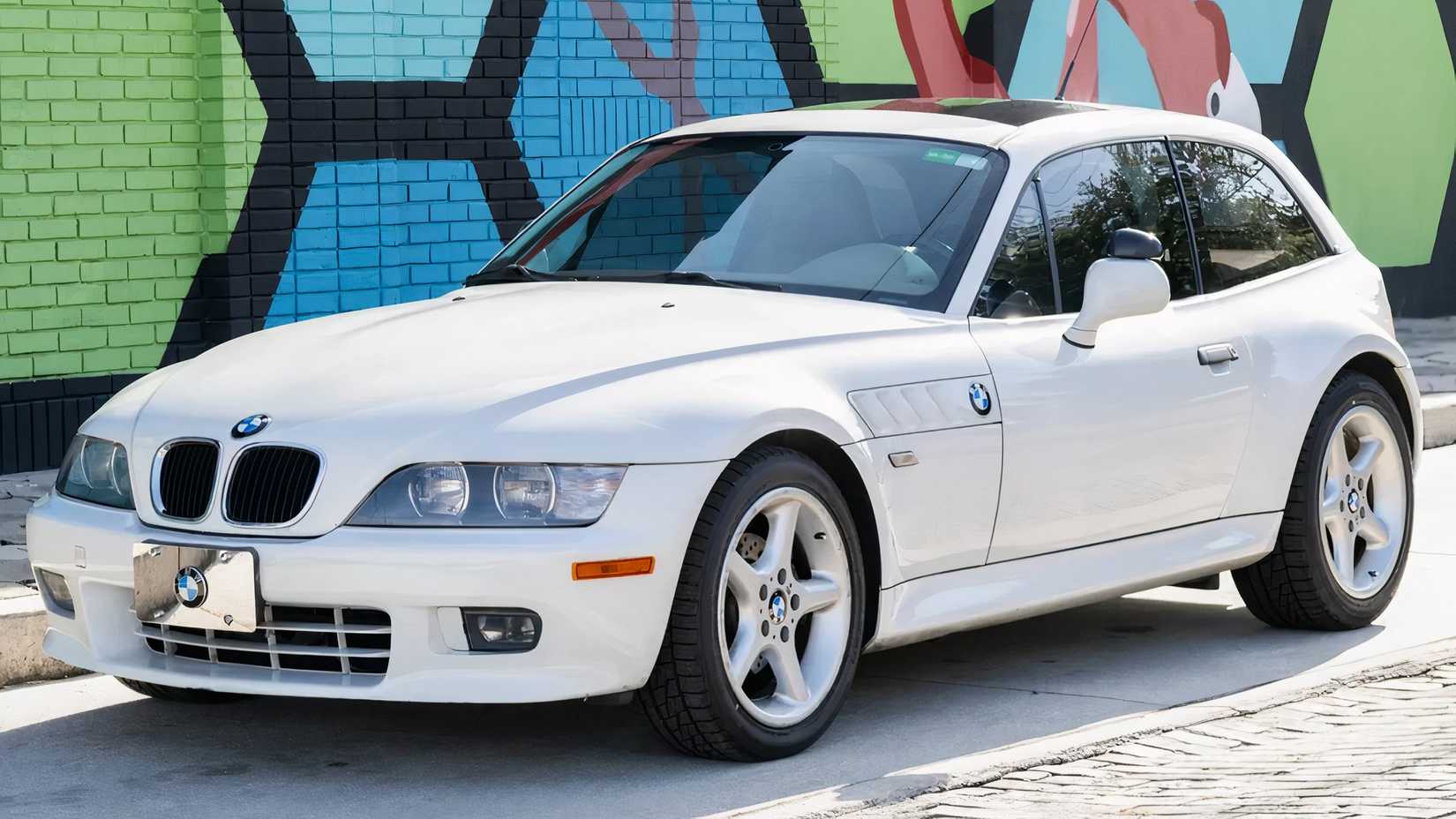
The BMW M Coupé began as a skunkworks-styling exercise by BMW’s performance division to improve on the Z3 roadster’s space-challenged practicality, and its torsional and structural rigidity (all inherent traits of any roadster). The resultant long-nose/short-tail oddball compact hatchback design earned it the endearing “Clown Shoe” nickname. Beneath the polarizing design, though, sat impressive M hardware, including a version of BMW’s celebrated inline-six and a chassis tuned for track immediacy rather than commuting refinement.
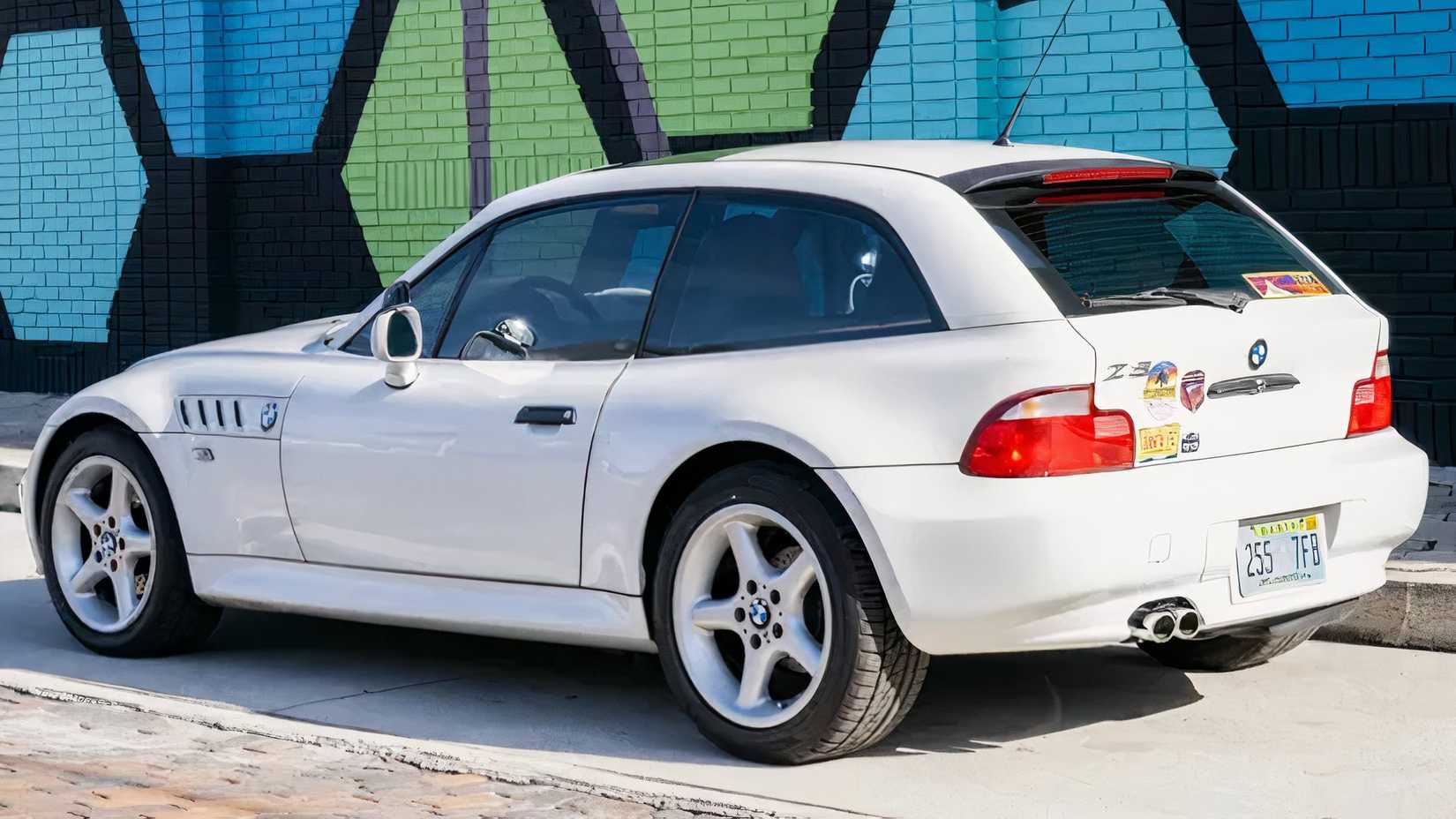
The low-volume BMW M Coupé presented an apologetically quirky alternative to the Audi TT, and set the stage for the 2005 Porsche Cayman. While many performance derivatives of the time were based on performance coupes and sedans, the eccentric M Coupé evolved from the fun, but drivability-challenged, Z3 with a playful silhouette, rock-solid structure and precise driving dynamics. Initially overlooked and oftentimes mocked, the uniquely styled “Clown Shoe” has developed a loyal cult following that has pushed mainstream collector demand.
BMW M Coupé Production Information
|
Production Years |
1999–2002 |
|---|---|
|
Units Produced |
6,291 |
|
Unique Features |
Cult-favorite hatchback/shooting-brake bodystyle |

Official Giveaway
🔥 Limited Time
Enter The Weekly Giveaway
Win Car Guy Gear
Sign up to our newsletter to enter. Follow on socials for more entries.
New giveaways every 2 weeks
No purchase necessary. Open to US residents 18+. Full giveaway details on the page.
8
Alpina B10 BiTurbo
Estimated Value: $43,498
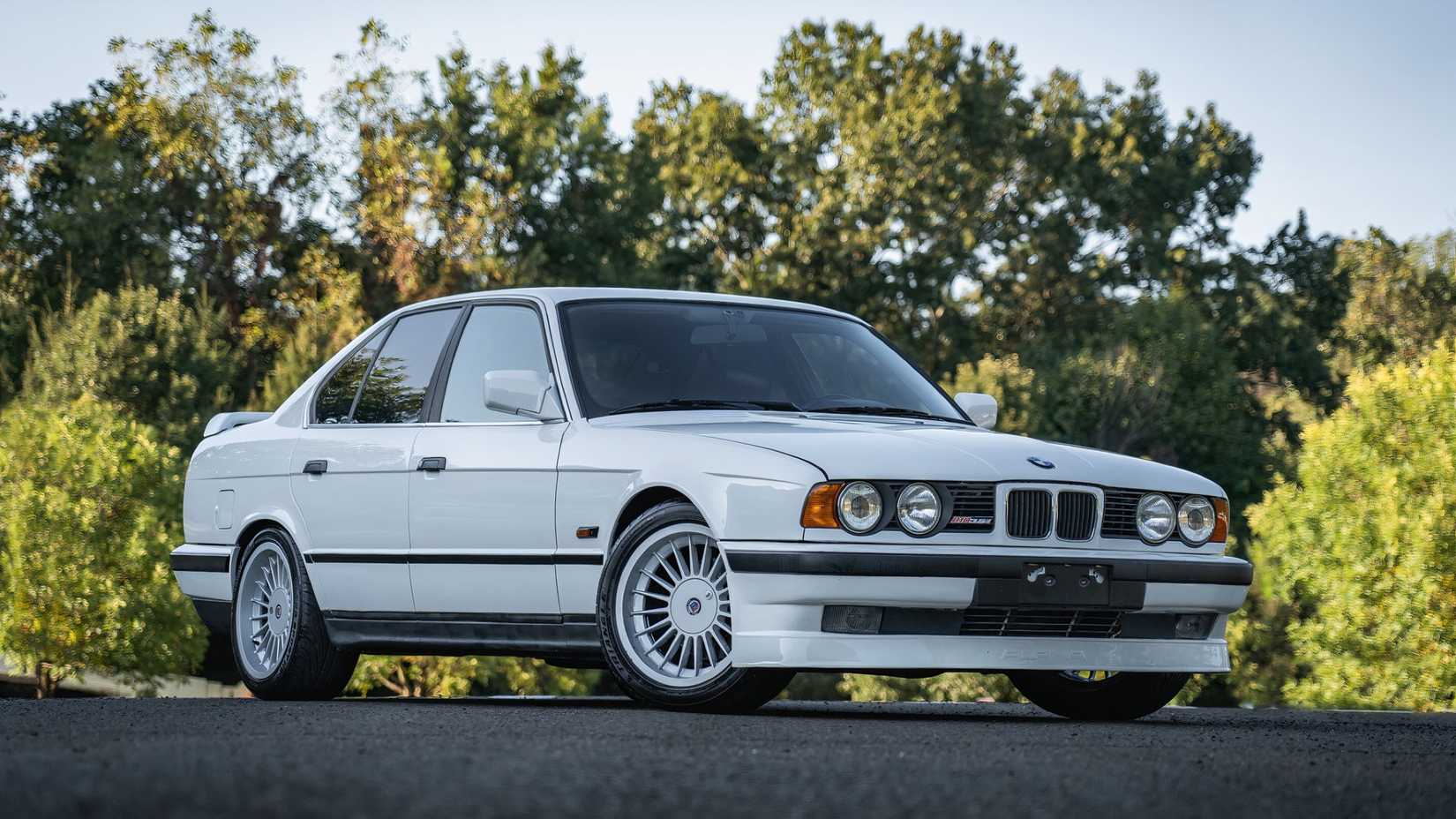
The Alpina B10 BiTurbo was created to push the executive sports sedan formula of the BMW E34 5 Series and the M-enhanced E34 M5. It existed to deliver supercar-level speed in an understated four-door executive sedan package. Alpina took apart BMW’s M30 inline-six and added two Garret turbochargers to boost horsepower to 360 (up from 208 hp) and torque to 384 lb-ft (up from 225), and made the B10 BiTurbo the fastest production sedan in the world, however briefly. Of note, boost is controlled by the driver.
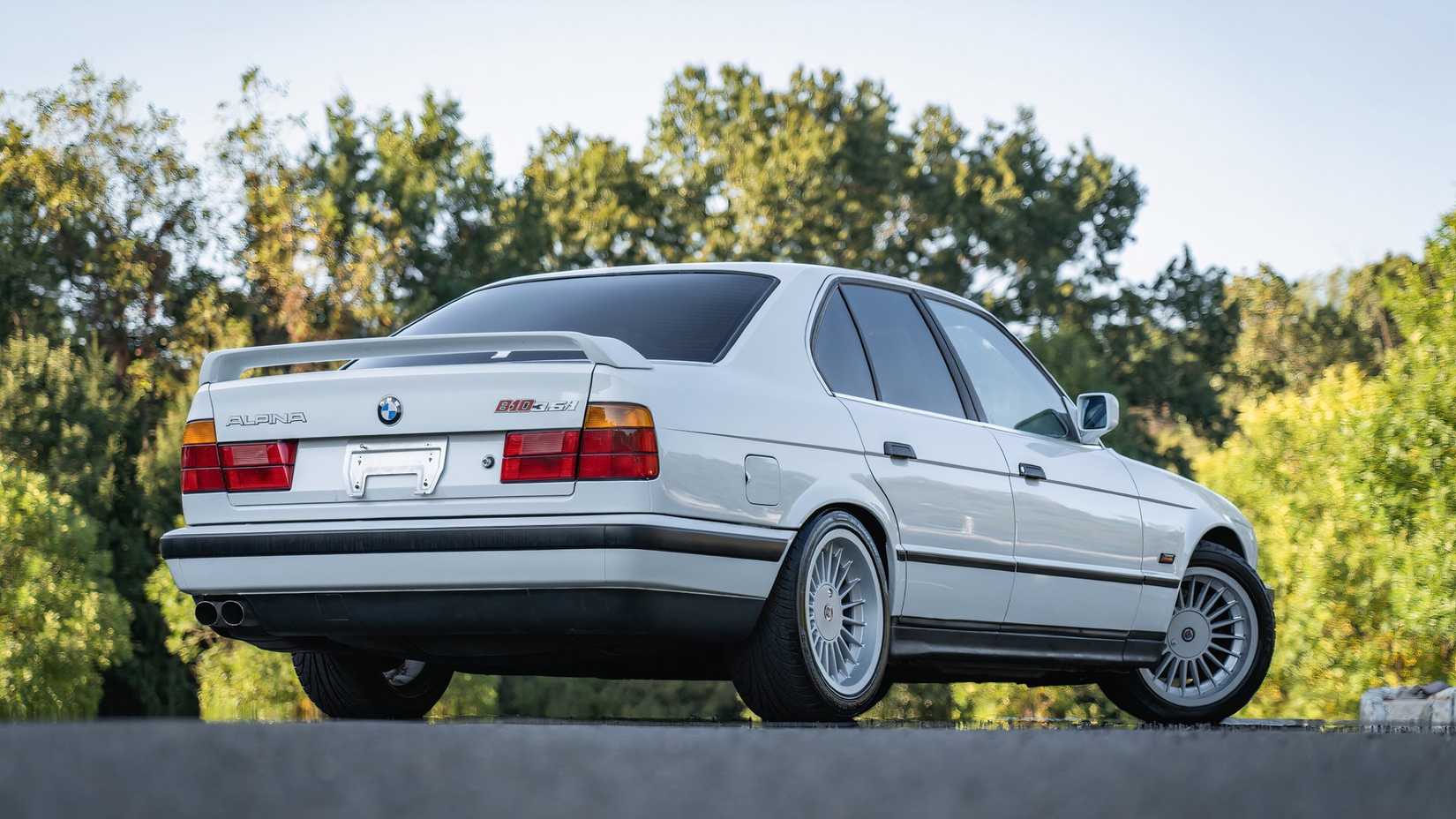
The Alpina B10 BiTurbo also diverged from BMW’s in-house M Motorsport’s philosophy, creating a long-legged performance grand-tourer, rather than a precise track-influenced performer like the M5. Produced in small numbers, the hand-finished B10 BiTurbo became one of those “if-you-know-you-know” collectible performance icons whose rarity, engineering ambition, and historical status defined super sedans of the early 1990s, and command attention today.
Alpina B10 BiTurbo Production Information
|
Production Years |
1989–1994 |
|---|---|
|
Units Produced |
507 |
|
Unique Features |
Briefly, the fastest production sedan in the world |
7
BMW E28 M5
Estimated Value: $62,794
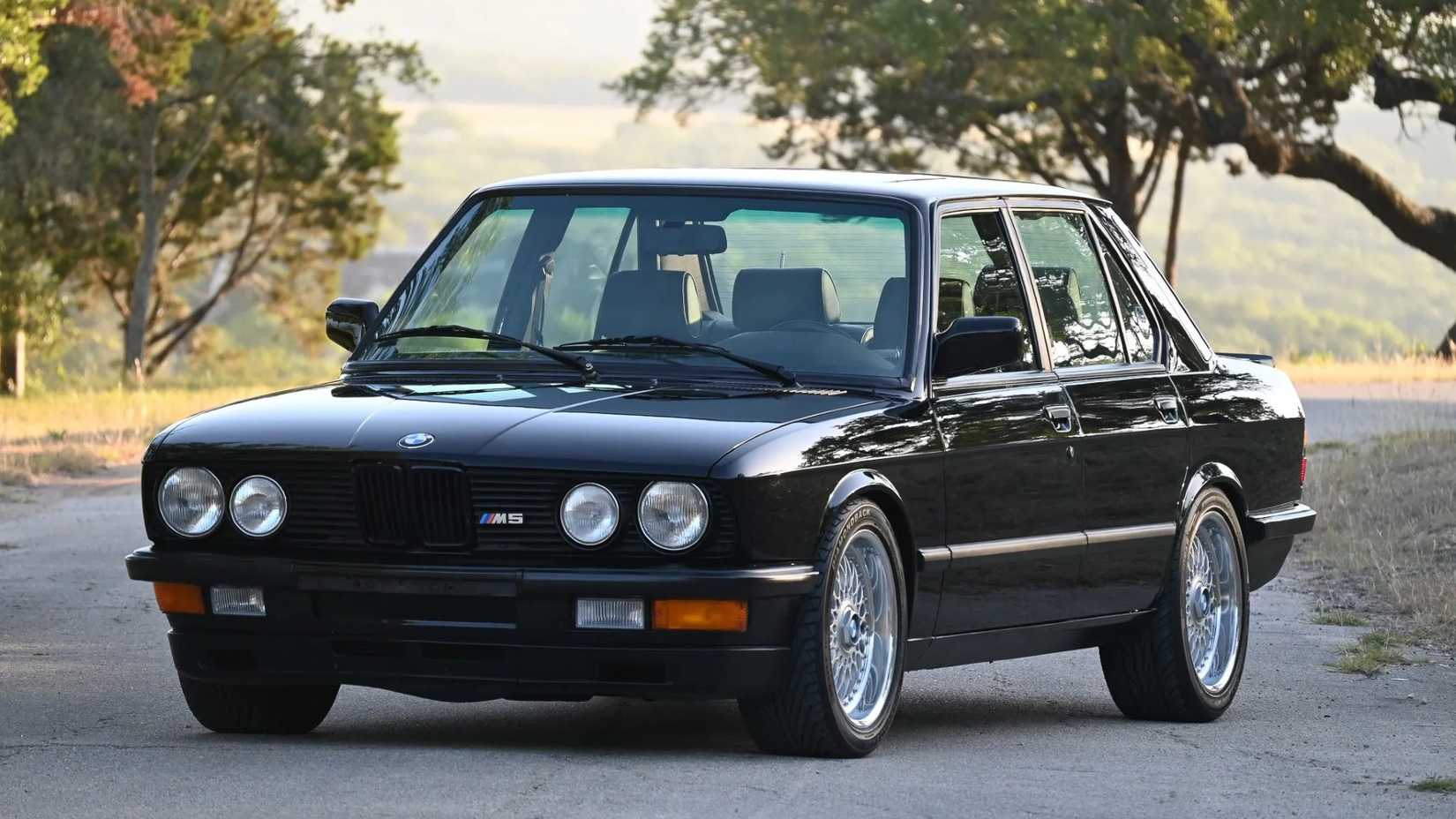
In 1984, BMW entrusted its Motorsport division to create the first M5, using a racing-derived inline six-cylinder engine to turn an understated mid-size platform into the fastest production sedan of its time, and what has come to be generally regarded as the father of the modern sports sedan. It camouflaged its hand-built engineering know-how and exotic mechanical pedigree in a discreetly-styled, high-revving, driver-focused, everyday-usable luxury five-passenger sedan that, in hindsight, was one of the first sleeper cars in the luxury market.
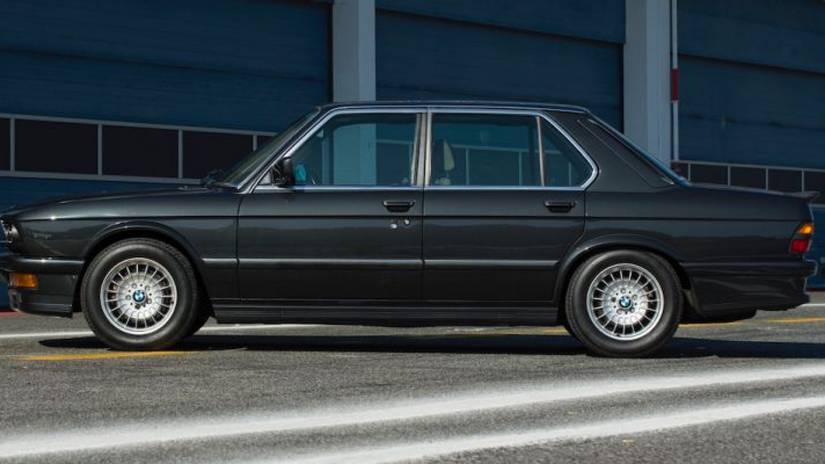
The BMW E28 M5 was a pivotal car in BMW history as one of the earliest expressions of BMW high-performance in a sedan lineup that traditionally balanced comfort, luxury, and sporting dynamics. Aptly described at the time as a “wolf in sheep’s clothing,” the first M5 unabashedly pushed Motorsport character, but did so without sacrificing refinement or pushing flamboyant styling cues that defined some rivals, as well as some earlier BMW compacts.
BMW E28 M5 Information
|
Production Years |
1984–1988 |
|---|---|
|
Units Produced |
2,241 |
|
Unique Features |
3.5-liter inline-six derived from the BMW M1 |
6
BMW E31 850CSi
Estimated Value: $94,243
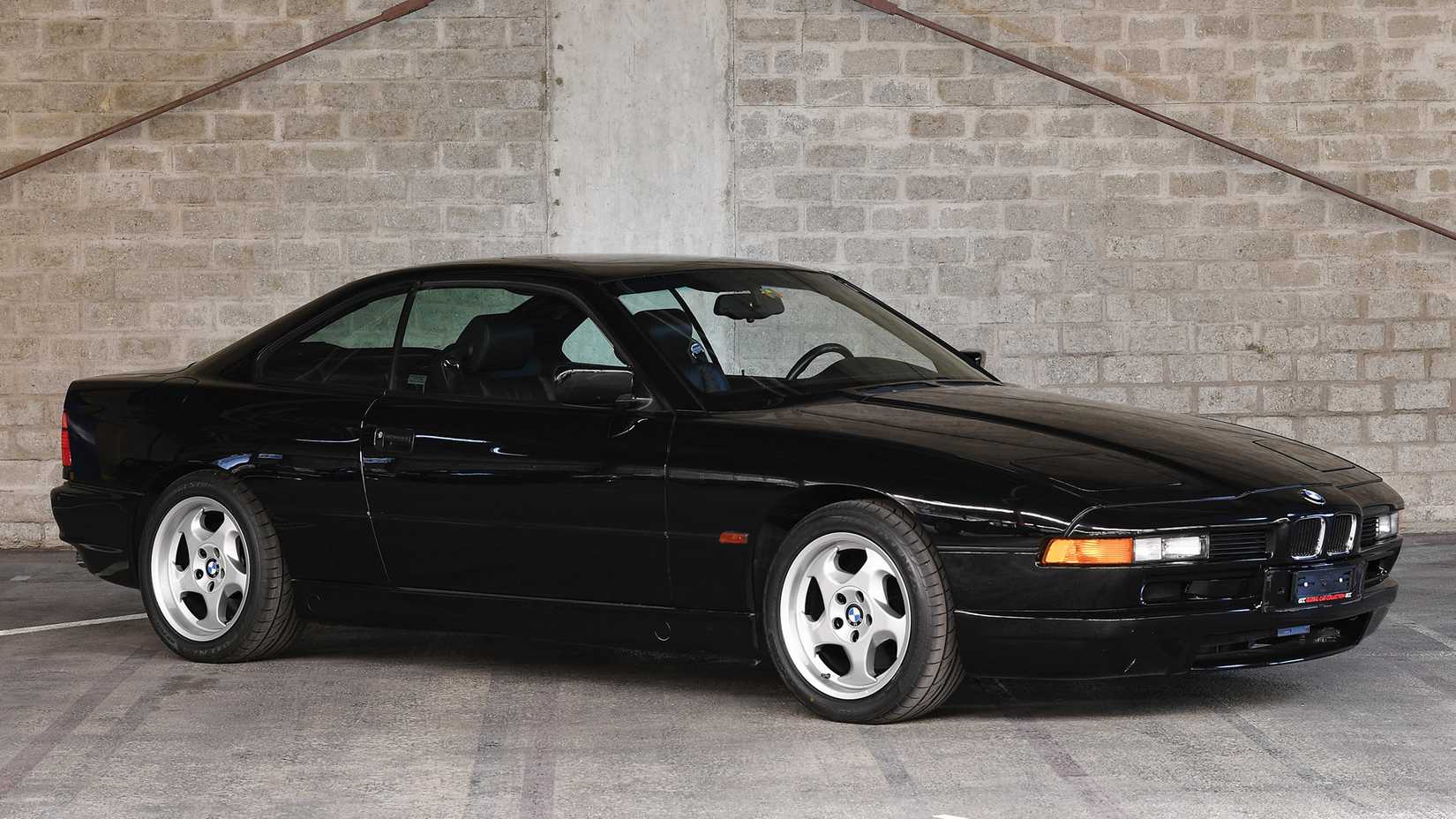
Created to elevate the original BMW 8 Series to high-performance flagship status, the BMW E31 850CSi existed to offset criticism that BMW’s sleek V-12 grand tourer looked like a mid-engined M1 but drove like a Lincoln Mark VII. Developed by BMW Motorsport, the BMW E31 850CSi never acquired the M8 designation (that would come in the last 8 Series in 2019) but was nonetheless transformed with a heavily revised 5.6-liter V-12, six-speed manual transmission, highly-tuned suspension, and aggressive chassis calibration.
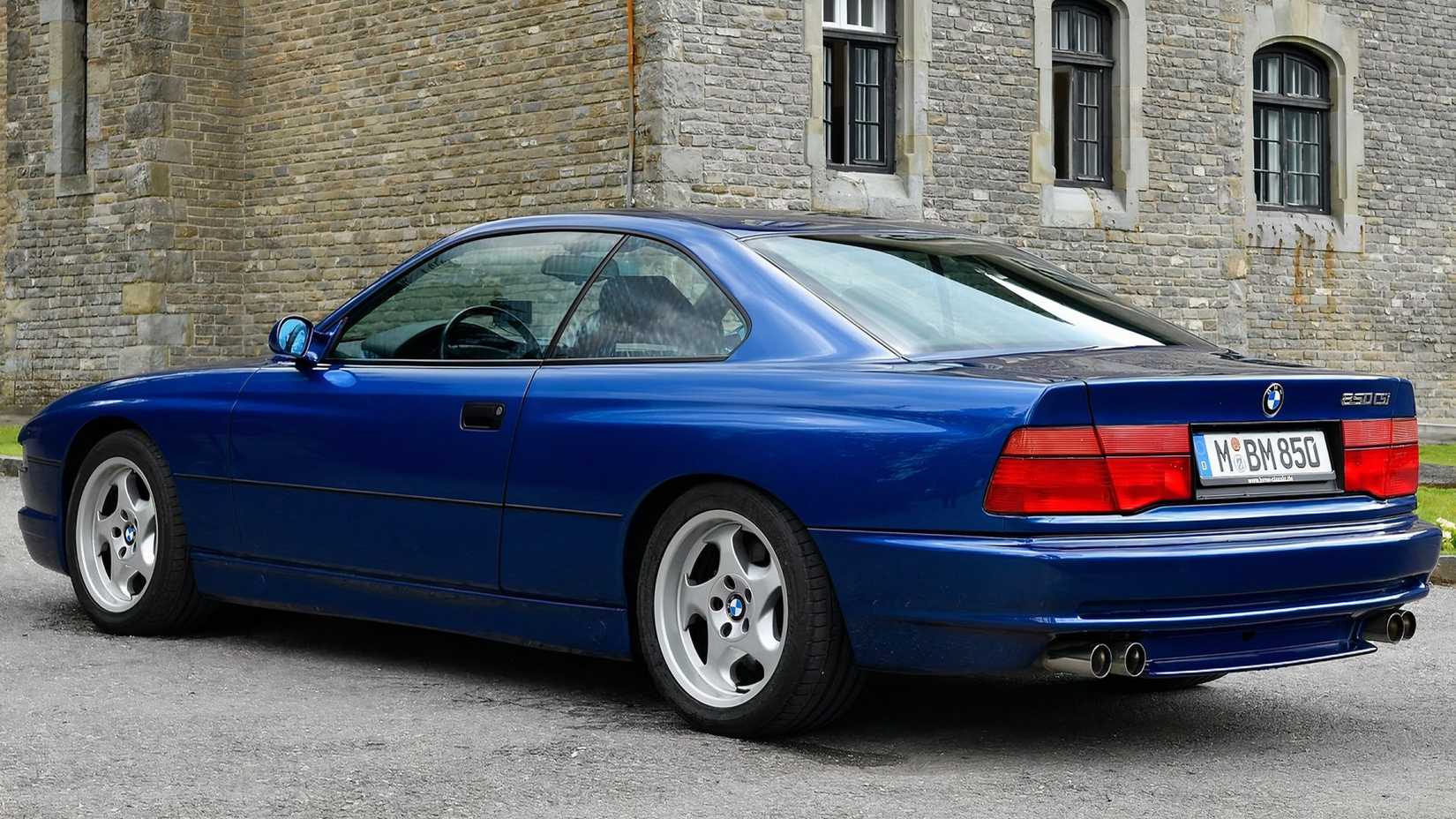
Within BMW’s lineup, it stood apart as the closest thing BMW could come to a production M8 without calling it that, perhaps because it bucked the BMW trend of creating overtly sporty M cars, and remained fundamentally a luxurious, more finely-tuned grand tourer meant to cover longer distances as quickly and comfortably as possible. Still, it was unique in its V-12/manual configuration at a time when grand touring coupes were embracing set-and-forget automatics, and is today regarded as perhaps the best driver-focused flagship coupe,
BMW E31 850CSi Production Information
|
Production Years |
1993–1996 |
|---|---|
|
Units Produced |
1,510 |
|
Unique Features |
5.6-liter V-12 paired only to a six-speed manual |
5
BMW Z8
Estimated Value: $205,018
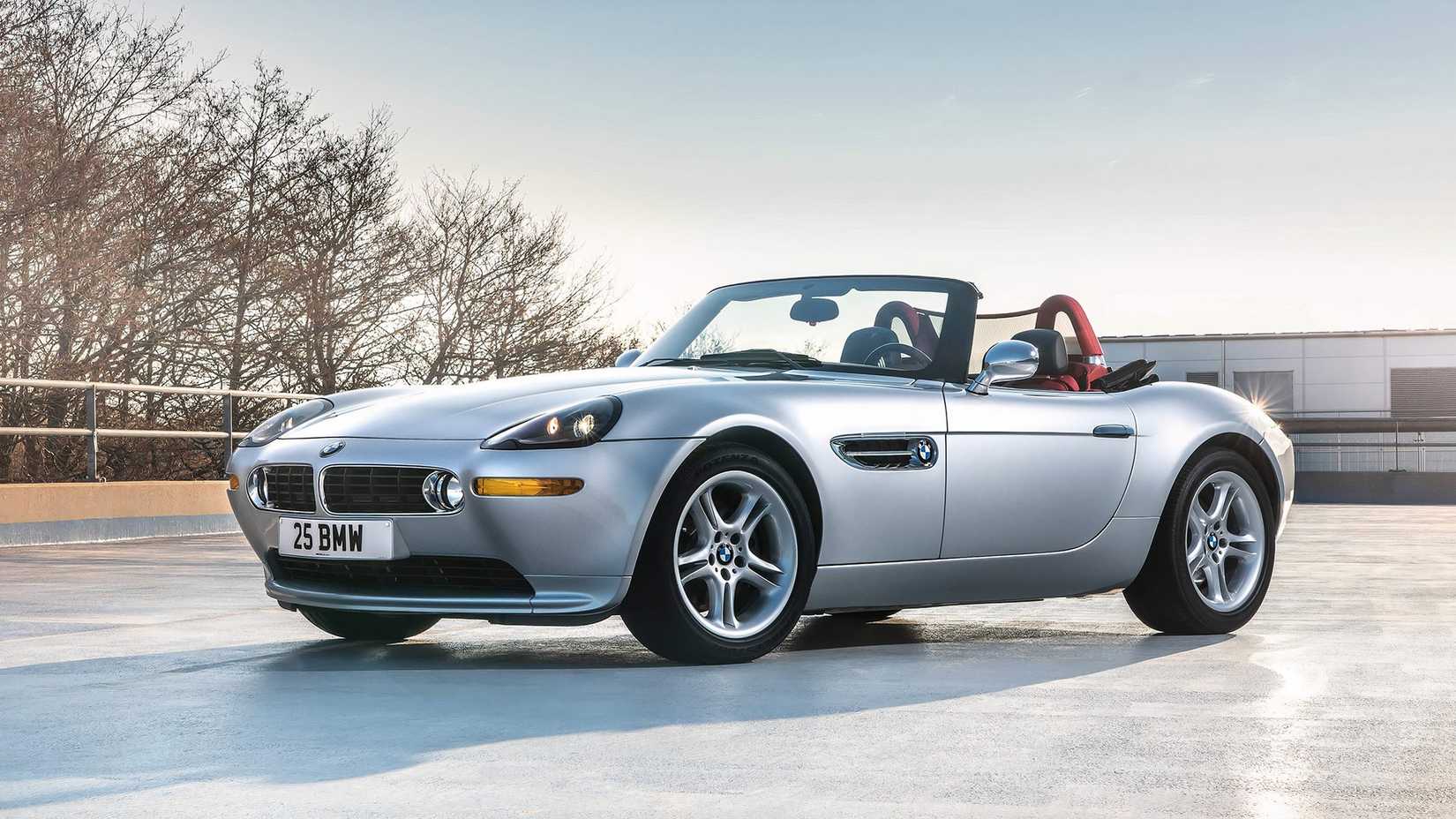
The spiritual successor to the celebrated BMW 507, the BMW Z8 was created as a halo car to celebrate the turn of the millennium. Despite bearing the Z moniker of the smaller BMW roadster, the Z8 stood alone in its confident retro-inspired design (derived from the Z07 concept penned by Henrik Fisker), engineering quality, and performance credentials. The hand-assembled exotic roadster was not derived from any other BMW, though it did use the high-revving 4.9-liter V-8 housed in the E39 M5.
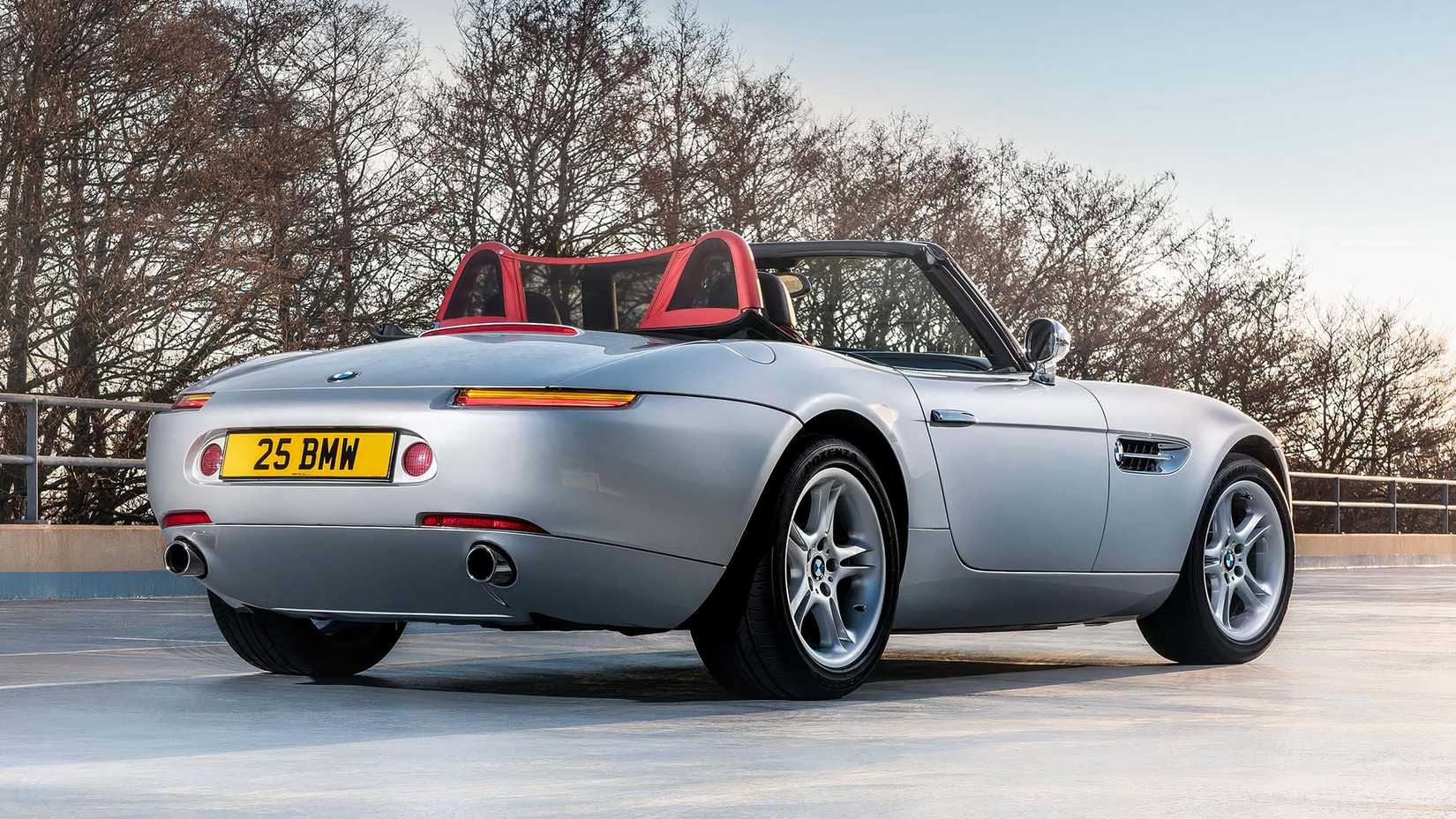
While most BMW performance models evolved from the brand’s mainstream cars, the Z8 was conceived as a bespoke image leader that emphasized craftsmanship, exclusivity, and collector appeal, putting it in contrast with BMW’s volume models that promoted accessibility and daily practicality. The V-8-driven, manual-only BMW Z8 (an Alpina version did get a five-speed automatic) was also the last BMW Bond car, drawing on pop-culture exposure to elevate it from a niche, limited edition roadster to sought-after modern classic.
BMW Z8 Production Information
|
Production Years |
2000–2003 |
|---|---|
|
Units Produced |
5,703 |
|
Unique Features |
4.9-liter V-8 paired only to a six-speed manual |
4
BMW E30 M3 Sport Evo
Estimated Value: $209,000
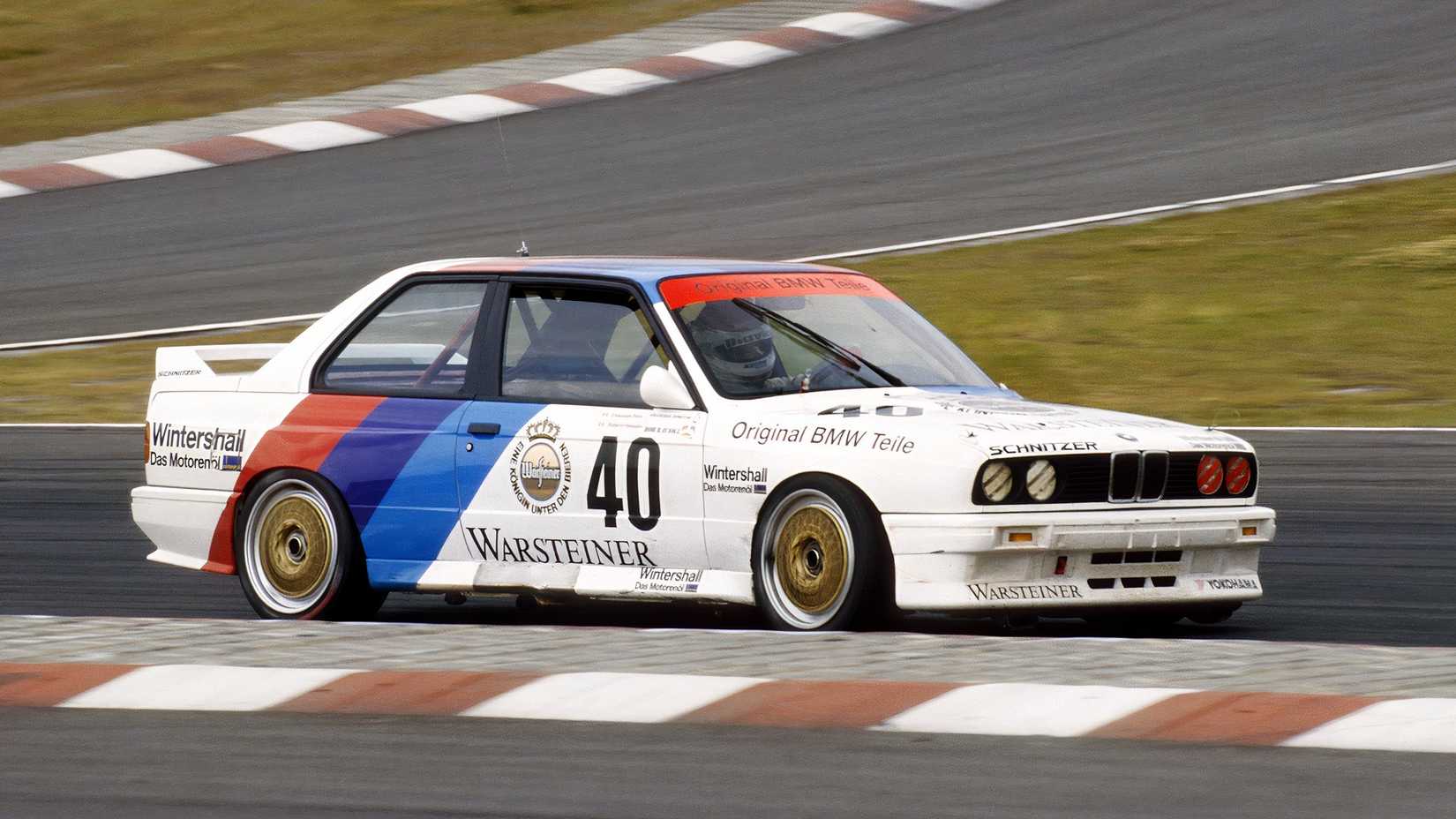
BMW Motorsport refined the E30 3 Series into the most focused, powerful, and aggressive factory M3 ever built, enlarging the four-cylinder engine to 2.5 liters to produce more power than earlier Evolution and Evo II variants, while reducing weight, revising the chassis to sharpen its track intent, and including adjustable aerodynamics. The homologated road-going BMW E30 M3 was a thinly disguised Group A Touring Car, rather than merely a fast compact luxury coupe. It maybe isn’t as sexy as Mercedes-Benz and Porsche contemporaries, but man, it’s got game.
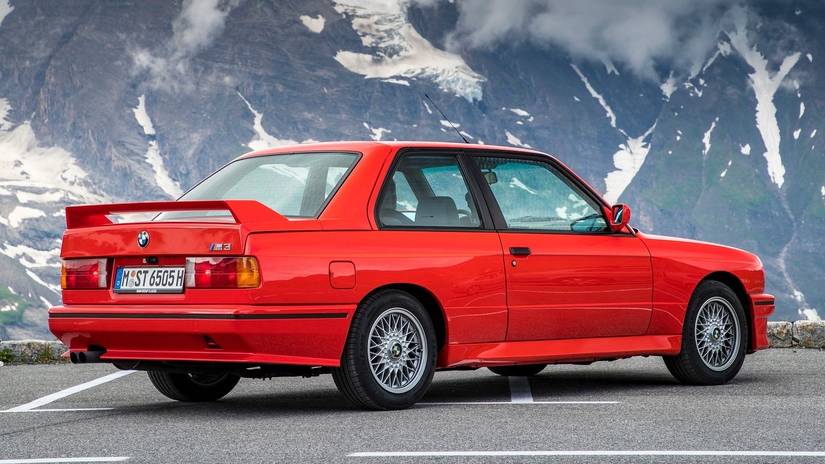
The BMW E30 M3 Sport Evo (also sometimes referred to as Evo III) represented the closing chapter of the homologated M3 racing history, with subsequent 3 Series simply supplying the body style for racing platforms. With its uncompromising driver-focus, it was also a departure from M cars that retained the premium everyday usability of sister Series’ models. Earlier M3s had increasingly blurred the line between road and race cars, but the BMW E30 M3 Sport Evo completely, obliterated the line, which puts it in high demand today.
BMW E30 M3 Sport Evo Production Information
|
Production Years |
1990 |
|---|---|
|
Units Produced |
600 |
|
Unique Features |
Adjustable front splitter and rear wing |
3
BMW E9 3.0 CSL “Batmobile”
Estimated Value: $214,938
BMW
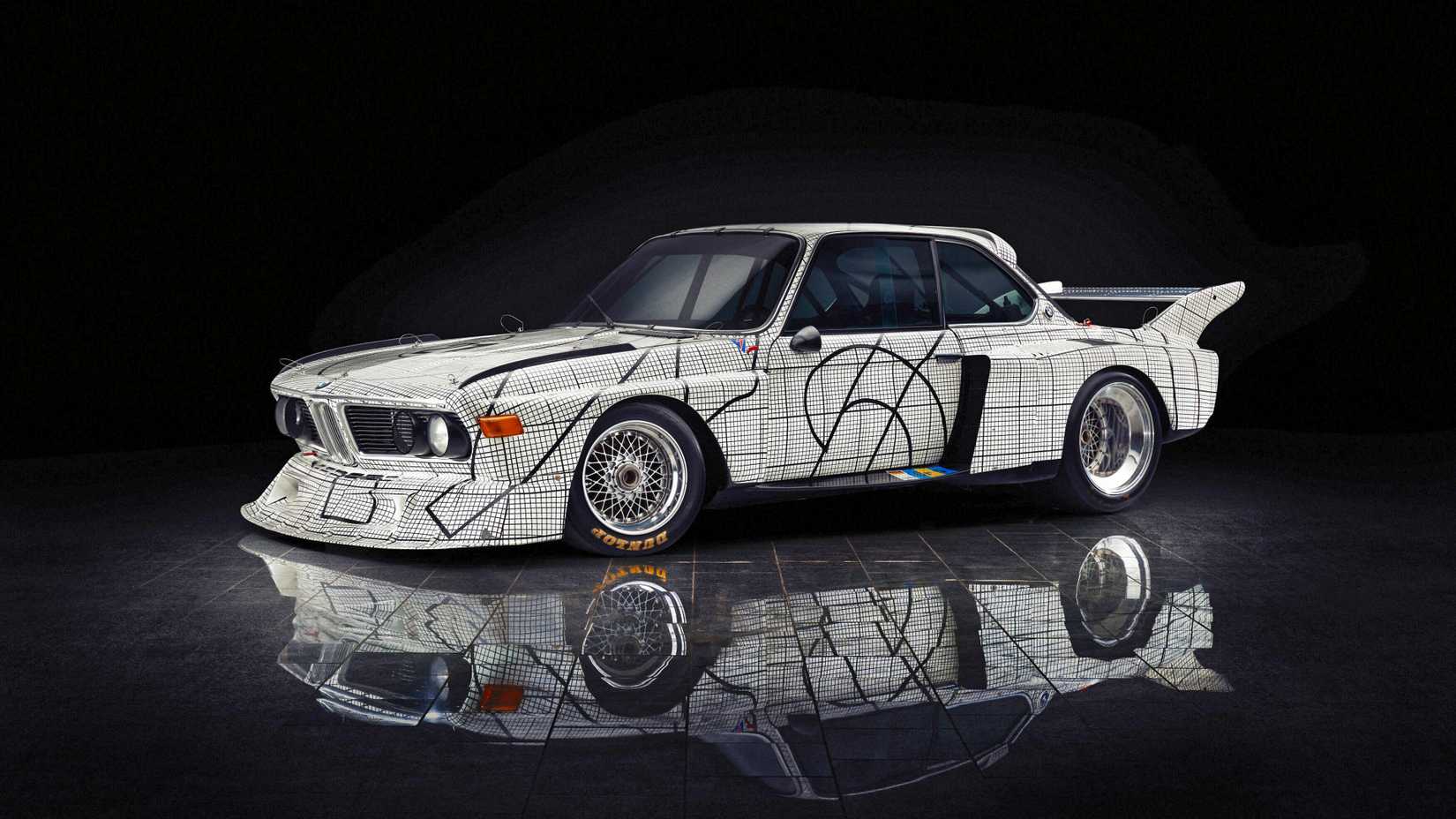
The BMW E9 3.0 CSL was created with the singular purpose of homologating a dominant touring-car champion, and it single-handedly transformed BMW from a maker of sporty luxury coupes into a motorsport force with world-renowned racing creds. The lightweight, race-bred coupe stripped out weight, focused on aerodynamics, and ramped up performance to a degree unheard of on the 1970s’ streets. The final dramatic aero package—front air dam, roof spoiler, and high rear wing—earned it the “Batmobile” nickname, and was made famous in BMW Art Car displays.
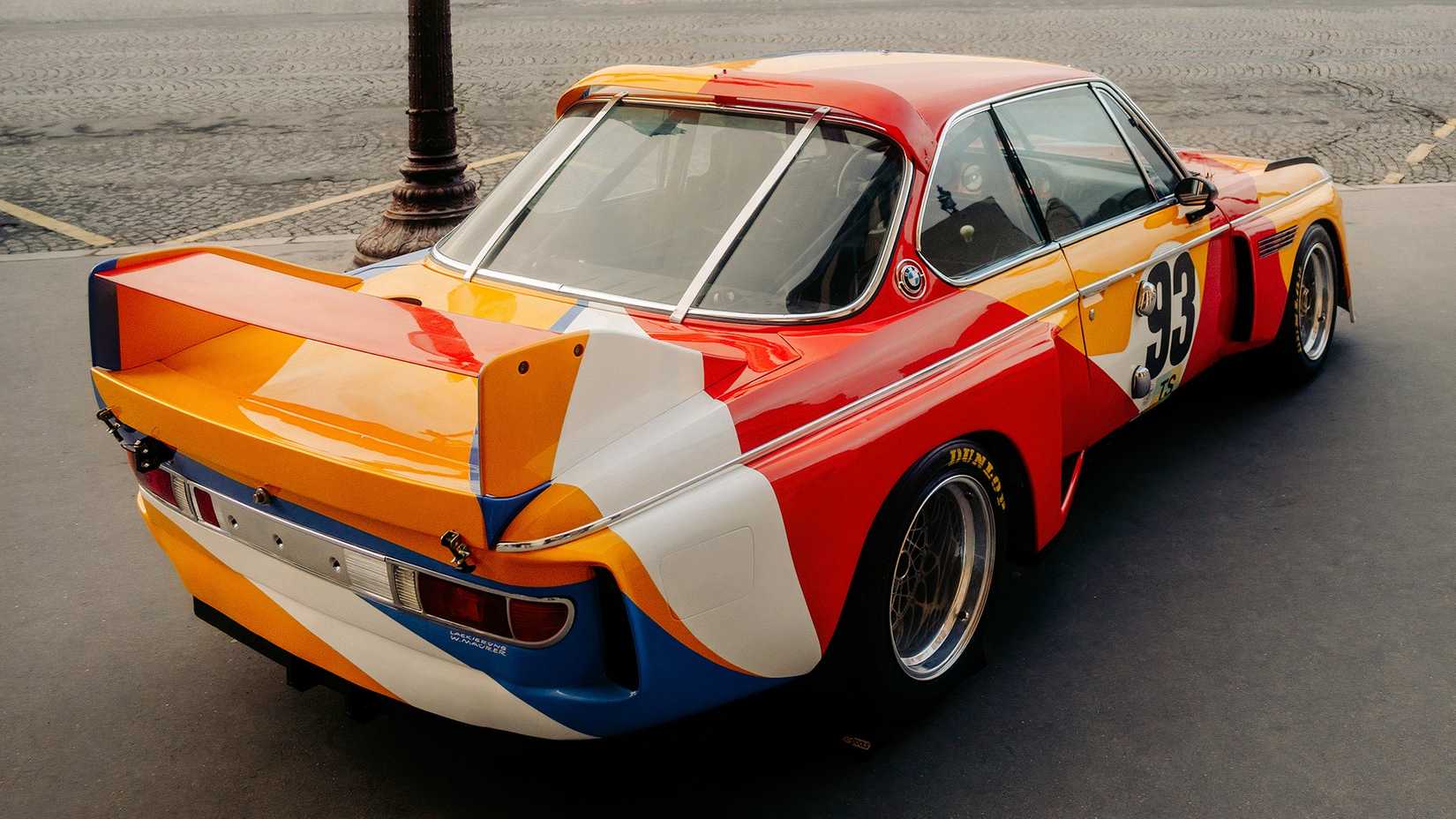
While most BMWs at the time balanced sportiness with comfort and executive usability, the E9 3.0 CSL prioritized lightweight engineering, track capability and meeting homologation rules, transforming the then-new New 6 elegant grand touring coupe into a rolling declaration of BMW’s racing ambitions, and cementing its place as a founding father of BMW’s performance identity and future M icons (long before the emergence of the M brand). Its racing pedigree, distinctive styling and historical significance make it one of the most desirable BMW collector cars.
BMW E9 3.0 CSL “Batmobile” Production Information
|
Production Years |
1973–1975 |
|---|---|
|
Units Produced |
169 |
|
Unique Features |
Aerodynamic package—deep front air dam, roof spoiler, tall rear wing, fender fins |
2
BMW M1
Estimated Value: $595,494
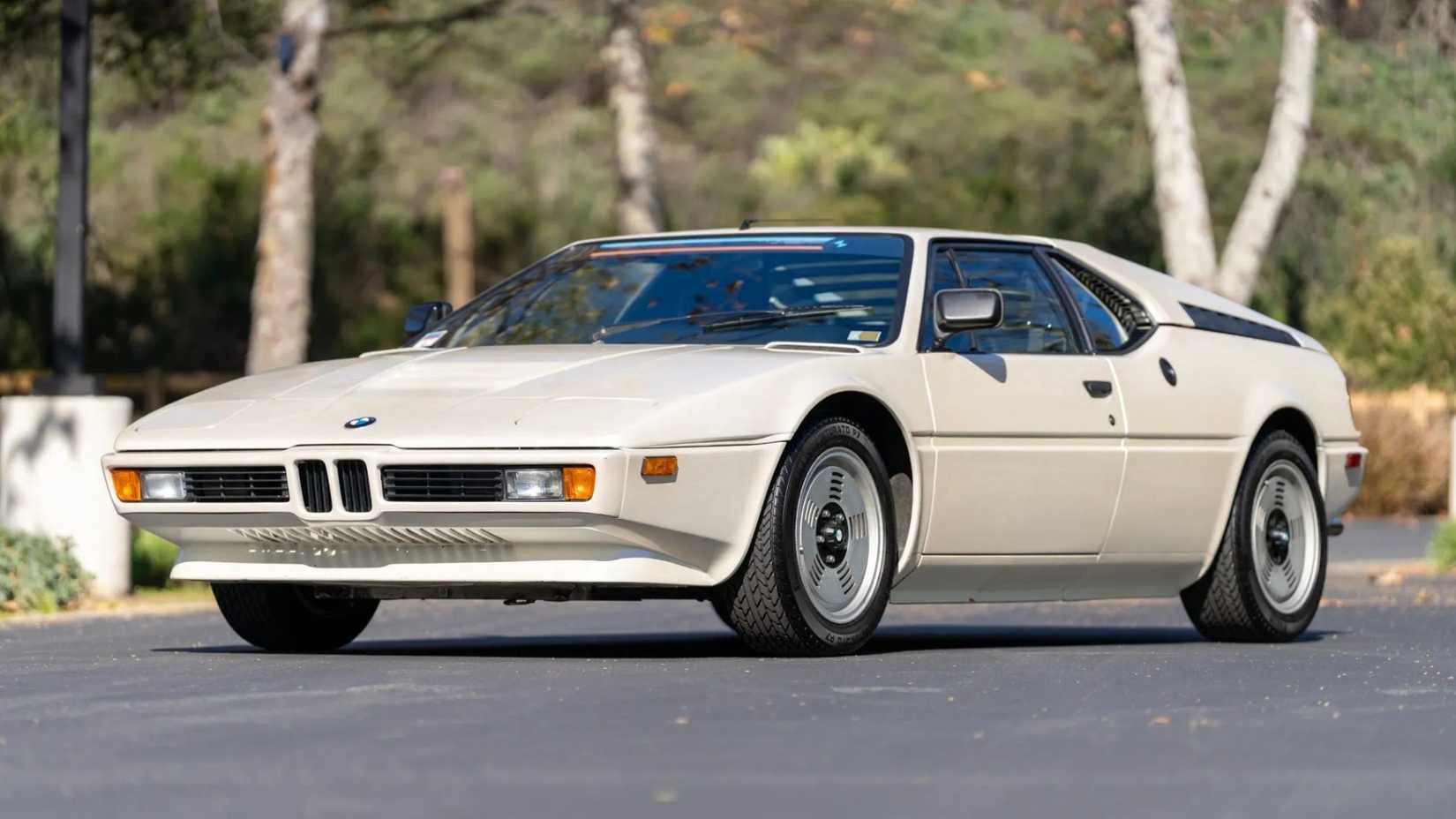
Like other M Series cars through BMW’s history, the BMW M1 was created for homologation purposes, but it also established BMW as a supercar creator. The BMW M1 was unlike anything the Munich company had built to that time, and pretty much since. It started off in partnership with Lamborghini to build the chassis for a quick turnaround to allow the M1 to take Porsche in Group 5 racing (shell on racing chassis), but Lamborghini’s finances took a downturn, and the M1 ended up being homologated for Group 4 racing (production with few modifications).
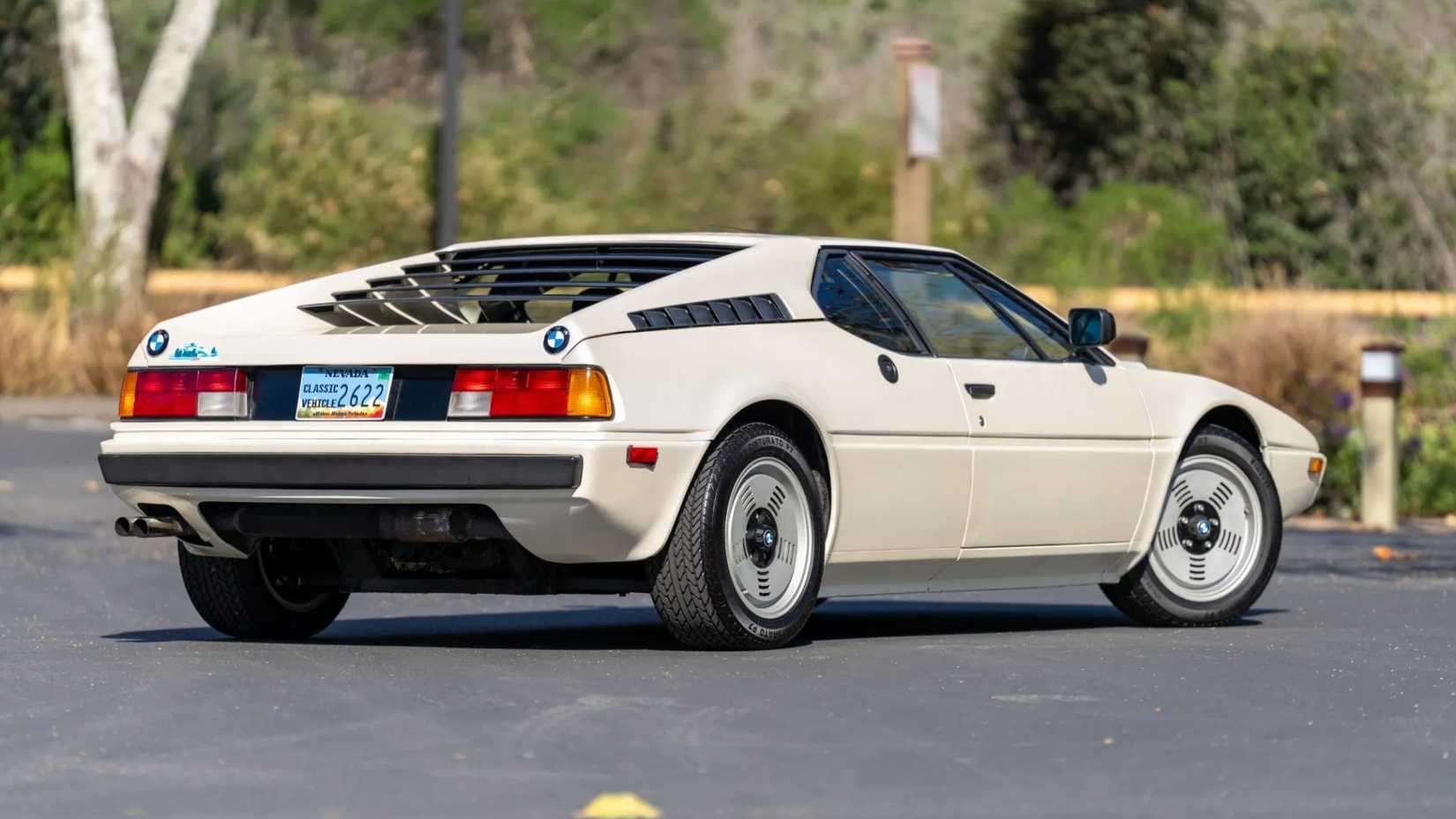
The M1 emerged as a mid-engine exotic with Giugiaro styling, motorsport intent, and a high-revving BMW Motorsport inline-six, and the centerpiece of a one-mark series (the BMW M1 Procar Championship) similar to IROC, with professional drivers in identically-prepared cars. Its claim to fame is that it was the first of only a handful of cars over the years that have been completely developed by BMW Motorsport, and only one of two production mid-engine BMWs (the other being the plug-in i8), making it one of the rarest birds around.
BMW M1 Production Information
|
Production Years |
1978–1981 |
|---|---|
|
Units Produced |
453 |
|
Unique Features |
First model fully developed by BMW Motorsport and one of two mid-engine BMWs |
1
BMW 507
Estimated Value: $2.08 Million
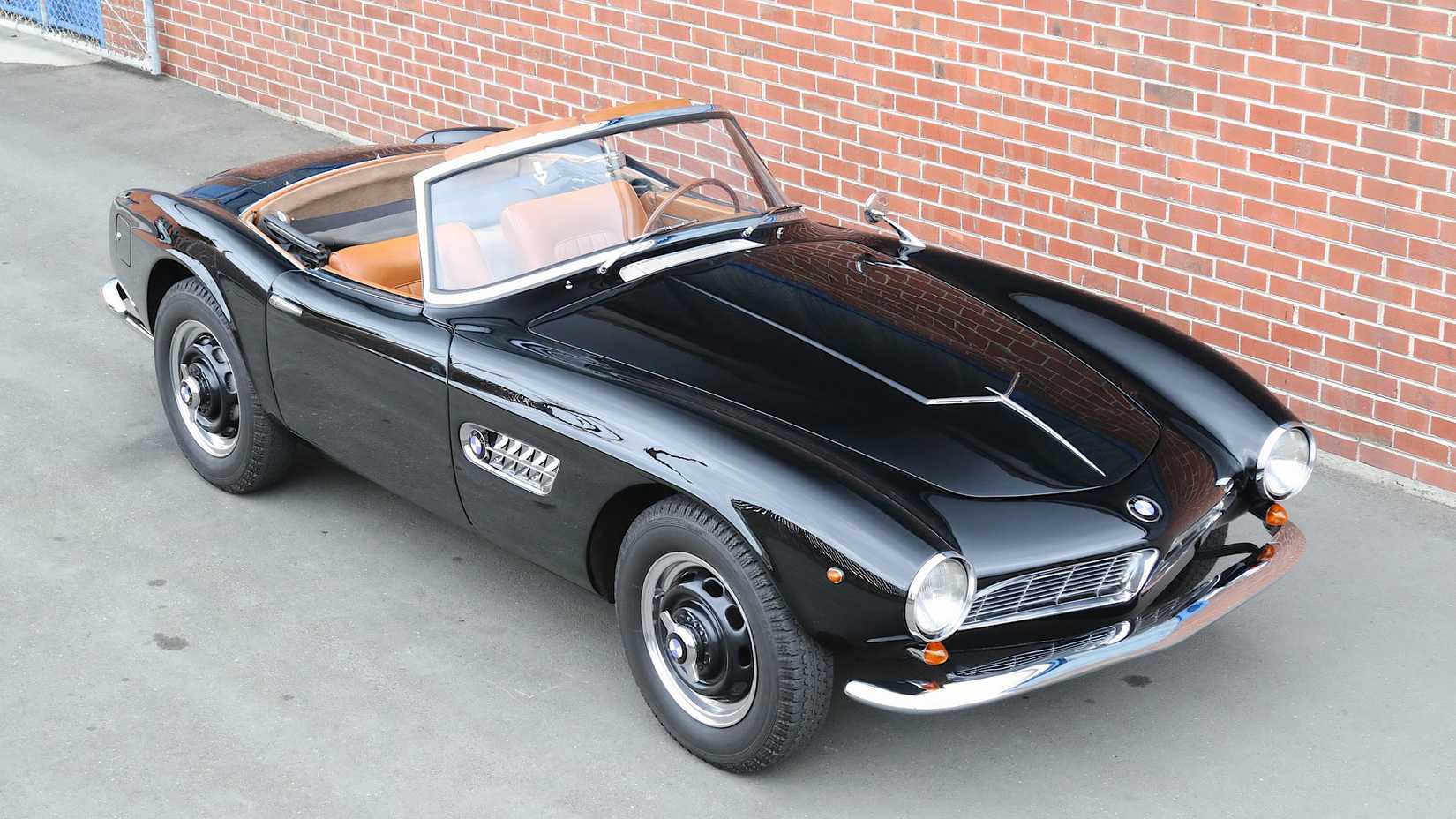
World War II was over, and BMW was on the verge of bankruptcy and potentially selling its business to Daimler-Benz. The company struggled on the modest success of the BMW 700 sedan and took off with the New Class of compact sedans in the early 1960s, but before that, BMW created the halo BMW 507 roadster—an elegantly-proportioned roadster (with its lightweight aluminum body and robust V-8 engine), meant to challenge widely-popular British sports cars and tap into the lucrative American sports car market.
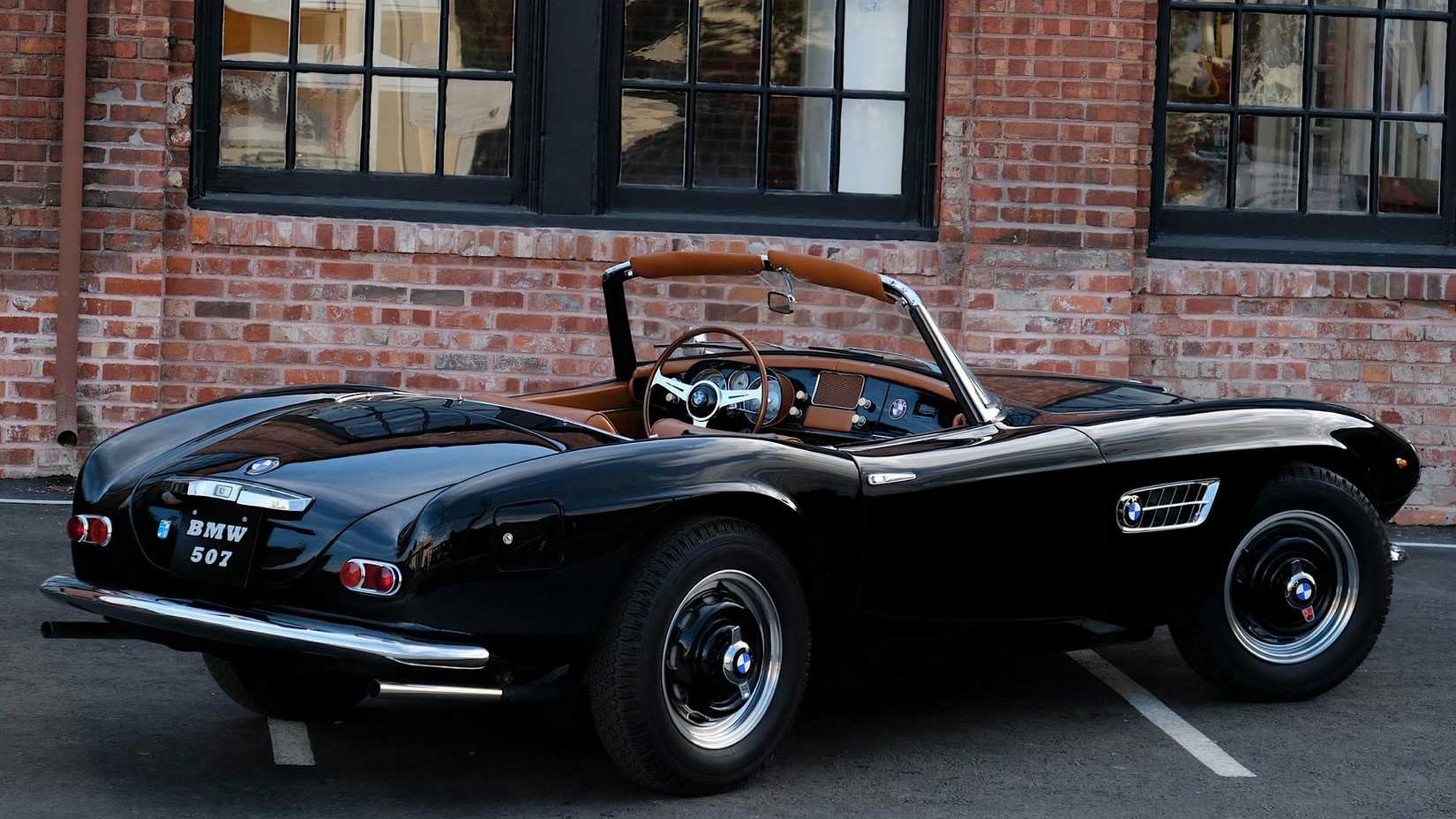
The BMW 507 distinguished itself through craftsmanship and understated sophistication, rather than performance and mass-market appeal. It was intended to be more attainable than European rivals, but escalating production costs pushed pricing beyond the reach of many buyers, and it struggled against the strength of BMW’s smaller, more practical cars. Unlike future BMW performance flagships, the 507 was an image car—handcrafted, stylish, and rare. Celebrity ownership and its foundational role have turned the BMW 507 into one of the most valuable cars in history.
BMW 507 Production Information
|
Production Years |
1956–1959 |
|---|---|
|
Units Produced |
252 |
|
Unique Features |
Hand-built aluminum bodywork and OHV V-8 engine |
Sources: BMW, Hagerty, Classic.com