
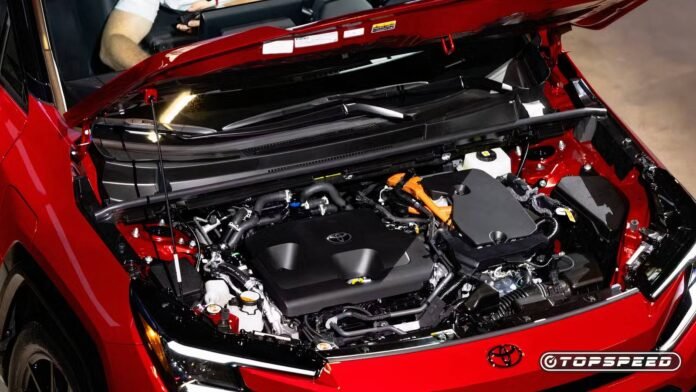
Within the next 20 years, we are very likely to see most of the engines currently available on the market today start to phase out, as brands progressively start to favor electric car development over conventional ICEs. Brands have aggressively slowed their EV aspirations down in recent months, especially in the U.S., as the market has shown that full adoption remains far too premature.
Despite this, most brands have come out to say that there will be a time when all ICEs will be put to rest, possibly within the next 20 years, as efforts to curb global warming continue to ramp up. When this time comes, there are a lot of engines that most will come to miss. Of course, performance-minded engines will be at the top of most lists, but the true heroes are the ones that have proven to be the most reliable and trustworthy. It’s easy to make an engine that produces a lot of power, but the real challenge is making one that stands the test of time.
Engines are listed in ascending order based on JD Power quality and reliability scores, from the least reliable to the most reliable.
Mazda Skyactiv-G 2.5-Liter Four-Cylinder
Highest J.D. Power Reliability Score: 71/100
The Mazda Skyactiv-G 2.5-liter is a standout for reliability because it defies the industry trend of downsizing and turbocharging. Instead, the Japanese brand opts for a larger naturally aspirated block that operates under much lower stress, aptly calling it rightsizing. This philosophy combines a robust forged steel crankshaft with a simple six-speed automatic or manual transmission, making it one of the most durable four-cylinders available.
Mazda Skyactiv-G Specifications And Applications
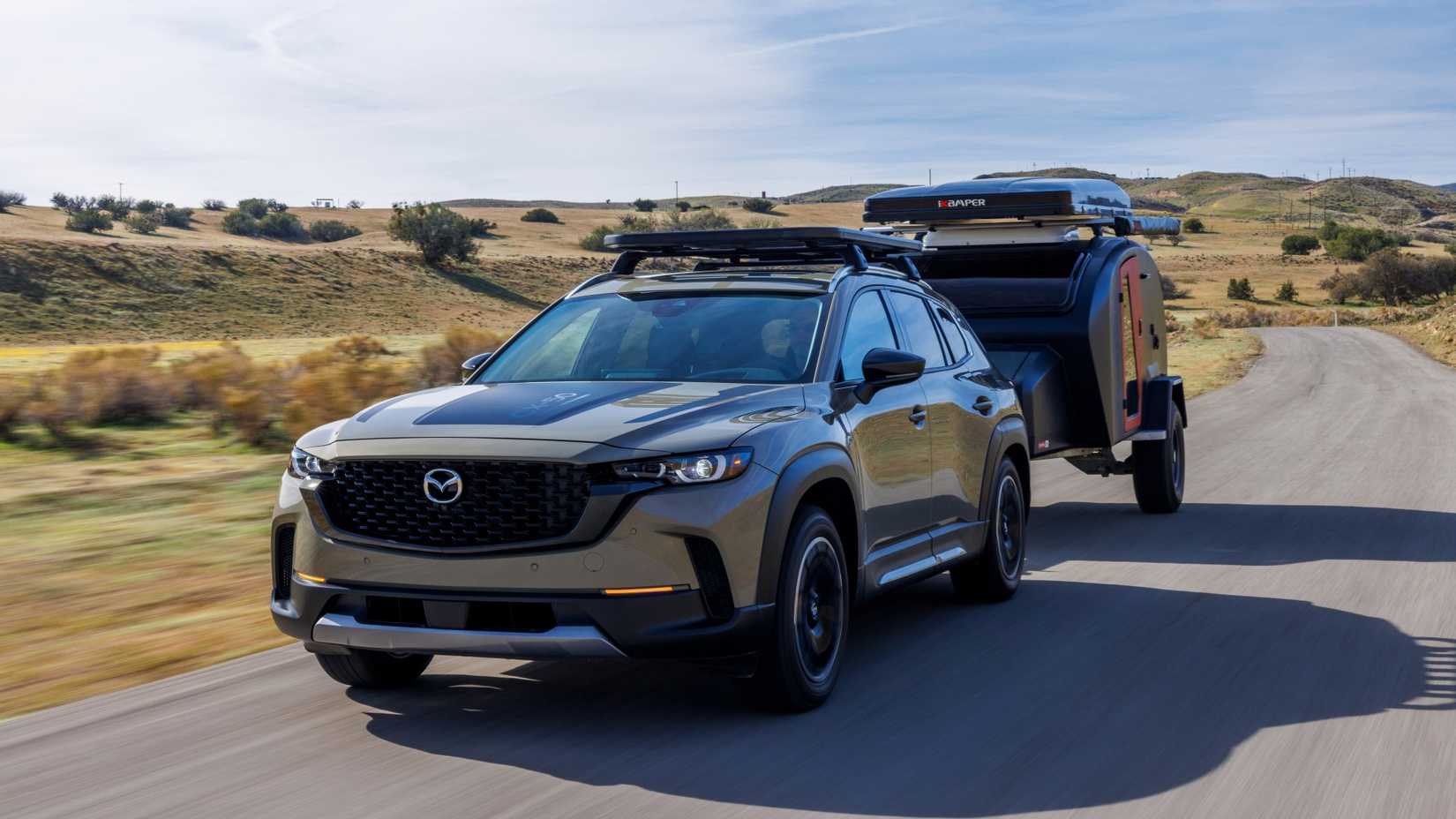
The Mazda Skyactiv-G was introduced in 2013 as a long-overdue replacement for the older Ford-derived MZR engines. Historically, this was a bold gamble, as competitors moved to small turbocharged engines, while Mazda optimized natural aspiration through a record-breaking 13:1 compression ratio and high-pressure six-hole direct injection. Over its decade-long evolution, it gained cylinder deactivation in 2018 and was eventually beefed up with forged internals for its 2.5-liter Turbo variant. Noteworthy applications include the 2026 Mazda CX-5, Mazda3, and the rugged CX-50, where its linear power delivery has become a hallmark of Mazda’s Jinba Ittai driving philosophy.
- Production Years: 2013-Present
- Displacement: 2.5-Liter
- Power: 181-191 Horsepower
- Torque: 186 Pound-Feet
- Noteworthy Applications: Mazda CX-5, Mazda3, CX-30, CX-50



Toyota Z2R-FXE 1.8-Liter Four-Cylinder
Highest J.D. Power Reliability Score: 73/100
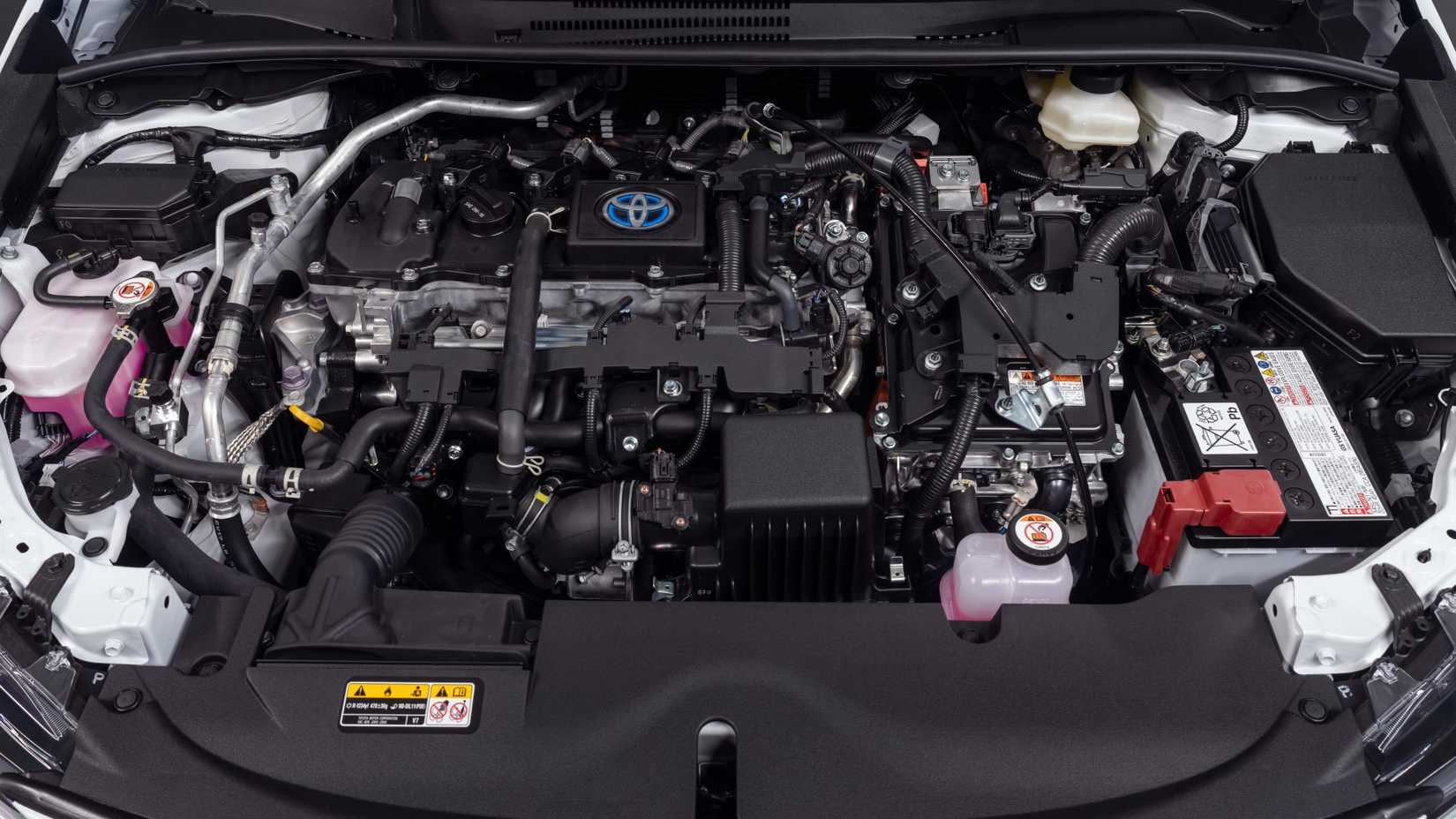
The Toyota 2ZR-FXE 1.8-liter four-cylinder is the ultimate high-mileage champion, used in the Prius and Corolla Hybrid. Its reliability is rooted in the Atkinson cycle design, which prioritizes thermal efficiency and reduces internal mechanical stress, and its role in a hybrid system where the electric motor handles the heavy lifting of stop-and-go driving.
Toyota Z2R-FXE Specifications And Applications
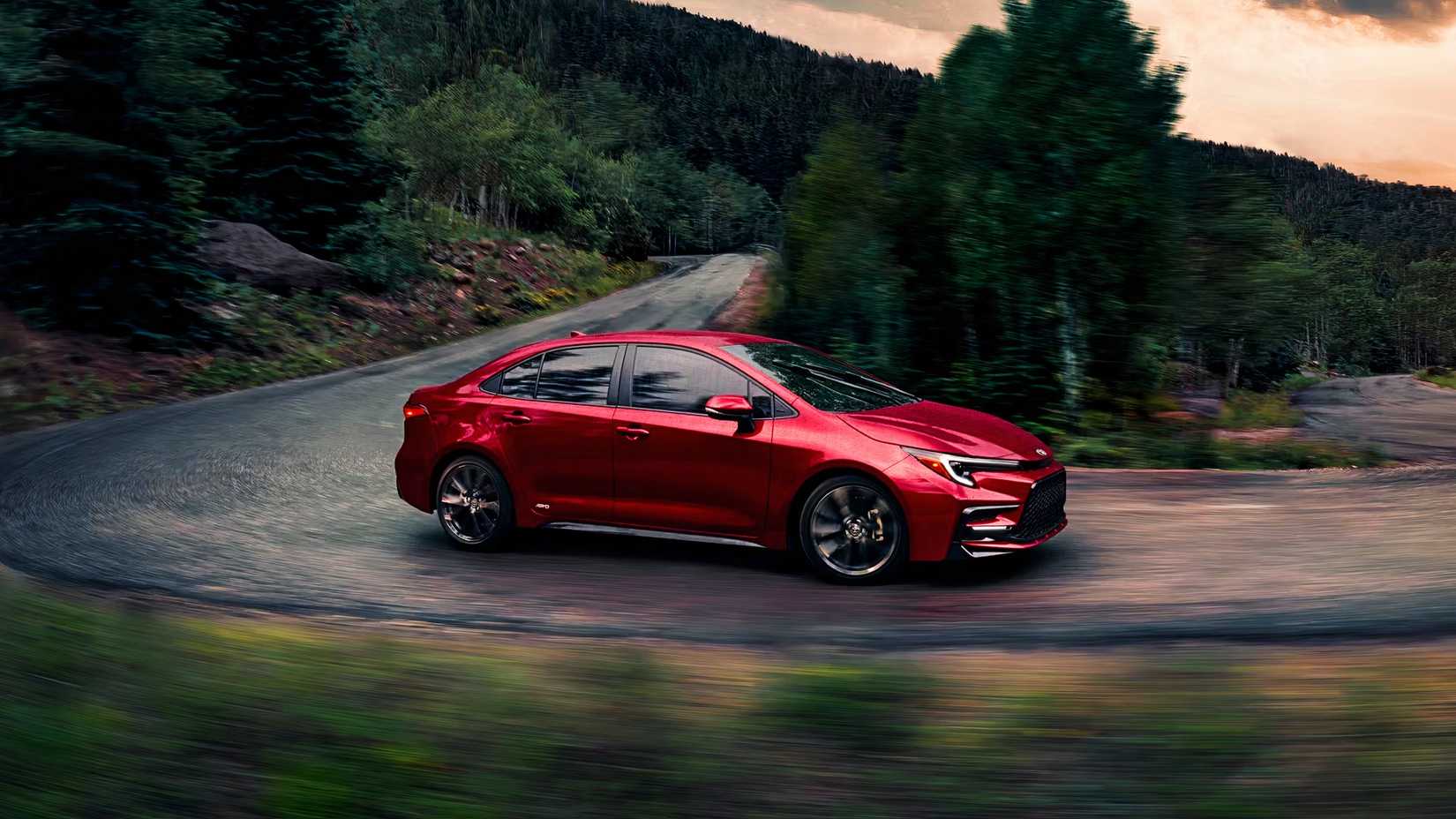
The Toyota 2ZR-FXE is a 1.8-liter, four-cylinder engine that serves as the global workhorse for Toyota’s compact hybrid fleet. Introduced in 2009 for the third-generation Prius, it evolved from the earlier 1NZ-FXE, transitioning to a larger displacement and a more robust all-aluminum block with cast-iron liners.
Its history is marked by a relentless focus on the Atkinson cycle, which achieves up to 40 percent thermal efficiency in newer iterations. Noteworthy applications include the iconic 2026 Toyota Prius, Corolla Hybrid, Corolla Cross Hybrid, and the Lexus CT 200h, making it one of the most widely produced hybrid engines in automotive history.
- Production Years: 2009 – Present
- Displacement: 1.8-liter
- Power: 121-138 Horsepower
- Torque: 105-120 Pound-Feet
- Noteworthy Applications: Prius, Corolla Hybrid, Corolla Cross Hybrid, Lexus CT 200h
Pentastar 3.6-Liter V-6
Highest J.D. Power Reliability Score: 77/100
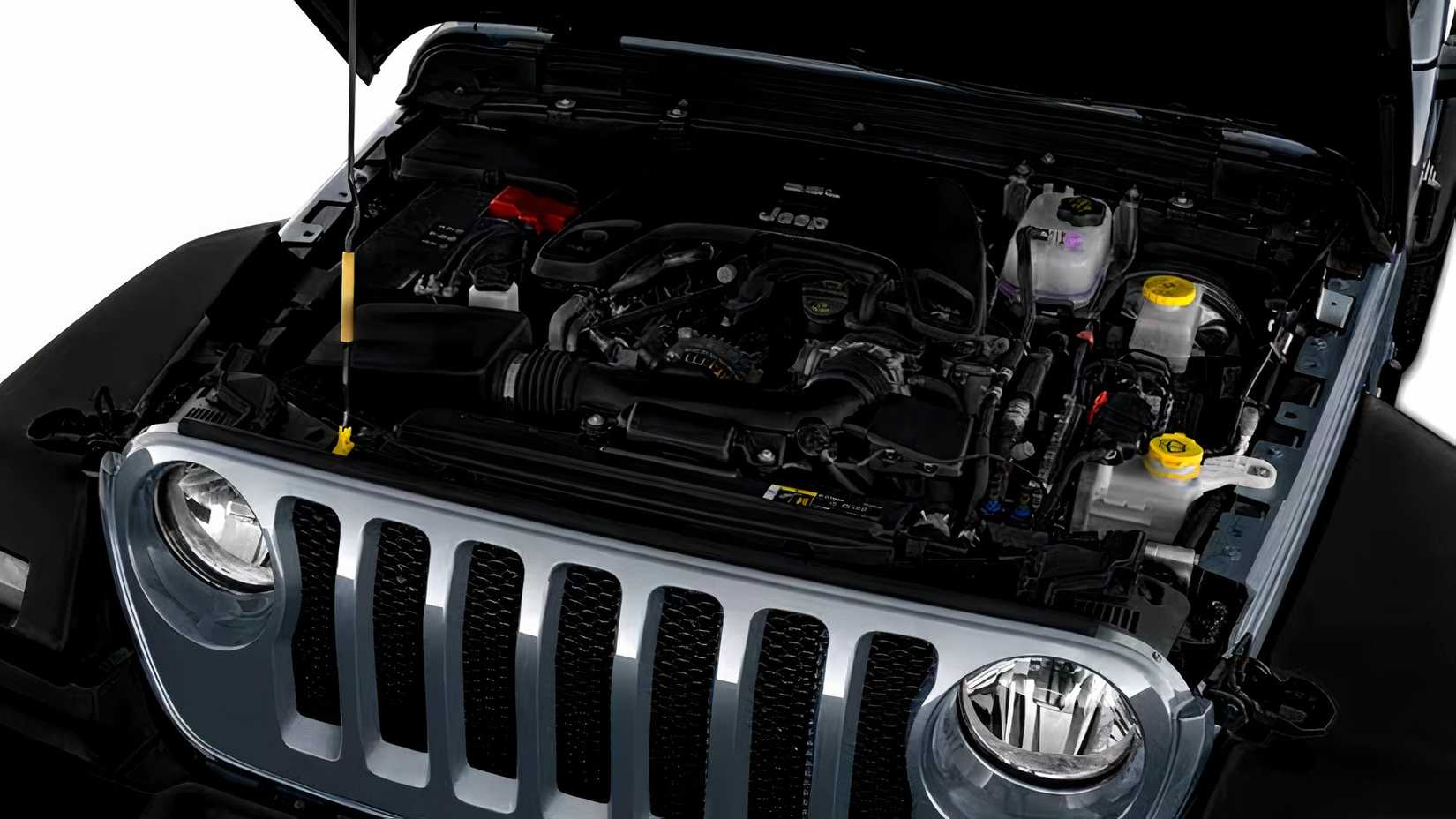
The Stellantis 3.6-Liter Pentastar V-6 is now a modern classic engine because of its sheer ubiquity and time-tested architecture. Its reliability comes from over 15 years of refinement; with more than 10 million units produced, the engine has been iteratively updated to handle everything from heavy-duty Ram trucks to former entry-level Chargers and Challengers.
Pentastar Specifications And Applications

The Chrysler Group introduced this powertrain in 2011, replacing seven separate aging V-6 engine configurations with a singular, more advanced modular powertrain architecture. This was a massive clean-sheet investment for the American brand, intending the new engine to be flexible enough for everything from minivans to pony cars.
The Phase Two design arrived in 2016, adding two-stage variable valve lift and cooled exhaust gas recirculation to boost efficiency. Noteworthy applications for 2026 include its role as the workhorse base engine in the 2026 Jeep Wrangler, Jeep Gladiator, Ram 1500 eTorque, and the Chrysler Pacifica.
- Production Years: 2011-Present
- Displacement: 3.6-Liter
- Power: 285-305 Horsepower
- Torque: 260-269 Pound-Feet
- Noteworthy Applications: Jeep Wrangler, Ram 1500, Chrysler Pacifica, Dodge Durango

Best Of The Best: Greatest Porsche 911 Models Of All Time
Within the 911 lineage, certain models stand out as definitive highlights with milestones that pushed the boundaries of design, technology, and speed.
GM Small Block 5.3 And 6.2-Liter V-8
Highest J.D. Power Reliability Score: 78/100
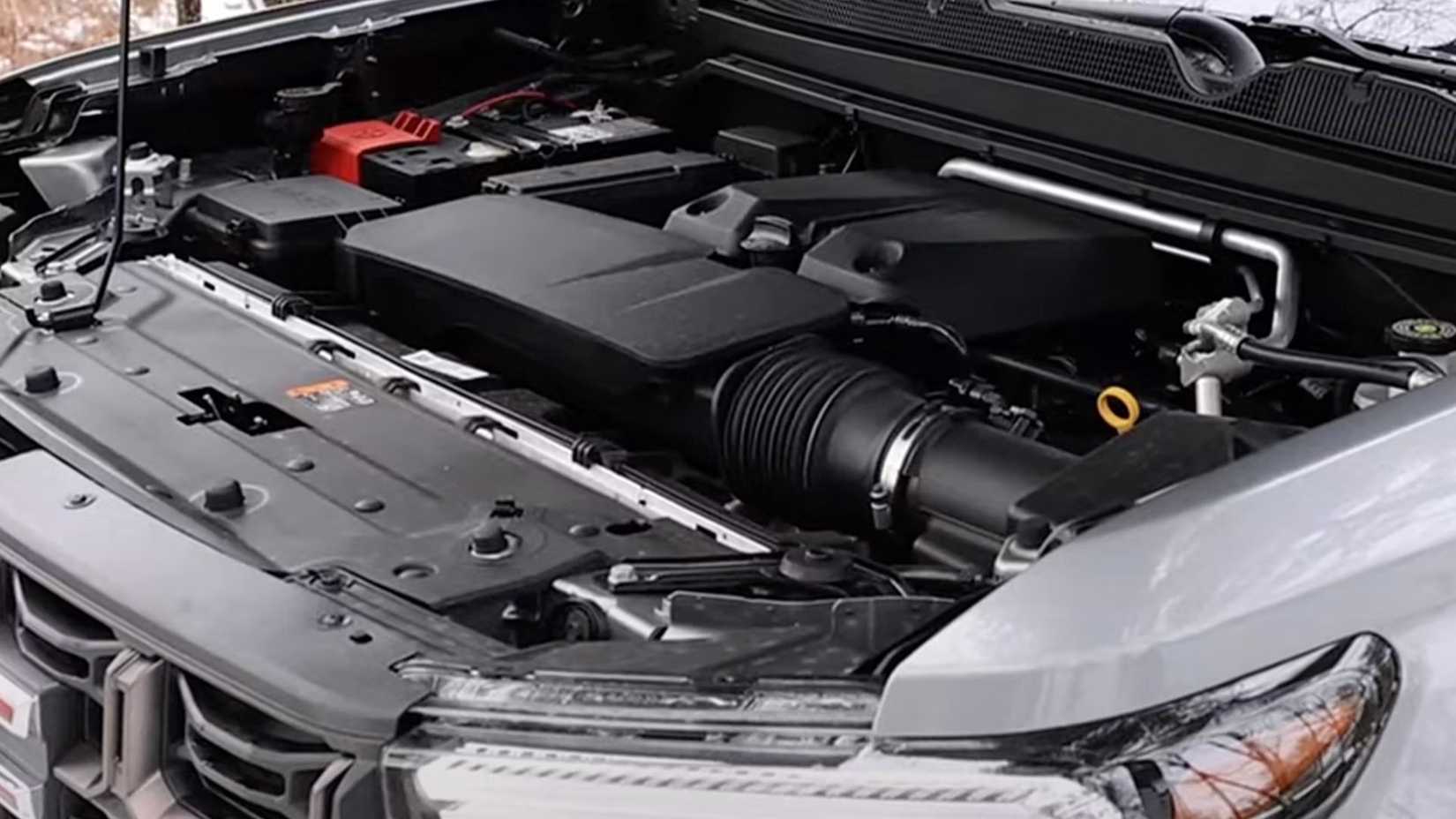
The GM 5.3-liter and 6.2-liter Small Block V-8s are legendary for their LS-based pushrod architecture, resulting in a compact and high-torque design with fewer moving parts than overhead-cam competitors. Reliability is rooted in decades of refinement, making them exceptionally durable under heavy towing loads.
The 6.2 still churns out a stout 420 horsepower and 460 pound-feet. The more humble 5.3 V-8 is no slouch either, providing an ample 355 horsepower and 383 pound-feet.
– William Clavey for TopSpeed
GM Small Block Specifications And Applications
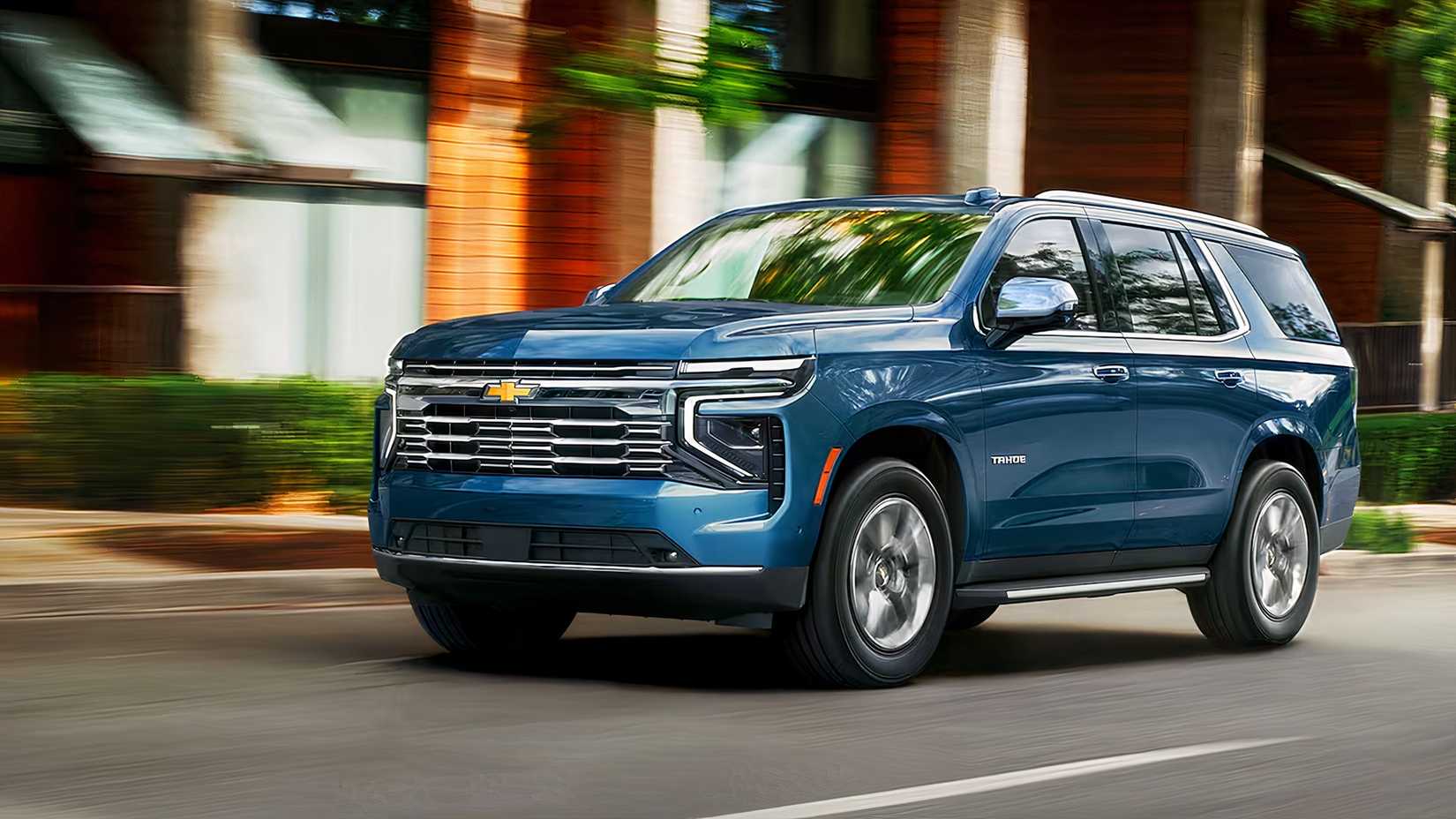
The Small Block V-8s are the latest iterations of the legendary Gen V LT architecture, which debuted in 2014 to replace the Gen IV LS series. Historically, these engines evolved from the original 1955 small-block, maintaining the compact 90-degree pushrod design but adding modern tech like direct injection and continuously variable valve timing. The L83 and L84 serve as the bread and butter workhorse for millions of Silverados and Tahoes, while the L86 and L87 are the high-output thoroughbred found in performance applications like the Corvette, Cadillac Escalade, and 2026 GMC Sierra Denali.
- Production Years: 2014-Present
- Displacement: 5.3- and 6.2-Liters
- Power: 355-420 Horsepower
- Torque: 383-460 Pound-Feet
- Noteworthy Applications: Silverado, Sierra, Tahoe, Escalade, Corvette
Toyota 2GR-FKS 3.5-Liter V-6
Highest J.D. Power Reliability Score: 80/100
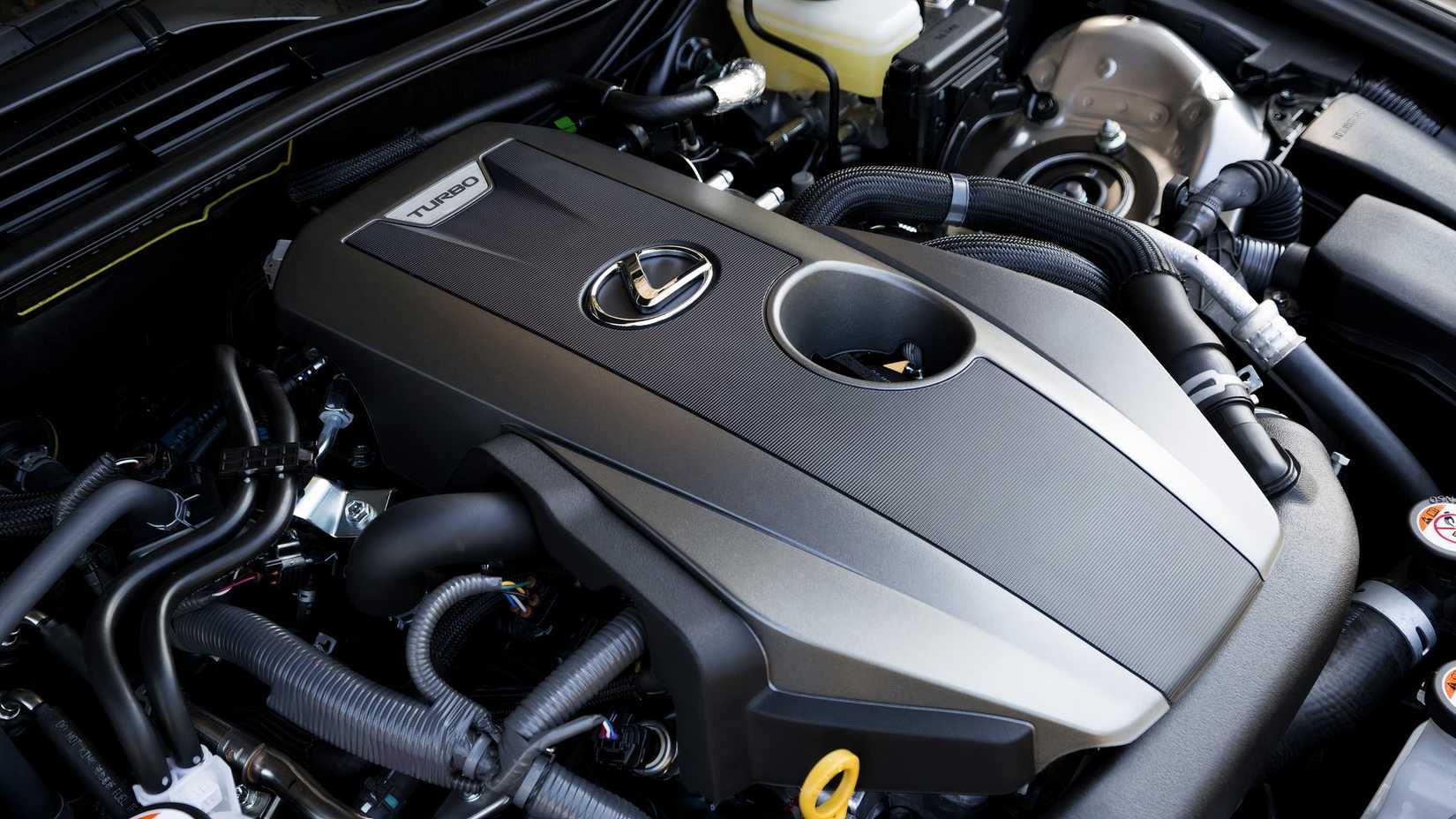
The Toyota 2GR-FKS 3.5-Liter V-6 is renowned by many for its bulletproof nature, primarily thanks to the application of the D-4S dual-injection system. This uses both port and direct injection to keep intake valves clean of carbon buildup, which is a common death sentence for other modern engines. Further bolstering its reliability is a robust timing chain and a simple, naturally aspirated design that avoids the heat stress of turbochargers.
Toyota 2GR-FKS Specifications And Applications
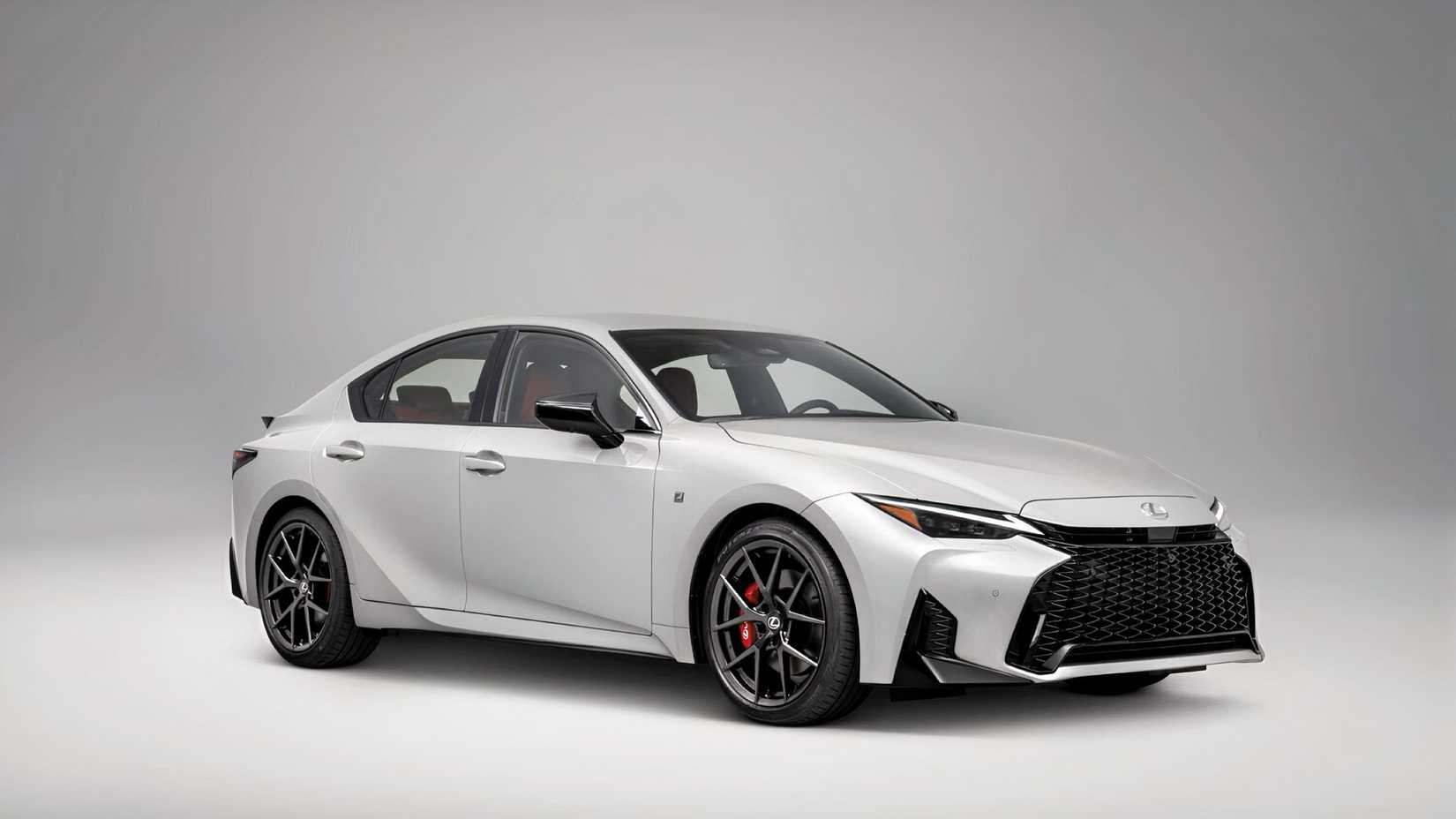
This engine is Toyota’s high-tech evolution of the legendary GR engine family, which first debuted in 2004 to replace the aging MZ and JZ series. Introduced in 2015, the FKS variant refined the platform by adding VVT-iW, allowing the engine to switch between the power-focused Otto cycle and the fuel-sipping Atkinson cycle on the fly.
Toyota applied this engine to everything from rugged workhorses like the Tacoma to family staples like the Highlander and Sienna. It even found its way into high-performance luxury sedans like the 2026 Lexus IS 350 and GS 350. Toyota has begun phasing it out for smaller turbocharged fours in newer models, but the 2GR-FKS remains one of the last great naturally aspirated V-6 engines.
- Production Years: 2015-Present
- Displacement: 3.5-Liter
- Power: 278-311 Horsepower
- Torque: 265-280 Pound-Feet
- Noteworthy Applications: Tacoma, Highlander, Lexus IS 350, Lexus RX 350
Toyota A25A-FXS 2.5-Liter Four-Cylinder
Highest J.D. Power Reliability Score: 80/100
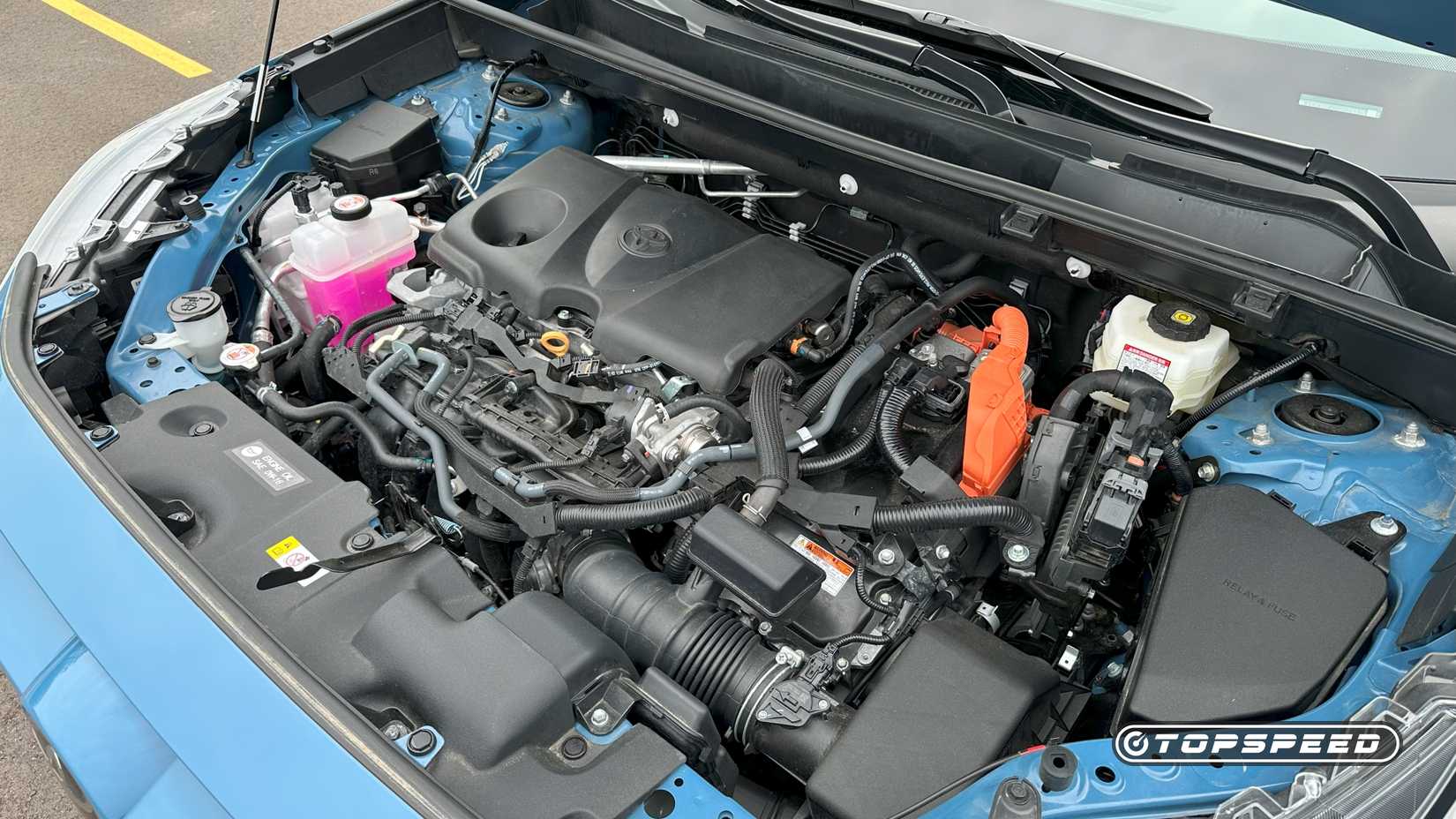
The Toyota A25A-FXS 2.5-liter four-cylinder currently acts as the brand’s centerpiece of the Dynamic Force lineup and is considered the most reliable engine on this list solely based on performance. Its durability comes from an ultra-efficient Atkinson-cycle design that achieves a world-class 41 percent thermal efficiency, meaning it generates more power with less heat and mechanical stress. It also utilizes the D-4S system to prevent carbon buildup and an electric water pump that allows for a faster, more controlled warm-up.
All told, the RAV4 Hybrid has a respectable total system horsepower of 219, which delivers good acceleration. This electrified powertrain works extremely well in both the Camry and Sienna, and it’s the same story here
– Craig Cole for TopSpeed
Toyota A25A-FXS Specifications And Applications
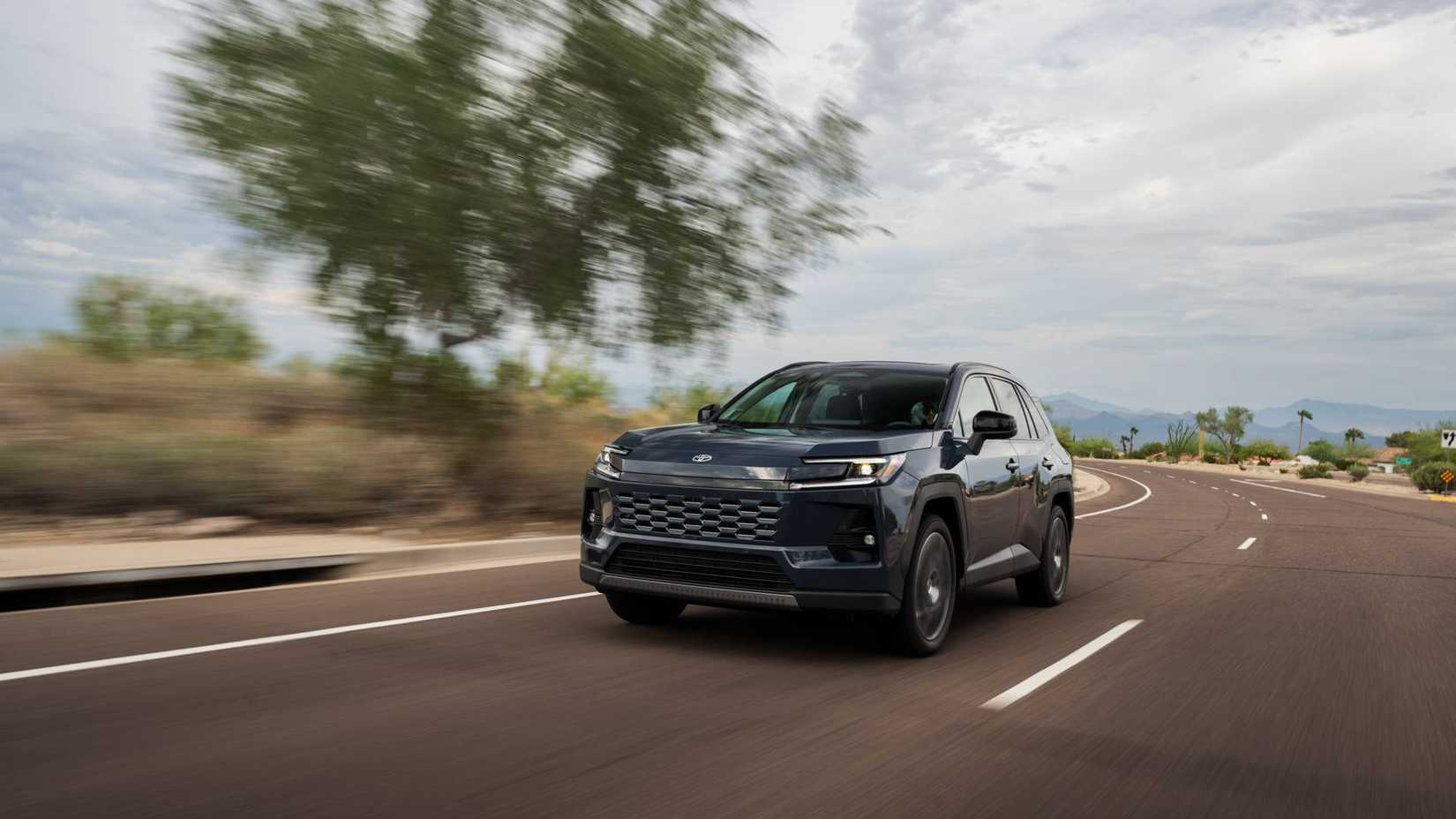
The Toyota A25A-FXS debuted in 2017 as the flagship of the Dynamic Force family, developed under the Toyota New Global Architecture to replace hundreds of aging engine variants with a singular, high-efficiency design. Historically, it evolved from the AR-series, shifting to a longer stroke and wider valve angles. Noteworthy applications include the 2026 Toyota Camry, RAV4, and luxury Lexus ES 300h, as well as the high-output RAV4 Prime PHEV.
- Production Years: 2017 – Present
- Displacement: 2.5-liters
- Power: 208-245 Horsepower
- Torque: 163-178 Pound-Feet
- Noteworthy Applications: Camry, RAV4 Hybrid, Highlander, Sienna, Lexus ES 300h
Best Of The Best: Greatest Porsche 911 Models Of All Time
Within the 911 lineage, certain models stand out as definitive highlights with milestones that pushed the boundaries of design, technology, and speed.
BMW B58 3.0-Liter Straight-Six
Highest J.D. Power Reliability Score: 81/100
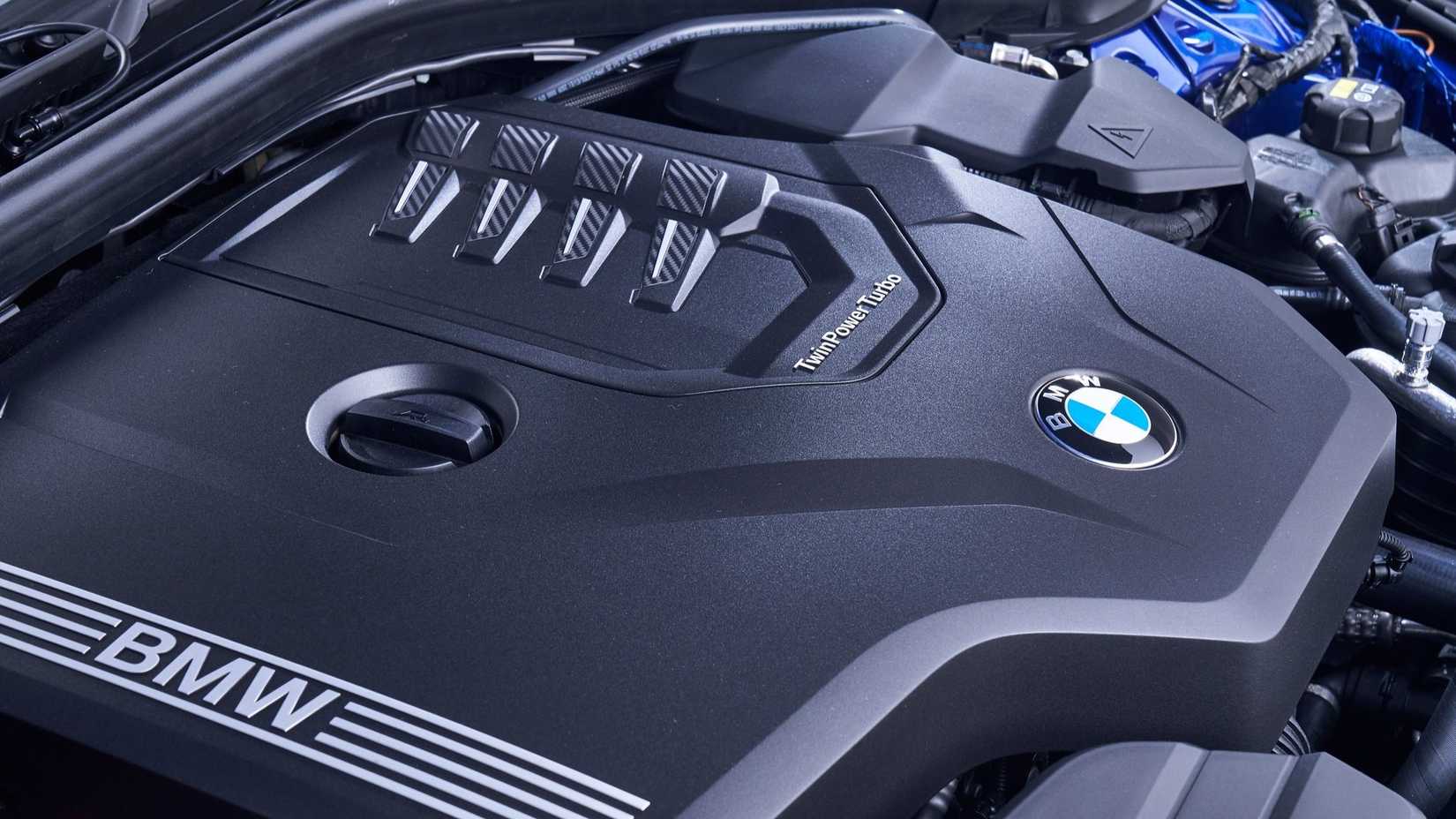
Many regard the BMW B58 3.0-liter straight-six as one of the best engines ever made because of its closed-deck block design and forged internals, which provide incredible structural rigidity and heat management. Unlike previous BMW engines, this new-generation model was designed for extreme durability.
BMW B58 Specifications And Applications
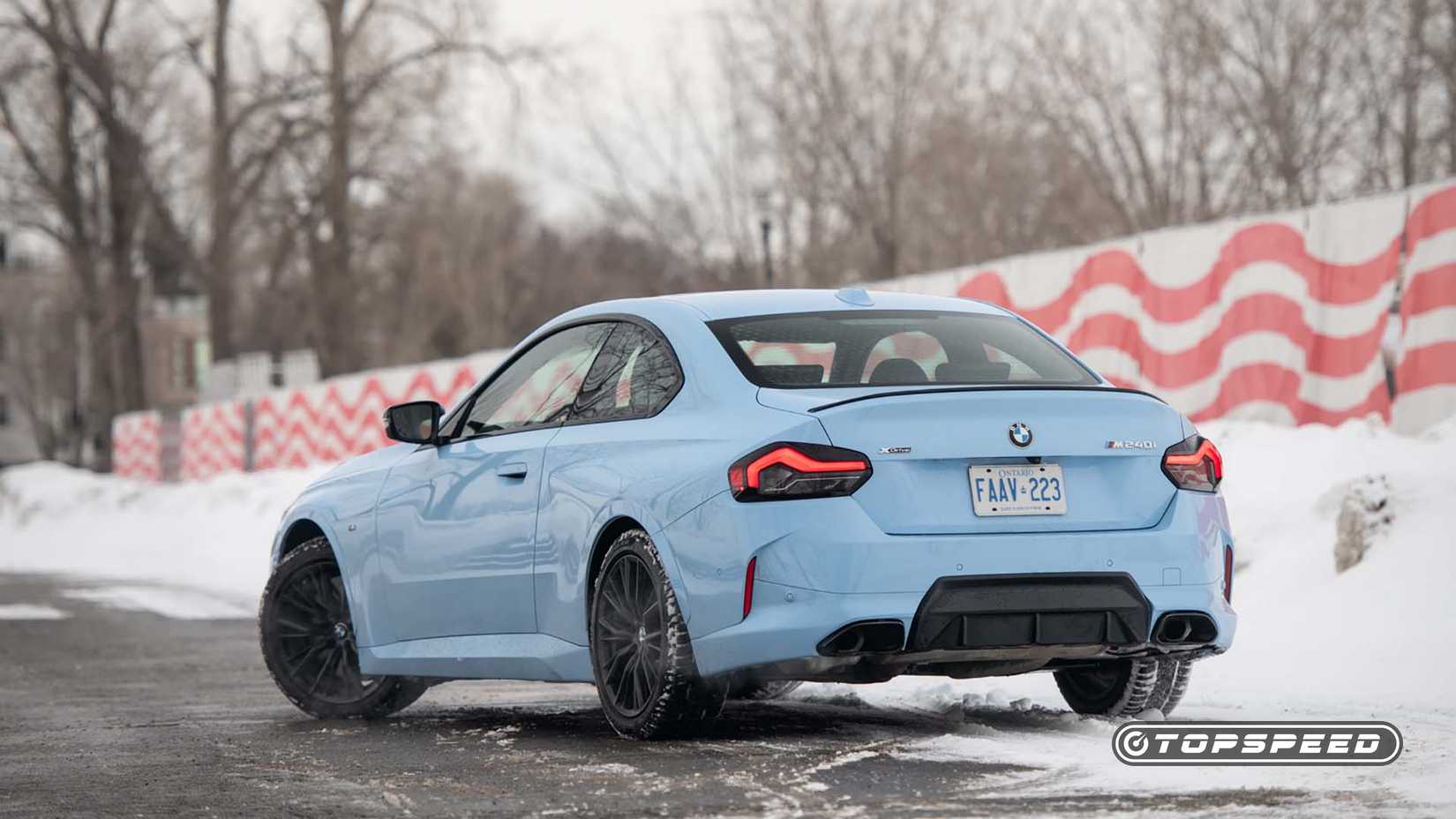
The B58 arrived in 2015 as the successor to the N55, representing a new era of straight-six engines that marked an official movement away from its open-deck blocks of the past. Closing the deck means that BMW was able to extract better strength levels that you’d typically only get from high-end diesel or racing engines that handle extreme cylinder pressures.
BMW says the M240i is good for 382 horsepower and 369 pound-feet of torque, but from behind the wheel, it feels more like it’s packing north of 400 hp. Honestly, the performance here is brutal, almost Ford Coyote levels of acceleration.
Over its decade of evolution, it has undergone two major technical updates, which introduced a more robust one-piece timing chain, a split-cooling system for the head and block, and, recently, a dual-injection direct and port system to eliminate carbon buildup. Its versatility is legendary, powering everything from performance icons like the 2026 BMW M340i and Toyota GR Supra to luxury haulers like the X5 and X7, and even specialized vehicles like the Ineos Grenadier and Morgan Plus Six.
- Production Years: 2015-Present
- Displacement: 3.0-Liter
- Power: 322-382 Horsepower
- Torque: 332-369 Pound-Feet
- Noteworthy Applications: M340i, X5 xDrive40i, Toyota Supra, Ineos Grenadier
Subaru FB25 2.5-Liter Flat-Four
Highest J.D. Power Reliability Score: 81/100
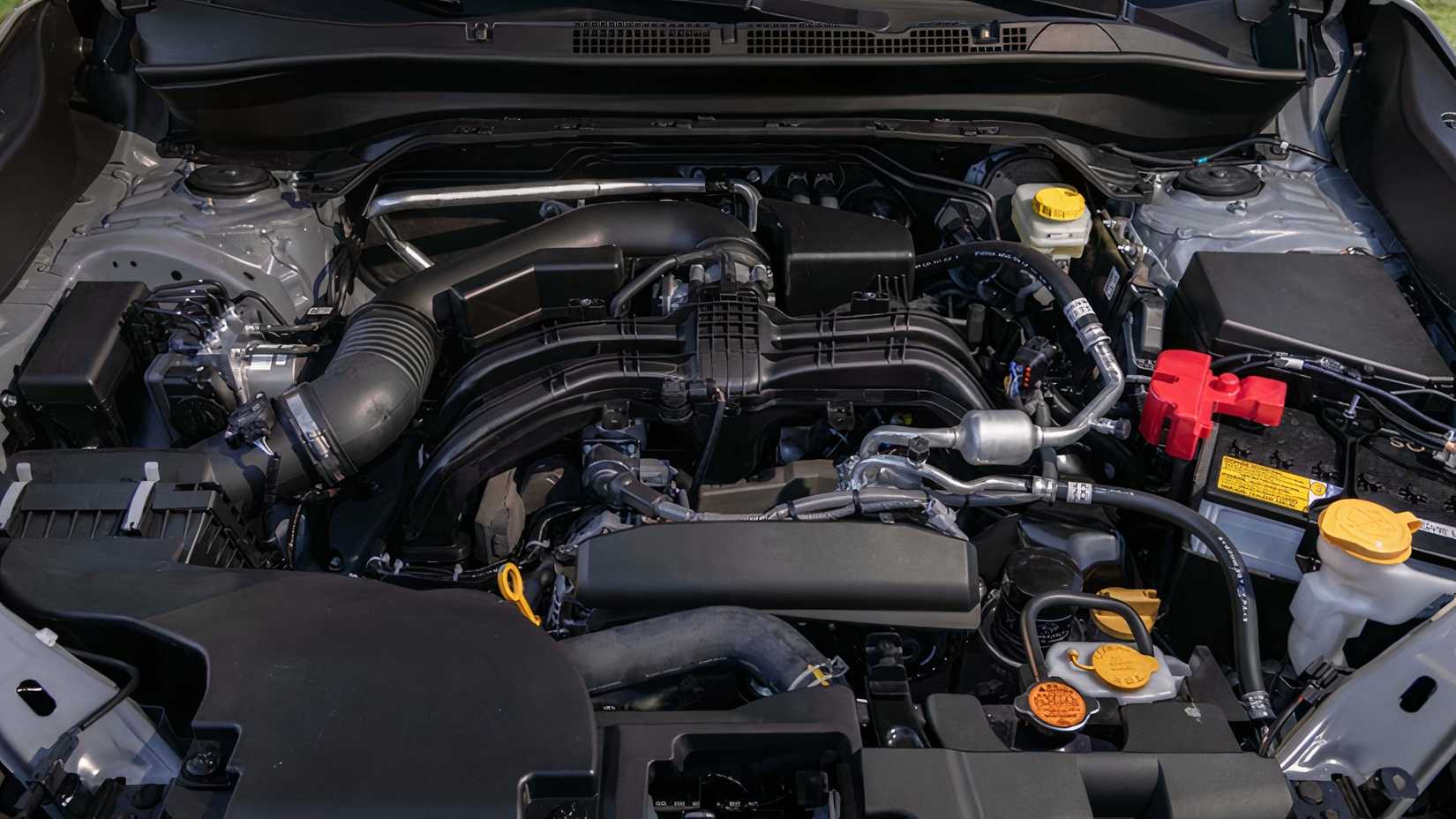
The Subaru FB25 2.5-liter boxer is highly reliable due to its balanced flat piston design, which lowers the vehicle’s center of gravity and reduces internal vibrations. Modern versions built after 2019 have largely replaced the infamous rubber timing belts with durable chains and transitioned to direct injection for better efficiency.
Subaru FB25 Specifications And Applications
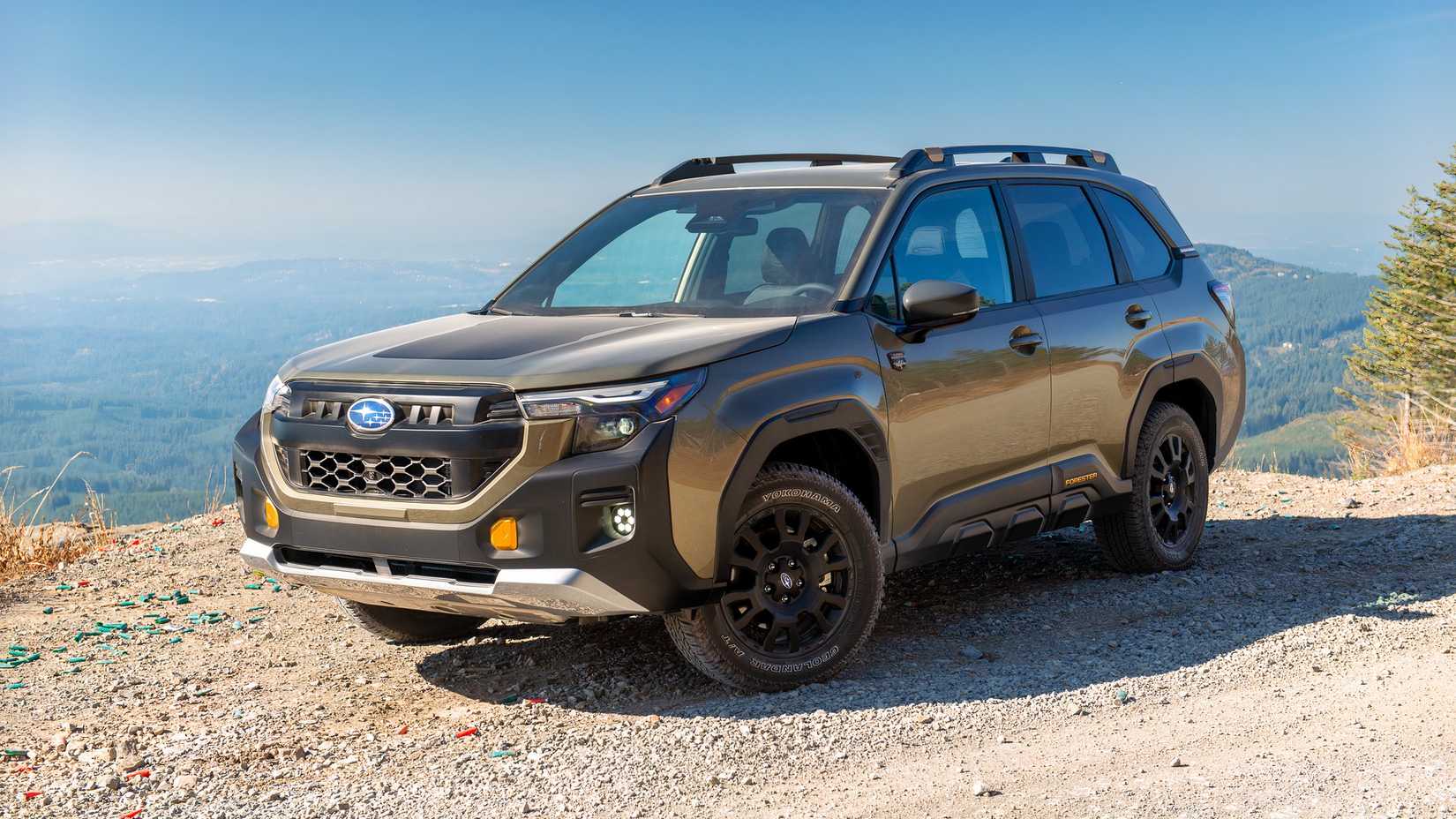
The FB25 arrived in 2010 as the third generation of Subaru’s boxer-four, specifically engineered to replace the aging EJ-series. Historically, it marked a major shift toward efficiency, introducing a timing chain to replace the high-maintenance belt and adopting a longer-stroke design to broaden the torque curve.
The engine evolved significantly with the 2019 FB25D update, which introduced direct injection and higher compression. Noteworthy applications include the 2026 Subaru Forester, Outback, and Legacy, where it remains a staple for its low center of gravity and balanced performance in all-weather conditions.
- Production Years: 2010 – Present
- Displacement: 2.5-liter
- Power: 170-182 Horsepower
- Torque: 174-178 Pound-Feet
- Noteworthy Applications: Forester, Outback, Legacy, Crosstrek
Honda LFA/B 2.0-Liter Four-Cylinder
Highest J.D. Power Reliability Score: 84/100
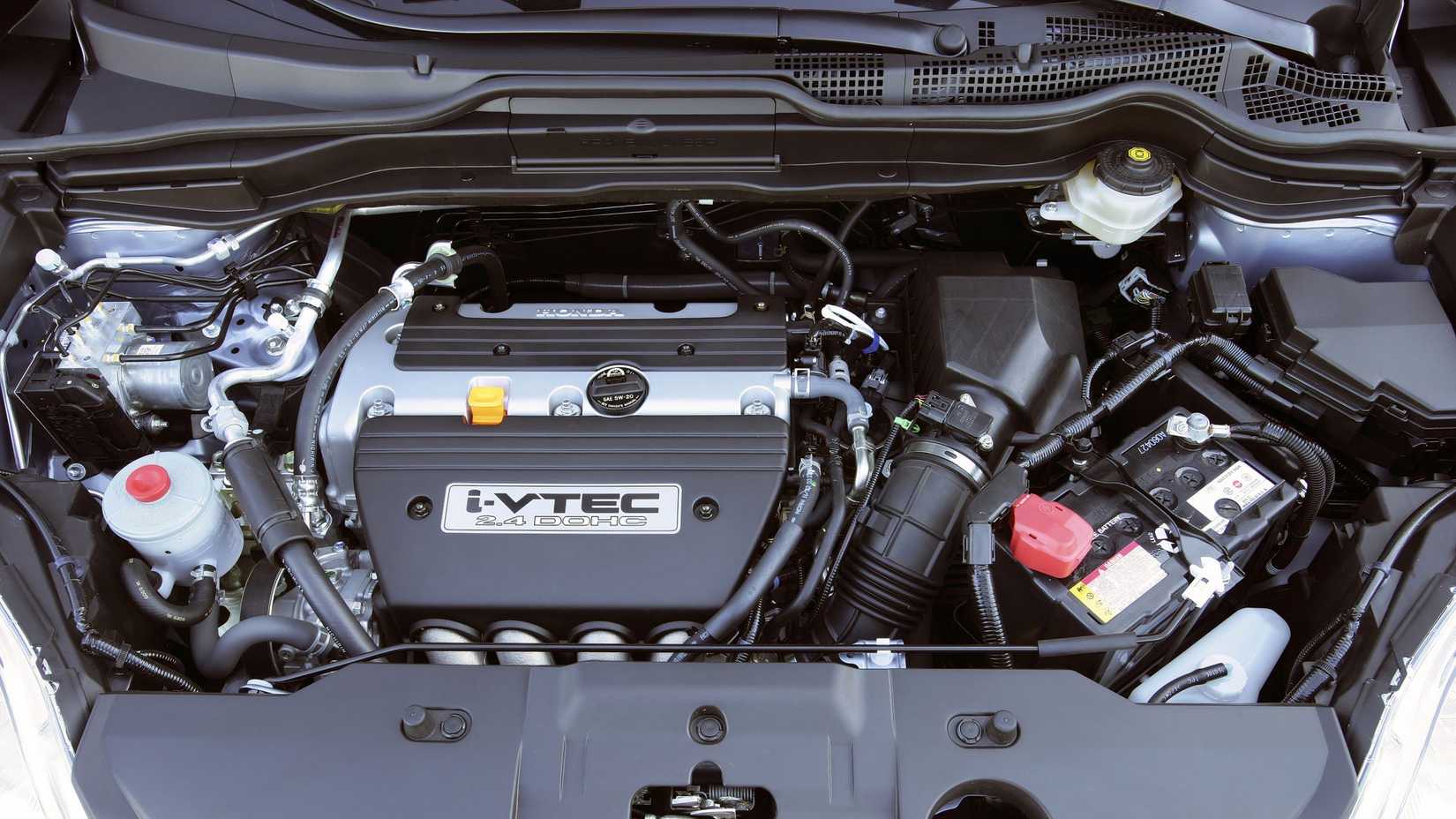
The Honda LFA and LFB 2.0-liter hybrid engine takes a simplified engineering approach, utilizing a two-motor system that ultimately eliminates the need for a traditional transmission. Its reliability comes from its Atkinson-cycle design that spends much of its life acting as an efficient generator rather than physically cranking gears. By removing components like alternators, starter motors, and serpentine belts, Honda has deleted several common failure points.
Honda LFA/B Specifications And Applications
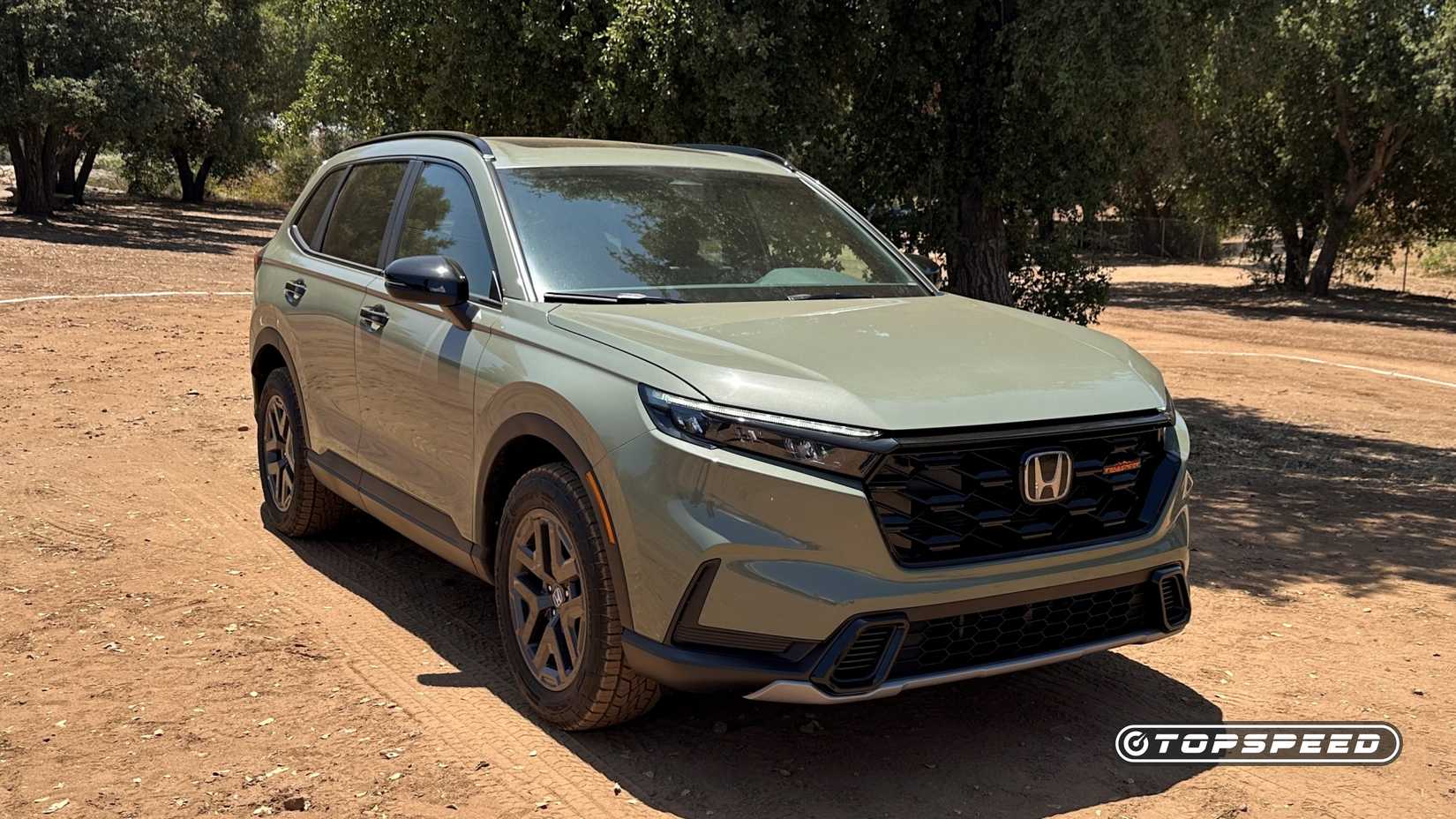
The Honda LFA and LFB represent the core of Honda’s award-winning two-motor hybrid system, which first debuted in the U.S. in the 2014 Accord Hybrid. Historically, this powertrain was a revolutionary departure from Honda‘s earlier IMA systems, as it was designed as an Intelligent Multi-Mode Drive, where the gas engine primarily acts as an electrical generator.
The 2026 Honda CR-V TrailSport easily accelerated to highway speeds with a minimum of noise. The transmission is smooth and does its job nicely, unnoticed in the background.
– Nicole Wakelin, TopSpeed Journalist
The engine has evolved through four generations, with the latest 2025 iteration shifting to direct injection and achieving a staggering 41 percent thermal efficiency. Noteworthy applications include the high-volume 2026 Honda Accord Hybrid, CR-V Hybrid, and the newly reintroduced 2025 Civic Hybrid, solidifying its role as Honda’s bridge to a fully electric future.
- Production Years: 2014-Present
- Displacement: 2.0-Liter
- Power: 181-212 Horsepower
- Torque: 232-247 Pound-Feet
- Noteworthy Applications: Accord Hybrid, CR-V Hybrid, Civic Hybrid
Best Of The Best: Greatest Porsche 911 Models Of All Time
Within the 911 lineage, certain models stand out as definitive highlights with milestones that pushed the boundaries of design, technology, and speed.
Ford PowerBoost 3.5-Liter V-6
Highest J.D. Power Reliability Score: 86/100
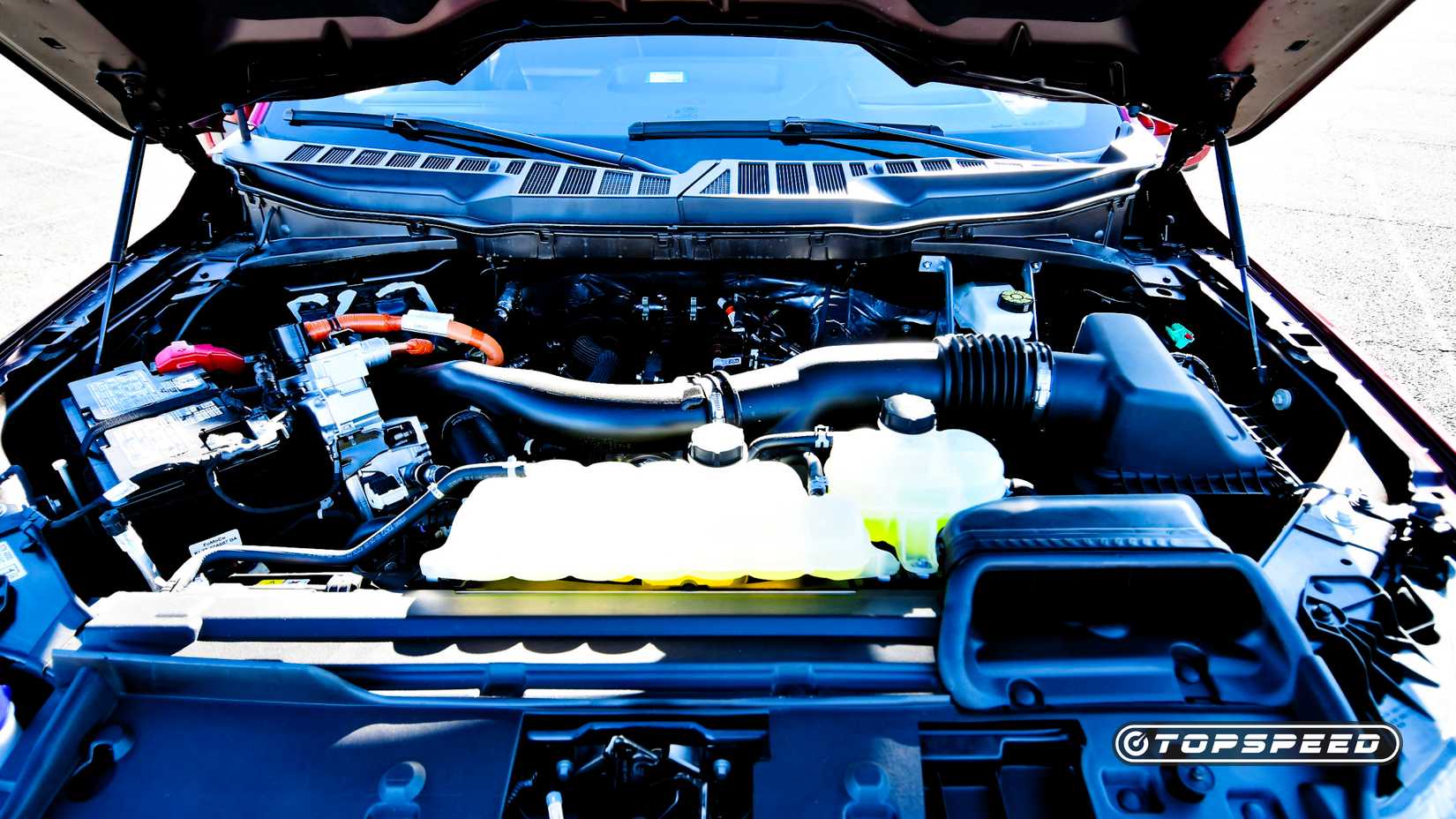
The Ford 3.5-Liter PowerBoost V-6 is the Blue Oval’s modern workhorse engine, combining the brand’s Twin-Turbo EcoBoost architecture with an integrated electric motor housed inside a 10-speed automatic transmission. Compared to its main rival powertrains, this unit benefits from impressive reliability standards thanks to its adoption of dual-power management. The electric motor covers the low-speed strain, reducing wear on the gas engine during stop-and-go driving.
Ford offers its hybrid PowerBoost F-150, which is a truck that offers more muscle than Ford’s own V-8 (420 horsepower and 570 pound-feet), and roughly the equivalent fuel economy of the average five-passenger crossover.
– Michael Frank for TopSpeed
Ford PowerBoost Specifications And Applications
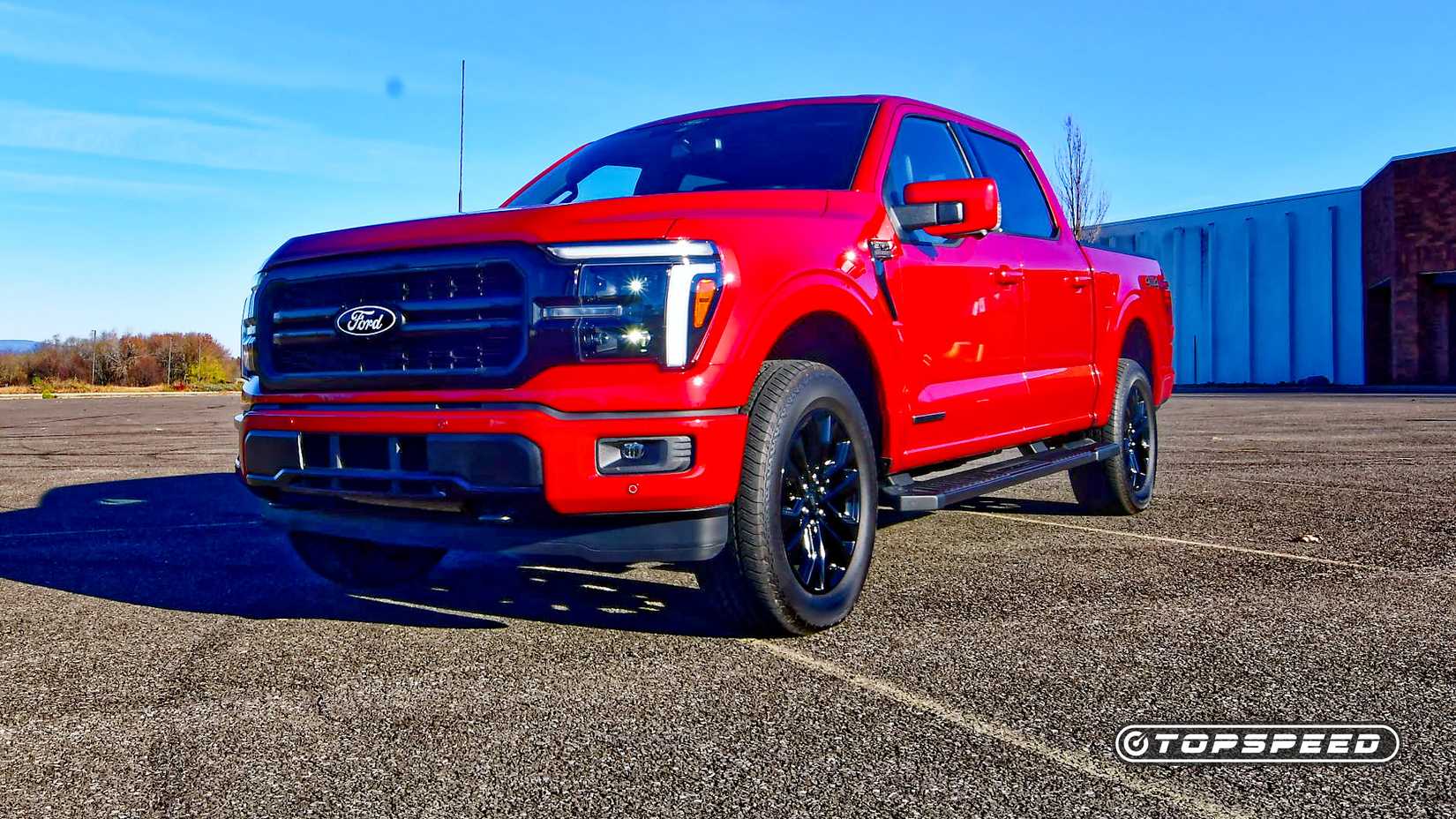
Ford introduced this variation of the engine in 2021. Historically, the brand developed it to challenge the notion that trucks must choose between V-8 torque and hybrid efficiency, delivering a massive 570 pound-feet of torque. Its evolution into 2026 has focused on refined energy management and the popular Pro Power Onboard system, which allows the engine to function as a mobile generator. Applications are exclusive to the 2026 Ford F-150 lineup, where it powers everything from the work-ready XLT to the ultra-luxury Platinum trims.
- Production Years: 2021-Present
- Displacement: 3.5-Liters
- Power: 430 Horsepower
- Torque: 570 Pound-Feet
- Noteworthy Applications: Ford F-150 Hybrid
Sources: RepairPal, Kelley Blue Book, and MotorReviewer