
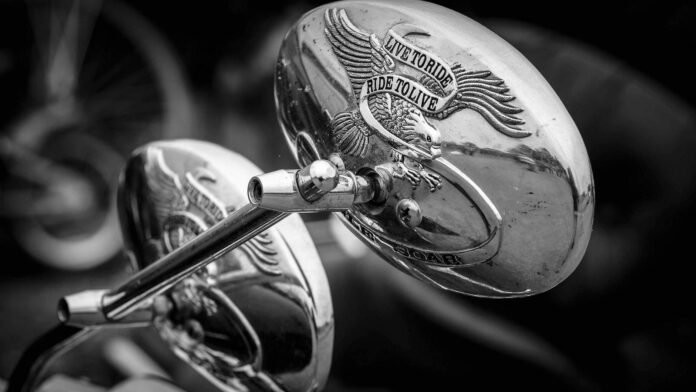
Stage Kits Done Without Documentation
Typical Cost: ~$800 For A Basic Stage 1 To Well Over $6,000 For Stage 4
Performance upgrades are usually supposed to help a Harley’s value, which is exactly why undocumented Stage Kits hurt resale so badly. Buyers are not just looking at the parts list. They are trying to determine whether the engine was upgraded carefully or ridden hard by someone chasing dyno numbers. The moment receipts, tuning records, or dealer documentation disappear, suspicion takes over.
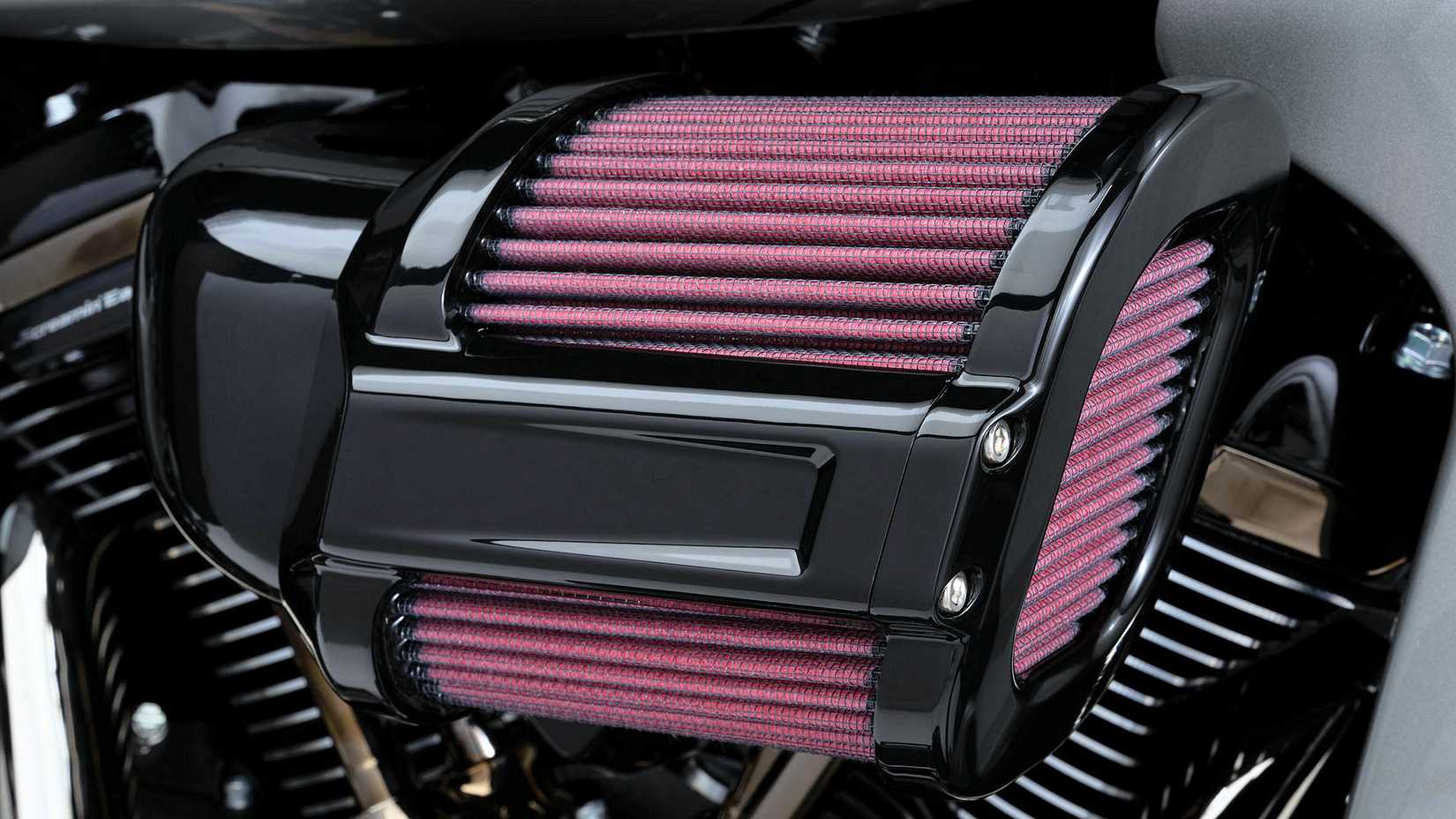
That matters because Harley’s Stage 1 through Stage 4 packages progressively move from simple airflow improvements into serious internal engine modifications. A properly installed Screamin’ Eagle setup from an authorized dealer can actually make a bike more desirable, especially if the calibration, dyno work, and service history are all accounted for. A garage-built setup with vague claims and no paperwork does the opposite. Experienced buyers know bad tuning creates heat, drivability issues, and premature wear that may not show up until thousands of miles later. Once uncertainty enters the equation, resale value usually drops fast.
Dealer Flash Deletes / Piggyback Tuners
Typical Cost: Roughly $250 To $1,200 Depending On The Tuner, Dyno Time, And Supporting Modifications
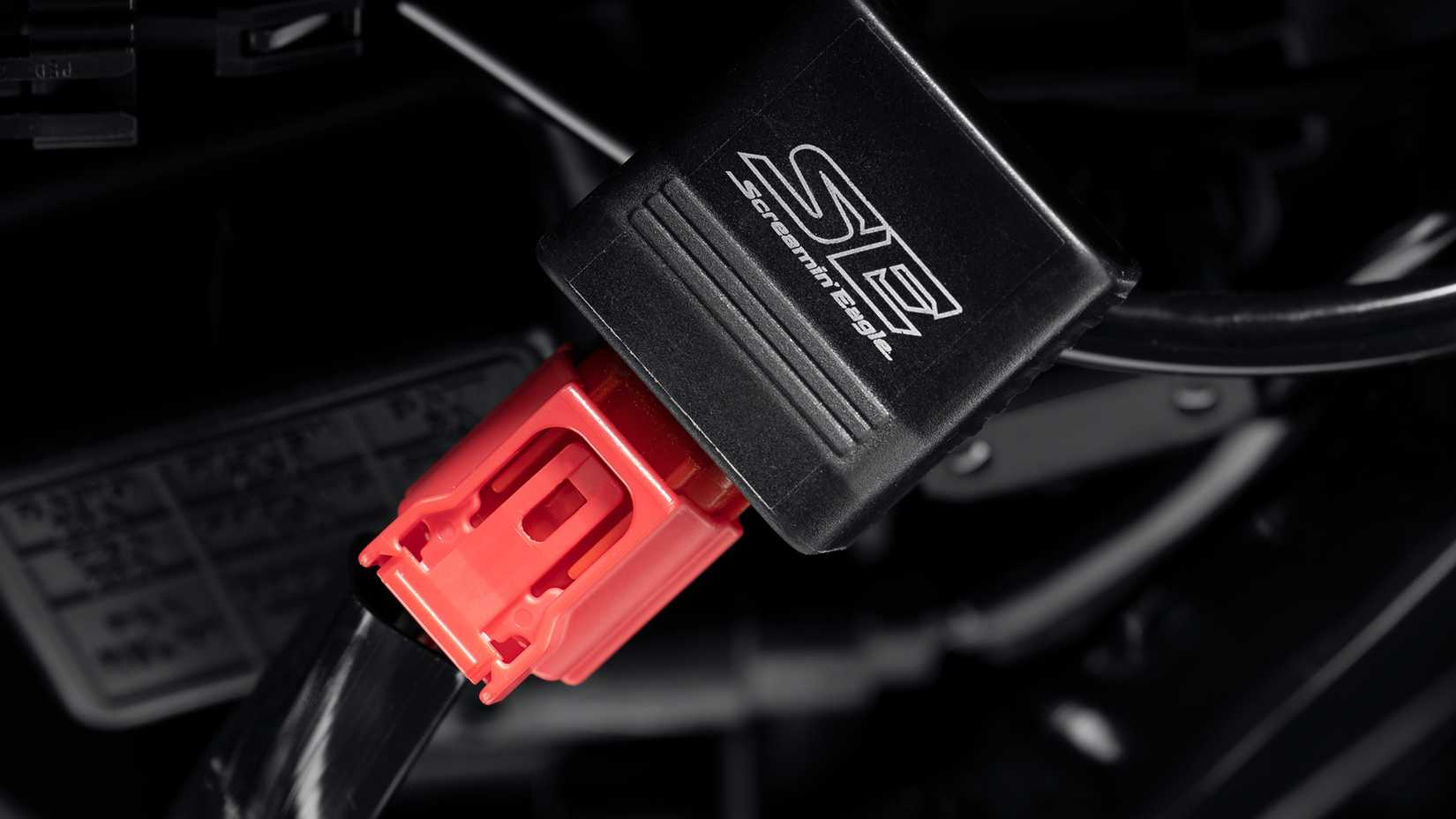
A tuner can wake up a Harley’s throttle response and smooth out factory lean spots, but resale value starts slipping when buyers realize the bike’s emissions programming has been bypassed. Unlike a documented Screamin’ Eagle calibration, piggyback tuners and flash deletes immediately raise questions about legality, reliability, and how aggressively the bike was ridden.
Harley-Davidson
That concern has grown steadily since Harley dealers stopped openly selling many emissions-defeating tuners after the EPA crackdown in the mid-2010s. The devices never disappeared from the aftermarket, but they became more of a gray-area modification. For a second owner, that creates risk. Some states and municipalities have become stricter about emissions compliance, and buyers do not want to inherit inspection headaches or questionable tuning work.
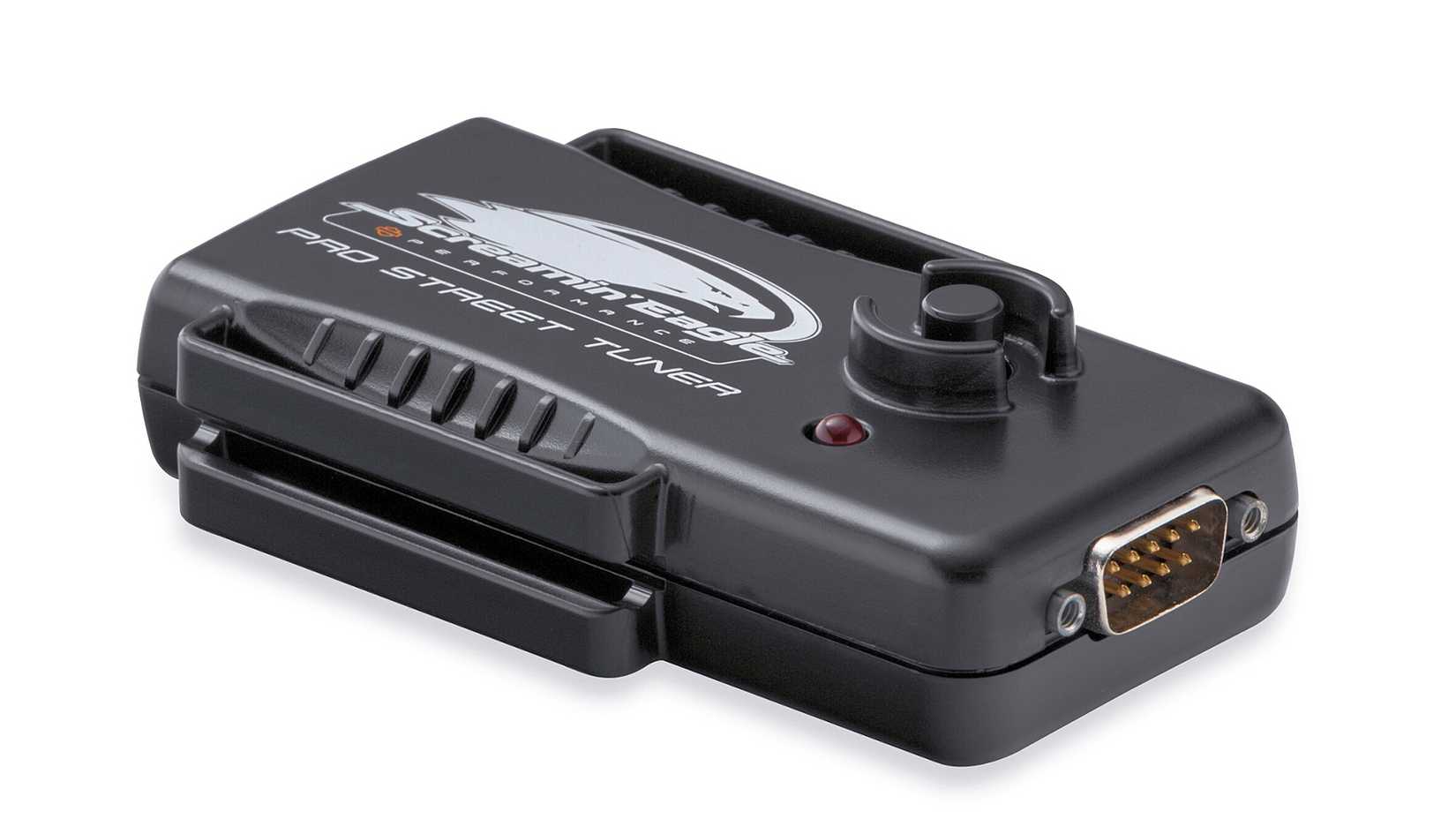
There is also the reliability side of it. Poor calibrations can create hot running conditions, rough drivability, or uneven fueling that only shows up after long highway miles in summer heat. A bike with mystery tuning attached to it often feels less like a performance upgrade and more like someone else’s unfinished experiment.
“De-Catted” Or Emissions-Deleted Setups
Typical Cost: ~$400 For Basic Cat-Delete Head Pipes To More Than $2,500 For Full Exhaust Systems With Tuning And Intake Upgrades
Harley-Davidson
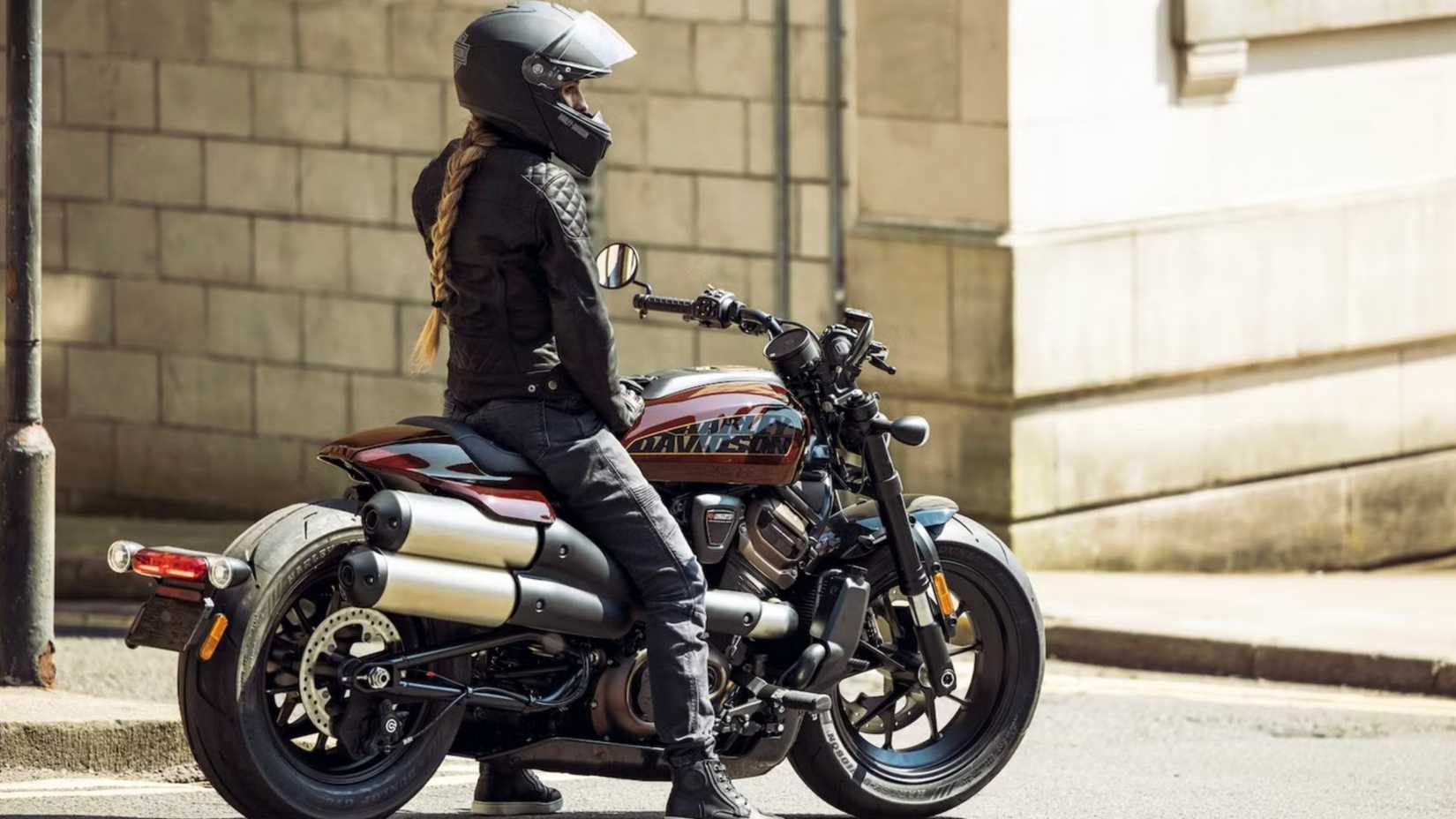
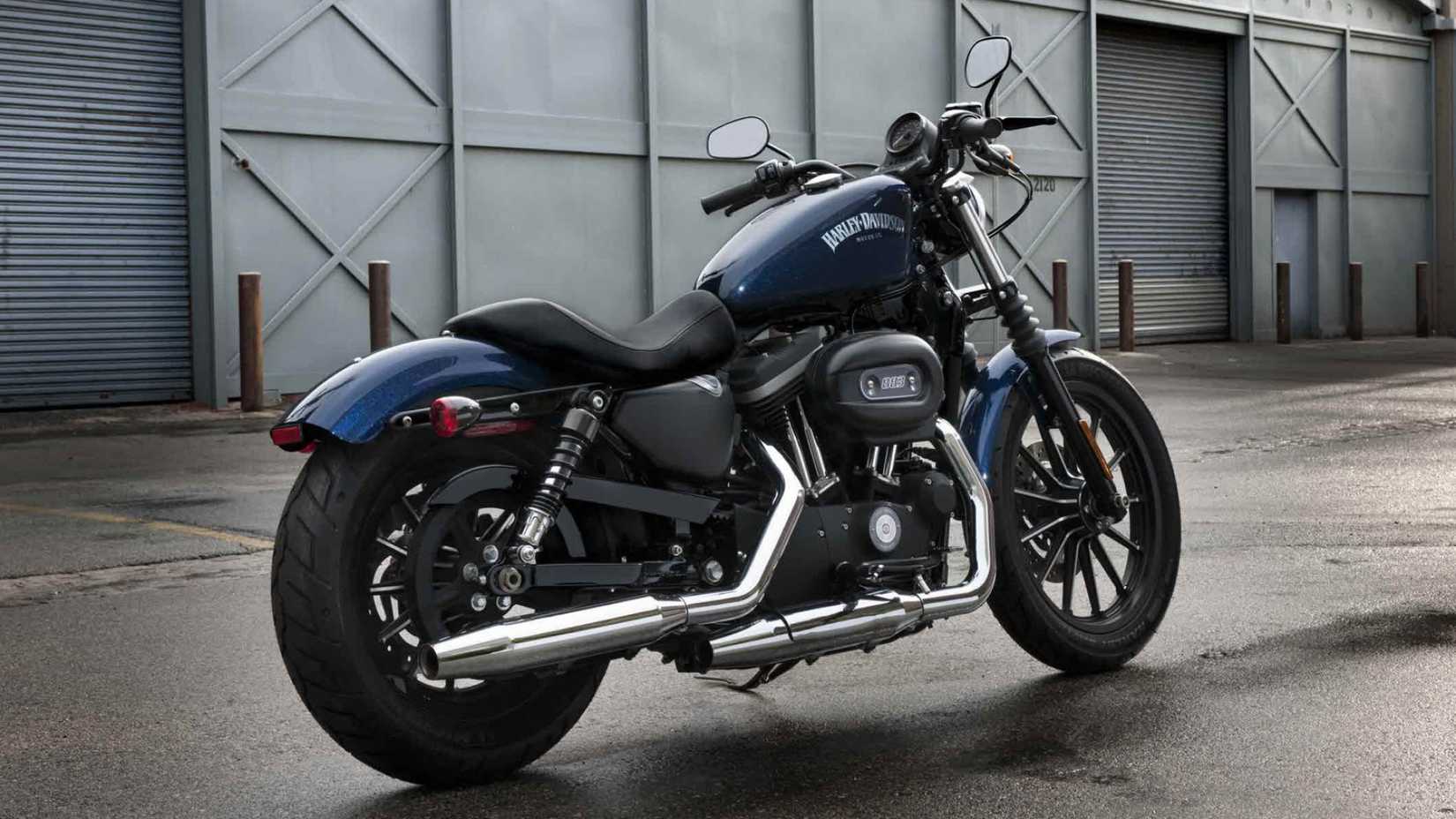
Few Harley modifications sound more aggressive than a de-catted exhaust, but this is one of the fastest ways to make buyers nervous at resale. Removing the catalytic converter or bolting on unrestricted drag pipes may deliver more noise and heat, yet it often hurts the actual riding experience unless the entire system is tuned correctly around it.
Harley-Davidson
That is where many builds go sideways. Owners frequently install open exhaust setups without matching fuel calibration, intake flow, or dyno tuning. The result can be a bike that surges at low RPM, runs excessively hot in traffic, or loses the broad torque curve Harley touring and cruiser models are known for. What sounds brutal at idle can feel sluggish and uneven once the road opens up.
10 Harley Motorcycles That Last Practically Forever
From touring models to cruisers, all of these Harley-Davidson bikes are built to last.
Stretched Saddlebags And Fender Kits
Typical Cost: ~$1,500 To $6,000 Depending On Paintwork, Body Modifications, Audio Integration, And Custom Fabrication
Harley-Davidson
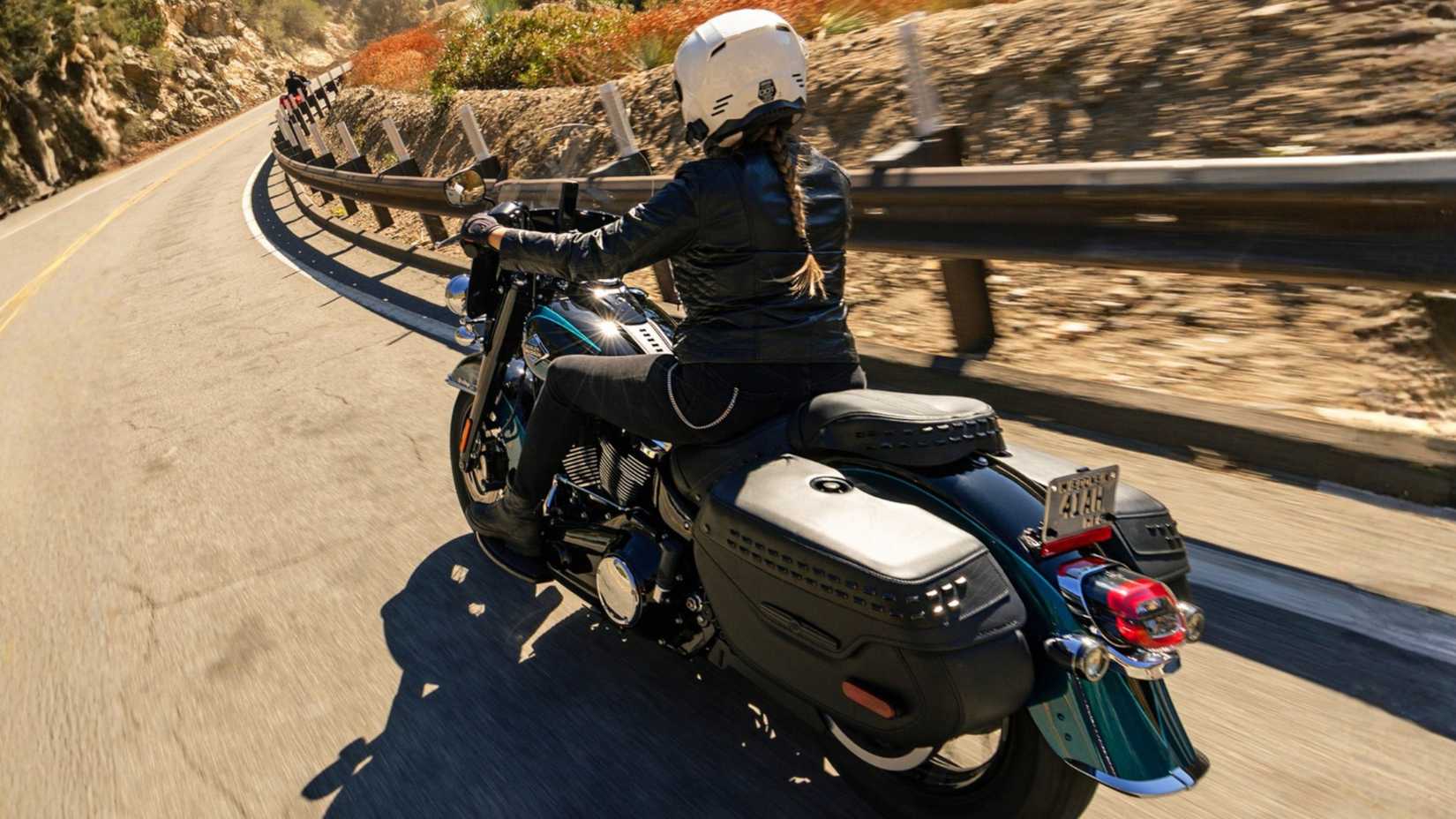
Few Harley trends divide buyers faster than stretched bagger bodywork. Long saddlebags, extended rear fenders, and oversized side panels can look dramatic parked under show lights, but they also push the bike toward a very narrow custom style that many riders simply do not want to live with long term.
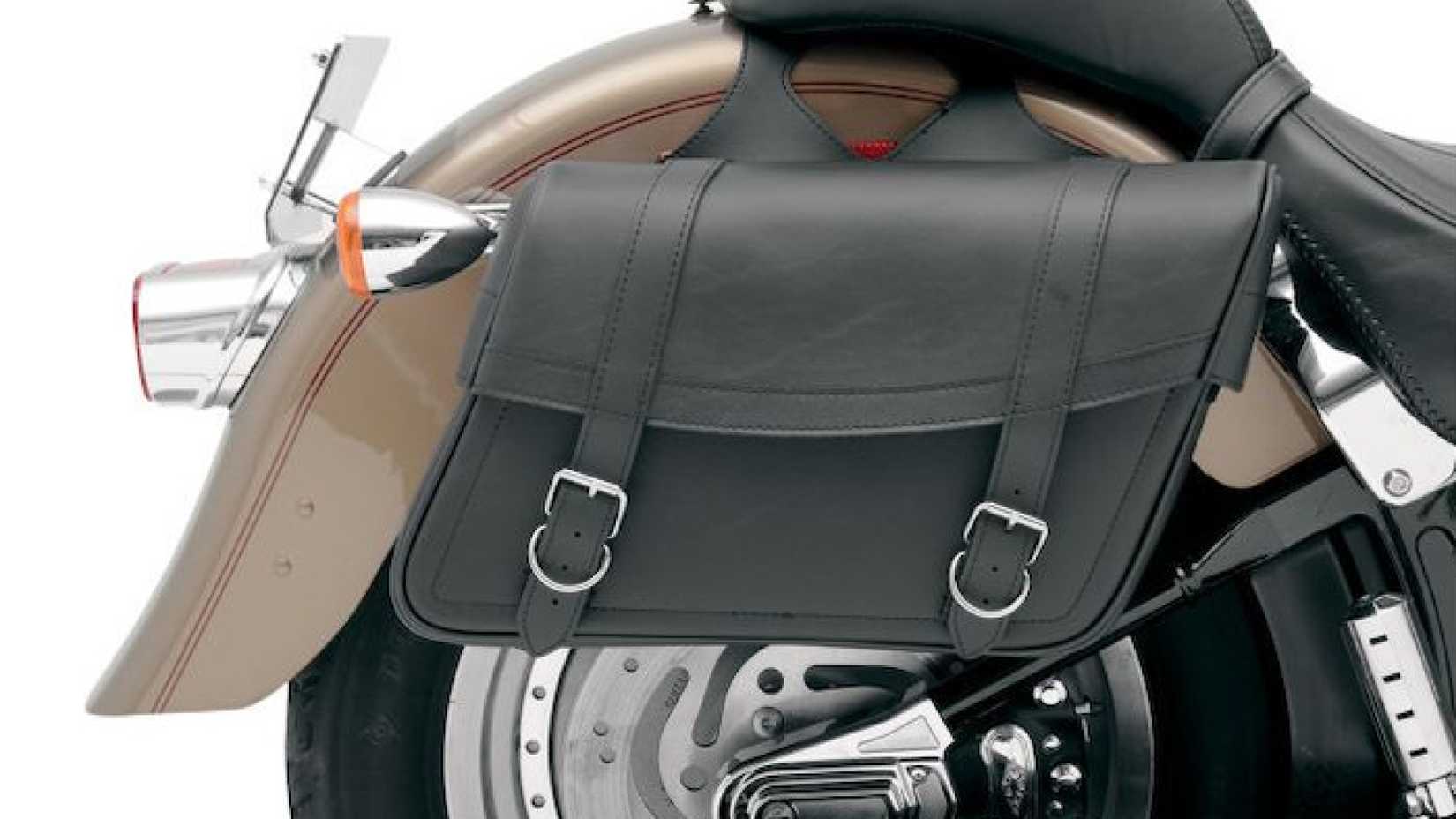
The problem is not just appearance. Many stretched setups compromise the practical side of owning a touring Harley in the first place. Passenger space often shrinks, suspension travel can become more limited, and saddlebags sometimes lose usable storage capacity is lost once speakers and body extensions are added. What starts as a sleek custom look can quickly turn into a heavier, less functional motorcycle on real roads.
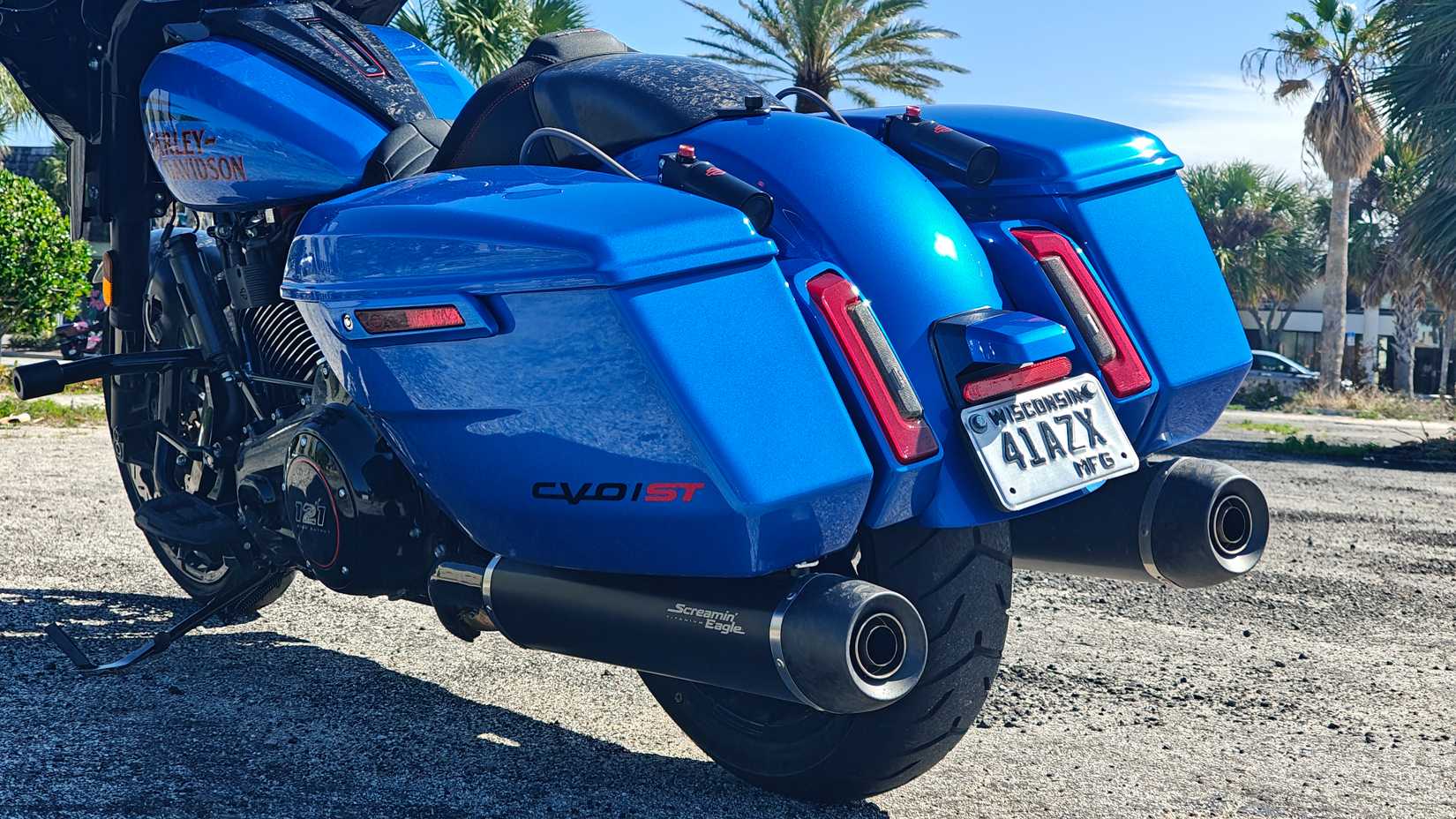
Style trends also age faster than most owners expect. A heavily stretched bagger that looked cutting-edge five years ago can suddenly feel locked to a specific era of custom culture. Buyers shopping used Harleys usually prefer clean, usable touring models over bikes built primarily for visual impact, which is why resale value often drops harder than owners anticipate.
“Murdered-Out” Blacked-Out Everything
Typical Cost: Anywhere From $500 For Basic Trim Pieces To Well Over $5,000 For Powder Coating
Factory blacked-out Harleys are more popular than ever, which is exactly why heavily customized blackout builds no longer impress buyers the way they once did. A modern Road Glide or Low Rider S already delivers a clean, dark finish straight from the showroom, so spending thousands blacking out every visible component rarely adds equivalent resale value.
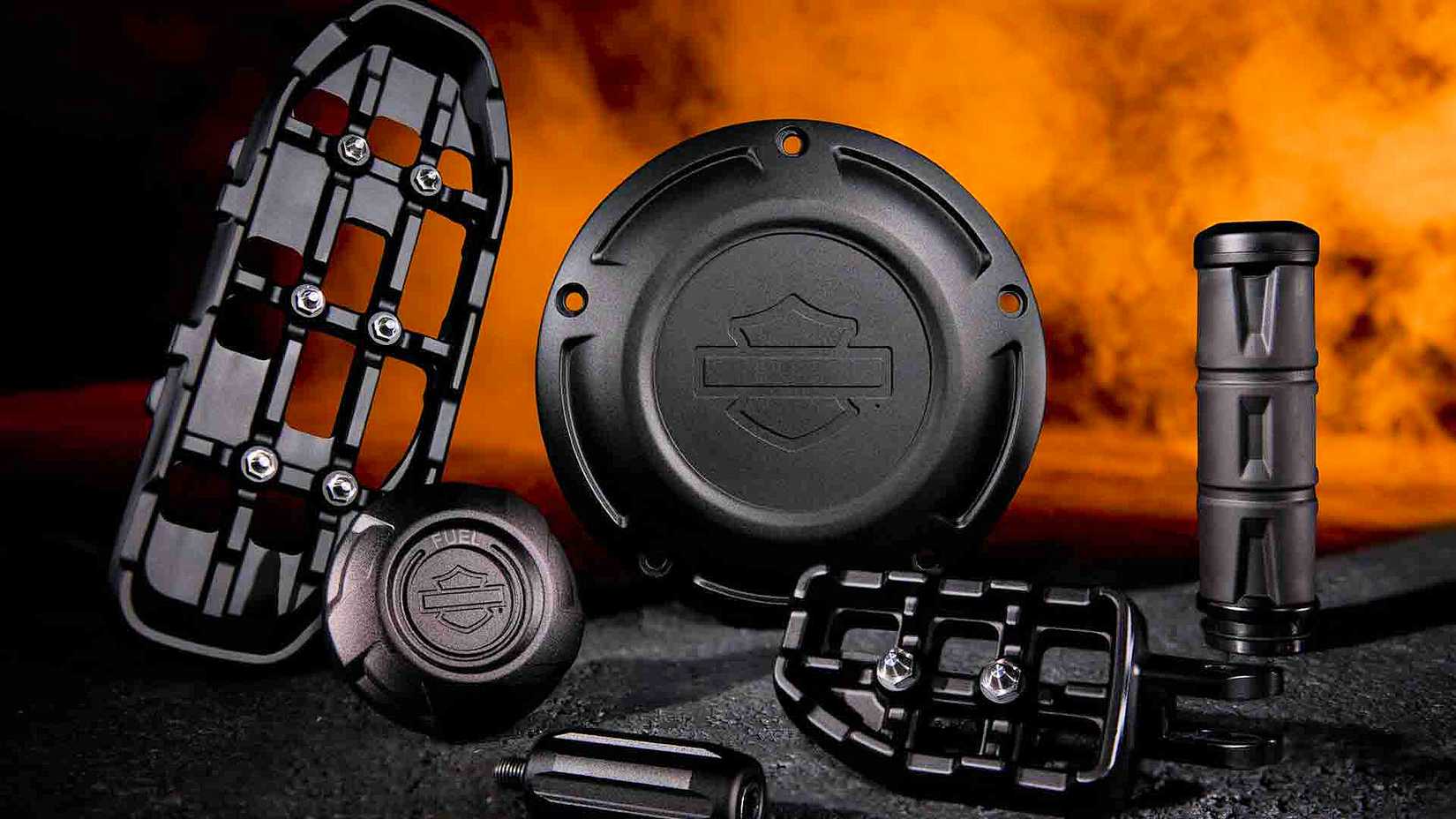
The bigger issue is how these builds age. Cheap powder coating chips around fasteners, painted hardware fades unevenly from engine heat, and decorative bolt covers can trap moisture or hide corrosion underneath. Experienced buyers often inspect blackout bikes more carefully because cosmetic modifications sometimes conceal poor maintenance or crash repairs.
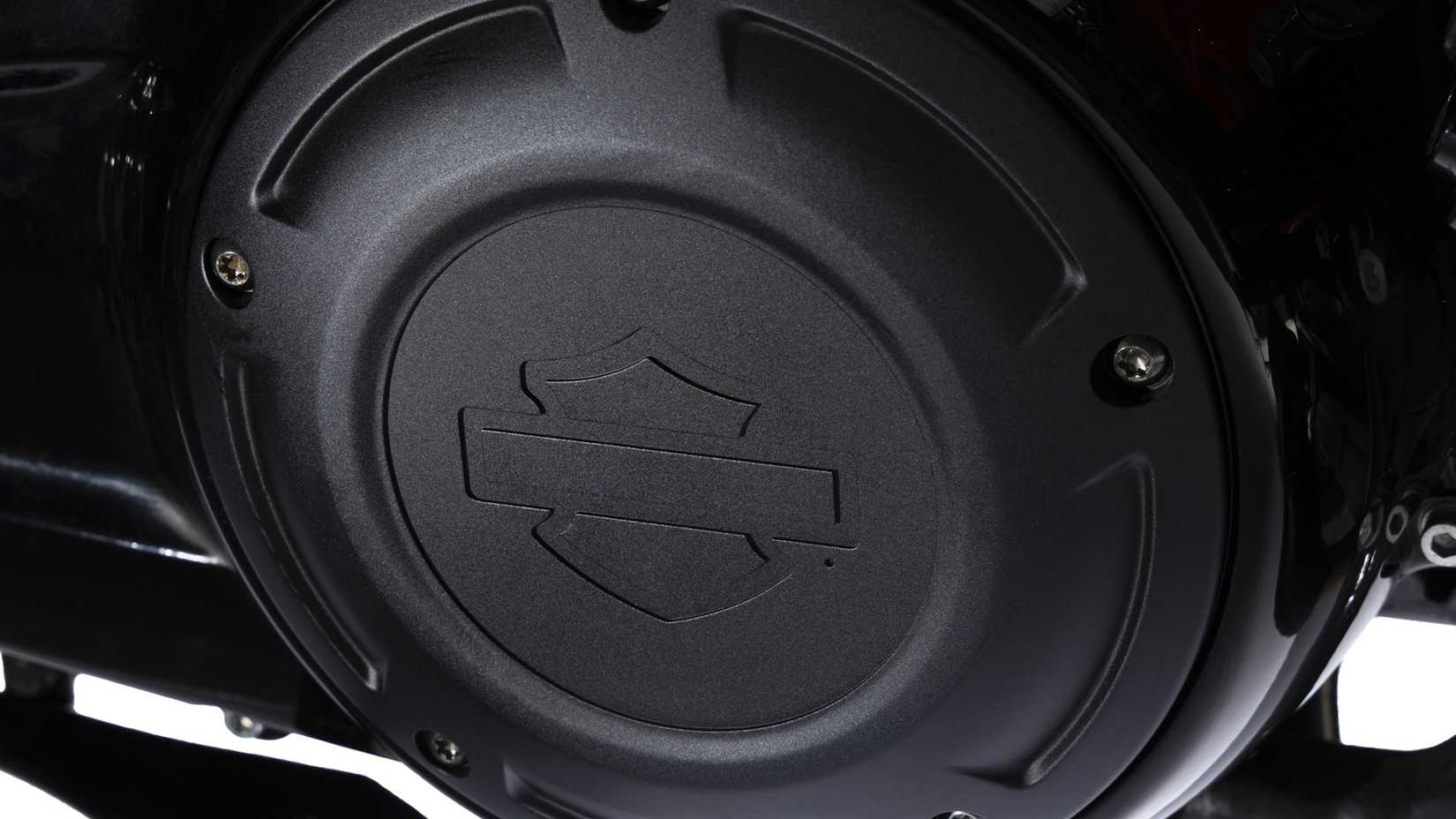
Moderation usually holds value better. A few tasteful black accents can modernize a Harley without overwhelming it, while full “murdered-out” builds tend to become highly taste-specific. Once every surface goes dark, the bike starts appealing to a much smaller slice of the used market, and resale value typically follows that same downward curve.
Saddlebag Speaker Cut-Ins And Audio Overbuilds
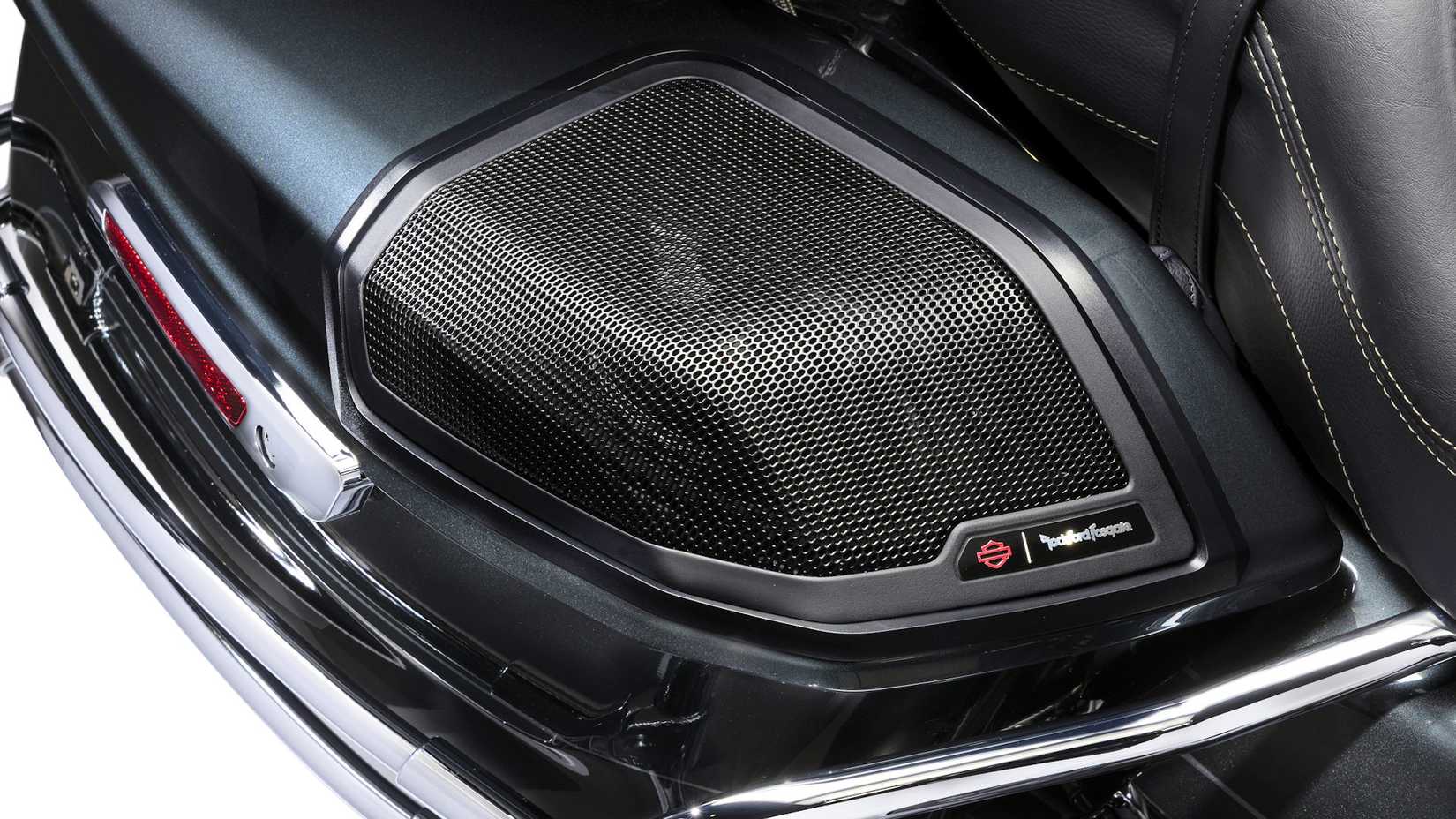
Typical Cost: ~$800 For Basic Speaker Additions To More Than $6,000 For Amplified Bagger Audio Systems With Custom Wiring And Body Modifications
Harley-Davidson
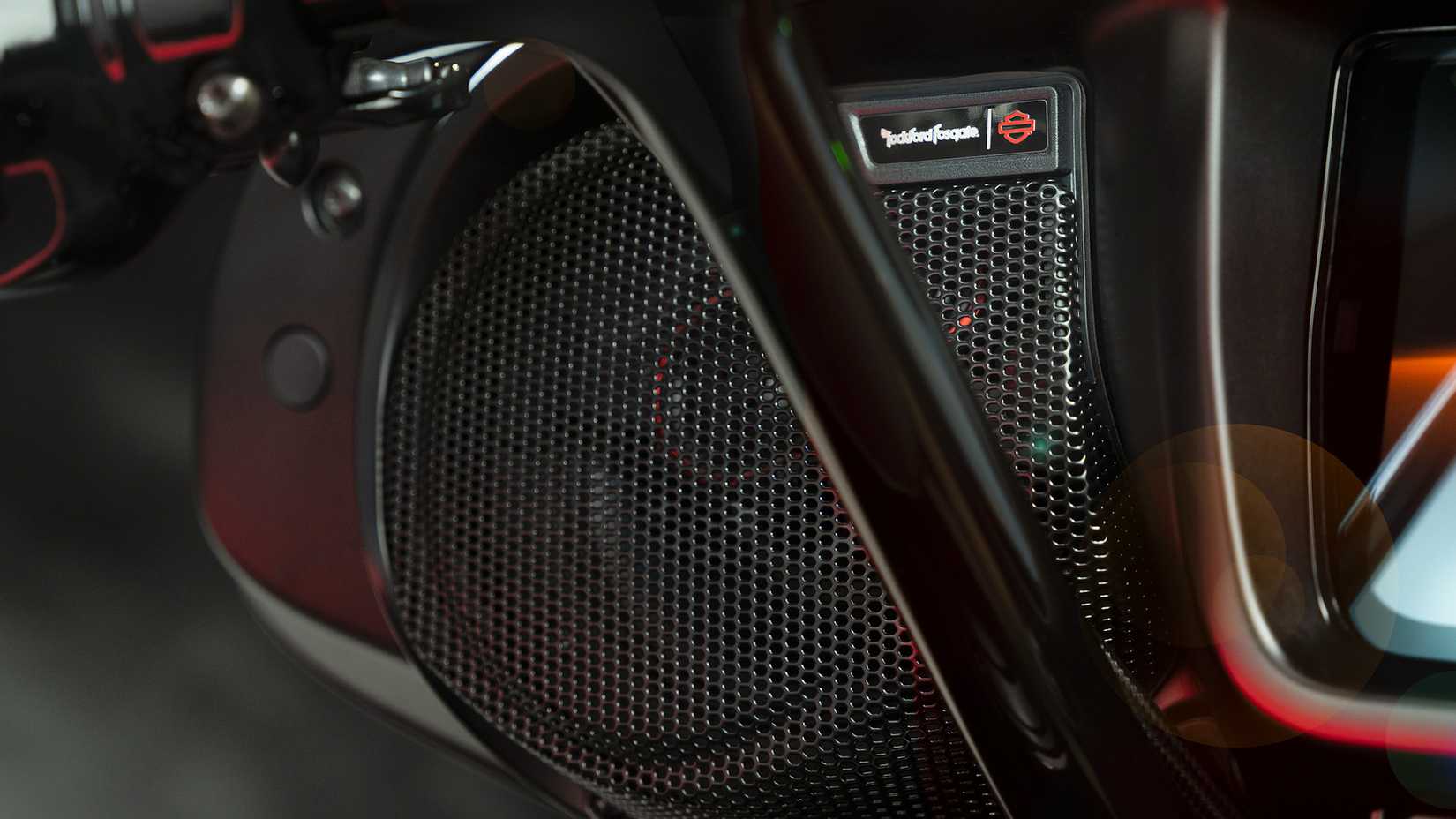
A good audio system can make long highway miles more enjoyable, but heavily modified Harley sound setups often hurt resale because buyers immediately start worrying about electrical problems. The moment saddlebags, inner fairings, or lids are permanently cut for speakers, the bike becomes much harder to return to stock and far more dependent on the quality of the installation.
Harley-Davidson
That matters because homemade audio work rarely ages gracefully. Water intrusion around poorly sealed speaker cut-ins can damage electronics and luggage compartments, while overloaded charging systems and messy wiring create reliability headaches that may not show up during a short test ride. The deeper the customization goes, the more potential failure points buyers see.
Harley-Davidson
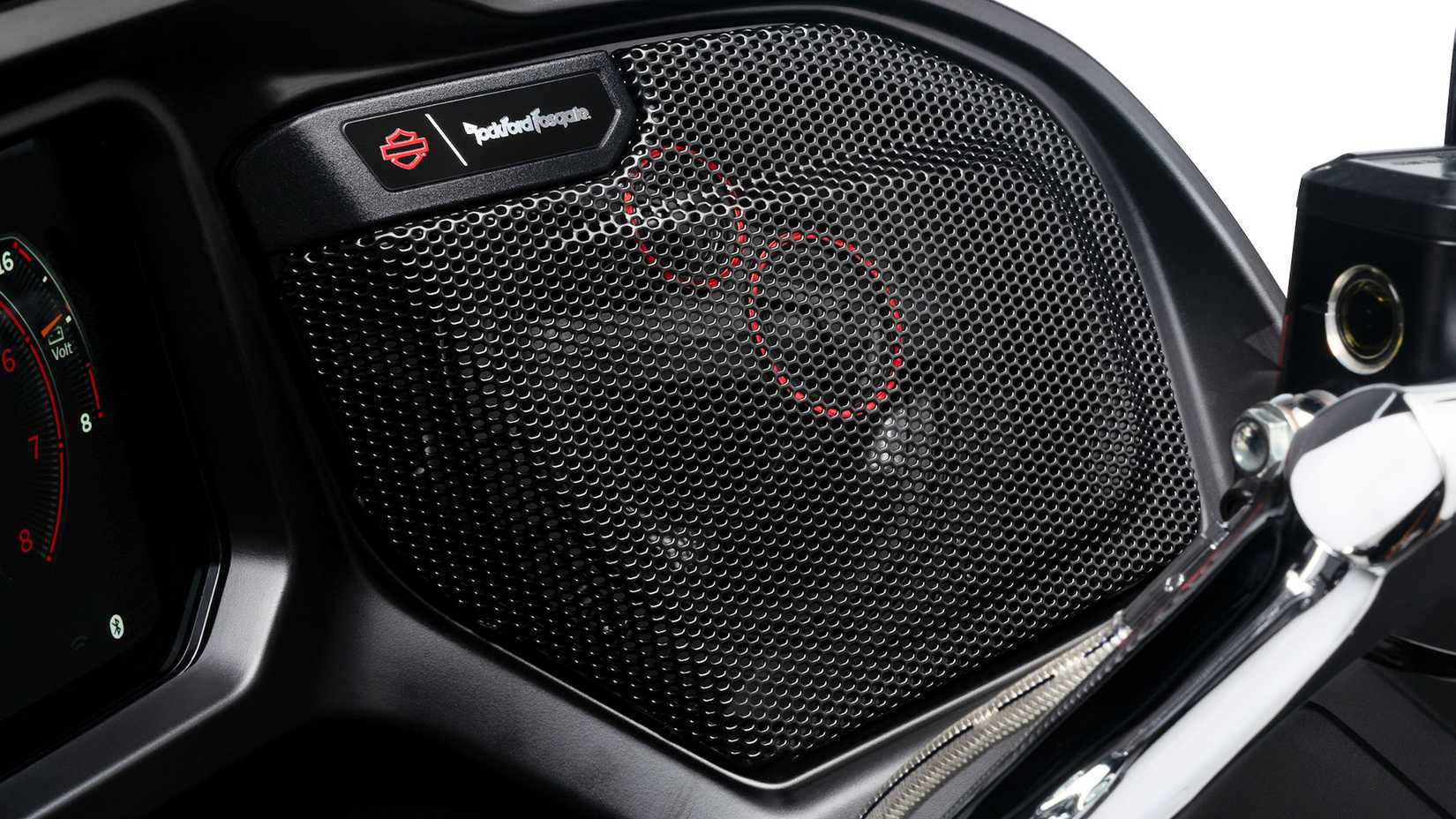
There is also a practicality trade-off. Large speaker pods and amplifier racks often eat into valuable storage space on touring models that were designed for long-distance comfort and utility. Factory Harley audio systems tend to retain value because they feel integrated. Oversized aftermarket installs often feel like someone else’s expensive project waiting to become your problem.
8 Things To Expect When Selling Your Harley-Davidson
What you should expect and considerations to take into account when selling your beloved Harley-Davidson
Aftermarket Wheels With Non-Standard Fitment
Typical Cost: ~$1,200 For Basic Wheel Swaps To More Than $8,000 For Oversized Custom Wheel Conversions With Brakes, Spacers, And Suspension Changes
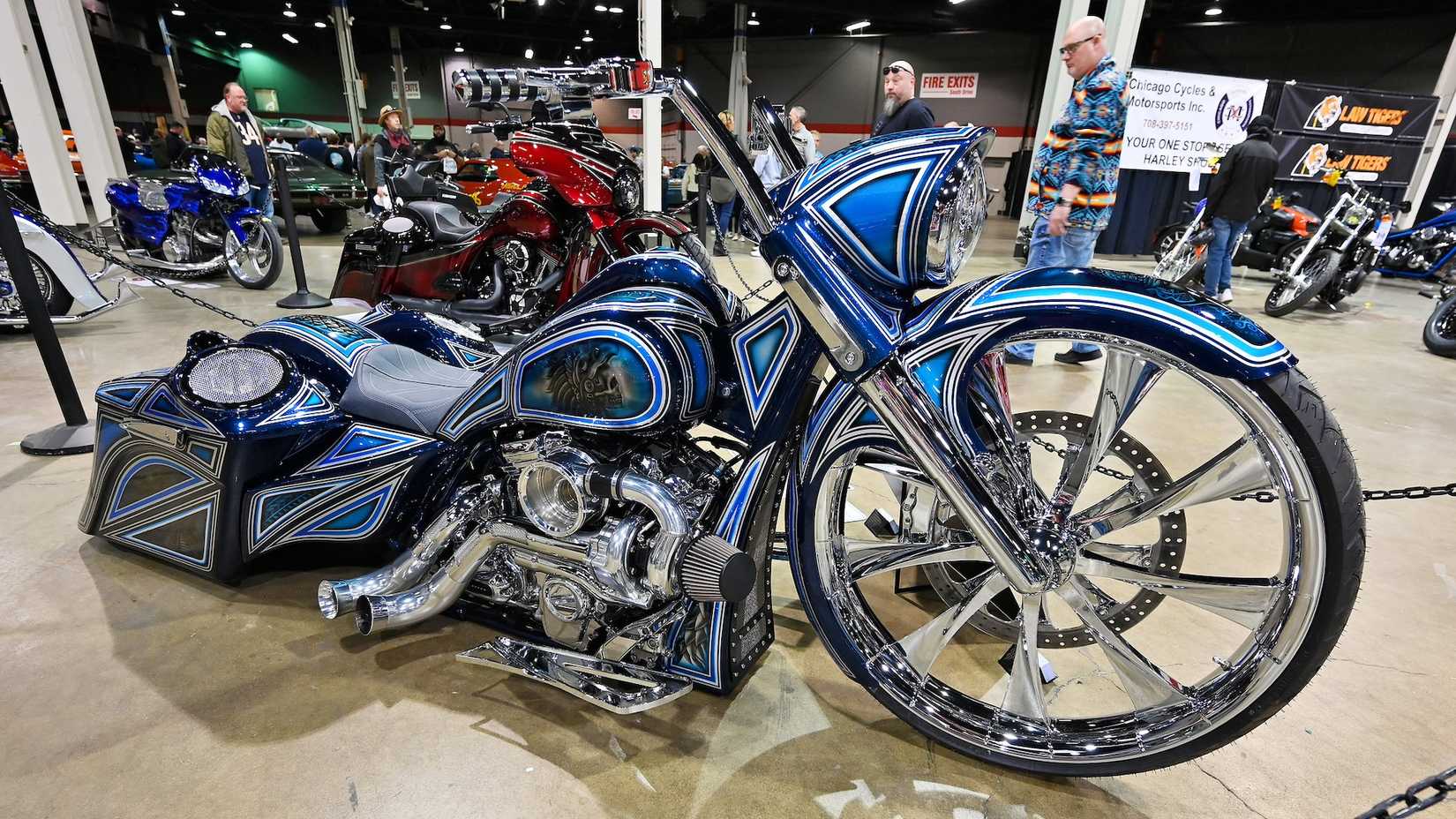
Custom wheels photograph well and dominate social media builds, but they rarely make financial sense at resale. The problem starts the moment a Harley moves away from factory wheel and tire sizing because buyers know they may inherit handling compromises, sourcing headaches, and expensive fitment issues that did not exist before.
Large front wheels, skinny tire setups, axle spacers, and adapter kits all change the steering feel Harley engineers originally tuned into the bike. Sometimes the changes are subtle. Sometimes the front end suddenly feels heavier, slower to turn, or unstable over rough pavement. Experienced riders notice that immediately during a test ride.
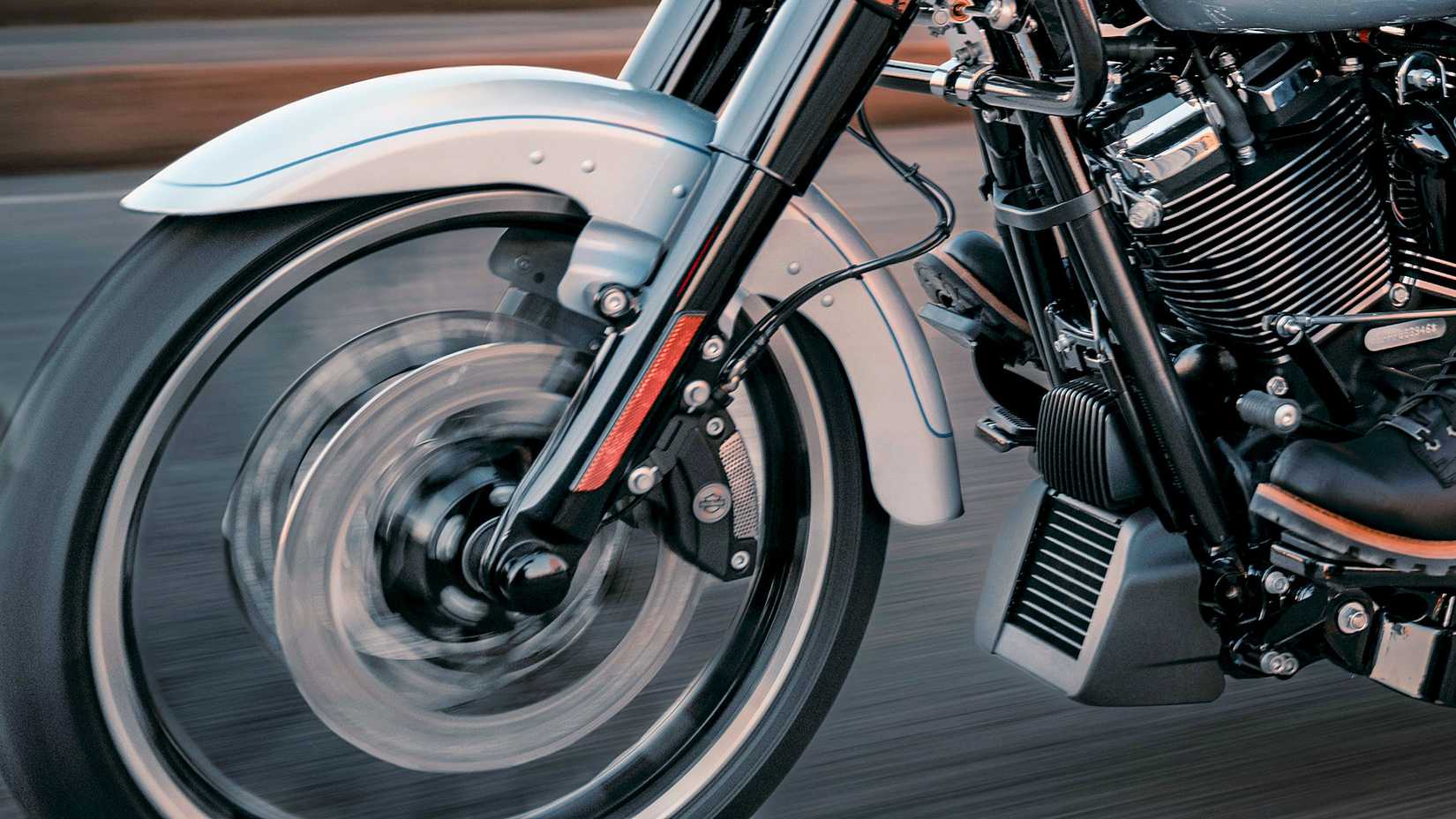
Maintenance concerns also pile up faster than many owners expect. Non-standard tire sizes can become difficult to source, aftermarket chrome plating often ages poorly, and ABS compatibility issues can appear when custom wheels are paired with incorrect sensors or brake spacing. A clean factory wheel setup usually inspires confidence. A heavily modified fitment setup often does the exact opposite, especially once resale time arrives.
Front End Rake Kits
Typical Cost: ~$1,500 For Mild Rake Conversions With Triple Trees To More Than $10,000 For Fully Modified Chopper-Style Front-End Builds
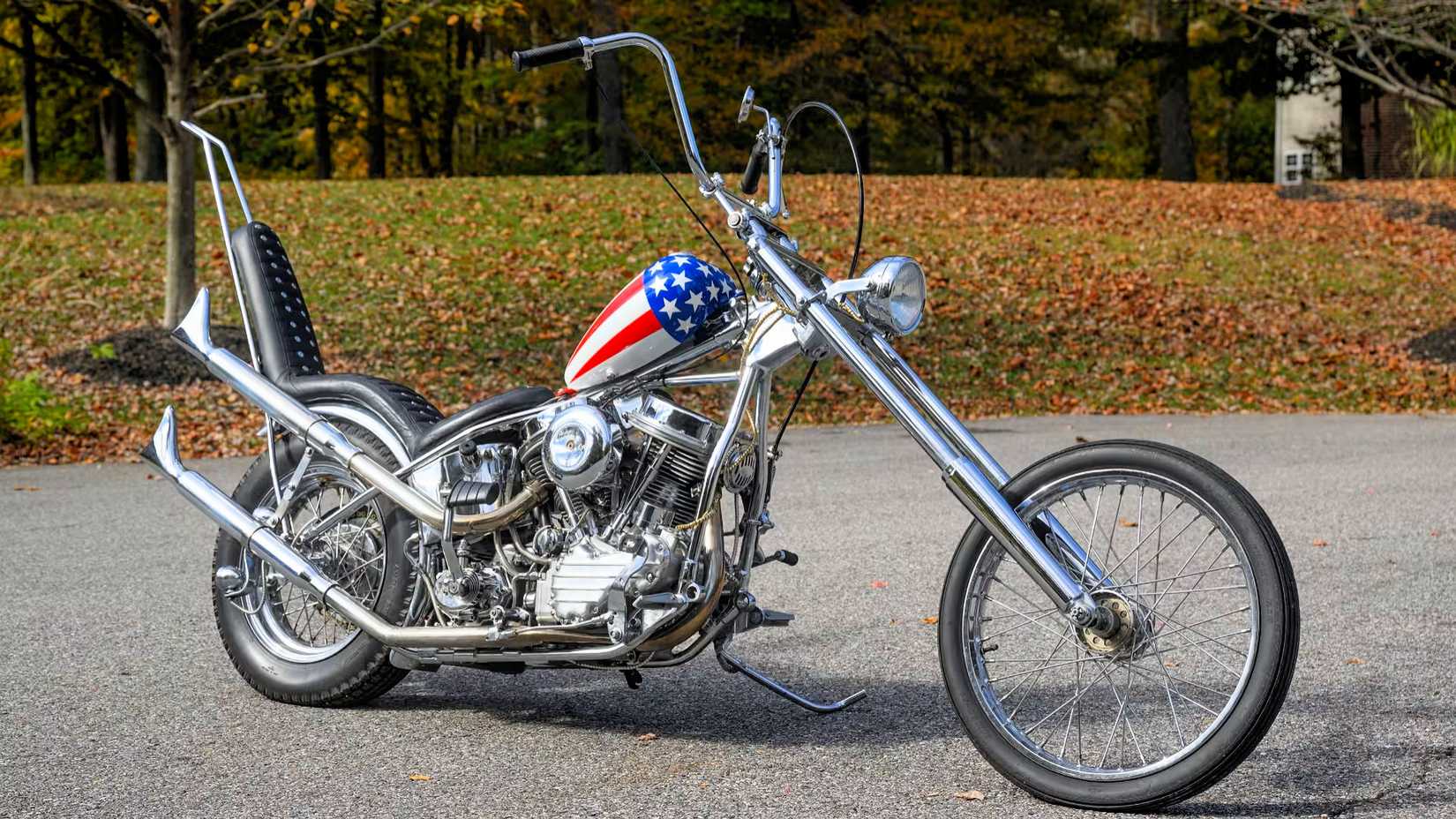
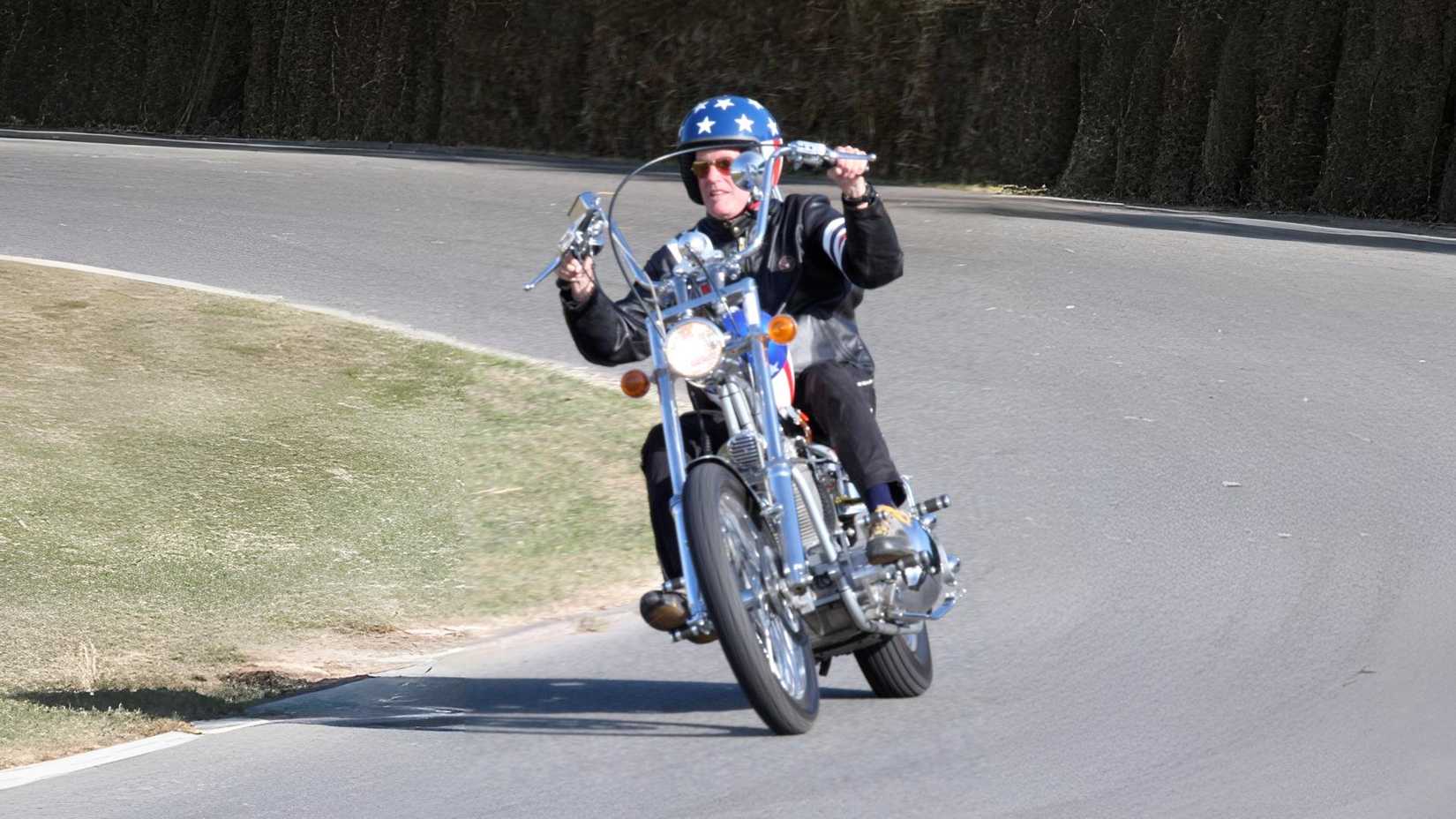
Few Harley modifications change a motorcycle’s personality more dramatically than a rake kit. Long forks and kicked-out front ends instantly create that classic chopper silhouette, but they also introduce some of the biggest rideability compromises on this list. What looks relaxed and stretched parked at a bike night can feel heavy, awkward, and tiring once the road starts twisting.
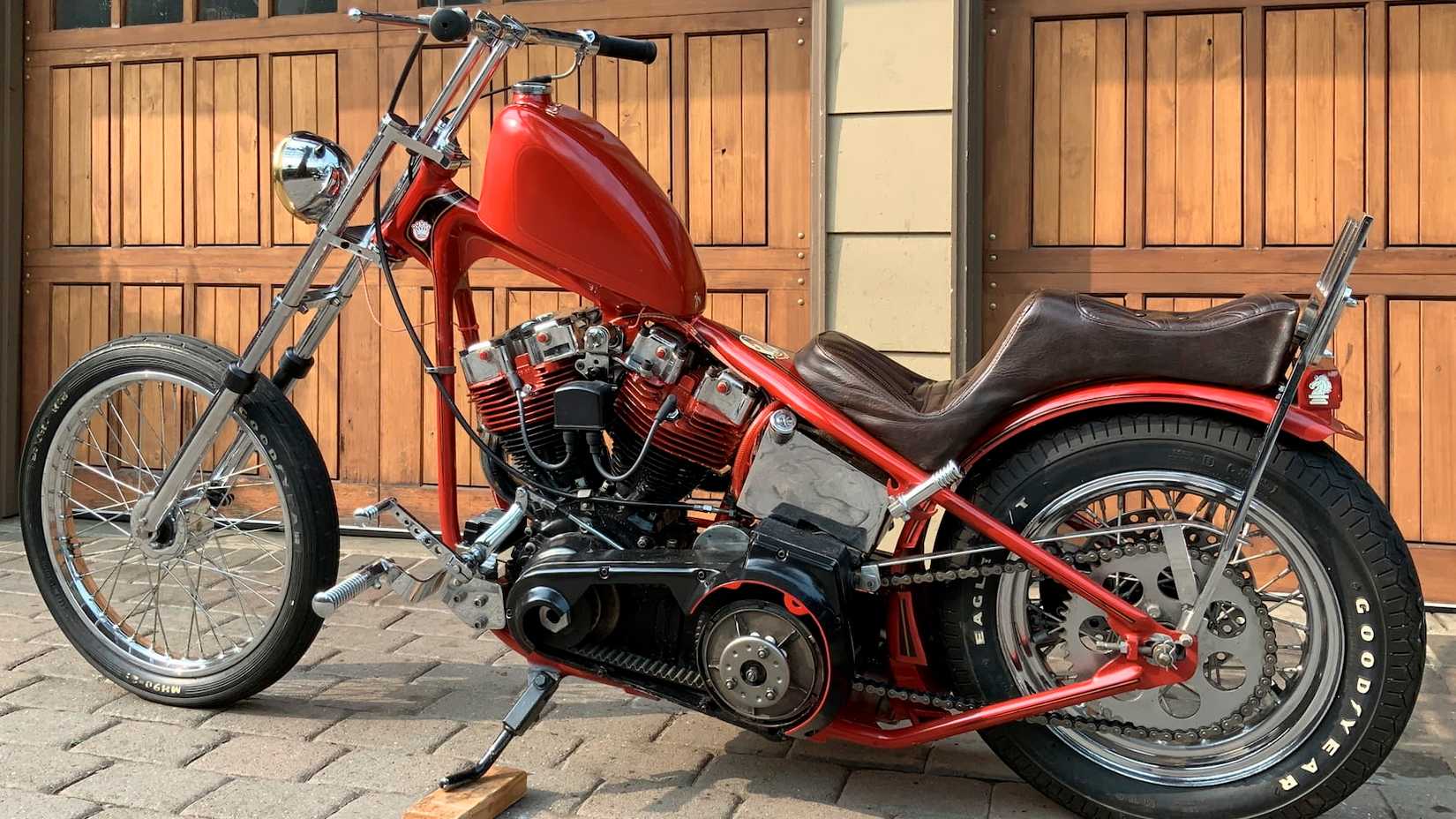
The resale problem comes from how much these setups alter steering geometry. Even moderate rake changes affect low-speed maneuvering, cornering feel, and front-end feedback. Full-frame modifications go even further by permanently altering the motorcycle’s structure. Buyers know that once a frame has been cut and rewelded, there is no easy path back to factory engineering or factory handling characteristics.
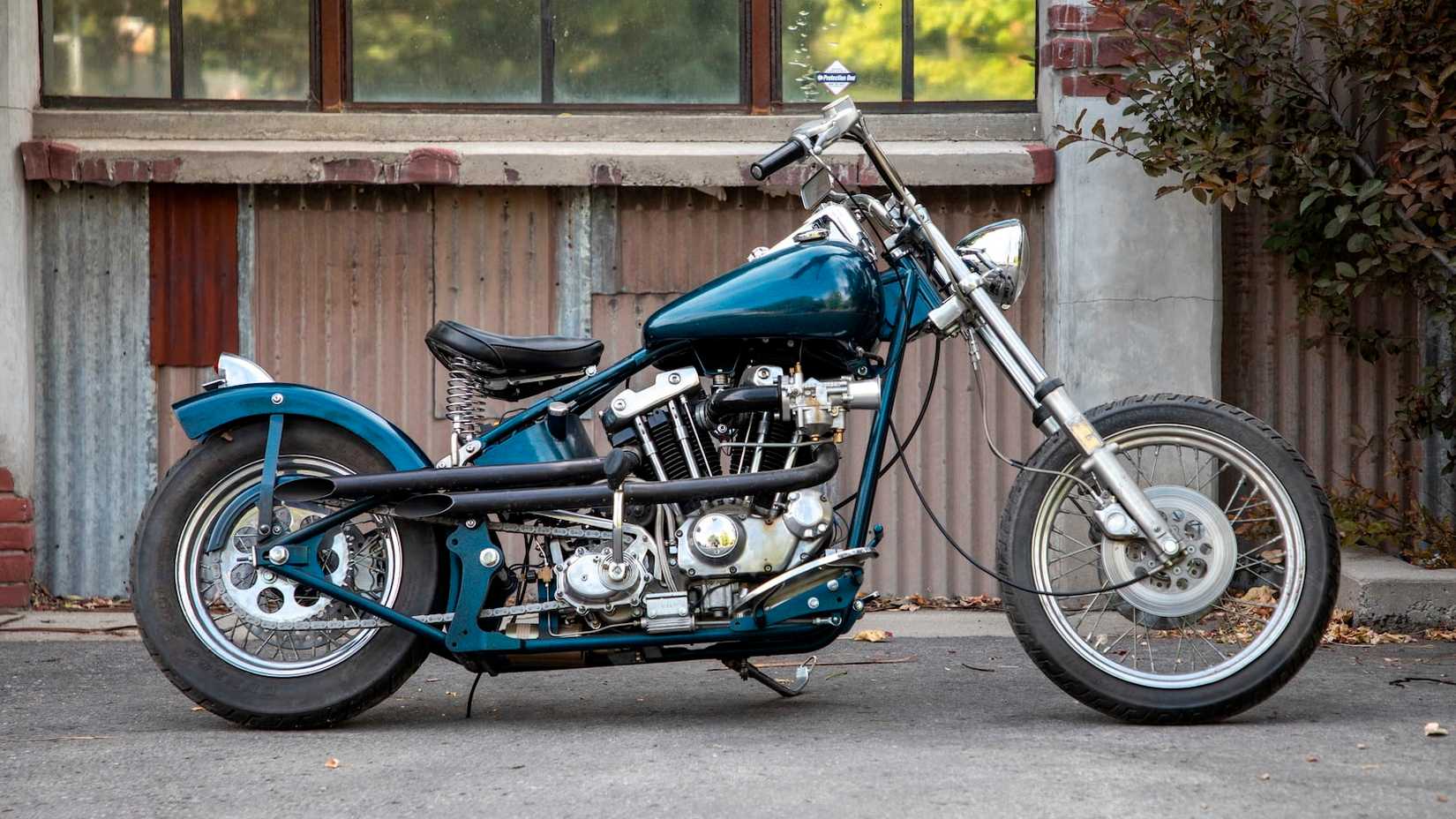
Long-term maintenance can become another concern. Increased leverage on the front suspension accelerates wear on fork components, steering bearings, and seals over time. Choppers will always have a loyal niche audience, but most Harley buyers want something stable, comfortable, and predictable on real roads. Radical rake builds usually move in the opposite direction.
Clutch And Primary “Show” Conversions
Typical Cost: Roughly $2,000 To More Than $7,000 Depending On The Setup
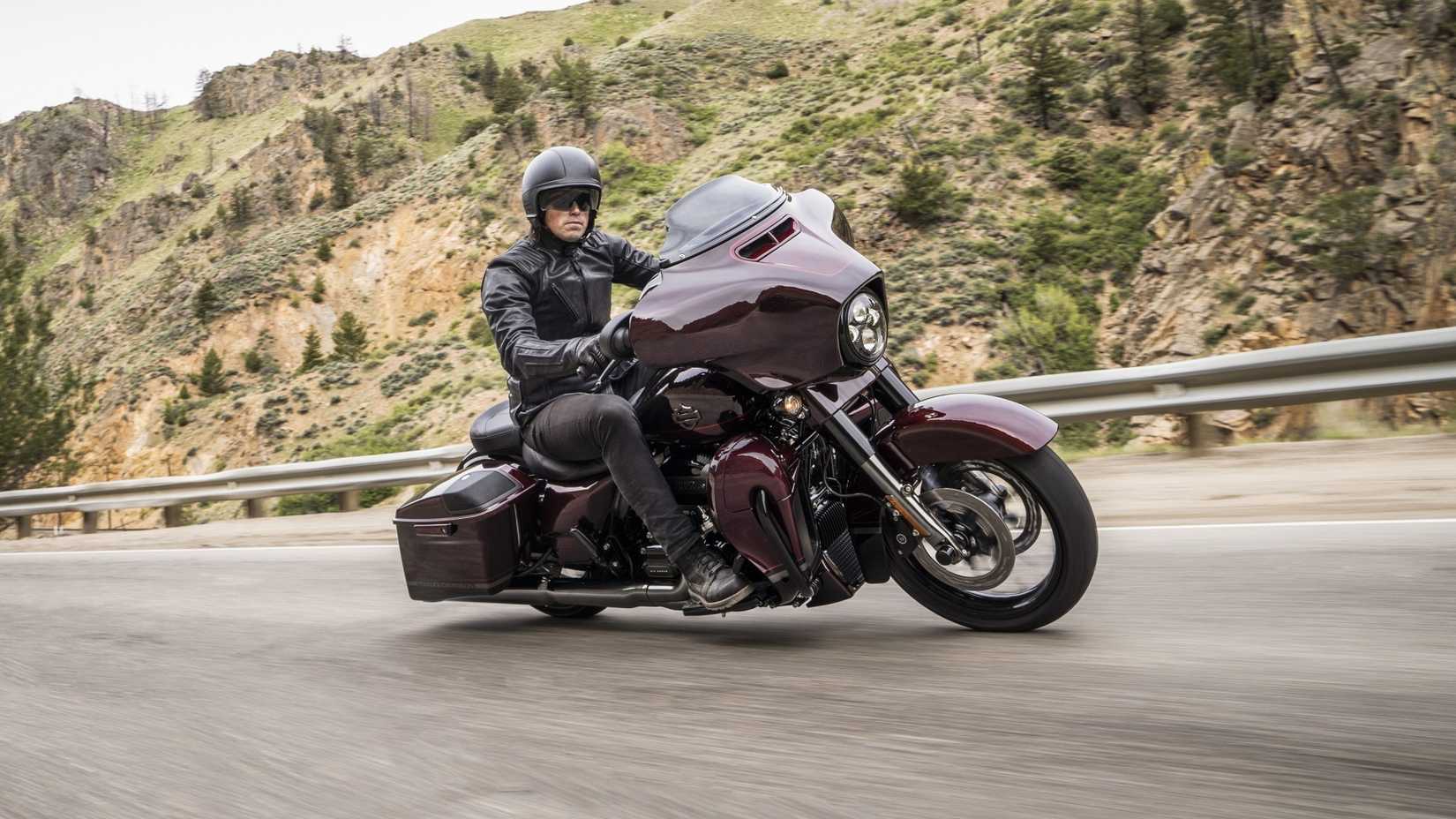
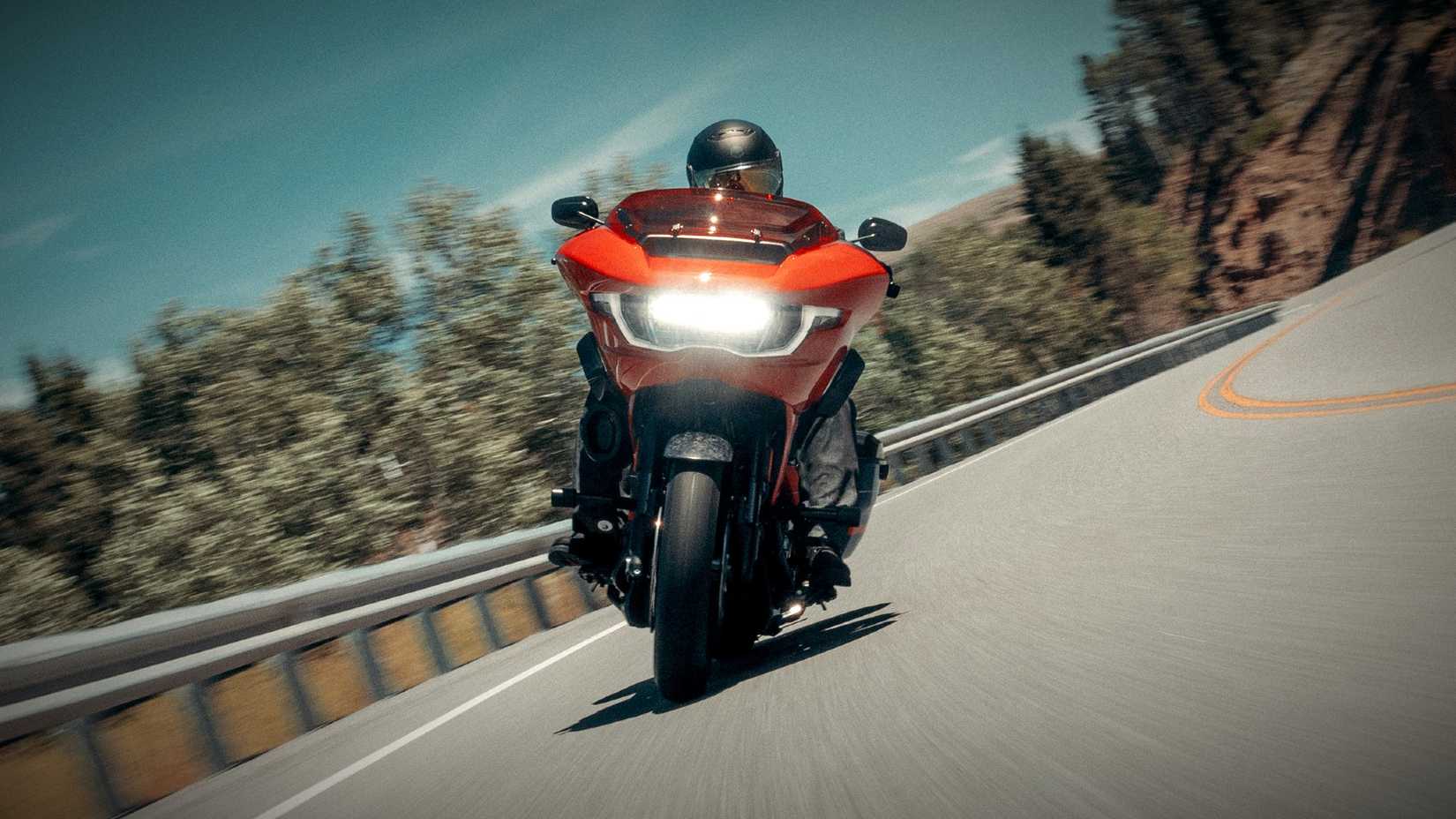
Open primary conversions deliver undeniable visual drama. The exposed belt, spinning clutch basket, and raw mechanical noise create a stripped-down old-school look that still turns heads at shows and bike nights. The problem is that most buyers see them as a lifestyle modification rather than an upgrade that improves the motorcycle itself.
Harley-Davidson
Unlike Harley’s enclosed factory primary systems, open setups expose critical moving components directly to dirt, moisture, road debris, and accidental contact. They also change the riding experience in ways many owners eventually grow tired of. Dry clutches can rattle loudly at idle, engagement often feels harsher in traffic, and long-distance comfort takes a back seat to visual impact.
Harley-Davidson
There is also the simple reality that these conversions appeal to a very narrow audience. Buyers shopping for used Harleys usually want reliability, ease of ownership, and road-trip usability. An exposed primary system signals compromise in all three areas. Once a bike starts feeling more like a rolling custom display than a practical motorcycle, resale opportunities shrink quickly.
5 Harley-Davidsons You Should Buy New (And 5 That Are Better Bought Used)
You can get a used 122-horsepower Harley-Davidson cruiser, co-developed with Porsche, for under $10,000.
Removing Touring Essentials (Windshield, Tour-Pak, Crash Bars)
Typical Cost: ~$500 To $3,000 To Remove And Replace Factory Touring Components, Then Buyer Incurs Additional Costs Trying To Restore The Bike Later
Harley-Davidson
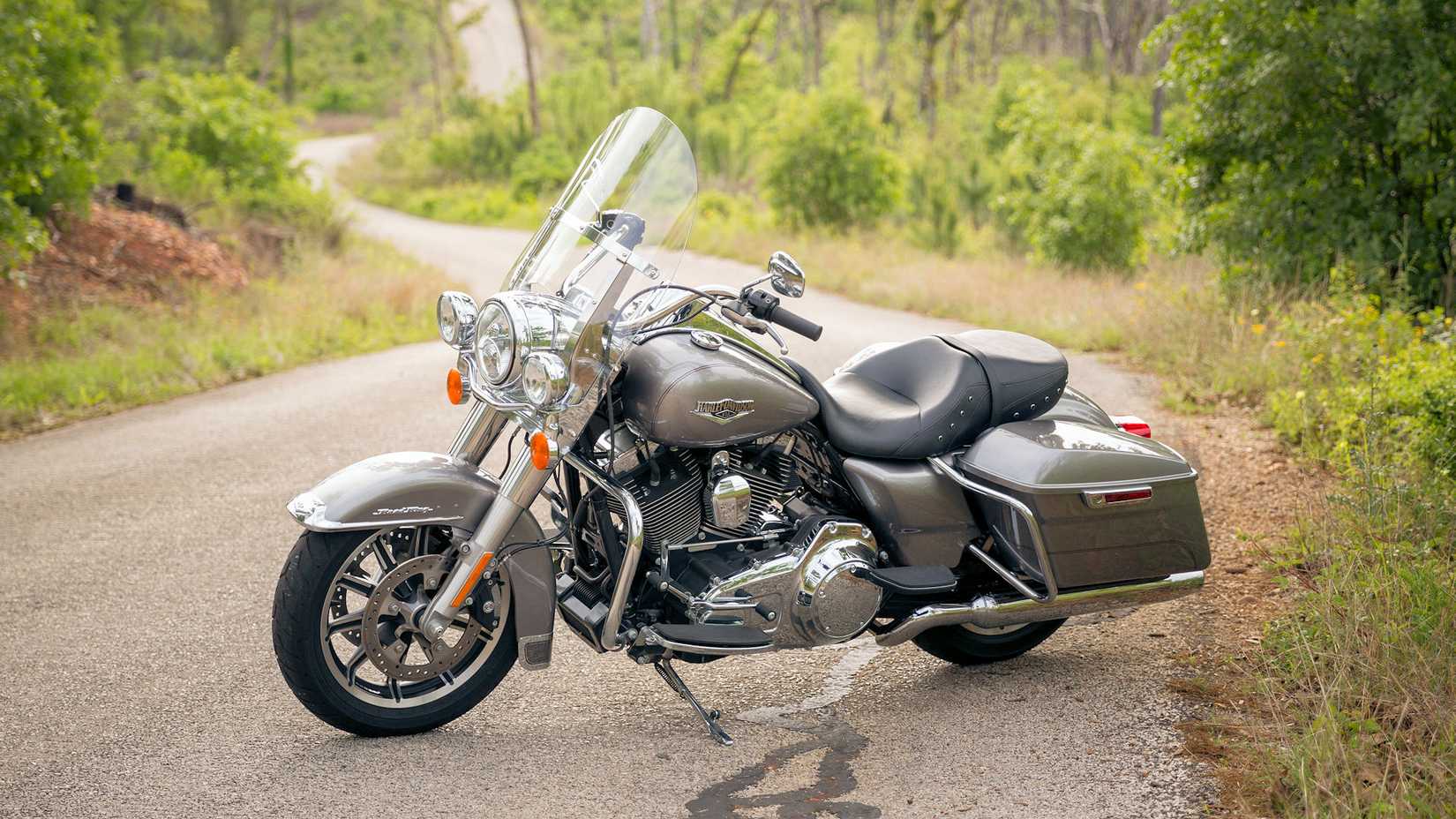
This modification hurts resale for one simple reason: buyers purchase Harley touring models specifically for comfort, storage, and long-distance usability. Once windshields, Tour-Paks, crash bars, lower fairings, and saddlebags start disappearing, the motorcycle begins losing the very qualities that justified its original price tag.
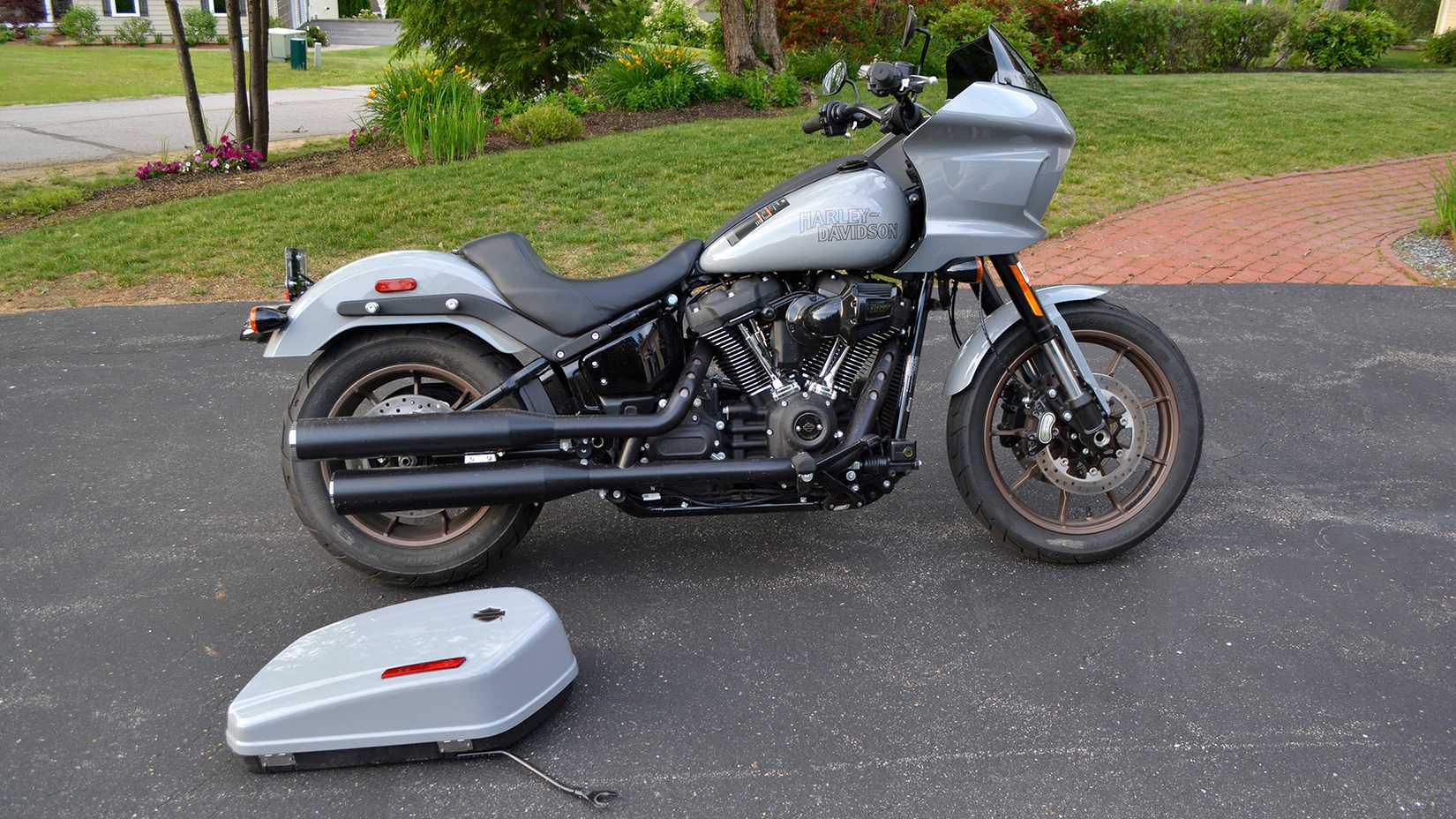
The change usually looks better in photos than it feels on the highway. Removing touring equipment exposes more wind turbulence, reduces weather protection, cuts luggage capacity, and often makes the bike feel oddly unfinished. Factory touring Harleys are carefully balanced around those components, both visually and functionally. Strip too much away, and the motorcycle can start to look less like a purpose-built touring machine and more like an expensive project caught halfway through a conversion.
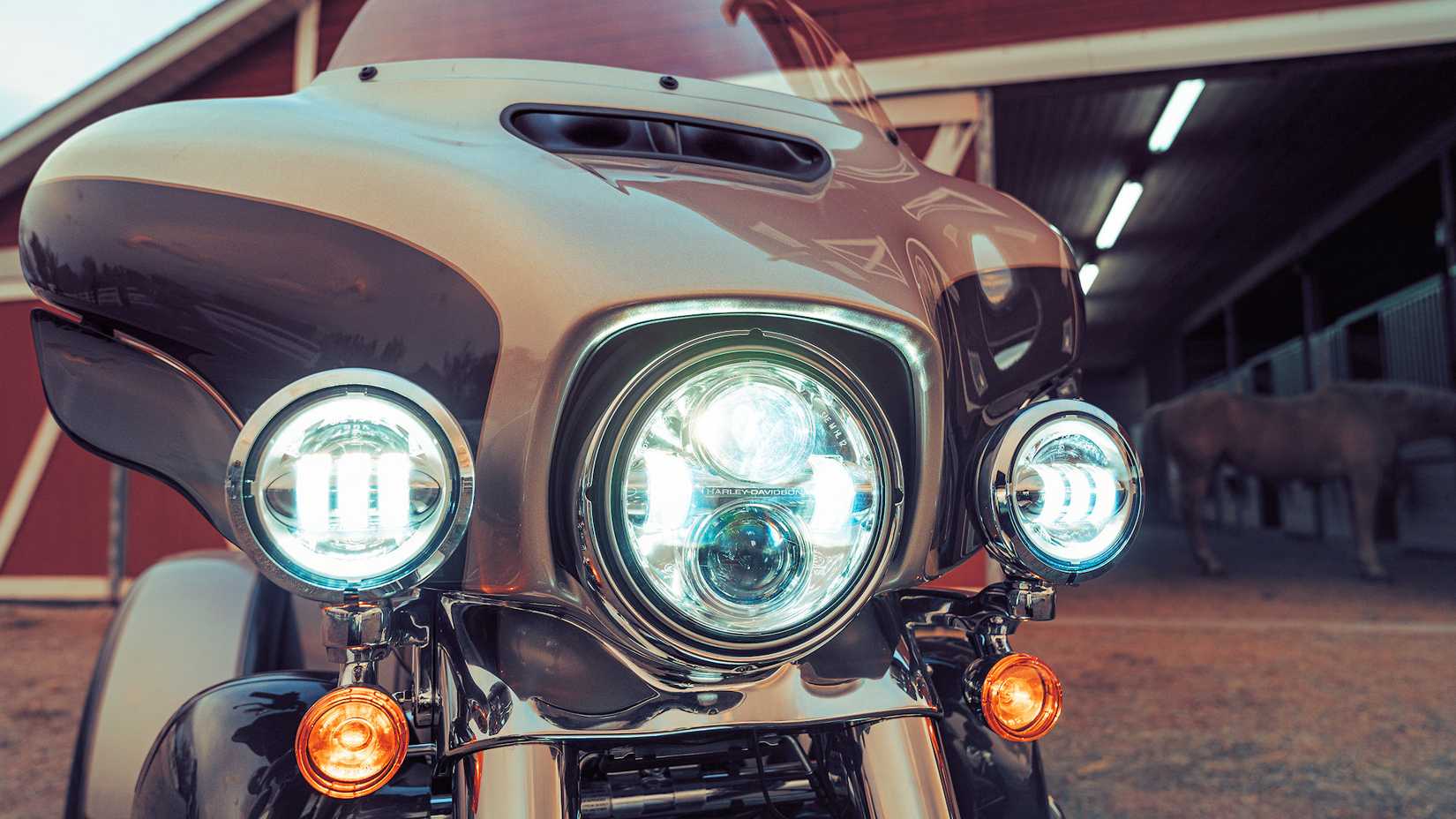
Harley-Davidson
That disconnect matters at resale because most buyers shopping Road Glides, Street Glides, Ultras, and Tri Glides want effortless highway miles, passenger comfort, and practicality already built in. They are not looking for a touring bike that no longer tours particularly well. More than any other modification on this list, this one misunderstands what the market actually values in a Harley-Davidson touring model.
Source: Harley-Davidson (Data is supported by experience as a certified motorcycle mechanic trained across the Big Four and Harley-Davidson, adding practical insight into reliability trends, service intervals, ownership patterns, and long-term durability.)