
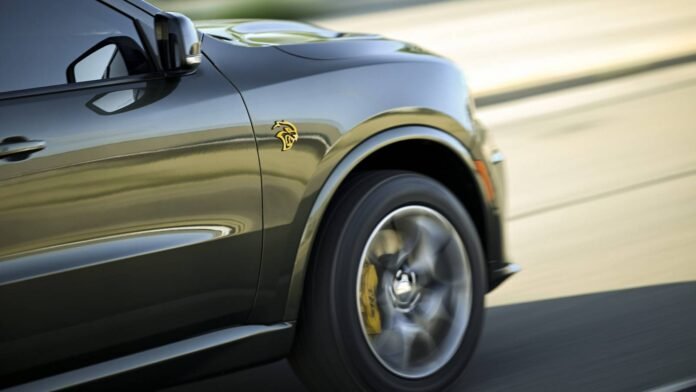
Acceleration used to be the defining advantage of low-slung sports cars. Lightweight chassis, rear-wheel drive, and high-revving engines ensured that anything shaped like a box was destined to lose at the lights. Today, this hierarchy has collapsed. Some modern pickups and SUVs now combine massive power outputs with advanced traction systems, launch control programming, and, in some cases, electric torque delivery. The result is a new class of performance vehicles that defy physics and expectations.
What makes this shift so remarkable is not just the headline 0-60 mph figures, but how consistently these vehicles deliver them. With curb weights frequently exceeding 5,500 pounds, and in some cases pushing beyond 9,000, these machines should be slow. Instead, all-wheel drive systems capable of micro-adjustments in milliseconds, multi-motor EV architectures, and torque-rich forced-induction V8s allow them to deploy power more effectively than many traditional sports cars. This list focuses on straight-line performance from a standing start, where traction and torque matter more than aerodynamics or lap times.
Models are listed in descending order based on 0-60 MPH times, from the quickest to the slowest.
Tesla Model X Plaid
0-60 mph: 2.5 seconds
The Tesla Model X Plaid remains one of the quickest-accelerating SUVs ever produced, and one of the fastest production vehicles on the planet, regardless of body style. Its tri-motor all-wheel-drive system produces an estimated 1,020 horsepower, allowing the 5,390-pound SUV to hit 60 mph in just 2.5 seconds, with a quarter-mile time of 9.9 seconds at 148 mph.
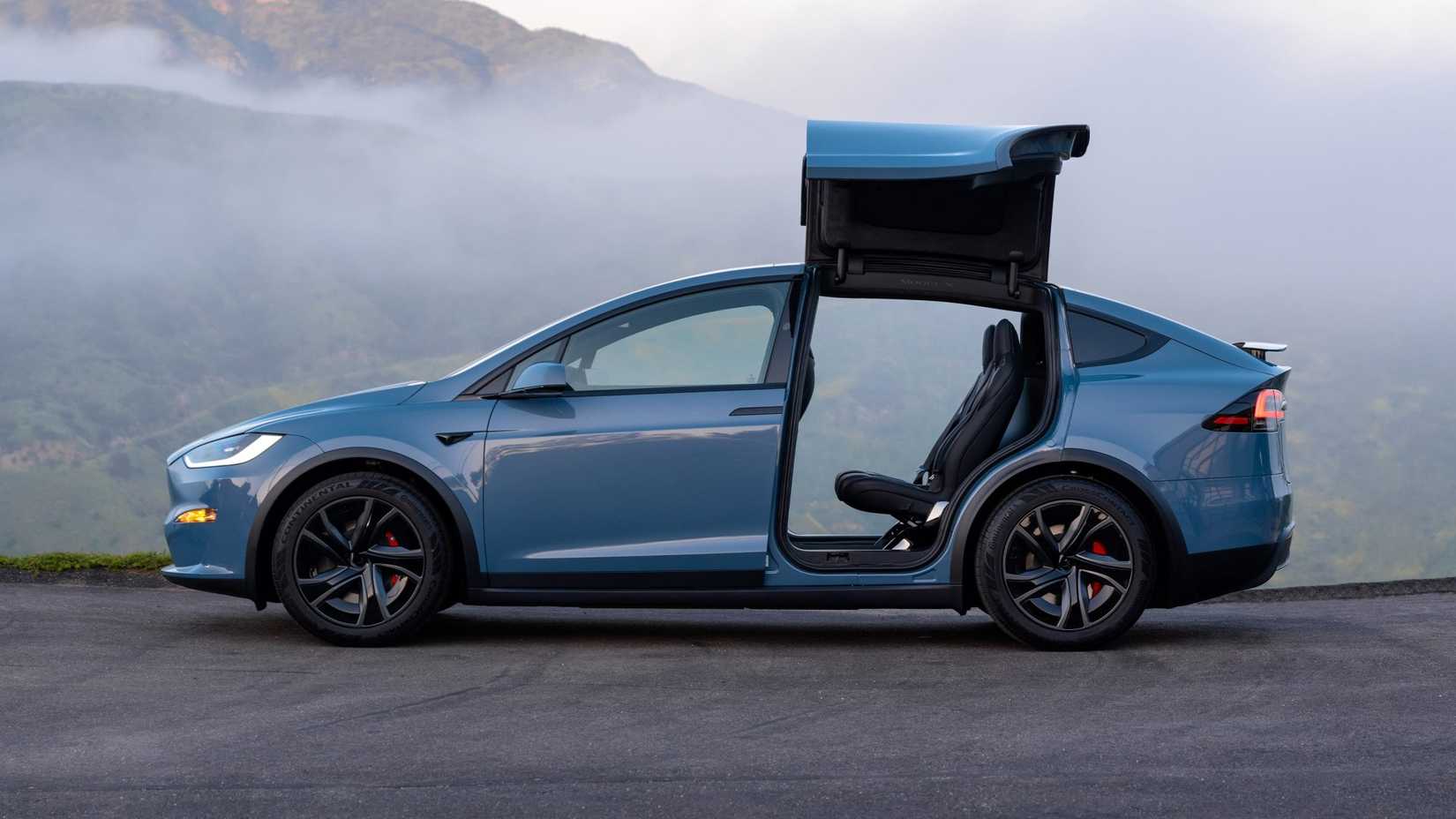
What makes the Model X Plaid so dominant off the line is torque delivery. Electric motors produce peak torque from zero rpm, eliminating the need for gear changes or boost buildup. Tesla’s traction control software continuously adjusts power distribution between the front and rear axles, ensuring maximum grip even on imperfect surfaces.
Despite its performance credentials, the Model X Plaid remains a fully functional three-row SUV with seating for up to seven passengers and a combined 88 cubic feet of cargo space. That duality, supercar acceleration wrapped in family-car packaging, is precisely why it obliterates traditional sports cars in real-world stoplight scenarios.


Find 2026 Tesla Model X Plaid and more cars for sale on our Marketplace
Rivian R1T (Quad-Motor)
0-60 mph: 3.0 seconds
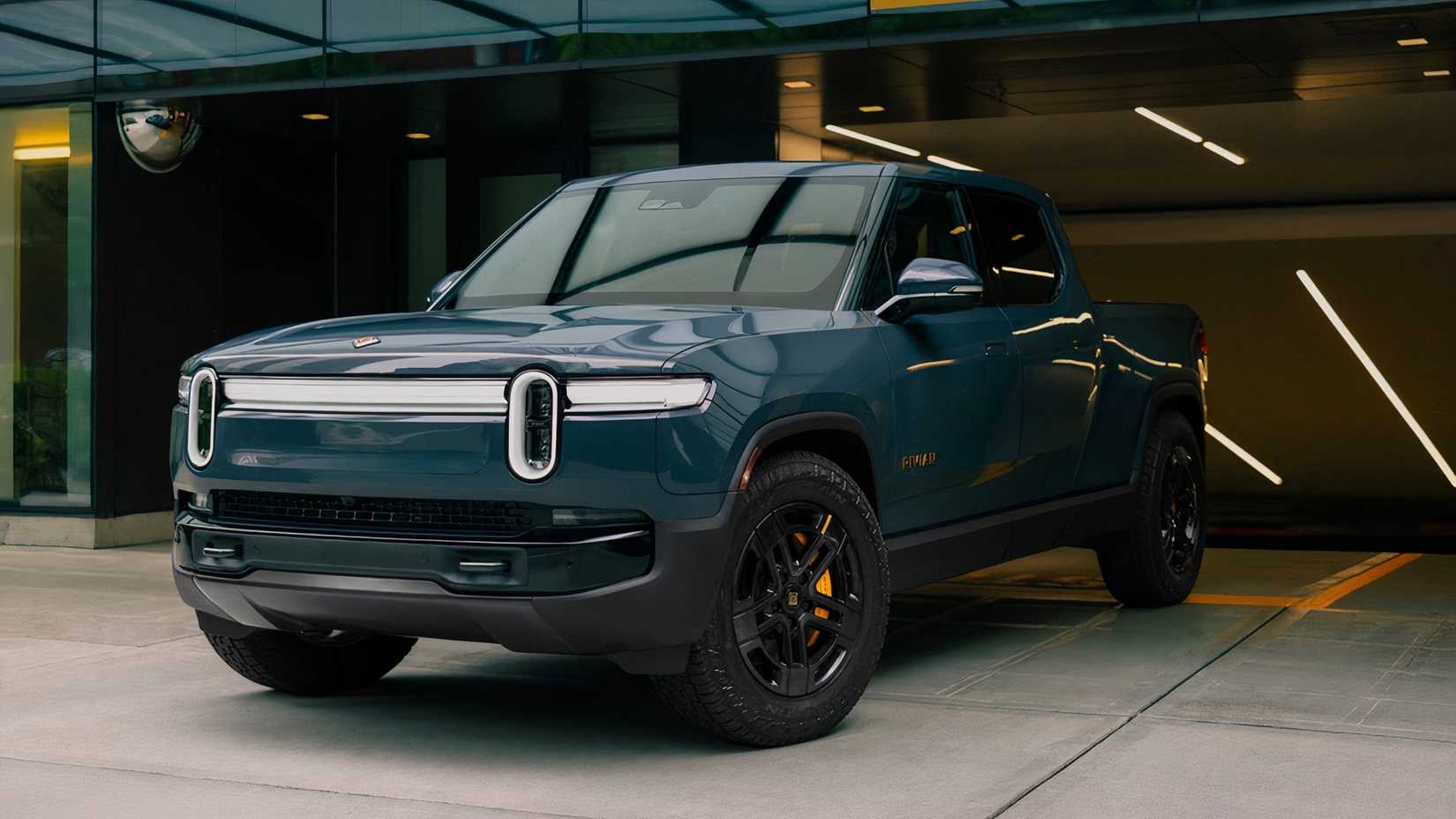
The Rivian R1T Quad-Motor uses a fundamentally different performance philosophy than combustion-powered rivals. Each wheel is driven by its own electric motor, producing a combined 835 horsepower and 908 pound-feet of torque. Despite a curb weight exceeding 7,100 pounds, the R1T reaches 60 mph in just three seconds.
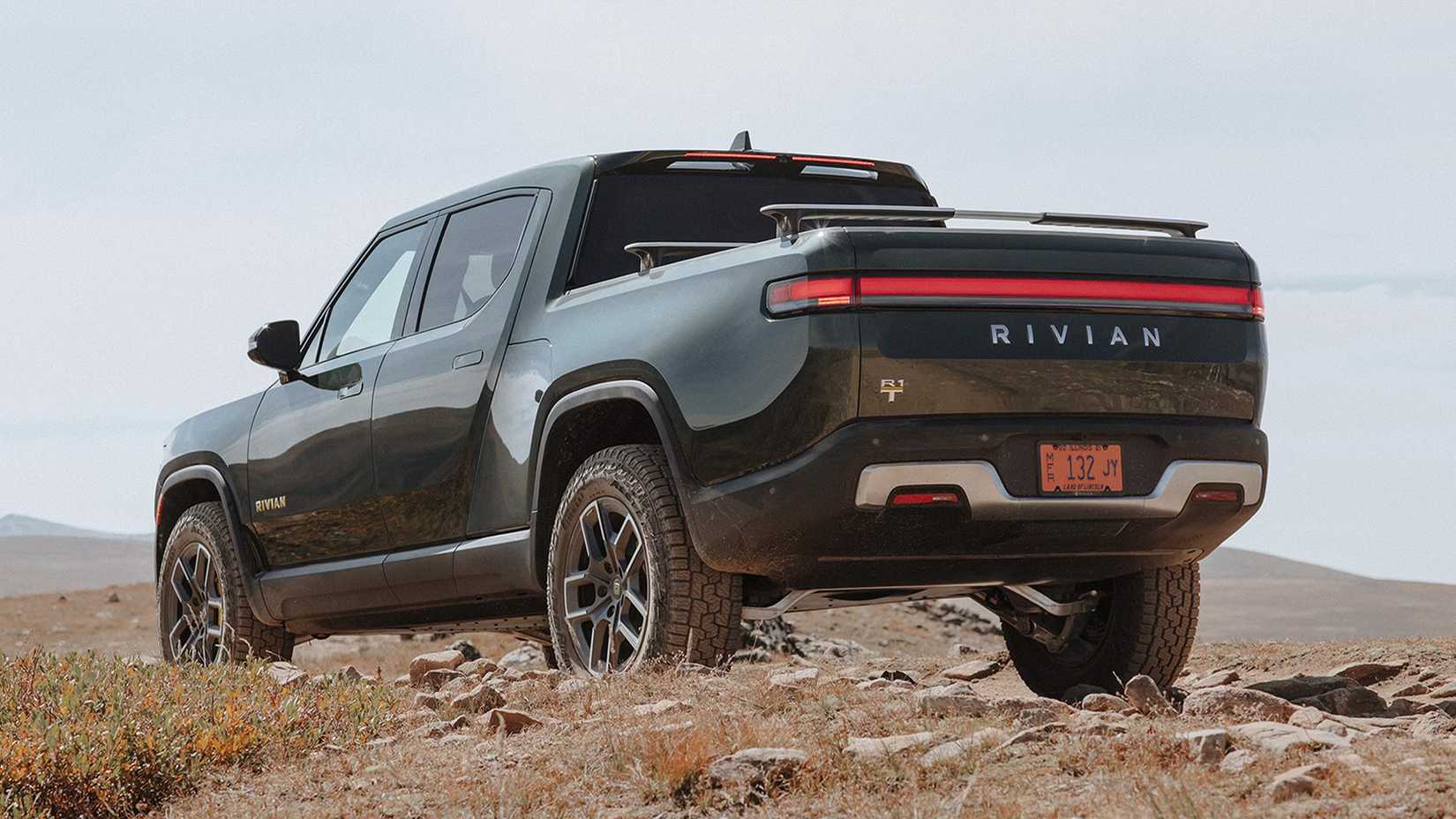
Independent motors allow for true torque vectoring, meaning power can be precisely distributed to each wheel instantaneously. This gives the R1T exceptional launch traction, particularly on loose or uneven surfaces where traditional drivetrains struggle. The performance is even more impressive when viewed alongside its utility credentials. With an 11,000-pound towing capacity, adjustable air suspension, and over 14 inches of ground clearance, the R1T proves that extreme acceleration no longer requires sacrificing capability. Against rear-wheel-drive sports cars, the Rivian’s traction advantage is decisive.
Find 2026 Rivian R1T Truck and more cars for sale on our Marketplace
Porsche Cayenne Turbo GT
0-60 mph: 3.1 seconds
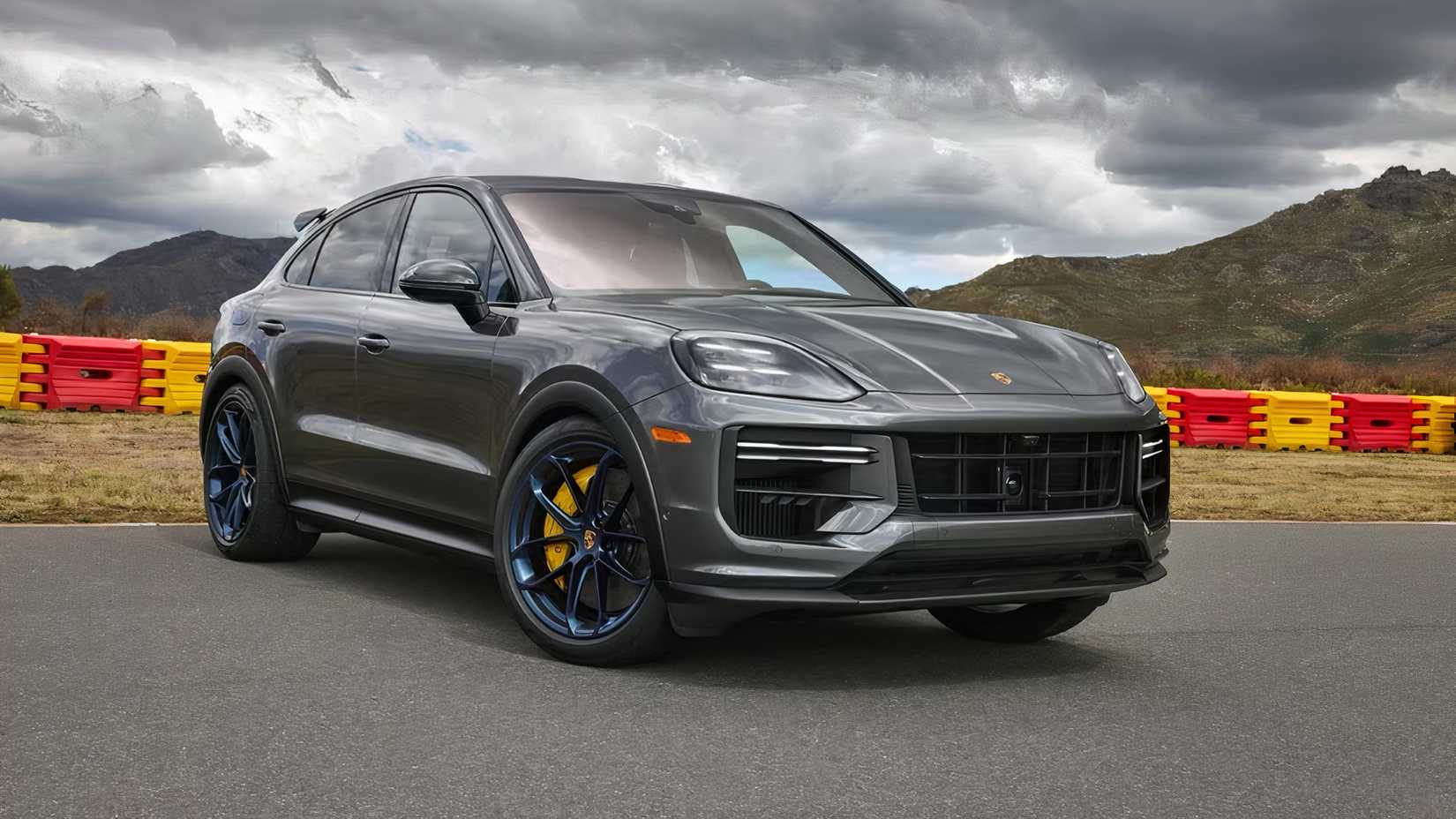
The Porsche Cayenne Turbo GT is the most performance-focused SUV Porsche has ever built. Its twin-turbocharged 4.0-liter V8 produces 631 horsepower and 626 pound-feet of torque, paired with an eight-speed Tiptronic S automatic and a rear-biased all-wheel-drive system.
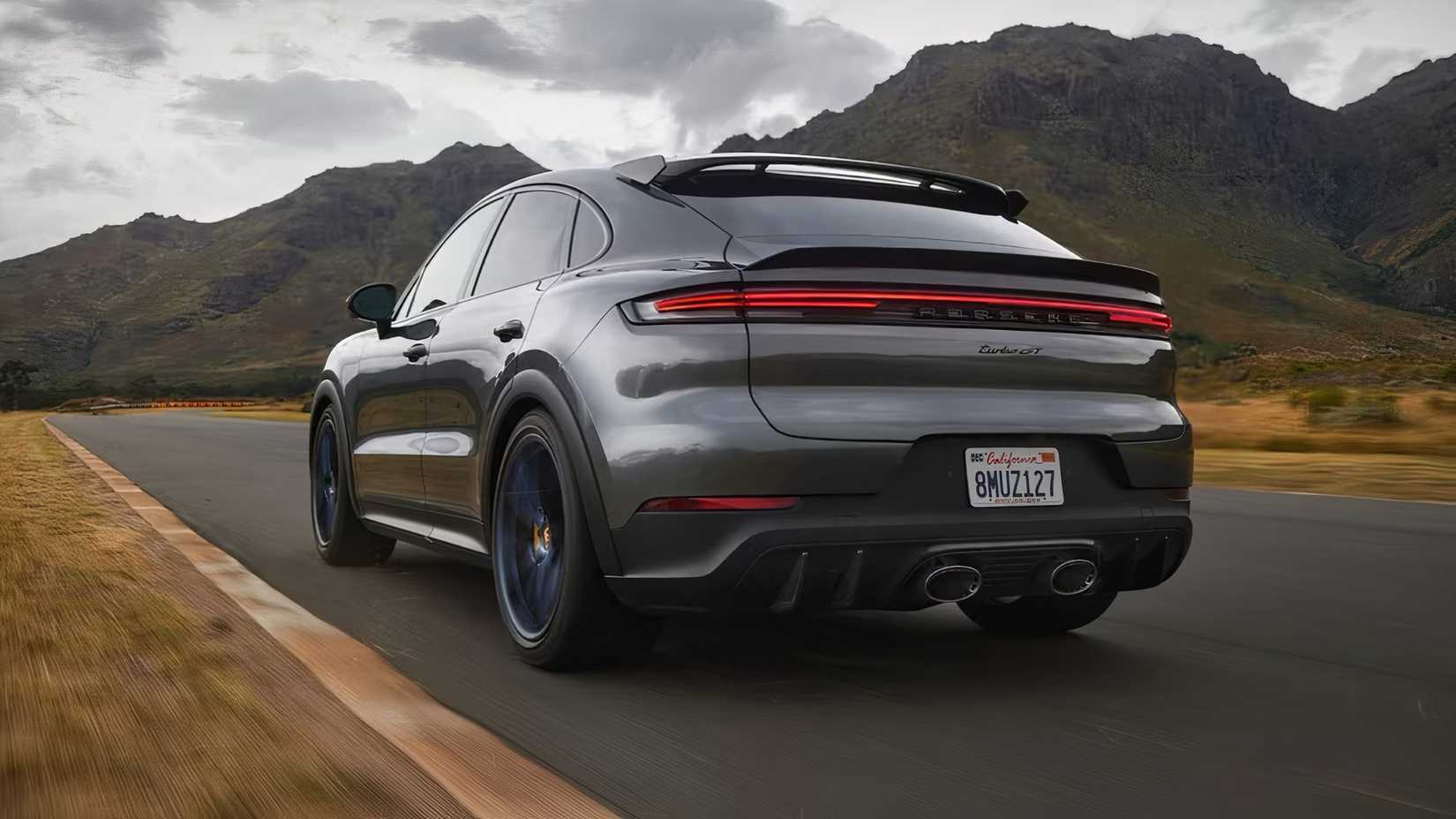
With launch control engaged, the Cayenne Turbo GT rockets to 60 mph in 3.1 seconds and completes the quarter mile in 11.3 seconds. Porsche’s chassis tuning plays a major role here, with a lowered ride height, recalibrated air suspension, and extensive use of lightweight materials helping offset its 5,100-pound curb weight. Unlike brute-force rivals, the Cayenne Turbo GT’s launches feel surgically precise. Power delivery is immediate but controlled, making it exceptionally effective against sports cars that struggle to put power down cleanly off the line.
Find 2026 Porsche Cayenne Turbo and more cars for sale on our Marketplace
10 EVs That Combine Blistering Speed With Long Range
Being quick off the line and able to go 300 miles on a single charge isn’t as easy a feat for an EV as you might think. Here are the 10 best at it.
Lamborghini Urus Performante
0-60 mph: 3.2 seconds
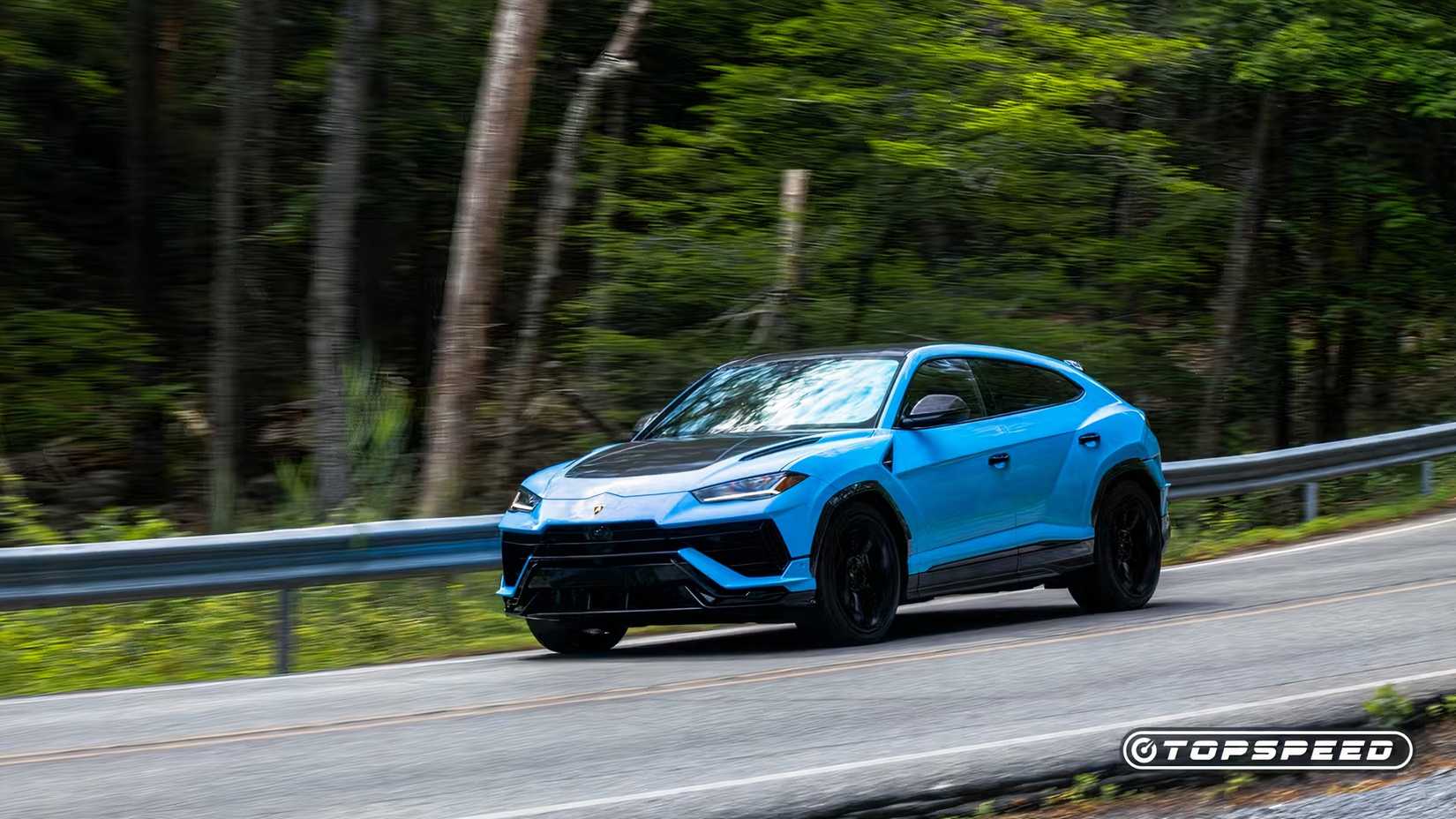
The Lamborghini Urus Performante represents the Italian supercar maker’s most aggressive SUV to date. Its 4.0-liter twin-turbo V8 generates 657 horsepower and 627 pound-feet of torque, while extensive weight reduction measures drop curb weight by nearly 100 pounds compared to the standard Urus.
Chucking the Urus Performante into a corner at speed is a sensation out of this world because it’s impossible to imagine how something so big and heavy could so easily change direction and with so much grip.
– Chris Chin for TopSpeed
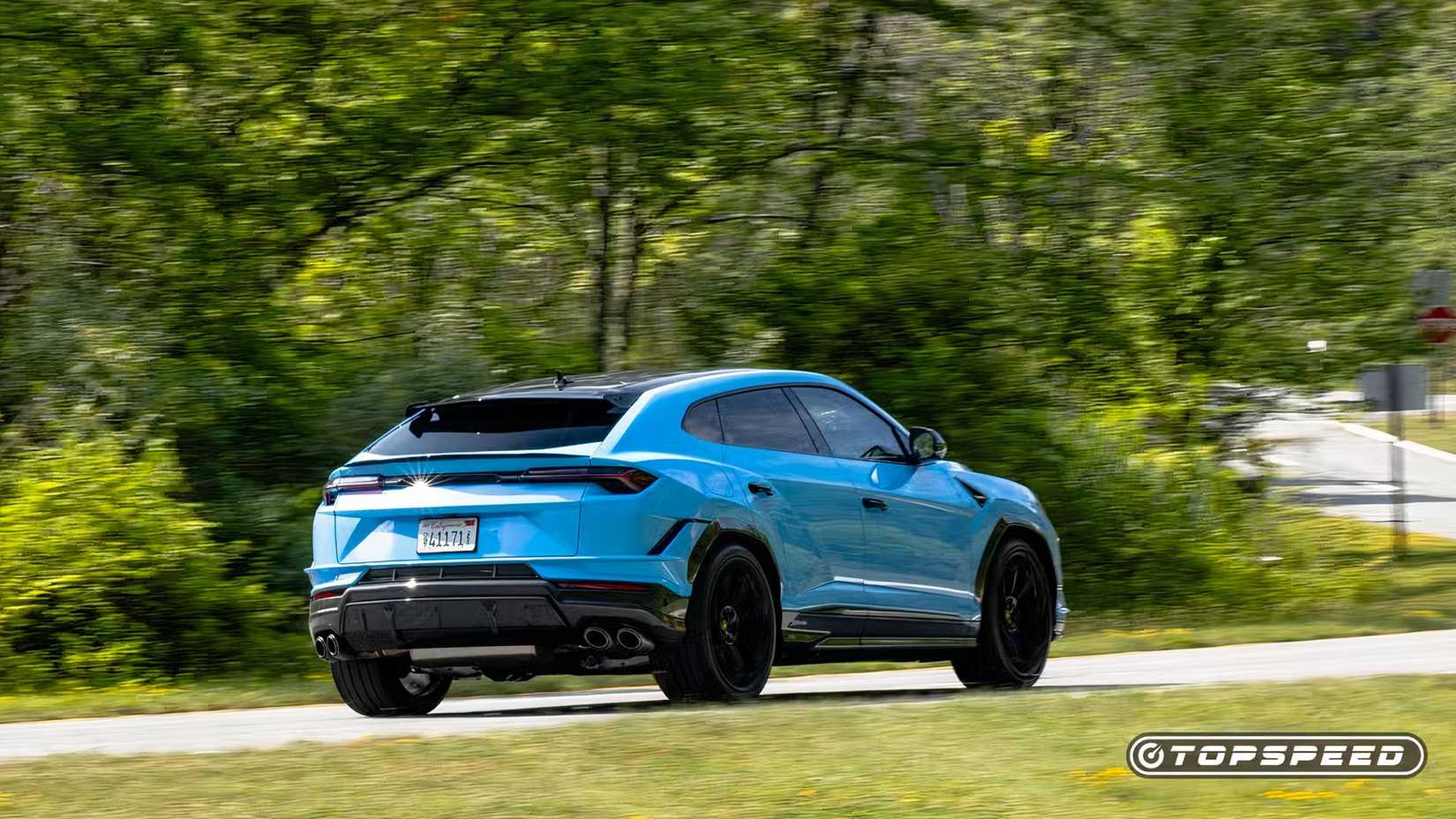
Launch control unleashes a dramatic, hard-hitting start, sending the Urus Performante to 60 mph in 3.2 seconds and through the quarter mile in 11.5 seconds. Permanent all-wheel drive and a torque-vectoring rear differential ensure maximum grip during initial acceleration. What separates the Urus from many sports cars is its consistency. While high-powered rear-drive coupes often struggle with wheelspin, the Urus simply goes, hard and clean, making it devastating in short sprints.
Find 2024 Lamborghini Urus Performante and more cars for sale on our Marketplace
GMC Hummer EV Pickup
0–60 mph: 3.3 seconds
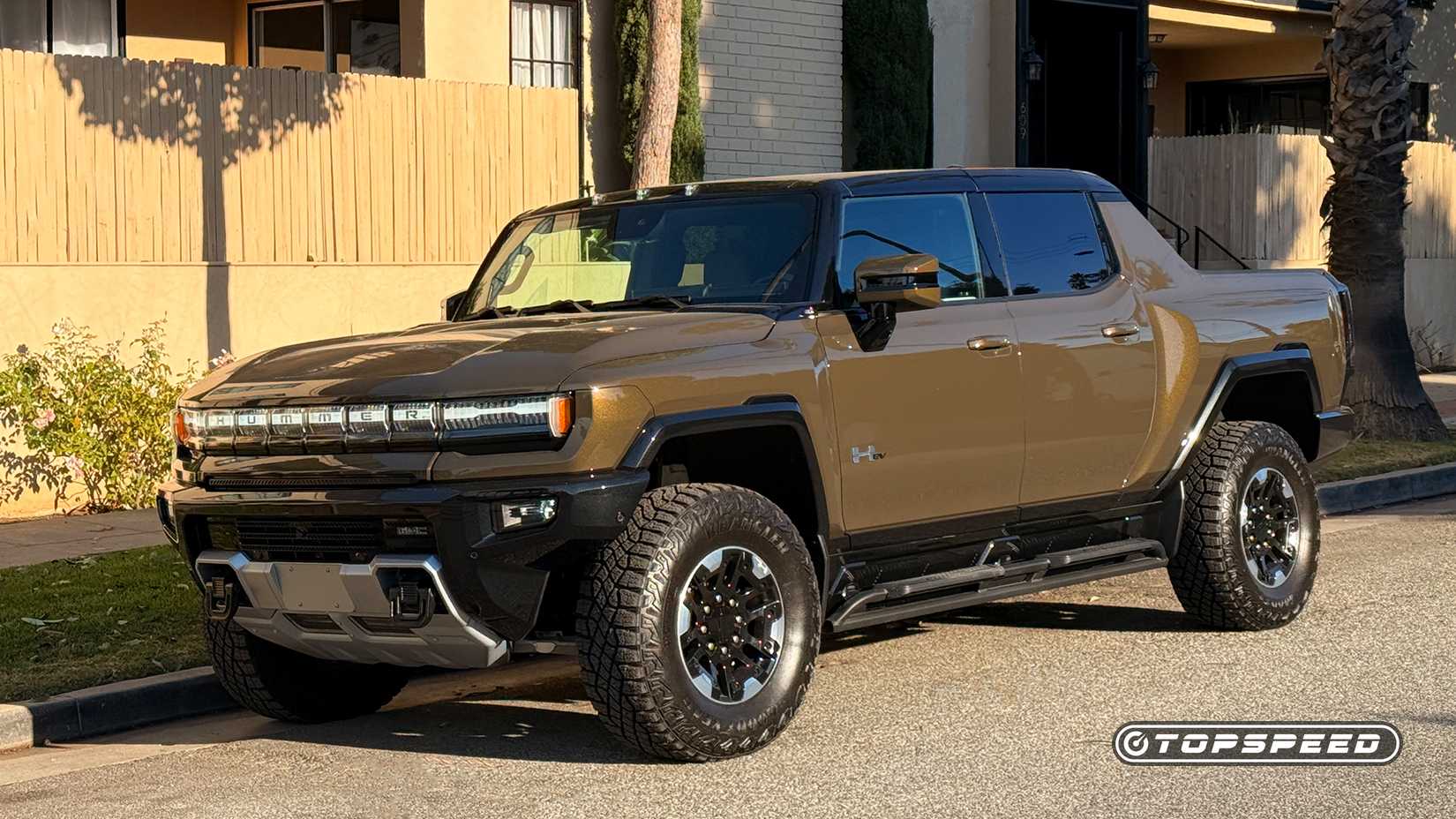
The GMC Hummer EV Pickup defies every traditional performance metric. Weighing over 9,000 pounds, it uses a three-motor electric setup producing up to 1,000 horsepower and 11,500 pound-feet of wheel torque, a seemingly incomprehensible figure.
It will break loose all four wheels on-road for a neck-snapping launch, or offer a rally-car-style launch in the dirt, which is equally WTF-worthy.
– Garret Donahue for TopSpeed
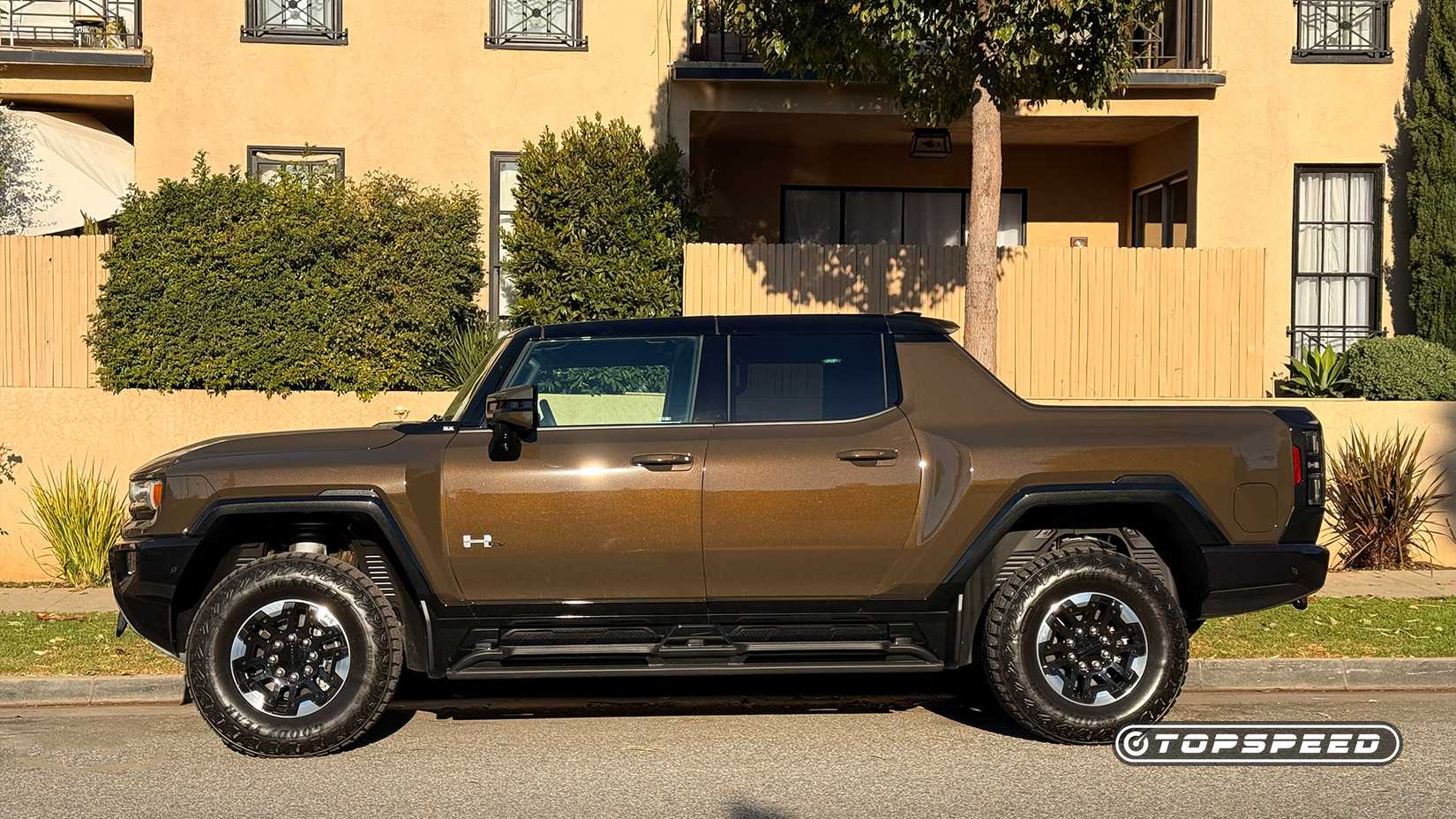
Engaging Watts to Freedom mode primes the suspension, lowers ride height, and unleashes full output. The result is a shocking 3.3-second 0–60 mph time, faster than many dedicated sports cars. Traction is aided by massive 35-inch all-terrain tires, which provide a surprisingly effective contact patch during launches. While its mass limits top-end performance, the Hummer EV’s initial acceleration is violent enough to embarrass nearly anything unprepared at the line.
Jeep Grand Cherokee Trackhawk
0-60 mph: 3.5 seconds
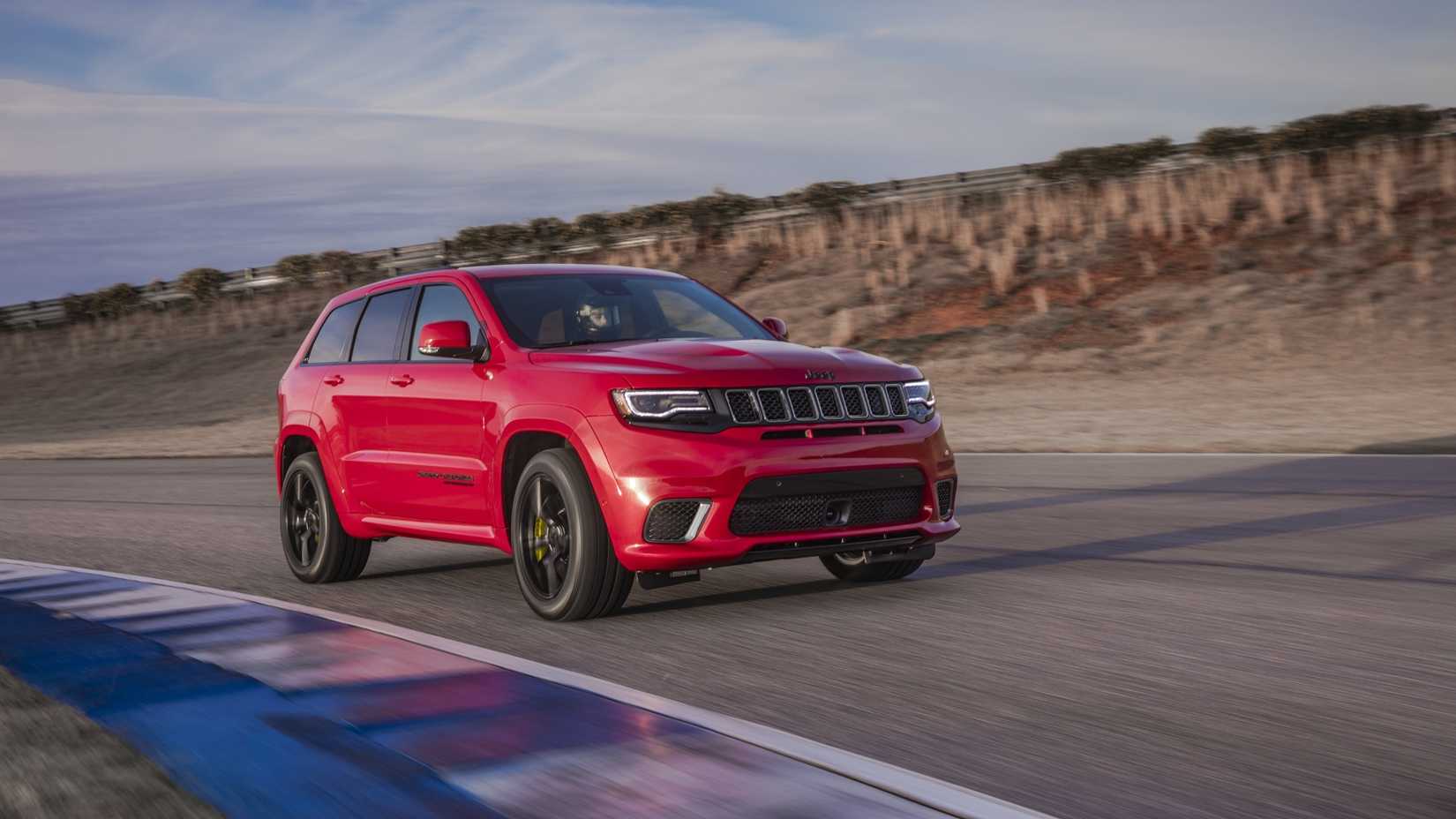
The Jeep Grand Cherokee Trackhawk remains one of the most outrageous ICE-powered SUVs ever sold. Its supercharged 6.2-liter Hellcat V8 produces 707 horsepower and 645 pound-feet of torque, channeled through an eight-speed automatic and a performance-tuned all-wheel-drive system.
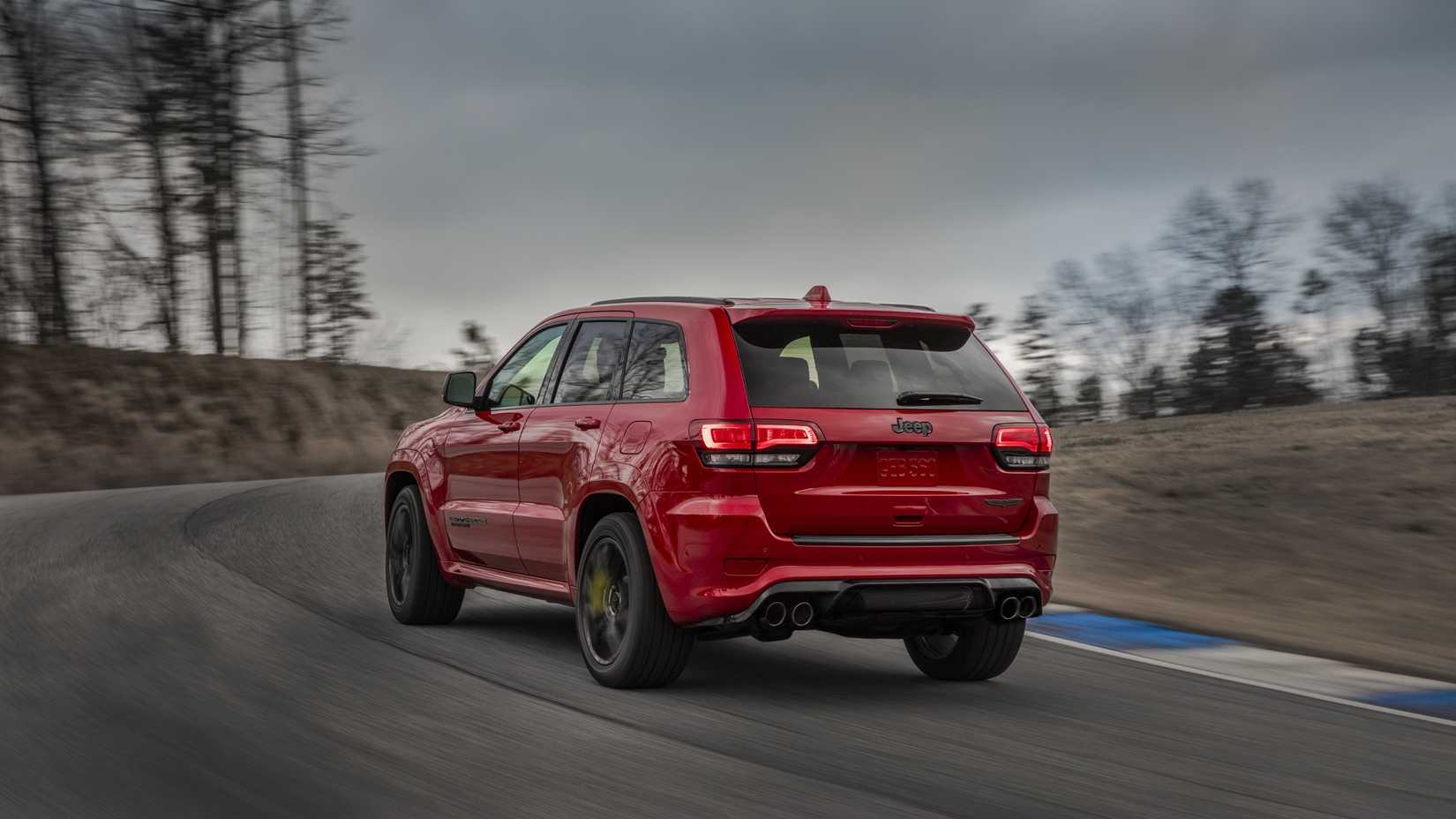
Launch control enables the GC Trackhawk to hit 60 mph in 3.5 seconds, with a quarter-mile time of 11.6 seconds. Despite its 5,300-pound curb weight, traction remains excellent thanks to a rear-biased torque split and wide performance tires. The Trackhawk’s advantage over sports cars lies in torque availability. Full boost arrives almost instantly, delivering brutal low-end acceleration.
These 10 EVs Prove That Performance Isn’t Just For Gas-Powered Cars
Gas-powered cars aren’t the only ones who can have fun by going fast. These 10 electric vehicles deliver high horsepower and quick 0-60 times.
Dodge Durango SRT Hellcat
0–60 mph: 3.5 seconds
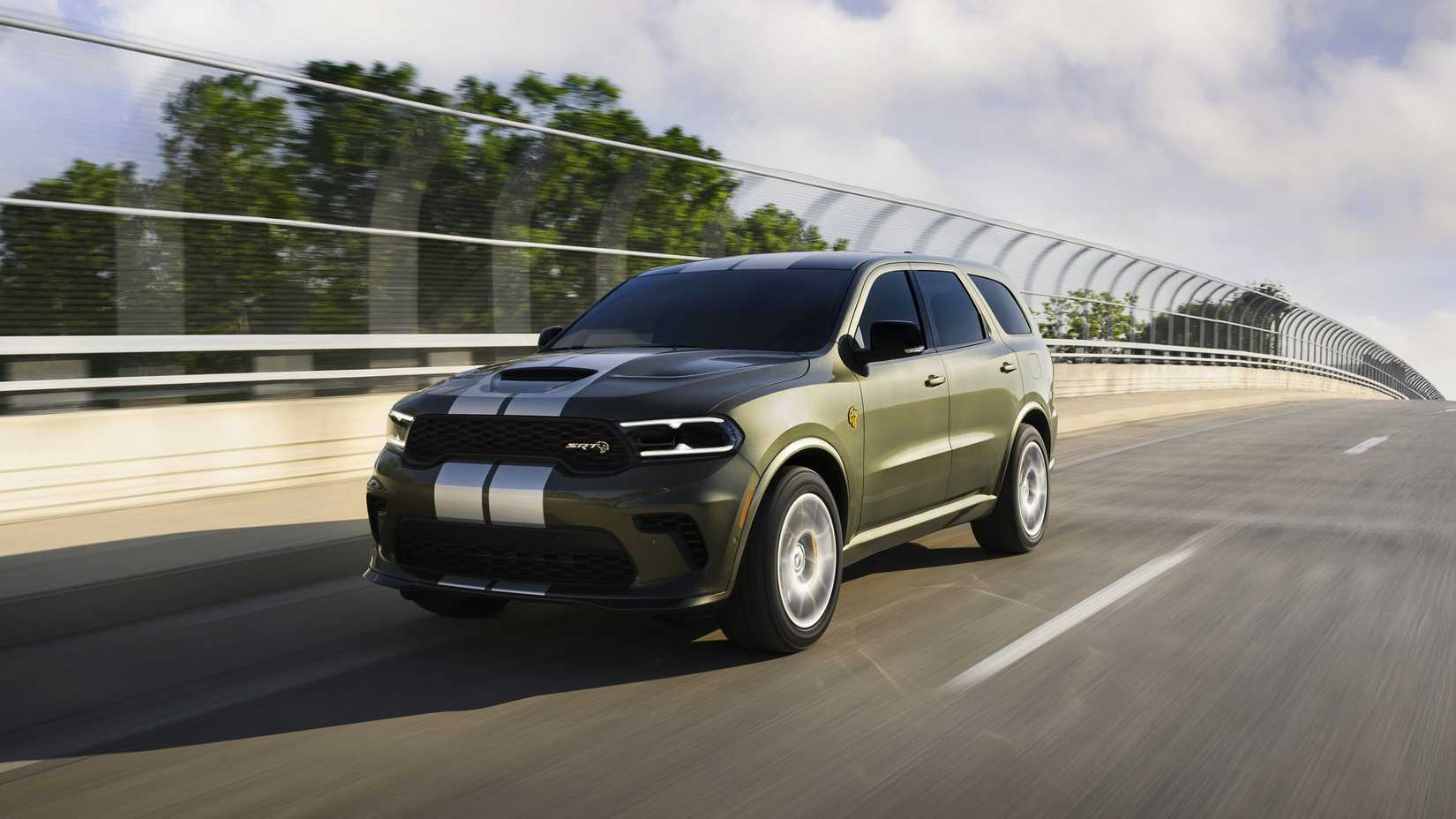
The Dodge Durango SRT Hellcat takes the same Hellcat V8 formula and applies it to a three-row SUV. With 710 horsepower and 645 pound-feet of torque, it matches the Trackhawk’s 0-60 mph time at 3.5 seconds.
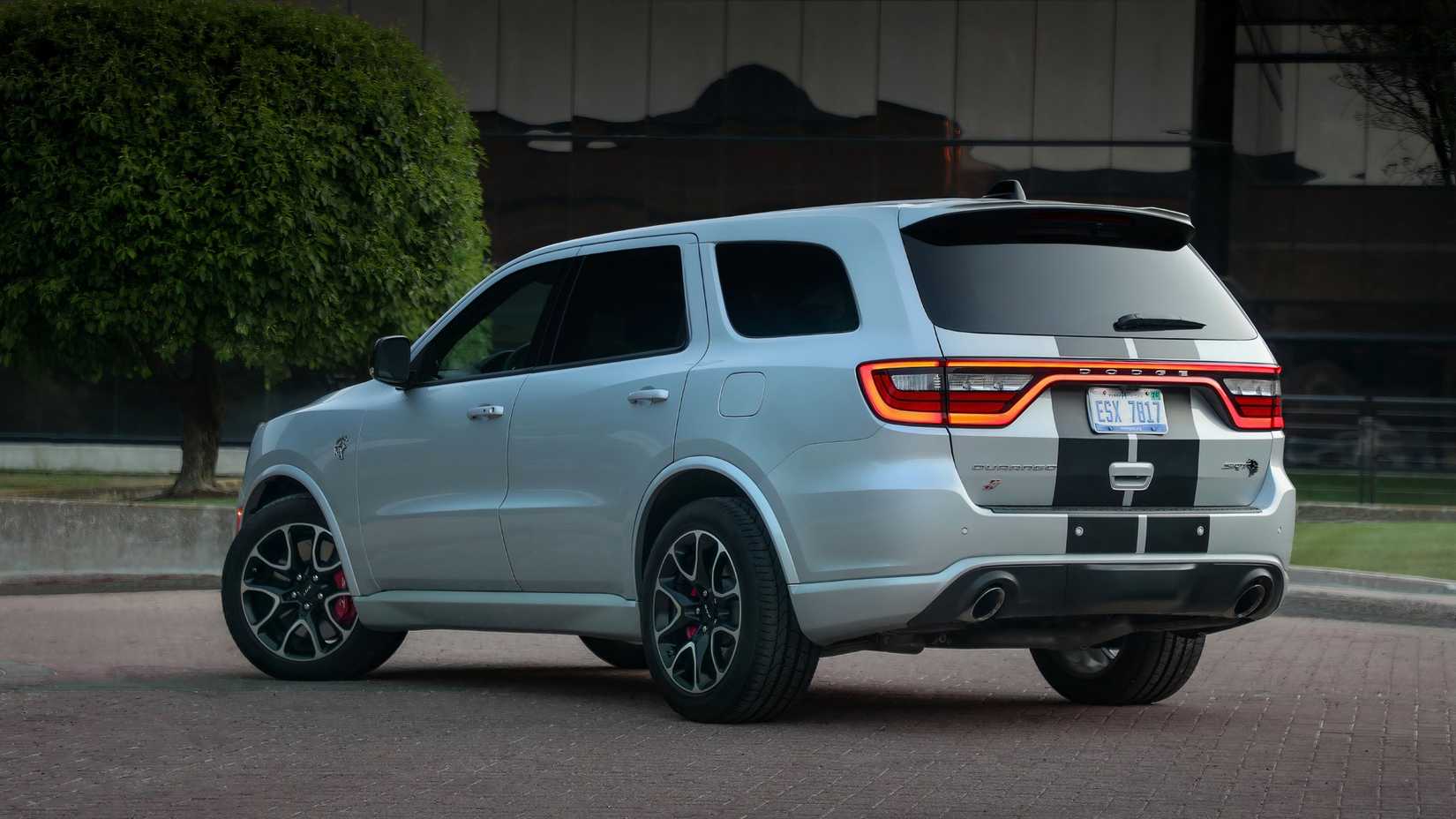
Despite seating for up to seven passengers and an 8,700-pound towing capacity, the Durango Hellcat launches with authority. Dodge’s all-wheel-drive system and launch control programming ensure consistent results regardless of surface conditions. Few sports cars can match the Durango’s combination of traction and torque. In real-world stoplight scenarios, its ability to deploy power cleanly gives it an advantage.
BMW X5 M Competition
0-60 mph: 3.7 seconds
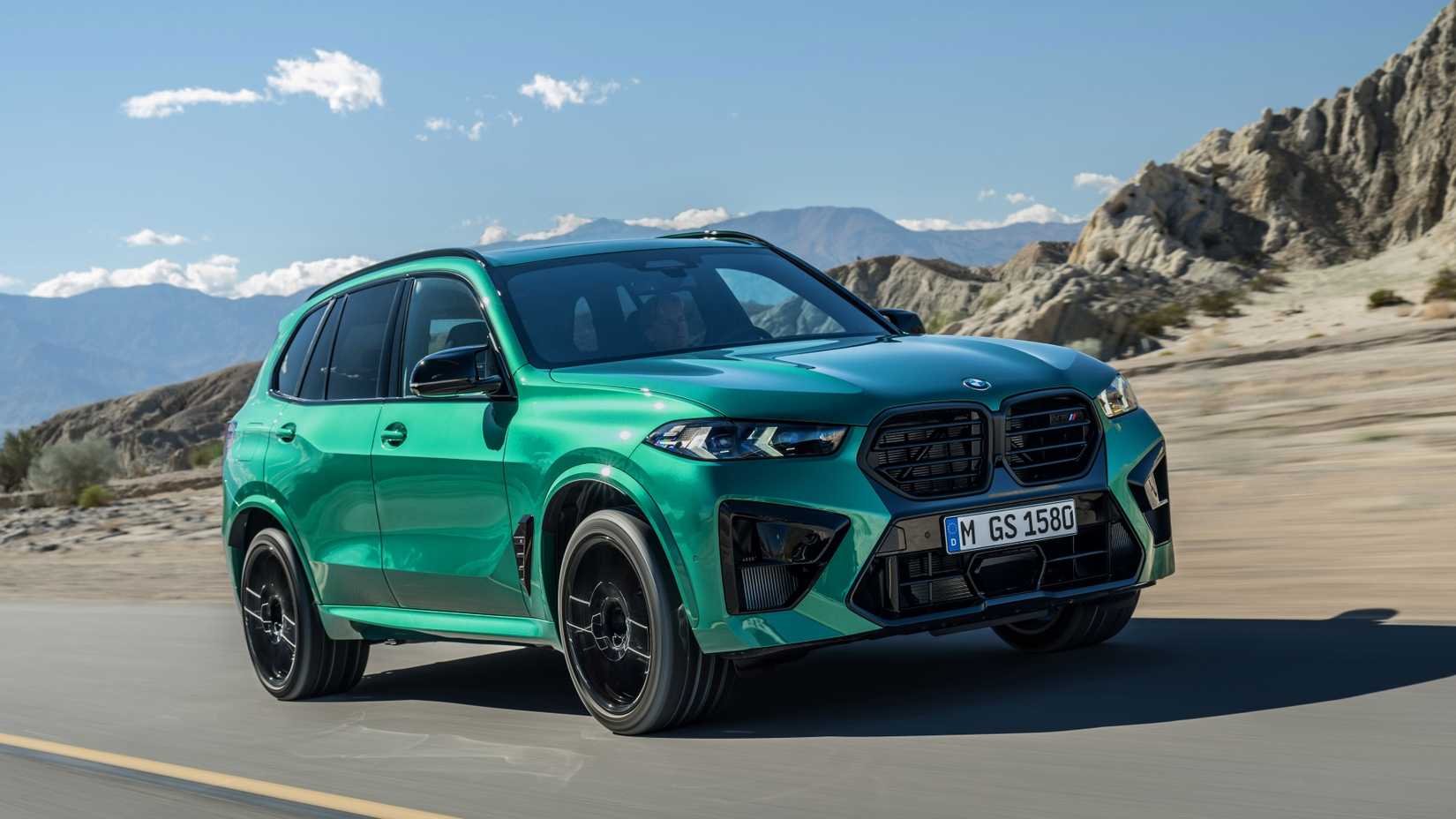
BMW’s X5 M Competition blends refinement with serious straight-line performance. Its 4.4-liter twin-turbo V8 produces 617 horsepower and 553 pound-feet of torque, paired with an eight-speed M Steptronic transmission and rear-biased xDrive all-wheel drive.
Fed into a corner, the BMW takes a set, bites into the pavement, and rips through the bend like a sports car half its weight and size, all while exhibiting abject neutrality.
– Lyndon Conrad Bell, TopSpeed Journalist
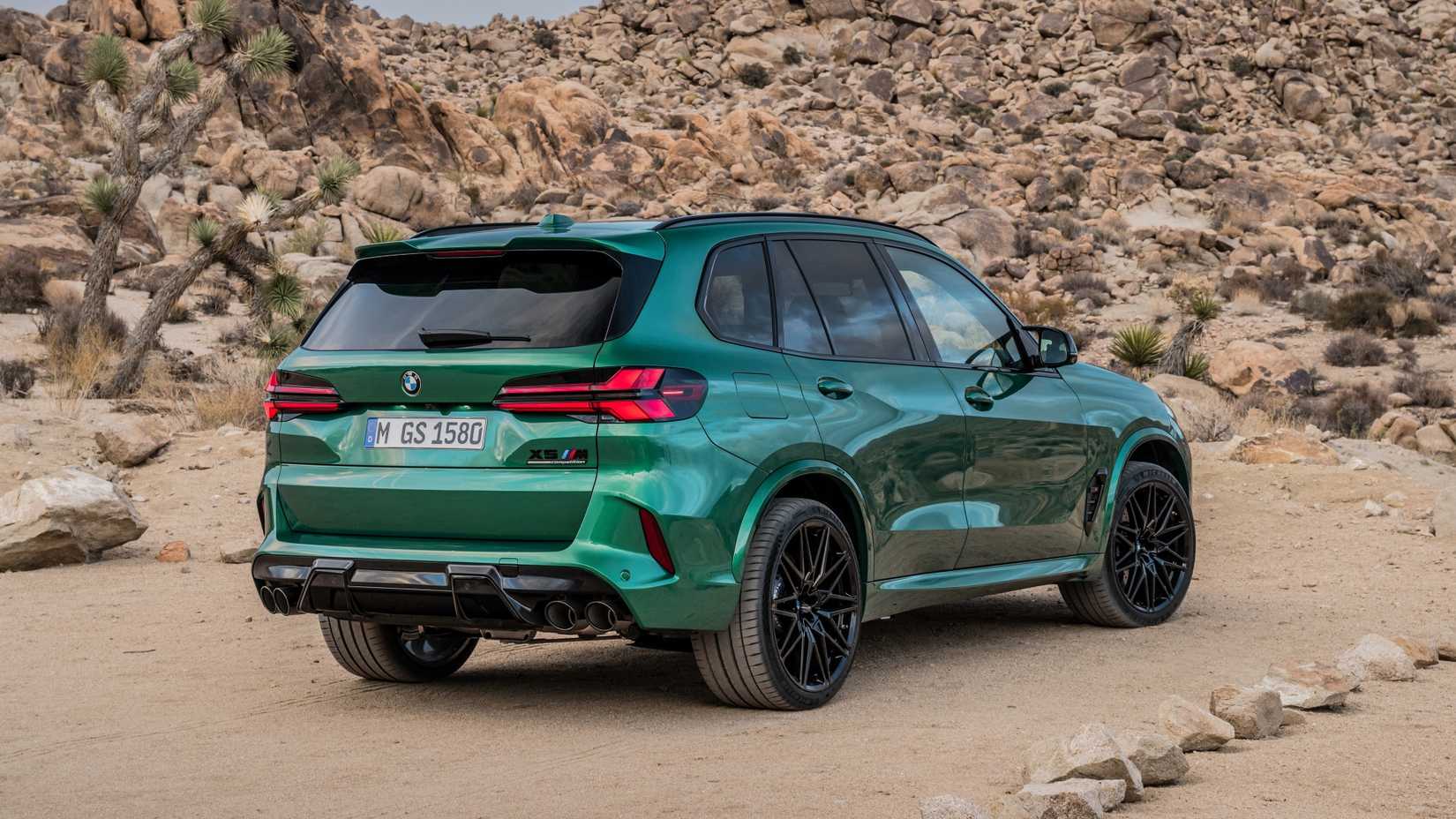
The X5 M Competition hits 60 mph in 3.7 seconds, with a quarter-mile time just under 12 seconds. BMW’s traction control calibration allows for aggressive launches without excessive wheelspin. While not as theatrical as Hellcat-powered SUVs, the X5 M’s smooth, repeatable acceleration often proves more effective against sports cars that rely on perfect launches to stay competitive.
Ford F-150 Lightning Platinum
0-60 mph: 3.8 seconds
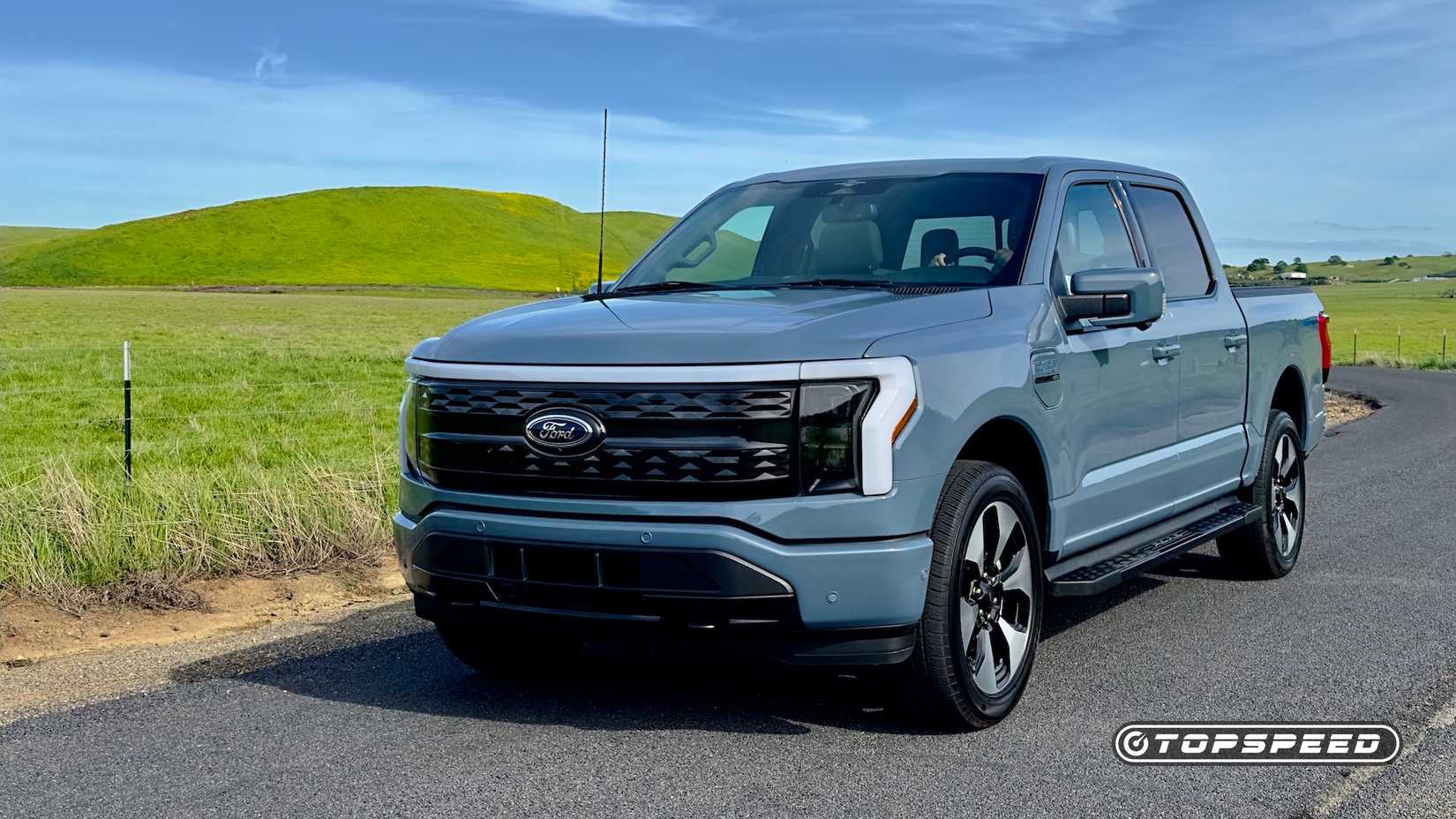
The Ford F-150 Lightning Platinum uses dual electric motors producing 580 horsepower and 775 pound-feet of torque. Despite weighing nearly 6,900 pounds, it reaches 60 mph in 3.8 seconds.
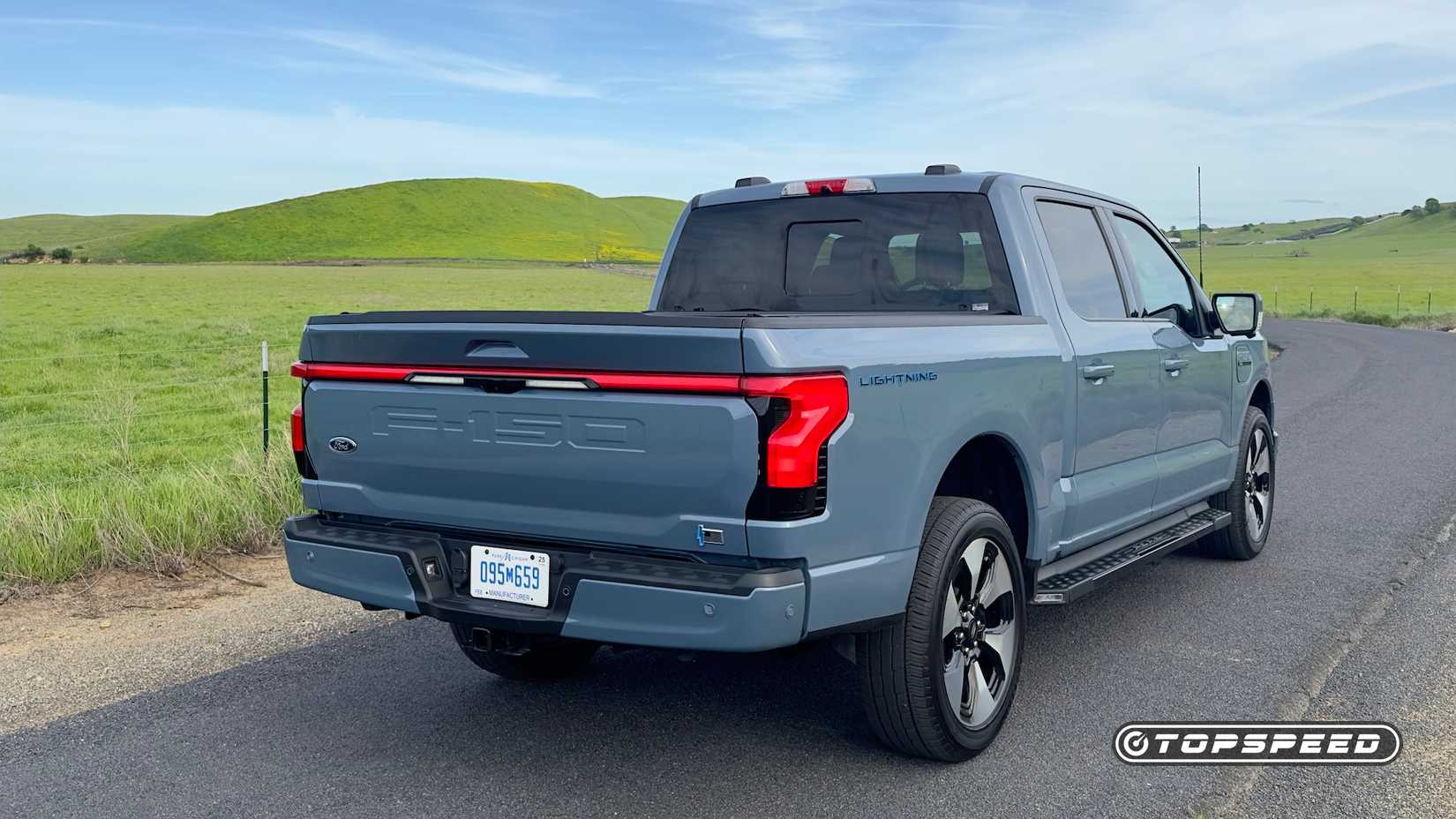
Instant torque and standard all-wheel drive give the F-150 Lightning exceptional launch performance, particularly in urban environments. Unlike ICE trucks, there is no delay; power is available immediately. As a mainstream full-size pickup, the Lightning’s performance is especially noteworthy. It proves that sub-four-second acceleration is no longer reserved for halo vehicles or luxury brands.
10 Practical Cars That Are Secret Sports Car Killers
Sports cars advertise their performance, but some cars are more covert about their unfettered power
Chevrolet Silverado EV RST
0-60 mph: 4.5 seconds
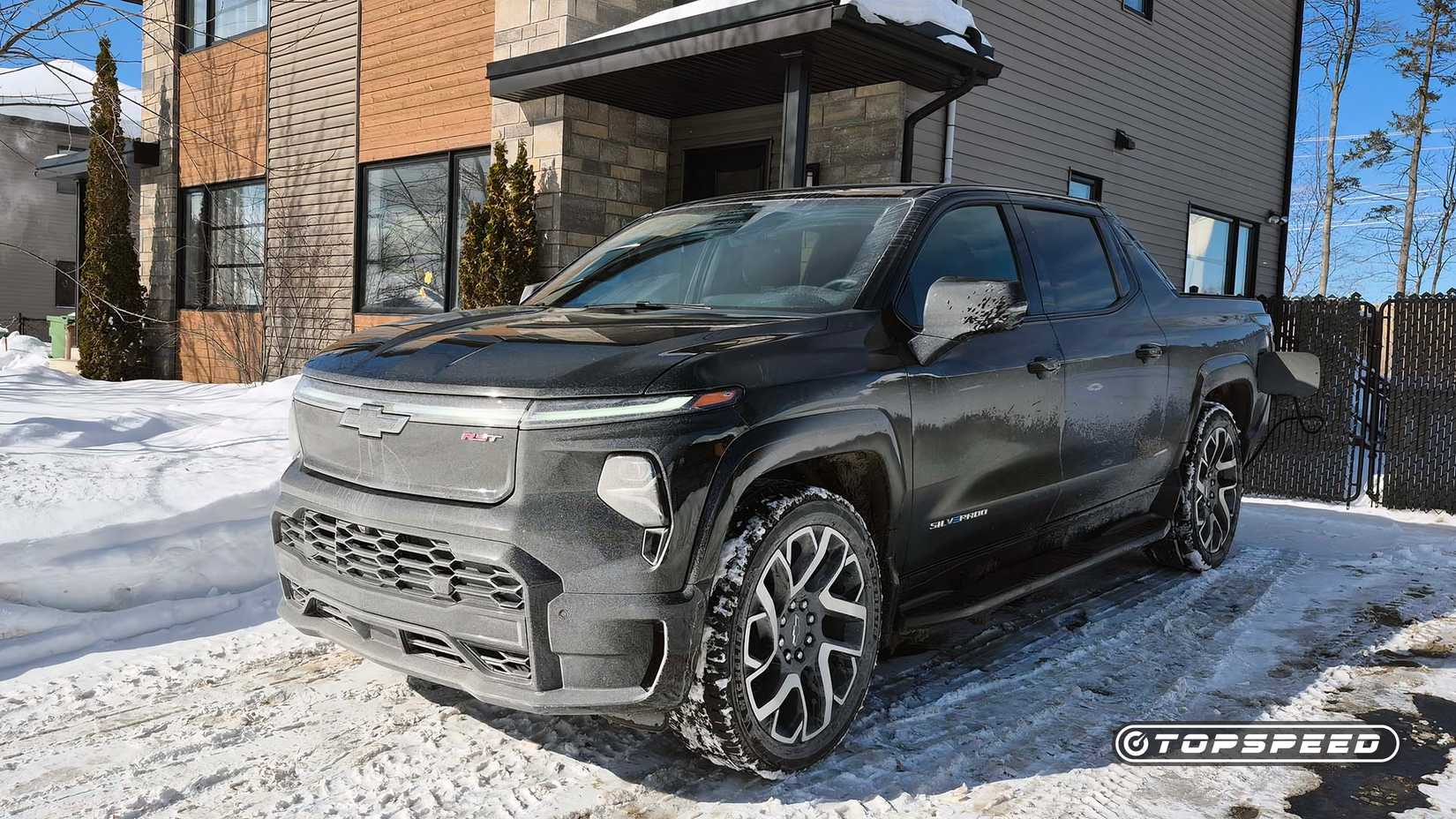
The Chevrolet Silverado EV RST delivers 754 horsepower and 785 pound-feet of torque via a dual-motor all-wheel-drive setup. Chevrolet claims a 0-60 mph time of approximately 4.5 seconds, impressive for a truck expected to weigh over 8,000 pounds.
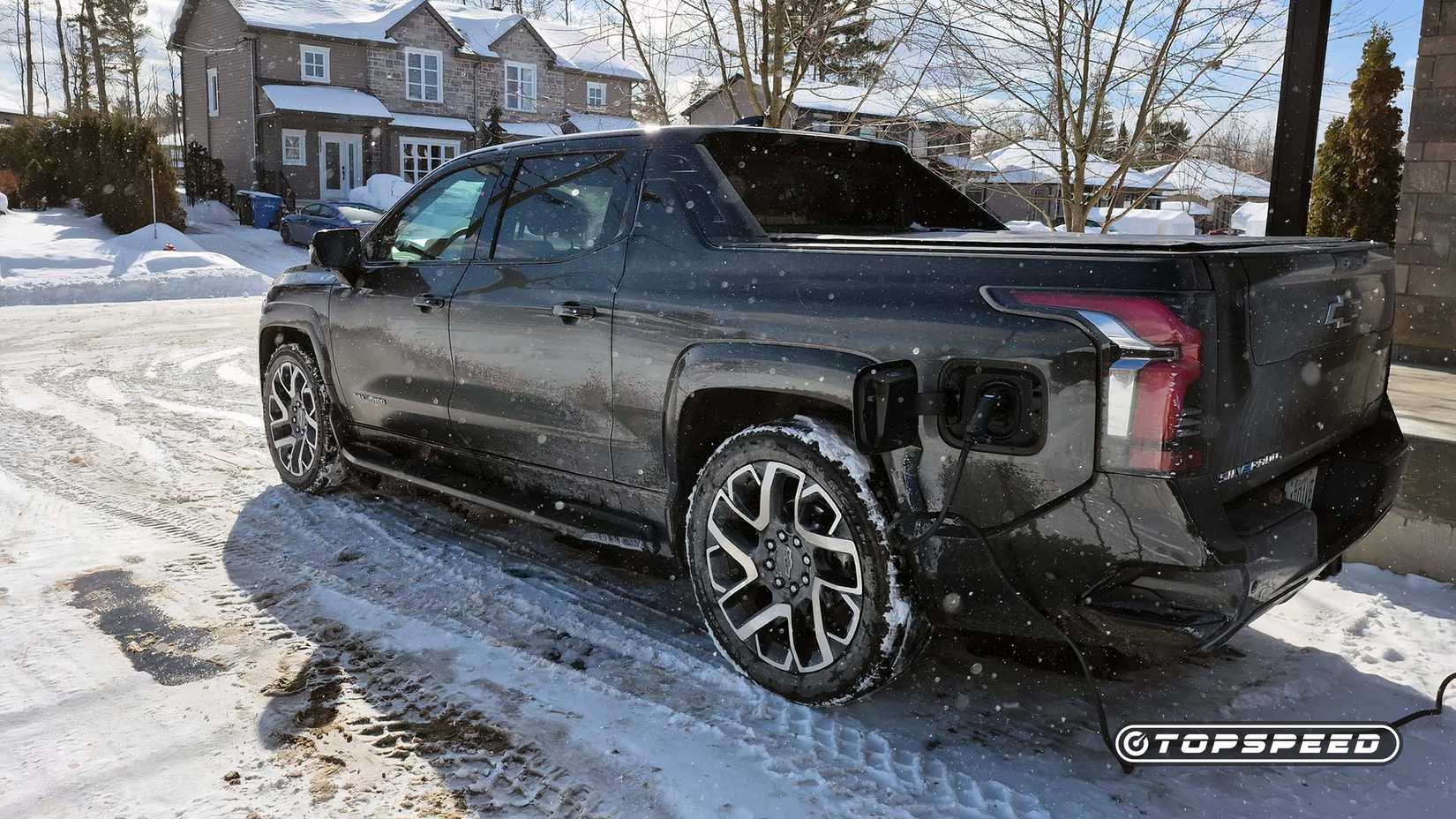
Electric torque delivery ensures strong initial acceleration, even with a full payload. While it lacks the brutal launches of lighter EVs, it still outpaces many older sports cars. The Silverado EV RST underscores a broader trend: as electric truck platforms mature, straight-line performance will continue to improve, further eroding the traditional advantage of sports cars in a straight line.
Sources: Various manufacturers