
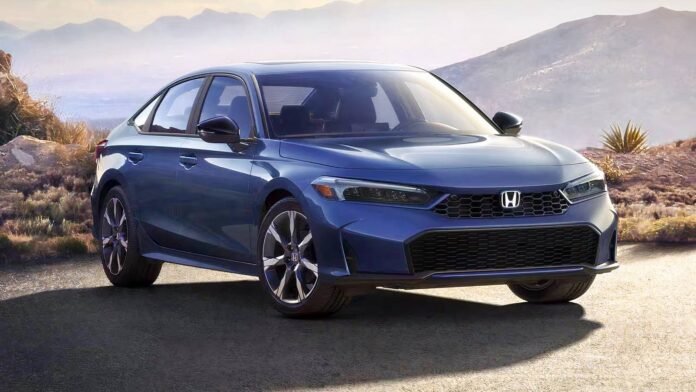
When was the last time you took a cross-country road trip in a small car? If you haven’t had this experience, we are here to tell you that you are missing out. The diverse natural landscapes and shifting environments that define the U.S. are some of its most charming features. From majestic mountains to coastal paradises and everything in between, the US has it all. Yet, the car you choose will shape your experience. Some will excel, and others will show their limitations.
Back in the day, choosing an economy car for a journey like this was often a terrible decision. Common compromises were lackluster engine performance, atrocious audio systems, terrible sound deadening, and seats that demand regular chiropractor visits. Yet, in recent years, this dynamic has dramatically changed, and we truly believe it’s harder to find a “bad” car now than ever before. Need proof? A multi-day road trip and the right car will do the trick.
- Model
-
Honda Civic Hybrid
- Engine
-
2.0-Liter Four-Cylinder And Two Permanent-Magnet Motors
- Transmission
-
Direct Drive eCVT
- Horsepower
-
181 HP
Why Long Road Trips Are Proving Grounds
Almost any car, even a seven-million-dollar Pagani Huayra Codalunga, can be the perfect car for a couple dozen miles of carefree traveling. Yet it is only once the distances get longer and the journey more extreme that you actually learn something about the true capabilities of a car.
A Road Trip Will Tell You Everything You Need To Know
A cross-continent road trip of the US is the ultimate proving ground for any vehicle. Because of the diverse landscapes the US has to offer, every conceivable environment can be encountered. The American interstate system is unlike any other in the world, and no short-term car review can replicate the experience of undertaking thousands of miles of exposure to the open road. Within a couple of hours of driving, you are no longer reviewing a car — you are living with it.
A seat may be comfortable for an hour or two, but what about four hours in? Or eight hours later? You may have initially thought the cabin was quiet, until you are dealing with hours of full exposure to 50+ MPH crosswinds. Adaptive cruise control works great when there is no one around, but have you tried using it in downtown Los Angeles at 5 p.m. on a weekday? You may have thought your engine provided decent performance until you have to push up steep gradients above 10,000 feet. A real road trip exposes these details and quickly lets you know whether your economy car is truly “economy” or if it offers more than meets the eye.
How Economy Cars Have Evolved
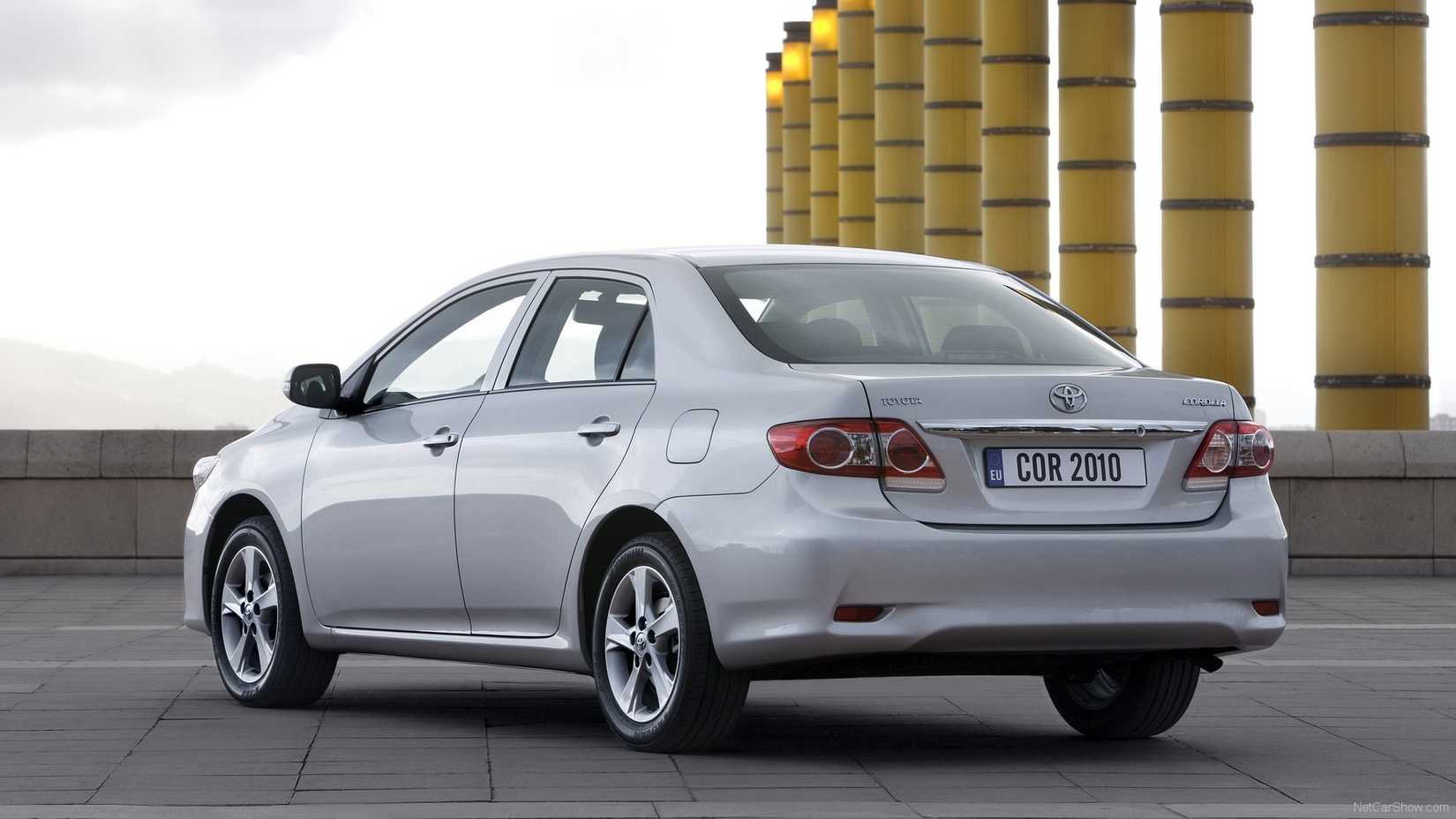
Out of all cars with all shapes and body styles, no car has been more representative of “economy” than the compact sedan. The compact sedan defined a practical and pragmatic choice rather than one driven by emotion. Yet, nowadays, we don’t believe that is truly the case anymore. Automotive innovations from the last decade have transformed what was once a humble choice into a high-tech machine. Features like adaptive cruise control and wireless smartphone integration have shifted the bare minimum expectations for all modern vehicles. Above all, modern hybrid powertrains have unlocked an entirely new level of performance and efficiency that previously was considered implausible. The modern compact hybrid is a lot of things, but calling it an economy car at this point just feels wrong. Modern compact hybrids are unapologetically quicker, more efficient, and more refined than their predecessors.
10 Reliable Hybrids That Cost Less Than The Average EV
Explore the top 10 reliable hybrids that provide an affordable alternative to pricey EVs.
Why Compact Hybrids Are Here To Stay
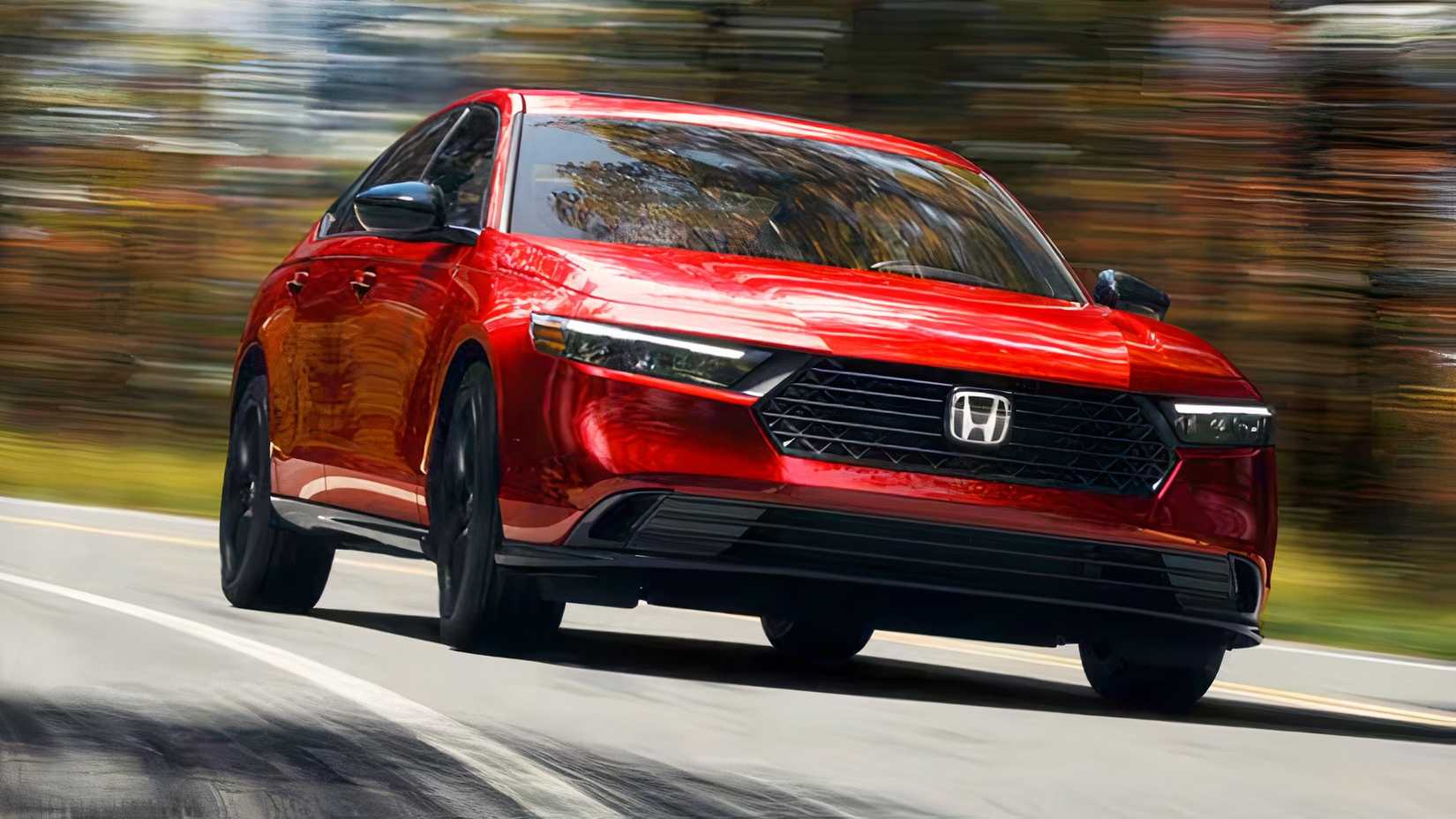
The most impressive aspect of modern hybrid powertrains is that they make compromise feel like a concept of the past. Hybrids used to be characterized by compromise: sacrificing power for efficiency. Now, that couldn’t be further from the truth. Don’t believe us? Let’s take a look at what Honda, a leader in hybrid technology, has to offer in its compact segment.
Honda’s Smart Hybrid Engineering
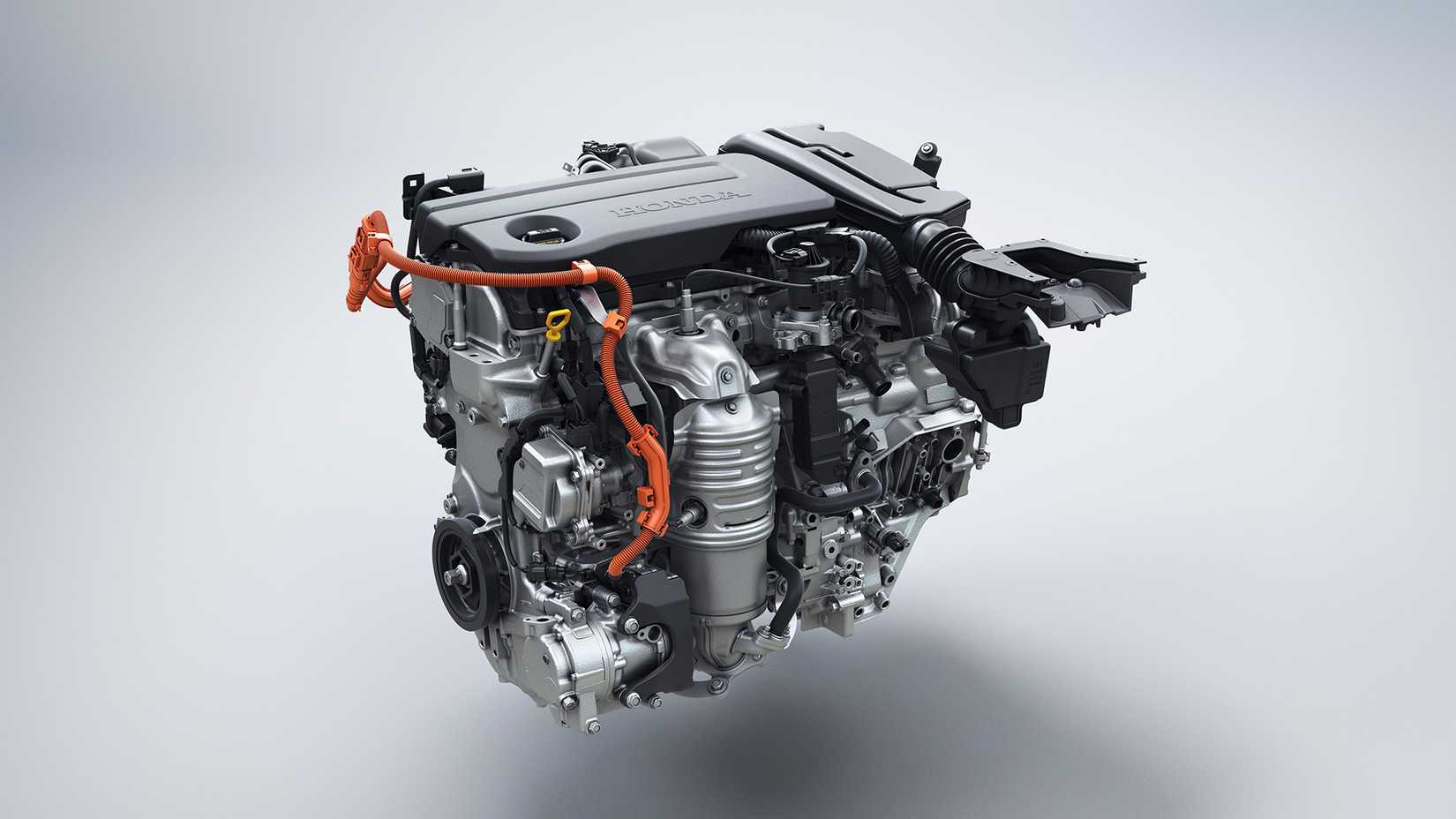
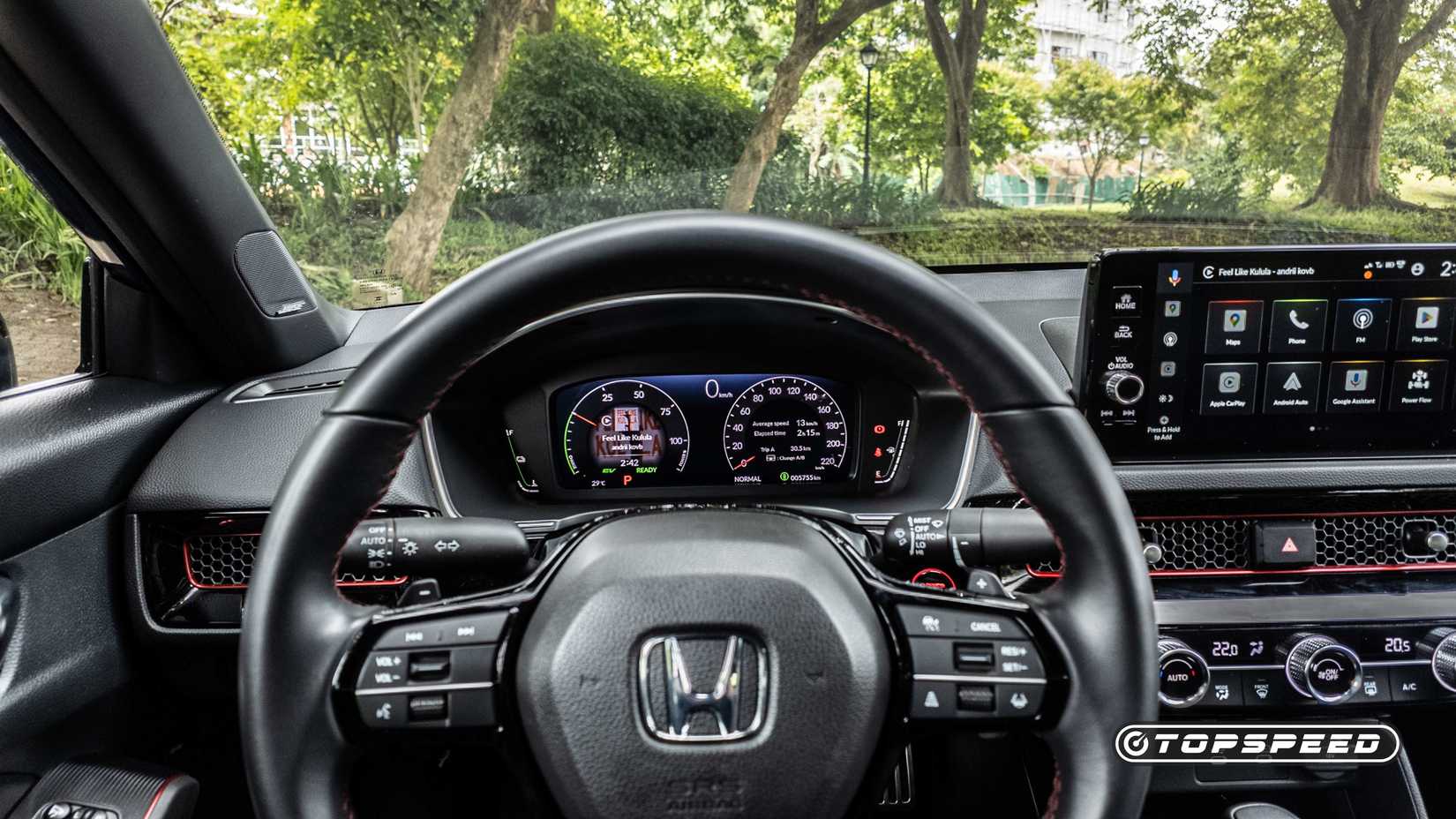
Honda took the hybrid powertrain found in the larger Honda Accord and packaged it into a compact footprint. The result is a two-motor setup combined with its 2.0-liter Atkinson-cycle inline-four. The first electric motor focuses on power generation, while the second drives the front wheels directly. At highway speeds, a lock-up clutch engages the gasoline engine to drive the front wheels. This creates a regenerative effect during city driving while allowing for a pure mechanical drive on the highway. When compared to the 138-horsepower Toyota Corolla Hybrid, this 200-horsepower powertrain is on an entirely different level. Not only that, but it also manages to surpass Honda’s own turbocharged Civic Si when it comes to torque output. The hybrid engine may not sound great at full tilt (it also pumps fake engine noise under full load), but the torque you feel is very much real. When you go for a passing maneuver at freeway speeds, you will know the difference.
The Honda Hybrid That Goes Deeper
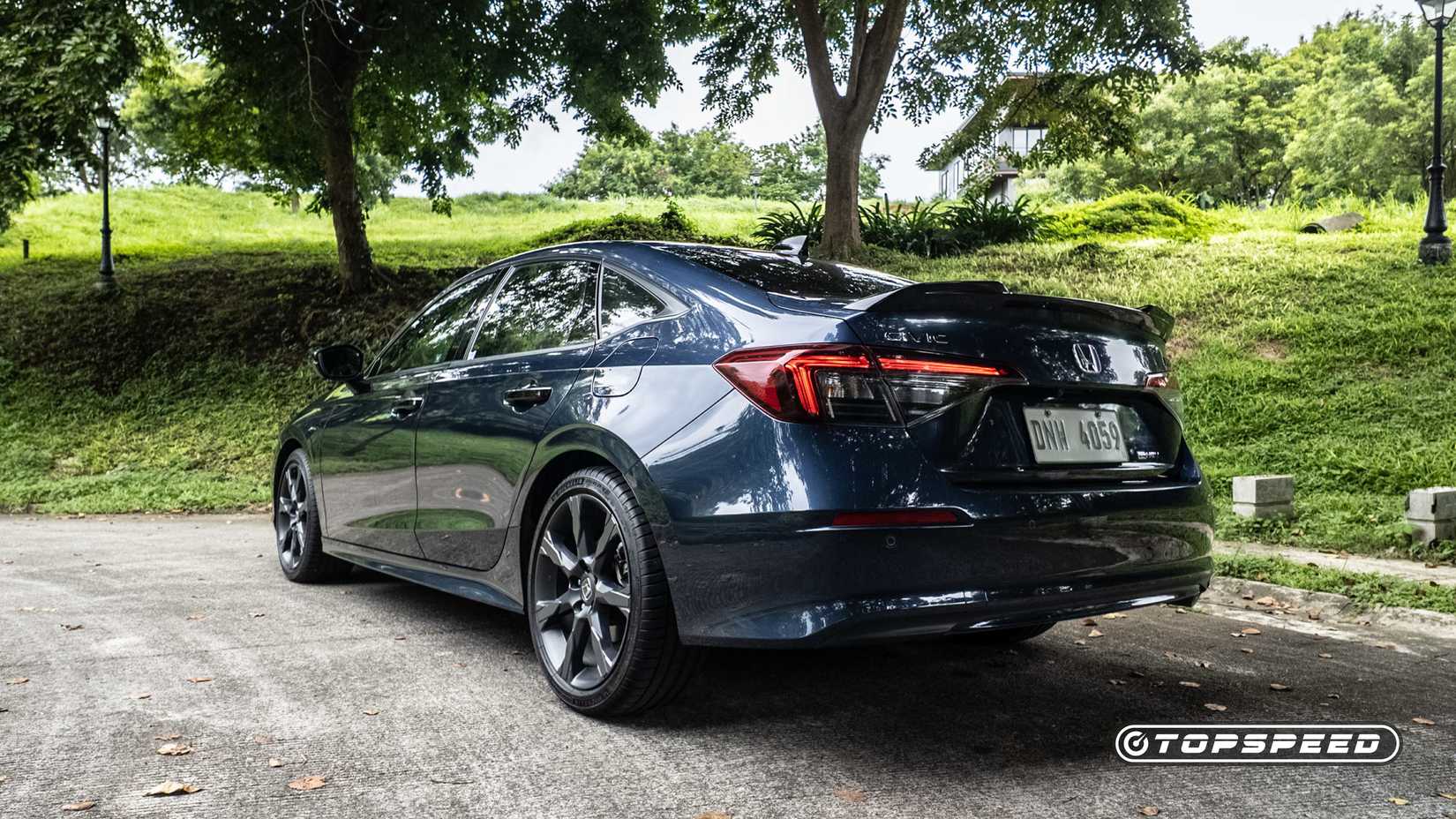
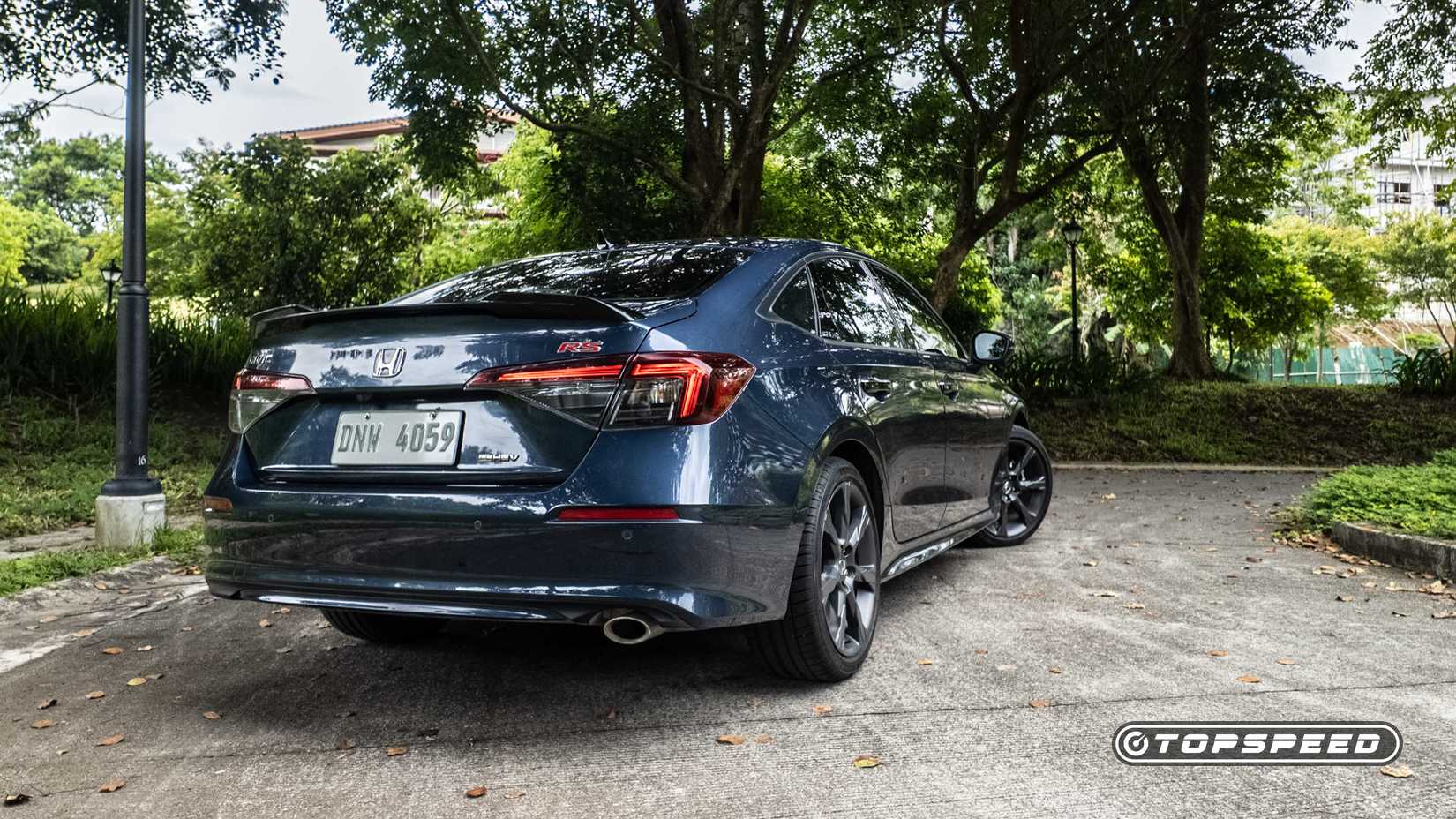
Honda took extra measures to ensure its hybrid variants are just that much more attractive to consumers. Compared to the standard Honda Civic, the hybrid variant receives additional sound-deadening across the entire cabin. The added sound deadening isn’t visible, but it’s noticeable on long drives. Honda Sensing is known for being one of the least annoying driver assistance suites available, where other rival systems are often overbearing and scream at you much too often.
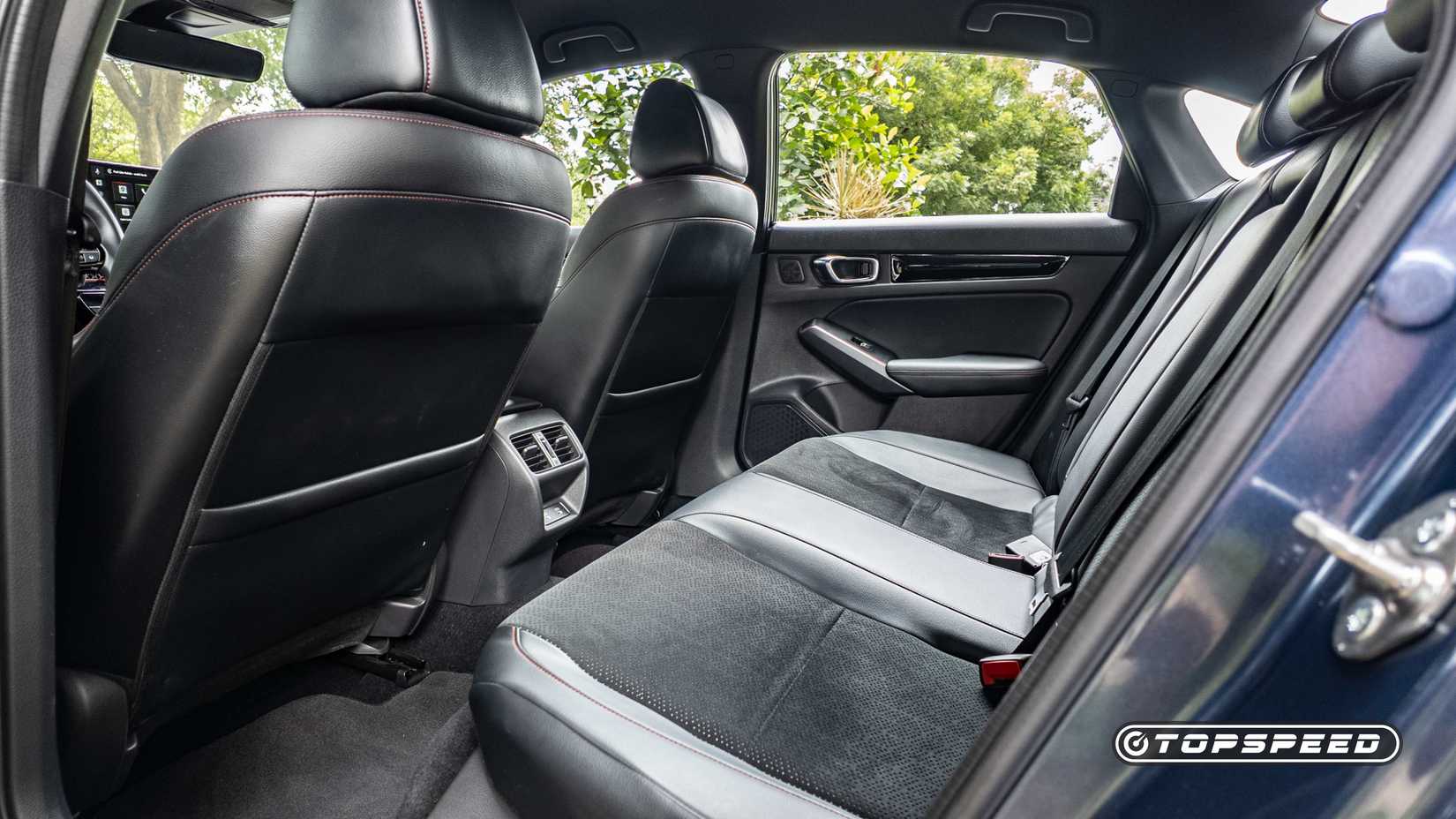
Then there are four adjustable levels of regenerative braking, which can be accessed from the steering wheel-mounted paddle shifters. On a long downhill journey, like driving down a mountain road, this feature is amazing. On the top-level Sport Touring trim, you also get leather-trimmed seating, Bose premium audio, and wireless Apple CarPlay — all for less than $34,000. That car in question is the 2025 Honda Civic Hybrid, and we are here to tell you it delivers well more than you may expect on initial inspection.
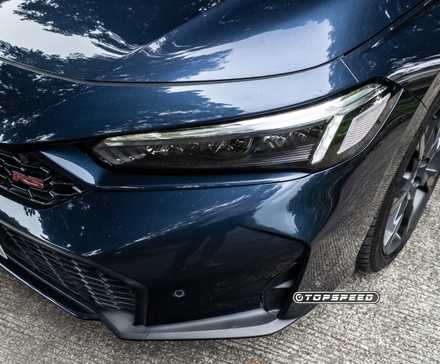
The Honda That Still Defines Sensible Engineering
Honda’s engineering principle is called Max Maximum, Machine Minimum, or M/M, and this is the Honda today that continues to embody that principle.
Why The 2025 Honda Civic Hybrid Is Hard To Ignore
On paper, the 2025 Honda Civic Hybrid provides 50 city/47 highway/49 combined MPG for the sedan variant. What is more impressive is how these stellar numbers translate to real-world driving, even in the most grueling conditions.
Real-World MPGs Mean Everything
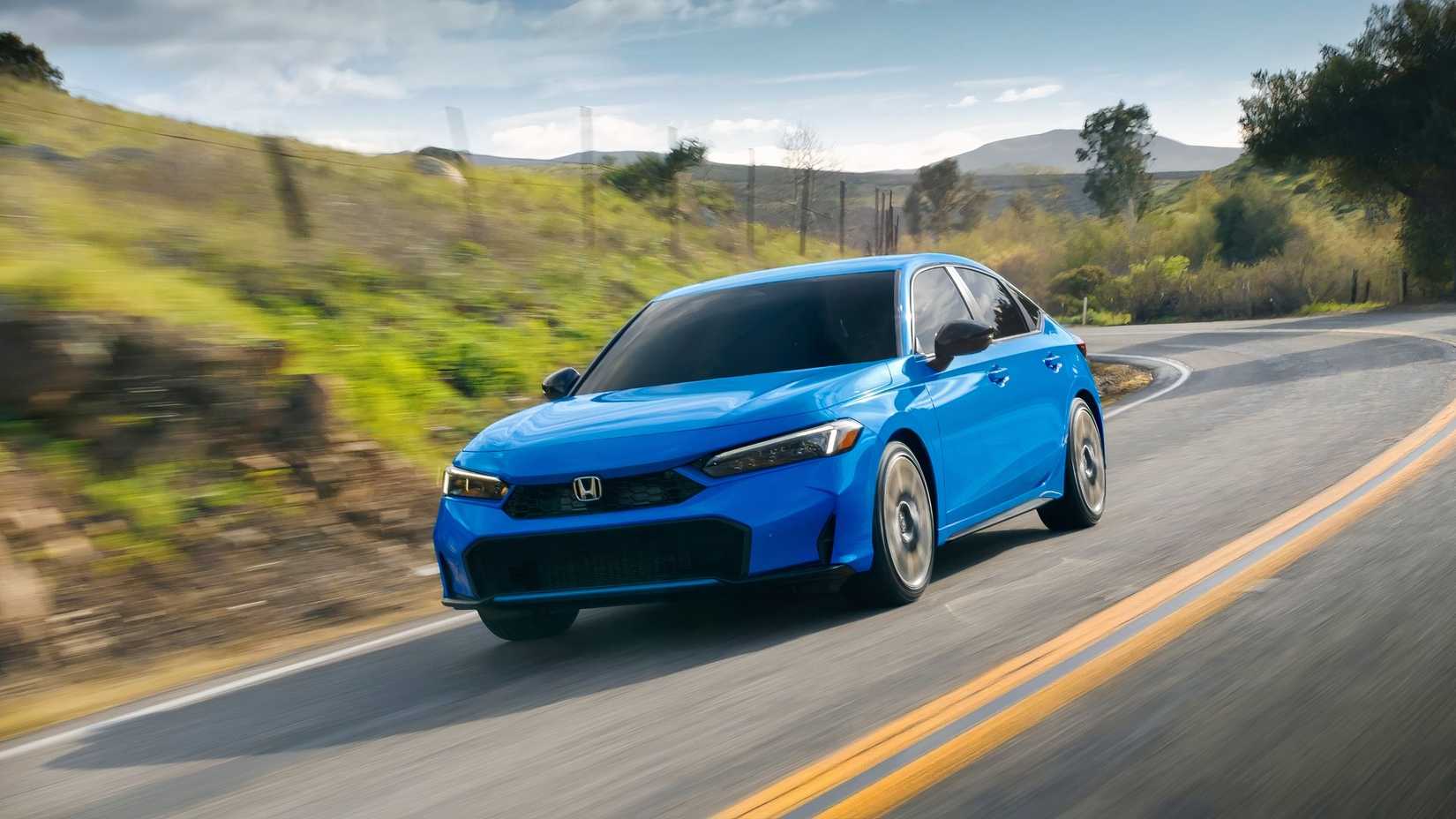
Other relevant automotive sources have tested a Honda Civic 2025 on a coast-to-coast road trip, and the results are telling. Over 3,000 miles, the Civic Hybrid averaged 38 MPG the entire way. Up the steepest mountains in Colorado, efficiency came down to 25.1 mpg at the lowest, and in Utah, where a 75 mph speed limit is in effect, the compact hybrid returned 31.2 mpg. Another source did a 1,200-mile run from Los Angeles to Boulder, Colorado, and they achieved 42.97 MPG across the entire journey with little to no conscious hypermilling on a car with a recent break-in period. They also performed a single-tank hypermilling test at 70 MPH, which netted 44.7 MPG, only about two MPG less than the EPA highway rating. The cost to fill up the 10.6-gallon fuel tank? Less than $30. These results were proven through real driving conditions, not some manufacturer’s controlled learning environment.
What It Costs Today
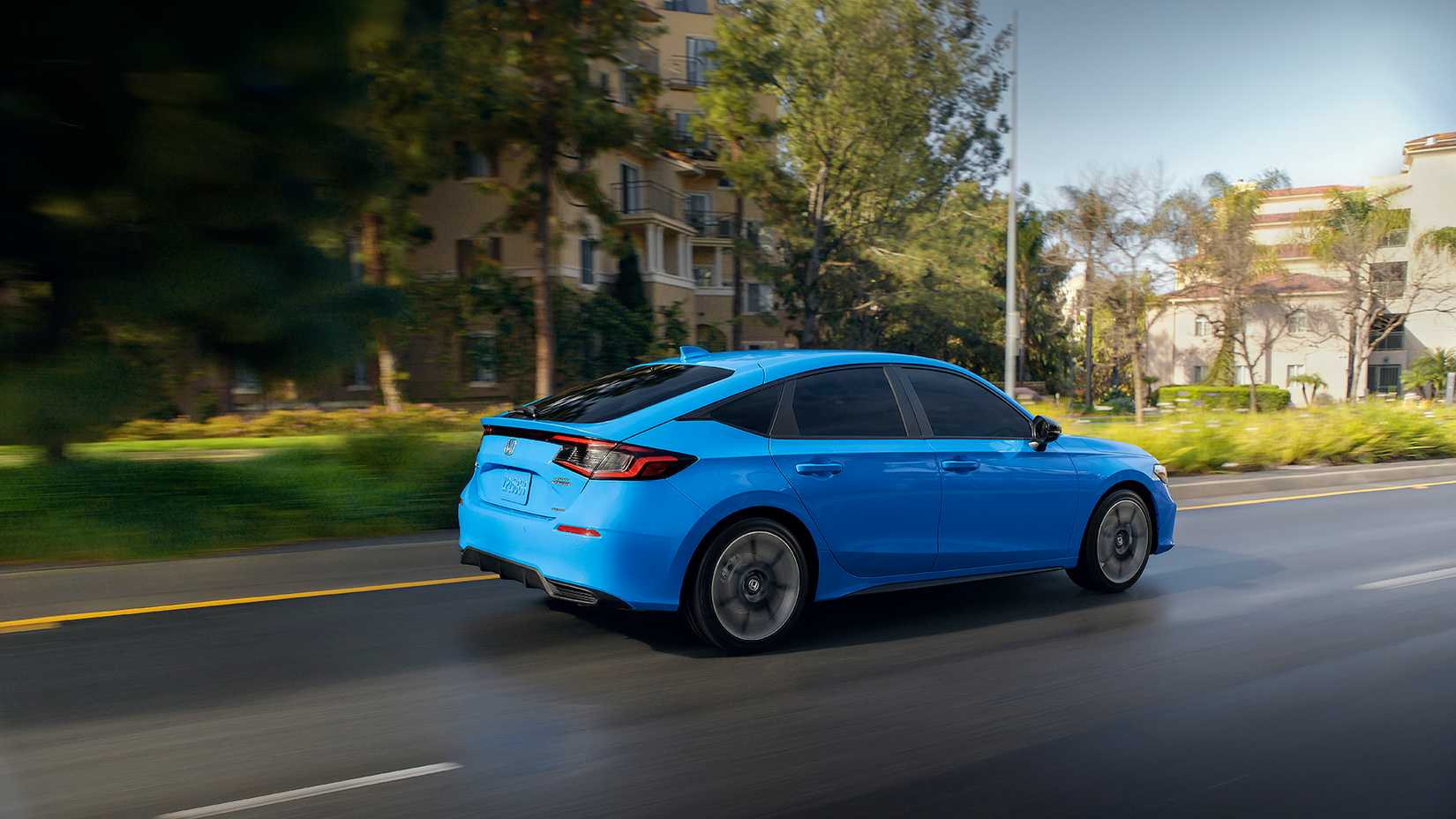
The 2025 Honda Civic Hybrid Sedan started with an MSRP of $30,300 and went up to about $33,000 depending on trim. A year into production, Kelley Blue Book estimates that the Honda Civic 2025 with an MSRP of $30,100 has depreciated about 21 percent or $6,321, giving it a current estimated resale value of $23,775. Private party value can range from about $24,000 to $29,000. The Hybrid Sport Sedan has received less depreciation according to Kelley Blue Book, losing only about 16 percent of its value in the same period.
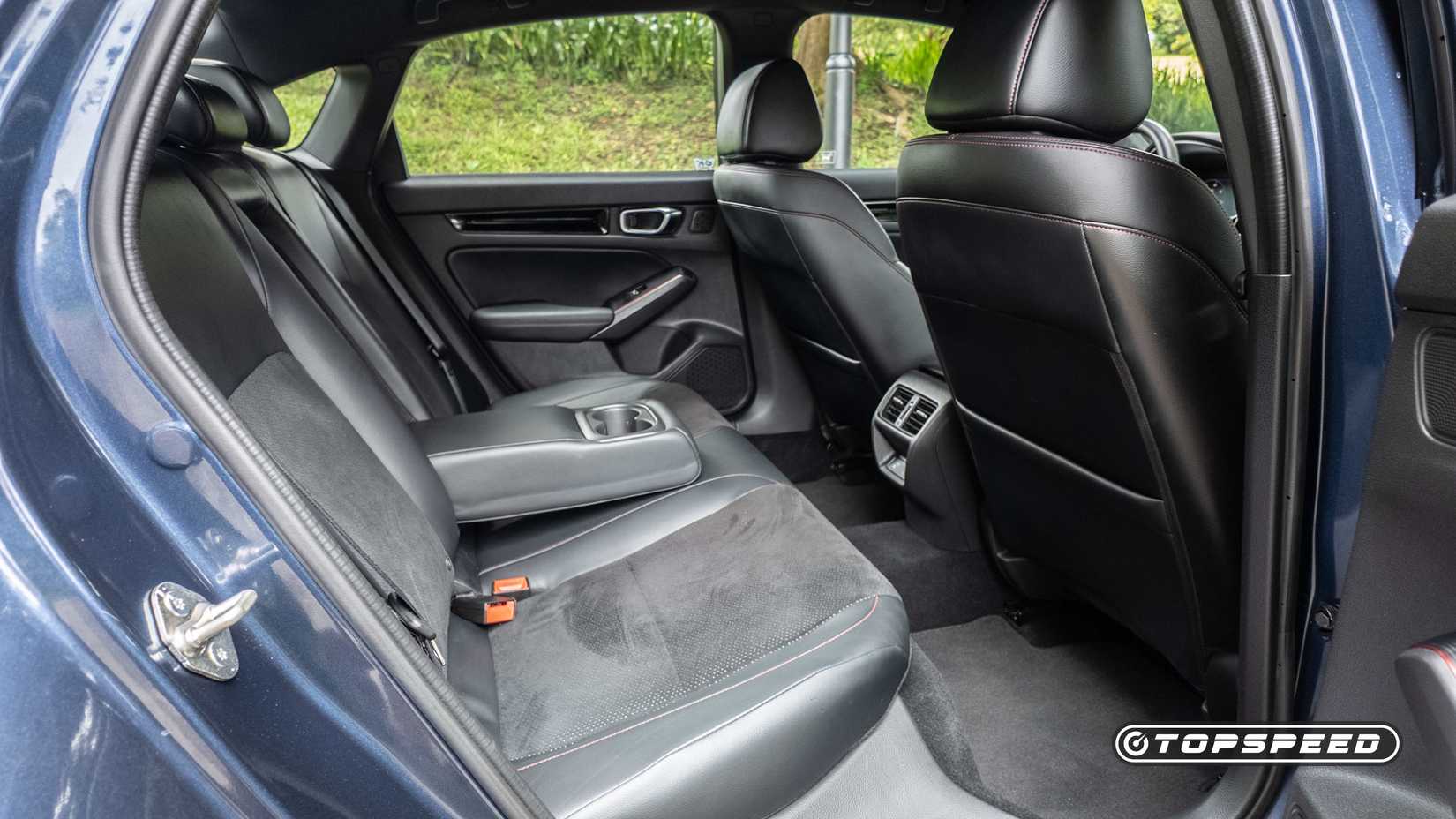
CarGurus data states that the average price for a 2025 Civic Hybrid is $28,733 and has only lost 5.9 percent of its value year over year. This is compared to its price index of $27,616, which takes into account all used models available on the site. Kelley Blue Book predicts that the Honda Civic 2025 will depreciate $15,355 over five years, leaving an estimated residual value of $14,745. If that is true, you could one day get an incredibly capable compact hybrid for a very reasonable price.

How Your Next Honda Could Save You Thousands
This is why these three leading Honda models are bestsellers even during economic lulls.
Why The Toyota Corolla Hybrid Can’t Match Up
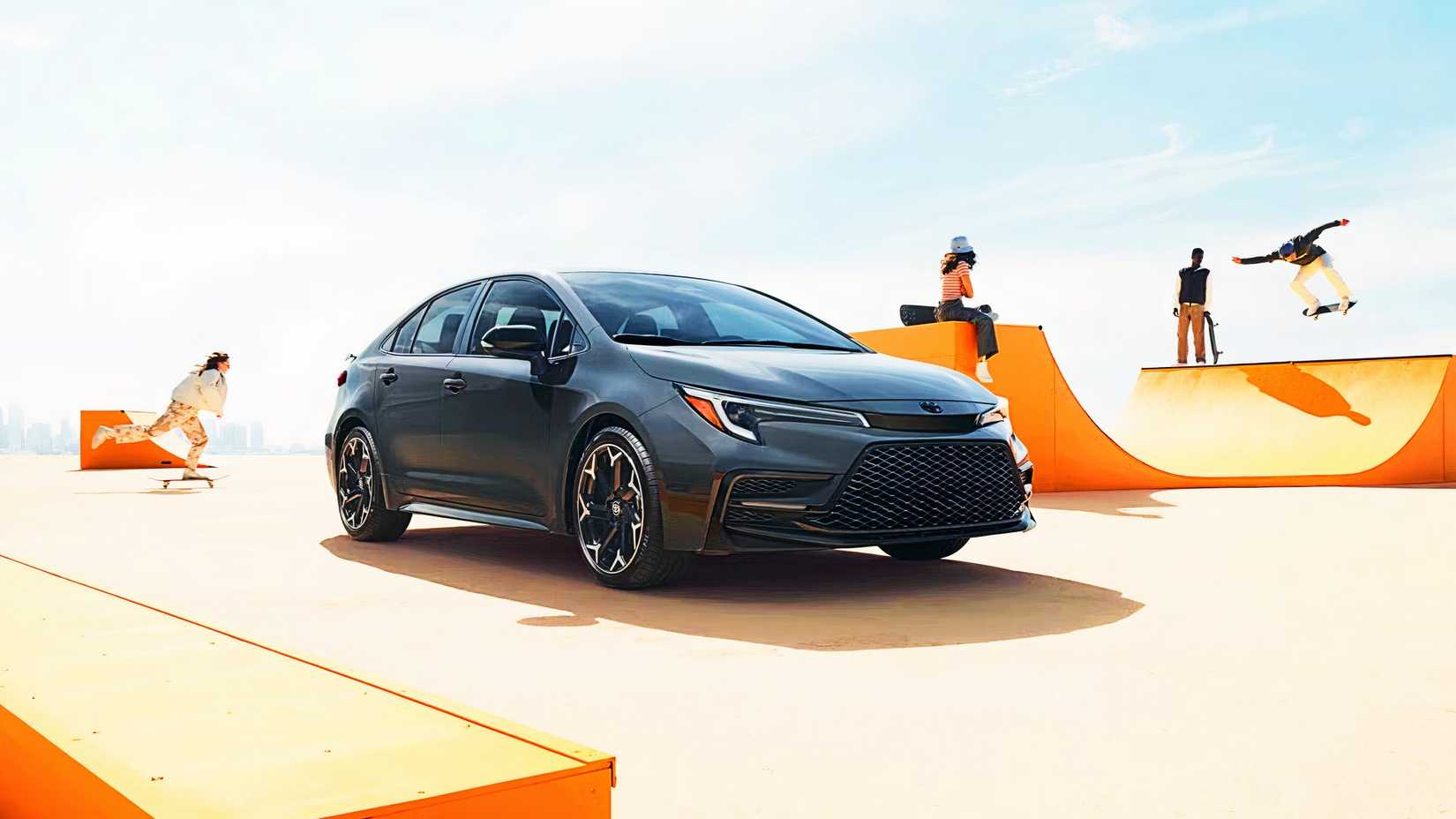
The 2025 Toyota Corolla Hybrid is a legitimate alternative meant to directly rival the 2025 Honda Civic Hybrid Sedan. Yet, if you really take a closer look at both models in a head-to-head comparison, you will see that the Honda Civic Hybrid has the edge.
Price, Power, And Efficiency Compared
The Toyota Corolla Hybrid starts at $24,760 MSRP, which is less than the $30,300 for the base Honda Civic Hybrid Sedan. That $5,000 price gap is significant and may be the difference for many cost-conscious shoppers. The Corolla Hybrid is also available in AWD, which can be a difference maker, especially for shoppers who live in more extreme environments. Where the Toyota cannot match the Honda is in terms of overall performance. The Corolla Hybrid offers 138 horsepower and 156 pound-feet of torque, which falls short in comparison to the Civic Hybrid’s 200 horsepower and 232 pound-feet of torque. The difference between the performance of these two models is so big that they shouldn’t even be in the same category. As far as efficiency is concerned, the Corolla Hybrid offers 47 mpg combined while the Civic Hybrid offers 49 mpg combined. Real-world testing confirms this difference in efficiency is negligible.
Which Compact Hybrid Is Best For You
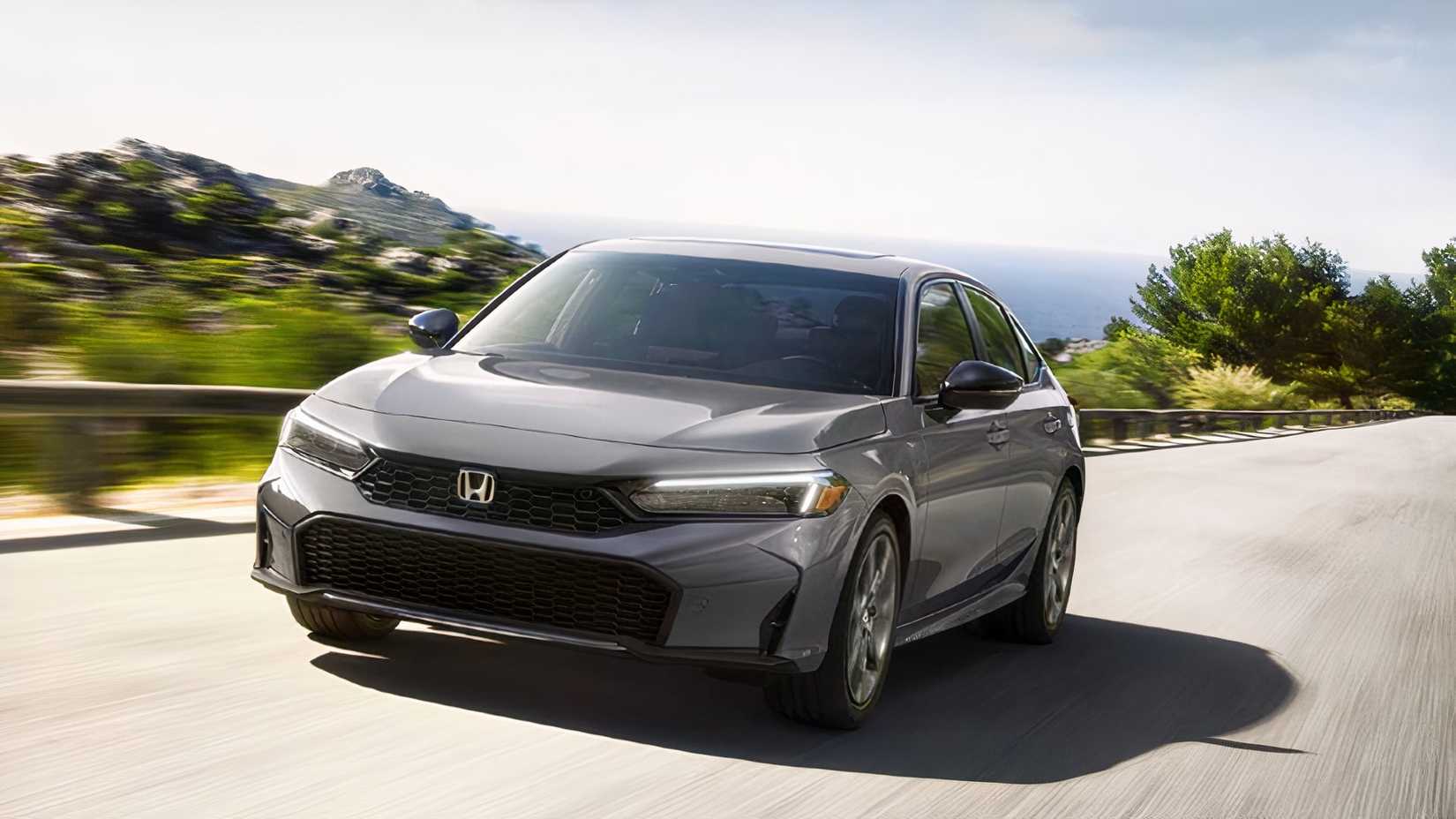
Both these Japanese compact hybrid sedans have a compelling value proposition. Which one works best for you will come down to budget and your priorities. If you simply want the lowest entry price possible, the Corolla Hybrid is the clear winner. With similar mpg, available AWD, and stellar reliability, you can’t really go wrong. If the higher price point of the Civic Hybrid hasn’t induced sticker shock, then the Honda is the more complete compact hybrid. The Civic Hybrid offers better comfort, performance, and efficiency, which is as all-rounded as it gets. The Corolla Hybrid’s engine feels adequate, while the Civic Hybrid’s engine outperforms all expectations. The 2025 Honda Civic Hybrid outclasses the Corolla Hybrid in more ways than one. Once you consider the complete package, you now understand what exactly makes the Honda Civic Hybrid so hard to ignore.
Sources: Honda, Toyota, Pagani, Kelley Blue Book, CarGurus