
Isn’t it a bit crazy that you have to pay around $50,000 for a worthwhile new SUV and still have to make significant compromises at that price? If you want a fuel-efficient option, you are probably sacrificing both power and refinement. If the SUV in question comes with a battery pack, then it probably offers less overall space than the conventional gas model as a result. Finding a three-row SUV that offers genuine high-level efficiency is extremely uncommon, and you’ll probably have to spend a fortune to acquire one. Yet, what if there was an option on the market that meaningfully offers great mileage, strong cargo room, and impressive performance? This combination is rare, but it has been achieved by one select model.
Efficiency Tends To Have Painful Tradeoffs
Engineering isn’t magic. The most fuel-efficient SUVs on the market all achieve their success by making cuts in other areas. Yet, what exactly is being left on the table?
The Compact Hybrid Compromise
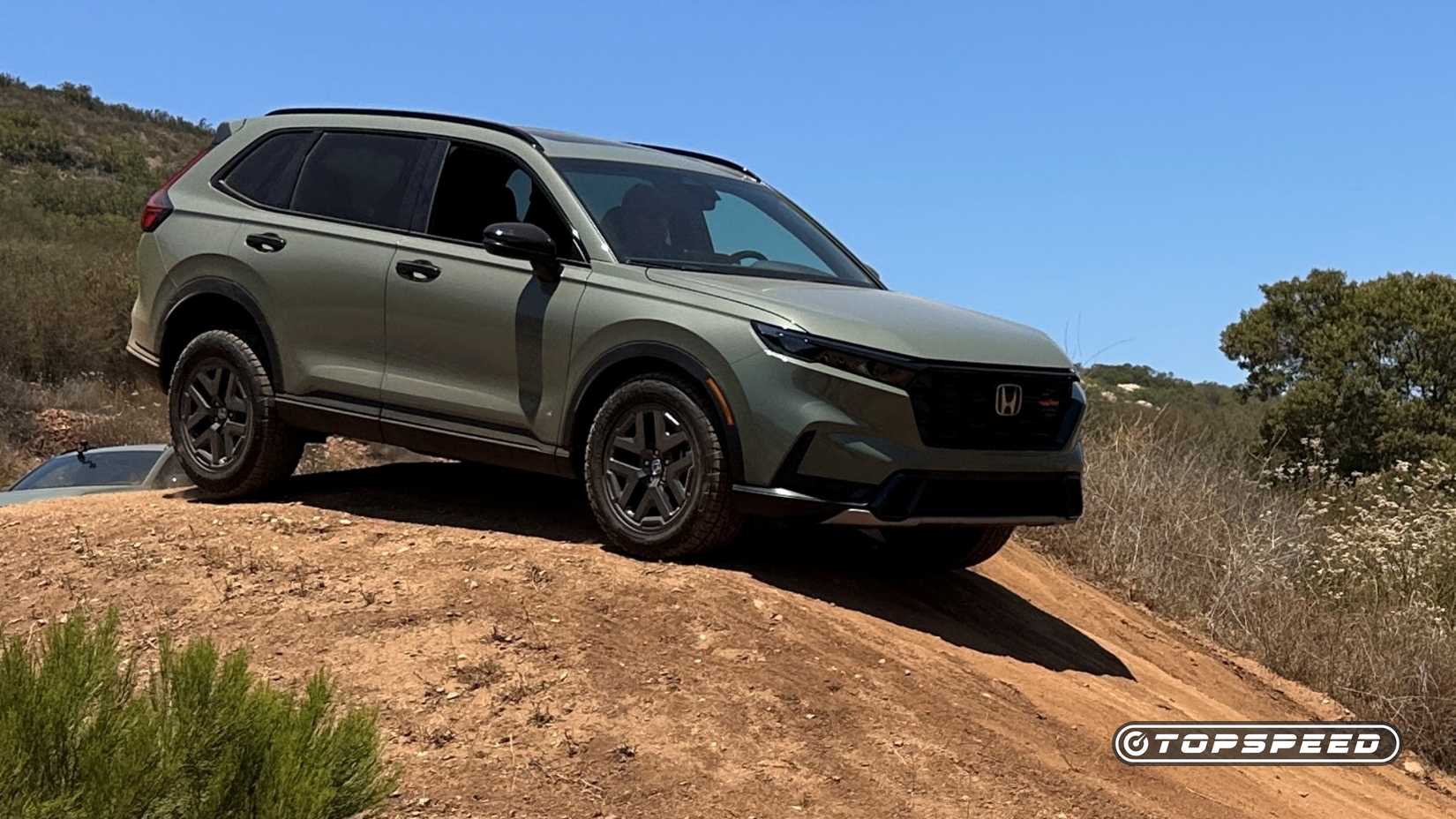
If we take a look at the two best-selling vehicles in the U.S., the Toyota RAV4 and Honda CR-V, it is clear that compact crossovers dominate the market. Indeed, vehicles like the RAV4 offer exactly what most shoppers want: strong efficiency ratings in the 40 mpg range and a small footprint without sacrificing practicality. Yet, try to fit even a family of four on a multi-hour road trip in a RAV4, and you’ll quickly start to see its limitations become apparent. The 2025 Toyota RAV4 only offers 37.5 cubic feet of cargo room behind the second row, which is fine for a couple, but tight for a family. Compact hybrids may be impressively fuel-efficient, but there are clear compromises in practicality as a result.
Plug-In Hybrids Are A Double-Edged Sword
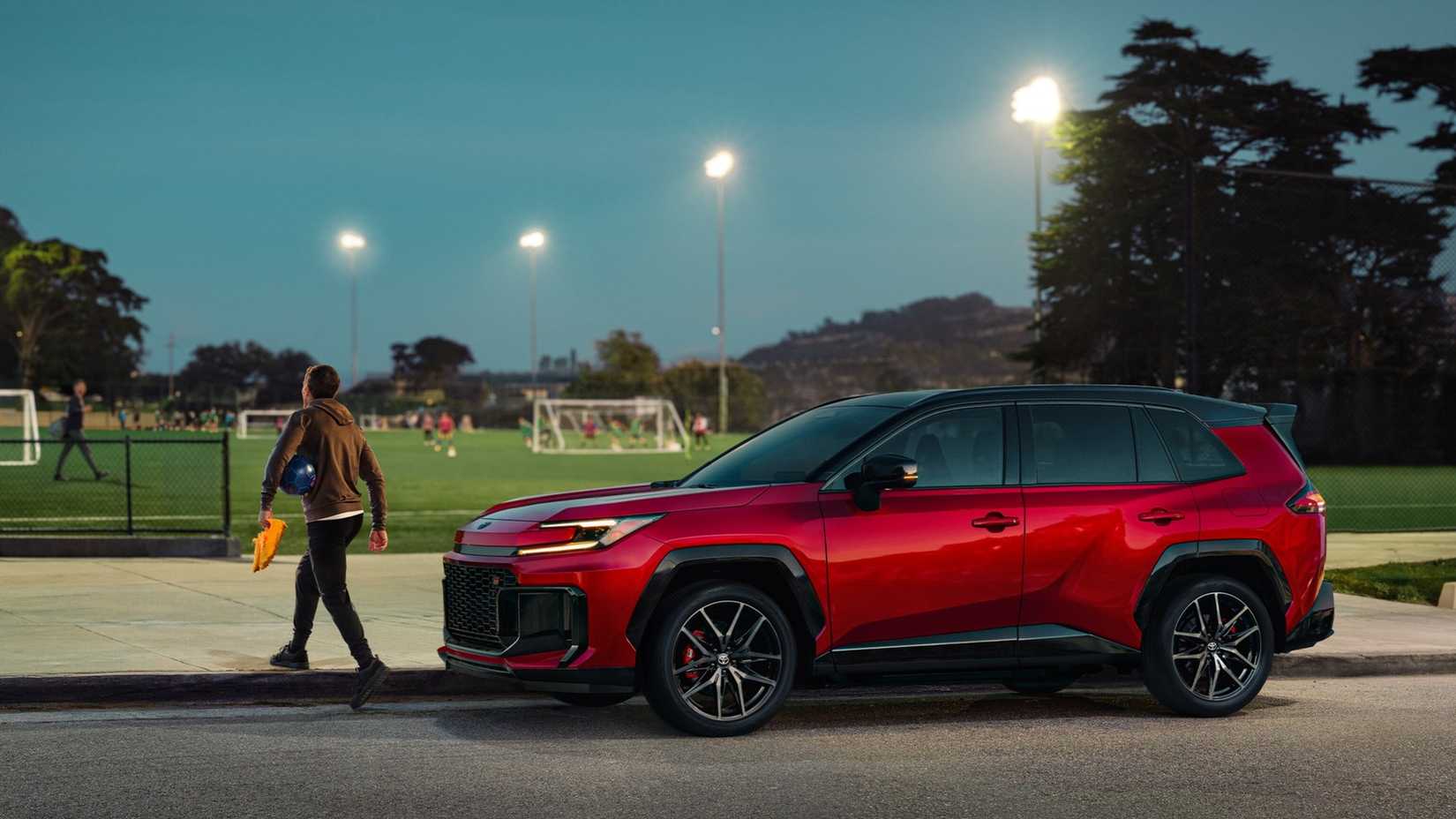
You might think, well, of course—if I had the space to charge at home, a plug-in hybrid would be the perfect compromise. Indeed, the 2026 Toyota RAV4 Plug-in Hybrid does offer an impressive 54 miles of all-electric range. However, this fact assumes you have consistent access to a Level 2 charger and the ability to charge at work as well. Although you are still getting hybrid efficiency once the battery pack has run dry, plug-in hybrids operate at a lower efficiency than hybrid-only models.
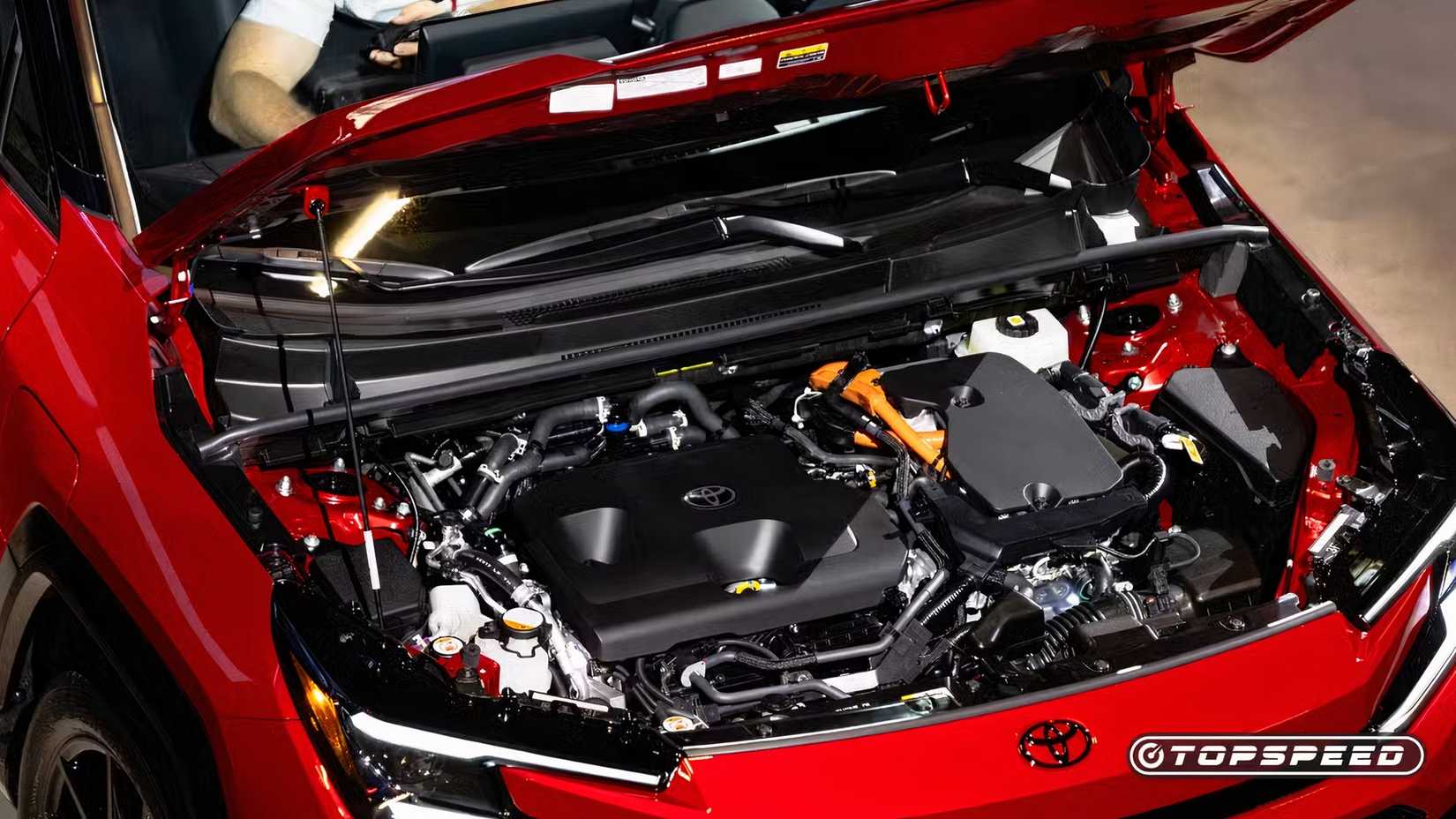
Added battery weight reduces efficiency when the battery isn’t regularly charged. A Consumer Reports study found that real-world PHEV data show that irregular charging habits can push real consumption figures well above EPA estimates. The efficiency promise of a PHEV is real, as long as it is used correctly. The reality is, most people don’t have access to reliable charging infrastructure, even if they can afford pricier vehicles like PHEVs.

The PHEV With The Highest Electric Range In 2026
Depending on their use, today’s PHEVs are capable of driving a whole day without using their gasoline engines, and none go as far as this compact SUV.
Family SUVs Also Tend To Compromise

So let’s say you want a three-row SUV, and that is non-negotiable because you have a growing family, and you want something that can function as a one-size-fits-all vehicle. Prepare to be introduced to an entirely new set of tradeoffs. The two most common are reduced efficiency or reduced performance.
Three-Row Hybrids Tend To Be Sluggish
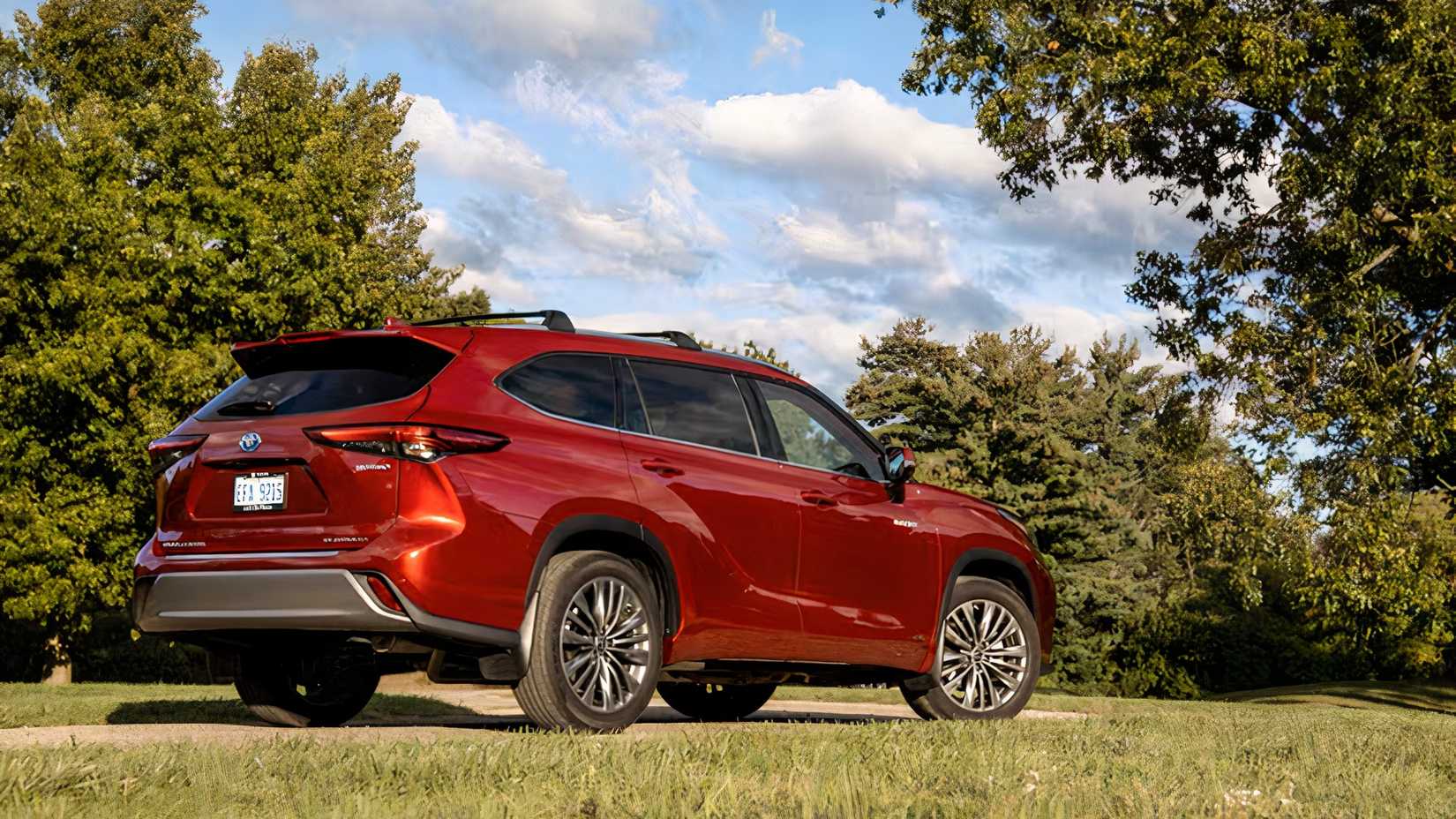
The standard Toyota Highlander Hybrid was the default go-to option for shoppers who wanted three rows and hybrid efficiency. With up to 36 mpg combined, it delivered efficiency that no other rival in its segment could match. Yet, issues start to arise once you have every seat filled up, the trunk and roof loaded with gear, and a steep grade to climb. 243 horsepower is totally fine in a straight line with limited resistance for a vehicle of this size. Yet, even acceleration on a highway on-ramp with no elevation gain feels somewhat sluggish.

The Kia Sorento Hybrid offers 227 combined hp and 37 mpg combined at a lower price, but its third row is best reserved almost exclusively for children. The Hyundai Palisade Hybrid achieves 34 mpg combined with more spaciousness, but its 239 hp output provides similar lackluster performance compared to the Highlander Hybrid. If you don’t want the size of your SUV to hamper its maneuverability, then it’s likely you will have to look outside these options.
What American SUVs Get Right And Wrong
Stellantis
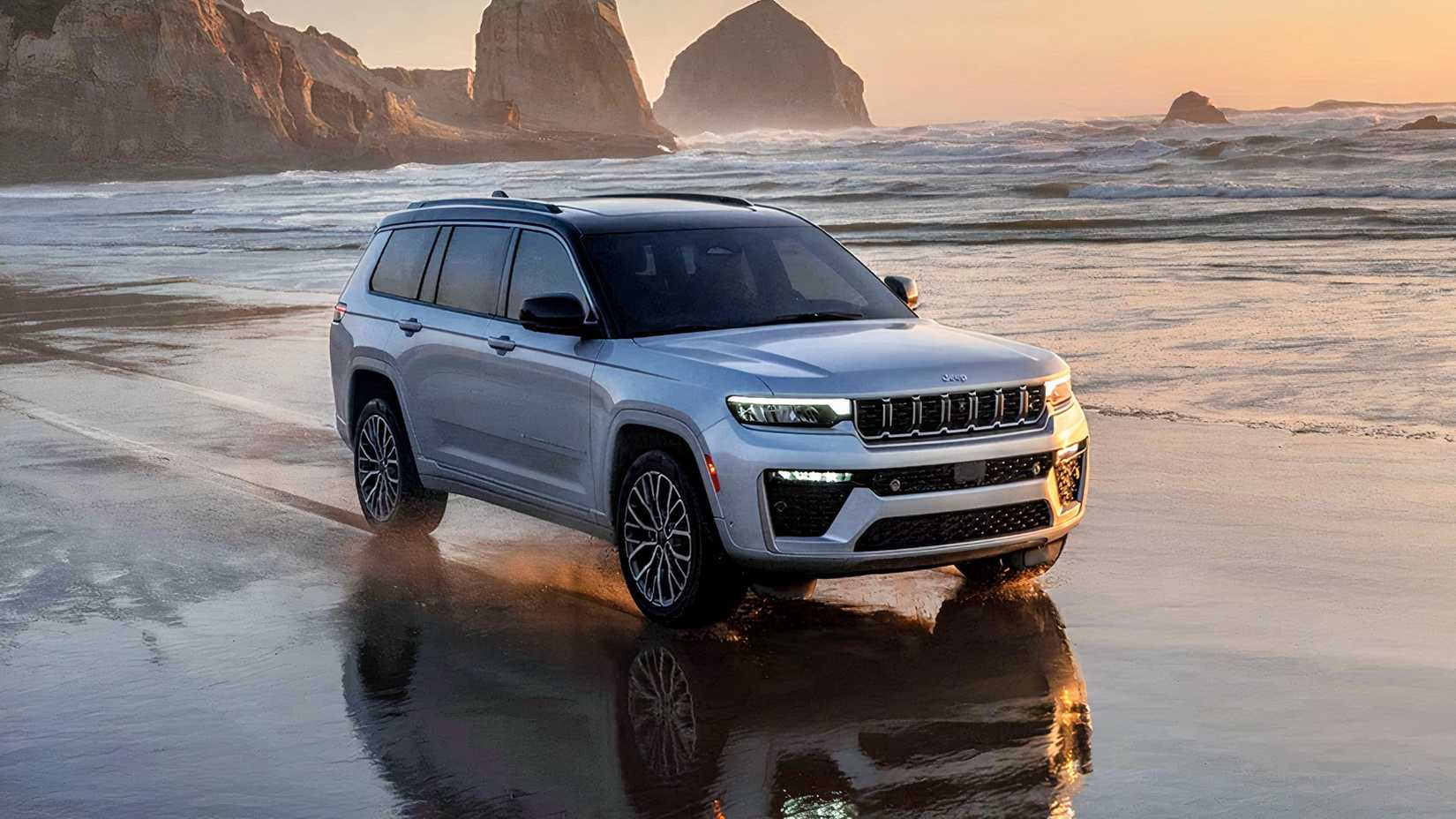
Once we start talking about larger three-row American SUVs like the Chevrolet Traverse and Jeep Grand Cherokee L, these options offer more than enough room for a family, but efficiency becomes an afterthought. Most of the powertrain options in this segment, typically naturally-aspirated V-6 and turbocharged inline-four engines, return about 21 to 24 mpg combined. Opt for something like the Jeep Grand Cherokee L Overland, powered by an optional 5.7-liter naturally-aspirated V-8, and figures drop to 17 mpg combined.

Last we checked, gasoline is getting more expensive every year, and it’s unlikely for that trend to reverse. The Ford Explorer Hybrid is one of the most efficient models in the segment at 27 mpg combined, but it still prioritizes towing capacity over cargo room. American three-row SUVs tend to understand the desirability of spaciousness for an entire family, but efficiency is something they haven’t been able to nail down. That was until one particular model arrived from a brand that had been building toward this exact powertrain combination for years.
6 Three-Row SUVs That Deliver Premium Space Without Premium Costs
You don’t have to pay premium prices to have the most spacious SUV for your large family. These mainstream three-row midsize SUVs have lots of room.
The 2026 Toyota Grand Highlander Hybrid MAX Is Genuinely A Complete Package

If you have been looking for a hybrid three-row SUV that doesn’t compromise on the details that matter, let us introduce you to the 2026 Toyota Grand Highlander Hybrid MAX. This Toyota SUV sets itself apart by being the highest-mpg three-row family SUV on sale while offering strong interior space and impressive performance.
The Perfect Three-Row Package

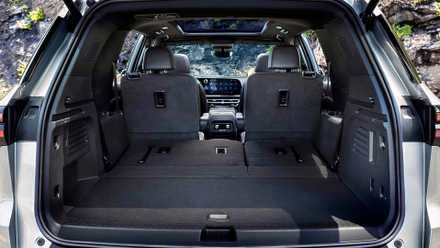
The Toyota Highlander is already a spacious SUV, but the Grand Highlander adds even more room thanks to a longer wheelbase. The result is 20.6 cubic feet of cargo space behind the third row in the Grand Highlander compared to 19.1 cubic feet in the 2026 Hyundai Palisade. The Grand Highlander’s 153.3 cubic feet of total passenger volume qualifies it as a full-size SUV. Yet, unlike most body-on-frame full-size SUVs, the Grand Highlander is still nimble and offers strong fuel economy.

If you opt for the Hybrid MAX Limited or Hybrid MAX Platinum trim, the second-row captain’s chairs will make your middle-row passengers feel more comfortable and valued. With a roof rack for overflow gear, you can realistically fit a family of seven for a weekend road trip in solid comfort. In terms of overall utility, it doesn’t get much more practical except for opting for a minivan like the Toyota Sienna. The Hybrid MAX powertrain does have the limitation of only offering seating for seven, as opposed to the option of eight offered in the lower trim levels.
Real-World MPG And Owner Reports
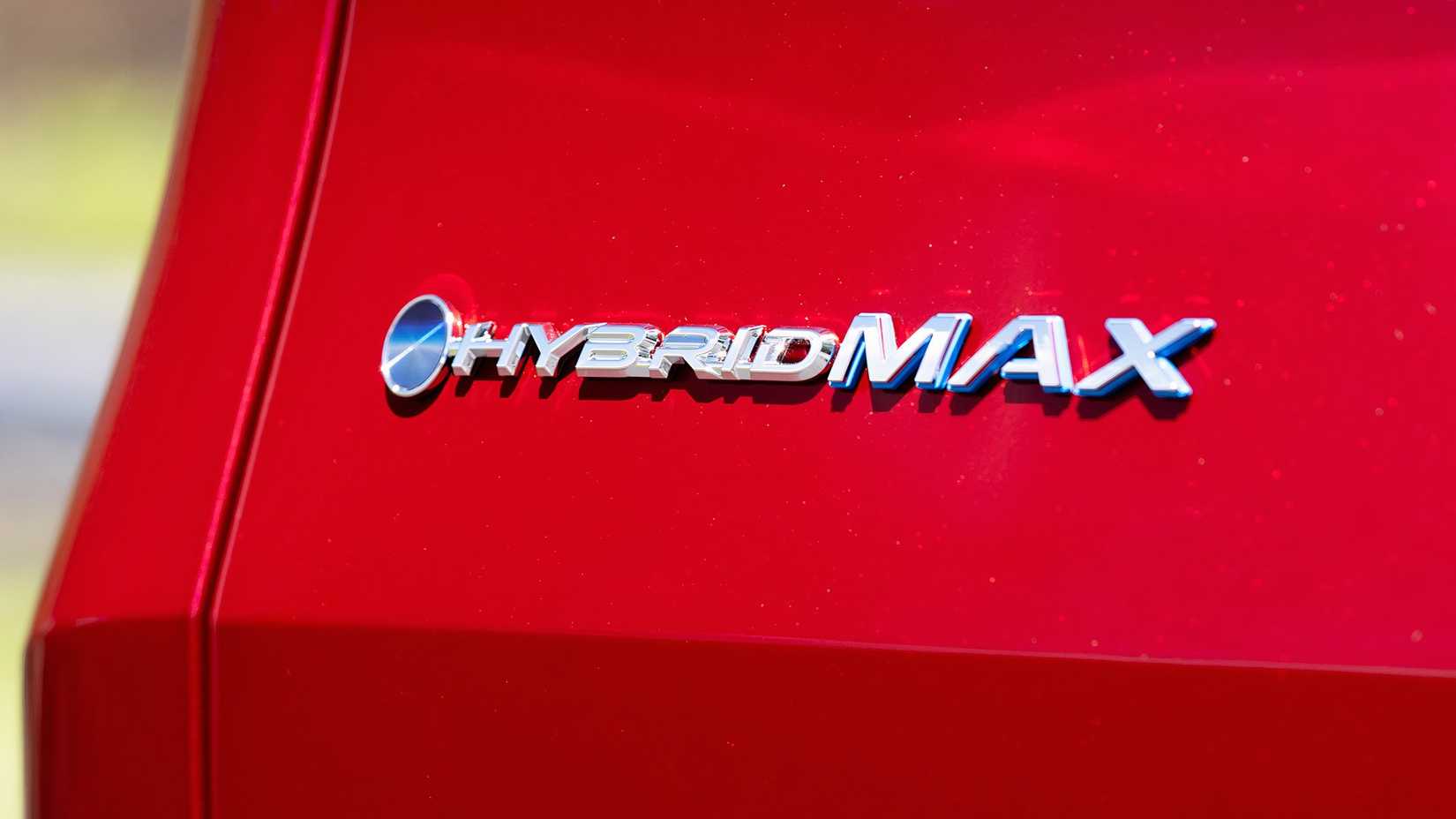
The Hybrid MAX offers 27 mpg combined, powered by a 362 hp 2.4-liter turbocharged inline-four. How does real-world owner data hold up to that EPA figure? We scoured the Grand Highlander and Toyota Highlander subreddits to find out. A suburban driver logged a 26 mpg average across mixed city and highway driving. Highway-focused owners reported around 30 mpg while utilizing cruise control.
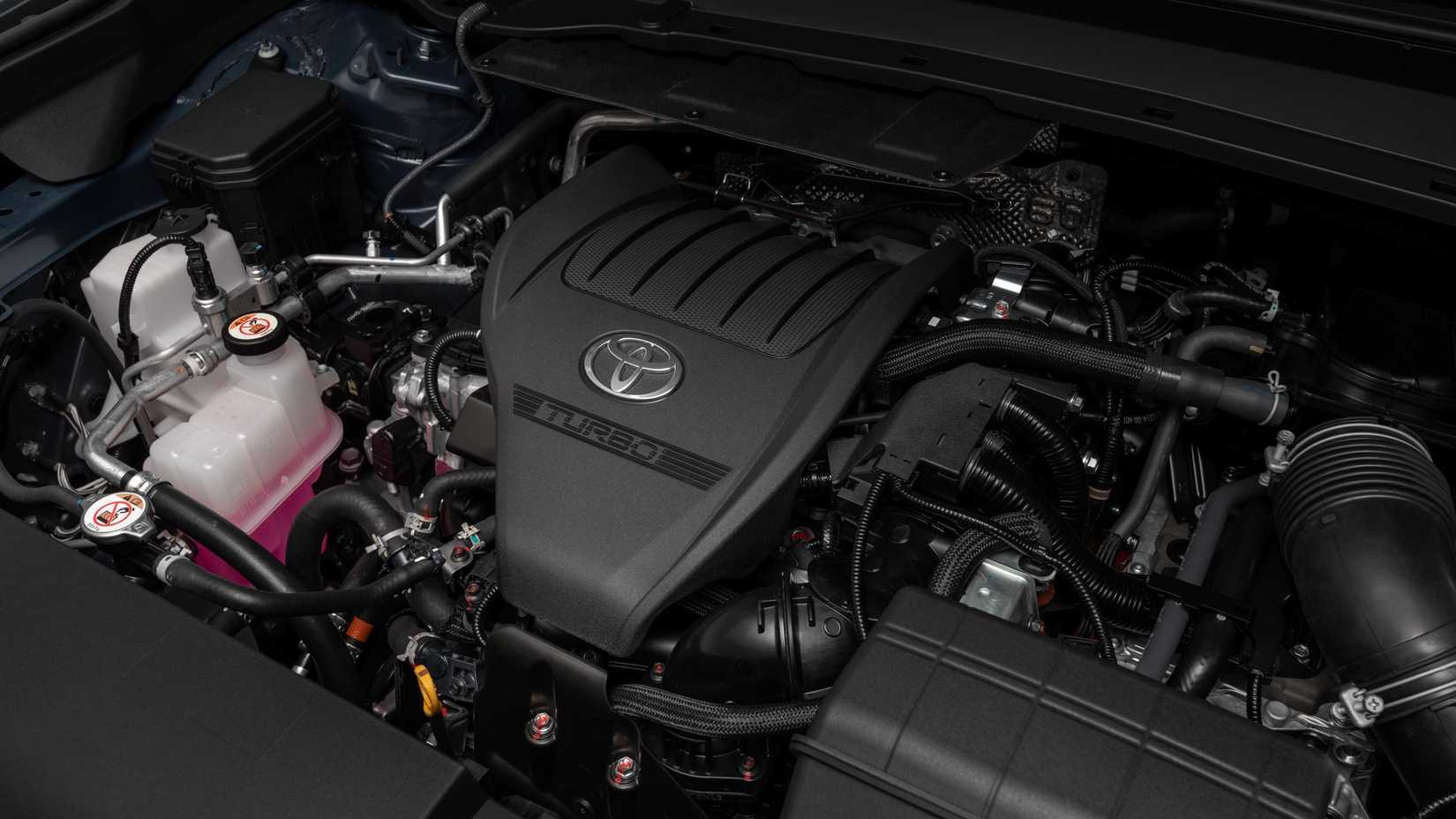
A more extreme example included an owner who lived in the foothills outside Yosemite and regularly drove a dirt road with 1,000 feet of elevation gain over 1.5 miles. This owner achieved a 20–22 mpg round-trip average, with the steep descent pushing returns of around 35–40 mpg thanks to regenerative braking. Some cold-weather owners reported a slight loss of efficiency, around 24–25 mpg. Considering this is a 362 hp SUV that seats seven and has generous cargo room, a 24 mpg floor in adverse conditions is impressive to say the least.

7 Three-Row SUVs That Deliver Sports-Car-Level Performance
The wildest SUV here delivers 1,000+ horsepower, features gullwing rear doors, and offers spacious, tech-loaded three-row seating.
The Hybrid MAX Powertrain Is Currently Unmatched

Within the three-row hybrid SUV segment, there is no other hybrid system that produces the same power-efficiency combination that the Hybrid MAX powertrain offers. Most of its competitors either nail the efficiency or the performance, but not both in the same package.
Hybrid MAX Compared To Its Rivals
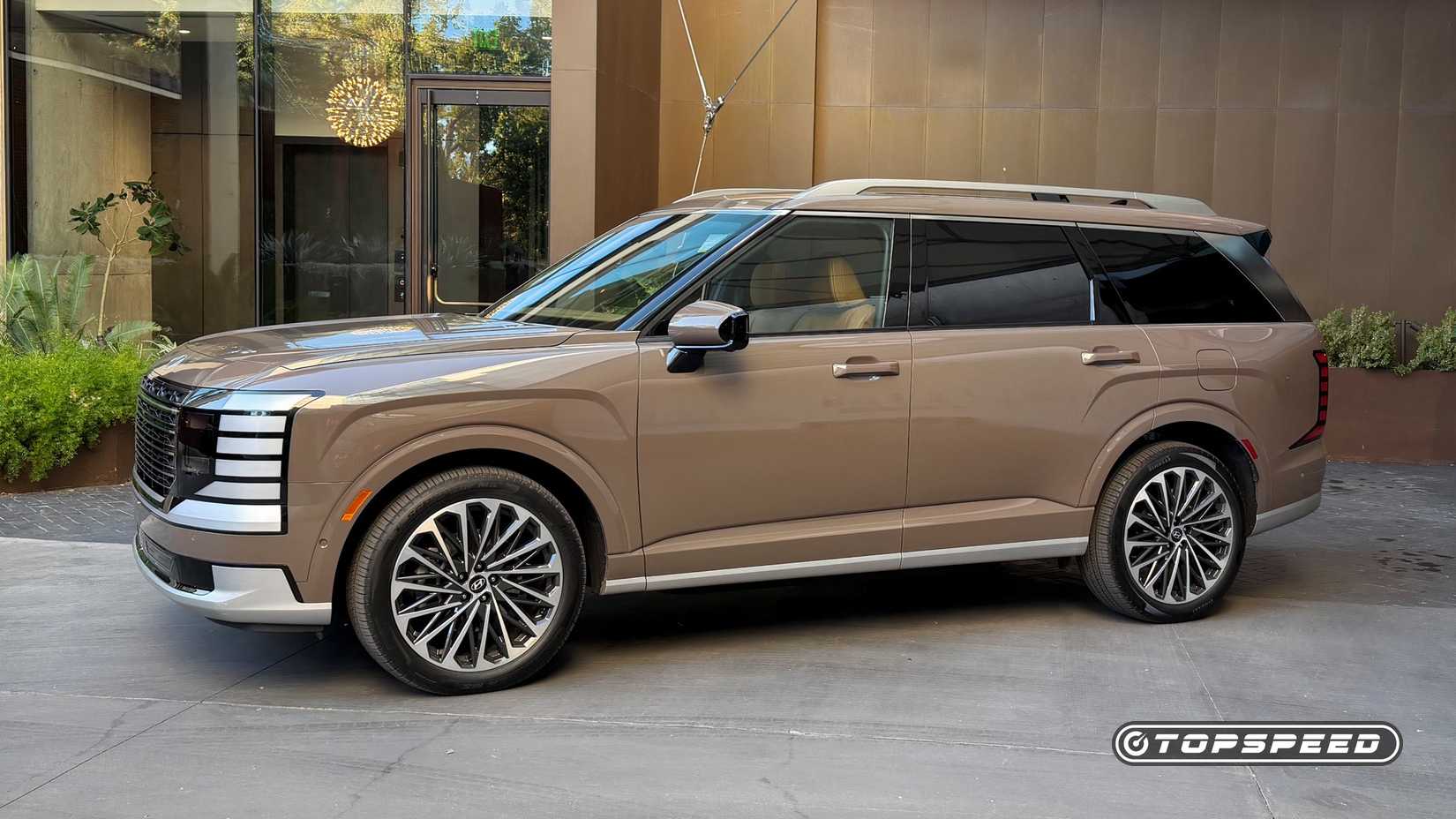
Let’s start with the 2026 Kia Sorento Hybrid, which produces 227 hp and provides 32 mpg combined. It offers strong efficiency, but its lack of cargo volume is a result of its smaller footprint, and it is well short of the Hybrid MAX’s power output. The 2026 Hyundai Palisade is one of the Grand Highlander Hybrid MAX’s strongest competitors. It features a 329-hp 2.5-liter turbocharged inline-four that returns 31 mpg combined with AWD trim. The Grand Highlander Hybrid MAX has the Palisade Hybrid beat in several key categories, however. The Grand Highlander Hybrid MAX offers more horsepower, torque, and cargo capacity in exchange for 2 mpg points.

The only non-Toyota vehicles that rival the Hybrid MAX’s power output are non-hybrid three-row SUVs that typically achieve around 20 mpg combined. The perfect example is the Jeep Grand Cherokee L Overland or Summit models, which produce 357 hp and 390 lb-ft of torque via the optional 5.7-liter Hemi V-8 engine. However, at 17 mpg combined, the Cherokee L Overland is an entirely different category of efficiency compared to the 27 mpg of the Hybrid MAX. The 2025 Jeep Grand Cherokee 4xe offers an impressive output of 375 hp and 470 lb-ft of torque, but has no third-row, only achieves 24 mpg combined, and costs more than the top-trim Hybrid MAX Platinum. It was also discontinued after the 2025 model year.
Long-Term Value Seals The Deal

Because Toyota’s hybrids are widely regarded as reliable, this underpins the brand’s pricing power. The Hybrid MAX powertrain did not debut in the Grand Highlander. This hybrid system is also available in the 2026 Lexus RX 500h F Sport Performance, the 2026 Lexus TX 500h, and the 2026 Toyota Crown Platinum, and has been around since 2022. That means the platform received several years of real-world durability testing before it arrived in the Grand Highlander.
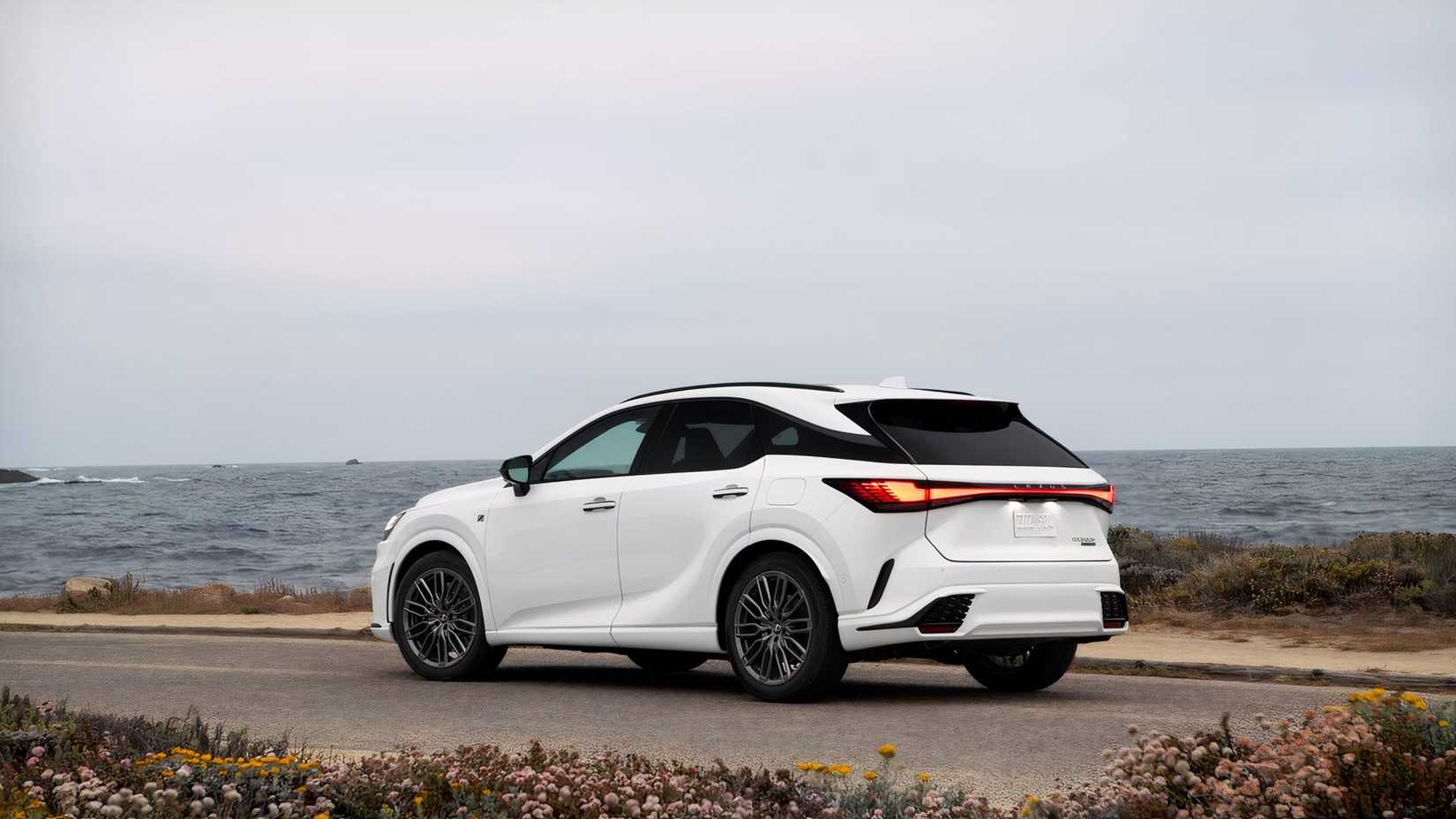
On resale, Toyota and Lexus hybrid SUVs tend to hold value aggressively relative to non-hybrid competition, and the fuel savings compared to naturally-aspirated V-6 models are significant. With a starting price of $55,690, the Grand Highlander Hybrid MAX Limited is, by no means, affordable. However, you can be confident that your money is being invested in a worthwhile product that doesn’t just excel in its segment—it leads it.
Sources: Toyota, Kia, Hyundai, Lexus, Jeep, Ford, EPA, CarEdge, and Reddit.