

Long-term durability can seem like an afterthought in a car world where turbochargers, electrification, and complicated emissions systems are becoming more and more common. But for millions of purchasers, the real test of how well an engine is built isn’t how fast it goes around a track or how much power it has; it’s whether it can quietly rack up 250,000 or even 300,000 miles without needing a significant repair. iSeeCars, a company that analyzes the resale market for cars, has shown that some Japanese cars are more likely than others to go over 200,000 miles. In many studies of millions of used-car sales, Toyota models, in particular, often come out on top when it comes to reaching that milestone.
Consumer Reports‘ long-term reliability assessments show the same thing: Toyota, Lexus, Honda, and Mazda are always at or near the top for anticipated dependability. No engine is immune to neglect or mechanical failure, but a few Japanese powerplants have a reputation for regularly going beyond 300,000 miles with the right care. Their success isn’t an accident; it’s because they use conservative tuning, strong materials, and engineering approaches that value long-term performance over short-term gains. Here are five Japanese engines that stand out.
Toyota’s 2UZ-FE V8
Why This Overbuilt V8 Became A Longevity Legend
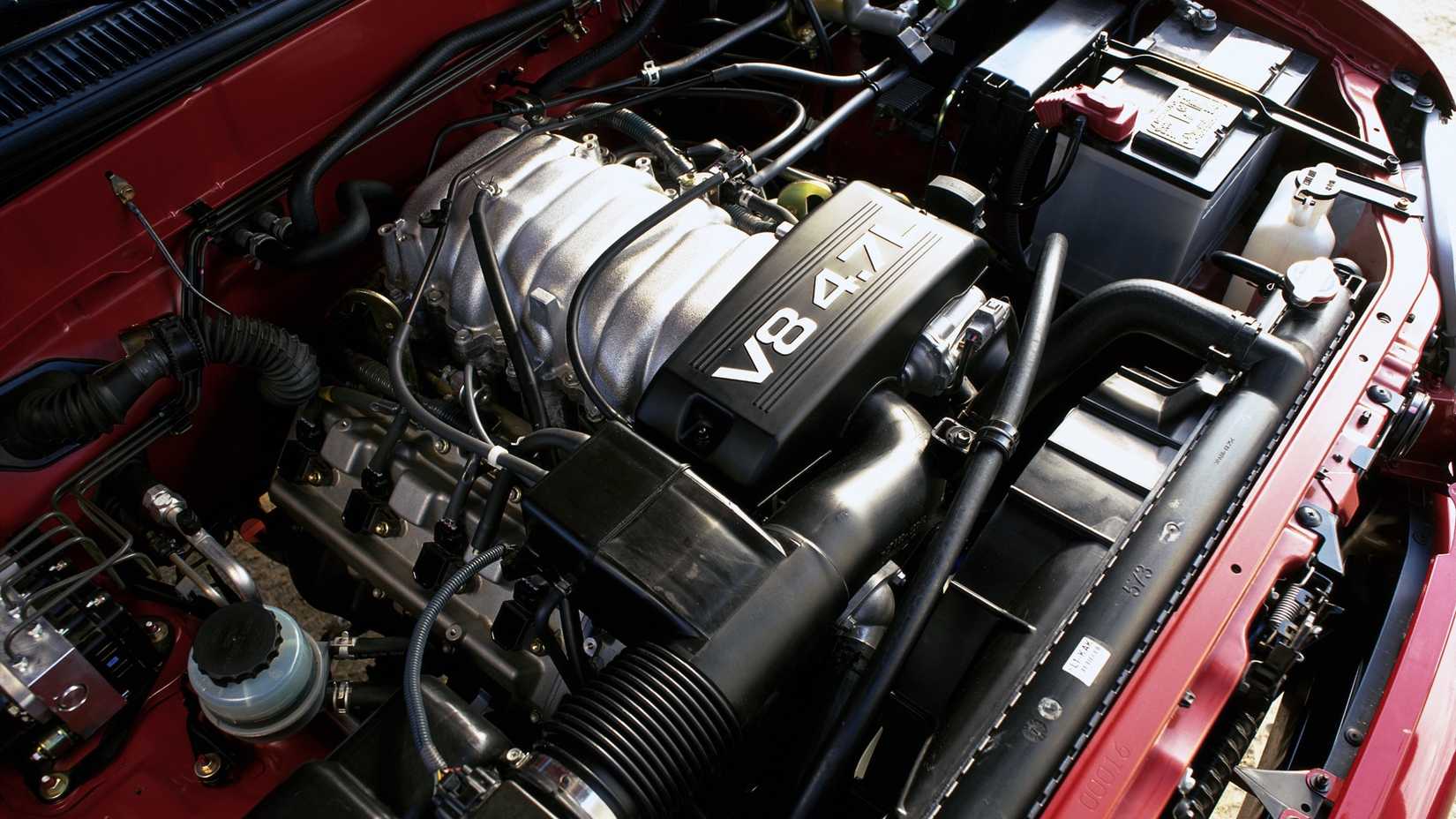
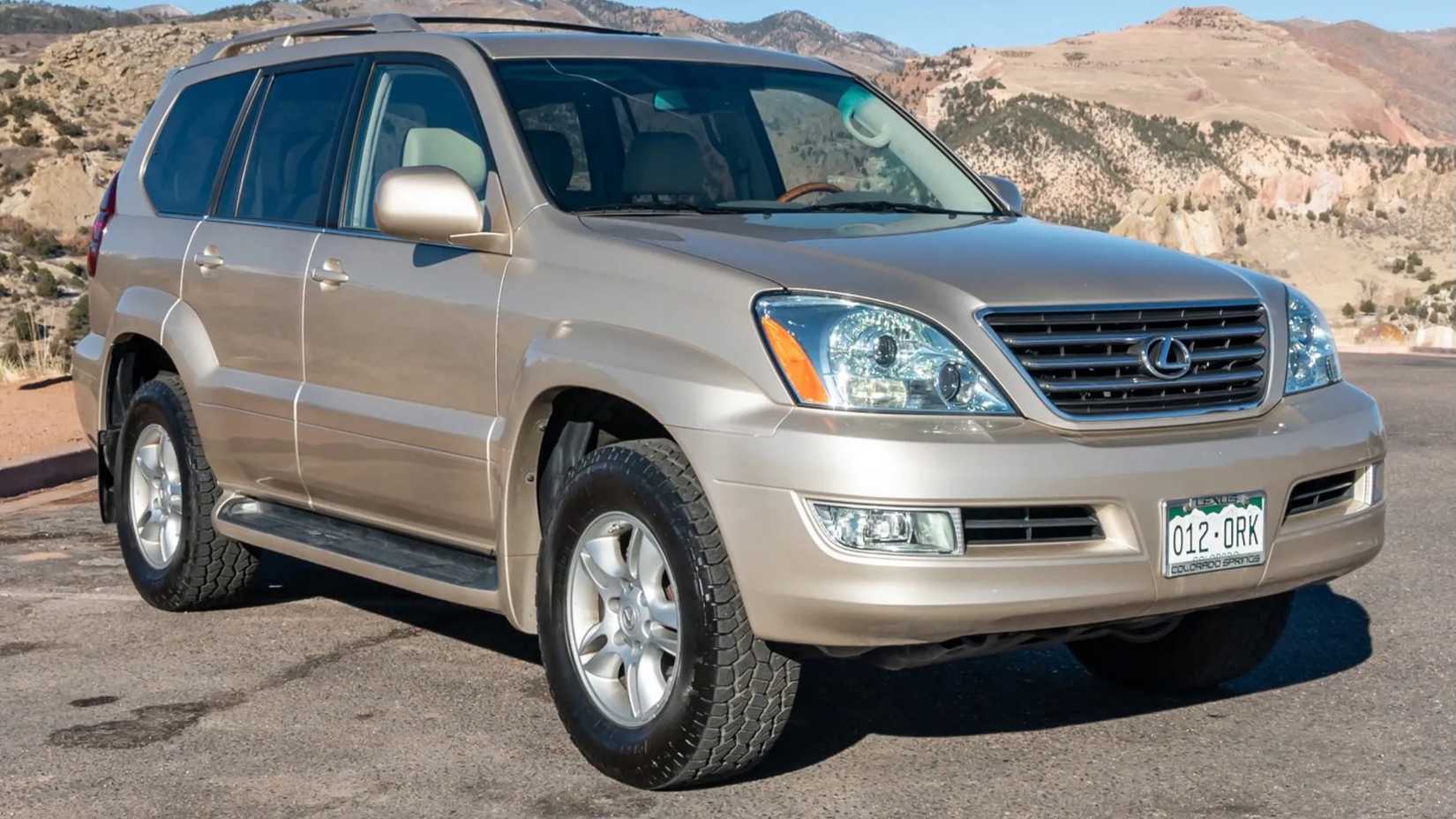
The Toyota 2UZ-FE 4.7-liter V8 engine is one of the few that has reached the near-mythical level of durability. This engine came out in the late 1990s and powered cars including the Toyota Land Cruiser, Toyota Sequoia, Toyota Tundra, and Lexus GX470.
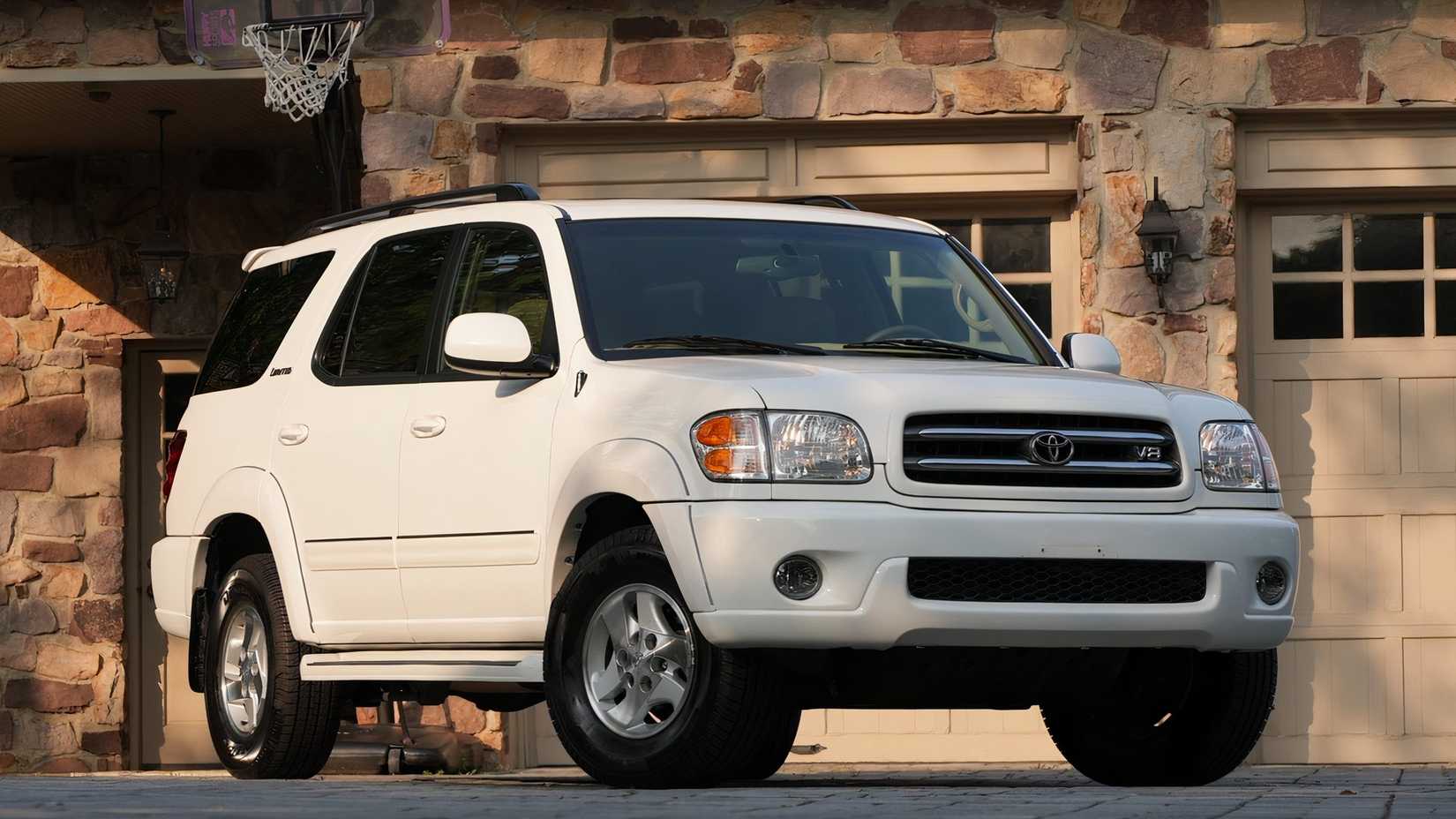
Many manufacturers were switching to aluminum blocks at the time, but Toyota chose a cast-iron block for the 2UZ-FE. This made the engine heavier but made it much more structurally sound and resistant to wear over time. The engine’s internal parts were just as strong, and the tuning was done in a way that was meant to be safe. The power output stayed low compared to the displacement, which kept the stress levels moderate.
iSeeCars has listed the Toyota Land Cruiser as one of the cars most likely to go over 200,000 miles many times, and usually by a large margin. In certain surveys, more than 15 percent of the Land Cruisers looked at went over that limit, which is much more than the industry average. A lot of that resilience comes from the way the 2UZ-FE was designed. Consumer Reports has consistently rated Land Cruiser and Lexus GX models highly in reliability surveys, further reinforcing the engine’s reputation.
Owners routinely report 300,000-mile examples with original internal components intact. In global markets where Land Cruisers operate under extreme conditions — from desert heat to remote rural terrain — the 2UZ-FE’s resilience has been proven in environments far harsher than typical daily commuting. This V8 wasn’t engineered for headline-grabbing output. It was engineered to survive — and it does.
The Toyota Most Owners Don’t Know Can Last Over 400,000 Miles
Toyota’s reputation for durability is well-established, but the true extent of that longevity often surprises even experienced owners.
Honda’s K-Series Four-Cylinder
The Balance Of Simplicity, Efficiency, And Durability
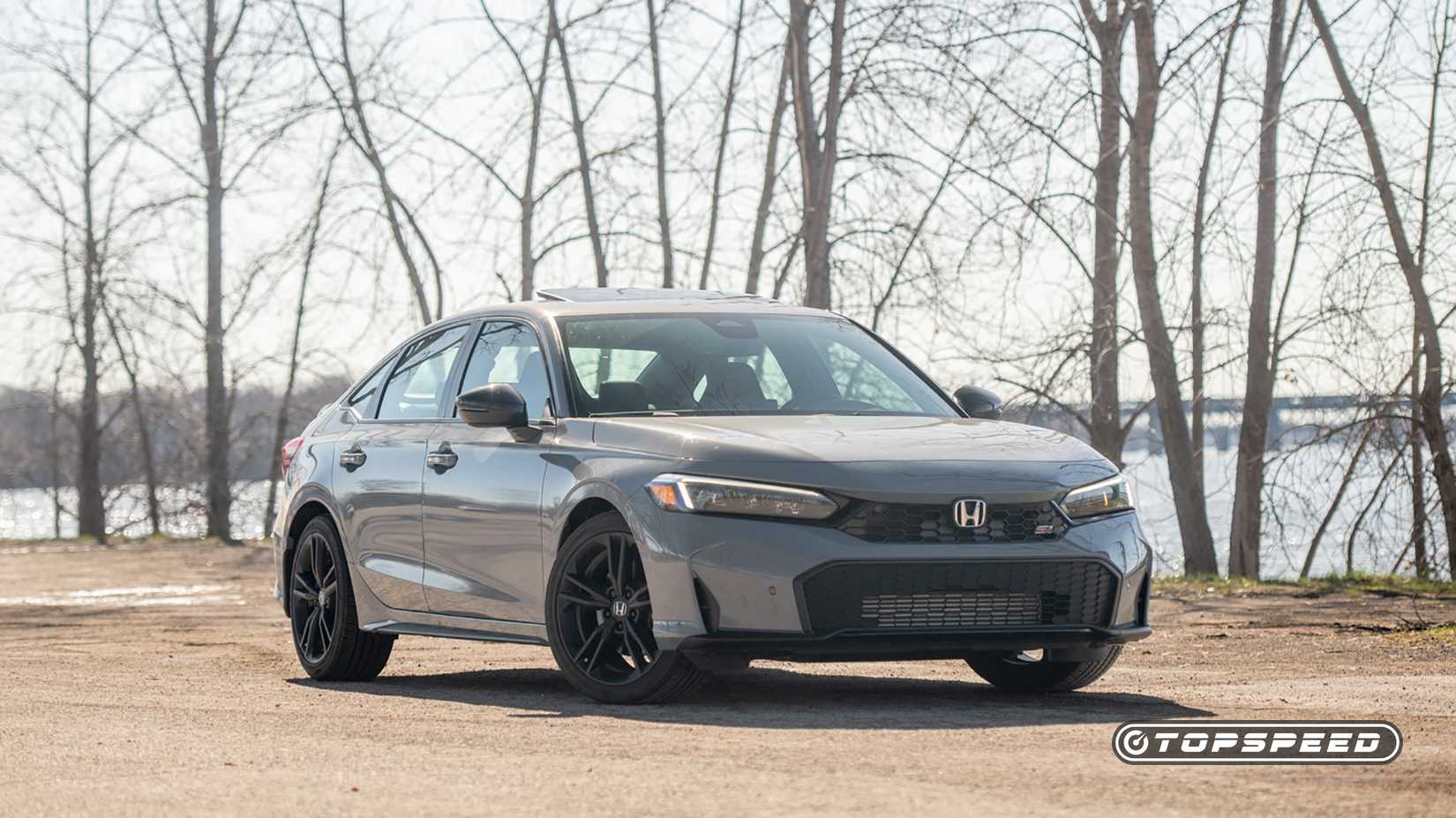
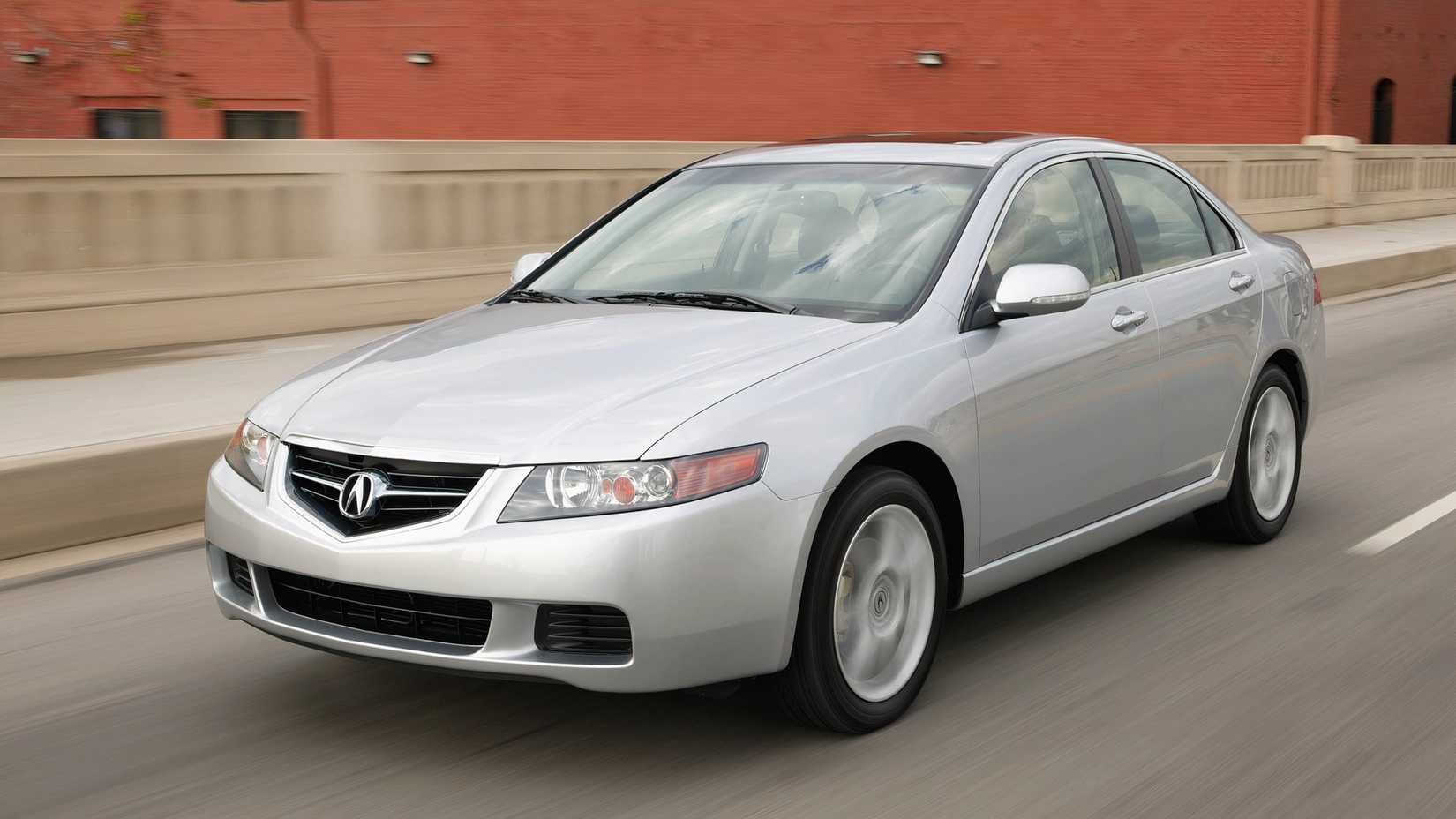
Honda’s K-series engines — particularly the K20 and K24 variants — represent one of the most successful four-cylinder families ever produced. Introduced in the early 2000s, they powered vehicles ranging from the Honda Civic and Accord to the CR-V and Acura TSX. The K-series managed to combine long-term reliability with practicality. To prevent the extra heat and pressure caused by forced induction, several variations continued to be naturally aspirated. The engines’ bottom ends were robust, and their timing chain systems and oiling passageways were well-designed and dependable.
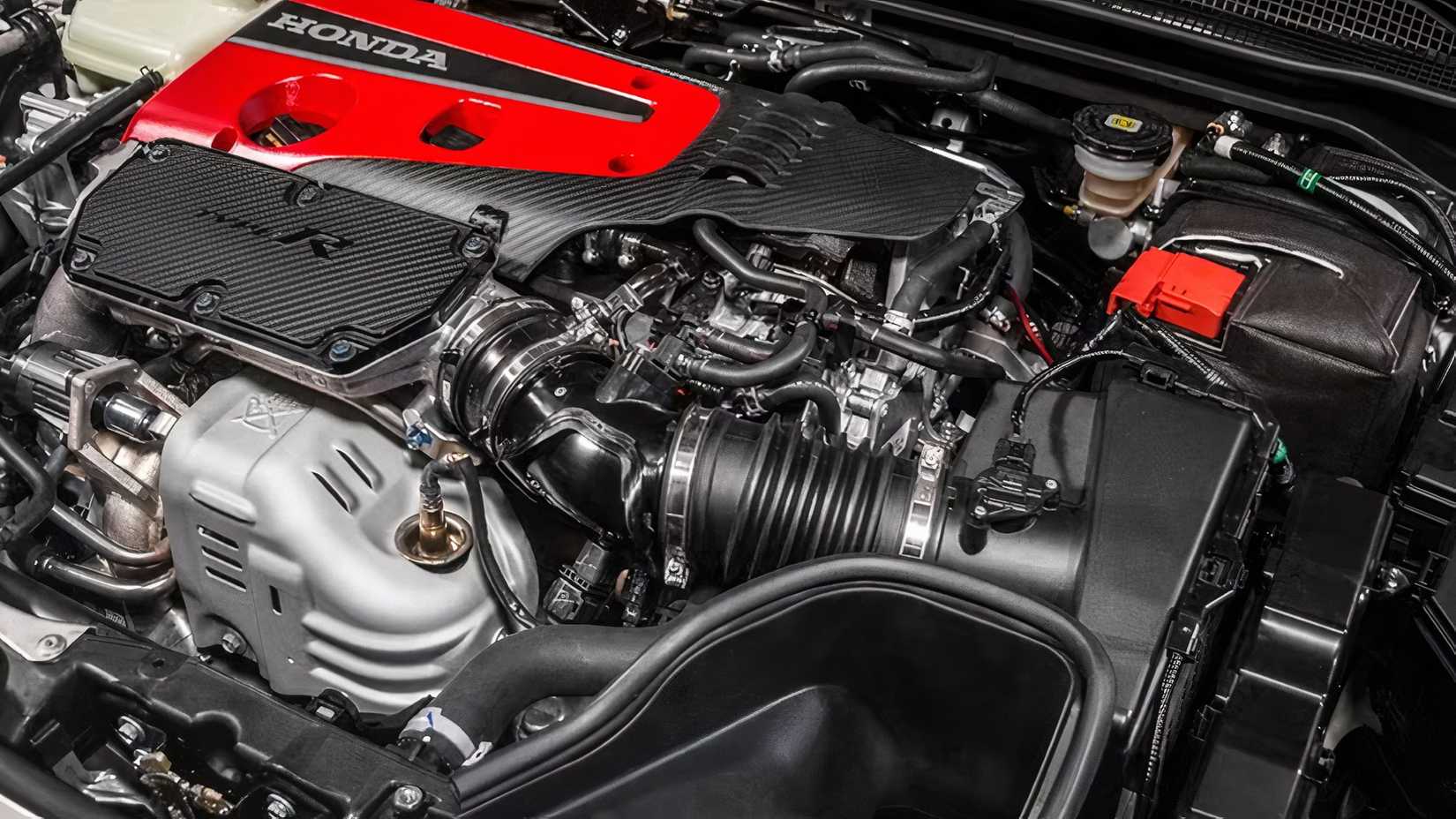
The four-cylinder Honda models were consistently named by Consumer Reports as being among the most dependable in their respective sectors, especially in the 2000s and early 2010s. According to iSeeCars‘ lifespan research, Honda Accord and CR-V models are continuously ranked among the vehicles with the highest likelihood of reaching 200,000 miles. In both owner communities and resale listings, you can find Accords powered by the K24 engine that have clocked in at over 300,000 miles.
These engines may go for decades without an internal rebuild if you keep up with the maintenance, such as changing the oil and checking the cooling system. The K-Series is exceptional not because of its overengineering but because of its balance. Durability was attained by Honda by means of controlled compression ratios, mechanical simplicity, and wise material selections. It’s evidence that simplicity alone isn’t a prerequisite for dependability.
Toyota’s Most Reliable Truck That Regularly Hits 400,000 Miles
Toyota’s unconventional approach to truck engineering has created a vehicle that lasts for decades.
Toyota’s 1GR-FE V6
How Conservative Engineering Helped It Last

Another standout in discussions about long-term durability is Toyota’s 1GR-FE 4.0-liter V6. A reliable body-on-frame robustness was made famous by the 1GR-FE, which powered cars like the Toyota 4Runner, Tacoma, and FJ Cruiser. The 1GR-FE, similar to the 2UZ-FE, emphasized long-term reliability above fast tuning. While earlier iterations had a cast-iron block, subsequent iterations kept the sturdy interior construction and tried-and-true cooling methods.
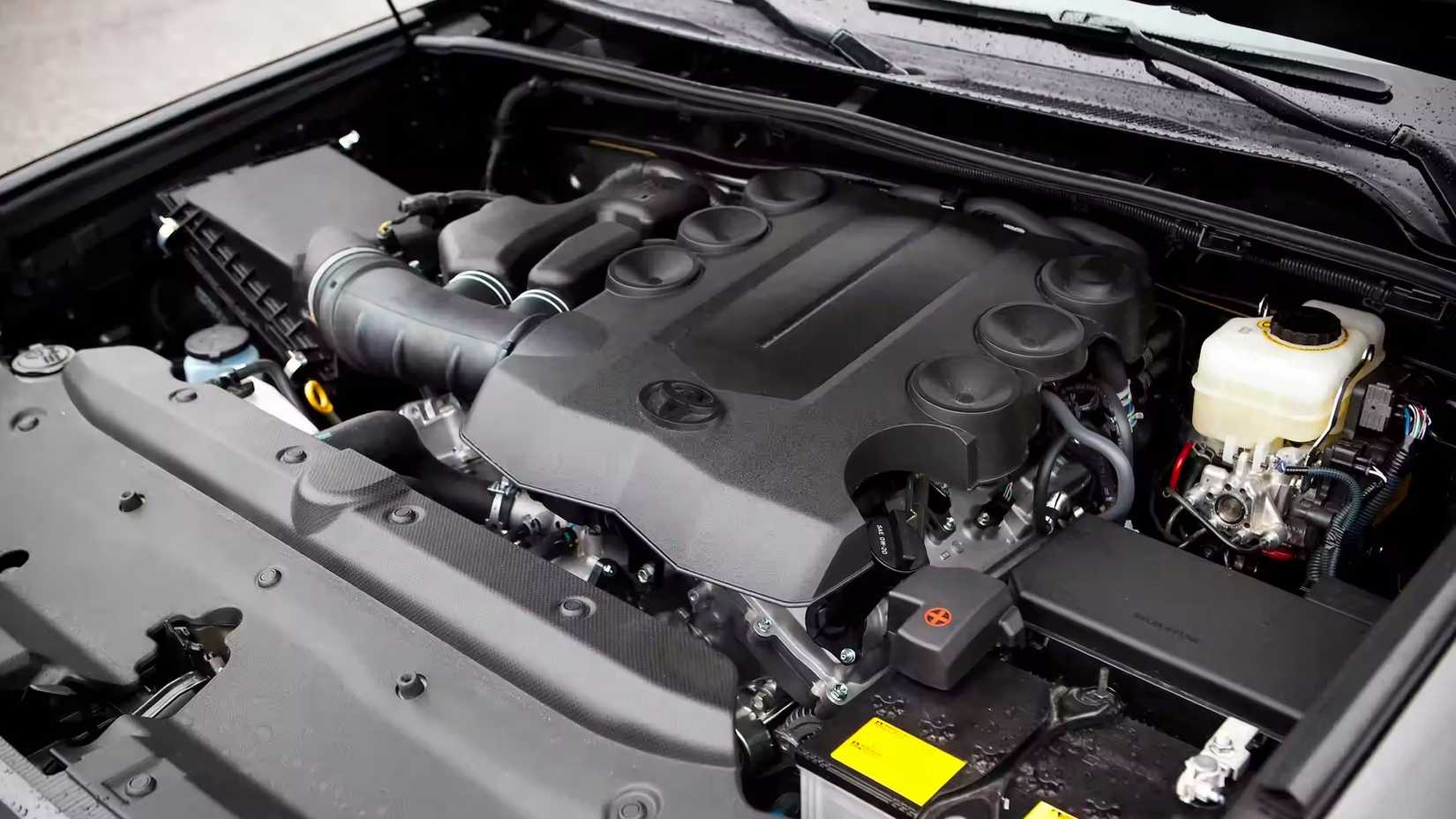
Relative to displacement, output values were conservative, which helped reduce sustained mechanical stress. Among the vehicles most likely to surpass 200,000 miles, according to various iSeeCars research, are the Toyota 4Runner and Tacoma. The reliability of the platform and its engine is further supported by the fact that it remains consistent over various study years.
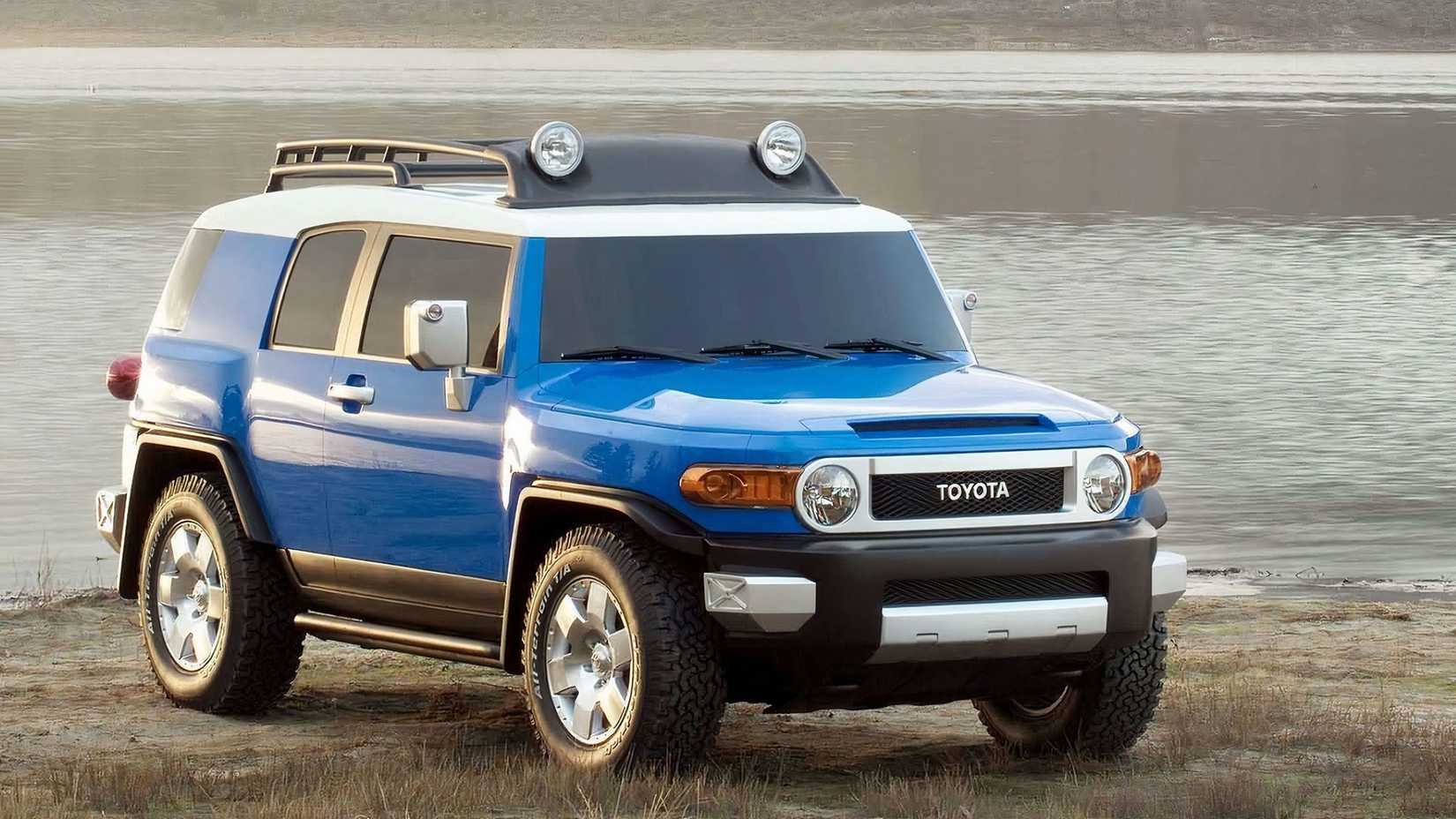
Models of the 4Runner and Tacoma often rank near the top of the midsize SUV and truck categories in Consumer Reports‘ reliability data because these vehicles are often used for towing, off-road driving, and long-distance travel; their high-mileage examples represent real-world stress testing. Many documented 1GR-FE engines surpass 300,000 miles without major internal repairs. The formula is simple: conservative engineering margins, proven cooling systems, and robust drivetrain pairings.
10 Japanese SUVs Known For Their Bulletproof Engines
Japanese automakers are known for producing some of the most reliable vehicles out there, and these SUVs are prime examples of that reputation.
Nissan’s VQ-Series V6
A Rare Blend Of Performance And Reliability
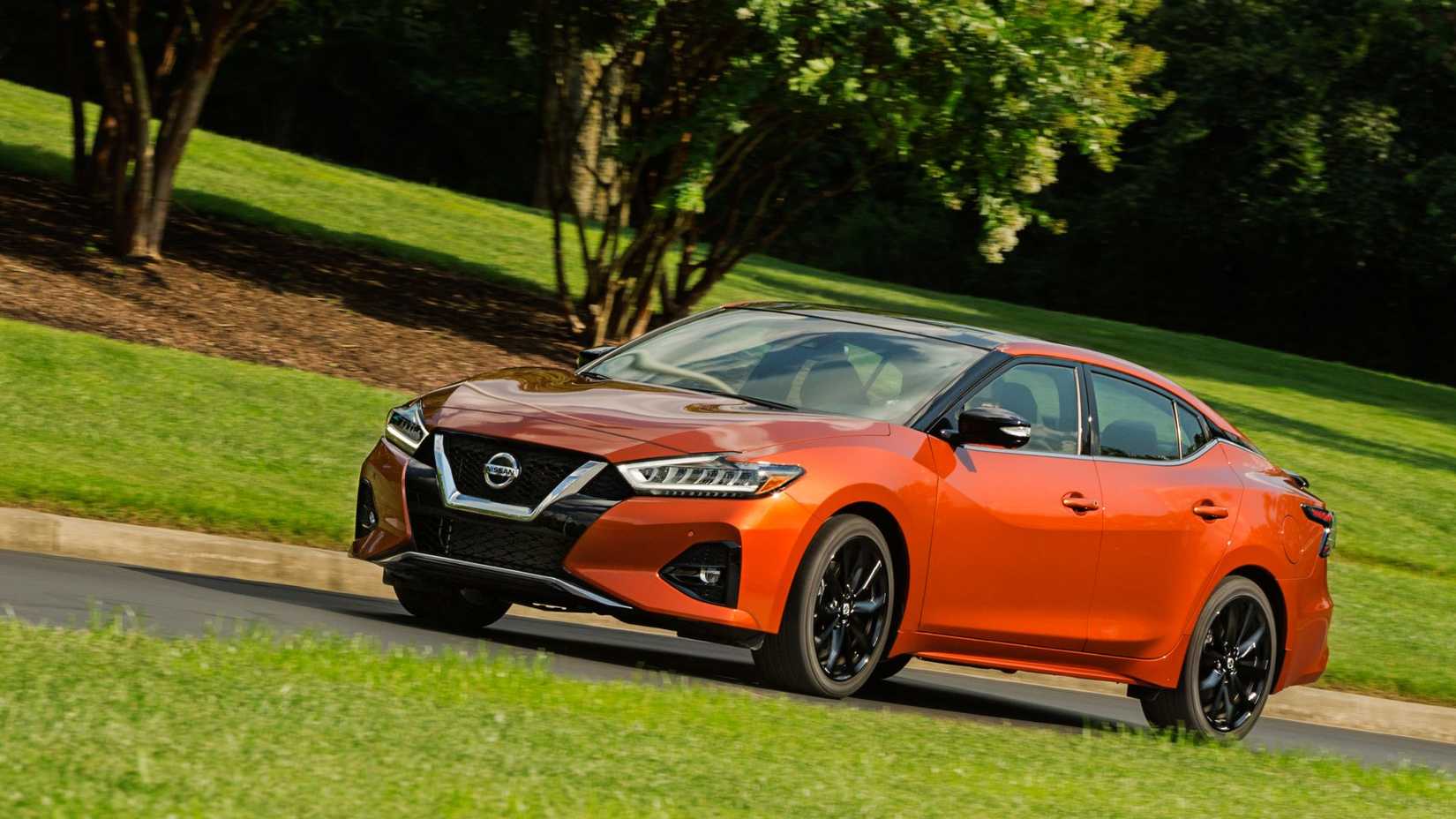
There is no other V6 from Nissan’s VQ series that has achieved the same level of renown. The VQ was the powertrain of choice for a wide range of vehicles, including the Nissan Maxima, Altima, 350Z, Infiniti G35, and FX models, and it featured prominently in Ward’s ’10 Best Engines’ list. Core VQ architecture, especially naturally aspirated variations, proved durable over time, even though some model years faced oil consumption concerns.
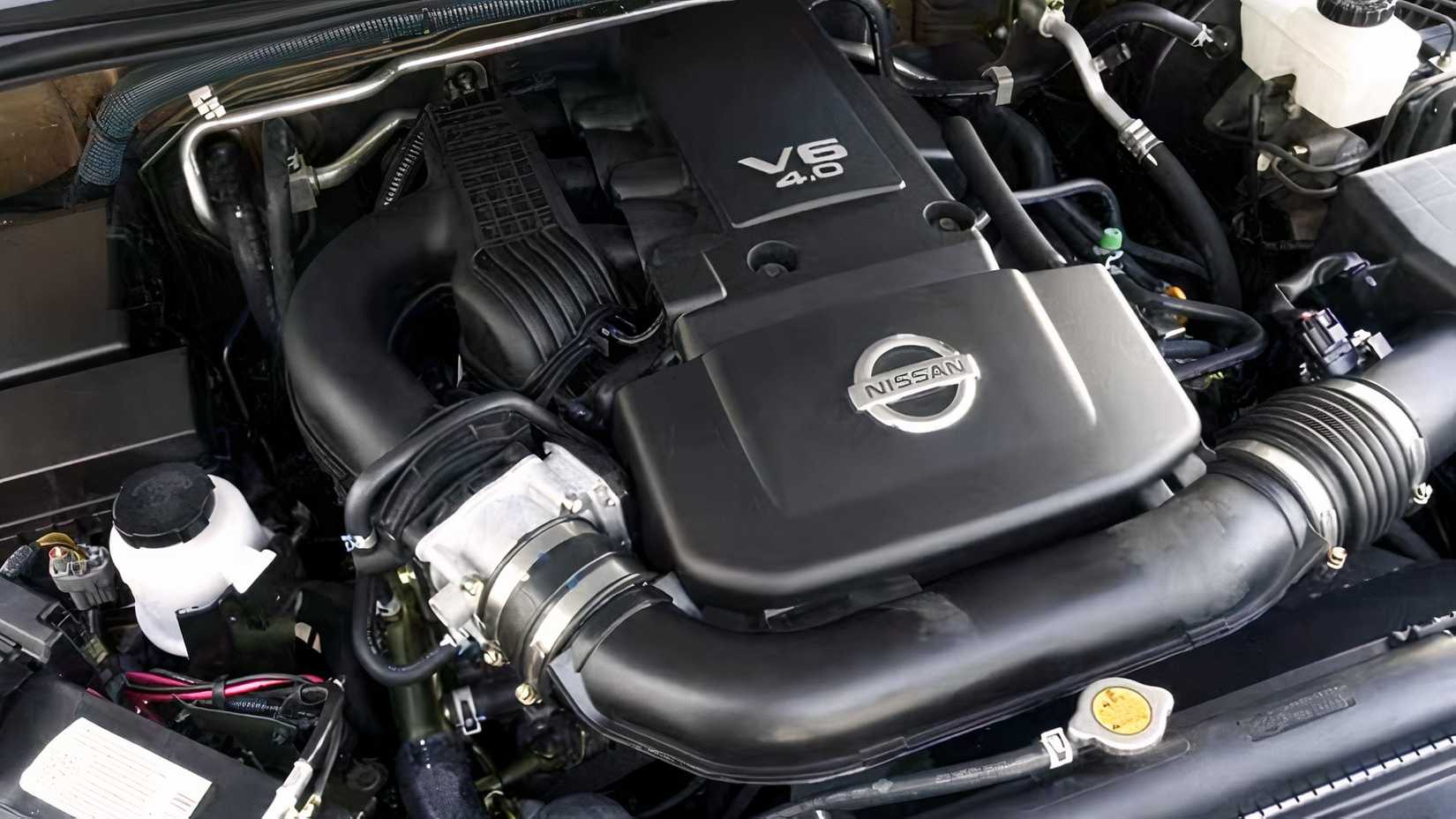
Its balanced design, long-lasting valvetrain components, and sturdy aluminum block construction all played a role in its lifetime. Some Infiniti and Nissan cars with VQ engines have been found to be as reliable as the segment averages or even better in polls conducted by Consumer Reports. However, among the high-mileage automobiles included in iSeeCars‘ longevity evaluations are the Nissan Maxima and Pathfinder models.
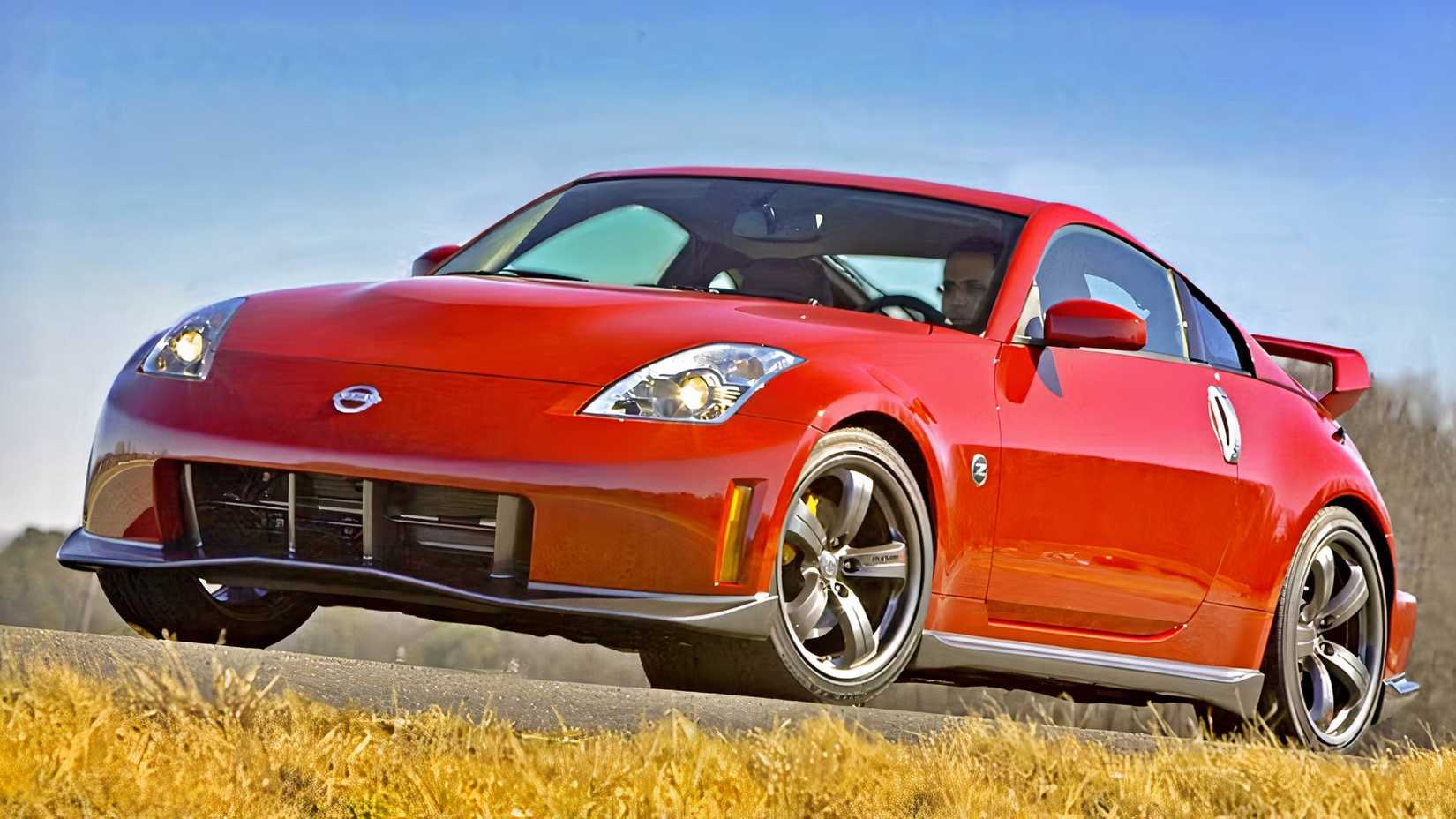
Enthusiast communities frequently document VQ-powered vehicles exceeding 250,000 and 300,000 miles with routine maintenance. The engine’s ability to combine engaging performance with daily durability makes it a rare dual-purpose success. Few engines manage to deliver both character and long-term reliability. The VQ achieved both.

The Secret Formula Behind The Most Reliable Cars Out There
Many of the world’s most reliable vehicles share common factors that contribute to their reliability and very long lifespans.
Mazda’s Skyactiv-G Four-Cylinder
Modern Efficiency Without Sacrificing Durability

Mazda’s Skyactiv-G engines represent a newer era of Japanese engineering. Designed for efficiency and emissions compliance, these naturally aspirated four-cylinders use high compression ratios and lightweight components. Despite their modern design, Skyactiv engines have demonstrated strong reliability performance in Consumer Reports surveys, where Mazda frequently ranks among the most dependable brands. Models such as the Mazda3 and CX-5 consistently receive high predicted reliability scores.
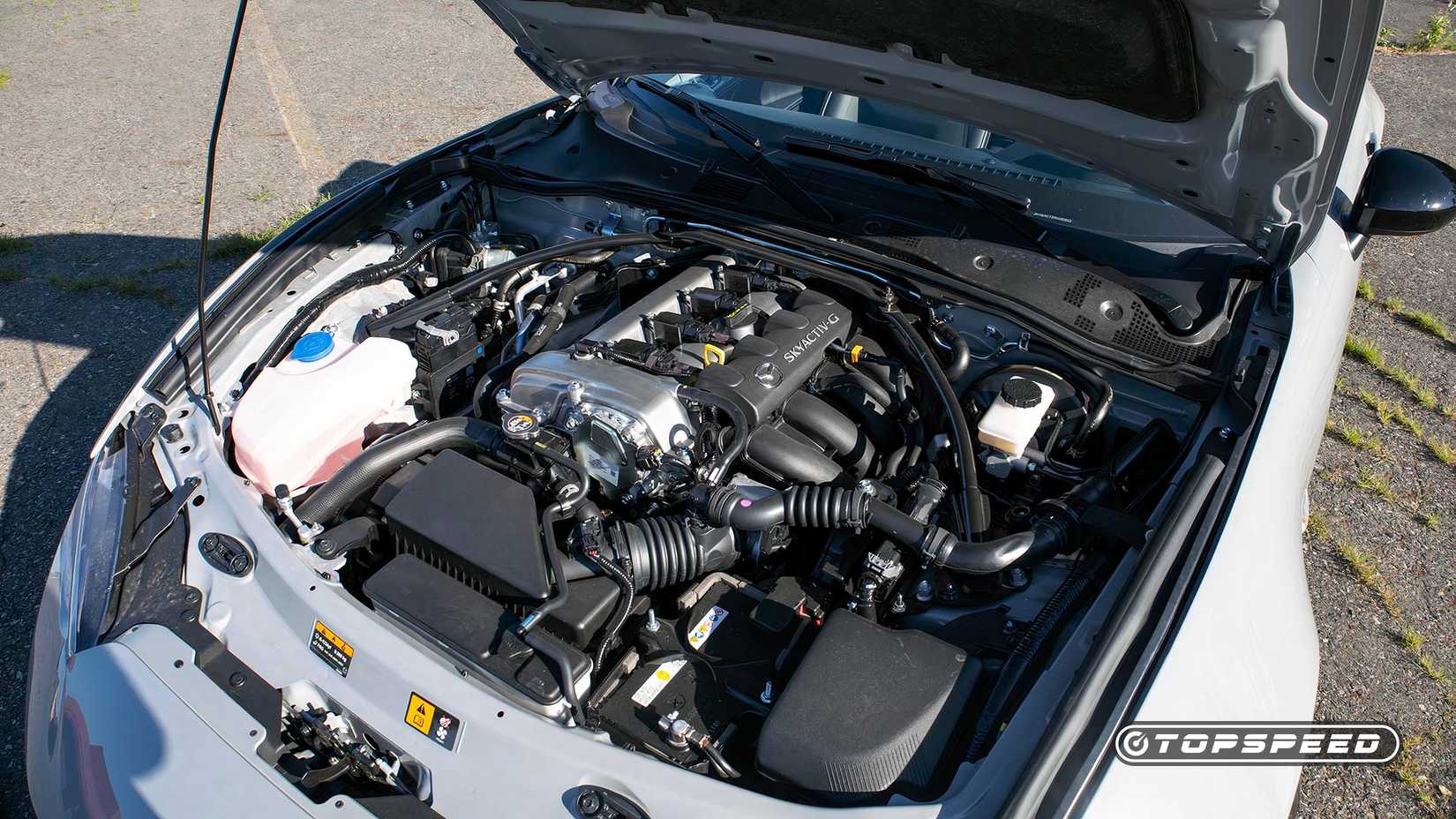
Unlike many competitors that adopted small-displacement turbocharged engines across the board, Mazda retained naturally aspirated configurations in much of its lineup. That decision reduced long-term stress and complexity. While Skyactiv engines have not been on the road as long as Toyota’s 2UZ-FE or Honda’s K-series, early high-mileage examples are emerging with minimal major repair reports. The engines’ simplicity relative to heavily turbocharged competitors may help sustain long-term durability trends. Mazda’s approach proves that modern efficiency doesn’t have to come at the expense of longevity.
The Japanese Four-Cylinder Engine Is So Reliable It’s Still In Production After Almost 25 Years
This Honda engine remains a crucial part of its production strategy.
Why 300,000 Miles Is Rarely Accidental

Reaching 300,000 miles without major repairs is never guaranteed. Maintenance discipline, driving habits, and environmental conditions all play crucial roles. However, large-scale data from iSeeCars and long-term reliability surveys from Consumer Reports consistently show that certain Japanese engines are statistically more likely to deliver exceptional mileage. These powerplants share common traits: Conservative tuning, robust materials, proven cooling systems, avoidance of excessive stress margins, and mechanical simplicity where possible.
They weren’t built to dominate performance charts. They were built to endure. And in a market increasingly driven by complexity, that kind of engineering restraint may be the ultimate competitive advantage. When an engine quietly surpasses 300,000 miles without demanding a major rebuild, it doesn’t just demonstrate reliability — it demonstrates design discipline. That discipline is what turned these Japanese engines into legends.
Sources: iSeeCars, Consumer Reports, Edmunds