
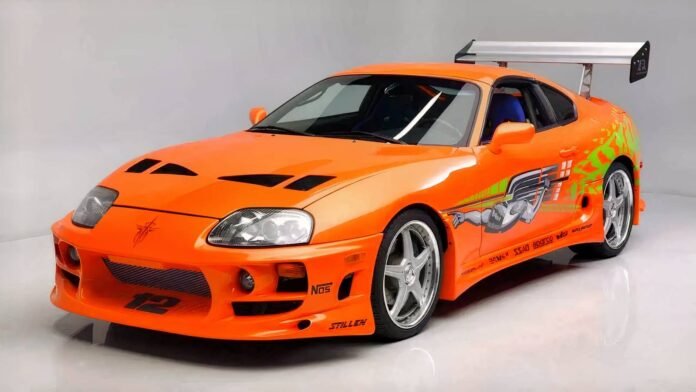
There was a time when posters on bedroom walls defined automotive dreams. For an entire generation of enthusiasts growing up during the 1990s and early 2000s, few cars captured the imagination quite like the Toyota Supra MK4. Long before social media algorithms and YouTube drag races dominated car culture, the Supra became a symbol of Japanese performance excess through video games, tuning magazines, late-night street-racing culture, and eventually Hollywood itself. Even today, decades after production ended, the Toyota Supra MK4 still carries an almost untouchable reputation within enthusiast circles.
Part of that comes down to timing. The Supra arrived during the golden era of Japanese performance cars alongside icons like the Nissan Skyline GT-R, Mazda RX-7, Acura NSX, and Mitsubishi 3000GT. But unlike many rivals, the Supra eventually evolved into something much bigger than simply another fast Japanese sports car. It became the ultimate tuner platform. And that changed everything.
The Toyota Supra MK4 Arrived At The Perfect Time
’90s JDM Culture Turned It Into A Poster-Car Hero
Crucially, that reputation was never built purely around movie fame. Yes, The Fast and the Furious pushed the Supra into mainstream pop-culture immortality, but the car had already earned enormous respect within tuning communities long before Brian O’Conner slid the orange Supra across cinema screens in 2001. Many enthusiasts will also remember the now-iconic scene where Brian stands beside a Ferrari and asks, “What’s the retail on one of those?” only for the owner to respond, “More than you can afford, pal.” Moments like that helped cement the Supra’s underdog appeal and cultural legacy far beyond simple performance figures.
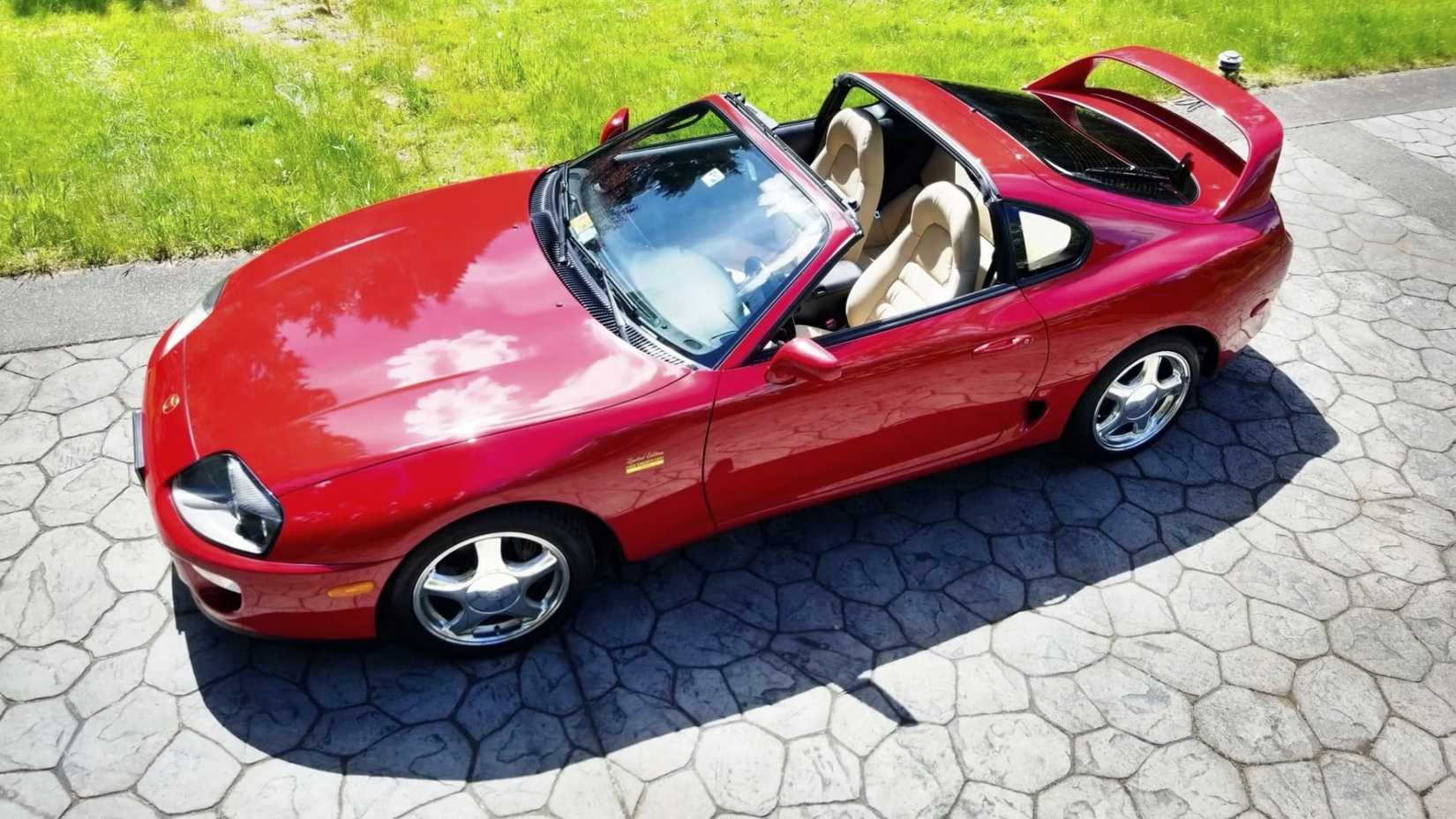
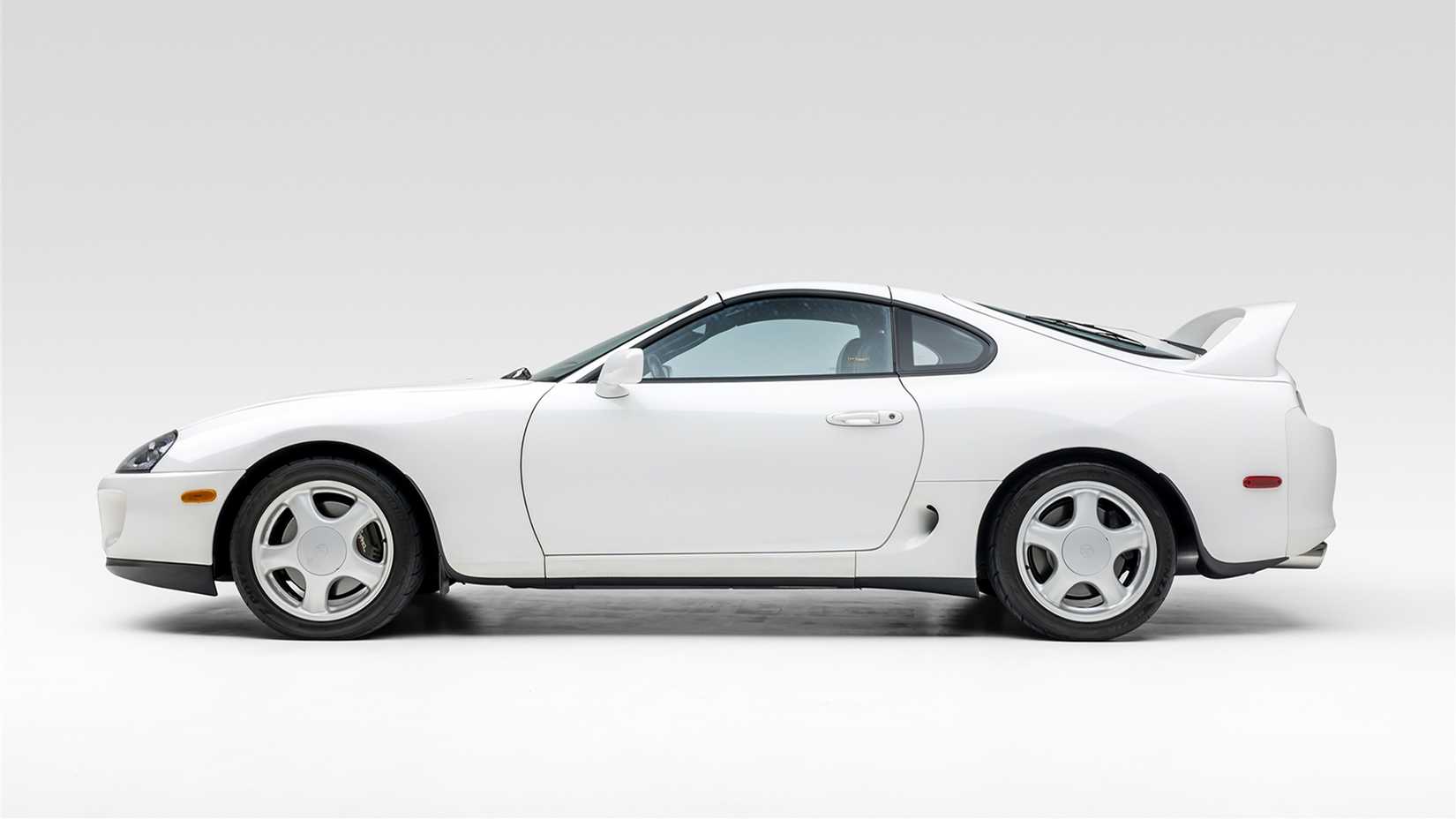
Earlier Supra generations had gradually evolved from sporty grand tourers into legitimate performance cars, but the MK4 represented a major leap forward. The styling alone looked dramatic for its era. Rounded bodywork, aggressive proportions, massive rear wings, and flowing aerodynamic lines helped the Supra stand out immediately from many traditional sports cars of the time. The timing also worked perfectly in the Supra’s favor. Japanese performance cars were exploding globally during the 1990s. Gran Turismo, Need for Speed, import magazines, and underground tuning culture helped expose enthusiasts to an entirely different world of performance cars beyond traditional American muscle and European sports cars.
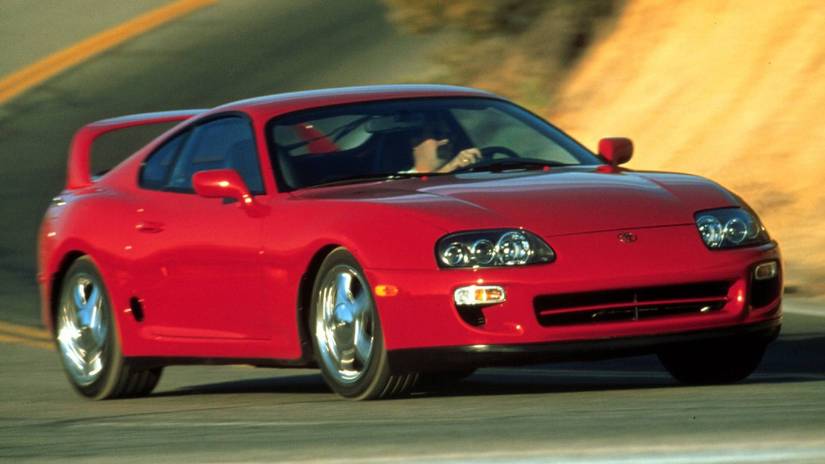
The Supra quickly became one of the stars of that movement. Unlike some rivals that leaned heavily toward lightweight precision or all-wheel-drive grip, the Toyota Supra MK4 combined tuning potential with rear-wheel-drive balance and everyday reliability. That combination helped the car appeal to a massive range of enthusiasts.
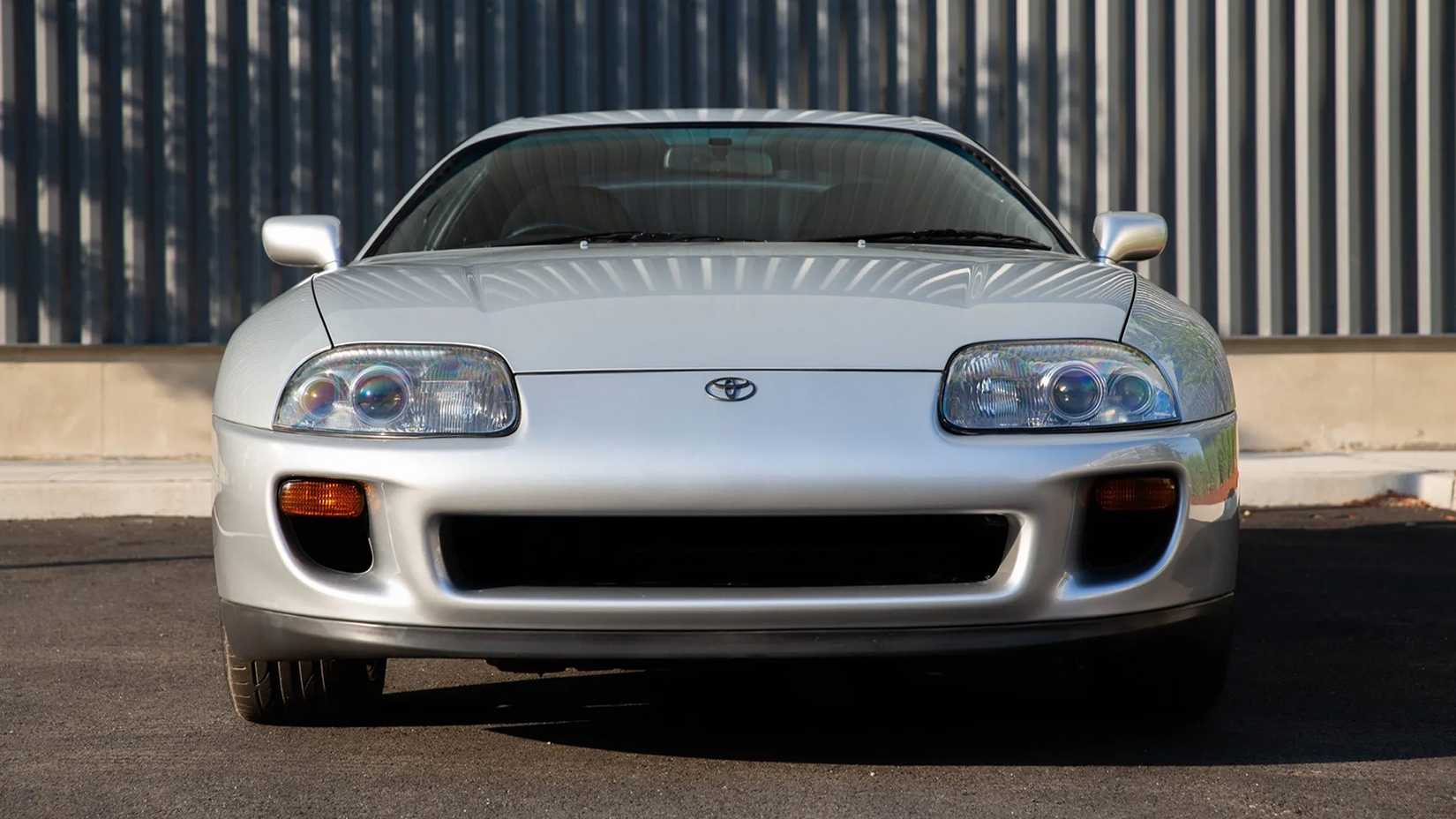
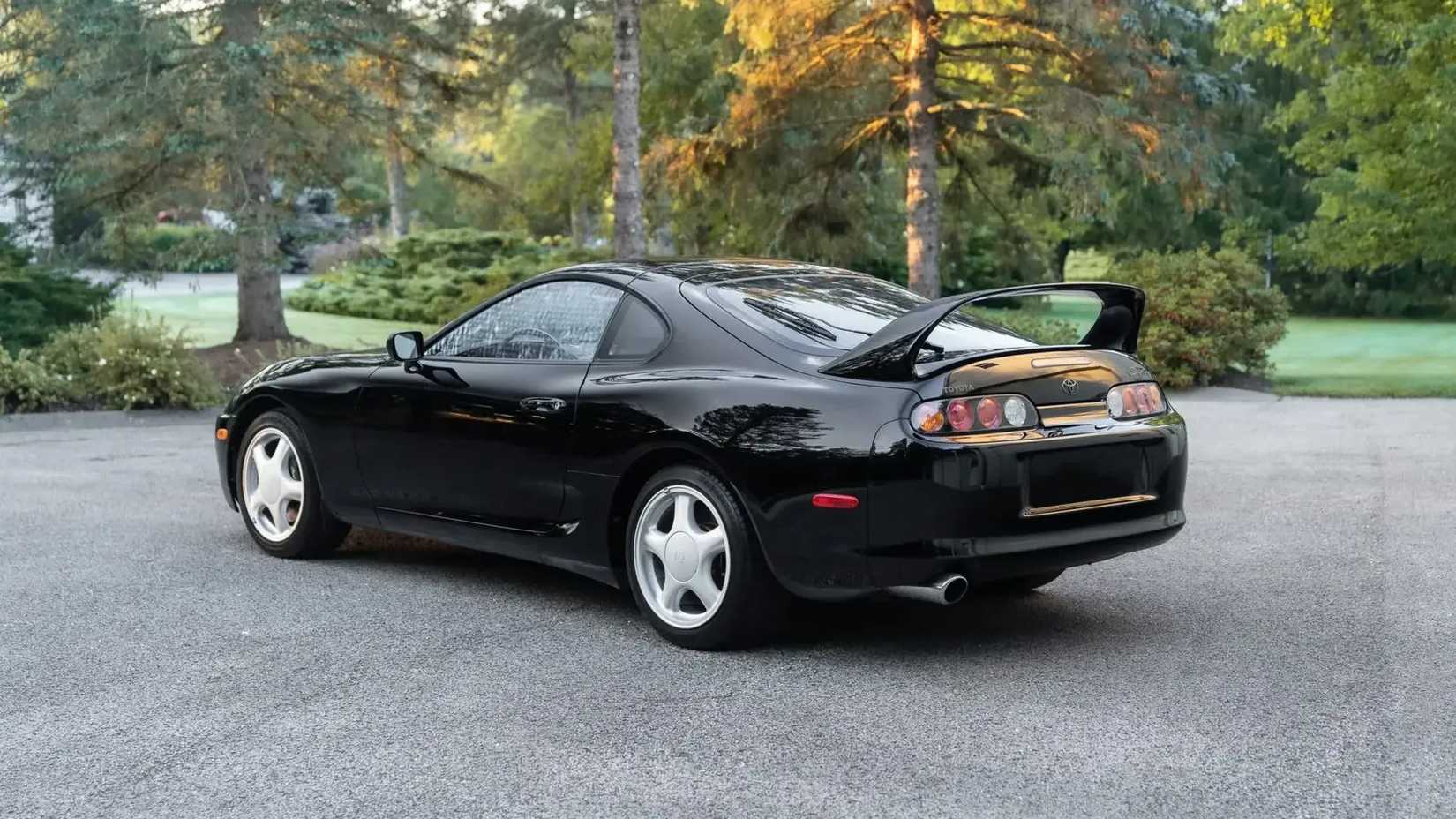
Even stock twin-turbo Supra models looked exotic for the time. The long hood, muscular rear haunches, and optional pedestal rear wing gave the car serious road presence, while the interior wrapped drivers in a cockpit that still looks distinctly 1990s Toyota today. What separated the Supra from many of its rivals was that it backed up the dramatic styling with serious engineering. Beneath the bodywork sat an engine capable of handling far more power than Toyota officially advertised.
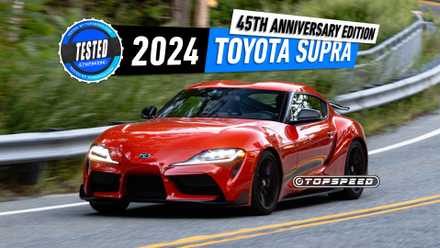
This is the Supra that should’ve came blasting out of the gate back in 2019, manual transmission and all.
The 2JZ-GTE Engine Changed Everything
Toyota Accidentally Built One Of The Most Overbuilt Engines Ever
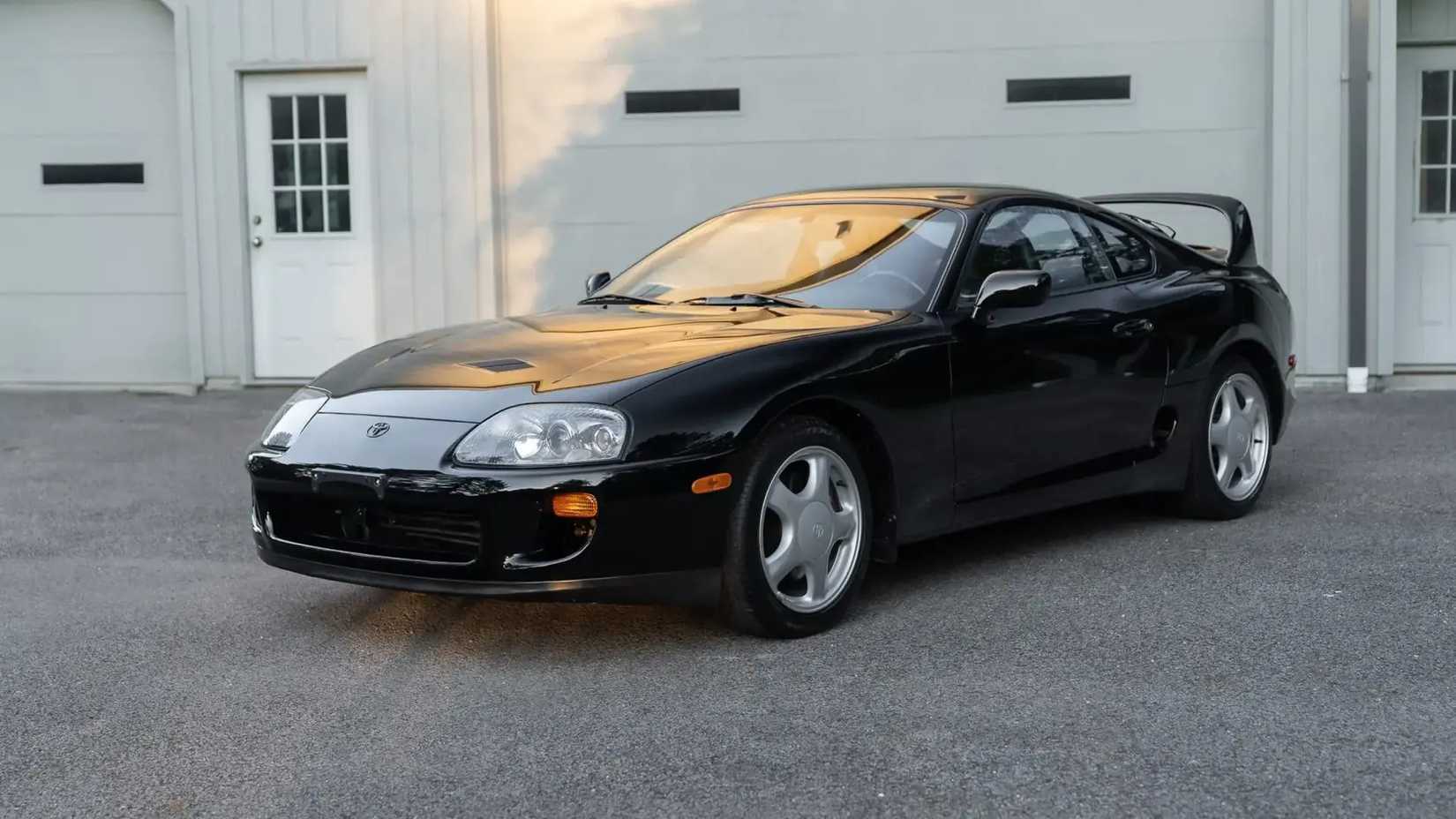
At the heart of the Toyota Supra MK4 sat a twin-turbocharged 3.0-liter 2JZ-GTE inline-six. From the factory, the 2JZ-GTE produced around 320 horsepower and 315 lb-ft of torque in U.S.-spec twin-turbo form. Those numbers already placed the Supra firmly in serious-performance territory during the 1990s. Factory output was impressive for the era, but the Supra’s legend came from how much additional power the 2JZ-GTE could handle once tuners began pushing the platform beyond Toyota’s original intentions. Toyota massively overengineered the 2JZ-GTE. The engine used a strong iron block, durable internals, forged crankshaft components, and a bottom end capable of handling enormous boost pressure with surprisingly few modifications.
That reputation has long been backed up by the tuning community itself. Titan Motorsports once described the 2JZ-GTE as “one of the most overbuilt production engines Toyota has ever produced.” Tuners quickly discovered the engine could comfortably support huge horsepower figures once upgraded fuel systems, larger turbochargers, and proper engine management entered the equation. That discovery changed the Supra forever.
Soon, modified Supras started producing 600, 800, and eventually well over 1,000 horsepower in extreme builds. Many of those cars remained strong and durable, considering the outrageous power levels involved. MotorTrend recently featured a street-driven MK4 Supra producing more than 1,000 horsepower, highlighting how careful tuning and high-quality components helped maintain reliability despite the four-digit output. That durability became central to the Supra’s legend. Unlike certain exotic sports cars requiring fragile high-strung engines, the Supra’s 2JZ-GTE developed a reputation for taking abuse while continuing to deliver explosive power. Toyota essentially gave tuners a blank canvas capable of becoming almost anything.
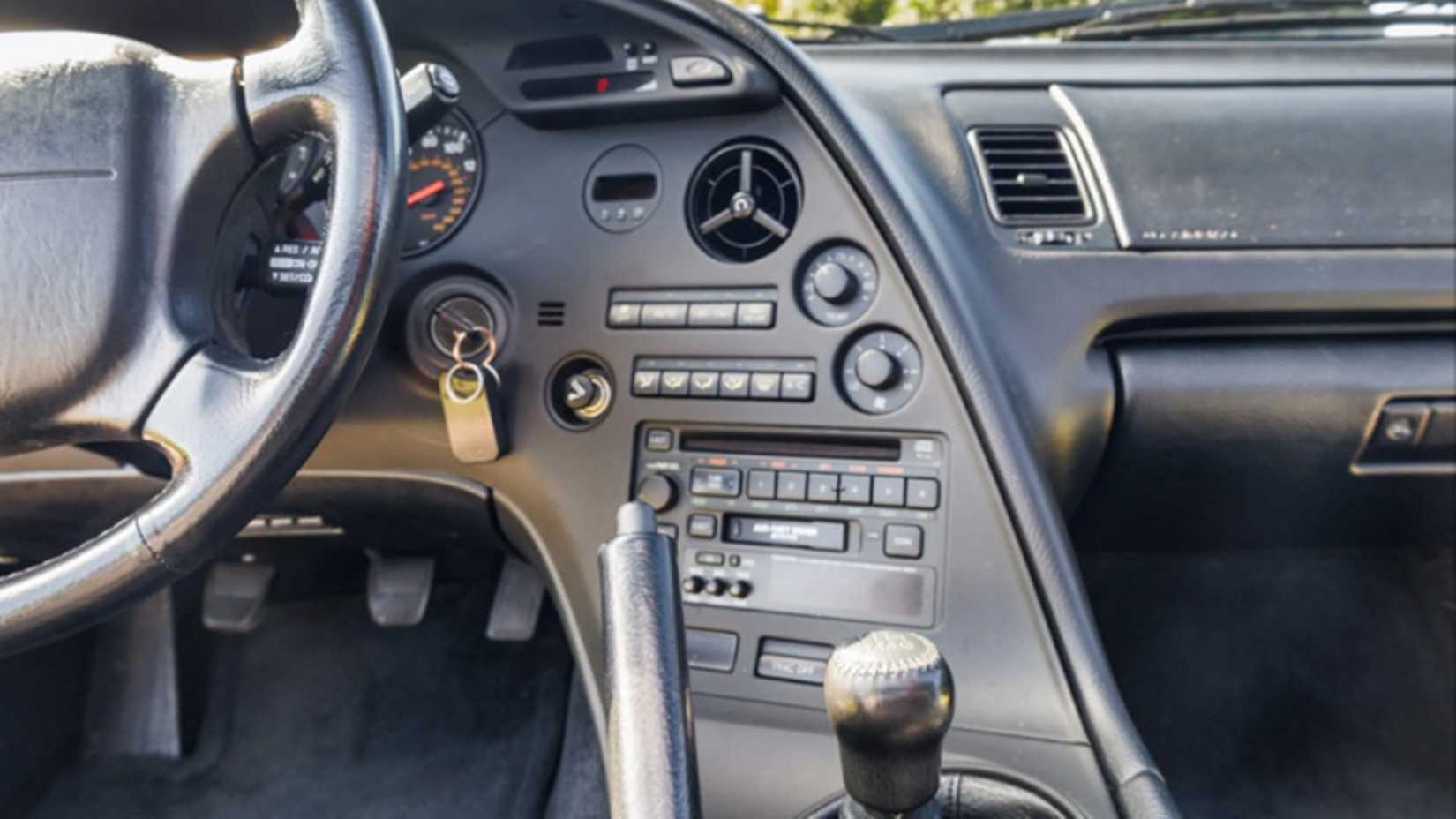
The rear-wheel-drive layout only strengthened the experience further. Power delivery remained aggressive, the chassis handled big power surprisingly well, and the available Getrag six-speed manual transmission became highly desirable among enthusiasts chasing maximum driver involvement. Car and Driver praised the MK4 Supra Turbo for delivering “ferocious acceleration” while still remaining “surprisingly easy to drive quickly.” Even today, the phrase “2JZ” instantly means something within performance-car culture. Most engines do not achieve that level of recognition.
Toyota Supra MK4 Turbo (A80) Key Specifications
|
Specification |
Toyota Supra MK4 Turbo (A80) |
|
Production Years |
1993–2002 (global) |
|
Engine |
3.0-liter twin-turbocharged inline-six |
|
Engine Code |
2JZ-GTE |
|
Drivetrain |
Rear-wheel drive |
|
Transmission |
6-speed Getrag V160 manual / 4-speed automatic |
|
Horsepower |
320 hp (U.S.-spec) |
|
Torque |
315 lb-ft |
|
0–60 MPH |
4.9 seconds |
|
Top Speed |
155 mph (electronically limited in many markets) |
|
Curb Weight |
Approx. 3,500 lb |
|
Layout |
Front-engine, rear-wheel drive |
|
Turbochargers |
Sequential twin-turbo setup |
|
Fuel System |
Electronic fuel injection |
|
Chassis |
Unibody construction |
|
Notable Feature |
Highly tunable 2JZ-GTE engine |
|
Collector Status |
One of the most sought-after Japanese performance cars ever built |
Massive Horsepower Builds Helped Define The Car
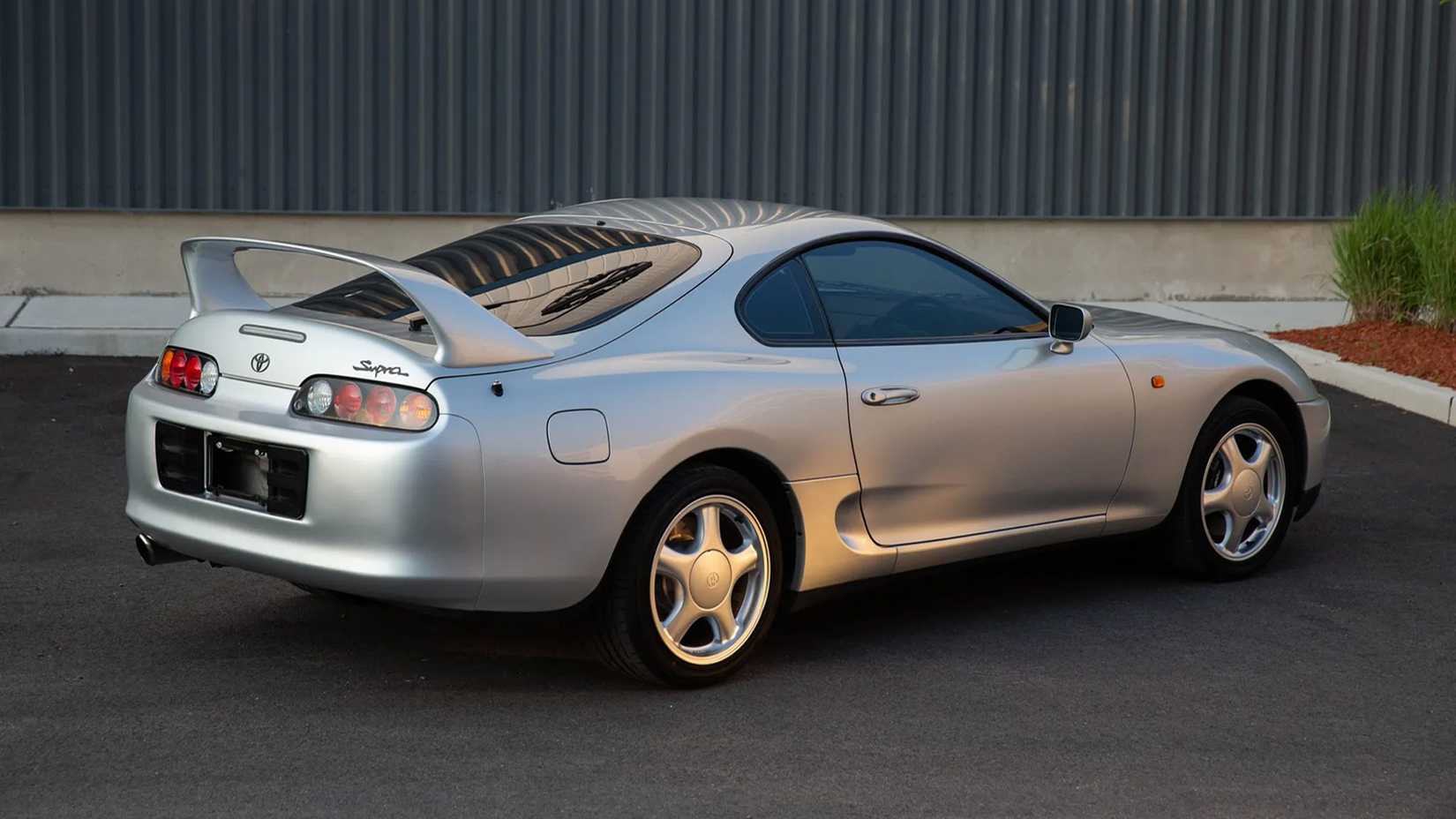
Once the aftermarket industry realized what the Supra platform was capable of, the tuning scene exploded. Single-turbo conversions became especially popular because they unlocked enormous top-end power potential while simplifying the factory sequential twin-turbo setup. Companies across Japan and the United States rapidly began developing upgraded fuel systems, intercoolers, suspension kits, exhaust systems, drivetrain upgrades, and engine-management solutions specifically for the Supra. And unlike some heavily modified cars that sacrificed drivability completely, many Supra builds still retained a surprising level of street usability underneath the chaos. In essence, it was exotic enough to feel special but robust enough for owners to push aggressively without constant fear of catastrophic failure.
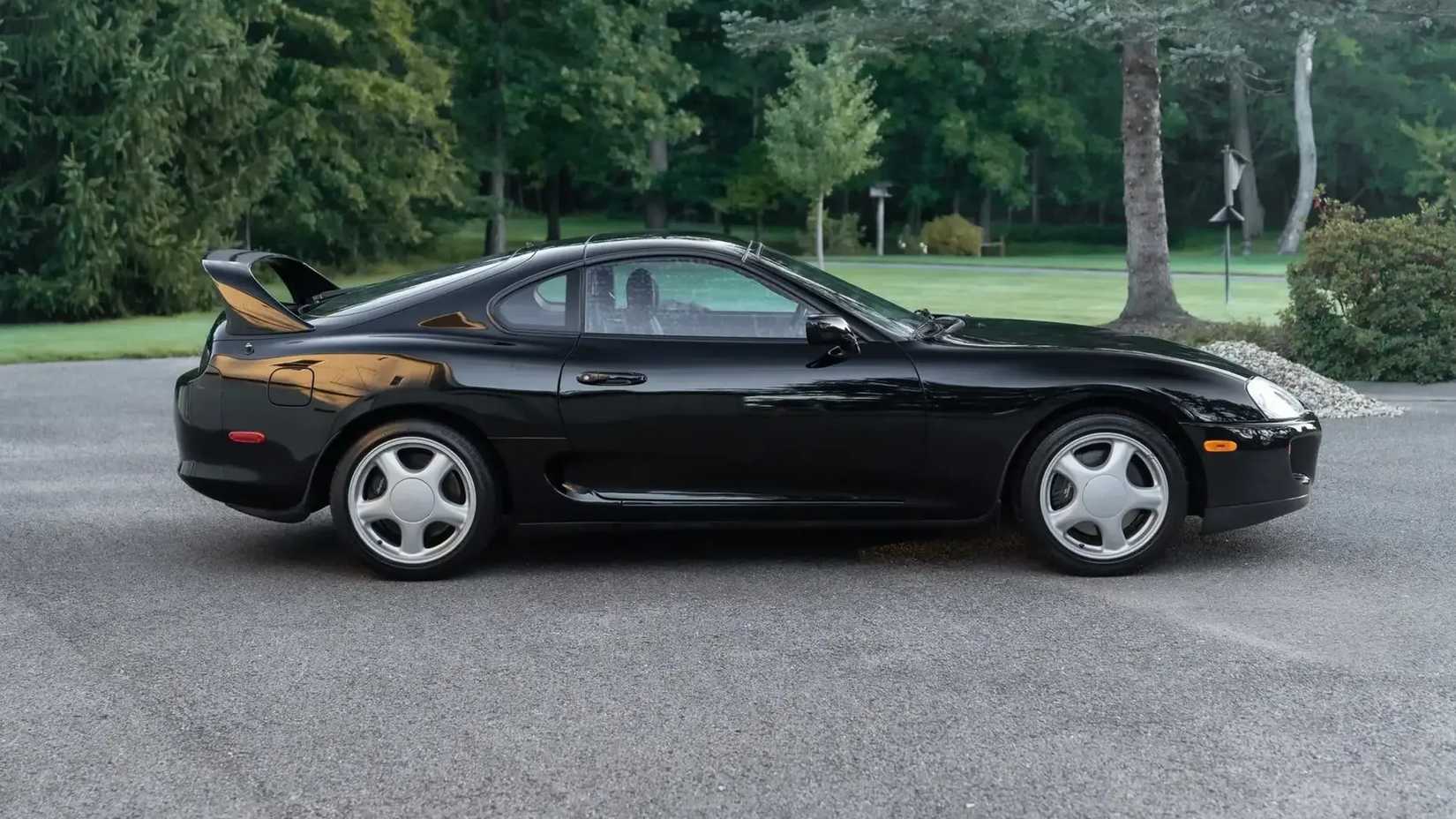
Publications like MotorTrend, Car and Driver, and Hot Rod regularly highlighted the Supra’s immense tuning potential and high-speed performance, while tuner magazines turned heavily modified examples into cover-car heroes for an entire generation of enthusiasts. The numbers eventually became absurd. Quarter-mile builds pushed deep into supercar territory, power figures climbed well beyond 1,000 horsepower, and entire businesses were built around extracting increasingly outrageous performance from the 2JZ platform. Companies such as Titan Motorsports, HKS, and Boost Logic became globally recognized for creating extreme Supras capable of competing with — and often outperforming — far more expensive exotic machinery.
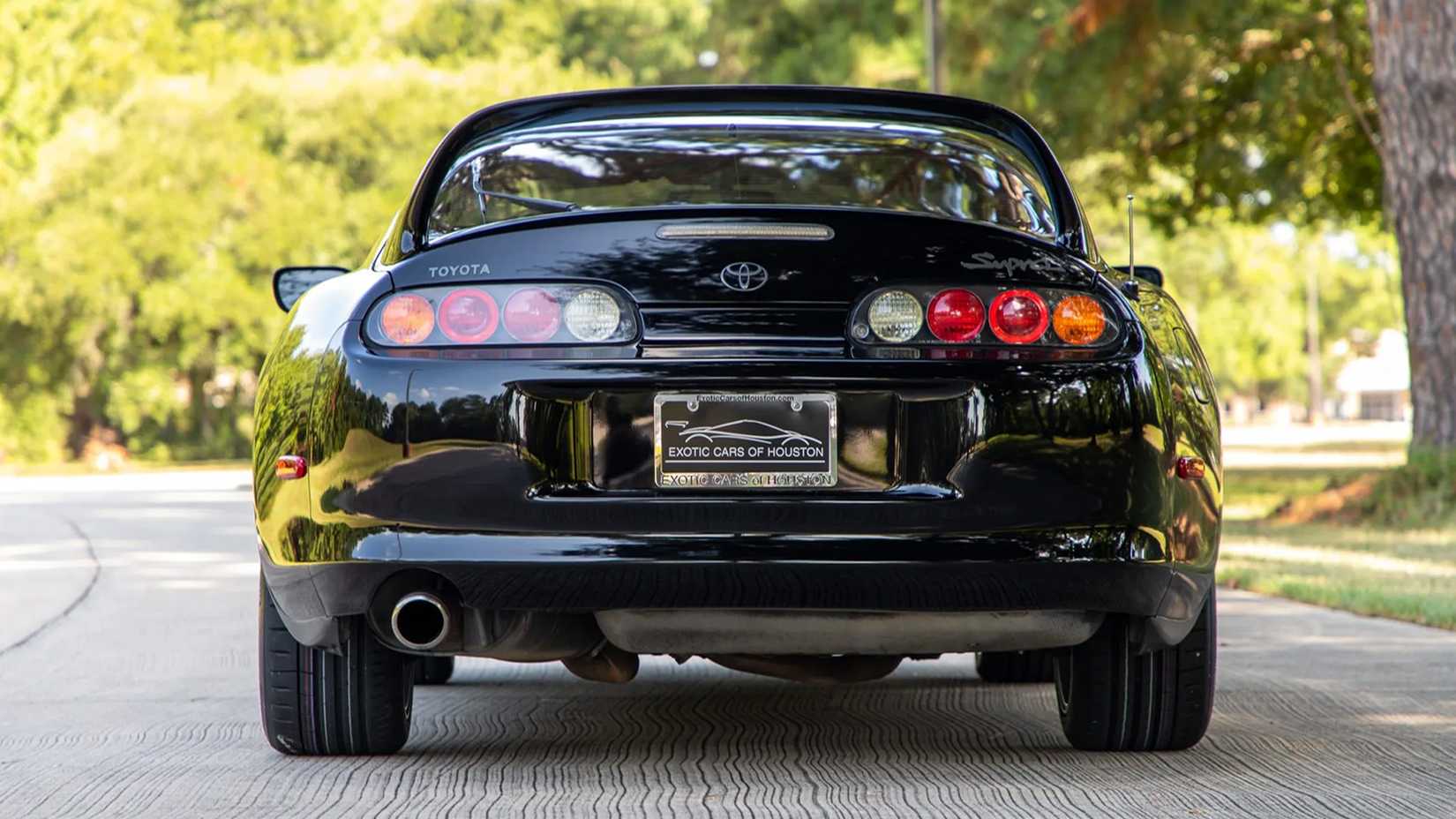
Meanwhile, the Supra itself became increasingly respected beyond traditional import-car culture because, at a certain point, performance simply becomes undeniable. Even American muscle-car enthusiasts and European performance fans started acknowledging the Supra’s capabilities once heavily modified builds began humiliating far more expensive machinery. That helped cement the car’s reputation permanently. The Supra was no longer simply a Japanese sports car. It had become a global tuning icon.
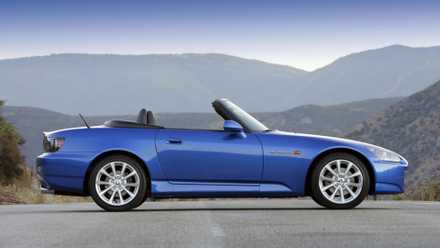
10 Classic Japanese Sports Cars That Can Be Daily Driven
Boasting a mix of sporty credentials and everyday usability, these JDM classics are awesome daily drivers.
Fast & Furious Pushed The Supra Into Global Icon Status
Hollywood Turned The Supra Into A Household Name
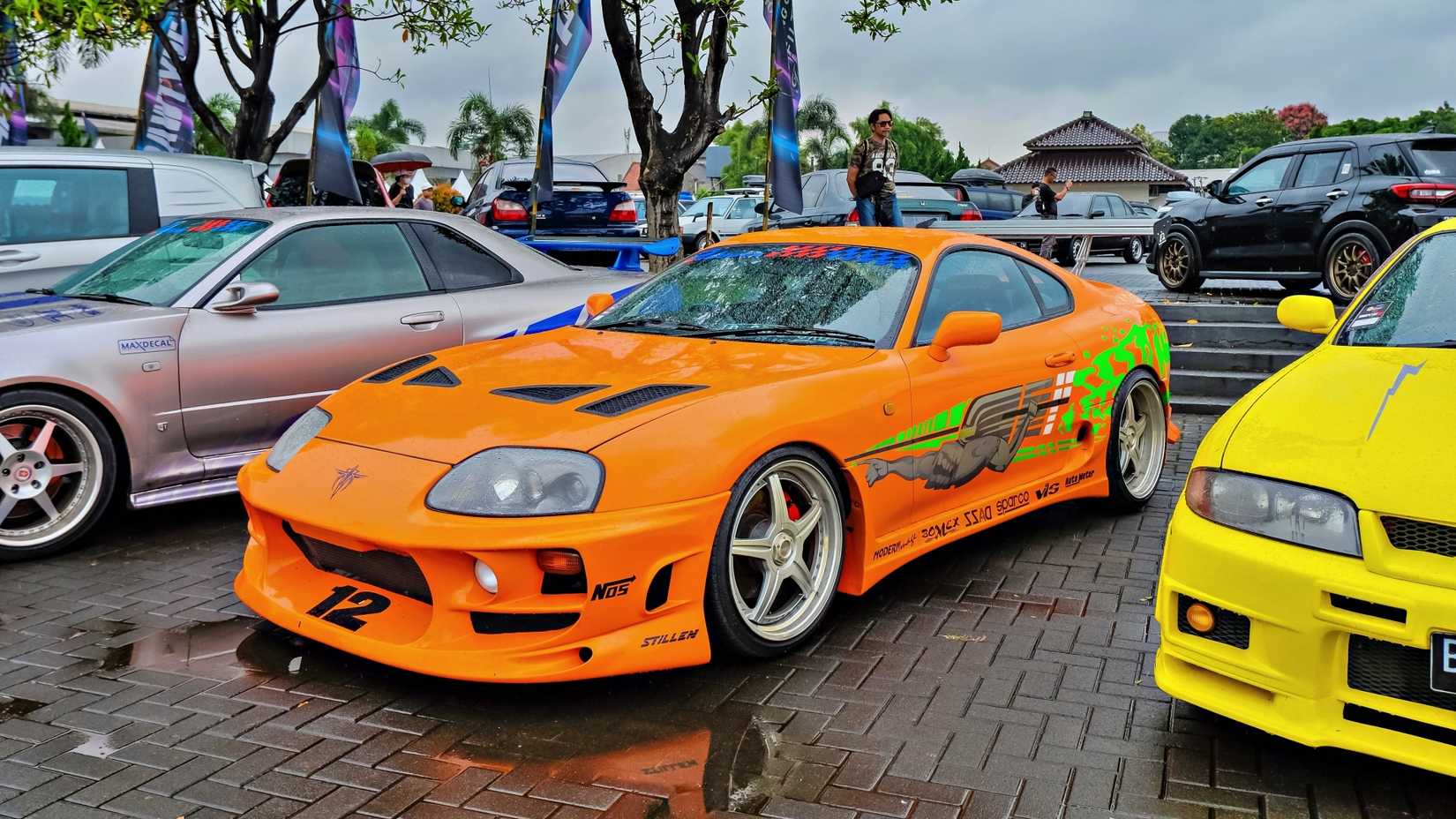
Then came Hollywood. When The Fast and the Furious was released in 2001, it changed automotive culture forever. Street racing, tuner cars, neon lighting, and import performance suddenly exploded into mainstream entertainment in a way never seen before. And sitting right at the center of that cultural explosion was an orange Toyota Supra MK4. The hero car driven by Paul Walker’s character Brian O’Conner instantly became one of the most recognizable movie cars of the modern era. Overnight, millions of people who had never followed Japanese performance cars knew exactly what a Toyota Supra looked like.
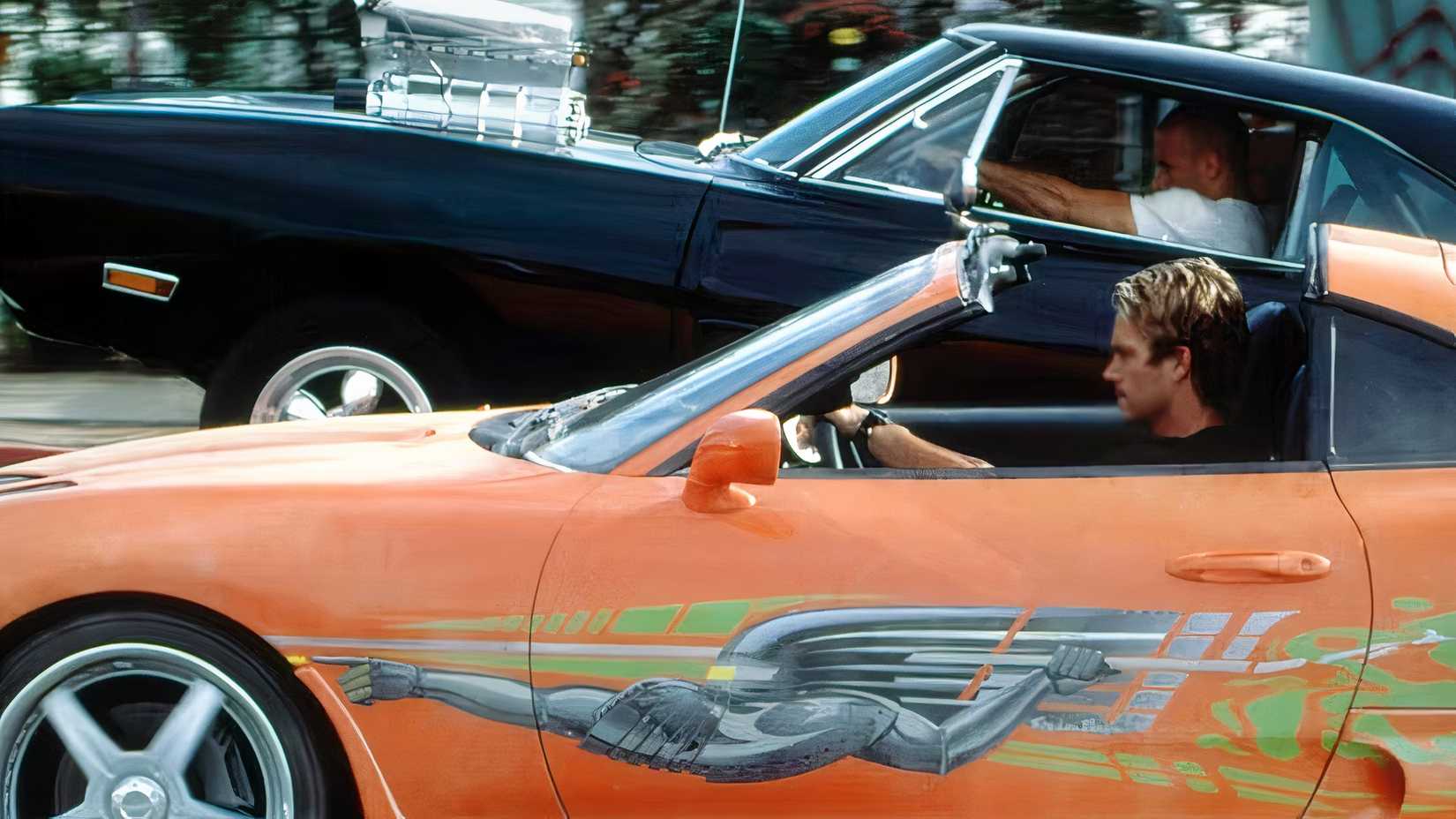
But importantly, the movie did not create the Supra’s credibility from nothing. It amplified an already respected platform. Enthusiasts already knew the Supra was special before Hollywood got involved. The movie simply pushed the car beyond enthusiast culture into worldwide recognition. The bright orange paint, Bomex body kit, massive wing, and outrageous graphics became permanently associated with the Supra itself. And honestly, few cars benefited from pop-culture timing more perfectly.
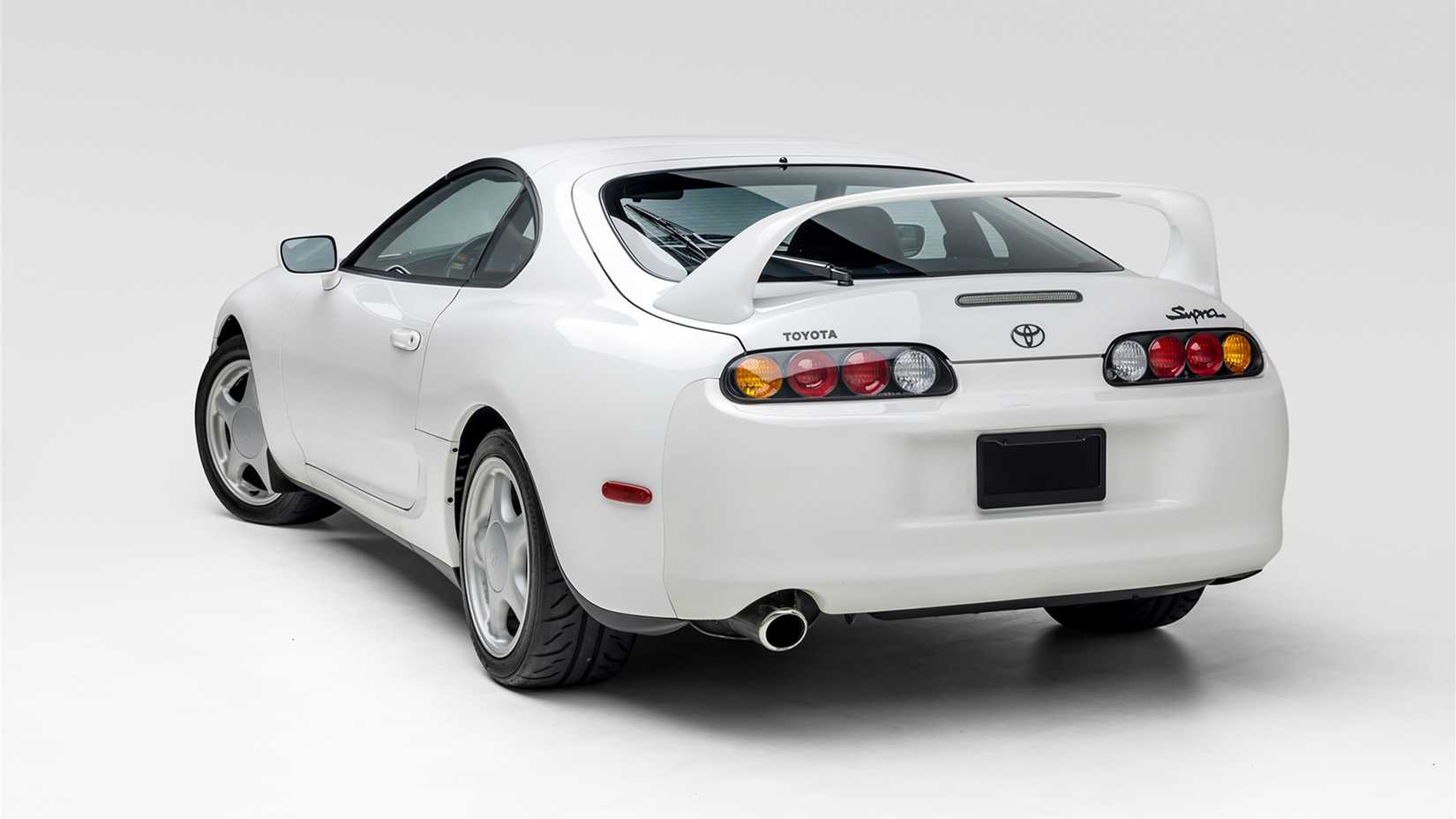
The movie arrived precisely when import tuning culture was exploding globally. Video games, DVDs, magazines, and internet forums all reinforced the Supra’s image simultaneously. Suddenly, the car became both a weapon and a pop-culture celebrity. That combination proved almost impossible to replicate afterward. Even today, people who know very little about cars still recognize the MK4 Supra instantly because of its connection to Fast & Furious.
Every Toyota Hatchback: From Corolla To GR Yaris
Toyota has done a lot for the auto world, and none more so than with their illustrious line of hatchbacks – here is every Toyota hatchback model ever.
Why The Toyota Supra MK4 Still Overshadows Modern Sports Cars
Collector Demand And Nostalgia Keep The Legend Alive
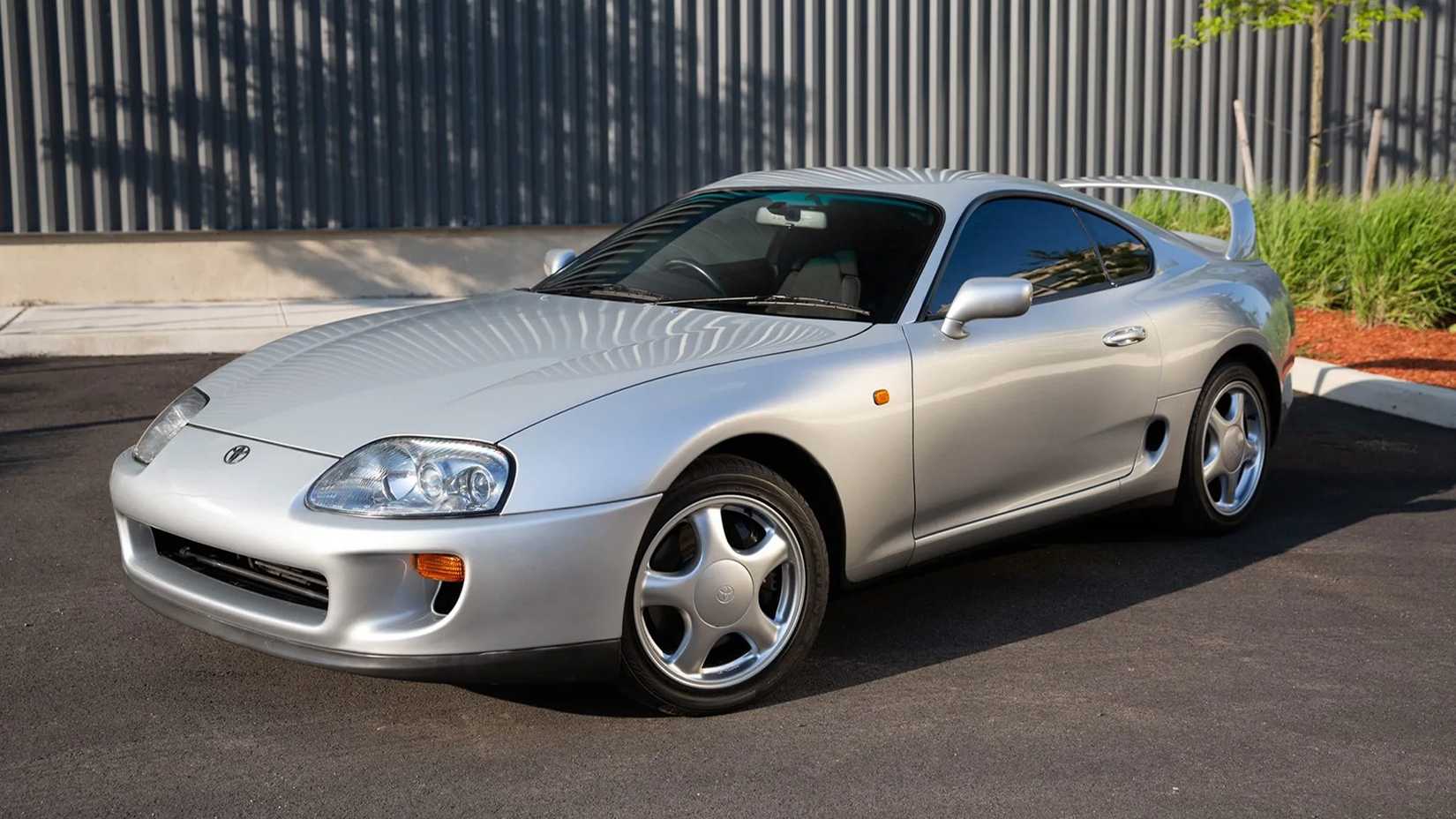
Decades later, the Toyota Supra MK4 remains one of the most desirable Japanese performance cars ever built. And the values reflect that reality clearly. Bring a Trailer auctions consistently show enormous demand for well-preserved examples, particularly unmodified twin-turbo six-speed cars. In recent years, several pristine MK4 Supras have sold for well over $150,000, with ultra-low-mileage examples occasionally pushing beyond $200,000.
In some cases, buyers could essentially purchase three brand-new Toyota GR Supras for the price of a single pristine MK4 Supra today. Ironically, that means certain MK4 Supras are now worth more than a brand-new Porsche 911 Carrera or even several examples of the modern A90-generation Toyota Supra combined. But beyond collector value, the Supra still matters because modern sports cars rarely replicate the same formula successfully. Today’s performance cars may be objectively quicker, safer, and more technologically advanced, but many have also become heavier, more digital, and increasingly isolated from the raw mechanical character enthusiasts once loved.
The Supra belonged to a different era
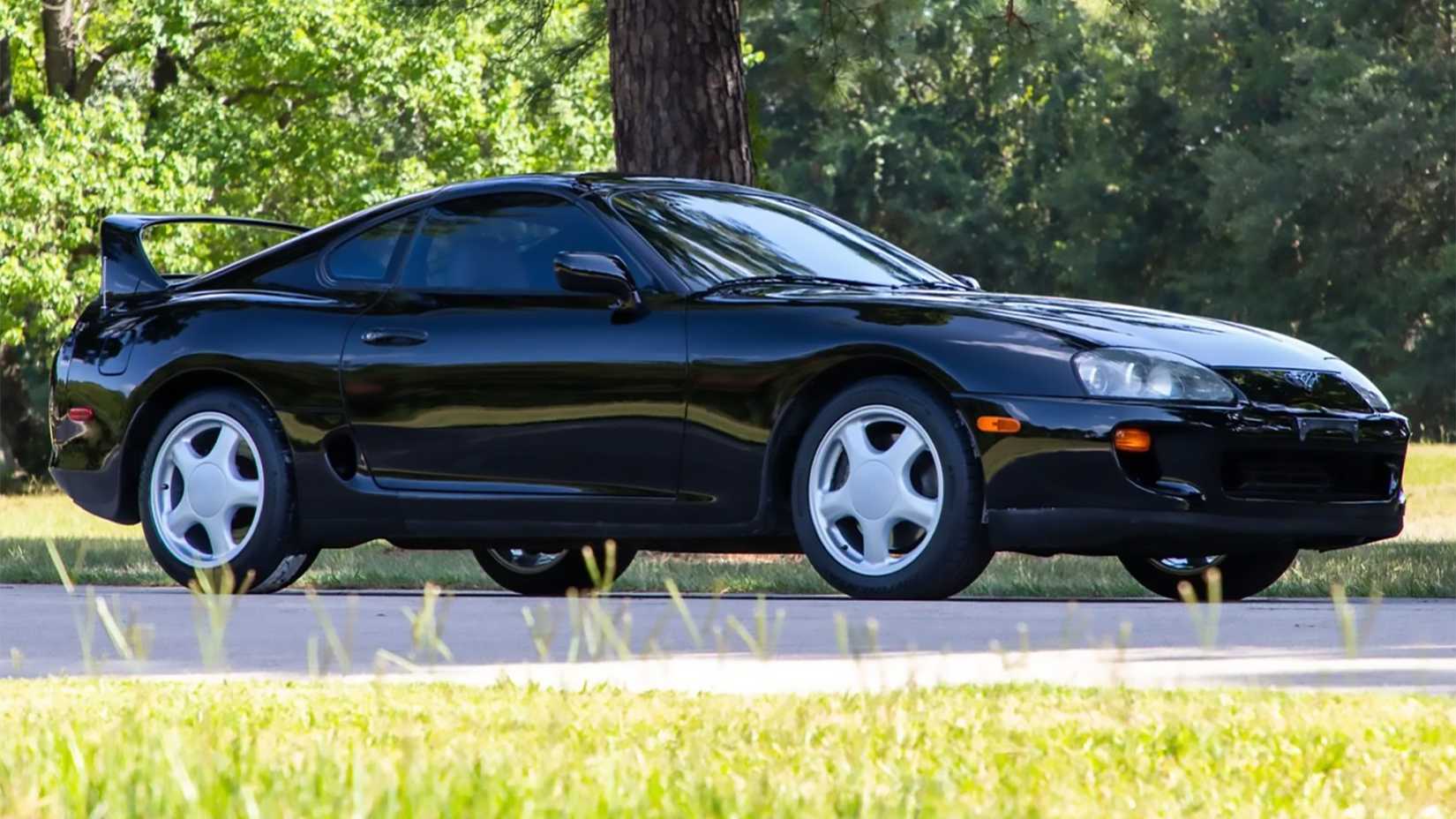
The Supra belonged to a different era—one where turbocharged performance still carried an element of danger, rear-wheel-drive sports cars demanded respect, and tuning culture felt rebellious rather than corporate. But the car’s engineering deserves just as much credit as its Hollywood fame. Without the 2JZ-GTE, without the tuning potential, and without Toyota’s famously overbuilt engineering philosophy, the Supra probably never becomes the icon it is today. The movie may have introduced the Toyota Supra MK4 to the world, but the engineering is what turned it into a legend. Decades later, enthusiasts are still chasing the same formula: Toyota reliability, supercar-rivaling performance potential, and seemingly endless tuning possibilities. And that is exactly why the Toyota Supra MK4 remains the ultimate tuner dream car.
Sources: CarAndDriver, Motortrend, Bring A Trailer, Titan Motorsports, Hot Rod, Toyota USA