
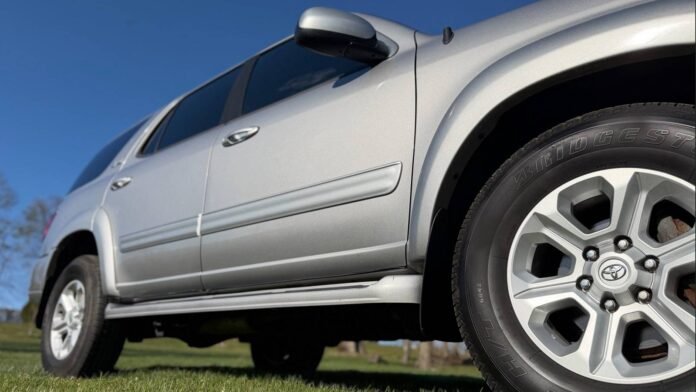
What’s not to love about full-size SUVs? You get spaciousness and all-terrain versatility in a single package. These highly functional vehicles are great when new, but not many are reliable 10 or even 20 years down the road. So, while having a third row is a great luxury, there are only so many three-row SUVs you can actually trust to stand the test of time. At the top of this short list of vehicles is a truck-based platform that never got the attention it deserved. This particular SUV has logged over one million miles in a documented case and has established itself as one of the longest-lasting SUVs ever built.
Modern Family SUVs Feel Temporary
Just like the majority of the automotive industry, the modern full-size SUV has a clear focus on the short-term. Most new cars are optimized for lease cycles, and this fact only becomes more apparent the longer you own them outside those initial 36 months.
The Lease Cycle Issue
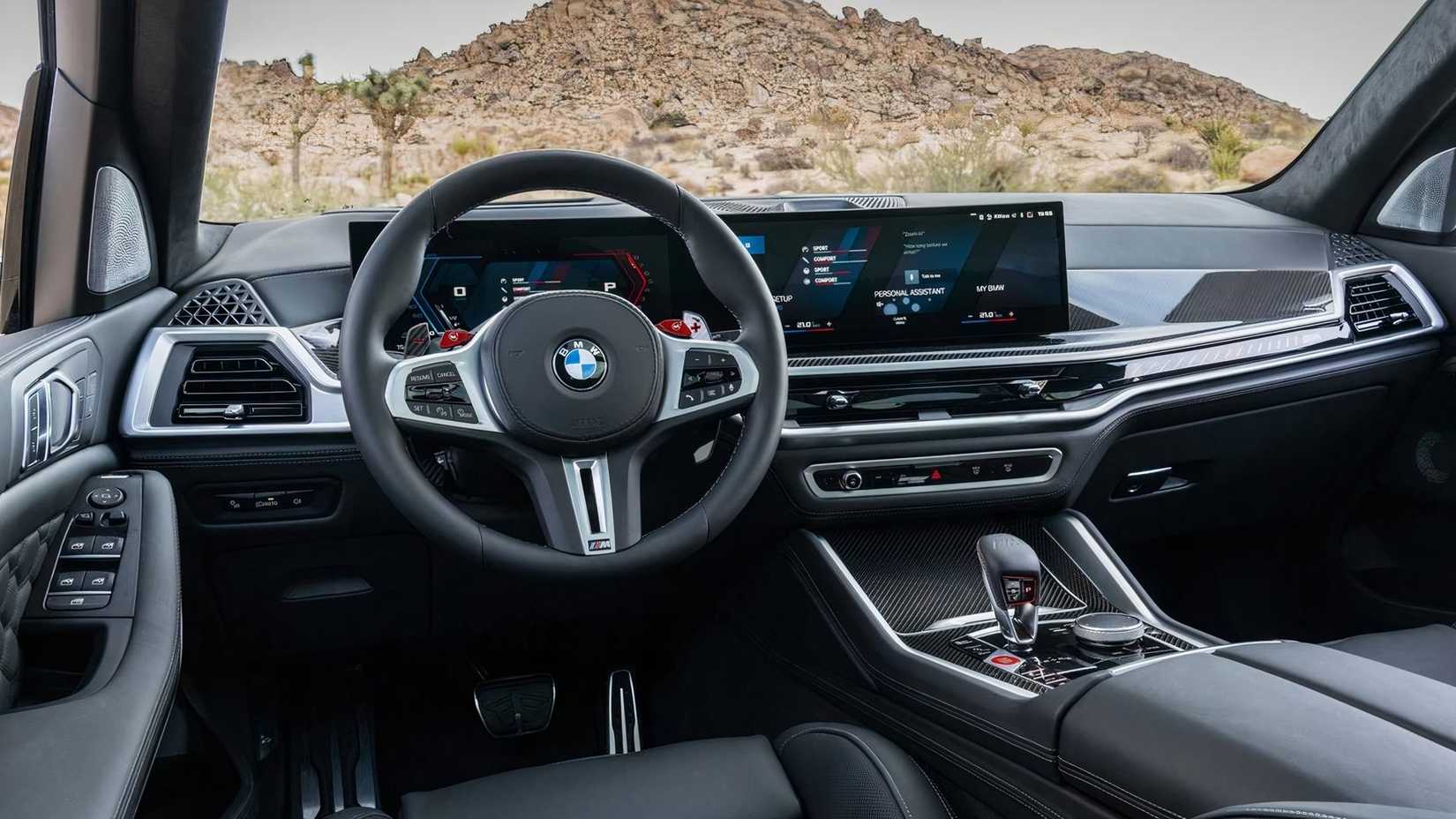
Current model-year full-size SUVs are showcases of engineering and innovation: massive screens, big turbocharged engines, and standard driving assistance features that were exceptional a decade ago. However, what is not often documented is what happens when these modern direct-injection turbocharged engines hit 100,000 miles.
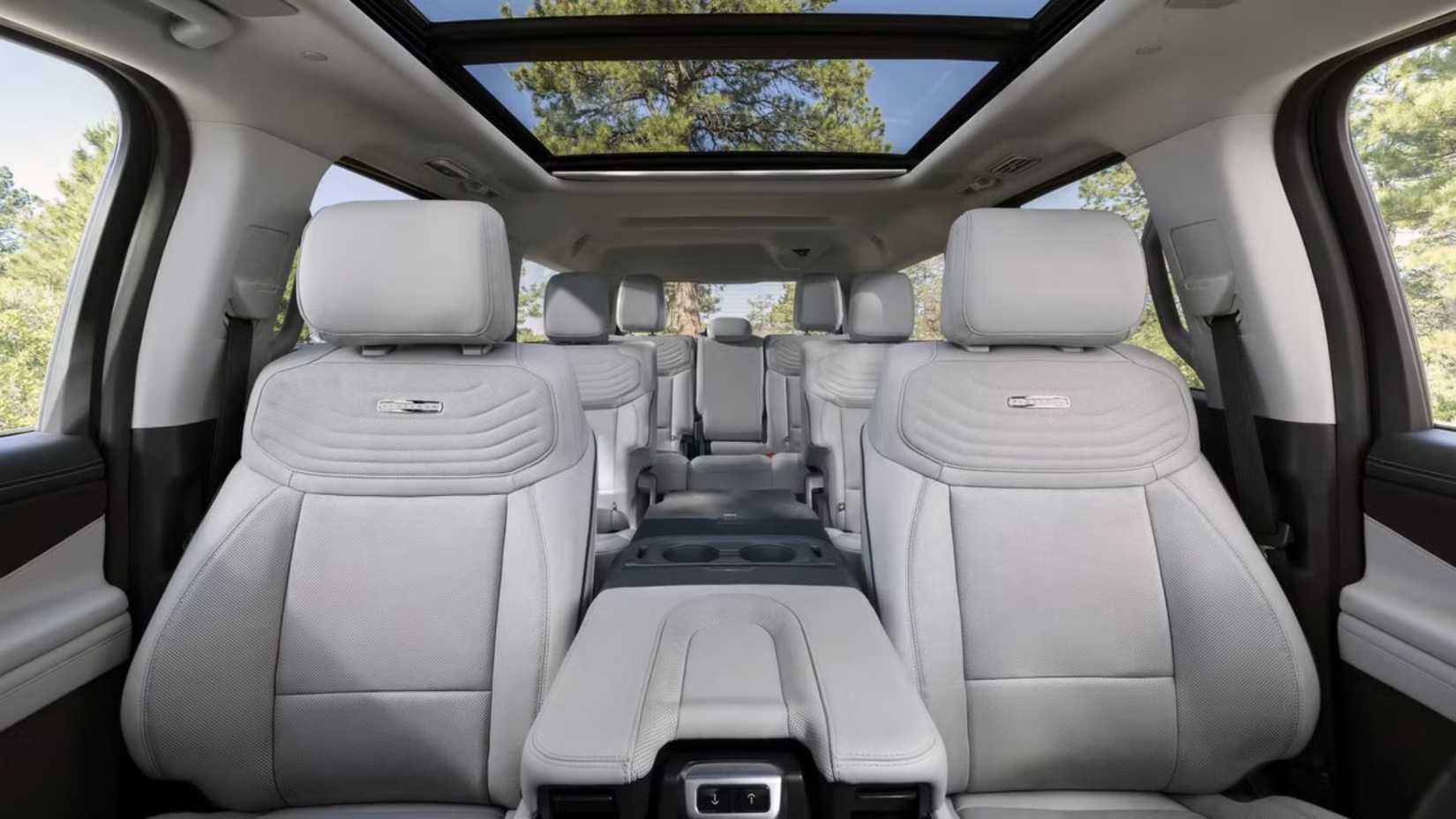
What happens when that massive screen—which controls almost every function—fails after years of use? We have higher expectations of new vehicles now than ever before. However, if you plan to keep a new full-size SUV for 10 or 20 years, which often costs $60,000 at its most affordable, you are picking up certain long-term risks that you would never know about within the first couple of years of ownership.
The Lost Era Of Overbuilt Japanese Trucks
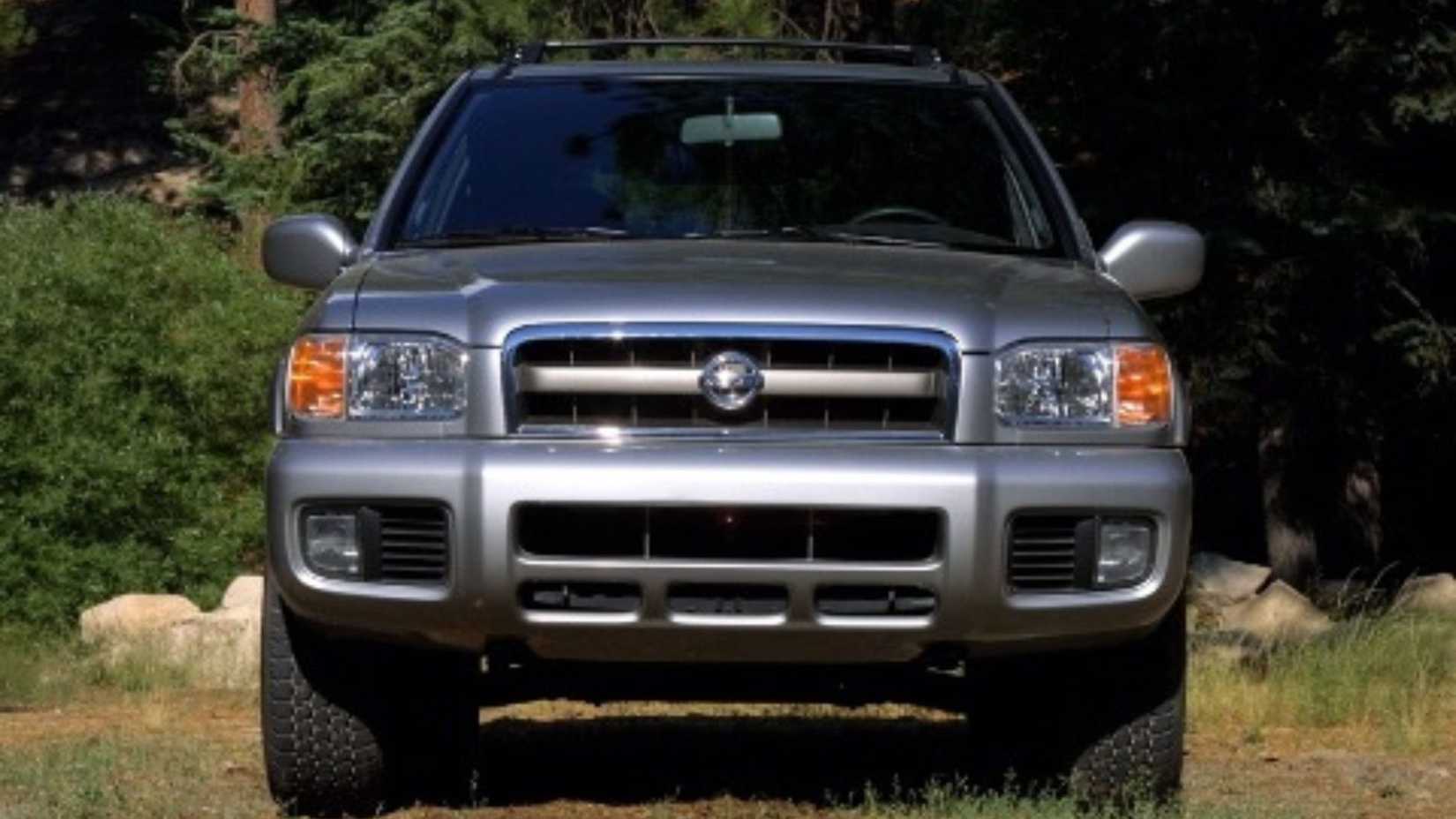
Back in the late 1990s and early 2000s, there was a different philosophy operating in the engineering divisions of certain Japanese automakers. Efficiency was important, but it was never prioritized before durability. Engine platforms were designed to function well below their operational limits and were characterized by their exceptional built-in tolerance.
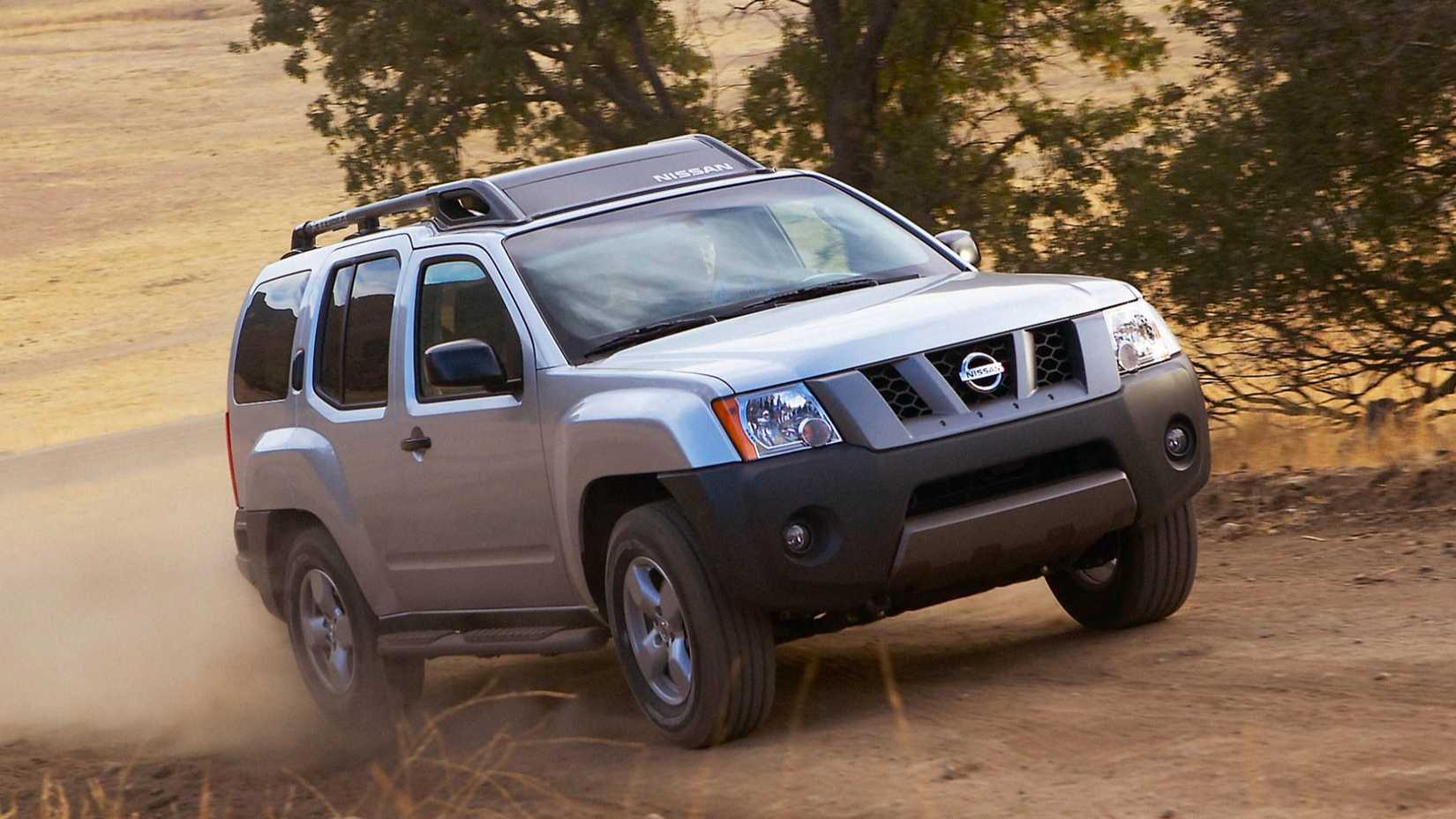
Serviceability and mechanical simplicity were at the forefront of design, and the goal was to create a vehicle that would perform reliably even amidst constant extreme abuse. Somehow, this bulletproof architecture was eventually migrated into a vehicle designed for American families, but most buyers never realized how durable it truly would be.
10 Reliable Full-Size SUVs Built In The Last Decade
Needing a full-size, reliable SUV? We’ve got you covered.
The Formula Behind A 300,000-Mile SUV
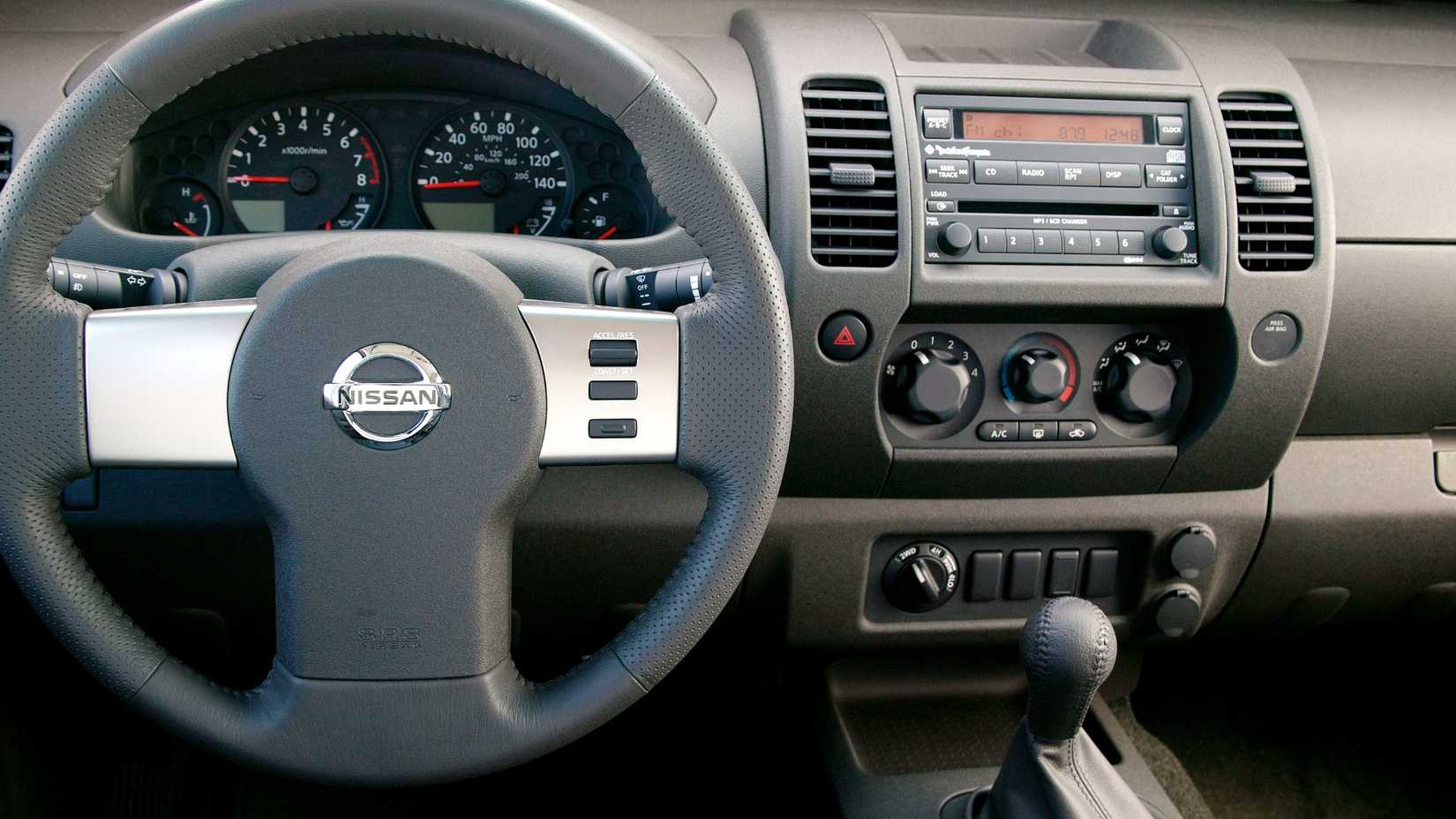
Engineering longevity rarely occurs by accident. The vehicles that tend to last often share a specific set of design principles—principles that are no longer the focus of the current automotive market.
Why Simplicity Always Survives
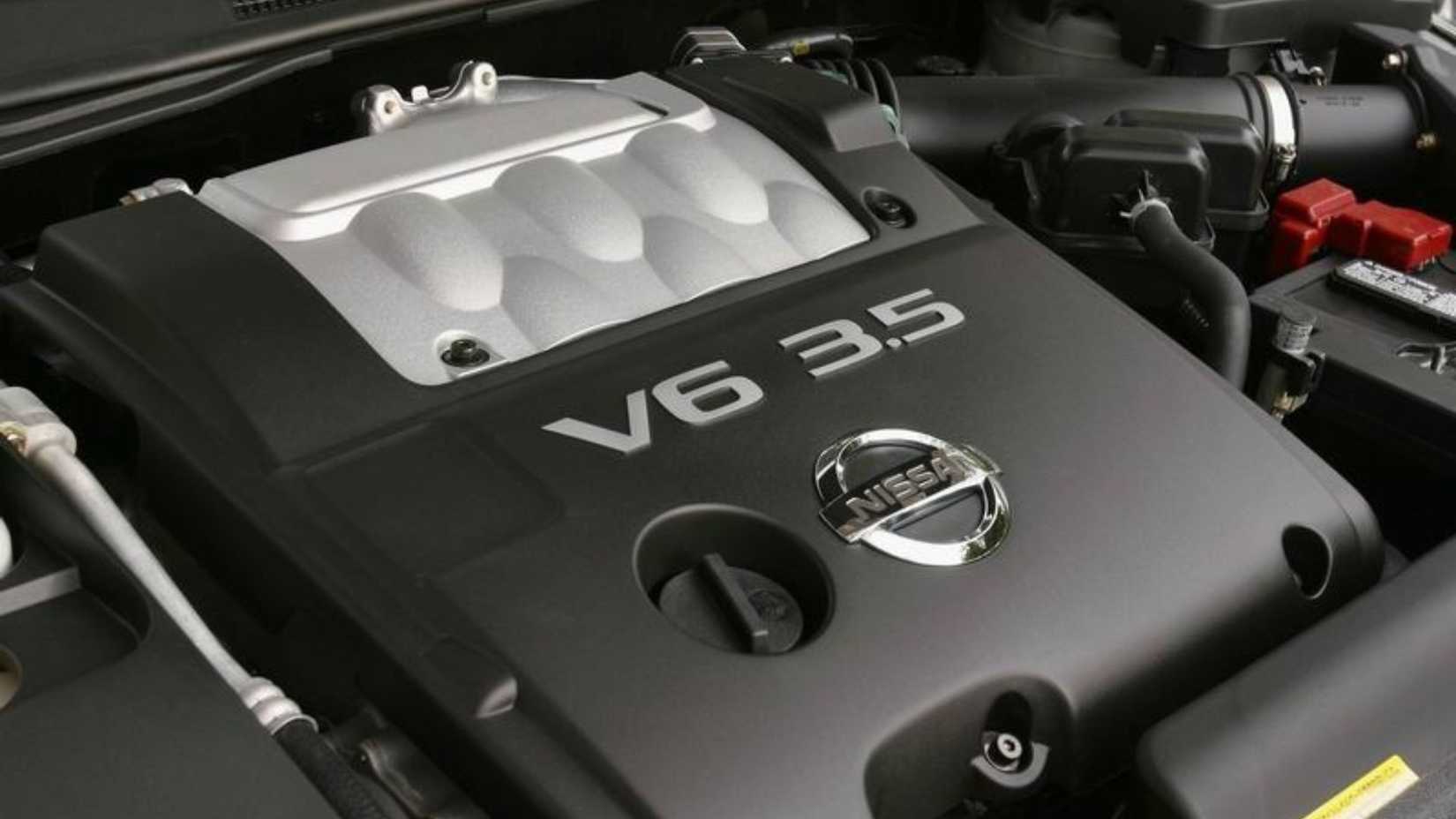
If you want an engine that makes 100,000 miles feel like a starting point rather than a benchmark that incites worry, then you need a platform with a strong foundation. Your best bet is an engine that utilizes an iron block and offers conservative power outputs in the 50 to 60 horsepower per liter range. Then you would want that engine mated to a six-speed automatic that is designed for heavy-duty torque, rather than a modern nine-speed unit that is optimized for fuel efficiency.
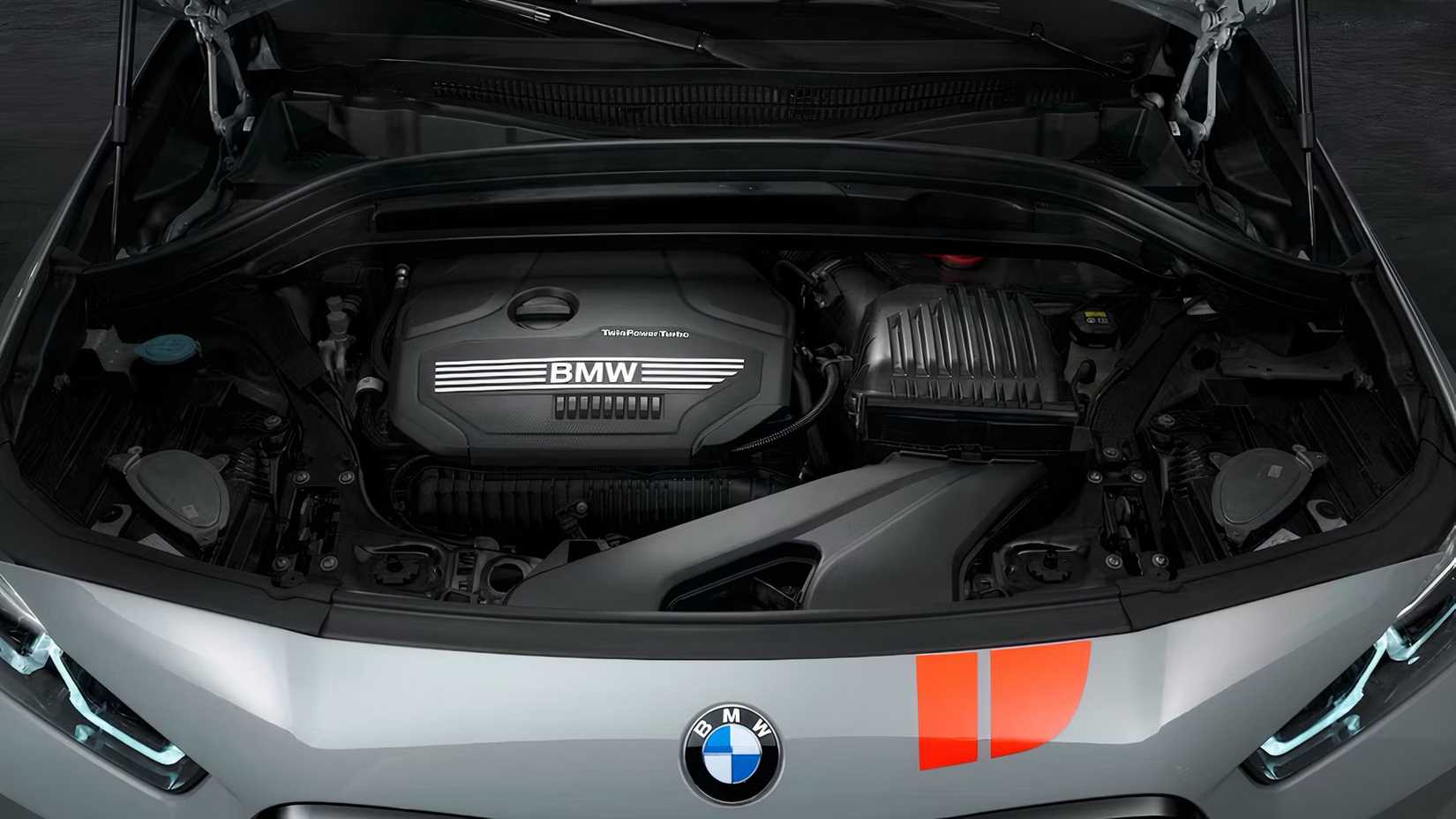
A naturally aspirated engine is also always going to undergo less mechanical stress than a forced induction variant. Engineering is a zero-sum game. A turbocharged 2.0-liter inline-four producing 300 horsepower works harder than a 4.7-liter naturally aspirated V8 making the same output. You may not realize the difference initially, but at the 200,000-mile mark, you certainly will. This is why one Toyota V-8 from this era became the blueprint for what conservative engineering was truly capable of.
The Overlooked 2UZ-FE-Powered Toyota SUV
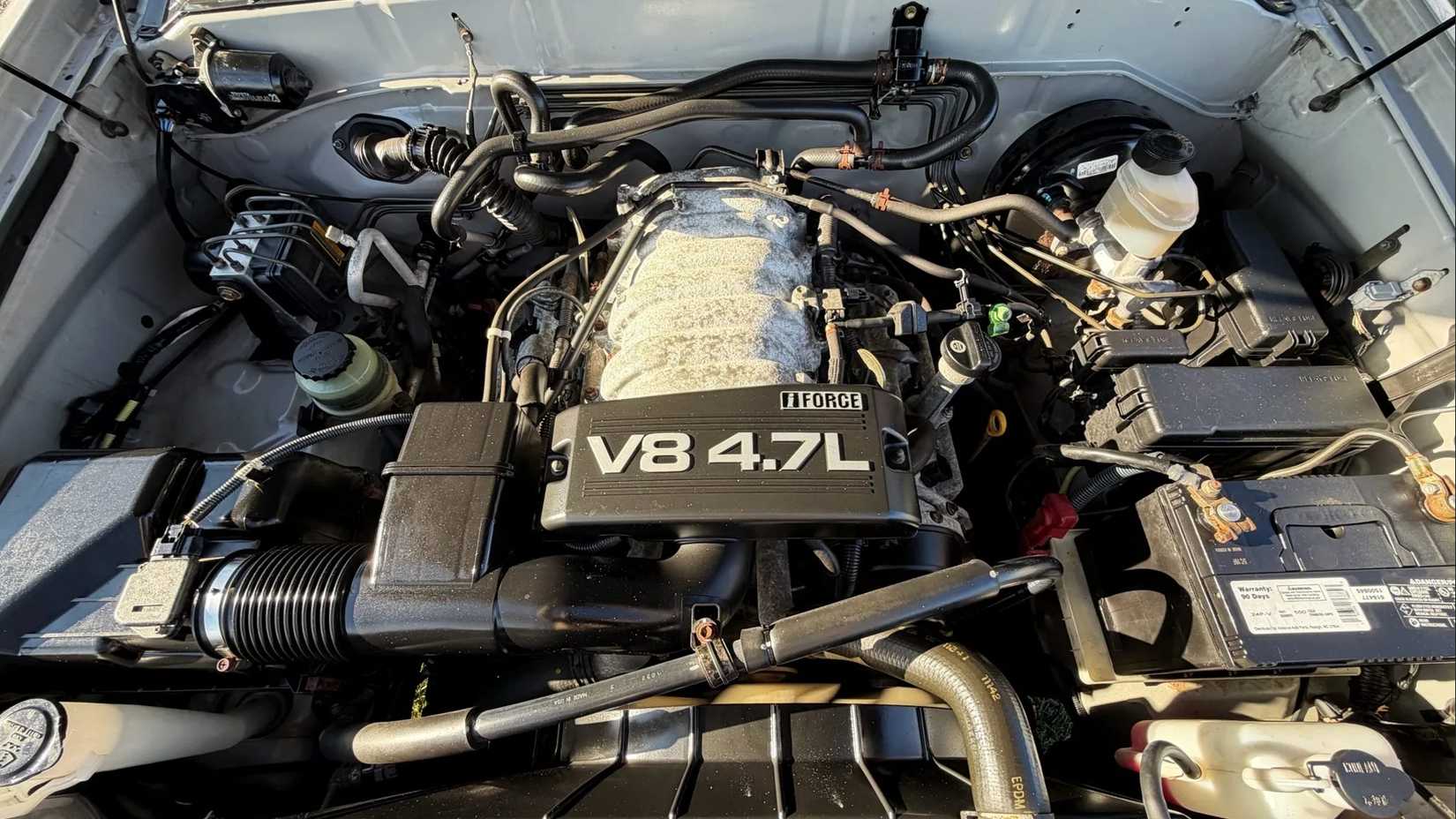
The first-generation Toyota Sequoia, produced from 2001 through 2007, was built on the same platform as the first-generation Toyota Tundra. These Toyota SUVs shared the same naturally aspirated 4.7-liter V8 that Toyota had already proven in the Toyota Land Cruiser and Lexus LX 470. That engine, the 2UZ-FE V8, became one of the most documented long-lasting engines of any kind in automotive history. Why? It followed the exact design principles we described that define the most durable engines. It features a cast-iron block, forged steel crank, and emphasizes operational simplicity over leading efficiency figures or cutting-edge performance.
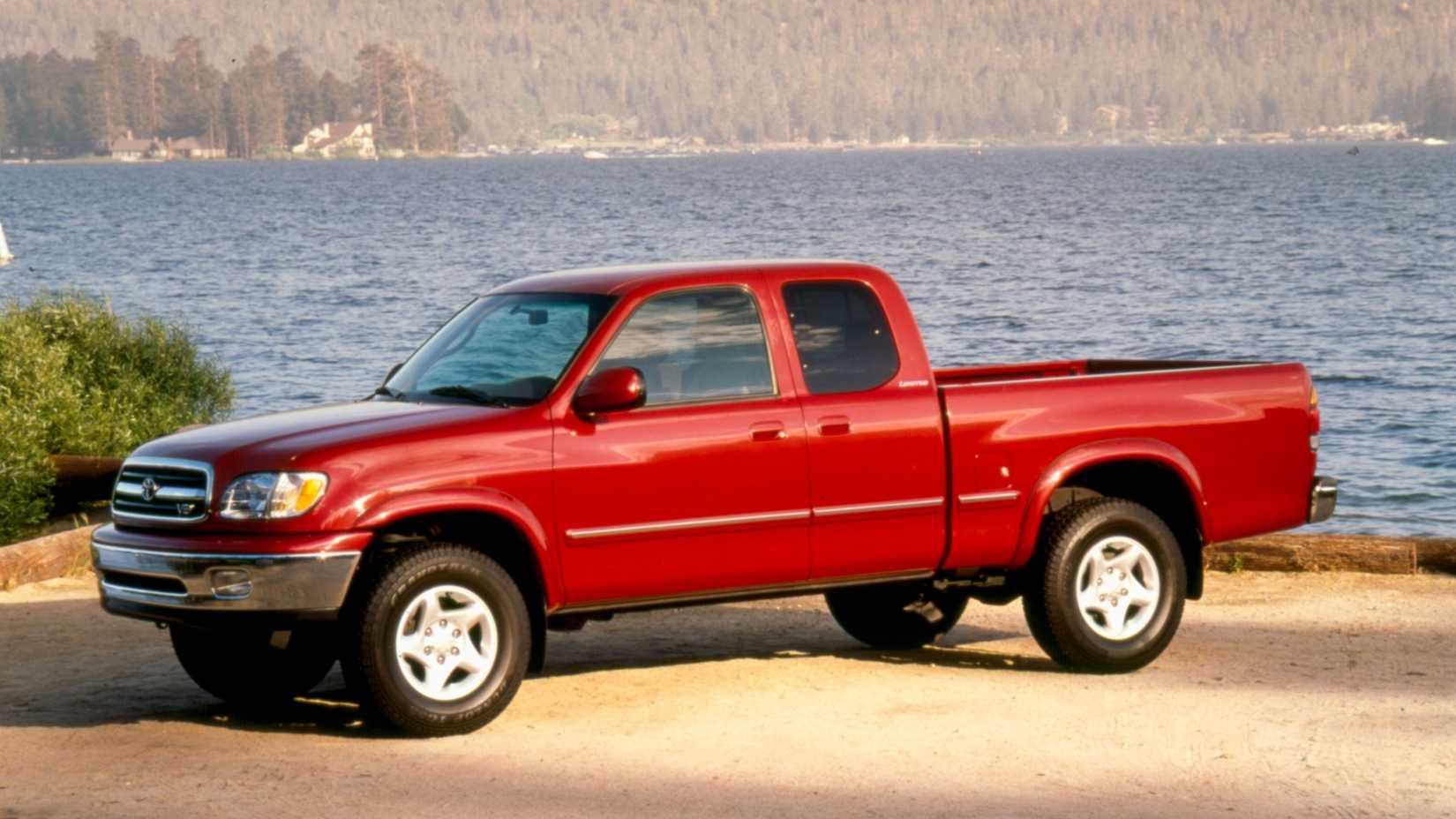
The 2UZ-FE V8 was rated at a modest 240 horsepower at launch, which demonstrates how low-stress this 4.7-liter unit worked at. With Toyota’s critically acclaimed build quality at full display, failures of 2UZ-FE engines, even at extreme mileages, are infrequent. Every one of Toyota’s products that shares this drivetrain has delivered the same exceptional results: running mileage figures that most modern SUVs will never reach.
10 Used Full-Size SUVs With V8 Power And Cheap Prices
These 10 used full-Size SUVs offer V-8 power at an affordable price in case a buyer wants the best of both worlds.
The Toyota Sequoia Is The SUV Owners Refuse To Let Go
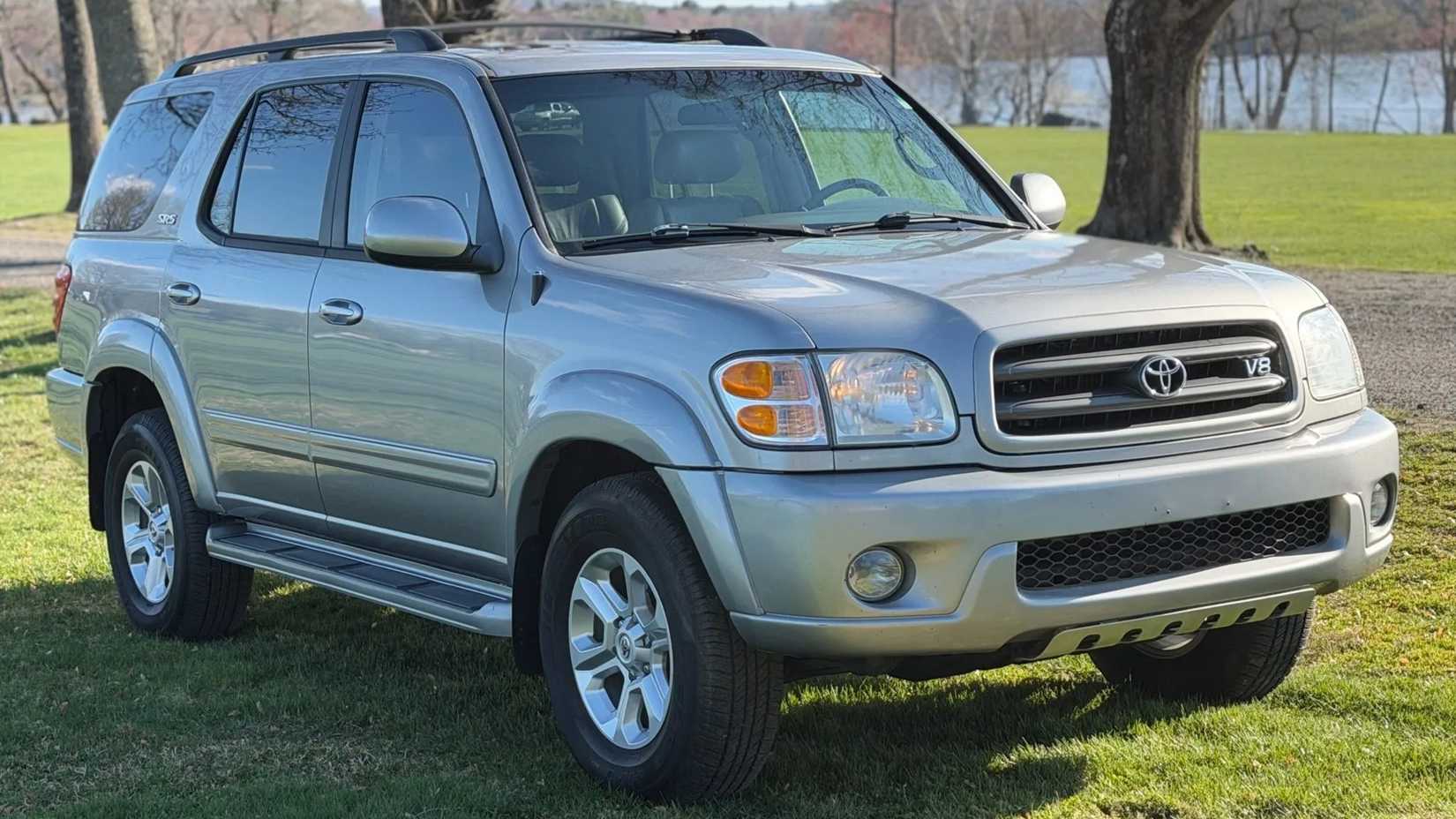
Owner behavior is the clearest evidence of reliability and provides more insight than any survey or review score could. It’s quite simple: owners keep vehicles they trust and sell vehicles they don’t. Despite the endless options available on the used market, the Toyota Sequoia has unparalleled owner retention data.
300,000 Miles Is A Common Occurrence
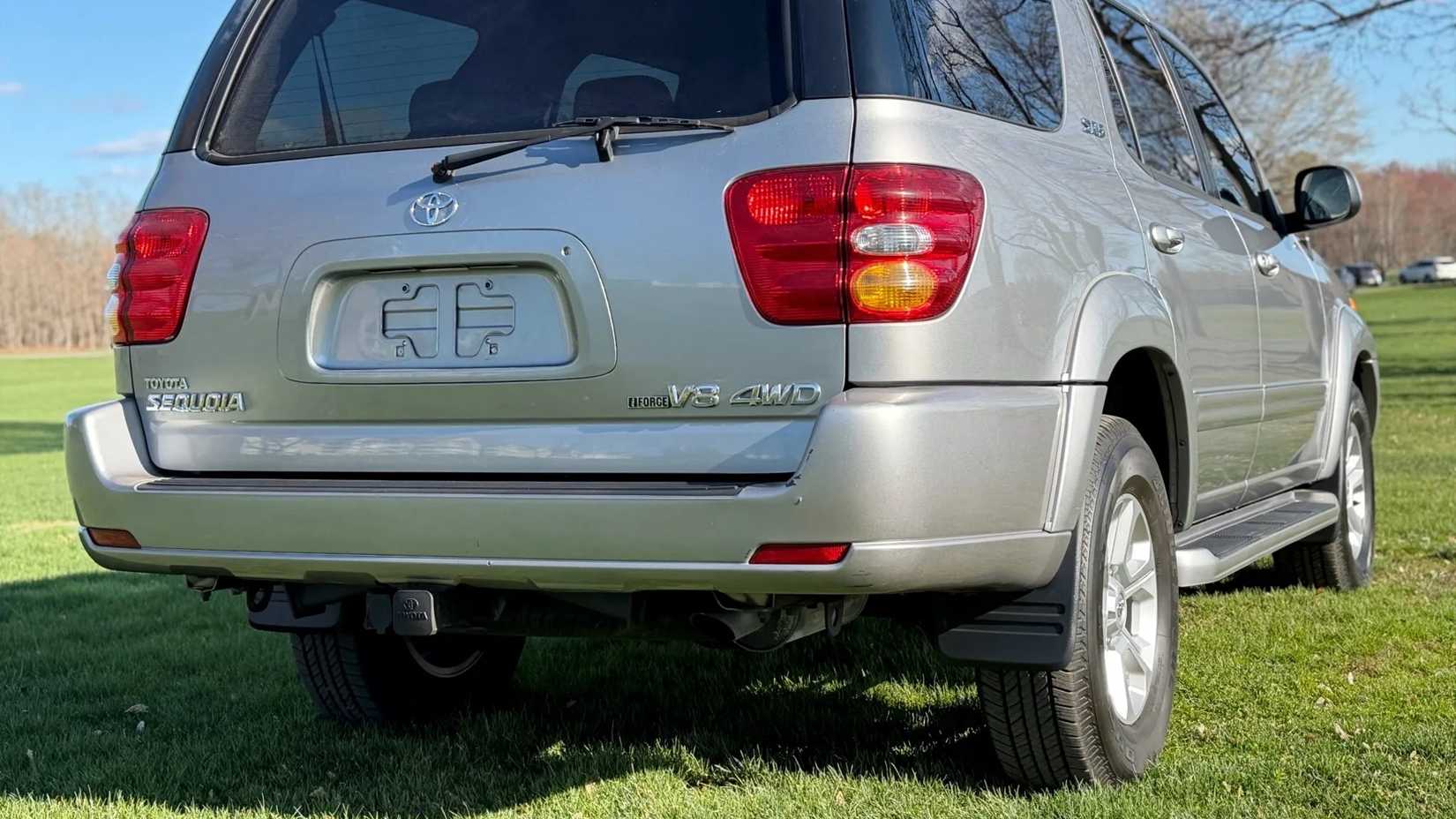
In an iSeeCars study that analyzed 400 million vehicles to determine which ones were most likely to continue life past 250,000 miles, the Toyota Sequoia came out on top. The Sequoia achieved a 39.1% chance of lasting a quarter-million miles, which is 9.1 times higher than the average SUV. Discussions regarding regular SUVs in the Sequoia’s segment at the 300,000-mile mark usually are about considerations for a second engine rebuild or a third transmission swap. On first-gen Sequoia forums, owners with 400,000-mile examples discuss timing belt replacement intervals.
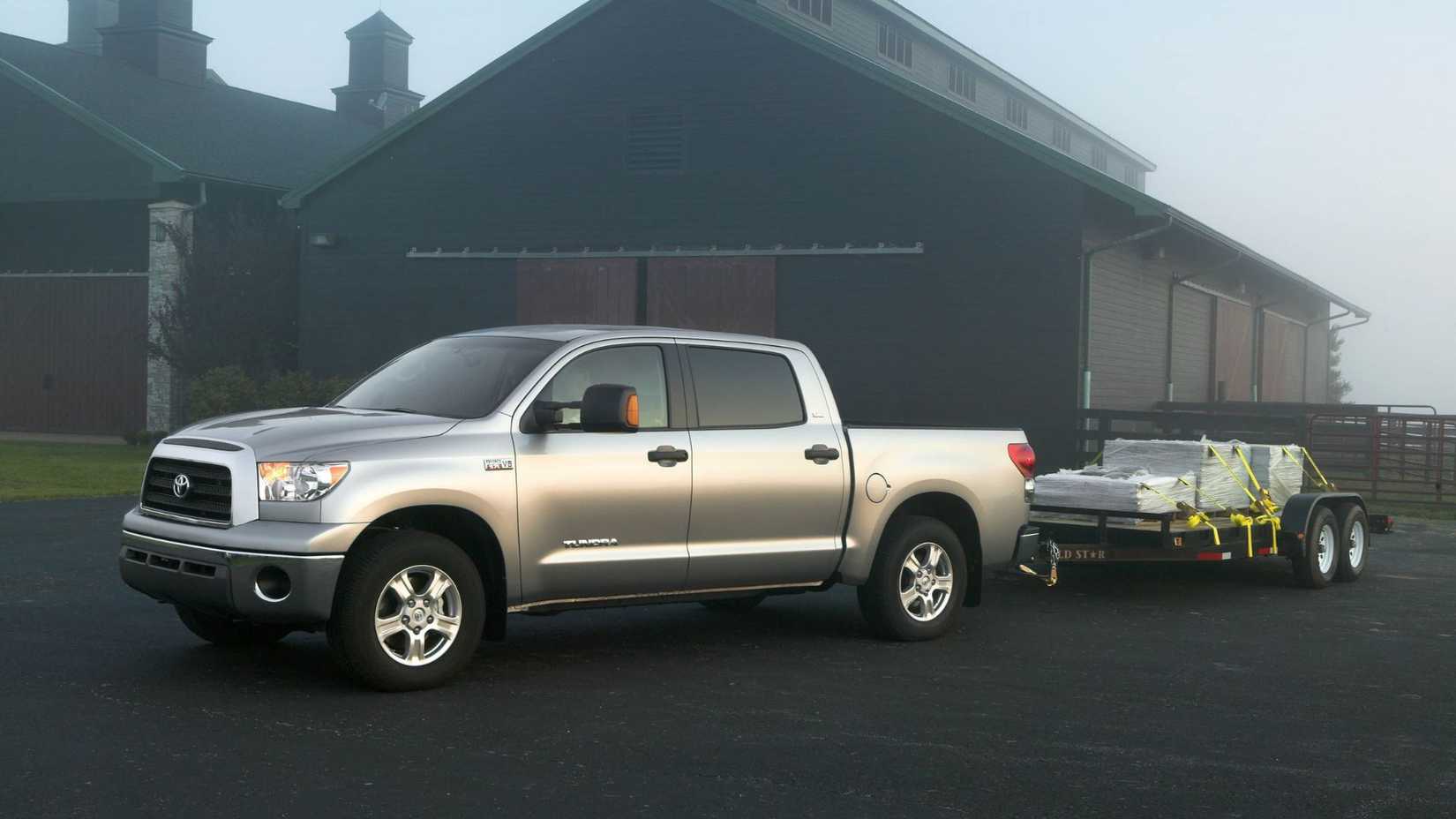
Victor Sheppard, the owner of a 2007 Toyota Tundra, famously achieved one million documented miles on his 2UZ-FE-powered vehicle. On Kelley Blue Book, the 2005 Sequoia holds an incredible 4.9 out of 5.0 reliability rating from 608 owner reviews, with 95% of owners recommending the vehicle. Look through the reviews yourself, and you will see that examples of owners with minimal mechanical issues at 200,000 miles or greater are not outliers, but a common occurrence.
What You Likely Will Have To Replace On A 200,000+ Mile Sequoia
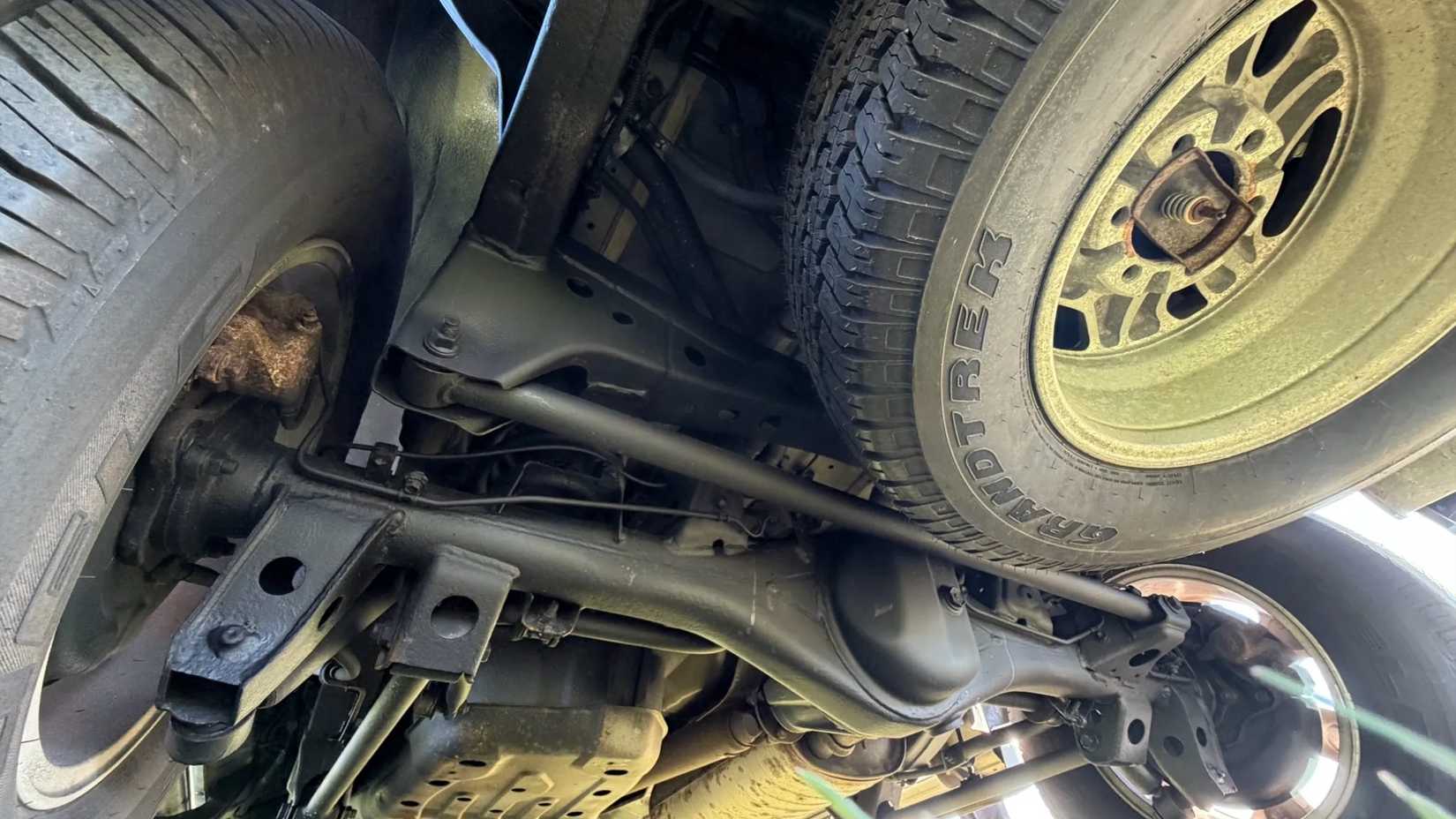
Just because the Toyota Sequoia is built like a tank doesn’t mean it’s entirely indestructible. Common maintenance items and failures on the Sequoia include the lower ball joints and suspension bushings. Frame corrosion is certainly a possibility for examples located in the rust-belt, but uncommon otherwise. In order to keep your 2UZ-FE as happy as possible, the timing belt should be regularly replaced every 80,000 to 100,000 miles.
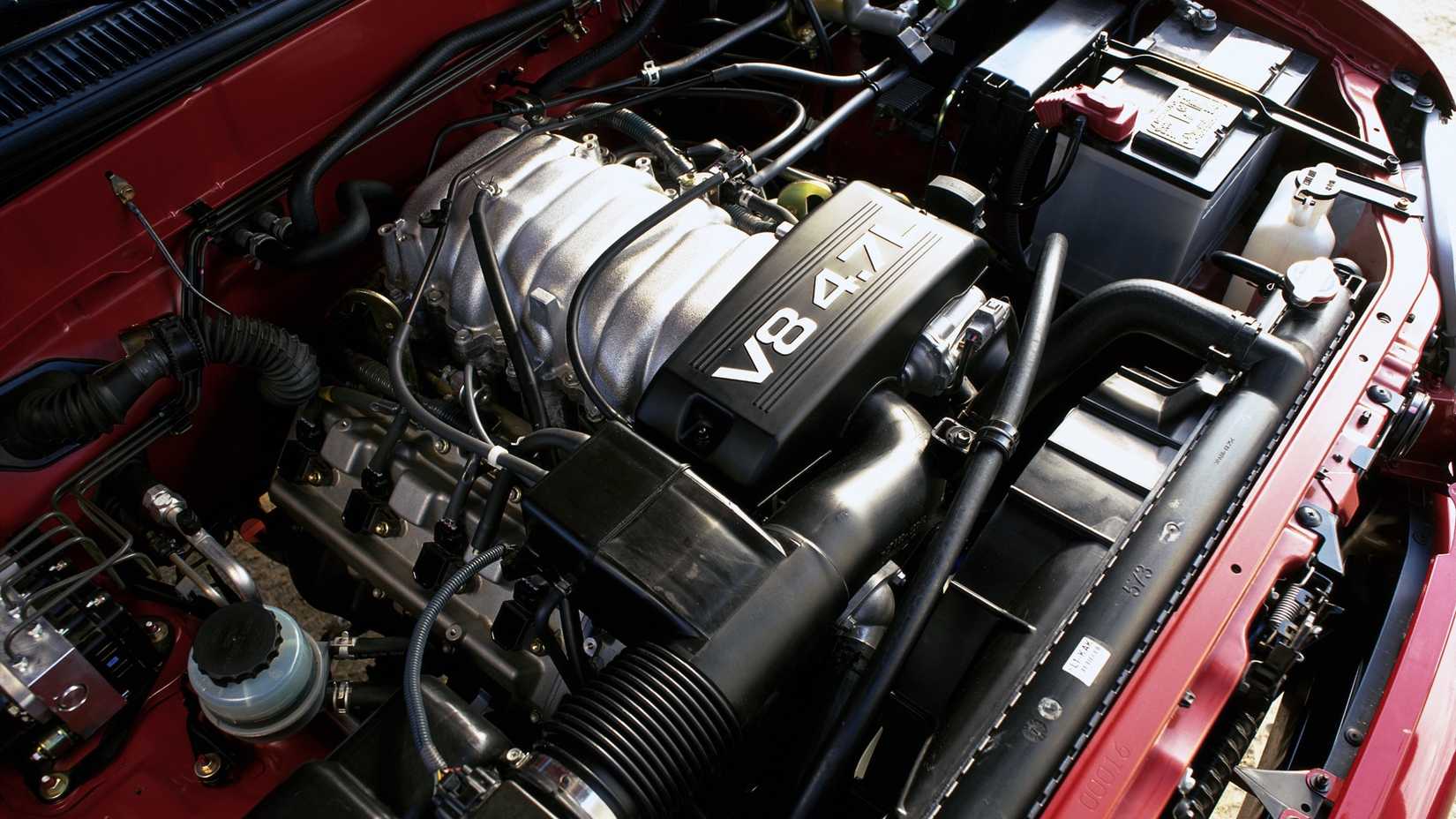
Because the timing cover is located at the front of the engine and there is a good amount of space in the engine bay, this job can be accomplished on a weekend with relative ease. While the timing cover is off, it is advisable to simultaneously replace the water pump as well. Heat exposure can cause cracks in the exhaust manifold in high-mileage examples, which can lead to a loss of power and efficiency. These are typical aging repairs, not the major, systemic failures increasingly common in modern full-size SUVs.
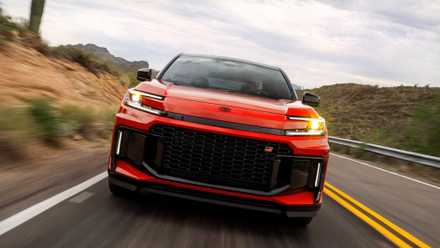
Every Toyota SUV Ranked From Least To Most Efficient
Toyota’s SUV lineup offers impressive efficiency across the board, but which model delivers the highest fuel economy?
Why The First-Gen Sequoia Makes More Sense Now Than Ever Before
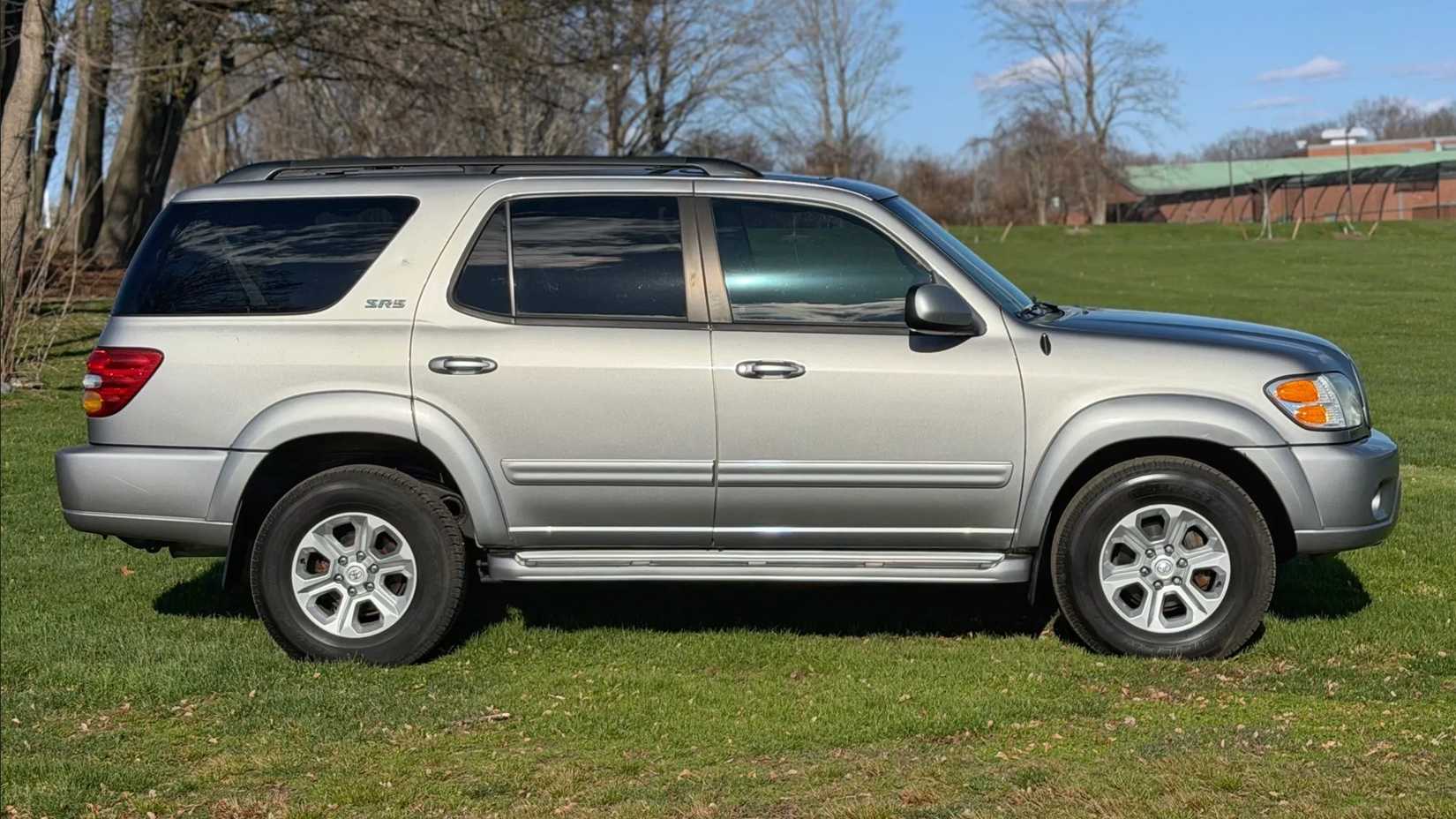
Once upon a time, there was a certain group of used car shoppers who would completely dismiss older trucks or truck-based SUVs. Those same shoppers who once viewed these vehicles as compromises are actively seeking them out now that they realize their proven longevity.
A Cult Classic SUV
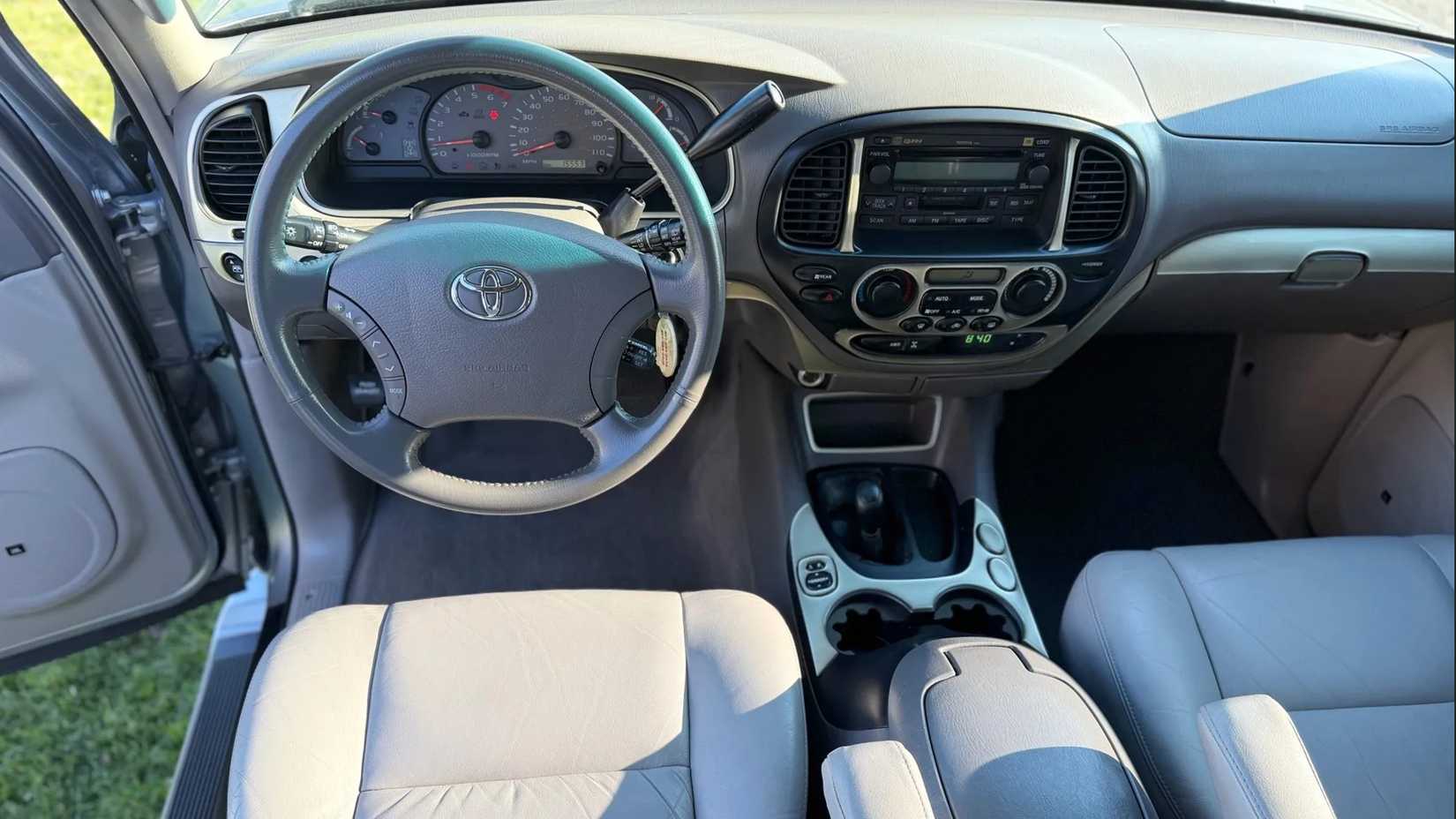
As modern full-size SUVs get more expensive and more complex, there has been a shift back towards the naturally aspirated V-8 platforms that emphasize mechanical simplicity. In our current market, shoppers are recalibrating their priorities. Clean first-gen Sequoias are increasingly becoming harder to find as owners are keeping first-gen Sequoias longer than most other SUVs.
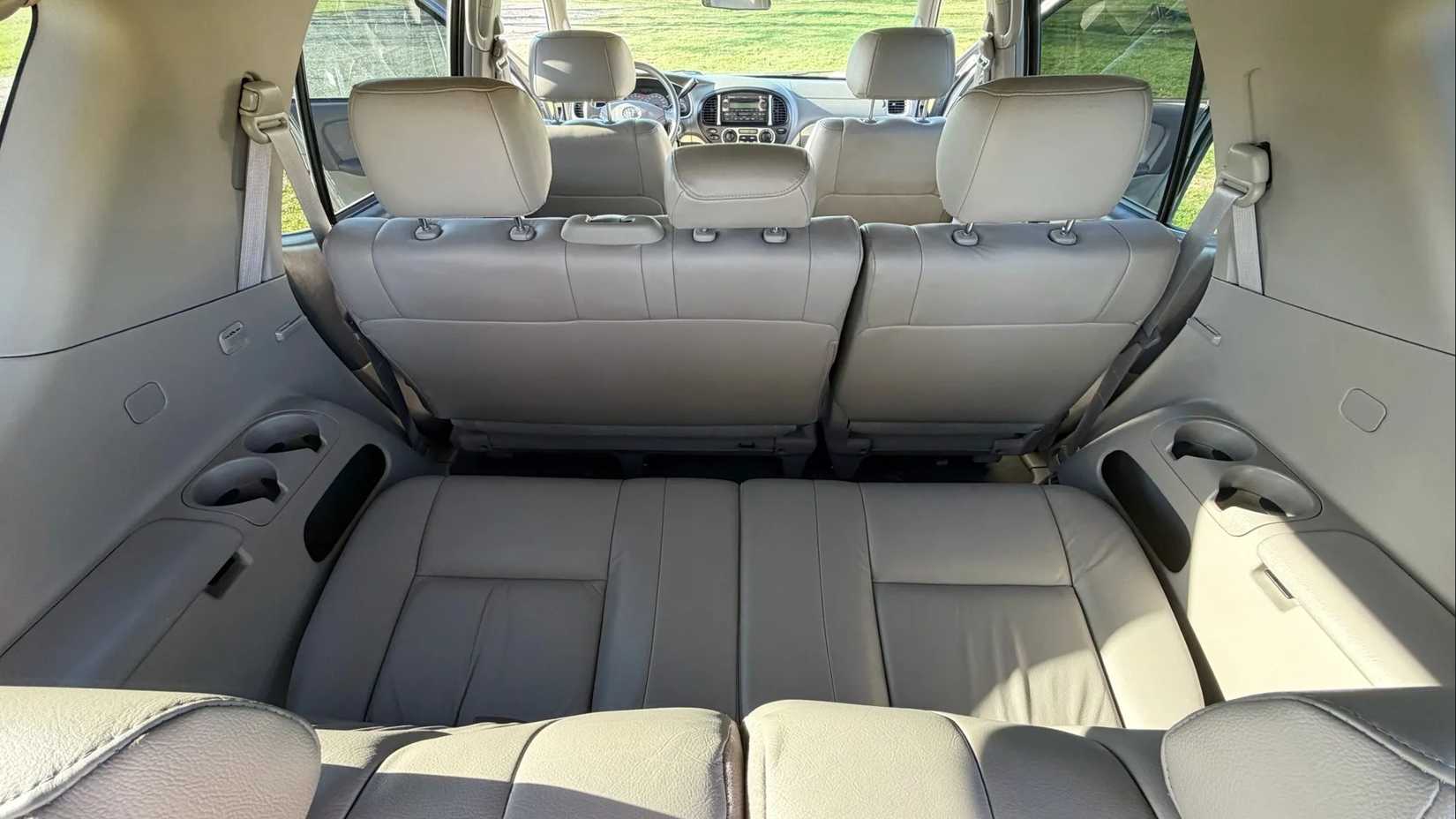
Kelley Blue Book states that the current market value of a 2003 Toyota Sequoia SR5 is about $3,800, but you should expect to pay a lot more than that for a clean and well-documented example. Among most Toyota SUV and truck owner forums, the conversation around the first-gen Sequoia is less about ‘how long will it last’ and more about ‘how do I make sure mine lasts forever?’ The 2UZ-FE V8 is often rated as more reliable than the more powerful and modern 3UR-FE V8 utilized in its successor, making the first-gen Sequoia something of a cult classic.
Newer Doesn’t Always Mean Better
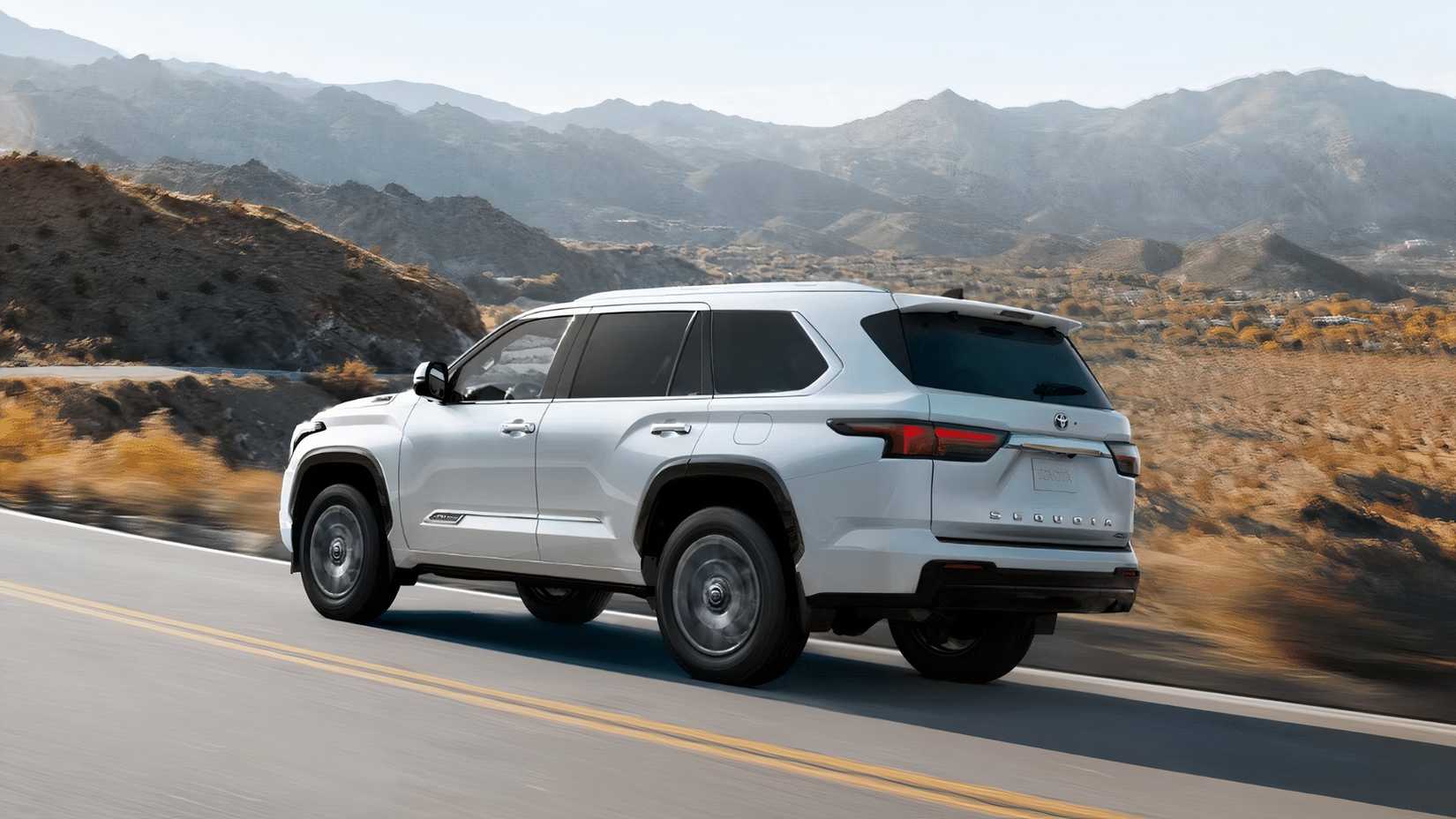
For the 2023 model year, the Toyota Sequoia debuted the third and current generation. This SUV, however, is an entirely different product from the previous two generations. The biggest change is the twin-turbo V6 i-FORCE MAX hybrid powertrain, which has experienced reliability issues despite several years in production. Lexus and Toyota offer by far the most reliable hybrid powertrains, but even they have not escaped the inevitable reliability issues that arise with more complex platforms.
In contrast, the first-gen Sequoia provides a certain level of certainty, where there is documented evidence of what can occur at 200,000, even 300,000 miles. The 2UZ-FE is the engine that just keeps running like normal, even with a check engine light. Sometimes the best vehicles are the ones people talk the least about, and the first-gen Sequoia is exactly that. This full-size SUV is just the kind of vehicle you have no reason to let go of, because it will last for many hundreds of thousands of miles if well-maintained.
Sources: Toyota, Lexus, Reddit, iSeeCars, Kelley Blue Book, J.D. Power