
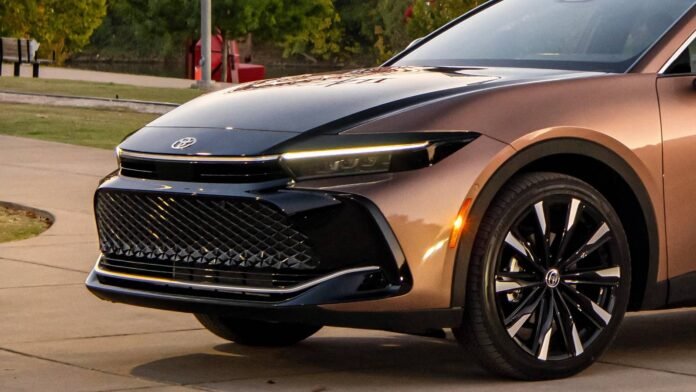
Over the last five years, the U.S. luxury sedan market has faced a sustained uphill battle as consumer preference continues to shift toward SUVs, which now command nearly 60 percent of the luxury segment. While overall new car sales for traditional three-box designs have experienced a relative decline compared to their high-riding counterparts, luxury sedans have successfully stabilized as a high-margin niche by pivoting toward advanced electrification and superior comfort.
The primary difficulty remains a perceived lack of versatility in cargo space and ride height. Sedans maintain a distinct edge in driving elegance due to their lower center of gravity, which provides sharper handling and a more composed, quiet cabin experience that many top-tier SUVs still struggle to replicate. These vehicles also remain relevant by offering a more aerodynamic and fuel-efficient alternative to bulky crossovers, effectively balancing executive-level prestige with the practical benefits of lower ownership costs and a more engaging driver-centric experience.
How Lexus Approaches Balanced Luxury In 2026
Lexus has developed its reputation for trusted reliability by prioritizing a conservative engineering philosophy that avoids experimental technology in favor of platforms that have stood the test of time. The Japanese premium brand leverages the foundational mechanical resilience of its parent company, Toyota. Doing so allows it to integrate long-tested and durable powertrains into its luxury lineup. This ensures that components have already undergone decades of real-world refinement. This approach reflects a commitment underpinned by a meticulous manufacturing culture, led by rigorous oversight and attention to detail that ensures every vehicle meets a high-quality standard.
Lexus focuses on continuous improvement of its core systems, supported by exhaustive pre-production testing across extreme environments. It does so while competing brands push the technological envelope, which sometimes leads to a trial-and-error production cycle. This systematic, detail-oriented approach creates a level of mechanical predictability and long-term durability that consistently places the brand at the top of industry dependability studies, offering owners the rare combination of premium luxury and immunity to frequent, costly repairs.
The Toyota Crown Proposes A New Approach to Luxury
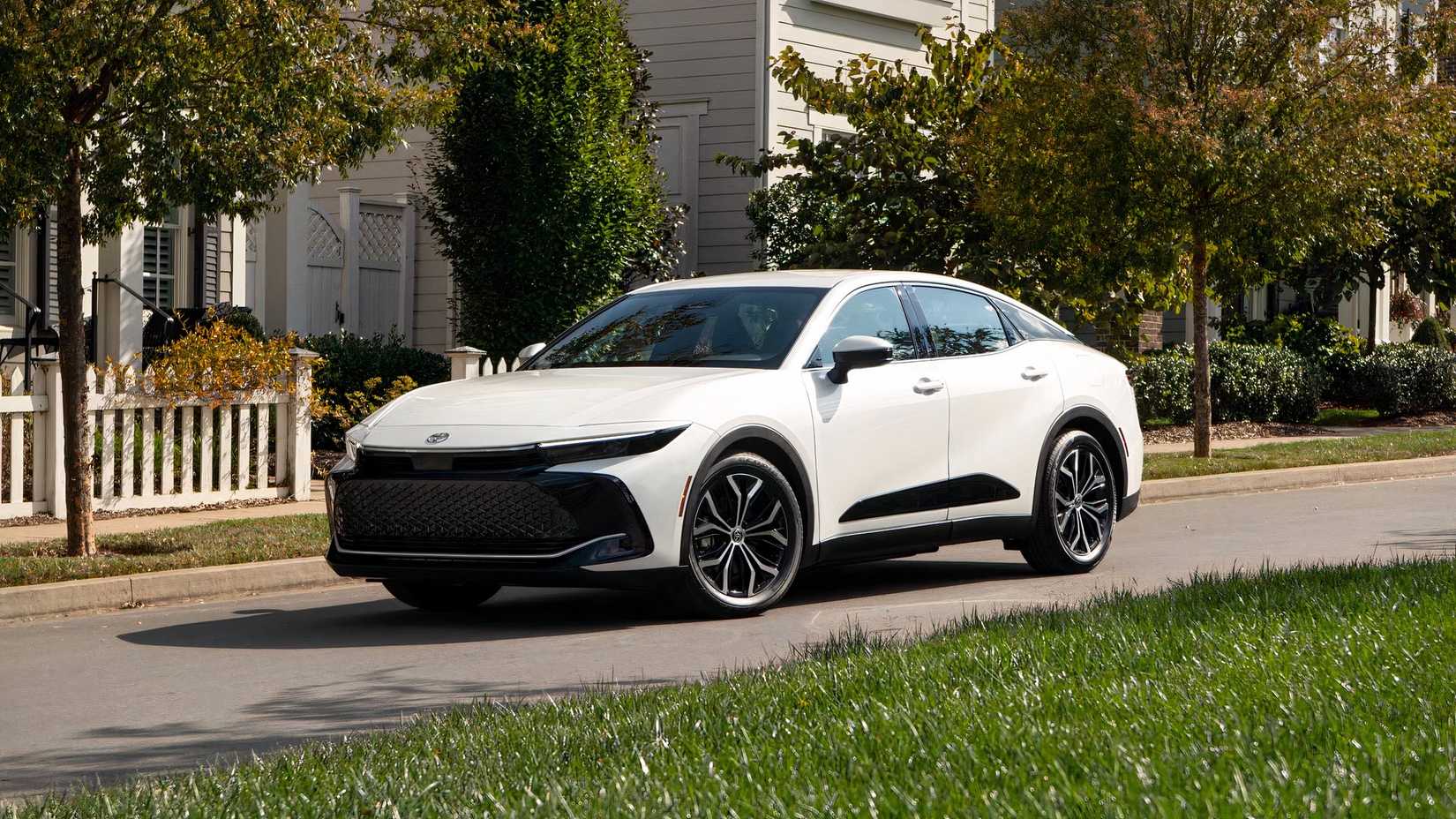
The mid-luxury hybrid market is in a highly transitional space in 2026, resulting in more brands prioritizing it to a greater level. Driving this is a collection of buyers who find value in functionality and dependability over prestige and brand exclusivity. The 2026 Toyota Crown and the 2026 Lexus ES are a great example of two premium hybrid models that occupy an identical territory in price and specifications.
Despite this, there is a growing group of smart auto consumers that are making the calculated choice to opt for the Toyota over the Lexus. Those opting for the Crown consider its more comprehensive standard specification over the prestige and status offered by the Lexus badge. Powertrain dynamics, interior refinement, warranty coverage, and out-the-door costs all play a noteworthy factor in why one might consider a Crown of the new ES range.
This Toyota Quietly Outsmarts German Luxury
Not every luxury car needs to be expensive. And this Toyota proves just how well luxury and value can go hand-in-hand.
Opting For The Crown May Be The Smart Choice
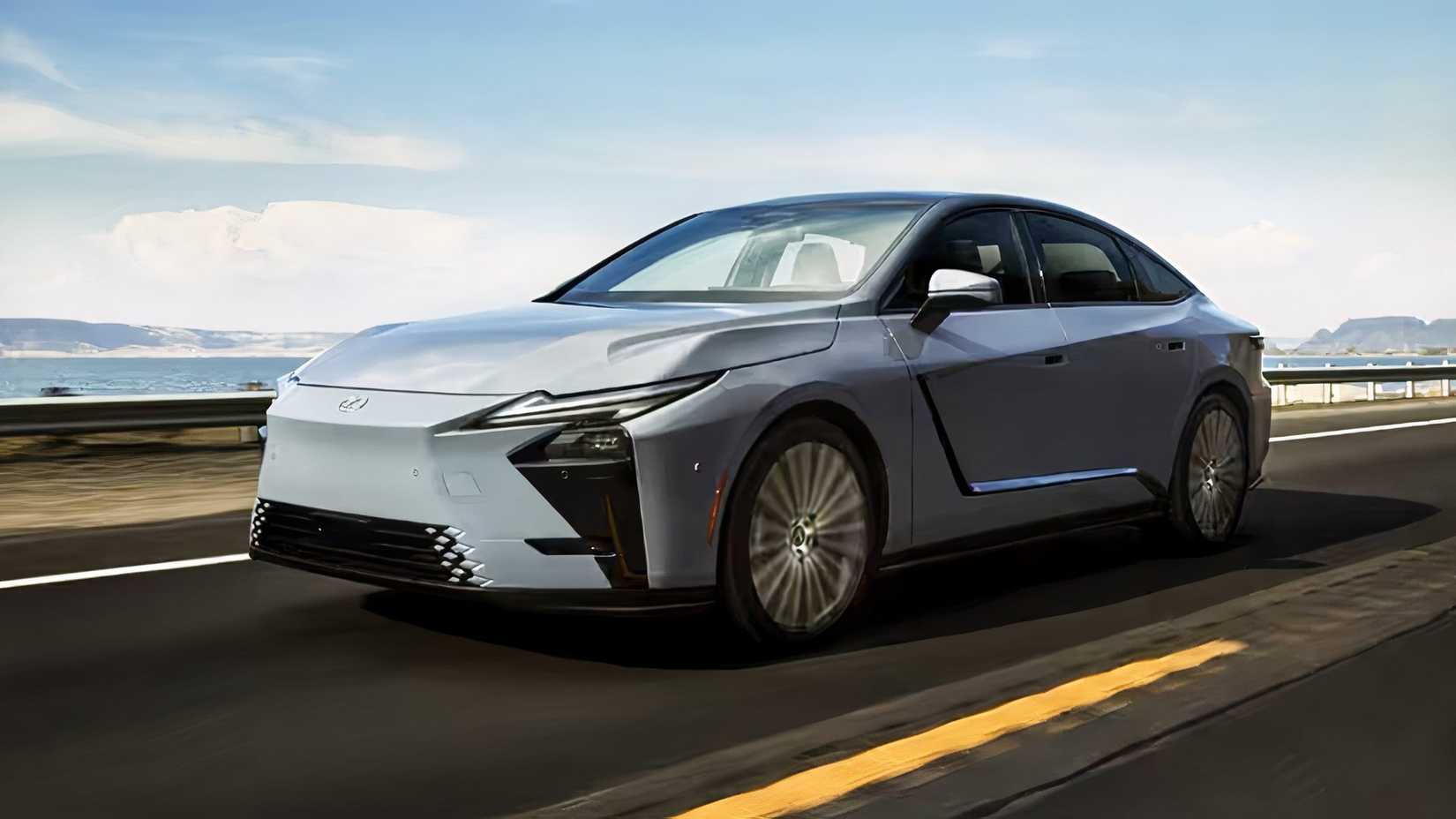
The new-generation 2026 Lexus ES now features the 350h moniker to reflect its upgraded hybrid setup. However, the 2026 Toyota Crown’s high-riding approach to efficient luxury makes for a convincing alternative to the premium arm’s more conservative luxury sedan approach. Both vehicles target the exact same pricing and specification sweet spot, forcing informed buyers to look past the marketing departments and treat the purchase as a detailed cost problem outside their next premium purchase.
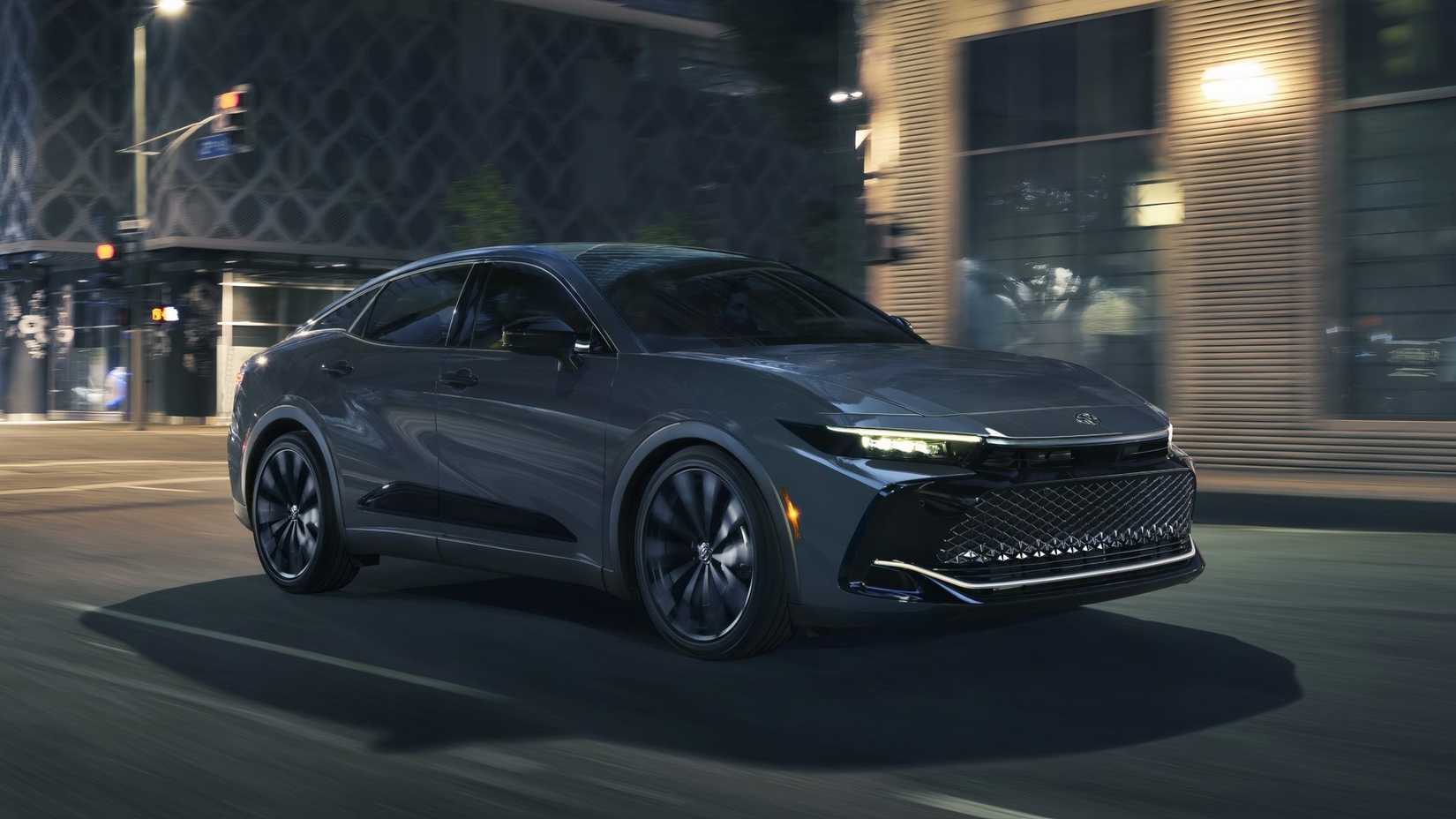
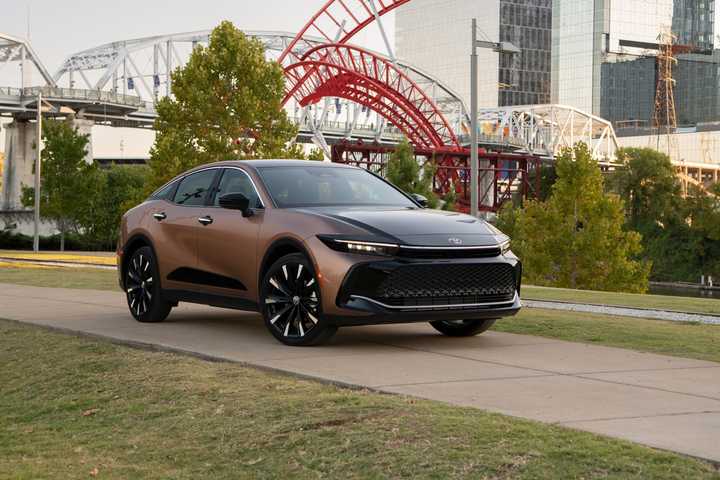
Despite this, Toyota’s monthly sales reports for 2026 have consistently revealed that the Crown’s sales volume remains modest. The obscure hybrid sedan experiences a 37 percent sales decline down to 12,309 units, reflecting a result that showcases a lower visibility, working directly to the advantage of the more intelligent buyer. Toyota frames the Crown as a smart and unpretentious niche pick for those who value an optimized spec sheet over neighborhood prestige. This is a similar approach to the Avalon sedan, but with a more athletic style attached to it.
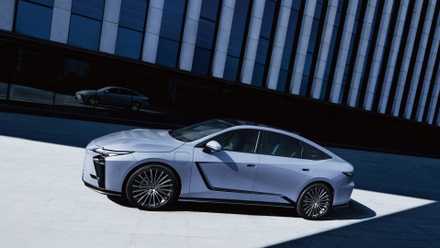
The 2026 Lexus ES Arrives With Hybrid and Electric Power
Lexus’s best-selling car received some serious upgrades.
Powertrains Prioritizing Efficiency And Refinement
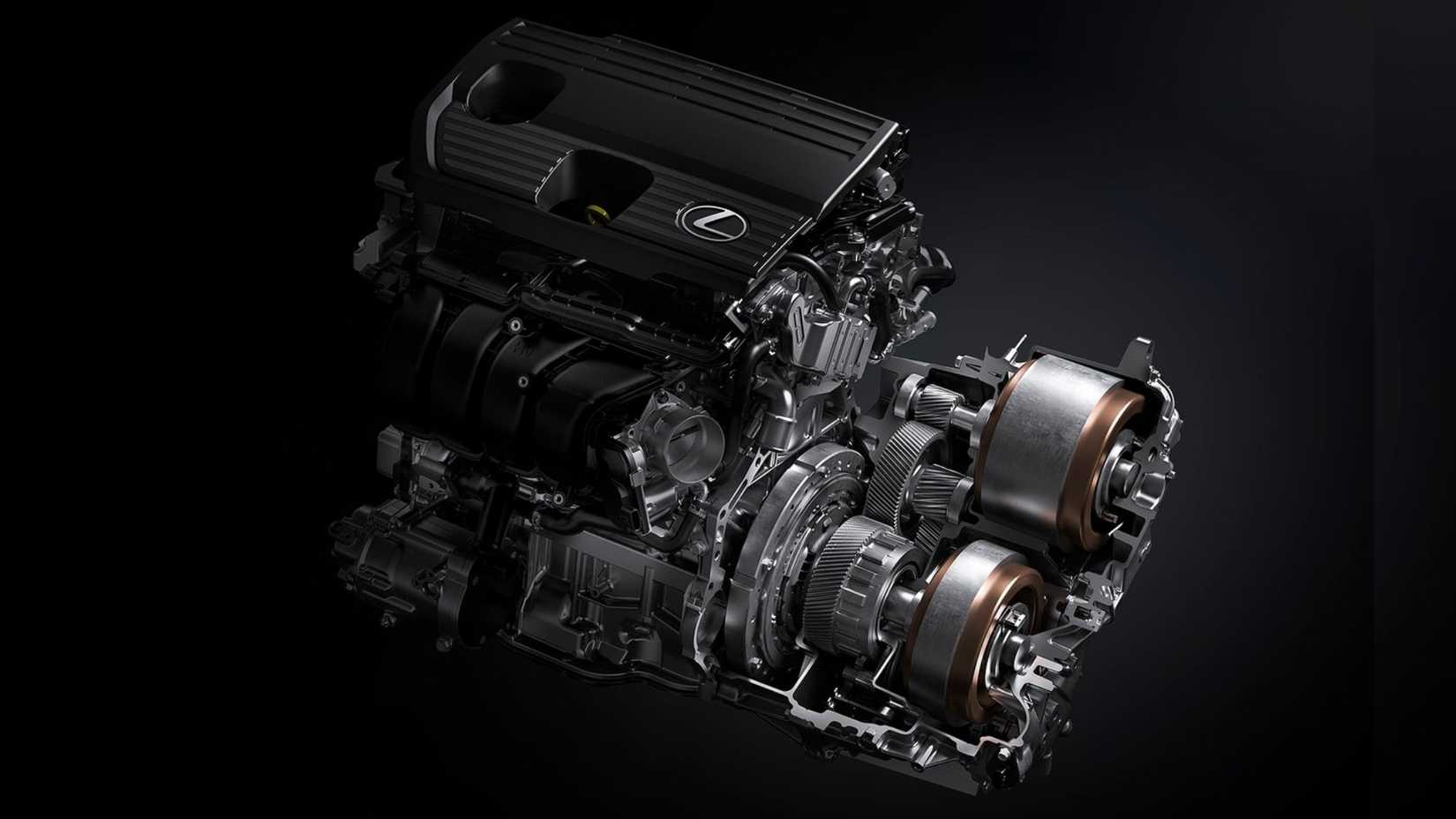
Despite featuring a lot of mechanical similarities, both the ES and Crown possess fairly different powertrain options.
It’s a mechanical divergence that highlights how differently each brand prioritizes performance and daily utility. The Lexus ES 350h features an upgraded Atkinson-cycle 2.5-liter four-cylinder hybrid setup producing 244 combined horsepower.
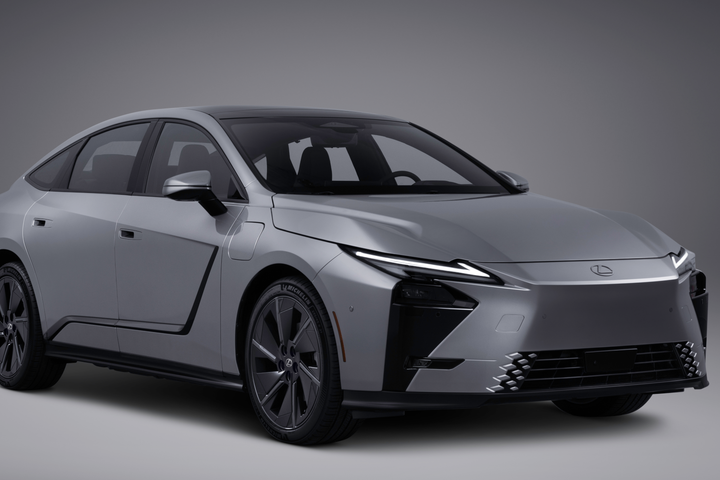

- Base Trim Engine
-
2.5-liter inline-4 hybrid
- Base Trim Transmission
-
e-CVT
- Base Trim Drivetrain
-
Front-Wheel Drive
- Base Trim Horsepower
-
244 HP
- Base Trim Torque
-
175 lb.-ft. @ 5000 RPM
- Make
-
Lexus
- Model
-
ES
- Segment
-
Midsize Luxury Sedan
Power is transferred directly to the wheels via an electric-motor driven eCVT system. According to the EPA’s testing, it achieves an estimated 46 MPG on the combined cycle when equipped with the front-wheel-drive configuration. This drops just slightly to 44 MPG combined if you opt for all-wheel drive.
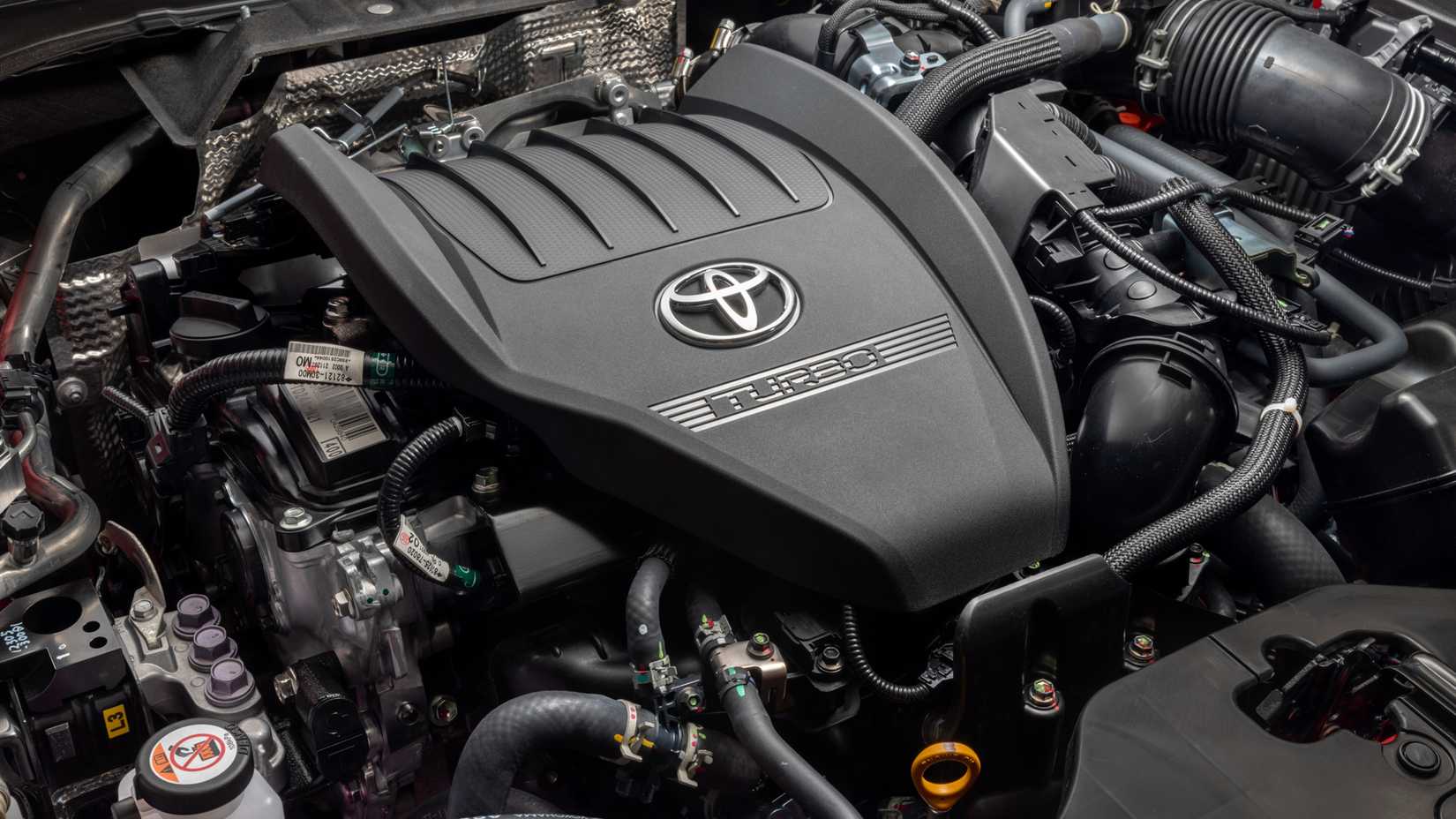
The Toyota Crown counters with a dual-powertrain strategy that standardizes Electronic On-Demand AWD across every single trim. The mid-tier Crown Limited also utilizes a 2.5-liter hybrid setup, but with a 236-hp state-of-tune. The result is a competitive 41 MPG combined consumption estimate.

- Base Trim Engine
-
2.5L Dynamic Force I4 Hybrid
- Base Trim Transmission
-
CVT
- Base Trim Drivetrain
-
All-Wheel Drive
- Base Trim Horsepower
-
184 HP @6000 RPM
- Base Trim Torque
-
163 lb.-ft. @ 3600 RPM
- Base Trim Fuel Economy (city/highway/combined)
-
42/41/41 MPG
- Base Trim Battery Type
-
Lead acid battery
- Make
-
Toyota
- Model
-
Crown
Opting for the flagship Crown Platinum gets you access to Toyota’s Hybrid i-Force MAX system. This mates a 2.4-liter turbocharged four-cylinder engine to a direct-shift six-speed automatic transmission to generate 340 hp and 400 lb-ft of torque. The Platinum’s fuel economy dips to 30 MPG combined, but you get the benefit of a 5.1-second 0 to 60 MPH sprint. This is significantly faster than Lexus’s claimed 7.1-second acceleration result.
The Finer Details Found Within The Cabin
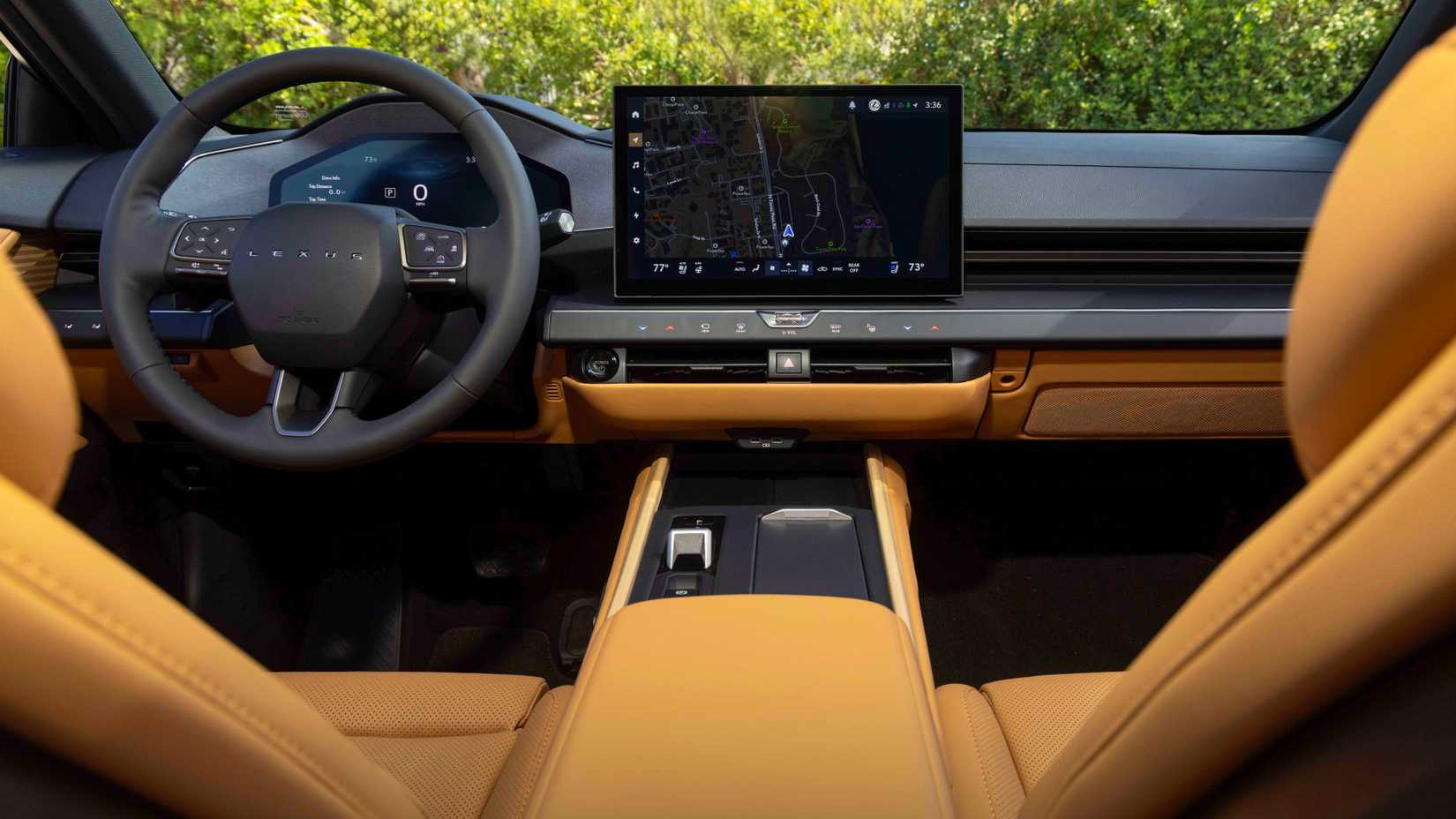
The interior experience is what truly sets these two sedans apart. The redesigned Lexus ES 350h doubles down on its classic identity, but with a futuristic approach. The dashboard boasts a central 14.0-inch touchscreen infotainment unit contrasted by premium synthetic NuLuxe upholstery, which you can upgrade to real leather in higher trims. You also get 3D-printed faux bamboo wood trim, and a highly sound-insulated cabin that quietens the interior experience down. Thanks to its longer 202.4-inch wheelbase, the ES also grants rear passengers sprawling executive legroom.
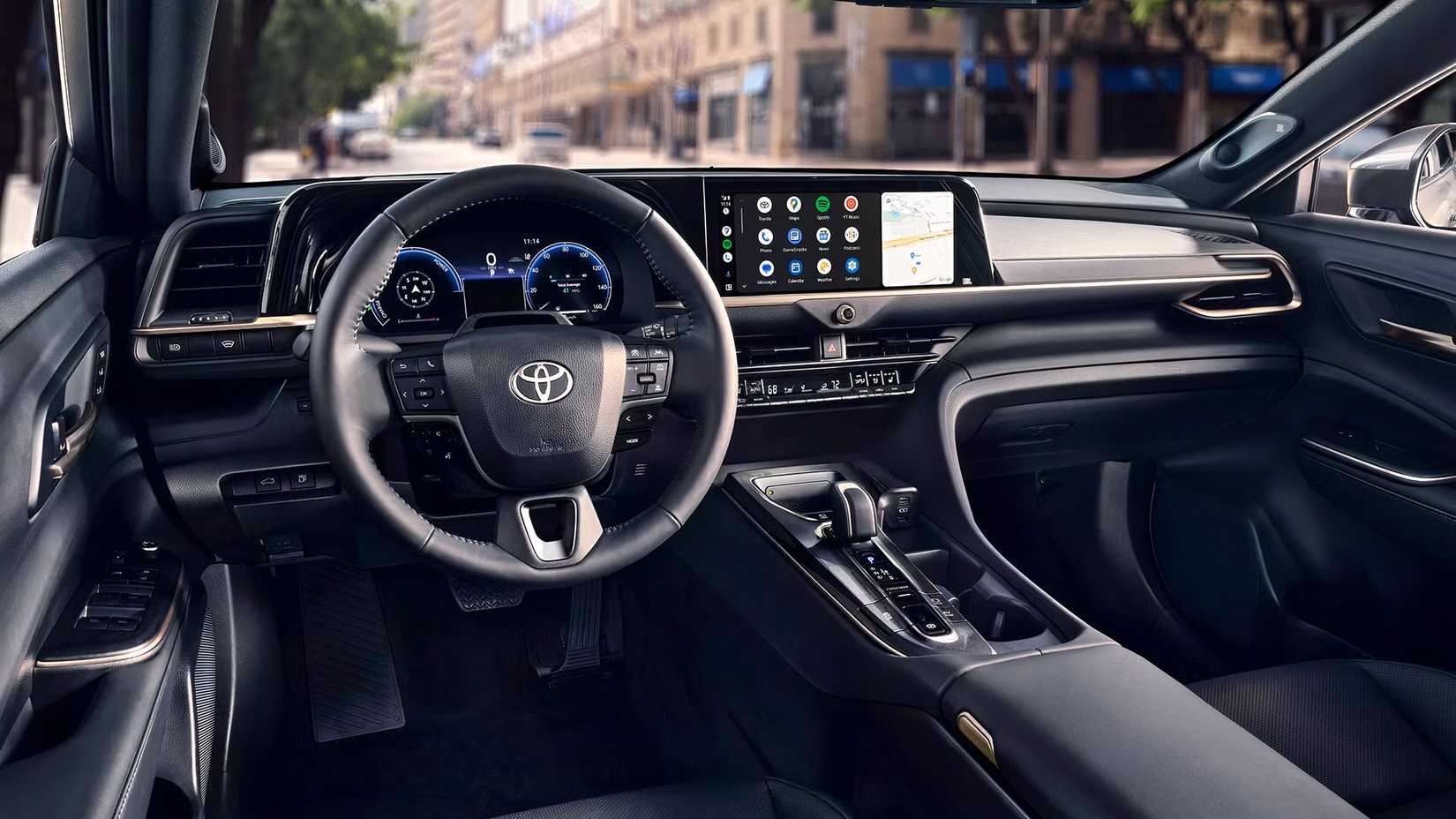
The Toyota Crown Limited and Platinum trims feature standard genuine leather upholstery, heated and ventilated front seats, heated rear seats, and a 12.3-inch dual-screen layout. Thanks to its distinct, crossover-like taller profile, the Crown offers a more commanding view of the road. It also benefits from 60/40 split-folding rear seats and a larger 15.2 cubic-foot trunk, compared to the ES’s 13.3 cubic feet and fixed rear wall. This makes the Crown a significantly more versatile daily companion.
The Crown’s Impressive Market Reception
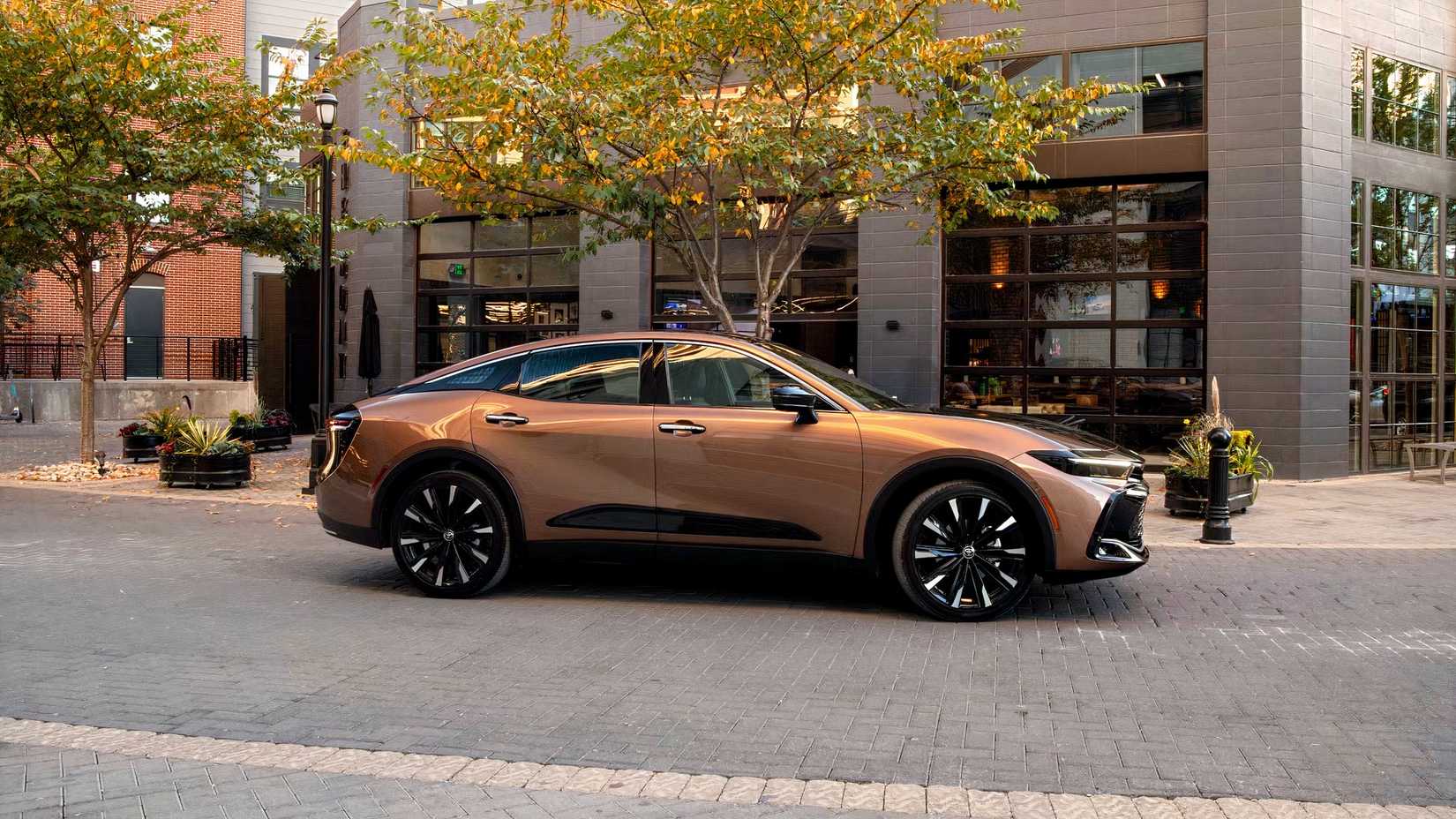
The Toyota Crown’s reception highlights its impressive execution. J.D. Power gives the Toyota Crown range an 80/100 overall rating, constituting an 82/100 quality and reliability mark and an 81/100 driving experience score. iSeeCars gives the 2026 model year with a 7.8/10 score for retained value and an 8.0/10 score for safety.
The 2026 Crown currently features 46 unique submissions on the Edmunds consumer reviews section, holding a 4.4/5 overall score. Key strengths include its fuel efficiency, ride quality, and visual aesthetic. The Lexus is still a relative newcomer to the market, so these publications don’t have comprehensive metrics regarding ownership experience.
The Underappreciated Toyota That May Be The Brand’s Smartest Used Buy
A used Toyota Crown delivers near-luxury refinement, proven hybrid reliability, and standout long-distance comfort.
Pricing Remains A Fundamental Factor
Lexus
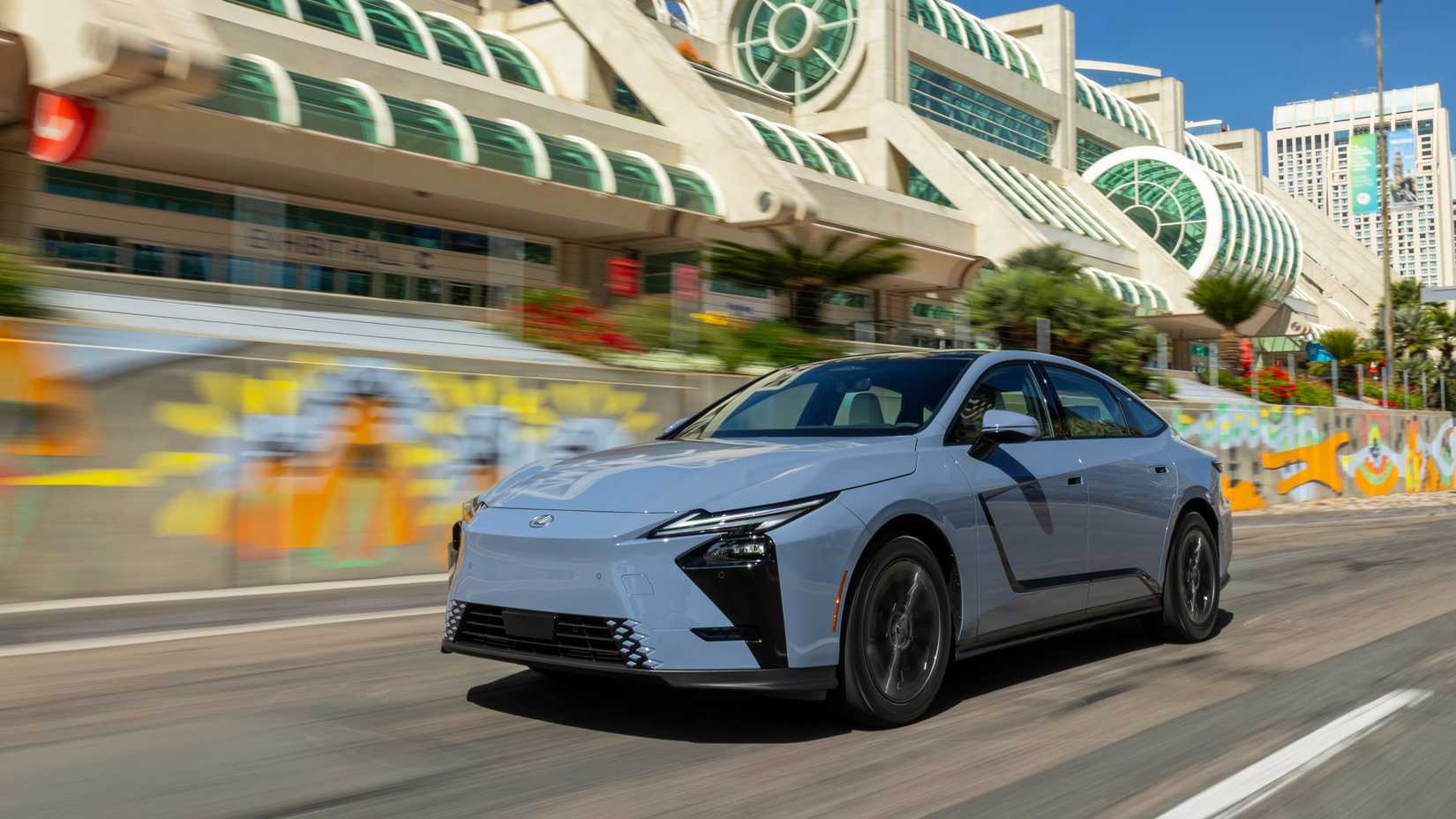
The financial reality of the showroom floor clarifies the point where value shifts between these two Toyota-developed products. This is especially true when comparing the all-wheel drive configurations for both models. The 2026 Lexus ES 350h starts at $51,095 MSRP for a base front-wheel-drive configuration. Once you start stepping through the Premium and Premium Plus tiers, you’ll get to match the luxury tech found in a fully loaded Crown Platinum.
Doing so increases your price to above Toyota’s $56,285 MSRP, before destination fees, but with available options. Because every Crown comes with all-wheel drive as standard, building a comparable mid-to-high trim ES 350h with all-wheel drive and matching technology quickly exposes a steep pricing configuration, pushing an as-tested Lexus ES 350h Premium Plus up to $57,670. The base XLE Crown costs $41,440, followed by the Limited at $45,950, and the flagship Platinum at $54,990.
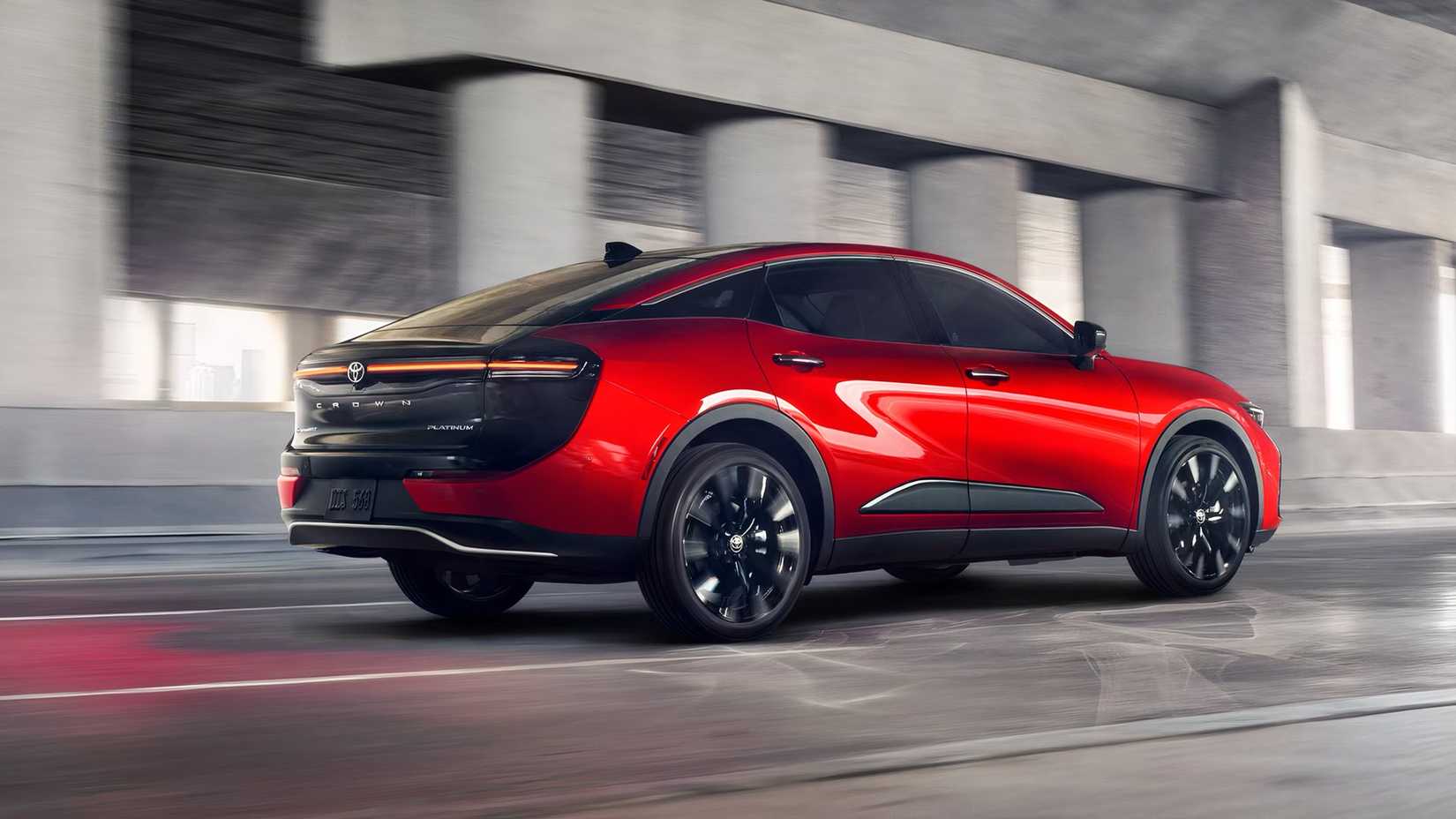
To compound the value play, Toyota actively balances out Lexus’s slightly longer factory warranties. Lexus offers a four-year or 50,000-mile basic and six-year or 70,000-mile powertrain coverage versus Toyota’s three-year or 36,000-mile basic and five-year or 60,000-mile powertrain limits. Toyota also includes ToyotaCare, which gives Crown buyers two full years or 25,000 miles of complimentary scheduled maintenance. This coverage outlasts the single year offered by Lexus, and plugs the Crown into an expansive national footprint, consisting of more than five times as many certified service departments.
Ultimately, the smart-shopper verdict is a no-contest conclusion. If your priority is traditional rear-seat executive space and maximum hybrid efficiency, the Lexus ES 350h remains a gold standard. But if you want standard all-wheel-drive security, vastly superior turbo performance, and folding-seat utility for less out-the-door money, the calculated move is to pocket the savings and drive home in the Toyota Crown.
Sources: Toyota, The EPA, J.D. Power, iSeeCars, and Edmunds.