
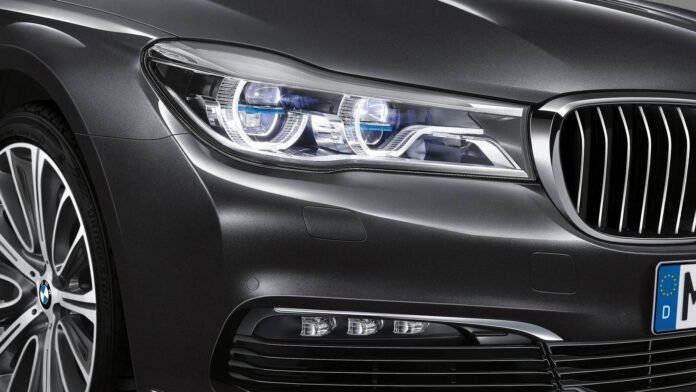
Depreciation is a cruel reality that almost no conventional production car can escape. Even flagship sedans that are meant to be the top representatives of their brands are not immune. Frequently, a top-trim sedan that once cost six figures a couple of years ago will sell for the same price as a new base economy car well before it feels old. Even at the reduced price, that sedan still retains the same powerful engine, plush ride quality, and executive presence it always did. The price tag may have gone down, but the car itself is left largely intact. Almost sounds too good to be true, right? Well, depending on your approach, that might very well be true.
Why Some Luxury Sedans Lose Value Faster Than Almost Anything Else
While luxury cars are the primary victims of steep depreciation, not every luxury car depreciates at the same rate. The gap between the best and worst performers in this segment is measured in tens of thousands of dollars.
When A Flagship Sedan Costs Less Than An Economy Car
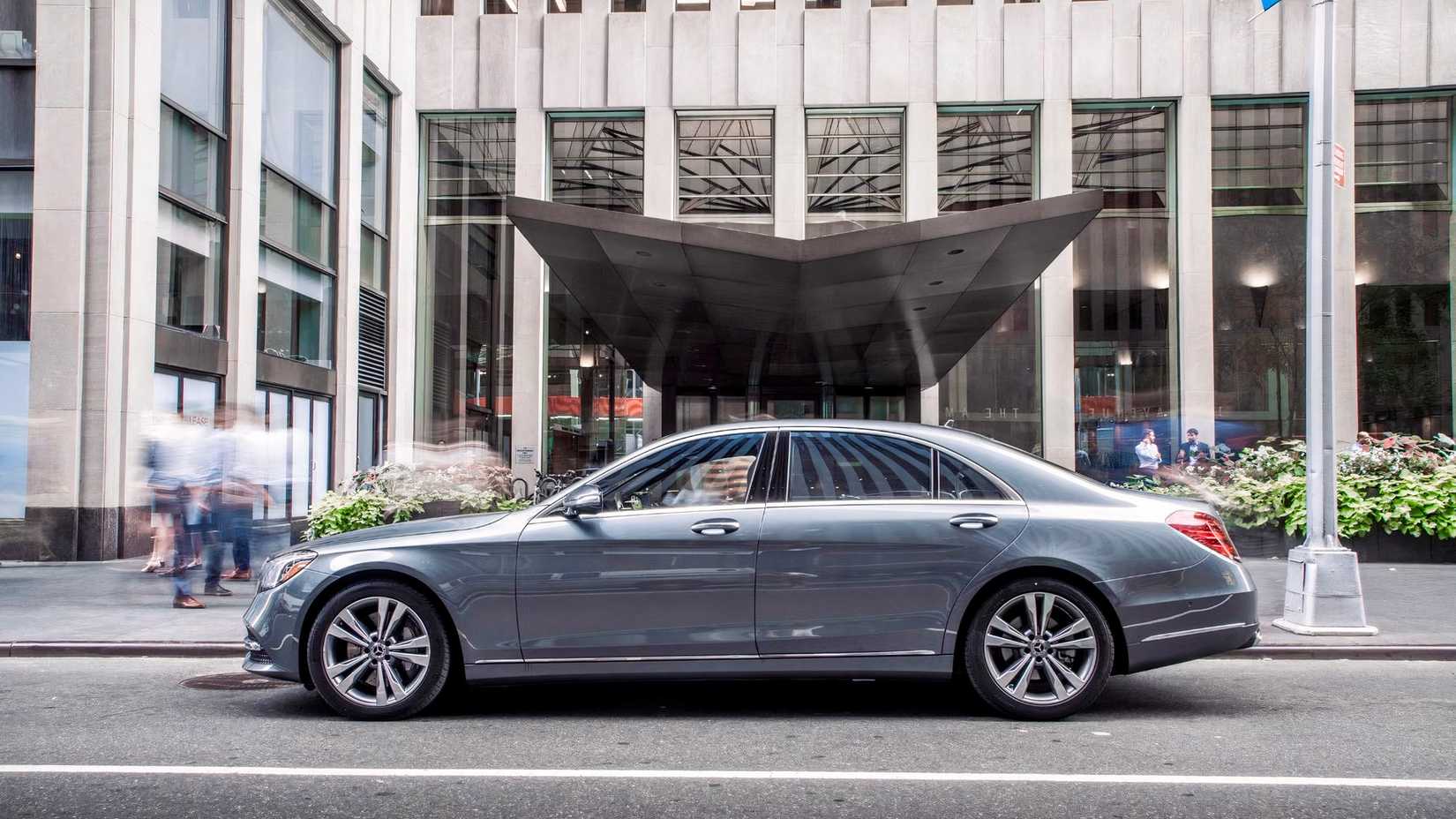
It is weird to know that you can buy a used six-figure luxury sedan for just about the same price as a new Toyota Corolla. A 2026 Toyota Corolla LE starts at $22,925 base and tops out at $29,340 before options, and you can find a top-tier German sedan for the same amount of money. Yet, the question is: why do these vehicles depreciate the way they do?
The vehicles that lose value the fastest often share specific characteristics: complexity that intimidates the uninitiated, tech features that show visible age, and repair costs that are already factored into the price. That’s why when a luxury sedan depreciates by more than 60% in five years, there is a reason. The used market understands that ownership costs will skyrocket once the factory warranty expires, and there are no exceptions to this rule.
The Luxury Features Buyers Love Often Become Liabilities
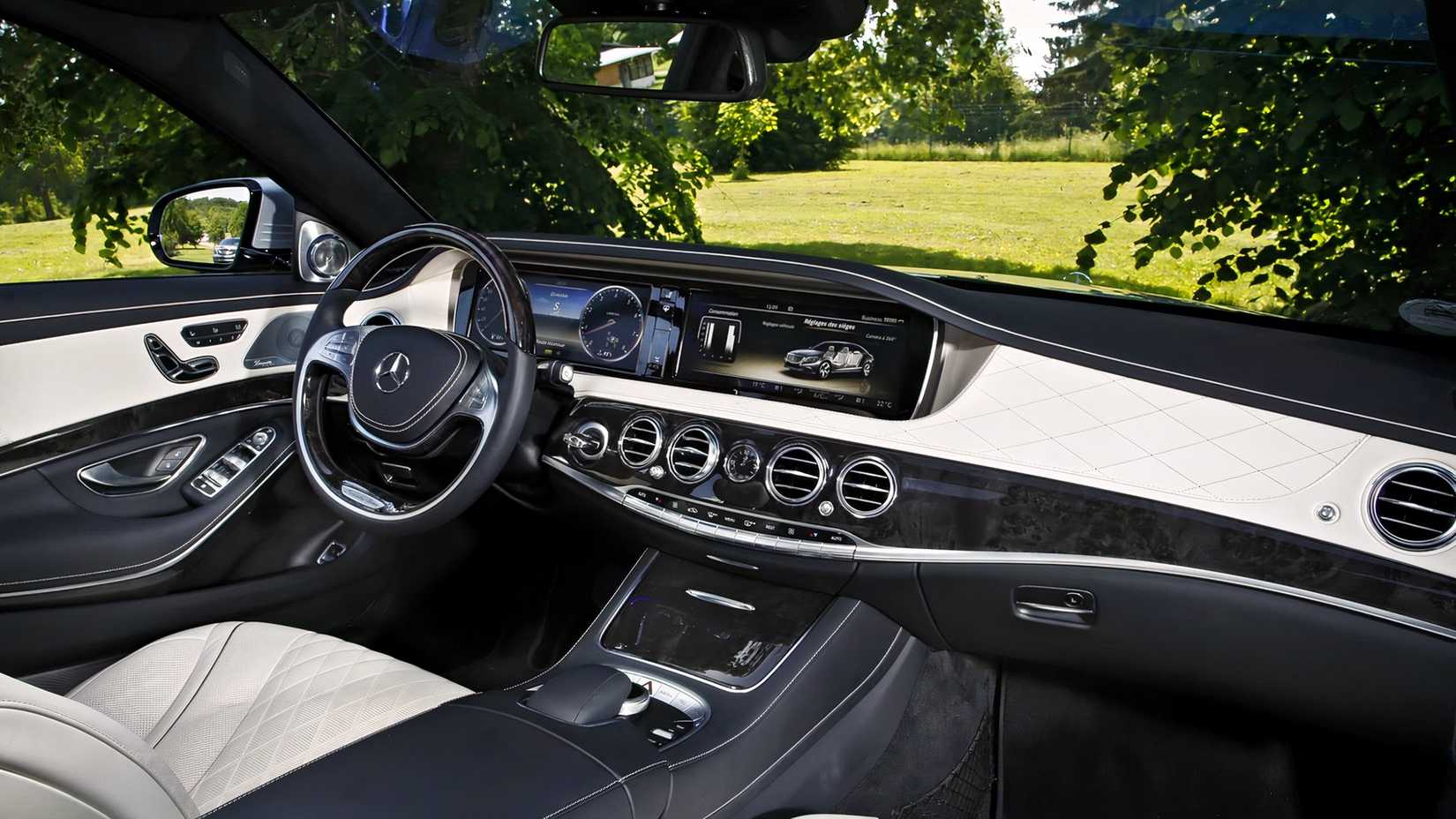
Flagship sedans are not sensical and pragmatic products, but rather, they often function as tech showcases on wheels. Examples include adaptive suspension systems, complex driver-assistance suites, and gesture control systems. These cool options are often great and provide an additional layer of quality and convenience, but everything comes at a cost. You would understand this the first time you have to replace a component used in an OEM air suspension setup or a part of a software-heavy control module.
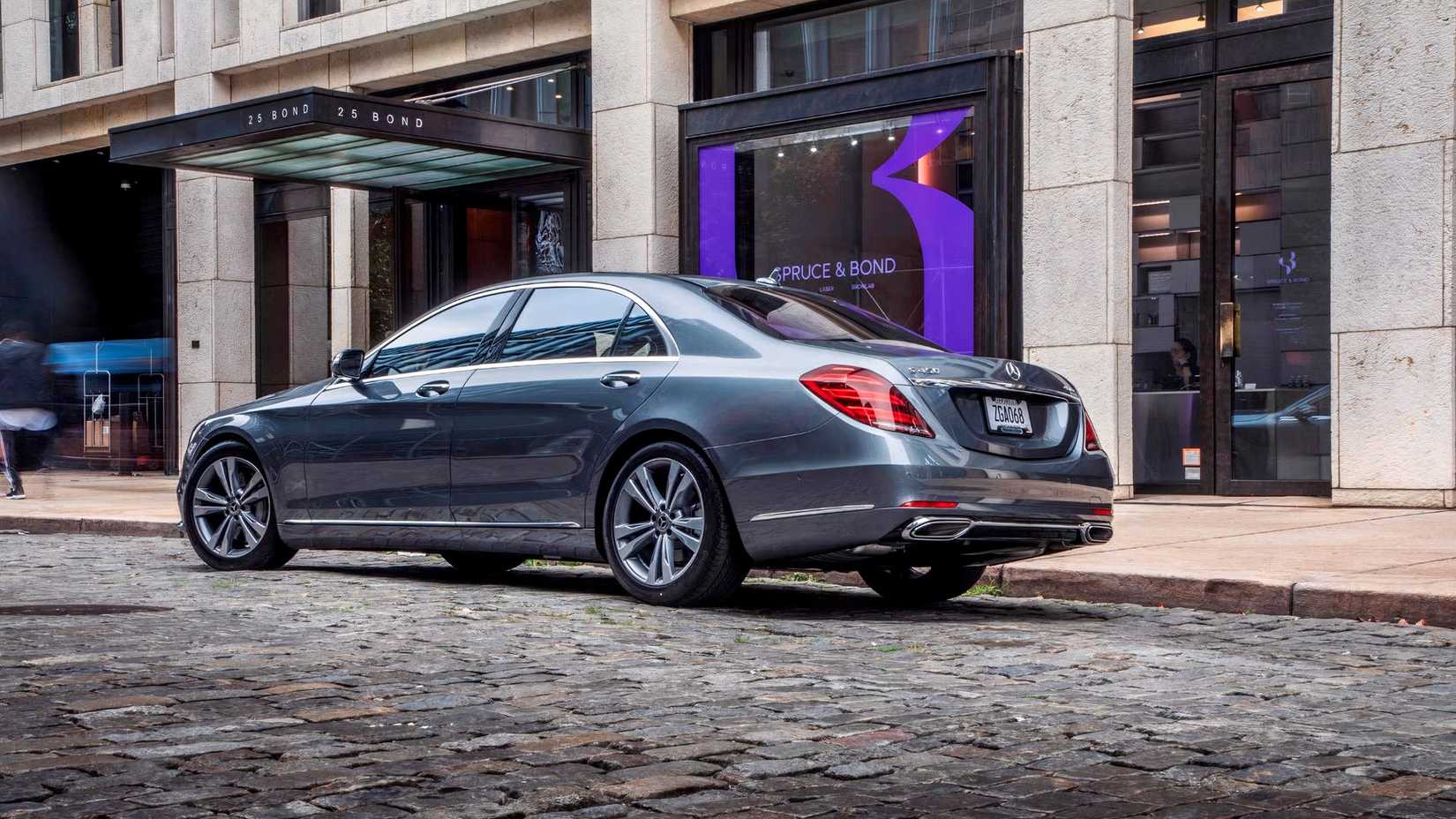
Few vehicles are more complex and loaded with unique features than flagship sedans. Their complexity drives the collapse of resale value more than anything else. An older sedan with a simpler powertrain is likely to hold more value than a newer option loaded with the most cutting-edge tech. This is why when a flagship sedan loses the majority of its value in a few years, the market is communicating that the technology gap is wide enough to scare most buyers away. The few shoppers that remain are either clueless, irrationally optimistic, or very mechanically savvy—there really is no in-between.
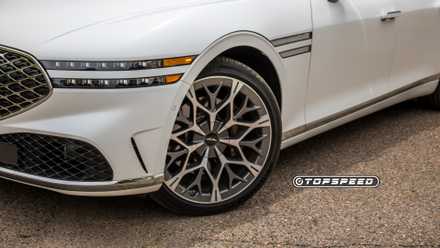
The Luxury Car Built For Traditionalists
Today’s luxury market leans into performance credentials and digital immersion, but there is a quiet demand for traditional luxury cars like this one.
The Three Features That Turn A Bargain Into A Gamble
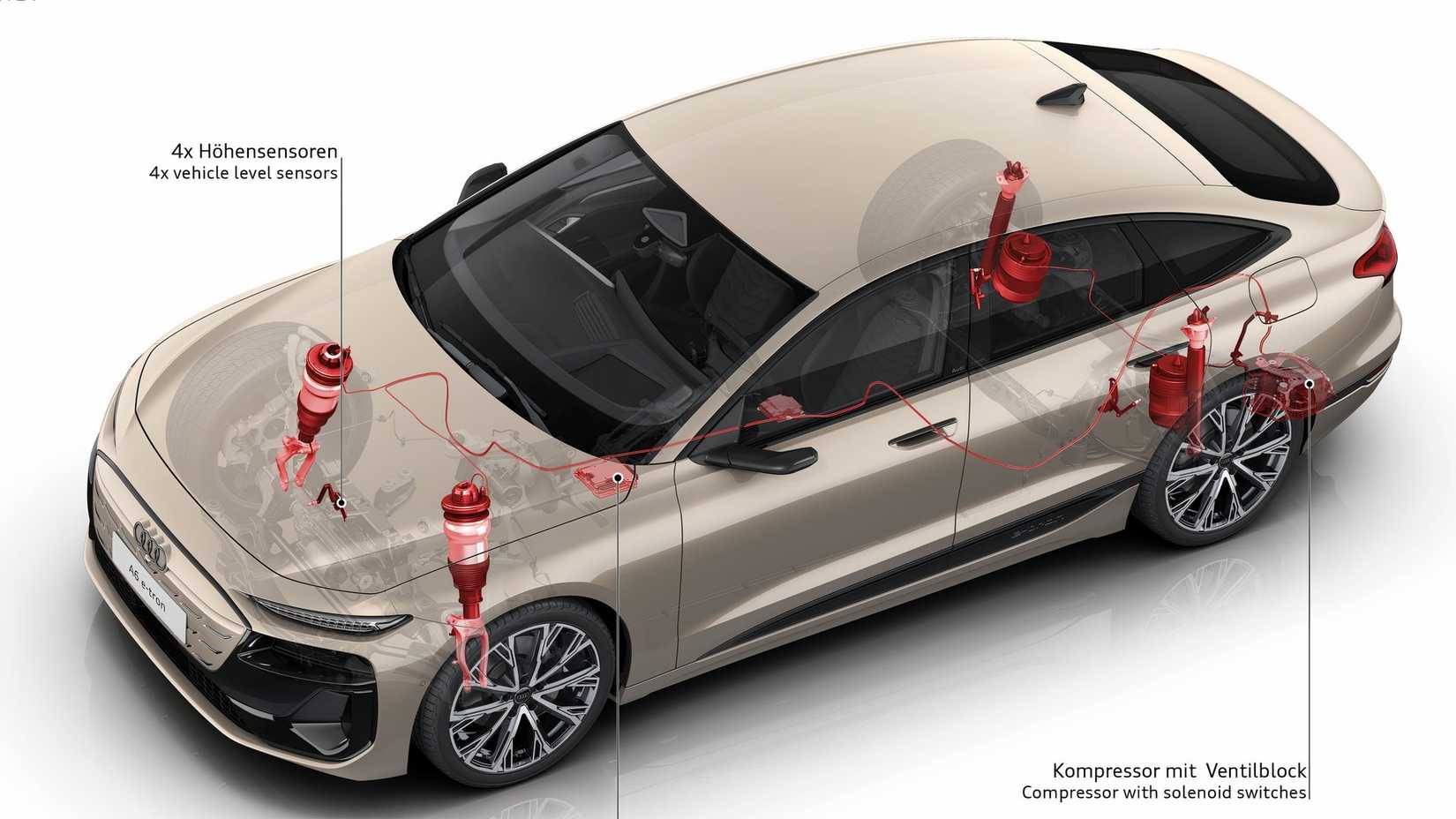
The three distinct features that cause depreciation more than anything else would be complex suspension systems, cutting-edge electronics, and twin-turbocharged engines. These reasons alone aren’t enough to avoid a car outright, but they are distinct variables that separate buyers who find a good deal from those who are bound to lose money on it.
Amazing Features Until You Have To Pay For Them
Self-leveling air suspension is one of the defining features of a modern luxury flagship. These suspension systems provide the absolute best comfort possible, and conventional coil-spring setups cannot replicate their refinement. Then there are the gesture control electronics found in most halo cars. The idea is that you don’t have to take your eyes off the road or touch a screen to adjust. A little flick of the wrist is all that’s required. Finally, there are the high-performing twin-turbo-powered engines commonly found in flagship sedans.
These three aspects of luxury car ownership feel amazing until the warranty period expires. Once you see how much it costs to replace an air spring bladder, however, your opinion is likely to change quickly. Let’s not forget you will have to eventually replace all four corners, and there is also still the potential of the compressor, sensors, and the control module failing. The same caveat goes for the finicky radar and infrared sensors utilized in gesture control systems. Replacing a turbo coolant line is already an expensive ordeal. Replacing two of them because you have the extreme luxury of twin turbos is almost silly once you consider the cost. Yet, these are common ownership landmines that occur on the majority of used flagship sedans.
The BMW Flagship That Lost More Than 60-Percent Of Its Value
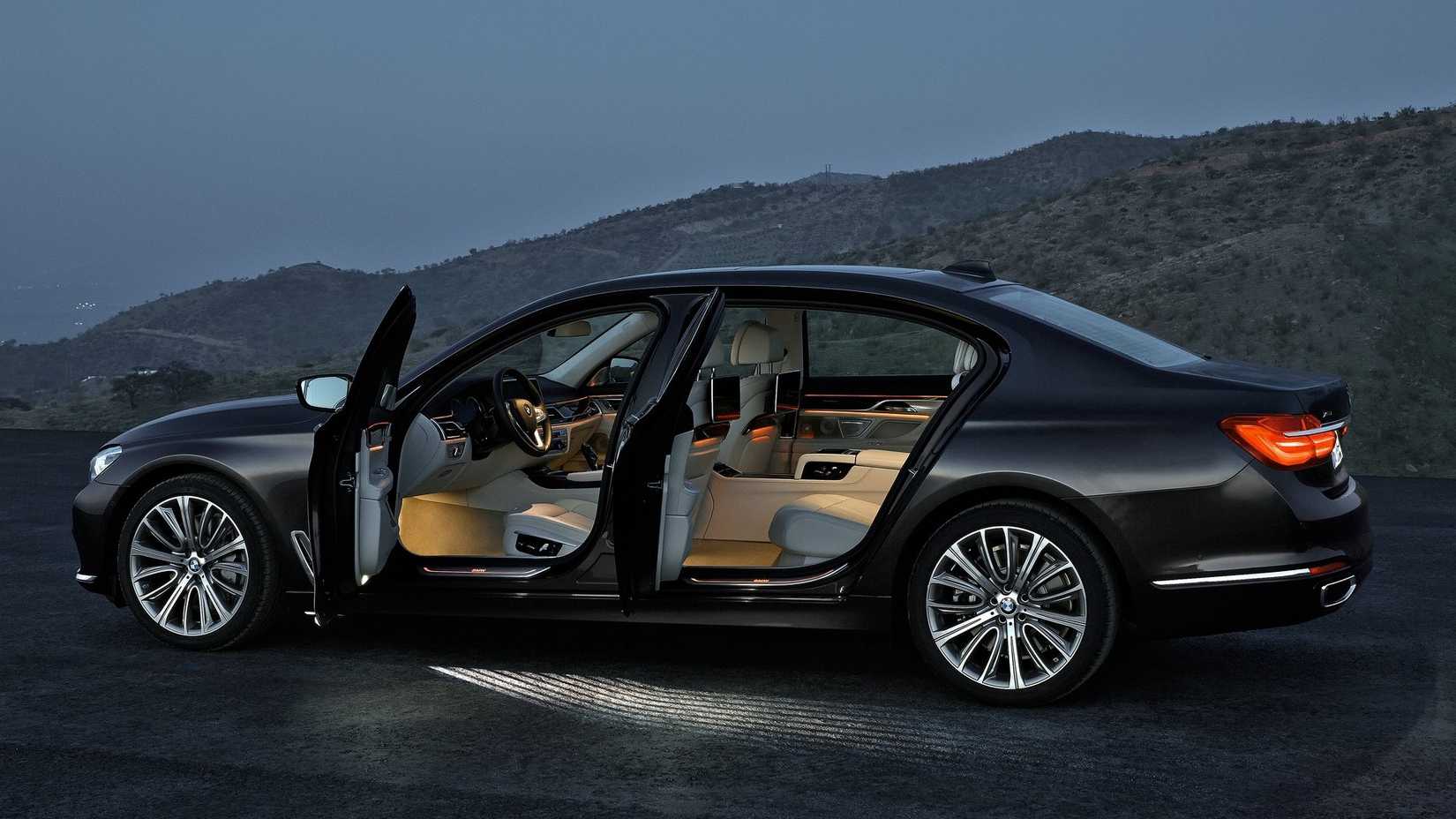
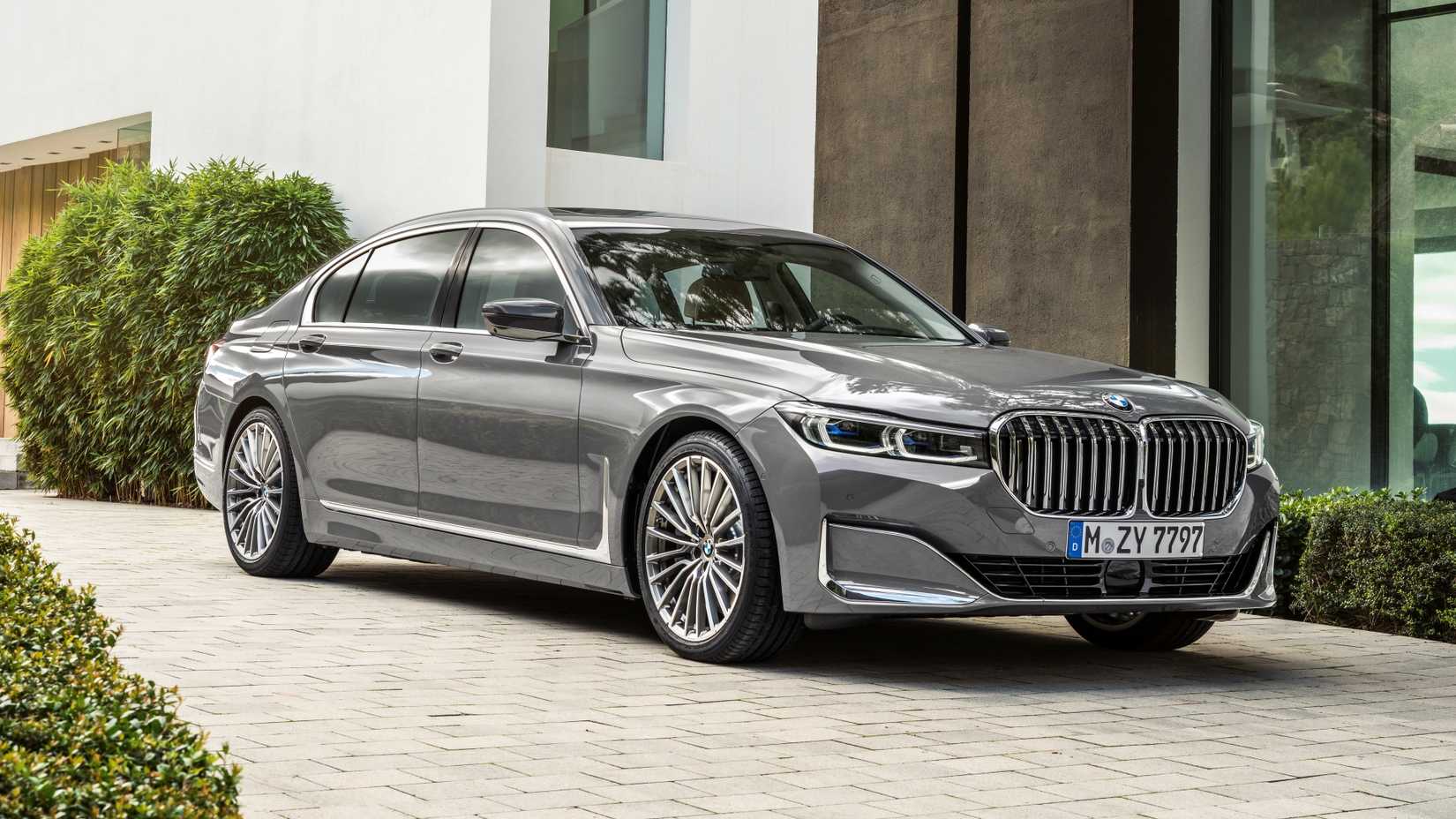
If you have been wondering which flagship sedan we have been alluding to, it is the G11-generation BMW 7 Series, specifically the 740i. When new, the G11 740i had an MSRP of $87,795, and five years later, the 7 Series had shed roughly 61.8-percent of that value, leaving an average resale price of $37,914. By year seven, the loss of value in dollar terms comes out to over $61,000. This translates to a price of roughly around $27,000.
That figure puts the G11 among the fastest-depreciating luxury sedans on the market. Yet, the depreciation story and ownership story are two different conversations. What the 740i costs to buy is not the same issue as what it costs to keep. The same systems that made the G11 into a near-six-figure vehicle are still present and could all still eventually break, despite the strong effects of depreciation.
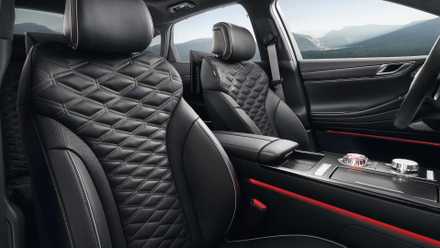
The Korean Luxury Sedan Built For Long-Term Ownership
This Korean luxury sedan combines supple luxury with athleticism, offering low ownership costs and industry-leading warranties.
Why The G11 BMW 7 Series Feels Like A Six-Figure Car For Corolla Money
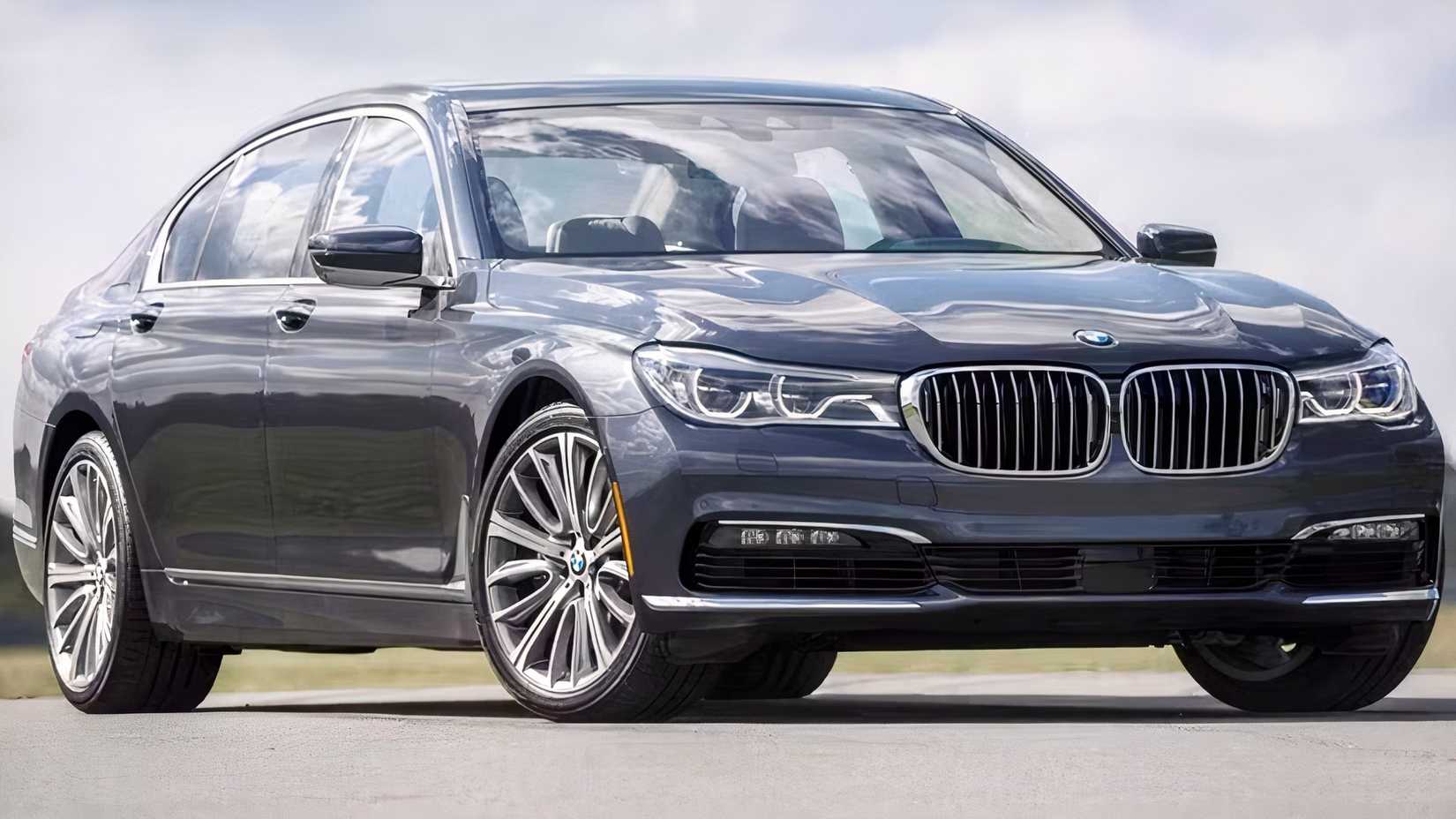
The value collapse is just as real as the ownership costs for a used G11 740i. Despite its age, the 740 still largely offers the same driving experience it did when new, and nothing about a decade of depreciation changes that.
The 335-HP Turbocharged Inline-Six Still Makes It Feel Special
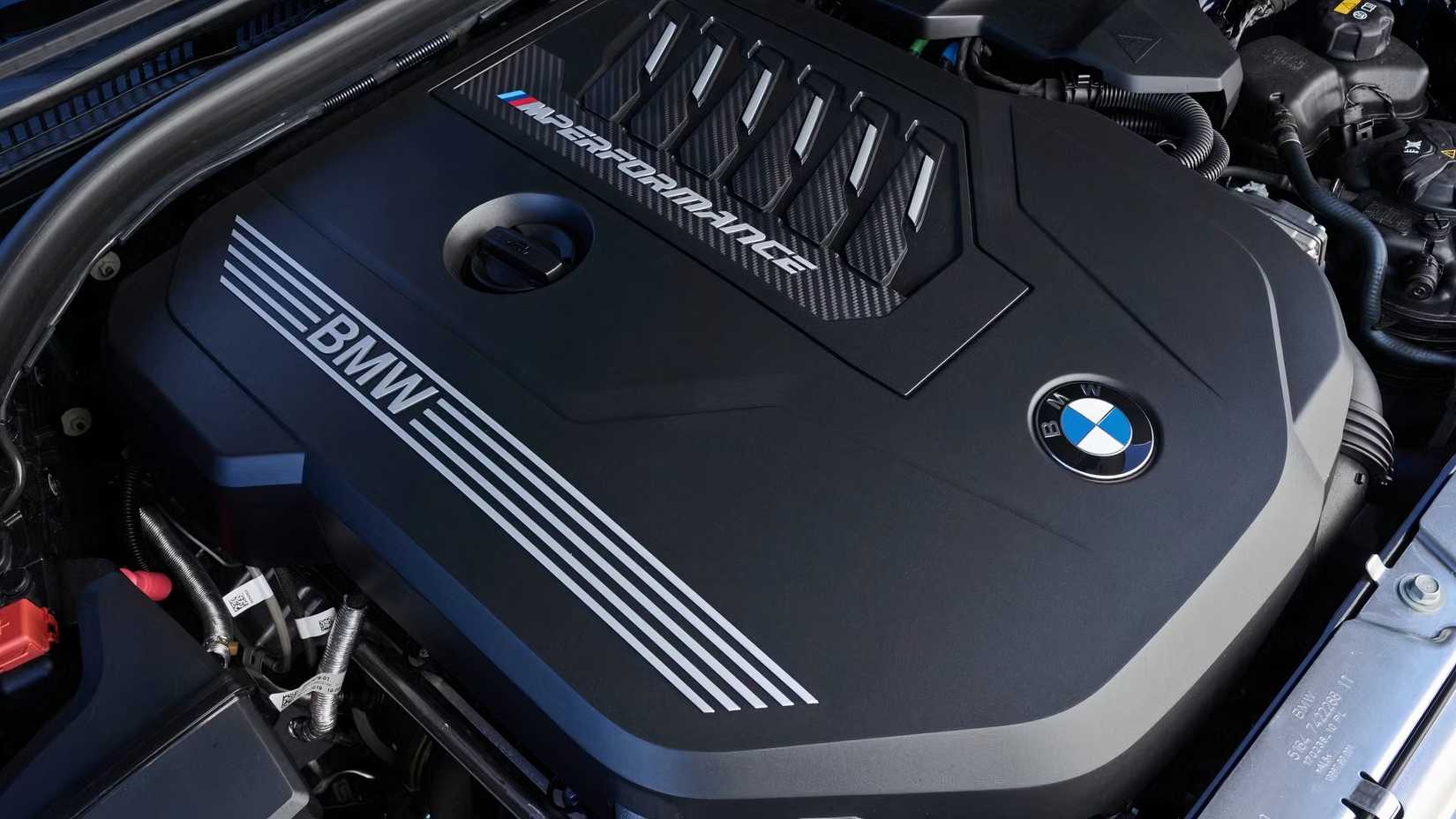
The 740i is powered by BMW’s 3.0-liter turbocharged B58 inline-six, which produces 335 horsepower in facelift (2020+) models. The B58 has earned a reputation as the best pound-for-pound performance engine on the market. When we say ‘the best’, we mean that you won’t find a more reliable and powerful engine with more aftermarket support than the B58 at this price point, or really any price point. What makes it truly special, however, is the way it nonchalantly delivers seamless and refined power delivery. The engine feels like a genuine luxury product, and it performs accordingly.
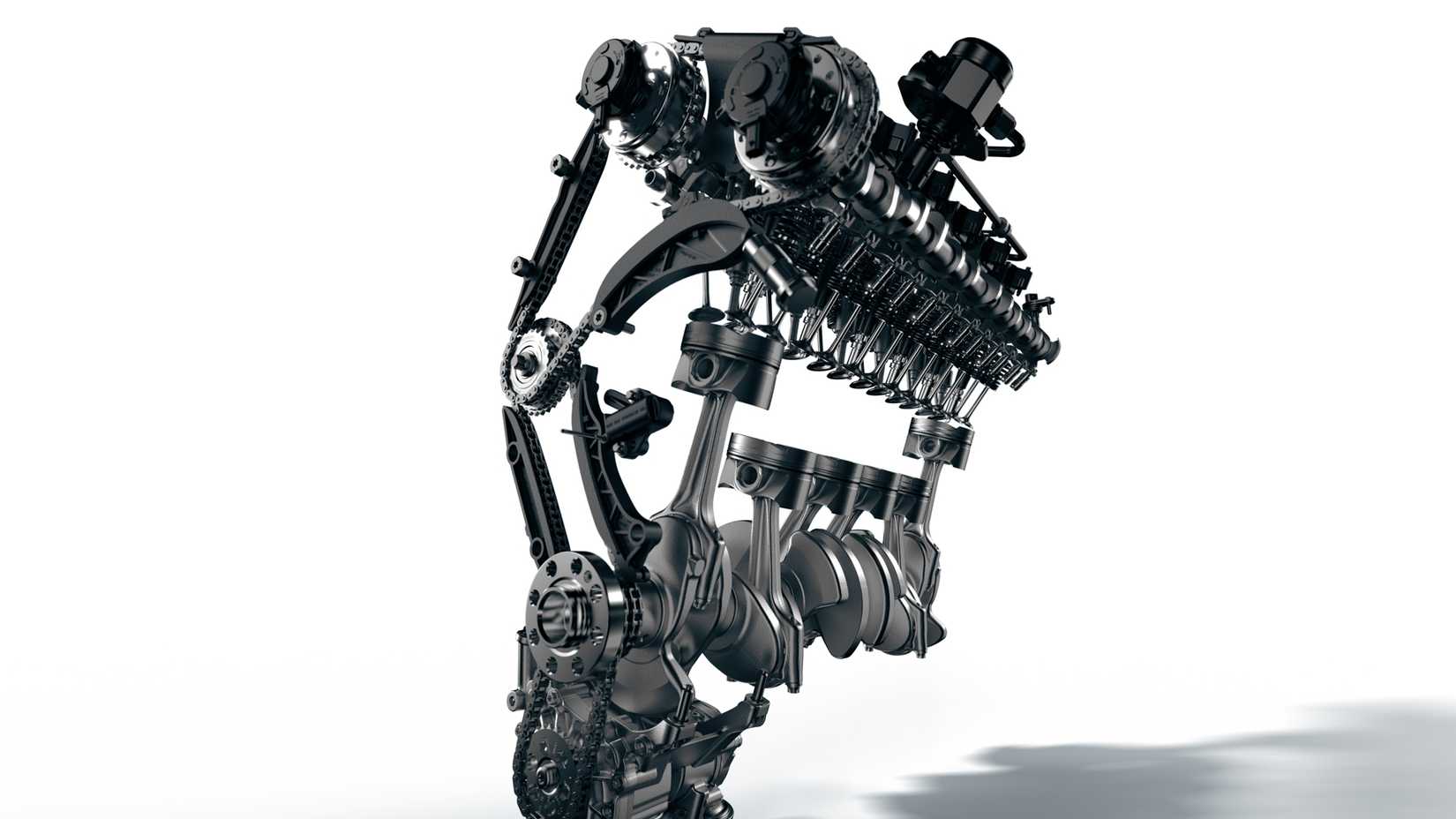
The 740i may not be the top-of-the-line variant, but it still feels like a true executive car on the open road. The combination of 335 hp, an eight-speed automatic, and the G11’s Carbon Core structure makes this big-bodied sedan feel more capable than you may initially imagine. The 740i is confident, composed, and has that sense of isolation from road noise—a defining element of flagship luxury—that remains intact regardless of age. If you drove one yourself, you would not believe you could have such a defined experience for less than $30,000.
Carbon Core Construction And Tech That Still Works Well
BMW
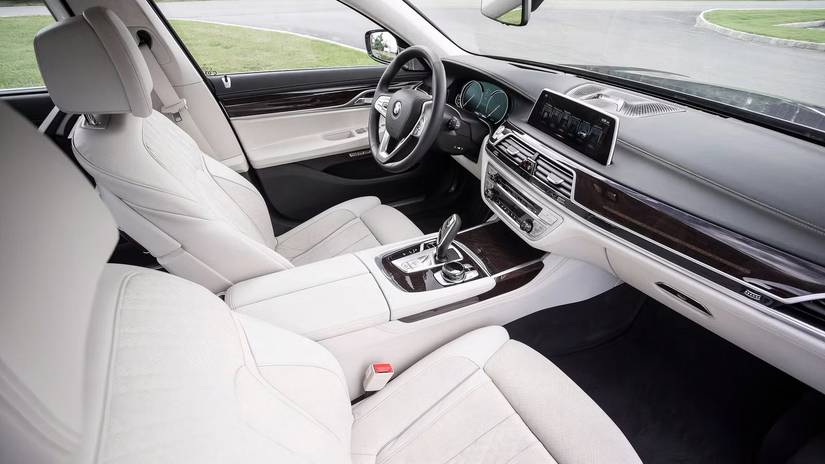
One of the unique features of the G11 platform that doesn’t often get praise is its Carbon Core architecture, a hybrid structure that integrates CFRP (carbon-fiber-reinforced-polymer) into the passenger cell alongside aluminum and high-strength steel. The result is a body that is both lighter and more rigid than conventional alloy or steel construction. This unique frame adds to the handling precision and refinement of the chassis in a way that doesn’t fade with mileage like most flagship luxuries.
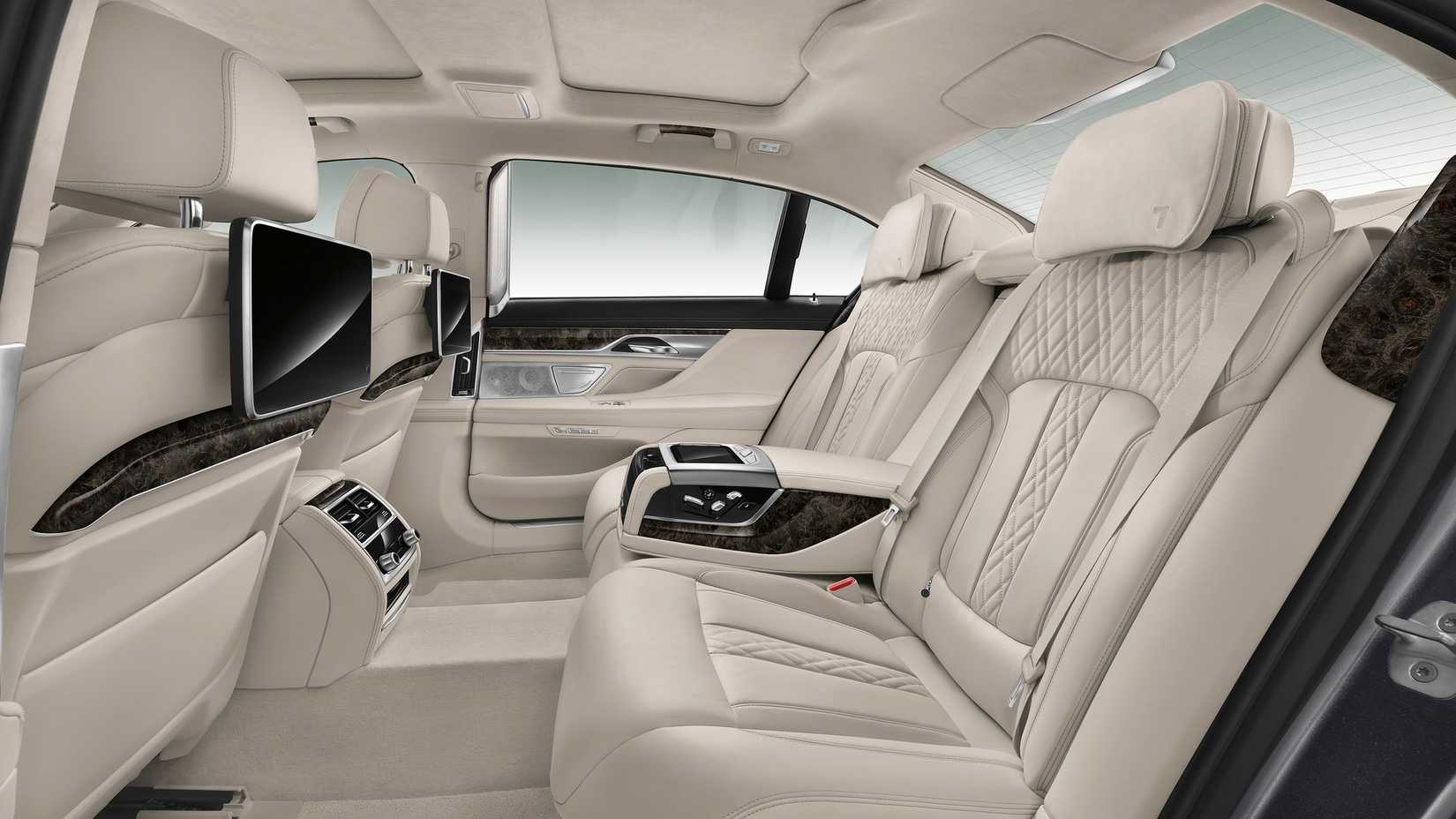
The G11’s tech suite has aged with some character, but it still functions as a genuine differentiator. Gesture controls allow the driver to manage almost all the infotainment functions. Then, factor in the air suspension, executive rear cabin, and full driver assistance suite, and the G11 delivers a luxury experience that no sub-$30,000 vehicle can replicate. The real question becomes, how much will it cost to keep it?
5 Luxury Sedans That Lose Over Half Their Value In Three Years
While these luxury sedans offer cutting-edge technology and performance, their rapid depreciation means buyers should think twice before buying one.
The Buyers Who Should Jump On This Deal—And The Ones Who Should Run Away
BMW
The G11 7 Series does not punish every buyer equally. Yet, it does punish the unprepared and uninitiated with an unforgiving ferocity while rewarding those who do their due diligence. The difference will often come down to a single pre-purchase decision and an honest accounting of how much of a contingency fund you have.
The Issues That Will Categorically Erase Your Savings
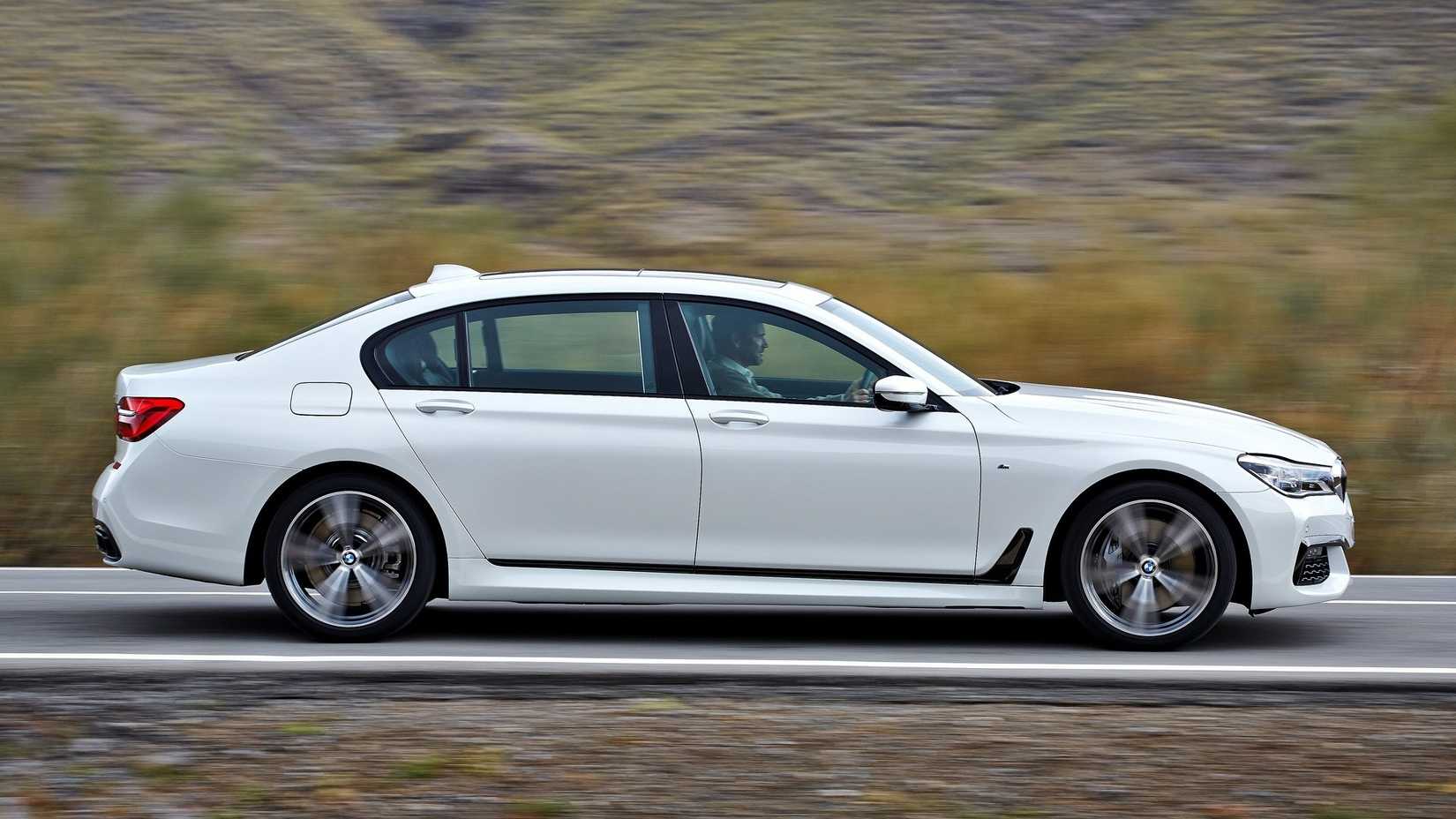
The gesture control system and its associated modules represent a specific ownership concern on the G11 platform. These systems rely on complex electronics and sensors, which are often capable of developing faults. If an issue does occur, most independent shops, even those that specialize in German auto repair, do not carry the specialized tooling or software necessary to fix them. Then you have to consider that any of the fancy electronics that make this car special could fail at any time. One repair might not feel so bad, but once you have to take care of two or three of them in a single year, your wallet will be crying.
While the foundation of the BMW B58 found in the 740i is near-bulletproof, the peripheral components attached to the engine are a different story. Plastic hoses and rubber components are the first to go, and eventually, most of them will need to be replaced sooner or later. Parts costs are never cheap for OEM BMW components, and the labor required for these specialized engines is seldom cheap as well. For most cars, a pre-purchase inspection by a specialized mechanic might seem like a bit too much. For a G11 740i, a pre-purchase inspection is not an option; it is the entire ballgame.
The BMW 740i Is The Perfect Double-Edged Sword
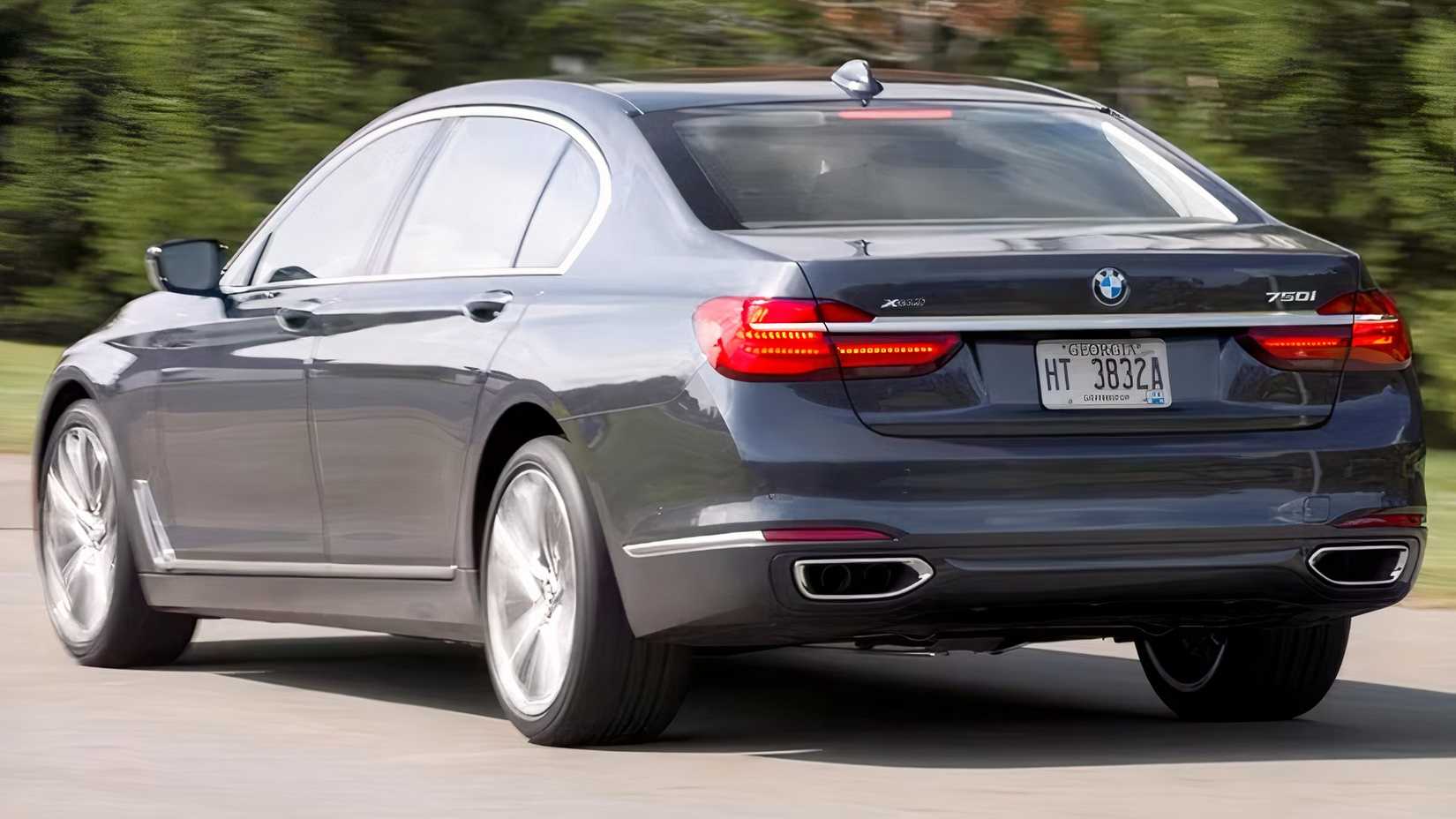
On paper, a G11 740i sounds like an amazing steal. The reality is that only a small subset of buyers will truly be able to reap the rewards of what this flagship sedan offers. The buyers who know how to do their own maintenance, have a dedicated cash reserve for ownership expenses, and are willing to invest in a proper pre-purchase inspection will find the most value. In this case, the 740i is one of the most compelling value propositions in the used luxury market.
If you are expecting Corolla ownership costs just because you paid Corolla prices for your 740i, you are in for a very bad time. The first major repair may well shake you to your core and fleece you of the majority of your savings. Long-term ownership of a flagship German sedan is not for everybody. For most people, the best decision you can make is to avoid something like the G11 7 Series altogether. The same features that make German luxury cars feel so special are the same ones that will cost you down the line. However, for the select few who know what they are getting into, a well-priced 740i is a treasure chest of quality German engineering waiting to be leveraged.
Sources: BMW, Toyota, iSeeCars, Kelley Blue Book