
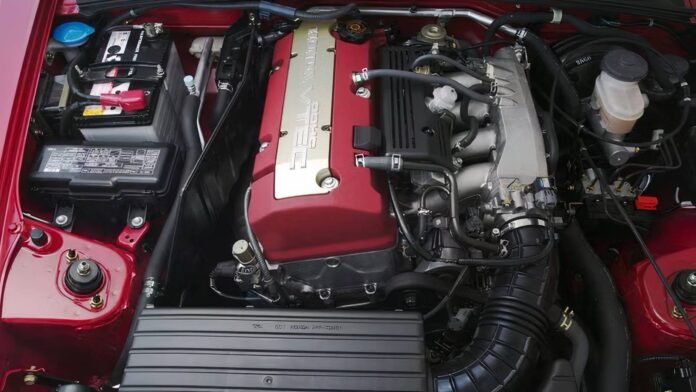
At the turn of the millennium, a small naturally aspirated four-cylinder engine quietly achieved something that even Europe’s most celebrated performance houses could not match. While the industry was busy chasing displacement, turbocharging, and ever more complex multi-cylinder layouts, one compact powerplant redefined what was possible from just two liters of capacity. It delivered power figures that pushed into territory normally reserved for exotic V8s, all while maintaining the kind of reliability and everyday usability expected from a mass-produced Japanese engine.
What made this achievement even more remarkable was not just the headline horsepower, but how it was produced. Engineers extracted extraordinary output through precision airflow management, ultralight reciprocating components, and a willingness to push mechanical limits that most manufacturers simply avoided. At the time, its specific output stood as the highest ever achieved by a naturally aspirated production engine, a record that would remain untouched for roughly a decade.
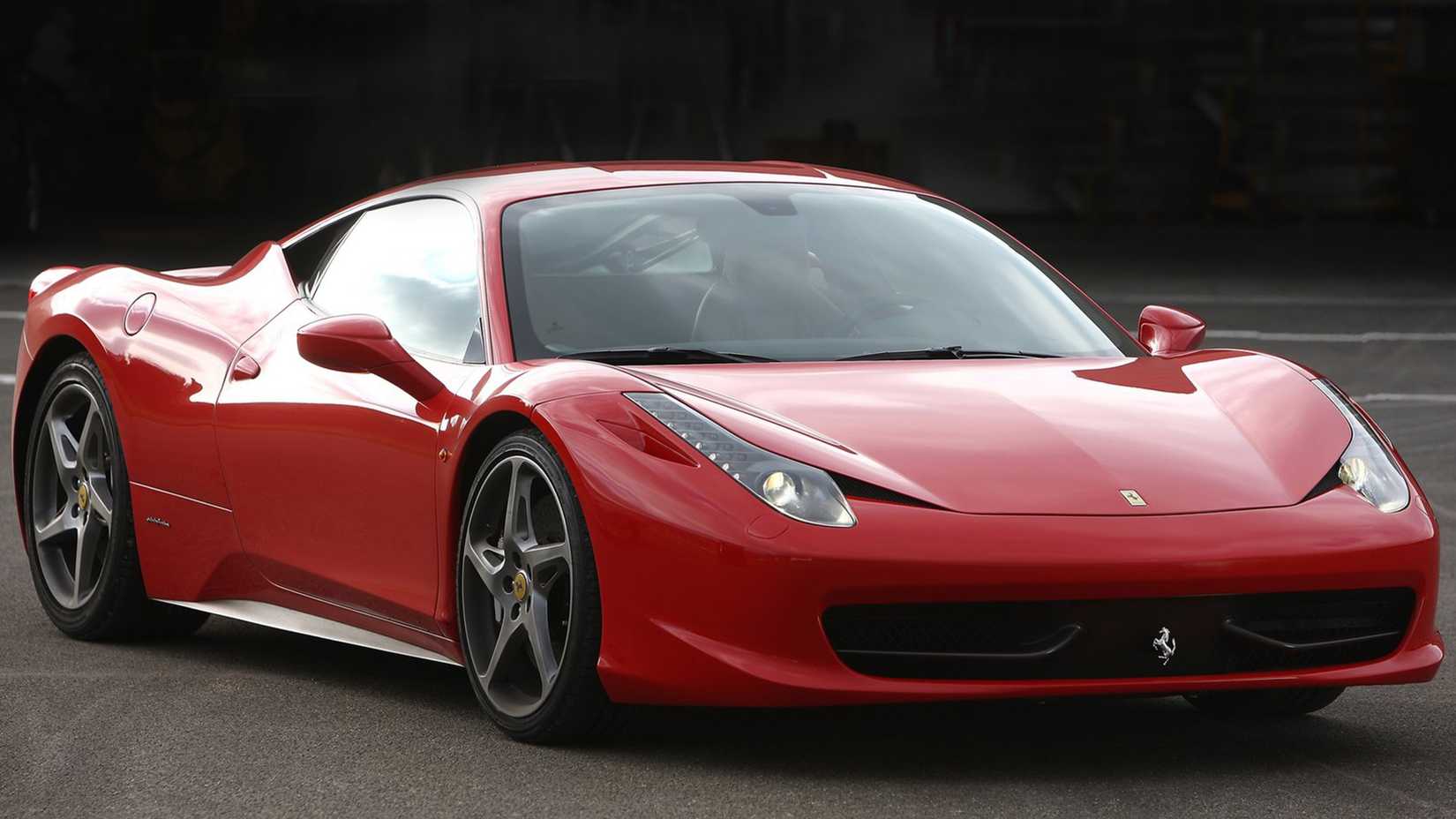
It was only when Ferrari introduced its later-generation V8 in the 458 Italia that the benchmark was finally surpassed. Until then, this unassuming four-cylinder stood alone as proof that meticulous engineering could rival, and in some respects outclass, the most expensive performance machinery in the world.
The Naturally Aspirated Four-Cylinder That Redefined What “Overengineered” Really Means
The term “overengineered” is often thrown around carelessly in automotive circles. Usually, it refers to a vehicle built beyond what its intended purpose requires. Honda engineers approached the S2000’s engine as though they were designing a race powerplant that needed to survive daily commuting. The company was celebrating its 50th anniversary when development began, and the S2000 was intended to serve as a technological showcase for everything Honda had learned from decades of motorsport competition. The result was a powertrain that shared more philosophical DNA with racing engines than contemporary road-car four-cylinders.
The aluminum block utilized fiber-reinforced metal (FRM) cylinder liners, an expensive and technically complex solution that provided exceptional wear resistance while reducing weight. Unlike traditional iron liners, FRM liners incorporate aluminum oxide and carbon fibers embedded within an aluminum matrix. This allowed tighter clearances, improved heat transfer, and enhanced durability under extreme operating conditions. Honda also equipped the F20C with forged aluminum pistons, forged connecting rods, lightweight valvetrain components, and an aggressively engineered VTEC system capable of maintaining airflow at engine speeds most manufacturers wouldn’t even attempt.
The numbers tell the story. In Japanese-market specification, the engine produced 247 horsepower from just 1,997 cubic centimeters of displacement. That translates to approximately 123.5 horsepower per liter, a figure that embarrassed many exotic cars costing three to four times as much. What makes the accomplishment even more impressive is that Honda achieved it naturally aspirated. There was no turbocharger masking shortcomings in airflow or combustion efficiency. Every horsepower came from meticulous engineering.
The Japanese Four-Cylinder Engine Is So Reliable It’s Still In Production After Almost 25 Years
This Honda engine remains a crucial part of its production strategy.
How The Honda S2000’s F20C Engine Reached Supercar Territory From Just 2.0 Liters
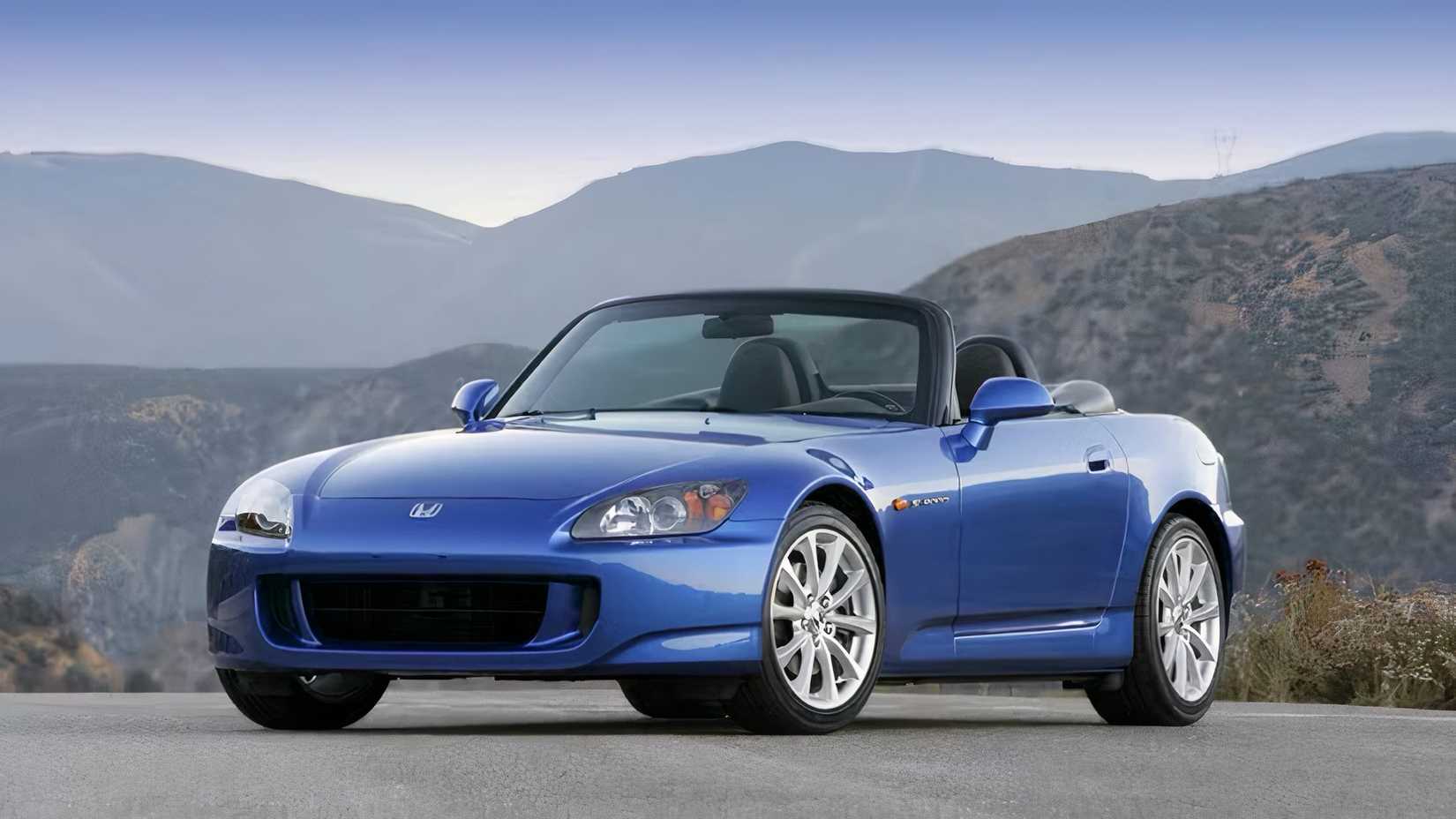
When the S2000 debuted in 1999, naturally aspirated four-cylinder engines producing 120 horsepower per liter simply did not exist in mainstream production cars. For context, BMW’s acclaimed S54 inline-six from the E46 M3 generated approximately 105 horsepower per liter. Porsche’s Boxster flat-six was lower still. Even Ferrari‘s naturally aspirated engines of the era did not significantly exceed the F20C’s specific output. Honda’s achievement stemmed from an obsessive focus on volumetric efficiency. The company understood that making power without forced induction required maximizing the amount of air entering the cylinders.
The cylinder head was a masterpiece of airflow optimization. Large intake ports, carefully shaped combustion chambers, and an advanced dual-overhead-cam architecture allowed the engine to breathe efficiently at extreme RPM levels.
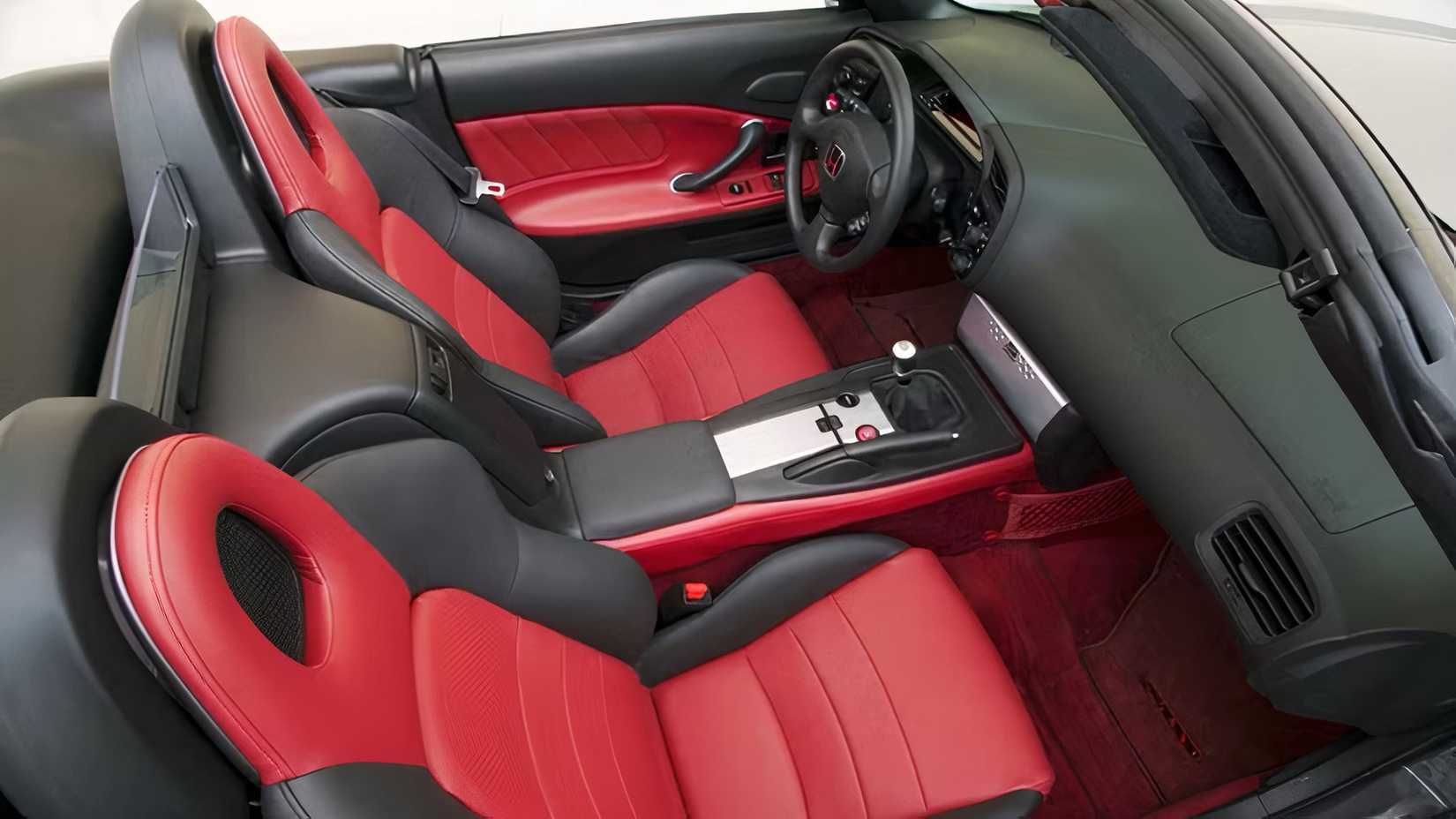
The VTEC system played a critical role. At lower engine speeds, the engine operated using cam profiles optimized for drivability and emissions. At higher RPM, VTEC engaged a more aggressive cam profile that dramatically increased valve lift and duration. The transition transformed the engine’s character. Below 6,000 RPM, the F20C felt refined and manageable. Above the VTEC crossover point, it became something entirely different: a screaming race-inspired powerplant pulling relentlessly toward its 8,900-RPM redline in North American specification and 9,000 RPM in Japan.
Compression ratios further contributed to performance. Japanese-market engines featured an 11.7:1 compression ratio, helping achieve the headline-grabbing 247-horsepower output. Export models utilized an 11.0:1 ratio and produced between 237 and 240 horsepower depending on market specification. Even today, those figures remain astonishing for a naturally aspirated 2.0-liter engine.
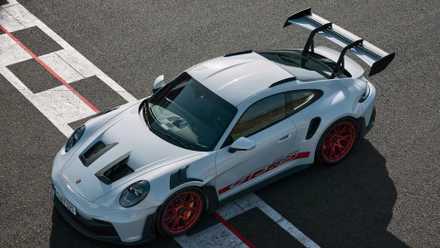
The Most Powerful Naturally Aspirated Flat-Six Ever Put In A Production Car
This venerated manufacturer is known for its high-performance six-cylinder sports cars, and one of them has the most powerful N/A six in the game.
Engineering That Delivered 9,000 RPM And A 25.2 m/s Piston Speed Benchmark
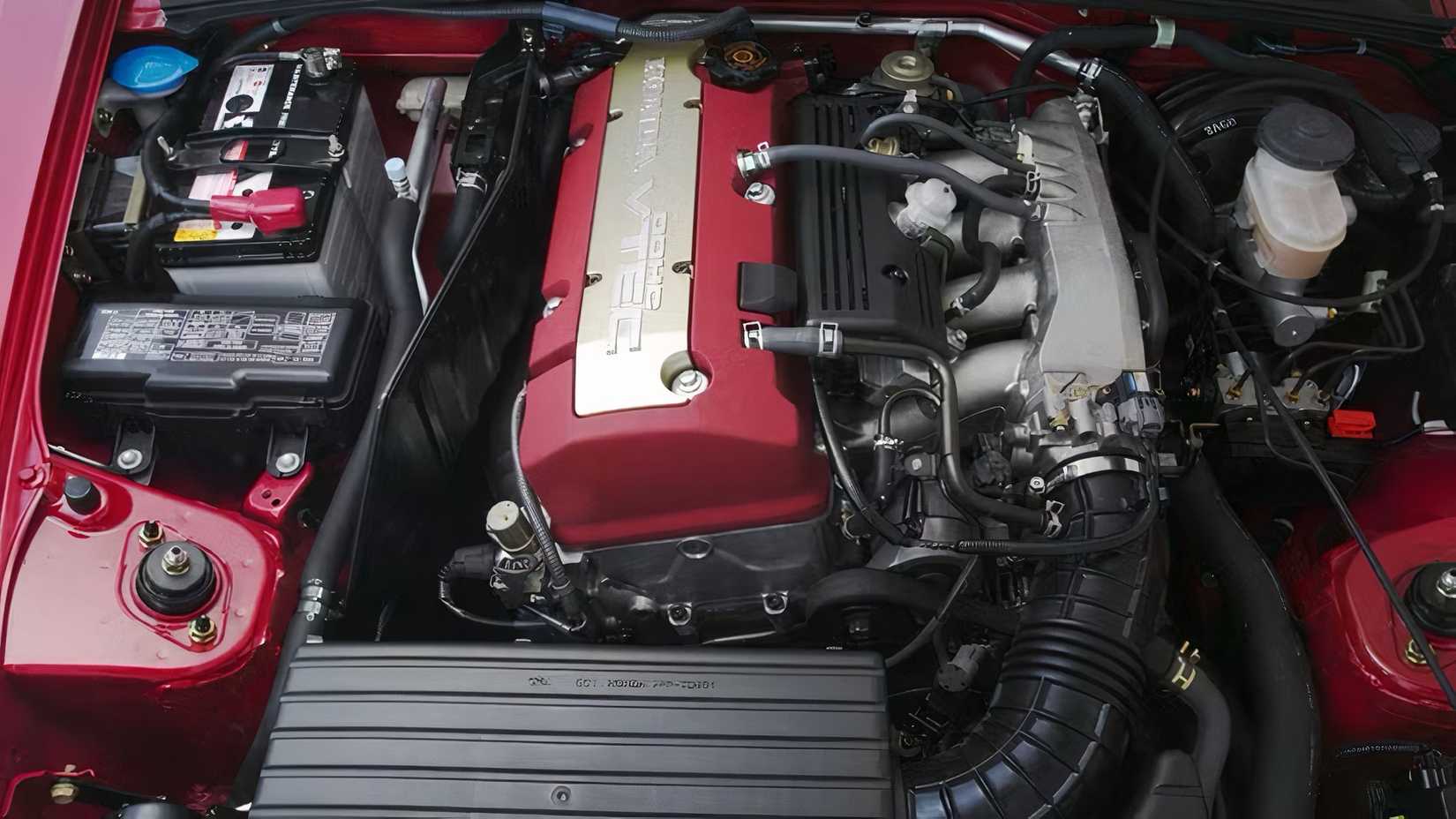
Producing impressive horsepower is one thing. Producing it reliably at 9,000 RPM is another challenge entirely. The F20C’s greatest engineering achievement may not have been its specific output but its ability to survive extraordinary mechanical stress. At redline, the engine achieved a mean piston speed of approximately 25 meters per second. At the time, this was the highest figure recorded for any production automobile engine.
To appreciate the significance, consider what piston speed represents. Every time the engine rotates, the pistons accelerate from a complete stop to immense velocities before changing direction and repeating the process thousands of times per minute. As piston speed increases, stresses rise exponentially.
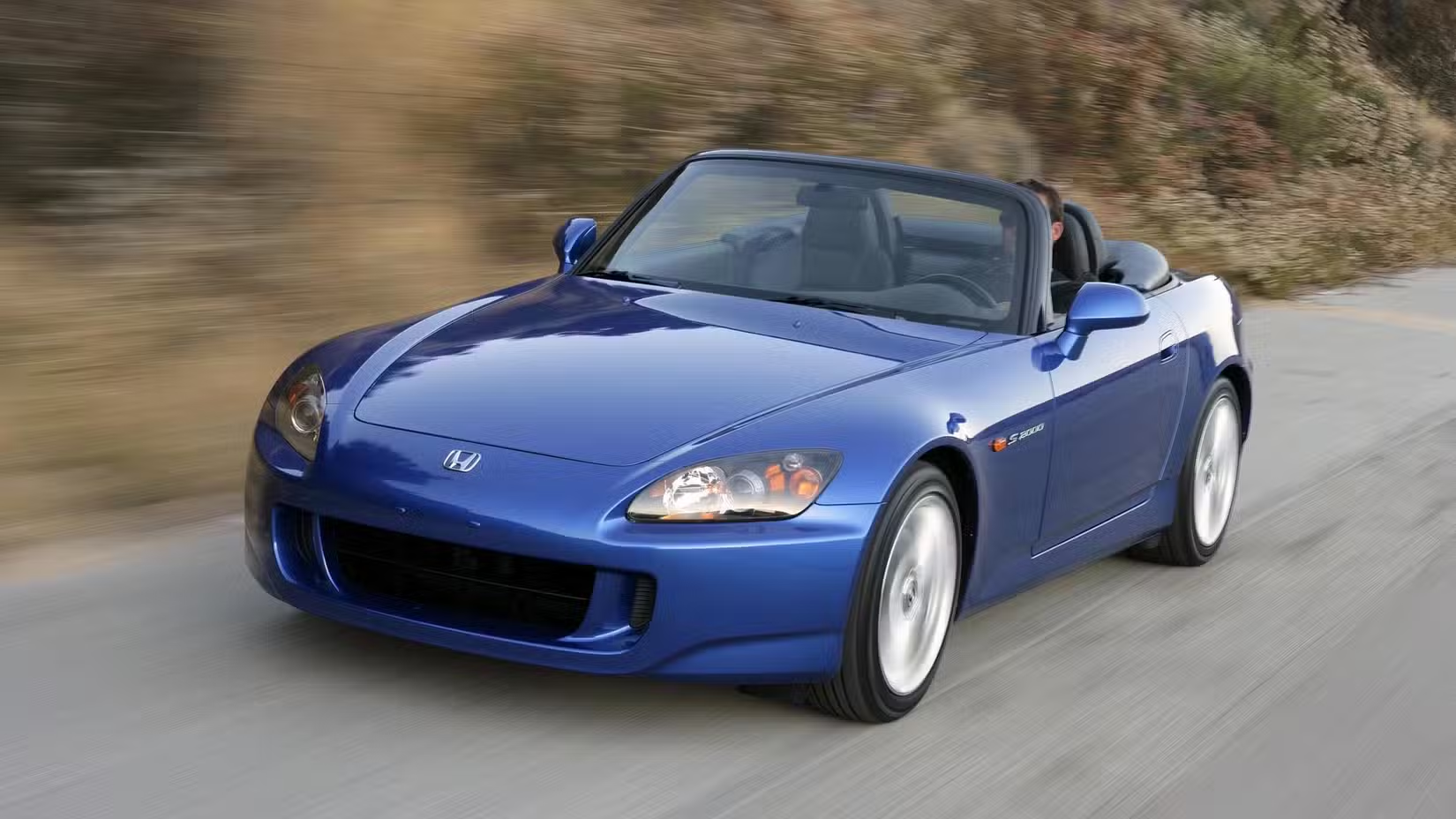
Most production engines of the era operated well below 20 m/s. Many modern performance engines still fall short of the F20C’s benchmark. Honda pushed beyond 25 m/s while maintaining long-term reliability. This required extraordinary attention to detail. The forged pistons received molybdenum coatings to reduce friction and wear. Lightweight reciprocating components minimized inertial loads. A rigid bottom end helped maintain stability under extreme rotational forces.
Lubrication also received significant attention. Oil starvation at sustained high RPM can quickly destroy an engine, so Honda designed the F20C’s oiling system specifically to support prolonged high-speed operation. The valvetrain represented another engineering triumph. Valve float becomes a major concern as RPM climbs. Honda’s lightweight valvetrain components and carefully calibrated spring rates allowed the engine to operate safely near motorcycle-like engine speeds. The result was a production engine capable of revving higher than many contemporary superbikes while maintaining the reliability expected from a Honda.
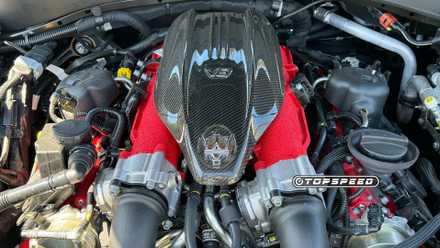
Here’s Why The V8 Engine Is Still King In A Downsizing World
Today, where downsizing and electrification dominate headlines, the V8 engine continues to hold a special place in the hearts of car enthusiasts.
Why The F20C’s Specific Output Remained Unbeaten For A Decade
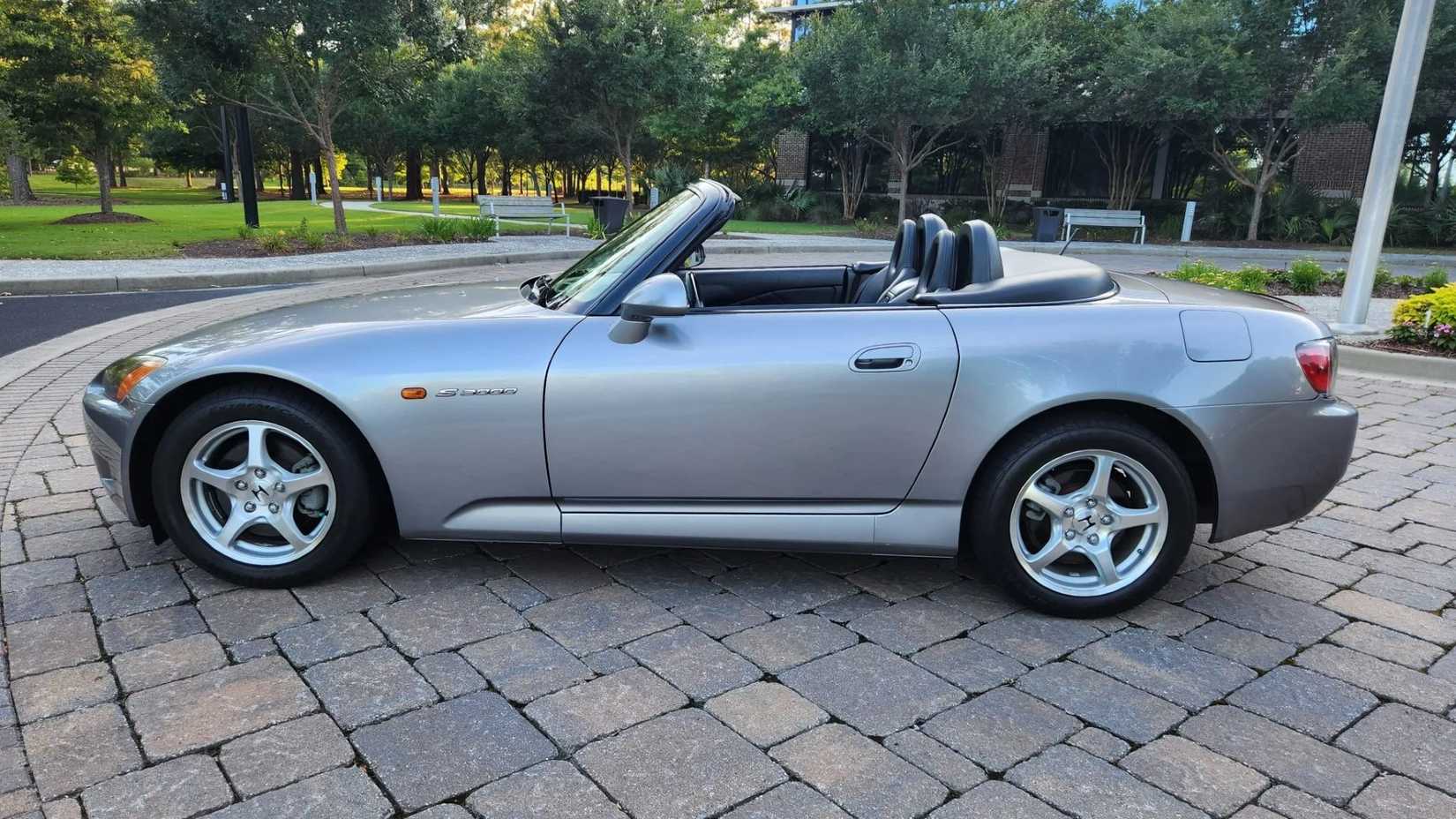
Records in the automotive world are usually temporary. Technology advances quickly, and breakthroughs are often surpassed within a few years. The F20C proved different. Its naturally aspirated specific-output record survived for roughly a decade before Ferrari’s 4.5-liter V8 in the 458 Italia finally eclipsed it in 2010 with 125 hp/liter. That fact alone illustrates the scale of Honda’s accomplishment.
During those ten years, manufacturers across Europe and Japan introduced countless high-performance engines. BMW developed increasingly sophisticated M engines. Porsche refined its flat-sixes. Renault also produced impressive hot-hatch powerplants. Yet none managed to surpass the F20C’s naturally aspirated output-per-liter benchmark. The reason is simple: achieving such numbers requires compromises that many manufacturers were unwilling to make.
Extremely high engine speeds increase development costs and durability challenges. Specialized materials raise production expenses. Meeting emissions regulations becomes more difficult. Low-end torque is often suffered. The industry ultimately chose another path.
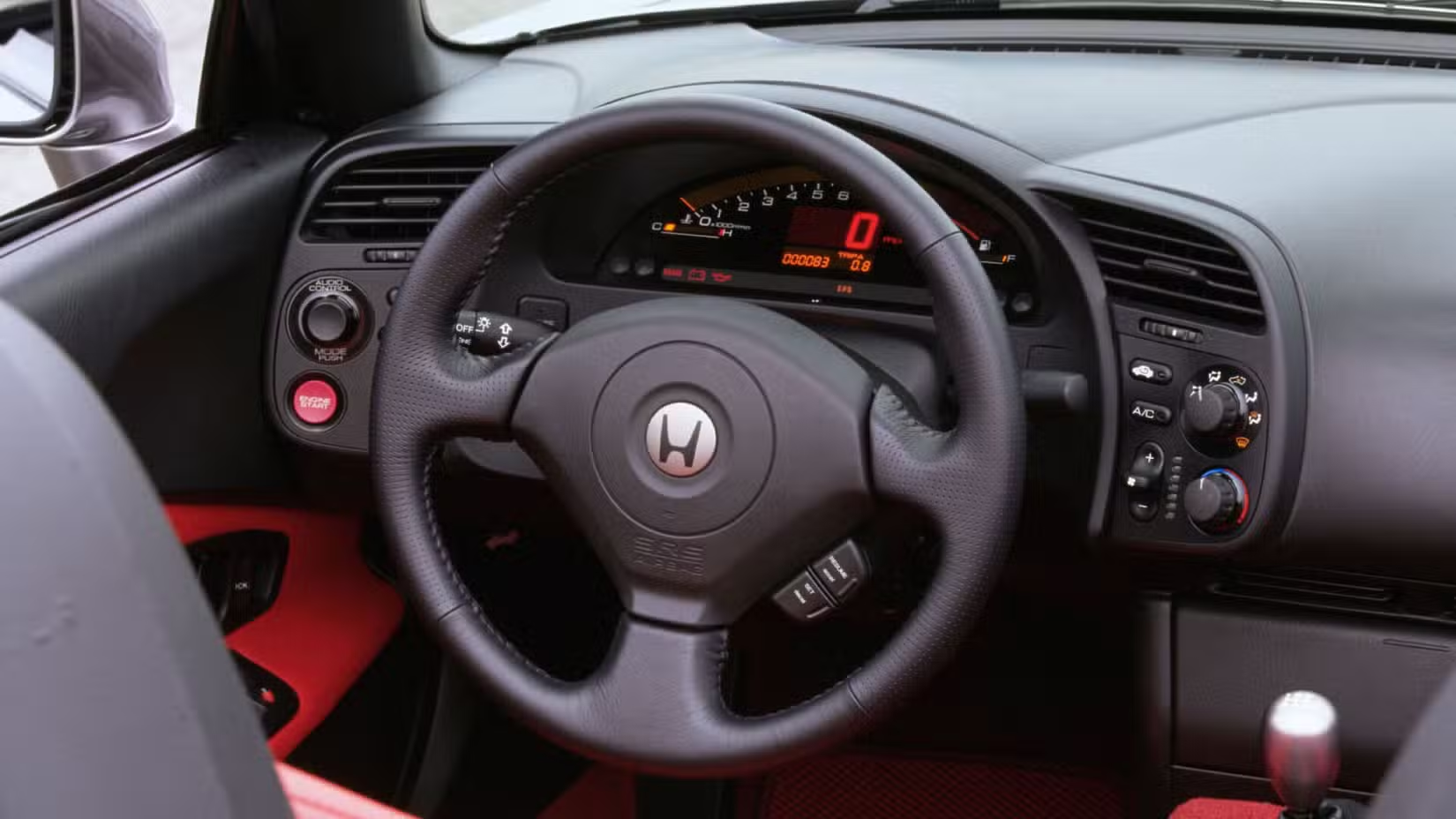
Turbocharging became the dominant solution. Rather than extract every last horsepower through airflow optimization and engine speed, manufacturers increasingly relied on boost pressure. From a business perspective, the decision made sense. From an engineering perspective, however, it marked the end of an era.
The F20C represents the peak of naturally aspirated four-cylinder development, a moment when Honda pursued perfection without regard for conventional cost-benefit analysis. Honda never attempted to replicate the formula. The company’s later turbocharged performance engines achieved impressive outputs, but none matched the combination of specific output, rotational speed, and naturally aspirated purity that defined the F20C.
The Honda Masterpiece That Proved Durability And Performance Could Coexist
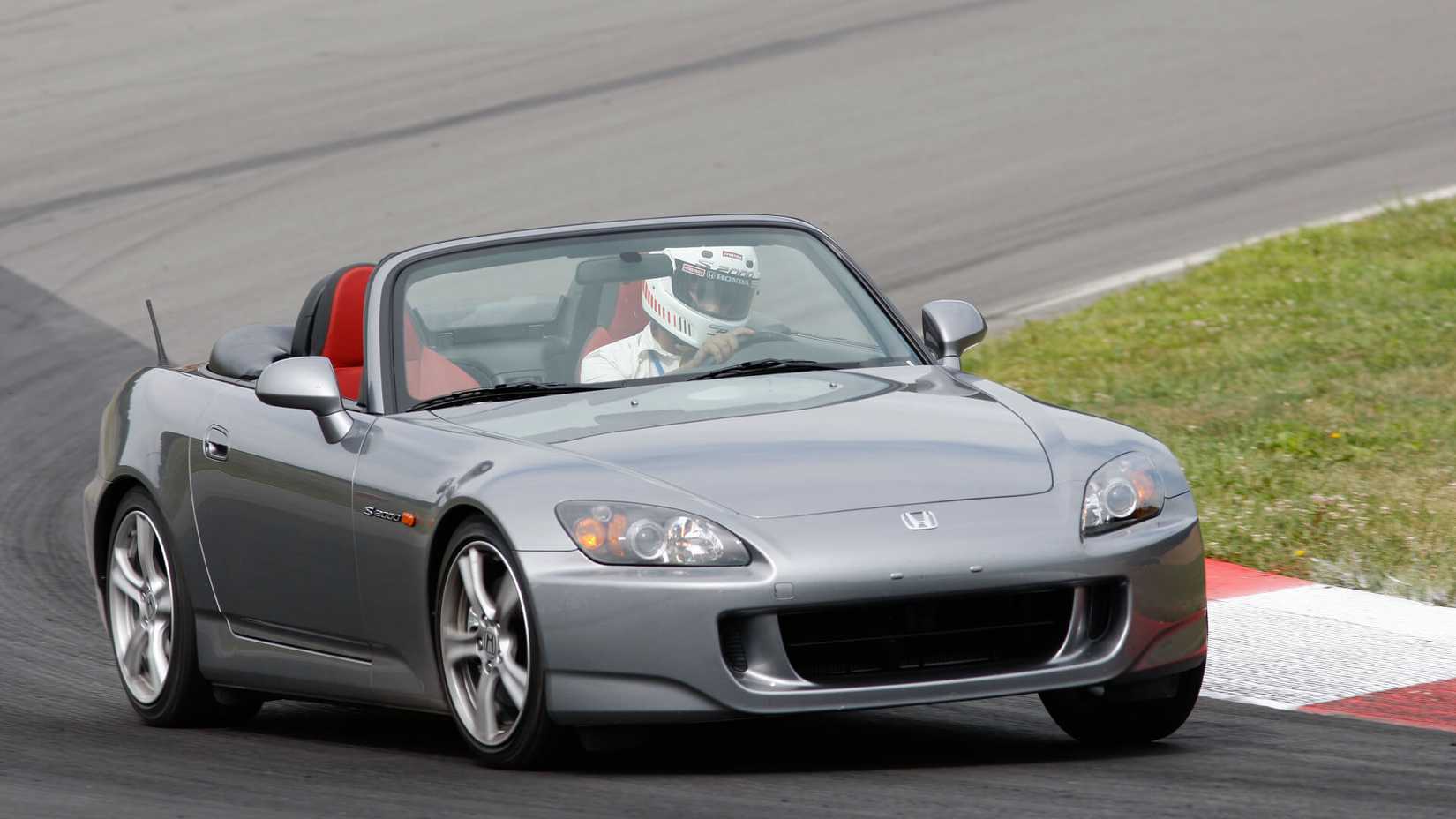
Perhaps the most remarkable aspect of the F20C isn’t its performance credentials but its longevity. High-performance engines often earn reputations for fragility. Owners accept expensive maintenance and shorter service lives as the cost of extraordinary capability. The F20C challenged that assumption. Properly maintained examples frequently exceed 200,000 miles without requiring major internal repairs. Stories of original engines reaching quarter-million-mile milestones are common within the S2000 community.
This durability becomes even more impressive when compared with some European contemporaries. BMW’s S54, for example, developed well-documented rod-bearing concerns that many owners address proactively. Various high-performance European engines of the era required costly maintenance interventions well before reaching similar mileage. The F20C was not completely without flaws. Early AP1 models featured intake valve retainers that could become vulnerable under repeated high-RPM operation or accidental over-rev events. Enthusiasts widely regard AP2 retainers as the preferred upgrade, effectively eliminating the concern. Importantly, this issue represents the exception rather than the rule.
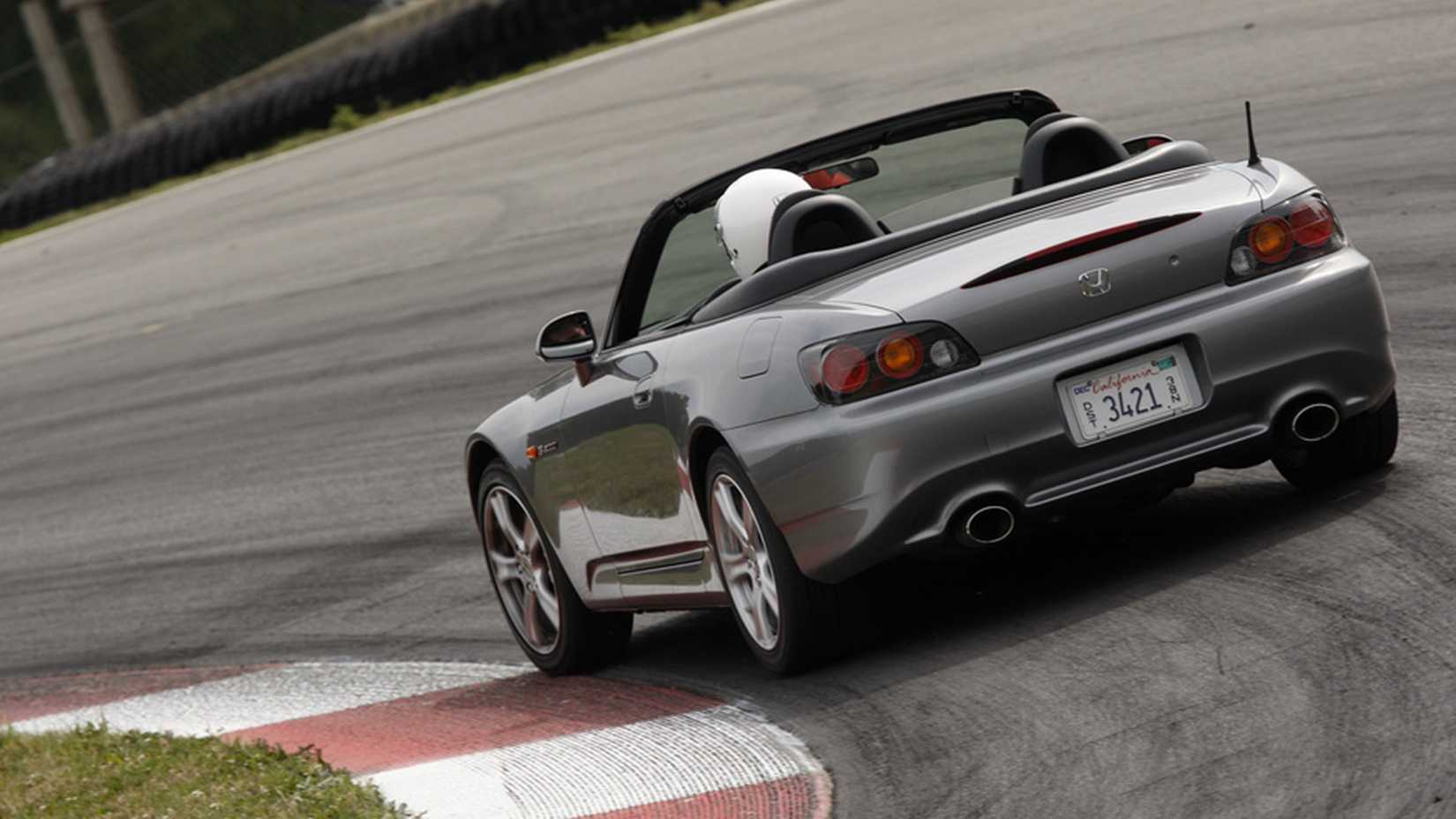
The broader durability record remains extraordinary. That reputation has had a direct effect on values. When the S2000 launched, its MSRP hovered around $30,000. Today, clean examples often sell for similar money or substantially more. Exceptionally low-mileage cars regularly command figures that exceed their original purchase prices. Collectors recognize what the market increasingly understands: the F20C wasn’t simply another good Honda engine. It was a once-in-a-generation engineering statement.
At a time when manufacturers chase efficiency targets through turbochargers and electrification, the F20C stands as a reminder of what was possible when engineers pursued mechanical excellence above all else. For ten years, no naturally aspirated production engine could match its specific output. It ultimately took a Ferrari V8 to claim the crown. That distinction says everything about the magnitude of Honda’s achievement and why the F20C remains one of the greatest four-cylinder engines ever built.
Sources: Honda, Autoblog.