
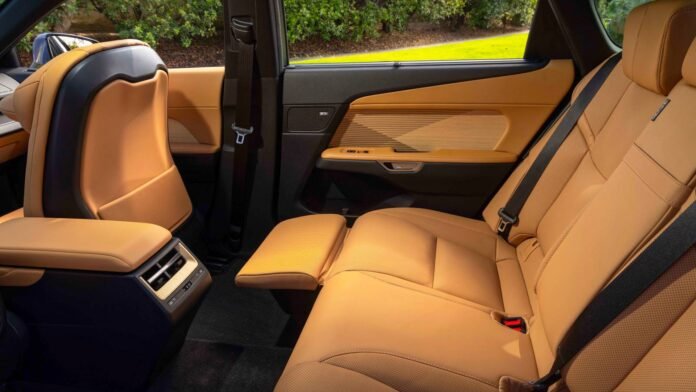
The modern premium automotive segment is locked in an escalating arms race of complexity. To sit behind the wheel of a contemporary executive sedan is to be bombarded by notifications on large screens, blinded by ambient lighting themes, and occasionally frustrated by over-engineered systems that feel more like liabilities than luxury. In the pursuit of cutting-edge technology and luxury status, the traditional definition of premium — effortless isolation, predictable mechanical refinement, and long-term peace of mind — has been systematically sidelined.
Yet, there is one outlier that quietly rejects this frantic trajectory. By ignoring the impulse to turn the executive sedan into an over-styled, track-honed sports car or a rolling smartphone application, this vehicle preserves the increasingly rare art of mechanical understatement. Instead of chasing fleeting lap times or volatile digital trends, its engineering prioritizes the fundamentals of absolute vehicular serenity. The result is a vehicle that delivers exactly what traditional luxury promised: an oasis of absolute relaxation behind the wheel without the accompanying premium drama.
The Exhaustion Of Modern Premium Trends
The Screen-Heavy Complexity Crisis
Walk into a modern dealership, and you are greeted by dashboards dominated by glass. Megawatt hyperscreens stretch from pillar to pillar, swallowing essential cabin operations into multi-layered digital menus. Adjusting a simple climate control vent or changing a drive mode now requires multi-step touch interactions that divert a driver’s eyes from the road. This digital overload introduces an underlying friction to daily ownership; a sensory saturation that stands in direct opposition to actual comfort.
The Vulnerability Of High-Strung Platforms
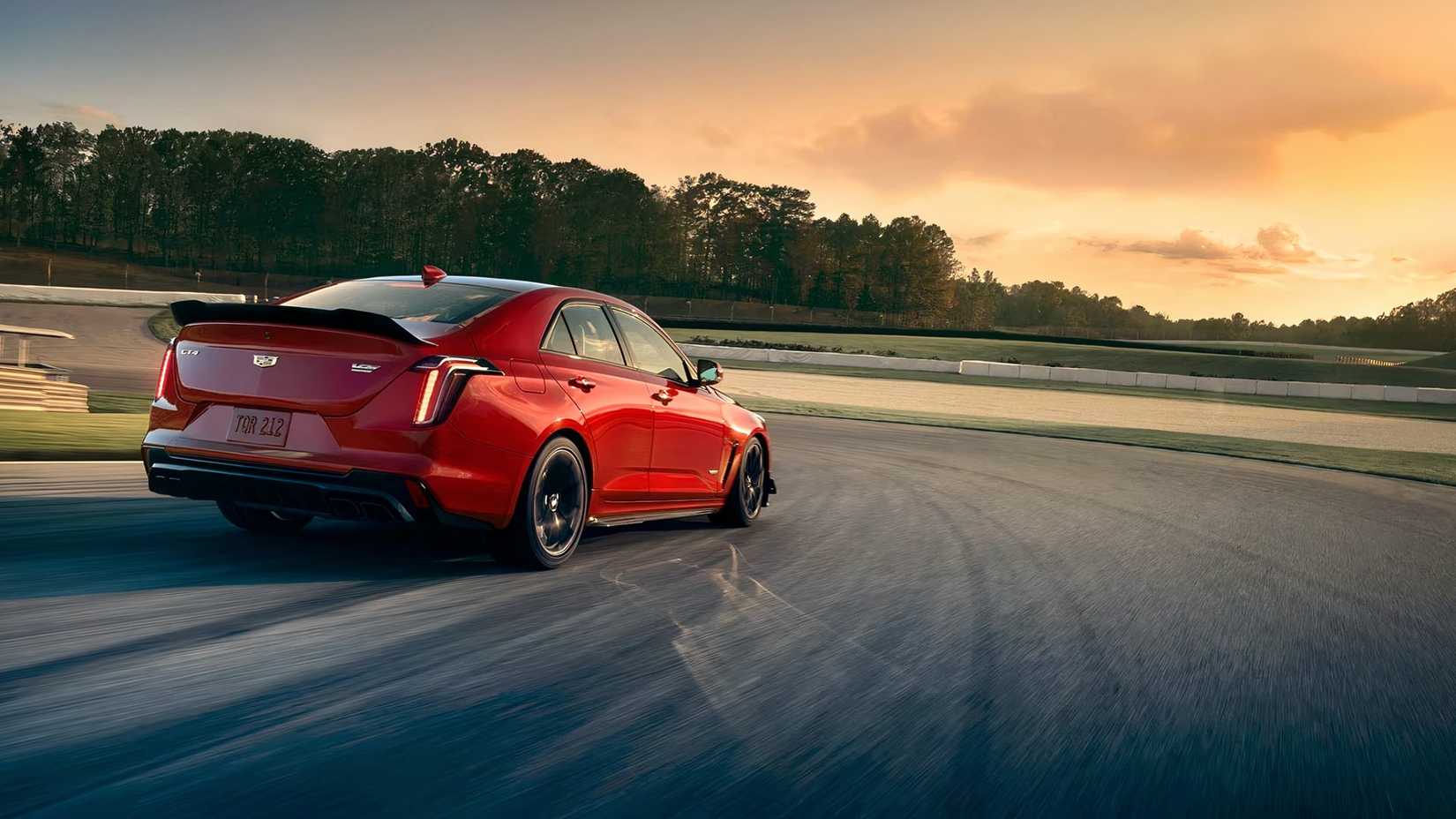
Beneath the metal, the trend is equally exhausting. The premium market has become obsessed with track-honed dynamics, leading to ultra-stiff, complex multi-link suspension arrays and low-profile rubber designed to shave tenths off a lap time no owner will ever attempt. Combined with highly strung, twin-turbocharged powerplants or highly temperamental mild-hybrid electrical architectures, modern executive transport often feels wound tight, sacrificing compliance on the altar of theoretical sportiness and complicating long-term mechanical reliability. While rivals chase these volatile performance metrics, this Japanese luxury sedan quietly chooses a path of unruffled mechanical sanity.
The Most Practical And Balanced Luxury Sedan You Can Buy Right Now
It’s not about speed or flash or technology for its own sake. It’s about refinement.
The Lexus ES Is The Luxury Sedan That Delivers Refinement Without The Drama
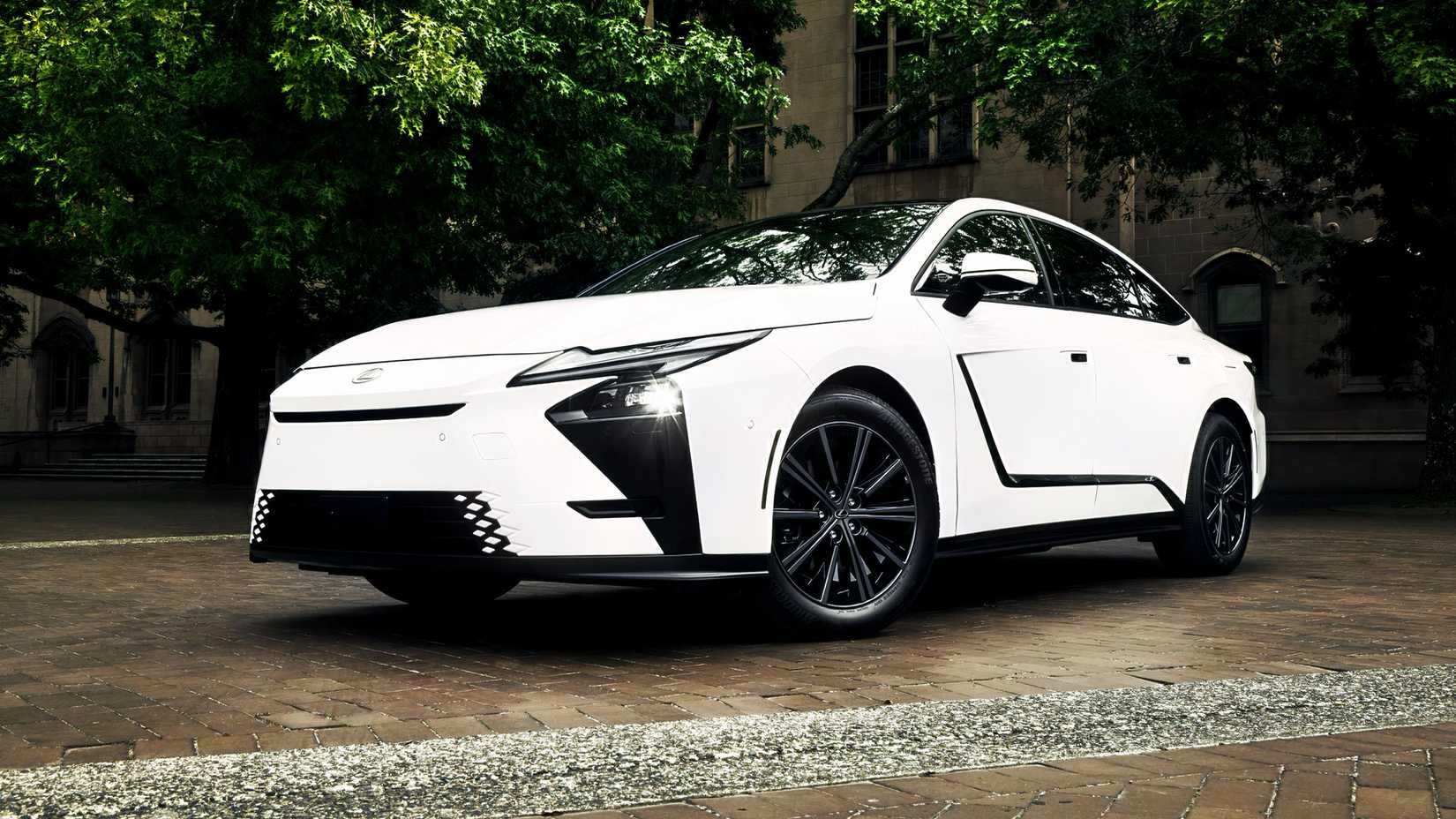
The antidote to this prevailing fatigue is the Lexus ES. It operates with a completely different philosophical mandate, treating luxury not as a tech showcase, but as a reduction of stress. While rival premium marques compromise daily usability in a relentless arms race of hyper-complex turbochargers and fragile air suspensions, the 2026 Lexus ES quietly anchors itself on engineered longevity and effortless, understated comfort.
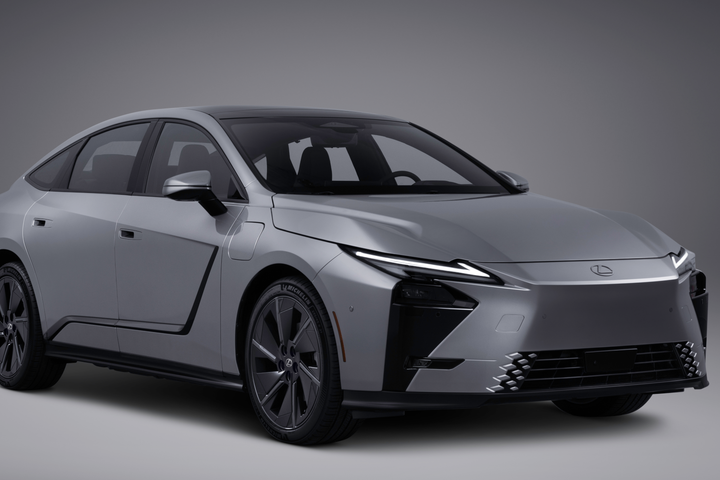

- Base Trim Engine
-
2.5-liter inline-4 hybrid
- Base Trim Transmission
-
e-CVT
- Base Trim Drivetrain
-
Front-Wheel Drive
- Base Trim Horsepower
-
244 HP
- Base Trim Torque
-
175 lb.-ft. @ 5000 RPM
- Make
-
Lexus
- Model
-
ES
- Segment
-
Midsize Luxury Sedan
Engineering For The Long Haul
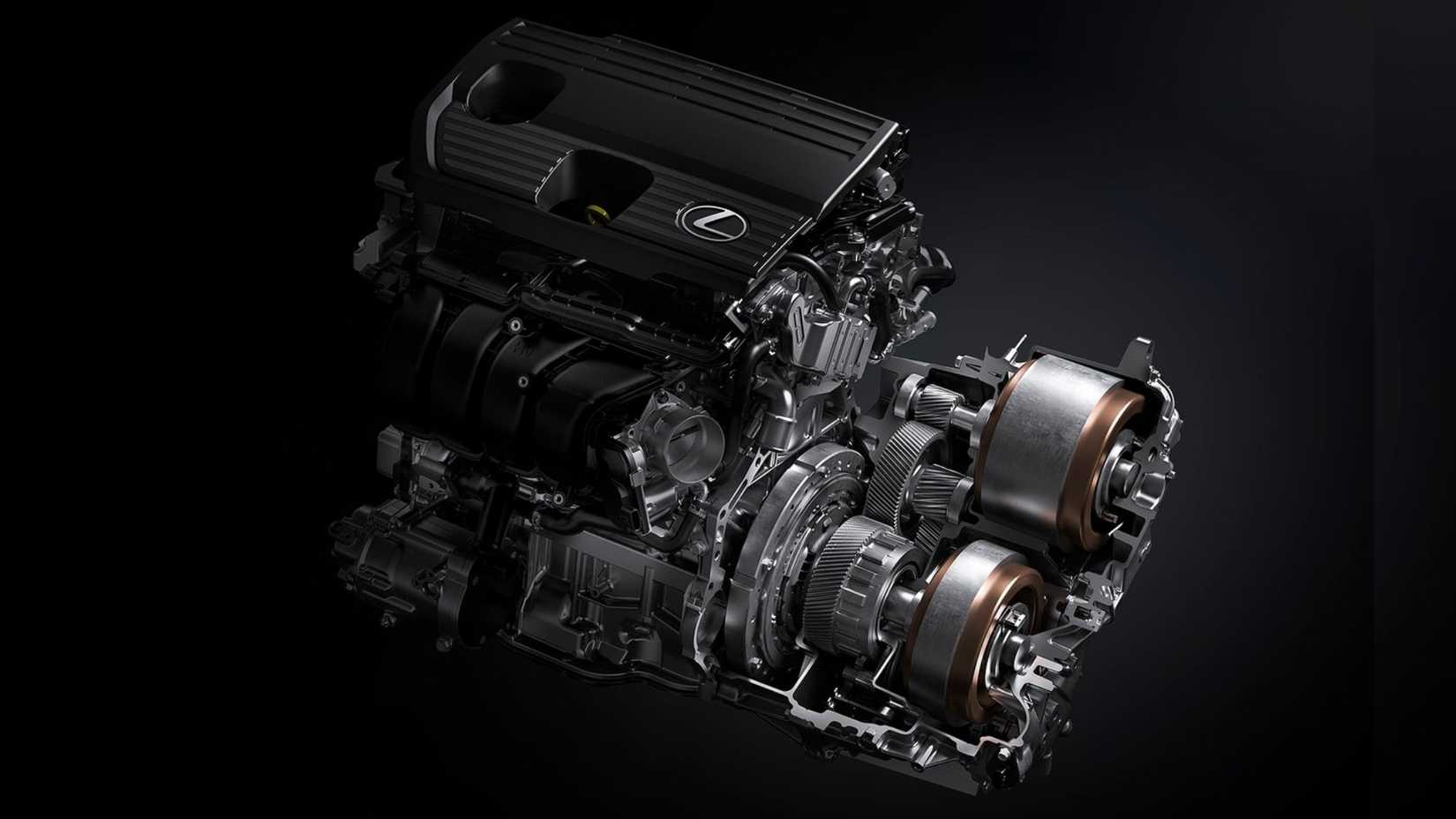
While European rivals chase fragile technical breakthroughs, Lexus relies on highly refined, proven hybrid configurations. In the new ES 350h, for example, motive force comes from a naturally aspirated 2.5-liter four-cylinder Atkinson-cycle engine paired with a robust Electronically Controlled Continuously Variable Transmission (e-CVT) and a self-charging electric motor. Delivering a combined 244 horsepower and 199 pound-feet of torque, it won’t challenge a turbocharged inline-six in a straight line, but its planetary gearset setup is virtually bulletproof, avoiding the long-term wear points of dual-clutch gearboxes or complex multi-stage turbocharging systems.
The TNGA-K Structural Foundation
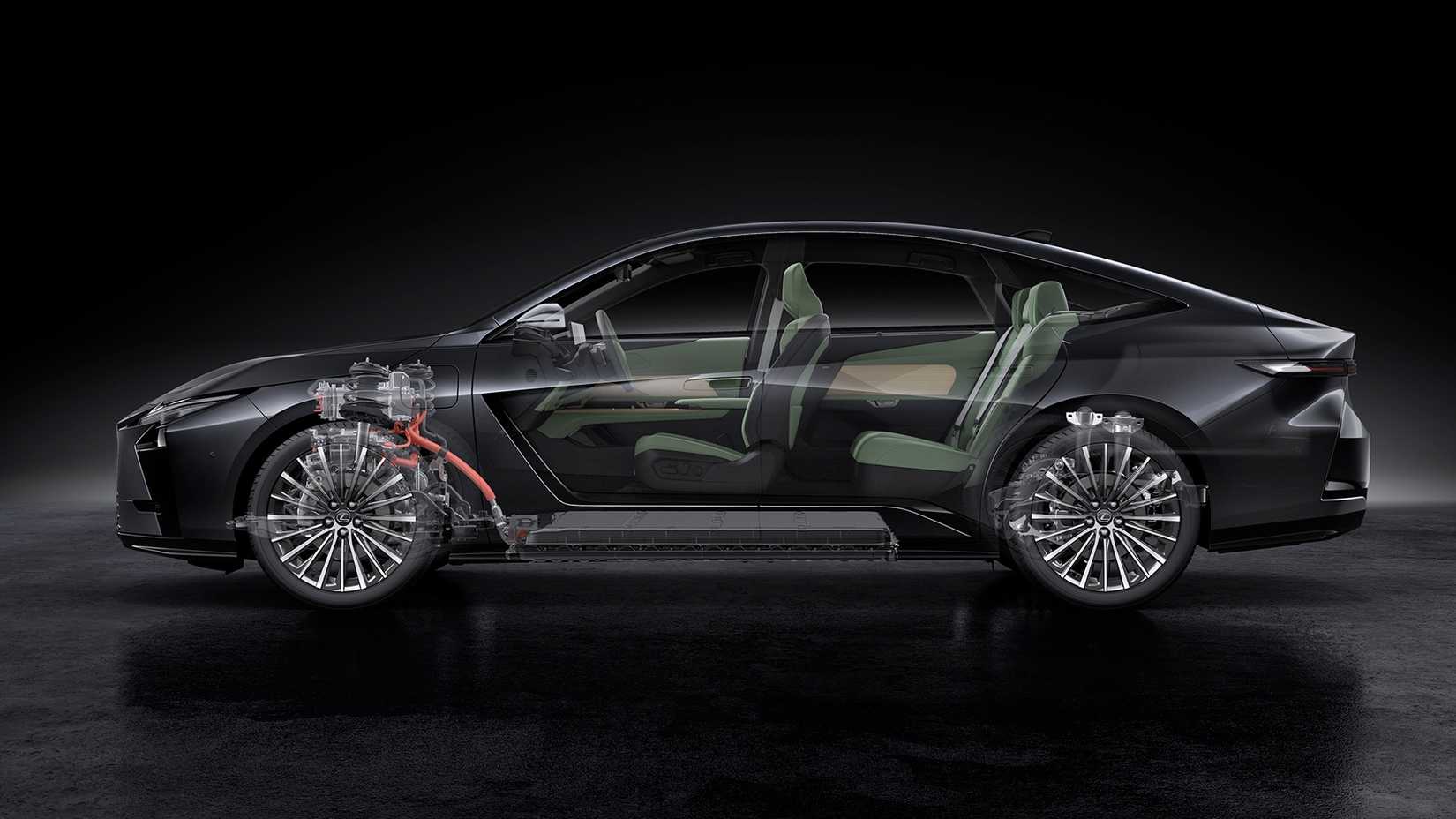
Crucial to this relaxed demeanor is the TNGA-K (Toyota New Global Architecture – K) platform. Instead of adapting a rear-wheel-drive architecture designed to handle massive torque loads and aggressive track cornering, Lexus utilizes a rigid, front-wheel-drive layout optimized for structural isolation, while an all-wheel drive (AWD) option using a dedicated rear electric motor is also available for the first time on an ES for the 2026 model year. Laser screw welding and extensive structural adhesives create a stiff passenger cell, allowing the suspension to be tuned explicitly for bump absorption rather than body-roll mitigation.
The Toyota Sedan That Rivals The Lexus ES For Comfort
This storied nameplate offers luxury features and comfort that rivals the Lexus ES, blurring the line between mainstream and luxury.
The Sensory Sanctuary: Inside The Lexus ES
The Art of Acoustic Isolation
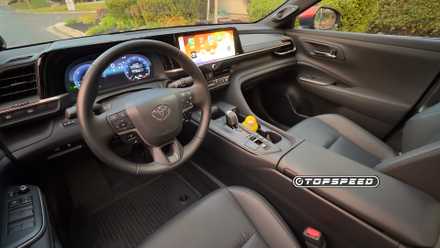
Stepping inside the ES reveals a cabin design that balances digital integration with tactile sanity. You still find physical buttons for the climate control and primary audio functions, arranged intuitively rather than hidden behind layers of pixels. But the true luxury of the ES is its silence. Lexus engineers fitted extensive underbody fairings, acoustic front side glass, and active noise cancellation to create a genuinely isolated acoustic chamber. Wind and tire roar are very well suppressed, turning a gridlocked highway commute into a library-quiet experience.
When you drive the ES hybrid, you notice it truly feels isolated and serene, but not numb. It’s very quiet, so you can easily carry on a conversation, but you don’t feel too isolated.
– Michael Frank, TopSpeed Journalist
The Linear Drive Experience
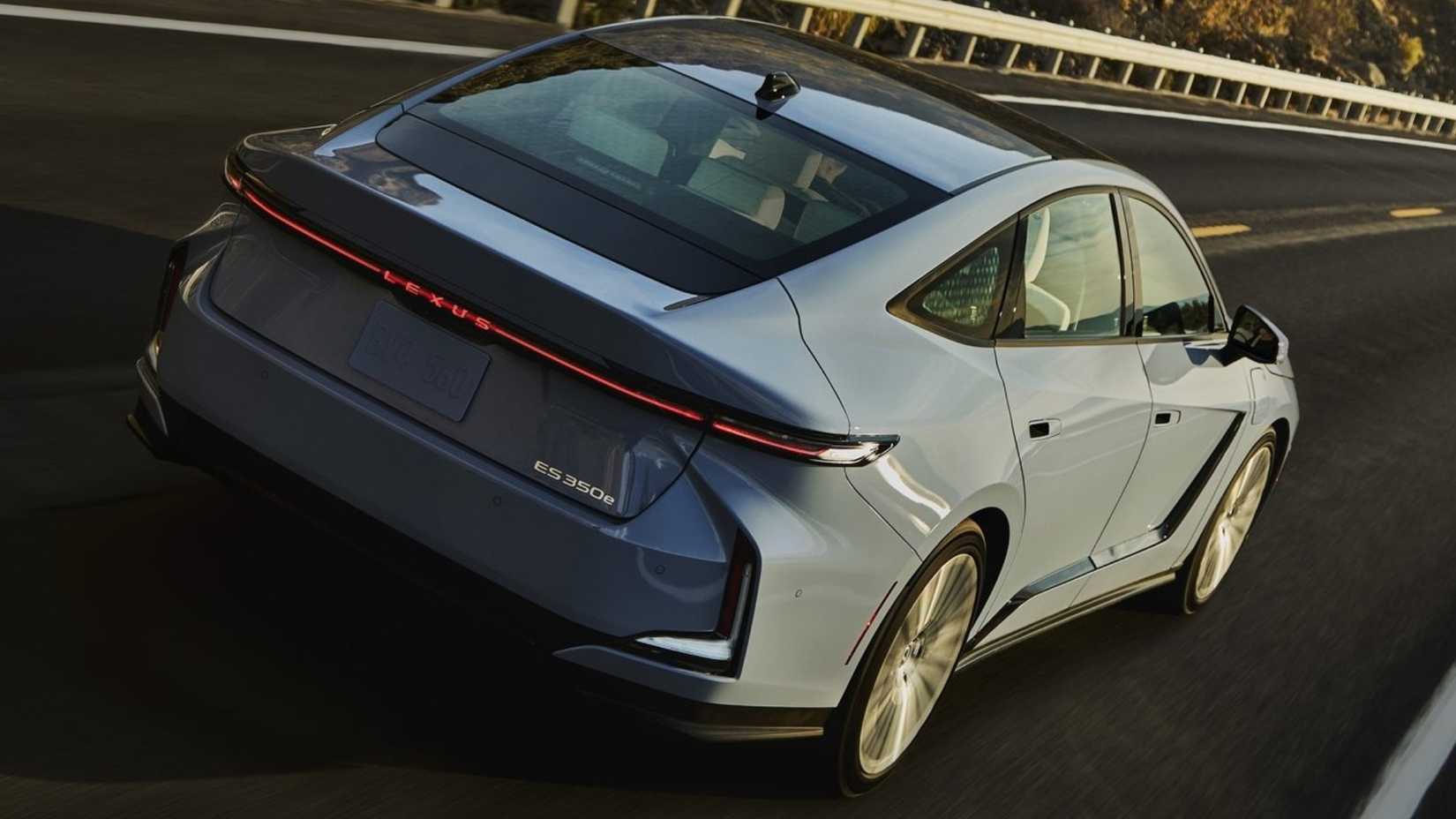
On the move, the ES behaves with a deliberate, linear predictability. The hybrid powertrain switches between electric and gasoline power seamlessly, prioritizing smooth progression over sudden surges of torque. The steering is light and precise, requiring minimal corrective effort on the highway, while the suspension setup rounds off sharp road imperfections effortlessly, isolating the cabin without creating a wallowing, disconnected ride.

The Japanese Sedan That Feels More Luxurious Than A Mercedes E-Class
This Lexus has left a lasting mark on the luxury world that continues to set the standard, even against elite German rivals.
Navigating The Compromises
The Sacrifices Of A Comfort-First Mandate
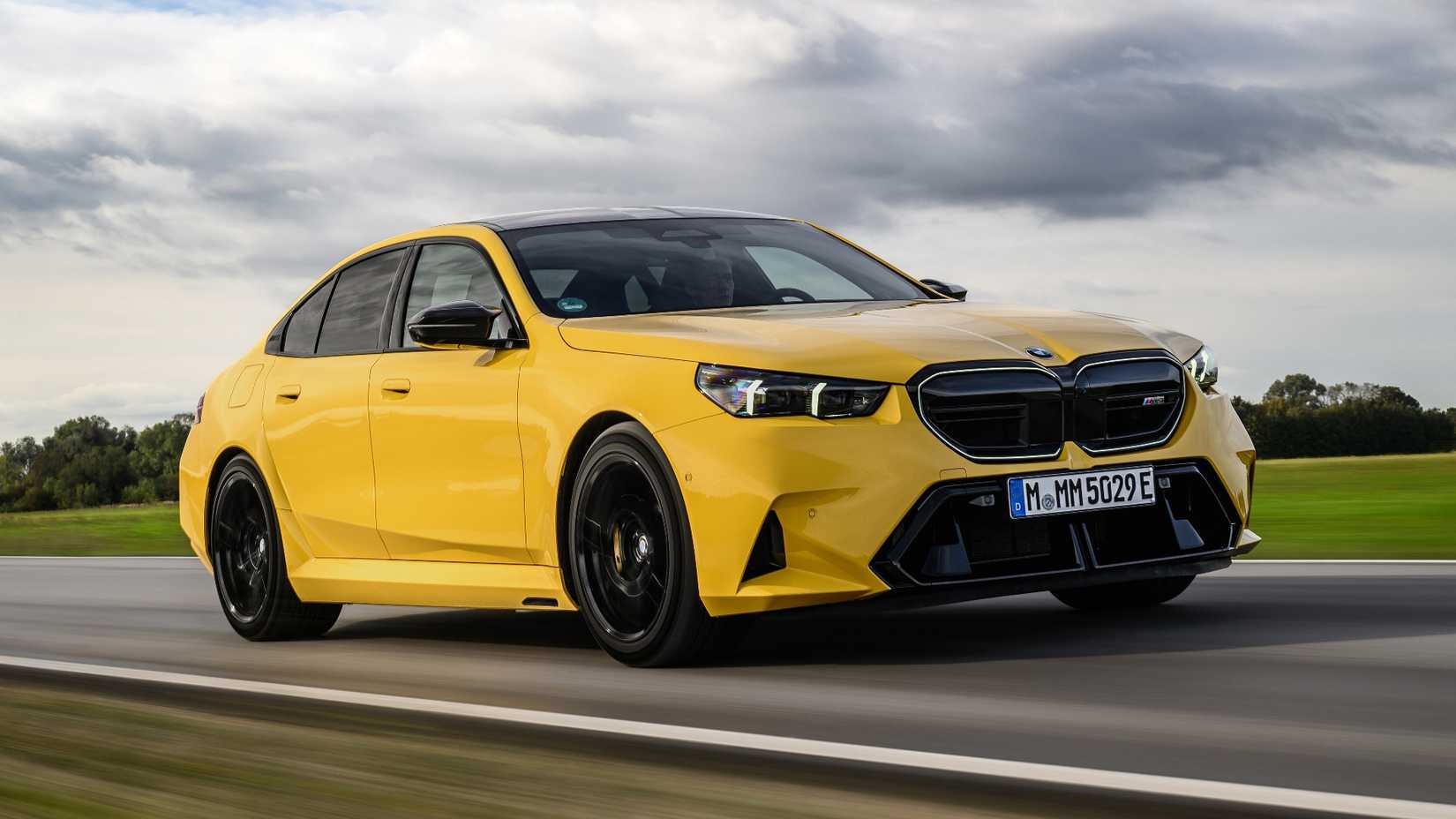
This unwavering commitment to comfort does mean the Lexus ES explicitly abdicates certain dynamic responsibilities. For those accustomed to the rear-wheel-drive agility of a BMW 5 Series or the sharp, buttoned-down poise of a Genesis G80, the ES will feel distinctly un-athletic. Push it hard into a corner, and its front-wheel-drive roots surface via safe, predictable understeer. The e-CVT, while incredibly efficient, lacks the crisp, mechanical engagement of a traditional multi-speed torque-converter automatic, occasionally letting the engine drone under heavy acceleration. It trades away aggressive driving engagement entirely to protect its primary objective: absolute passenger serenity.
|
Lexus ES 350h |
Genesis G80 3.5T AWD |
BMW M5 G90 Hybrid |
|
|---|---|---|---|
|
Philosophical Mandate |
Prioritizes absolute cabin serenity, mechanical longevity, and effortless comfort over performance. |
Traditional rear-wheel-drive athletic poise married to distinct, avant-garde luxury styling. |
Uncompromised, track-honed performance masquerading as an executive three-box sedan. |
|
Powertrain & Architecture |
Efficient, bulletproof 2.5L naturally aspirated hybrid with a planetary e-CVT (FWD). |
Buttoned-down and agile; uses a road-preview electronic suspension to balance comfort with cornering. |
Ultra-stiff and hyper-reactive; engineered to eliminate body roll and maximize track grip. |
|
Chassis & Ride Tuning |
Ultra-compliant and soft; tuned purely for road-bump absorption and isolation. |
Buttoned-down and agile; uses a road-preview electronic suspension to balance comfort with cornering. |
Ultra-stiff and hyper-reactive; engineered to eliminate body roll and maximize track grip. |
|
Cabin & Ergonomics |
Library-quiet acoustic vault retaining intuitive physical buttons for core operations. |
Immersive 27-inch OLED display balanced by elegant physical rotary controllers. |
Dominated by a massive Curved Display, aggressive ambient lighting, and complex drive-mode menus. |
|
Dynamic Character |
Explicitly un-athletic; safe, predictable understeer when pushed, prioritizing linear progression over sudden surges of torque. |
Sharp, confident rear-wheel-drive dynamics; corners flatly and delivers authoritative turbo power without feeling overly nervous. |
Intimidatingly fast and hyper-reactive; explosive straight-line acceleration and immense mechanical grip, requiring active driver engagement. |
|
Long-Term Value Proposition |
Exceptional resale value, minimal mechanical wear points, and total peace of mind. |
Strong upfront value and excellent warranty, but faces steeper depreciation than the Lexus. |
High financial stakes; heavily prone to premium depreciation and high-maintenance long-term liabilities. |
A Rational Choice In A Shrinking Segment
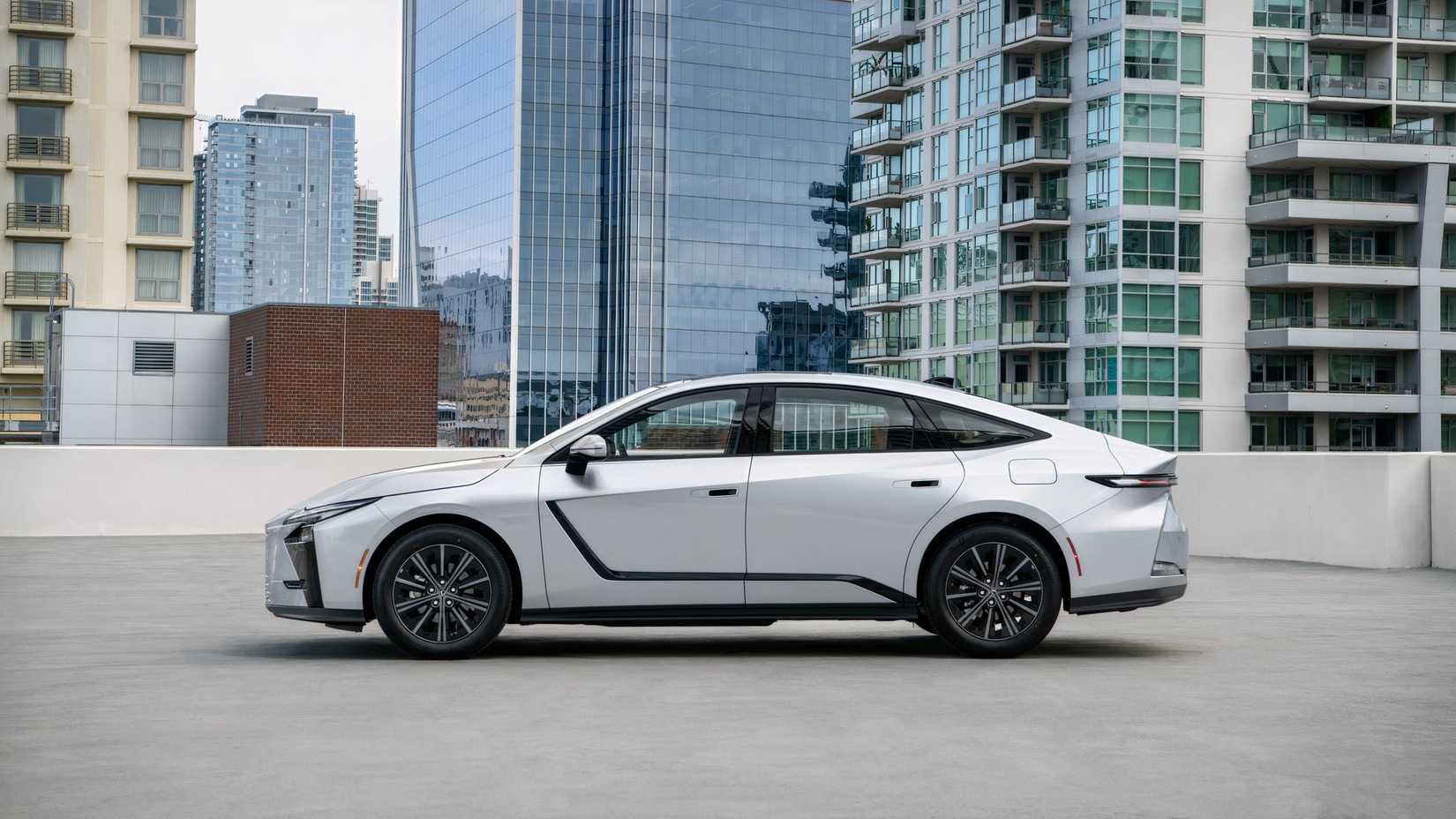
The traditional three-box sedan market is shrinking rapidly, squeezed by the relentless consumer shift toward crossovers and premium SUVs. In an attempt to survive, many remaining sedans are compromising their core identities, morphing into fastbacks or hyper-firm “four-door coupes.” The Lexus ES succeeds by refusing to panic. It accepts its position as a rational, highly efficient luxury cruiser. By offering an alternative to the high-maintenance, tech-heavy ethos of its contemporaries, the ES reminds us that true luxury doesn’t demand your constant attention, but rather, it simply works quietly in the background.
If what you need is a mile-eating luxury sedan with genuine comfort for five passengers, the new ES is very much a bargain. And, better than that, it’s remarkably confident, comfortable, and enjoyable. Thrilling? No. Worthy of being the next great Lexus. Unreservedly, yes.
Ultimately, the Lexus ES stands as a definitive reminder that true automotive luxury should alleviate stress, not create it. While the rest of the premium segment remains entangled in a volatile arms race of digital complexity and high-strung performance, this Japanese sedan thrives by mastering the fundamentals of effortless isolation.
It does not pretend to be a track-focused sports car or a rolling tech laboratory; instead, it proudly embraces its identity as a refined, highly efficient executive cruiser built to endure. By prioritizing proven mechanical longevity, intuitive ergonomics, and a library-quiet cabin, it preserves an increasingly rare automotive sanctuary. For the discerning driver exhausted by the sensory overload and long-term liabilities of modern premium trends, the ES proves that understated sanity is the ultimate luxury.
Sources: Lexus, BMW, Genesis, Edmunds