
The modern automotive landscape is going through something of an identity crisis. Mainstream dealership showrooms are filled with a sea of homogenized, screen-heavy crossovers that people have equated to rolling smartphones. When Tesla reduced every detail down to one big screen. It felt new and exciting before the practicality of this layout (or lack thereof) became so apparent. Today, this tech minimalism feels somewhat cynical, as more and more consumers see this as a cost-cutting measure, rather than a luxury. While the average modern buyer may no longer care about mechanical soul, linear driving dynamics, or physical cabin ergonomics, it’s hard to deny that it’s coming across as a bit boring when most vehicles have been stripped of tactile character, reducing the everyday automobile to little more than a disposable household appliance.
Even at the highest levels of luxury, the pushback is visible. Porsche, for instance, has carefully maintained an emphasis on physical switchgear, analog-inspired tachometers, and precise mechanical feedback, ensuring their cockpits remain driver-centric rather than tech-centric.
The Backlash Against Over-Digitized, Bland Commuters
For the past several years, the automotive industry operating manual has been frustratingly predictable: strip away the structural gear selector, banish tactile controls, and slap a massive, distracting tablet right in the center of the dashboard. This choice is rarely made for the driver’s benefit. Data from independent automotive testing authorities like Edmunds reveals that burying vital vehicle functions deep within software sub-menus creates severe driver distraction and erases decades of intuitive human muscle memory. Despite this, manufacturers continue to push these interfaces because deleting physical wiring harnesses, dials, and gear selectors slashes factory assembly costs exponentially.
This profit-driven design philosophy has officially reached a serious breaking point with real consumers. Every day, drivers are checking their frustration over the necessity of navigating digital sub-menus simply to alter a fan velocity, redirect climate vents, or modify a temperature dial while traveling at highway speeds. A growing contingent of practical buyers is staging a quiet revolt, actively seeking out vehicles that refuse to participate in this screen-obsessed arms race. There is a booming consumer demand for vehicles that return to an ergonomic, human-centric layout where critical cabin operations remain anchored to high-quality, physical controls.
Moving Beyond The “Appliance” Design Language
The fundamental flaw of the modern crossover is that it has sacrificed utility and safety at the altar of cost-cutting, and let’s not even start with the software updates just to fix a glitching volume slider. There is a growing recognition that a vehicle is a mechanical investment that should operate flawlessly under pressure without demanding the user’s continuous visual attention.
Certain companies are picking up on this movement and are moving toward cabins that prioritize functional physical ergonomics, offering drivers the definitive, satisfying click of actual buttons and rotary dials, allowing their customers to rely on physical spatial awareness to operate their vehicles instinctively.
The Mazda CX-50 Hybrid: The Aesthetics Of Stealth Luxury
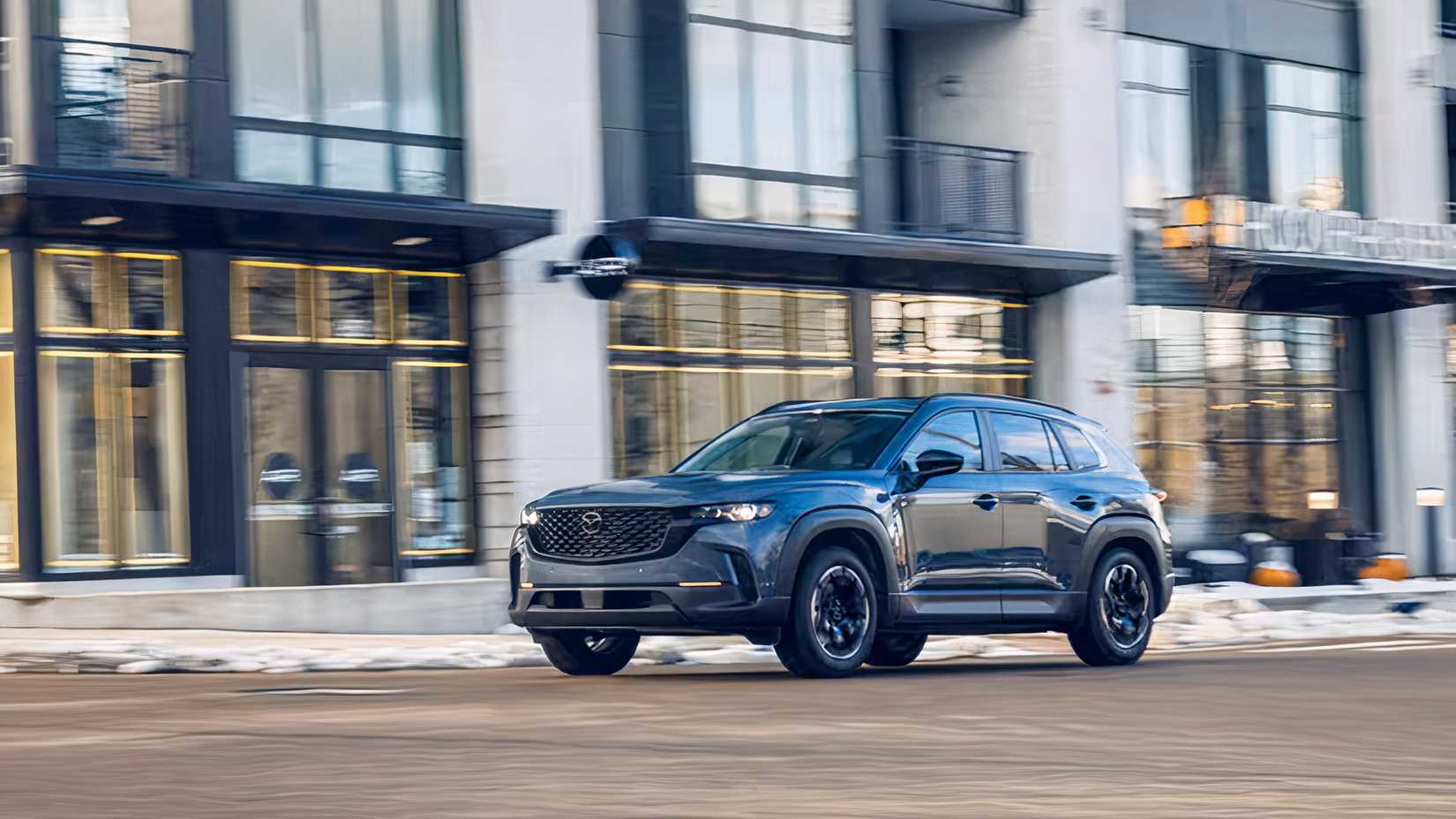
This cultural shift away from digital numbness is precisely where the Mazda CX-50 platform finds its competitive footing. While competing crossovers scream for public attention with over-styled plastic body panels, split-headlight visual tricks, and aggressive, over-hyped marketing jargon, the CX-50 relies on an entirely different strategy. It has quietly positioned itself as the definitive “thinking person’s crossover”—a vehicle that consciously punches far above its mainstream price bracket to offer a genuine, deeply engineered alternative to entry-level luxury brands, entirely free of pretentious badge snobbery.

- Base Trim Engine
-
2.5L I4 Hybrid
- Base Trim Transmission
-
CVT
- Base Trim Drivetrain
-
All-Wheel Drive
- Base Trim Horsepower
-
176 HP @5700 RPM
- Base Trim Torque
-
163 lb.-ft. @ 3600 RPM
- Base Trim Fuel Economy (city/highway/combined)
-
39/37/38 MPG
- Base Trim Battery Type
-
Nickel metal hydride (NiMH)
- Make
-
Mazda
- Model
-
CX-50 Hybrid
The core strength of the CX-50 platform lies in its versatile dual-identity powertrain lineup. For the driver focused on peak commuter efficiency, the newly introduced CX-50 Hybrid is offered in carefully structured Preferred, Premium, and Premium Plus trims. For the driving traditionalist who refuses to compromise on mechanical connection, the vehicle maintains its parallel, highly proven pure-gasoline lineup consisting of the naturally aspirated 2.5 S and the muscular 2.5 Turbo variants. By spreading its capabilities across two distinct engineering philosophies, this platform avoids the compromised, one-size-fits-all traps that plague its closest competitors.
Premium Materials And Tactile Ergonomics
The first thing you notice in the CX-50 cabin is Mazda’s stubborn commitment to premium, tactile architecture. The dashboard avoids the standard industry practice of using cheap, hard plastics, instead deploying rich, double-stitched materials and physical controls that actively reward the human sense of touch. Every dial, from the climate control switchgear to the center console’s Multifunction Commander control, rotates with a weighted, mechanical precision that closely mirrors the interior quality of premium German luxury brands.
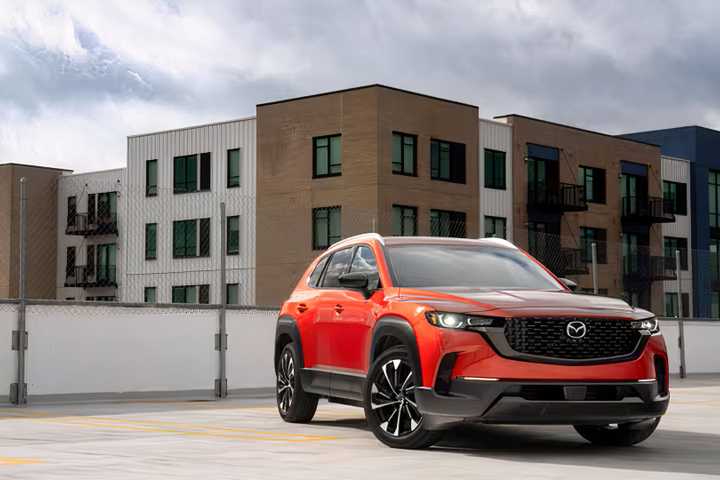
This simple elegance extends to the vehicle’s exterior posture. The CX-50 features a wide, low, and athletic stance, framed by high-strength roof rails and a muscular silhouette. Mazda has always been adept at creating an exterior that feels distinctly Mazda. The design language doesn’t rely on odd creases in the body panels to make it feel different, nor does it lean into the disposable look of modern jellybean-shaped crossovers. It feels confident, almost in the same way an Audi feels confident.
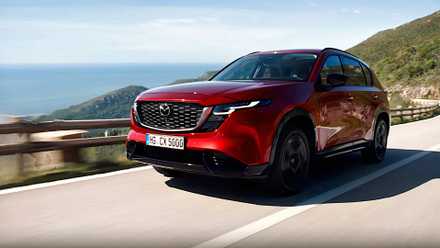
The Crossover That Delivers BMW Performance At Honda Prices
The Mazda CX-5 delivers BMW-like driving excitement at Honda-level prices, making it one of the most rewarding compact SUVs in its segment.
The Ultimate Hybrid Collaboration
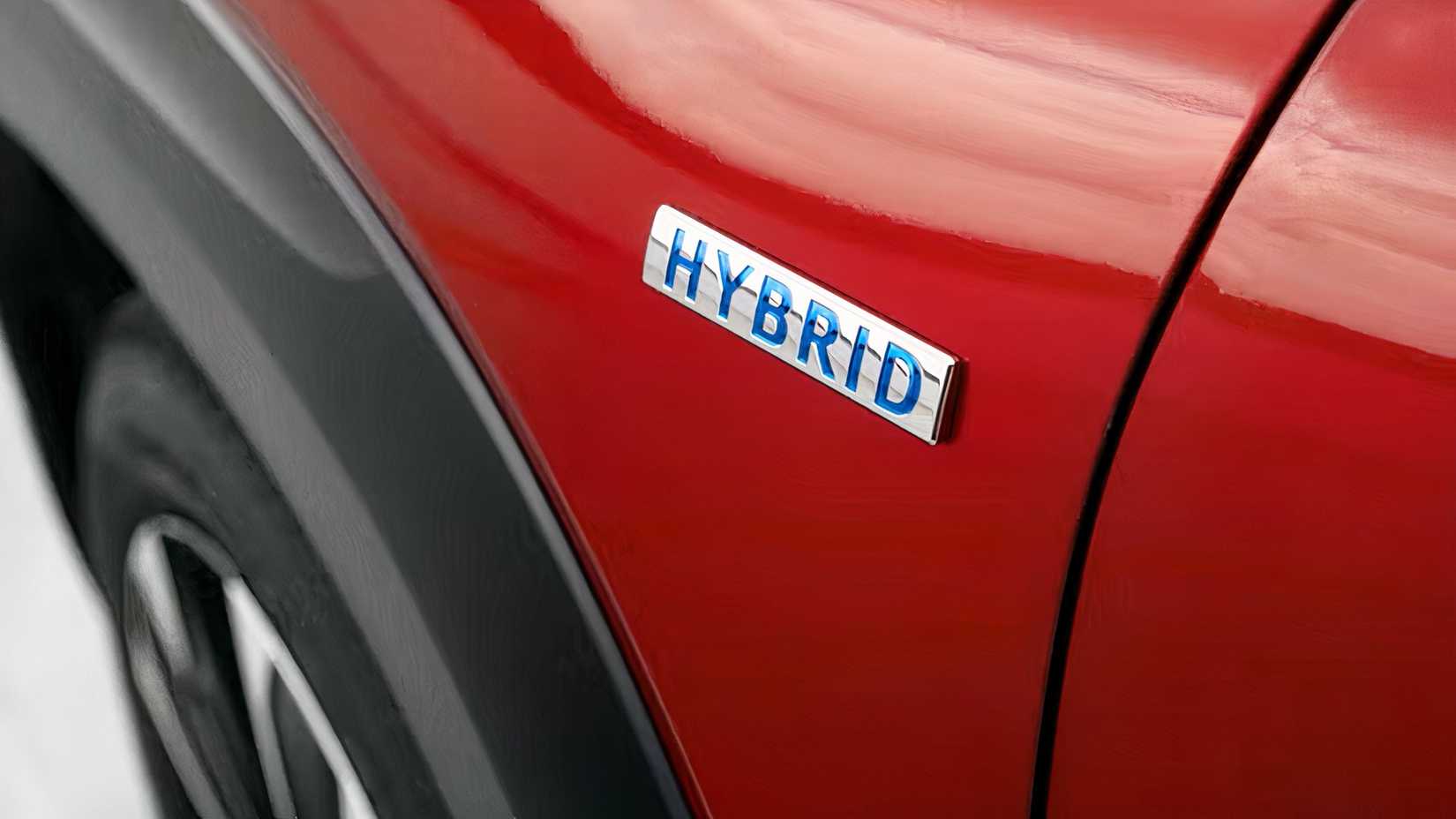
Beyond its sophisticated styling, the 2026 CX-50 platform manifests as a massive engineering collaboration that most shoppers may not know about. Naturally, as modern buyers demand world-class fuel efficiency, Mazda formed a strategic powertrain alliance to achieve this.
Toyota Reliability Meets Mazda Dynamics
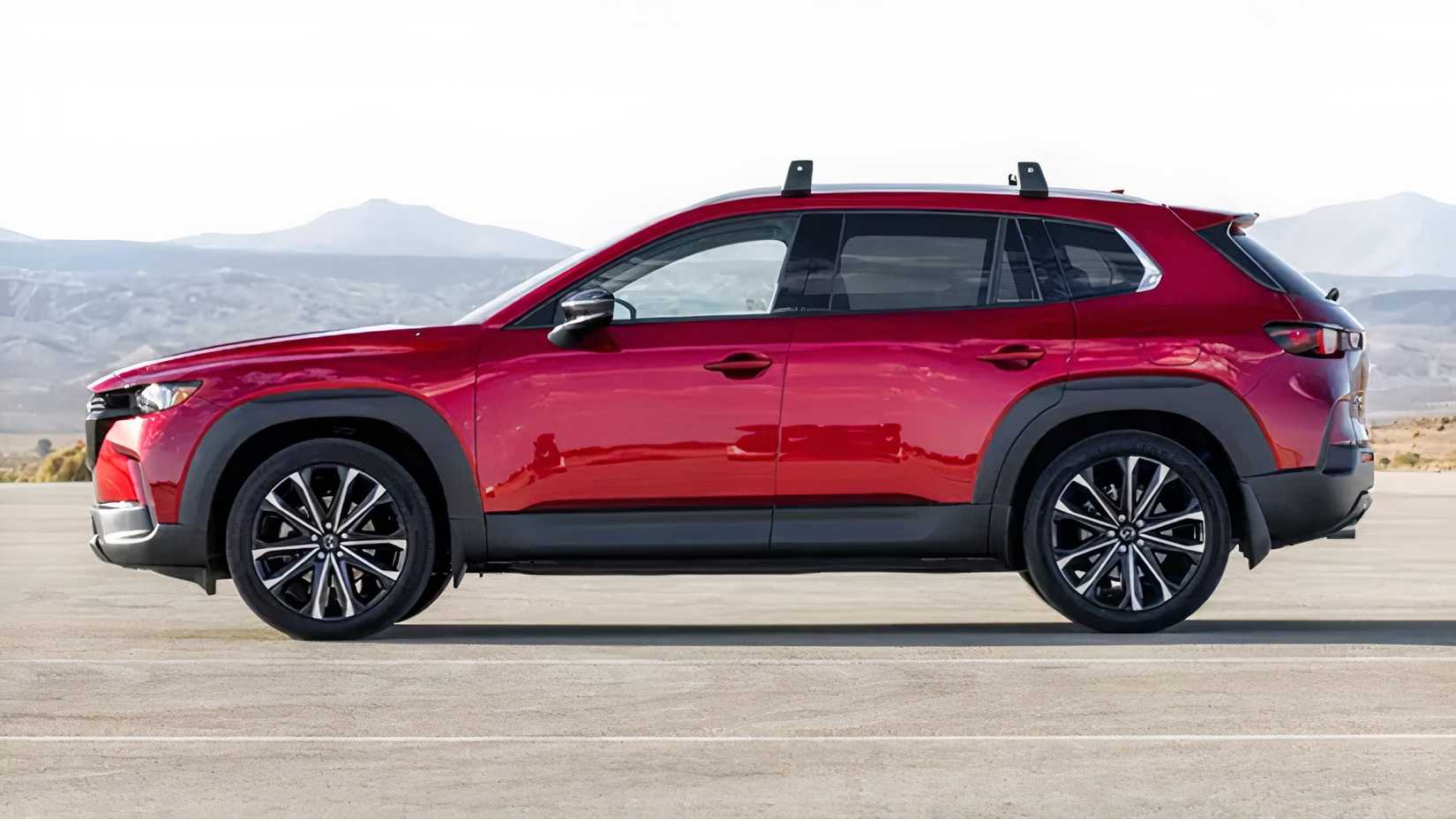
The CX-50 Hybrid utilizes Toyota’s legendary, ultra-efficient hybrid system, pairing a 2.5-liter four-cylinder engine with three robust electric motors to generate a combined 219 horsepower. Power is managed via an electronic continuously variable transmission (e-CVT) and distributed to all four wheels through a standard electric all-wheel-drive (eAWD) setup.
An honest appraisal of this layout must acknowledge the elephant in the room. An e-CVT isn’t widely liked for its driving feel. The setup lacks the crisp, physical shift points of a traditional gearbox, but Mazda engineers heavily reworked the throttle mapping and internal steering mounts to ensure the vehicle retains its signature cornering sharpness. While it is a trade-off, the results are worth it for many, with the EPA estimating a 39 mpg city, 37 mpg highway, and 38 mpg combined, helping to minimize the high fuel costs of daily commuting.
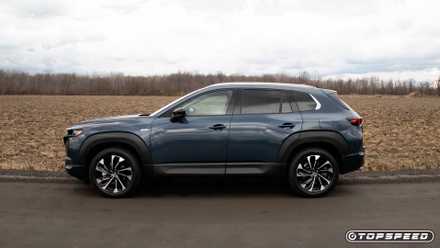
Here’s Why Buying This Japanese Hybrid SUV In 2025 Is A Smart Decision
This hybrid SUV looks to be set up for success and wouldn’t be a bad buy in 2025.
The Total Cost Of Ownership Realignment
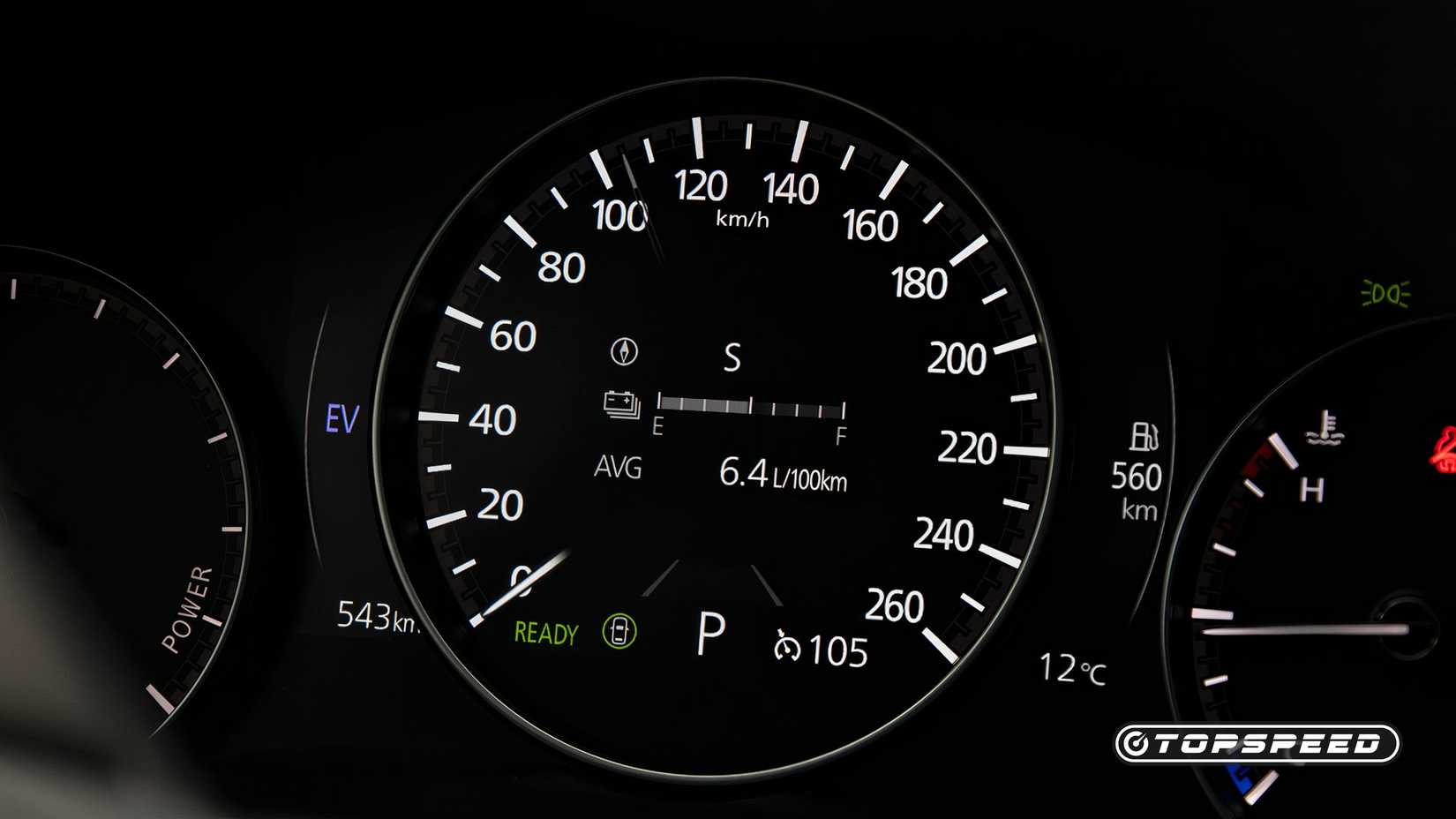
Fuel economy isn’t the only thing to be gained in this partnership. By pairing Toyota’s bulletproof hybrid battery longevity and proven electric motor durability with Mazda’s exceptional structural build quality, the CX-50 Hybrid completely rewrites the total cost of ownership equation. Data from long-term consumer reliability indices, such as J.D. Power, demonstrate that this specific hybrid architecture is among the most structurally resilient powertrains ever manufactured.
The Toyota guts insulate the buyer from the severe, volatile depreciation curves that plague modern fully electric vehicles, as well as the long-term reliability risks associated with the highly stressed, small-displacement, turbocharged small engines utilized by several European and domestic competitors.
The Durability Of Traditional Engineering
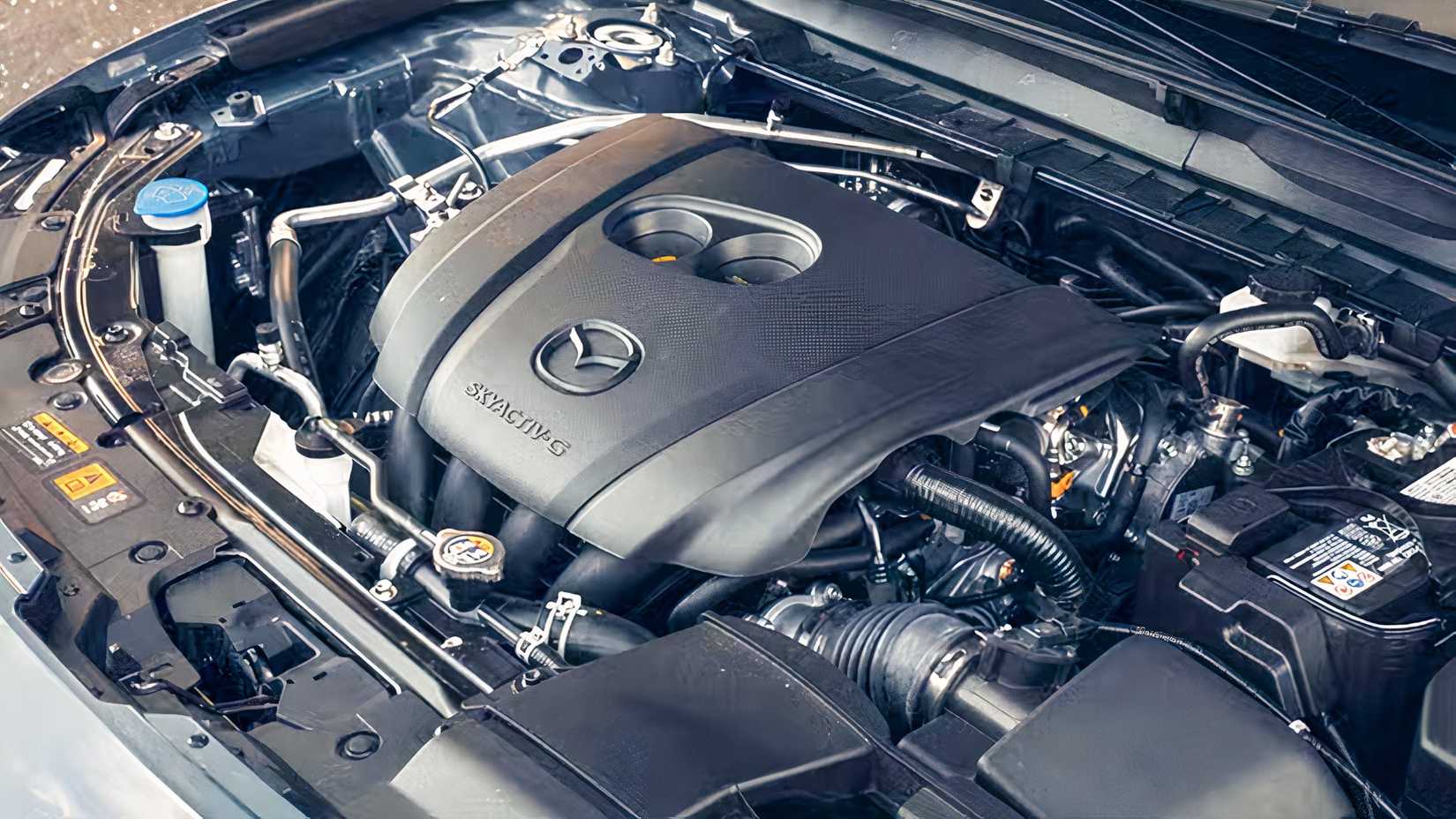
While the hybrid model covers a broad swath of consumers, Mazda recognized that a significant percentage of informed buyers harbor a deep, entirely justifiable skepticism toward CVTs, battery packs, and overly complex electric control modules. To offer consumer choice without requiring mechanical compromise, the non-hybrid trims of the CX-50 maintain a completely parallel engineering path. The 2.5 S and 2.5 Turbo variants are designed explicitly for the traditional buyer who demands a direct mechanical connection to the pavement beneath them.
Choosing A Geared Automatic Over The CVT
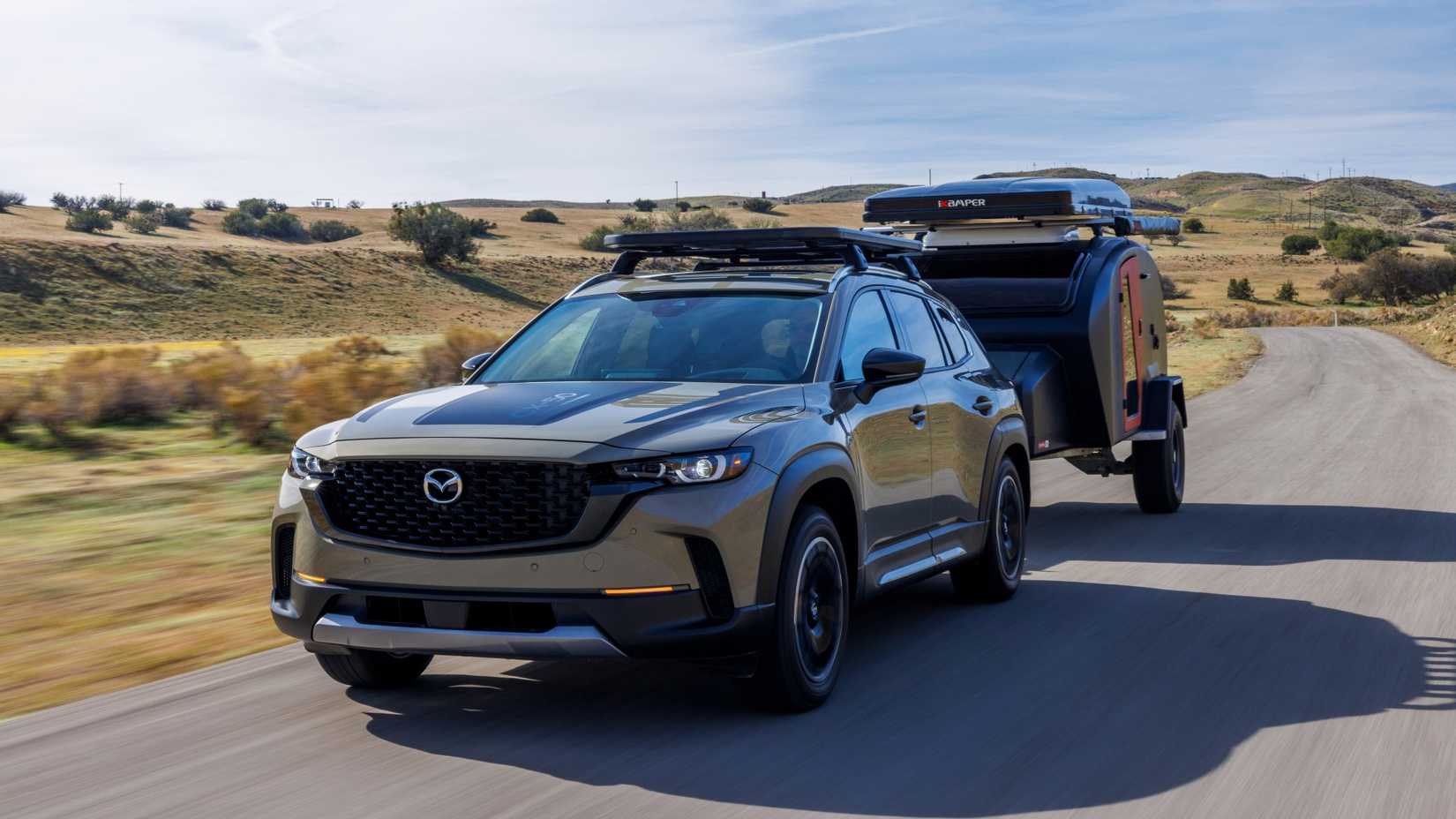
The decision is made pretty clear based on the intended use for the car. For long commuters, the Hybrid is the clear winner, but for towing or a pure driving experience, the gasoline trims are the better choice.
|
CX-50 HYBRID |
CX-50 |
CX-50 TURBO |
|
|---|---|---|---|
|
Engine |
Toyota 2.5L Hybrid System |
Skyactiv-G 2.5L |
Skyactiv-G 2.5L Turbo |
|
Transmission |
Electronic CVT (e-CVT) |
6-Speed Geared Automatic |
6-Speed Geared Automatic |
|
Combined MPG |
38 MPG EPA Combined |
26 MPG EPA Combined |
25 MPG EPA Combined |
|
Max Towing |
1,500 lbs |
2,000 lbs |
3,500 lbs |
While the hybrid model is rated to tow 1,500 pounds, stepping into the traditional 2.5 Turbo trim increases towing capacity to a substantial 3,500 pounds. This is the benefit of making cars that serve vastly different purposes. The customer gets to make a choice based on real-world applications and why partnerships like these exist in the automotive industry.
Why This Luxury SUV From Japan Deserves Way More Attention
In a world of flashy badges and ostentatious luxury, one SUV stands out for its quiet confidence and timeless appeal.
The Quiet Connoisseur’s Choice
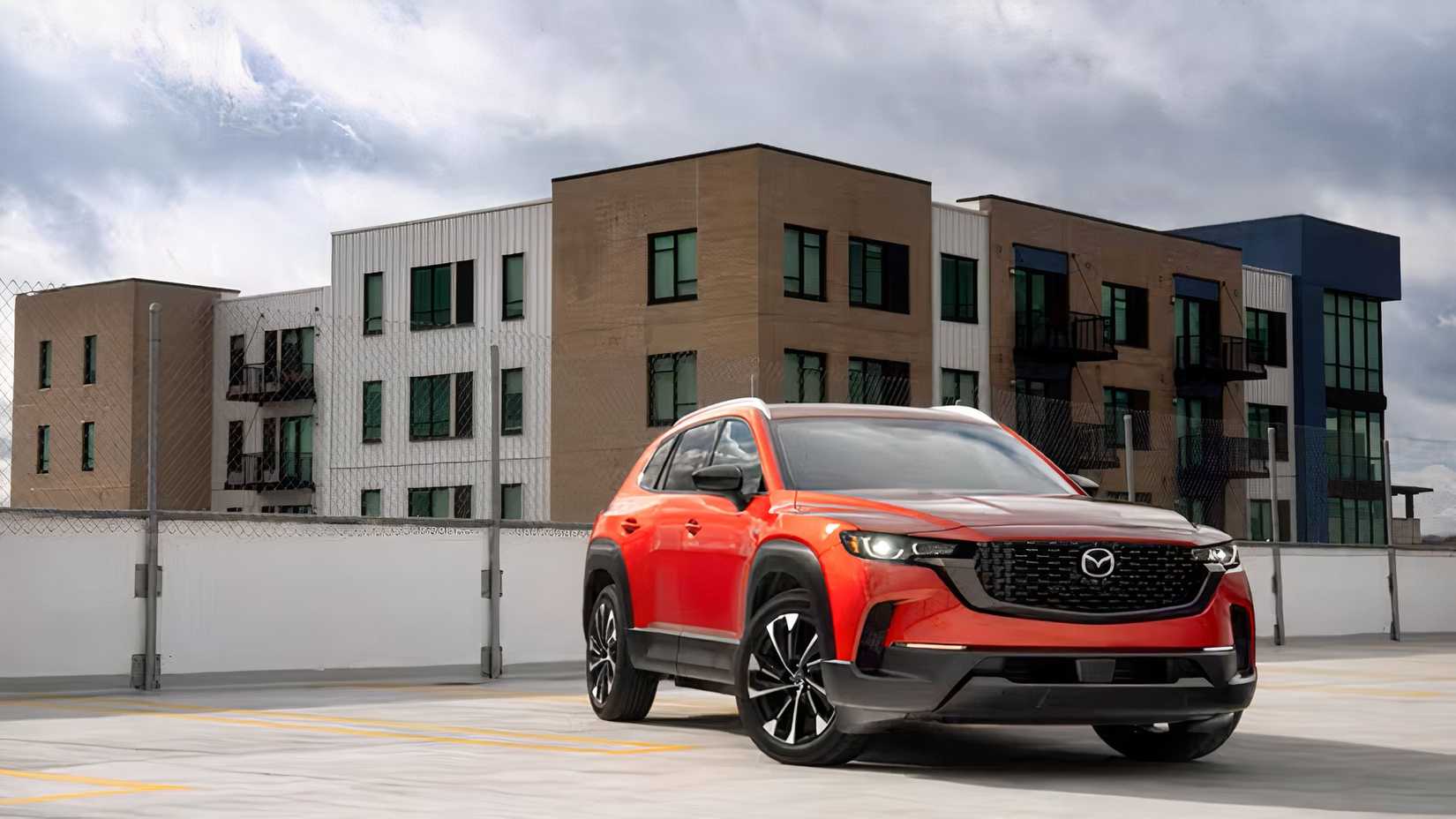
The Mazda CX-50 isn’t dominating flashy, loud primetime commercials or attempting to reinvent the wheel with unproven, over-hyped technology because it simply doesn’t need to. It is winning over the market’s smartest buyers through organic word-of-mouth recommendations, rigorous independent evaluations, and pure mechanical merit. It stands as an intentional monument to what a modern vehicle should be.
By offering both a hyper-efficient, Toyota-backed hybrid variant across its Preferred, Premium, and Premium Plus trims, alongside a pure, geared traditionalist setup for the driving purist, the CX-50 refuses to force buyers into a corner. It serves as a rare, compromise-free sanctuary in a commoditized industry.
Source: Mazda, J.D. Power, The EPA, CarEdge