
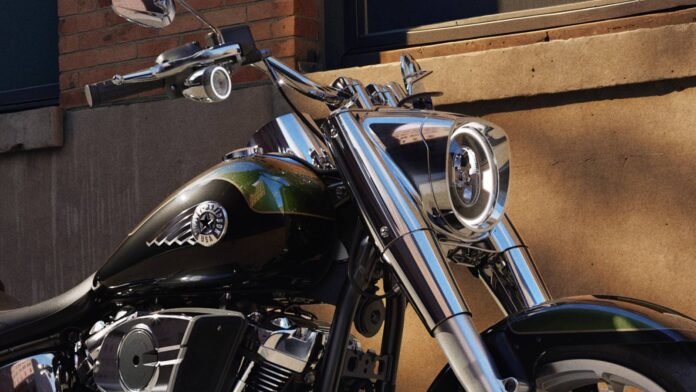
Today, American motorcycling culture is a vast Venn diagram of different groups that converge only at the common point of “riding a motorcycle”. Sports bikes are popular among young riders who travel in groups and have a thrilling outlook on riding, often hitting winding mountain roads. Then there are the ADV riders who go on long trips, embrace the greater unknown, and camp in the mountains.
Then there is the seasoned bunch of Harley riders. These mostly comprise retired veterans, and they go to Sturgis. In fact, veterans and cruiser bikes have been crucial in shaping the American riding experience, given the motorcycling community’s evolution since World War II. Today, an iconic Harley-Davidson nameplate that has been in production for over 30 years still stands tall, defining the nostalgia-driven experience.
America And The Love For Motorcycles
America’s long-standing relationship with motorcycles is a deep-seated cultural romance born of need that later evolved into a symbol of ultimate freedom, rebellion, and brotherhood. The early 1900s saw Harley-Davidson and Indian Motorcycle establish American manufacturing roots. Then the World Wars demanded that these brands provide vital support for military reconnaissance and courier duties. Post-World War II, returning veterans sought camaraderie and adrenaline and found the perfect vessel in surplus V-twin motorcycles made for the war.
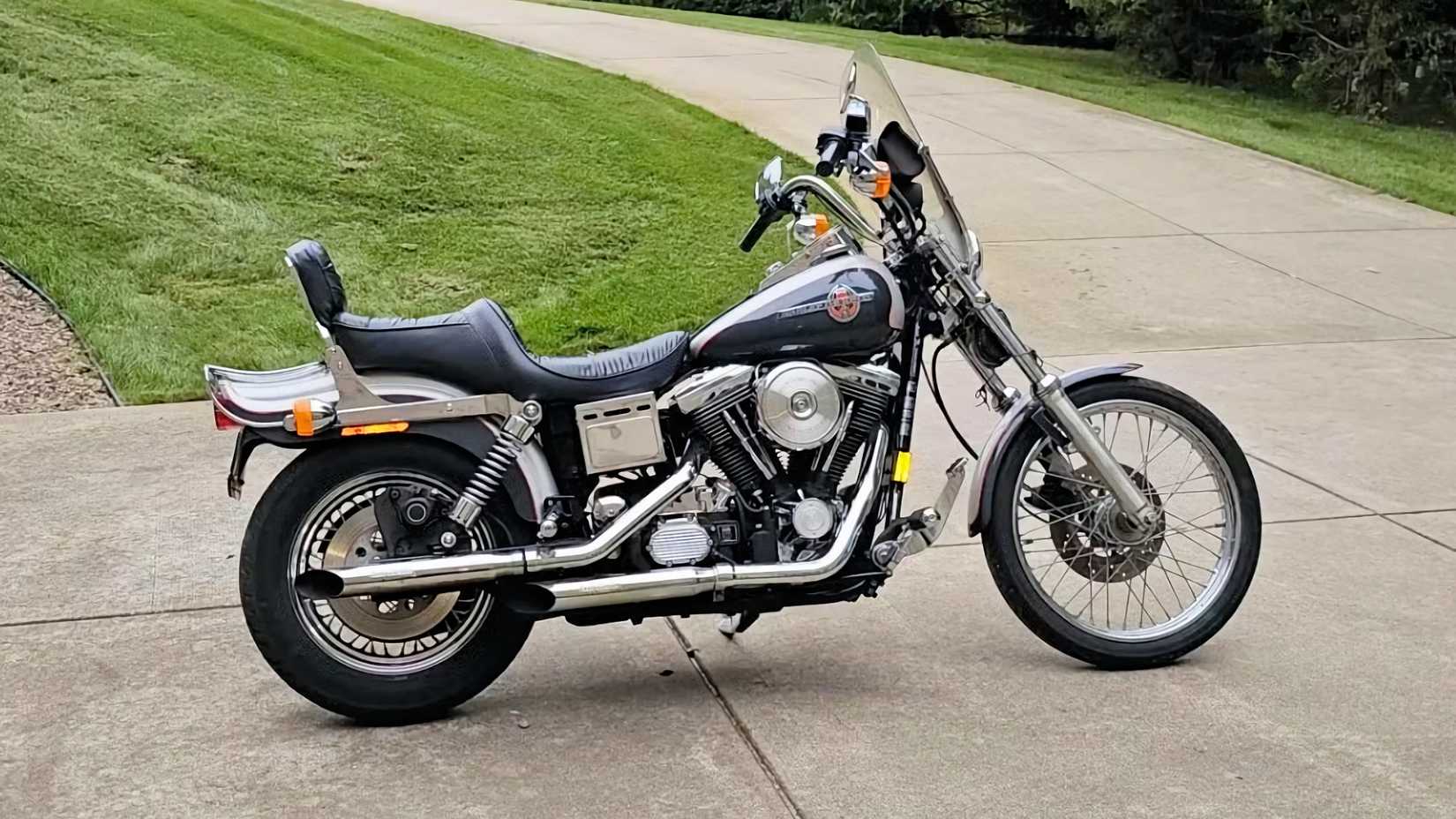
This post-war phase ushered in a new wave of brotherhood, further solidifying the “biker” image as an enduring American icon. The media also played an important role in promoting American V-twin cruiser bikes as cultural icons. Notable examples include the Easy Rider Harley, the custom wave of choppers, the Sturgis Rally (a gathering of riders since 1938), and the Sons of Anarchy TV drama series that helped keep the flame of “love for motorcycles” alive and kicking.
Why V-Twin Cruisers Best Define The American Riding Experience
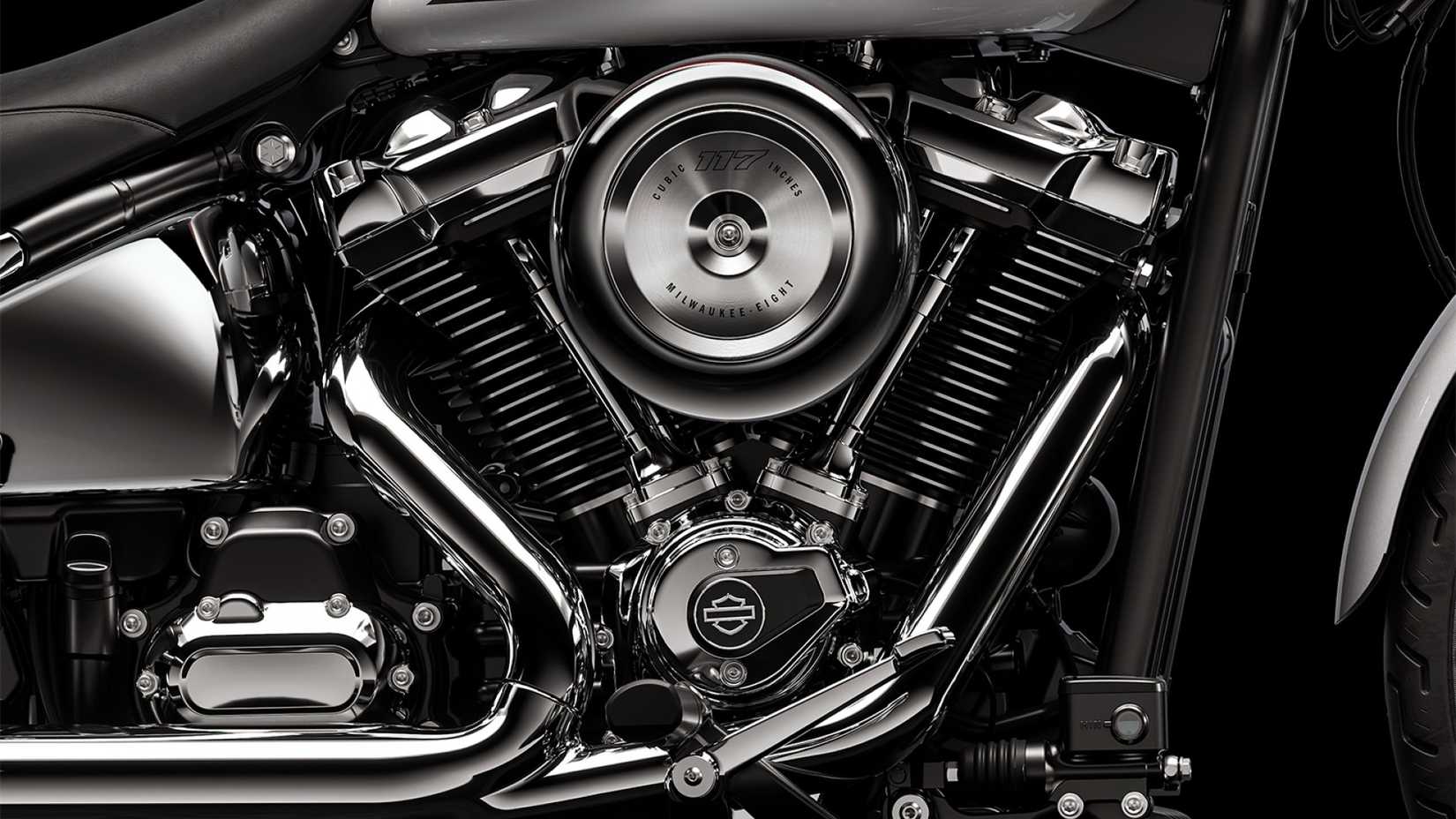
America has a vast geography, and that shows in its endless road map. Big twin cruiser bikes reciprocate well with the American landscape and cultural ideas. It has been the norm since the 1900s. The heavy frames, loping torque delivery, and relaxed seating posture are purpose-built for long highway stretches. Its meaty low-end torque helps riders effortlessly “roll-on” and can cruise at highway speeds for hours without feeling sluggish. The iconic sound and the rumble one feels are thanks to the traditional 45-degree V-twin setup with an asymmetrical firing sequence. This creates the legendary syncopated “potato-potato” exhaust and the low-frequency rumbling vibration.
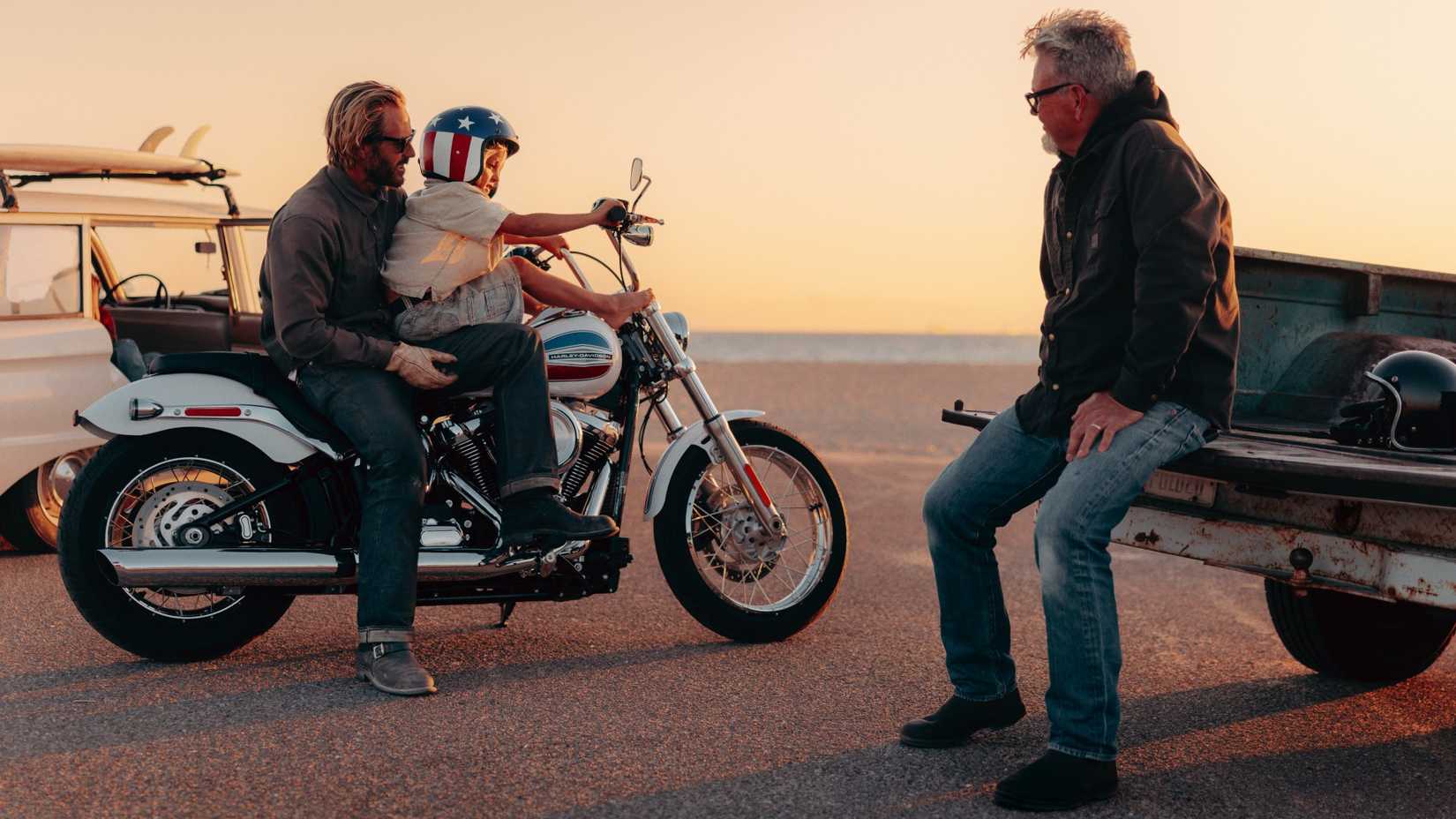
Then there’s the cultural rebellion that started with the returning World War II veterans. They wanted to showcase individualism and freedom. This was done by adopting heavy-duty, minimalist American V-twin cruisers and then using them as blank canvases to showcase customization skills. The result was a fiery wave of custom choppers and bobbers that stood out from the rest.
American Giants Have Perfected The Quintessential Cruiser Formula
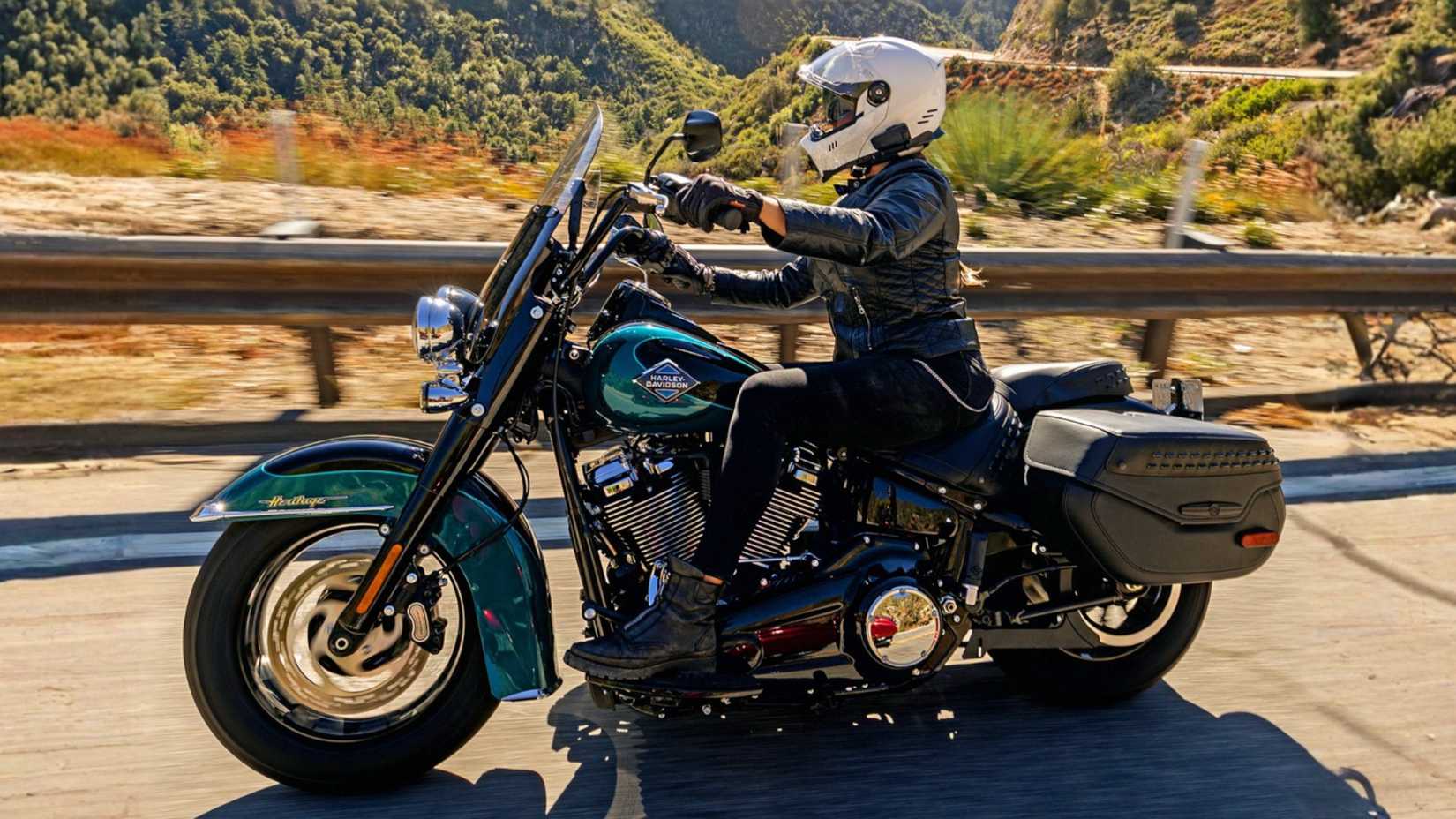
The surplus of V-twin motorcycles and the consistent evolution of riding culture centered on classic-vibing cruiser bikes. This helped legacy motorcycle makers like Harley-Davidson and Indian Motorcycles tap into riders’ emotions and perfect the formula. Eventually, they also started mass-producing custom-styled V-twin cruisers. The 1971 FX Super Glide is widely considered to be the first-ever factory custom motorcycle.
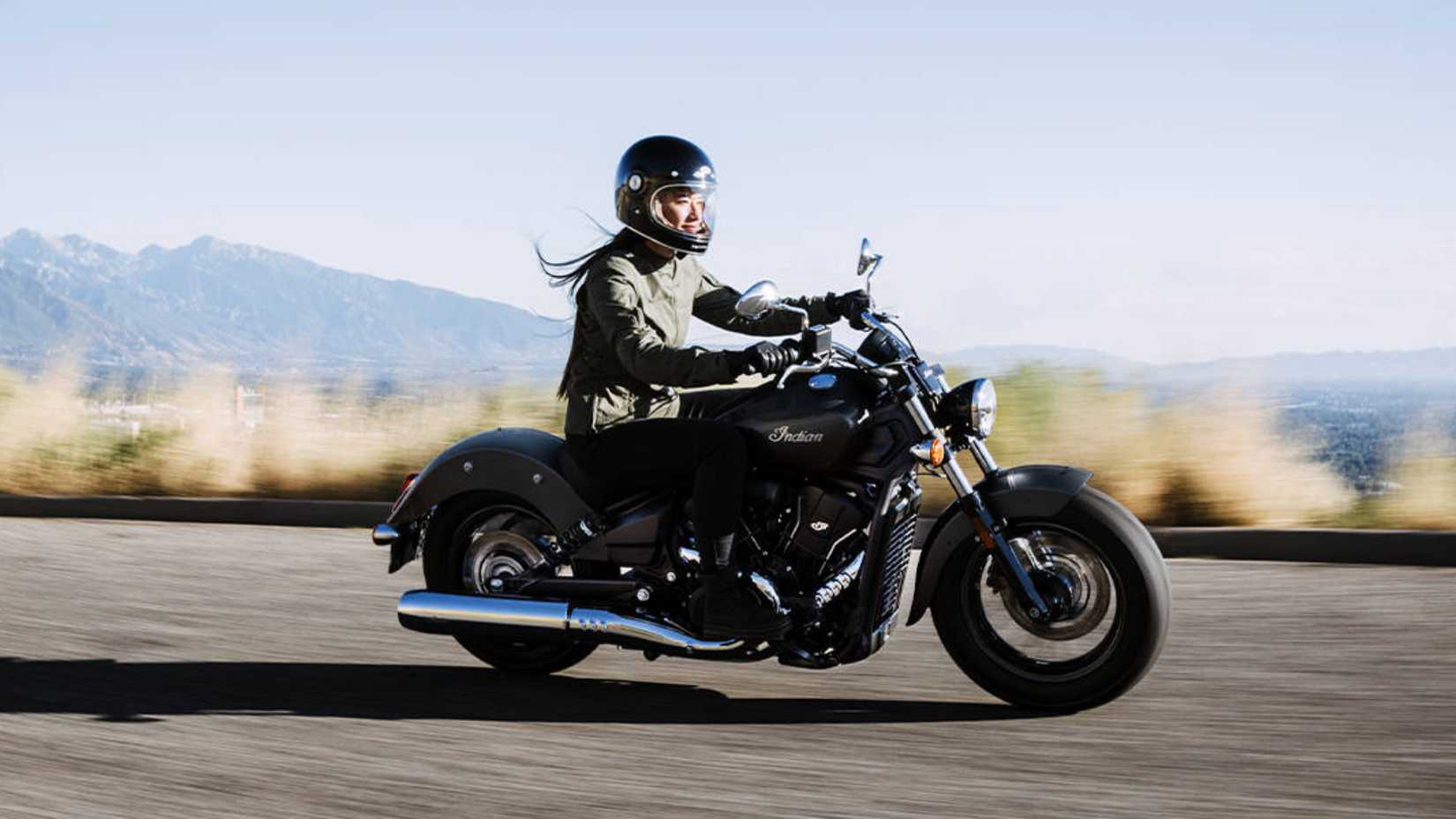
As for Indian Motorcycle, while its impact was not as significant as Harley’s, the 1940s Indian Chief introduced valanced fenders that gave it a “rolling art” appearance, making it a favorite canvas for early customizers. Today, the 2026 Indian Scout Bobber continues the “custom” trend with a slammed stance, minimalistic design, and blacked-out styling.
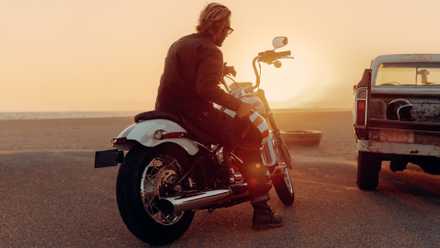
The Cruiser That Feels Like A Rolling Piece Of Americana
A surprise new 2026 cruiser brings back a 1970s icon, celebrating American freedom with just 2,500 units worldwide.
The Harley-Davidson Fat Boy Still Defines The American Riding Experience
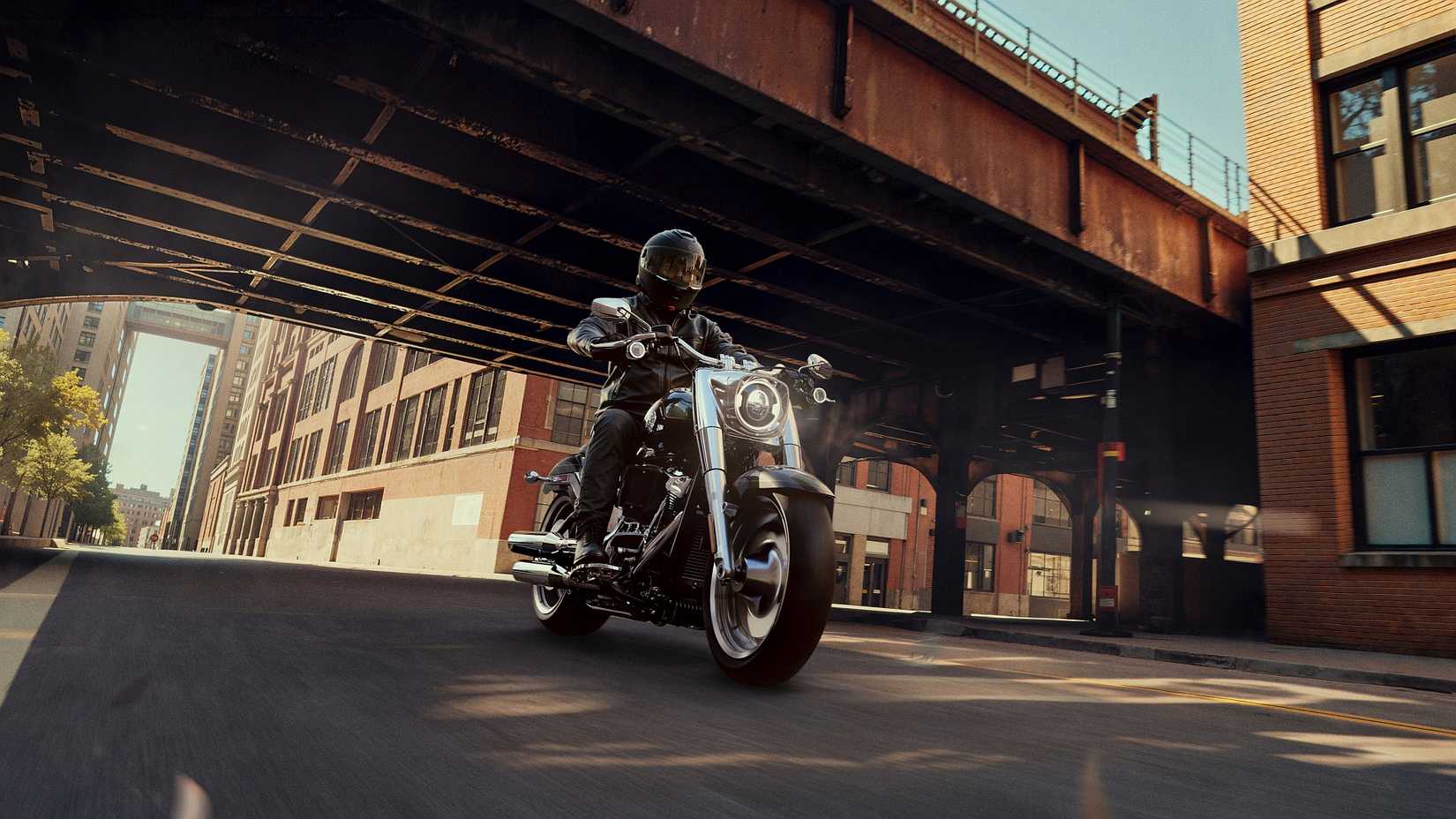
Today, both legacy American motorcycle makers have evolved notably to embrace modern motorcycling. While both Harley and Indian strive to fuse their old-school charm with modern features, the Fat Boy is one of the few examples that still hits the right feel and offers an authentic American riding experience. In fact, Harley has been doing so consistently since the 1990s.
History Of The Iconic Harley-Davidson Fat Boy
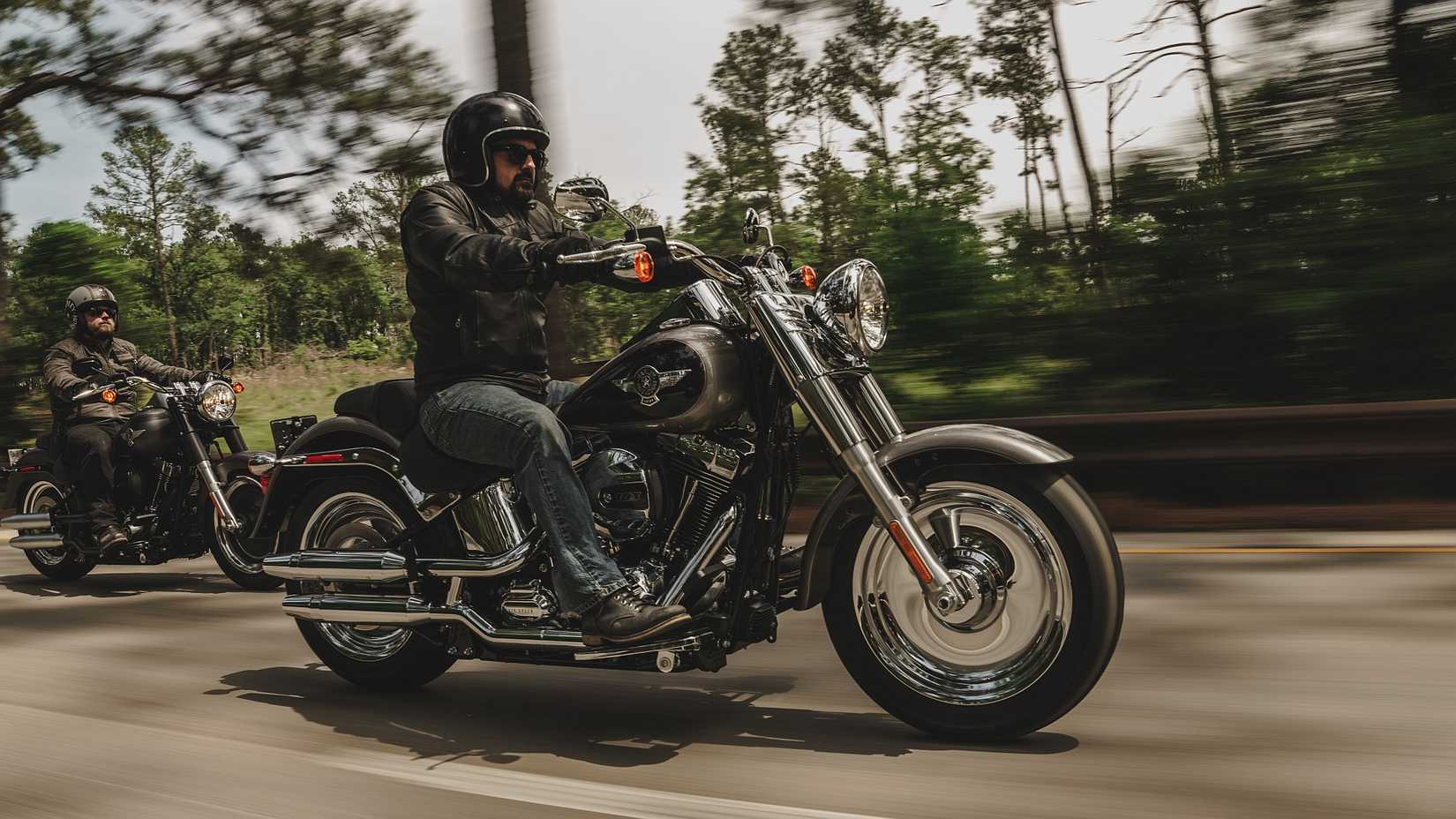
The first FLSTF Fat Boy was introduced in 1990. It was designed by Willie G. Davidson and Louie Netz and stood out from the V-twin bunch with unique wheel designs, an imposing stance with stout muscular lines, and, of course, a rumbling V-twin. Over the years, Harley has updated and refined the Fat Boy. The Evolution V-twin was replaced with a superior Twin Cam V-twin 88 in 2000.
In 2005, there was a special-edition CVO model powered by the mighty 1,690 cc Screamin’ Eagle V-twin and custom wheels. The very next year, the standard model got a bump in displacement, and the gearbox was swapped for a six-speed unit. From 2010 to 2020, impactful updates included the introduction of the Fat Boy Lo, which had the lowest seat height of any Harley at the time.
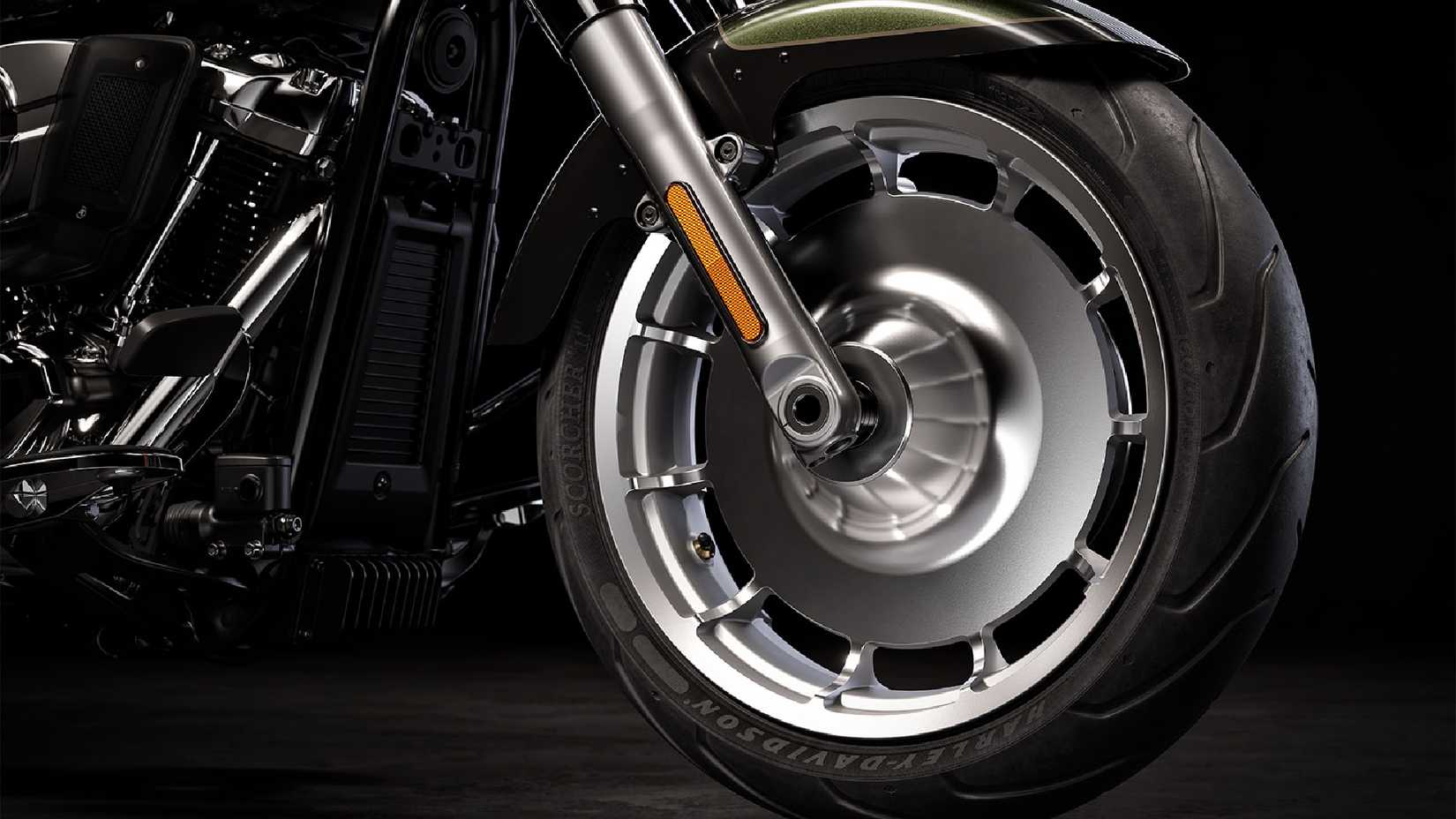
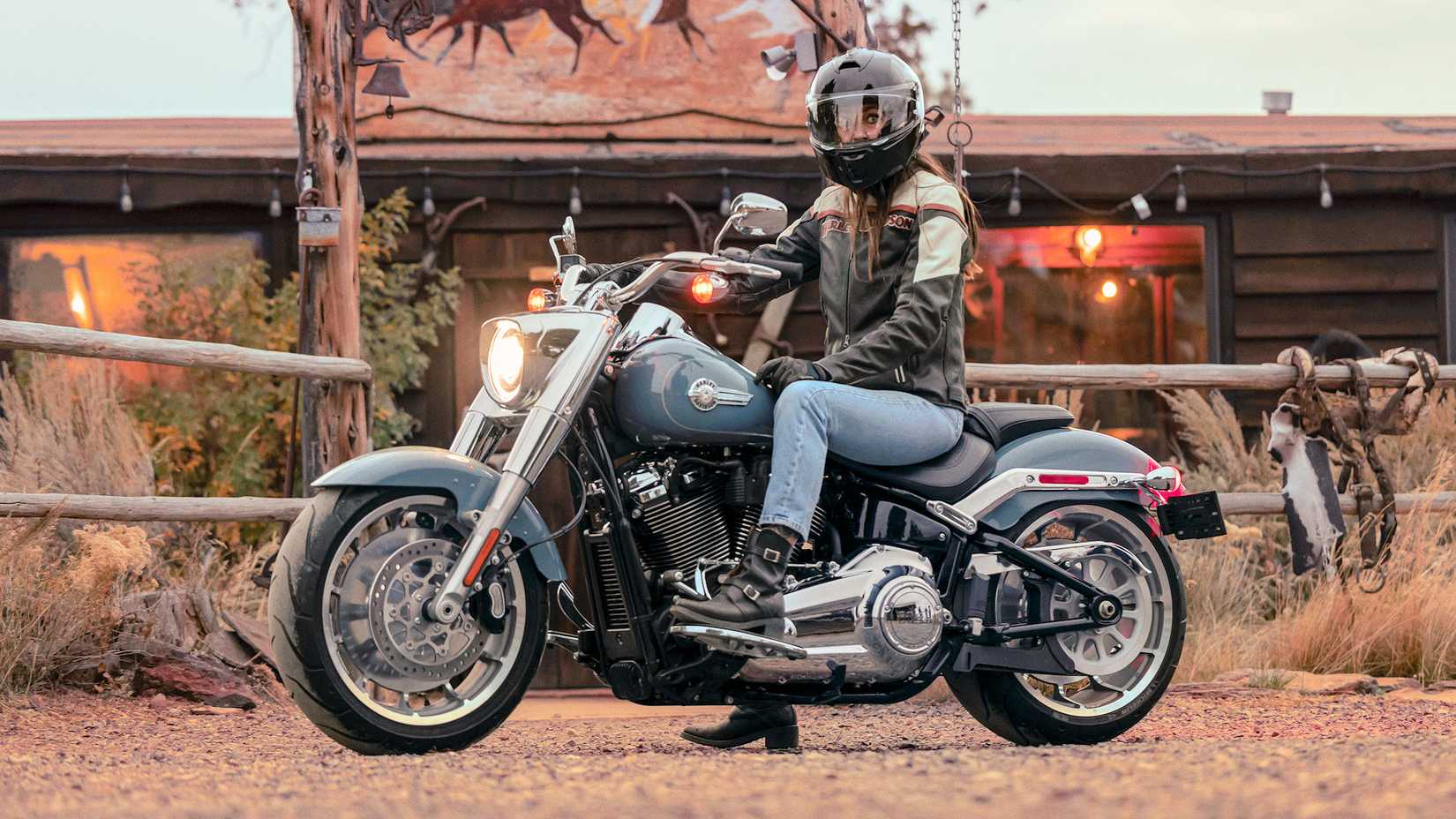
In 2012, the engine was again upgraded to the Twin Cam 103s, bringing the Fat Boy up to speed and in sync with the other Softail lineup upgrades. In 2018, Harley gave the Fat Boy a major overhaul with a redesigned Softail frame, premium Showa suspension, and the more refined Milwaukee-Eight 107 and 114 V-twins. Today, the Fat Boy remains true to its legacy, focusing on massive low-end torque and head-turning appeal. Harley has been true to the key defining visual cues of the Fat Boy, which carries on, unfazed, to date.
A Pop Culture Icon That Has Aged Like Fine Wine
The Fat Boy’s role in the Terminator 2: Judgment Day movie further highlighted its muscular stance and cemented its cultural status. Its visual appeal synced perfectly with Arnold Schwarzenegger’s T-800 Terminator character. These attributes made history, sending shockwaves across borders and making the Fat Boy a known figure even among those who are not into motorcycles.
Interestingly, the Fat Boy was known as a competent touring cruiser bike before the movie. But after that, it became a powerful cruiser, symbolizing rebellion and strength. Its iconic silhouette, solid-cast disc wheels, and wide “Steamroller” tires complemented this theme well with an aggressive and unmistakable stance.
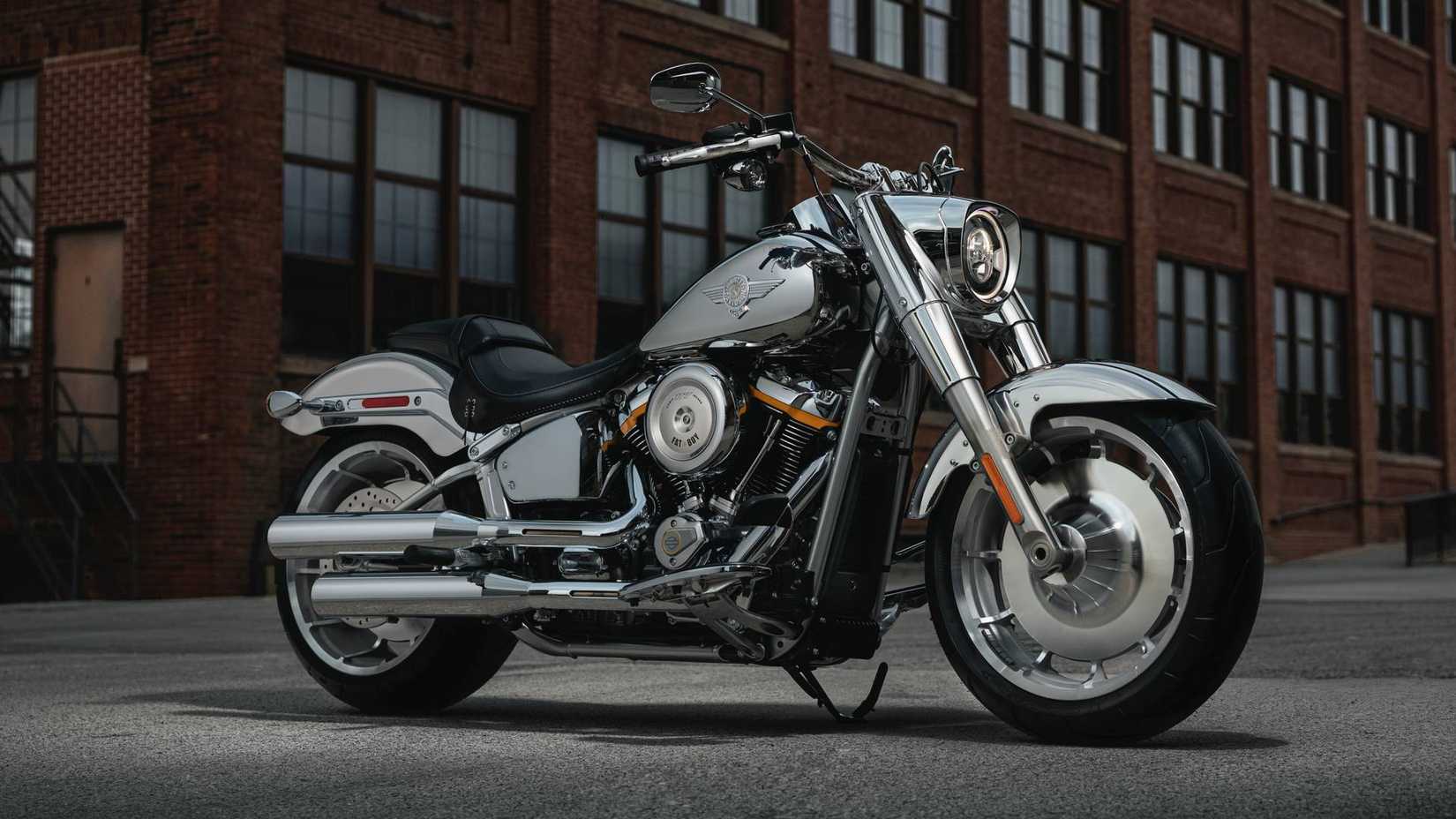
Last year was the most recent instance of a special-edition Fat Boy with the 2025 Gray Ghost. It takes inspiration from the OG Fat Boy and gets features like a polished mirror finish, 3D tank emblems, yellow accents on the engine head, and a circular air filter cover. Almost every visual element on the Fat Boy Gray Ghost is given a chrome treatment.
Powered By A Torque-Rich V-Twin
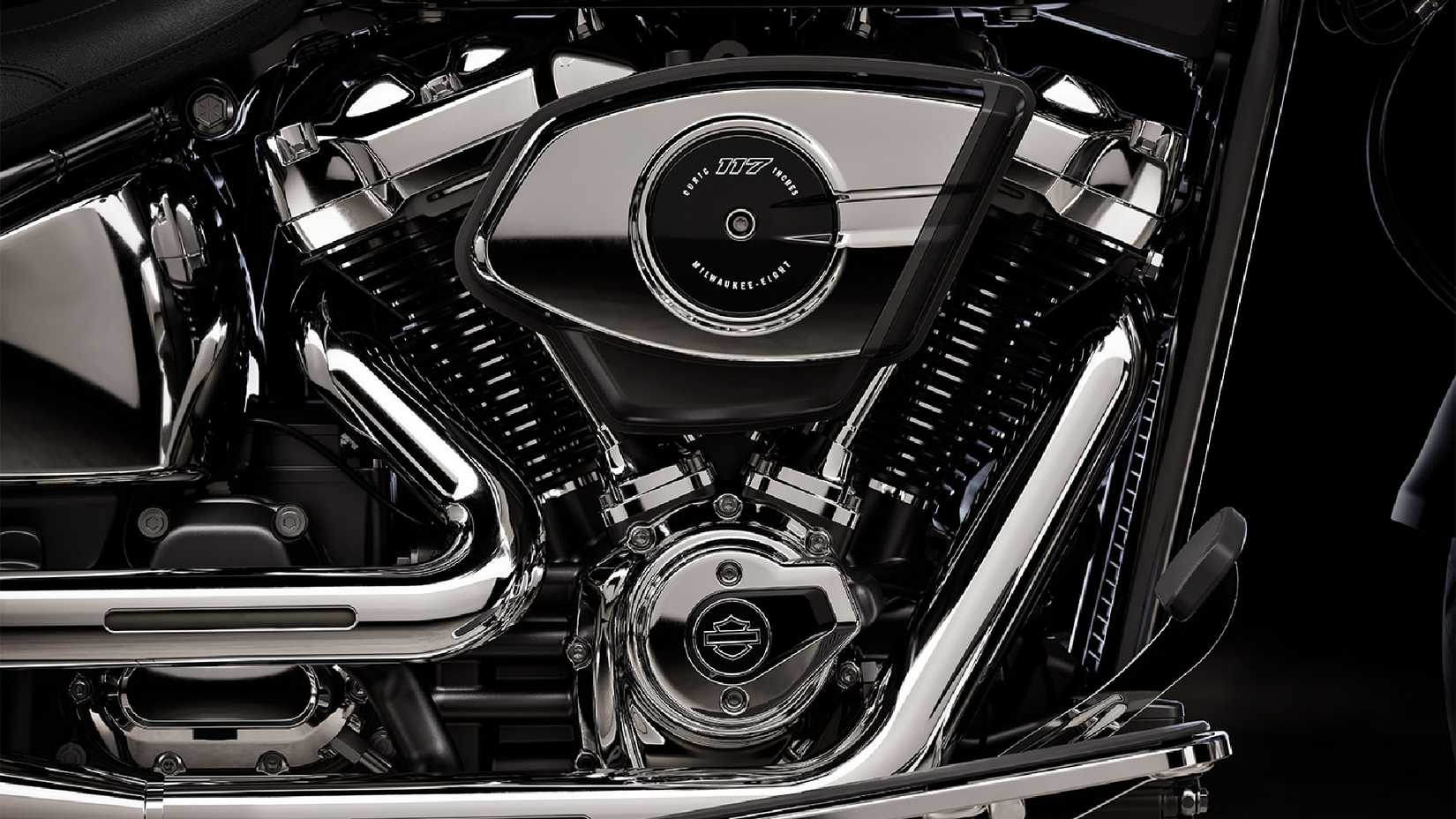
The 2026 Fat Boy is powered by a new Milwaukee-Eight 117 V-twin that stays true to its muscular character with meaty torque. The 117 is in the “Custom” tune and produces 103 horsepower at 4,800 RPM and an eye-popping 126 pound-feet of torque at 3,000 RPM. Power is sent to the rear wheel via a six-speed manual gearbox and a final belt drive system. This massive 1,917 cc V-twin is refined thanks to dual counterbalancers.
A Conventional Chassis With Modern Hardware Designed To Last
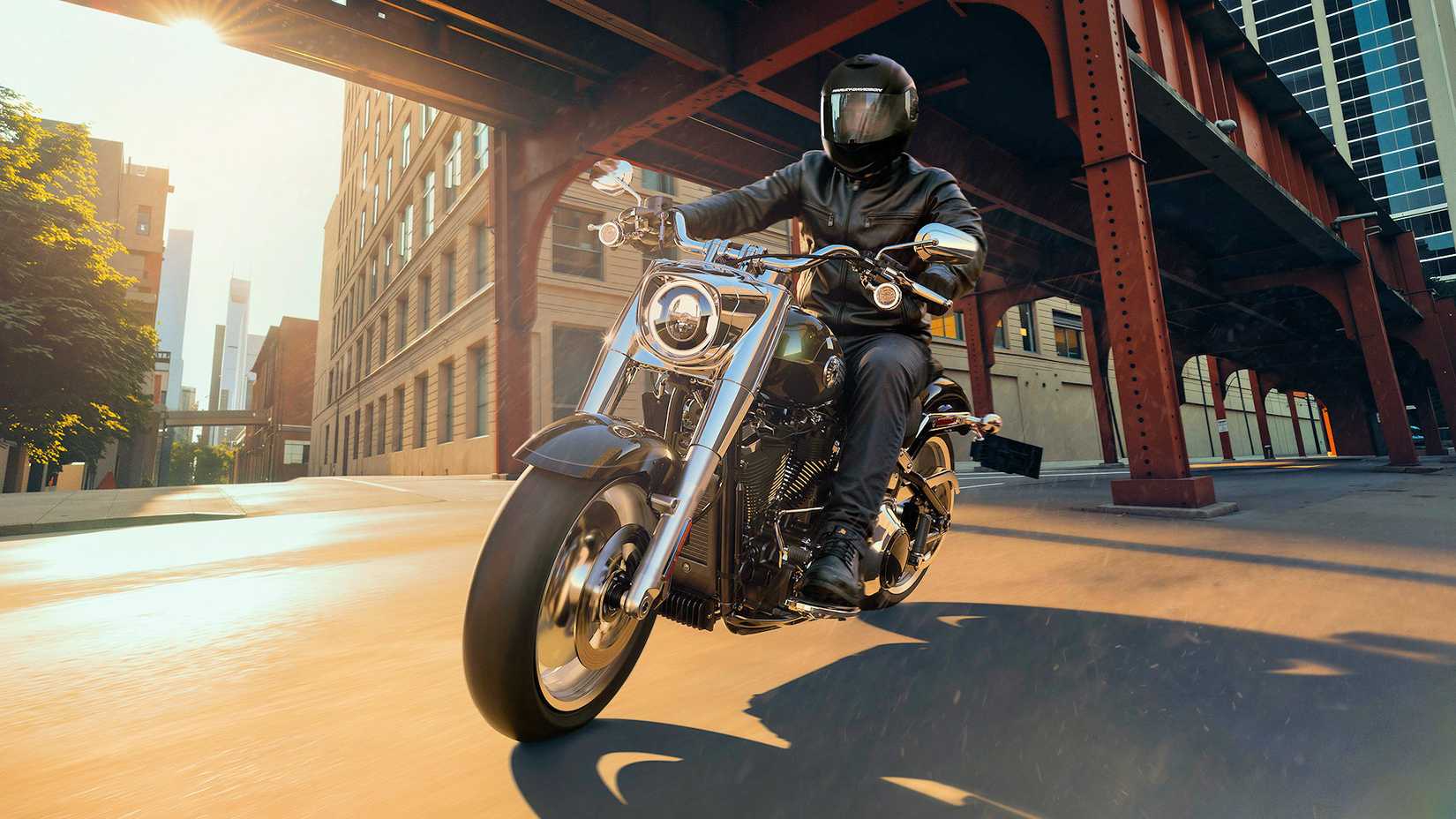
Underpinning the charming looks and beefed-up V-twin is a traditional downtube frame. It has been updated to meet modern requirements. It is suspended on Showa-tuned suspension that comprises front dual bending valve-type forks with “beer can” covers. The rear is the famed hidden Softail monoshock setup located under the seat.
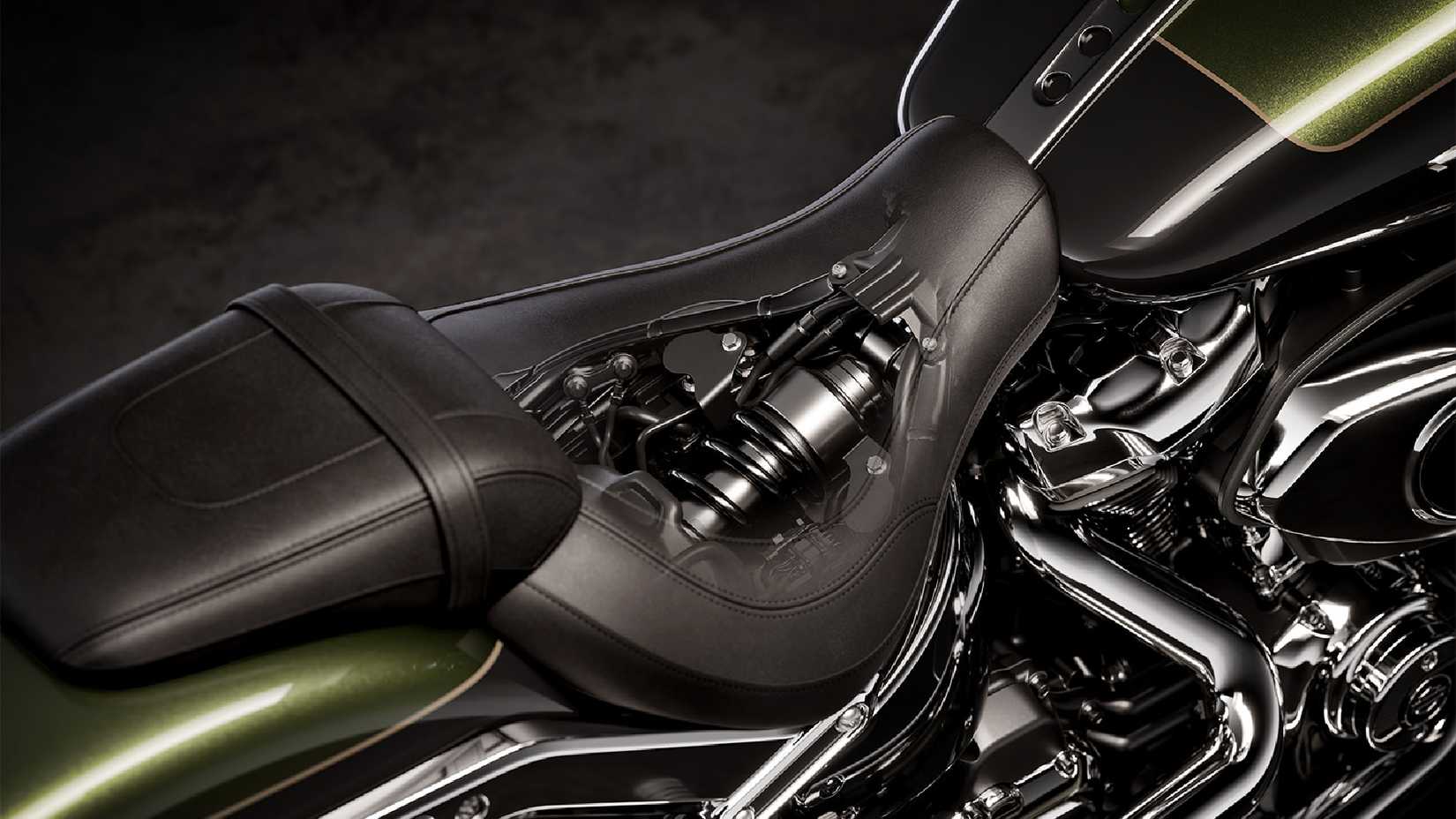
It gets preload adjustability. Braking duties are taken care of by twin 300 mm front discs coupled to four-piston calipers. The rear gets a 292 mm disc coupled to a two-piston caliper. Harley gives the Fat Boy a distinguished wheel combination of 18-inch wheels at both ends. The front gets 160-section tires, and the rear flaunts the chunky 240-section rubber that gives it the “steamroller” tag. The stance is low and wide, which also translates to an accessible seat height of just 25.9 inches. The Fat Boy is hefty, with a curb weight of 694 pounds, but that heft contributes to the riding experience.
How Two Bikes From Opposite Sides Of The World Rewrote The Rules
What would an American cruiser and a Japanese sports bike have in common? They both became pop culture icons.
Neatly Hides Modern Features Under Its Iconic Looks
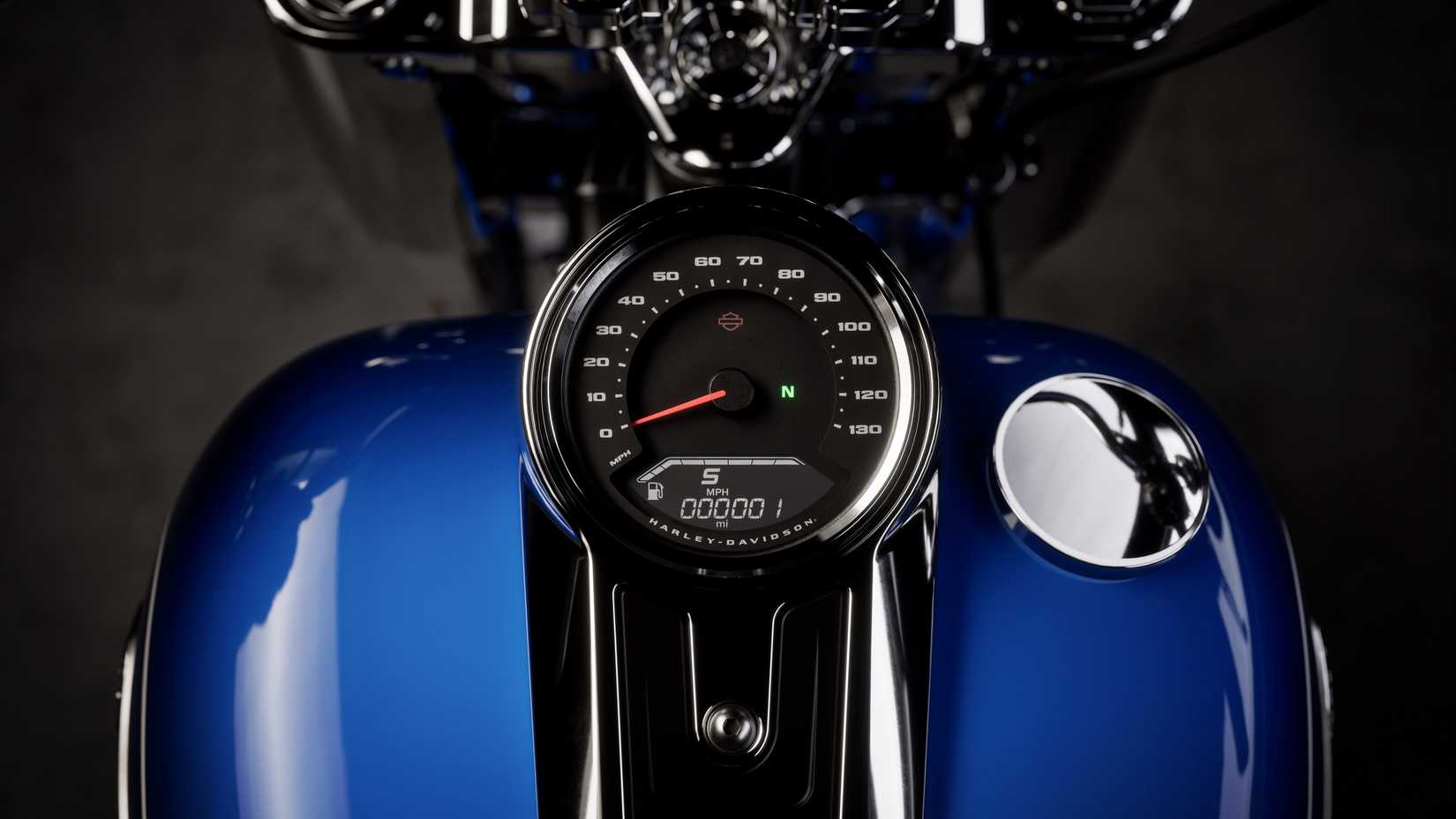
Harley has been careful not to fiddle with the Fat Boy’s consistent old-school charm and experience. Hence, modern technology features are neatly hidden behind its classic clothing. Riding and safety features include a by-wire throttle and four ride modes. It gets ABS, traction control, and drag torque slip control, all of which are also cornering-enabled. Other notable features include a Tire Pressure Monitoring System, a USB-C charging socket, and cruise control for those long and cozy highway runs.
This Harley Beautifully Fuses Old-School Charm With Modern Confidence
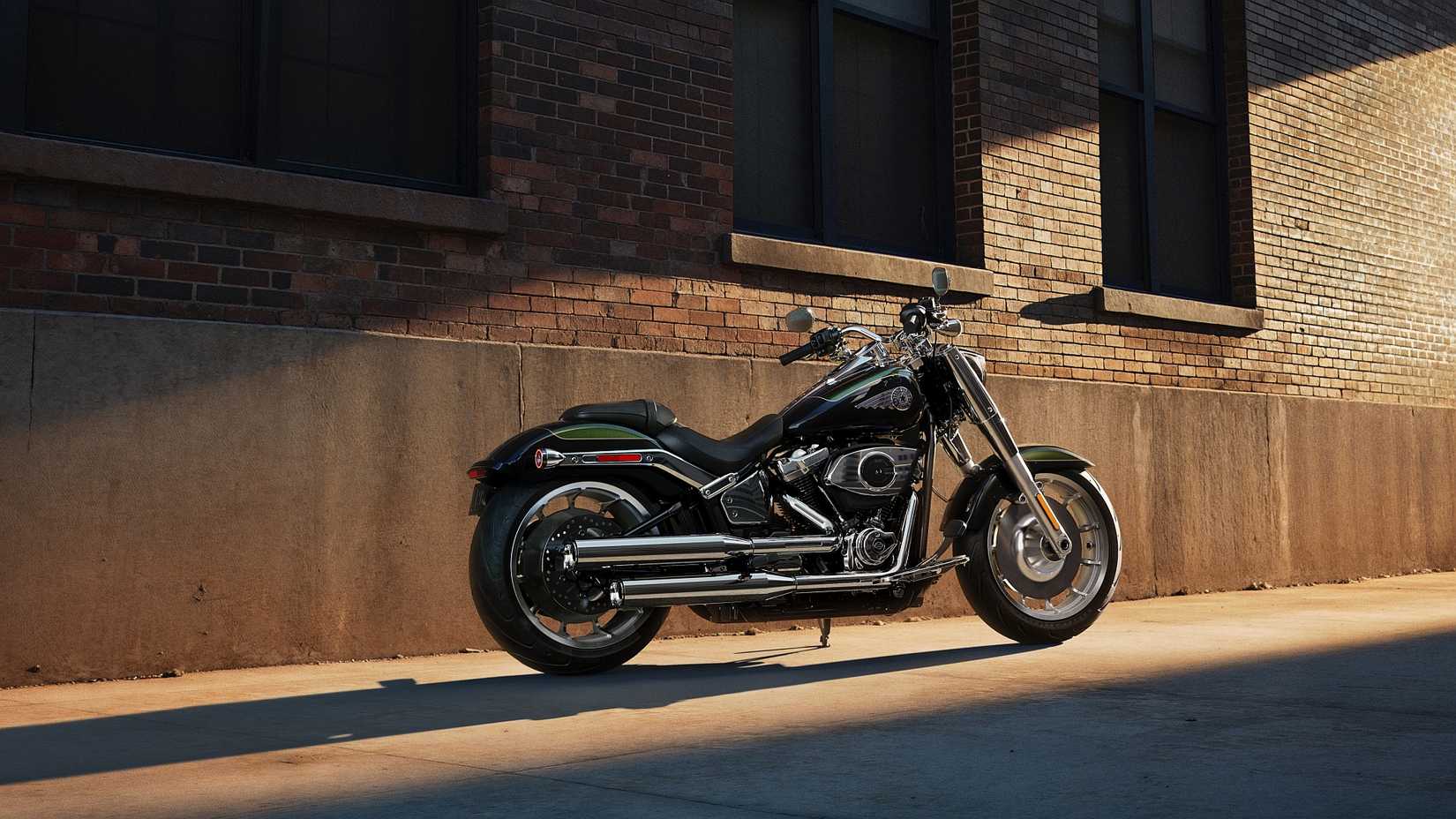
Harley’s efforts to keep the Fat Boy true to its origins while evolving and refining the whole package with more performance, modern underpinnings, and hidden technology features help instill this iconic cruiser bike with modern confidence. None of its rivals match the visual, aural, and emotional aspects that the Fat Boy brings to the table. The closest one in terms of muscular charm is the Suzuki Boulevard M109R with 123 horsepower.
While it is super-refined with parts shared with Suzuki GSX sports bikes, the M109R doesn’t quite strike the emotional chord. The mechanical drama is rather subdued compared to the mighty Fat Boy. Also, the Suzuki’s muscular charm is not a match for the Fat Boy’s head-turning drama. Do chime in the comment section below with your thoughts.
Sources: Harley-Davidson, Indian Motorcycle, and Suzuki Cycles.