
Muscle car history usually gets told through the same familiar names: Mustang, Camaro, Challenger. They dominate headlines, auction results, social media feeds, and just about every conversation that starts with “what’s the greatest muscle car ever made?” But that version of history leaves a lot out.
Some genuinely good muscle cars arrived at the wrong time. Others wore the wrong badge. A few confused buyers so badly that they never stood a chance. What’s popular doesn’t always mean it’s the best — and it certainly doesn’t mean it’s the most interesting. These seven cars sit outside the usual muscle car hall of fame, yet talk to the people who own them, restore them, or actively hunt for them, and you’ll hear the same thing: they deserve better.
Dodge Magnum R/T (2005–2008)
The HEMI-Powered Wagon No One Knew What To Do With
The Dodge Magnum R/T showed up in the mid-2000s looking like it had taken a wrong turn somewhere between a muscle car revival and a suburban school run. Built on Chrysler’s rear-wheel-drive LX platform, it shared its bones with the Charger and Chrysler 300. Instead of following the expected sedan route, Dodge wrapped all that hardware in a wagon body — a move that felt almost reckless at the time. Wagons weren’t cool back then. Performance wagons? Even less so. Most buyers didn’t know what to make of a long-roof Dodge with a V8 under the hood. That confusion ultimately worked against it, but it also planted the seeds for its cult following.
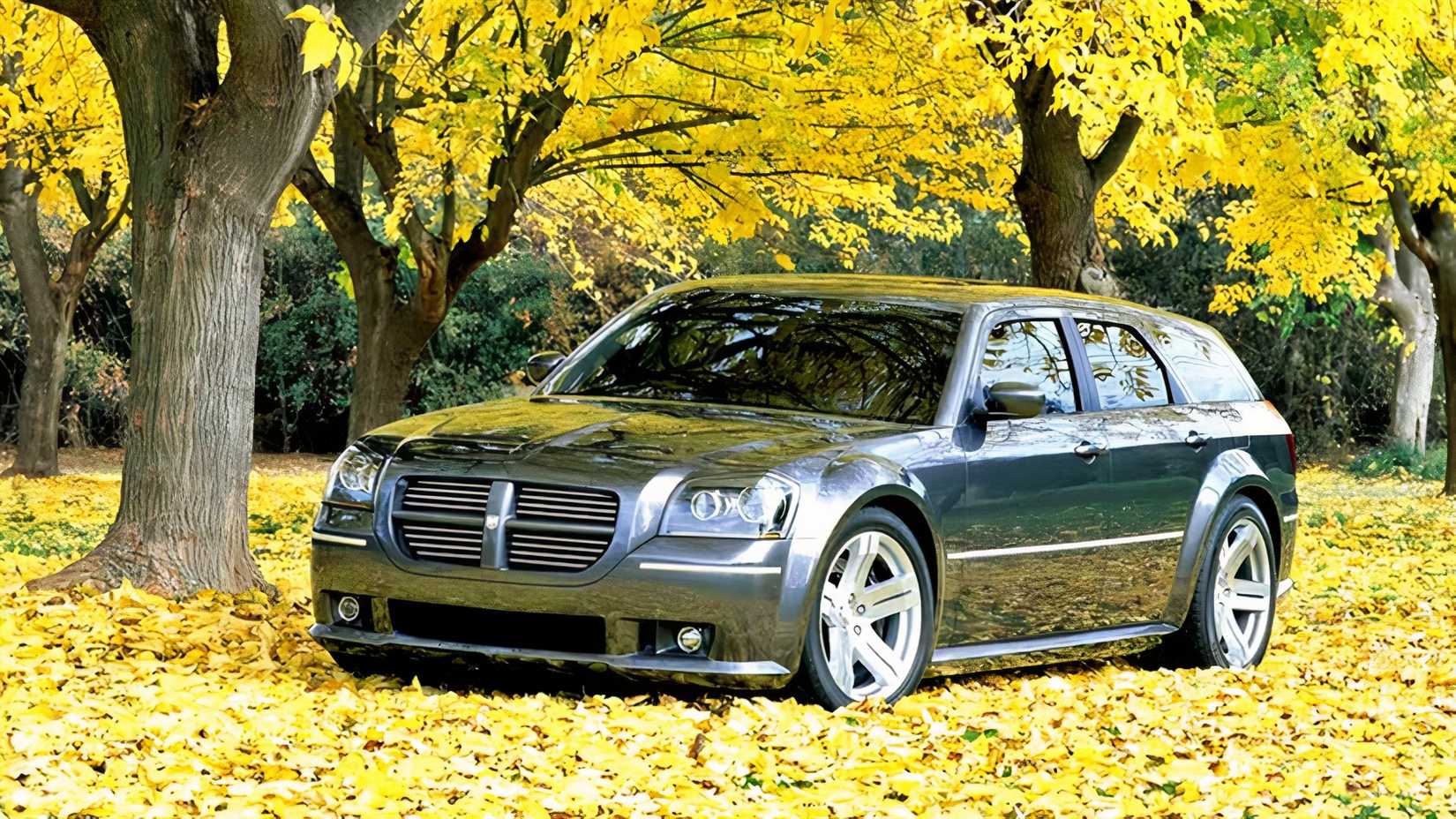
I’ll admit it — I’ve always liked wagons. They’re practical, understated, and usually driven by people who don’t care about trends. A V-8-powered one just makes sense to me. Back then, though, America wasn’t ready. Underneath its family-friendly shape, the Magnum R/T was a proper muscle car. The 5.7-liter HEMI delivered a strong shove, rear-wheel drive kept things honest, and the chassis handled power far better than most people expected. Against rivals like the Chrysler 300C or Pontiac G8 GT, it didn’t just keep up — it offered space they couldn’t. Years later, that sleeper quality is exactly why enthusiasts love it.
Notable Features And Aspects
- One of the first modern Dodges to bring rear-wheel drive back into the mainstream.
- Shared suspension geometry with police-spec Chargers.
- Became a favourite platform for OEM-plus SRT-8 conversions.
Mercury Marauder (2003–2004)
Ford’s Last True Full-Size Muscle Sedan
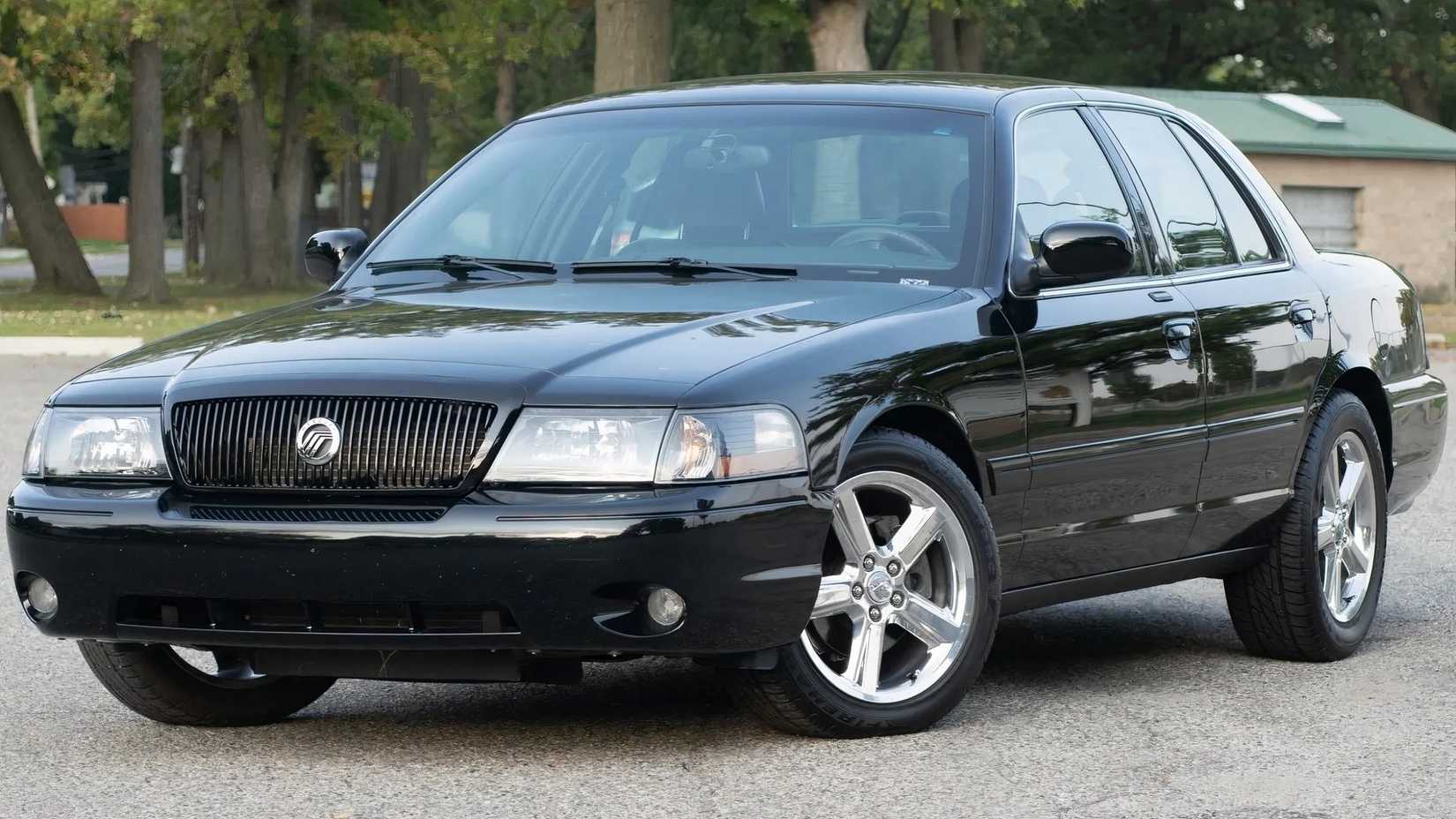
The Mercury Marauder feels like something Ford built for a different timeline — one where full-size muscle sedans never went out of fashion. Based on the Panther platform, it sat alongside the Crown Victoria and Grand Marquis, but Mercury made it clear this wasn’t meant for fleets or retirees. The Marauder was positioned as a performance flagship, complete with blacked-out trim, unique wheels, and a noticeably more aggressive stance. The problem? Hardly anyone noticed.
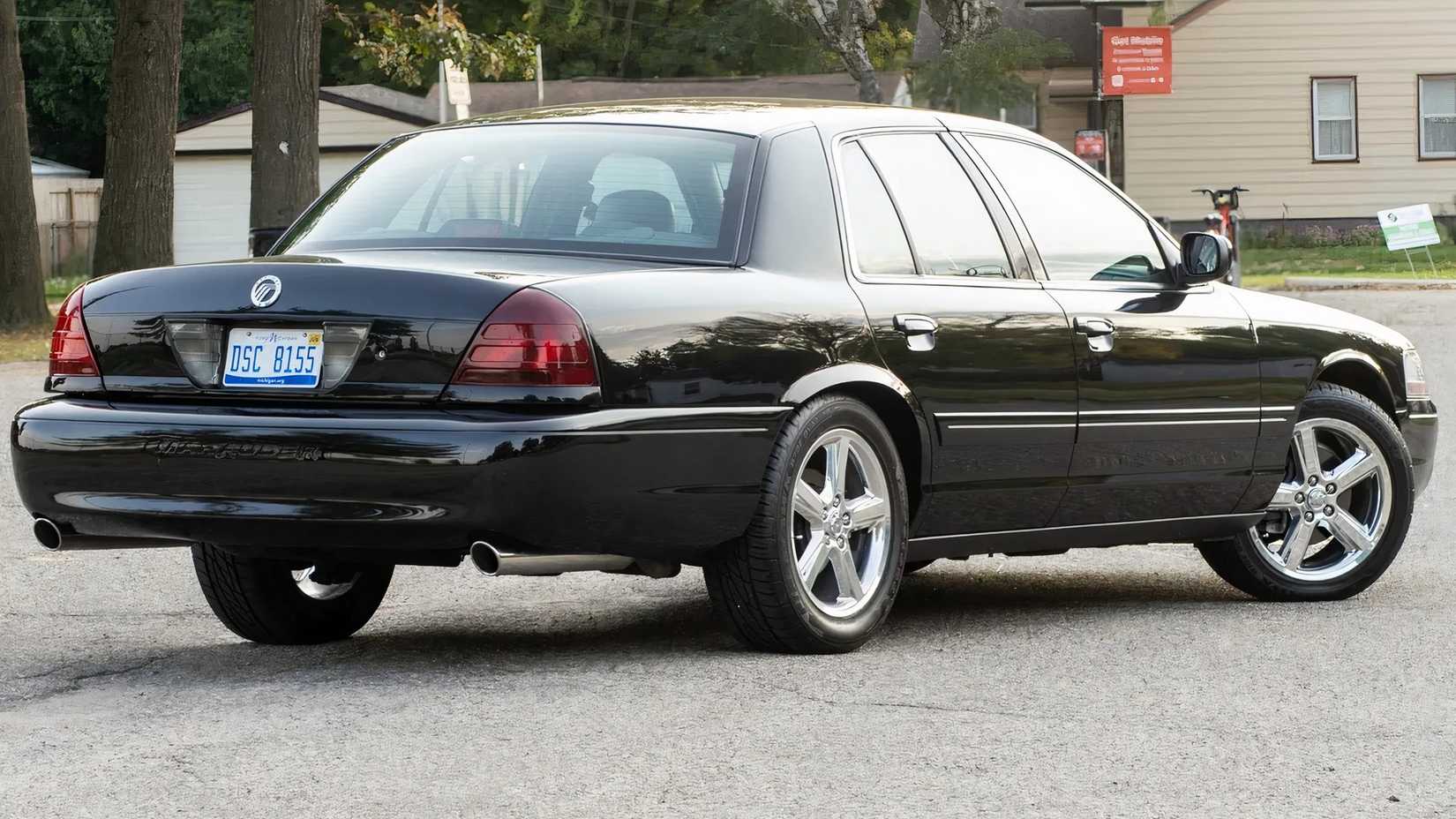
Limited production, conservative marketing, and Mercury’s already-fading brand image meant the Marauder slipped quietly into obscurity. It was here, and then it wasn’t. Gone almost as quickly as it arrived. That’s a shame, because under the hood was a naturally aspirated 4.6-liter DOHC V8 borrowed from the Mustang Mach 1. No turbos, no gimmicks — just rear-wheel drive and a big sedan that knew how to cruise. It wasn’t a drag-strip monster, but it was smooth, confident, and surprisingly enjoyable over long distances. Compared to the earlier Chevrolet Impala SS, the Marauder felt more modern and more refined. Today, its rarity and understated personality are exactly what draw enthusiasts in.
Notable Features And Aspects
- Every Marauder left the factory painted black.
- Its V8 was closely related to the Mustang Mach 1 engine.
- Some Ford dealers reportedly never received a single unit.
Oldsmobile 442 (1971–1972)
A Muscle Car That Refused To Disappear Quietly
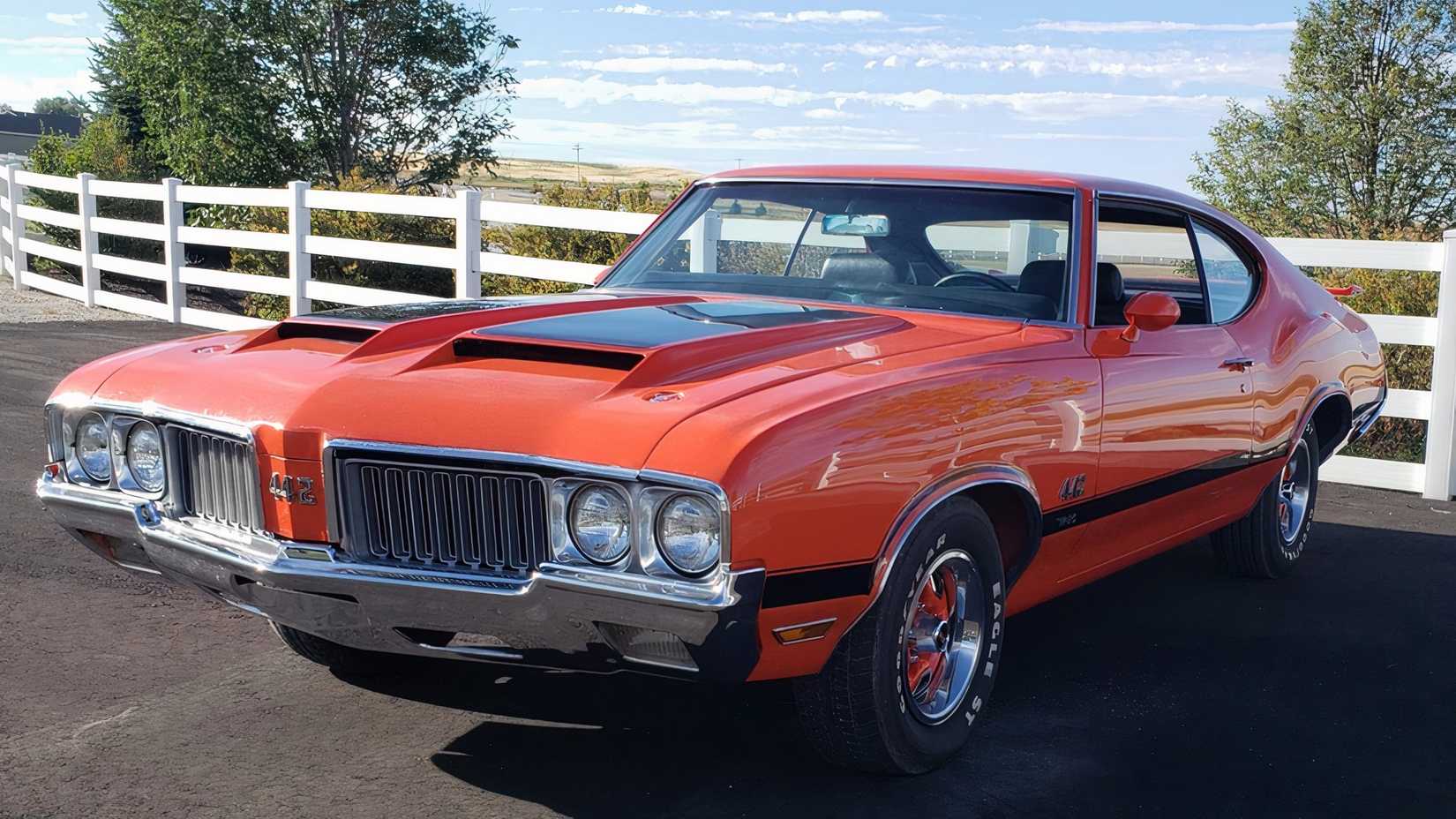
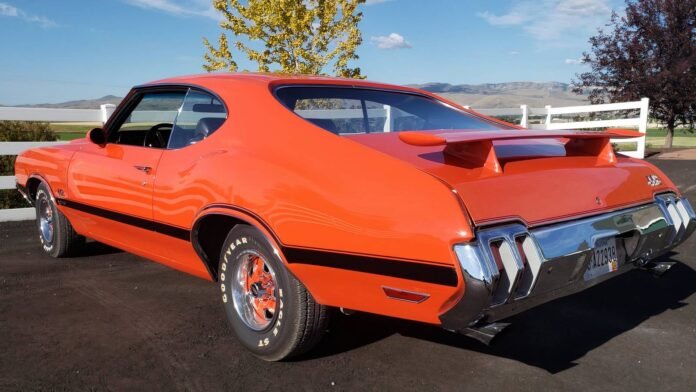
The early 1970s were brutal for muscle cars. Emissions regulations tightened, insurance costs skyrocketed, and horsepower numbers fell almost overnight. The Oldsmobile 442 arrived right in the middle of that chaos, and history hasn’t been kind to it as a result. Later 442 models were judged harshly, often compared unfairly to their late-1960s predecessors. On paper, the numbers didn’t look impressive anymore. But paper doesn’t tell the whole story.
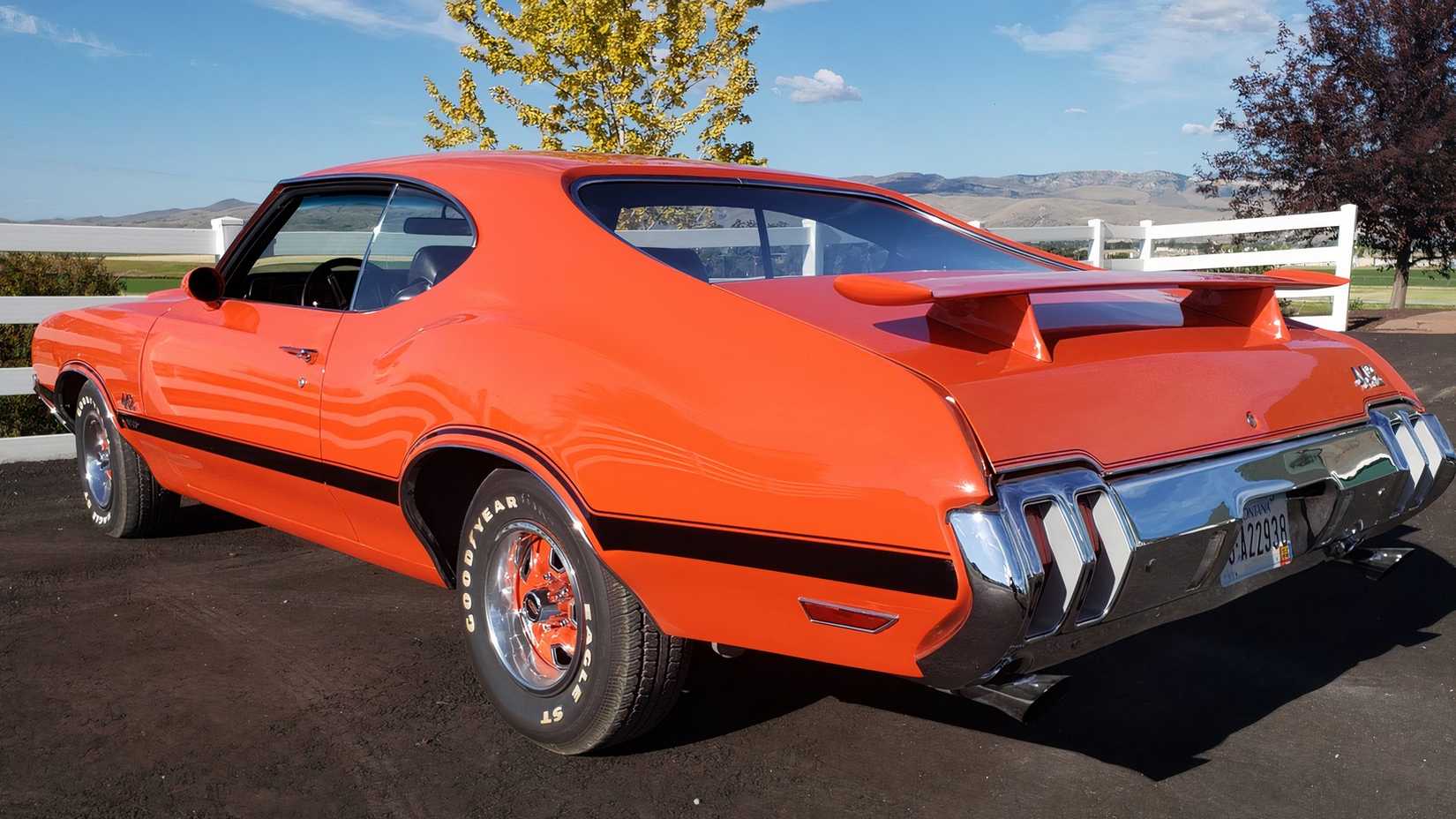
While horsepower ratings dropped thanks to net-rating standards, the 455-cubic-inch V8 still delivered serious torque. In the real world — merging, passing, pulling away from a stop — the 442 remained strong. It wasn’t trying to dominate drag strips anymore. It was trying to survive. Compared to rivals like the Chevelle or LeMans, the Oldsmobile offered a smoother ride and a reputation for durability that many competitors couldn’t match. Enthusiasts today don’t see these cars as compromised. They see them as resilient.
Notable Features And Aspects
- “442” originally stood for four-barrel carburetor, four-speed manual, dual exhaust.
- Net horsepower ratings made later cars look weaker than they were.
- Oldsmobile engines were known for longevity, not just performance.
AMC AMX (1968–1970)
The Compact Muscle Car That Didn’t Play By Detroit’s Rules
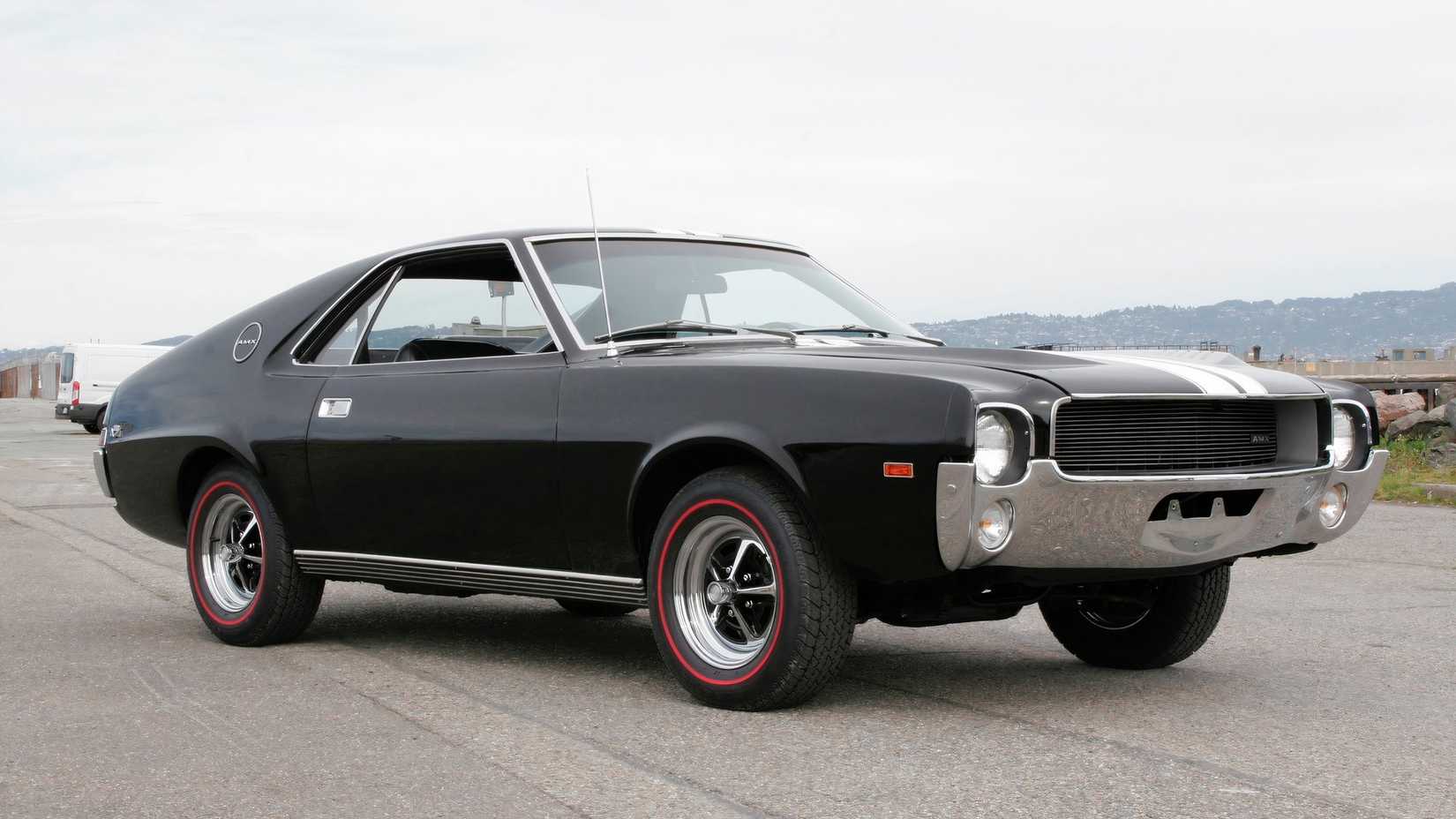
The AMC AMX is proof that you didn’t need size to build a serious muscle car. While Detroit’s biggest names chased longer wheelbases and bigger bodies, American Motors Corporation went in the opposite direction. The AMX was shorter, lighter, and far more compact than most of its rivals — and that was entirely the point. Designed as a two-seat muscle car, the AMX targeted drivers who cared about balance as much as brute force. It reviewed well, drove well, and surprised plenty of people who underestimated it.
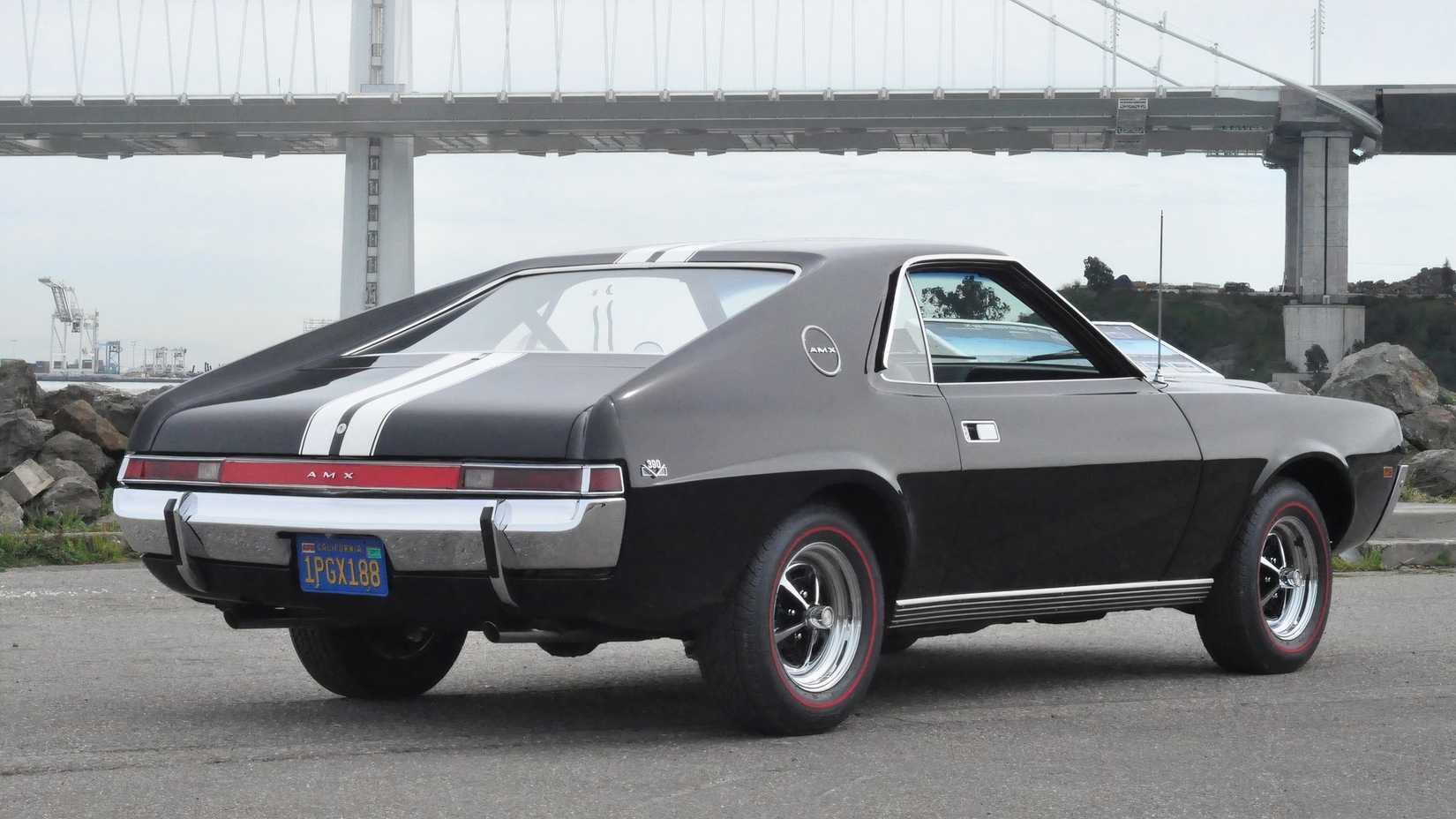
Unfortunately, AMC’s smaller dealer network made it difficult to sell in big numbers. With its 390-cubic-inch V8, the AMX delivered impressive acceleration and benefited from an excellent power-to-weight ratio. Its short wheelbase made it feel raw and lively compared to larger pony cars. Against Mustangs and Camaros, it felt different — less polished, more focused. That uniqueness hurt it commercially but made it unforgettable for those who experienced it.
Notable Features And Aspects
- One of the few factory two-seat American muscle cars.
- The short wheelbase improved handling and acceleration.
- Built to prove AMC could compete with the Big Three.
Buick GSX (1970)
When Torque Mattered More Than Bragging Rights
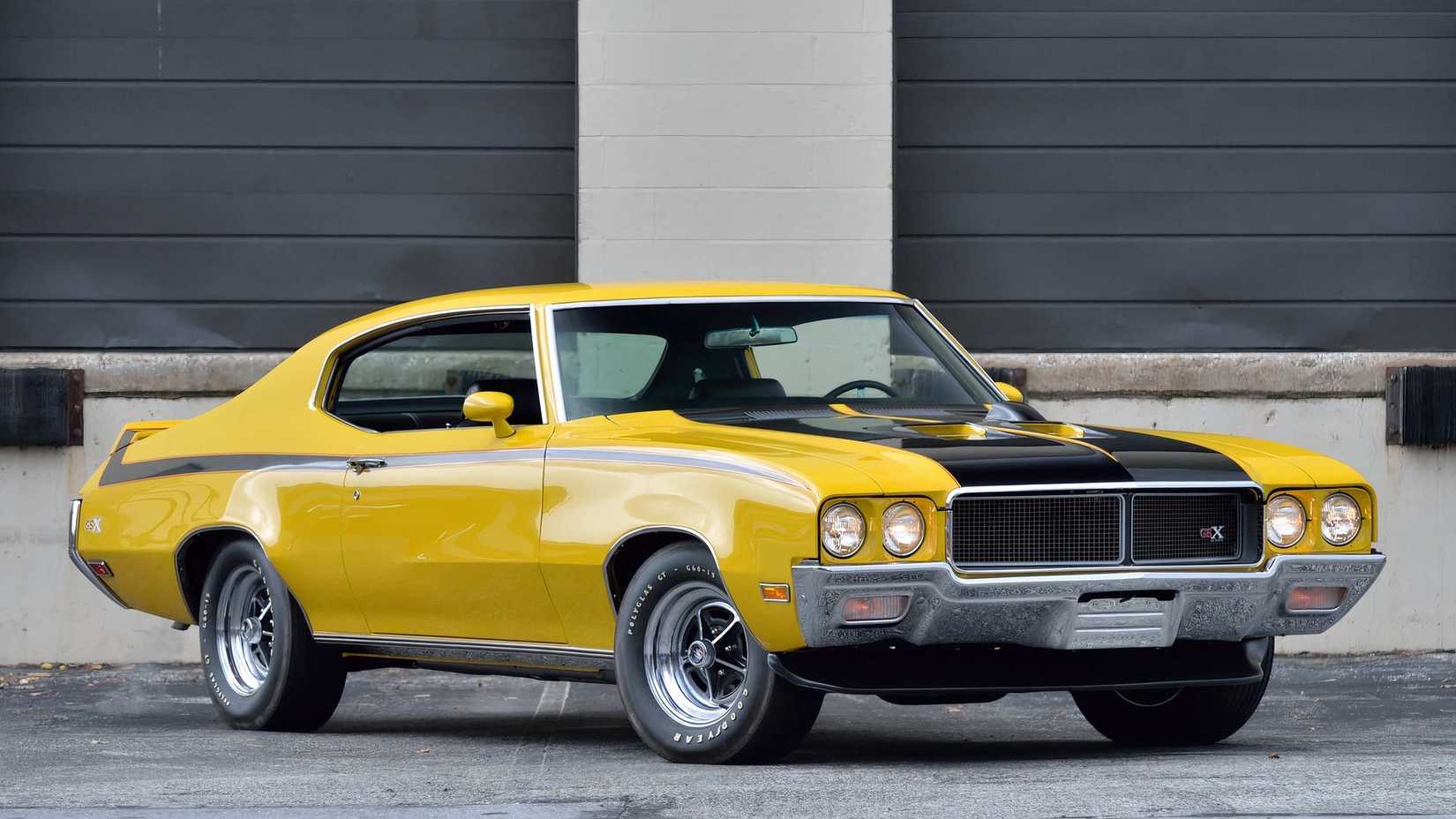
The Buick GSX never chased headline horsepower numbers, and that’s exactly why it worked. Built on the Gran Sport platform, it focused on torque, smooth delivery, and real-world speed. Buick marketed it toward buyers who wanted serious performance without giving up comfort — a strategy that didn’t exactly resonate with younger buyers at the time. That’s their loss.
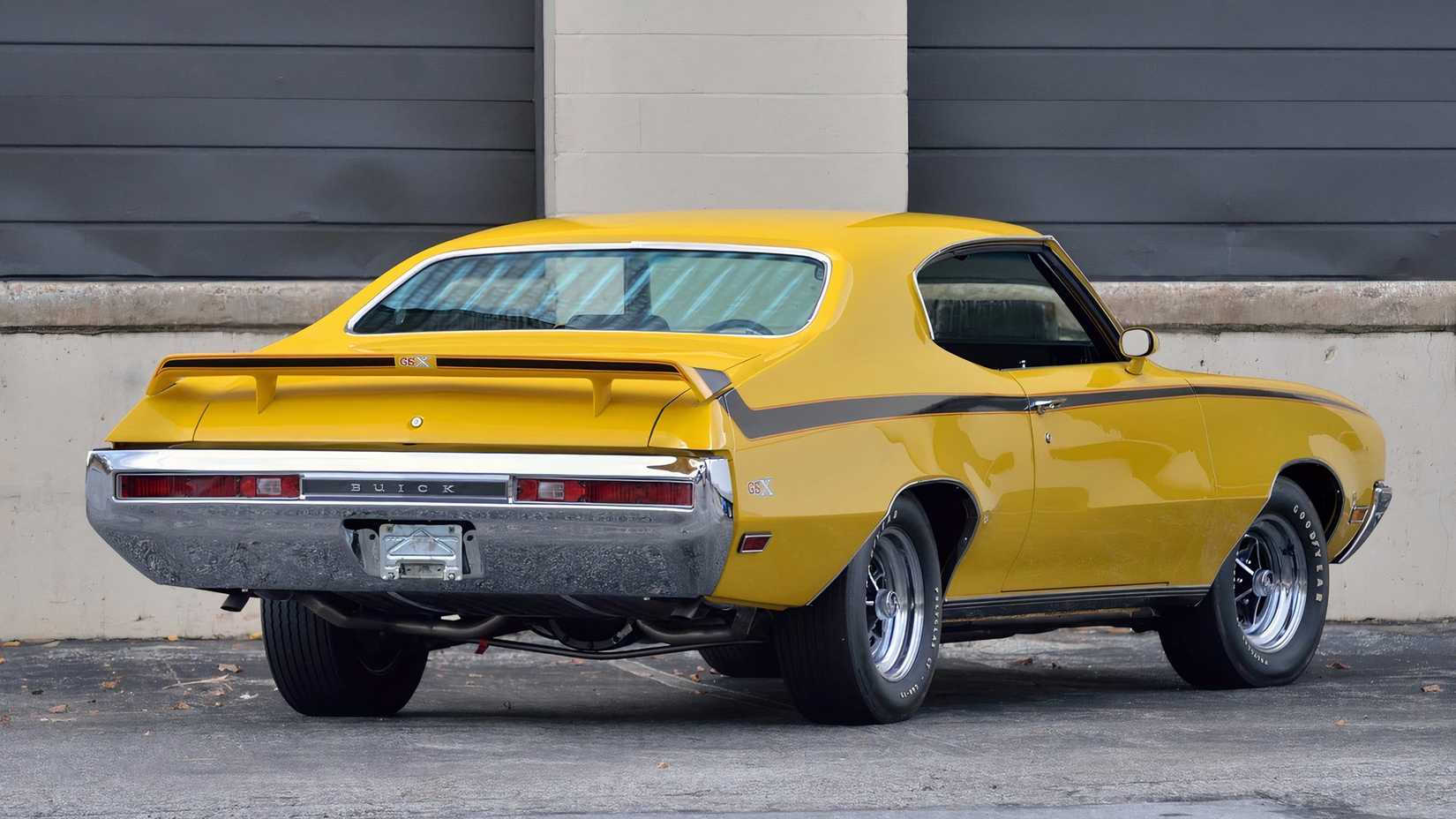
The GSX’s 455-cubic-inch V8 produced staggering torque, making it brutally quick off the line. In everyday driving, it often embarrassed cars with higher horsepower figures. It was fast without being frantic, powerful without being crude. Today, enthusiasts appreciate how usable it was — and still is. The GSX didn’t shout. It just went.
Notable Features And Aspects
- One of the highest torque figures of the muscle car era.
- Signature colours like Saturn Yellow made it unmistakable.
- Marketed as a performance car for grown-ups.
Pontiac GTO (2004–2006)
A Comeback That Deserved More Credit
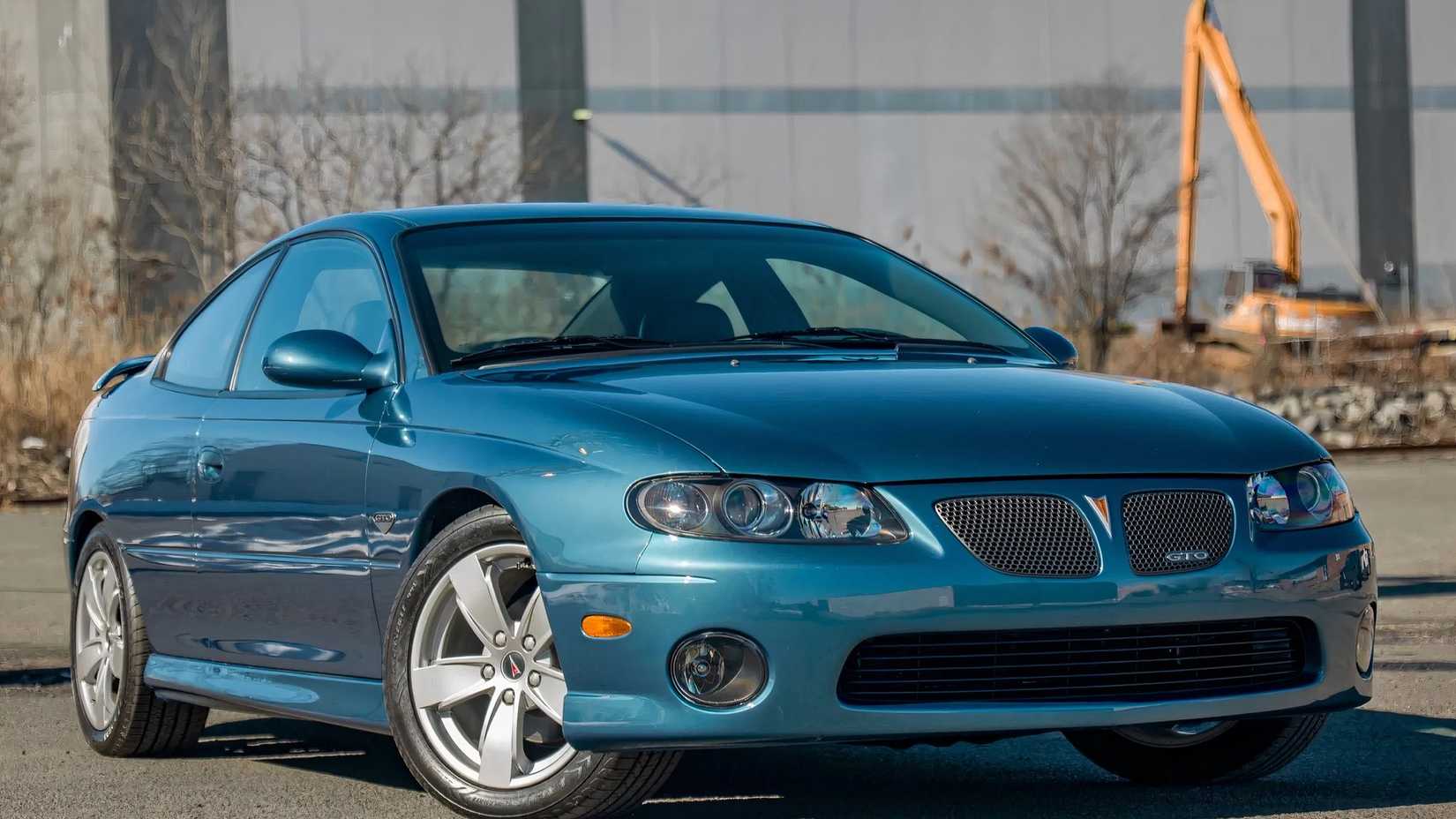
The modern Pontiac GTO arrived with a problem it never quite overcame: expectations. Enthusiasts wanted retro styling. Pontiac delivered something cleaner, subtler, and arguably more mature. Built in Australia and based on the Holden Monaro, the GTO focused on performance first and nostalgia second. That decision hurt sales.
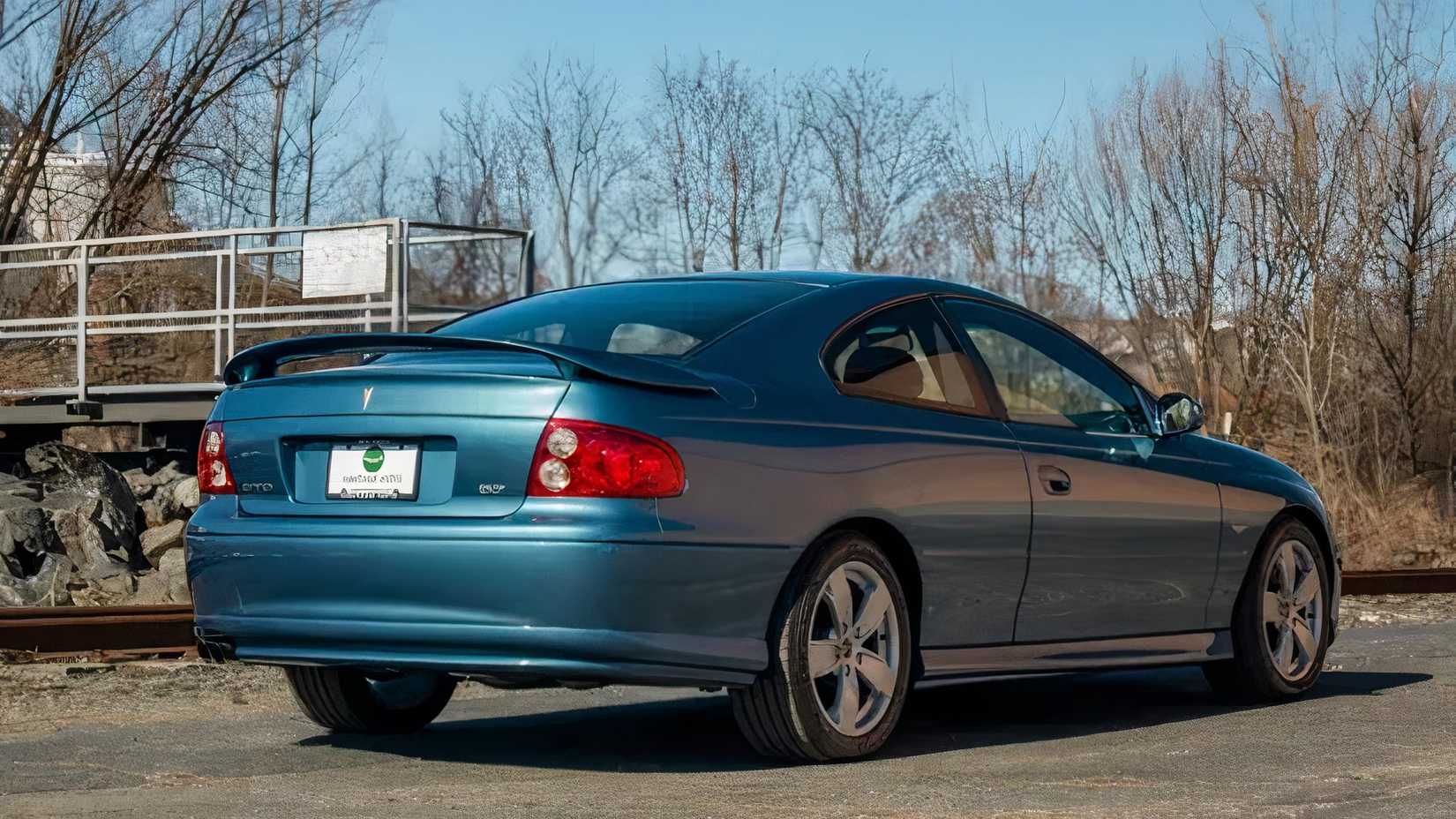
Powered by GM’s LS1 V8, the GTO was genuinely quick. It handled well, rode comfortably, and offered an interior that felt a step above most domestic rivals. Against contemporary Mustangs and Camaros, it often came out on top dynamically. But looks matter, and the GTO never won that fight when it was new. Time, however, has been far kinder to it.
Notable Features And Aspects
- Built in Australia and imported to the U.S.
- Often outperformed rivals despite criticism.
- Manual LS2 examples are increasingly collectible.
Chevrolet SS (2014–2017)
The Muscle Sedan Chevrolet Barely Talked About
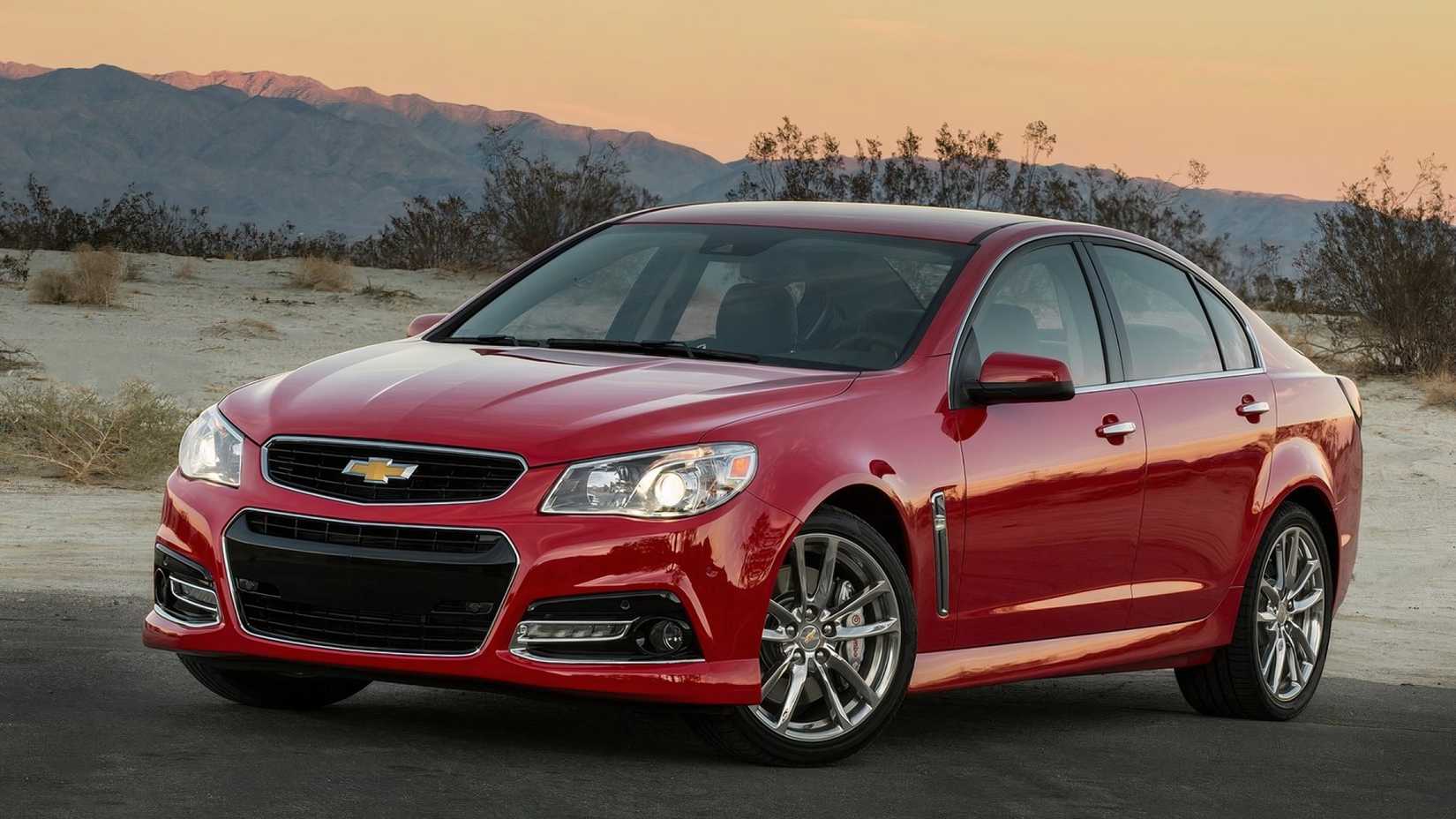
The Chevrolet SS might be the clearest example of a great car undone by indifference. Imported quietly from Australia, it arrived with almost no marketing support and very little explanation. Those who found it felt like they’d discovered a secret. Under the skin was a naturally aspirated LS3 V8, rear-wheel drive, and an available manual gearbox — everything enthusiasts claim to want. And yet, hardly anyone bought one.
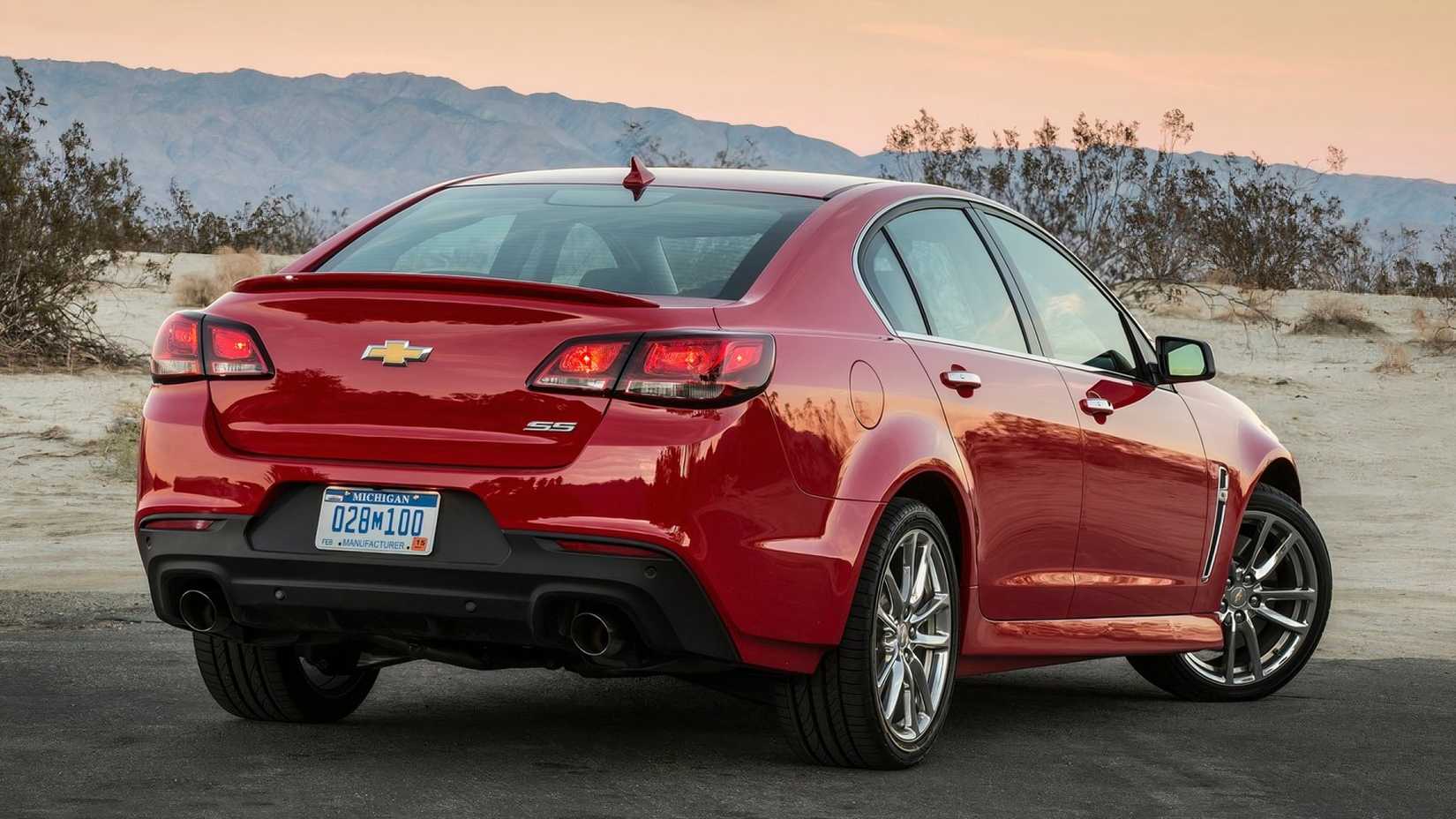
Chevrolet seemed content to let it exist quietly in the background. Compared to rivals like the BMW M5 or Charger SRT, the 2014 SS felt refreshingly honest. It didn’t overwhelm with technology. It focused on balance, steering feel, and power delivery. Today, it’s widely regarded as one of the last truly analog performance sedans. Forgotten by many, treasured by those who know.
Notable Features And Aspects
- Offered with a manual transmission.
- Engineered by Holden in Australia.
- Became a cult car after its discontinuation.
Sources: Hagerty, Motortrend, Car And Driver, Classic.com