

Despite a well-received and frankly much-needed mid-cycle refresh of the fifth-generation Ford Mustang in 2009, there remained a lingering sense that the Mustang hadn’t quite recaptured the magnetism that entranced the American public in the ’60s and ’70s. Ford’s magic bullet was a 5.0-liter V-8 engine nicknamed the Coyote and introduced 15 years after the retirement of the Mustang’s last 5.0-liter V-8 power unit. The Coyote was a branch of the Modular Engine family introduced in the early 1990s. However, it was an entirely new engine, sharing very few similarities to the outgoing 4.6-liter V-8, including deck height and bore spacing. This shared characteristic benefited Ford as it could machine the cylinder heads and engine blocks on the same lines with minimal retooling.
Two years of development yielded the first-gen Coyote, an engine worthy of the Mustang badge. Since then, the Coyote engine has been an omnipresent fixture in the Mustang lineup.
10 Of The Best Engines Ever Built By American Carmakers
Yes, Germans are great at engineering cars, but that doesn’t mean Americans aren’t. Here are some examples.
12
It Has Been The Heart Of Mustangs Since 2011
14 Years Of Competition With The Hemi And The LS3
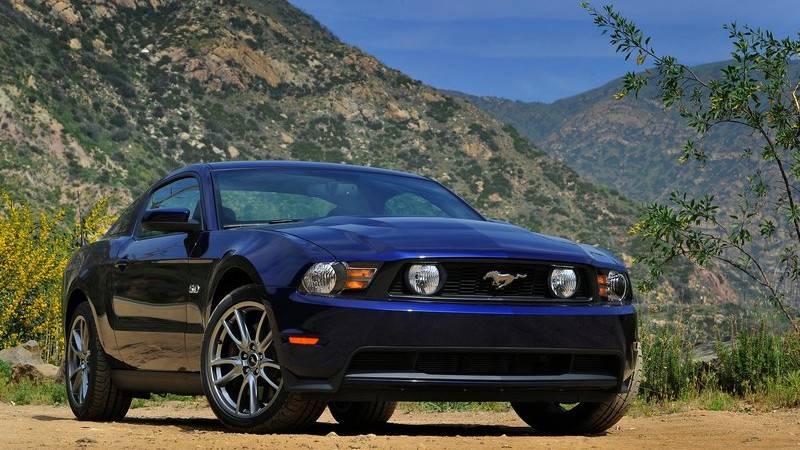
Ford began featuring modular engines in the early 1990s with the release of the 1991 Lincoln Town Car, and ever since, has kept the competition in check, by showcasing what is technologically possible, eventually leading to the creation of the First Generation Coyote engine.
It was named after the first four-valve V-8 engine race car made by Ford, which was hugely successful in the 1960s and 1970s. With this, they were able to increase the flexibility, power output, and economic potential of their modular engines, which was not possible with small-block engines.
Key Facts About The Coyote Engine
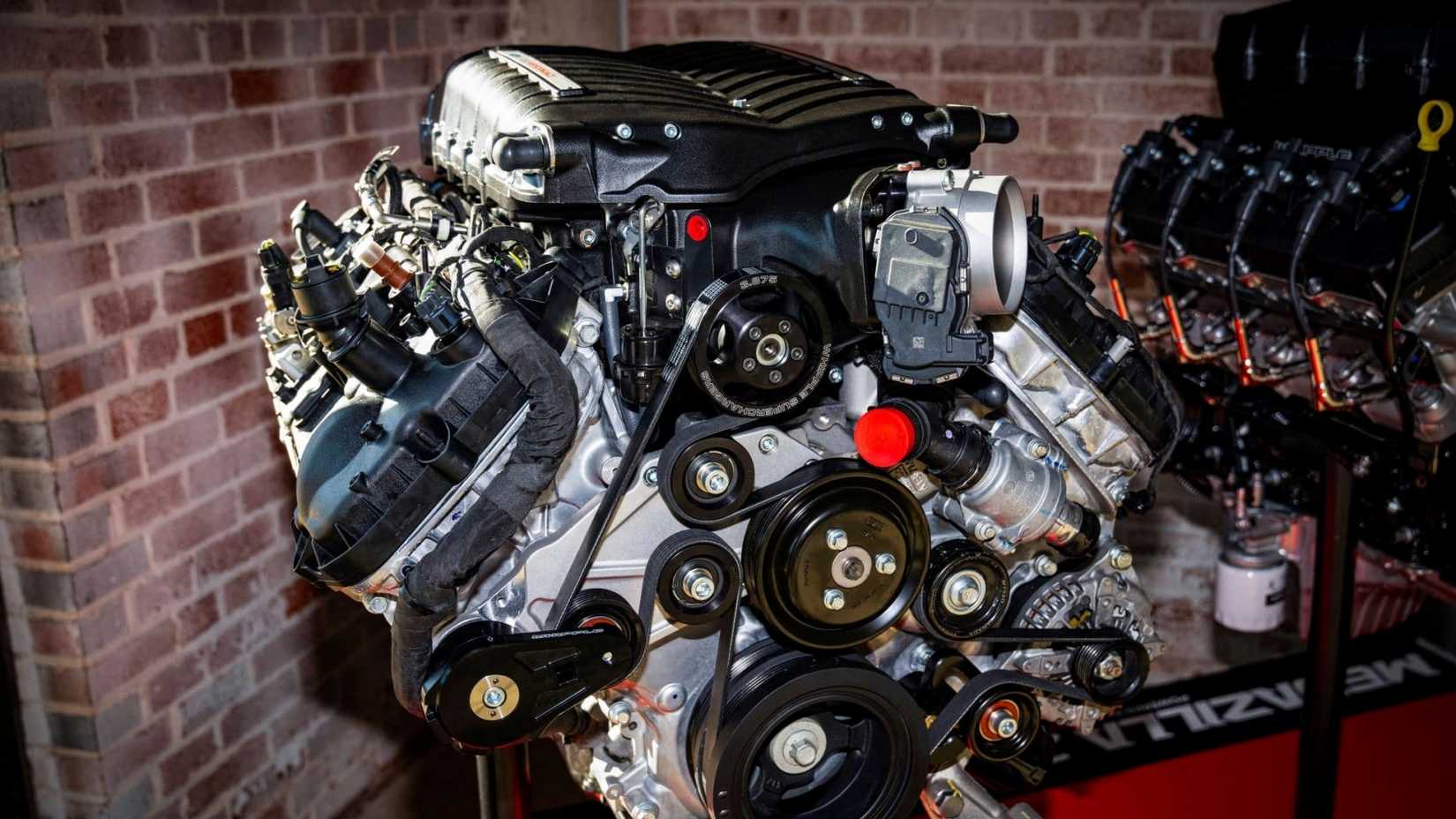
Ford
- It is a modular engine that was originally designed to ensure flexibility in what engine configuration could be built and fitted to a vehicle, depending on the vehicle’s requirements.
- The creation of the modular engine and subsequent Coyote engine helped phase out pushrod engines in Ford models.
- The Ford Coyote engine is a naturally aspirated 5.0-liter V-8.
- Smaller displacement than the GM LS3 and Chrysler Hemi engines, but can produce high horsepower and torque.
- The coyote was designed to have high power but also to be more economical.
Debuting in the 2011 Ford Mustang GT, the lightweight all-aluminum 5.0-liter V-8 Coyote engine, which featured double overhead cam (DOHC) technology, has since become a staple and much-praised race-inspired engine that many engines, even higher-displacement engines, struggle to compete with. Whilst Chrysler and General Motors were sticking with their mantra of ‘there is no replacement for displacement’, Ford thought otherwise and produced an engine that was small but powerful.
11
The Coyote Mustang Engine Is Ground-Breaking
Ford’s First Use Of Twin-Independent Variable Cam-Timing Tech
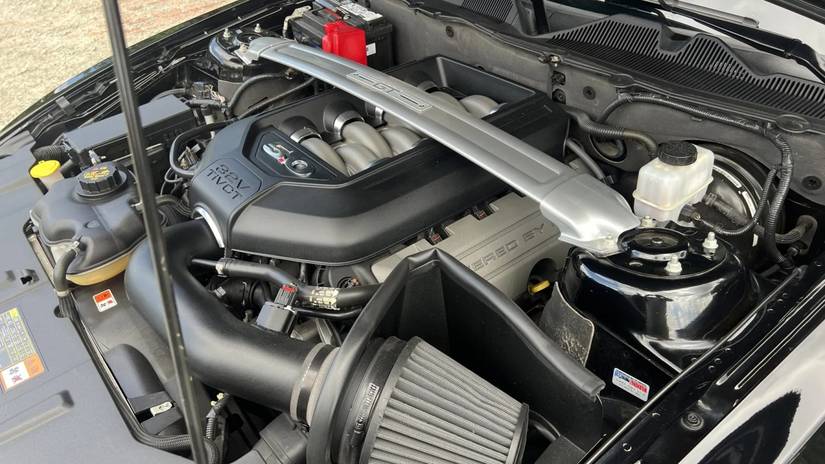
As mentioned above, when creating the first generation Coyote engine, Ford implemented the first use of twin-independent variable cam-timing technology (Ti-VCT) and a double-overhead-cam. At the time, this was both ground-breaking and a hot point for debate. The use of Ti-VCT on Coyote engines means that more power can be created because of the ability of the intake and exhaust camshafts to be slowed at the same time.
The use of DOHC results in greater flexibility in shape, location of the intake and exhaust ports, and size because there are no pushrods to get in the way. It also results in a better economy thanks to a smoother and better gas flow through the engine.
Key Features Of Twin-Independent Variable Cam-Timing
- Greater torque and power can be produced at lower RPM.
- Better economy can be achieved compared to small and large block engines.
- There are lower emissions produced thanks to better gas management within the engine.
- Paired with a DOHC, the exhaust valves and intake valves can be opened or closed at separate times, thanks to being able to be rotated relative to their original positions, resulting in a higher power output.
Once the initial frostiness of ‘purists’ who love their push-rod engines thawed, the acceptance of this new technology for the time changed the face of engine design forever and continues to do so, with its competitors introducing similar technology.
Though there is an argument for 2010s muscle car fans who like the classic feel of a pushrod engine, there is no denying that, thanks to Ti-VCT and DOHC technology, Ford has created an engine that appeals to horsepower lovers and those looking for a more economical drive.

10 American Cars With The Best V8 Engines Of All Time
As the world turns against the V8, it’s time to remember the best variants of this engine that graced the bays of American cars throughout the years.
10
It Is Multi-Generational
The Fourth Generation Arrived In The 2024 Mustang
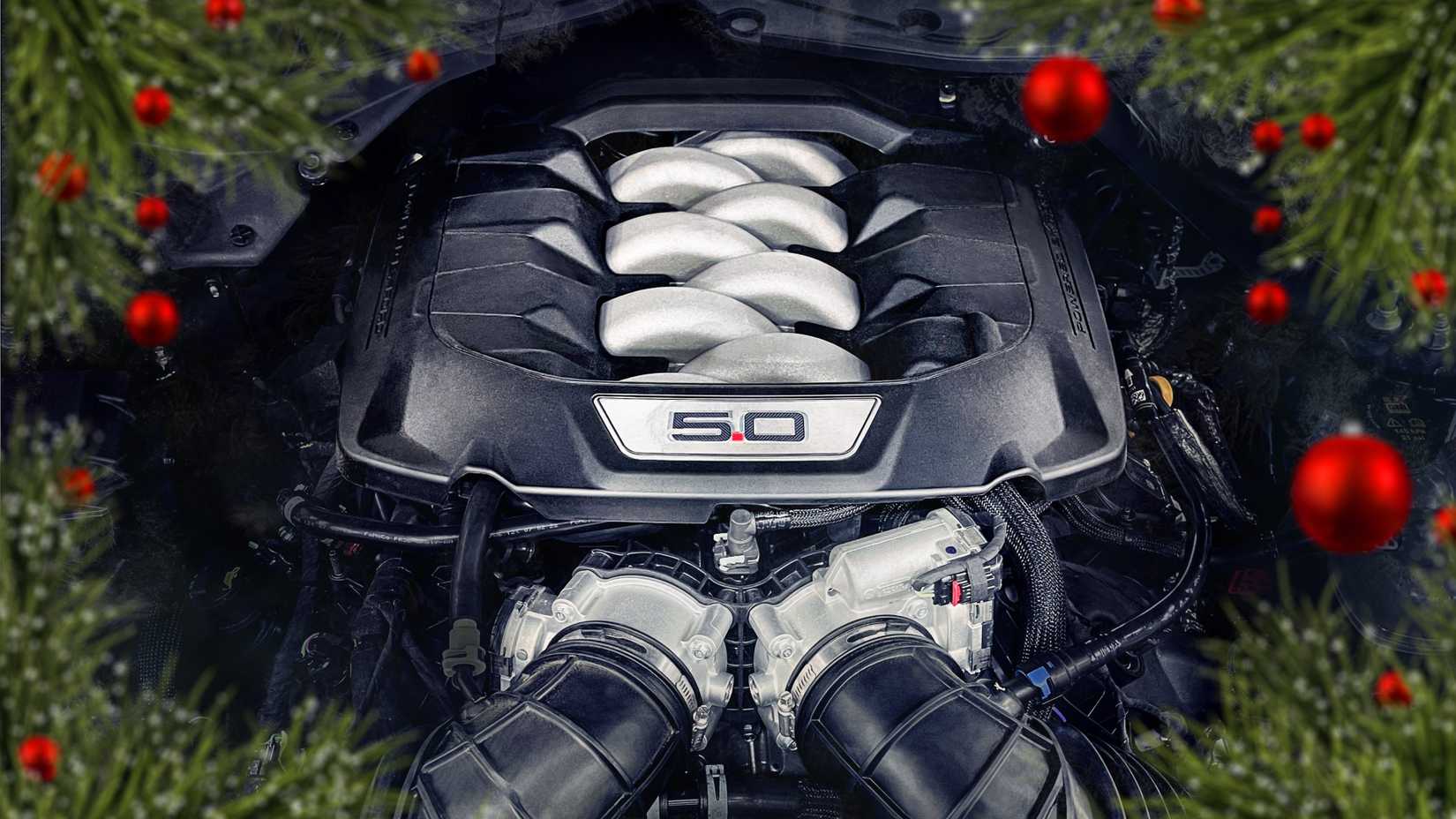
The awesome Coyote engine has been out roaming the streets and hitting the track under the hood of every Mustang GT since 2011! It is so good that Ford decided to offer it in every Mustang GT as standard and some stand-alone F-150 pickup trucks as well.
That includes some of the best Mustangs ever built, like the 2012 Ford Mustang Boss 302 Laguna Seca. With every new generation of Coyote comes a new line-up of Mustang that muscle-car lovers adore. Better still, the new lineup of Mustangs for 2024 will soon feature the Fourth Generation Coyote Engine.
Ford Mustang Coyote Engine Model Years
- First Generation: 2011 to 2014
- Second Generation: 2015 to 2017
- Third Generation: 2018 to 2023
- Fourth Generation: 2024 to Present
The Fourth Generation Coyote Engine features in the new Mustang lineup and will continue to be a naturally aspirated V-8 with big horsepower, torque, versatility, and performance credentials. Still paying homage to some of its heritage by continuing to be built as a naturally-aspirated mill, the difference with the fourth generation lies with its power output, torque, and economy credentials that are fit for a modern auto market.


Find 2011 Ford Mustang Coupe and more cars for sale on our Marketplace
9
It Is A V-8 With A Lot To Offer
It Is Not Just About Horsepower, It Is Also About Better Economy
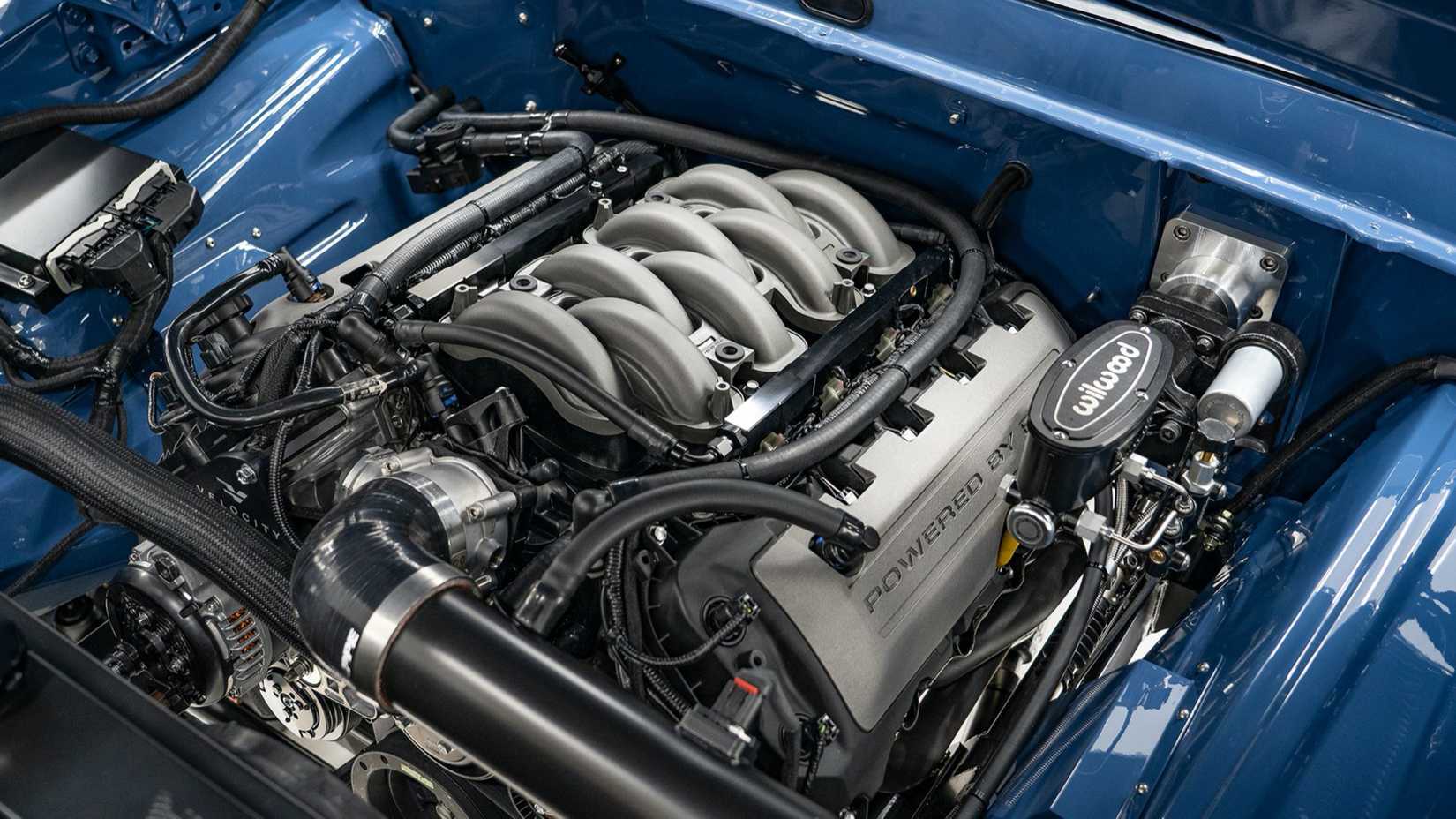
We are getting to the incredible horsepower and torque that the Coyote can produce, but that is not all it is good for. From the start, the 5.0-liter Coyote has been a close competitor to the Chrysler HEMI, and the LS3 and LT1 engines used in some of the best GM muscle cars. When it comes to gas mileage, results from Fuel Economy.gov show that the Coyote outperforms the cars that use its competitor’s powertrains.
Fuel Economy Of Cars That Feature The Coyote, Hemi, LS3, Or LT1 Engines By Generation
|
Model |
Engine |
Fuel Economy (Combined) |
|
|
|
|
|
|
|
|
|
|
|
|
The Coyote engine has stayed at its relatively small 5.0 Liter displacement throughout its life, but has continuously generated reasonable miles per gallon compared to other popular muscle car powertrains. Thanks to technology like advanced fuel injection and variable cam timing, the efficiency of these engines has also become more refined in an auto market that is continuing to look for both frugality and power.
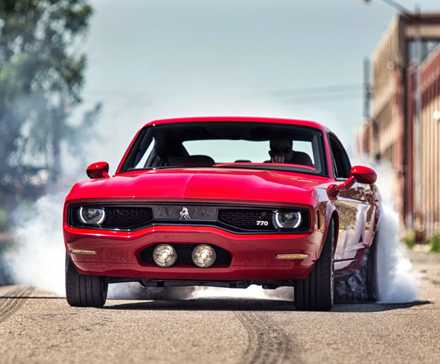
15 Modern Muscle Cars That You Shouldn’t Overlook
Here’s a comprehensive list of models that perfectly capture the essence of old-school muscle, and blend them with modern-day conveniences
8
Each Generation Of The Coyote Engine Got Better And Better
Increased Torque And Horsepower From Generation To Generation
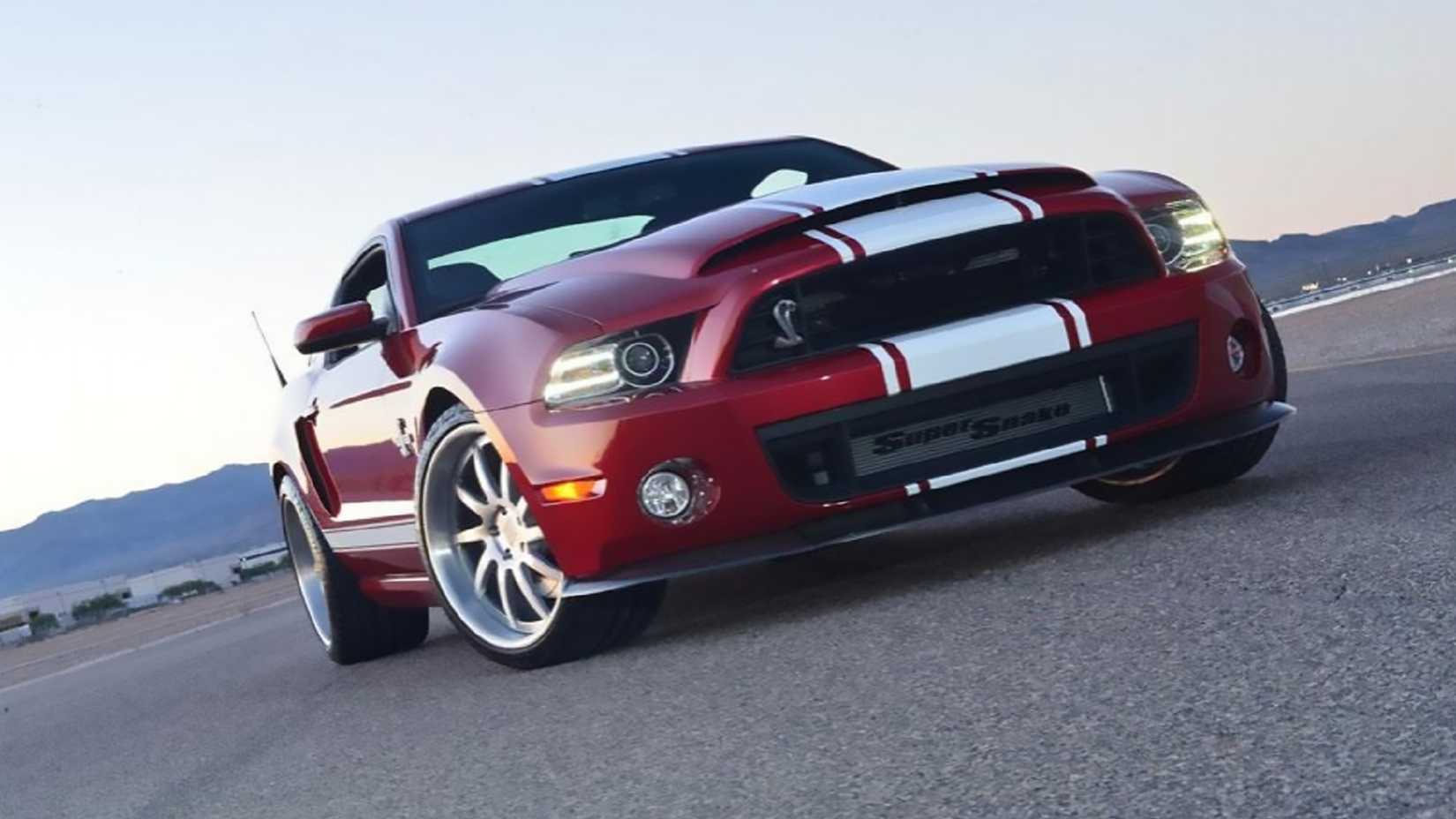
Since its debut in 2011, the Coyote engine has gone through a series of changes that keep making it better and better, but more importantly, has been the beating heart of all Ford Mustang GTs since then. In a relatively short amount of time, the Coyote has advanced through three generations, with the fourth-generation Coyote engine being released this year. Both horsepower and torque have improved over the years, leaving the enthusiasts and skeptics of the powertrain impressed by its generational evolution and improvements.
The Four Generations Of The Coyote Engine Specifications
|
Horsepower |
Torque |
|
|
First Generation Coyote Engine |
412-444 HP |
380-390 Pound-Feet |
|
Second Generation Coyote Engine |
435-526 HP |
400-429 Pound-Feet |
|
Third Generation Coyote Engine |
460-760 HP |
420-625 Pound-Feet |
|
Fourth Generation Coyote Engine |
480-500 HP |
415-418 Pound-Feet |
So, for an engine that was met with skepticism, even the first generation of the Coyote engine has comparable performance to the 2011 5.7 liter HEMI engine on torque, fuel efficiency, and horsepower (with an extra 22 horsepower). The fourth generation of the Coyote engine, which debuted in the 2024 Mustang, will be even more powerful, especially with upgradeable extras, and will feature in some truly special cars from the new lineup of Mustangs that will continue to solidify its place in legendary engine history.
7
The Famous Voodoo V-8 Is The Most Potent Naturally Aspirated Mustang Engine Ever Produced
Coyote Black Magic Powered The Mustang Shelby GT350
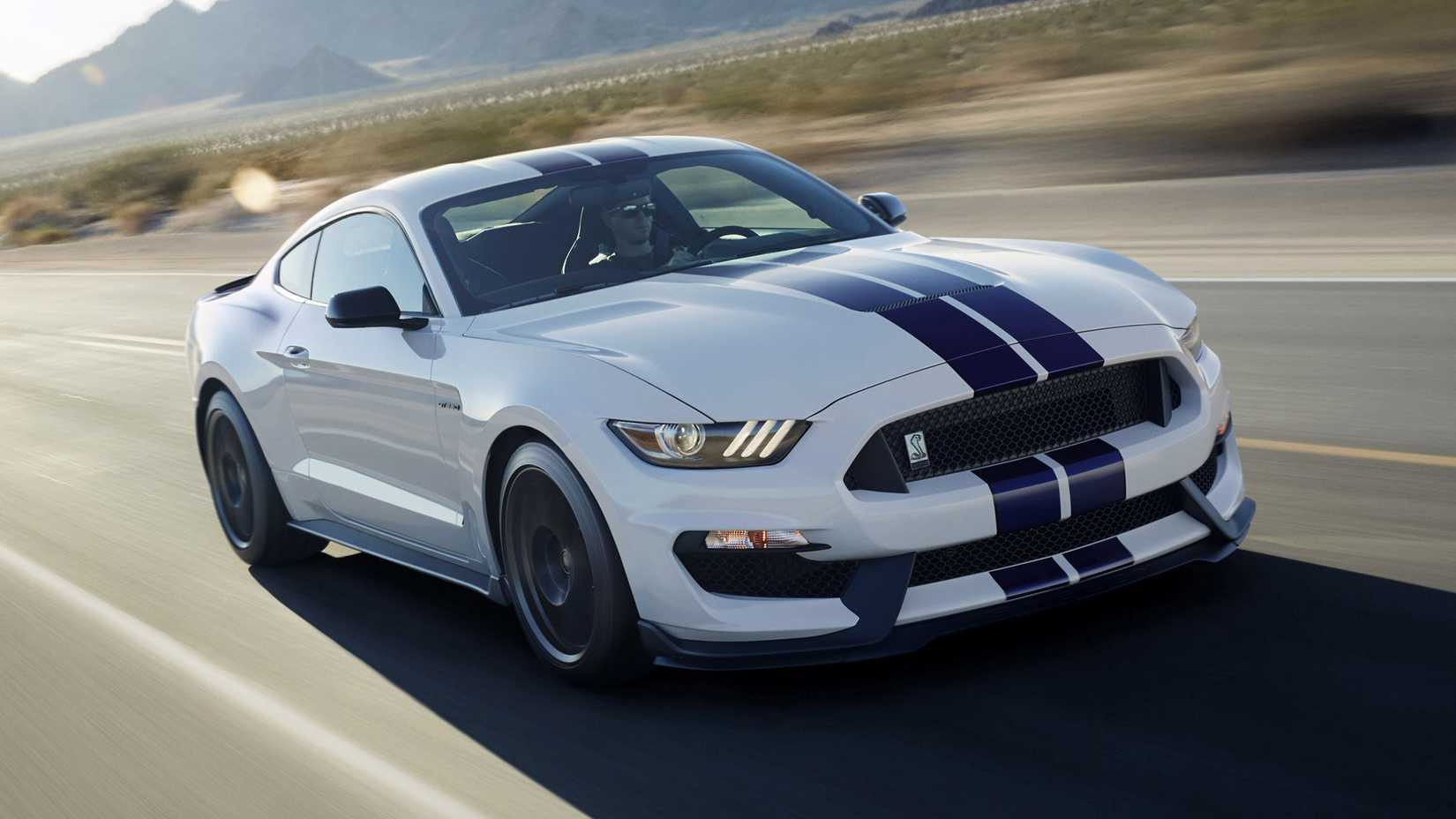
The unholy noise emitted by the Mustang Shelby GT350 had a rather exotic note. Though American in construction, the Voodoo V-8 powering the Mustang sounded Ferrari-like. The source of this European symphony was the flat-plane crankshaft used in the Voodoo. In a departure from convention, Ford used a flat-plane crank rather than a cross-plane crankshaft. A flat-plane crankshaft requires less reciprocating mass, allowing for a higher RPM limit. The Mustang Shelby GT350 had an 8,250 RPM redline.
Key Features Of The Voodoo V-8
- Enlarged ports and larger valves.
- Voodoo-specific camshafts with larger lift lobes.
- Plastic intake manifolds with long intake runners and a larger plenum contribute to a broader power band.
- Plasma Transferred Wire Arc cylinder lining rather than the inserted steel sleeves used in regular Coyotes.
- Forged aluminum pistons and lighter, optimized cylinder heads.
2016 Ford GT350 Performance Specifications
|
Engine |
Naturally-aspirated 5.2-liter V-8 |
|
Horsepower |
526 horsepower |
|
Torque |
429 pound-feet |
|
Transmission |
Six-speed manual |
|
Driveline |
RWD |
|
0-60 MPH |
4.2 seconds |
|
Top Speed |
173 MPH |
The GT350, which only a few years after its discontinuation has already hit collector car heights, features the most potent naturally aspirated Mustang engine ever produced. The name of the engine plus the unique sound it produces only adds to the mystique of the GT350 and its track-ready variant, the GT350R.
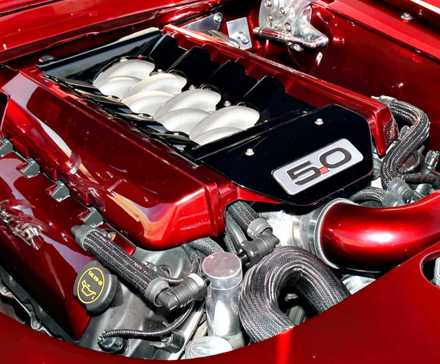
Ranking Ford Coyote V-8 Engines Based On Tuning Potential
Ford’s Coyote platform is a popular choice for big horsepower and here’s how many ponies you can unleash from the Coyote family of V-8 engines
6
The Predator Coyote Married The Voodoo And The Third-Gen Coyote
760 Supercharged Horsepower
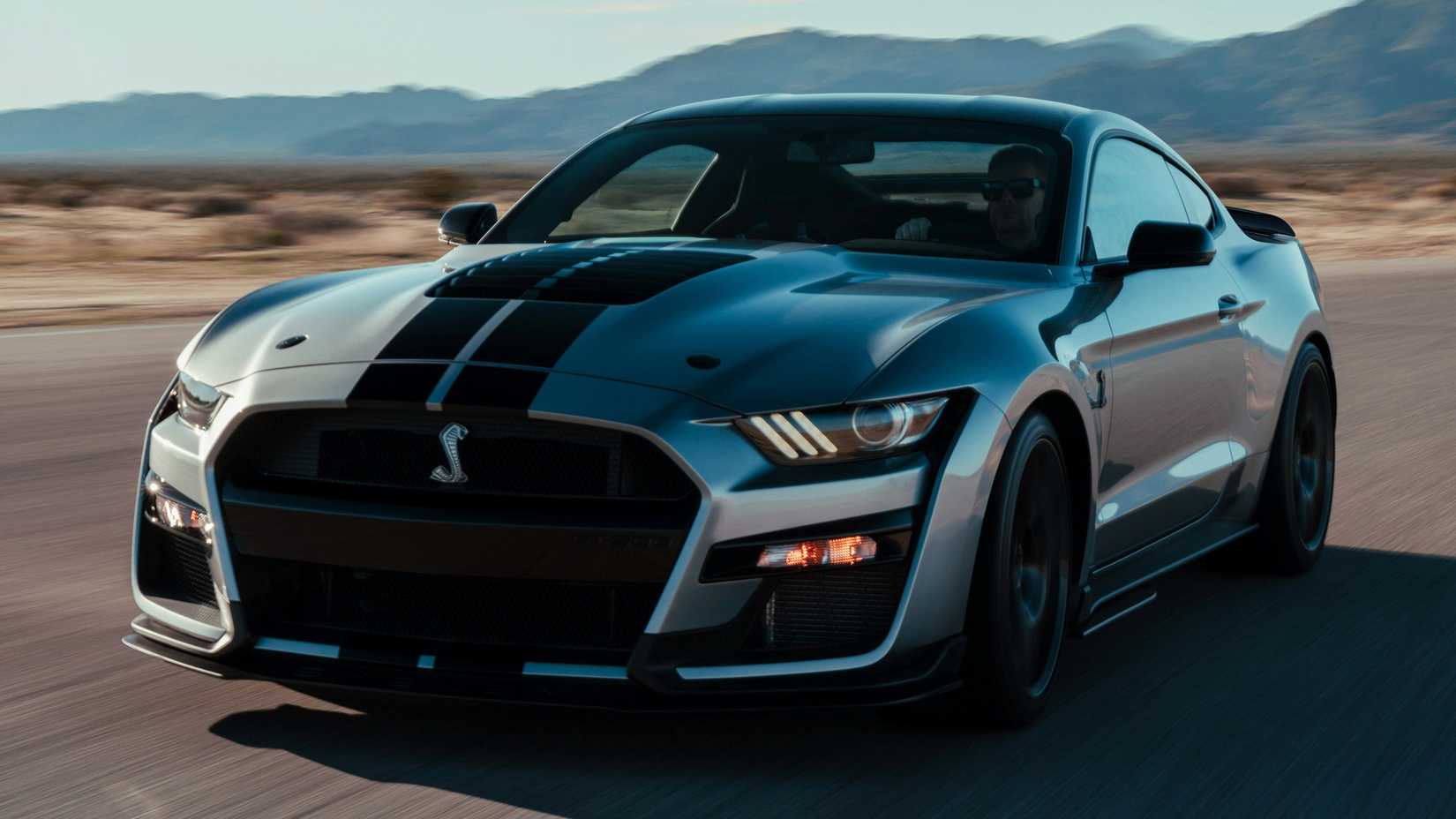
Another special edition Coyote engine was the Predator mill, which powered the 2020 GT500. It was a marriage between the much-revised third-gen Coyote and the Voodoo engine. The third-gen Coyote mill featured extensive architectural changes, including increased capacity and the incorporation of high-pressure fuel injection to augment the engine’s port injection system. This change in fuel delivery facilitated an increase in the compression ratio to 12.0:1 from 11.0:1. However, in the Predator mill, Ford reduced the compression ratio to a boost-friendly 9.5:1.
Key Features Of The Predator Coyote Engine
- A 2.65-liter Eaton TV Supercharger.
- Larger diameter valves and heavier valve springs.
- A traditional cross-plane crankshaft.
- CNC-ported versions of the Voodoo engine cylinder heads.
- 7,500 RPM redline.
2020 Ford Mustang Shelby GT500 Performance Specifications
|
Engine |
Supercharged 5.2-liter V-8 |
|
Horsepower |
760 horsepower |
|
Torque |
625 pound-feet |
|
Transmission |
Seven-speed automatic |
|
Driveline |
RWD |
|
0-60 MPH |
3.4 seconds |
|
Top Speed |
180 MPH |
The return to the traditional cross-plane crank restored the classic rumble associated with Mustang V-8s, though the supercharger’s whine occasionally drowned it out. Uniting the third-gen Coyote and the Voodoo using a supercharger elevated the Coyote to hitherto unscaled heights. The Predator was a fitting power unit for the Ford Mustang Shelby GT500, one of America’s iconic automotive nameplates.
5
They Have A Renowned Reliability Record
With Proper Maintenance, You Could See Hundreds Of Thousands Of Miles From A Coyote
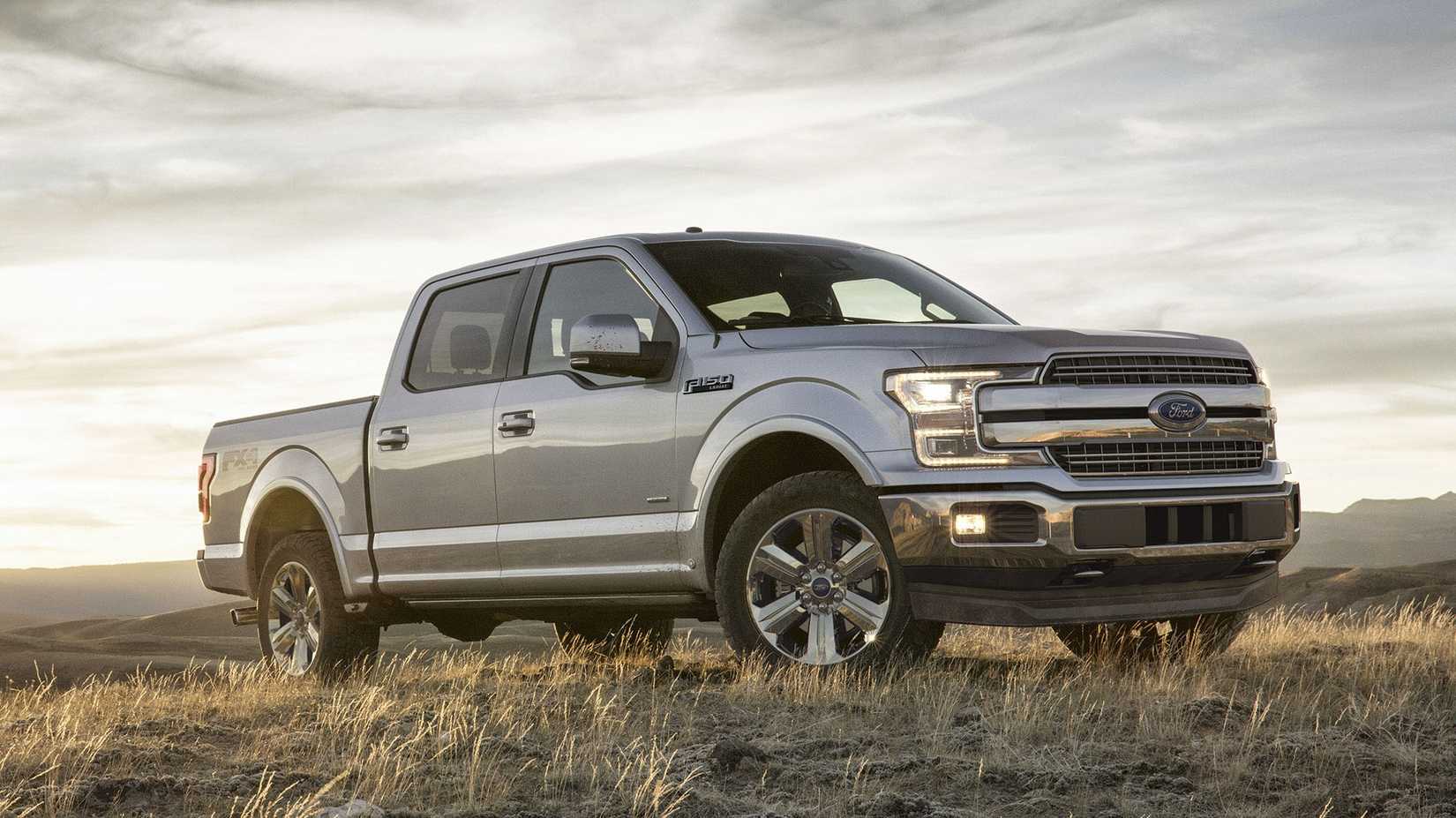
When buying a car that also looks amazing and performs well, you’ll probably be looking for a reliable engine that won’t have you dipping into your pocket every couple of months, for repairs. The Coyote engine is ranked as a very reliable engine and can be expected to last between 200,000 and 300,000 miles if properly looked after.
Reliability Features Of The Coyote Engine
- Built from aluminum.
- Strengthened without adding block thickness.
- Used consecutively throughout the model years of Mustangs and some Ford F-150s.
- It has become more durable throughout generations.
Being the choice of America’s best-selling truck is a clear credential of its ability as a work-horse of an engine. Slightly different credentials compared to what is used in the Mustang GTs, it continues to prove itself as a work-horse of a powertrain whilst still producing some exceptional performance specs.
Dyno Test Reveals How Much Power The Gen-4 Coyote Engine Really Makes
Unleashing a new era of power, here’s how the 5.0-liter Coyote Gen 4 engine from Ford stands at the forefront of automotive innovation.
4
The Fourth Generation Features An Awesome Lineup Of Mustangs
Be Prepared For The 2024 Mustang GT And Dark Horse
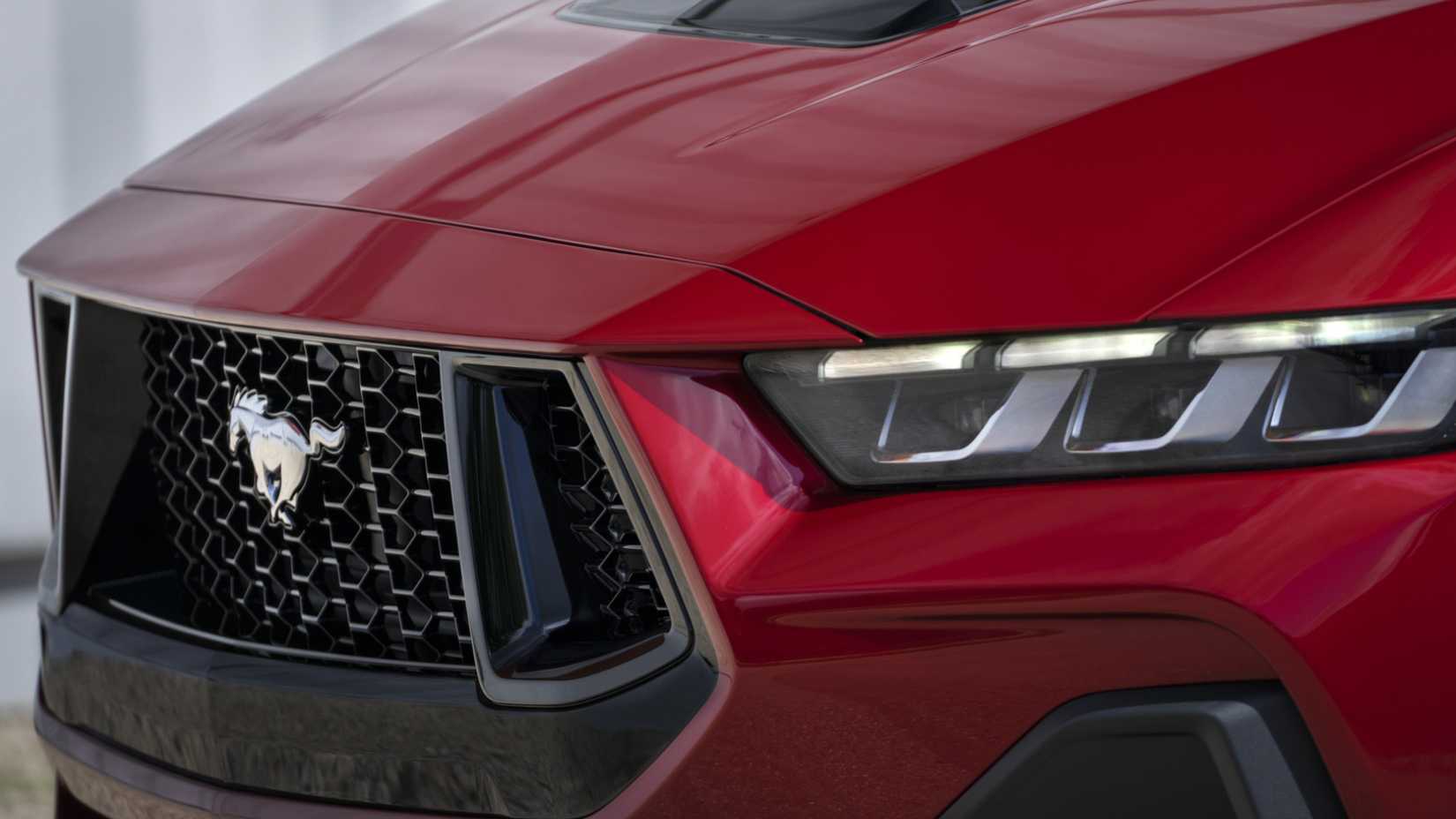
2024 marks the introduction of the fourth generation of the Ford Mustang Coyote engine, which means it will be featured in the awesome new lineup of S650 Ford Mustangs. It will feature in the new 2024 GT Fastback models and the beastly Dark Horse (we’ll cover this variation specifically below though).
Not only will you get all the modern tech, comfort, and styling that you’d expect from a modern muscle car, but you’ll also get a powertrain that has stood the test of time and is bound to put a smile on your face when planting the gas to the floor.
Models That The Fourth Generation Coyote Features In
|
Horsepower |
Torque |
MSRP |
|
|
2024 Ford Mustang GT |
480-486 Horsepower |
415 Pound-Feet |
$41,960 – $51,980 |
|
2024 Ford Mustang Dark Horse |
500 Horsepower |
418 Pound-Feet |
$58,185 – $62,180 |
Other highlights of the seventh generation of Ford Mustang include a 13.2-inch central touchscreen, SYNC 4 connectivity that allows you to immerse yourself with your favorite music streaming services, plush leather-studded interior, that classic but modern Mustang look, aggressive, road-hugging stance, and an exhaust that sings out a cacophony of growling tones that lets others know that you have arrived.
3
The Dark Horse Variant Is A Beast
Up To 500 Horsepower
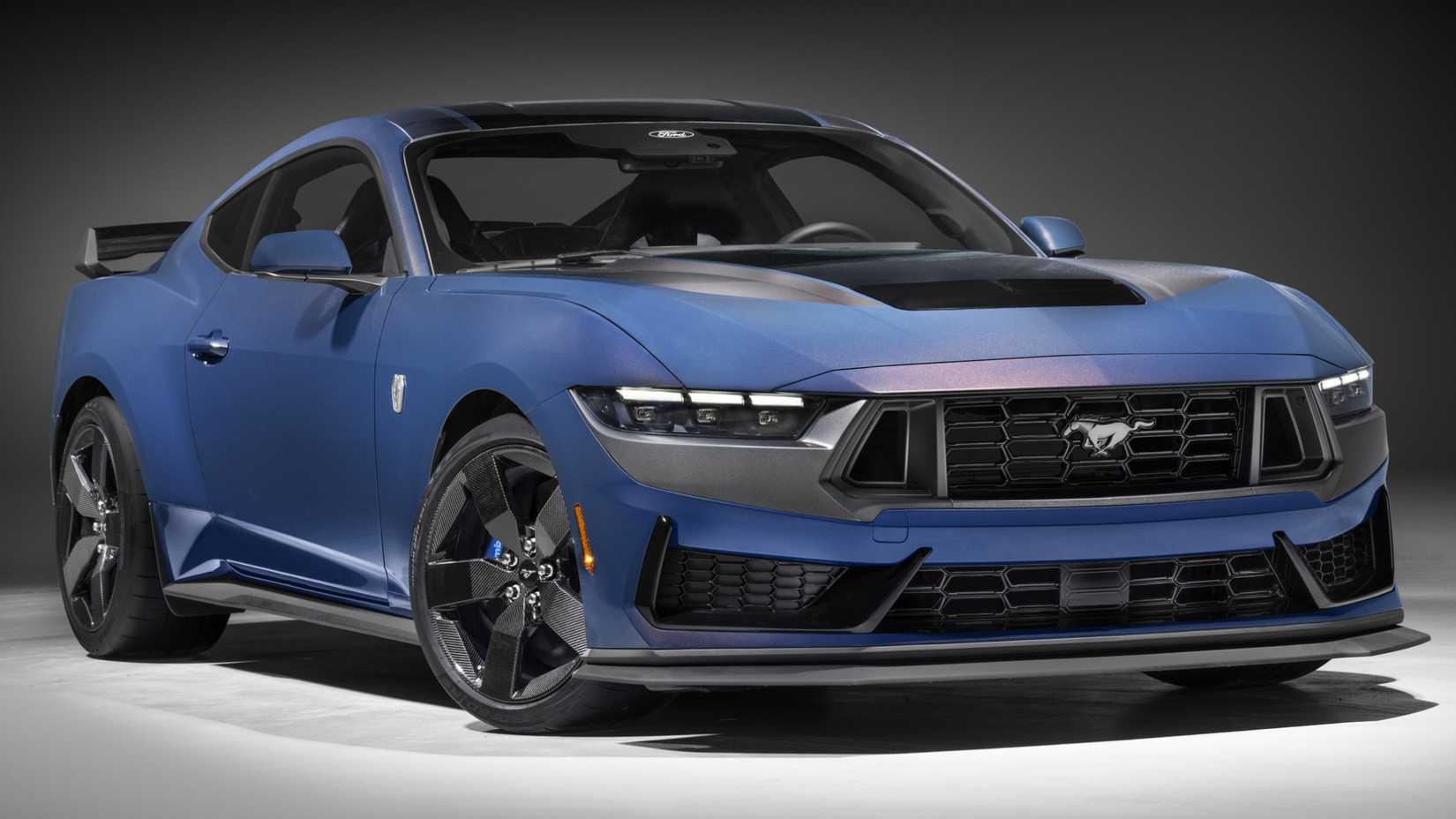
The 2024 Ford Mustang Dark Horse is a muscle car that is going to make everyone’s head turn, regardless if they are into muscle cars or not. With a price range from $58,185 to $62,180, it is not a cheap car to buy, but it will boast a fourth-generation Coyote V-8 that can produce a whopping 500 horsepower.
Also featuring Dual Bright exhausts with four-inch tips, a six-speed manual transmission with rev matching, and the MagneRide Damping System, it is not only a muscle car that looks amazing but is fast, adaptable, comfortable and convenient to drive at face-melting speeds. The discontinuation of the Chevy Camaro and Dodge Challenger in 2024, will leave the Mustang as the last surviving V-8-powered muscle car.
Key Features Of The 2024 Ford Mustang Dark Horse
- Customizable interior and exterior options are available.
- It will feature a fourth-generation naturally aspirated Coyote engine that produces up to 500 horsepower.
- It features the iconic Tri-bar lighting.
- You can choose the exhaust mode from Normal, Track, Sport, and Quiet.
- It will sport Brembo brakes.
- It features 19-inch wheels.
2024 Ford Mustang Dark Horse Performance Specifications
|
Engine |
5.2-liter V-8 |
|
Horsepower |
500 horsepower |
|
Torque |
418 pound-feet |
|
Transmission |
Six-speed automatic |
|
Driveline |
RWD |
|
0-60 MPH |
4.1 seconds |
|
Top Speed |
166 MPH |
If the huge performance capability of the Ford Mustang Dark Horse doesn’t quite cut it for you, a racing alternative is also added with the introduction of the Ford Mustang Dark Horse R which has been developed by the Ford Performance team. You do get the same huge power output but with added track upgrades, which include Michelin slick tires, Recaro FIA Racing Seat, Borla Race Exhaust System, and Ford Performance Parts R1 Flow-Formed Wheels. It is safe to say, for the money spent on the Dark Horse, it certainly is going to deliver!
Ford Racing Ponies Up Another Track-Worthy Mustang Variant
The supercharged successor to the Shelby GT500 can be ogled at this month’s Detroit Auto Show — and in your driveway this summer.