

Legendary sports cars are typically models that are well-known by automotive enthusiasts, because of the noteworthy impact that they’ve had on the industry. Inversely, there are some specific and niche models from the past that have achieved legendary status despite not rising to fame or stardom.
Japan has produced some exemplary enthusiast-minded models over the years, some of which many of you may not have ever seen. Their lack of popularity may be accredited to many reasons, such as a lack of global distribution, limited production run, and an initially underwhelming market reception. There are those of you who will likely know every model we mention in this list, but for the most part, these are widely considered relatively unknown legendary Japanese cars.
1990-1995 Toyota Sera
Production Run: 15,941 Copies
The Toyota Sera is probably one of the most noteworthy JDM icons that we feature on this list, primarily thanks to its tasteful design featuring butterfly doors and an expansive glass canopy that went on to inspire the legendary McLaren F1. On the performance front, it’s not what we’d call an outright sports car. All models feature a 1.5-liter 5E-FHE four-cylinder engine producing 110 horsepower to the front wheels, which is only good enough to get it from 0 to 60 MPH in 12 seconds.
Toyota never officially exported the Sera, resulting in the brand only producing 15,941 units over the course of its five-year run. The Sera was a product of Japan’s experimental Bubble design era, aimed at promoting a futuristic lifestyle statement rather than a mass-market export.
1990-1996 Eunos Cosmo
Production Run: 8,875 Copies
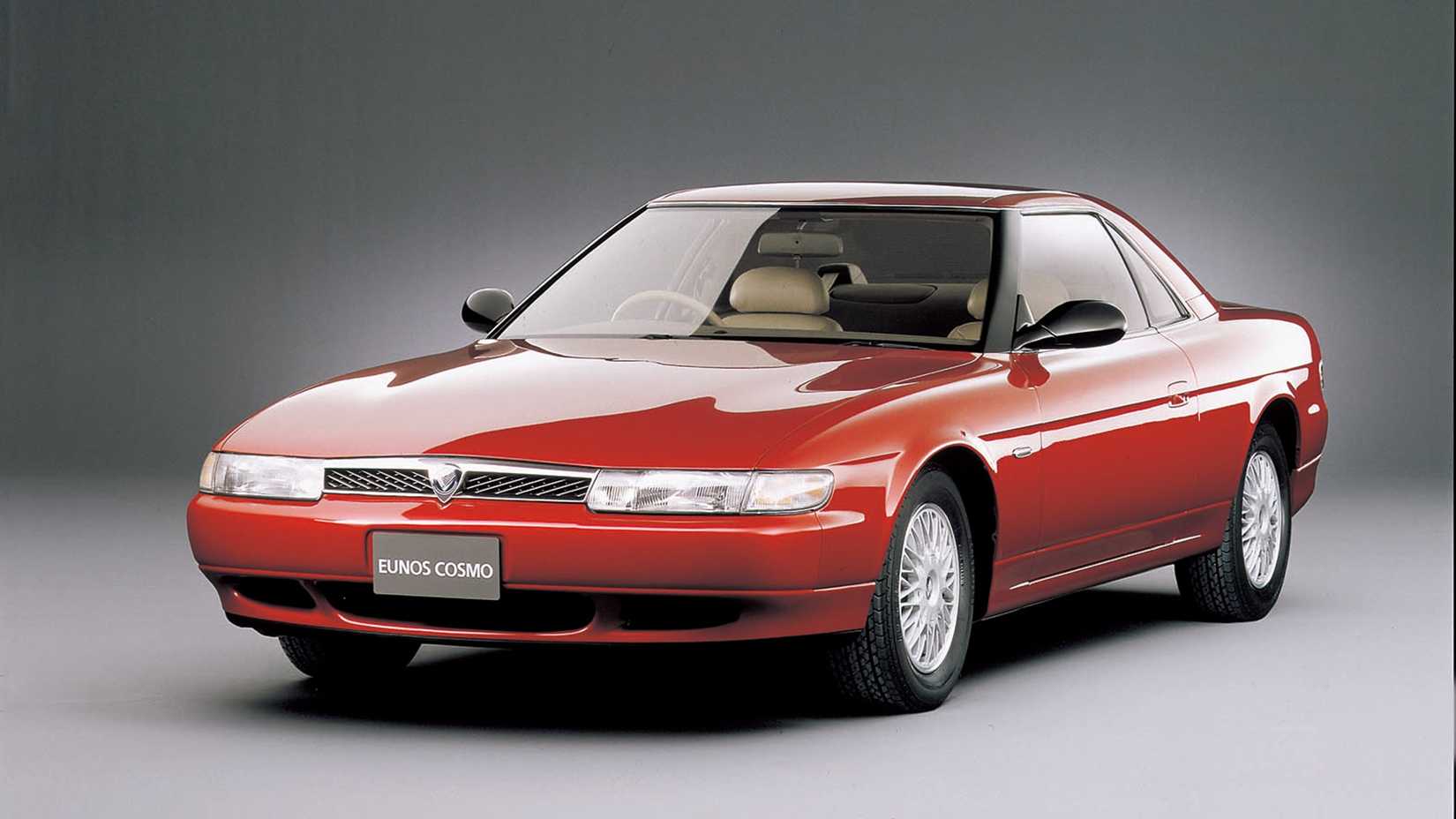
The Eunos Cosmo is another rare example of the Japanese Bubble Era, but this time it comes in the form of Mazda’s high-tech luxury flagship. It is legendary for being the only production car ever to feature a three-rotor 20B-REW Wankel engine with a sequential twin-turbo configuration, limited to produce 276 horsepower as per the country’s agreement. The brand claims this was enough to cover a 0 to 60 MPH acceleration sprint in 6.2 seconds.
Interior features include the world’s first built-in GPS navigation system and a futuristic CRT color touchscreen to control its wrap-around, leather-clad cockpit. Despite its innovation, the Cosmo was also confined to being sold in the Japanese Domestic Market after plans for a US Amati luxury brand collapsed. This is an extremely rare model, with only 8,875 units produced. Ultimately, its market failure was due to an exorbitant starting price and the staggering fuel consumption, both factors that made it unsustainable as Japan’s economic bubble burst.
1997-2002 Toyota Caldina GT-T
Production Run: 8,613 Copies
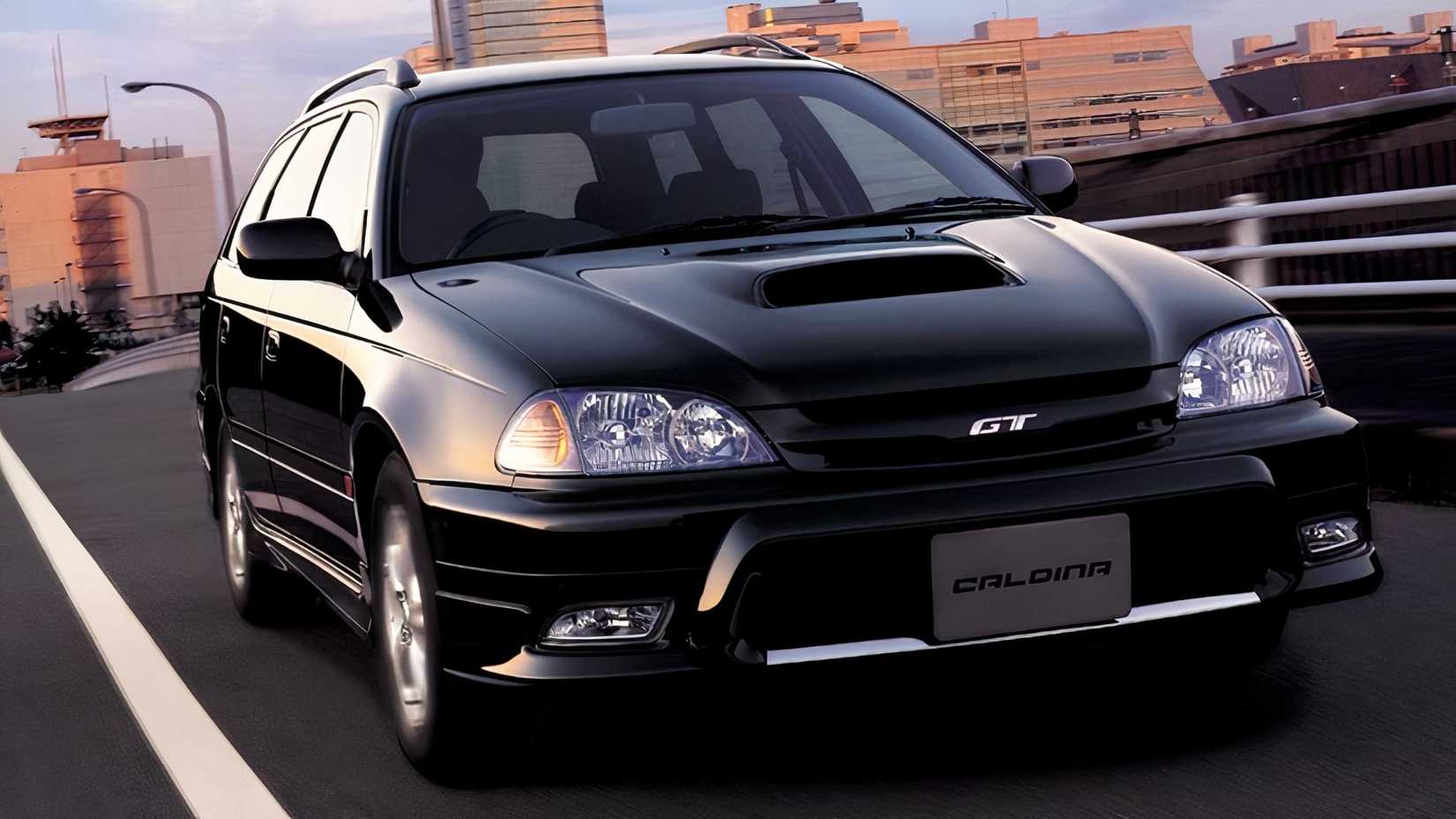
The Toyota Caldina GT-T is Toyota’s first attempt at making a practical family wagon that could also take on some of the most treacherous performance cars of its time. The midsize wagon adopts the brand’s rally-developed fourth-generation 3S-GTE turbocharged 2.0-liter four-cylinder engine, also found in the Celica GT-Four. Here, it produces 256 horsepower through a full-time all-wheel drive system, resulting in a 6.4-second 0 to 60 MPH acceleration time.
Visually, the GT-T is defined by its functional hood scoop, aggressive factory body kits, and confetti-patterned sports seats. Beyond this, it remains remarkably understated. Again, this is a JDM-exclusive model, which is why it landed up being so limited, with the brand indicating to have only ever built 8,613 copies.
1997-2001 Nissan Stagea 260RS Autech
Production Run: 1,734 Copies
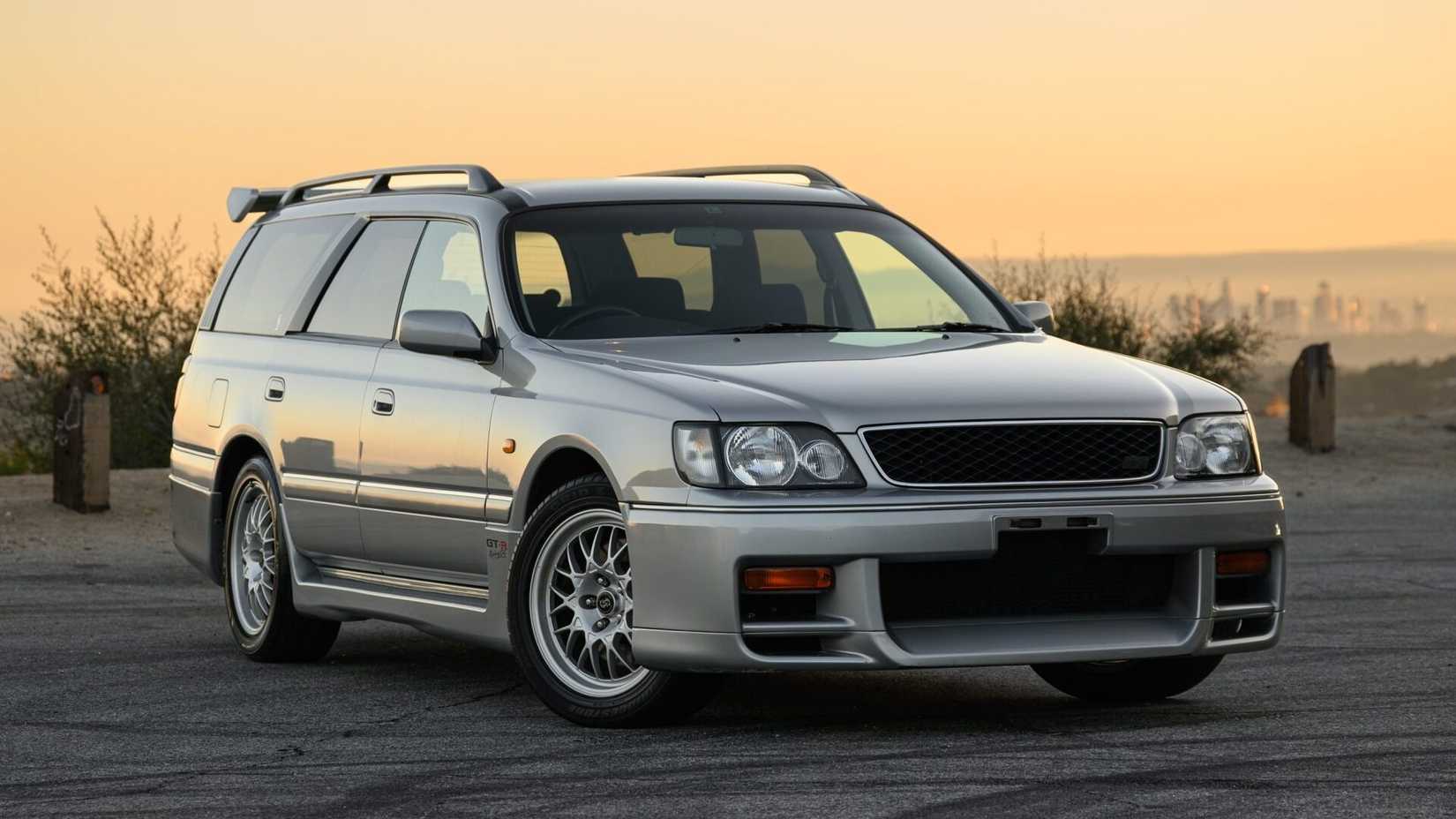
The Nissan Stagea 260RS Autech takes the Caldina’s concept, but turns the dial up by 100. This is often hailed as the GT-R Wagon because of how it’s mechanically an R33-generation Skyline GT-R built on a long-roof estate body. Fittingly, it features the legendary RB26DETT twin-turbocharged 2.6-liter inline-six producing 276 horsepower to the advanced ATTESA E-TS all-wheel drive system via a five-speed manual transmission. The brand’s claims suggest that you can use this to cover a 0 to 60 MPH sprint in 5.7 seconds.
On the design front, the Autech specification adds aggressive, unique bumpers, a prominent rear wing, Brembo brakes, and 17-inch BBS wheels, while the interior receives a GT-R steering wheel and unique upholstery. Its limited status is due to being a specialized, low-volume model produced by Nissan’s Autech tuning division solely for the Japanese market. With only 1,734 units ever built, it remains a rare, high-performance unicorn that combines Godzilla levels of power with the ultimate practicality of a station wagon.
1989-1994 Mitsubishi Galant AMG
Production Run: 1,395 Copies
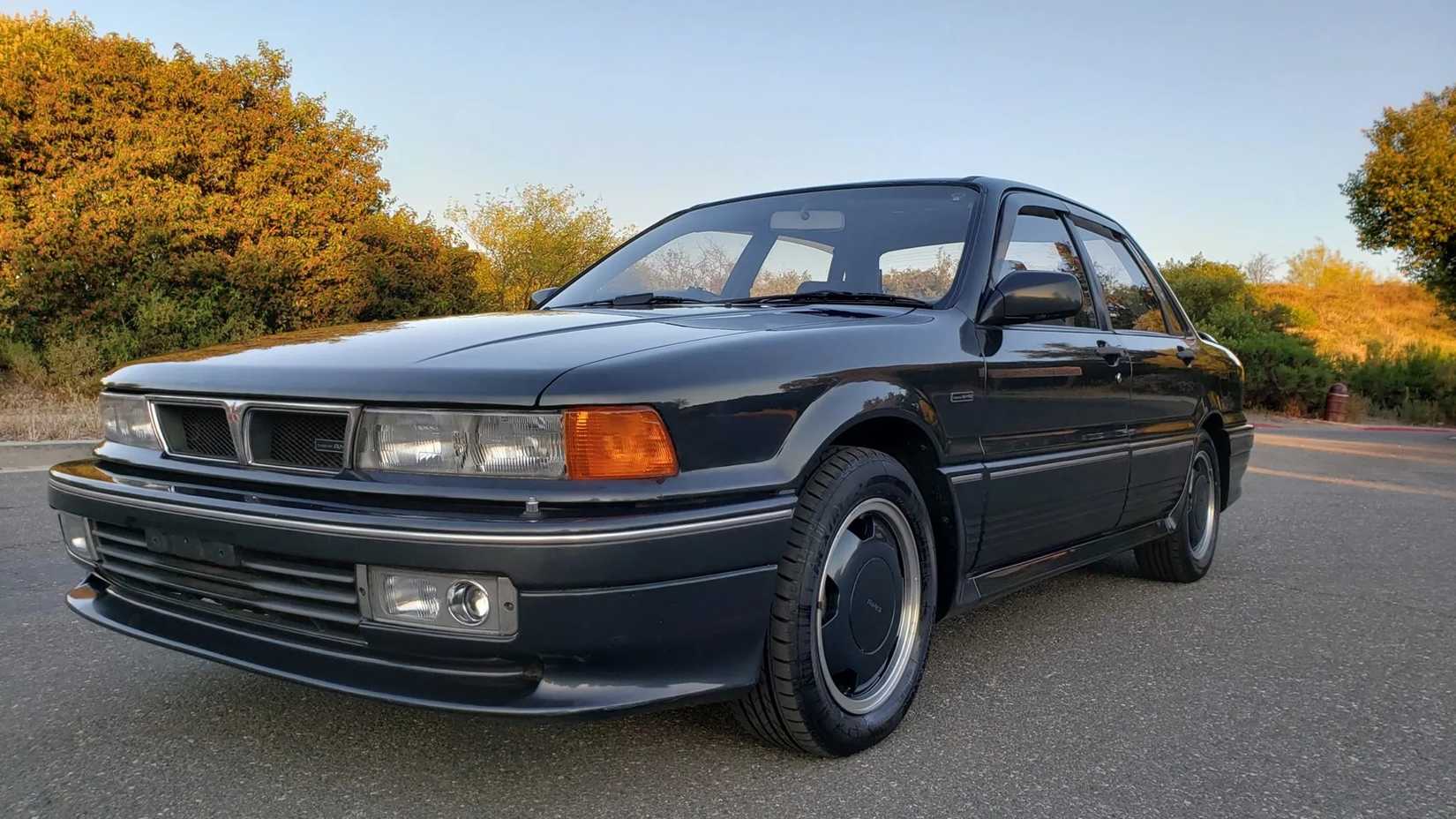
The Mitsubishi Galant by AMG is one of the most fascinating sleeper collaborations in automotive history and represents one of the very few collaborations between the Japanese brand and the then-independent German tuner, AMG. While somewhat based on the turbocharged and all-wheel-drive VR-4 model, the AMG variant took the naturally aspirated and front-wheel-drive luxury-sport sedan. This model features a high-revving 2.0-liter 4G63 four-cylinder engine tuned to produce 170 horsepower. Key modifications to the engine includevalve springs and high-lift camshafts, resulting in an impressive 8,000 RPM redline.
Thanks to its low curb weight, initial tests show that it was able to achieve a 0 to 60 MPH time of 7.8 seconds. Unique design cues included a subtle body kit, aggressive 15-inch AMG wheels, and a wood and leather interior that signaled its executive aspirations. AMG only commissioned 1,395 examples to be produced exclusively for Japan. This was essentially a high-end alternative to the raw, rally-bred VR-4 before AMG became exclusive to Mercedes-Benz some decades later.
1994-1998 Subaru Vivio GX-T
Production Run: 1,000 Copies
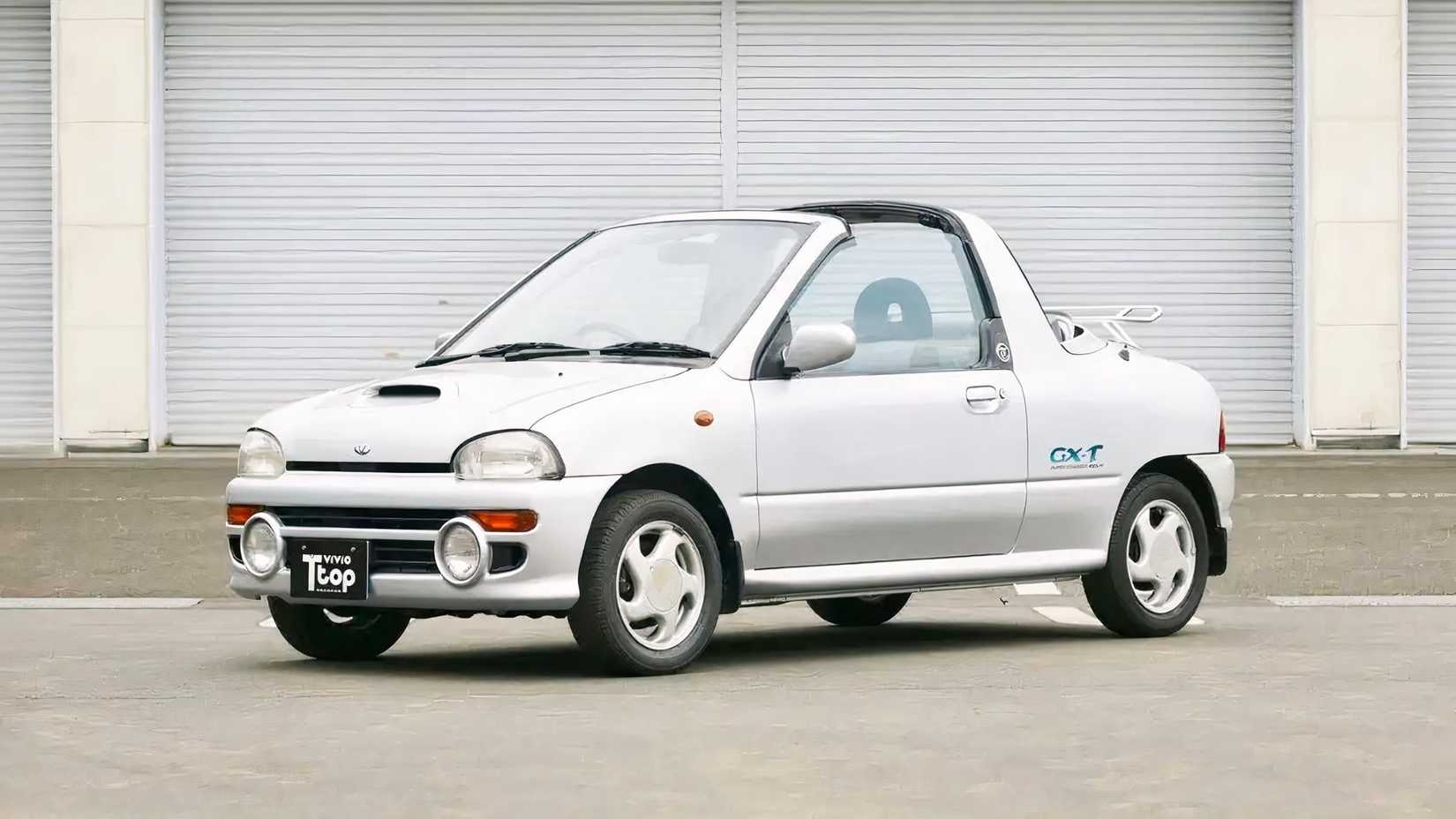
While certainly the most comical model that we feature on this list, the Subaru Vivio GX-T earns its legendary status by being the brand’s only true open-top model. Based on the humble Vivio kei-car hatch, GX-T slightly turns the heat up via the application of a supercharged EN07Z 658cc four-cylinder engine producing 63 horsepower, pushing the limits of kei car regulations at the time.
Its most striking design cue is the Multi-Top system, consisting of a three-piece removable T-top combined with an electrically retractable rear window, allowing the car to transform into five different configurations, including a full convertible or a targa. While designed in the early mid-90s, this model adopts a conventional CVT driving the front wheels, but with unique paddle selectors in an attempt to make the drive more engaging. Subaru only made 1,000 of these for the Japanese market, because each copy was all hand-finished by the specialty coachbuilder Takada Kogyo.
2006-2014 Mitsuoka Orochi
Production Run: 400 Copies
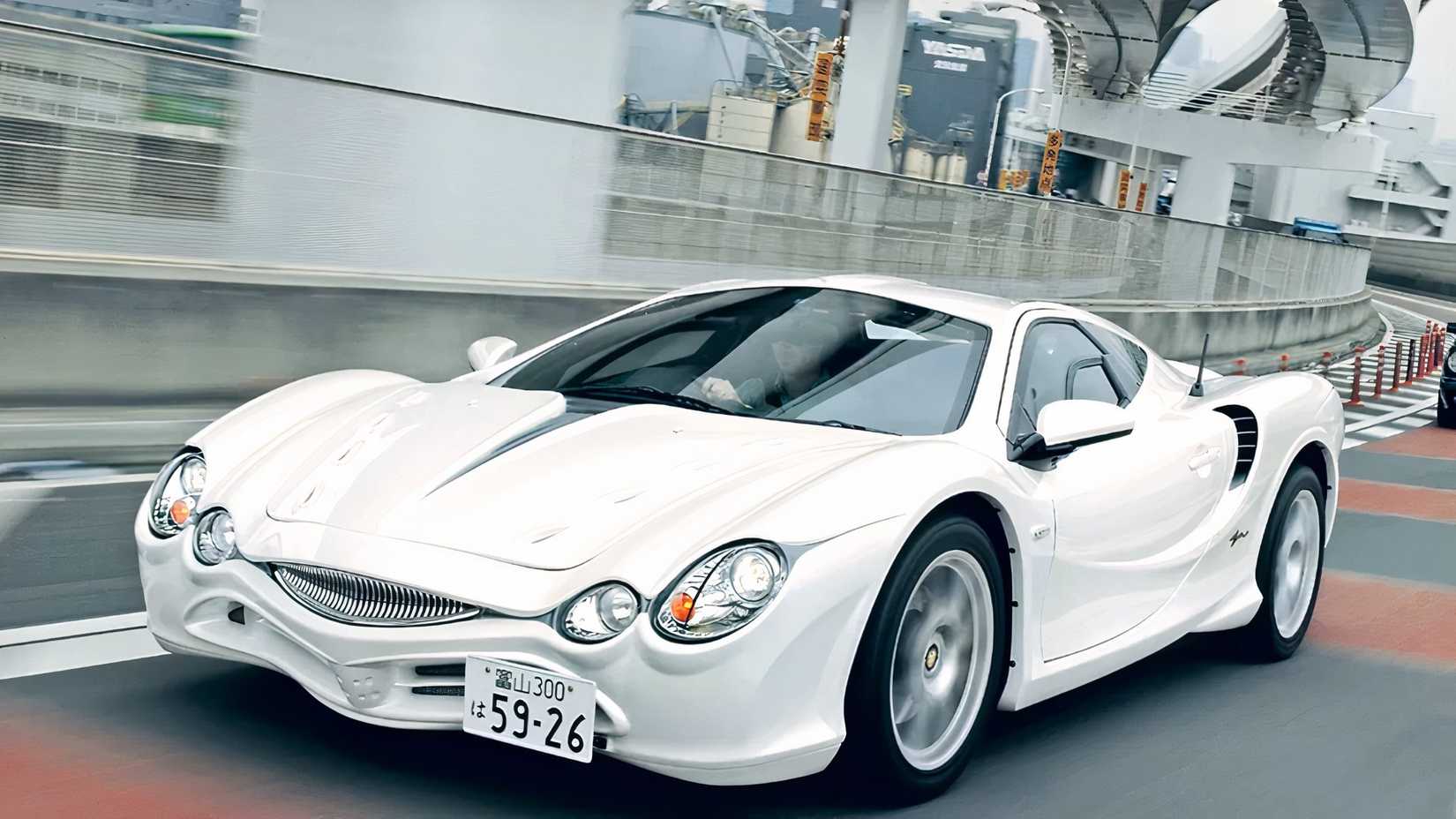
The Mitsuoka Orochi is undoubtedly one of the more popular models featured on this list in terms of recognition, primarily due to its polarizing Fashion-Super Car design philosophy that prioritizes theatrical styling over raw speed. The coachbuilder names this model after the mythical eight-headed Japanese dragon, with a design that is famously organic and unsettling. The model features a leering four-headlight face, scale-like hood vents, and a low, wide silhouette.
Despite looking like a supercar, the model prioritizes comfort and refinement via Toyota’s 3.3-liter 3MZ-FE V-6, producing 233 horsepower to the rear via a five-speed automatic transmission. This results in a 0 to 60 MPH time of 7.0 seconds. The Orochi ended up being a limited model because it is a bespoke and hand-built car. The brand initially planned to only make 400 units, but it’s understood that far fewer were actually produced over its eight-year run due to production costs and times.
1996-2000 Tommykaira ZZ
Production Run: 220 Copies
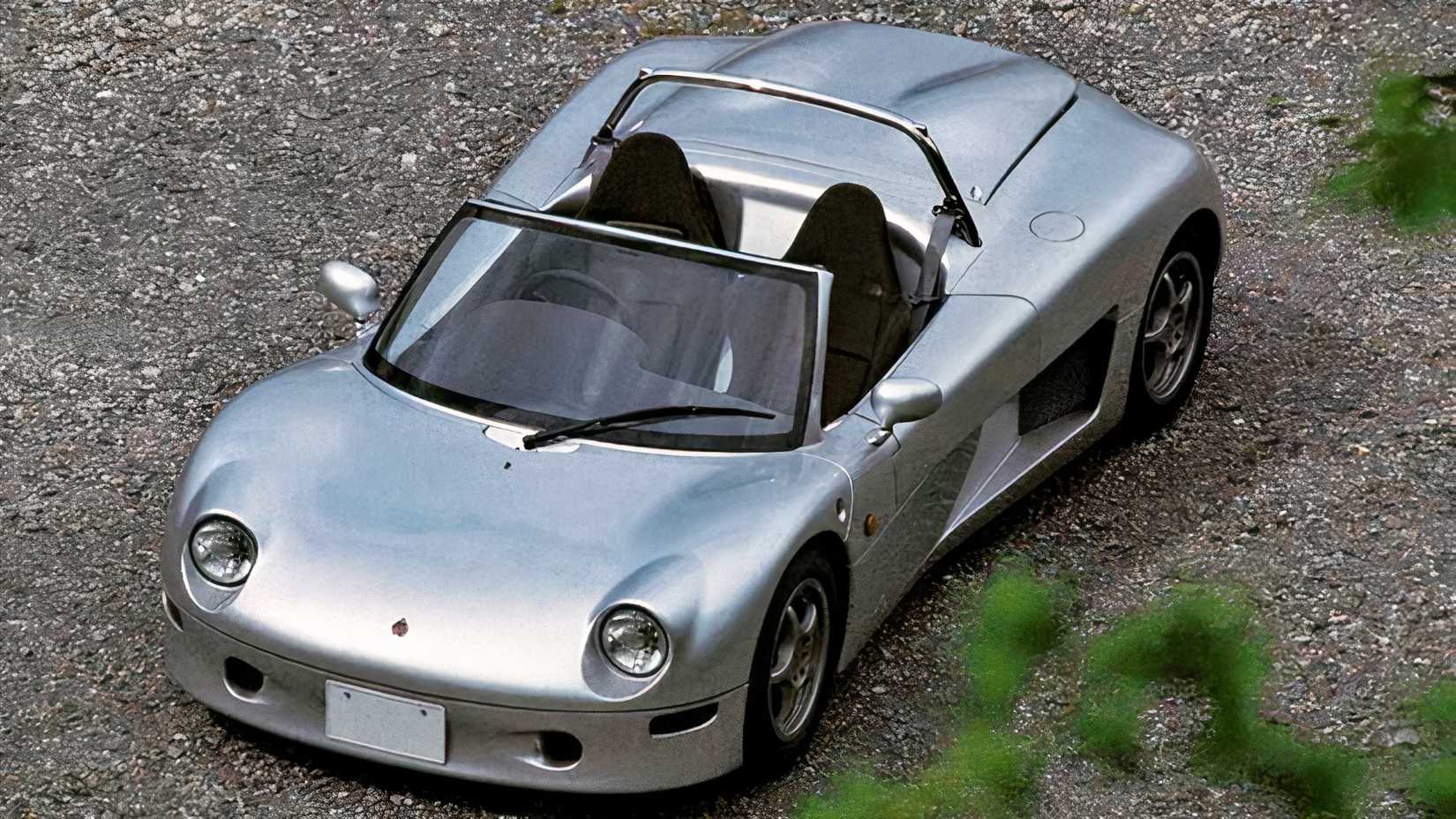
The Tommykaira ZZ may look like a cute and friendly roadster, but it’s in fact a purist fever dream that many described as Japan’s answer to the Lotus Elise. This ultra-lightweight mid-engine roadster weighs just 1,433 pounds, which the designers achieved by applying an aluminum tub chassis and a fiberglass body, outsourced to Mooncraft’s Takuya Yura.
Powering the subcompact track toy is Nissan’s naturally aspirated 2.0-liter SR20DE engine, replacing the injectors with quad Keihin carburetors to produce 197 horsepower. This power-to-weight ratio allows for a blistering 0 to 60 MPH acceleration time of 4.0 seconds in the right hands. Design cues include a detachable targa roof and a minimalist, no-frills race-inspired interior. Only about 220 examples were produced due to the complexity of its production. Interestingly, the brand built this model in Norfolk, England, to leverage British lightweight expertise. Production ultimately stalled due to shifting crash safety regulations and the financial collapse of Tommykaira’s UK division.
1989-1990 Autech Zagato Stelvio AZ-1
Production Run: 104 Copies
The Autech Zagato Stelvio AZ-1 is one of the most bizarre and expensive results of the Japanese Bubble Era. This represents an iconic joint venture between Nissan’s Autech division and Italian coachbuilder Zagato, using the F31 Nissan Leopard as a foundation. This means that it adopted an Autech-tuned iteration of Nissan’s turbocharged 3.0-liter VG30DET V-6, limited to 276 horsepower, enabling a 0 to 60 MPH time of around 6.0 seconds.
Being a Zagato design, the Stelvio adopts some jarring design cues, including the fender-integrated side mirrors encased in large humps on the hood, and its NACA-duct styled wheel covers. The interior is draped in Italian leather and exotic wood to elevate its luxurious status. Its extreme rarity is due to an astronomical original price tag of roughly $160,000 in 1989, which was almost double the cost of a Honda NSX. Zagato planned to build 203 units, but only 104 were ever hand-built.
1994 TOM’s Angel T01
Production Run: One Copy
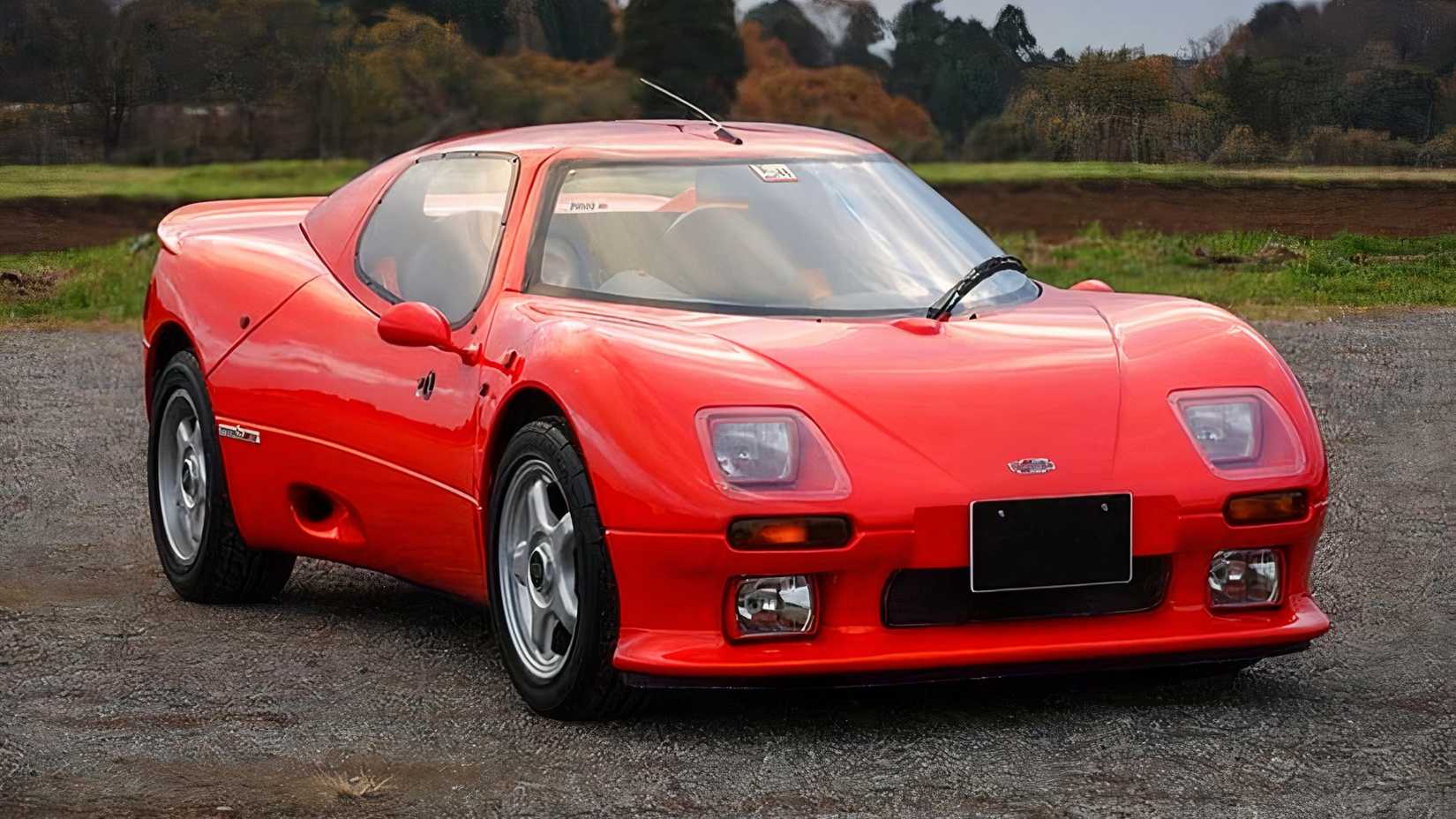
There have been a lot of one-off models built by Japanese automakers, but the 1994 Tom’s Angel T01 has to be the most iconic unicorn from the region. This is a completely custom-built mid-engine sports car built by the legendary Toyota tuner TOM’S to celebrate their 20th anniversary.
Designing the model was former Lotus F1 engineer Martin Ogilvie, who applied a radical carbon-fiber and FRP monocoque chassis, keeping the weight to a featherlight 1,543 pounds. Powering the compact supercar is a mid-mounted 1.6-liter 20-valve 4A-GE Silver Top engine, producing 158 horsepower, which would have been enough to get it to cover a 0 to 60 MPH sprint in 5.5 seconds. Its unique design cues include gull-wing windows, which were forced because the doors were too structural to open normally.
It also features a Lancia Stratos windscreen, and Corolla AE92 taillights. TOM’S intended a production run of 500 units at approximately $42,000 each, but the project was killed by the collapse of the Japanese Bubble Economy. Consequently, only one single prototype exists today, apparently by a business mogul residing in Kobe, Japan.
Sources: Car and Driver, MotorTrend, and Road & Track