
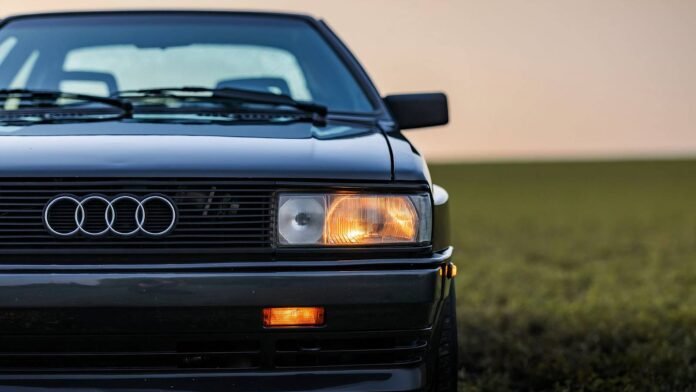
We love an underdog story, and we love to see the more “unconventional” come out on top against the most popular. No more can be said than when we see cars that you wouldn’t expect to take on sports cars shake things up, and though Audi can’t be considered as an underdog brand, when they released this somewhat covert model, they made everyone sit up and look.
The 1980s produced some of the most iconic supercars and some of the best sports cars ever produced, but this unassuming-looking Audi lineup brought some hot competition when it was released in 1985 and took the competition straight to the hearts of Chevrolet, BMW, Porsche, Ford, and even Ferrari.
We are taking a deeper look at this inline-five-powered Audi and have brought you information about how this immensely powerful model gave some of the best sports cars of the 1980s a run for their money, what is so special about it, and how much it is worth in today’s market.
These Are The First 10 Production Cars In History With Factory Turbochargers
We may love a good turbo today, but they had to start somewhere – here are the first 10 production cars to boast a turbocharged engine under the hood.
Turbocharged Fury: The 20V-Powered 1985 Audi Sport Quattro
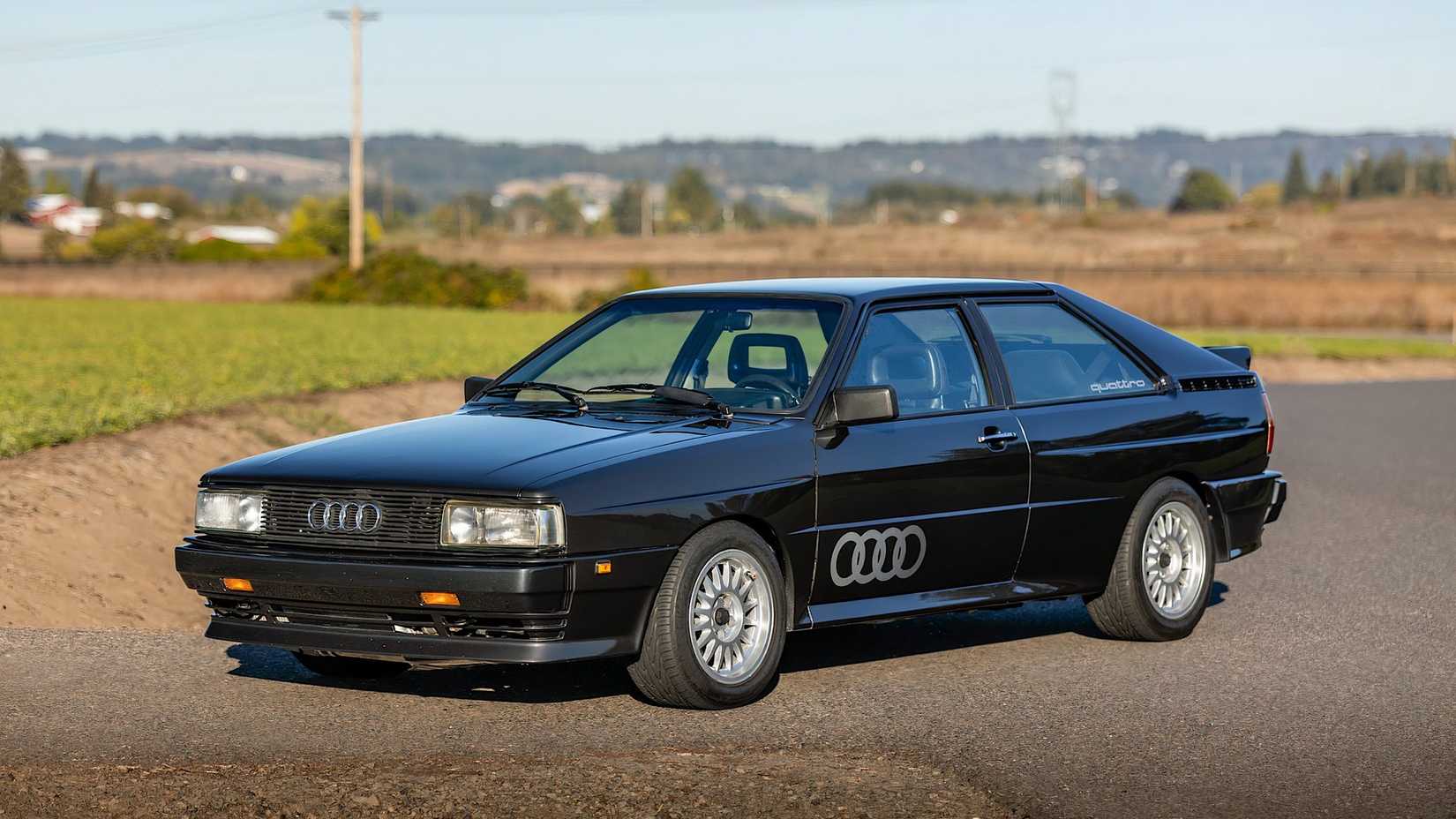
This insanely powerful inline-five-powered Audi model is the Audi Sport Quattro; more specifically, the 1985 Sport Quattro S1 and Sport Quattro S1 E2 models, both of which harbor a seldom-praised turbocharged inline-five that can kick out some ridiculous horsepower, torque, 0-60 MPH times, and gave this special Audi the capability to take on some of the most potent sports cars of the era.
Released in 1985 as a Group B homologation model, the Audi Sport Quattro S1 hit the scene with a 20-valve inline-five, and then Audi upped the game again with the release of the Audi Sport Quattro S1 E2 as an update at the tail-end of 1985. It also boasts a 20-valve inline-five, but the horsepower output and acceleration are even more raucous.
1985 Audi Sport Quattro S1 And Sport Quattro S1 E2 Performance Specifications
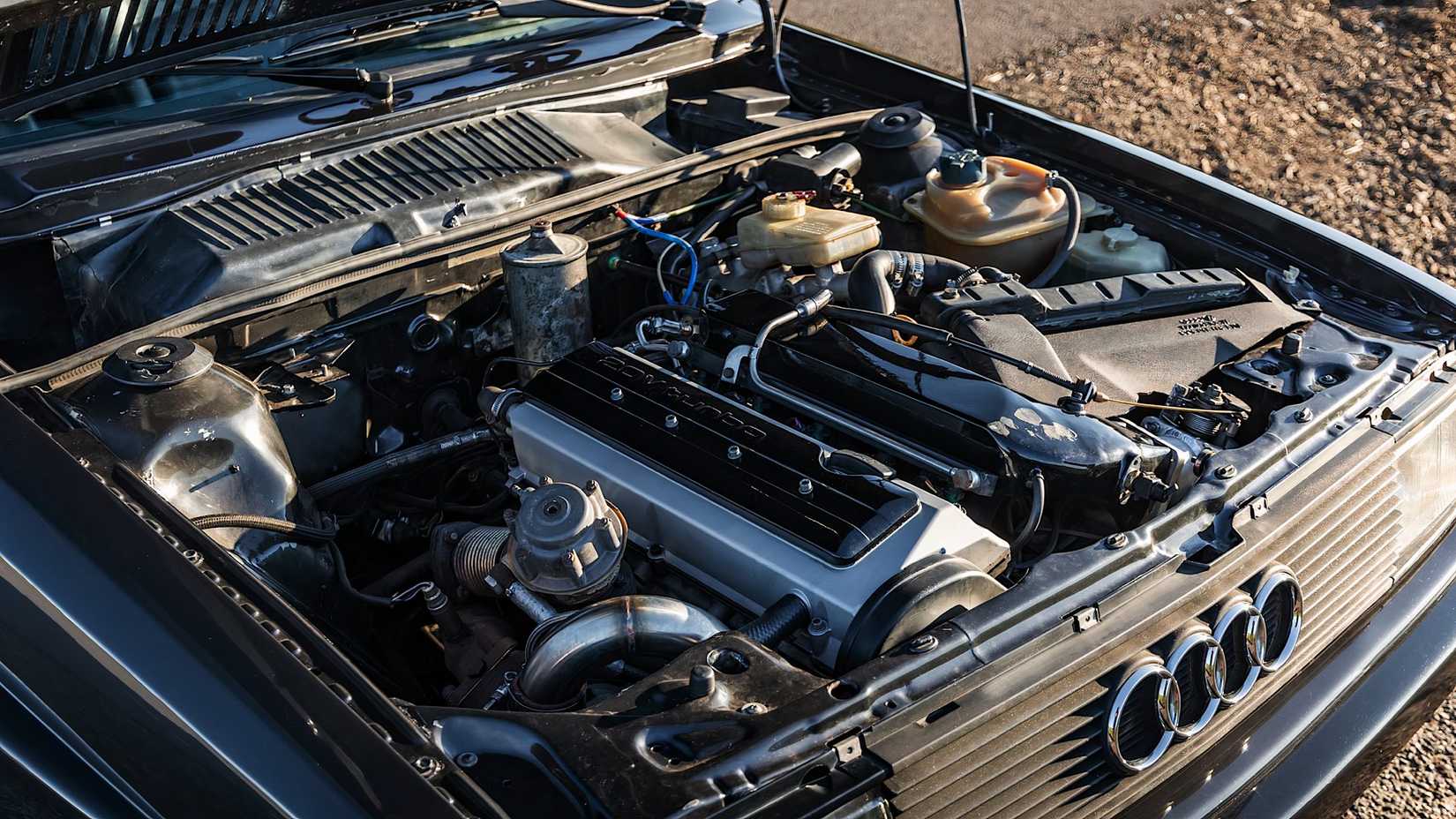
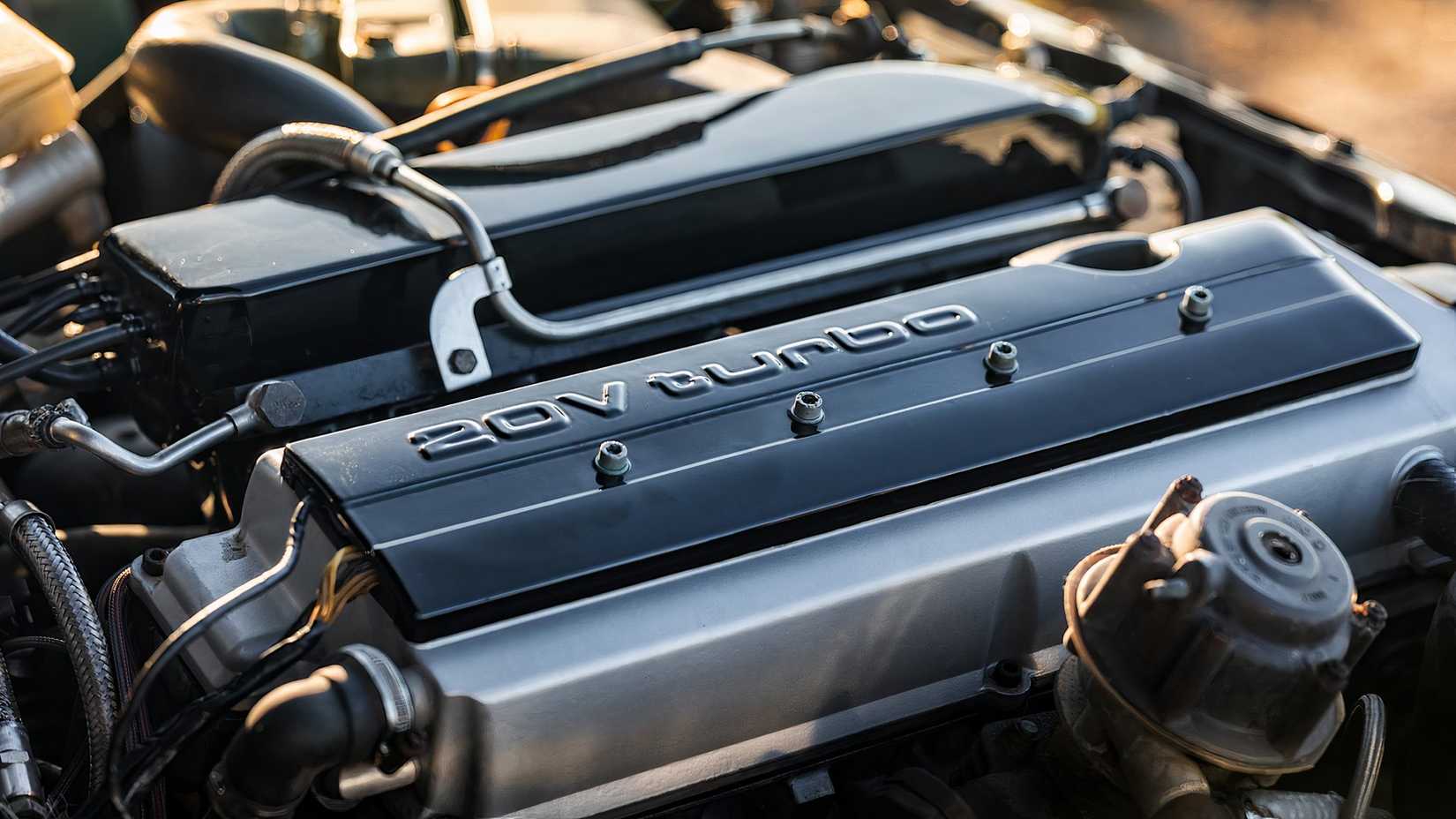
The 1985 Sport Quattro S1 showcases an all-aluminum 2.1-liter DOHC inline-five with four valves per cylinder, which allows for better engine breathing capacity, mated to a KKK K27 turbocharger and a Bosch LH Jetronic fuel injector – all of which give it some very impressive 0-60 MPH times. But it is the S1 E2 that really annoys sports cars.
|
Engine |
2.1-Liter Turbocharged Inline-Five |
2.1-Liter Turbocharged Inline-Five |
|
Transmission |
Five-Speed Manual |
Five-Speed Manual |
|
Horsepower |
307 Horsepower |
492 Horsepower |
|
Torque |
258 LB-FT |
435 LB-FT |
|
Driveline |
All-Wheel Drive |
All-Wheel Drive |
|
0-60 MPH |
4.8 Seconds |
3.1 Seconds |
|
Top Speed |
155 MPH |
155 MPH |
The Sport Quattro S1 E2 boasts the same mill at heart, but receives slightly different internals, with a bore by stroke of 3.13 inches x 3.35 inches compared to the S1’s 3.1 inches x 3.4 inches, and a recirculating air turbocharger that keeps the turbo spinning at high revolutions, even when you back off the throttle. This means, that as soon as you plant your foot on the gas again, the turbo has nearly no lag to make up for, and you get instant power again. The S1 E2’s 20-valve inline-five can pin you to 60 MPH in as little as a reported 3.1 seconds, an outrageous time for the era, and even today.
How The 0-60 MPH Times Stack Up
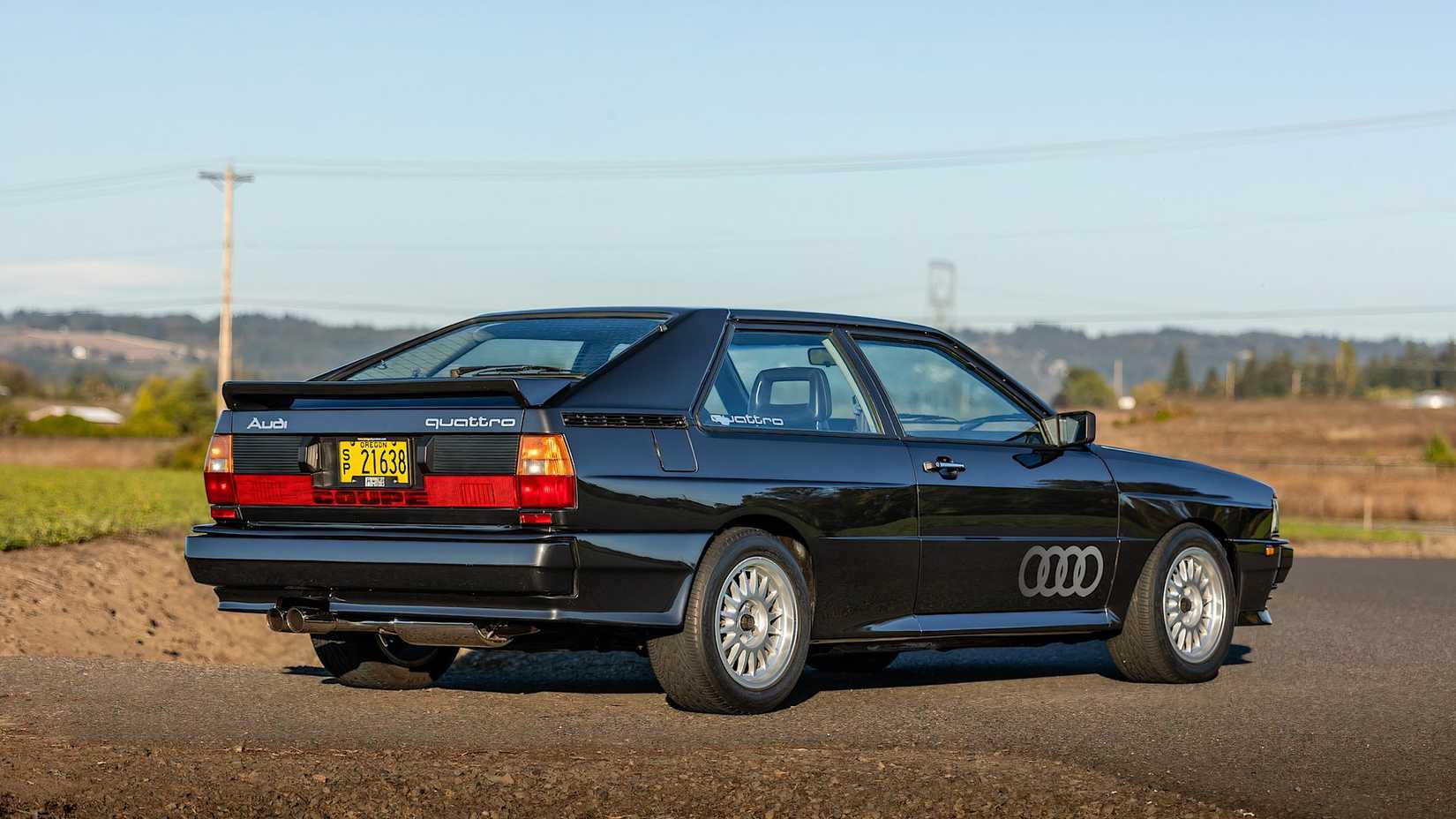
The 1985 Audi Sport Quattro S1 weighs in at 2,646 pounds, so with a road-going horsepower rating of 307 horsepower, the S1 has a power-to-weight ratio of 0.114-horsepower-per-pound, while the competition-spec S1s have a higher horsepower output of 444 horsepower, meaning rally-ready models have a power-to-weight ratio of 0.165-horsepower-per-pound.
Alongside the meatier inline-five under the hood, the Sport Quattro S1 E2 is equipped with rally-spec wings and spoilers while the body weight is reduced to 2,403 pounds – so it has a very enviable power-to-weight ratio of 0.202-horsepower-per-pound, that is more than the 2025 BMW M4 Competition xDrive (0.135-horsepower-per-pound).
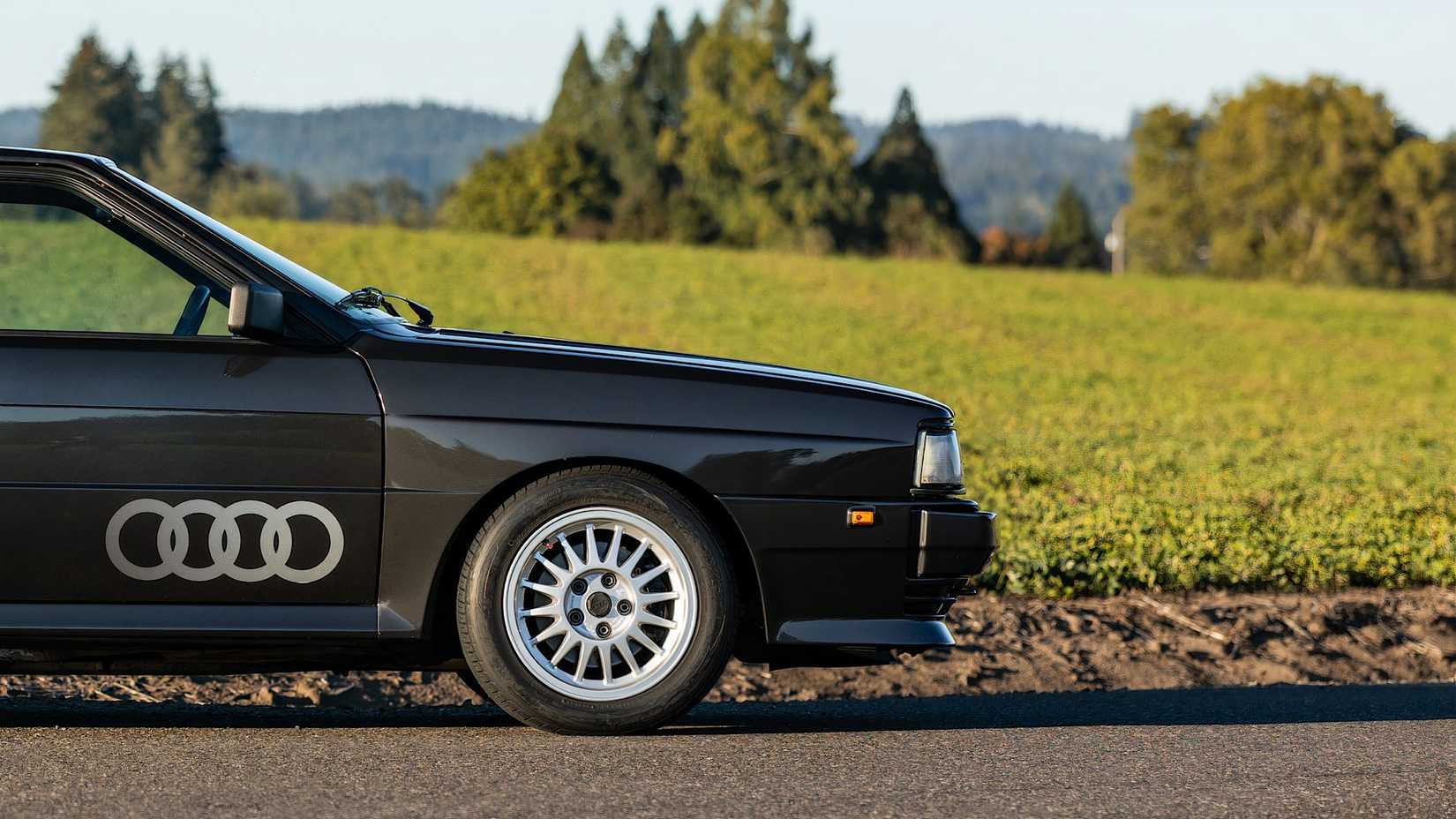
Unfortunately, we can’t compare the Sport Quattro S1 E2’s sprint times because it was never intended for road use, only for rallying, though we have seen some examples heavily modified to be considered road-legal in recent years. But, even the road-legal Sport Quattro S1 can give it to some of the most iconic sports cars of the 1980s with its 4.8-second 0-60 MPH time.
- 1986 Ferrari Testarossa. 0-60 MPH Time: 5 Seconds.
- 1985 Ferrari 288GTO. 0-60 MPH Time: 5 Seconds.
- 1981 Ferrari 512BB. 0-60 MPH Time: 5 Seconds.
- 1987 Porsche 911 Turbo Cabriolet Slant Nose. 0-60 MPH Time: 4.9 Seconds.
- 1986 Buick Grand National. 0-60 MPH Time: 4.9 Seconds.
- 1989 Porsche 911 Carrera 4. 0-60 MPH Time: 4.8 Seconds.
The Audi Sport Quattro does lose out slightly to another supercar killer, the Buick GNX, but it does make for one of the fastest non-supercars of the 1980s.
The Grip Advantage That Changed Everything
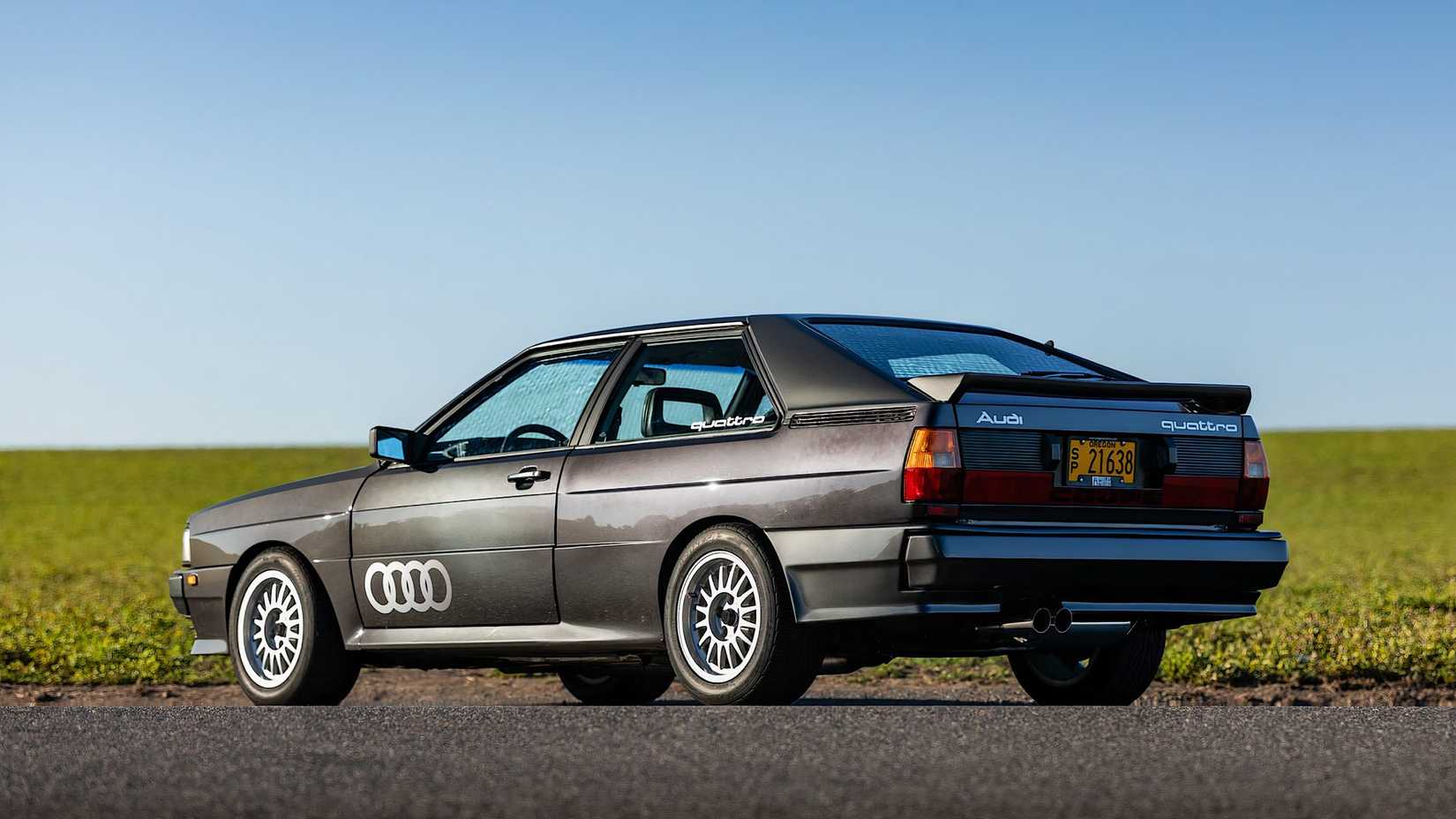
We all know why the Audi Quattro All-Wheel-Drive System is so great today. It can offer some incredible traction, and it can make your driving safer and more stable, but when the Quattro Sport was released in 1985, the system was only five years old, after being first equipped in the 1980 Audi Quattro.
Revolutionary All-Wheel Drive For Maximum Traction
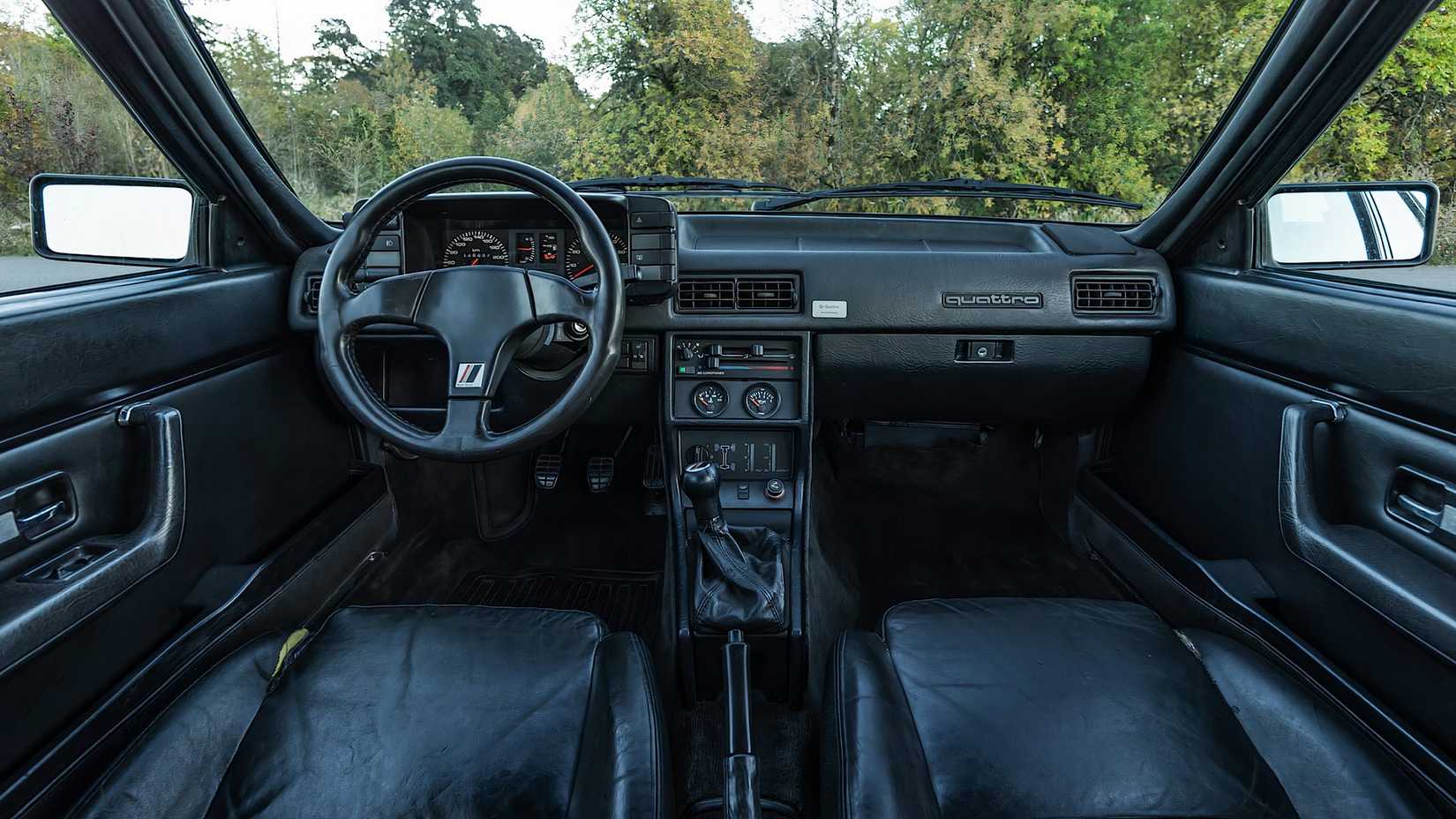
The Sport Quattro’s equipped all-wheel-drive system was and still is a groundbreaking drivetrain that revolutionized racing and high-performance Audi models. This version of the Quattro system features a permanent all-wheel-drive layout which utilizes three mechanical differentials to distribute power where it is needed the most. Though the Quattro wasn’t the first all-wheel-drive car, it was the first to use it on the rally scene. In 1985, aside from the Sport Quattro, only the Ford RS2000, the Lancia Delta S4, and the Peugeot 205 boasted all-wheel drive, so the Quattro did have quite the advantage thanks to its very potent mill and über traction.
The system that the Sport Quattro is equipped with is a vacuum-powered manually locking set of differentials, which moved to a more advanced Torsen differential in the late 1980s, so it was quickly outdated, but what it did for the Sport Quattro on the rally scene was set the scene and make it an absolute weapon over the loose stuff thanks to offering some extreme traction whether you are driving forwards or looking for grip after sliding sideways, so paired with an intensely powerful inline-five, made it a beast.

Rally-Bred Performance: Taming The Streets Like The Stages
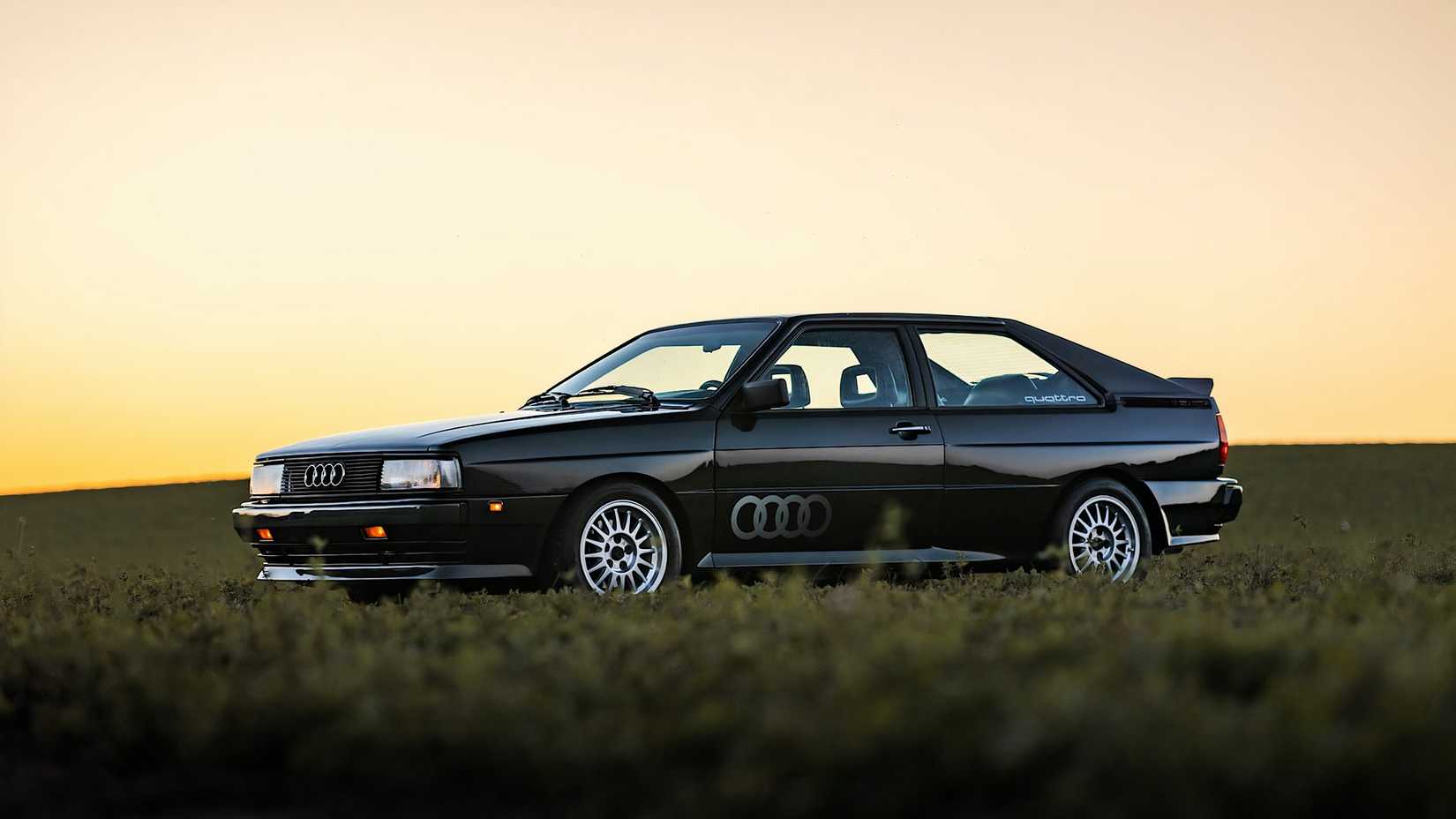
Though the Sport Quattro S1 E2 wasn’t meant for the streets, the S1 was a homologation model and was very much meant for the streets, which means on-road thrills for us as well, not just the professionals, but you had to have deep pockets. With an original price of $75,000 (nearly $220,000 today) in 1985, it was not a cheap car to buy, but it was the ultimate rally-bred road menace.
Unfortunately, the Audi Sport Quattro was involved in several severe accidents, particularly in the 1985 WRC season and, even sadder, at the 1986 Rally de Portugal, which resulted in numerous spectator deaths and injuries, which helped spell the end of the Group B class in 1987 and, ultimately, this ultra-high-power rally demon. But the lower-horsepower and road-legal models still serve as rally-born lessons mixed with all the boring stuff that makes it safer on the road.
Group B Engineering In A Street-Legal Package
Every aspect of the Sport Quattro’s design was made for the brutal world of Group B rallying, but because of how it was set up, it made it a road-domineering coupe too. Boasting a fully independent suspension setup with MacPherson struts, coil springs, and gas-filled shocks on both the front and rear axles, to keep it firmly planted on the ground on the road, over rough terrain, and in slippery conditions, and a weight-saving Kevlar-reinforced body over a steel monocoque chassis, the S1 could really take the hard corners.
To make the S1 even more agile, Audi chopped down the wheelbase to just 87.6 inches, while the short length of 166.9 inches, making it much shorter than the standard Quattro (173.4 inches), helps with weight distribution and makes it more responsive, while the combination of lightweight materials, precise Audi engineering, razor-sharp handling, and an extremely powerful inline-five under the hood make it a proper force to be reckoned with.
“It’s not a legendary car just because of the rally pedigree. By today’s standards of automotive performance, it might be easily dismissed when looking at the performance figures on paper, but when one gets a chance to drive a Quattro, sheer acceleration and go-cart turns are no longer a priority. They are indeed quick, and handle great. But the best thing is the organic feel of the car. You actually get the satisfaction from driving this car, not found in any modern equal.”
– Review of the 1985 Audi Sport Quattro on Car Survey.org
The Most Expensive Audi Cars Of All Time
Discover the pinnacle of luxury and performance with these jaw-dropping Audi models.
How The ’85 Sport Quattro S1 20V Redefined Performance Cars
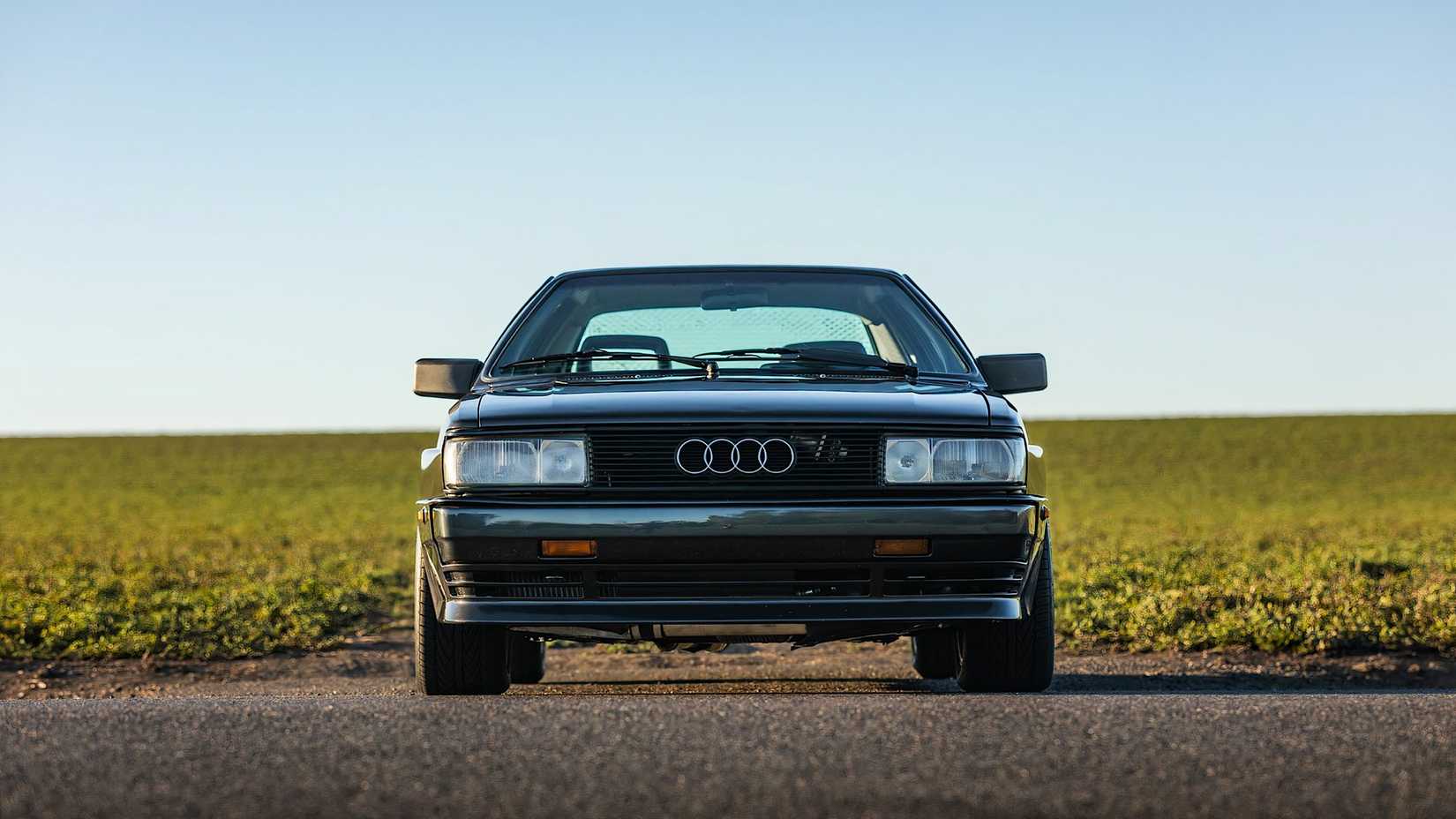
Today, the ’85 Sport Quattro S1 is a highly collectible model, and for good reason, only 214 were produced with only 164 sold to non-rallying customers. The latest average auction price is $711,750, with the highest price paid in recent years being $758,000. There have only been two sold in the last five years, and though the prices are high, the examples of the S1 E2 that come up for auction command the highest prices.
- 1985 Audi Sport Quattro S1 E2 (November 2022). Auction Price: $1.8 million.
- 1985 Audi Sport Quattro S1 E2 (May 2024). Auction Price: $684,985.
- 1985 Audi Sport Quattro S1 E2 Hannu Mikkola – Group B Homage (March 2022). Auction Price: $386,904.
Even a replica of the rally-only S1 E2 can reach prices of well over $100,000, with an example being sold in February this year going under the hammer for $156,302.
Why Five-Cylinder Power Still Lives On
From the release of the 1977 Audi 100 and the original Quattro to the ’85 Sport Quattro, the five-cylinder mill ripped up the rule book and took on the sports cars of the time, and went on to set the scene and draw the blueprints of modern Audi models, which mostly come equipped with all-wheel drive and a turbocharged mill, but also for some of the most elusive Audi models like the legendary Audi RS2 Avant, which boasts a very potent 311-horsepower DOHC 20-valve turbocharged inline-five and the Audi TT RS, which is still going strong on the modern market with the last iteration released in 2022.
Though five-cylinders don’t often make an appearance today, well, hardly at all, there is only one 2025 model boasting a five-cylinder engine, also produced by Audi, throughout the last 30 years or so, there have been a fair few automakers that have followed the German marque’s example and have an intimate relationship with inline-fives.
Of some of the models, the most influential and renowned examples have proven that though the inline-five is near the end of its life now, its unique layout and intense available power output still live on in used models that collectors and fanatics still love.
- Audi RS3. Horsepower: 401 Horsepower.
- Ford Focus RS. Horsepower: 300 Horsepower.
- Volvo 850 R. Horsepower: 250 Horsepower.
- Fiat Coupe Turbo. Horsepower: 220 Horsepower.
- Mazda BT-50. Horsepower: 197 Horsepower.