
Today, having a car with an engine that redlines like a motorbike is likely not on your priority list. There is no arguing that you are likely to use more fuel if your car’s engine can dump its load past 7,000 or 8,000 rpm, but if it can, you’ve likely got yourself something that is fun and responsive underfoot.
We have seen many sports cars and supercars considered high-revving if they send out power at 7,000 rpm, but the following cars have the highest-revving engines created, and can redline far past some of the most renowned perky numbers. They all have a lot of usable power through the rev range; they are all fun to drive and responsive, and they all have engines that fly past the redline like nothing else.
Models are listed in ascending order based on RPM limit, from the lowest to the highest (with a few models tied for their position).
Honda S800
Engine: 791cc Inline-Four | Redline: 9,250 RPM
Originally released back in 1966 to replace the equally sultry Honda S600, the Honda S800 may only boast a 0.8-liter inline-four, but it is a very responsive one. The inline-four under the S800’s hood is a DOHC four-pot that boasts four Keihin Seiki carbs, a dry sump lubrication system (early MYs), and a compression ratio of 9.2:1. Horsepower and torque are considerably meek, at 70 horsepower and 49 pound-feet, but it is when the power hits that makes it a legend.
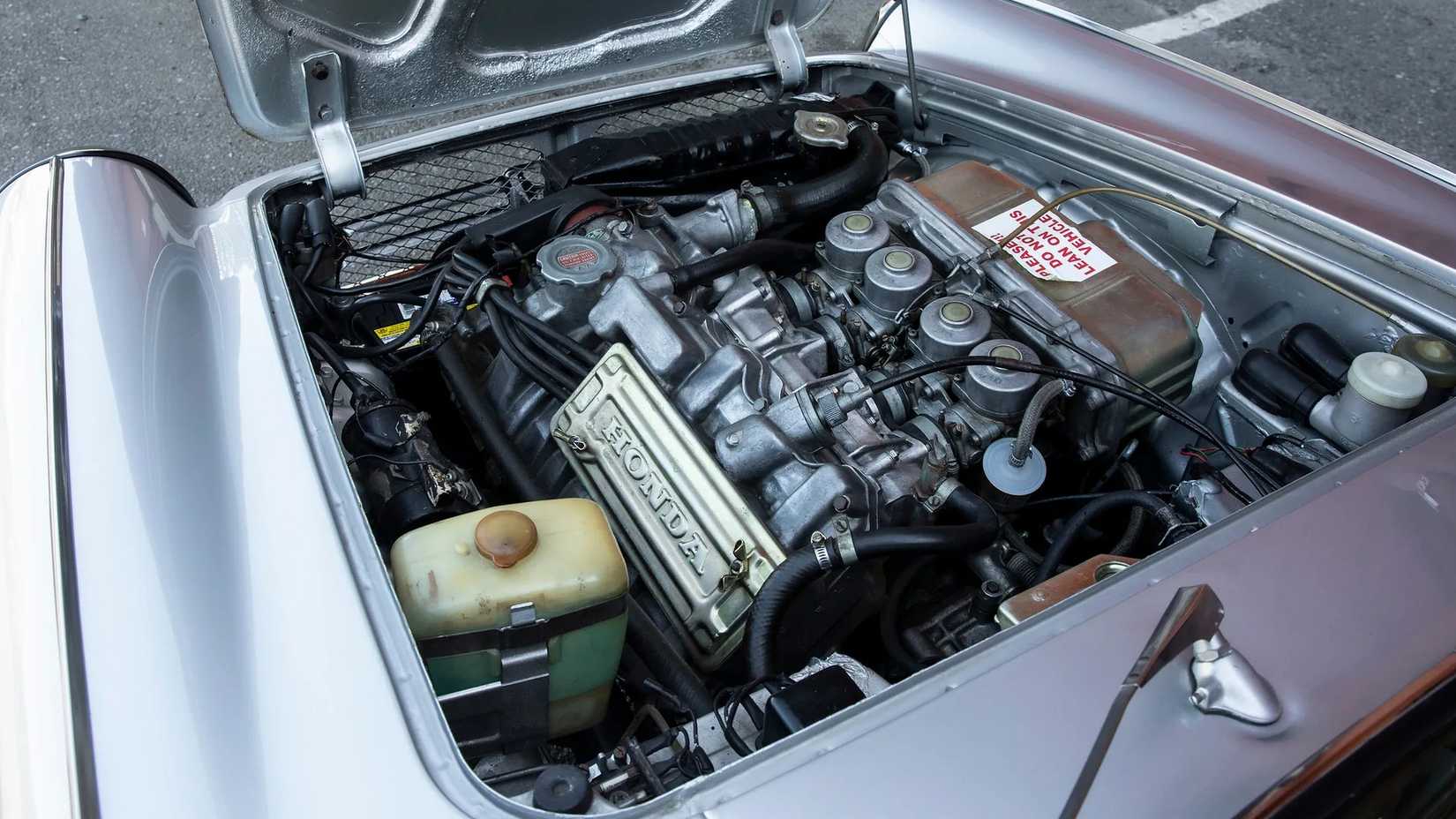
The Honda S800 laid the foundations for modern Honda sports cars, primarily because you get peak power from the tiny engine at 8,000 rpm and peak torque wound out at 6,000 rpm. Pair the high-revving engine with rear-wheel drive, a manual transmission, and a precise rack-and-pinion steering rig, and you’ve got yourself a very fun classic JDM model that is as pure to drive as it is groundbreaking for the Japanese marque in the ’60s.

Suzuki Cappuccino
Engine: 657cc Inline-Three | Redline: 9,300 RPM
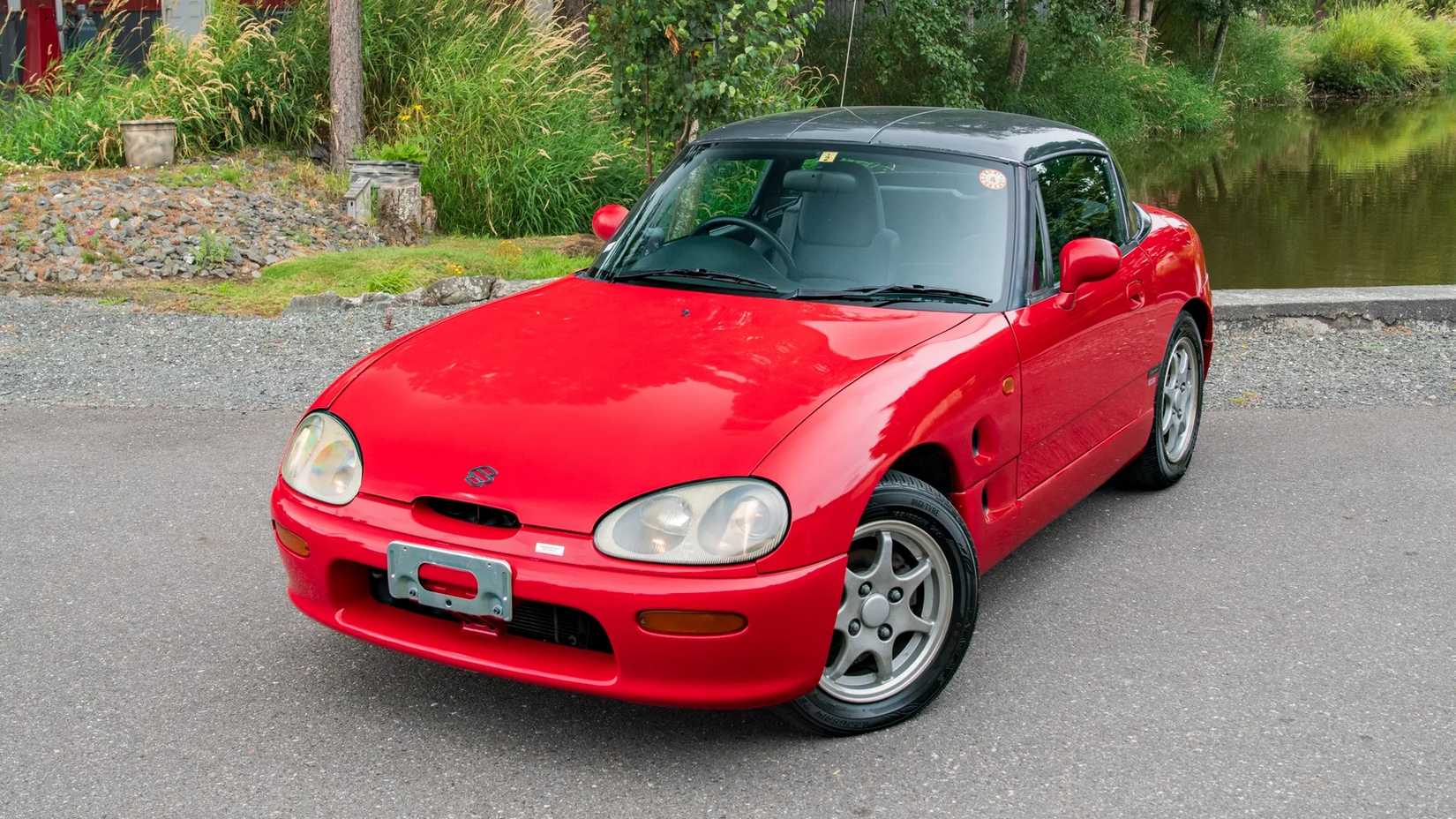
Like the Honda S800, the Suzuki Cappuccino may be underpowered, with a maximum factory output of 64 horsepower and 63 pound-feet of torque, but this snack-sized, high-revving Kei car is small-car prowess personified. If a brand were to roll out some small cars like this in the modern day, we think they could really take off here in the U.S. To get the impressive 9,300 redline, you would have to find a model fitted with a Suzuki F6A turbocharged inline-three.
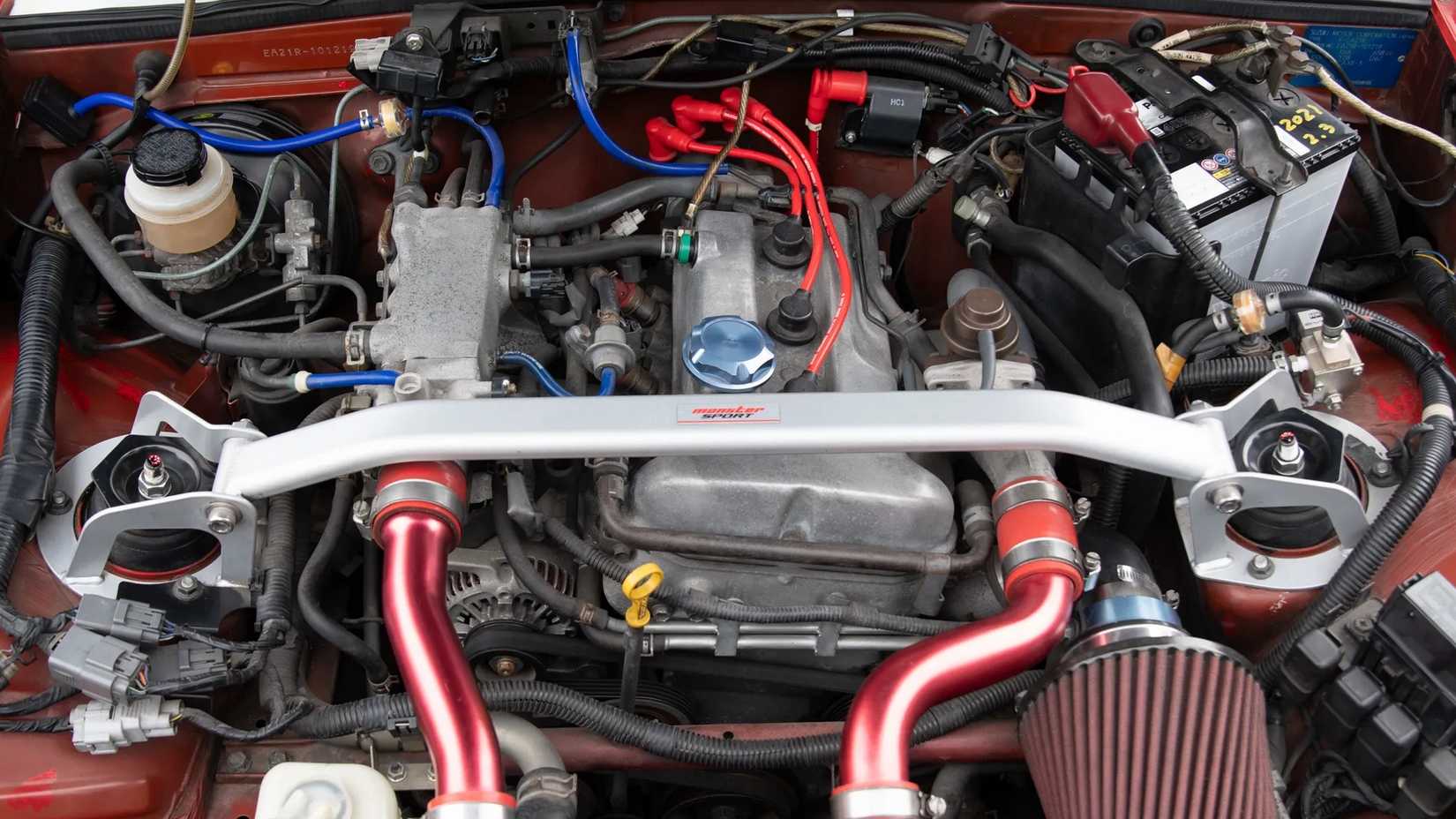
The Cappuccino’s engine is belt-driven; it kicks out its maximum horsepower output at 6,500 rpm; it boasts 12 valves and DOHC, and the fuel cut-off only kicks in at 9,300 rpm. In other words, it is an exceptionally fun Kei car that you can now import into the U.S.A. The Suzuki Cappuccino also boasts a rear-wheel drive driveline, a five-speed manual box, and a balanced, lightweight build. So, it is high-revving, engaging to drive, and fun – just don’t expect intense top speeds or sprint times.
Ferrari Daytona SP3
Engine: 6.5-Liter V12 | Redline: 9,500 RPM
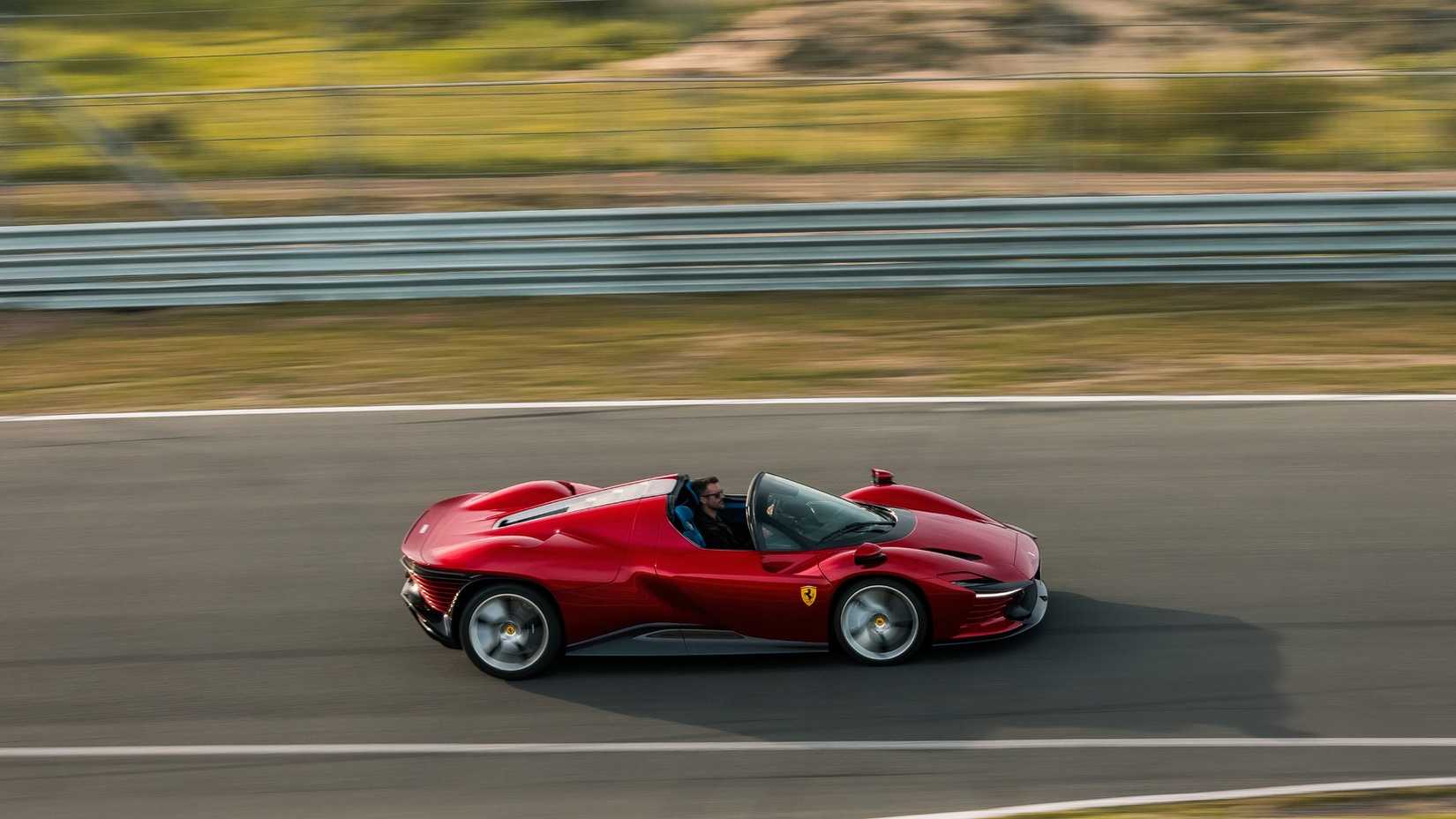
Only available from 2021 to 2025, the Ferrari Daytona SP3 is an exceptionally rare Ferrari to own, with only 600 models being delivered. 599 were built for public consumption, while the 600th Daytona SP3 was delivered for a charity auction. Starting prices were $2.5 million, and they all sold out as soon as ordering was up and running; they are real collector’s items. Alongside the rare build and prancing horse badge, the main attraction is the engine. The Daytona SP3 comes equipped with a 65-degree naturally aspirated V12 that shifts out 829 horsepower and 514 pound-feet of torque.
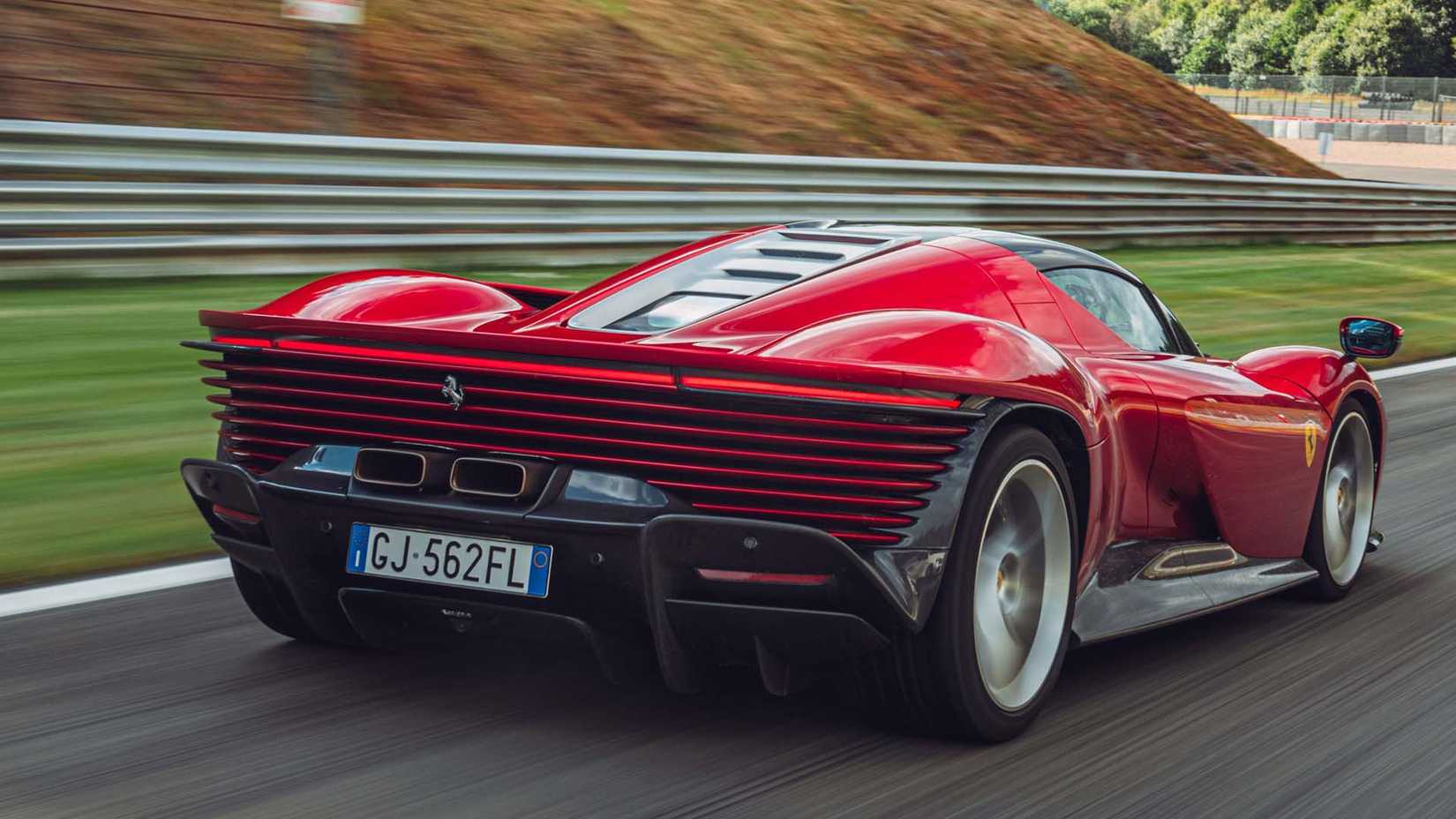
The Ferrari Daytona SP3 was the most powerful road-going Ferrari created before the 2025 Ferrari F80 came along with its 1,184-horsepower hybrid V6. For the SP3, peak ponies are delivered at 9,250 rpm, and the most torque is wound out at 7,250 rpm, but you can push the revs all the way up to 9,500 rpm. Alongside the supercar character in the shape of a carbon-fiber monocoque, a seven-speed dual-clutch transmission, and the high-pitched V12 scream from the rear, the Daytona SP3 can hit 60 mph in around 2.85 seconds. That is courtesy of a naturally aspirated V12, so one for the rich purists.


Find 2024 Ferrari Daytona SP3 and more cars for sale on our Marketplace
Lamborghini Revuelto
Engine: 6.5-Liter V12 | Redline: 9,500 RPM
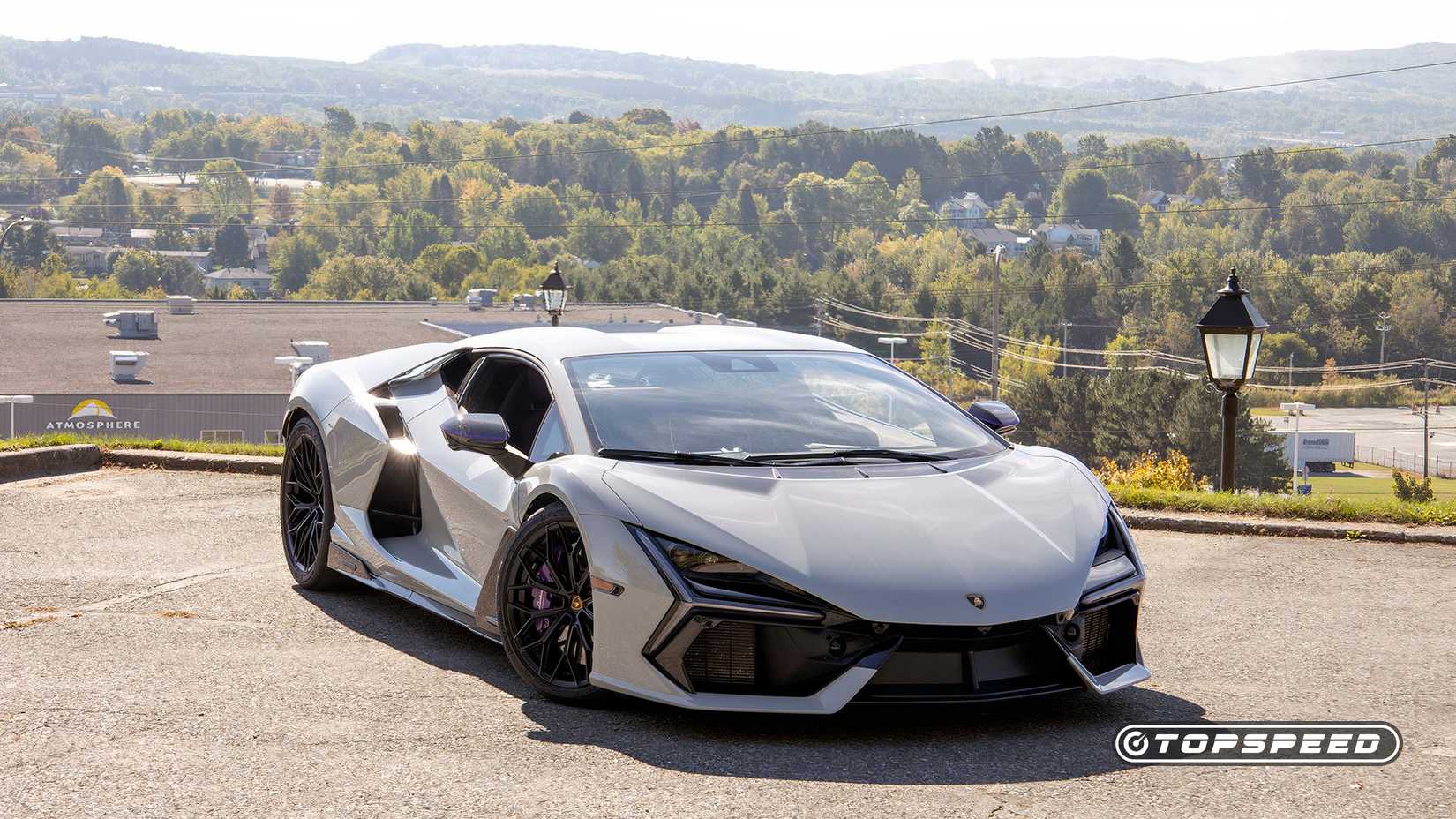
The Lamborghini Revuelto was released in 2024 as a replacement for the Aventador, and it has quickly become the supercar flagship for the Italian powerhouse. As one of the new breed of supercars boasting a hybrid setup, the Lamborghini Revuelto makes the most of a stellar partnership of a naturally aspirated V12 and three electric motors.
Sure, the V-12’s wail only activates around 4,000 rpm. But while late to the party, it still makes sure to steal the show upon arrival. It sings, rasps, burbles, and screams up to 9,000 rpm.
– William Clavey for TopSpeed
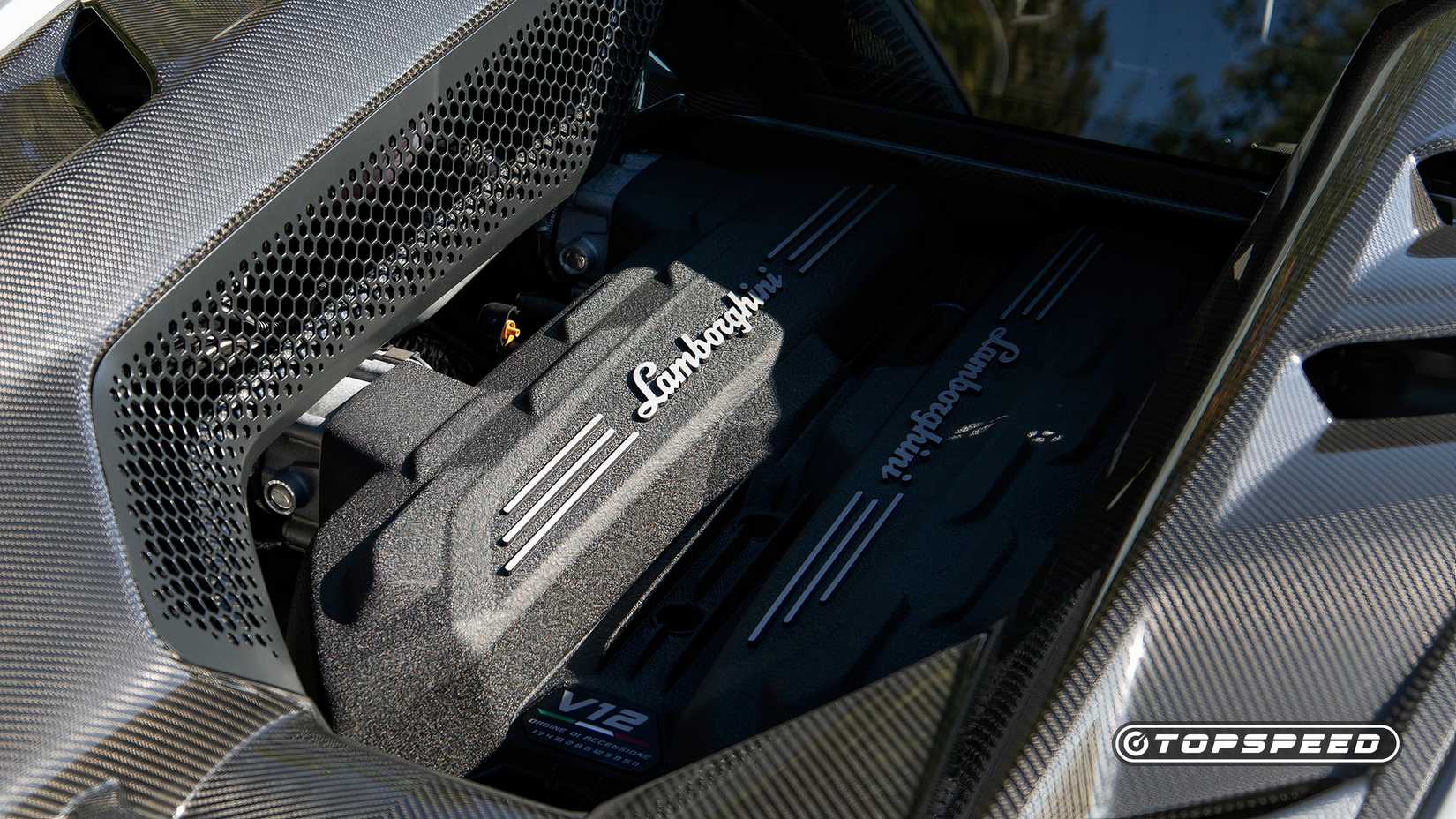
The 6.5-liter 60-degree NA mid-mounted L545 V12 under the hood can shift out 814 horsepower at 9,250 rpm on its own, but when combined with a 3.8 kWh battery, two front motors, and one rear motor integrated into the transmission, the combined horsepower output is 1,015, and the combined torque is 783 pound-feet of pure modern supercar guts. This translates to rest-to-60 times of between 2.1 and 2.5 seconds and a quarter-mile dash in around 9.4 seconds. It is one of Lamborghini’s fastest models to date.
Find Lamborghini Revuelto and more cars for sale on our Marketplace
Ariel Atom 500 V8
Engine: 3.0-Liter V8 | Redline: 10,600 RPM
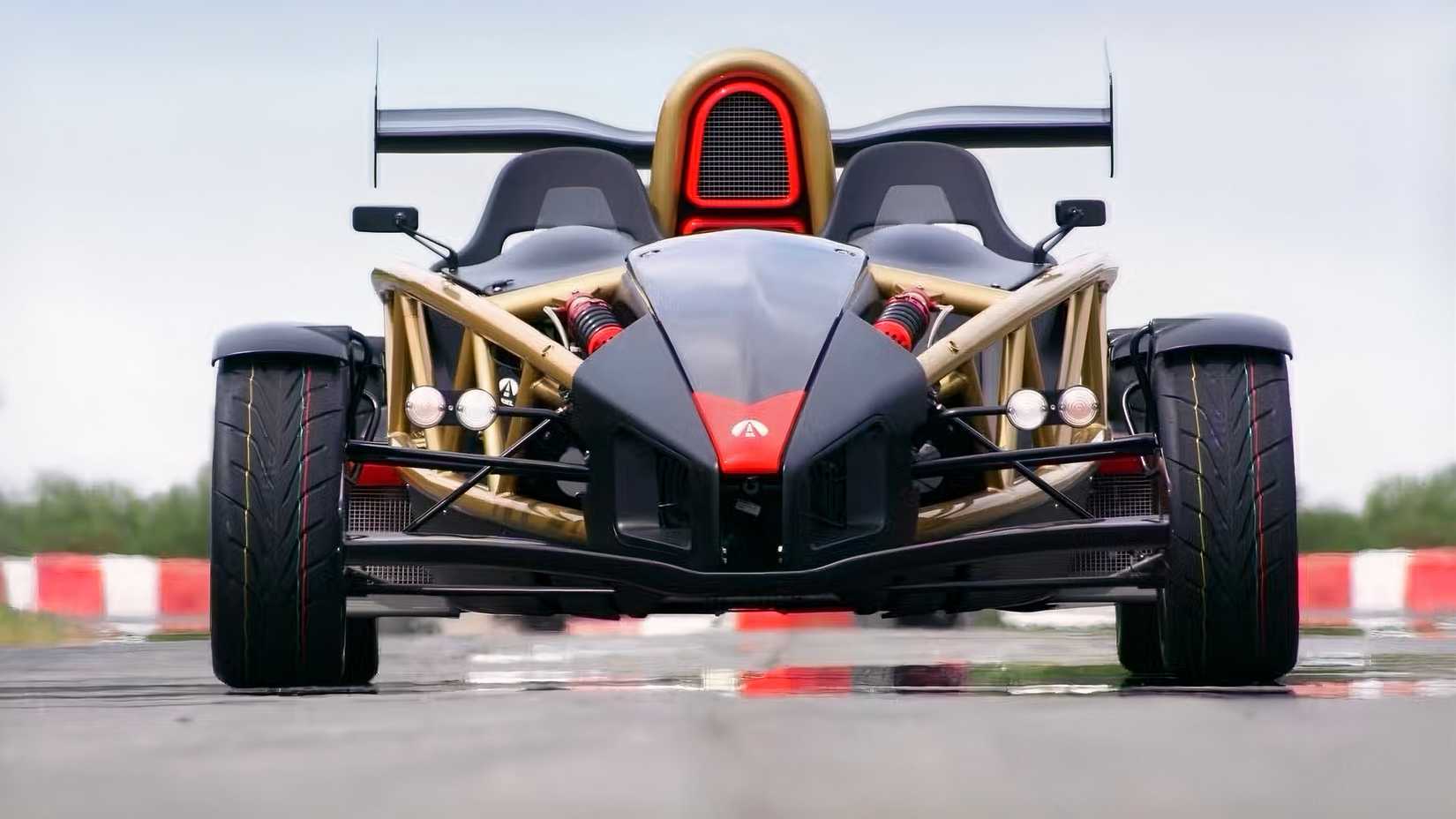
The Ariel Atom is a one-of-a-kind model, anyway you look at it. The first model hit the scene in 1999 with an exposed steel spaceframe, next-to-nothing in the cockpit, and a 1.8-liter Rover K-Series mill under the hood. If we fast-forward to 2011, the Atom got a special edition: the Ariel Atom 500, or Ariel Atom V8. The idea was the same as the original Atom, but everything took a turn for the ultra-modern and track-worthy. The Ariel Atom 500/V8 was built as a limited edition model, with just 25 ever created.
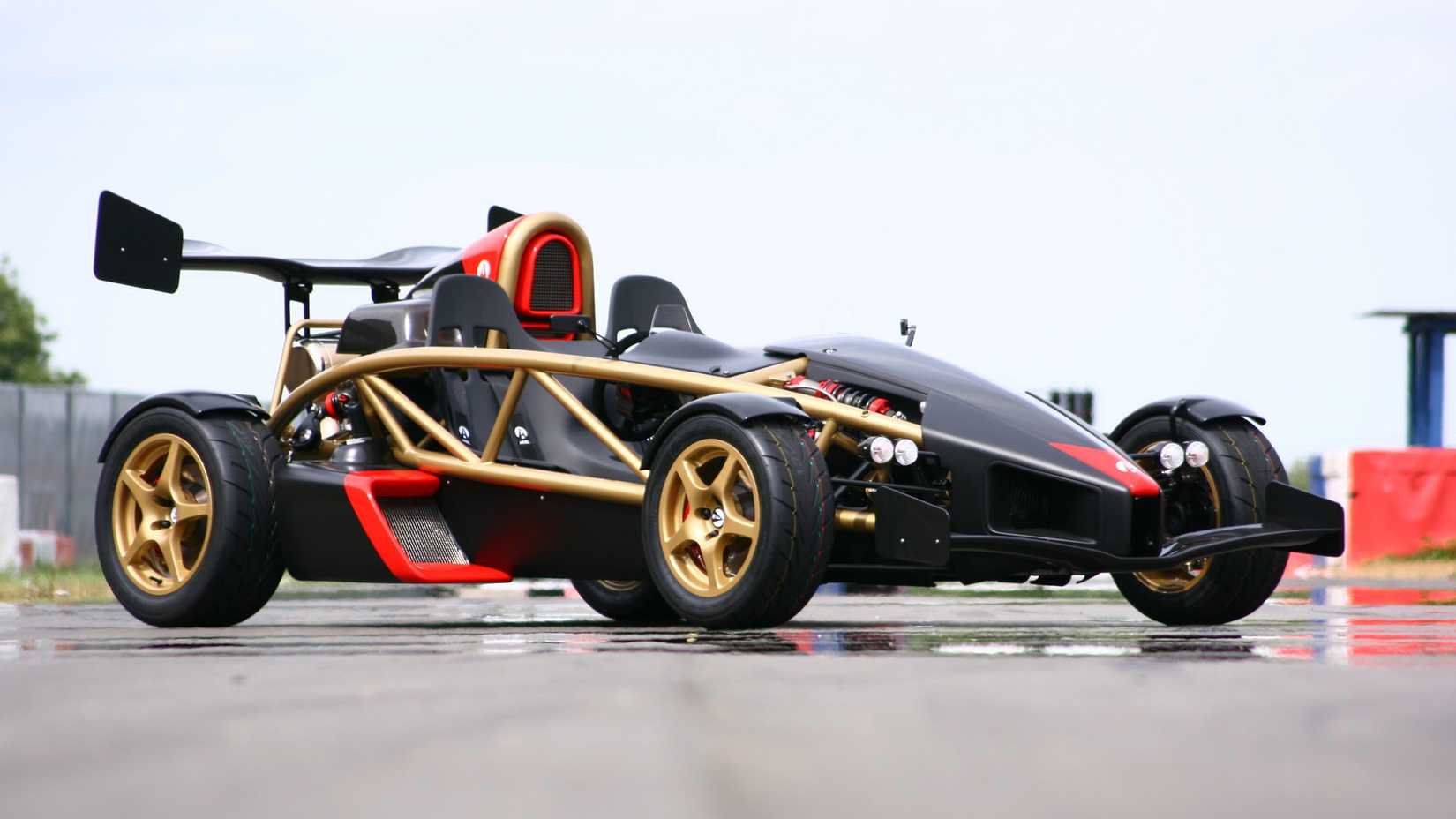
The centerpiece of these rare Atoms: a naturally aspirated 3.0-liter V8. However, there is something a little different about the Atom V8’s engine; it is actually two Suzuki Hayabusa motorcycle engines effectively melded together, so it’s little wonder why the redline is so high. If you know your motorbikes, then you’ll know that the Hayabusa is a 190-horsepower animal that can sprint to 60 mph in between 2.5 and three seconds. The Atom V8’s engine (track version) is a 500-pony unit that gives you peak power at over 10,000 rpm. The best part is that the Atom V8 only tips the scales at 1,213 pounds; this translates to a very perky engine underfoot and 0–60 mph times of 2.3 to 2.5 seconds.
Czinger 21C
Engine: 2.9-Liter V8 | Redline: 11,000 RPM
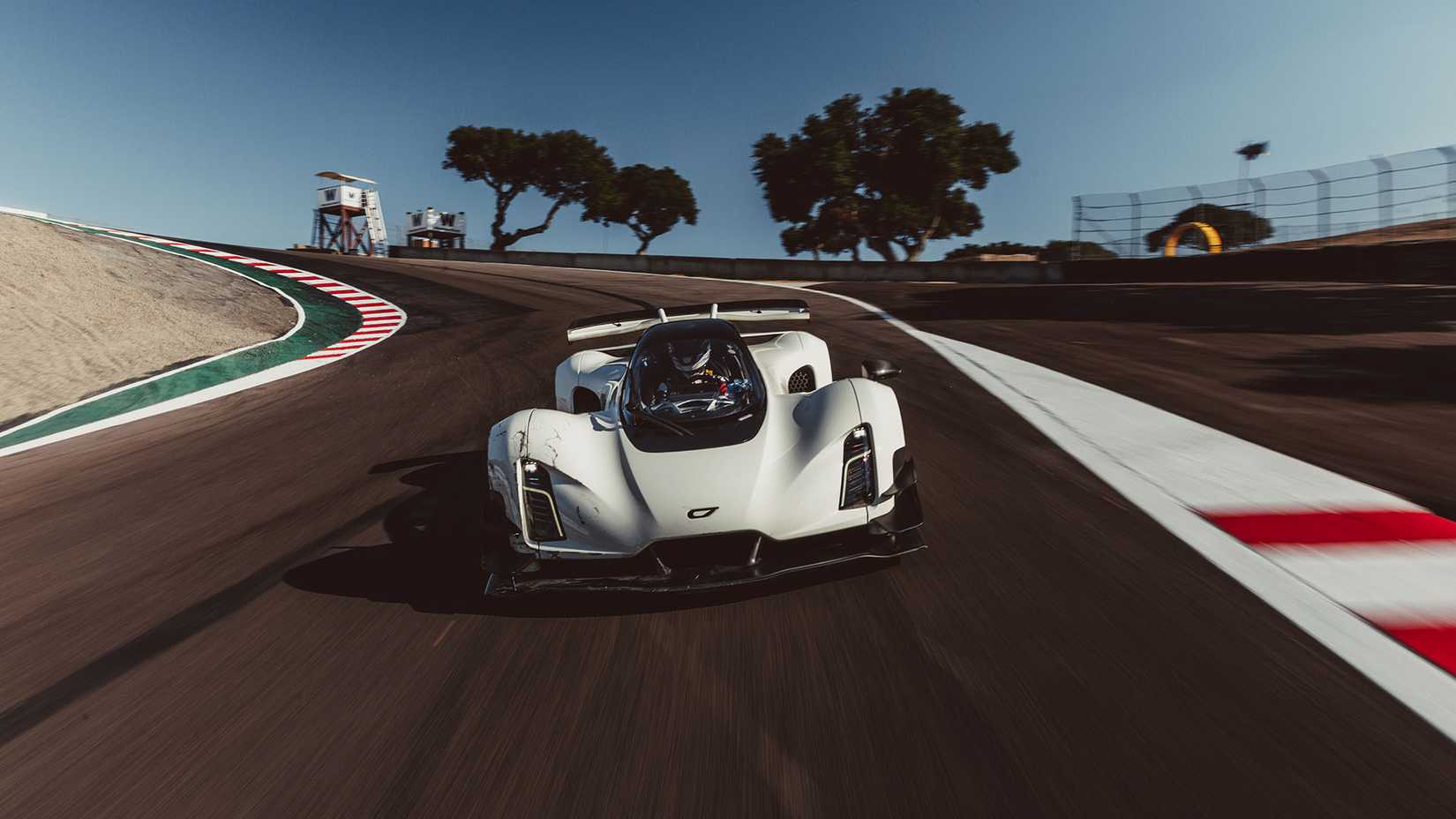
The Czinger 21C is one of the most exciting hypercars on the planet right now. In just five days, it broke five track records and it boasts a 3D-printed chassis. Tandem seating means it’s like being behind the wheel of a supersonic toboggan; it can hit 60 mph in around 1.9 seconds and hit 186 mph in 8.5 seconds, and its top speed has been clocked at 281 mph. This American-made hypercar is the hybrid track monster of the future.
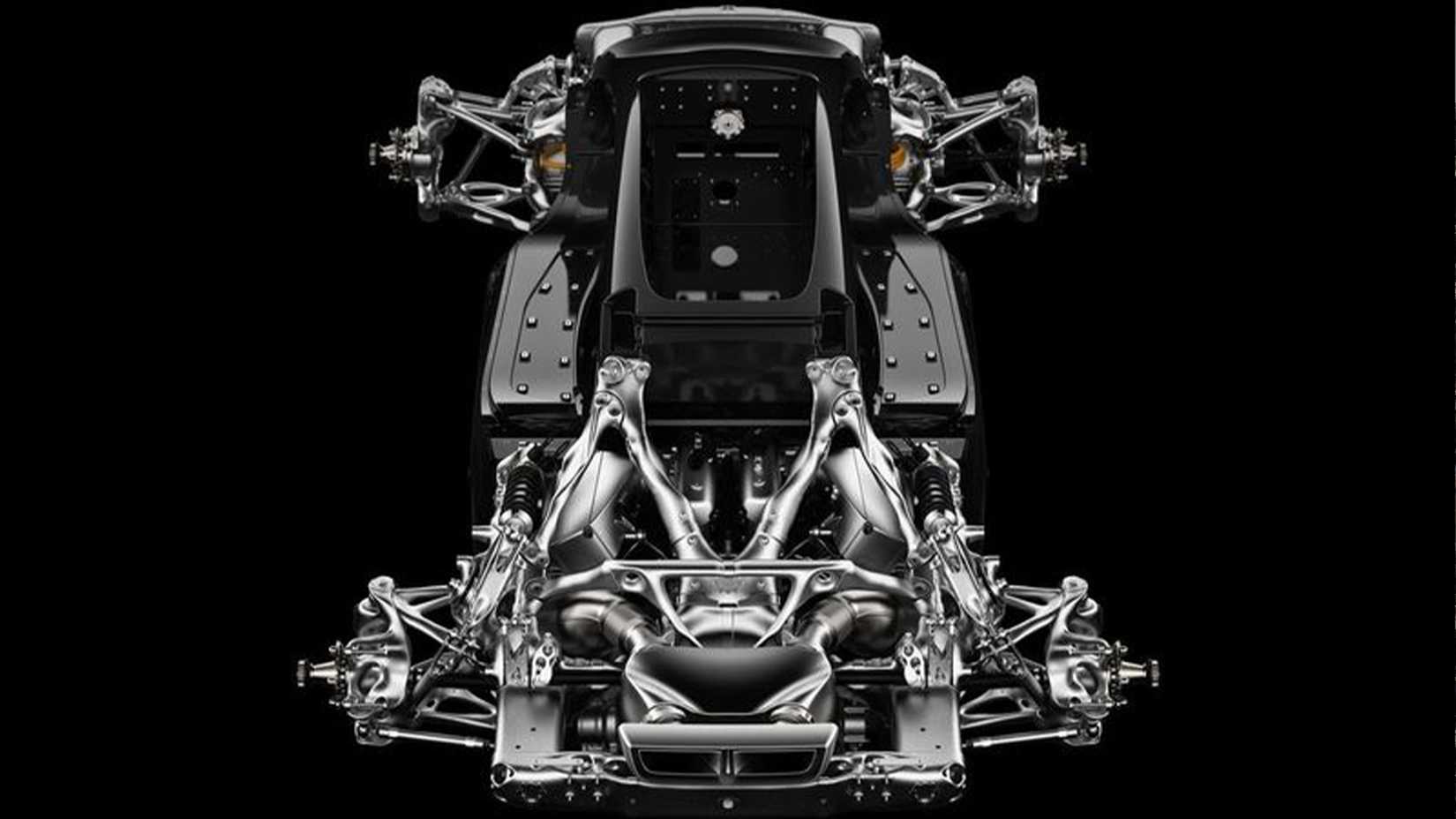
Alongside its low dry weight of 2,755 pounds, the Czinger 21C has its hybrid powertrain to thank for its outrageous speed. At the core of a 21C is a twin-turbocharged 2.9-liter flat-plane V8 good for 950 horsepower on its own. Then Czinger added an 800-volt electric system that includes three motors (two at the front and one at the back), which, combined, raise the horsepower output to 1,250 horsepower. However, if you get your hands on one of these $2.5-million hypercars, you can have it upgraded to shoot out up to 1,350 horsepower.
Mercedes-AMG ONE
Engine: 1.6-Liter V-6 | Redline: 11,000 RPM
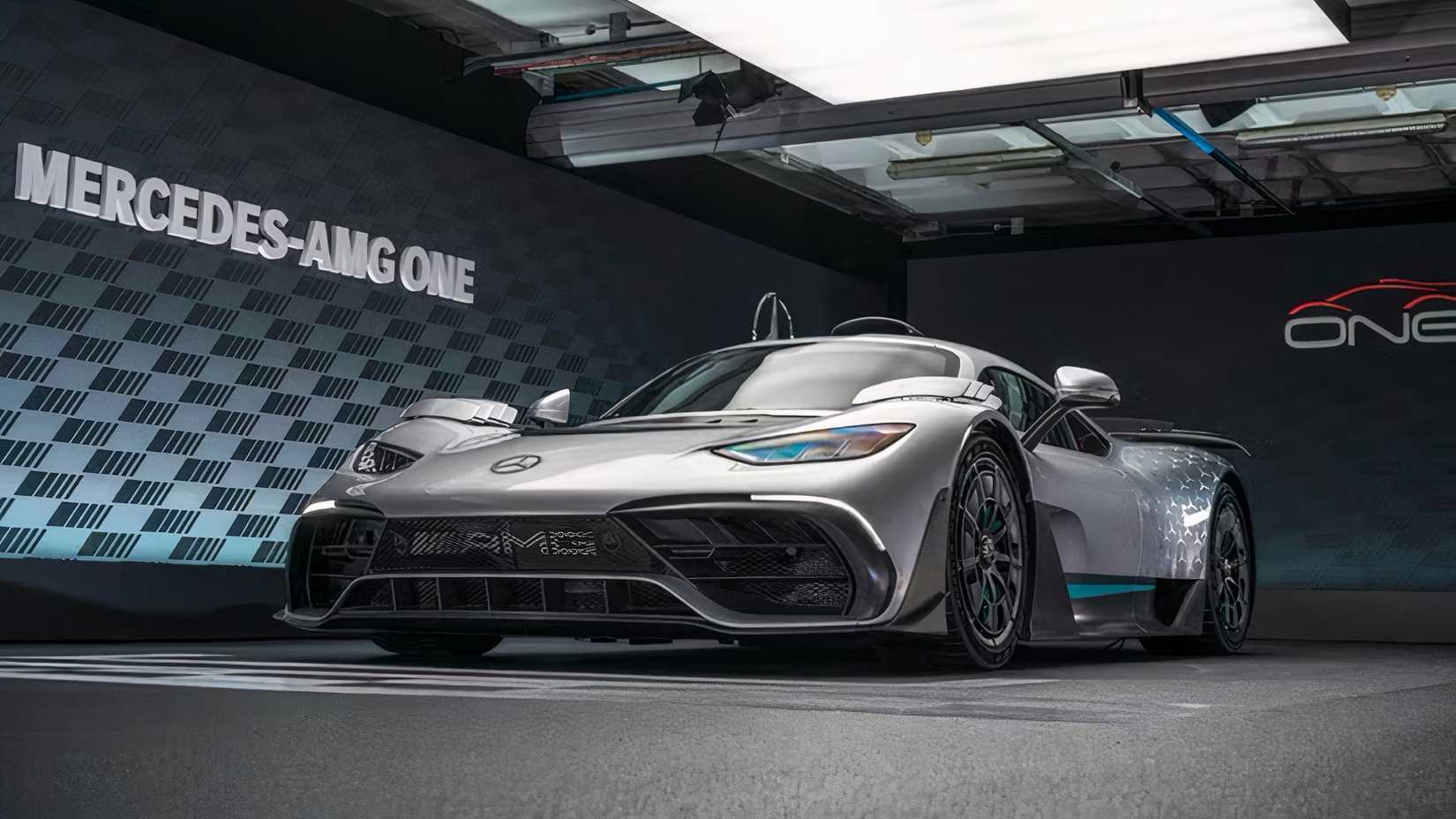
As the definition of track DNA for the road, the Mercedes-AMG ONE is everything you could ask for from an eye-wateringly expensive and exclusive German hypercar. Starting prices were originally in the high $2 million ballpark, and only 275 were ever built. Today, prices have skyrocketed to $4 million and more, and we can see why. The AMG ONE is equipped with a plethora of F1-ready features in the shape of a Drag Reduction System (DRS), active flaps, diffusers, AMG carbon-ceramic brakes, five-link coilover suspension, and AMG Performance 4MATIC+ AWD working alongside a hybrid-driven rear.
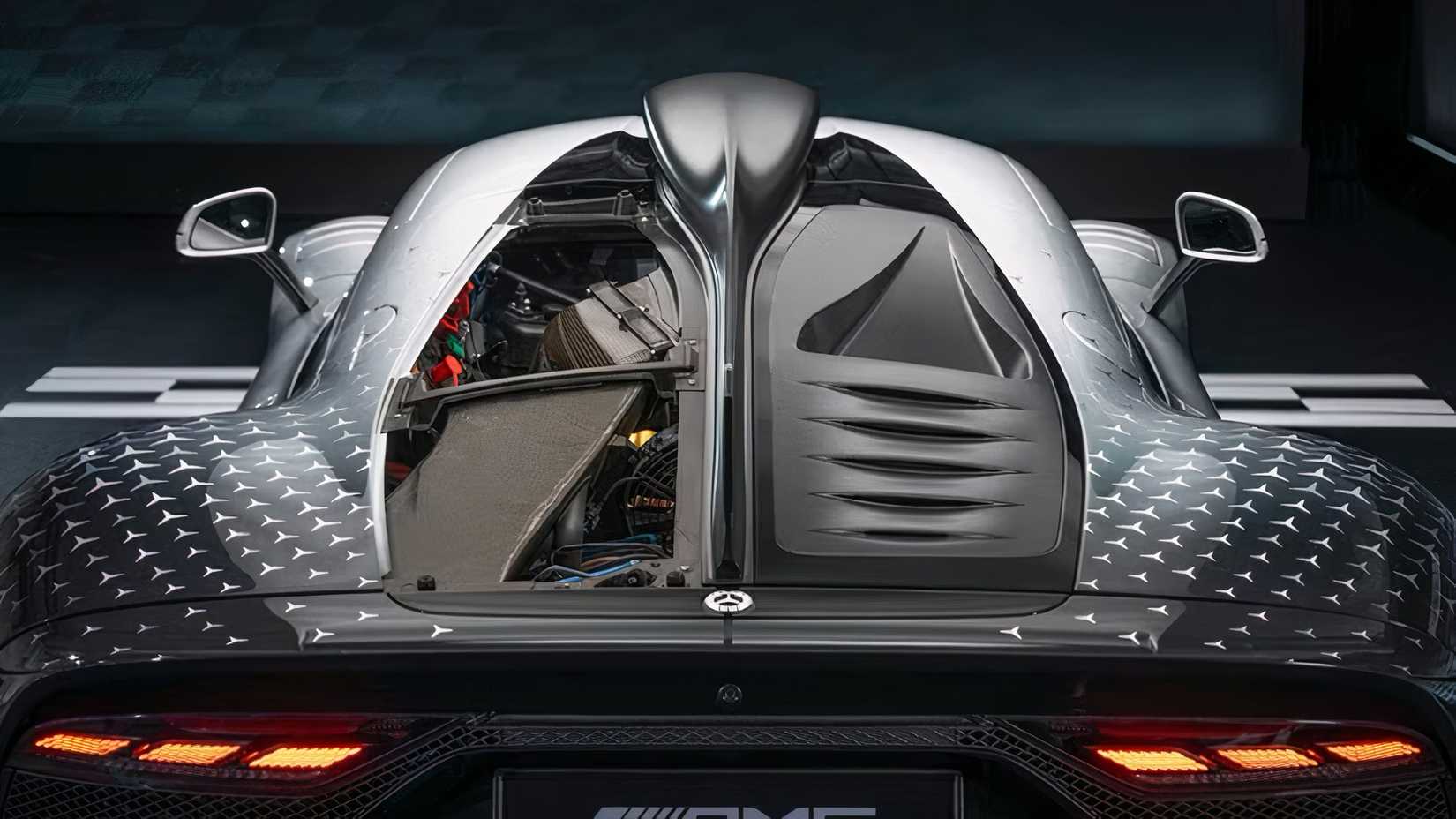
Under the hood is a 1.6-liter V-6 paired with an electric turbo and a four-motor system that, combined, kicks out 1,063 horsepower. The four motors are spread out across the powertrain and drivetrain; there is one in the turbocharger, one integrated with the crankshaft, and two driving the front wheels. Considering that this beast is road-legal, you can hit 60 mph in 2.9 seconds and reach capped top speeds of 219 mph. Plus, if you are feeling more ‘green’ on any given day, you can also drive 18 miles in all-electric mode, courtesy of the 8.4 kWh battery.
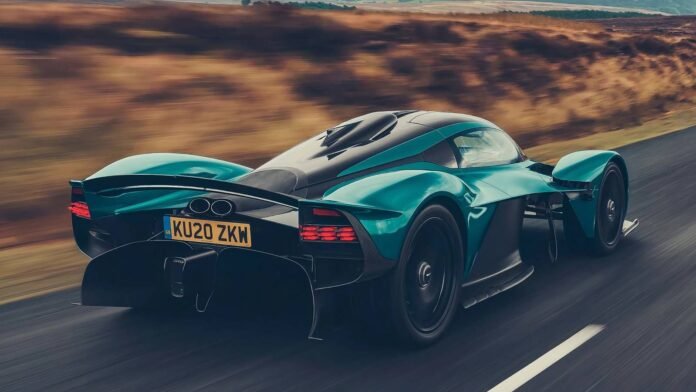
Aston Martin Valkyrie
Engine: 6.5-Liter V-12 | Redline: 11,100 RPM
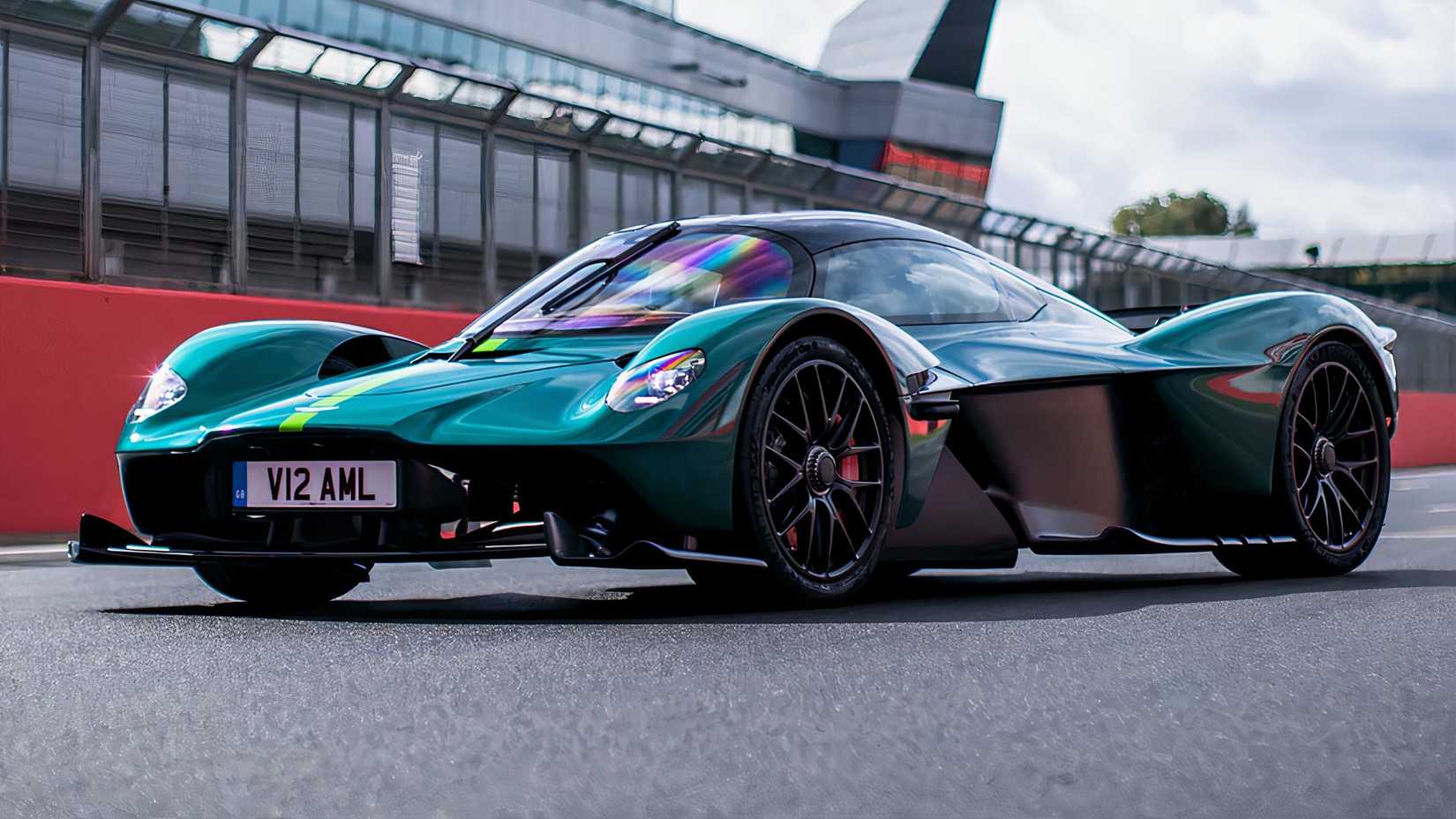
Boasting a carbon-fiber construction, large Venturi tunnels, a rear diffuser and front splitter, and an active suspension system that aids in its ability to pull 3.3g through corners, the Aston Martin Valkyrie was only produced between 2021 and 2024, but what a mark it left. The Aston Martin Valkyrie is road-legal and is one of the most modern and exceptionally fast British cars ever made. Prices were anything but cheap when it was originally released, with prices upward of $3 million, and today, prices are even higher for collectors. According to Classic.com, the most expensive Valkyrie went across the block for a whopping $5.6 million.
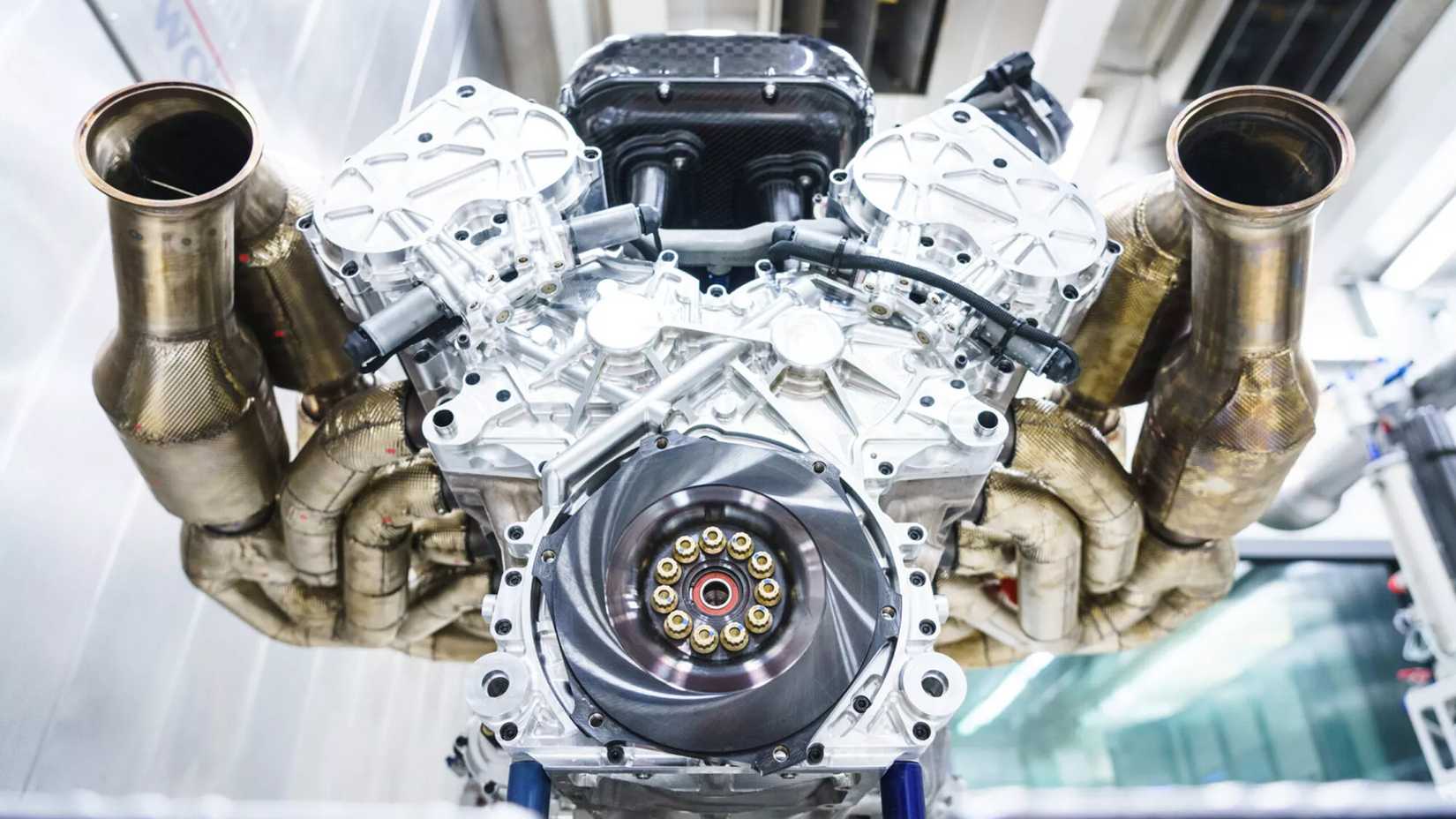
These are exceptionally rare hypercars, and only 275 were ever built (150 coupes, 85 Spyder models, and 40 AMR Pro models). In the last five years, there have been just two sold; these are real deep-pocket collectors’ toys. At the heart of what makes the Valkyrie such a fantastic hypercar is the 6.5-liter V12. Alone, the 65-degree Cosworth RA V12 shifts out 1,000 horsepower at 10,500 rpm; when it joins forces with the KERS-style hybrid rig, a battery system from Rimac, and a motor from Integral Powertrain Ltd., horsepower is upped to 1,160 and a redline of 11,100 rpm. This means 0–60 mph times of 2.2 to 2.5 seconds and a limited top speed of 220 mph.
Gordon Murray T.50
Engine: 3.9-Liter V-12 | Redline: 12,100 RPM
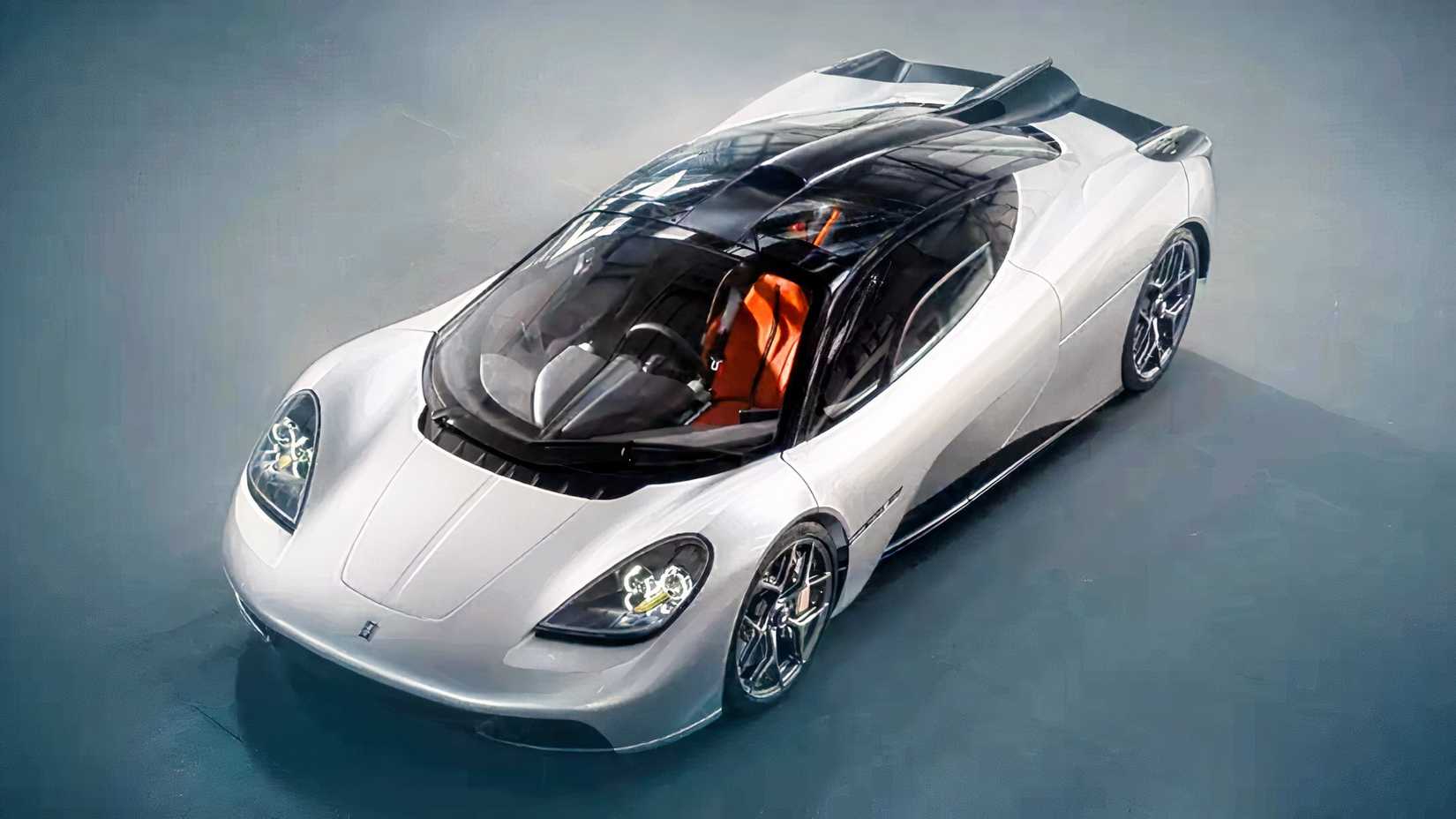
The Gordon Murray T.50 is the road-legal car with the highest-revving engine, and it is the lightest car to ever boast a naturally aspirated V12 under the hood. There is no turbocharger and no hybrid assistance in the traditional sense, but the T.50 does boast a 48-volt mild-hybrid system, which removes the need for a belt and a lot of the gubbins around the engine, helping to shave off weight.
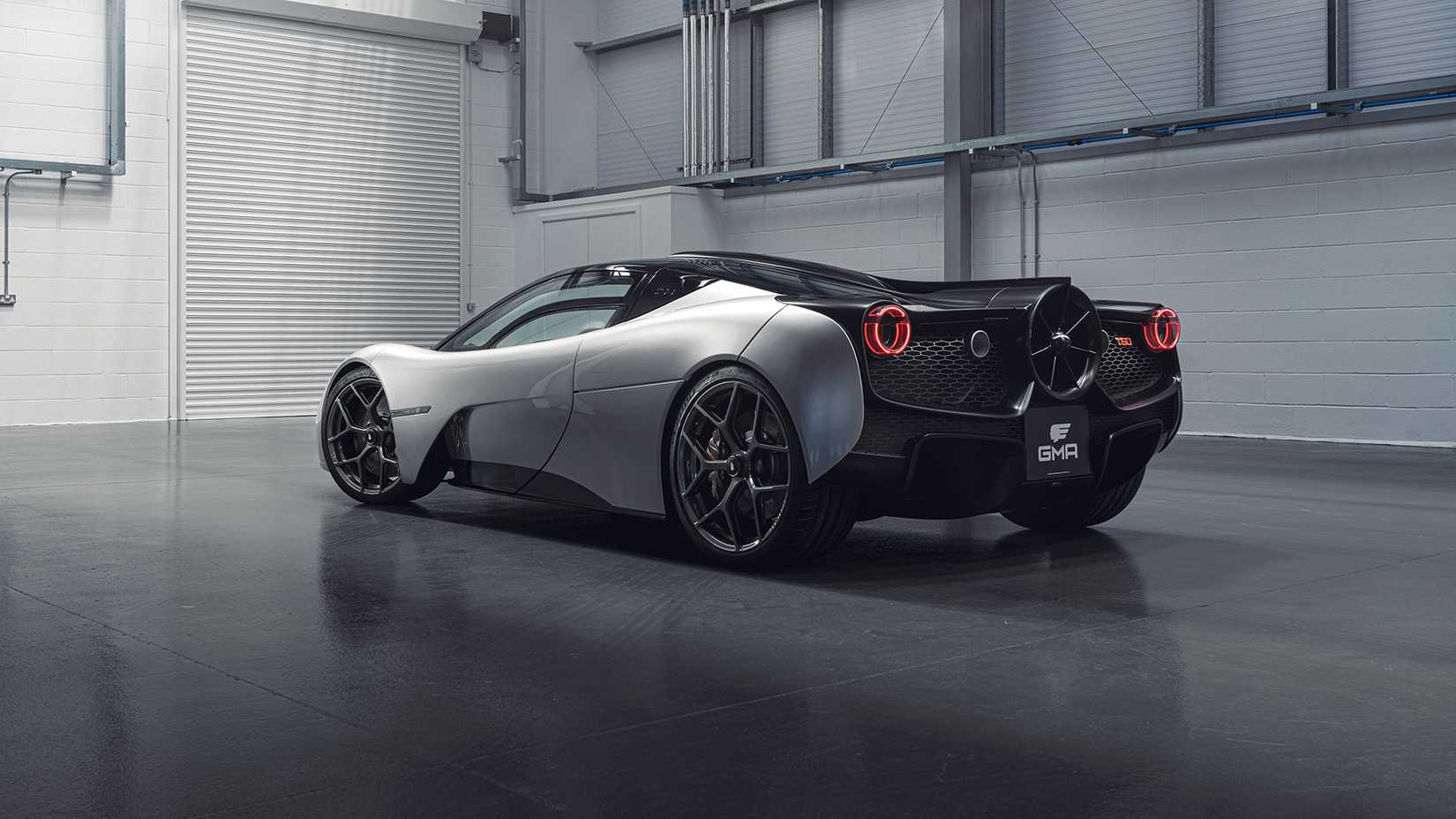
The engine under the Gordon Murray T.50’s hood is also a Cosworth V12, but instead of the 6.5-liter unit in the Valkyrie, the T.50 gets a 3.9-liter unit good for 654 horsepower. It may not be the most powerful engine ever utilized in a supercar, but it doesn’t need it. The point of the Gordon Murray T.50 is for it to be an engaging driver’s car. It weighs in at just 2,174 pounds and can hit 60 mph in around 2.9 seconds. You can rev from idle to redline in 0.3 seconds; a redline of 12,100 rpm means that the T.50’s engine is unbelievably responsive, and to hit home that this is a pure driver’s model, engineers at Gordon Murray chose to equip a six-speed Xtrac H-pattern transmission instead of an automatic.
McLaren MP4/4
Engine: 1.5-Liter V-6 | Redline: 12,500 RPM
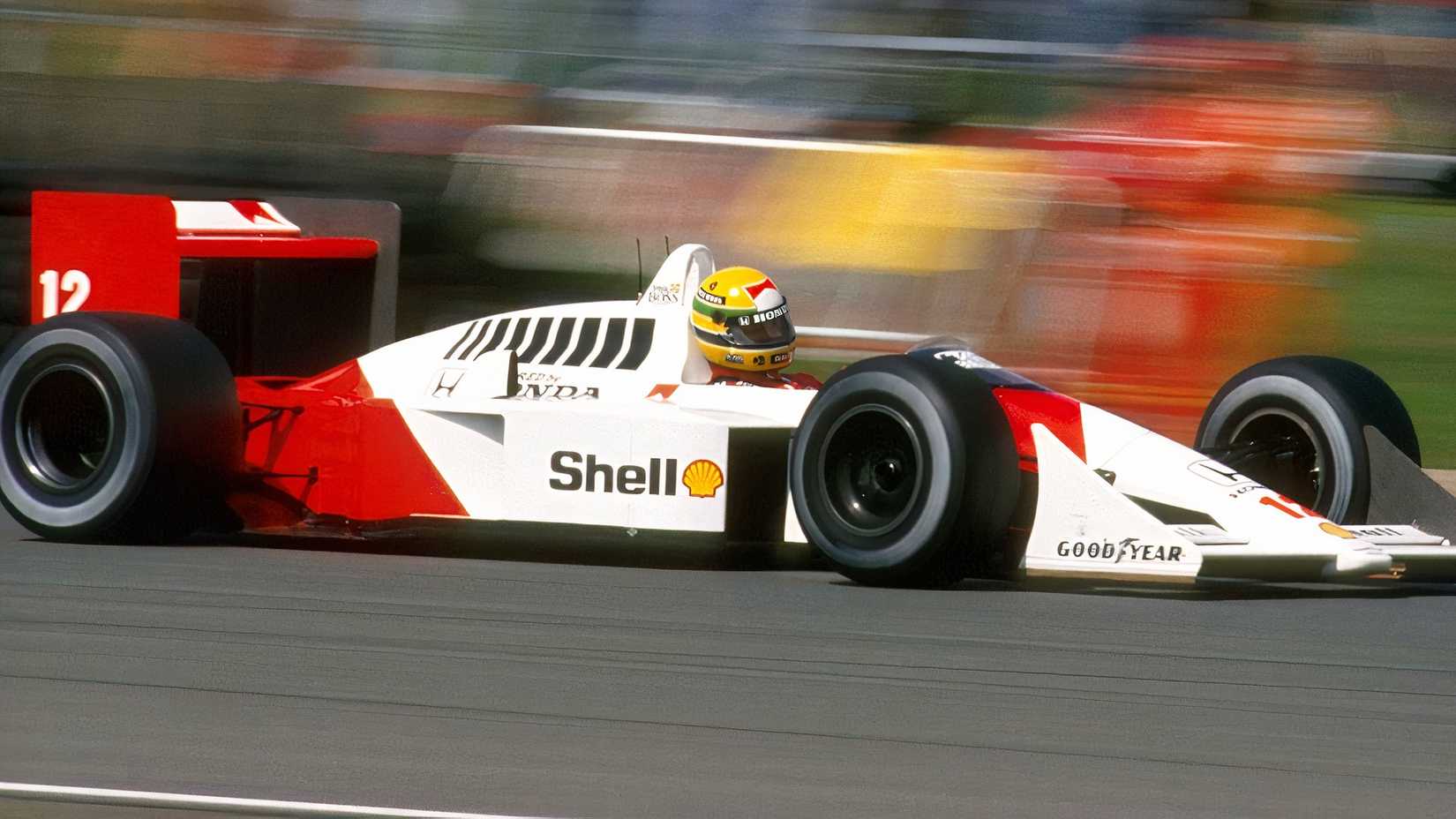
As one of the greatest Formula One cars ever created, the McLaren MP4/4 may not be a road car, but it is still one of the redline-running legends that boasts an engine that can rev like no other. In 1988, Ayrton Senna and Alain Prost won 15 out of the 16 F1 races they drove in an MP4/4. Together with Gordon Murray working on the aerodynamics, and Honda providing the engine, the McLaren-Honda team was effectively unstoppable, thanks to everything coming together in a perfect track storm. The McLaren MP4/4 boasts a 1.5-liter turbocharged 80-degree RA168E V6 good for 685 horsepower.
Peak power is let rip at 12,500 rpm; 0–60 mph times are in the three-second ballpark, and top speeds are up around 200 mph. In true Formula One fashion, most things about the MP4/4 are on the side of the dramatic and exhilarating. Like we have seen with so many Honda engines over the years, it is not always about the power output. Yes, this is an F1 car with F1 engineering, so, of course, there is more than some bias toward outrageous performance, but alongside the obvious input from Gordon Murray and McLaren, it does show how well Honda can craft engines and how far they have evolved since the Honda S800 at the top of our list.
Sources: Bring A Trailer, Classic.com, and J.D. Power.