

There are pickup trucks known for solid builds and reputation alone, and then there’s the Ford F-150 — a vehicle so ubiquitous that many drivers assume longevity is built into its DNA due to the sheer number of them we see on a given outing. Across generations, the F-150 has served as America’s best-selling pickup and has earned a reputation for covering mile after mile with minimal drama. The story of this truck isn’t just about market share; it’s about engines that can endure decades-long service lives and odometer readings most vehicles never see.
This article dives deep into the two engines that have helped the F-150 achieve that kind of endurance: the naturally aspirated 5.0-liter Coyote V8 and the turbocharged 3.5-liter EcoBoost V6. We’ll unpack how sustained durability works in practice, what each powerplant brings to the longevity discussion, and why both have become central to the conversation around trucks that keep running well past 300,000 miles.
Why The Ford F-150 Is Known For Extreme Longevity
How Long-Term Durability Is Measured In Full-Size Trucks
Unlike short-term reliability studies that focus on early ownership problems, long-term durability is measured through accumulated mileage, repair frequency, and the ability of major components to survive sustained use. Trucks that reach 300,000 miles need to do so with their original engines and transmissions still intact, even if supporting components like suspension, cooling parts, or sensors have been replaced along the way.
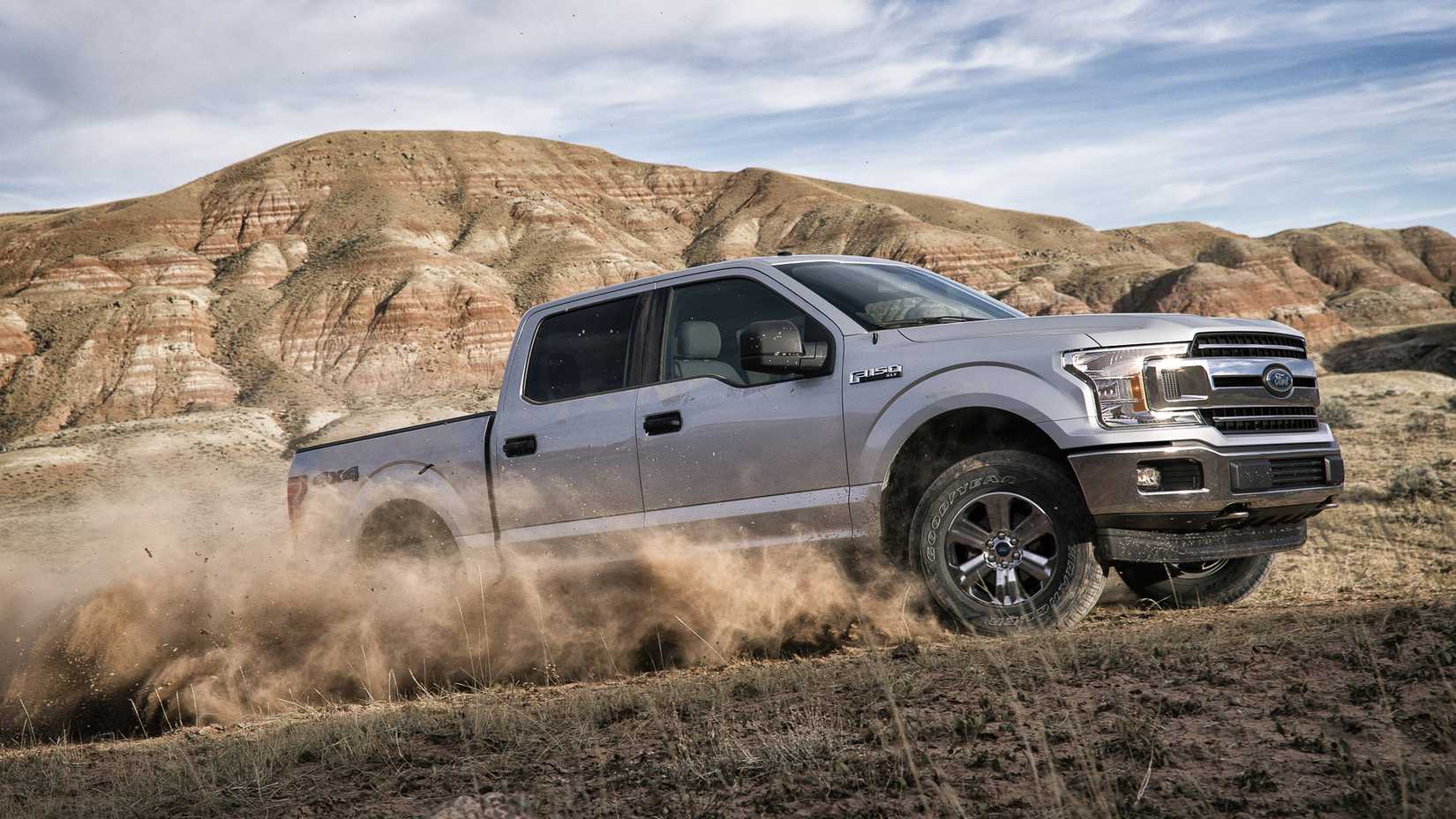
Industry analysts and longevity studies often rely on registration data, service records, and still owner-reported units to identify trucks that surpass 200,000 or 300,000 miles. The Ford F-150 frequently appears in these datasets because of its massive production volume and the number of owners who keep them for a decade or longer. Engines play a massive role in this assessment, since catastrophic engine failure is usually what ends a vehicle’s usable life. In that context, the F-150’s reputation is less about perfection and more about survivability. The truck’s most durable engines tend to tolerate wear, heat, and heavy use without developing financially terminal failures.
Why Engine Choice Matters More Than Trim Or Features
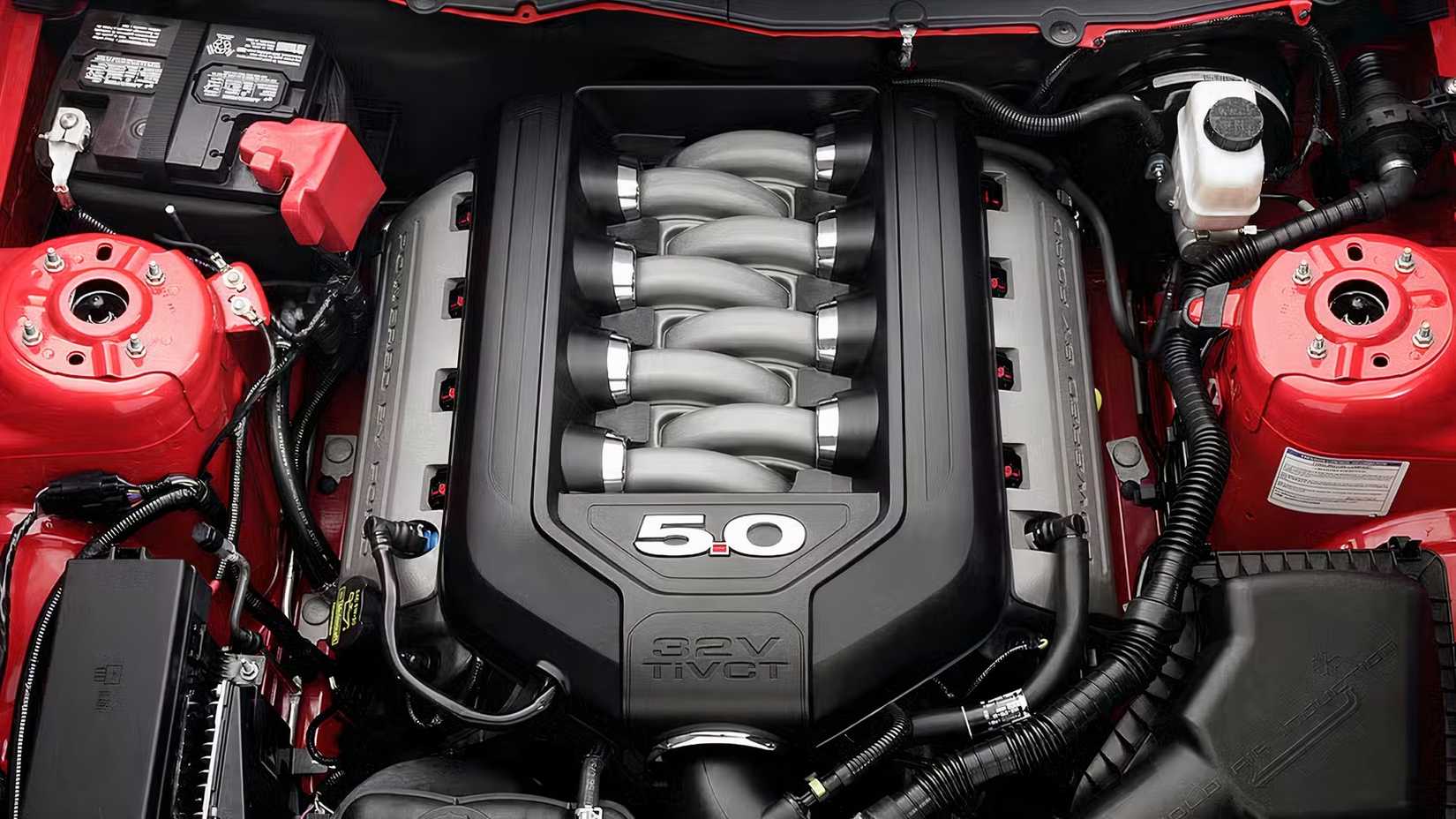
When evaluating a truck’s ability to reach those big mileage milestones, engine selection matters so much more than interior features or technology packages. A well-maintained base-model truck with a durable engine is far more likely to reach 300,000 miles than a higher-trim truck with many more components and technologies to go wrong.
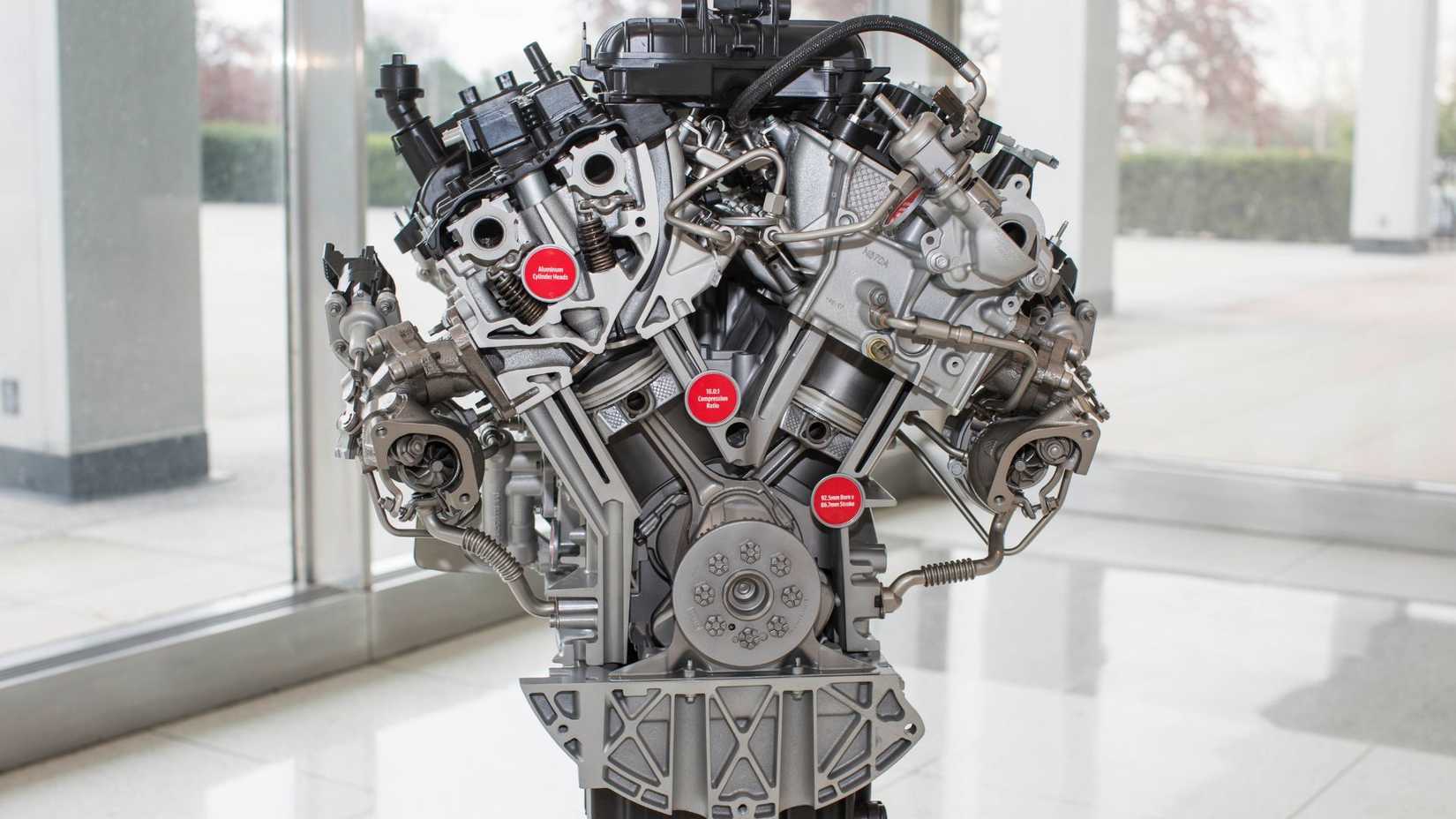
In the F-150 lineup, the 3.5-liter EcoBoost and 5.0-liter Coyote have proven to be the safest long-term bets across multiple generations. Both engines have been produced in large numbers, refined over time, used in a variety of vehicles, and widely serviced by independent shops, which lowers ownership friction as mileage accumulates. That accessibility, combined with robust core designs, is a major reason these engines dominate the high-mileage discussion.
The Secrets Behind The Ford F-150 Unmatched Truck Sales Leadership For 47 Years
The Ford F-150 has been the dominant force in terms of sales for the last 47 years, here is how this legendary truck has managed to stay up on top.
Inside The 3.5-Liter EcoBoost V6 And 5.0-Liter Coyote V8
Engineering Traits That Support High-Mileage Durability
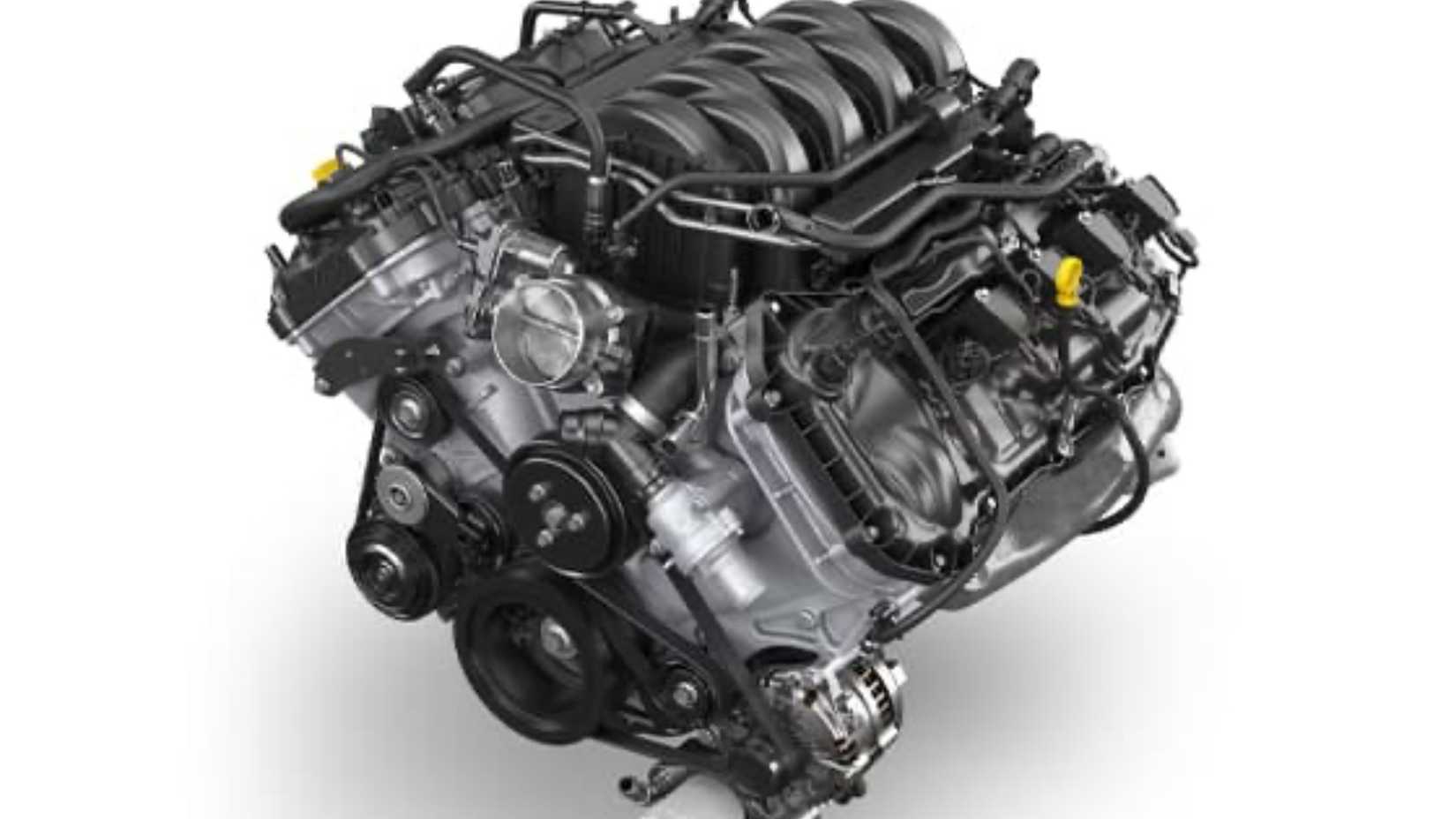
There is no shortage of blogs, forums, and proper motoring outlets that will sing the praises of the 5.0-liter Coyote V8. The leads in this choir tend to be buyers who prioritize simplicity. It uses a naturally aspirated design with no turbochargers, fewer pressurized components, and a straightforward airflow path. Overhead camshafts and variable valve timing improve efficiency and power delivery without introducing the heat and pressure loads associated with forced induction. For long-term owners, this generally translates into fewer expensive failure points as mileage climbs.
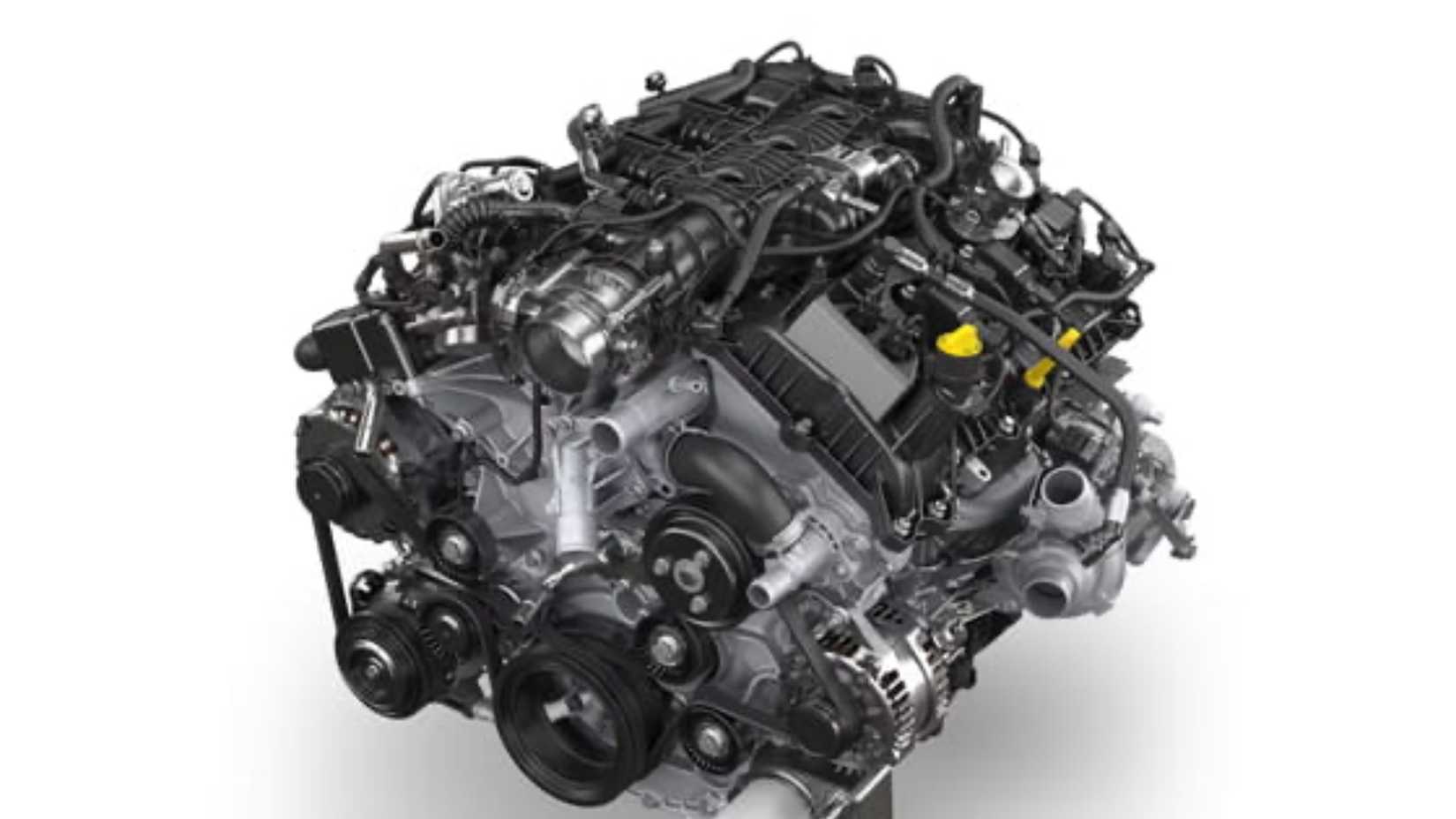
The 3.5-liter EcoBoost V6 approaches durability from a different angle. Its twin turbochargers allow the engine to make strong torque at low engine speeds, which reduces strain during towing and heavy acceleration. When properly maintained, this torque-rich delivery can actually reduce engine stress compared to a smaller naturally aspirated engine working harder to move the same load. Both engines benefit from Ford’s long production runs, which allowed engineers to address early weaknesses through revisions. Over time, improvements to timing components, cooling strategies, and engine management systems have contributed to better long-term outcomes.


Find 2026 Ford F-150 and more cars for sale on our Marketplace
How These Engines Evolved Compared To Older F-150 Powerplants
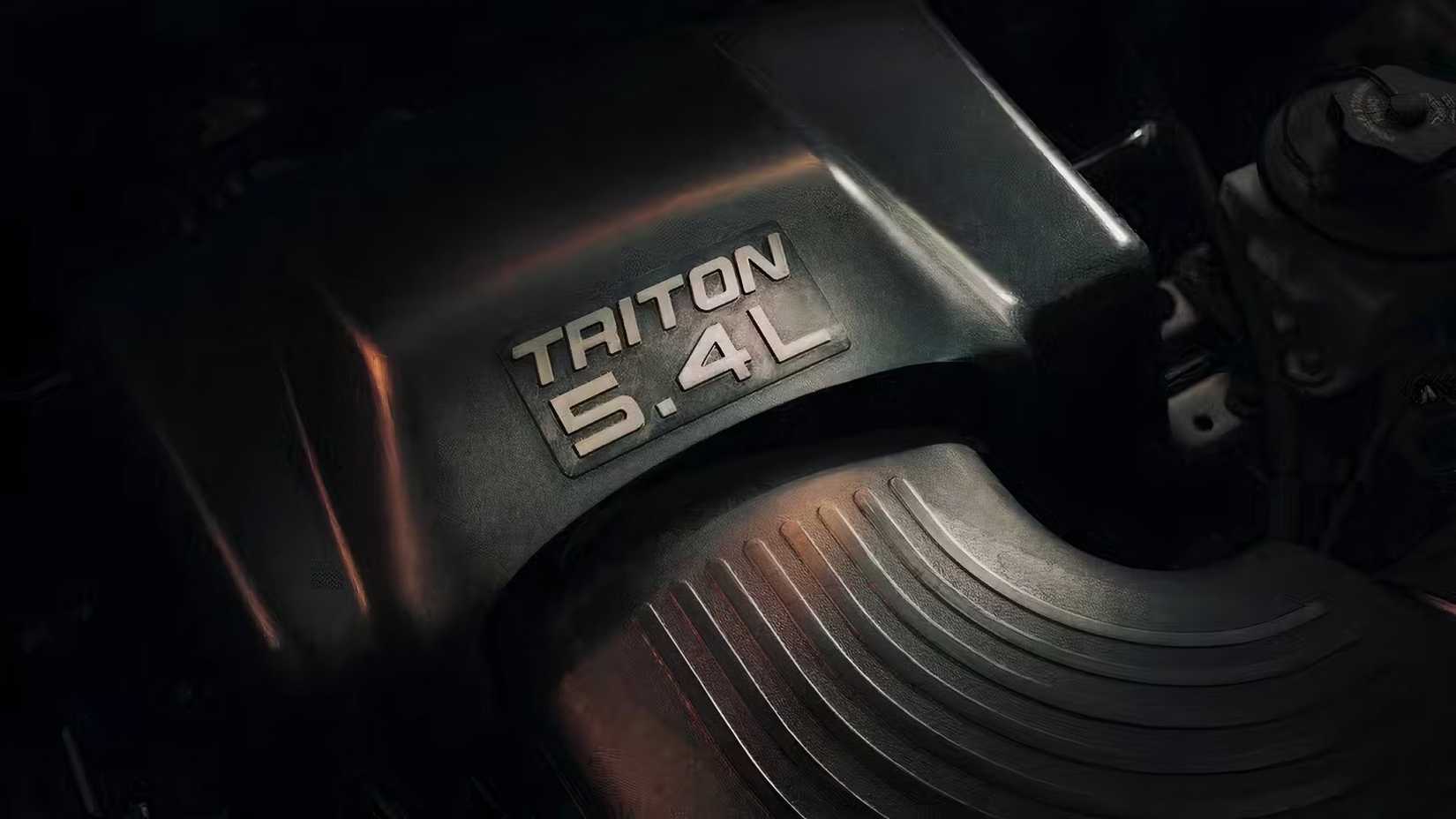
Earlier F-150 engines, such as the 5.4-liter Triton V8, had a reputation for being a bit more, uh, inconsistent. While some reached high mileage, others suffered from well-documented issues that could abruptly end their time. Those experiences informed the development of both the Coyote and EcoBoost platforms.
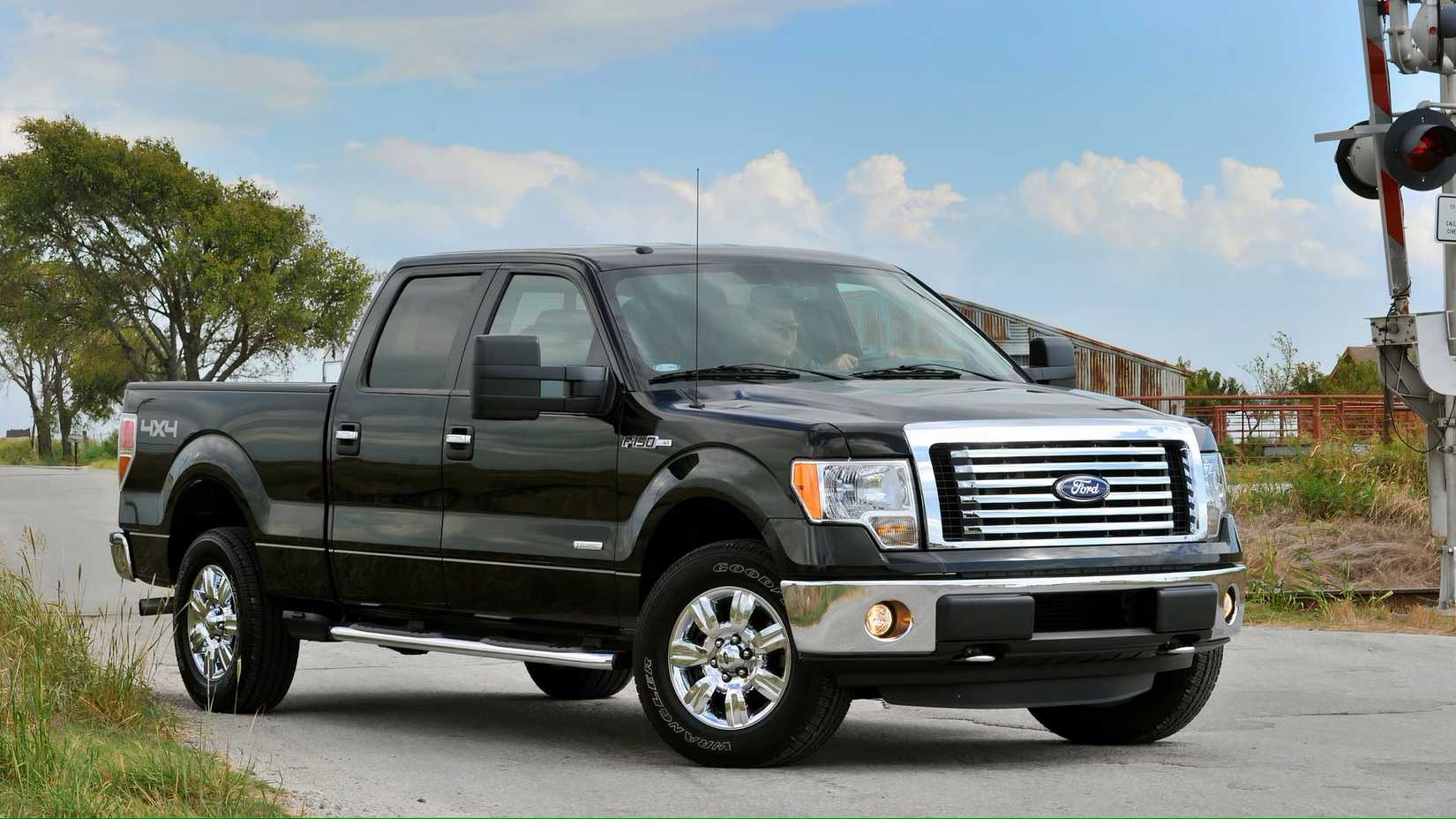
The development of the Coyote V8 in 2011 marked a clean break from older modular engines, with better airflow, higher efficiency, and more consistent manufacturing quality. Meanwhile, the EcoBoost V6 represented Ford’s push toward downsized, turbocharged engines that could meet modern emissions standards without sacrificing capability. Each generation refined these designs, improving reliability outcomes for later model years. That evolutionary path matters because trucks reaching 300,000 miles today are often benefiting from lessons learned a decade earlier.
The Untold Story Behind America’s Most Durable Engines
These three legendary engines have defined the greatness of American engineering.
Real-World Performance Over Hundreds Of Thousands Of Miles
Daily Driving, Towing, And Wear Patterns Over Time
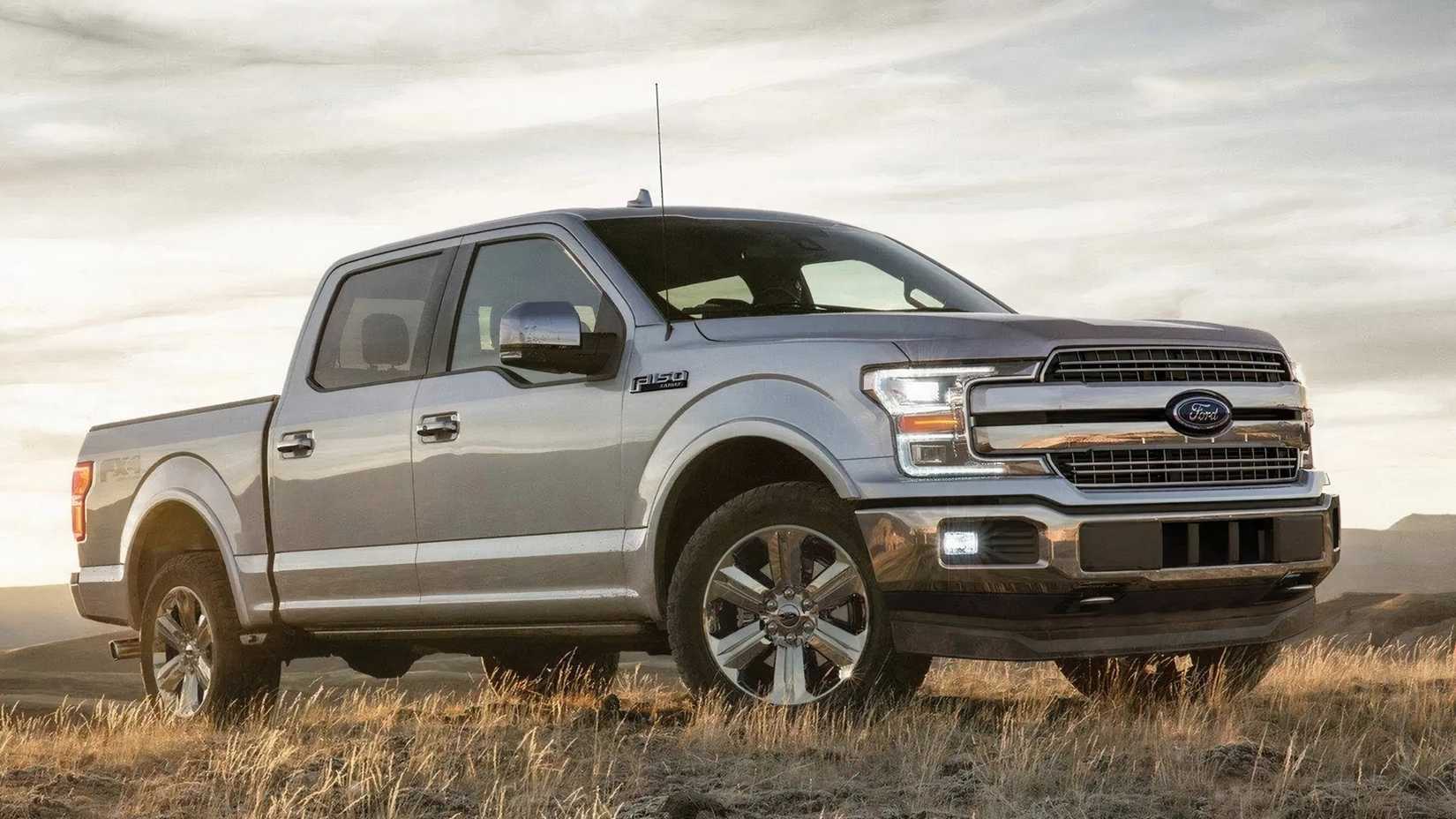
For daily drivers, both the EcoBoost and Coyote engines are known for predictable behavior even as mileage accumulates. Owners often report that oil consumption remains manageable and drivability remains stable deep into the truck’s lifespan.
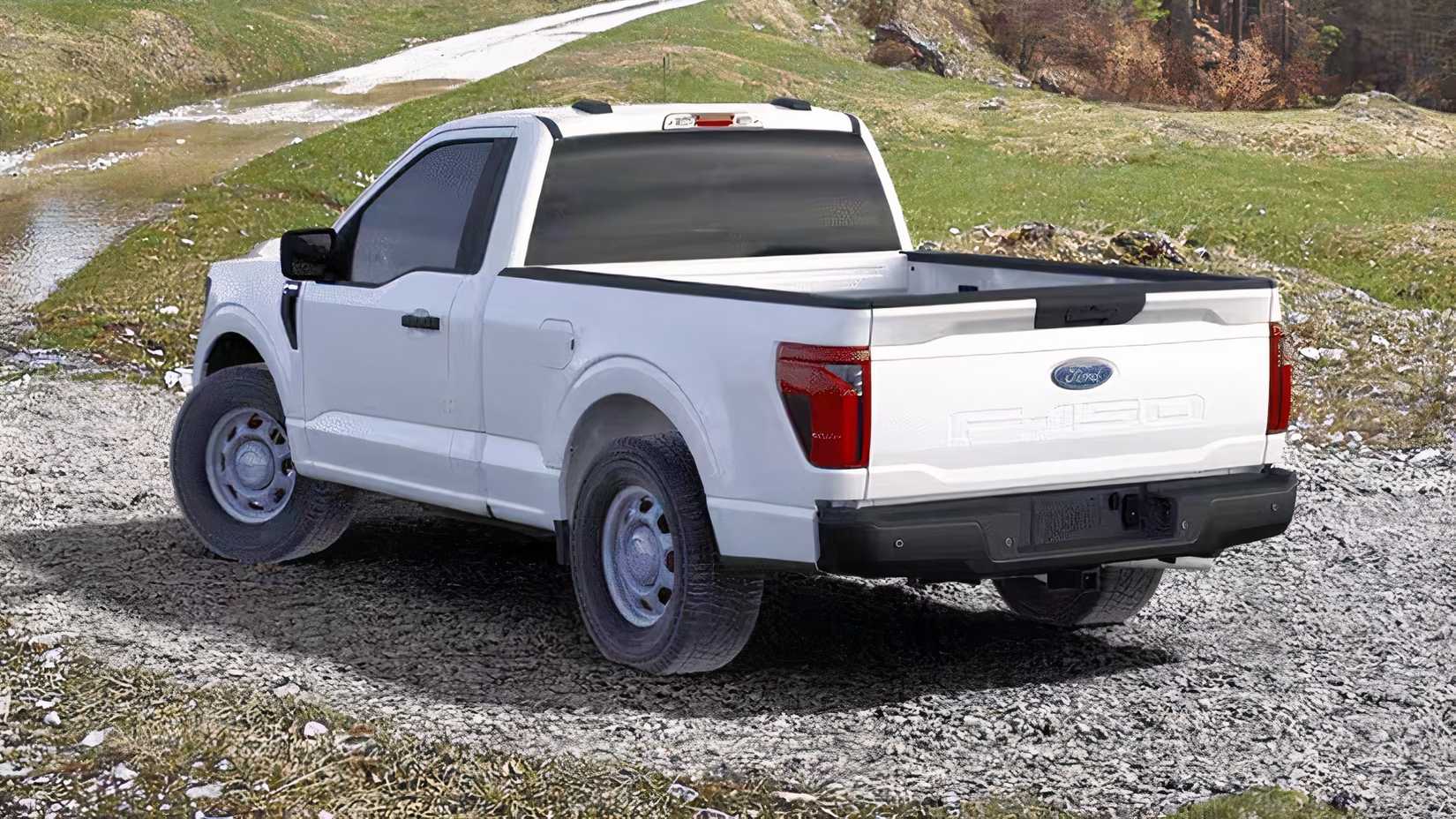
The EcoBoost, by contrast, is valued for its torque under load. For owners who tow frequently, that low-rpm strength reduces the need for high engine speeds, which can help preserve internal components over time. However, the EcoBoost’s added complexity means long-term owners must be more disciplined about oil changes, cooling system health, and turbo-related maintenance. There is added complexity here, yes, but that doesn’t mean it won’t operate as intended for a long time; owners just have to stay a little more focused on the long-term goals. Neither engine is immune to wear and other mechanical issues, but both tend to age predictably rather than catastrophically, which is a critical distinction for trucks expected to remain in service for 15 years or more.
Owner-Reported Longevity And Maintenance Realities
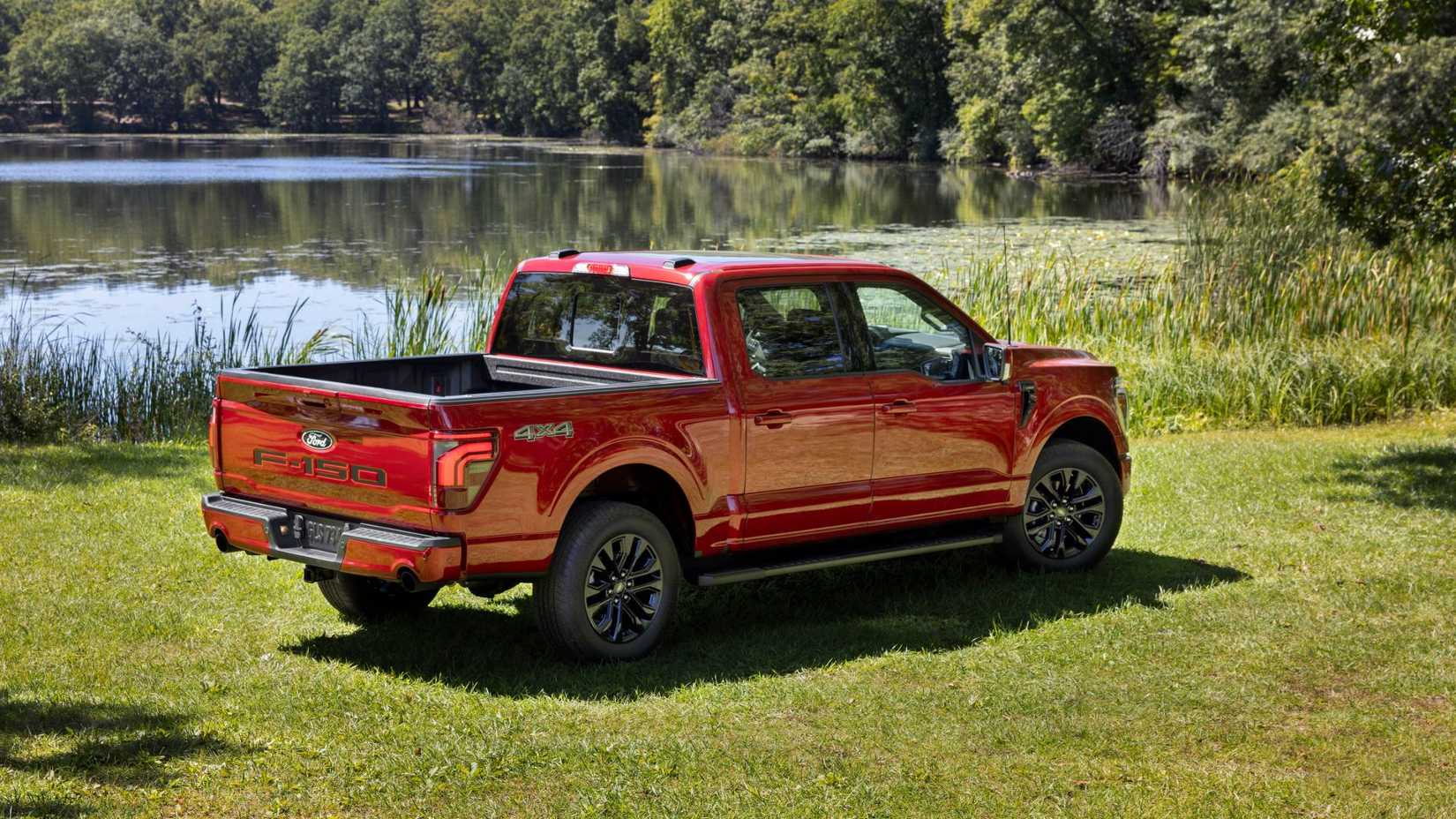
High-mileage owner reports consistently show that F-150s reaching or exceeding 300,000 miles do so with proactive maintenance rather than reactive repairs. Routine oil changes, transmission servicing, and cooling system upkeep appear repeatedly in longevity stories for both engines.

Owners of 5.0-liter V8 trucks often cite the engine’s tolerance for neglect relative to turbocharged designs as to why they went with the big one, though even these trucks benefit from consistent care. EcoBoost owners who reach extreme mileage tend to be meticulous, addressing small issues early before they cascade into larger failures. The takeaway from owner feedback is not that these engines are indestructible; they certainly are not, but that they respond well to care and attention. Trucks that are serviced on schedule and driven within reasonable limits are far more likely to join the 300,000-mile club.
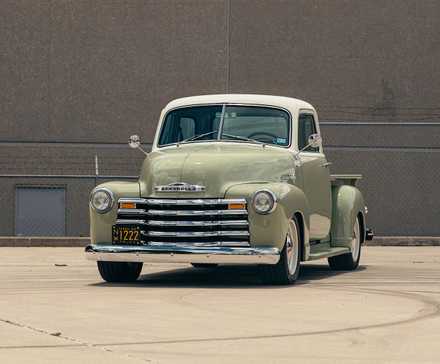
10 Classic American Pickup Trucks That Are Perfect For Restorations
If you want something that screams American trucking culture for your next resto project, these classic American trucks are perfect for the job.
Why These Engines Define The High-Mileage F-150 Reputation
How The EcoBoost And Coyote Compare To Rival Truck Engines
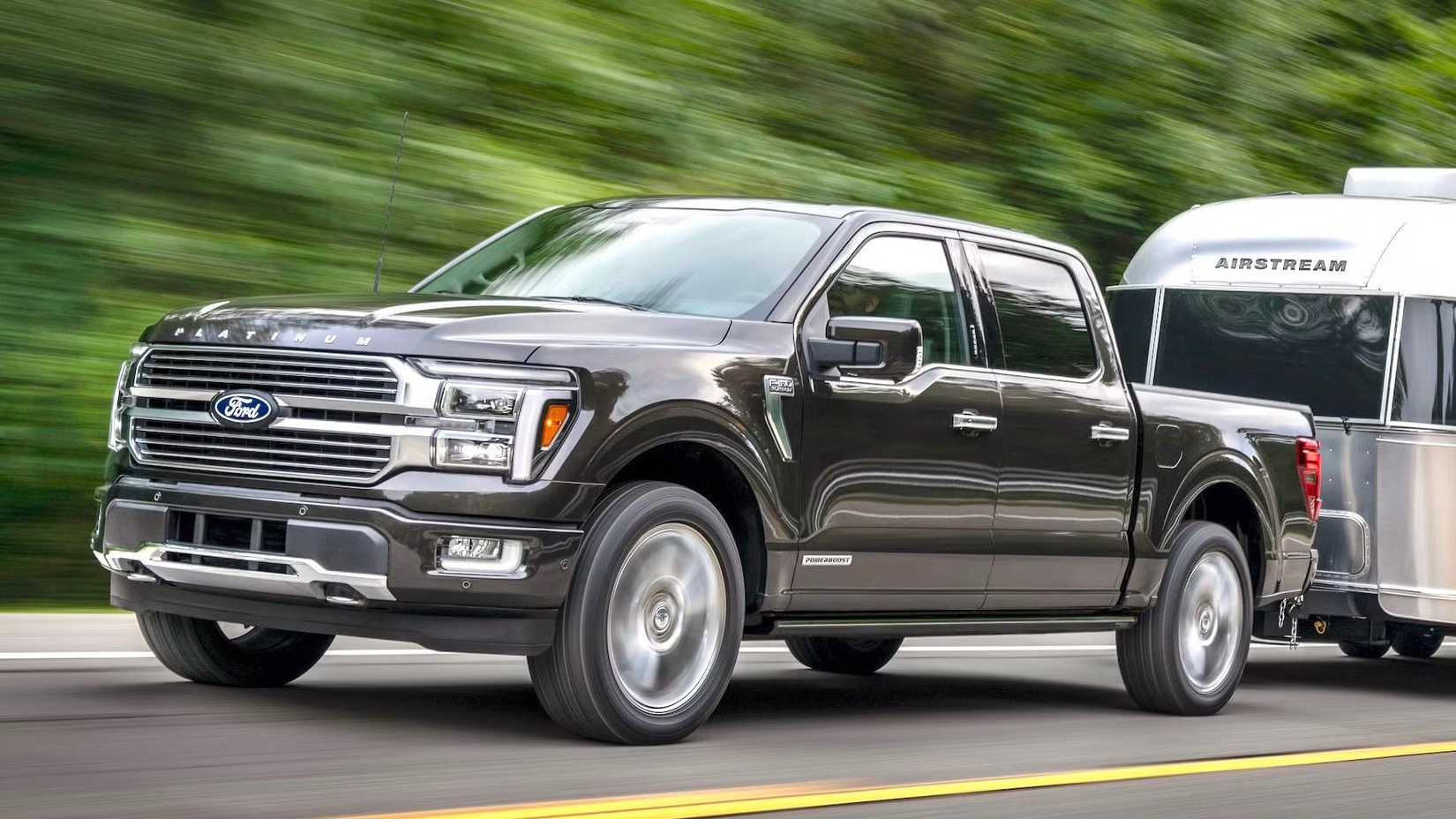
When compared with engines from rival full-size trucks, Ford’s 3.5-liter EcoBoost and 5.0-liter Coyote stand out for how often they appear in high-mileage discussions. Competing engines from General Motors, Ram, and Toyota have their own strengths, but Ford’s sheer production volume, combined with these engines’ durability, makes high-mileage examples more visible.
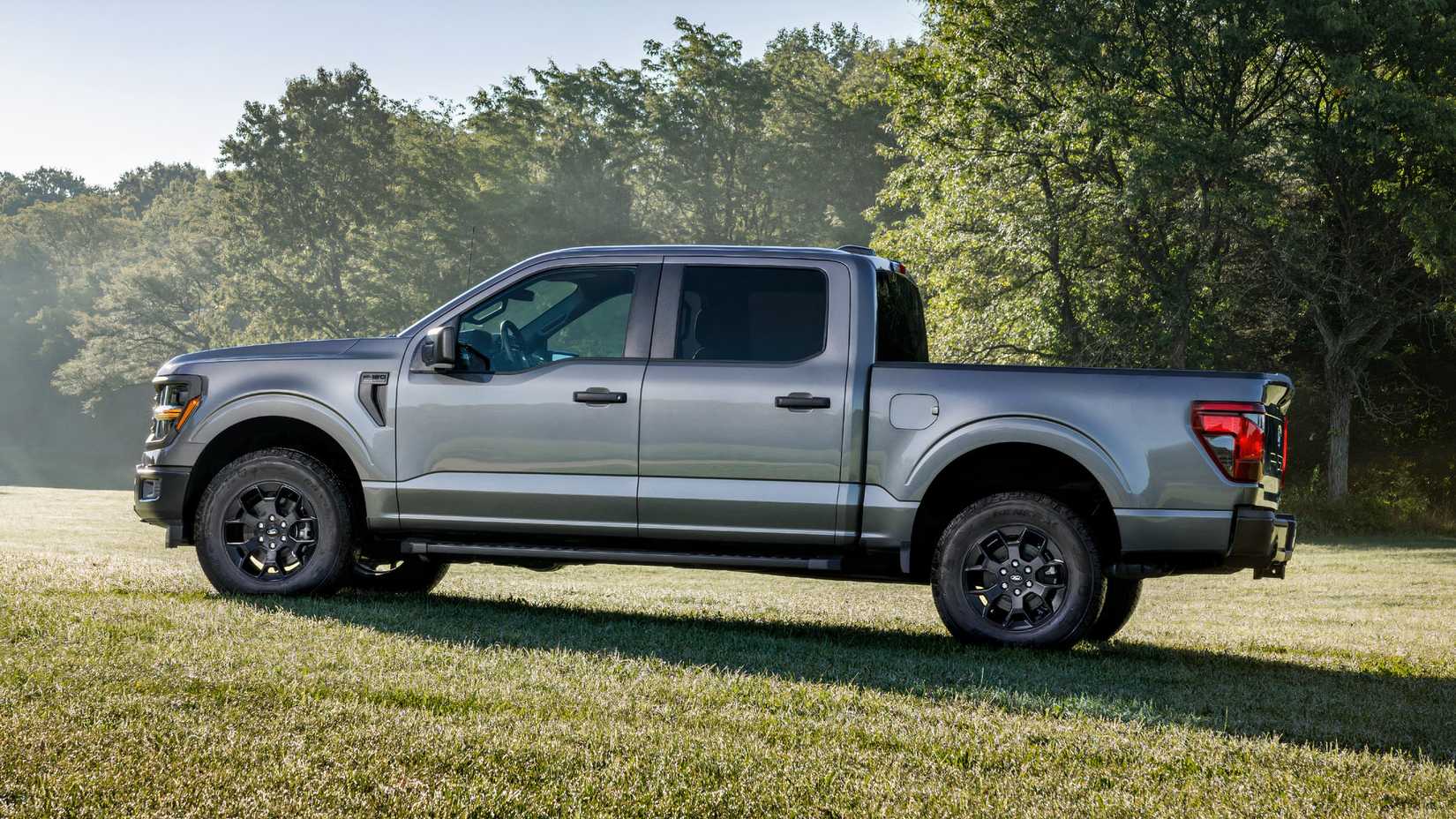
The Coyote’s simplicity gives it an edge for owners who plan to keep a truck indefinitely, while the EcoBoost’s torque and efficiency appeal to those who work their trucks hard but still want modern performance. In both cases, the engines’ balance capability is better than many alternatives. That balance is what keeps the F-150 competitive, not just when new, but decades into ownership.
What This Means For Buyers Seeking A 300,000-Mile Truck
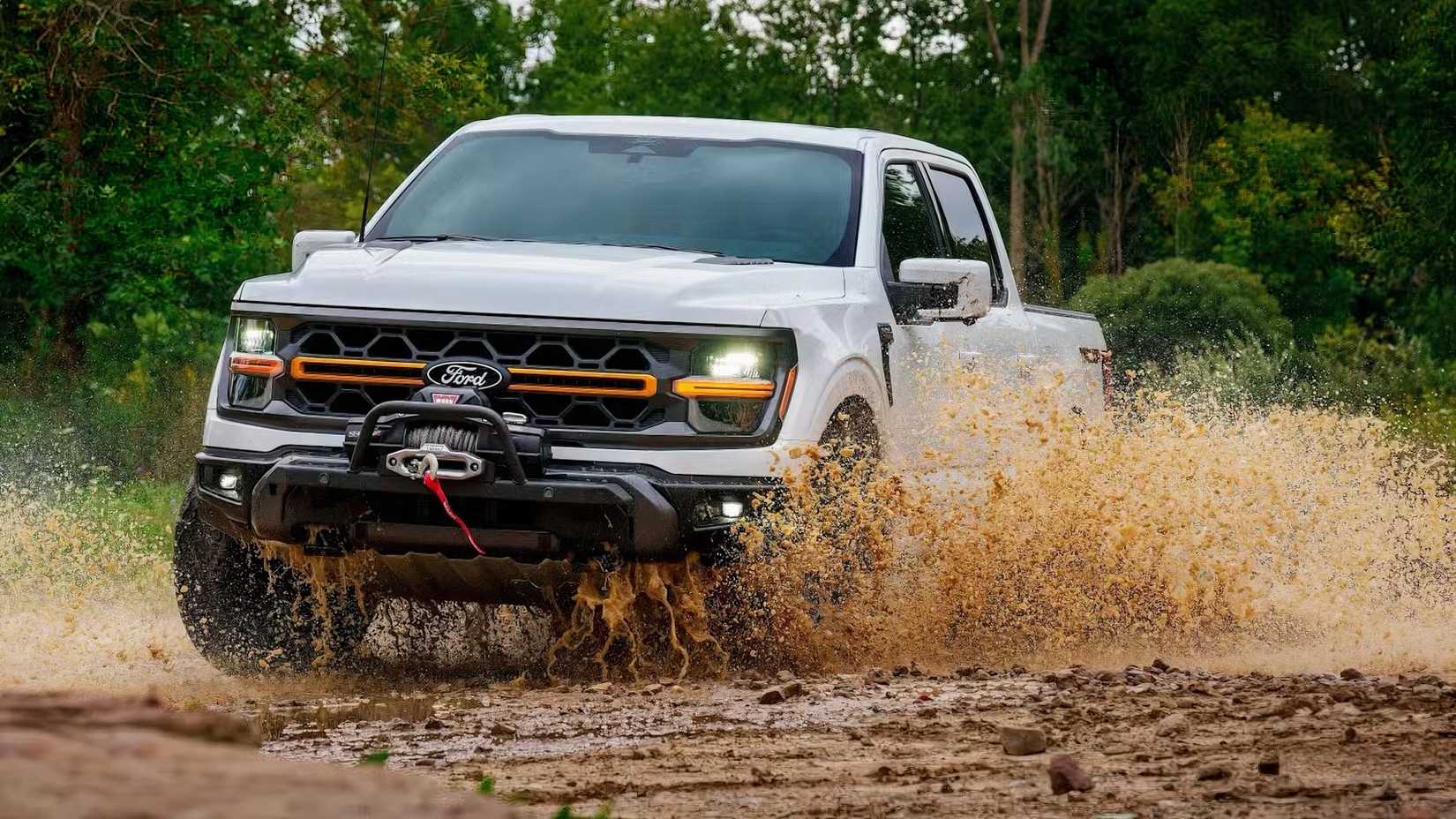
For buyers shopping with extreme longevity in mind, engine choice within the F-150 lineup is critical. The 5.0-liter V8 is often the safer pick for owners who value mechanical simplicity and long-term ease of ownership. The 3.5-liter EcoBoost is better suited for those who tow regularly and are committed to diligent maintenance. Neither engine guarantees 300,000 miles, but both have shown they are capable of it under the right conditions. That proven potential is why the F-150 continues to be associated with trucks that just keep running, long after others have been sidelined.
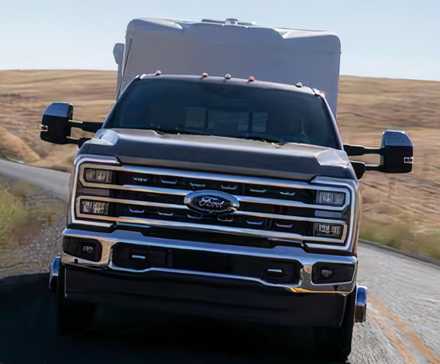
10 Pickups With The Best Diesel Engines Ever Built
Which pickup trucks have the best diesel engines? These oil burners are made to deliver excellent power for towing and payload.
TopSpeed’s Take
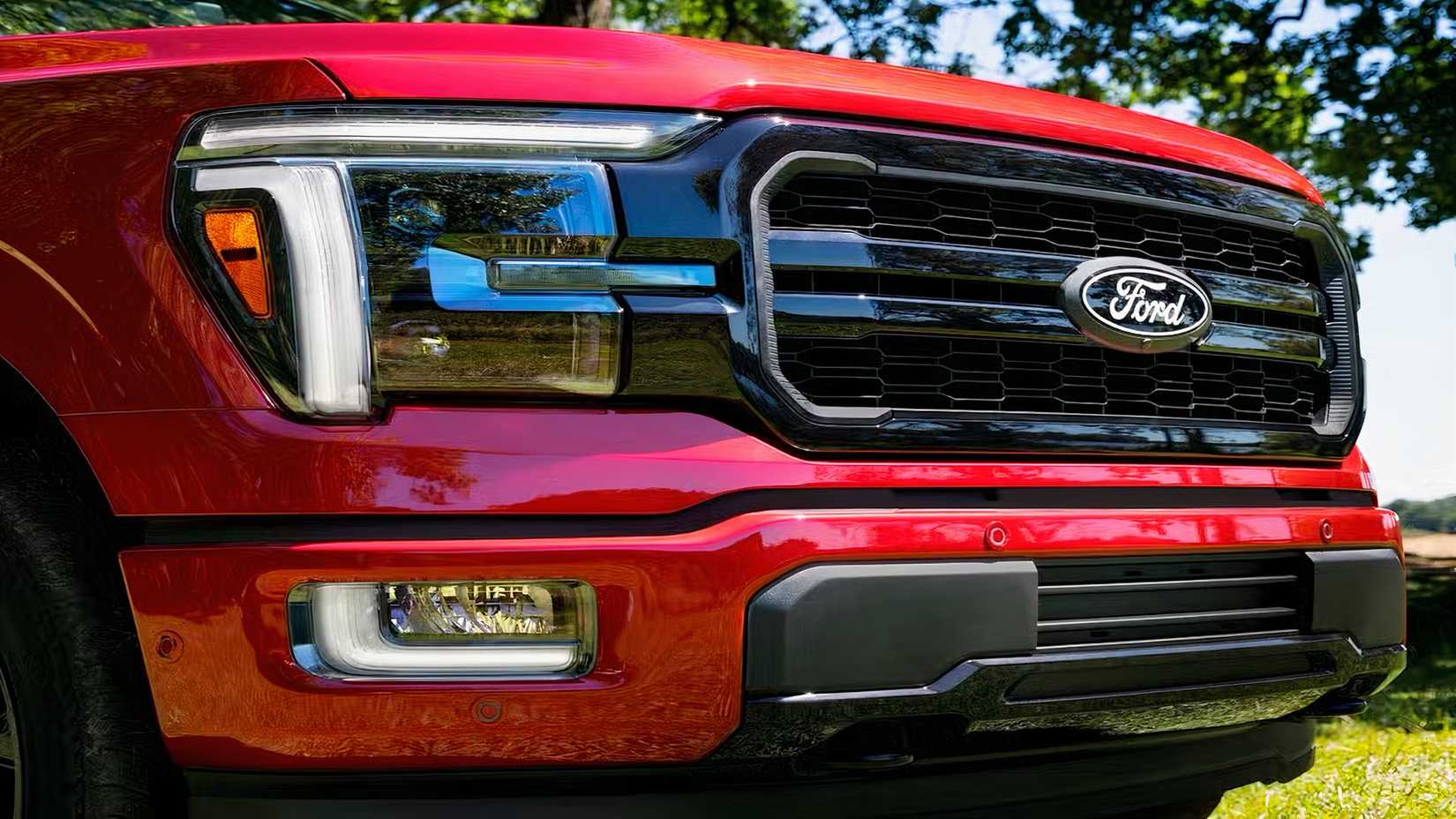
The Ford F-150’s reputation for longevity is not built on nostalgia or marketing. It is reinforced by real trucks, real owners, and engines that continue to perform deep into six-figure mileage. The 5.0-liter Coyote V8 and 3.5-liter EcoBoost V6 represent two different paths to the same destination: sustained, usable life far beyond what most vehicles ever reach.
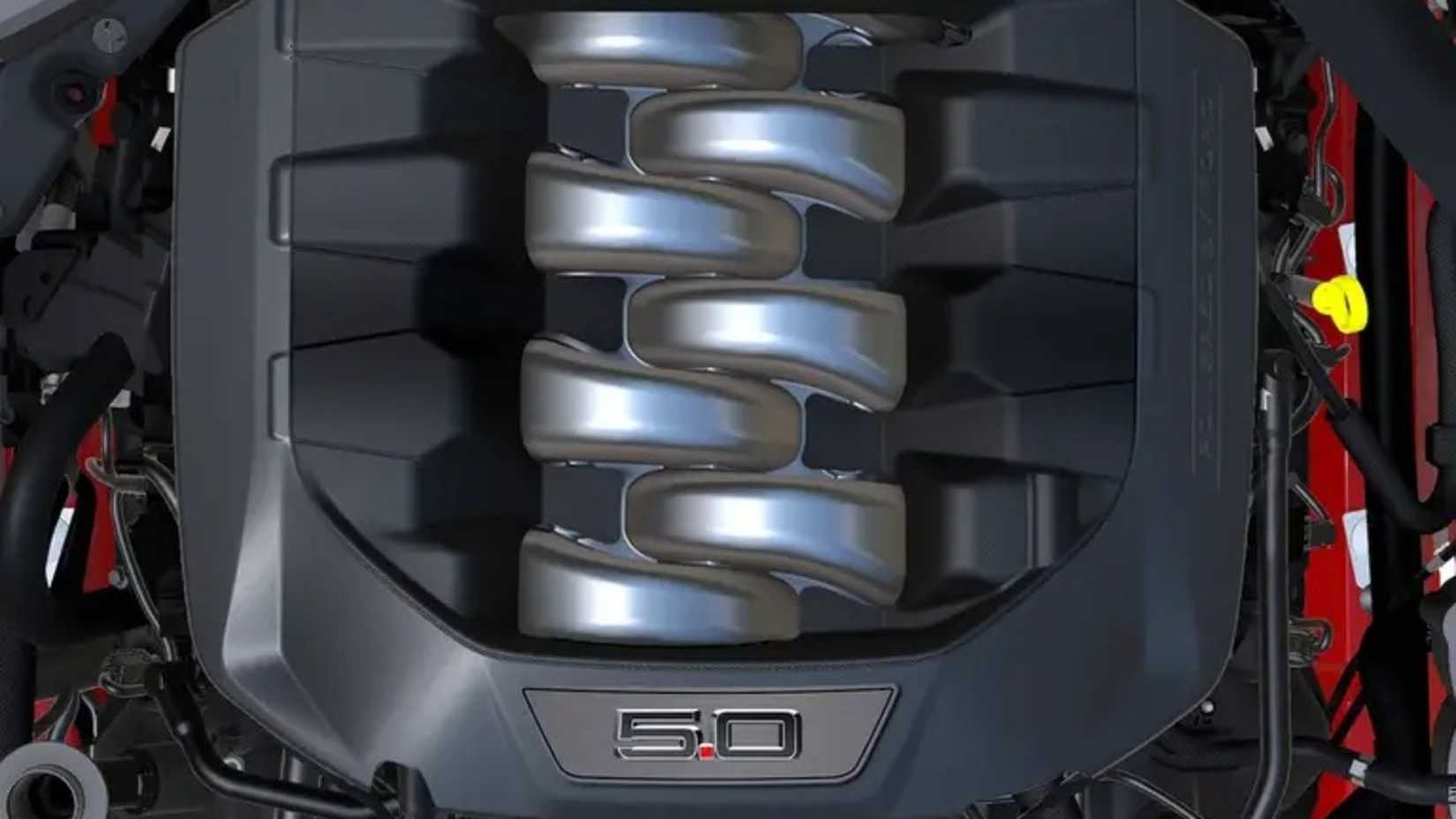
For buyers who measure value in years rather than features, these engines explain why the F-150 remains one of the most trusted names in high-mileage trucks. With the right maintenance and realistic expectations, it’s not just a pickup — it’s a long-term partner that can still be earning its keep after 300,000 miles.