
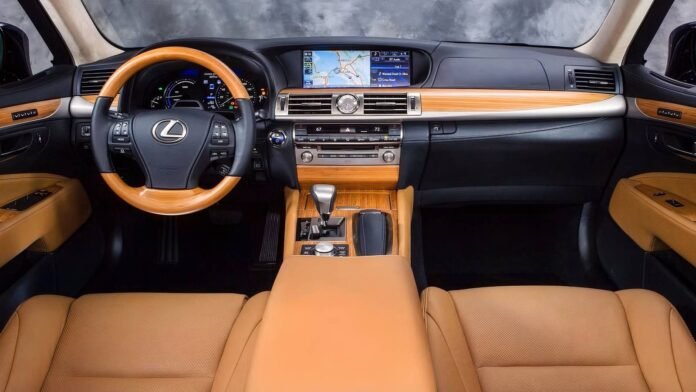
A vast majority of luxury buyers want core things—space to breathe, materials that feel authentic, craftsmanship that holds up, seats that don’t fatigue, space to relax, quiet that isolates, and reliable technology that doesn’t demand attention—and that applies to their luxury cars as much as to their homes.
Today’s luxury car interiors have pivoted toward complexity. Perhaps not in how they serve their users, but very much so in the way they are presented. The term “intuitive” has begun to require some learning (which is counter-intuitive, when you think about it), but timeless classics tend to welcome you without spectacle and then hold you through an enrichment of the basics listed above. Screens are fine. Ambient lighting is fine. Connectivity is fine. But none replace tactile richness or long-distance comfort.
The Philosophy Of Luxury Space
A Cabin Should Feel Welcoming Before It Feels Convenient
It’s 2026, and much of the luxury segment has cheapened itself through digital spectacle, with maxed-out displays, minimalist switchgear, touch controls, and sustainable materials. And the fundamentals of luxury— stretch-out room, natural materials, intuitive controls—are often diluted in the process, or replaced outright.
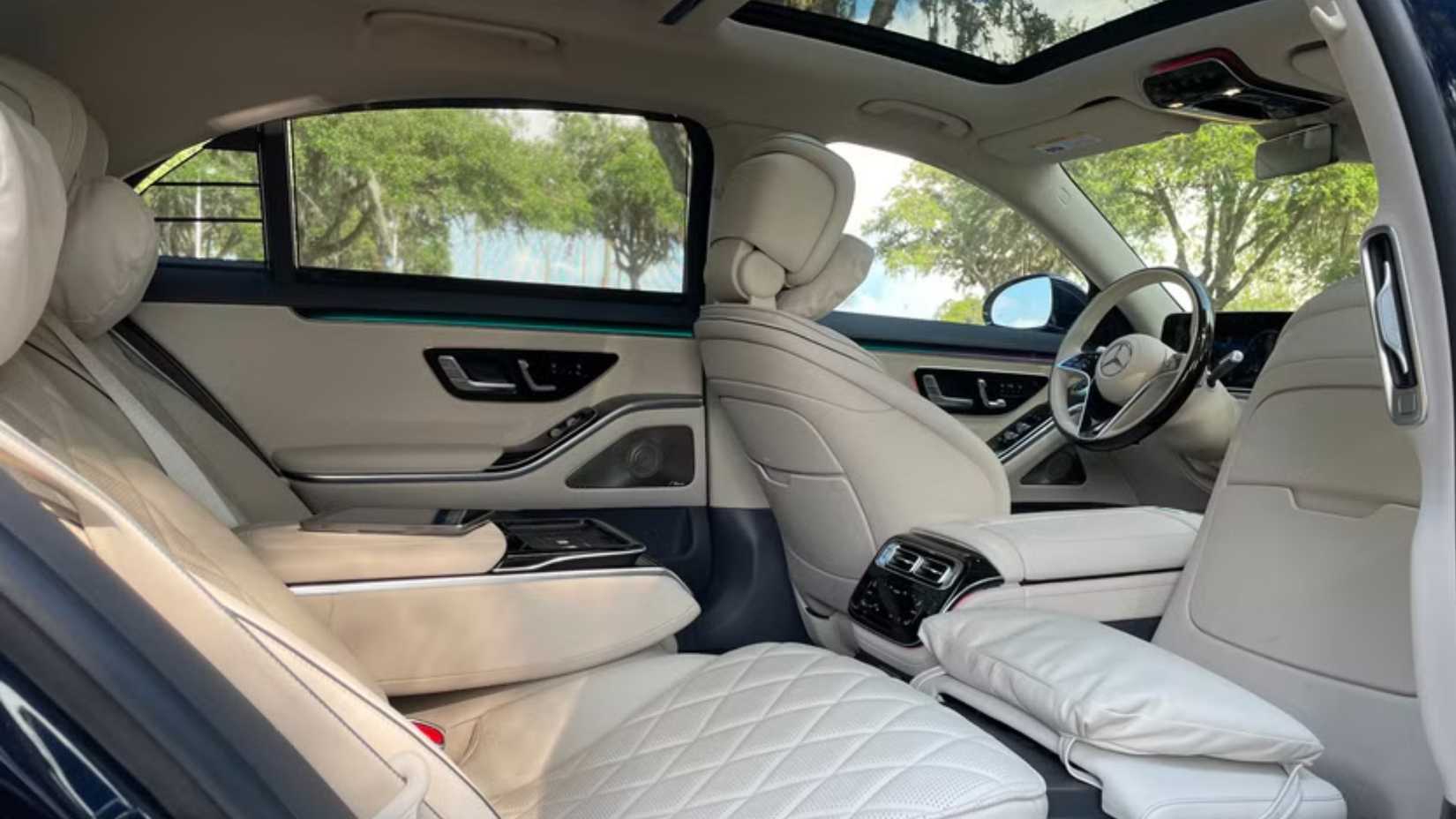
True luxury begins with proportion and convenience. In a car, that means that before you push the start button and are overwhelmed by the pixel-perfect screen resolution, you should already have a sense of serenity—the seats support you, the controls fall easily to hand, the space isn’t constrictive, and the outside world stays there. The best interiors are engineered around physical comfort, not dashboard drama.
Natural Materials Are Worn Away By Proliferation And Budgets
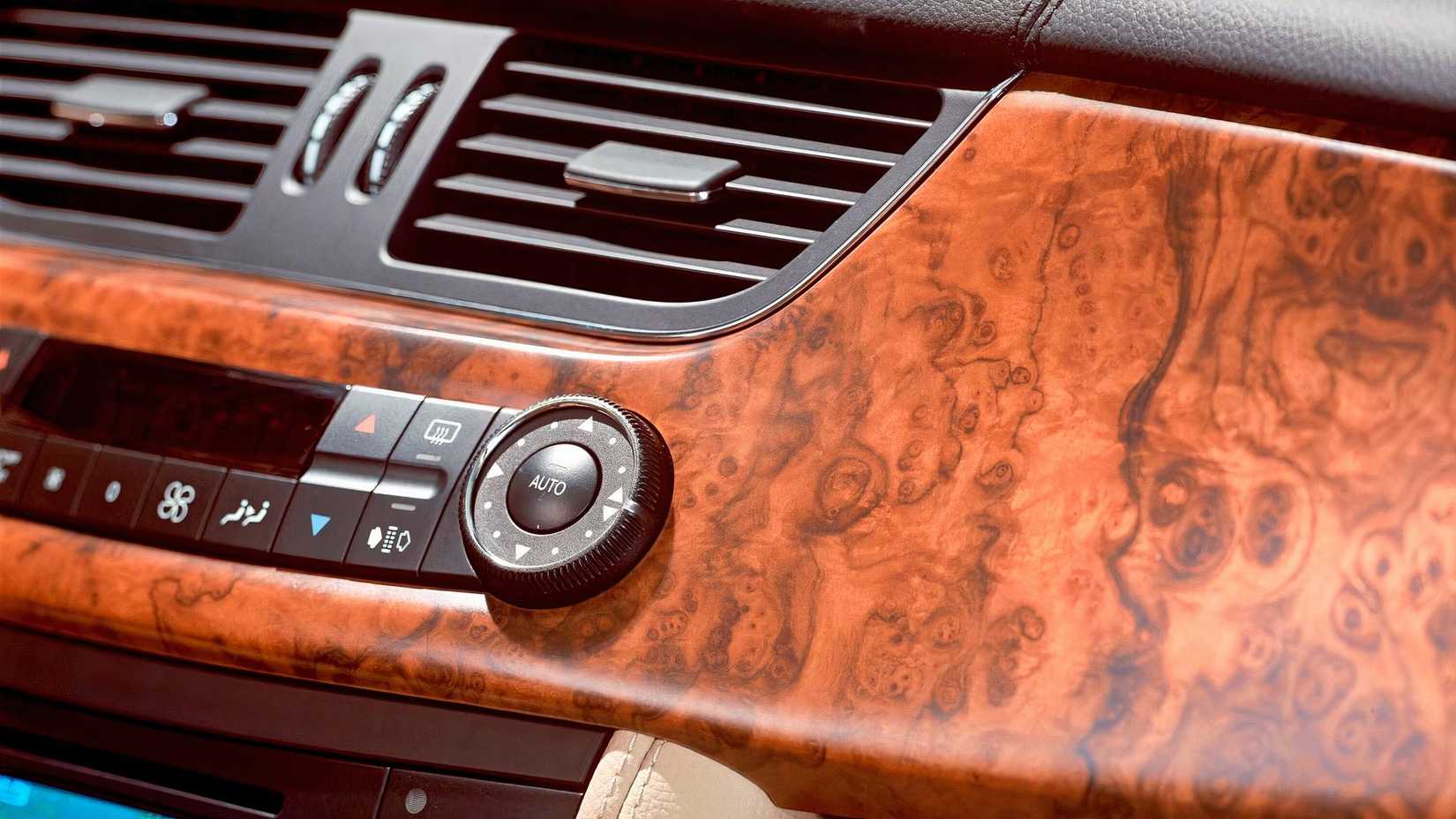
One of the problems of modern luxury is that the luxury market has strayed from exclusivity and become diluted, as manufacturers build “luxury” vehicles to suit all buyers—compact cars, SUVs, even minivans and pickups—and, by extension, all budgets. In order to appeal to the latter, composite and synthetic materials wormed their way into sourcing like an invasive species taking over a natural habitat. Natural woods were replaced by wood “paneling,” and synthetics mimicked the look and feel of real leathers and wools.
Luxury Should Be Expansive, Not Just Expensive
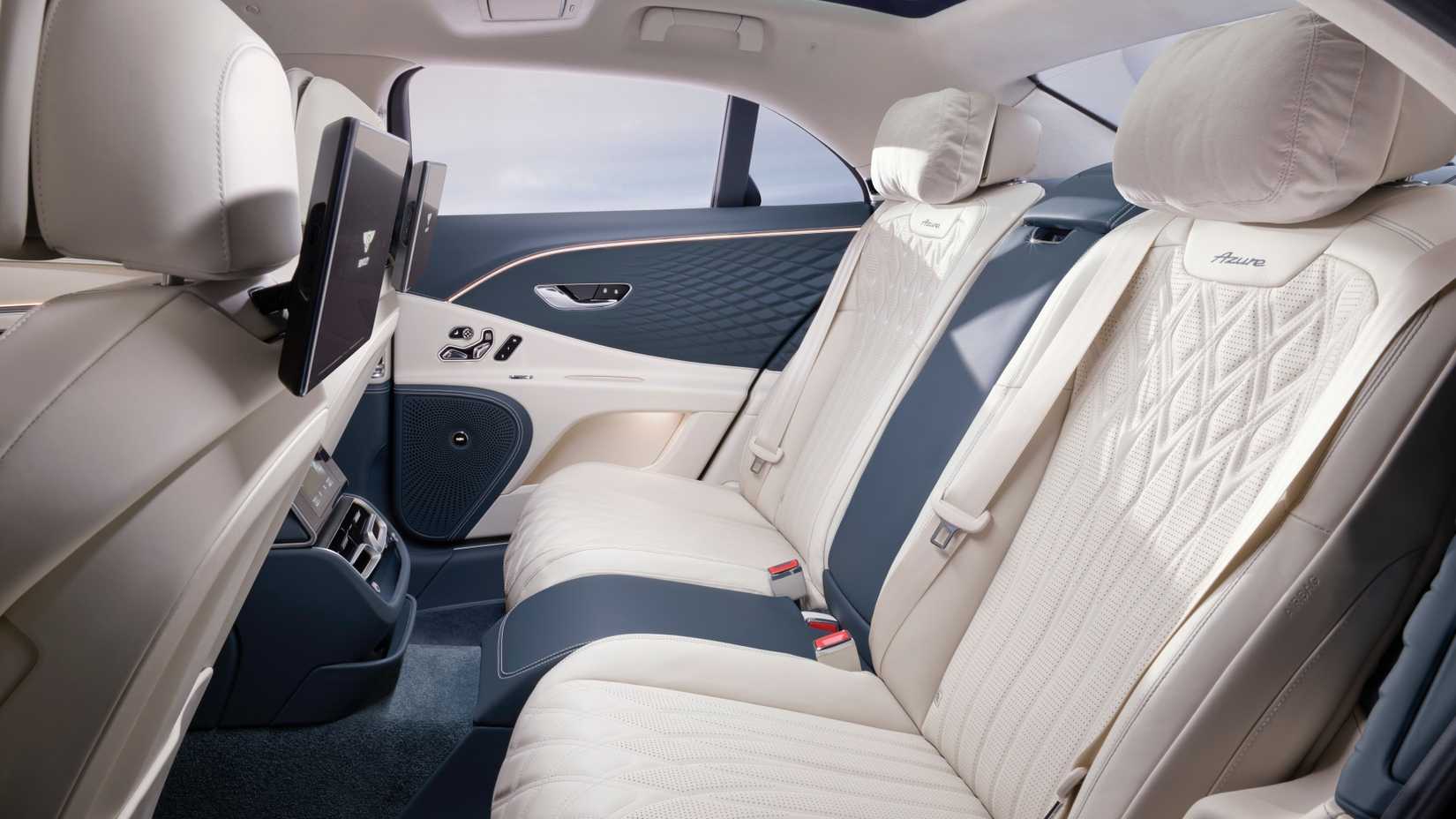
Many modern luxury cars emphasize Broadway-like dashboard staging and apply less production value to seating, especially when it comes to rear-seat margins. Packaging efficiency is a thing, understandably, in a car that still has to fit in your garage or a tight parking space, but much of today’s people-space is being invaded by hardware. Luxury shouldn’t be about fitting technology into a tight space, but about engineering space that doesn’t feel tight.
Rear-Seat Accommodation Is The True Luxury Benchmark
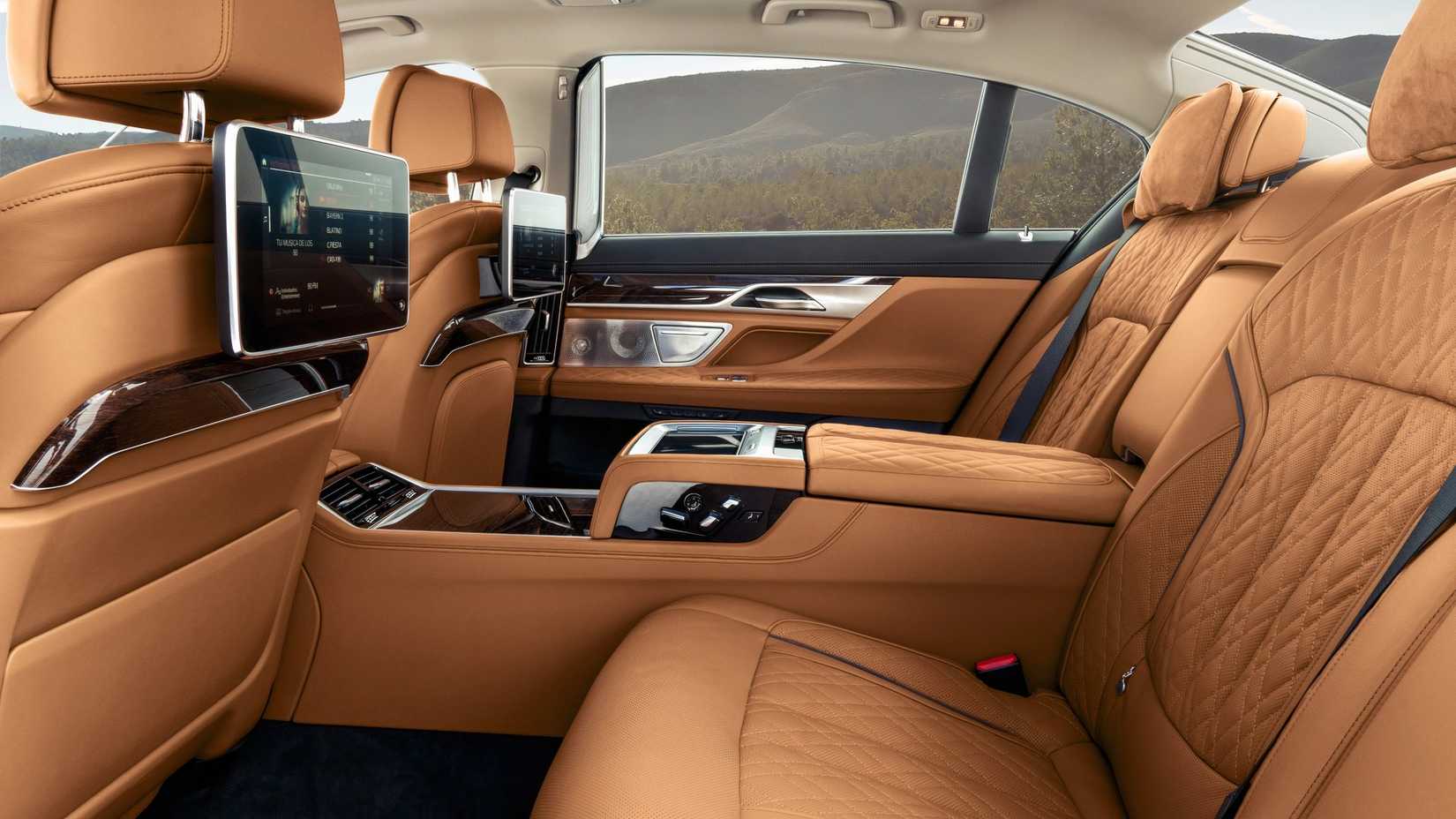
Although much of the emphasis in today’s luxury car is placed on front-seat dazzle, the honest test of a luxury car is rear-seat comfort, where space, dignity, and convenience converge. Think of airline travel—in First Class, there’s room to stretch out, and helpful conveniences. The pilots, on the other hand, wedge themselves into a purpose-built environment that doesn’t distract them from the business of conveyance control.
Luxury Cars Are Grounded On Philosophy, Not Presentation
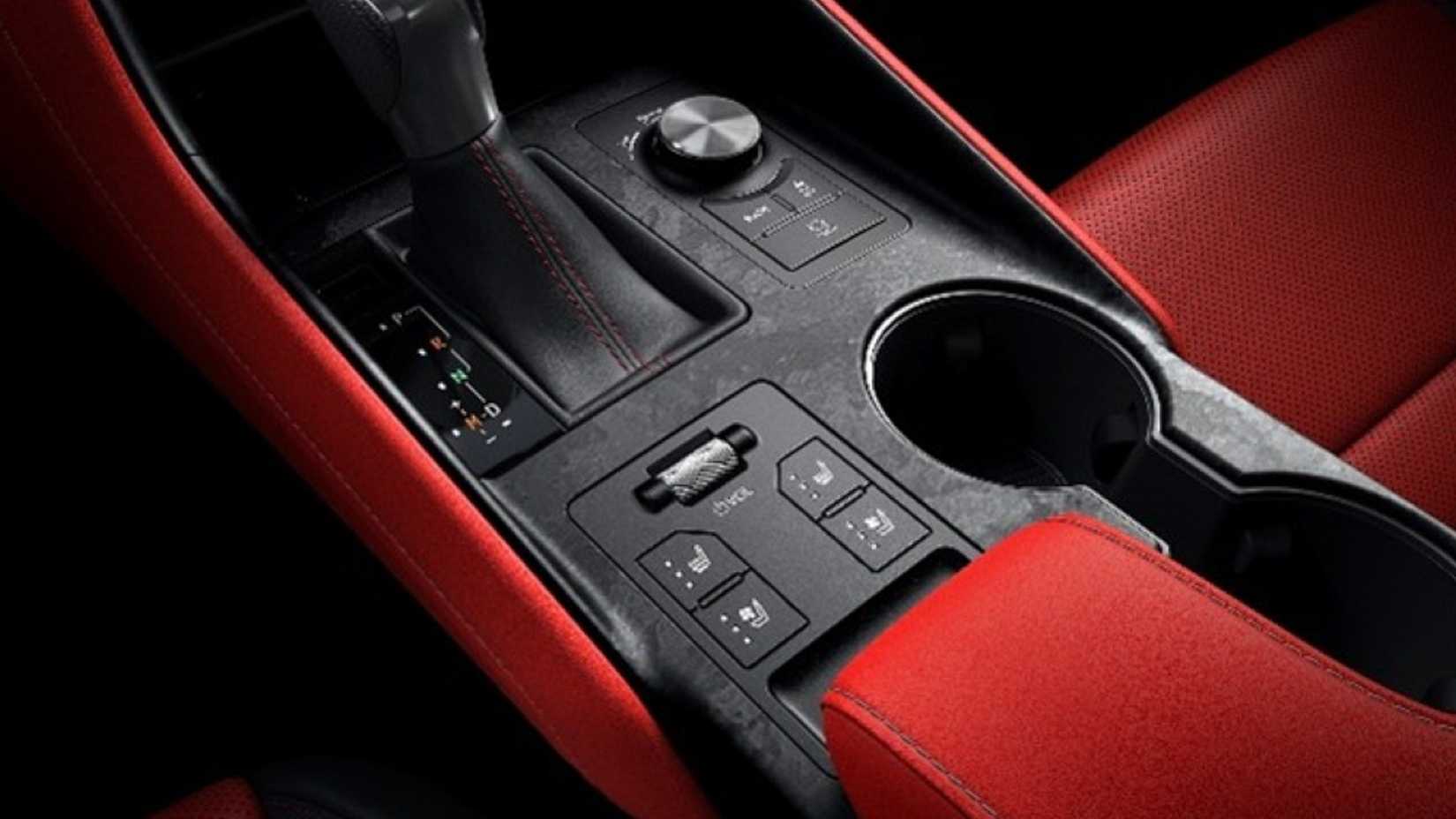
Luxury-car travel is tactile, not fanciful. Long wheelbases matter. Wide door apertures matter. Personal space matters. A low beltline that allows natural light into the cabin matters. When the structure of the car is right, everything layered on top feels better. A long wheelbase doesn’t just improve legroom; it enlarges door openings and improves ride composure. Entry and exit feel natural, and longer proportions smooth out road intrusions.
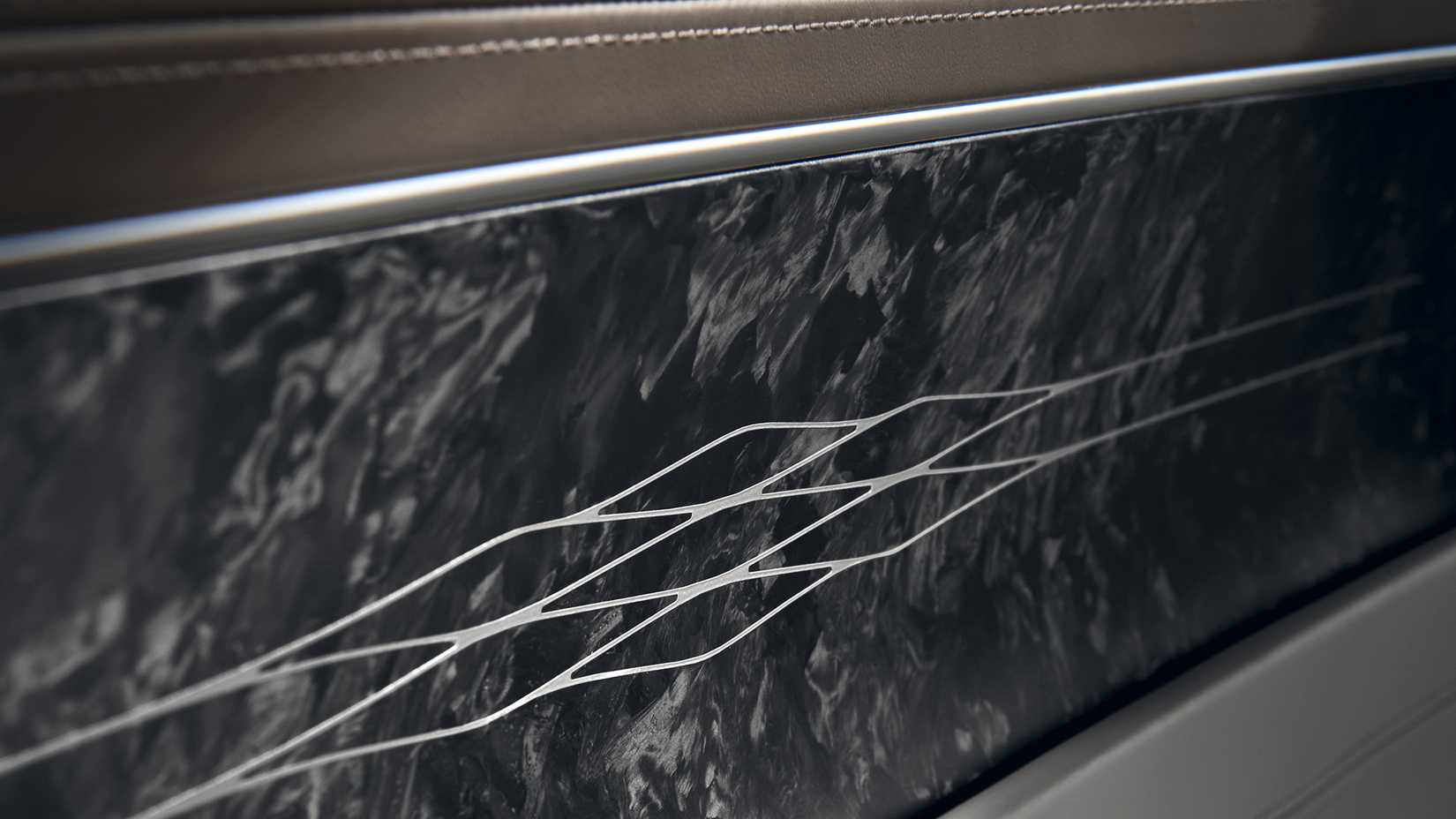
Luxury philosophy starts with engineering fundamentals, long before higher-density displays are sought out or speaker placement is mapped out. And this 10-year-old executive car did it wonderfully for its time, and continues to stand out in a vastly different luxury-car world.
The Japanese Car That Quietly Beats Luxury Brands At Their Own Game
A luxury sedan that shuns the spotlight, yet outshines its rivals in the areas that truly matter.
The Interior Of The 2016 Lexus LS Long Variant Is Still Tough To Beat
A Combination Of Premium Materials, First-Class Seating And Serene Ambience
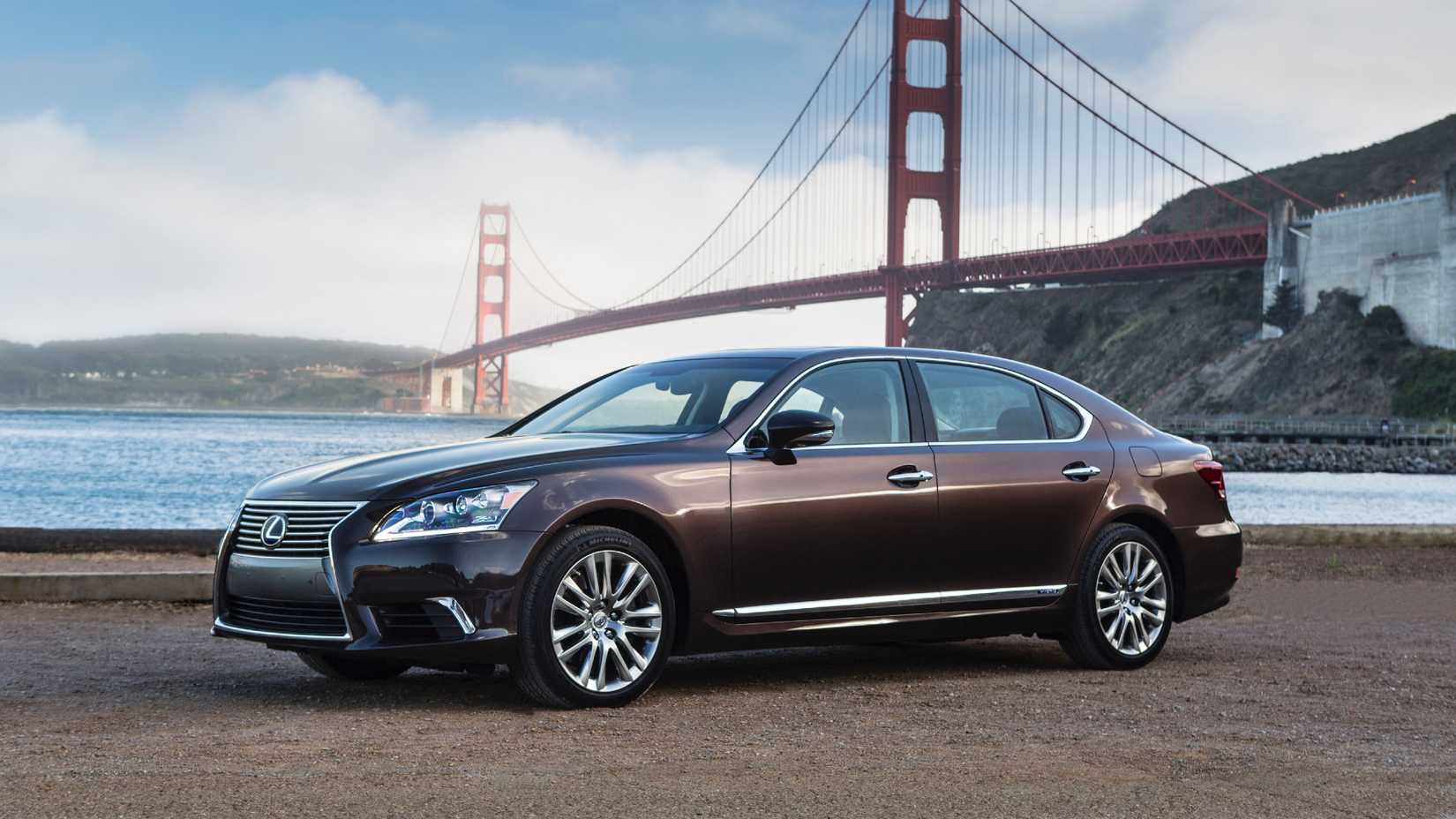
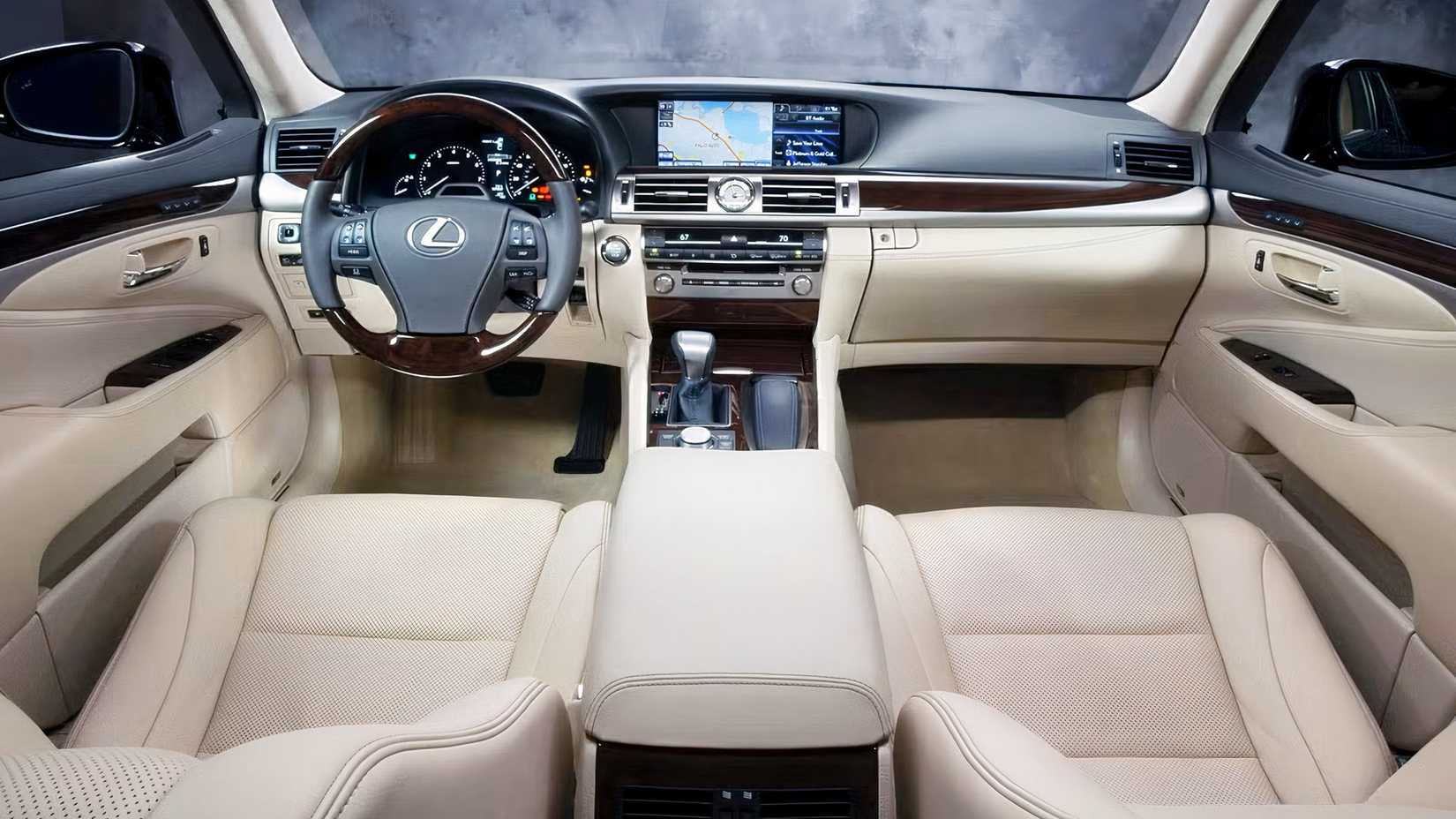
The long-wheelbase Lexus LS has always delivered more. Not just more than its shorter versions, but more than just about any other executive sedan in autodom, AND, it continues to do so long after it has been improved upon by future generations. Such is the case with the lengthened 2016 Lexus LS (which was available in LS 460 L and hybrid LS 600h L).
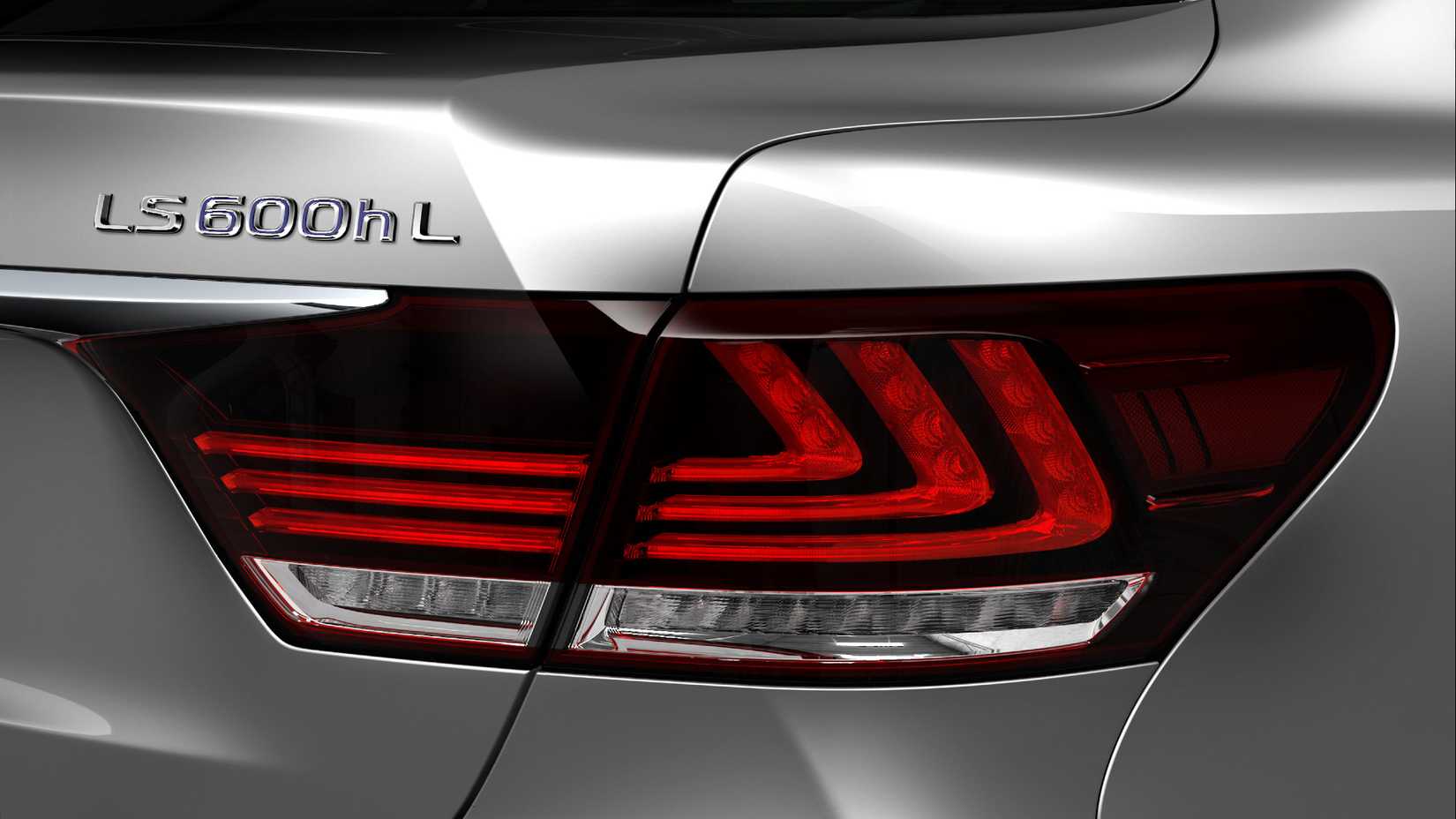
The 2016 Lexus LS L’s premium cabin did not rely on theatrical minimalism (that would come later) or flimsy visual stage props (that would never come in an LS). It used authentic materials that still feel expensive a decade later, and created room for passengers that still feels more expansive than modern-day competitors.
Natural Materials Offer A Welcoming Ambience In Luxury Interiors
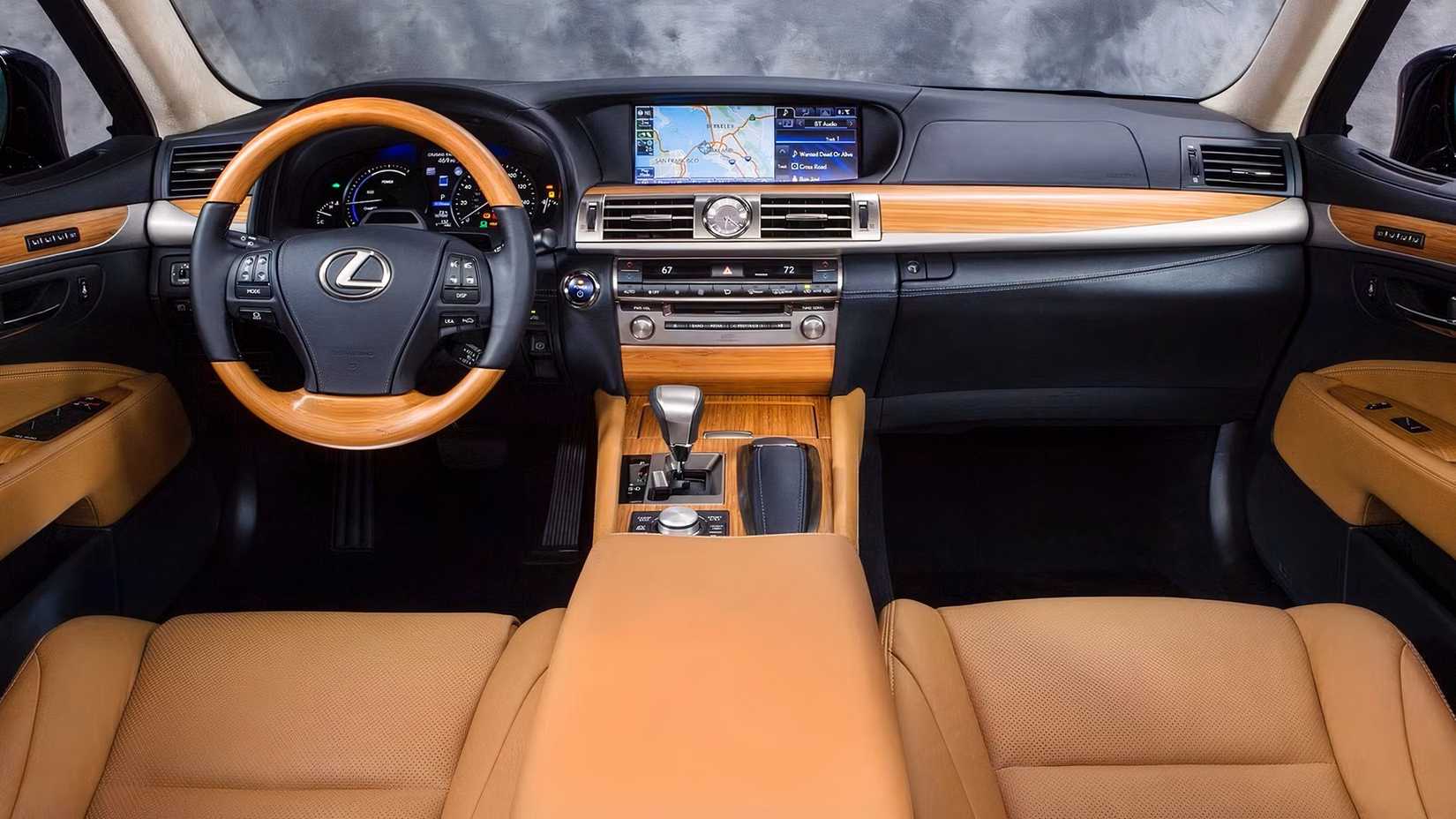
Lexus
The 2016 Lexus LS relied on real wood trim to deliver a visual depth that synthetic veneers can’t quite replicate. The brand surrounds it in semi-aniline leathers that offer thickness and suppleness that can’t be matched outside flagship models, simply due to their cost that isn’t easily absorbed into the selling price. Meanwhile, metal switchgear provides the physical presence that’s absent from today’s visually-pristine touch-sensitive controls.
Build Quality Wears Well Over Time
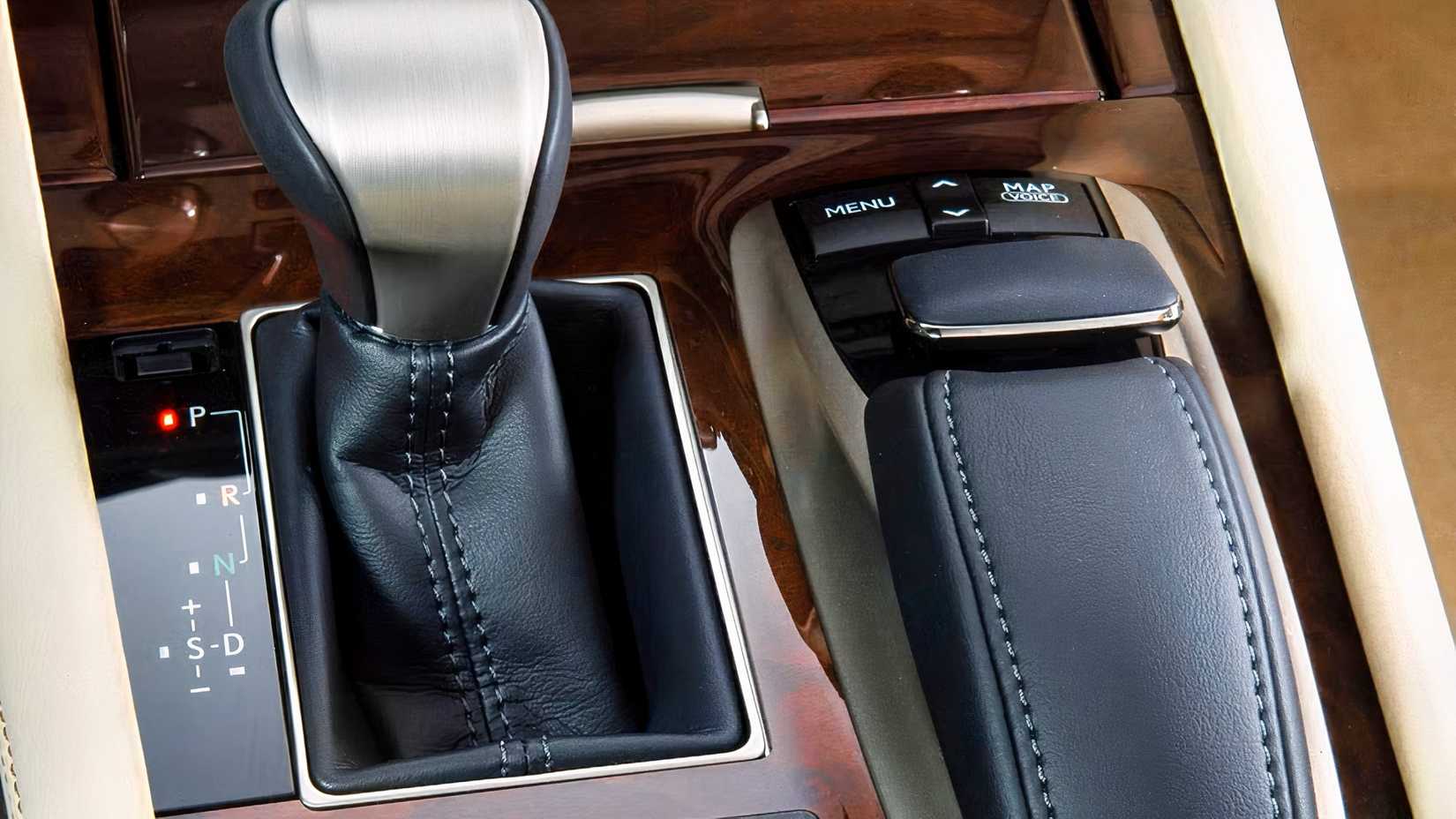
Many budget interiors introduce potential failure points through layered displays and actuating panels (more moving parts mean more chances to fail), under the sometimes-faulty reasoning that a clean presentation induces serenity (hidden controls mean fewer distractions). The 2016 Lexus LS, though, relied on restrained design and integration, with tight panel alignment that remains impressive even in well-driven examples. Simplicity, in this case, enhances longevity.
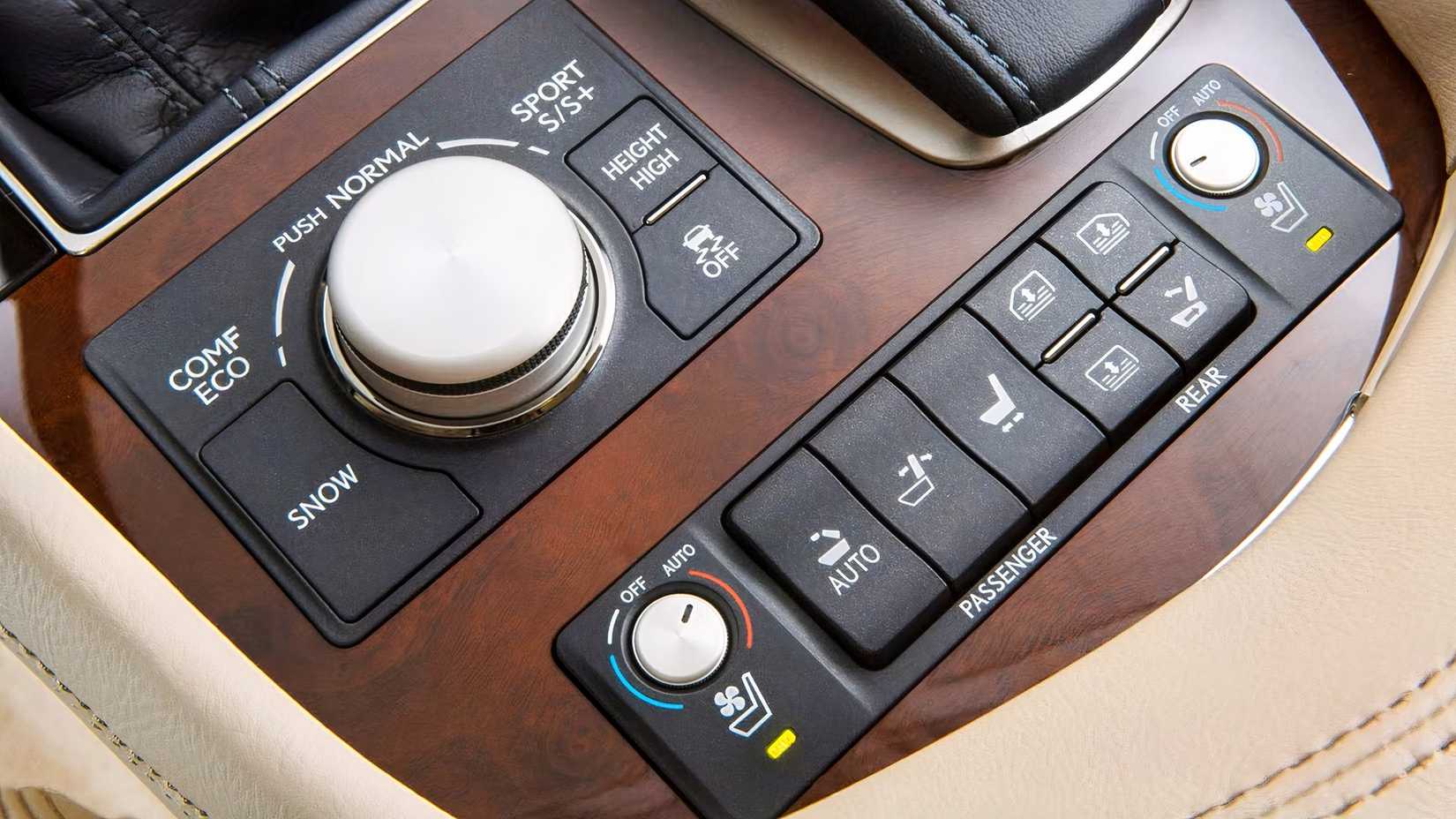
Physical controls are other mitigating factors in the 2016 Lexus LS’s longevity. Research has proven that drivers quickly adapt to the placement of controls in their vehicles, so physical controls that seem complex or not easily accessible actually become second-nature over time. With clearly-understood buttons readily accessible, frequently used functions become much easier to control than if they are buried in screen submenus.
The Full-Size Luxury Sedan That’s Now Cheaper Than A New Camry
Is this an amazing deal or is the new Camry just too expensive?
The 2016 Lexus LS L Delivers Comfort, Quiet And Integrated Technology
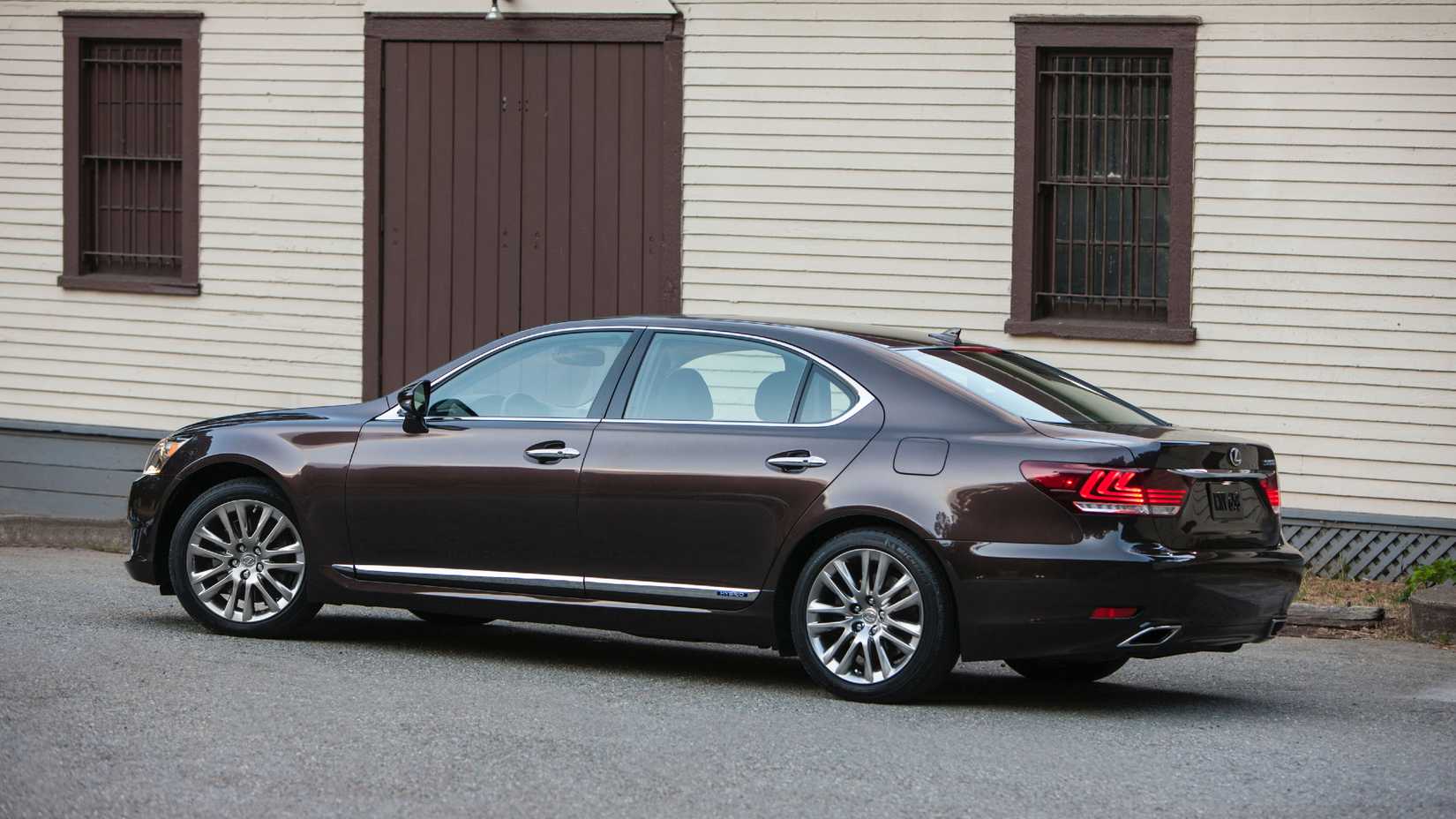
In today’s era of “coupe” rooflines that convey kinetic energy but encroach on rear-seat headroom, the 2016 Lexus LS L excels at giving cabin occupants room to breathe. When it comes to the automobile, luxury is measured in time—if the ride goes by uneventfully, that’s luxury; if getting out of the cabin can’t come quickly enough, that’s inconvenience. Executive driving is about reducing stress, and the decade-old Lexus LS offered executive style probably better than the revered Mercedes-Benz S-Class.
Seats In The 2016 Lexus LS L Were Engineered For Endurance
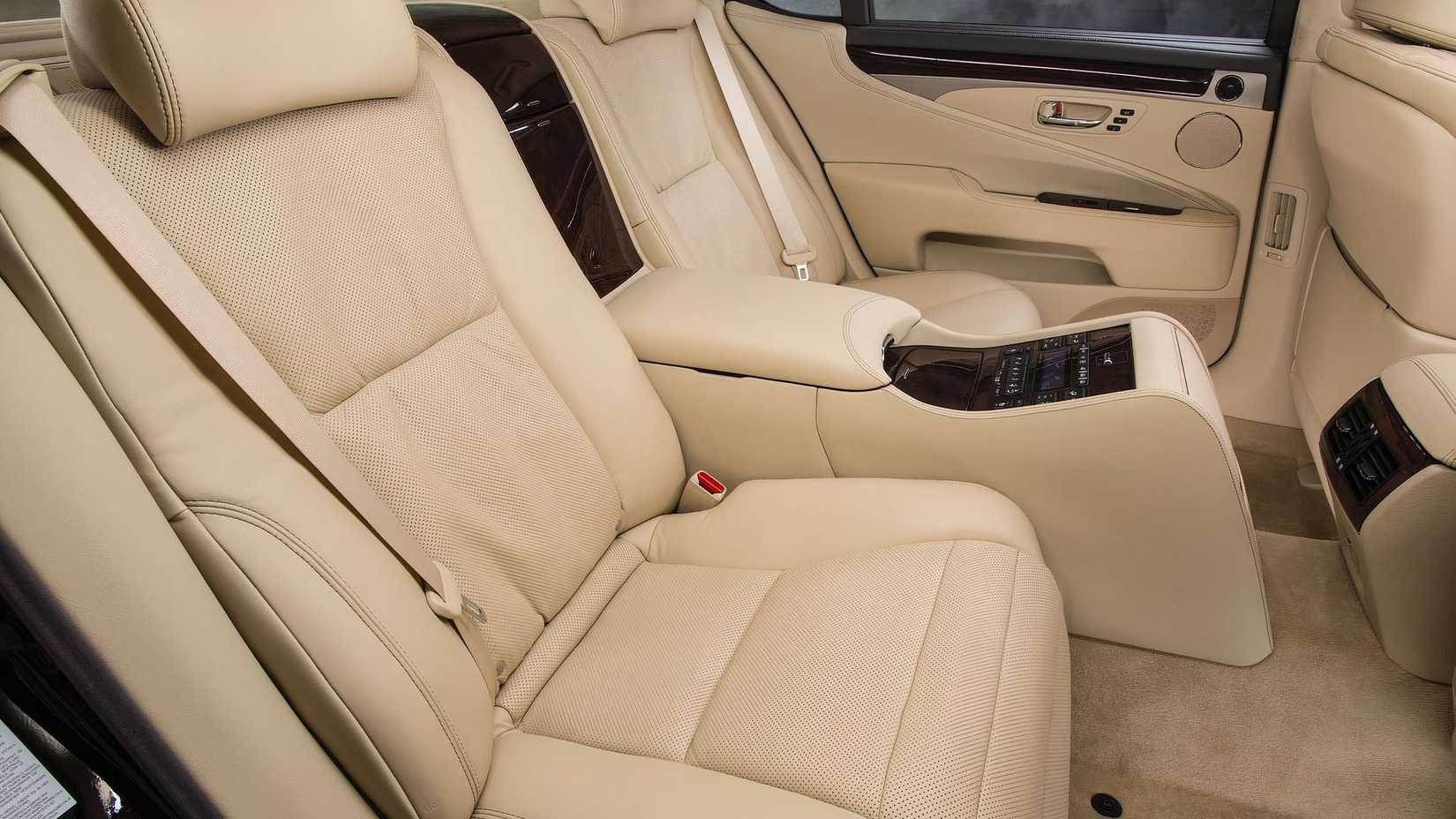
Some modern luxury cars, especially sports sedans, emphasize lateral support seat design, with bolsters for the ribs and thighs to keep seat occupants firmly centered, and some executive cars follow suit with sculpted cushions. The 2016 Lexus LS L’s front seats offer substantial cushioning and support, but they’re calibrated for long-distance travel. They are neither aggressively bolstered nor artificially sculpted, prioritizing endurance.
2016 Lexus LS Dimensions
|
Wheelbase |
121.7 inches |
|
Legroom (Front/Rear) |
43.7/36.7 inches |
|
Width |
73.8 inches |
|
Track (Front/Rear) |
63.6/63.4–63.8 inches |
|
Shoulder Room (Front/Rear) |
58.5/56.4 inches |
|
Hip Room (Front/Rear) |
55.4/55.5 inches |
|
Height |
57.7–58.1inches |
|
Headroom (Front/Rear) |
38/38 inches |
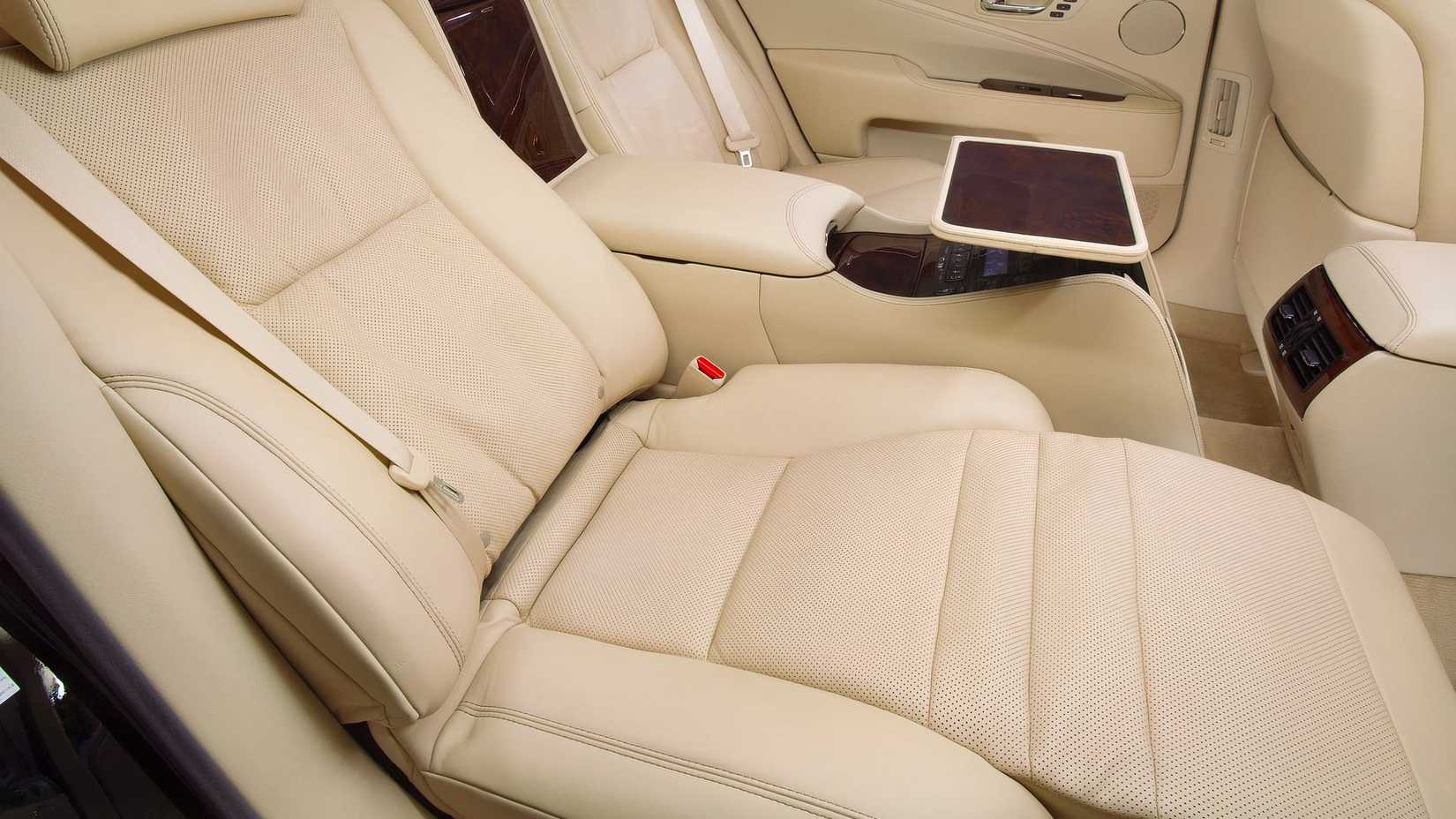
Rear-seat executive configurations focus on comfort and relaxation, with impressive legroom, and they elevate the experience further with recline and massage functions that are today mostly restricted to front seats. The seating position is deep and relaxed, and furthered on some trims with a near full recline, complete with a power ottoman, to create a private lounge ambience.
Acoustic Isolation That Rivals Some Modern Electric Sedans
Sound intrusion is the other factor in reducing long-distance fatigue, and it’s something Lexus designers and engineers pride themselves on. With extensive sound insulation, laminated glass, and the inherent smoothness of its mechanically-refined powertrains and drivetrains, the 2016 Lexus LS delivers consistent isolation through most driving conditions.
The 2016 Lexus LS Features Thoroughly Usable Technology
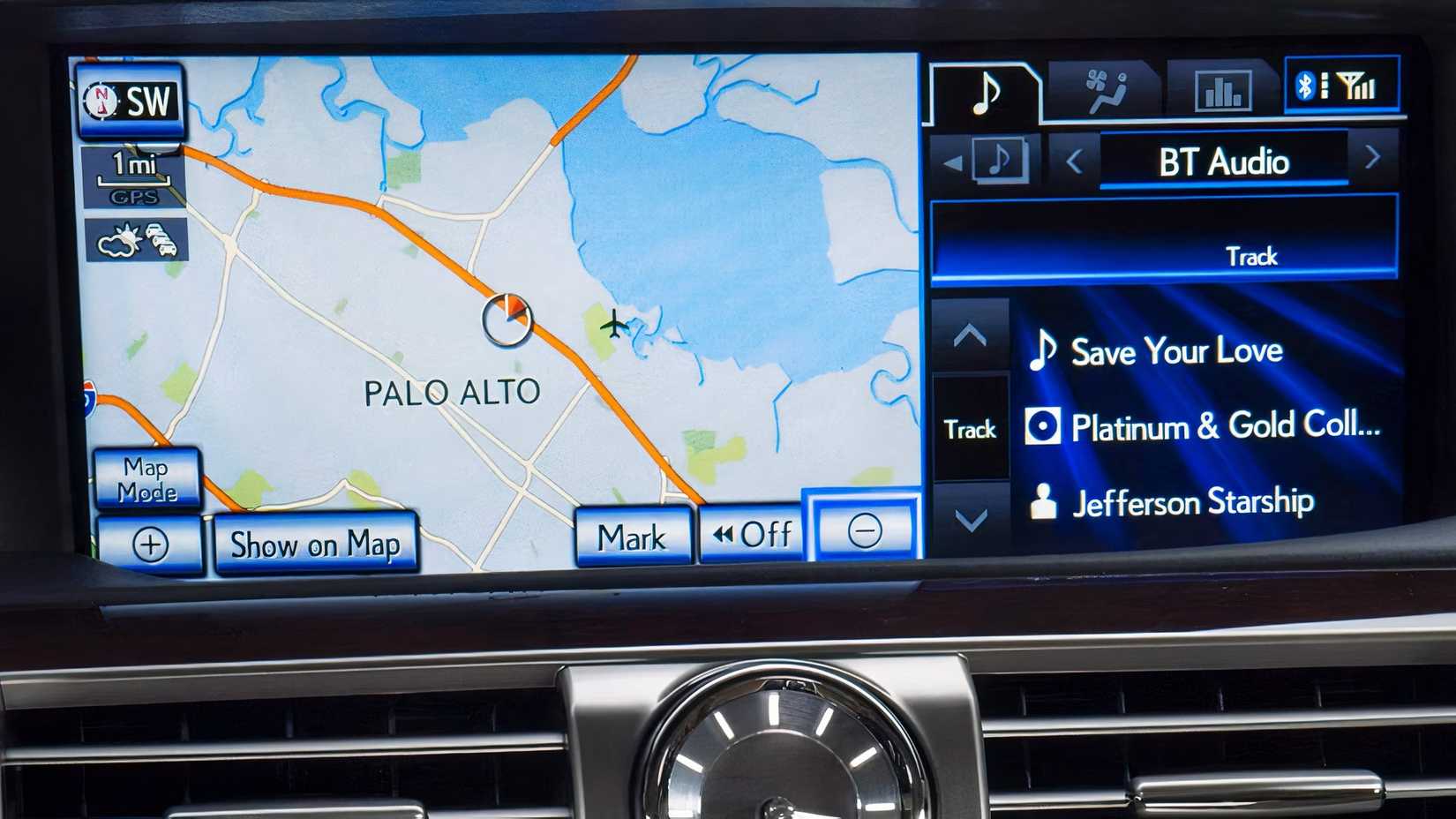
The 12.3-inch central display in the 2016 Lexus LS is perhaps the visual equivalent of early CRT televisions compared to today’s pristine 100-inch displays, but it was substantial for its time and remains acceptable in today’s vehicles. On the other hand, the clarity and depth of the available Mark Levinson audio system still surpass that of some modern luxury cars. That having been said, the 2016 Lexus LS lacks connectivity that makes today’s over-the-air updates and native wireless smartphone integration possible. Still, it can be argued that the precision of its climate control system and heated seats, the interior’s audio quality, and the finely-adjustable seat comfort matter more in daily use to today’s luxury consumers than does HD display and animation speed.
This Luxury Car Blends Classic Styling With Modern Tech
A sedan that whispers luxury, not screams it. Discover the car that stays true to its roots while embracing modern advancements.
The 2016 Lexus LS 460 L and LS 600h L Set A Standard For Luxury Interiors
A decade after its introduction, the long-wheelbase Lexus LS proves that genuine luxury does not age quickly when judged by fundamentals instead of fashion. Rear-seat accommodation matters; authentic materials matter; long-distance comfort, structural integrity, and acoustic isolation all matter.
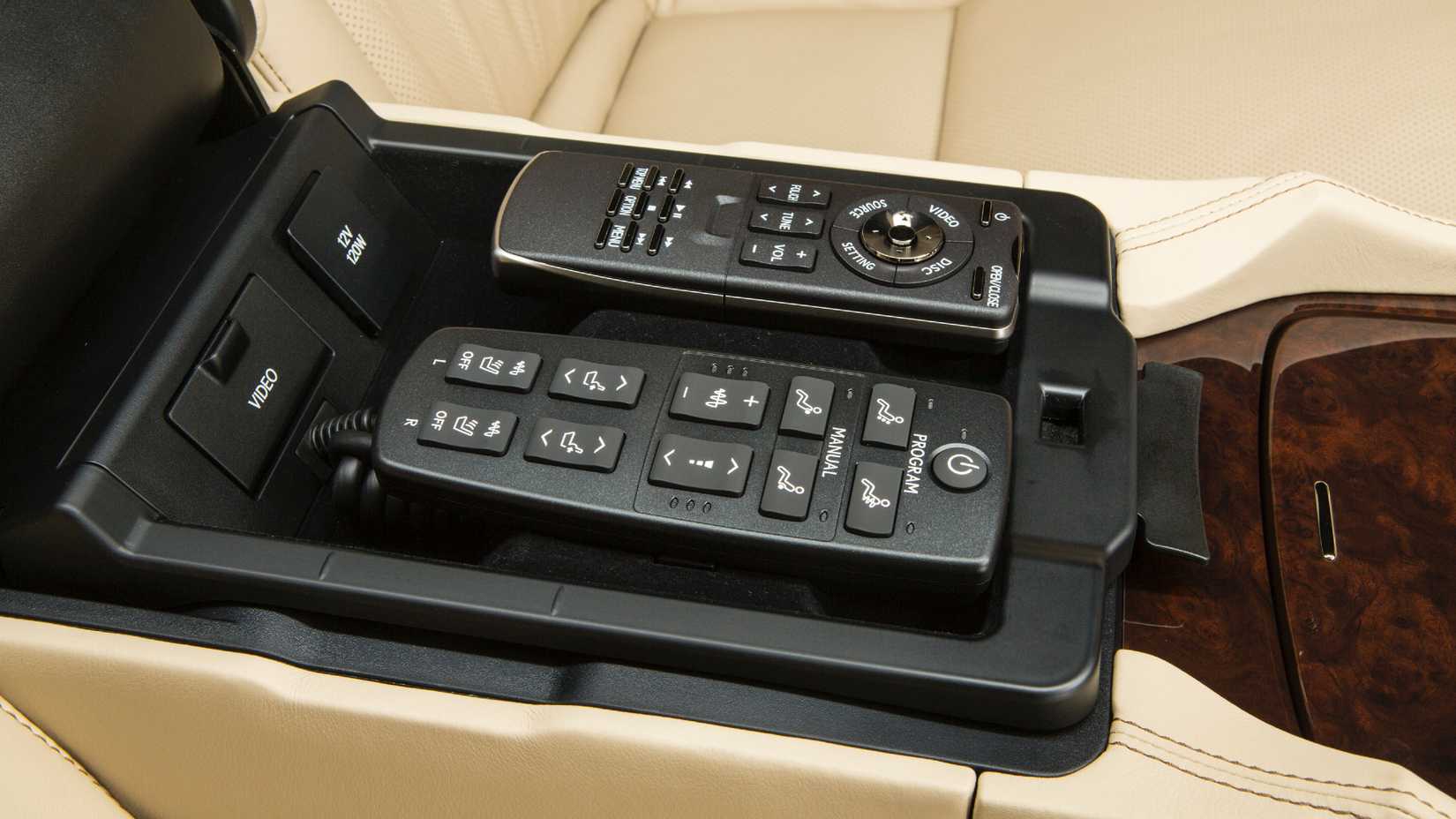
Many 2026 luxury interiors impress visually, but the 2016 Lexus LS impresses wholly, with the spatial generosity and tactile richness that counters digital minimalism. And though there are some noteworthy 2016 luxury options, the 2016 Lexus LS L variants still set a standard many new luxury sedans struggle to meet.
2016 Luxury Car Competitors
|
2016 |
Cadillac ELR |
Volvo S80 |
|
Headroom (Front/Rear) |
36.9/34.7 inches |
37.8/38.3inches |
|
Legroom (Front/Rear) |
42.2/33.6 inches |
41.9/35 inches |
|
Shoulder Room (Front/Rear) |
55.2/49.9 inches |
57.4/56.3 inches |
|
Hip Room (Front/Rear) |
52.9/48.6 inches |
54.8/54.7 inches |
Craftsmanship Meets Concept-Car Ambition In The 2016 Cadillac ELR Coupe
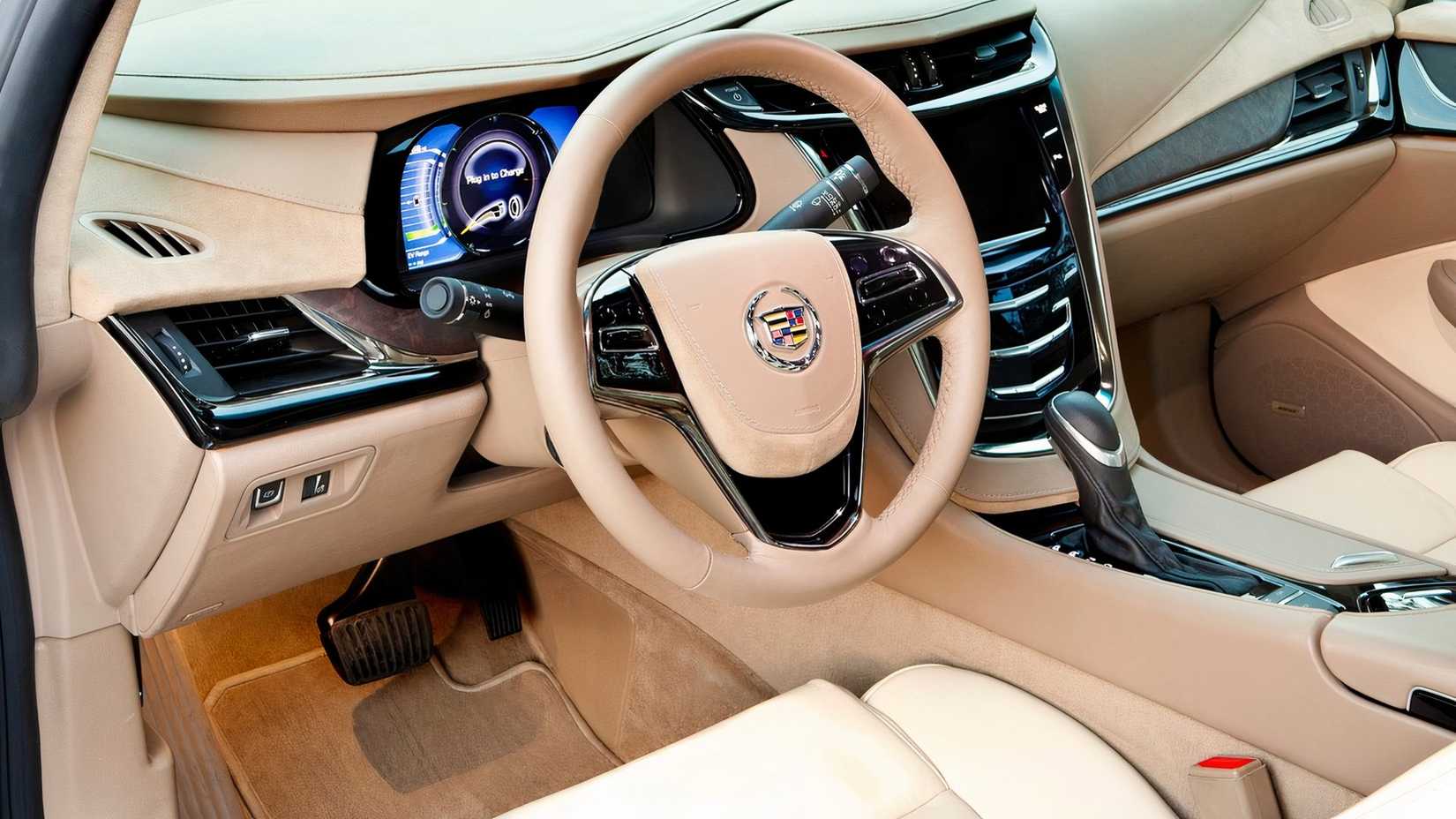
The 2016 Cadillac ELR took risks that at the time were uncommon for Cadillac, and that boldness now works in its favor. The upholstery was hand-cut and sewn from leather (a process associated with high-end luxury, as seen in Bentley and Rolls-Royce), and the instrument panel consisted of layered digital elements. At its time, it was intended to present state-of-the-art personal luxury, and it succeeded. Today, it feels artisanal and fits in well and even surpasses the austerity of modern PHEVs and EVs.
The Understated Modernism Of The 2016 Volvo S80 Still Works
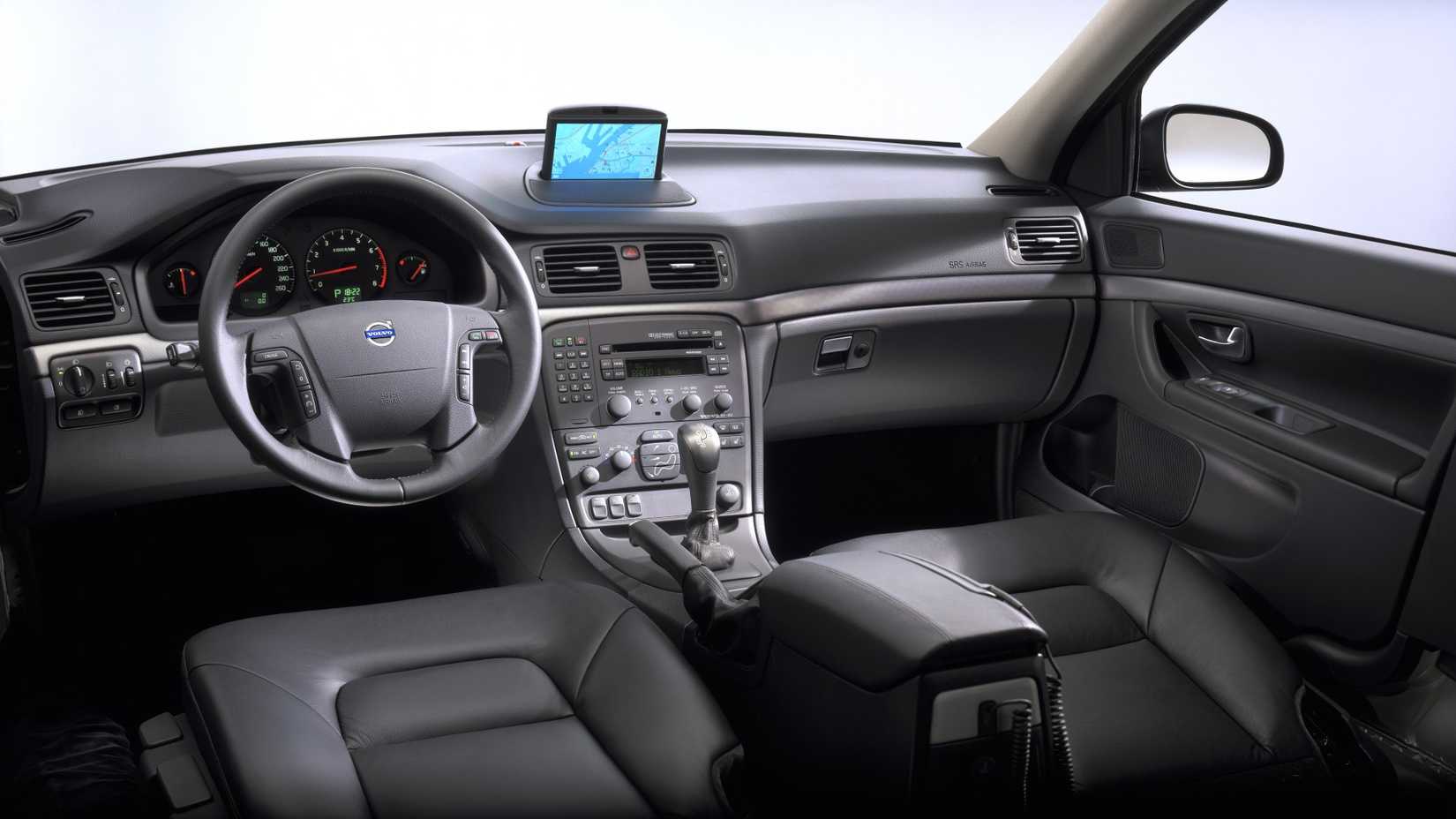
Setting the stage for future Volvos, the 2016 Volvo S80 delivered a restrained Scandinavian interior that has aged gracefully in its simplicity. Clean lines, real wood trim options, soft-touch surfaces, and supportive seats combine to foster a welcoming, calming environment. Volvo’s emphasis on orthopedically designed seating is fully on display, and though the myriad buttons for climate and media controls seem overwhelming at first, they provide intuitive operation and avoid the overreliance on modern-day touchscreens.
Sources: Lexus, Cadillac, Volvo, Edmunds, Driving.ca