
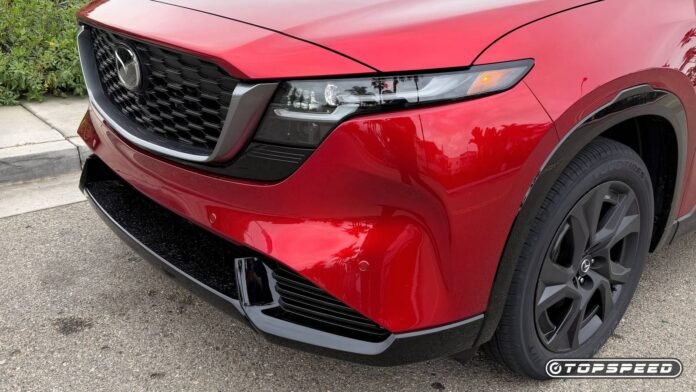
SUVs were originally built for one reason: high work rates for drivers who need something tough. Today, the SUV market is a million miles away from the original blueprint, and alongside pickup trucks, they are the most popular vehicle segment here in the U.S.A. In short, they are now an everyday vehicle.
You’ll be hard-pressed to find a brand not making an SUV of one flavor or another, and while high work rates are still the selling point of many models, everyday usability, reliability, and efficiency figures are what matter today. Some of the most reliable SUVs in 2026 are made by Japanese brands, and while that may sound like a cliché, there is a good reason for it: they are. The same can be said about this compact Japanese SUV made by Mazda; it is the epitome of a small modern SUV thanks to its bulletproof build, low ownership costs, economical engine choices, techy features, and versatility.
Why Reliability Really Matters In The Modern SUV Market
Why does reliability matter in the modern SUV market? It may sound like a simple question with a very simple answer, but there is more to it than just not wanting to get stuck with the hood up in the middle of nowhere and keeping your SUV out of the garage for as long as possible.
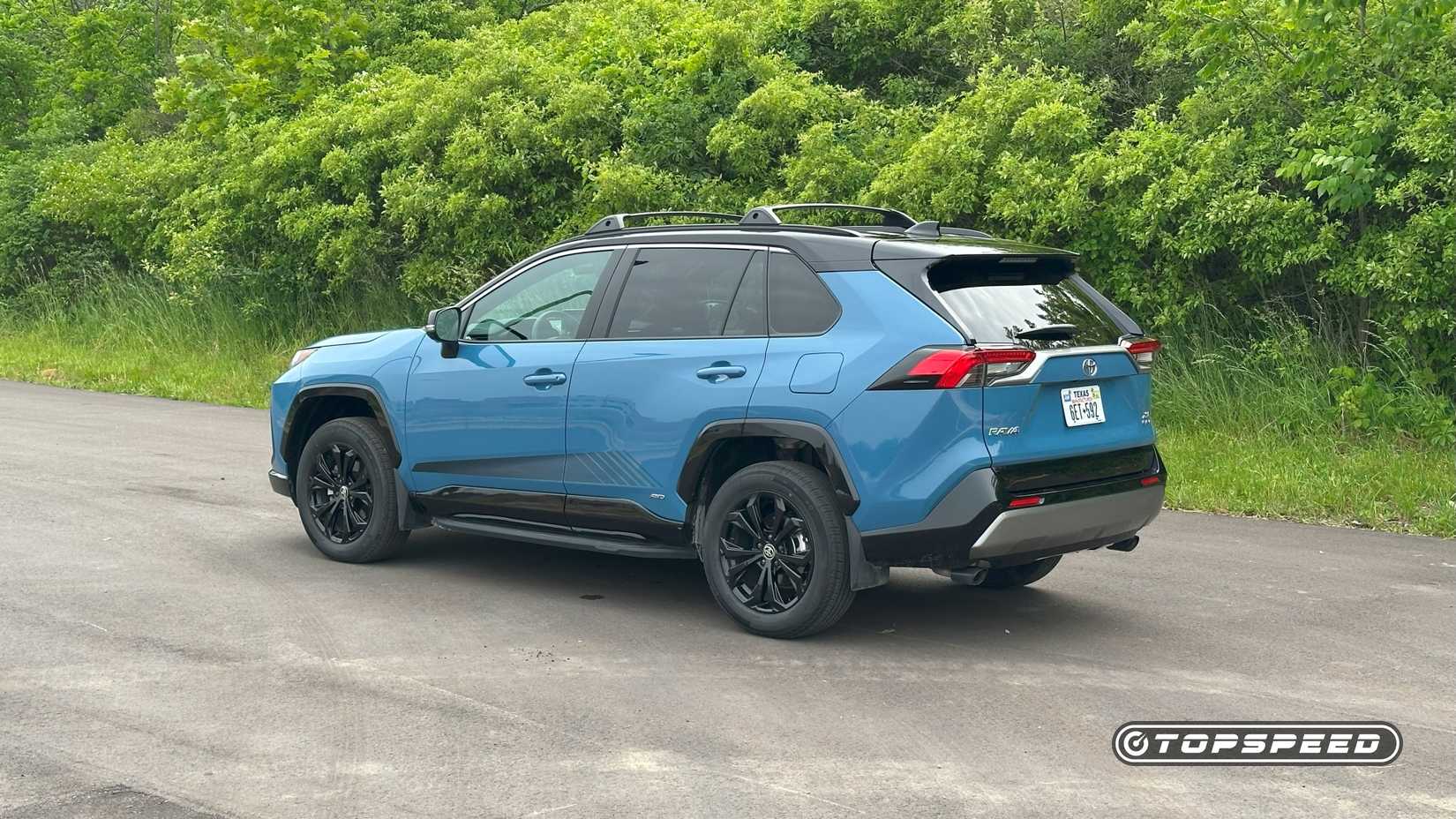
With so many SUVs available in the modern market, if you are looking for an SUV that will last the miles there is admittedly a lot of choice, but it is very competitive. Outside of just serving you well, making a new, reliable SUV in a very crowded market serves a brand well. While models like the 4Runner have made a reputation for themselves over the decades for being nearly unkillable, newer models don’t have the decades’ worth of reputation to fall back on; an SUV’s reputation can hinge on the first couple of model years alone.
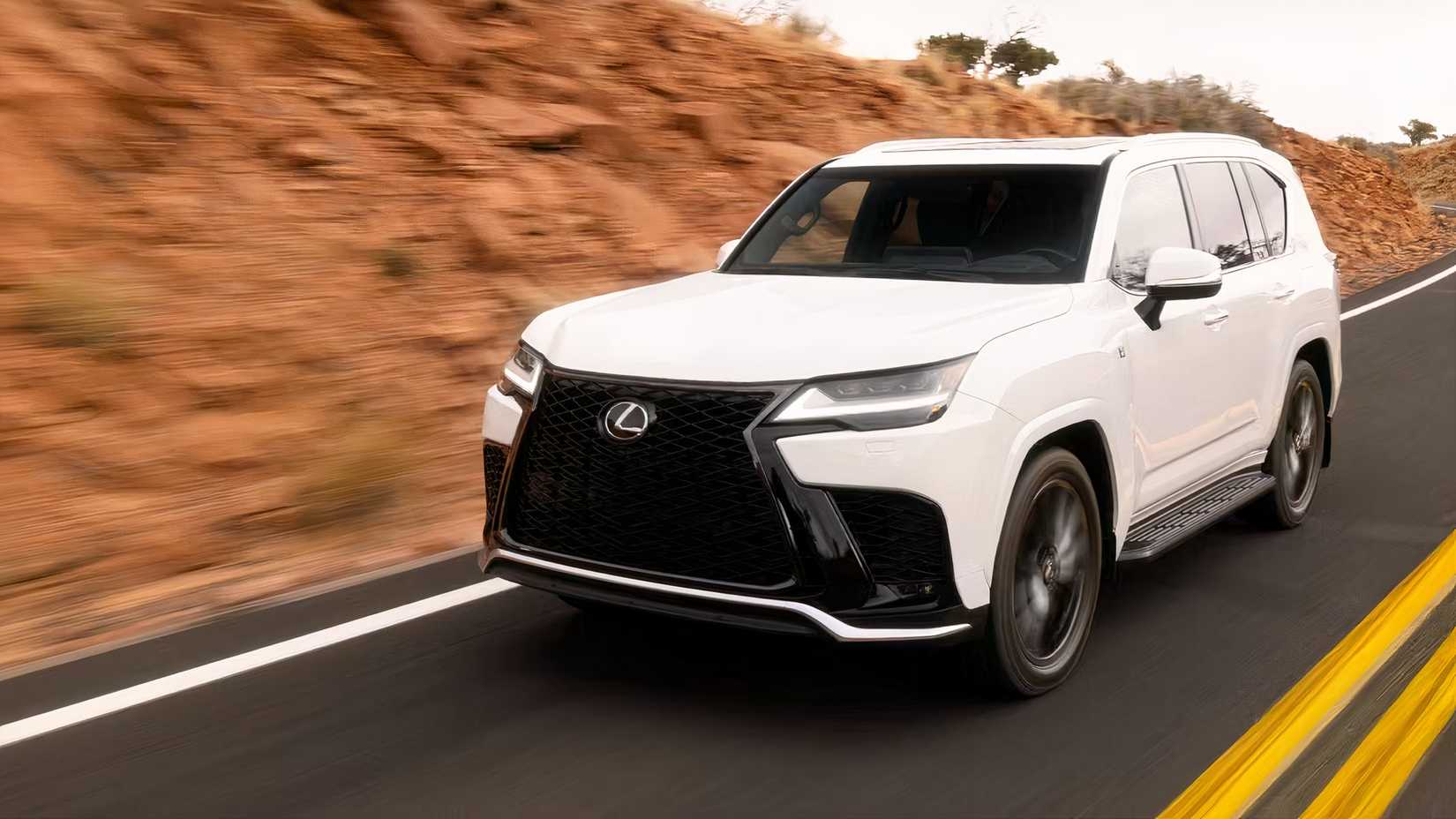
News travels very fast today, and if a new SUV line is released with less-than-stellar reliability ratings, a lot of us will look elsewhere very fast. Plus, for us drivers, the better the reliability, generally, the better the resale value — a huge selling point. Think Toyota and Lexus SUV models, which both typically have very impressive resale value; they are very popular for a good reason. Reliability is one of the most important factors we consider when buying a new vehicle, but it is not just because we want a smooth ride, but because it can affect mid- to long-term ownership costs and the money we can recoup from selling it.
The Top Choices For Reliable SUVs In 2026
The SUV market is burgeoning today; there are models of crossovers, compact SUVs, mid-sized SUVs, full-sized SUVs, off-road specialized SUVs, luxury SUVs, and super SUVs in 2026. Among the oodles of available 2026 SUV models, there are some high-rated contenders in terms of reliability in each segment.
|
Crossovers |
Compact SUVs |
Mid-Sized SUVs |
Full-Sized SUVs |
Luxury SUVs |
Super SUVs |
|
|---|---|---|---|---|---|---|
|
Model |
2026 Buick Encore |
2026 Kia Sportage |
2025 Kia Telluride |
2026 Chevrolet Tahoe |
2026 BMW X6 |
2026 Porsche Cayenne |
|
J.D. Power Reliability Rating |
90/100 |
84/100 |
85/100 |
81/100 |
89/100 |
83/100 |
10 Compact SUVs That Deliver Big Value for Budget Buyers
These SUVs are packed with value and are affordable for modest budgets.
How The Mazda CX‑5 Became One Of Japan’s Most Reliable Small SUVs
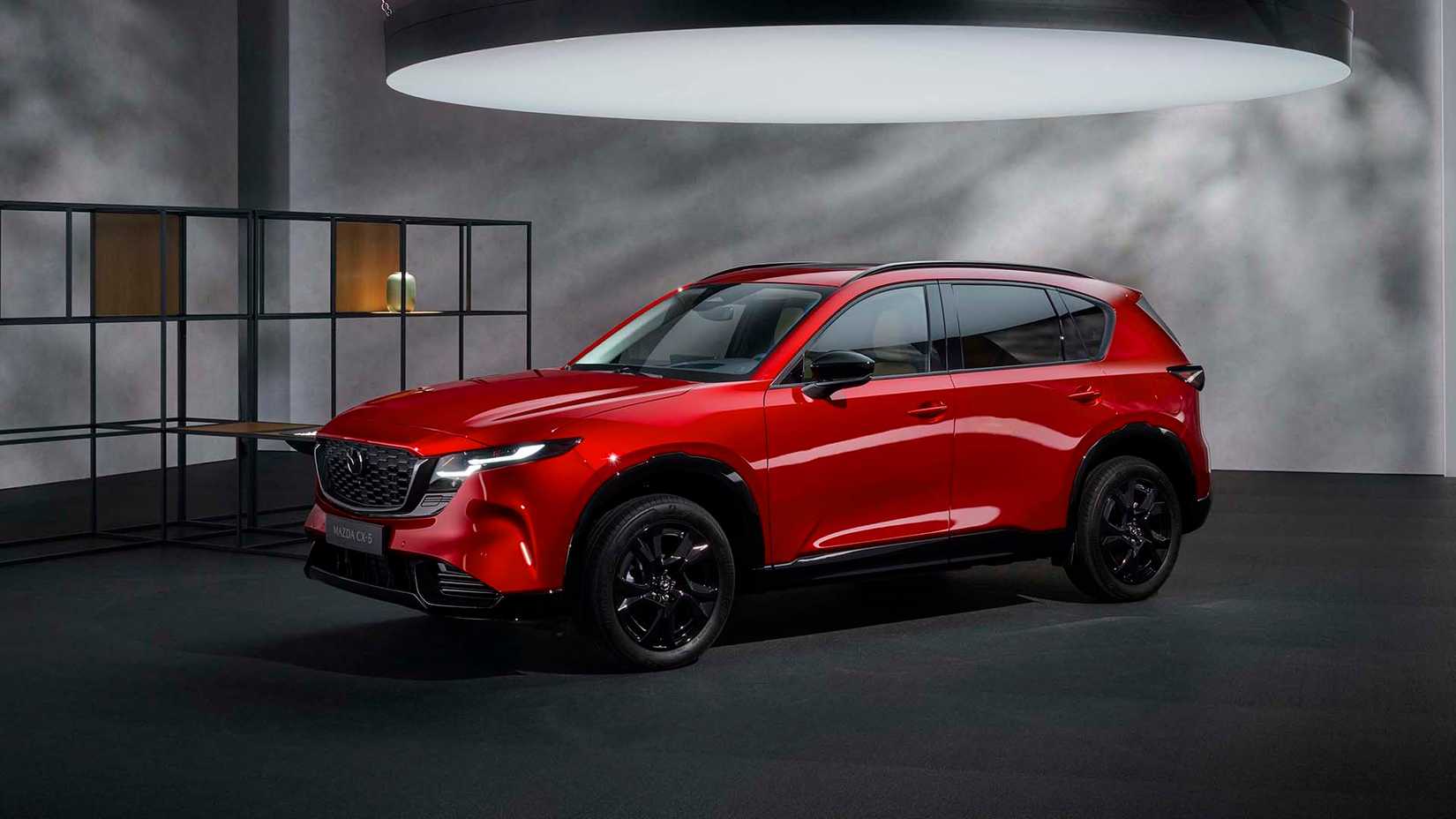
With stiff competition from the likes of Toyota, Lexus, Subaru, and Honda, it is hard to find room in the market for another reliable Japanese SUV, but the Mazda CX-5 has managed to sneak in. Only released in the U.S. in 2013, it may not be the newest line of compact SUVs on the market, and it doesn’t have the huge lineage of some of its Asian rivals, like the Toyota RAV4, Hyundai Tucson, Honda CR-V, or Kia Sportage.
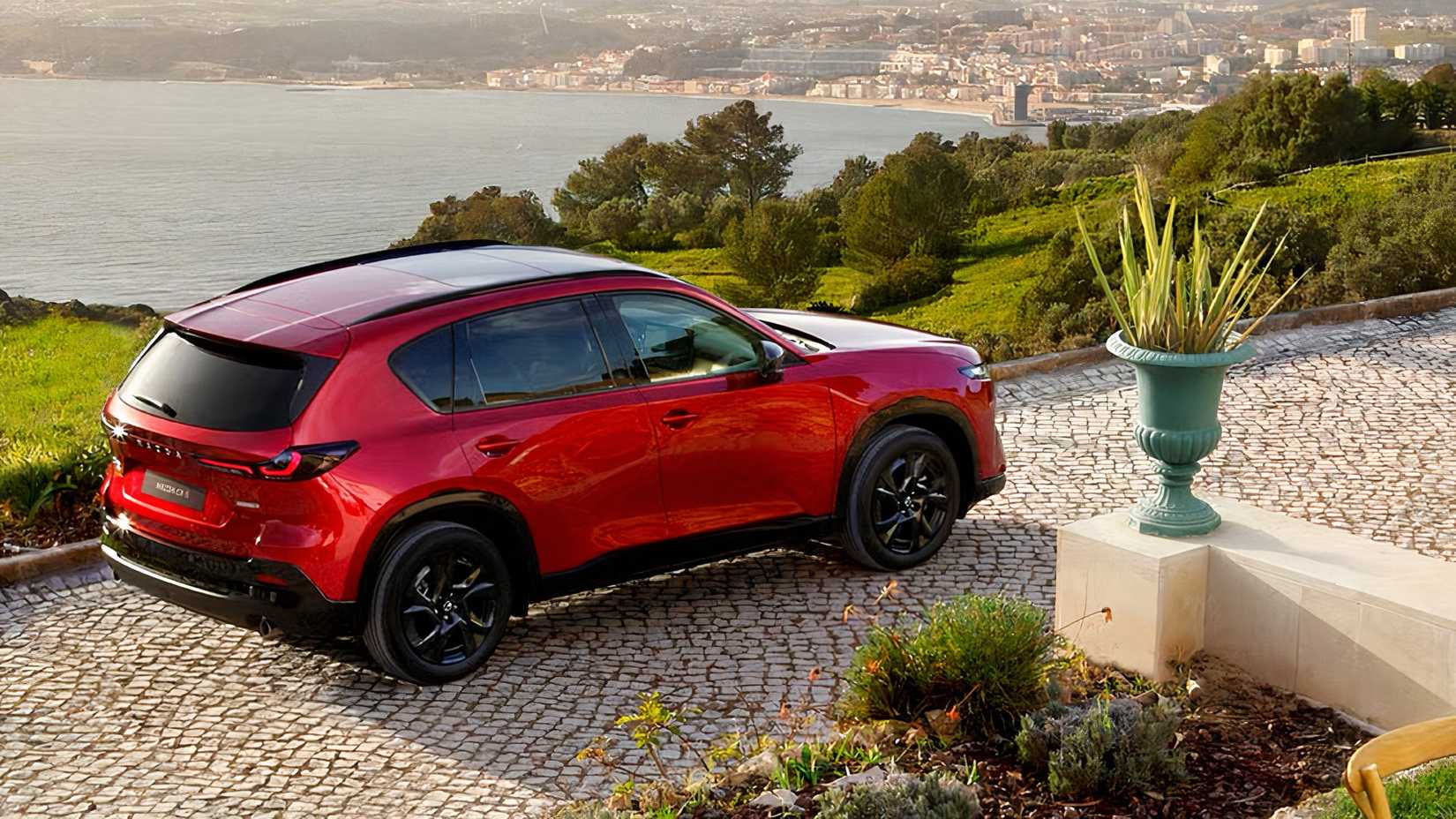
Despite this, this year’s Mazda CX-5 compact SUV is rated 7.9 out of 10 by iSeeCars for reliability. They also predict that the 2026 Mazda CX-5 will have an average lifespan of 14.1 years and a 22.8 percent chance of lasting for over 200,000 miles. In terms of modern SUVs, that can be seen as a long life span, especially for a compact SUV that comes equipped with a relatively small four-cylinder engine.
Engineering Philosophy: Skyactiv Refinements With Everyday Performance In Mind
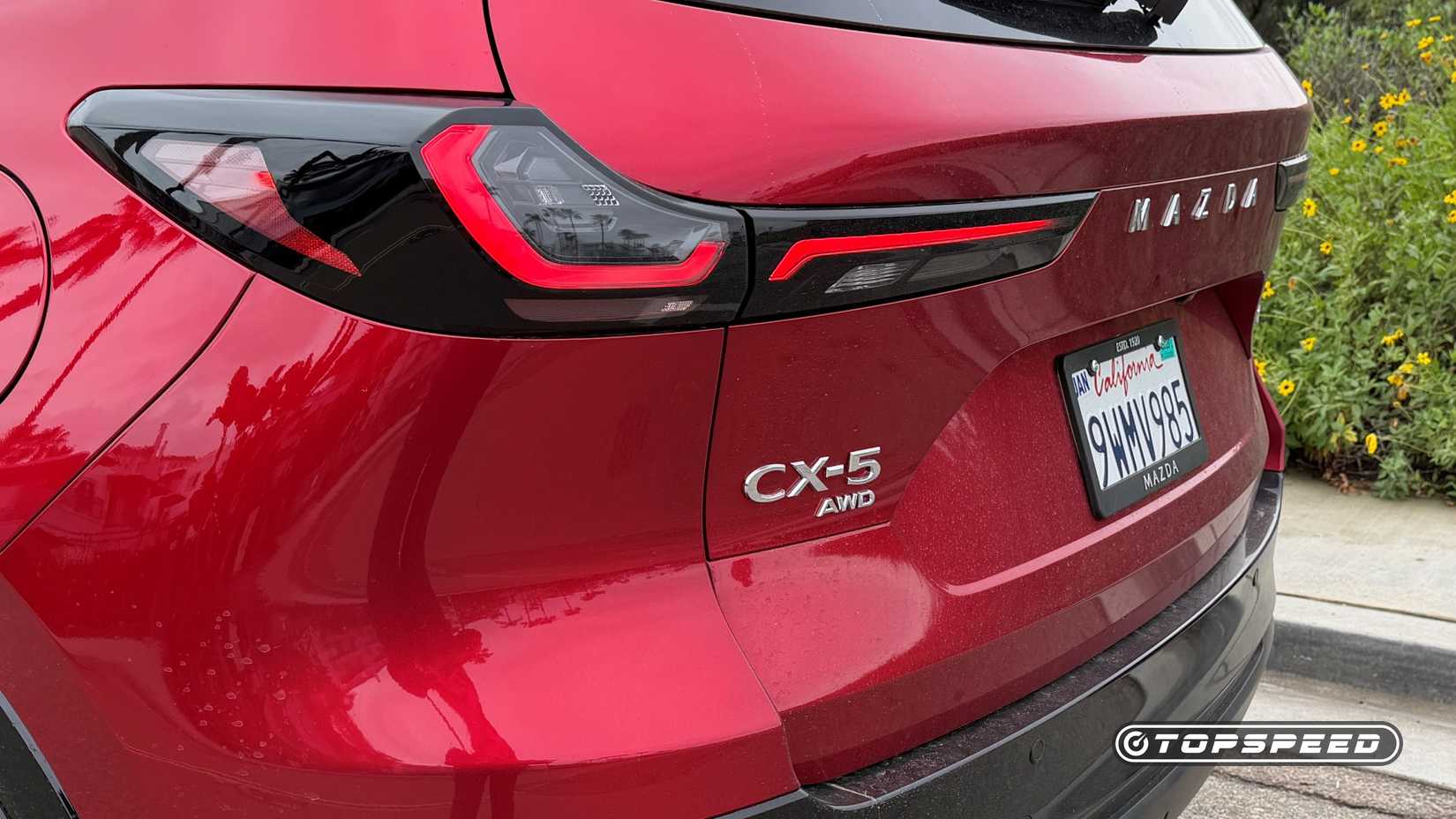
The CX-5’s staunch reliability ratings haven’t just happened overnight, and though engine choices for the CX-5 have changed over its 13-year lineage, it hasn’t been all about reinvention for Mazda. As we find with a good number of Japanese brands (Toyota, Subaru, and Honda, to name a few), refinement and simplicity triumph over reinvention.
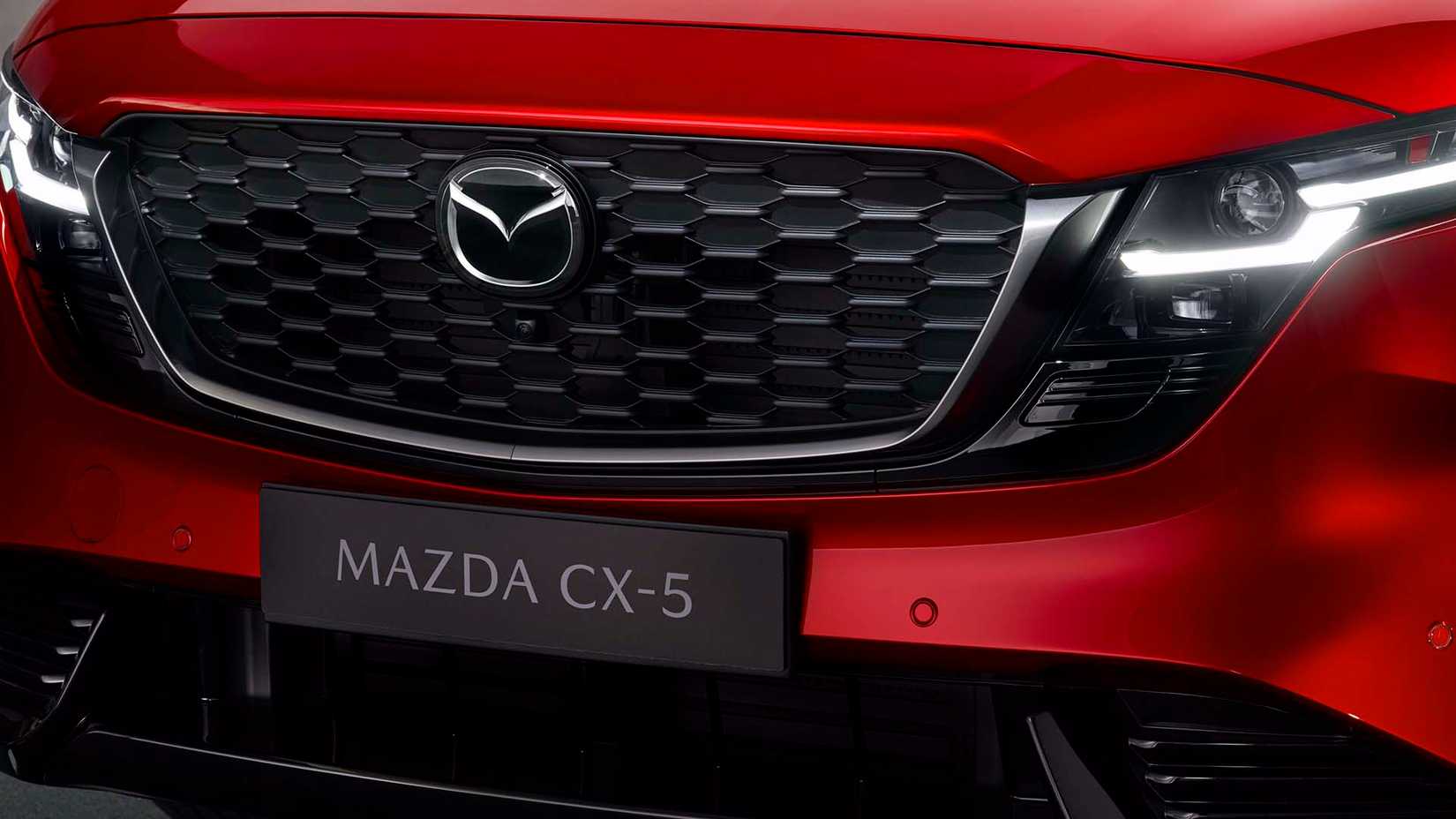
Since the CX-5’s inception in 2013, a Skyactiv-G engine of one flavor or another has been utilized. From 2013 to 2016, during the CX-5’s first generation, there were two main engine options: a 2.0-liter Skyactiv-G PE-VPS inline-four good for 155 horsepower, and a more powerful 2.5-liter Skyactiv-G PY-VPS inline-four that kicks out 184 horsepower.
For second-gen CX-5 models (2017 to 2025), the two engine options include a 2.5-liter Skyactiv-G PY-VPS inline-four good for 187 horsepower, and a 2.5-liter turbocharged Skyactiv-G Turbo PY-VPTS inline-four rated at 250 horsepower (when using high-octane gas). 2026 sees the release of the third-generation CX-5, and with it, there is just one engine option: a Skyactiv-G PY-VPS inline-four.
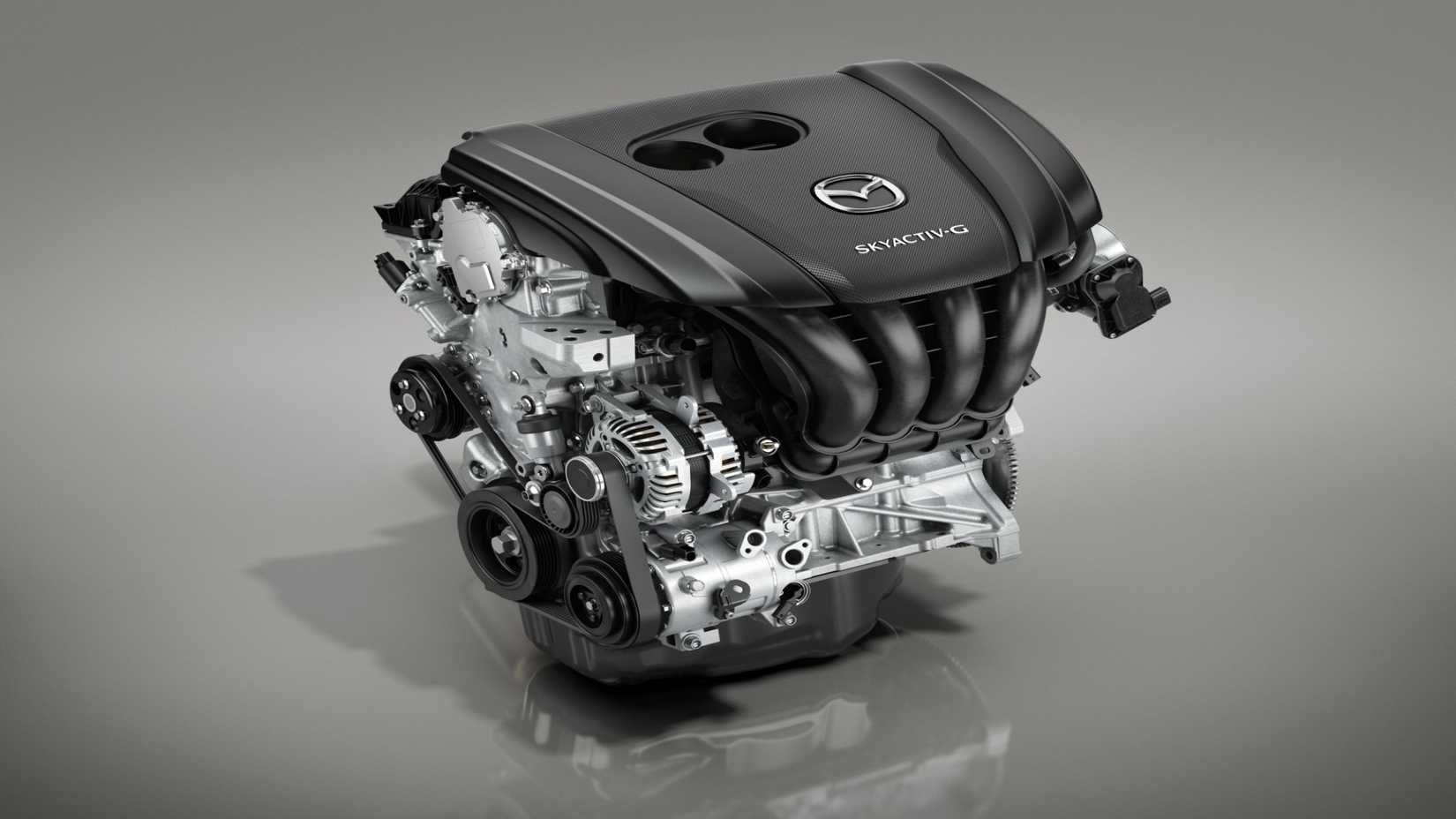
When the first-gen CX-5 was introduced with the Skyactiv-G engine, it boasted a 13:1 compression ratio with direct injection and a long 4-2-1 exhaust manifold to prevent knock. Lightweight components in the form of rods and the crankshaft were utilized, and an optimized combustion chamber was utilized. From the start, it was designed for longevity.
When the second-gen CX-5 was released, it benefited from incremental refinements in the shape of asymmetrical piston oil rings being used to ensure that oil is removed and reapplied more efficiently on piston up and down strokes. It also got redesigned barrel-shaped piston skirts to distribute pressure more evenly against the cylinder walls, and an improved fuel injection system in the shape of a multi-hole injector for better fuel pressure.
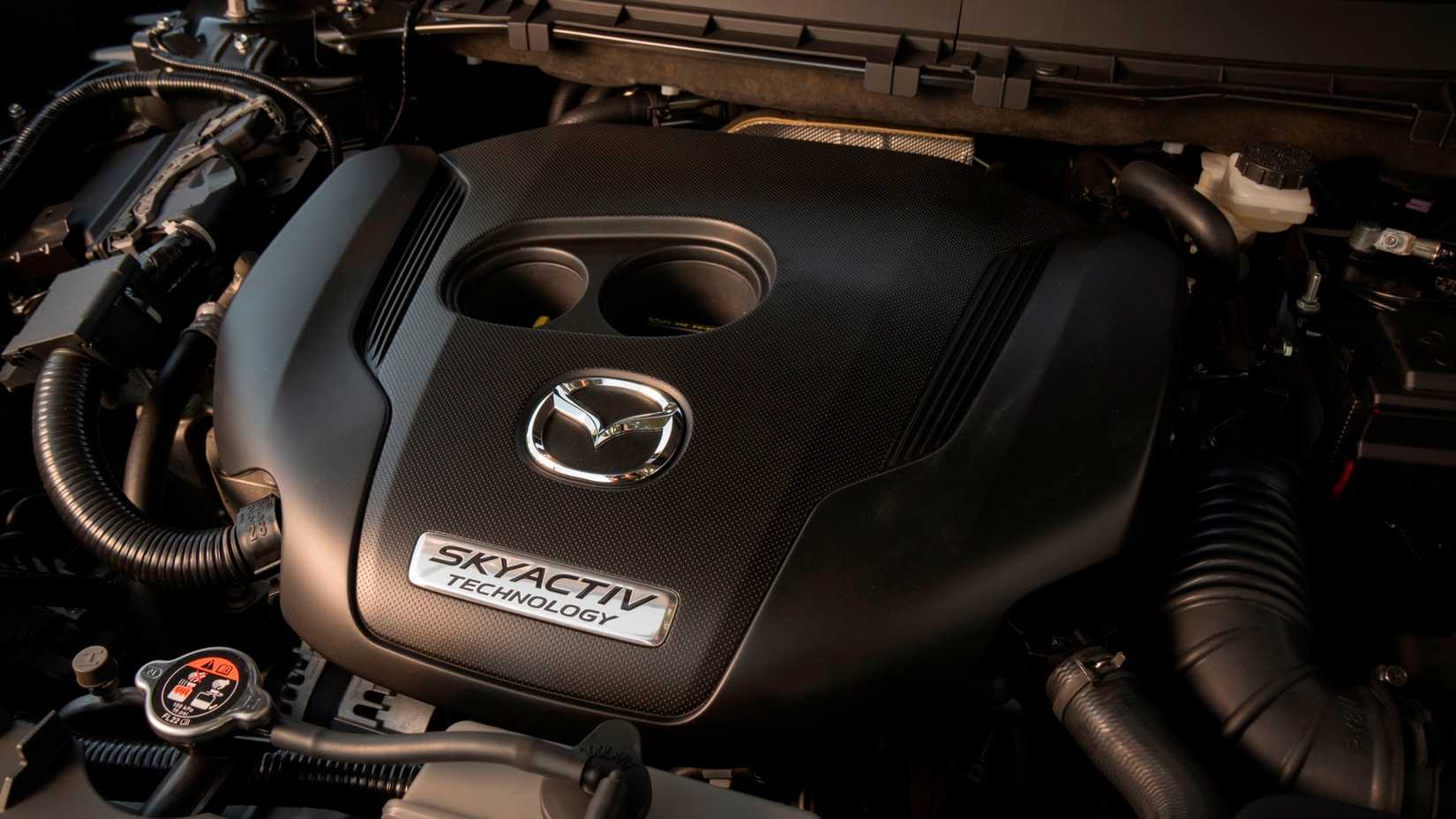
Mazda applied a 2018 update, which includes a cylinder deactivation system for better cruising efficiency and minor mechanical tweaks to reduce internal resistance, so the Skyactiv-G engine family became even more refined. When the 2020 CX-5 was released, it benefited from a better ECU and integration with systems like the available G-Vectoring Control system. The engine has never been fully reinvented, just improved over the years, and this is one of the main ways the CX-5 has become one of the most reliable Japanese SUVs.
Outside of engine improvements, the CX-5 has also been given a refined automatic transmission, which has gradually been given better shift calibration and better torque-converter lock-up capabilities, a more rigid body in later years, suspension updates with revised damper tuning, and a revised braking and all-wheel drive system.
Long‑Term Ownership Experiences And Mazda CX-5 Reliability Ratings
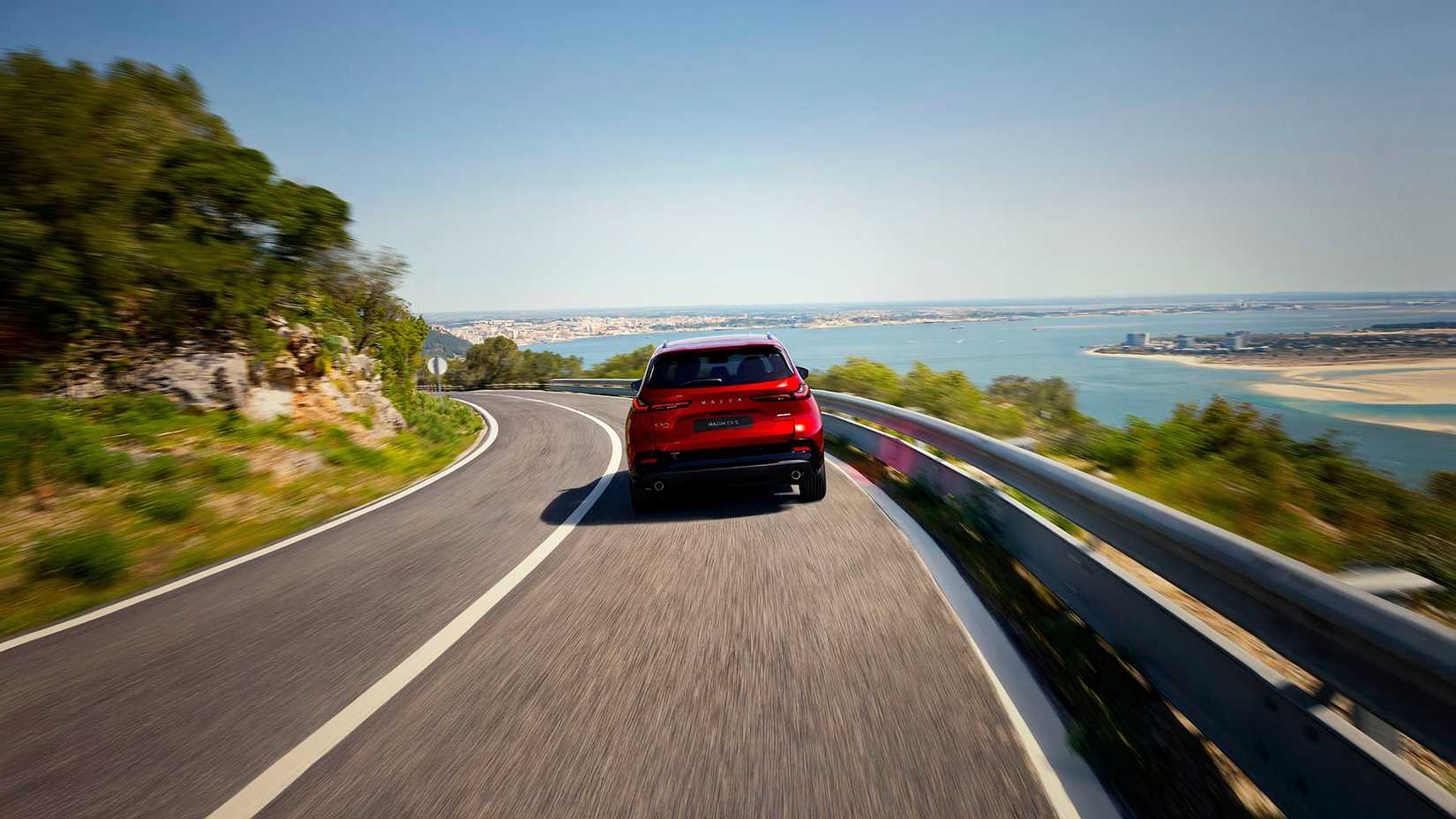
Since its release, the CX-5 has always garnered impressive reliability ratings. According to data on J.D. Power, the lowest quality and reliability score received was in 2016, with a still decent 74 out of 100 rating. Every other model year with an available reliability rating is rated higher; they include:
|
2013 Mazda CX-5 |
75/100 |
|
2014 Mazda CX-5 |
82/100 |
|
2015 Mazda CX-5 |
80/100 |
|
2016 Mazda CX-5 |
74/100 |
|
2018 Mazda CX-5 |
83/100 |
|
2019 Mazda CX-5 |
81/100 |
|
2020 Mazda CX-5 |
85/100 |
|
2021 Mazda CX-5 |
82/100 |
|
2022 Mazda CX-5 |
86/100 |
|
2023 Mazda CX-5 |
82/100 |
|
2024 Mazda CX-5 |
82/100 |
|
2025 Mazda CX-5 |
82/100 |
The CX-5 has maintained a high level of dependability over its two generations, nearly consistently, and while the 2017 MY hasn’t received a rating on J.D. Power, on Kelley Blue Book, owners have rated it 4.6 out of 5 for reliability. 85 percent of owners also say they would recommend buying one, and multiple owners have mentioned how well the CX-5 has served them over the years.
It’s reliable to an absurd level, fit and finish is spectacular, and it handles like a sports car, as well as better than anything in its class. How is it possible at this price? It’s the lineage of continually improving the vehicle with incremental changes year to year.
– Owner review of their 2025 Mazda CX-5 on Kelley Blue Book
Looking For An SUV That Lasts? These Small SUVs Can Hit 250K Miles
Small SUVs make up some of the most reliable and popular cars on the market. Here are 10 options that should give 250,000 miles.
The CX-5’s Low Running Costs And Easy Driving Credentials
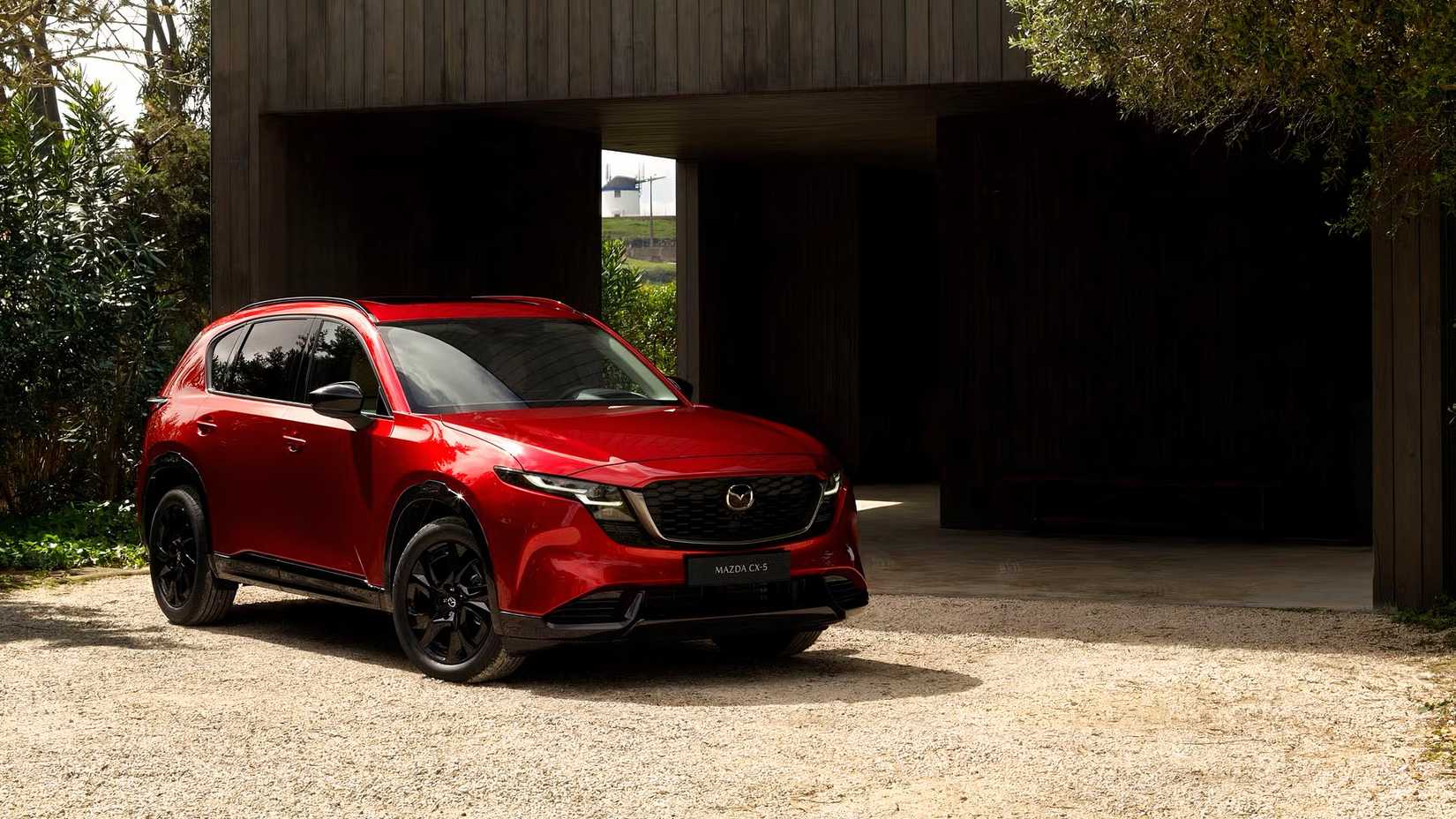
To complement the high reliability ratings, as we find with a lot of reliable Japanese SUVs, running costs are kept at an affordable level. According to CarEdge, it will cost you, from new, $41,918 to own a CX-5 for five years. These running costs give it an ‘A-‘ value rating, with average five-year costs including $14,659 in depreciation, $9,775 for insurance, $9,240 for fuel, $5,832 interest payments, and a low $2,502 for maintenance. In comparison, CarEdge says that it will cost you $44,192 to own a Kia Sportage over the same time, giving it a far less stellar ‘C’ value rating. The CX-5 may not always be the first choice for a Japanese SUV, but it is a very reliable and affordable one to run.
2026 Mazda CX-5 Engine And Transmission Information
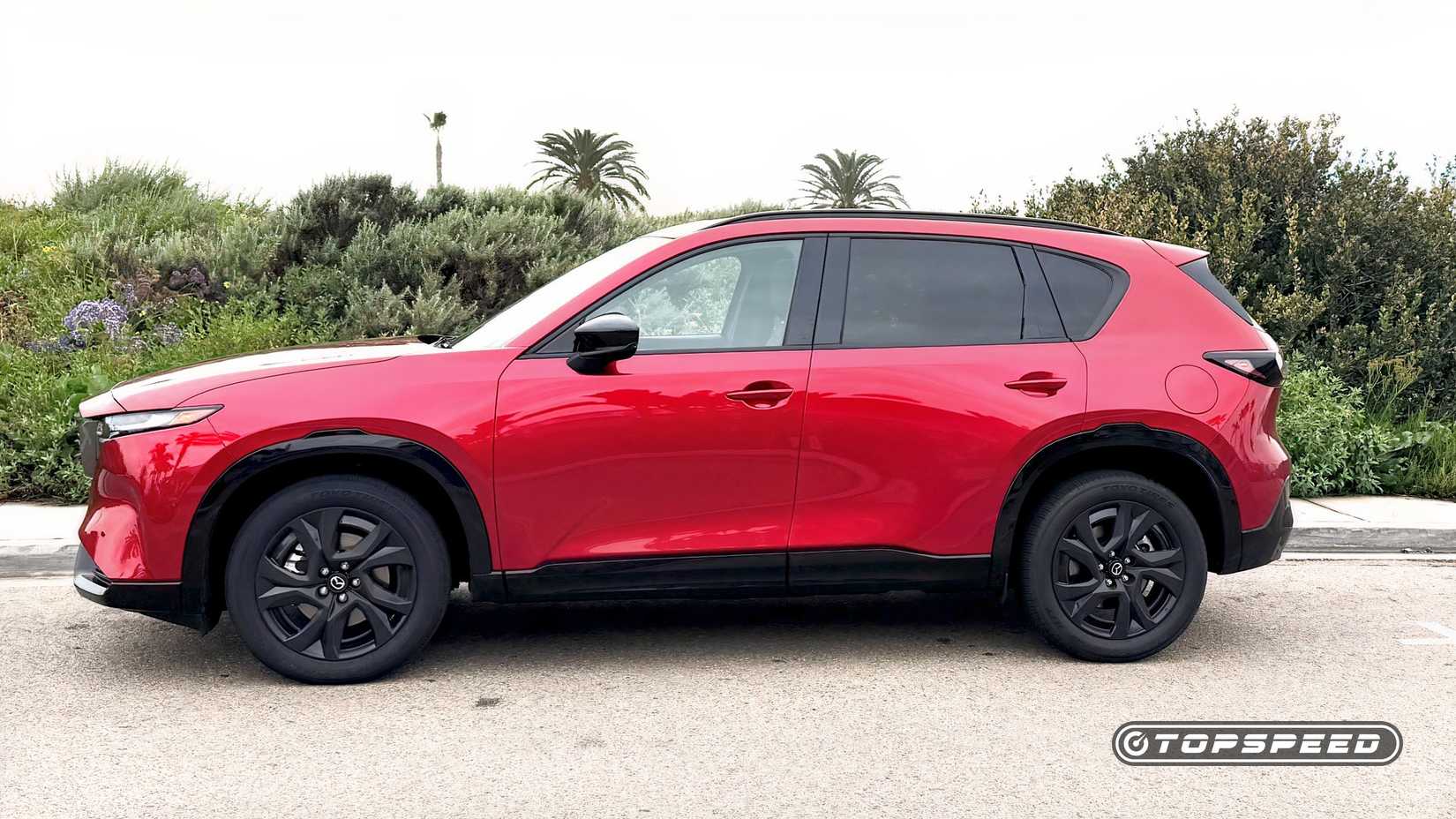
For the 2026 CX-5, there is only one engine option: a 2.5-liter naturally aspirated inline-four. The turbocharged options were dropped in mid-2025 for the last model year of the second generation, but that doesn’t mean you still don’t get the useful, efficient, and reliable motivation that we’ve become used to.
|
2026 Mazda CX-5 |
|
|---|---|
|
Engine |
2.5-Liter NA Inline-Four |
|
Horsepower |
187 Horsepower |
|
Torque |
185 LB-FT |
All models of the 2026 CX-5 are equipped with a SKYACTIV-Drive six-speed automatic transmission with power sent to all four wheels via the standard-fit i-Activ all-wheel drive system. Horsepower may be mid-tier, but 187 ponies and nearly the same amount of torque wound out means that easy everyday driving, joining the highway at a comfortable speed, and darting about town are well within its wheelhouse.
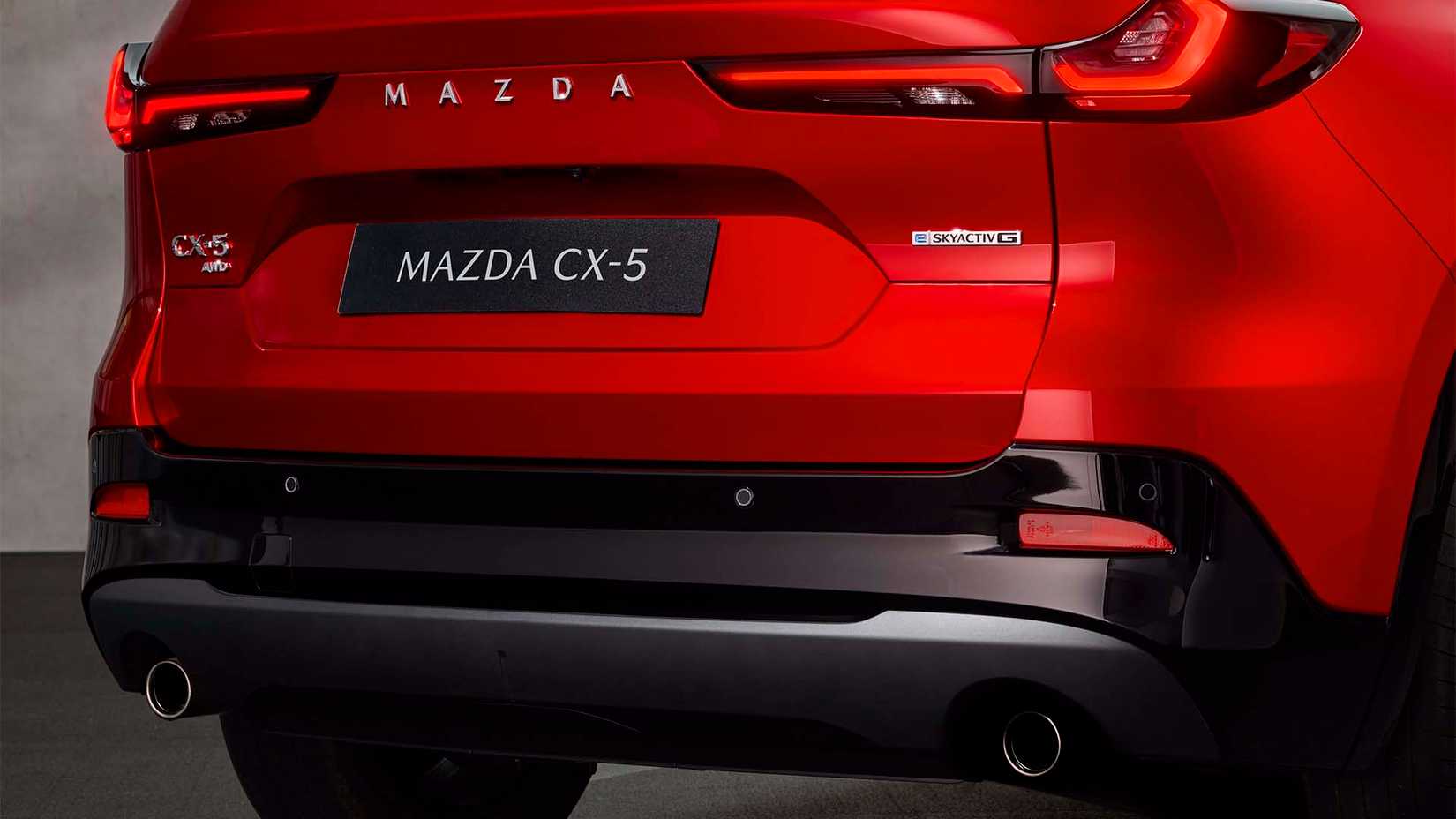
Maybe the most alluring part of it all is the standard AWD system, which all new models get. While it is not made for heavy off-road use, it is a predictive system that uses 27 sensors to constantly measure road conditions and then sends torque to the wheels that need it most. You also get G-Vectoring paired with the system, which again adjusts torque when you enter and exit a corner to shore up stability and give you smooth feedback behind the wheel.
Mazda CX-5 Everyday Efficiency And Maintenance Costs
There are currently no estimates for the fuel consumption of the 2026 Mazda CX-5 on FuelEconomy.gov, but Mazda has said that all new models will be able to achieve 24 mpg in the city and 30 mpg on the highway, or 26 combined mpg. Using FuelEconomy.gov’s estimate for the 2025 CX-5, which says that it can achieve 25 combined mpg, it will cost you roughly $1,750 a year for gas. While that isn’t nearly as efficient as some of the hybrid compact SUVs on the market today, for a small SUV with a bit of poke behind it and all-wheel drive, it isn’t terrible.
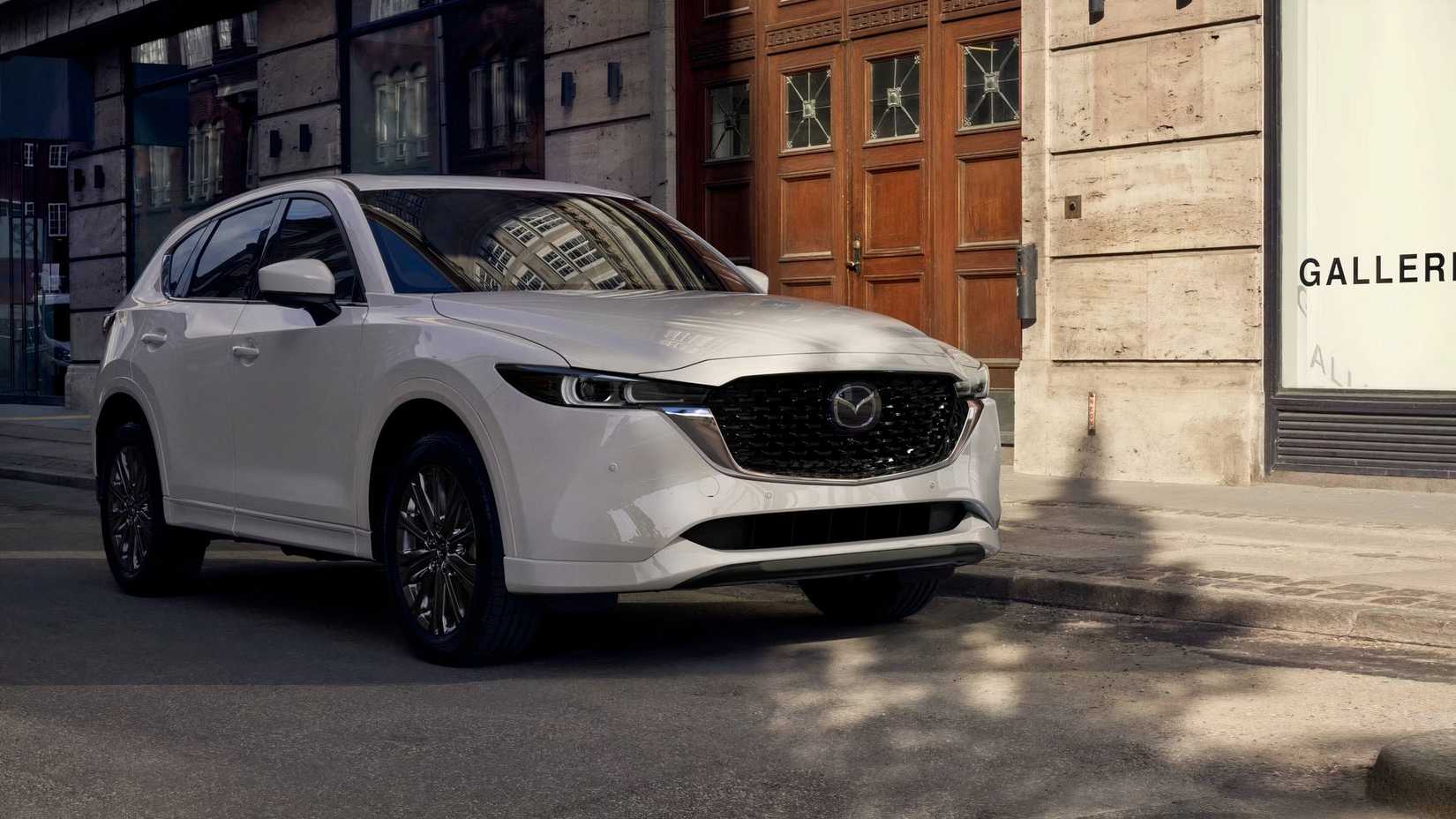
Then there are annual repair and maintenance costs for the Mazda CX-5; they are predicted to be exceptional. RepairPal estimates that it will cost you just $447 a year to maintain. This makes it cheaper by $126 a year to maintain than the average compact SUV, and $205 cheaper to maintain than the average modern vehicle. RepairPal also says that the CX-5’s average frequency for unplanned garage visits is low at 0.3 times a year (less than the compact SUV’s average of 0.4 times a year), and that the likelihood of a problem being severe is only 8 percent, or a lot lower than the market average of 12 percent. In short, the CX-5 should be viewed as a go-to Japanese SUV for dependability.

10 Compact SUVs That Prove You Don’t Need Big Money For Big Space
A bold choice that defies expectations, this compact SUV delivers outstanding visibility and a spacious interior without breaking the bank.
Comfort, Tech, And Practical Lifestyle Features
With low running costs, reasonable fuel costs, and rock-solid reliability, you may expect the Mazda CX-5 to be a bit basic. That is where you’d be wrong. If there was ever a case for Mazda being a luxury brand, the 2026 Mazda CX-5, even at its affordable levels, is it. There are five trims of the new CX-5: the 2.5 S, the 2.5 S Select, the 2.5 S Preferred, the 2.5 S Premium, and the 2.5 S Premium Plus, all of which come equipped with a plethora of both useful and graceful additions inside and out.
Cabin Comfort, Storage, And Daily Usability
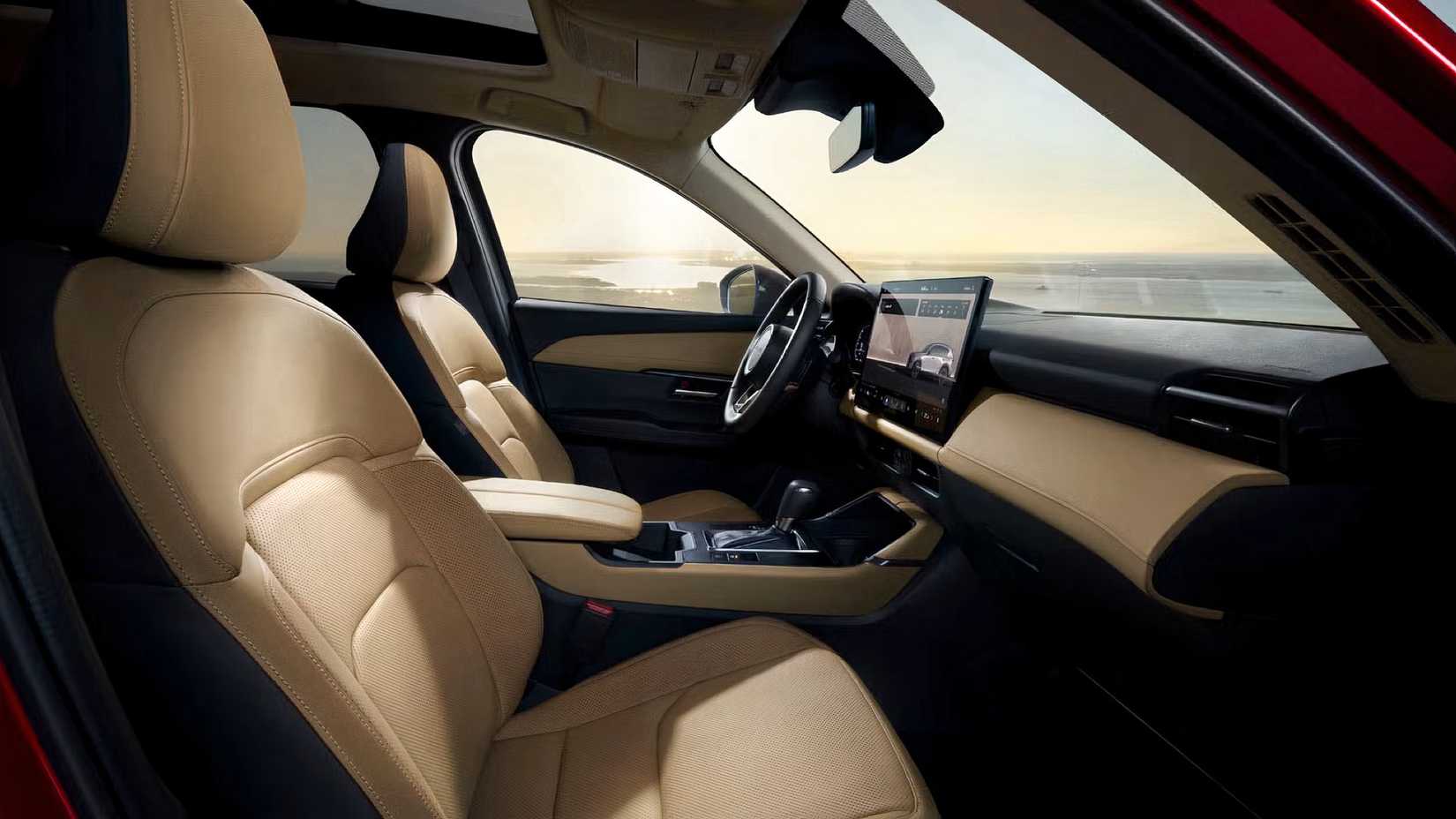
The CX-5 isn’t the smallest compact SUV on the market, but it is still a very nifty number to drive every day. It rides on a 110.8-inch wheelbase and measures in at 184.6 inches in length, 73.2 inches in width, and 66.7 inches in height. Ground clearance sits between eight and 8.2 inches, and thanks to the 4.5-inch longer wheelbase compared to the previous MY, the 2026 CX-5 has plenty of room inside for you, your passengers, and whatever you need to lug around.
|
Headroom |
Shoulder Room |
Hip Room |
Legroom |
Cargo Capacity (Seats Up) |
Cargo Capacity (Seats Folded) |
|
|---|---|---|---|---|---|---|
|
Front / Rear |
39.7 Inches / 40.2 Inches |
57.6 Inches / 55.6 Inches |
55.2 Inches / 55.4 Inches |
41.7 Inches / 39.9 Inches |
33.7 Cubic Feet |
66.5 Cubic Feet |
Mazda has designed the interior of the new CX-5 with everyday comfort in mind, with a good focus on a layout with everything in easy reach. Controls for climate, audio, and settings are positioned close to you and logically, so you are not hunting through menus or stretching across the dash, and storage is equally practical.
Nicole Wakelin/TopSpeed
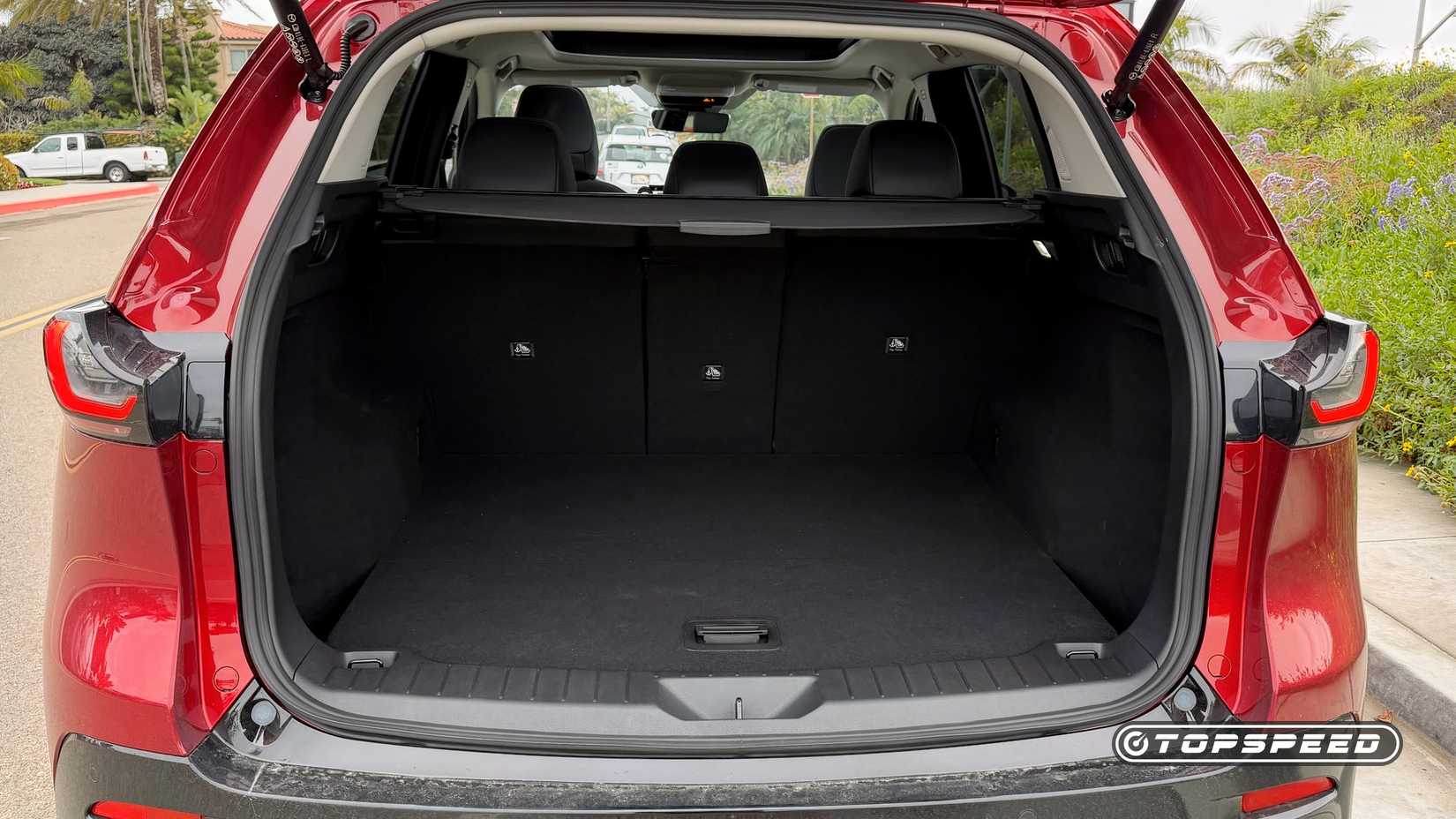
The center console offers deep space for semi-large items; door pockets are wide enough for small bags, and seatback pockets are ample on the back of the front seats. All models boast a 40/20/40 split-folding rear seat, while the rear cargo door, which is available with a power liftgate, has a wide opening, so it is easy to load up.
The Features That Make The CX‑5 Feel More Premium Than Its Price
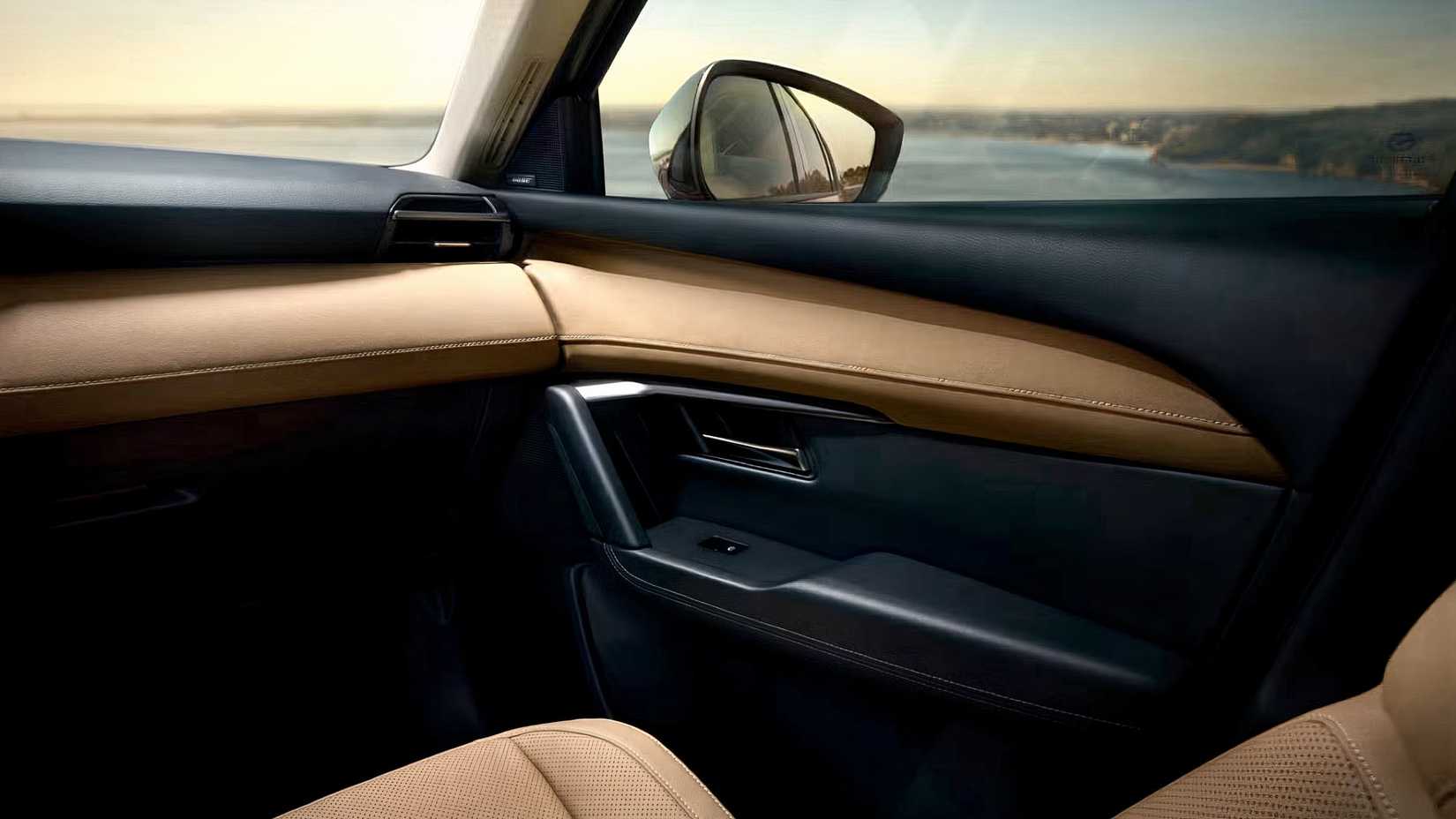
Mazda has long blurred the lines between being a mainstream brand and a luxury brand, but the newest iteration of the CX-5 puts them squarely in the luxury camp. The entry-level 2.5 S gets a 12.9-inch touchscreen with Google built in, the i-Activsense safety suite, smartphone connectivity via Apple CarPlay and Android Auto, soft-touch materials, and well-fitted stitched surfaces. The exterior maintains Mazda’s clean Kodo design with 17-inch alloys and tidy LED lights, and ensures that even the base trim doesn’t look stripped down.
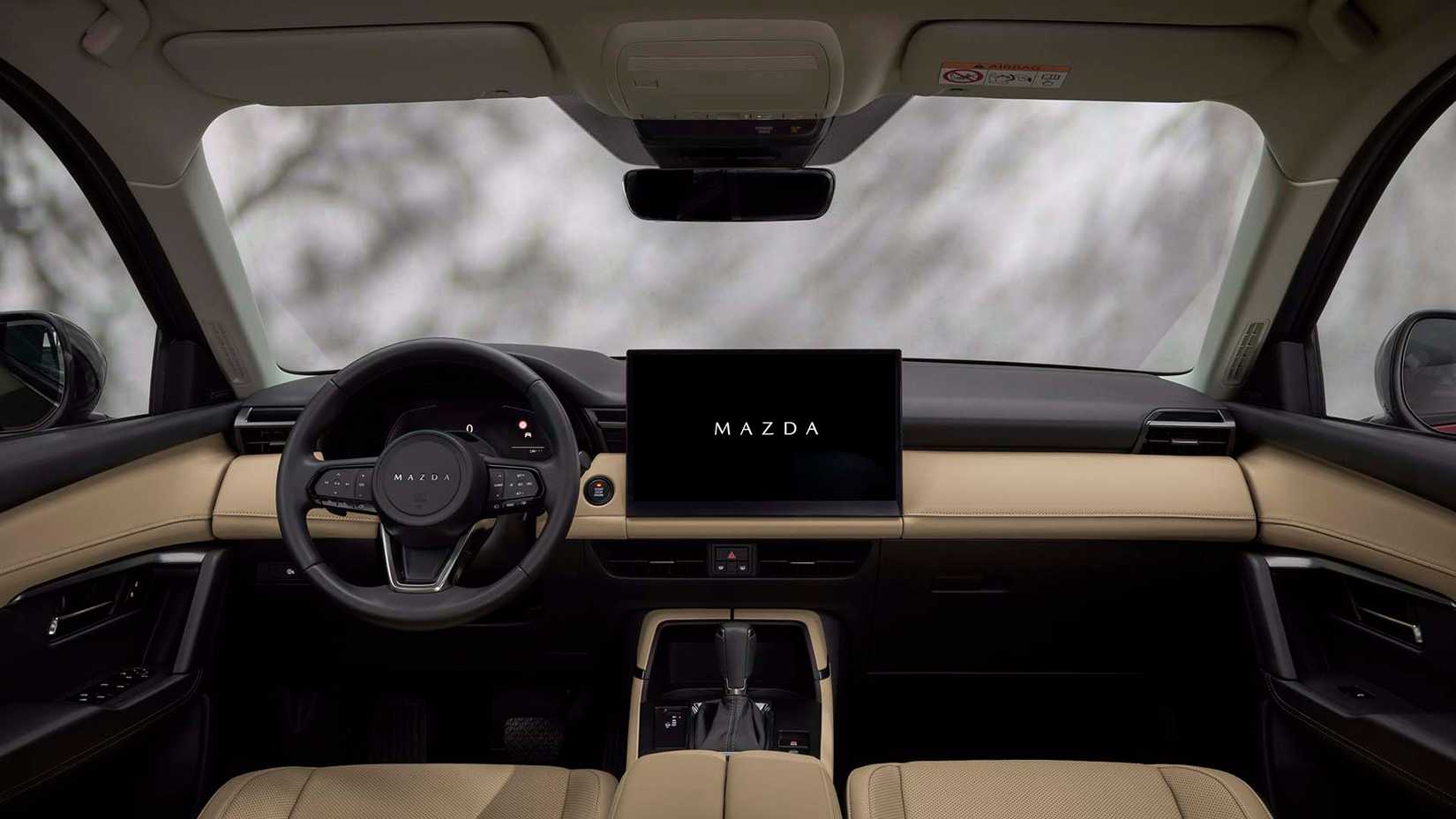
Moving up to trims like the Select and Preferred, you start to get more in the way of finery in the shape of leatherette with microsuede inserts, wireless smartphone connectivity, and wireless charging. On the outside, you get larger 19-inch alloys and slightly more exterior detailing that gives both these trims a more commanding presence in a very well-catered-for segment.
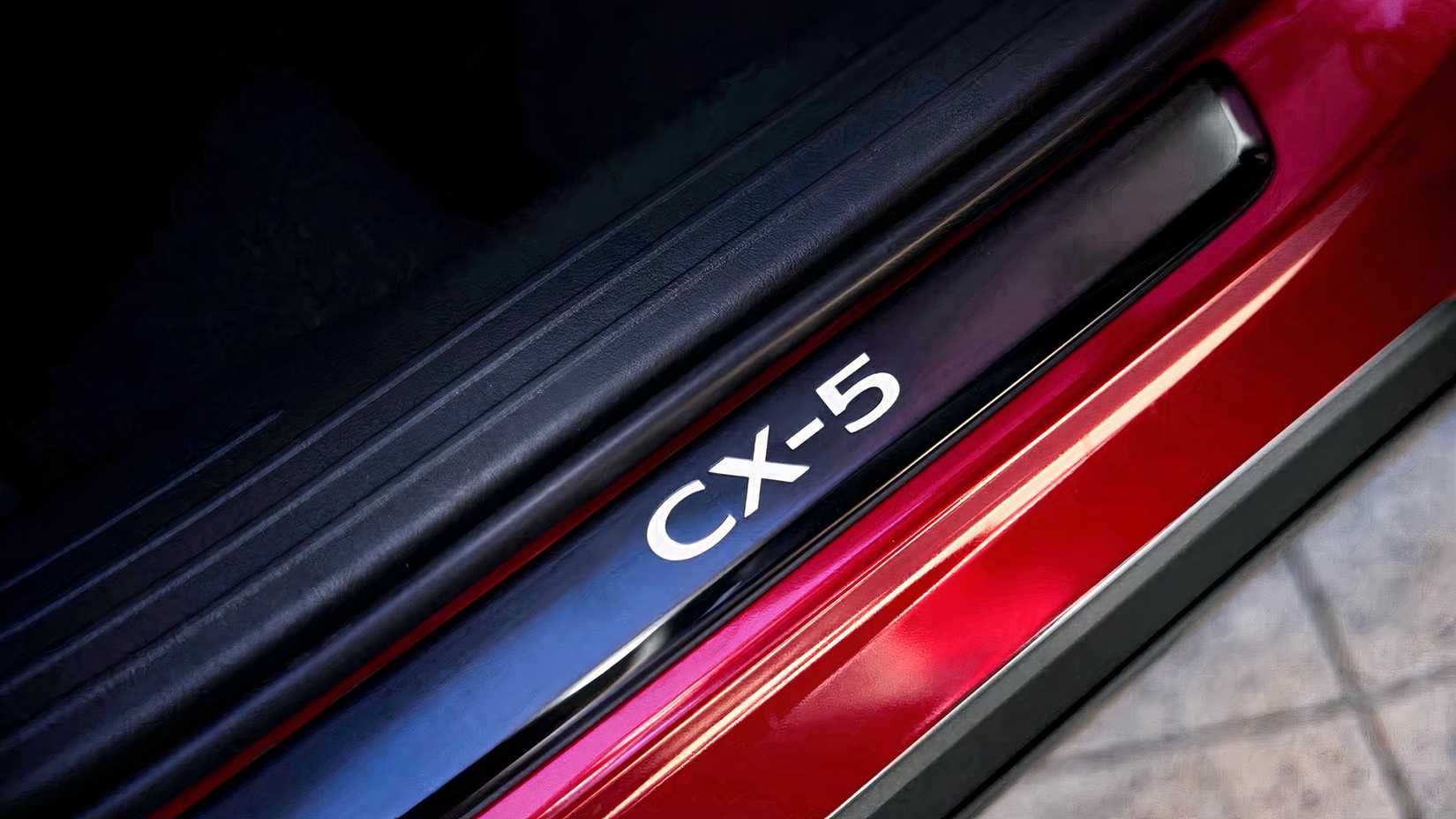
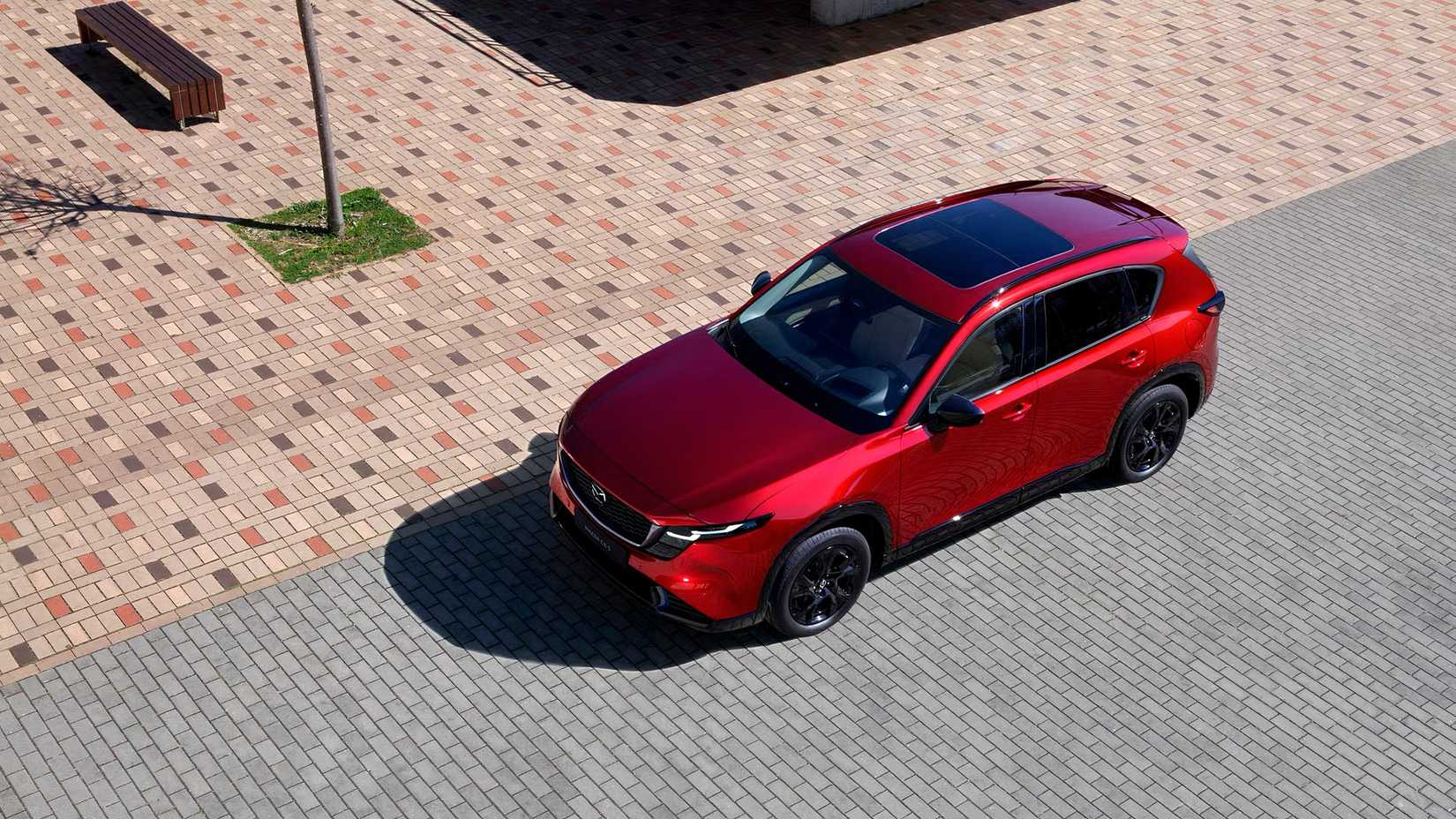
The CX-5 Premium and Premium Plus trims take things further with genuine leather upholstery, a 12-speaker Bose audio rig, and more driver-assistance features like a 360-degree camera, more safety features in the shape of the expanded i-Activesense suite, which includes Emergency Lane Keeping with Blind Spot Assist, Head-On Traffic Avoidance, and Vehicle Exit Warning, and far more upscale materials around the cabin. The highest trims are kitted out with Nappa leather upholstery, real wood trim, satin-finish metallic accents, available 19-inch wheels finished in black metallic, an available panoramic moonroof, adaptive front lighting, a hands-free power liftgate, and, for the CX-5 Premium Plus, the largest touchscreen Mazda has ever fitted: a 15.6-inch one. You can also choose to add a windshield-projected HUD.

10 Affordable Mainstream Small SUVs That Aren’t A Honda Or Toyota
Honda and Toyota both command a price premium in a tight segment, so what’s left over? And are they leftovers?
How Much You Will Have To Pay For A Mazda CX‑5
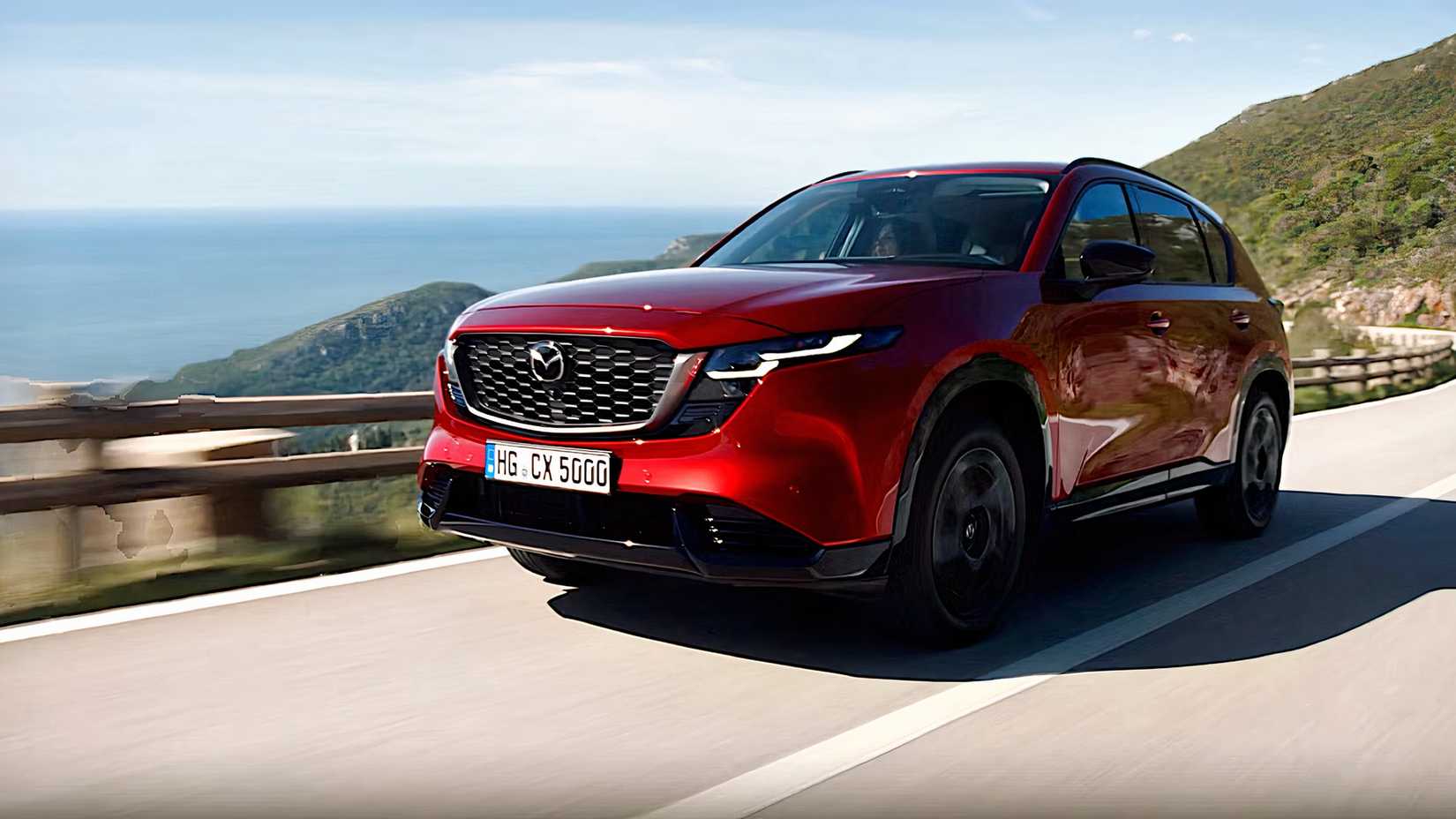
From the first generation to the current generation of the CX-5, prices have never been extortionate. Which, along with the other reasons we have gone through, should be your sign to consider buying one. If you want a used Mazda CX-5, first-generation used prices range from $8,225 for the 2013 base trim to $13,100 for the top-tier trim of the 2016 MY.
Second-generation CX-5 models’ prices range from $13,000 for the entry-level 2017 trim to $40,800 for a one-year-old CX-5 2.5 Turbo Signature, which, as the name suggests, comes equipped with the more potent turbo-four. However, the 2026 Mazda CX-5, with its single powertrain option, has a price range of just $29,900 to $38,990.
|
2026 Mazda CX-5 Trims |
Starting MSRP |
|---|---|
|
2.5 S |
$29,990 |
|
2.5 S Select |
$31,990 |
|
2.5 S Preferred |
$34,250 |
|
2.5 S Premium |
$36,900 |
|
2/5 S Premium Plus |
$38,990 |
The Best CX-5 Model Years For Reliability And Value
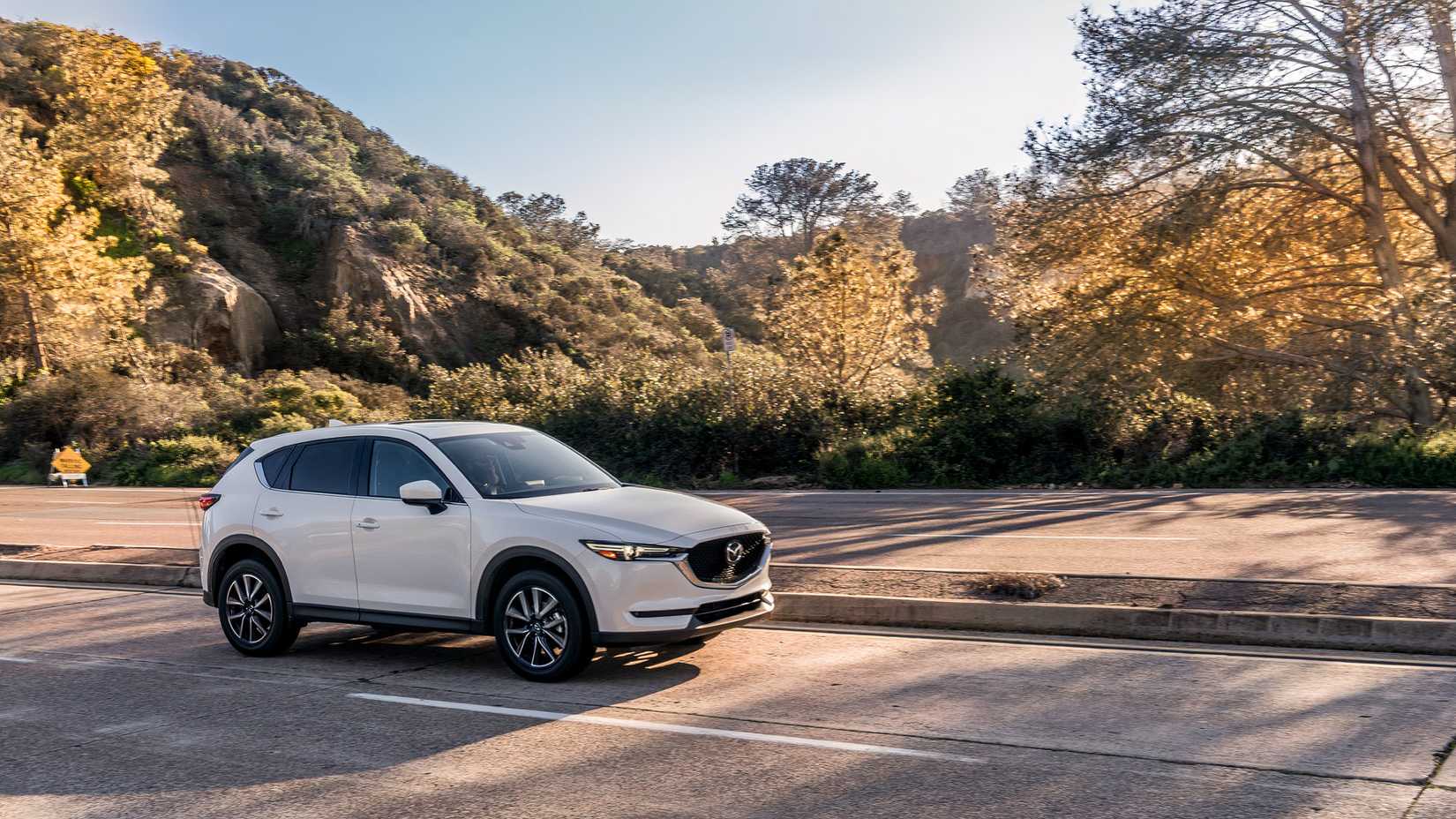
The most reliable model year of the Mazda CX-5 so far, according to feedback on J.D. Power, is the 2022 MY, with a rating of 86 out of 100. Average used prices for the 2022 CX-5 range from $18,400 for the 2.5 S to $24,000 for the 2.5 Turbo Signature, so in terms of high owner praise and reasonable used prices, the 2022 model year looks to be the best value for money where decent features and reliability are concerned.
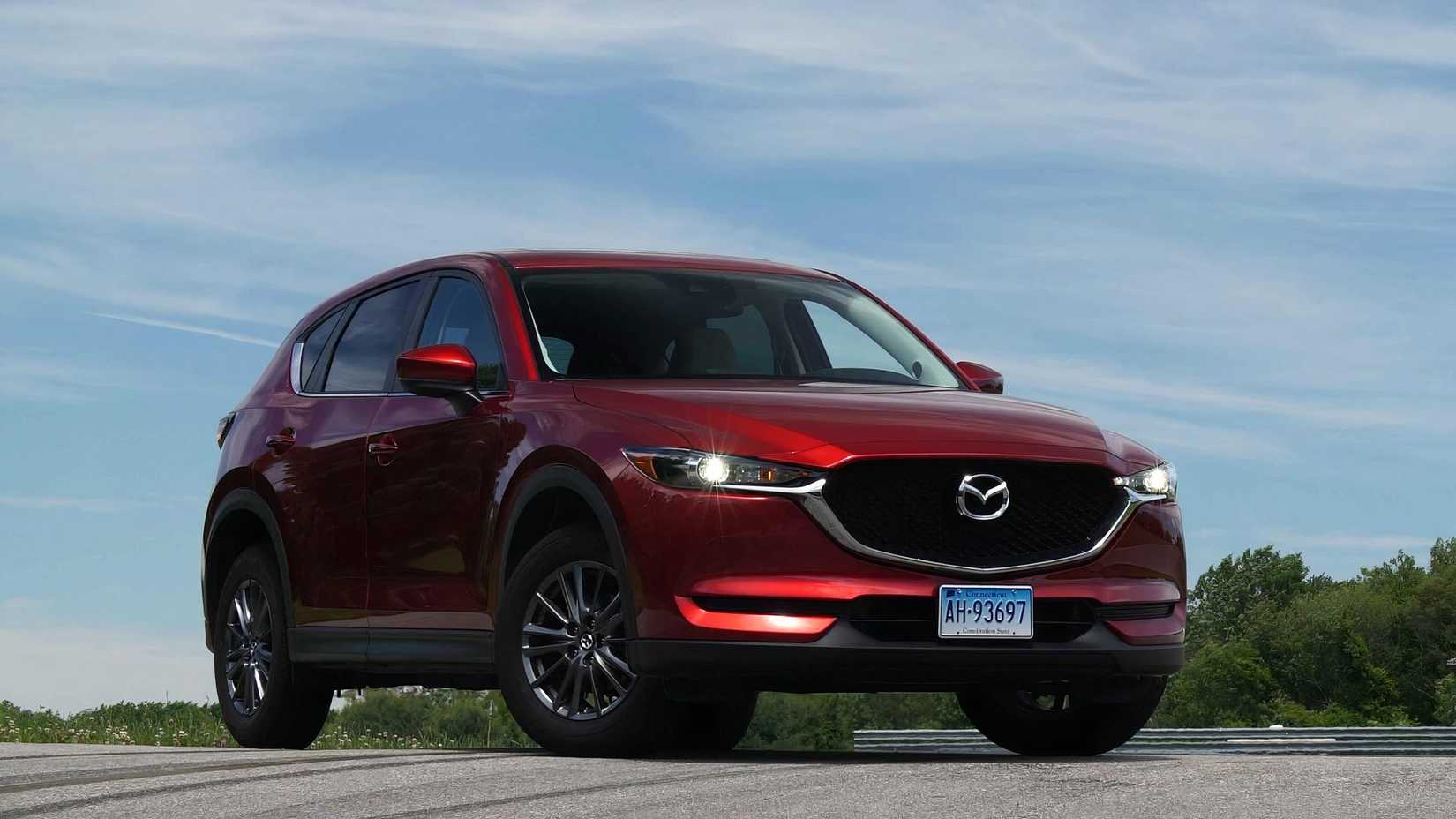
However, with low used prices of between $13,450 and $15,100 and a still-high 83 out of 100 J.D. Power reliability rating, the 2018 CX-5 lineup also makes for a good contender. You should note that, as it was only the second model year of the second generation, it does have ever so slightly less refined features, and common problems include infotainment glitches. There is a slight payoff in spending a bit more money for the newer models.
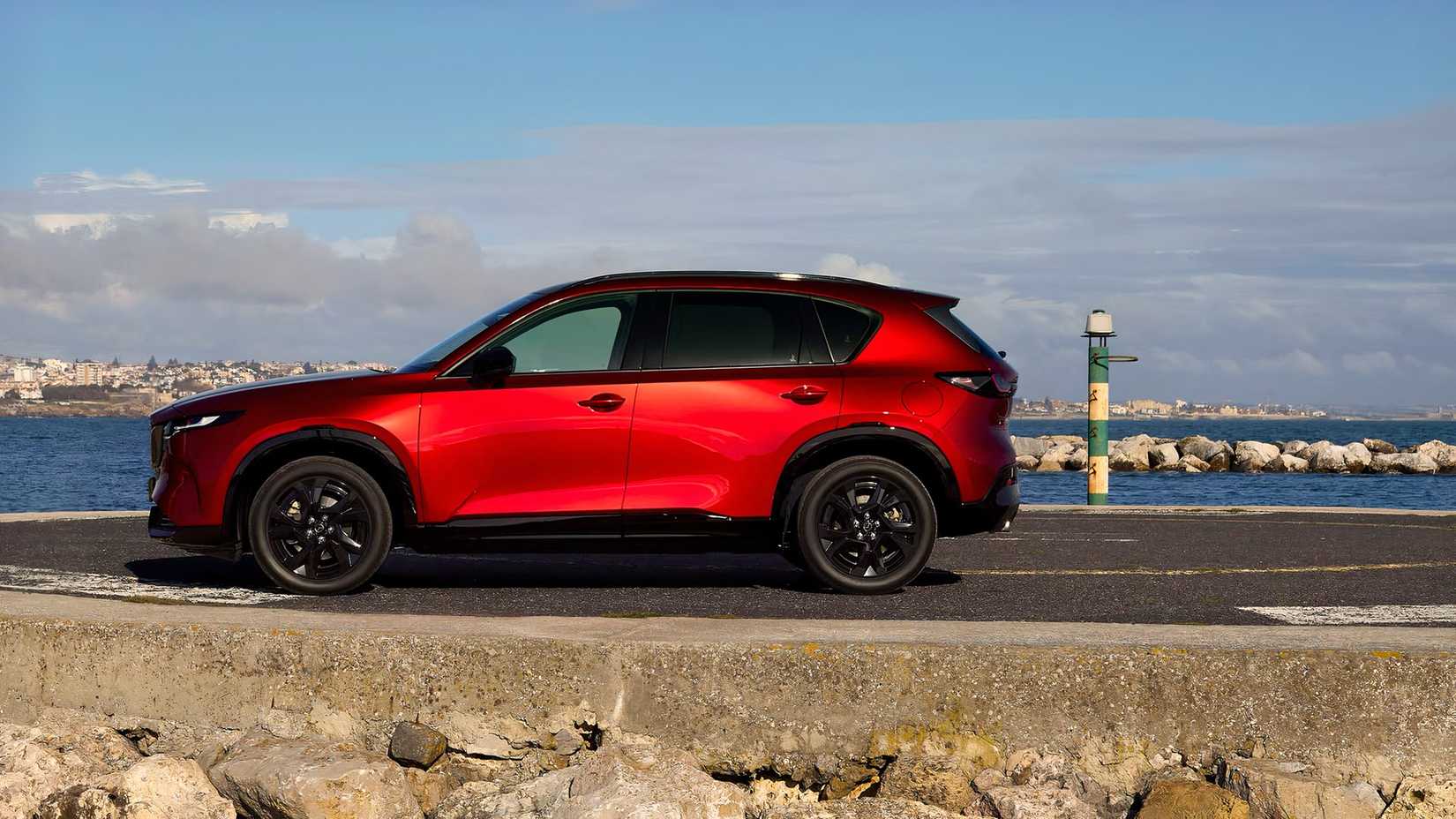
If you have a budget that stretches up to just shy of $41,000 for a compact SUV, then a reliability rating of 82 out of 100, an 85 percent approval rating from owners on Kelley Blue Book, AWD as standard, and the option for a perky turbo-four should make the 2025 CX-5 a consideration. This is especially the case when you also consider that, as we have mentioned, the CX-5 only sees around $15,000 in depreciation over five years.
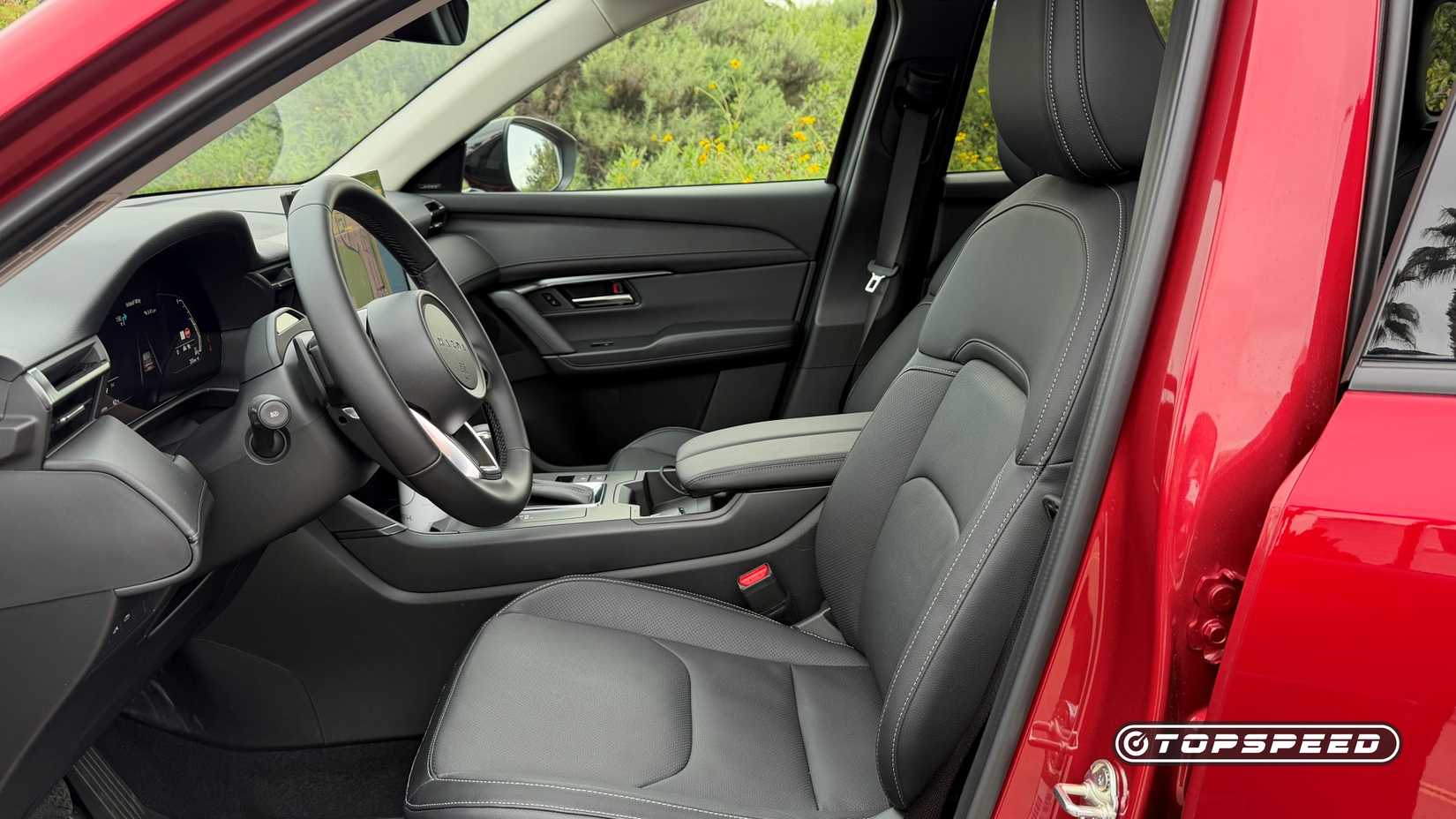
The new CX-5 is predicted to be very reliable, and it is very well-priced for what you get, but before any long-term dependability ratings come in, we can’t speculate. It may not have the market sway of the RAV4 and other affordable compact SUVs, but in a very competitive market today, the cheap to run, well-equipped, dependable, stylish, comfortable, useful, and affordable Mazda CX-5 should be well worth considering.
Sources: Mazda, iSeeCars, J.D. Power, RepairPal, FuelEconomy.gov, and Kelley Blue Book