
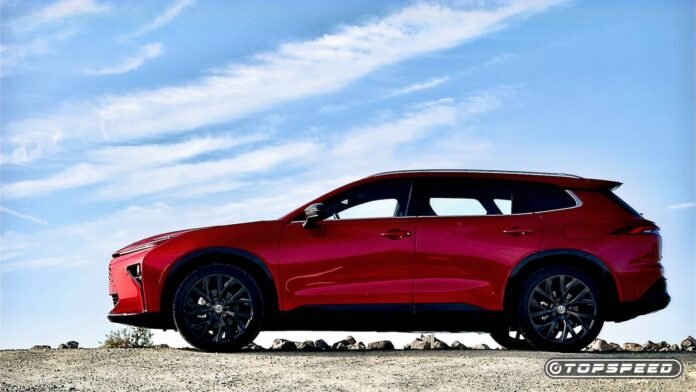
The BMW X3 didn’t invent the compact SUV formula or that of the compact luxury SUV, but it has spent the better part of a quarter century perfecting it—in performance, refinement, and everyday usability—resulting in its stature as the top-selling European luxury compact SUV. Its tightly engineered package has almost led to its becoming the default in the segment, rather than a consideration.
However, the rapid pace of technology has blurred the line between luxury and well-equipped mainstream, and the X3 has begun to feel more middle-of-the-road. It does what it does very well, mind you; it’s just not head-and-shoulders in its segment. That’s not necessarily bad, because buyers in the segment accept, and even expect, well-executed mediocrity, and the badge on the X3’s snout elevates its perception above the mediocre level. But so does its price, and there are other, less expensive, equally premium SUVs available.
Why the 2026 BMW X3 Is Important In The Compact SUV Segment And Luxury Market
Despite its performance credentials, the BMW X3 remains grounded in practicality. Its footprint makes it as adept in tight city confines as the rest of the segment, both mainstream and luxury, and its interior space and versatility make it just as useful for getting the kids to their recreational pursuits, as well as their parents’ DIY endeavors. Cargo capacity is generous with the rear seats in use and doubles when space for people isn’t essential, and the load floor is low and wide, with little wheel-well intrusion.
But the X3 doesn’t make its mark on maximum volume (it’s competitive, but not leading), preferring to concentrate on space that is generous for people and cargo, while offering seating that is the typical BMW mix between comfort and support. That blend of utility and comfort again follows the BMW philosophy of usefully exceptional vehicles that fit neatly into everyday life but provide a bit of flair that isn’t available to compact segment leaders like the Honda CR-V or Hyundai Tucson.
2026 BMW X3 Models
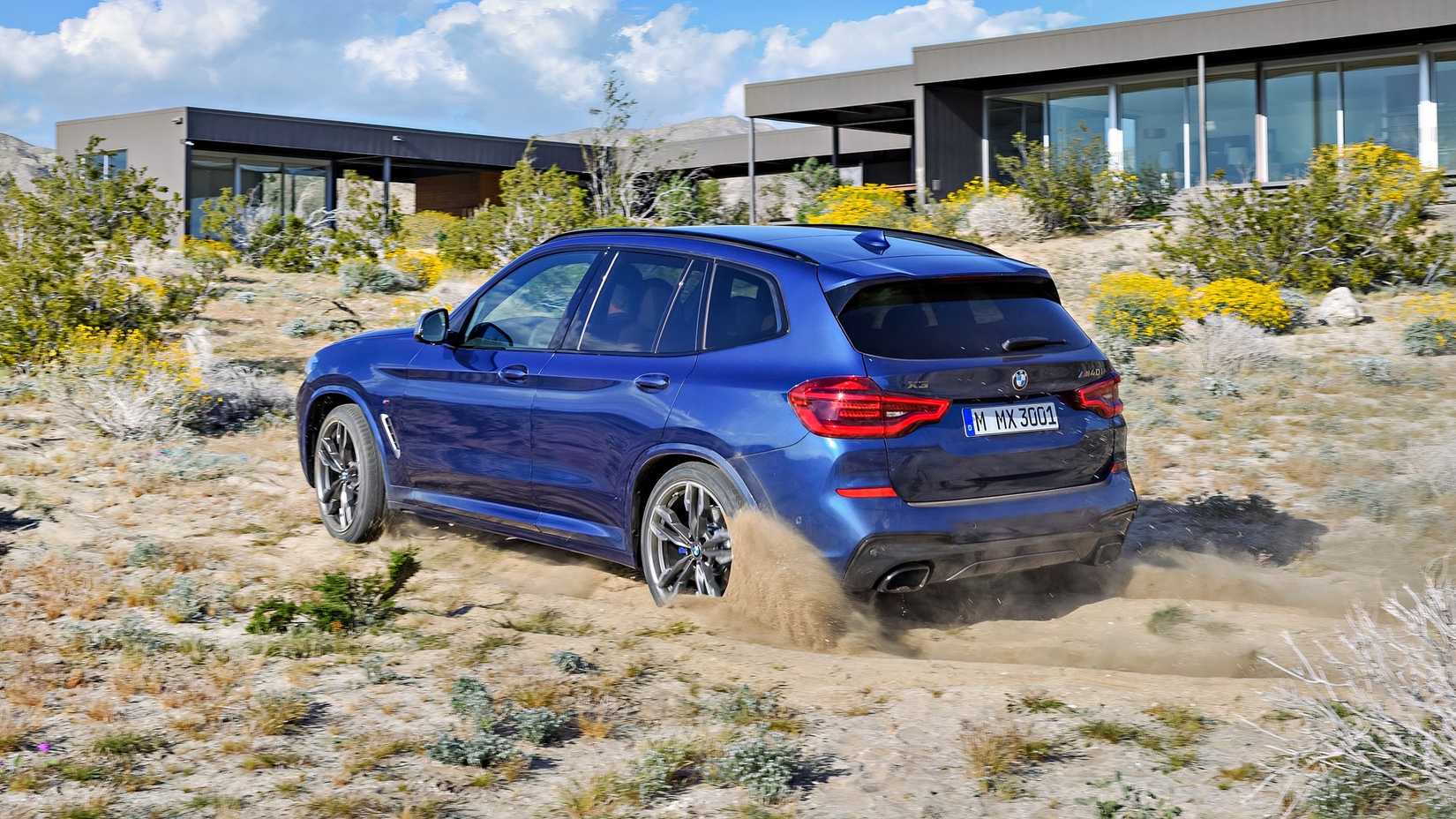
Like other BMWs, the 2026 BMW X3 remains a driver-centric vehicle. Even in its base X3 30 form with a turbocharged 2.0-liter inline-four, it produces the low-end power necessary for quick acceleration bursts and gravel-crunching grip. And it’s now supplemented by a mild-hybrid system that saves a little bit of fuel with a smooth stop-start transition and low-end response. Plus, its automatic transmission is widely praised as one of the best in the business—quick, intuitive, and largely invisible.
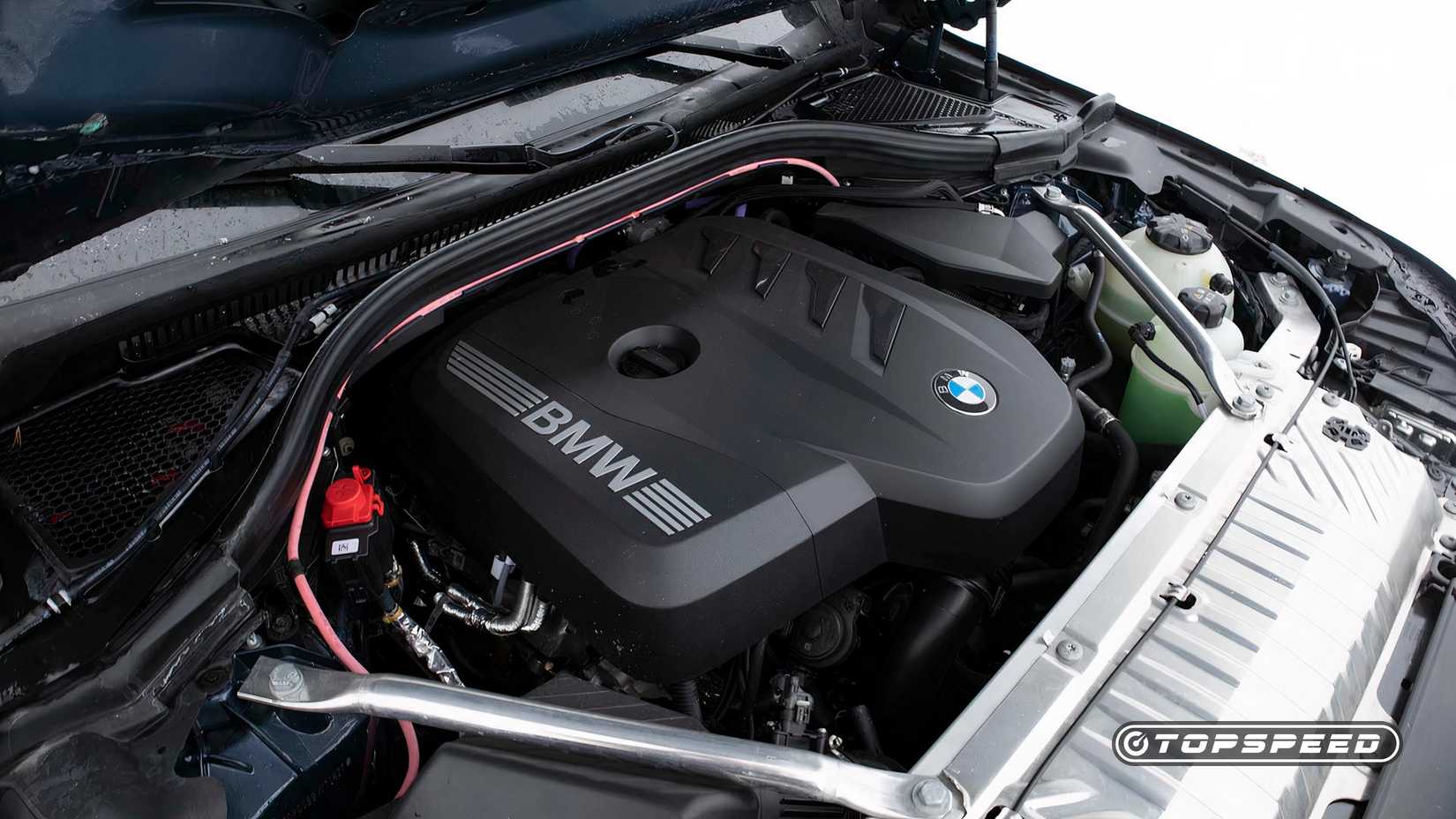
William Clavey | TopSpeed
Move up a step to the X3 M50 (there are only two X3s in 2026), and the character shifts into the dedicated-performance category, with a 400-hp turbocharged inline-six that makes the M-variant more of a pavement scorcher than a trail muncher (though it can certainly still do that). The message is that just with two models, the BMW X3 covers both efficient everyday errand-running and weekend back-road cruiser. Most competitors in the segment pick a lane, but the X3 uses the whole road.
The 2026 BMW X3 Offers Two Vastly Different Models
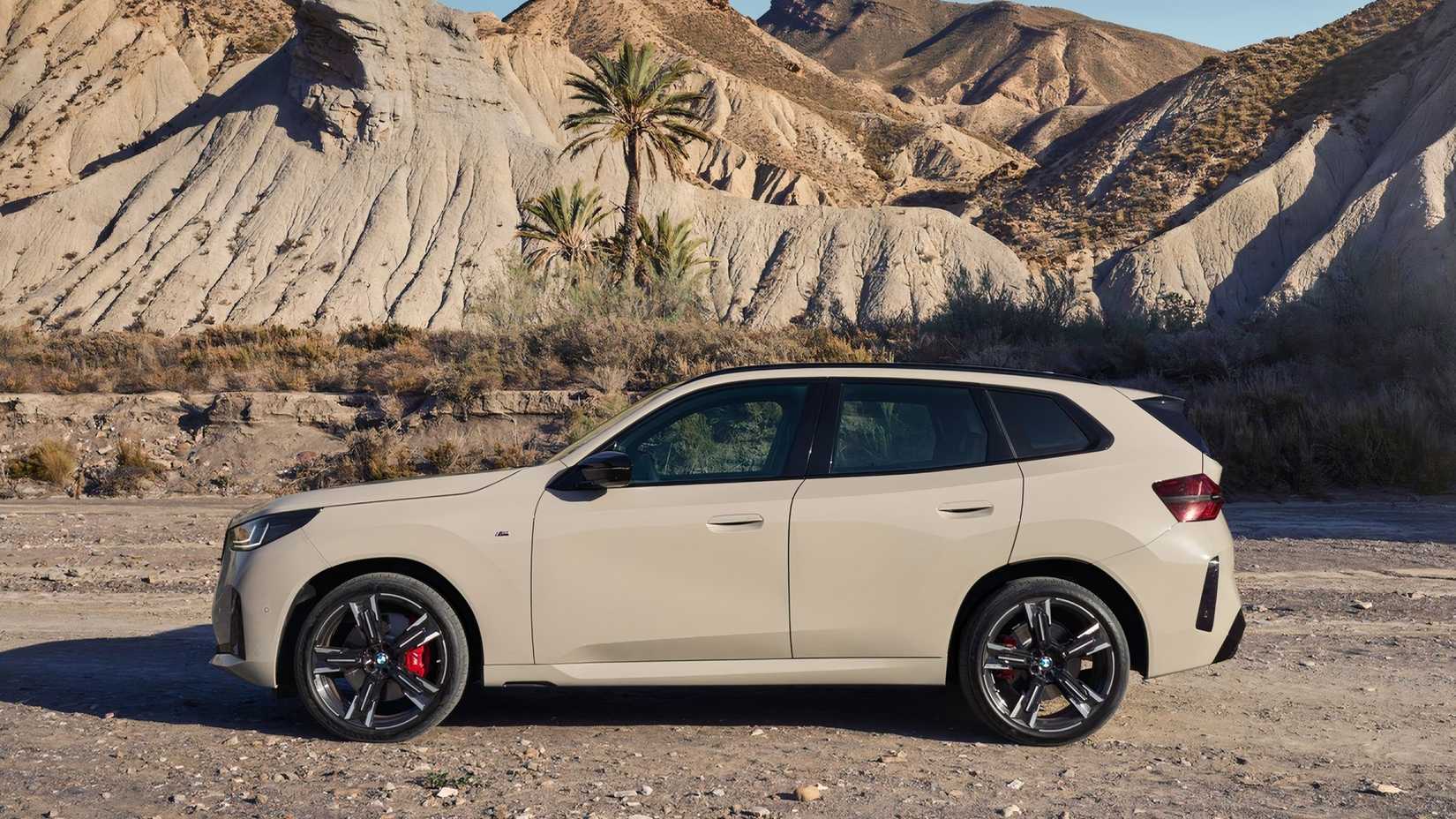
But the BMW X3’s main selling point in the compact SUV segment—its prestige—may also be its primary sticking point—its price. Starting at $49,500, it has to fill in a $14,600 gap to its top model at $64,100. That’s a lot of content to fill in, even if most of it will be taken up by the engine change, and takes it out of the realm of “affordable luxury,” which is really the larger bracket in which it’s trying to compete.
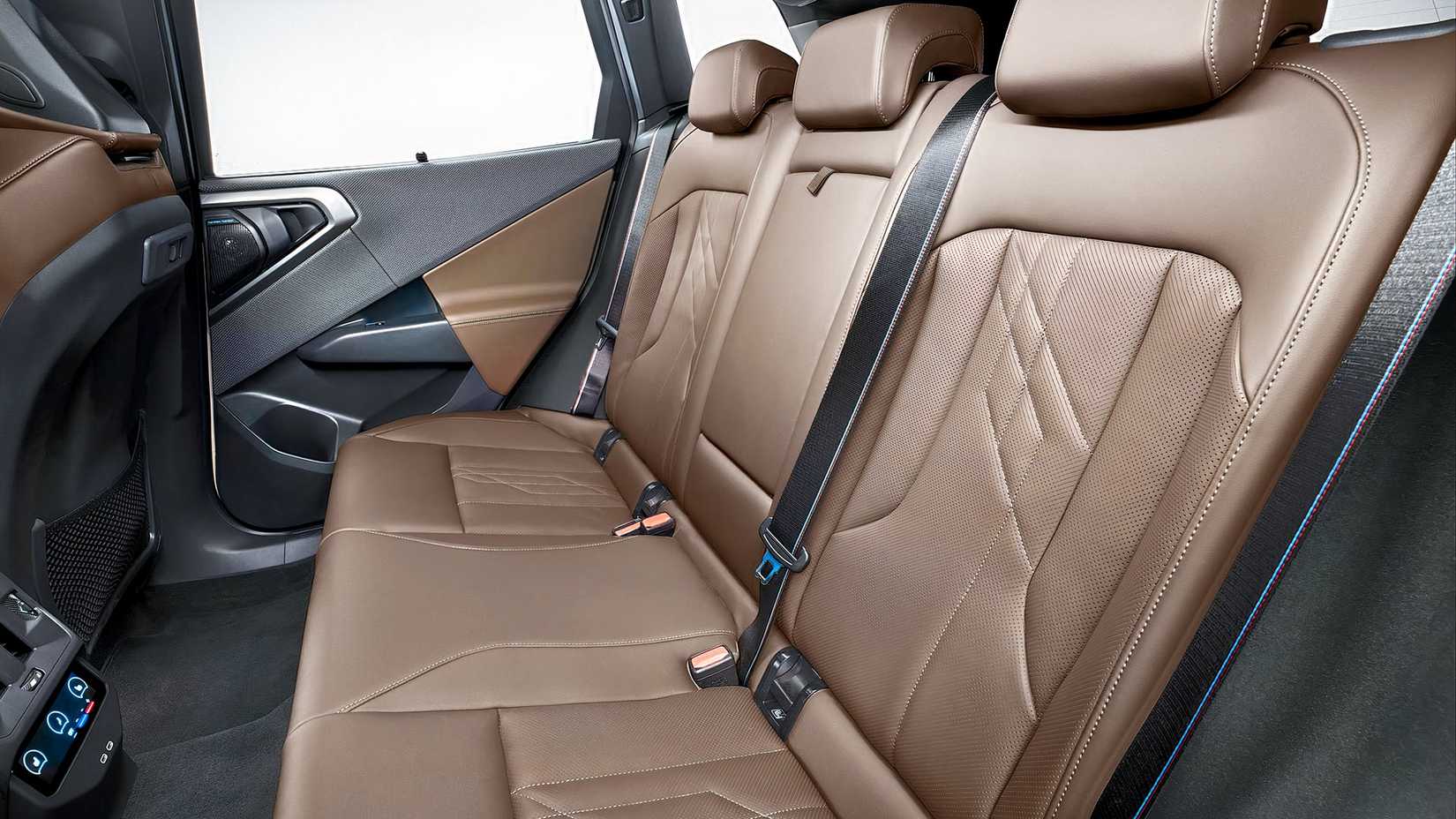
Granted, that’s the BMW aura, and potential buyers may be willing to overlook the elevated price. Although the premium price acceptance for one of the industry’s most dynamic vehicles may distract from residual costs, such as the need for premium fuel for top performance, higher costs for parts and maintenance, and potentially higher insurance premiums. Add them all up, and it will make some potential buyers wonder if there isn’t an equally adept, lower price alternative, like maybe a Toyota.
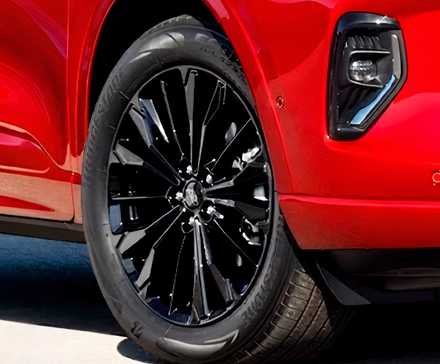
The Unexpected Budget Alternative To The BMW X3
Compact luxury SUVs like the BMW X3 mix family-mobility traits with brand cachet, but this budget SUV has the goods without paying more for the badge.
The 2026 Toyota Crown Signia Presents An Intriguing Challenge To The BMW X3
Stands Out From Its Segment In Size, Presentation, And Price
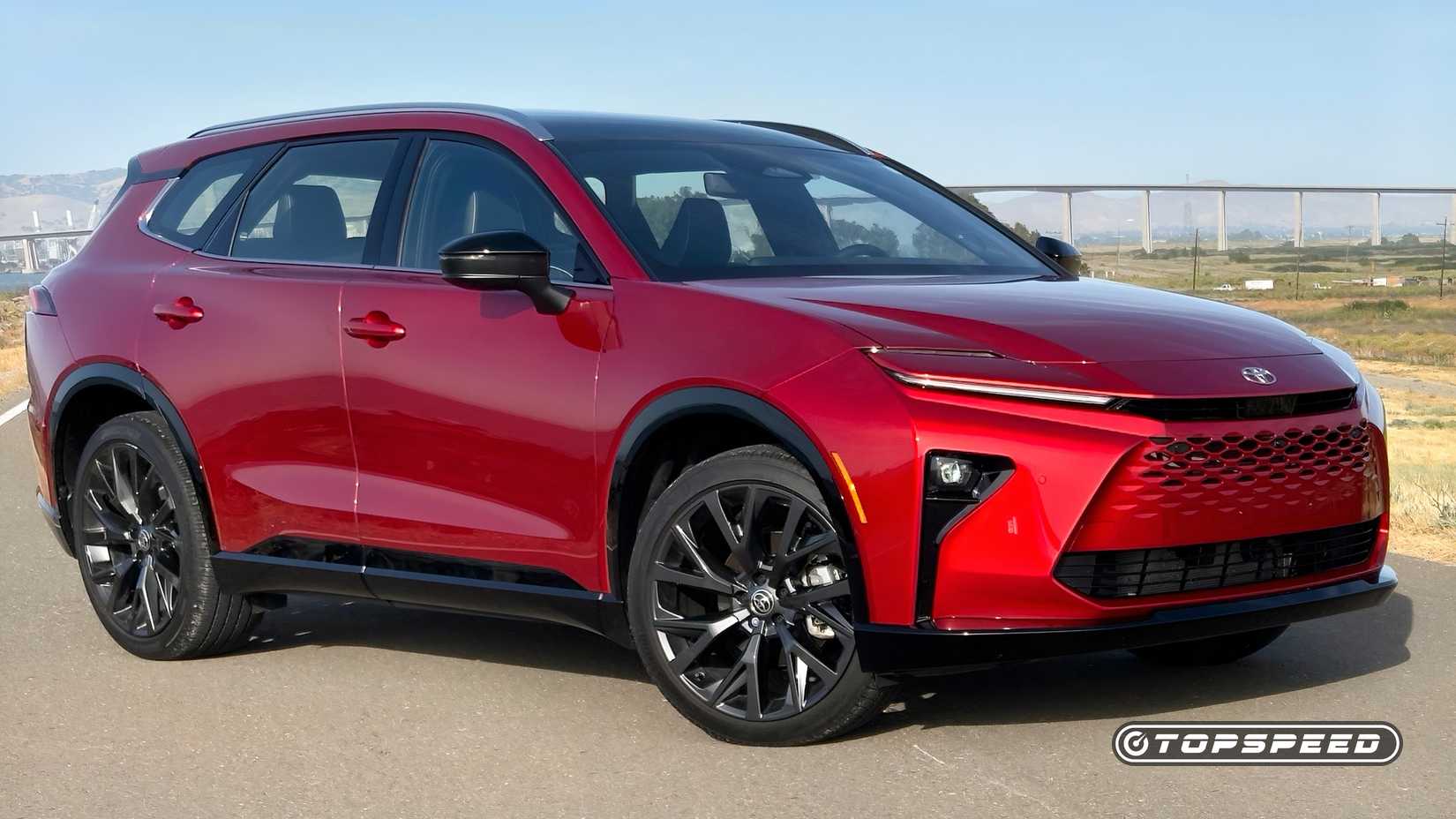
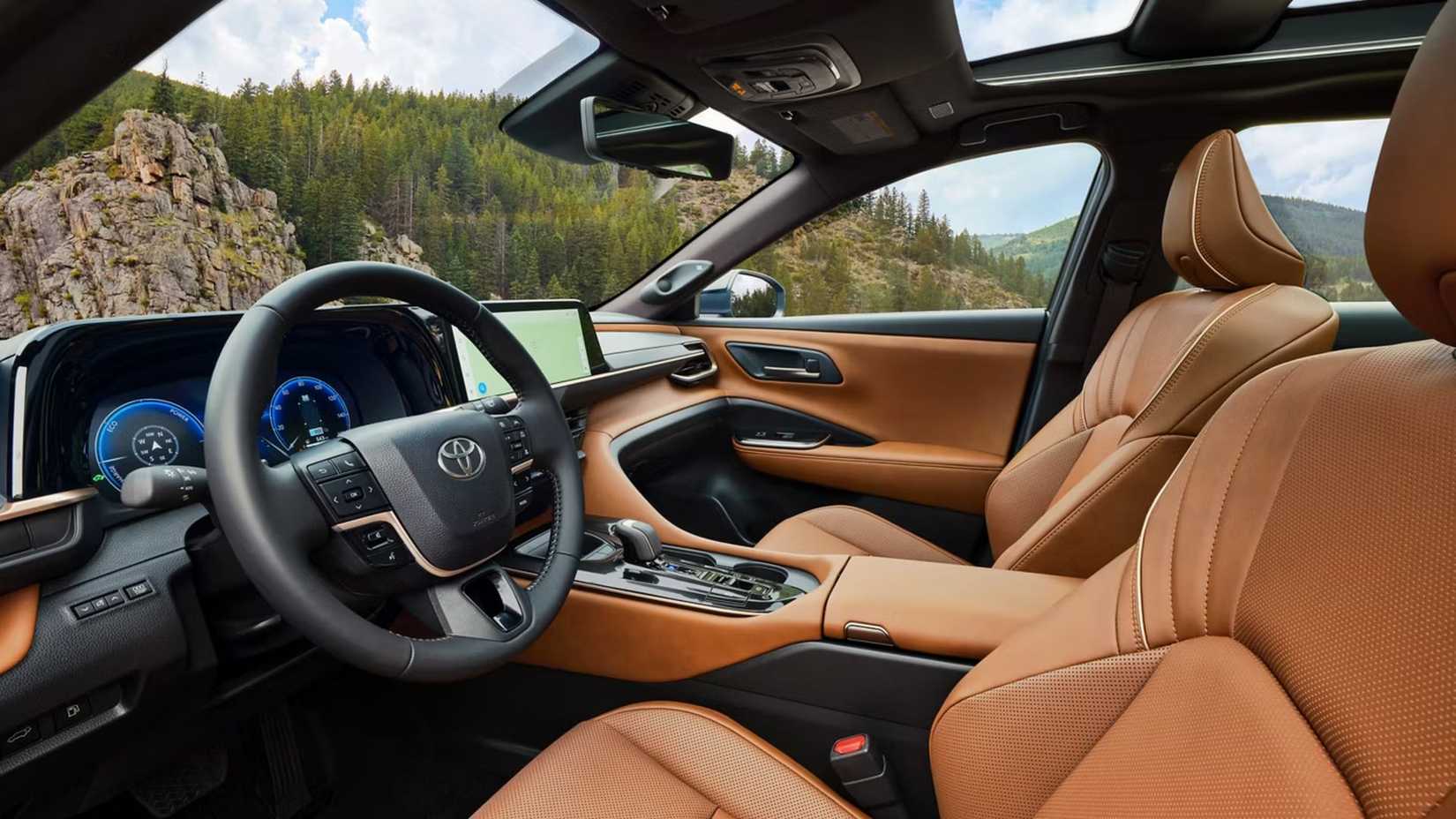
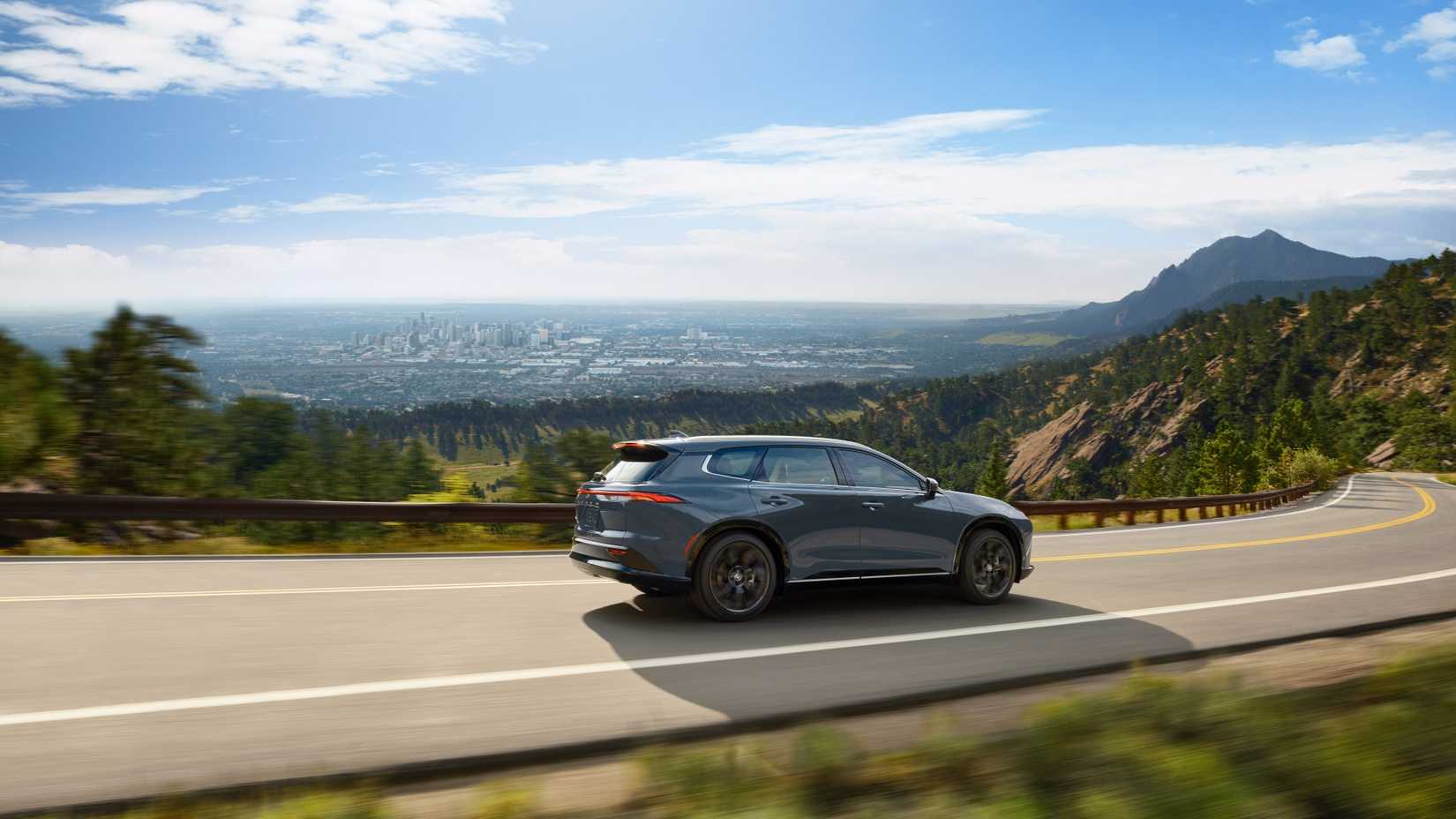
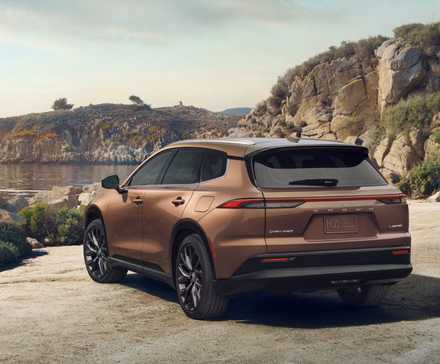
Here we have the 2026 Toyota Crown Signia. It doesn’t try to out-BMW the X3, but it does succeed in out-segmenting the compact SUV segment with its premium look, premium amenities, and premium price point. Retaining its Toyota badging, rather than stepping up to a Lexus, the Crown Signia sidesteps the luxury playbook, instead leaning into simplified packaging, and Toyota’s heritage of hybrid efficiency.
The Toyota Crown Signia is less concerned with lap times or badge prestige and more focused on how it fits into the buyer’s daily life, both at the time of purchase and over the following five or ten years. Its defining characteristics are a “regal” name and its shape, both of which make it stand out in a field of cookie-cutter compact SUVs (into which the BMW X3 sort of fits). That marketing decision has its consequences—the name doesn’t roll off the tongue, as RAV4 or Sportage does, and the shape reduces the space versatility of smaller rivals.
The Toyota Crown Signia Powertrain Returns Consistently Dependable Performance
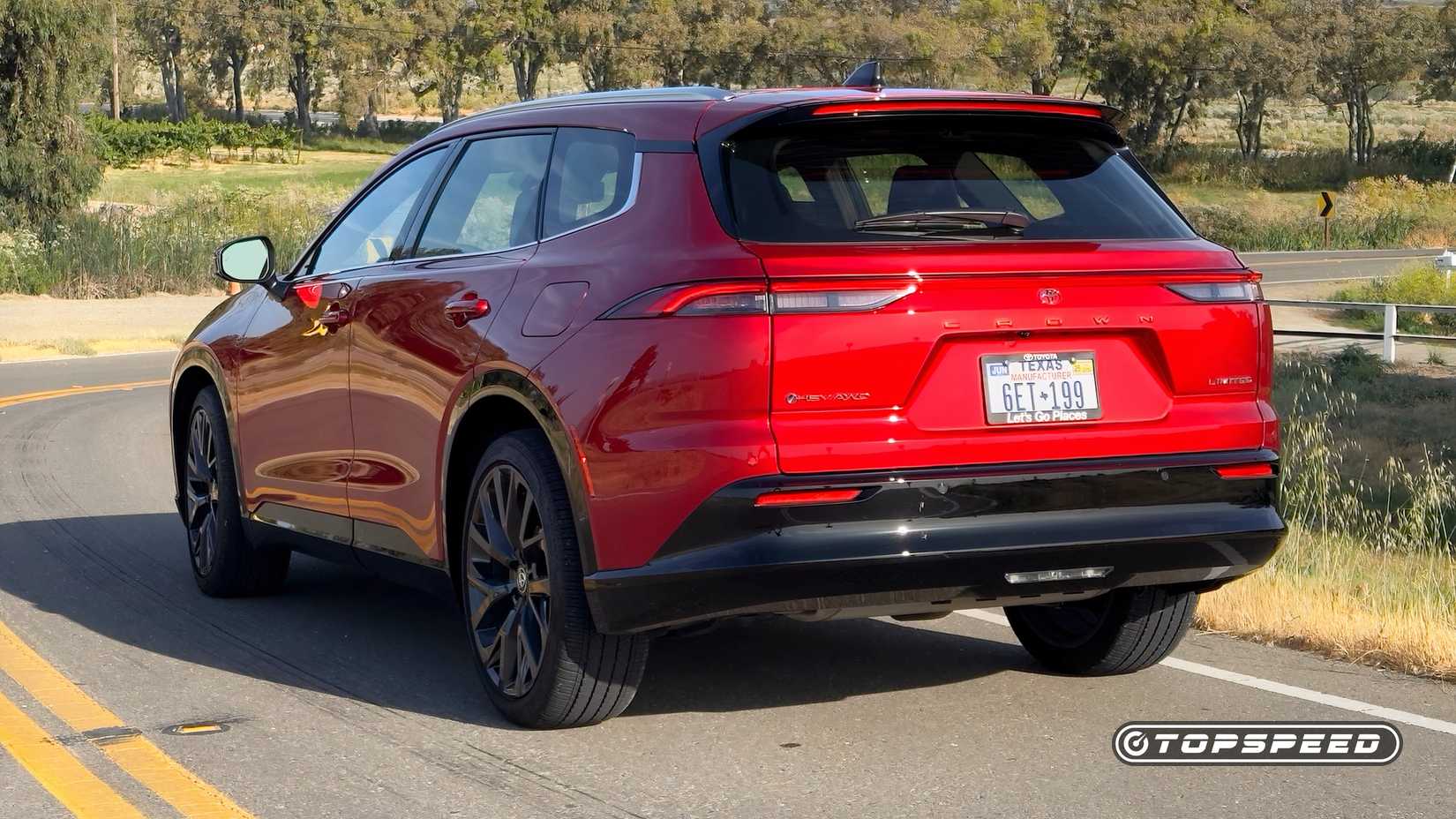
The Toyota Crown Signia’s 2.5-liter hybrid powertrain is universally revered, though it doesn’t outperform its rivals in either power or efficiency, though it does a respectable job of combining the two for overall competitiveness. This is intentional. Instead of chasing acceleration benchmarks or unworldly efficiency, Toyota chose to make the Crown Signia smooth and predictable, emphasizing low-speed refinement and noise suppression.
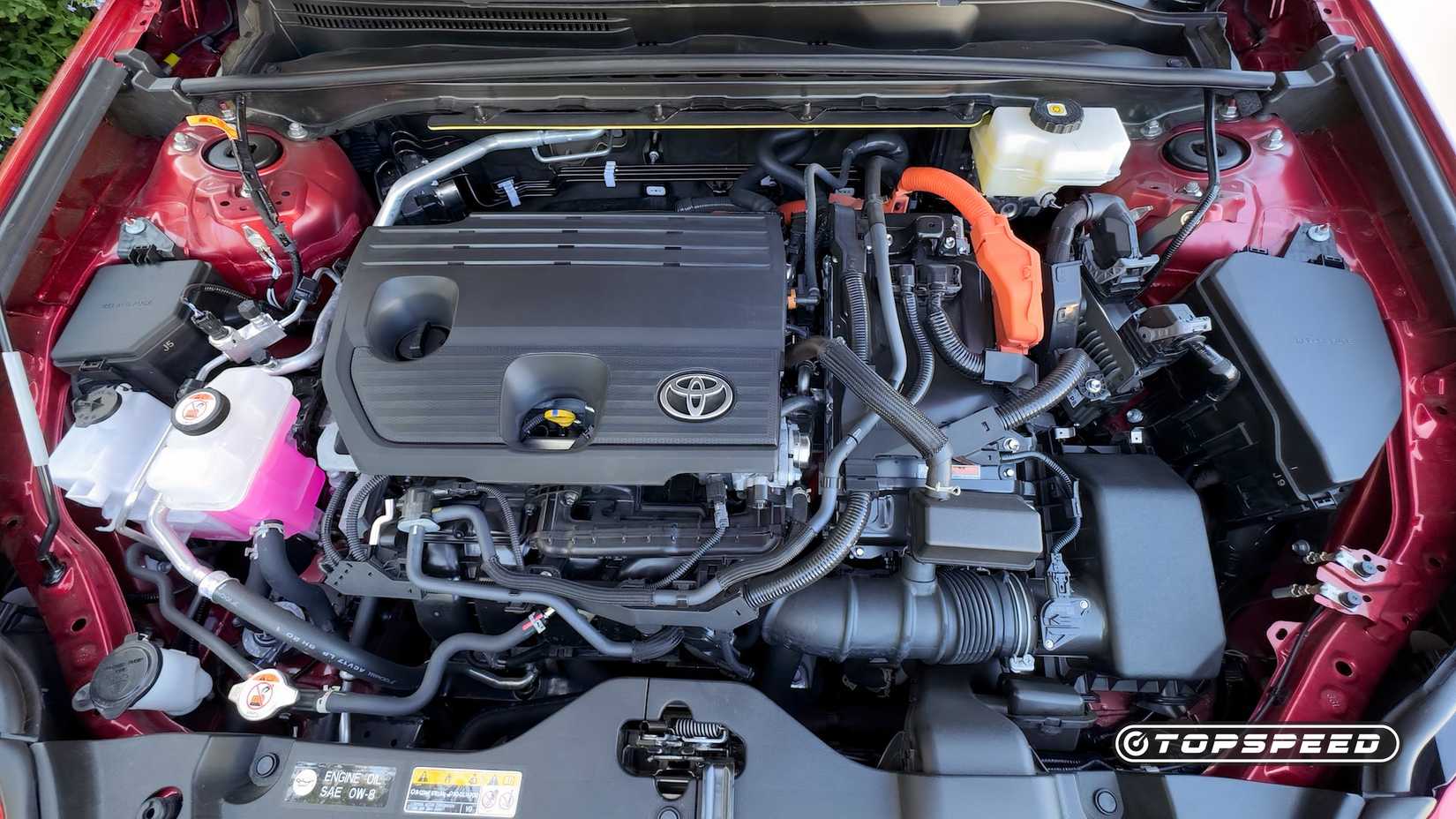
The continuously variable transmission maintains a steady flow of power that suits the vehicle’s relaxed character, though it loses the performance characteristics of geared automatics. The hybrid/CVT combination consistently returns exceptional fuel economy in real-world driving, especially in urban circles, and provides stable, quiet long-distance cruising, though it’s far from being a “blast” to drive, and those dependable differences are what turn Toyota buyers into return customers.
The 2026 Toyota Crown Signia Offers Buyers Two Well-Equipped Models
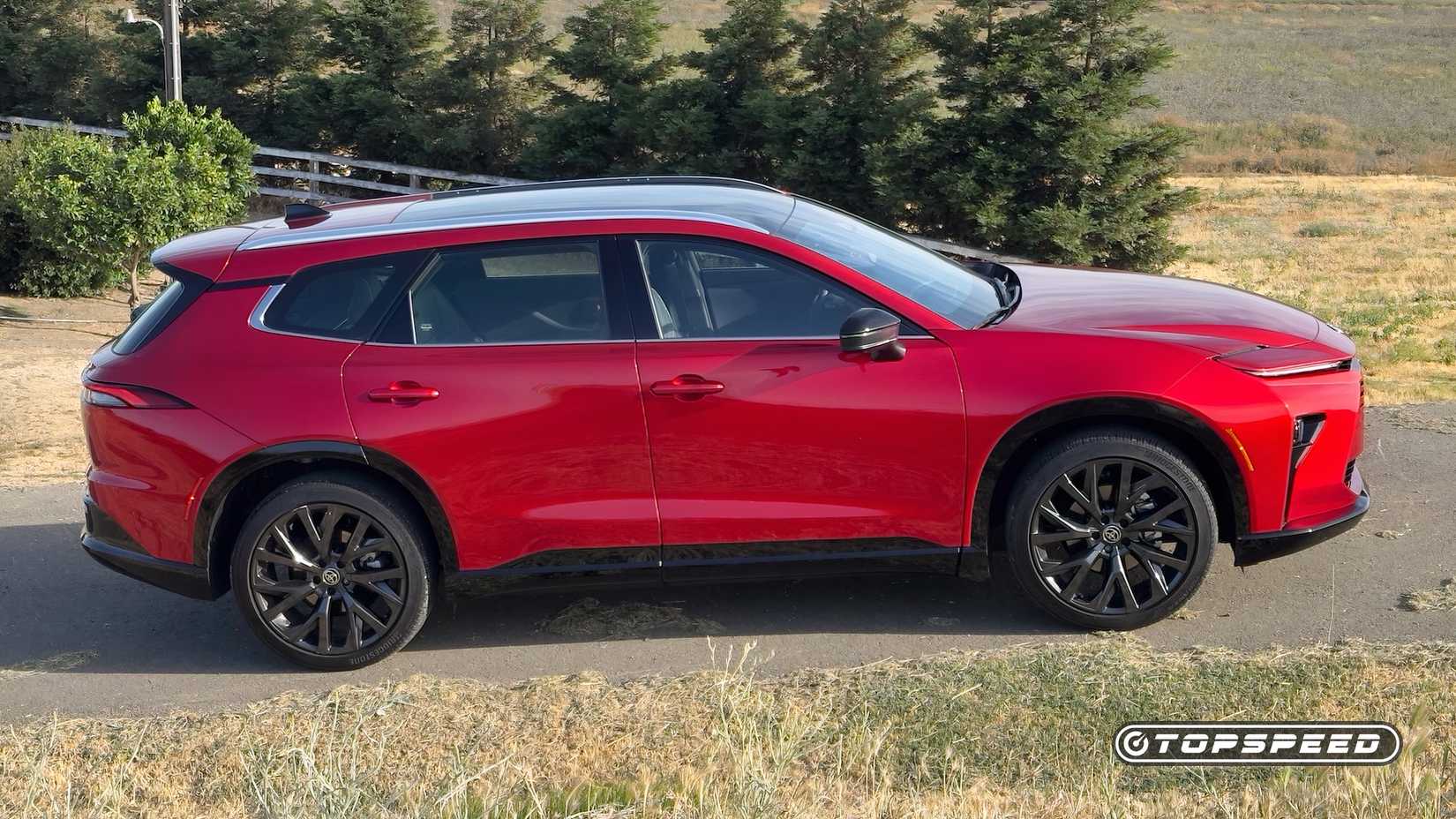
Price is where the 2026 Toyota Crown Signia makes its most direct impact, arriving well-equipped at its starting price under $45,000, and topping out at less than $50,000. Like the BMW X3, it too only comes in two variants. The reason for the small price gap between models is that there is less reliance on option packages, which means that potential customers don’t feel like they’re being forced up the price ladder.
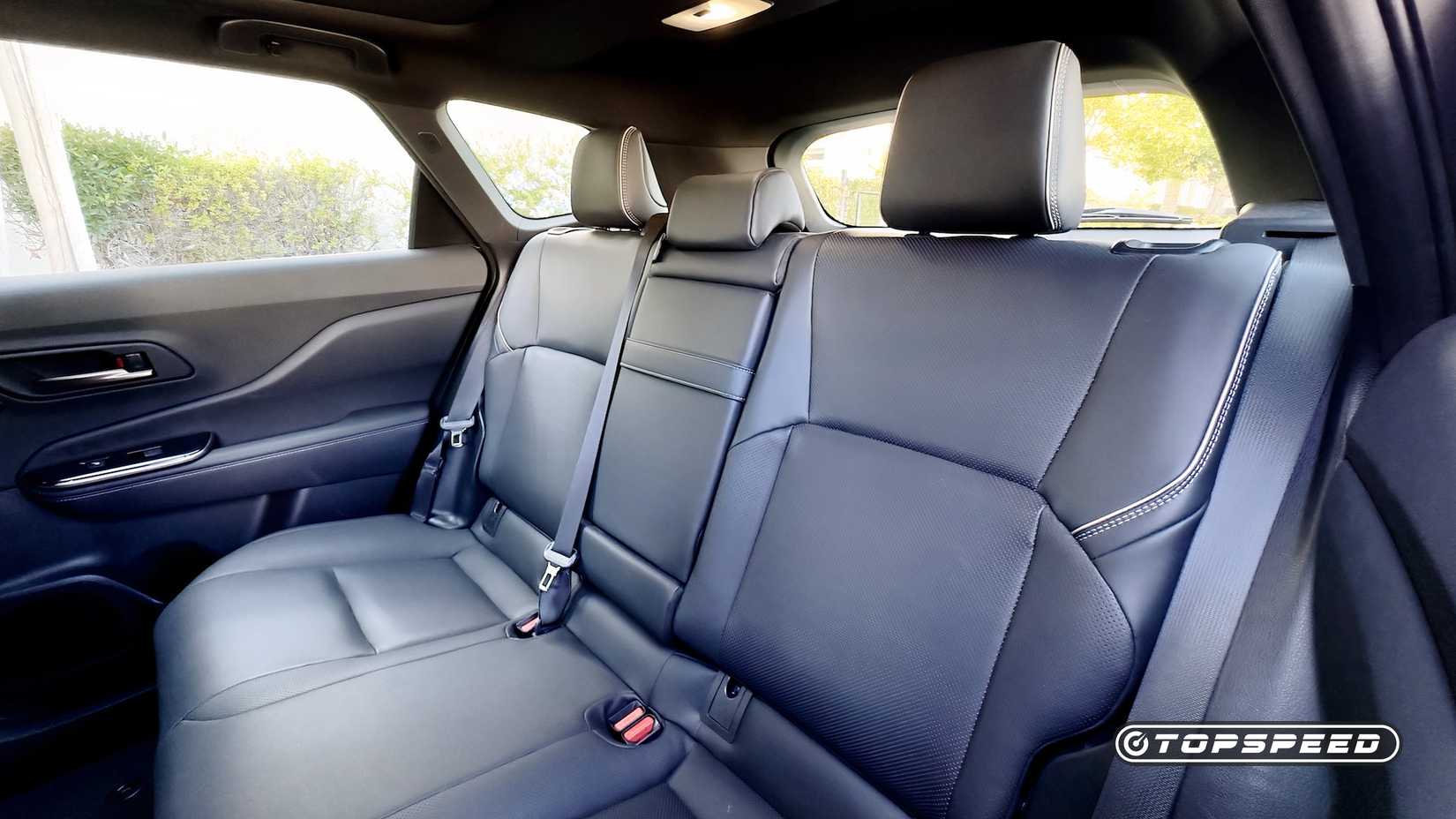
The trim disparities are far less than those of the two X3s, with a stronger emphasis on delivering a complete ownership experience, where the basic choices center on interior comfort and convenience. What you see in the Crown Signia is by-and-large what you get, and that’s substantially luxurious from the starting price. However, that also means you don’t necessarily get what you may want—no performance variant, for example—and that may cause potential buyers to look elsewhere.
The Toyota SUV That Feels More Luxurious Than A Mercedes GLC
This underdog redefines premium for Toyota, blending refined design, comfort, and intuitive tech to rival luxury SUVs like the Mercedes GLC.
The 2026 Crown Signia Goes Head-To-Head With The 2026 BMW X3
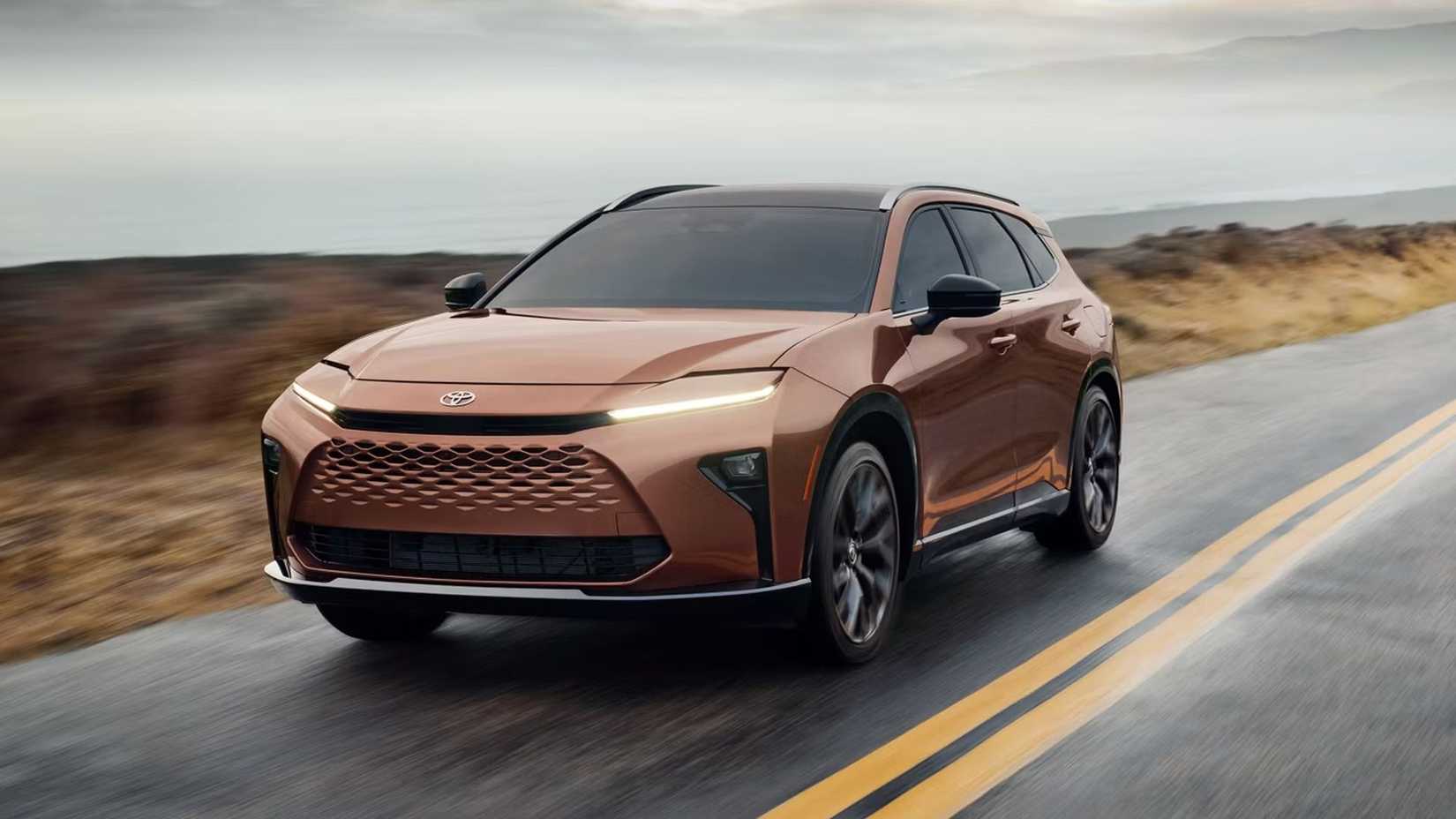
The 2026 Toyota Crown Signia and the 2026 BMW X3 are roughly in the same niche, but approach the segment from different angles. The Crown Signia takes a pragmatic view of a premium SUV, charging a higher price for refined simplicity, efficiency, and comfort and convenience to satisfy owners looking for a straightforward purchase and long-term usability. In contrast, the X3 is rooted in a polished platform engineered to deliver performance, balance, and brand prestige to satisfy drivers who care about how a vehicle responds as much as how it looks and feels.
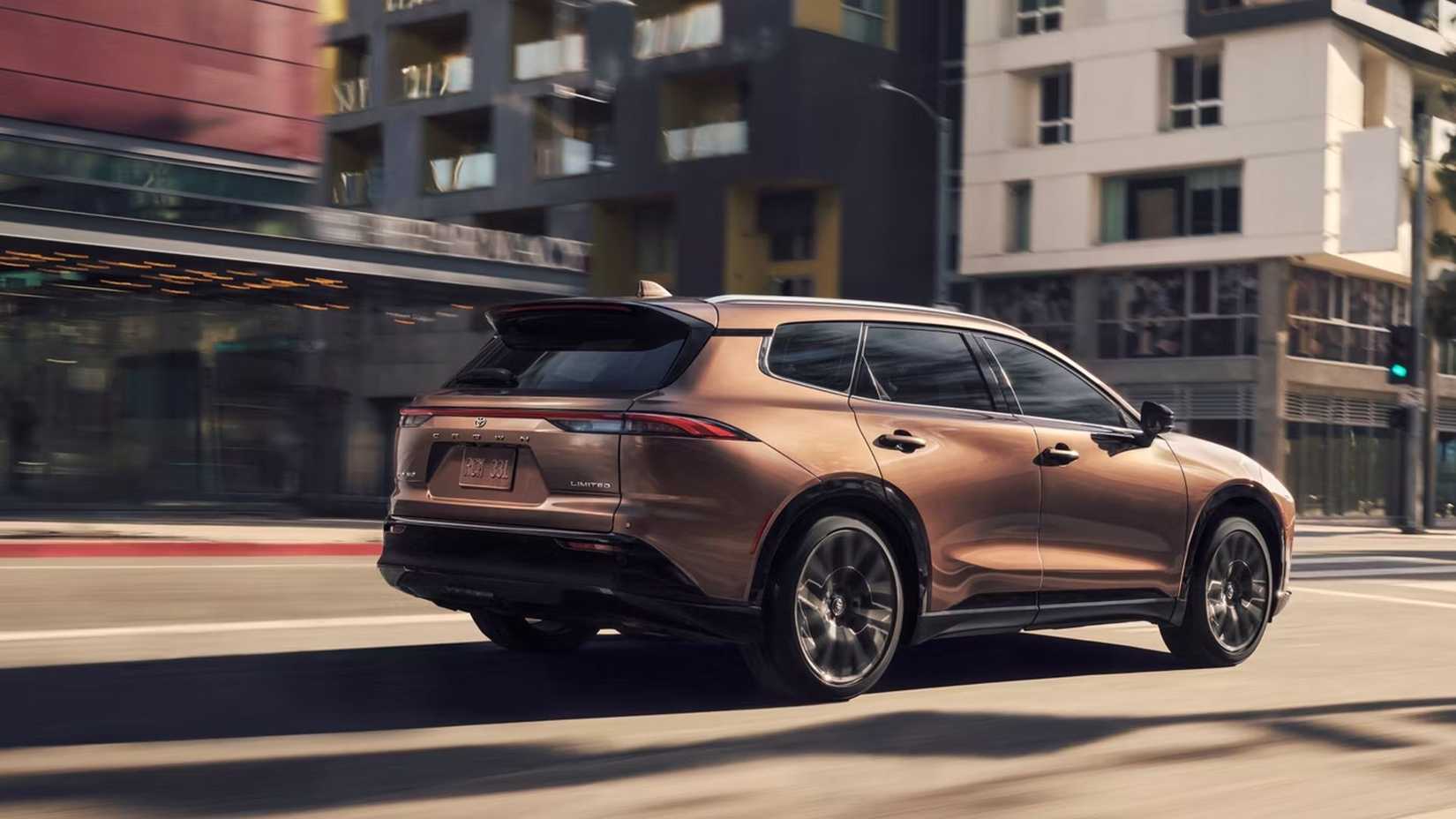
Visually and conceptually, the differences are clear. The Crown Signia blurs the line between wagon and crossover, prioritizing comfort and aerodynamics over stance, while the X3 leans into its identity as a compact performance SUV. In the end, except for price, this is less a direct rivalry than a contrast in priorities—precision and engagement versus consistency and livability— but this is a price comparison, so let’s have at it.
It Benefits From Toyota’s Reliability And A Less Expensive Ownership Experience
|
Toyota Crown Signia |
BMW X3 |
|
|
Models |
XLE, Limited |
30 xDrive, M50 xDrive |
|
MSRP Range |
$44,490–$48,890 |
$51,300–$66,500 |
|
Annual Fuel Cost |
$1,600 |
$2,400–$2,550 |
|
Annual Insurance Cost |
$2,509 |
$2,974 |
|
5-Year Maintenance Cost |
$2,041 |
$5,912 |
|
5-Year Depreciation |
$14,200 |
$32,972 |
The Crown Signia is easier to shop for because there’s less onus on options and packages, and therefore fewer trim intricacies. It’s not going to match the X3 feature-for-feature, but it probably doesn’t need to, being more of a plug-and-play type of ownership experience. BMW offers a solid warranty and refined ownership experience, but that also comes with higher ownership costs—fuel, maintenance and repairs, financing costs—and the Crown Signia has a reputation for durability.
The Toyota Crown Signia Delivers Efficiency And Ride Smoothness
|
Toyota Crown Signia XLE |
BMW X3 30 xDrive |
|
|
Starting Price |
$44,490 |
$51,300 |
|
Powertrain |
2.5-liter inline-4 + 2 motors |
2.0-liter turbo inline-4 mild hybrid |
|
Transmission |
Continuously variable |
8-speed automatic |
|
Power |
240 hp |
255 hp |
|
Torque |
178 lb-ft |
295 lb-ft |
|
Driveline |
All-wheel drive |
All-wheel drive |
|
Range |
551 miles |
499 miles |
|
Efficiency City |
39 mpg |
27 mpg |
|
Efficiency Highway |
37 mpg |
33 mpg |
|
Efficiency Combined |
38 mpg |
29 mpg |
|
0-60 MPH |
6.9 seconds |
6.0 seconds |
Many agree that the BMW X3 wins hands down on performance, offering more horsepower, even with the Crown Signia’s added electric boost, and sportier driving manners. The Crown Signia doesn’t attempt to compete on that level, challenging buyers to consider how often driving performance is advantageous. Although the preference is purely personal, it can be argued that the Crown Signia’s efficiency and ride smoothness is probably more relevant in daily commuting, stop-and-go traffic, and long highway runs.
Despite Size Similarities, The Toyota Crown Signia Is More Comfort-Focused Than The BMW X3
|
Toyota Crown Signia |
BMW X3 |
|
|
Length |
194.1 inches |
187.2 inches |
|
Wheelbase |
112.2 inches |
112.8 inches |
|
Width |
74 inches |
75.6 inches |
|
Height |
64.5 inches |
65.4 inches |
|
Ground Clearance |
6.7 inches |
8.5 inches |
|
Headroom (Front/Rear) |
39.1/38.9 inches |
41.1/39.1 inches |
|
Legroom (Front/Rear) |
42.1/37.1 inches |
40.3/36.4 inches |
|
Shoulder Room (Front/Rear) |
57/55 inches |
57.9/55.7 inches |
|
Cargo Volume Behind Rear Seats |
25.8 cubic feet |
31.5 cubic feet |
|
Cargo Volume Behind Front Seats |
68.8 cubic feet |
67.1 cubic feet |
The 2026 Toyota Crown Signia is marginally larger than the 2026 BMW X3, but the two are very close in interior room and versatility. For example, the X3 is wider shoulder-to-shoulder and has a roomier cargo area when all the seats are in use. The Toyota has better adjustability for leg comfort and is bigger overall when all the seats are folded. Seating in the Crown Signia is lounge-like comfortable, whereas in the BMW it’s more driving-business focused.
The Crown Signia Proves You Don’t Need A Lexus For Luxury
The Toyota Crown Signia is the chill, roomy, secretly-luxurious crossover that makes you wonder why you ever paid extra for a Lexus badge.
The 2026 Toyota Crown Signia Offers A Price Alternative To The BMW X3
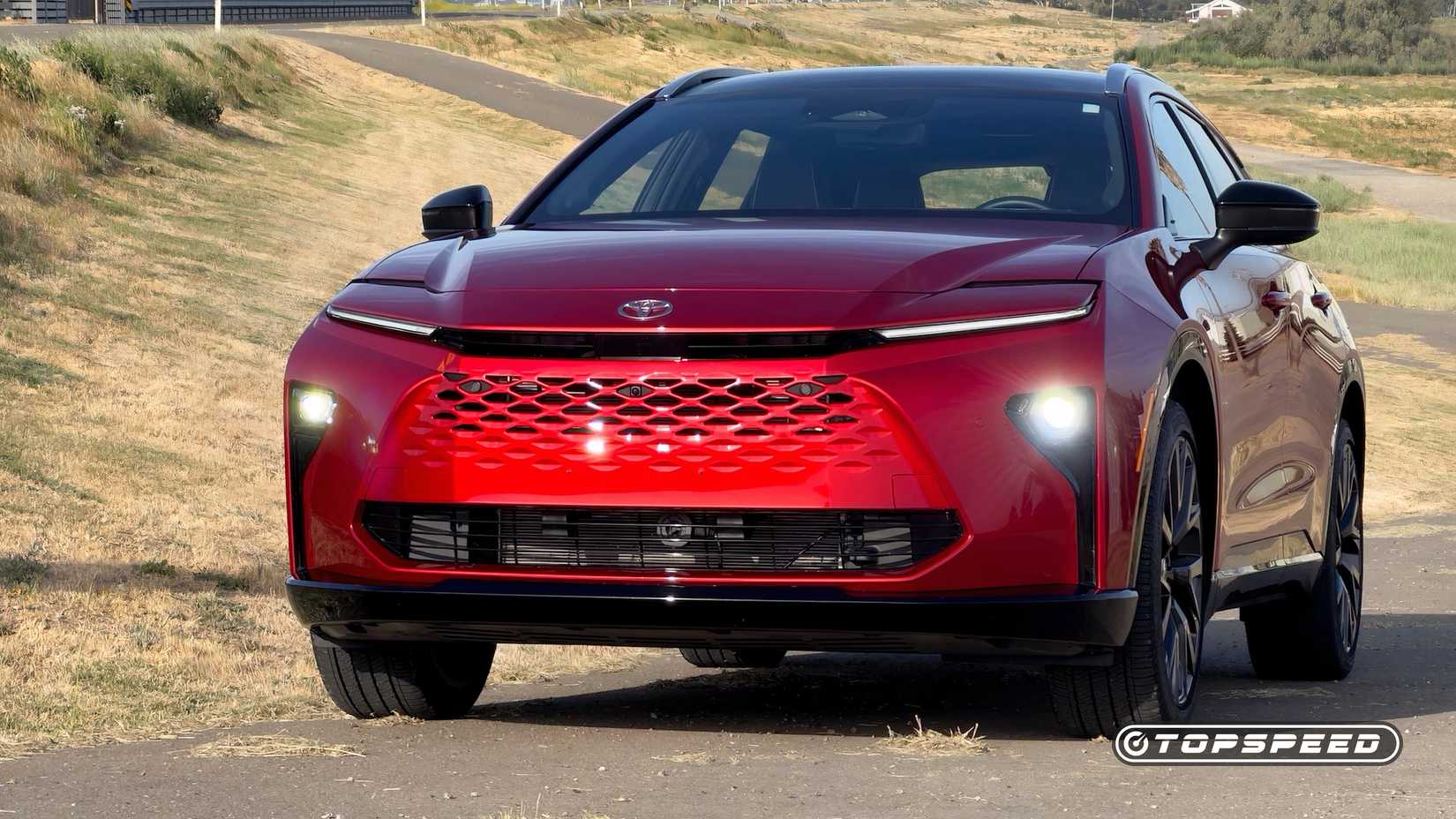
Although the Toyota Crown Signia may not challenge the BMW X3 directly, leaving that to the Lexus NX, it blurs the line between luxury and premium mainstream. It offers up a comparative premium SUV experience at a price point that is over $5,000 cheaper to purchase and 10s of thousands cheaper over five years of ownership. It’s also quieter in overall driving, and considerably more efficient, which are two of the traits that resonate with family vehicle buyers.
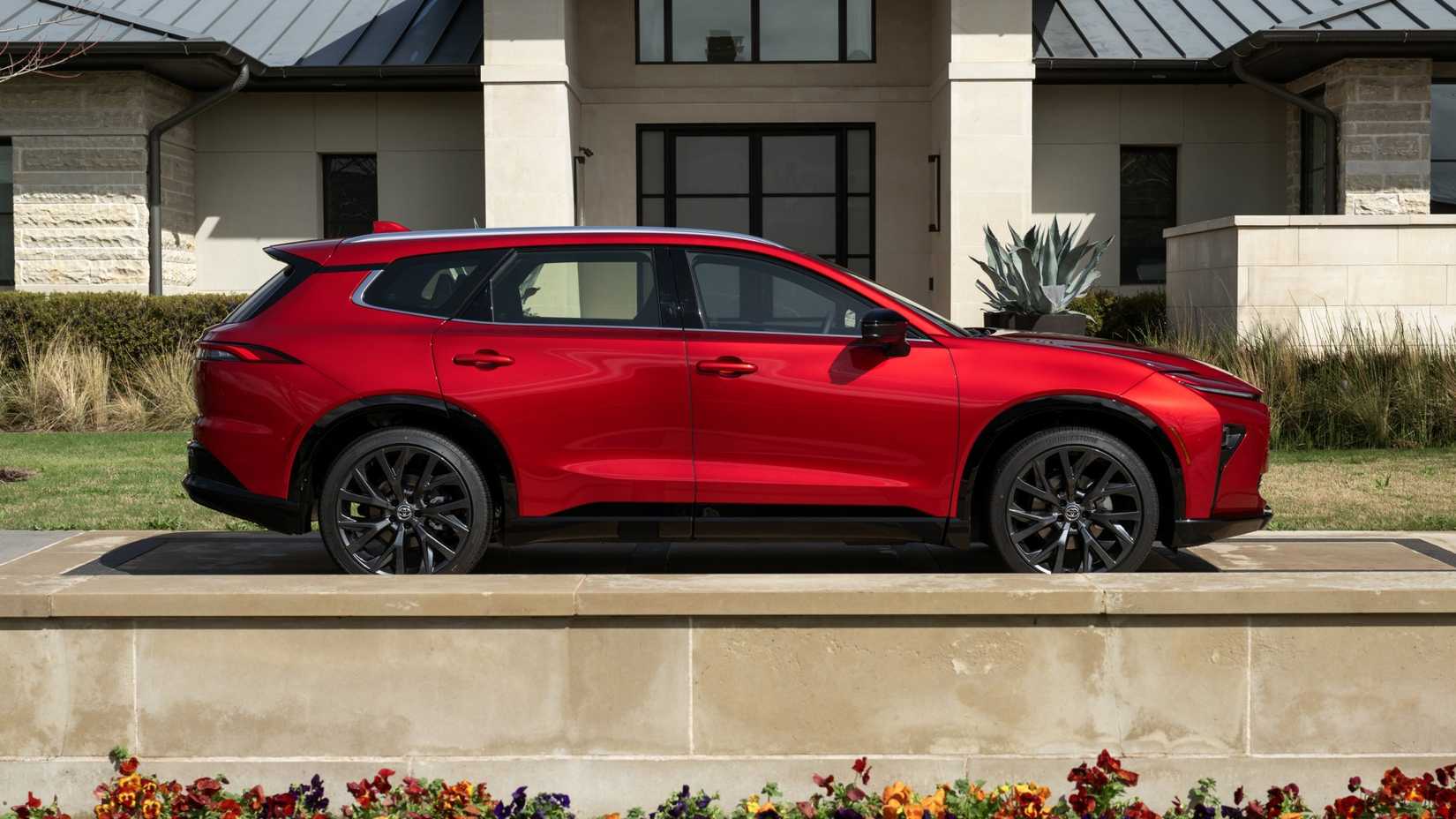
It could be argued that buyers of the 2026 BMW X3 aren’t particularly looking for a family vehicle, but rather a BMW in which they can move the family through most everyday driving tasks. As it has been through most of its life, it remains the benchmark for compact luxury European SUVs, with its balance of sporty comfort and performance, and on that note, there are other Japanese SUVs that also match up reasonably well.
The 2026 Mazda CX-50 Turbo Comes Close To The BMW X3 On Sportiness
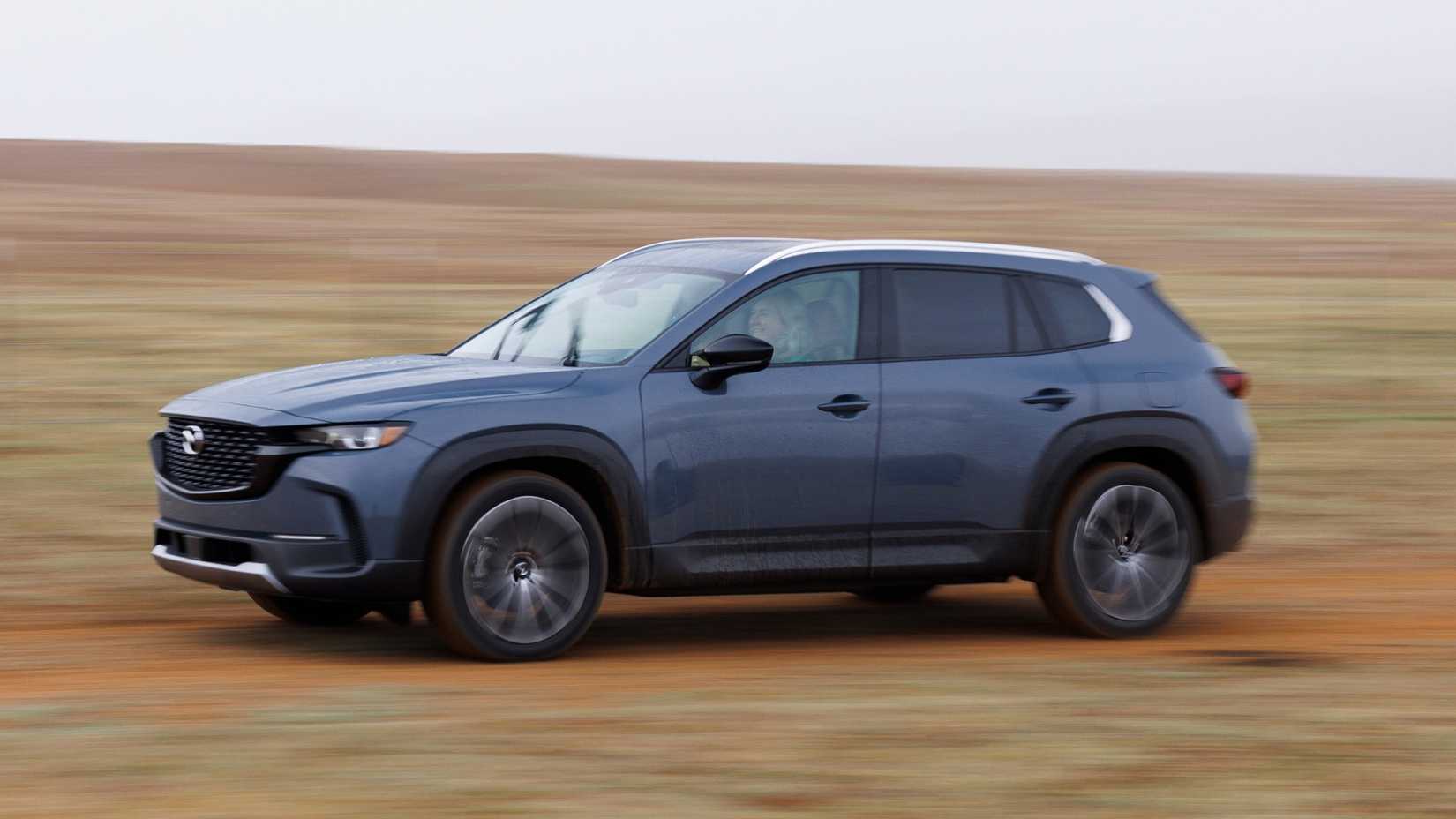
The 2026 Mazda CX-50 Turbo is a value-driven alternative to the BMW X3, clocking it at nearly $15,000 cheaper. Its larger turbocharged “four” eclipses the X3’s base model on engine output, and its sporty ride and handling foundation (one of the sportiest in its segment) comes remarkably close to the Bimmer’s all-around dynamic performance. Beyond that, it doesn’t have the cachet of the X3, and the interior is considerably tighter, though it is competitive among mainstream rivals.
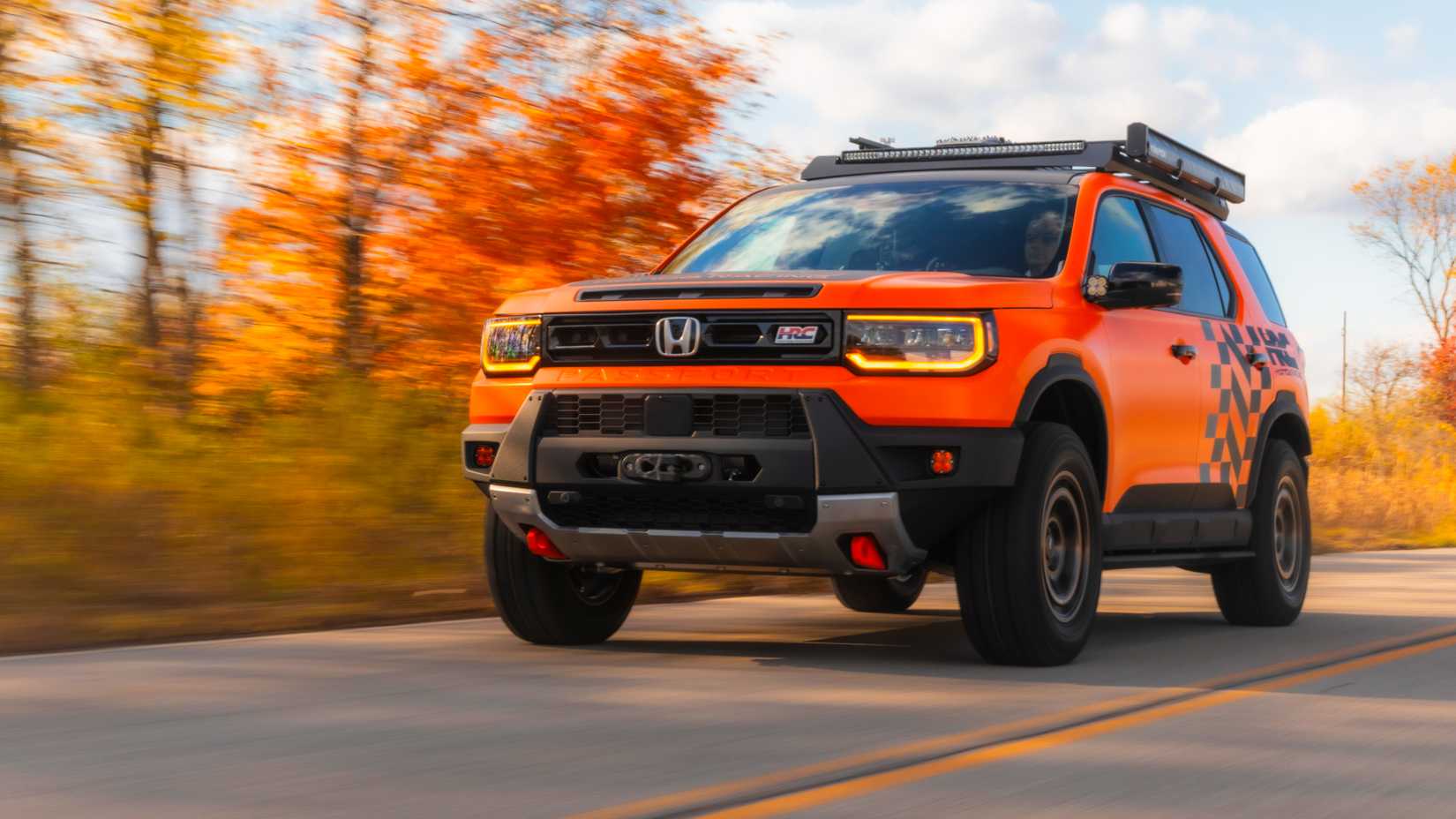
The 2026 Honda Passport Has The Strength To Push A BMW X3 Around, But Lacks The Finesse
Honda
The 2026 Honda Passport matches up almost exactly to the BMW X3 on price, but everything else is different—it’s considerably bigger overall, with a roomier and more versatile interior; it’s powered by a V-6 that surpasses the power output of the base X3 30 xDrive, but falls short on torque; and it’s a brute, emphasizing power and robustness, but lagging in efficiency and finesse. Overall, the Passport’s size and strength are more than worthy for the adventurous family, but it lacks the refinement and precision of the X3.
Sources: Toyota, BMW, EPA, Edmunds, and CarEdge.