
Once upon a time, luxury sedans actually justified their price tags. Luxury cars have always been, well, a luxury, but there once was a reason why they cost what they did. The justification was that you were paying for the perfect blend of craftsmanship, engineering, and refinement you couldn’t get anywhere else.
Yet, somewhere along the way, the segment leaders leaned harder into heritage and prestige than meaningful engineering. The result is that today, a well-equipped BMW 5 Series or Mercedes E-Class is easily a $70,000 vehicle, and a lot of shoppers are left perplexed about what they are paying for. The badge on the hood has value, but not as much as it used to.
The Era Of Badge Inflation
The European luxury sedan has always been one of the most premium vehicles on the market, but the gap between what these cars cost and what they deliver has never been wider. As quality standards across all price points have risen, the quality advantage of luxury cars is more about perception than actual substance.
The Numbers Behind The Badge
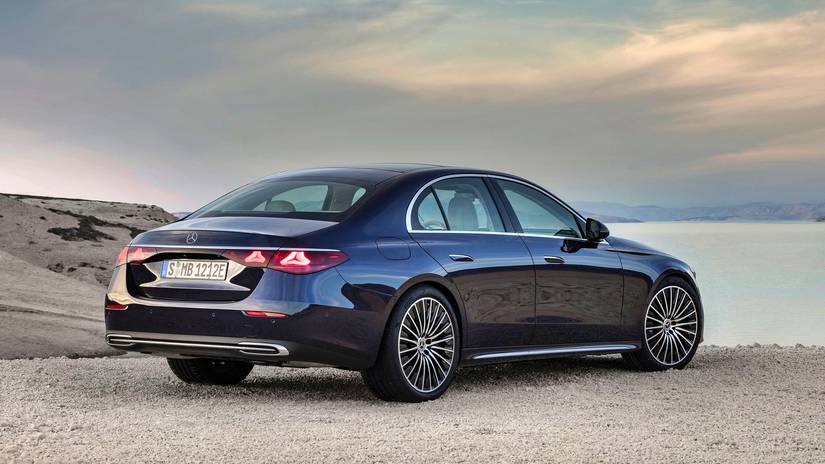
From 2019 to 2024, the average transaction price for luxury sedans rose significantly faster than inflation. A global pandemic wasn’t the only reason; it was a catalyst. Models like the BMW 5 Series and Mercedes E-Class saw their base prices rise over $10,000 in certain configurations.
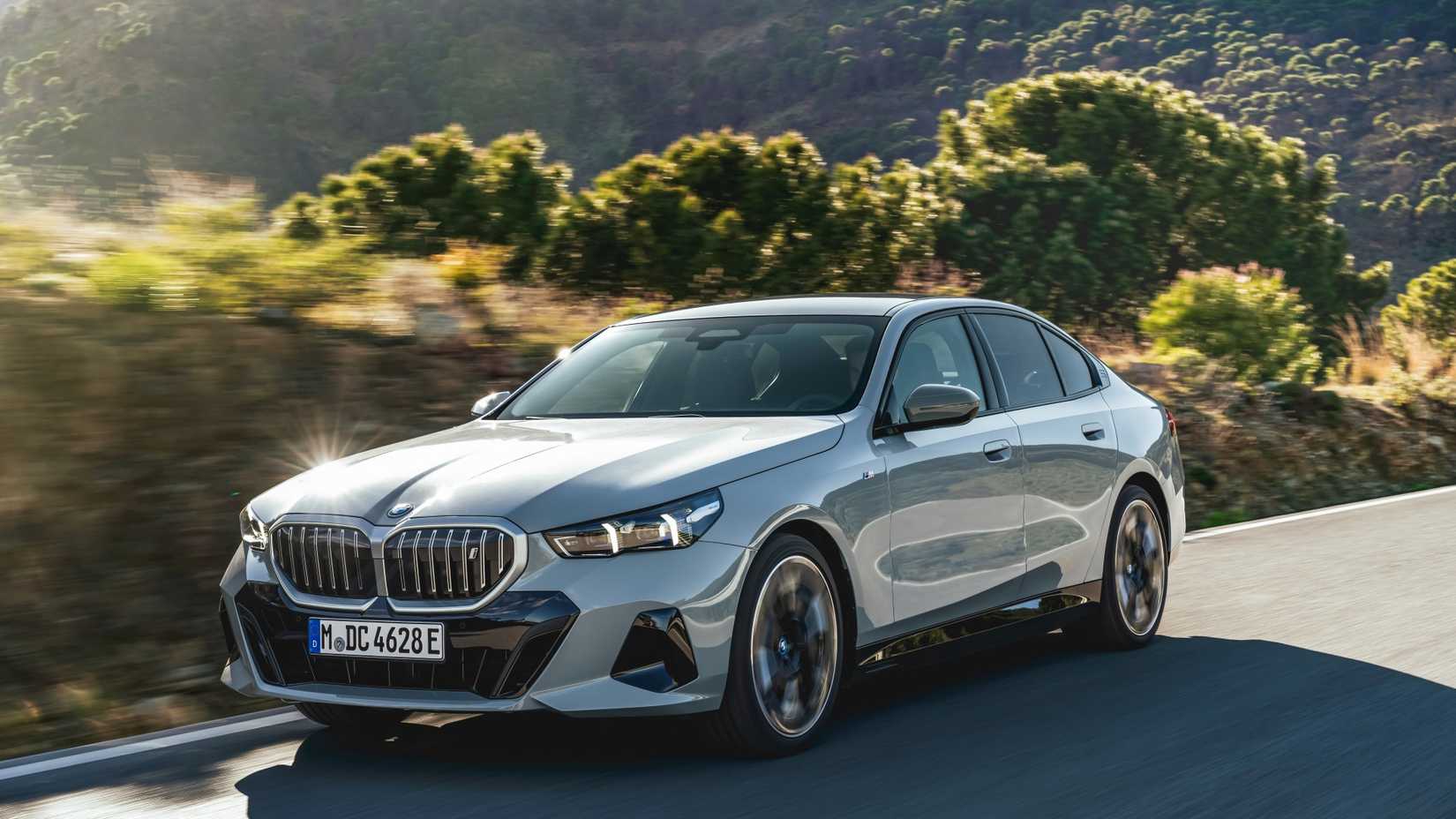
As it stands now, the base 2027 BMW 530i Sedan costs $60,500, while the 2026 Mercedes-Benz E 350 Sedan starts at $63,900. For reference, a 2019 Mercedes-Benz E-Class Sedan started at $53,500, which was over $10,000 less than the current model year. The problem is that neither the reliability nor the ownership experience has dramatically increased in quality during the same time period. J.D. Power data shows the BMW 5 Series has scored lower than mainstream competitors in quality surveys, with the 2026 5 Series earning an average score of 77 out of 100.
The Upselling Business Model

Features like panoramic sunroofs, premium audio systems, and advanced driver assistance technology may come standard on certain models, but not often. For example, on the $63,900 2026 E 350 Sedan, you will pay $750 extra for a non-white/black paint, $2,950 for the multicontour seating package, $3,400 for the Pinnacle trim, and $3,200 for the AIRMATIC package. After everything is said and done, a couple of options cost an additional $12,640, taking the total cost to $76,540 before taxes or registration costs. These are the kind of costs associated with a base E-Class, not a fully-loaded AMG or even a mid-level 450 model.
Mercedes-AMG Takes Aim At North America With A 646-HP V-8 Super Coupe
Reports suggest AMG is planning to drop an ultra-rare V-8 coupe, along with zeroing in on North American markets in the coming years.
What Defines A True Luxury Car Experience
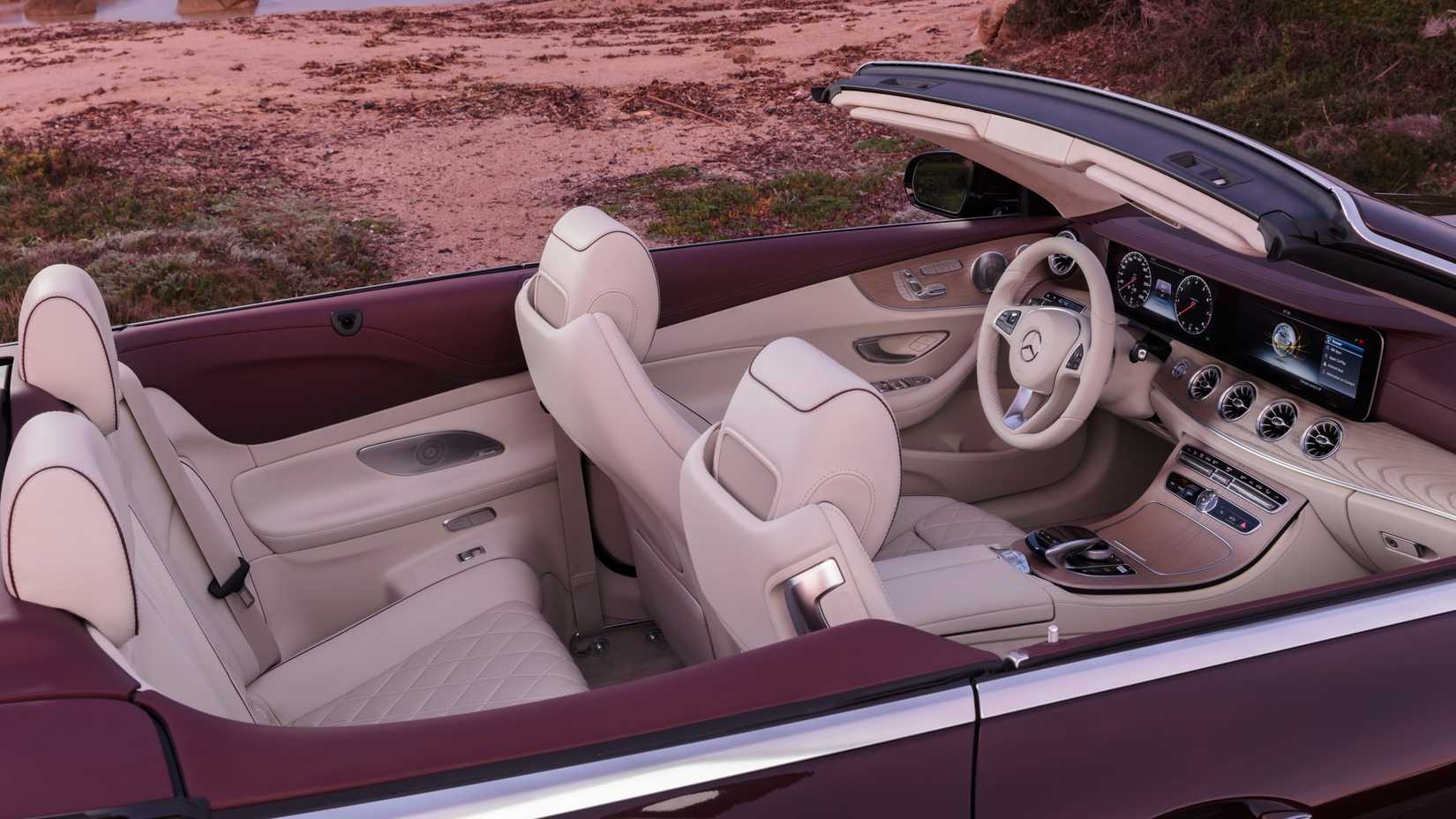
If we take away the massive marketing campaigns and badge prestige, a luxury car comes down to a specific set of tangible qualities. Some of the key details are ride quality, material quality, performance, technology, and a sense of occasion every time you go out for a drive.
The Construction Of A Quality Cabin
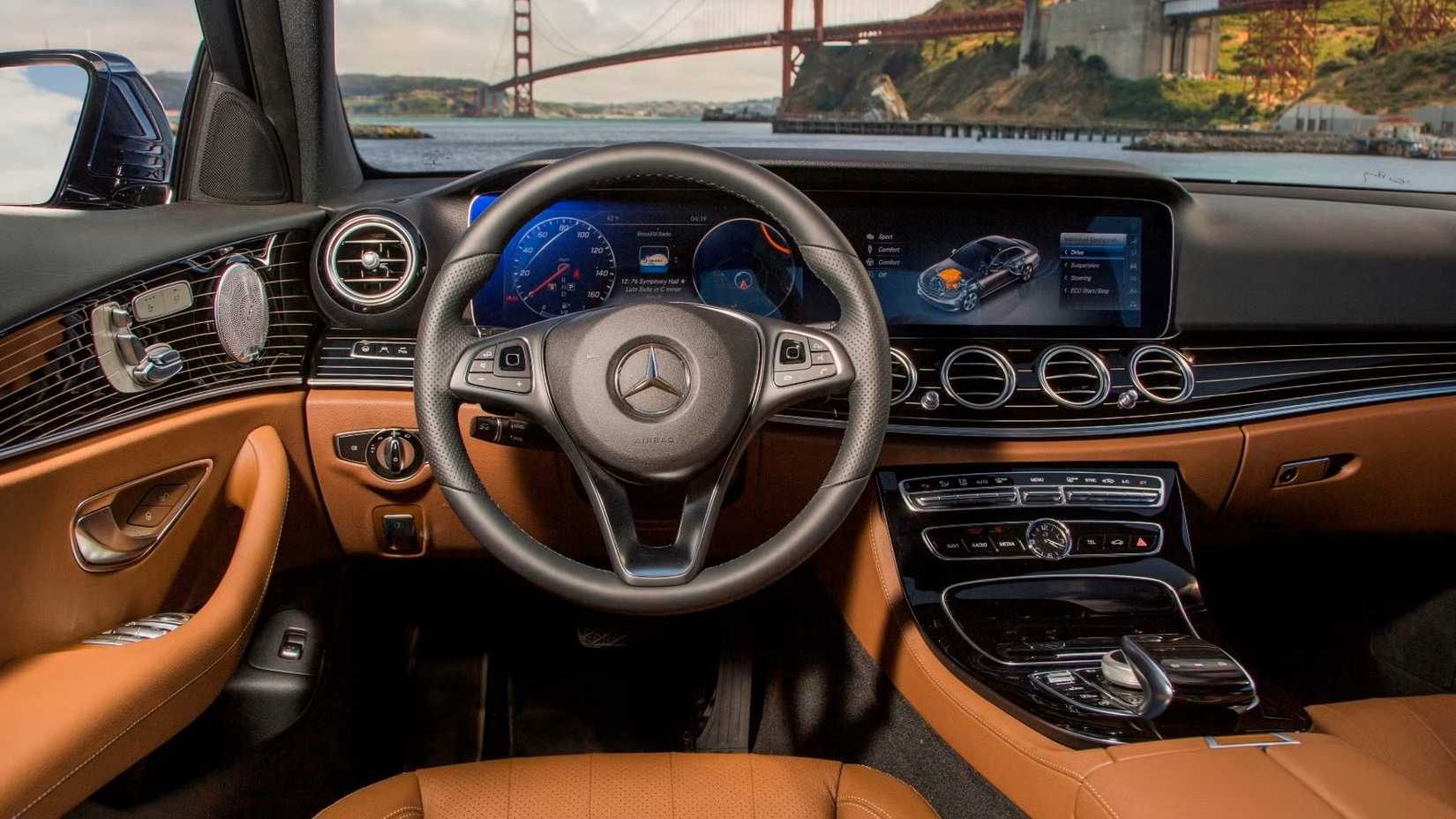
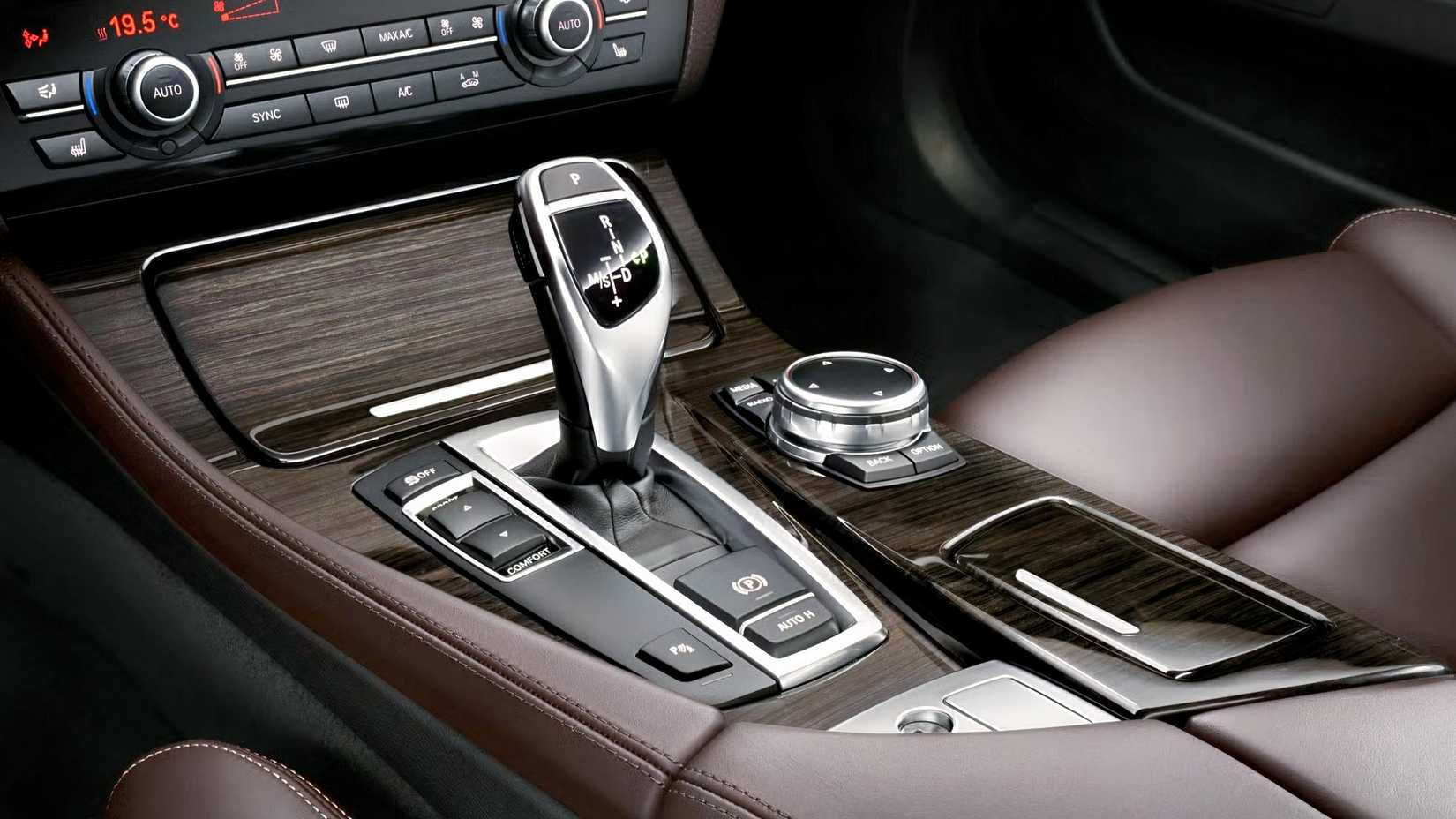
While the exterior of a luxury car is what will draw you in, the cabin is what will sell you on the experience. Every true luxury interior should look intentional and feel premium. It may look good in pictures, but if it doesn’t have the same plushness in person, you will be disappointed. The quality of noise isolation is another key feature that will tell you a lot about the cabin’s luxury claims. It’s important to evaluate noise isolation both at low speeds and during highway cruising. In a modern luxury sedan, you shouldn’t be able to tell the difference between 60 mph and 100 mph—speed should feel undramatic and effortless.
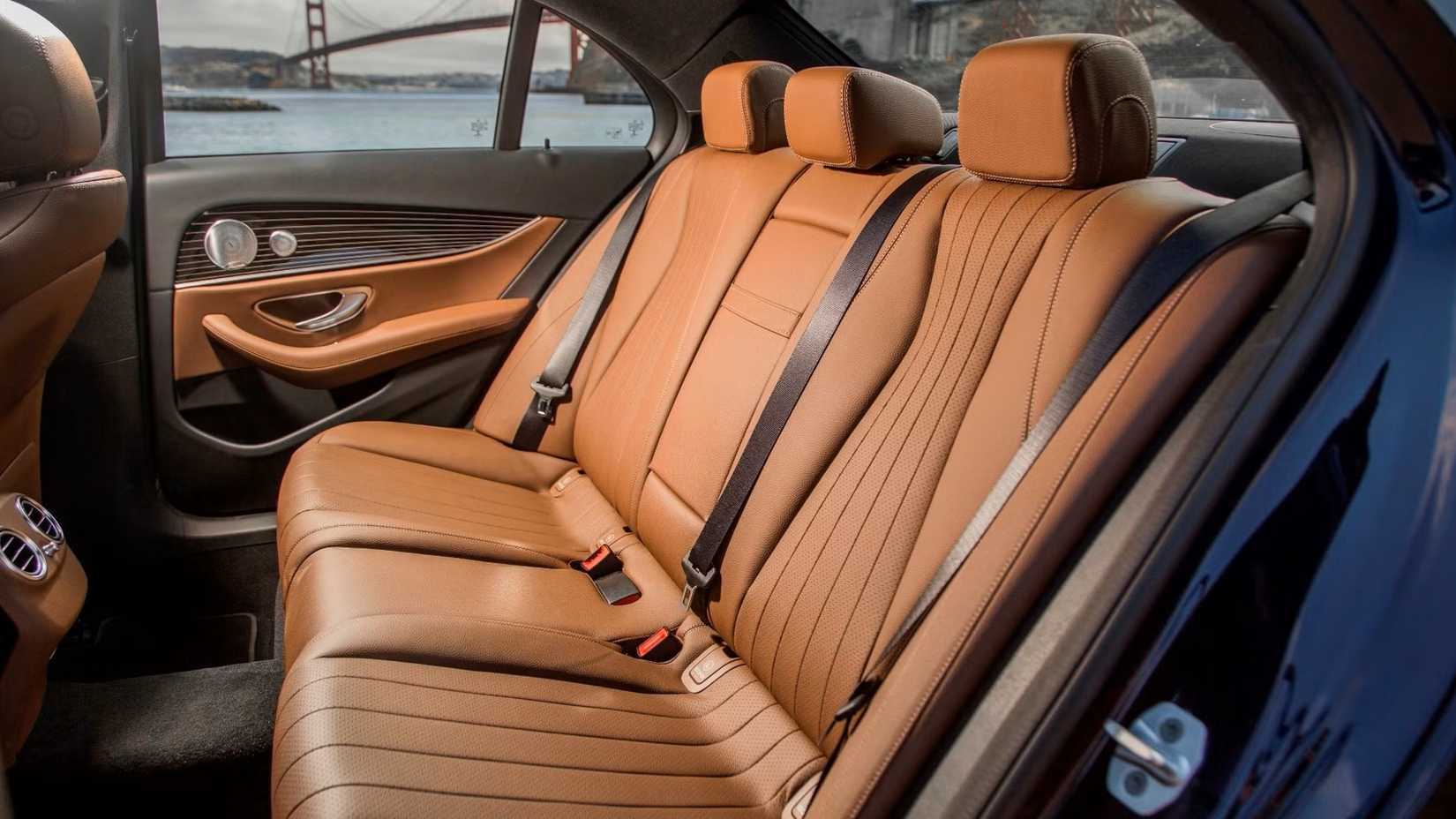
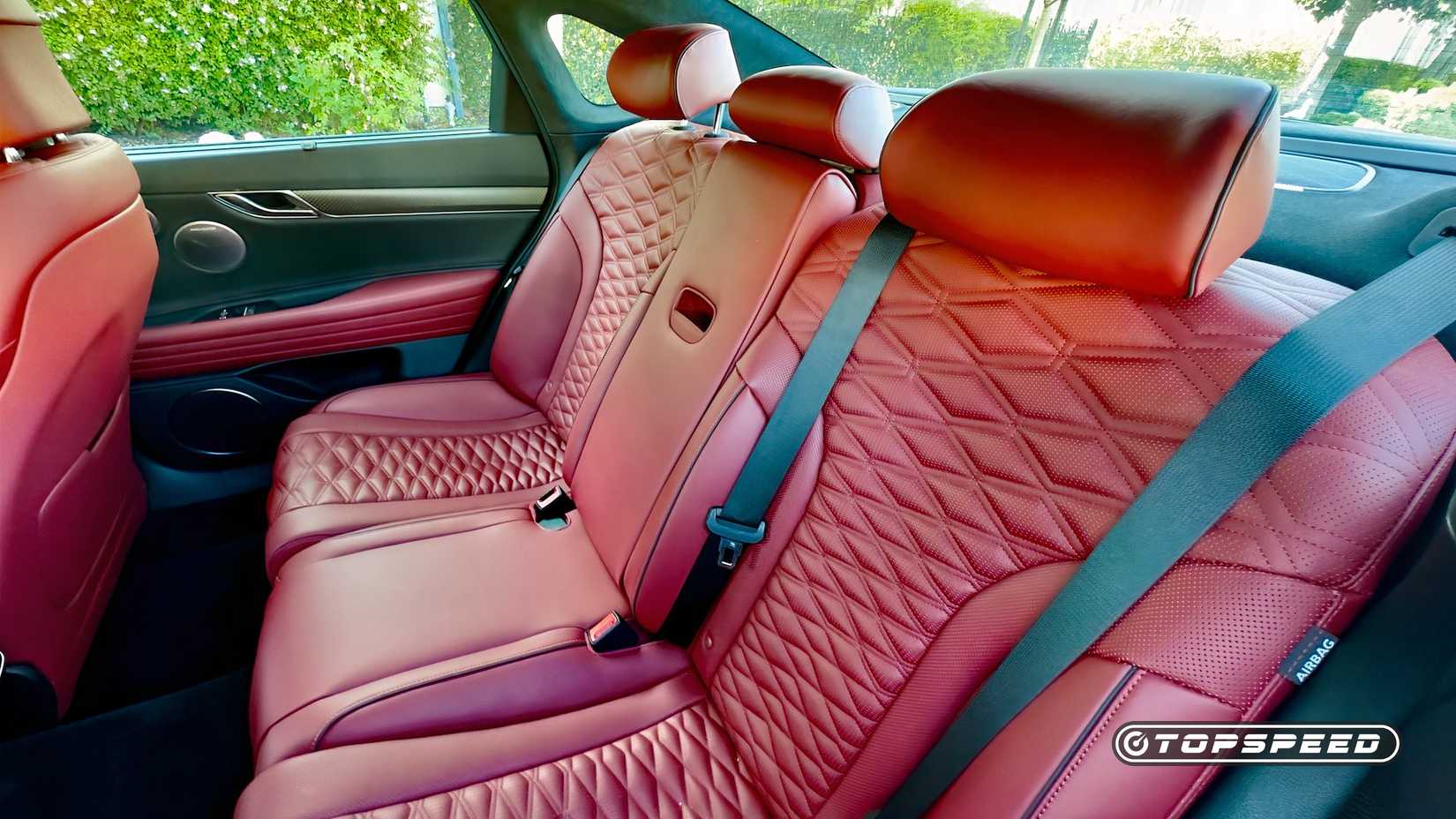
Seating comfort is just as important in the back as it is in the front. Indeed, the more premium the luxury sedan becomes, the more important rear-seat comfort is. No modern vehicle is complete without good tech integration, and large panoramic screens don’t make a car luxurious on their own. What is just as important is how clean the integration is. Software is, perhaps, even more important than hardware, and bug-free operating systems are a true sign of quality. These are the standards expected of a vehicle exceeding $60,000 in price, and rightly so. How often are these promises met in luxury sedans relative to their increasing price points? Not often at all.
Reliability Matters
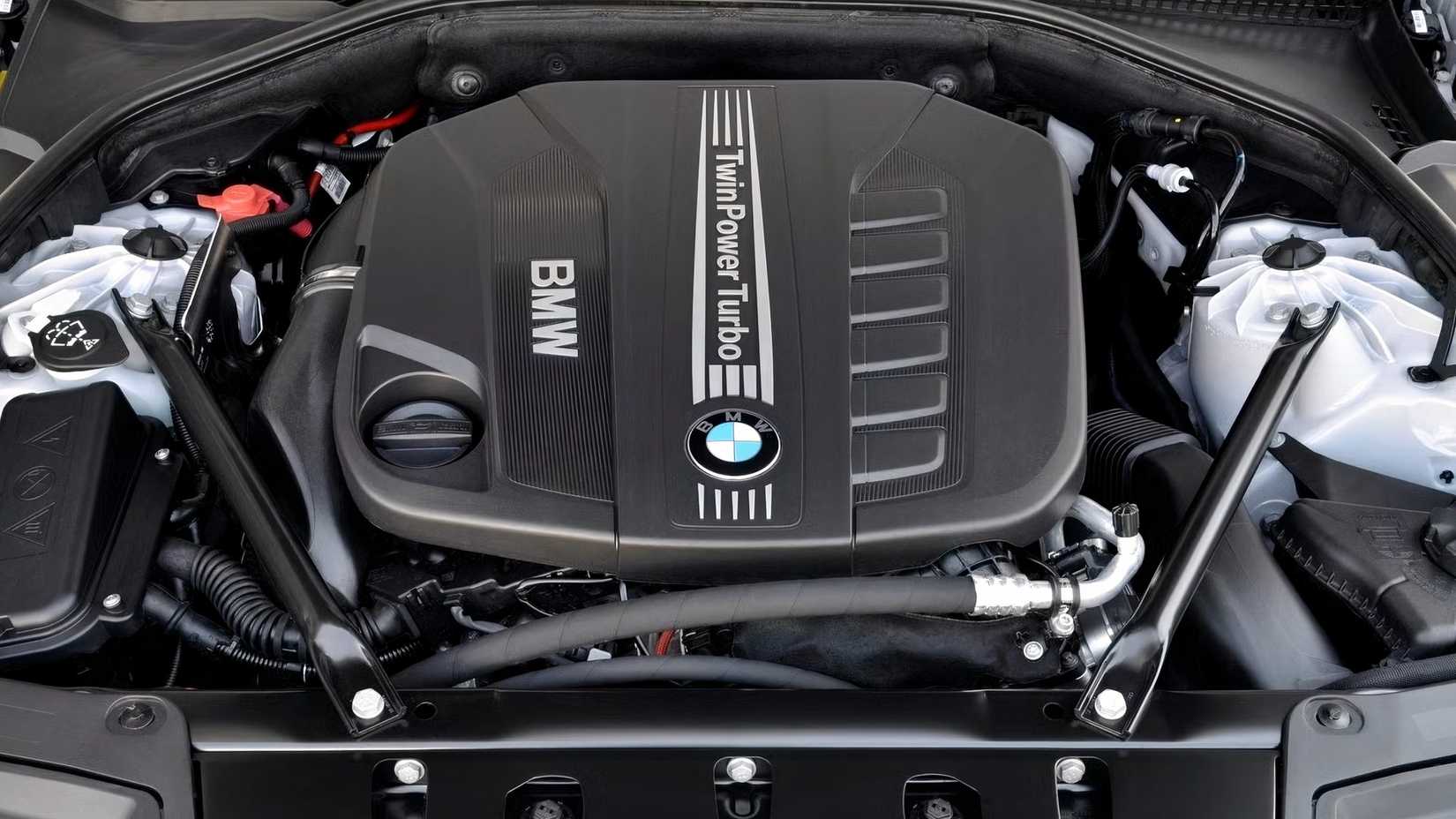
Luxury automakers rarely mention reliability or long-term ownership because they don’t want to expose the ugly truth. The fact is that greater complexity rarely translates into greater reliability. Yet, can a car that requires frequent dealer visits and expensive unscheduled repairs be considered a luxury experience? Well, the reality is that most European automakers fall short of this standard.
CarEdge projects a 42 percent chance of major repair within five years for a BMW 5 Series with an estimated maintenance and repair cost of $4,353 in that same time period. The Mercedes E-Class carries a 33 percent chance of a major repair and $3,717 in projected costs. It is not often discussed, but engineering confidence is a luxury feature, and European automakers often overlook this aspect. Yet, what if a certain brand could deliver all the key aspects of the luxury sedan experience while also solving the reliability conundrum? This would fundamentally challenge the status quo of the luxury segment, and one brand has done exactly that.
The Luxury Sedan That Feels More Premium Than A Mercedes For Less
The Mercedes E-Class is a default luxury choice, but this rival will make you question that decision
The Genesis G80 Beats Established Players In Both Quality And Value
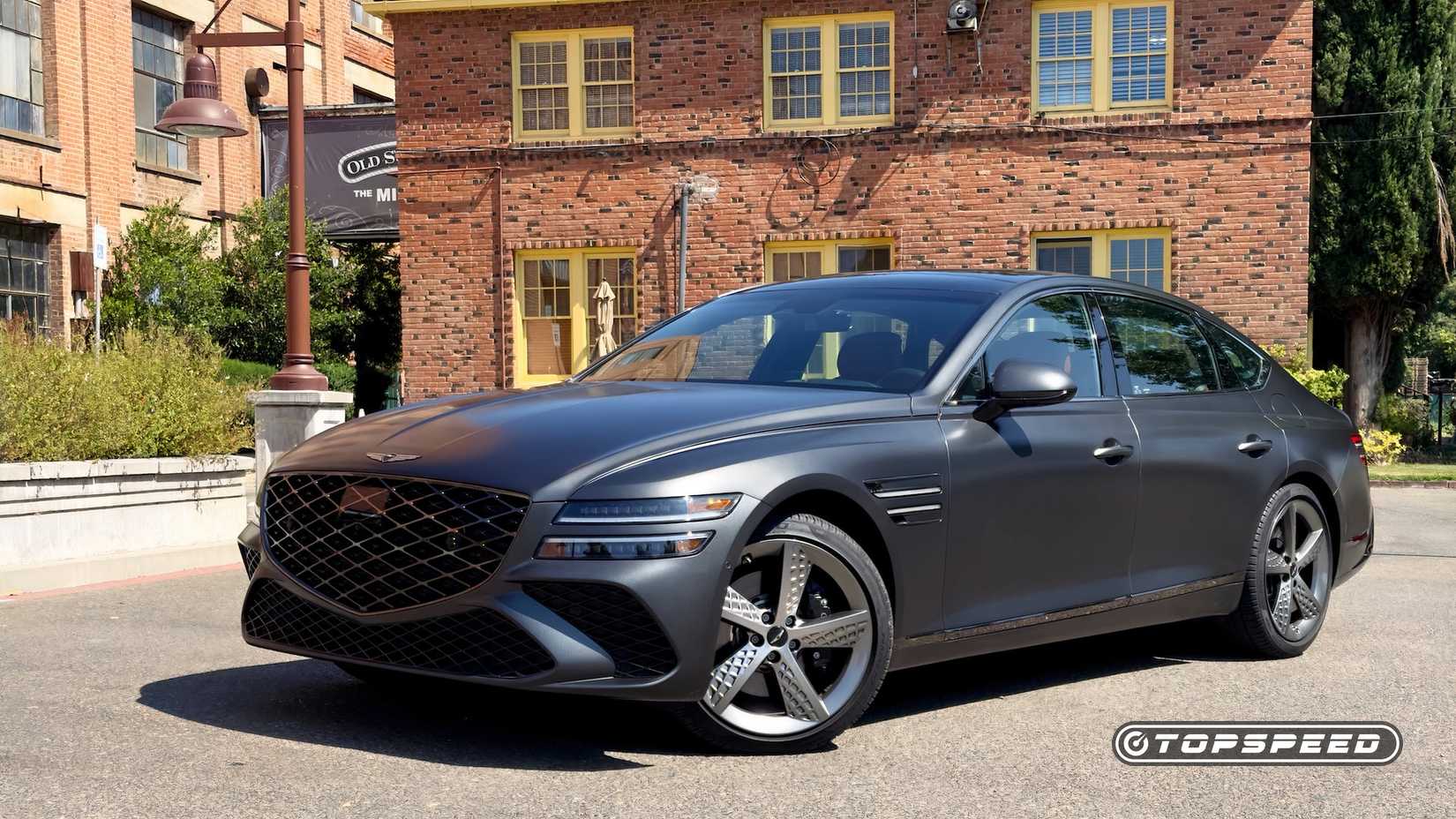
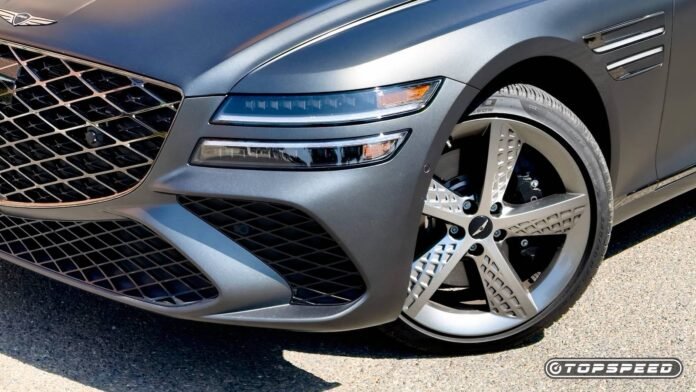
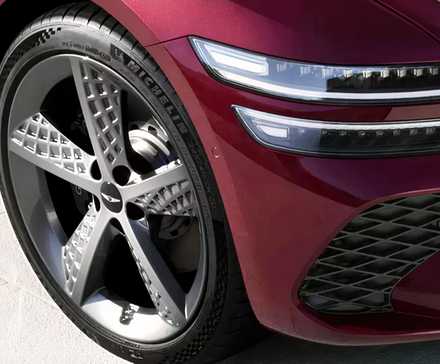
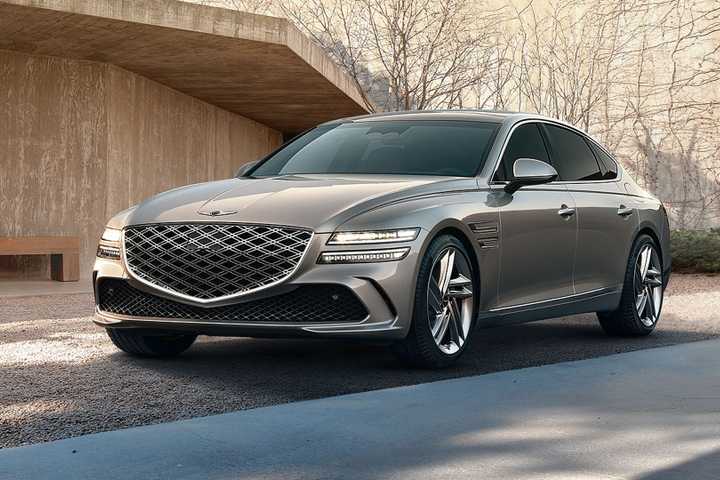
It doesn’t often get the respect or attention it deserves, but the Genesis G80 is a car that is redefining the midsize luxury sedan segment. This Korean alternative is a legitimate competitor to the European status quo in every category that matters at a price that makes German equivalents look overpriced in comparison.

- Base Trim Engine
-
2.5L I4 ICE
- Base Trim Transmission
-
8-speed automatic
- Base Trim Drivetrain
-
All-Wheel Drive
- Base Trim Horsepower
-
300 HP @5800 RPM
- Base Trim Torque
-
311 lb.-ft. @ 1650 RPM
- Base Trim Fuel Economy (city/highway/combined)
-
20/29/24 MPG
- Make
-
Genesis
- Model
-
G80
- Segment
-
Midsize Luxury Sedan
More Value, Less Fluff
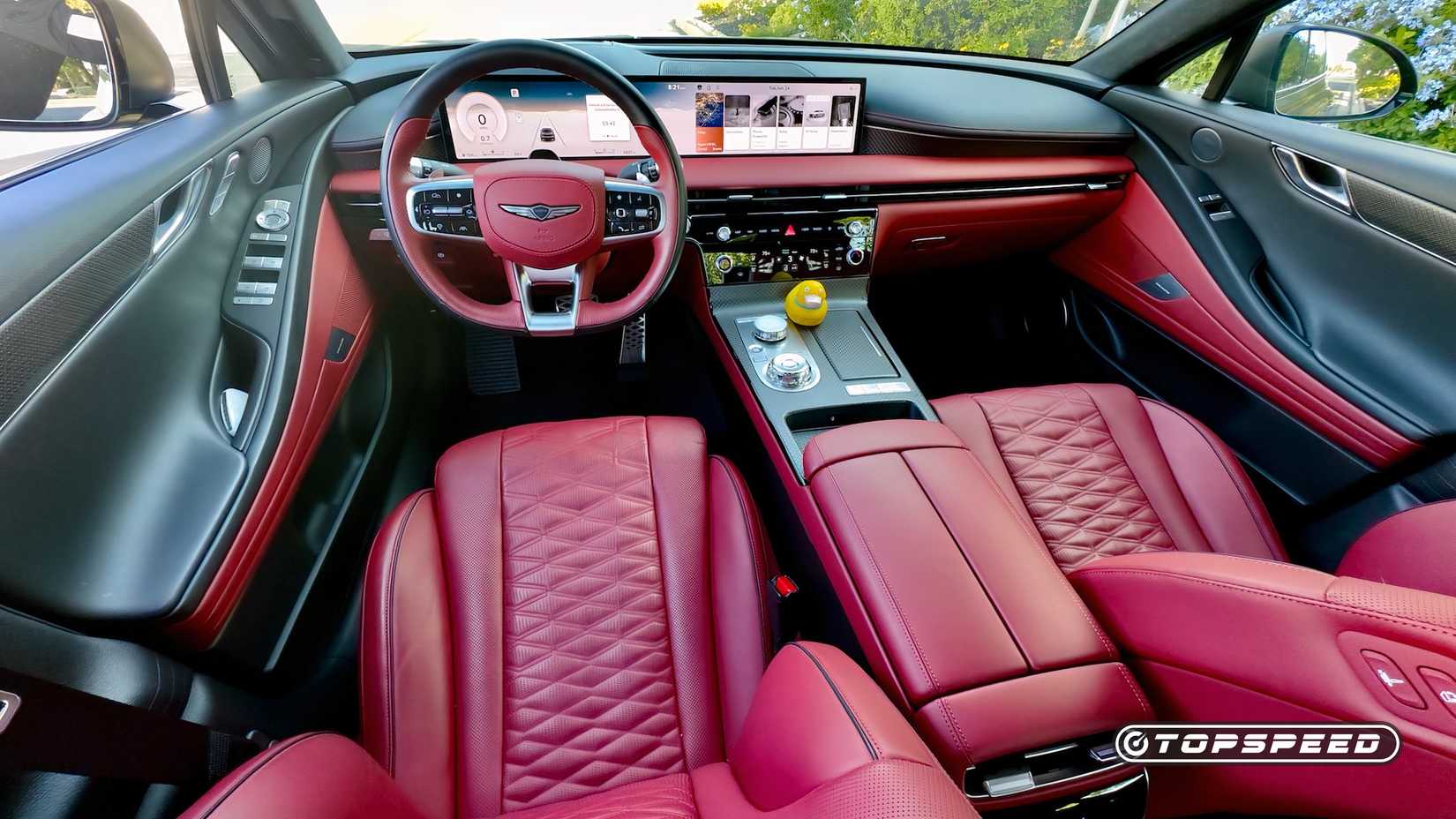
From the moment you step inside the cabin, the fit and finish of the G80 is excellent. Even in the base trim, the material quality of the G80 is undeniable. The open-pore wood trim is simple, yet elegant, and the design of the dash is excellent. The main feature is the 27-inch OLED display that functions both as an instrument cluster and an infotainment system.
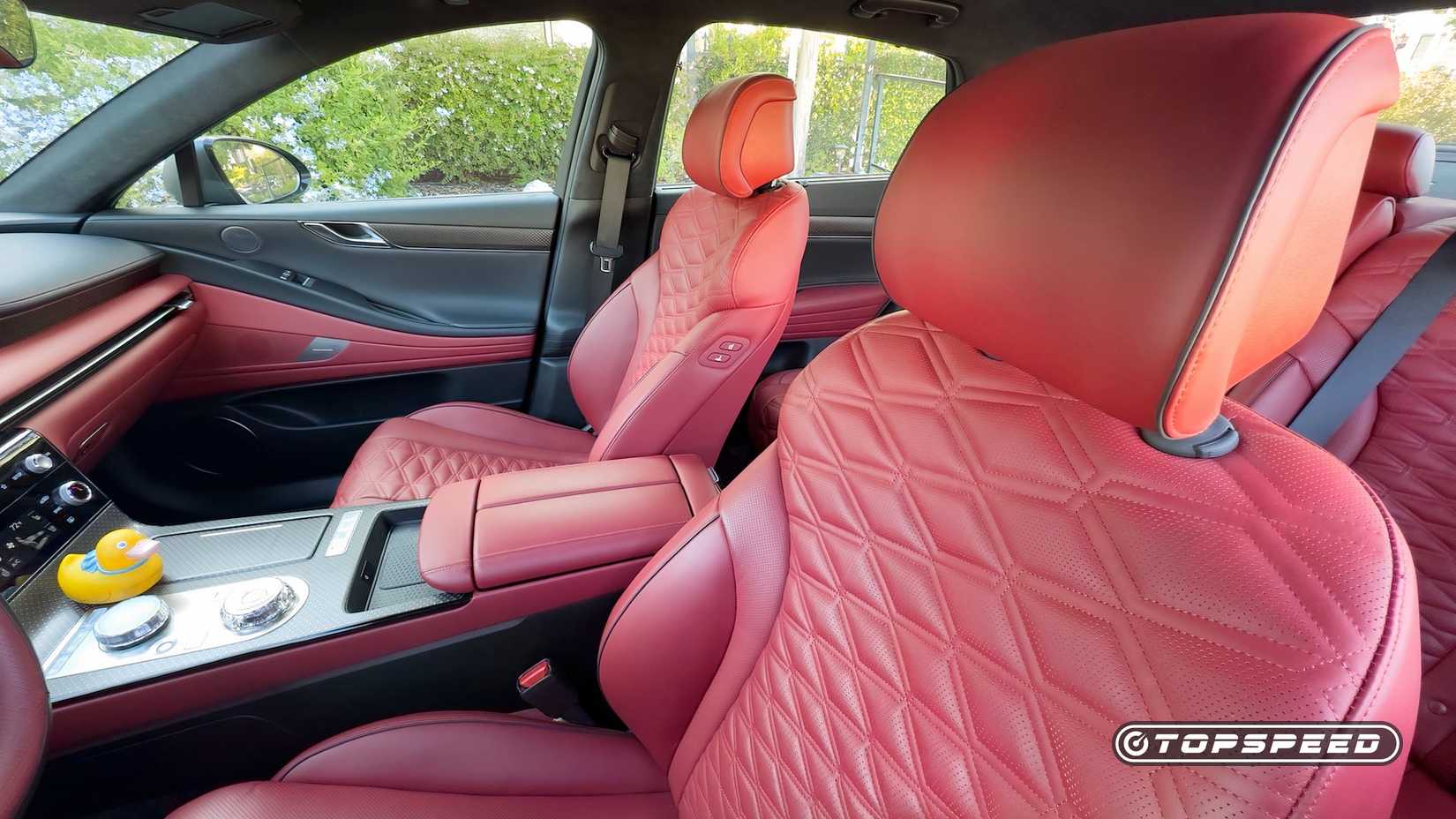
The screen looks great and is integrated clearly into the dashboard design. Just like the exterior, the interior of the G80 has a distinct identity. Unlike German competitors, what you see is what you get with each of the five trim levels available for the G80. There are no optional packages, and there are four accessories available for the G80 that would run you less than $1,000 total if you got the full set. The G80 is the antithesis of German upselling culture, and the straightforward nature of the trim levels is one of its selling points.
The Effect Of Reliability And Warranty Coverage
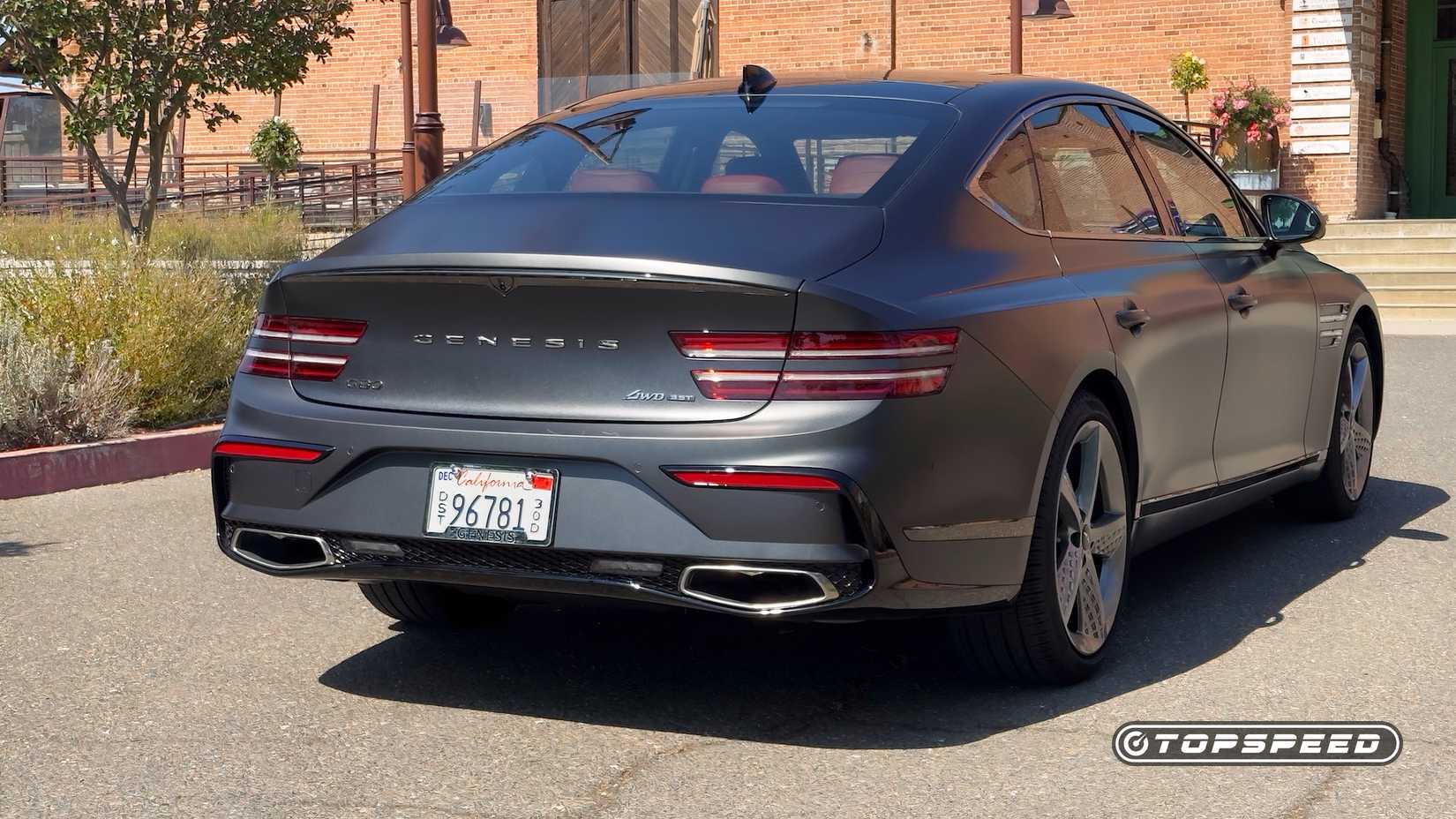
In the 2024 edition of J.D. Power’s quality and reliability survey, the Genesis G80 scored an 88 out of 100. That put the Korean luxury sedan on par with the Lexus ES of the same year, which is often considered the most reliable sedan in the segment. Compared to its German rivals, there was no real competition. The G80’s scores have varied since then, but it has held an 80 out of 100 in both 2025 and 2026 for quality and reliability, outscoring the BMW 5 Series and matching the Mercedes E-Class.
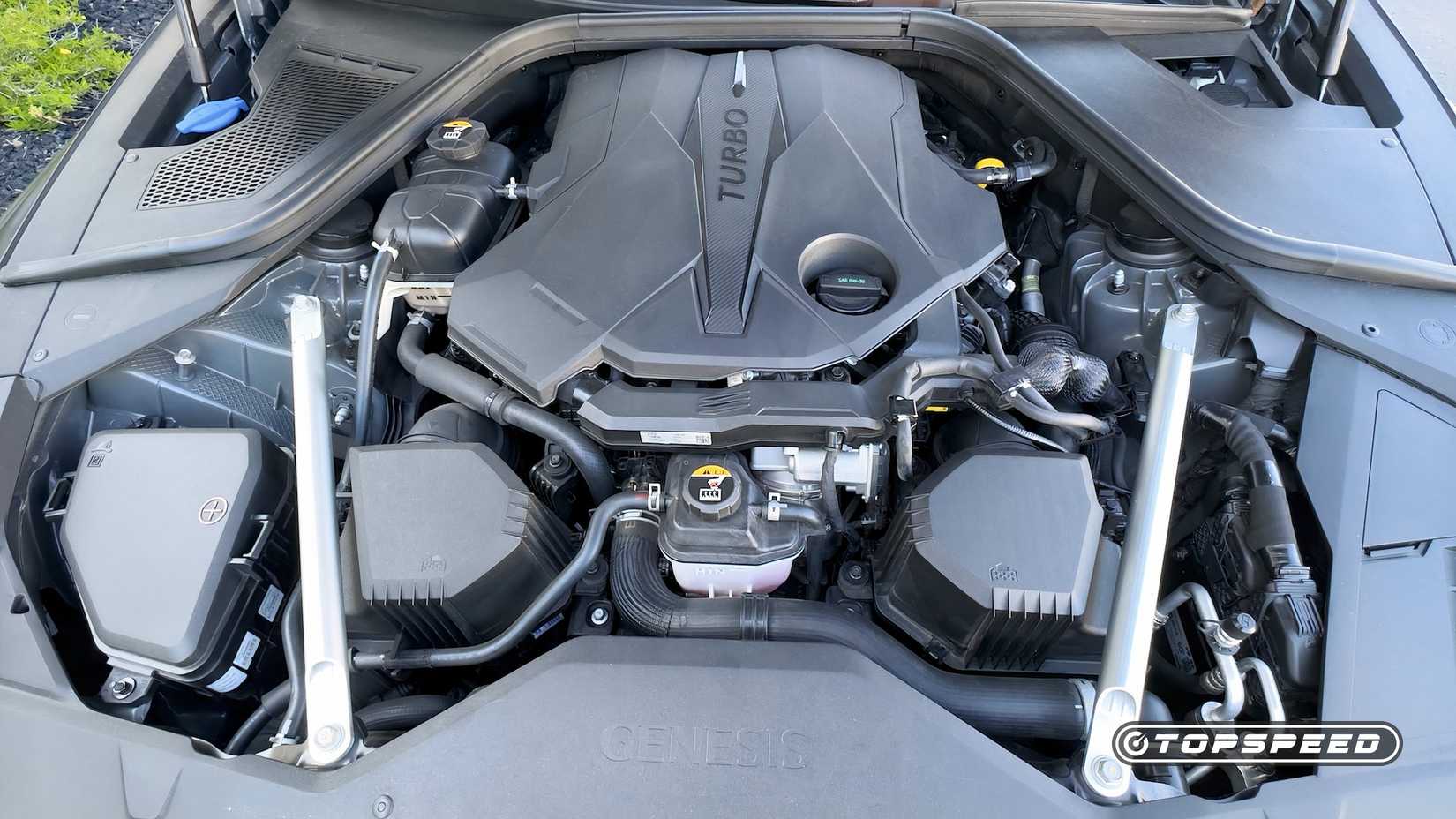
CarEdge states there is only a 20 percent chance of major repair within five years and projected repair costs of $2,554 over the same period. That is about $1,800 less than the E-Class and about $2,000 less than the 5 Series over the same time frame. The cherry on top is Genesis’ class-leading warranty that comes with your purchase, providing a ten-year, 100,000-mile powertrain warranty. BMW, Mercedes, and Audi all offer the same coverage: a four-year, 50,000-mile powertrain warranty. Genesis is effectively twice as confident in the durability of its product and is willing to back it up. This alone creates a fundamental difference in the ownership proposition.
The Luxury Sedan That Perfectly Balances Reliability And Sportiness
This Japanese sedan proves you don’t have to sacrifice driving excitement to enjoy bulletproof reliability.
What The G80 Means For The Luxury Segment
The Genesis G80 forces luxury shoppers to ask an uncomfortable question: What are you really paying for? Is it the badge or is it the car?
Where Your Money Actually Goes
By now, you must have realized that there is a luxury tax directly built into German luxury sedans simply because they are German. This is the result of decades’ worth of brand equity, clever marketing, and motorsport allure. At the end of the day, a car is something of a status symbol, and the badge is often more important to the casual consumer than the substance behind it. This social currency cannot be precisely valued, but it certainly has an effect on pricing practices.

The Genesis G80 matches, and in certain categories, exceeds its German rivals in material quality, cabin refinement, technology, reliability, and performance. The only thing the G80 is missing is its own lore, something that takes years, if not decades, to craft. The fact remains that the premium attached to the established players in the segment is increasingly a charge for brand association rather than engineering substance. The G80 is not simply a bargain option among expensive competitors; it is a pioneer in transparency and measurable value in the luxury segment.
Sources: Genesis, Mercedes-Benz, BMW, CarEdge, RepairPal, J.D. Power