
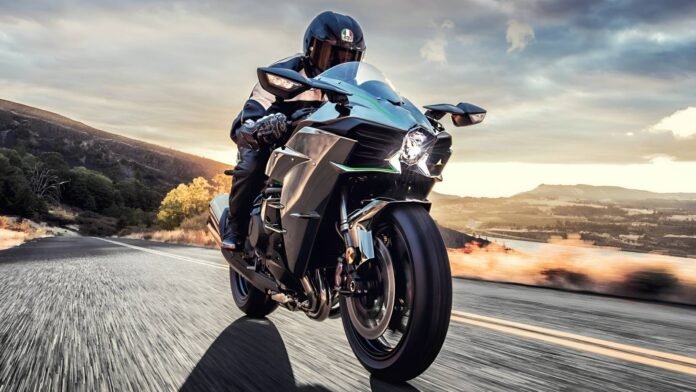
When it comes to performance motorcycles, the Japanese manufacturers have a steady legacy. It was the Suzuki Hayabusa that brought the infamous Gentlemen’s Agreement into effect. The straight-line battle between the ‘Busa and the Kawasaki ZX-14R is nothing short of legendary. Talking of which, Team Green has churned out some iconic performance motorcycles over the years.
The earliest Ninja features Kawasaki’s first-ever liquid-cooled four-cylinder engine. This is in line with Kawasaki’s core philosophy of “Rideology,” which focuses on the total riding experience, with the rider at the center. The performance motorcycle that defines Kawasaki’s core philosophy in 2026 is a Ninja, for which rivals have been playing catch-up for the last 10 years!
Philosophy And History Of Kawasaki Ninja Motorcycles
Kawasaki’s performance motorcycles adhere to the philosophy of creating high-performance, rider-centric machines that are “fun and rewarding to control”. Since the inception of the Ninja nameplate, Kawasaki has strived to make the “ultimate motorcycle” with a commitment to advanced technology, speed, and aggressive styling that transcends even race bikes.
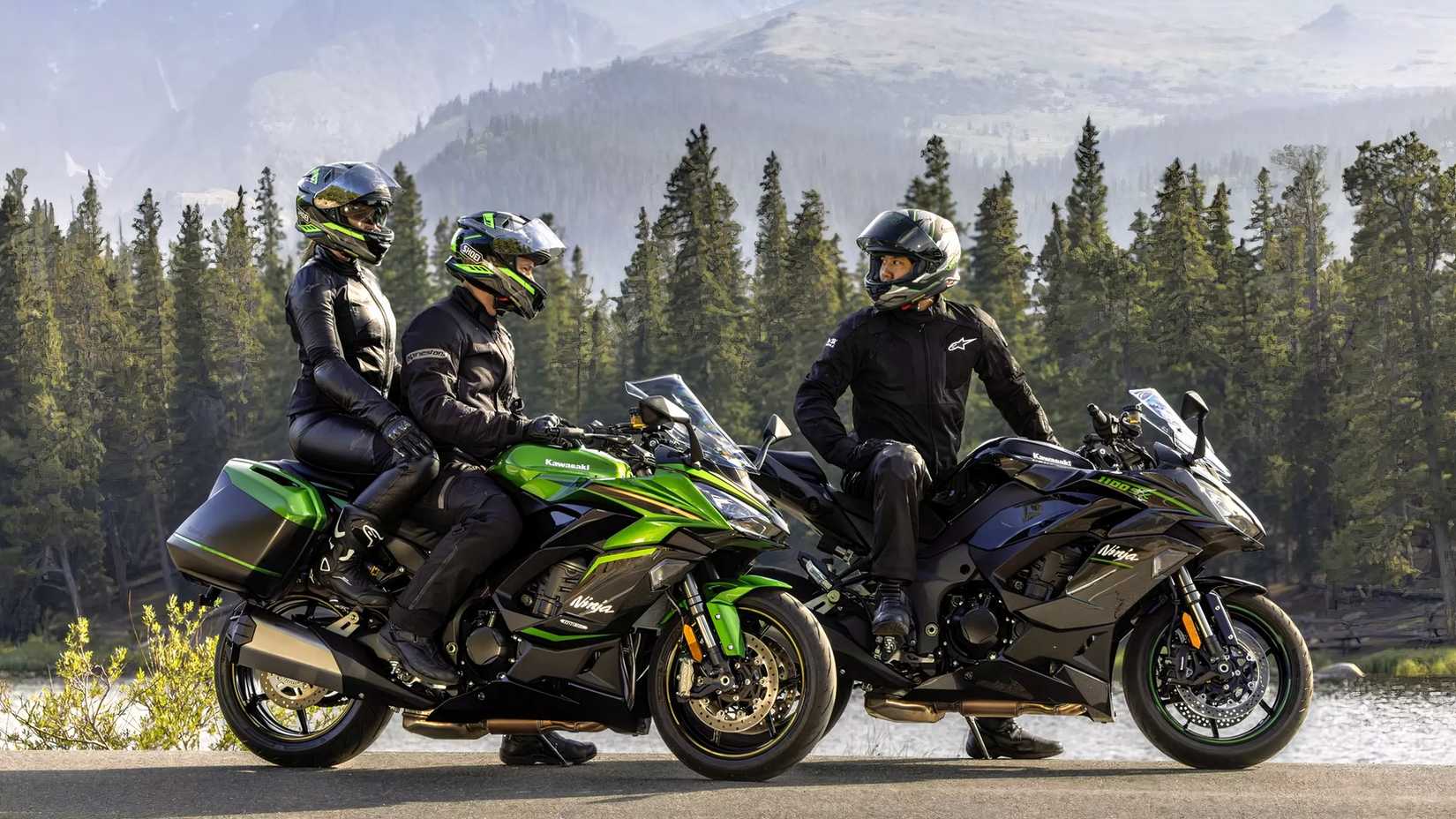
One of Kawa’s notable focuses is offering powerful yet gentle motorcycles that deliver a fun, engaging experience, but within the limits of the rider’s control. Kawasaki also offers diversity across its Ninja lineup, with models ranging from the beginner-friendly Ninja 500 to the drag-strip-dominating Ninja ZX-14R to the comfort-focused Ninja 1100SX, and even the new wave of all-electric Ninja models. The core principles that the Kawasaki Ninja models adhere to include:
- Fun and Rewarding Control
- Uncompromising performance
- Visual Aggression
Impactful Kawasaki Ninja Sport Bikes Over The Years
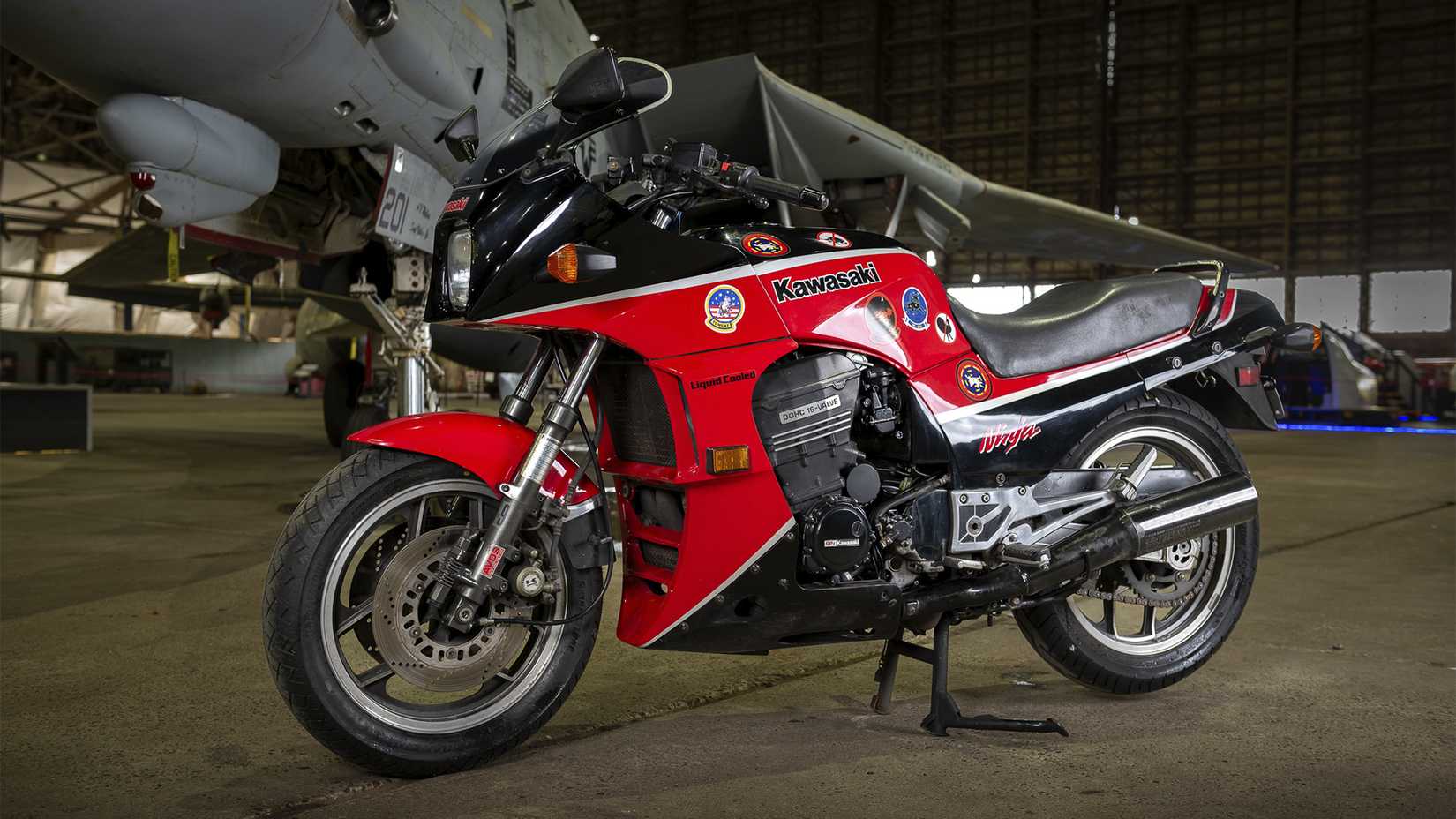
The story of the Kawasaki Ninja nameplate begins in 1984 with the revolutionary GPz900R. You might know it from the Top Gun movies. The first-ever Ninja was bleeding-edge for the time and set the course for all future sport bikes. It packs the first-ever liquid-cooled, 16-valve four-cylinder performance engine capable of pushing a motorcycle beyond 150 mph. The mill was lightweight and utilized as a stressed member of the diamond-type frame, all rare feats at the time.
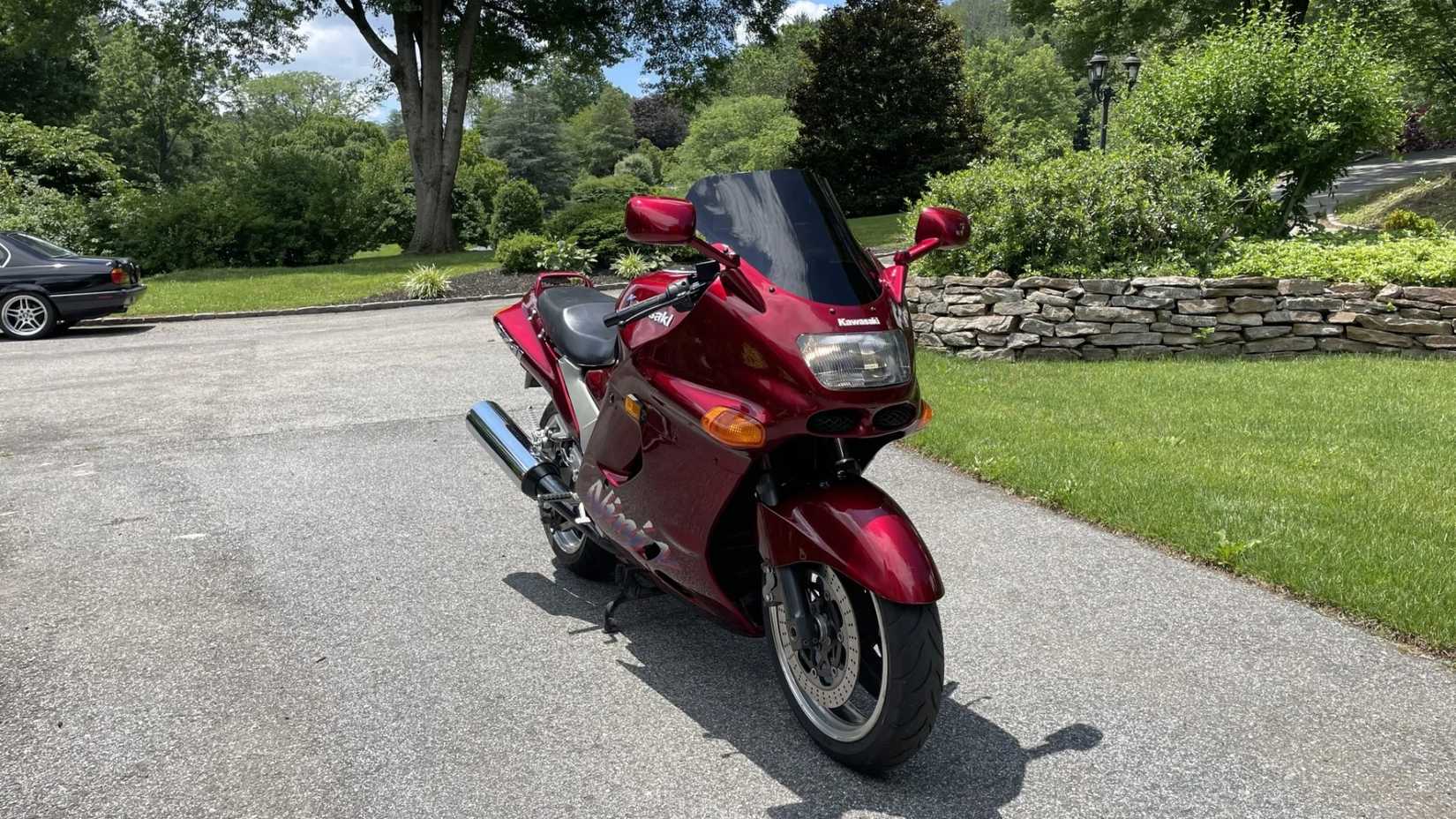
Next was a wave of Kawasaki Ninjas focused on speed. First up is the 1990 ZX-11 that set a new benchmark for top speed and held the title of the world’s fastest production motorcycle for several years. An innovative feature on this Ninja was the Ram Air intake system.
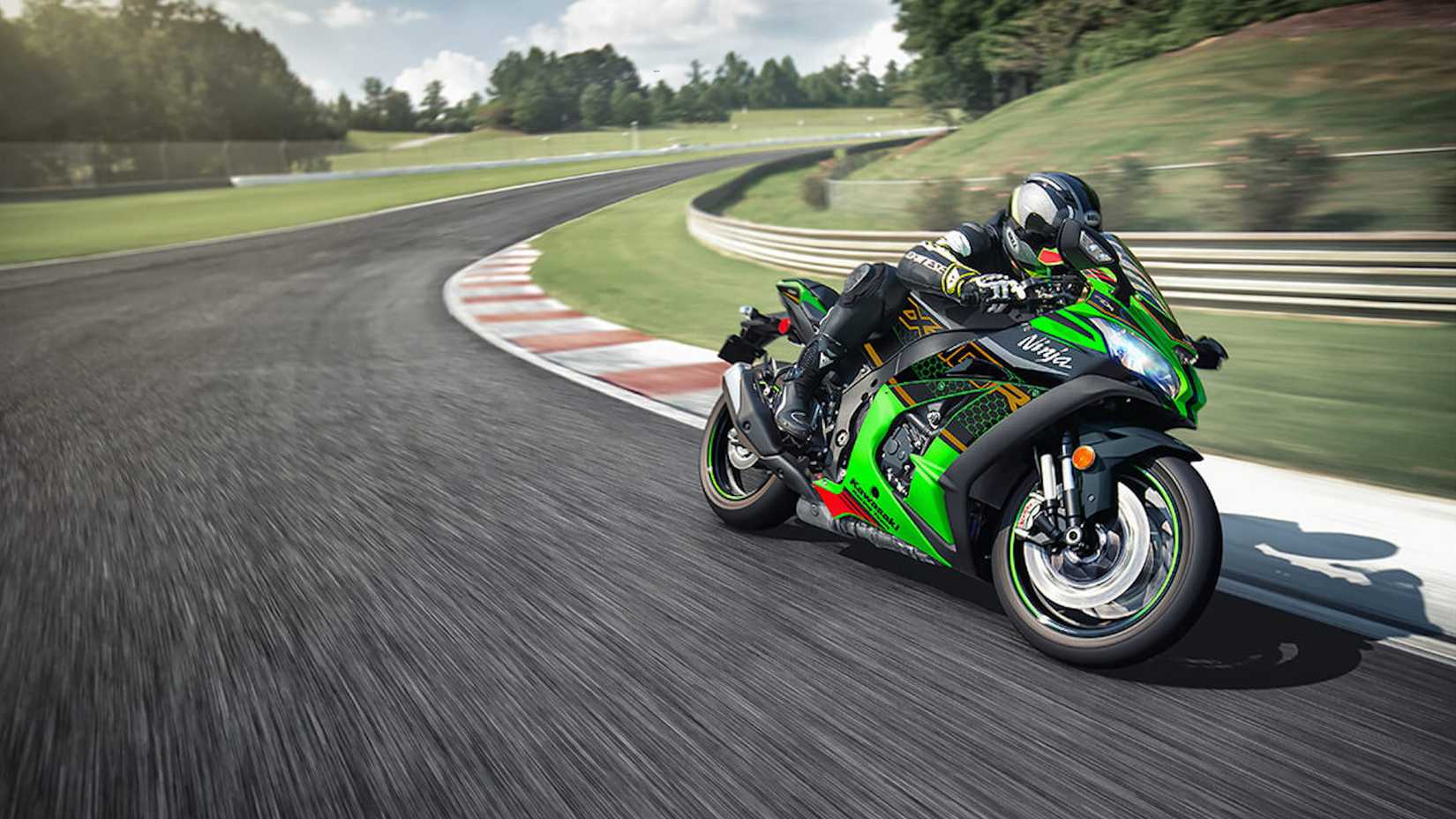
Then it evolved into the ZX-12R, designed to challenge the Honda Blackbird and the Suzuki Hayabusa in the 2000s hyperbike wars. It featured a unique and then-rare monocoque chassis. The 2000s saw a shift from straight-line aggression to cornering sharpness with the tech-savvy Ninja ZX-10R. This was a weapon on the racetrack while also being relatively tameable on the roads thanks to an array of integrated advanced electronics.
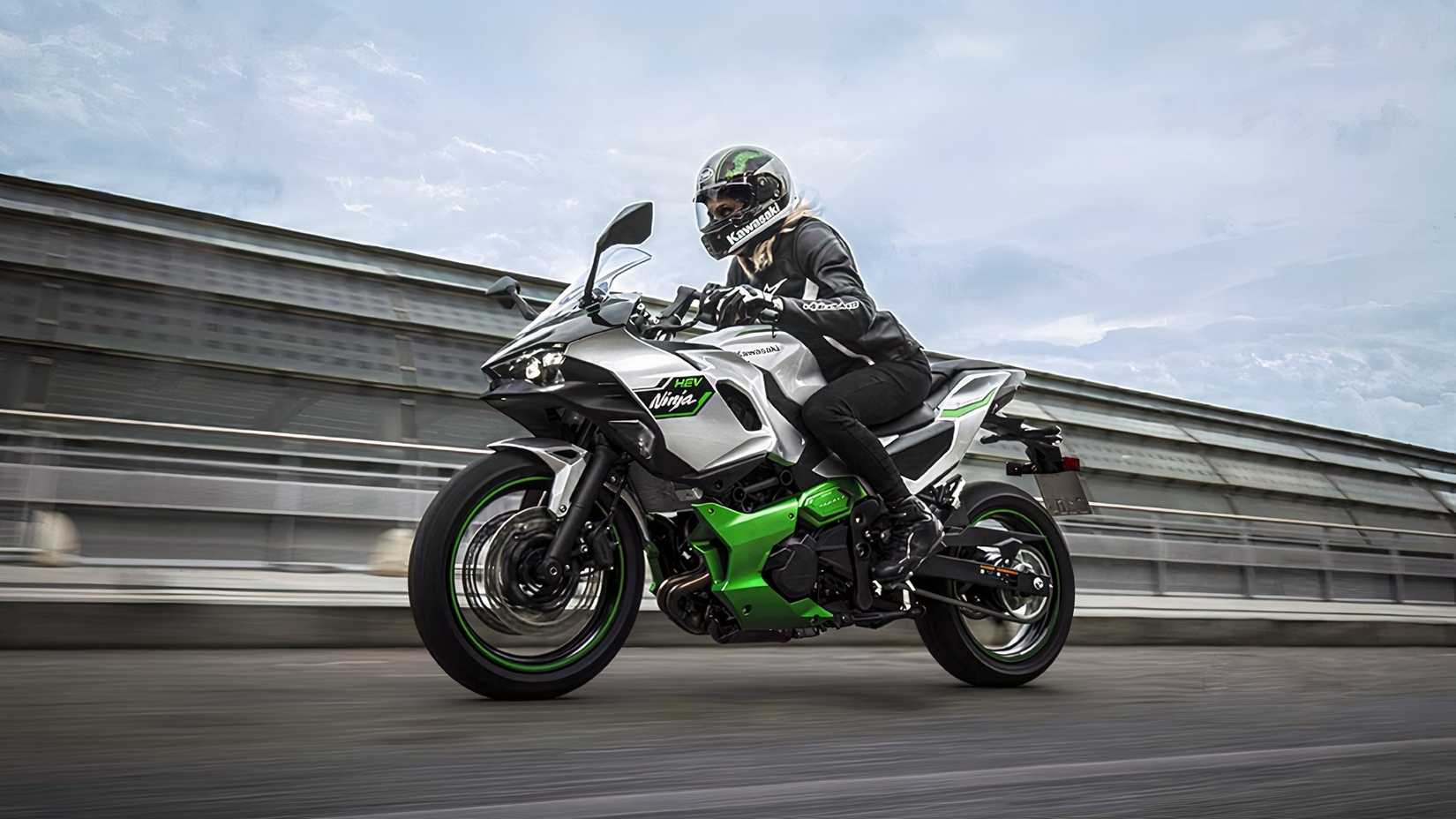
Now, the Ninja nameplate has turned over a bold new chapter with hybrid and fully-electric offerings with the Kawasaki Ninja 7 Hybrid and the Ninja E-1 models. However, in terms of ultimate performance, Kawasaki created a beastly sport bike unlike any other in 2015. The engineering prowess was so goated that even after 10 years, it remains undisputed. The mighty Ninja H2 is the epitome of Kawasaki’s performance division.
A Legendary Superbike You Can Buy For Kawasaki Ninja 500 Money
While a Ninja 500 maxes out under 120 MPH, this legend will take you beyond 190 MPH for the same money
The 2026 Ninja H2: Epitome Of Kawasaki Engineering
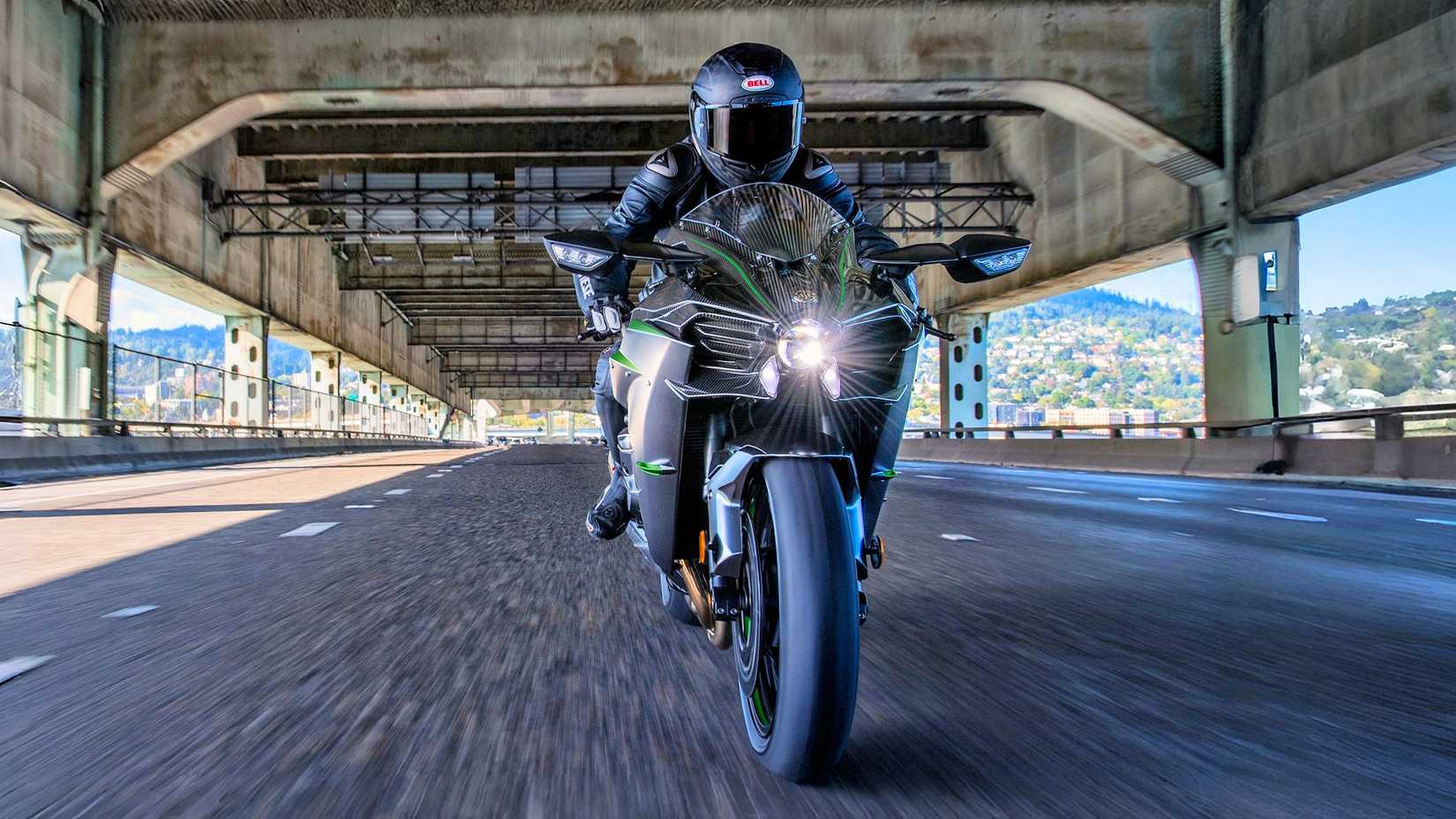
The Kawasaki Ninja H2 is a masterclass in precision engineering and performance. When Kawasaki launched it back in 2015, the world was in awe. But people were also dismissive, as the H2 wasn’t quite a sensible offering. It was way too expensive, with a starting price of $25,000 back in 2015. It was a limited-run model, too. No one expected it to be anything more than a passion project that would sell for a few years in limited numbers and go down in history as an automotive marvel.
Well, the latter part is true, but this flagship Kawa Ninja is still going strong as the demand for a new H2 has not faded. The 2026 Ninja H2 is priced from $34,400. Mind you, this is the base model. There’s also a more expensive Ninja H2 Carbon, priced at $38,100, which differentiates with carbon fiber body panels and a unique paint job.
There’s Also A Track-Only Model
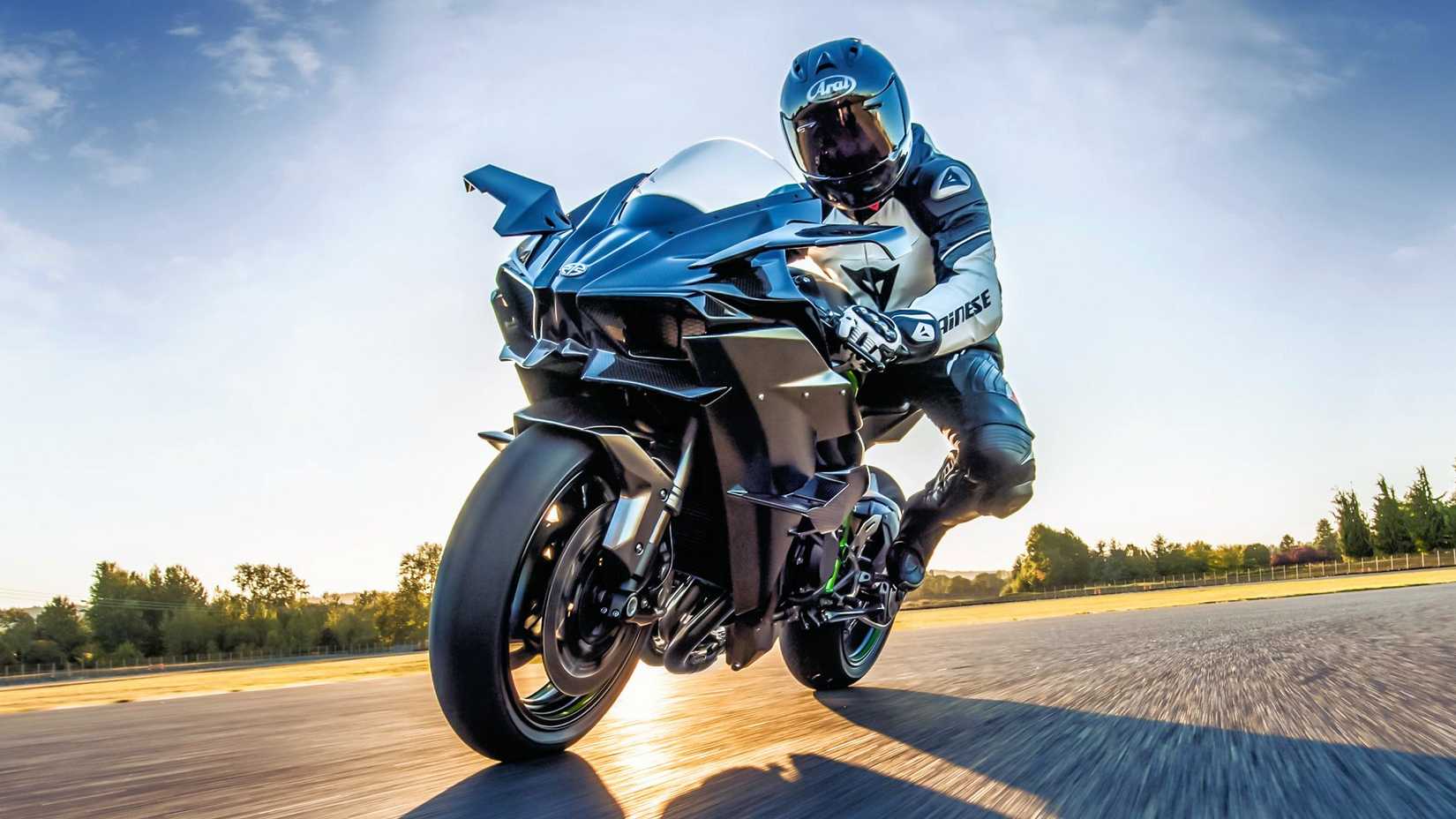
The 2026 Kawasaki Ninja H2R is the unhinged version, priced at a whopping $62,100. It differs from the standard H2 in that it is a track-only sportbike. Hence, it doesn’t have lights, mirrors, or turn signals. The body is modified with aerodynamic winglets.
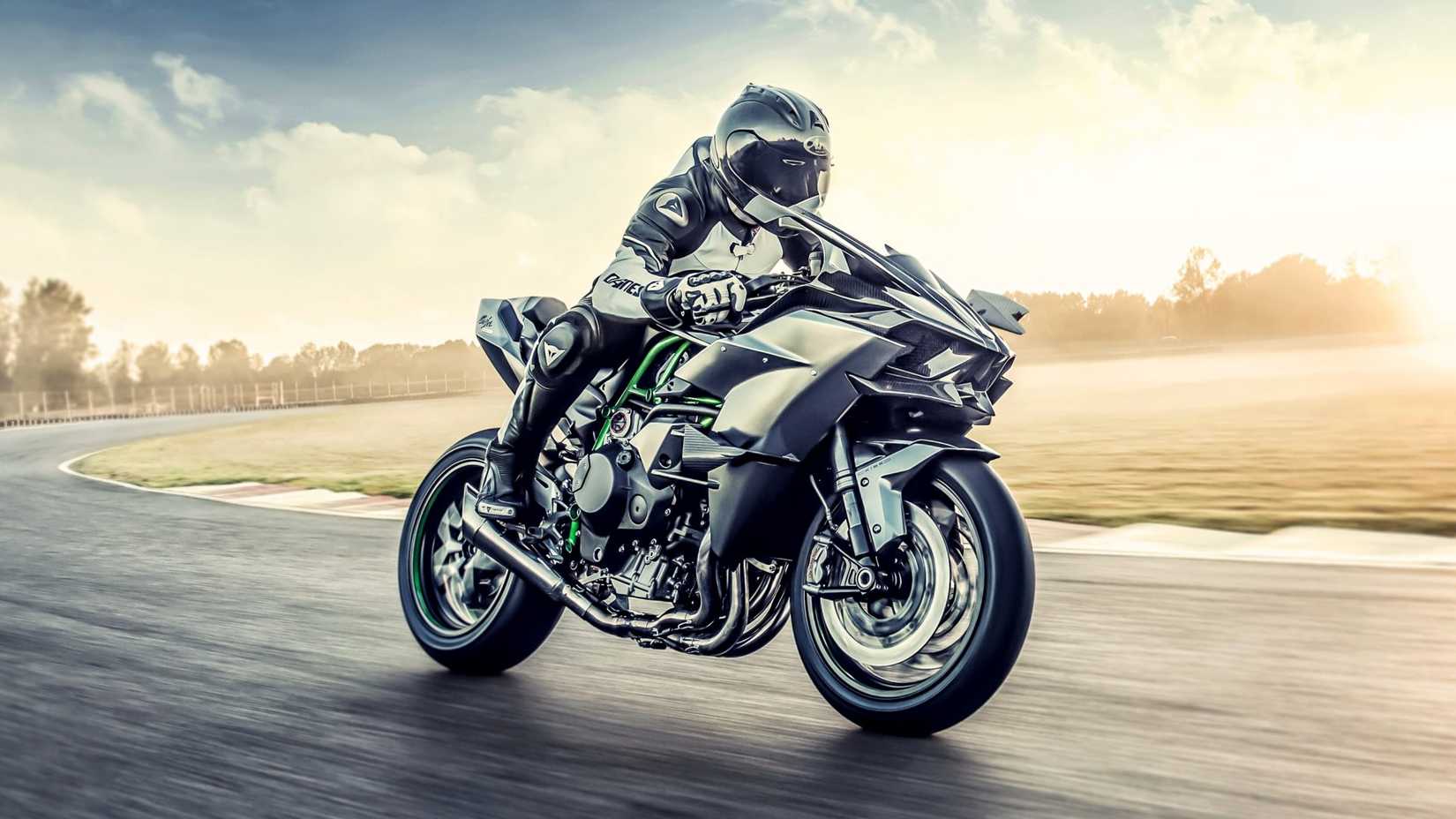
Its game-changing engine produces over 300 horsepower, and the motorcycle weighs under 500 pounds, offering an insane power-to-weight ratio. It also uses a race-spec ECU, more aggressive camshaft profiles, a higher compression ratio, and a straight-pipe exhaust that will get your bike impounded if used on public roads. It also requires intense maintenance with inspections required every 15 hours of operation above 8,000 RPM.
Kawasaki Ninja H2’s Game-Changing Supercharged Engine
This is what has put the Kawasaki Ninja on a pedestal for the last 10 years. The supercharged four-cylinder engine is revolutionary because Kawasaki Heavy Industries has integrated a centrifugal supercharger into a compact inline-4 layout. It doesn’t even need an intercooler.
A highly calculated, efficiency-driven supercharger construction helps the impeller shaft spin at nearly 130,000 RPM, pumping nearly 200 liters of air per second into the engine. This is bound to overheat the unit, but the design ensures the temperature doesn’t reach the critical point. Furthermore, the engine is strengthened to sustain the elevated performance while improving cooling and ensuring the flawless operation of the intake and exhaust systems.
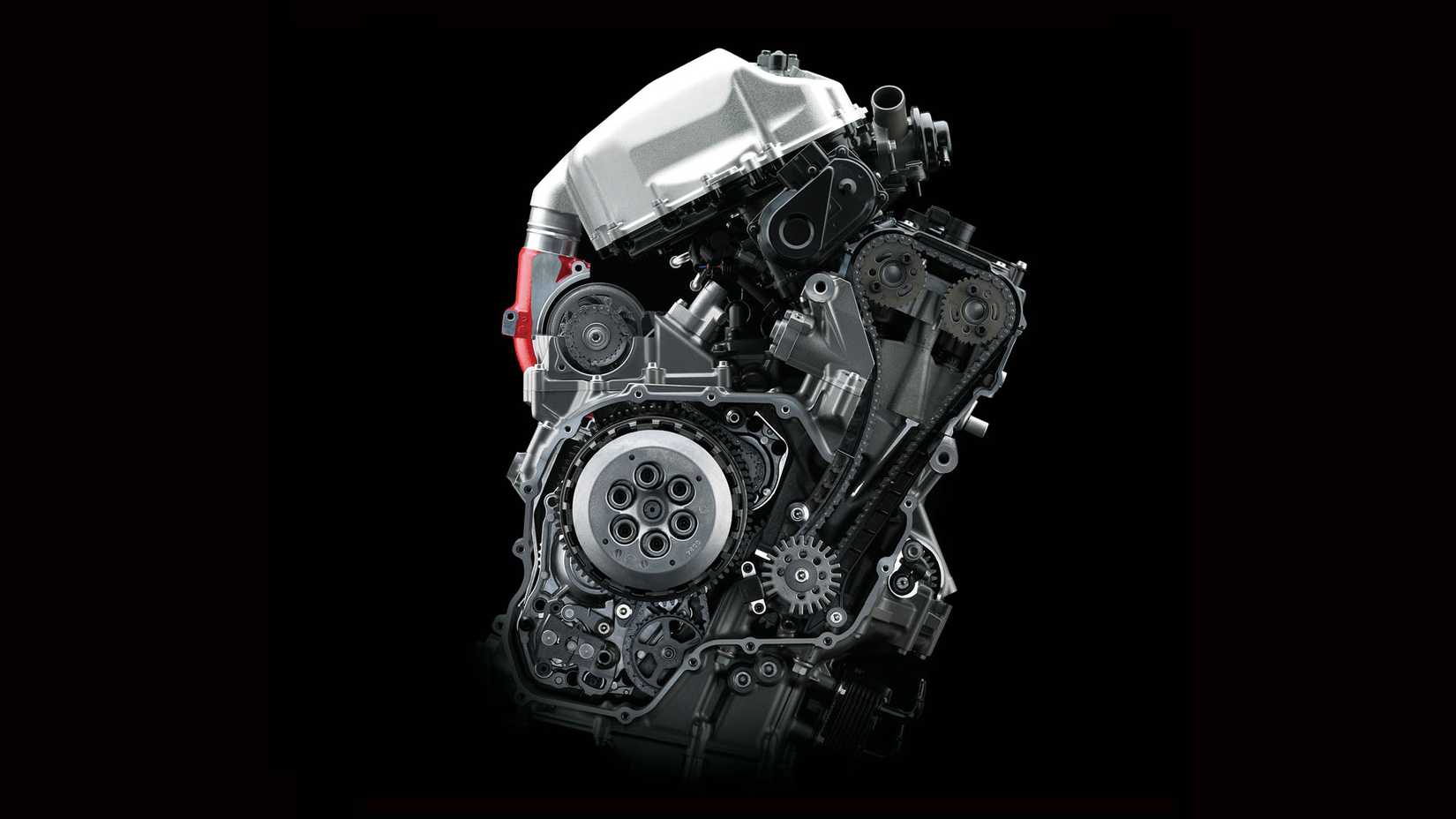
The result of all these features is a 998 cc supercharged liquid-cooled four cylinder that produces a maximum of 240 horsepower at 11,500 RPM and 104.9 pound-feet of torque at 11,000 RPM in the street-going H2. The track-only H2R bumps things up to 322 horsepower at 14,000 RPM and 121.5 pound-feet of torque at 12,500 RPM. Power is sent to the rear wheel via a six-speed gearbox with a two-way quickshifter for added ease. This engine has proved its mettle over the years, and Kawasaki has also expanded its applications beyond sport bikes.
Other Motorcycles Utilizing This Supercharged Inline-4
- Ninja H2 SX SE
- Ninja Z H2
- Bimota Tesi H2
- Bimota Tesi H2 Tera
The Kawasaki Engine So Reliable It’s Still In Production After Decades
The Kawasaki Ninja ZX-6R is a supersport motorcycle with an engine so reliable, it’s been in production for decades.
Underpinnings Designed To Complement Its Boosted Performance
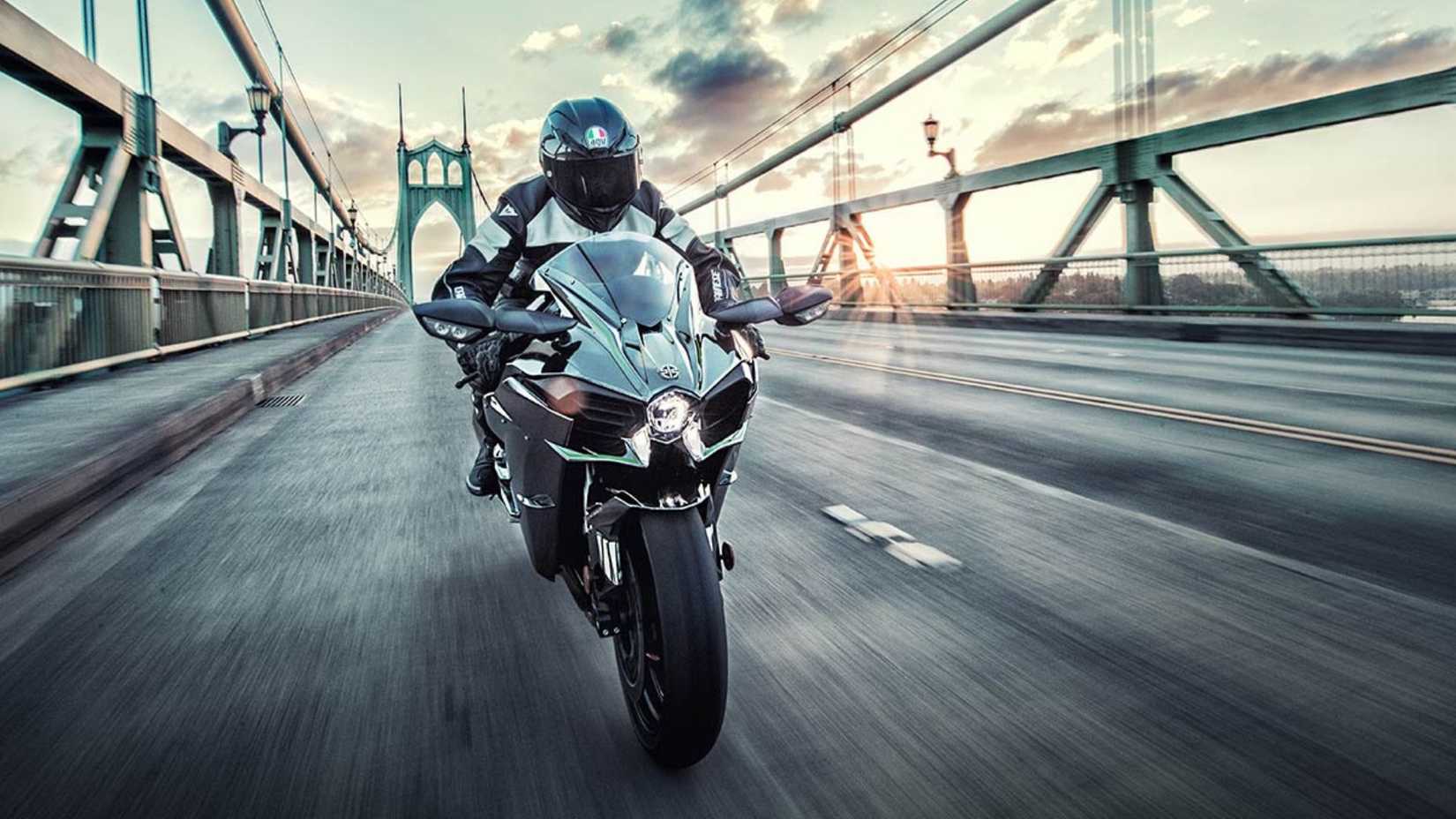
The supercharged engine sits in a steel trellis frame. The chassis is suspended on a fully adjustable suspension. The front comprises 43 mm inverted KYB AOS-II forks offering 4.7 inches of travel. The rear gets an Ohlins TTX36 gas-charged monoshock with a piggyback reservoir.
Braking duties are taken care of by dual 330 mm Brembo semi-floating discs with radially mounted Brembo Stylema four-piston fixed calipers up front. The rear gets a 250 mm disc with a two-piston fixed caliper. To transmit its insane performance onto the tarmac, the Ninja H2 gets wider tires than are typical on other supersport bikes. The front and rear get 17-inch lightweight alloy wheels wrapped with 120/70 R17 and 200/55 R17 tires, respectively.
Assisted With Top-Spec Electronics
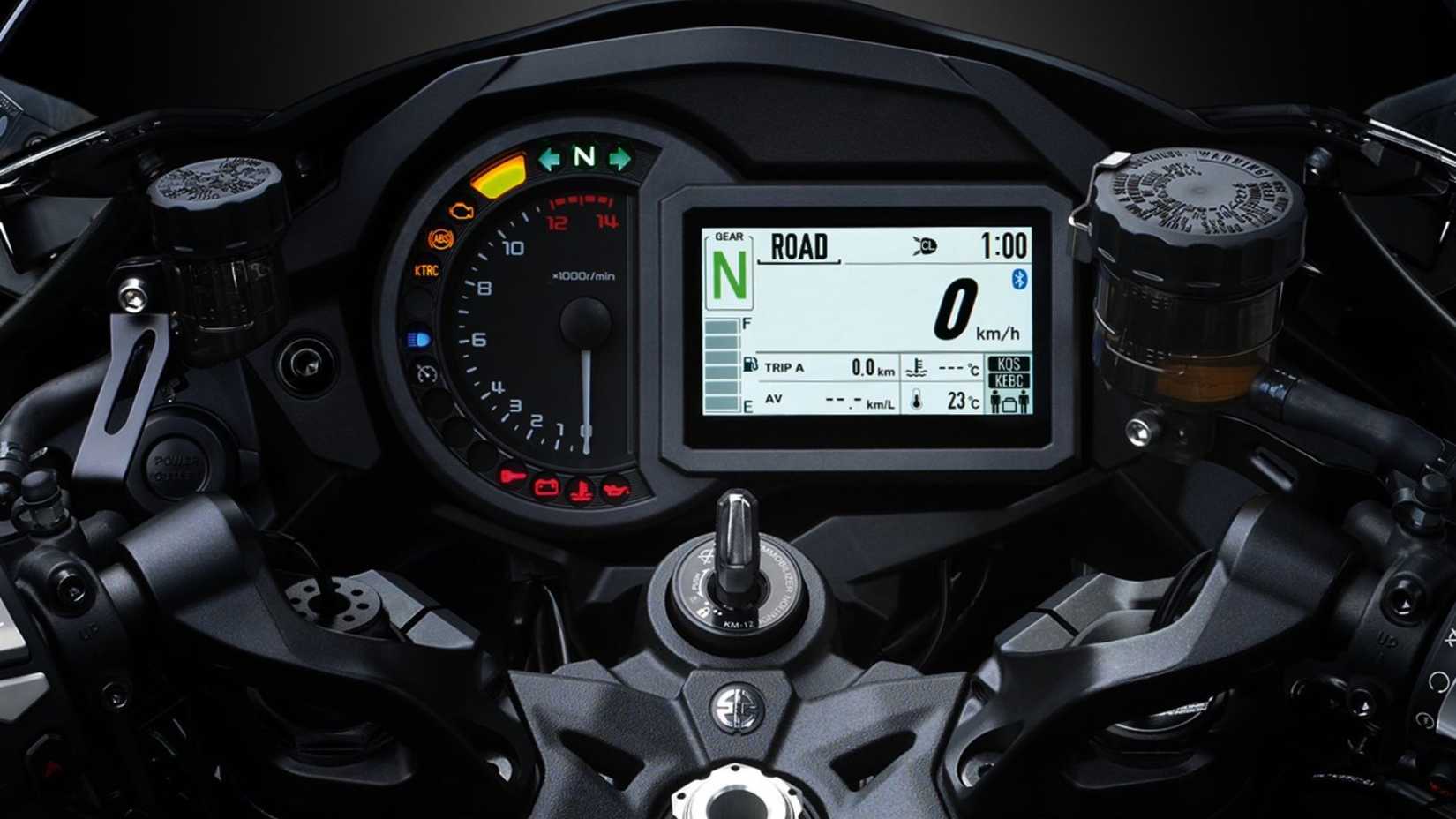
The Ninja H2 is loaded with a suite of electronics with a six-axis IMU. The usual list of features expected of a supersport bike is present, such as launch control, cornering ABS, and multiple ride modes. But Kawasaki goes beyond and offers more. Notable features include blind spot detection, forward collision warning, and electronic suspension control, among others.
The Affordable Kawasaki Ninja That’s Perfect For A First-Time Buyer
The Kawasaki Ninja evokes racing, passion and speed, and the brand’s entry level model is the perfect way to get into riding sports bikes.
Design Features That Remain Unmatched Even After A Decade
Caters To Kawasaki’s “Green” Spirit Without Being Green
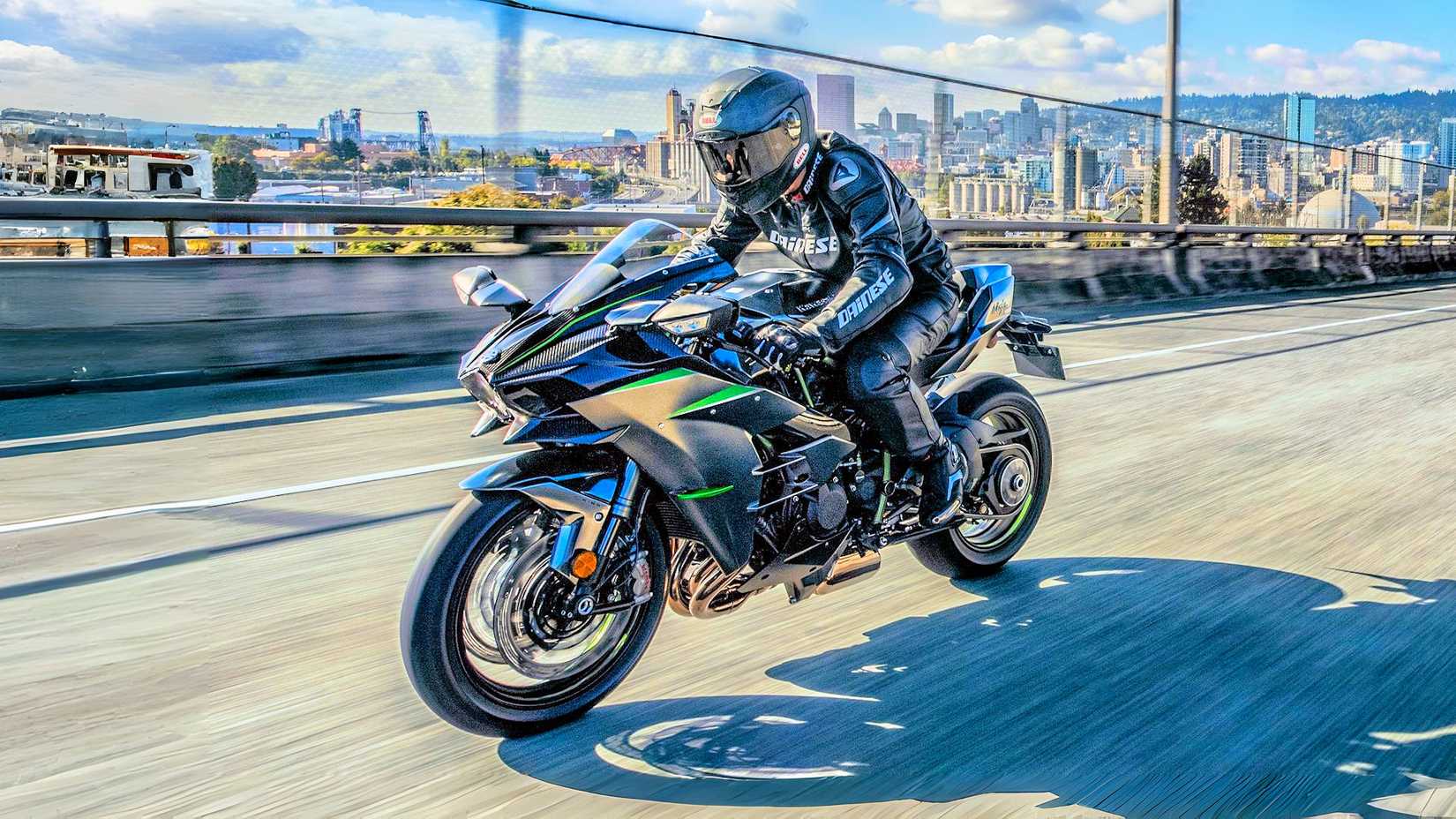
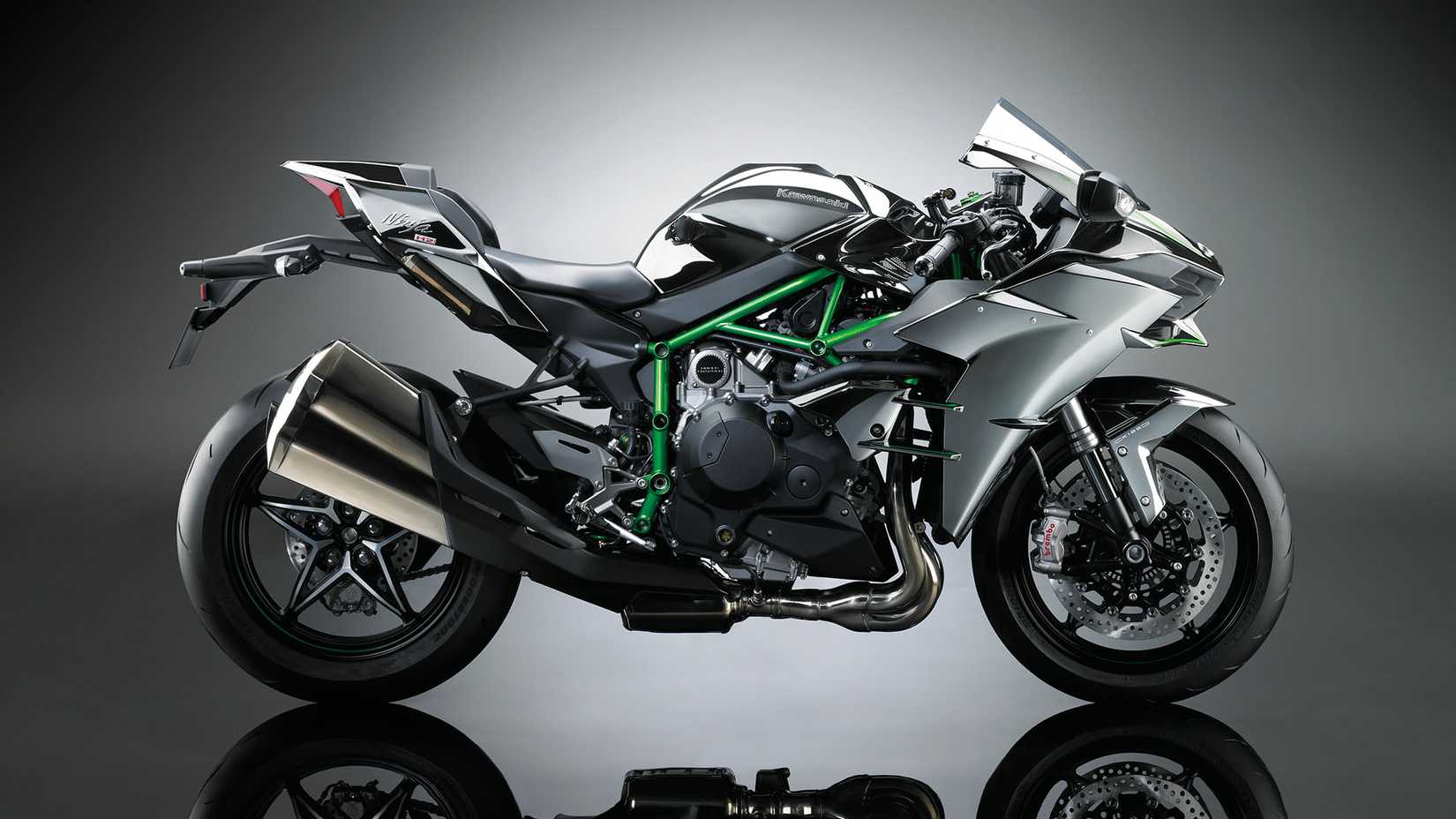
Even after a decade, the Kawasaki Ninja H2’s bold design language stands out. It looks like a spaceship on wheels. All the lines and sharp edges of this design are technically sound. Aerodynamics are in play here, and Kawasaki’s Aerospace division is the brains behind its edgy design, including its aerodynamic winglets that enhance stability at high speeds.
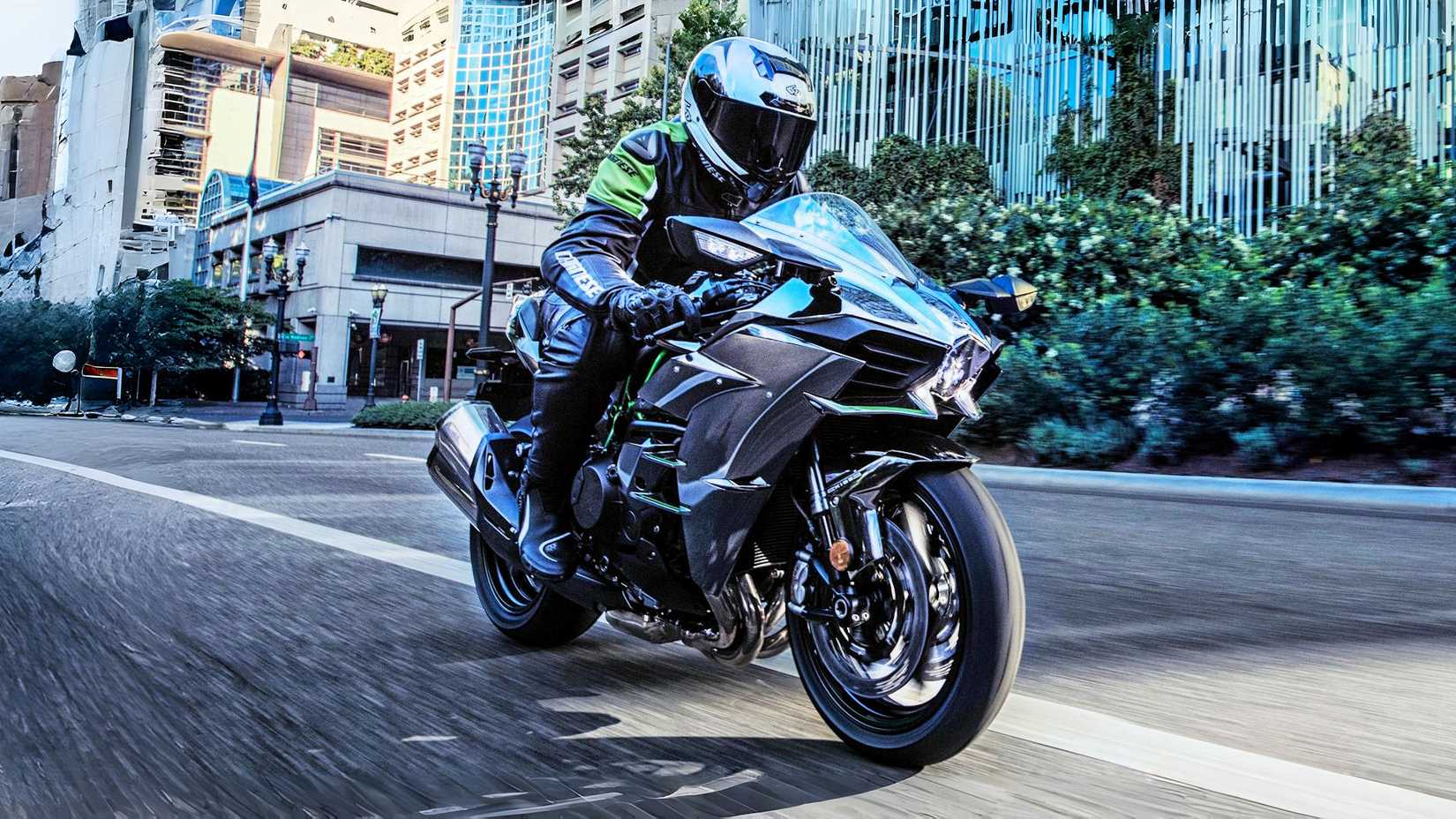
A unique visual aspect is its Mirror Coated Spark Black paint job. This distinctive paint job uses a chemical silver-plating process to create a liquid-metal look. It even has self-healing features that can repair minor scratches. Ironically, it is one of the few Kawasaki Ninjas that doesn’t get the famous lime green as the primary shade.
One Of A Kind Motorcycle That The Competition Is Still Catching Up To
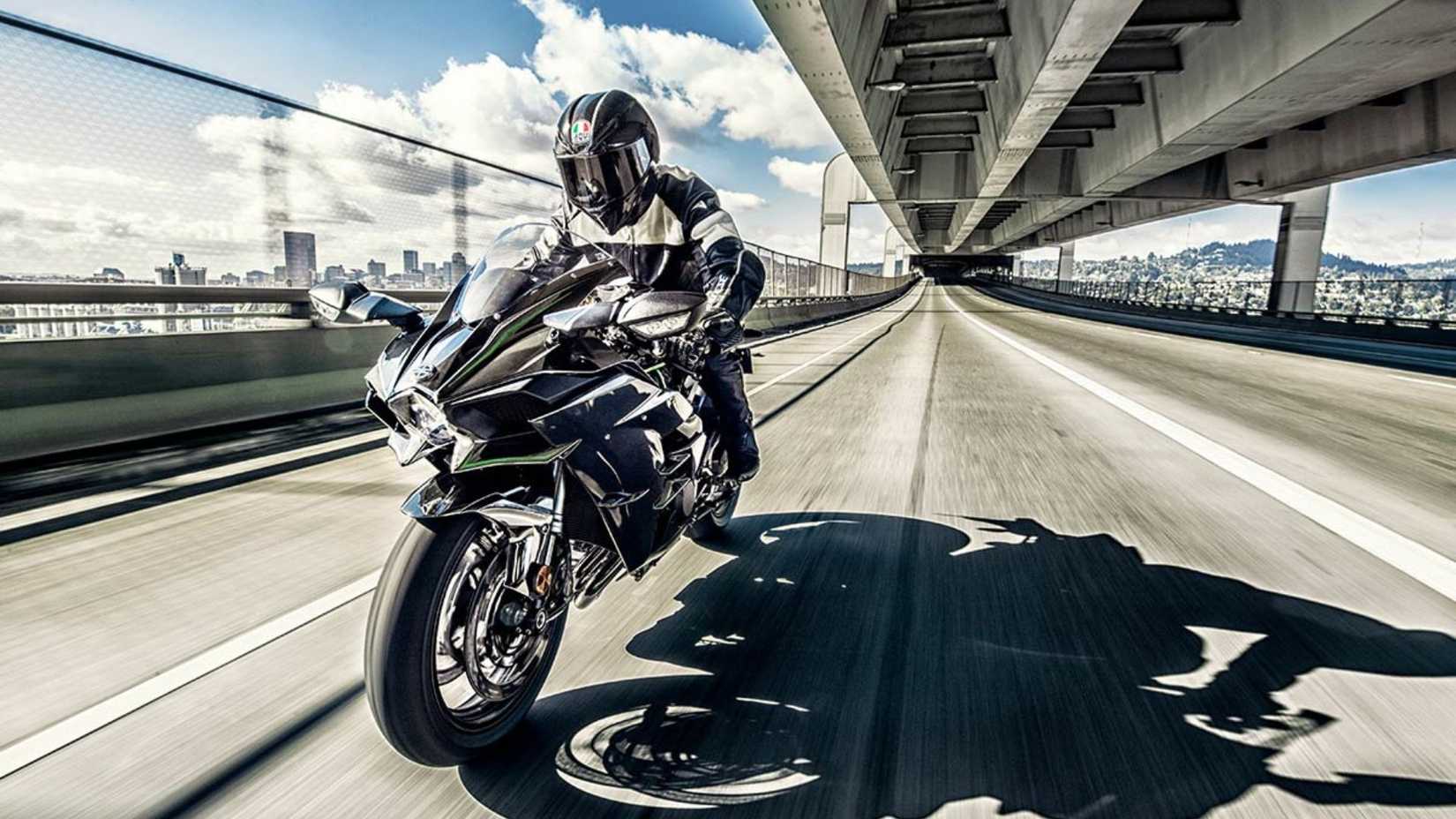
Kawasaki
The Kawasaki Ninja H2 is in a league of its own. The closest one gets to this mighty Ninja is the 205-horsepower BMW M 1000 RR, which, funnily enough, is more expensive, starting at $35,395. But the Beamer does take the spotlight with its superior power-to-weight ratio, courtesy of a curb weight of just 428 pounds as opposed to the 240-horsepower Ninja H2’s 524.8-pound curb weight. There is no direct rival that can match this Ninja’s engineering prowess and philosophy. However, we might soon see a worthy rival when Honda launches its new wave of performance bikes powered by the recently showcased supercharged V3 engine.
Source: Kawasaki Motorcycles