
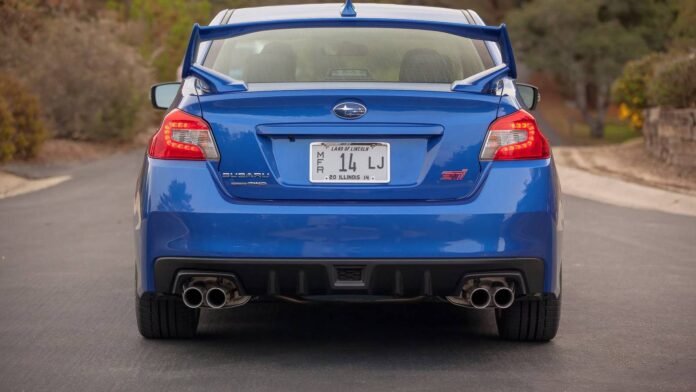
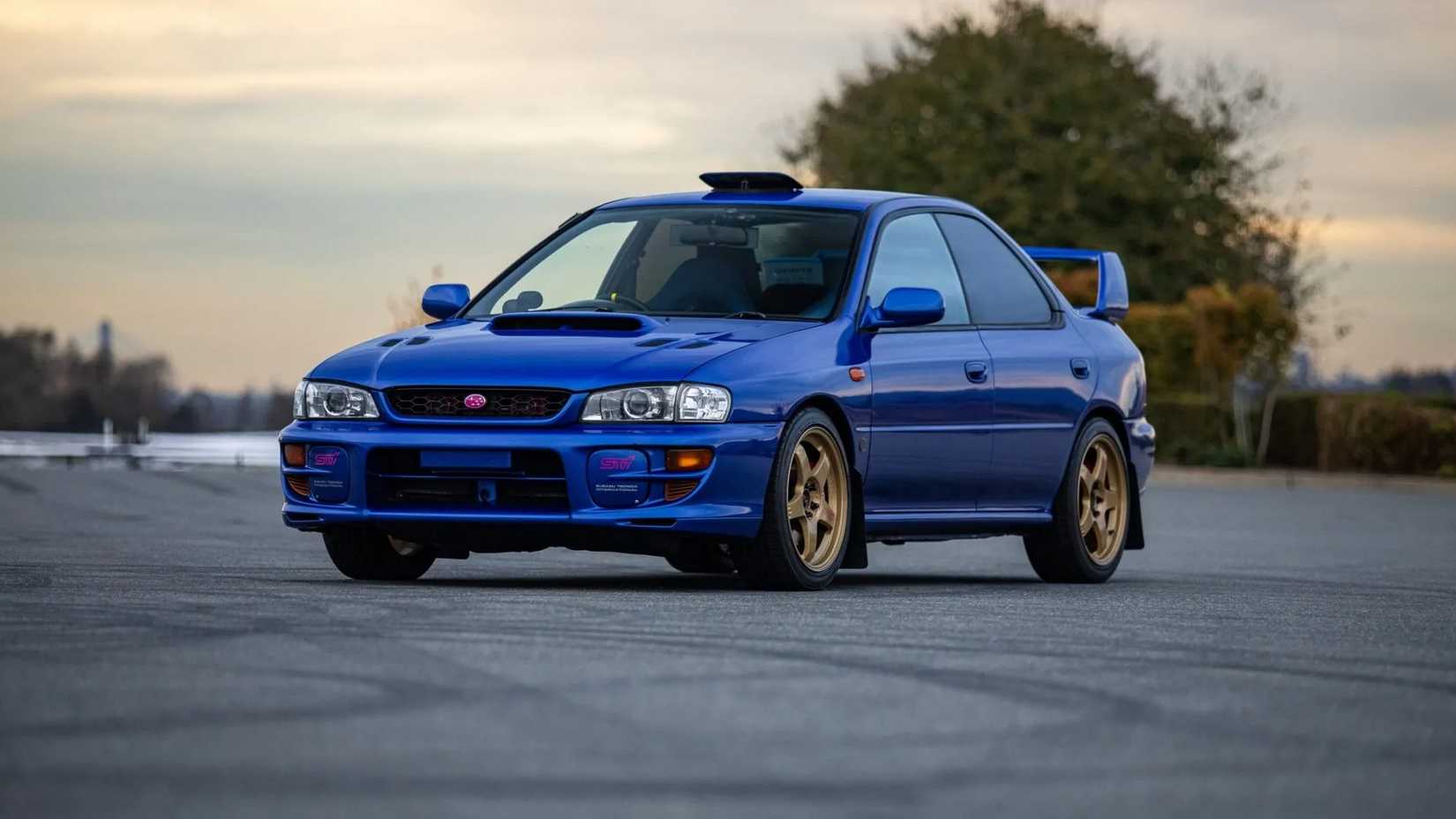
The death of the Subaru WRX STI marked the end of one of the last truly analog performance cars. For decades, the STI represented everything enthusiasts loved about Japanese rally-bred machines: turbocharged boxer power, mechanical all-wheel drive grip, hydraulic steering feel, and a raw personality that modern performance cars increasingly lack. From the GC8-era Impreza WRX STI of the 1990s to the final VA-generation model sold through 2021, Subaru’s halo sedan built a cult following around its unique combination of turbocharged punch and everyday usability.
But in March 2022, Subaru officially confirmed that the new-generation WRX would not receive an STI variant. The announcement shocked enthusiasts worldwide, especially since previous WRX generations always spawned a harder-core STI model shortly after launch. Subaru cited tightening emissions regulations and the industry’s shift toward electrification as key reasons for the decision. What made the cancellation sting even more was the fact that Subaru never produced a true successor. Instead, the STI badge faded into limited-edition trims and accessories, leaving fans without a genuine replacement for one of the most iconic Japanese performance sedans ever built.
Stricter Emissions Rules That The EJ257 Boxer Engine Couldn’t Easily Meet
At the center of the WRX STI’s demise was Subaru’s long-running EJ257 engine. While beloved by enthusiasts, the turbocharged 2.5-liter flat-four had become increasingly outdated in a world dominated by stricter global emissions regulations. The EJ257 was an evolution of Subaru’s EJ-series boxer engines that dated back to the late 1980s. By the final U.S.-market STI, the engine produced 305 horsepower and 290 pound-feet of torque, paired exclusively with a six-speed manual transmission and Subaru’s Driver Controlled Center Differential AWD system. It remained charismatic and mechanically engaging, but technically, it was old school in almost every measurable way.
Unlike newer turbocharged engines from rivals such as the Toyota GR Corolla or Honda Civic Type R, the EJ257 lacked modern efficiency technologies such as direct and port injection integration, cylinder deactivation, advanced combustion management, and mild hybrid assistance. Its aging architecture also struggled with fuel economy and particulate emissions.
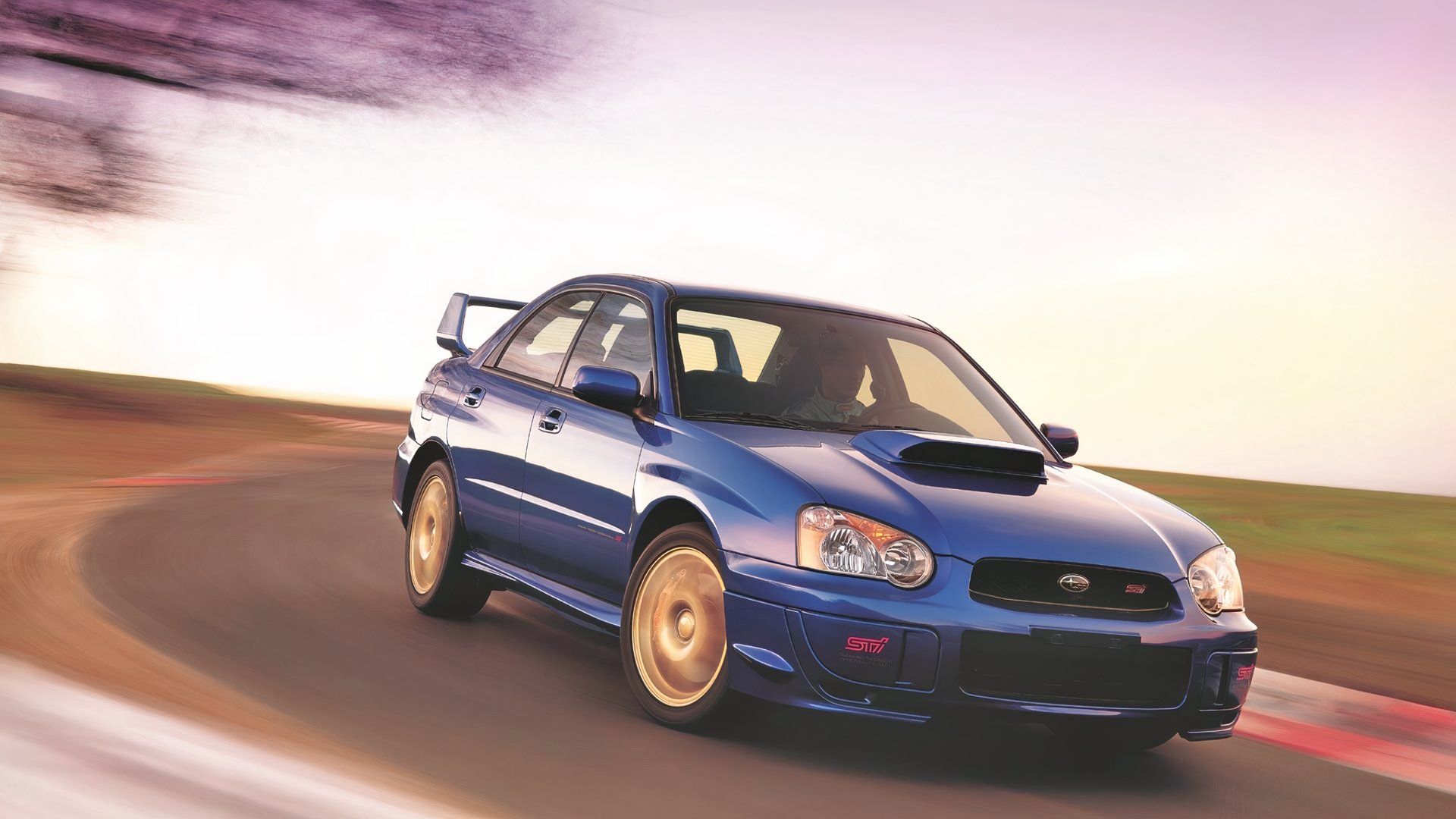
The problem was especially severe because the STI occupied a low-volume niche. Automakers can sometimes justify expensive emissions compliance work for high-volume models, but the STI sold in relatively small numbers compared to Subaru’s mainstream lineup. Spending millions to heavily re-engineer the EJ257 for future compliance simply became difficult to justify. The STI’s mechanical nature also worked against it. Its signature rumble came partly from unequal-length exhaust headers, a setup that produced the distinctive boxer soundtrack enthusiasts loved but made emissions optimization more difficult than more conventional turbocharged four-cylinder layouts.
Even Subaru’s newer FA24 2.4-liter turbocharged boxer engine, used in the current WRX, would likely have required significant engineering upgrades to achieve the power and durability targets expected of a next-generation STI while remaining globally compliant. Subaru executives later admitted that regulations were changing so rapidly that an internal combustion STI would have an extremely short lifecycle before needing another costly redesign. For a small manufacturer like Subaru, that simply was not sustainable.
The Performance Car For People Who Still Love Manuals
Here is the popular Japanese sports sedan, which is fast, and has kept the manual transmission alive.
Electrification Pressures That Shifted Subaru’s Performance Strategy
Subaru
The cancellation of the STI also reflected a broader transformation happening throughout the automotive industry. By the early 2020s, virtually every automaker had begun pivoting toward electrification, and Subaru was no exception. Unlike giants such as Toyota or Volkswagen Group, Subaru lacked the enormous financial resources needed to simultaneously develop dedicated EV platforms, hybrid systems, compliance technologies, and niche performance cars. As a result, Subaru had to prioritize carefully. In its official announcement, Subaru stated that it was “exploring opportunities for the next generation Subaru WRX STI, including electrification.”
That wording revealed a major strategic shift. Subaru no longer viewed the STI as purely an internal-combustion performance brand. Instead, the company began treating electrification as essential to the future of its performance division.
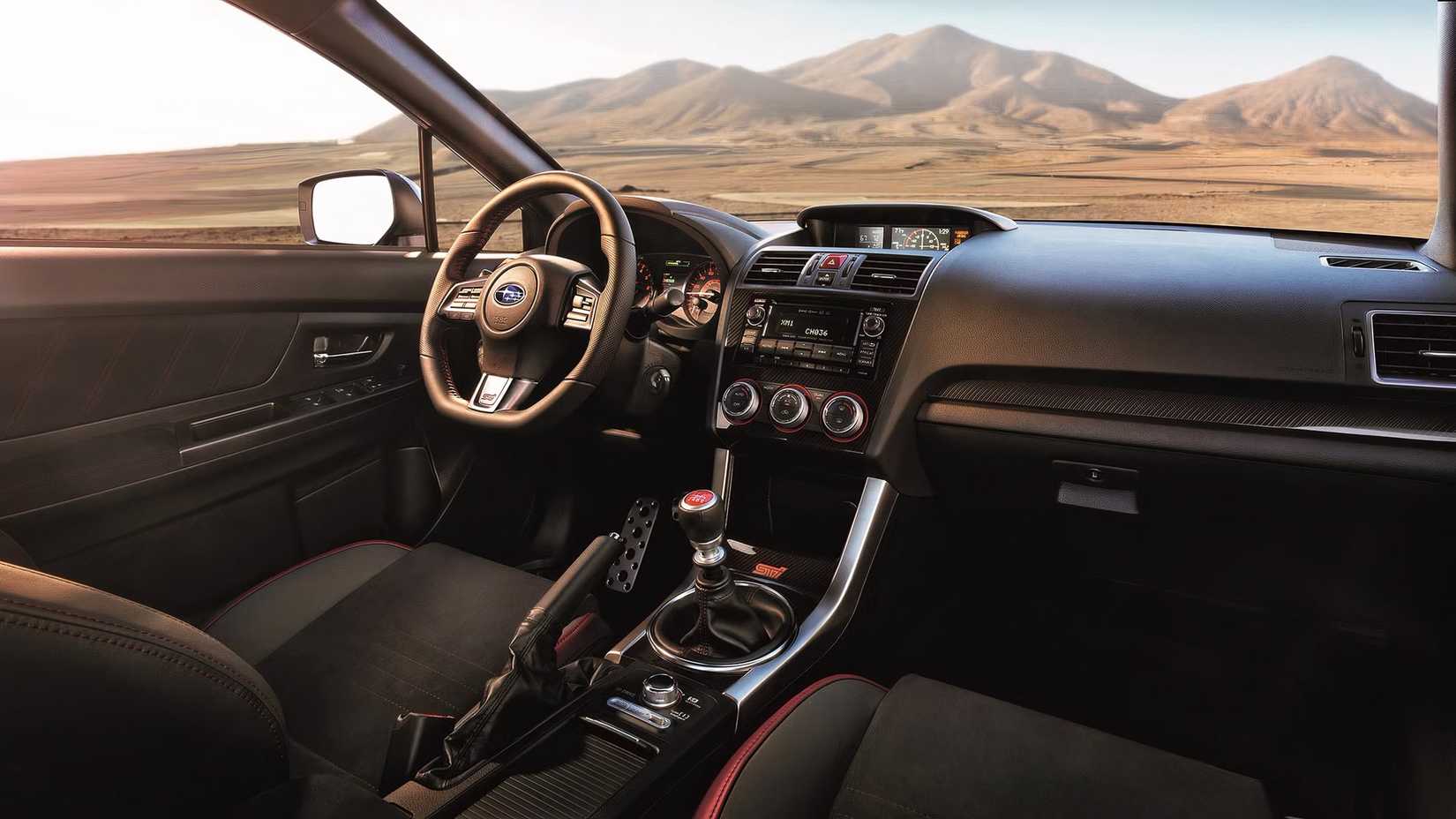
The challenge was that the STI’s identity revolved around mechanical simplicity and driver engagement. Enthusiasts loved the STI because it felt raw and imperfect. The heavy clutch, aggressive turbo lag, hydraulic steering feel, mechanical center differential, and loud boxer soundtrack all contributed to the car’s personality.
Electrification threatened to fundamentally alter that formula. Hybridization also introduced weight concerns. The final VA-generation WRX STI already weighed roughly 3,450 pounds. Adding batteries and electric motors would likely push a future STI closer to 3,800 pounds or more unless Subaru invested heavily in lightweight engineering. That would dramatically change the car’s character.
Subaru instead began experimenting with electrified performance concepts and broader STI branding exercises rather than launching a direct successor. Reports in recent years have suggested Subaru still wants to revive the STI name in some form, potentially through electrified or hybrid performance vehicles. But for many enthusiasts, an electric or hybrid STI simply is not the same thing. The emotional connection to the WRX STI was deeply tied to its turbocharged boxer engine, manual gearbox, and rally-inspired mechanical feel. Electrification may improve acceleration and efficiency, but it risks removing the imperfections that made the STI special in the first place.
Development Costs That No Longer Made Business Sense
CarBuzz
Another major factor behind the STI’s cancellation was simple economics. Performance cars are expensive to engineer, especially low-volume ones. The WRX STI was never a mass-market vehicle. While it enjoyed enormous cultural impact, actual sales volumes were relatively modest compared to mainstream crossovers and SUVs. Subaru had to justify the cost of developing a new-generation STI against increasingly difficult business realities.
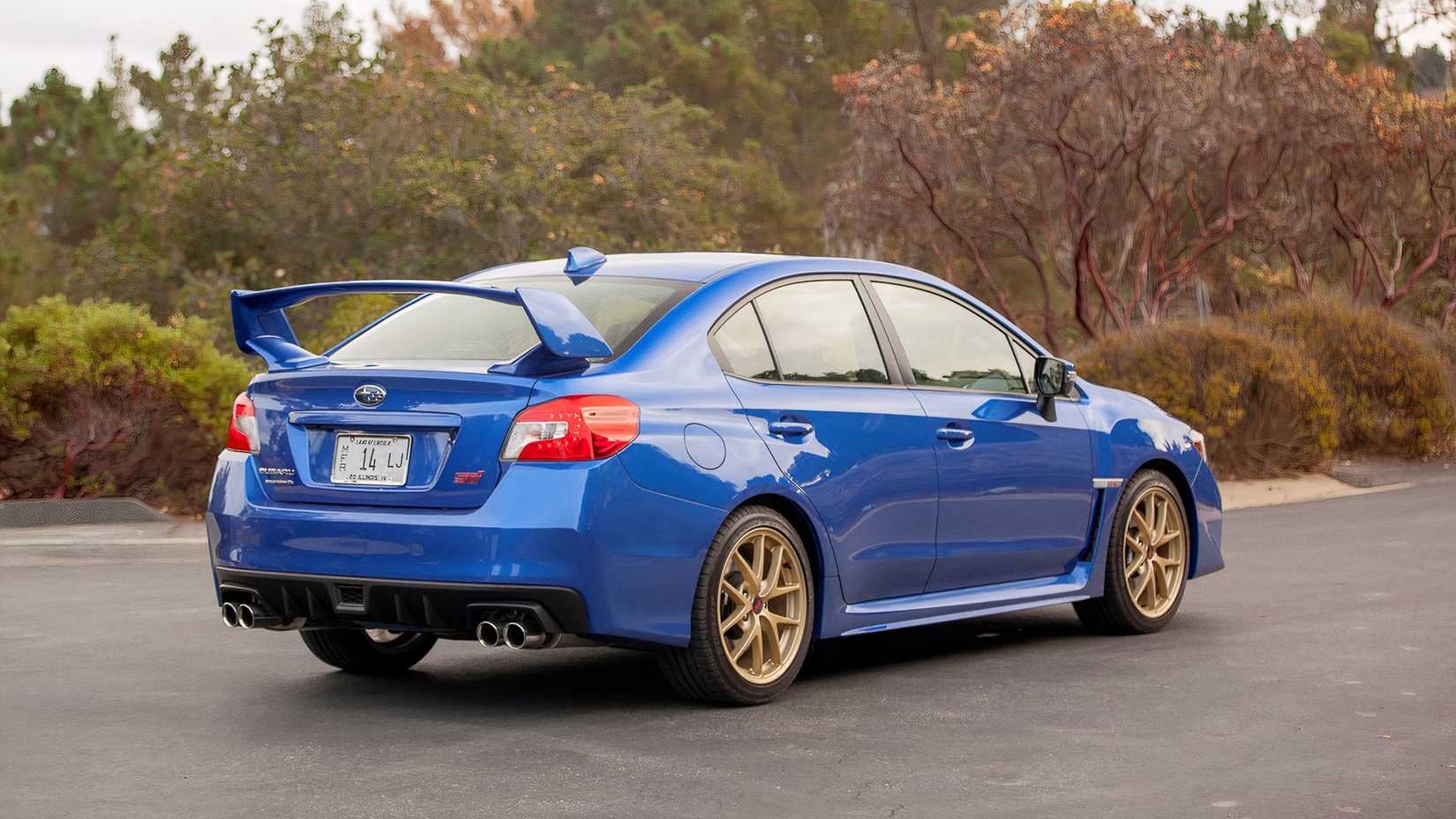
A proper STI required far more than just additional horsepower. Historically, STI models received extensive hardware upgrades over standard WRXs, including reinforced transmissions, upgraded differentials, larger Brembo brakes, stiffer chassis tuning, unique suspension geometry, stronger driveline components, and enhanced cooling systems.
The final STI featured a sophisticated AWD system with a driver-controlled center differential, limited-slip differentials front and rear, Bilstein dampers, Brembo six-piston front brakes, and heavily revised suspension tuning compared to the standard WRX. All of that added to the cost. Developing those components for a shrinking enthusiast market became increasingly difficult to justify, especially when Subaru’s profits increasingly came from vehicles like the Subaru Crosstrek, Subaru Forester, and Subaru Outback.
Subaru
The business case became even harder because Subaru is a relatively small automaker. Larger brands can spread development costs across multiple models and global platforms. Subaru’s limited scale meant every engineering dollar had to deliver strong returns. The company instead redirected resources toward high-demand products and electrification programs.
Even today, Subaru appears focused primarily on expanding crossover production. Recent reports indicate Subaru has shifted production resources away from the WRX to meet strong demand for SUVs like the Forester Hybrid. That shift illustrates how dramatically Subaru’s priorities have changed since the STI’s golden era.
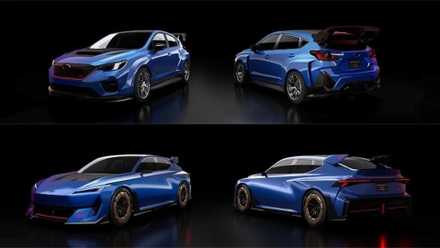
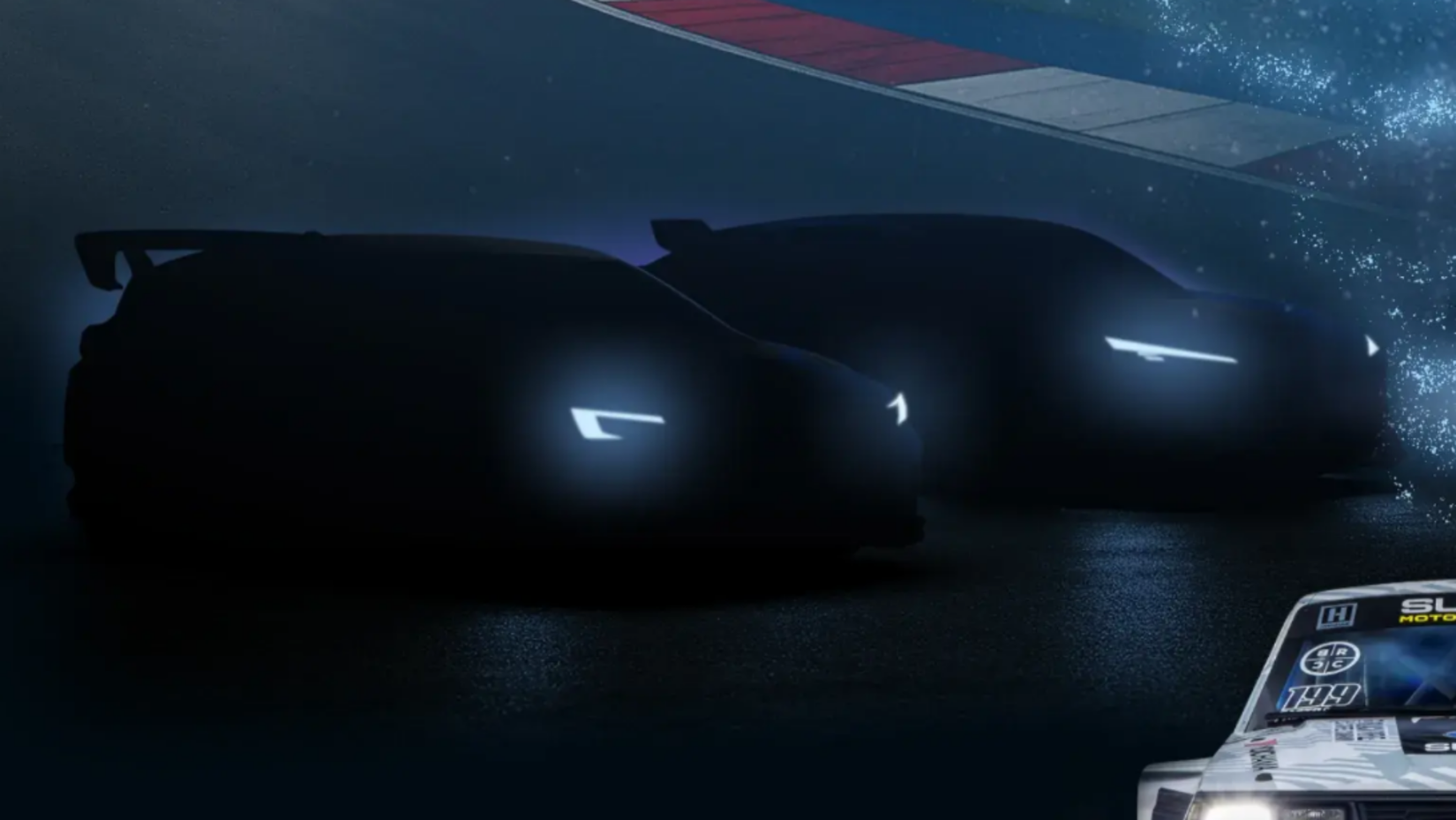
Subaru Debuts STI Concept Cars: A Glimpse Into The Brand’s Performance Future
The return of a legendary performance badge: What do these STI concepts mean for Subaru?
A Changing Market That Prioritized Crossovers Over Rally-Bred Sedans
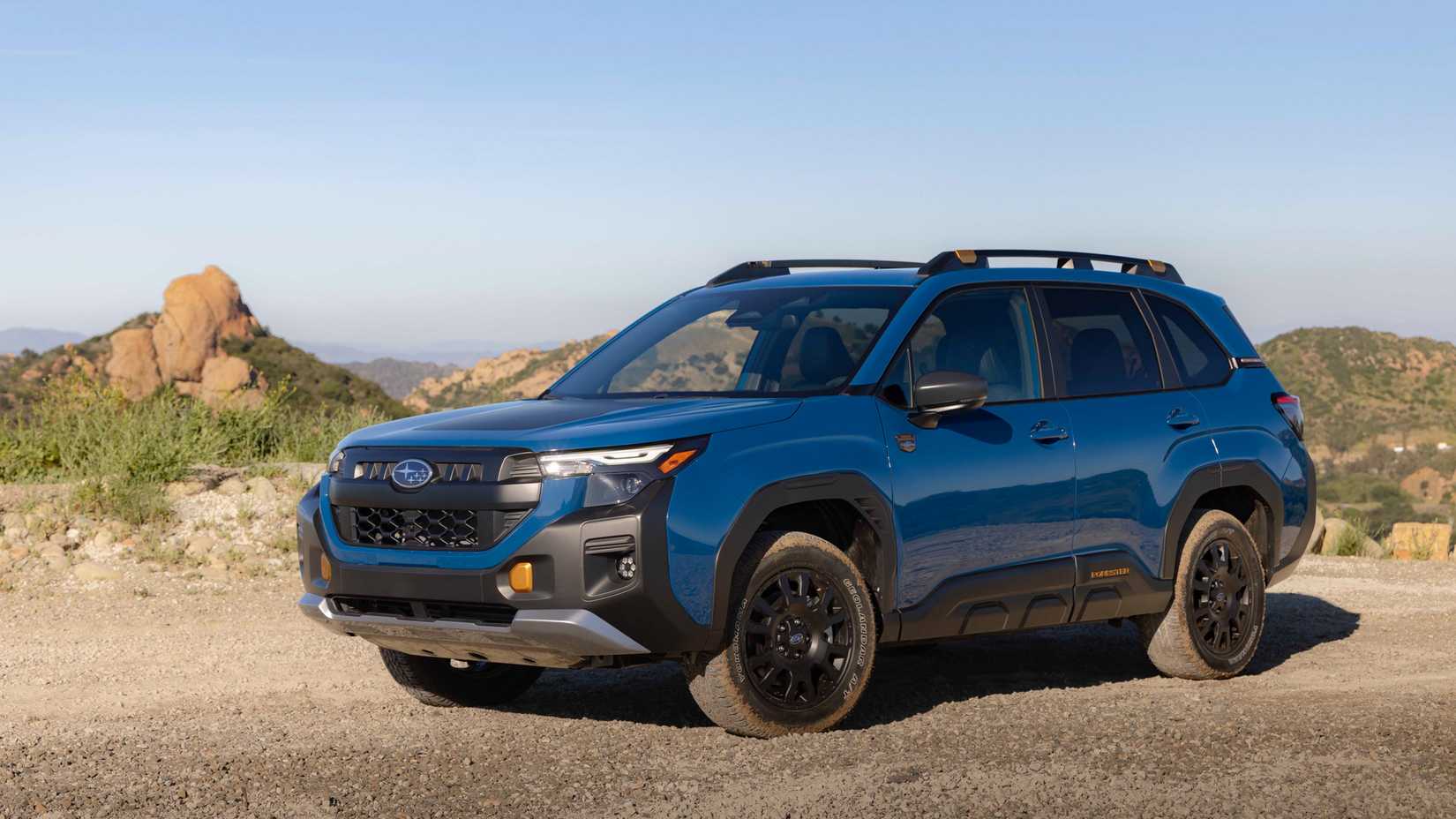
The WRX STI also became a victim of changing consumer tastes. During the 1990s and early 2000s, compact performance sedans thrived. Cars like the Mitsubishi Lancer Evolution, MazdaSpeed3, and Subaru WRX STI appealed to buyers who wanted affordable performance with practical usability. But the market eventually shifted heavily toward crossovers and SUVs.
Consumers increasingly prioritized ride height, cargo space, fuel economy, and technology over raw driving engagement. Subaru itself evolved into a brand heavily associated with practicality, outdoor lifestyles, and all-weather capability rather than rally-inspired performance. The numbers made the trend impossible to ignore. Subaru’s best-selling models became the Outback, Forester, and Crosstrek. Enthusiast sedans represented only a tiny portion of the company’s overall business.
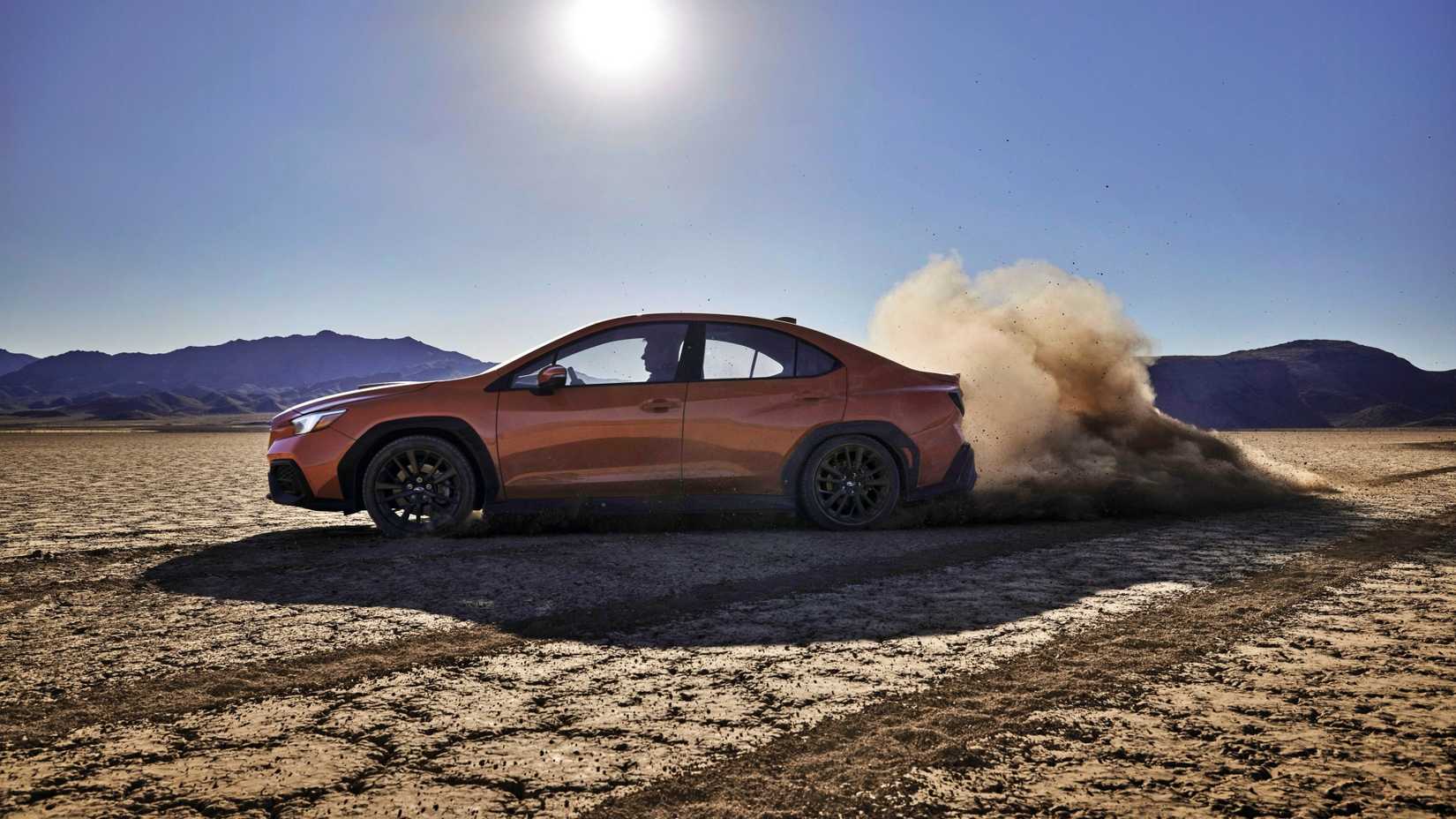
Even performance buyers increasingly moved toward hot hatches, crossovers, and premium performance SUVs instead of compact sedans. Meanwhile, younger buyers faced rising insurance costs, higher interest rates, and shrinking affordability in the enthusiast car market. That environment made the STI increasingly difficult to position. The WRX itself also gradually moved upmarket. By the final generation, a well-equipped STI could easily exceed $40,000 before dealer markups. That pushed it into territory occupied by more refined competitors from luxury brands.
At the same time, the STI’s uncompromising nature became less appealing to mainstream buyers. The stiff ride, loud cabin, mediocre fuel economy, and aggressive dynamics that enthusiasts adored often felt exhausting to ordinary consumers. Subaru likely realized that crossover buyers represented a far larger and more profitable audience than hardcore sedan enthusiasts. Unfortunately for fans, that meant the STI became increasingly difficult to justify within Subaru’s modern business model.
A Legacy Cut Short, Leaving Enthusiasts Without A True STI Successor
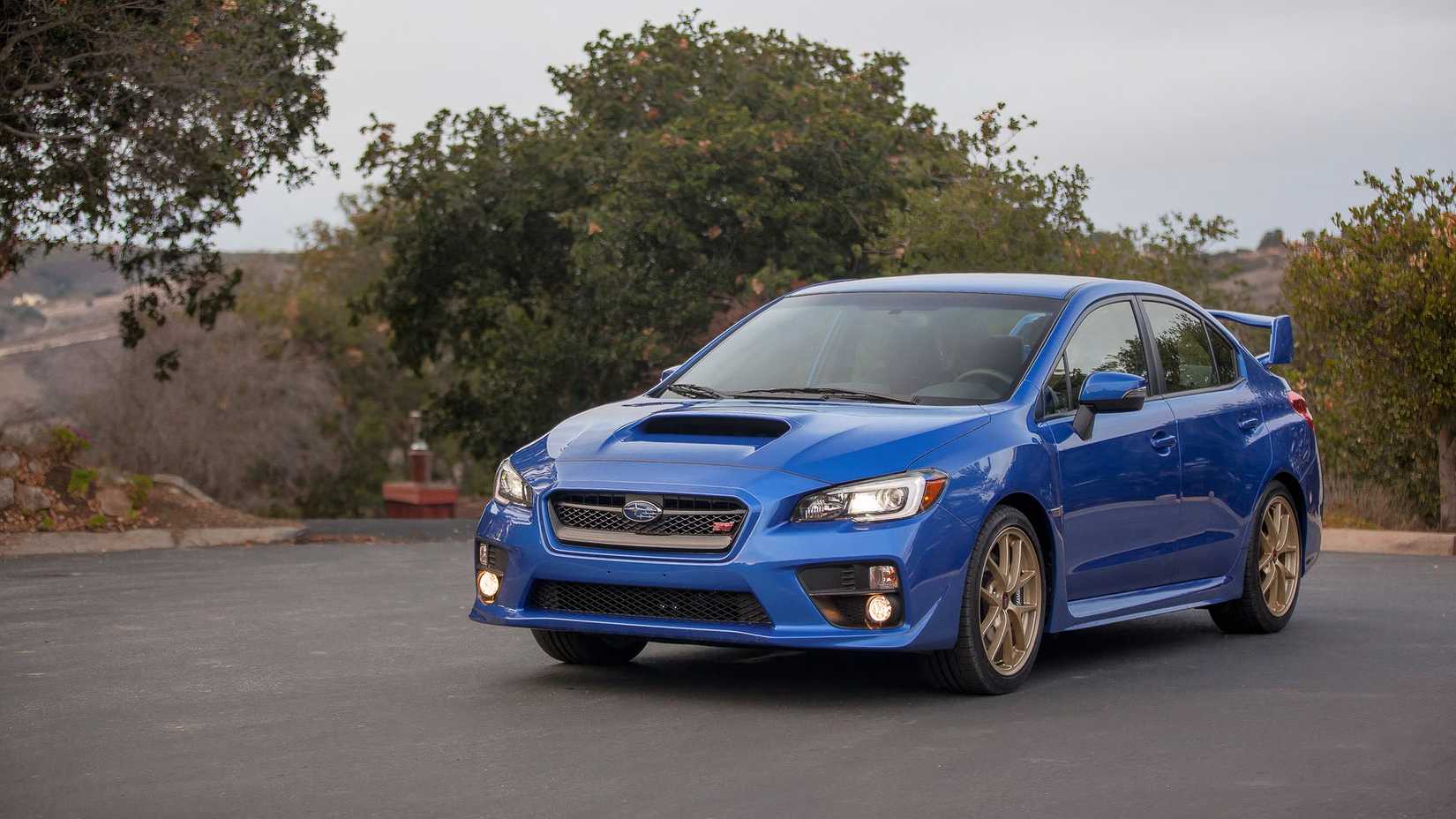
What still frustrates enthusiasts most is that Subaru never delivered a real replacement for the WRX STI. The current WRX remains competent, especially in tS form, but it lacks the drama and hardcore engineering that defined previous STI models.
The STI badge itself also lost clarity after the cancellation. Instead of representing a fully engineered halo performance model, it became associated with cosmetic packages, tuning accessories, and limited-edition trims.
For longtime Subaru fans, that felt like a betrayal of the STI legacy. The original STI models were developed by Subaru Tecnica International with direct links to the company’s rally program. Cars like the GC8 STI, blob-eye STI, and hawk-eye STI earned legendary status because they felt purpose-built for enthusiasts rather than focus-grouped for mass-market appeal.
CarBuzz
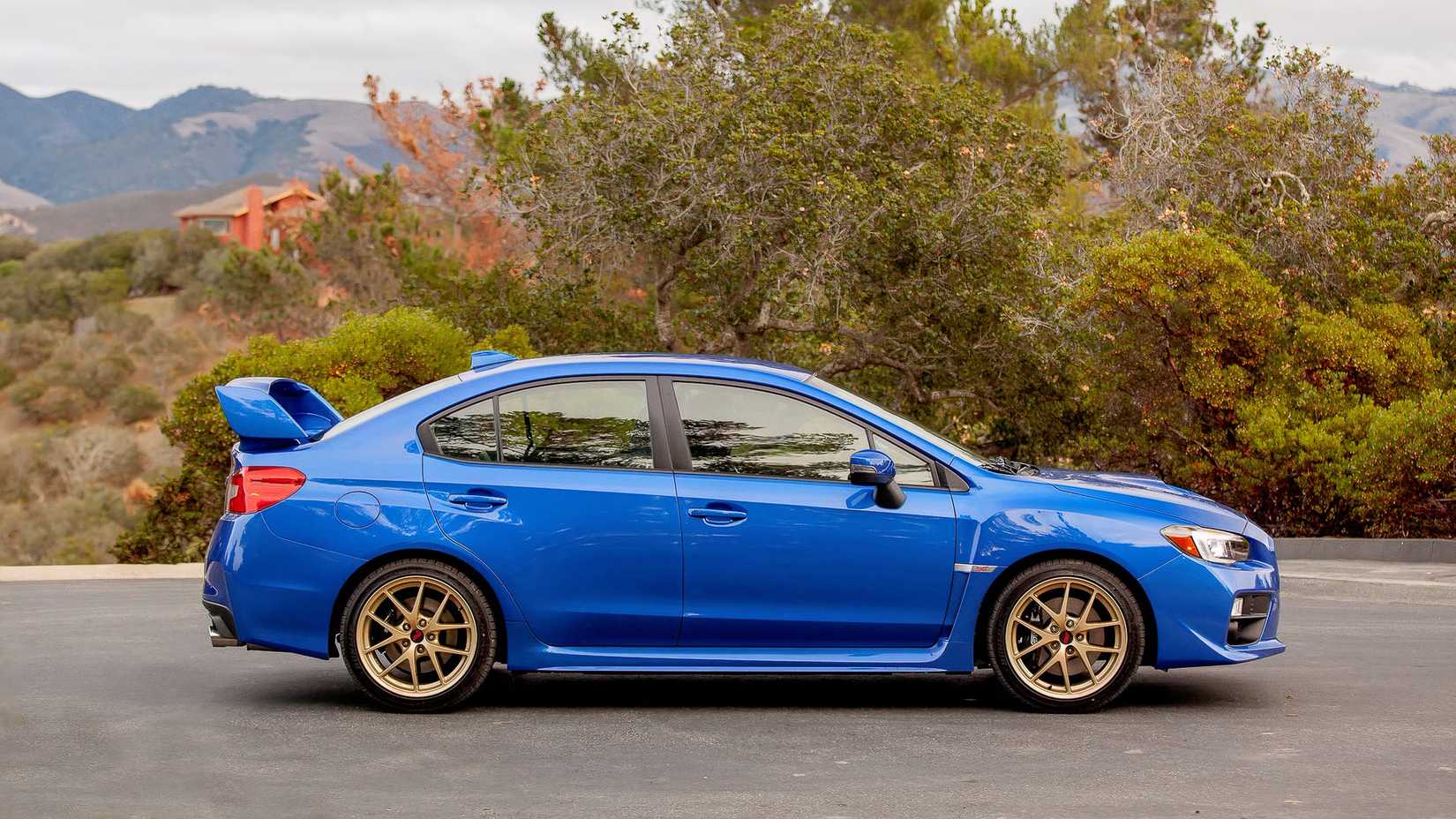
The final-generation STI may not have been perfect, but it remained one of the last truly analog performance sedans on sale. Its hydraulic steering feel, mechanical AWD system, turbocharged boxer soundtrack, and six-speed manual transmission delivered a driving experience increasingly absent from modern performance cars. That authenticity is why enthusiasts still refuse to move on. The WRX STI represented more than just a fast Subaru. It symbolized an era when automakers built uncompromising enthusiast cars simply because they could.
Today’s automotive industry prioritizes efficiency, electrification, safety regulations, and profitability. From a business perspective, Subaru’s decision made sense. But emotionally, many enthusiasts still see the STI’s cancellation as the moment the automotive industry truly left the analog performance era behind.
Sources: Subaru U.S. & CarBuzz