
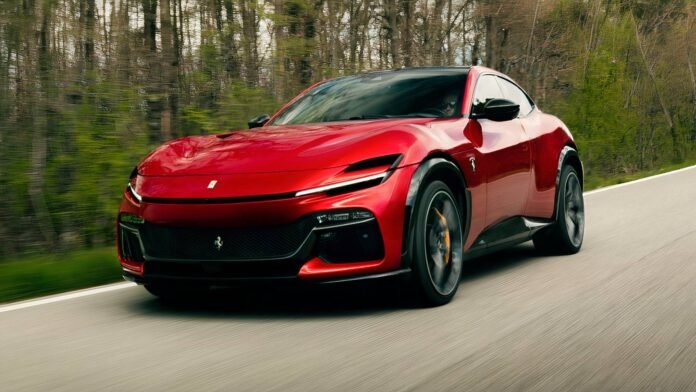
For decades, Ferrari acted as though SUVs simply did not belong in Maranello. While other luxury brands embraced the high-riding performance formula, Ferrari remained deeply tied to low-slung sports cars, naturally aspirated engines, and a motorsport-inspired identity built around character rather than practicality. Then came the Ferrari Purosangue. It arrived years after rivals like the Lamborghini Urus, Porsche Cayenne Turbo, and Bentley Bentayga had already proven there was serious money to be made in the ultra-luxury SUV segment. Yet Ferrari’s approach felt noticeably different from the start.
The Italian marque refused to even call the Purosangue an SUV. Instead, Ferrari described it as an FUV, or Ferrari Utility Vehicle. It may sound like marketing spin, but it also reveals how carefully Ferrari approached this project. The company understood that building a practical four-door family vehicle risked challenging everything enthusiasts associated with the prancing horse badge. And in many ways, the Purosangue still feels controversial because of that tension. It combines practicality and performance in a way Ferrari once seemed determined to avoid. Yet at the same time, it may also be one of the purest expressions of modern Ferrari engineering.
Why Ferrari Refused To Call The Purosangue An SUV
Ferrari Wanted It To Feel Different
Ferrari’s hesitation around the SUV label was never accidental. By the time the Purosangue arrived, the performance SUV market was already crowded with powerful, luxurious, and extremely fast machines. The Urus had become Lamborghini’s best-selling model globally, while the Cayenne had long since transformed Porsche’s financial future.
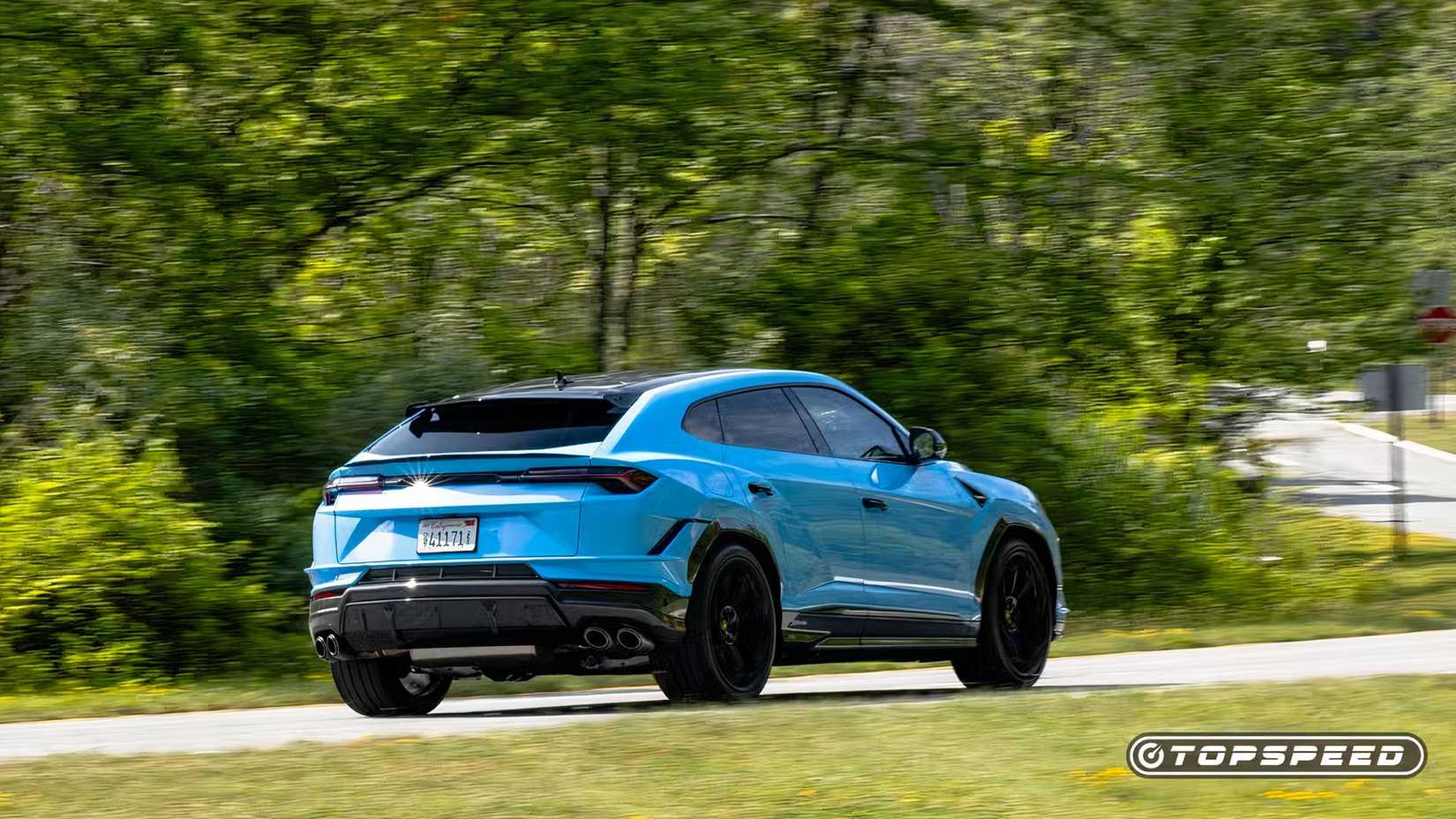
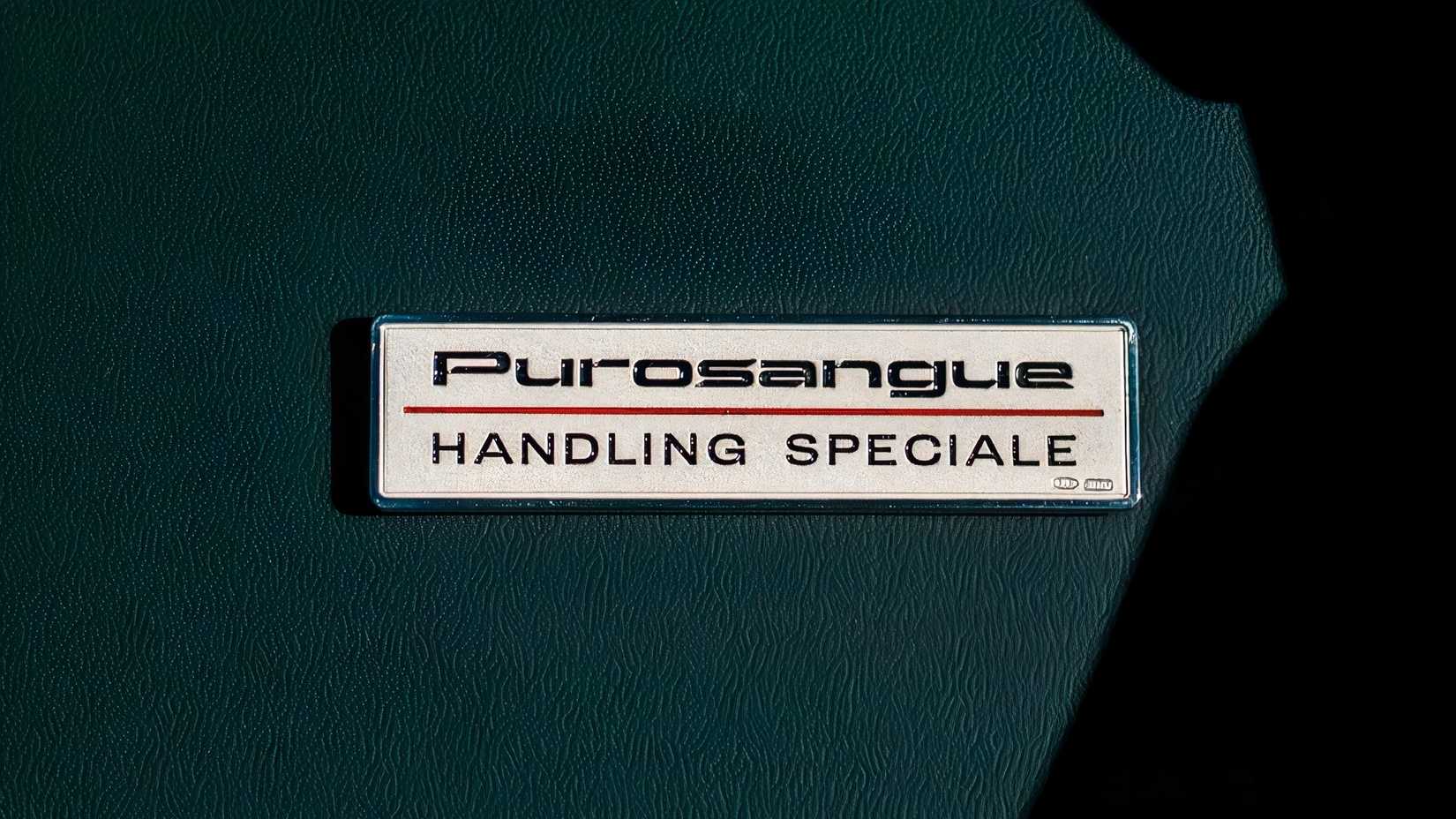
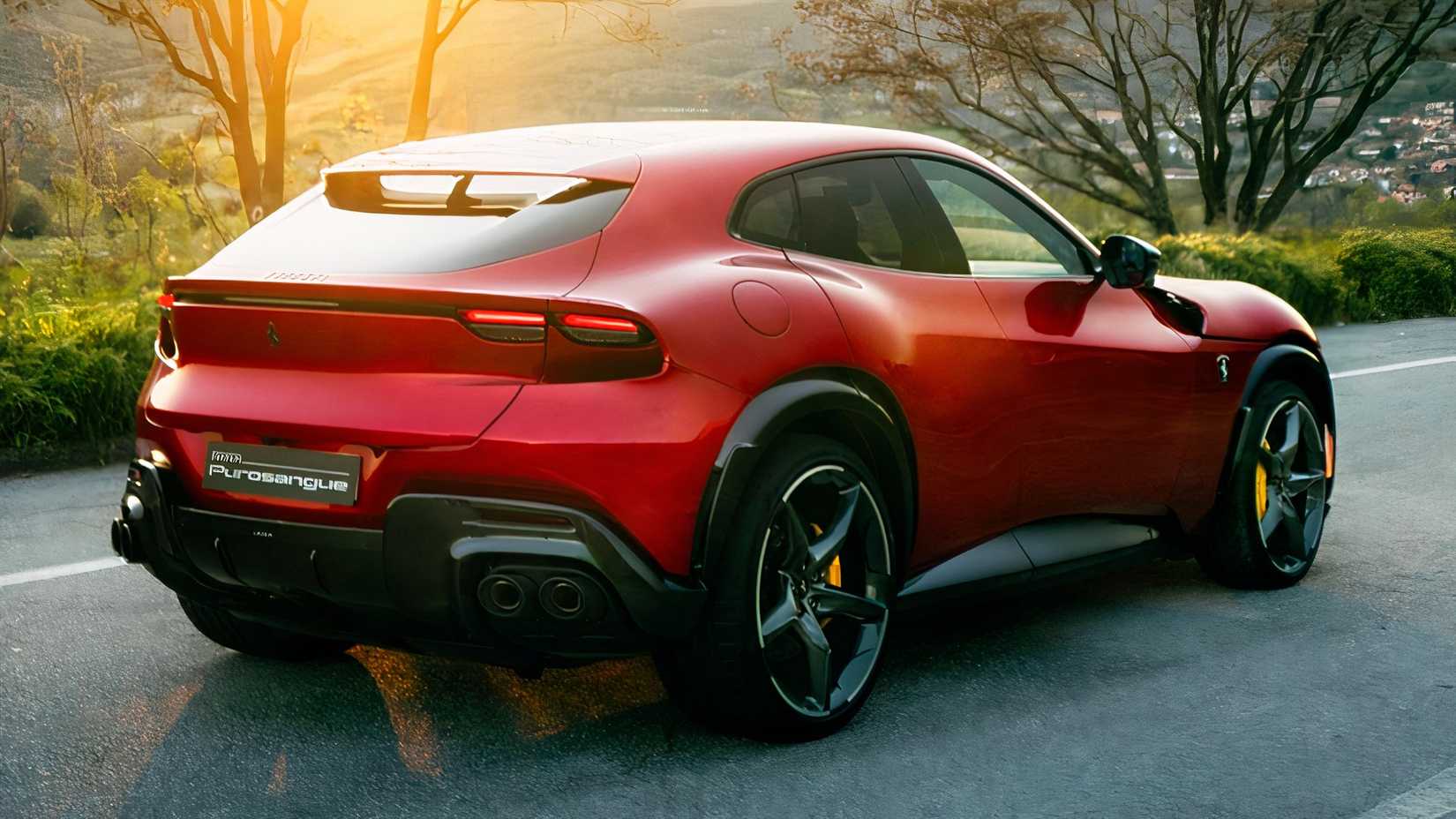
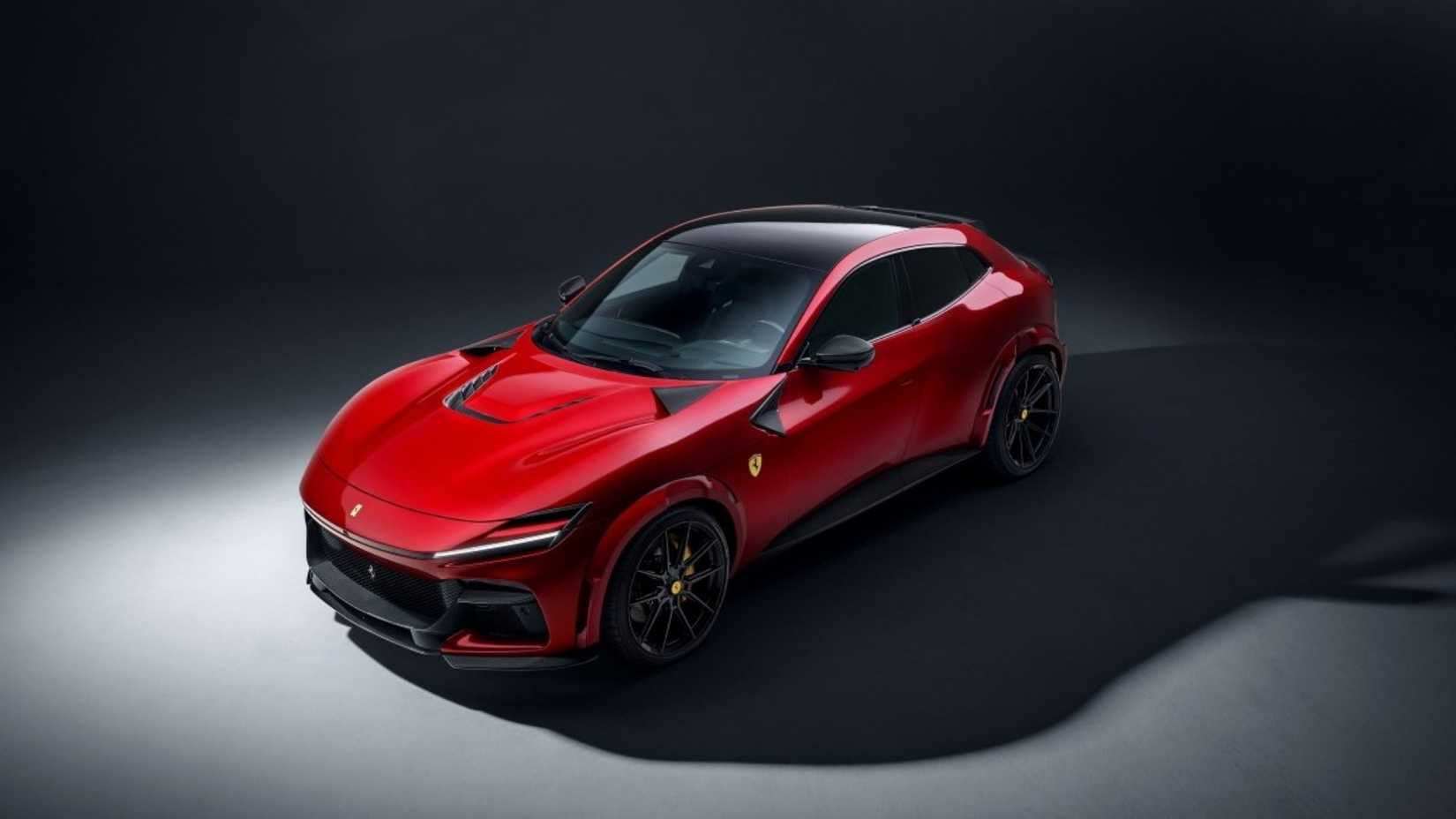
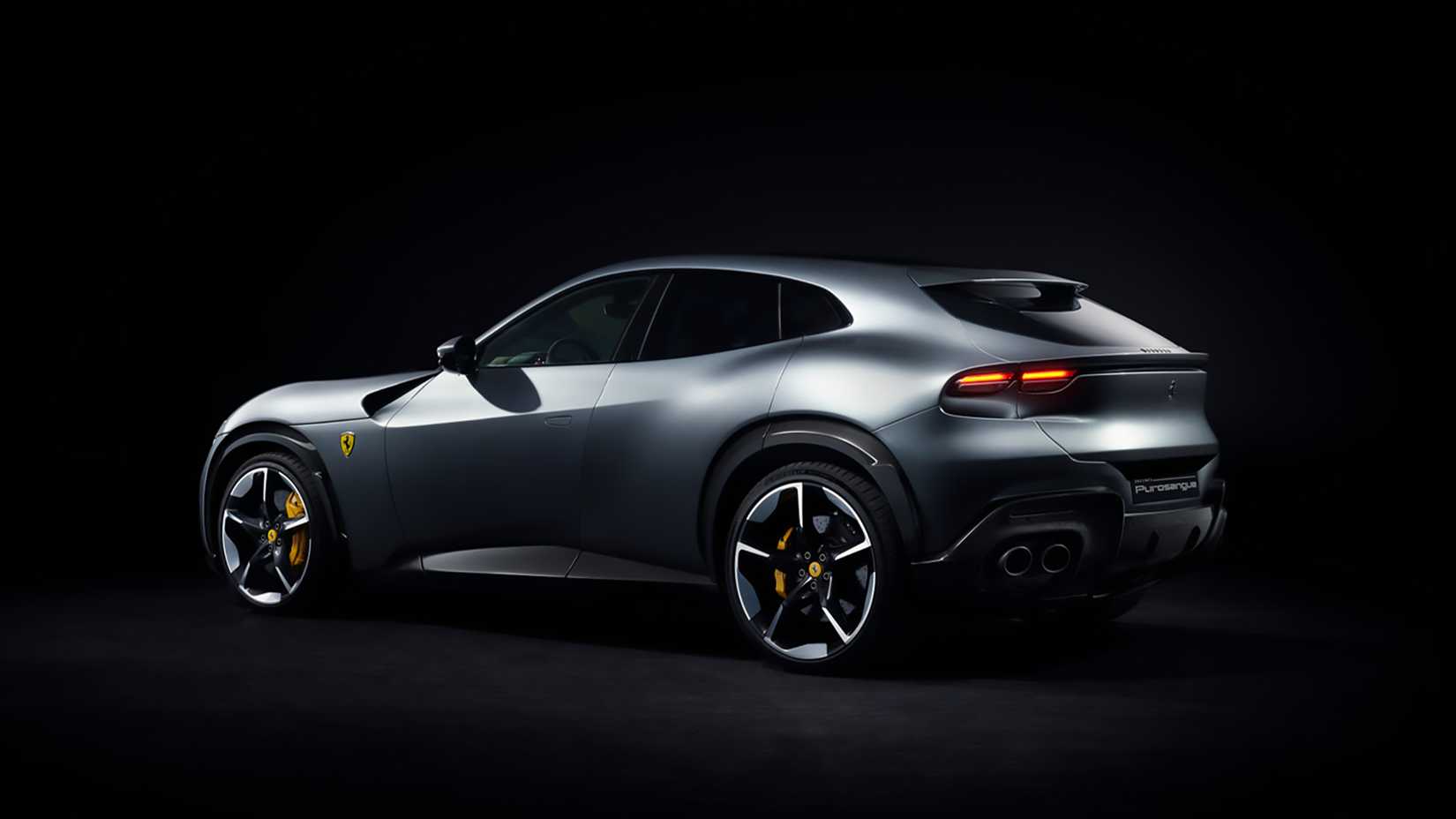
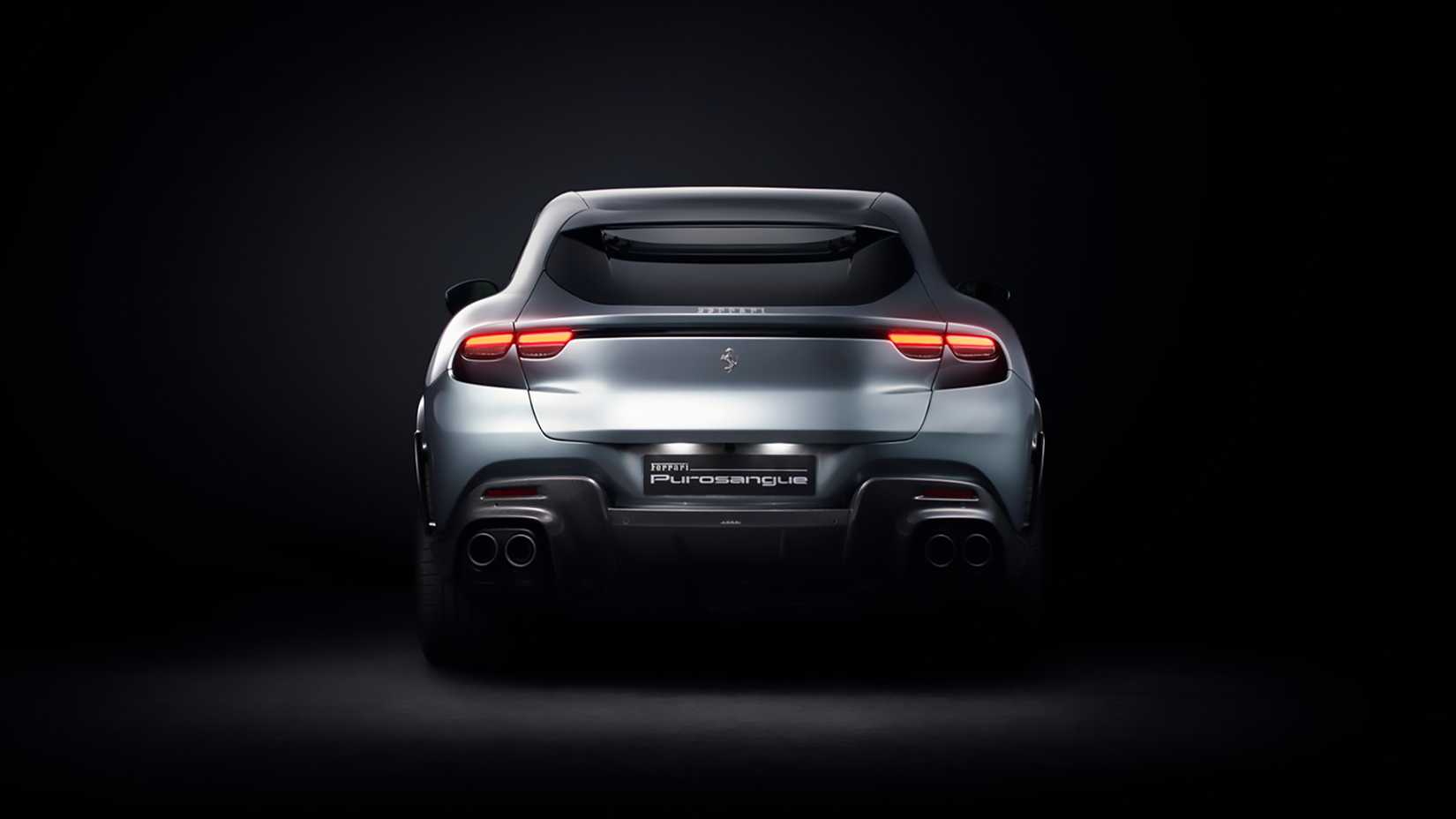
Ferrari clearly wanted to avoid simply becoming another brand chasing trends. That philosophy shaped the Purosangue from the beginning. Unlike many traditional SUVs, the Ferrari sits noticeably lower to the ground, with proportions that resemble a lifted grand tourer more than a conventional family crossover.
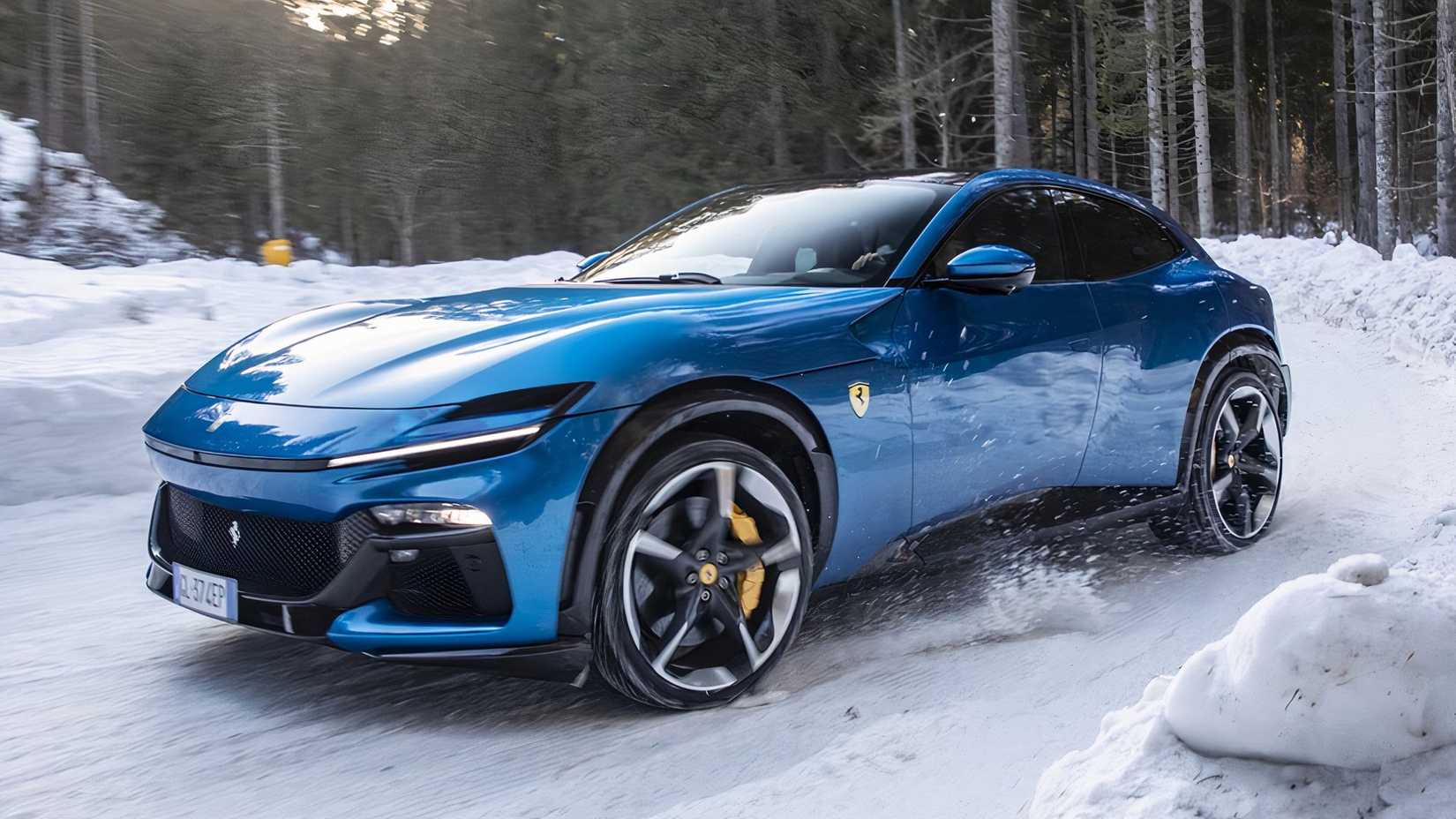
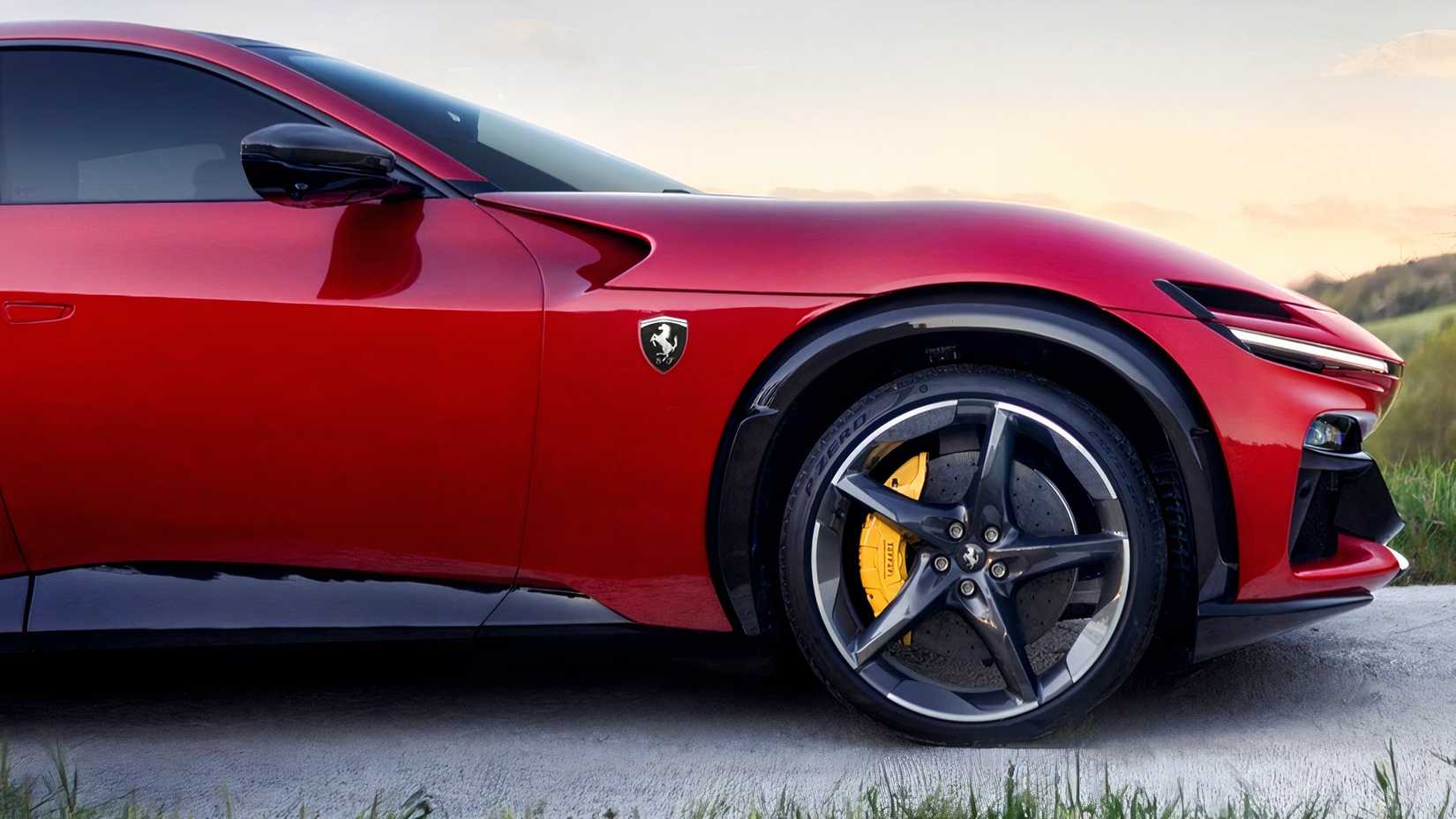
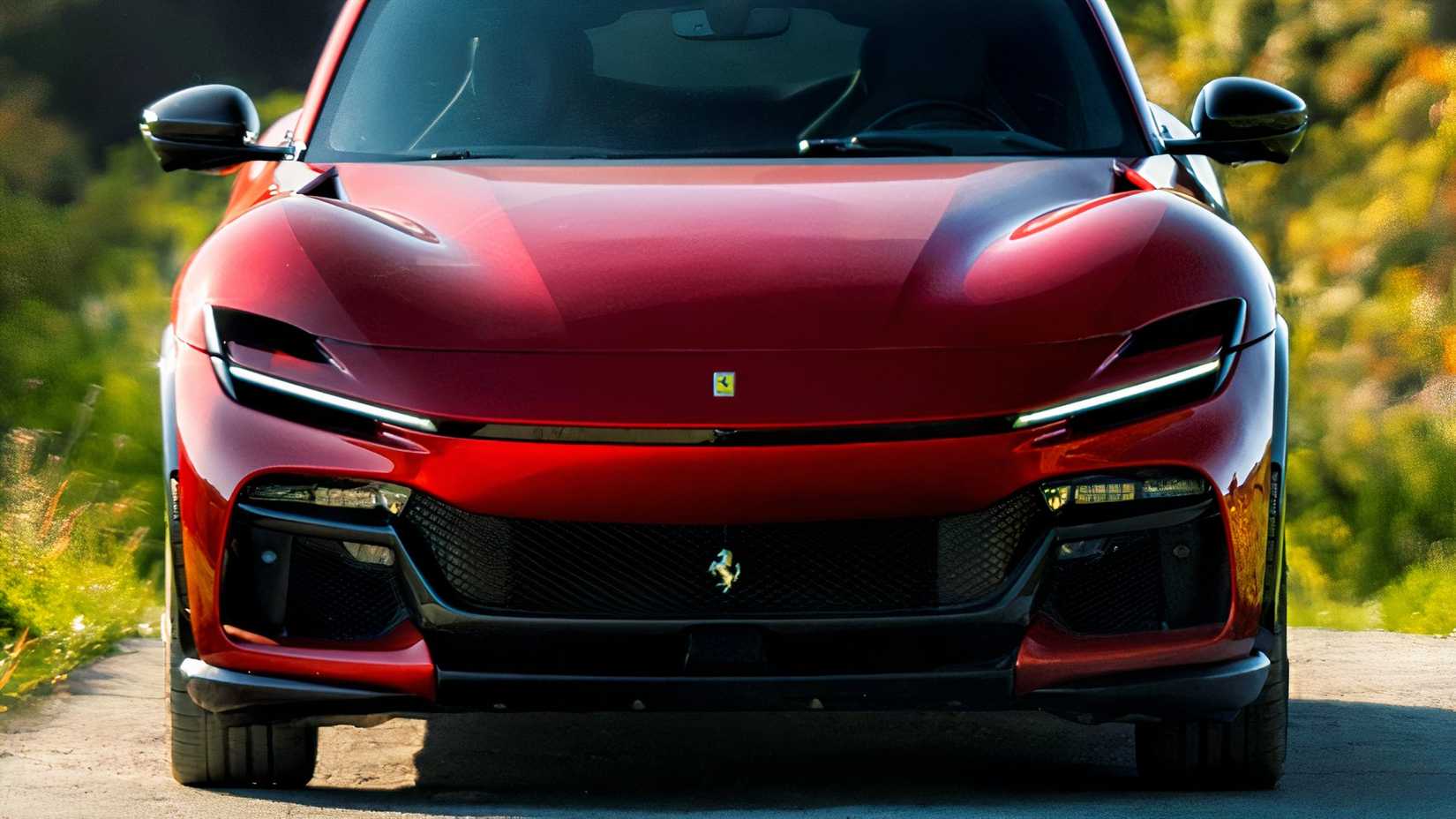
Its long bonnet, wide stance, and aggressive surfacing give it a distinctly sporty silhouette, while the rear features coupe-inspired styling rather than the boxier approach seen on rivals. Even the rear doors were designed differently. Instead of conventional rear doors, Ferrari gave the Purosangue rear-hinged coach-style doors that improve rear-seat access while helping preserve the sleek side profile. The result is something that visually distances itself from SUVs like the Bentley Bentayga or the Rolls-Royce Cullinan. Ferrari did not want the Purosangue to feel oversized or overly utilitarian. The company wanted it to retain the drama and theater buyers expect from a Ferrari.
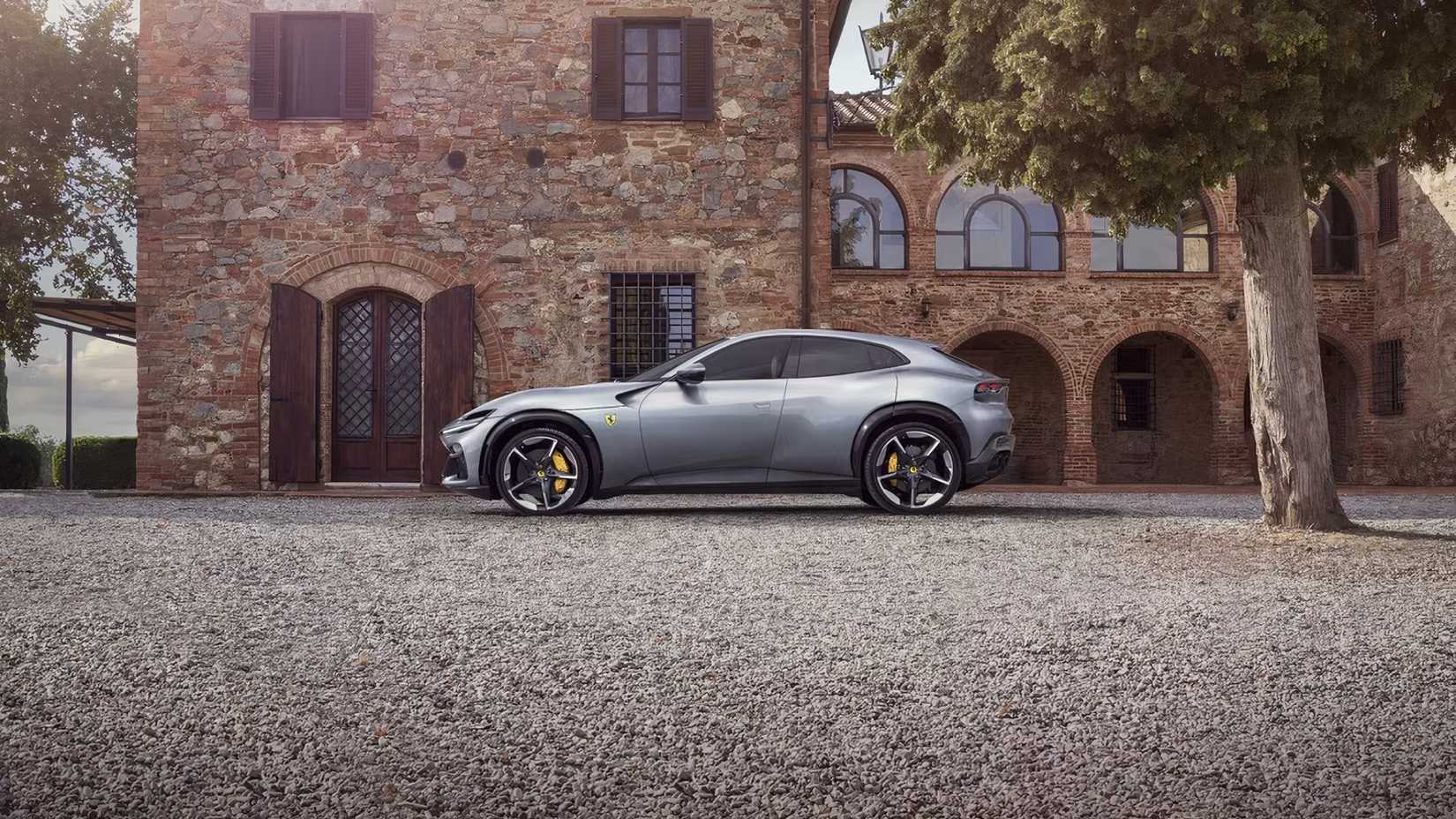
That balancing act also explains why practicality never became the vehicle’s primary focus. Ferrari was willing to make compromises in cargo space and outright utility if it meant preserving the driving experience and styling proportions associated with the brand. In many ways, the Purosangue feels less like Ferrari entering the SUV segment and more like Ferrari reshaping the segment around its own philosophy.
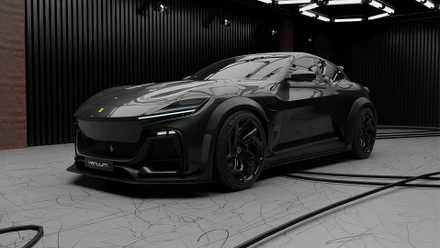
This Is Probably The Most Dramatic Ferrari Purosangue So Far
This isn’t the first body kit designed for the Ferrari Pruosangue, but it is definitely one of the most dramatic and aggressive one we’ve seen so far.
The V12 Engine That Makes The Purosangue Feel Like A Ferrari
Ferrari Prioritized Character Over Electrification
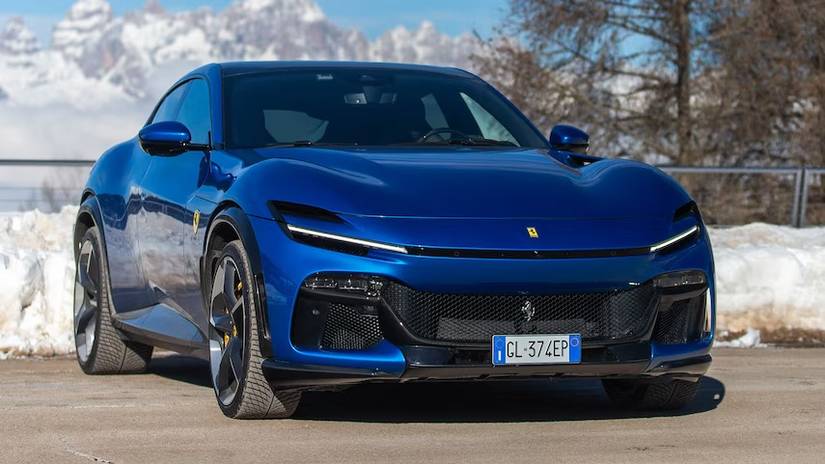
The most important reason the Purosangue still feels like a Ferrari sits beneath its sculpted bonnet. Rather than using a downsized turbocharged engine or a hybrid-assisted powertrain, Ferrari fitted the Purosangue with a naturally aspirated 6.5-liter V12 producing 715 horsepower and 528 lb-ft of torque. Power is sent to all four wheels through an eight-speed dual-clutch automatic transmission, helping the Purosangue sprint from 0 to 60 mph in around 3.3 seconds before reaching a top speed of roughly 193 mph. Those are serious numbers for a vehicle weighing close to 4,850 pounds. More importantly, the V12 completely changes the character of the Purosangue. In an era where many performance SUVs rely heavily on turbocharging and electrification, Ferrari deliberately chose involvement over efficiency.
Austin Parsons from Car and Driver noted that the Purosangue’s naturally aspirated V12 helps preserve the sharp throttle response, emotional soundtrack and high-revving personality enthusiasts still expect from a modern Ferrari. That decision says a lot about Ferrari’s priorities. The company could easily have pursued bigger horsepower figures through hybridization. In fact, the Urus Hybrid now produces significantly more power while also offering limited all-electric driving capability. But Ferrari seemed less interested in chasing specification-sheet supremacy and more focused on preserving a certain driving experience.
That philosophy extends beyond the engine itself. Reviewers who have driven the Purosangue frequently describe it as surprisingly agile and responsive despite its size and weight. Ferrari engineered the chassis to mimic the sharp reflexes of its sports cars rather than the softer luxury-focused character many large SUVs adopt.
A sophisticated active suspension system plays a major role here. Instead of relying on traditional anti-roll bars, the Purosangue uses electric motors at each corner to actively manage body movement during aggressive driving. The system can even lower the vehicle slightly under hard driving conditions to improve composure and stability.
The goal was clear: Ferrari wanted the Purosangue to feel alive. And perhaps that explains why the naturally aspirated V12 matters so much. It reassures enthusiasts that, despite the extra doors, added weight, and practical packaging, Ferrari still prioritized driver engagement above all else.
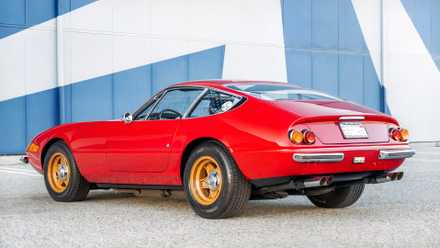
The Ultra-Rare 1970s Ferrari Grand Tourer That Collectors Have Been Chasing For Decades
This rare masterpiece combines iconic good looks with an opulent interior and a V12 masterpiece.
Inside Ferrari’s Four-Door Experiment
The Cabin Still Revolves Around The Driver
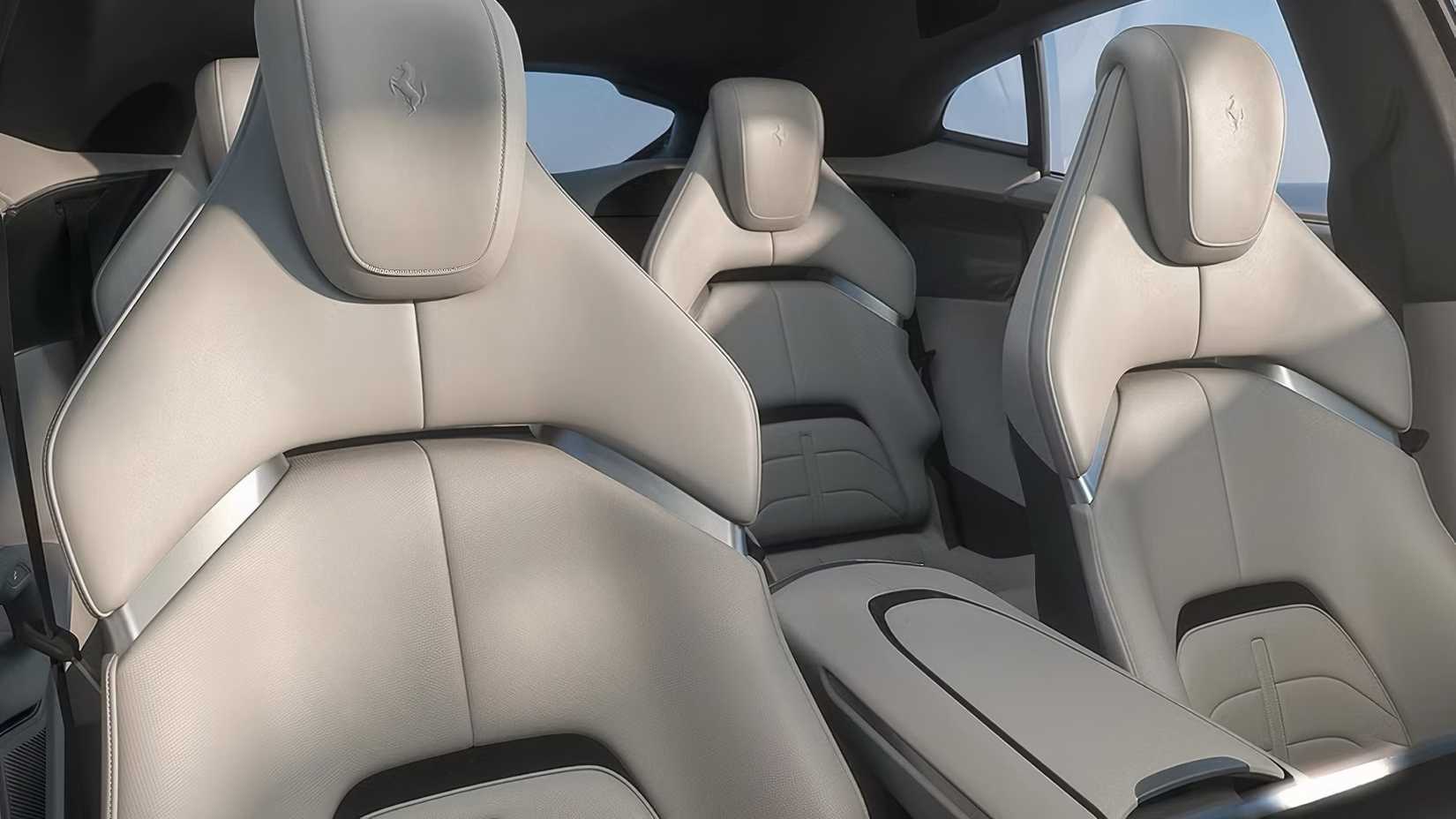
The Purosangue’s cabin may be practical by Ferrari standards, but it still avoids becoming a conventional high-performance SUV. Instead of designing a traditional five-seat SUV interior, Ferrari opted for a strict four-seat configuration with individual bucket seats for every passenger.
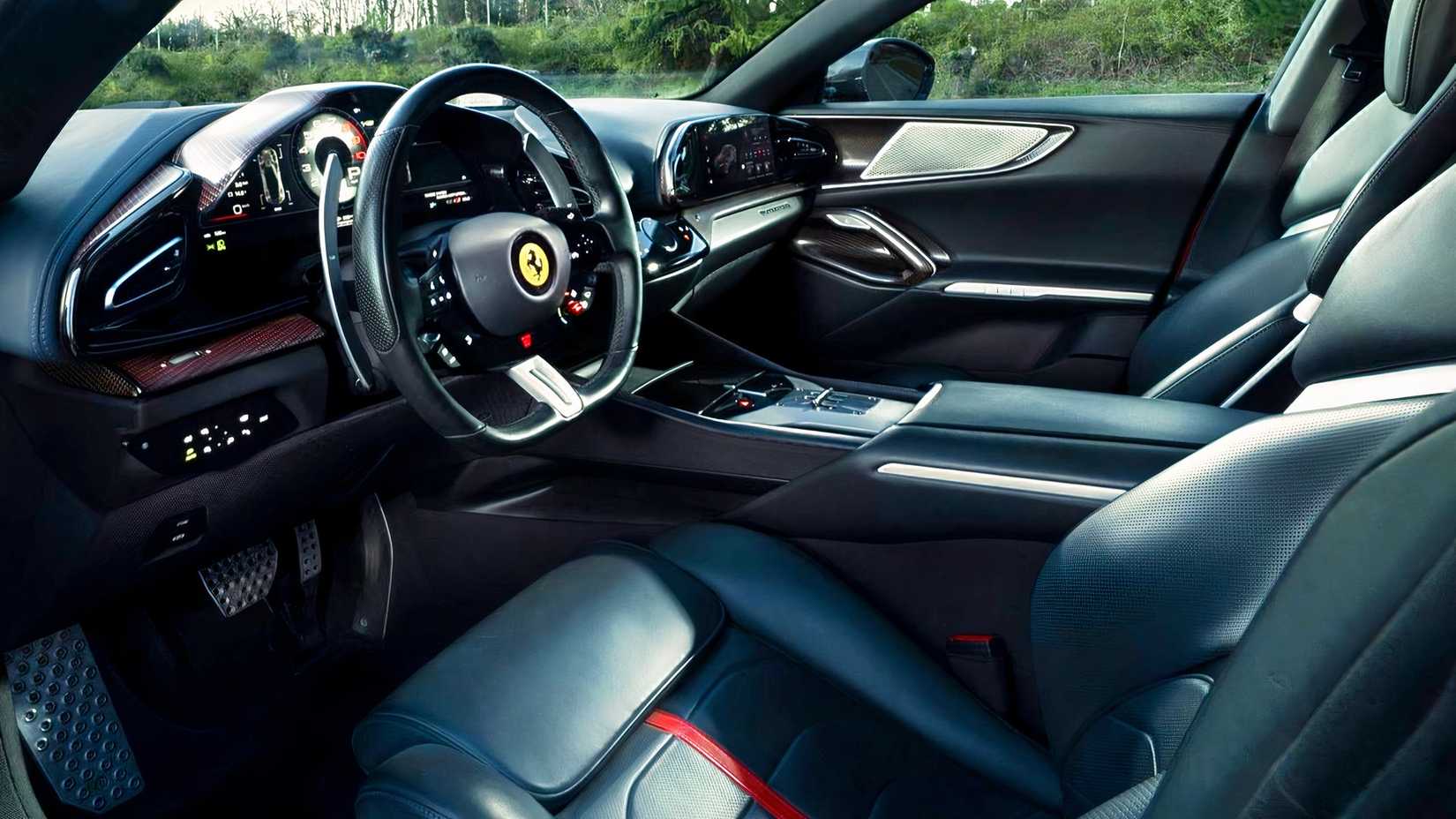
The rear seats mirror the front, reinforcing the idea that the Purosangue was designed around performance and passenger experience rather than maximum utility. The cabin remains heavily driver-focused. According to Austin Parsons, many of the Purosangue’s controls are integrated into the steering wheel, while a separate 10.2-inch passenger display allows front occupants to interact with vehicle functions independently.
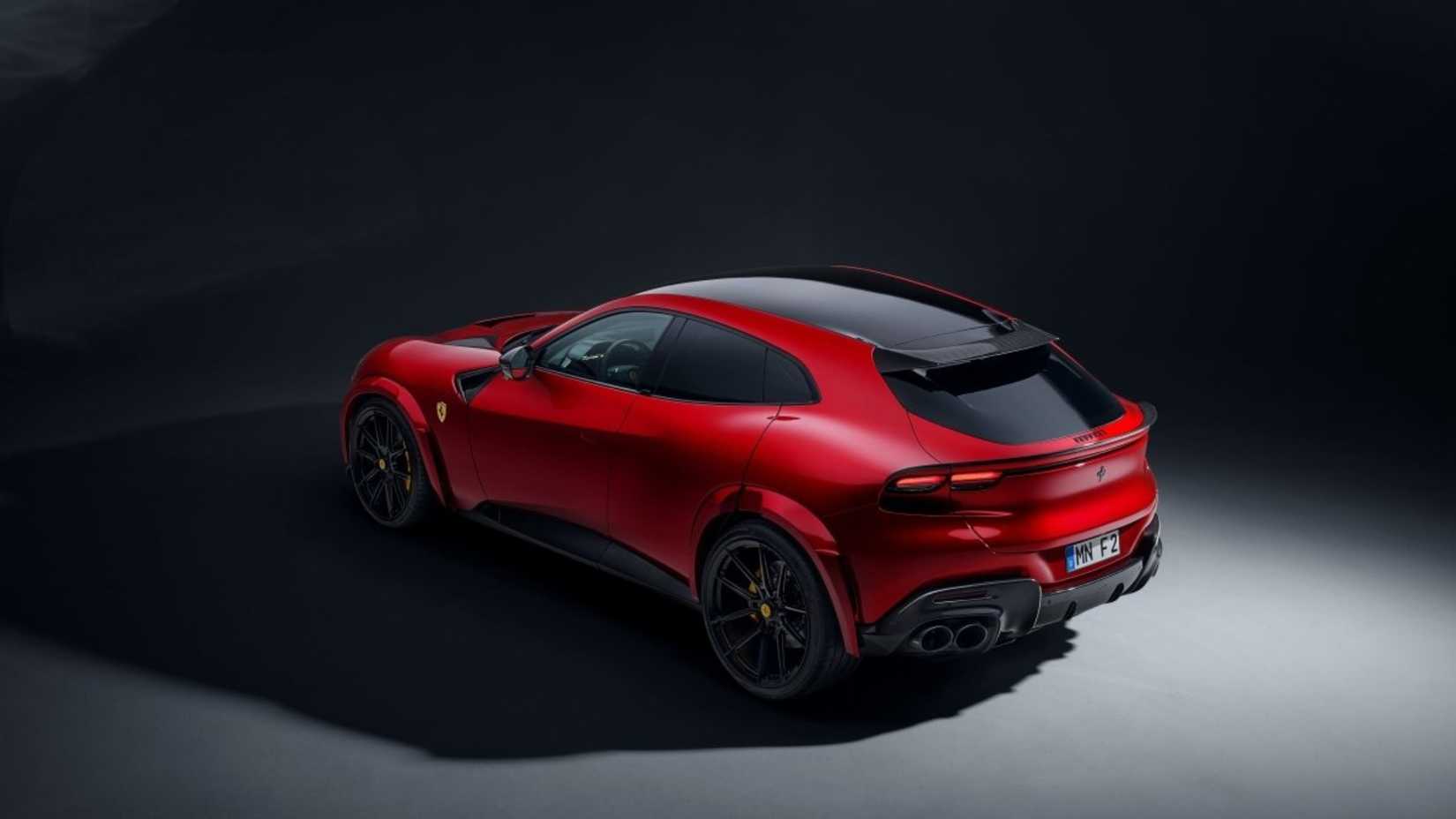
Parsons also highlighted the Ferrari’s rear-hinged coach doors and noted that cargo space is more limited than many traditional luxury SUVs, reinforcing the idea that Ferrari prioritized performance and design over practicality.
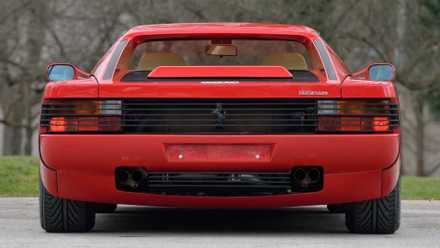
This Iconic Italian Supercar Had A V-12, And Could Barely Hit 180 MPH
There’s much more going on with this important Ferrari than its top speed – it was actually an engineering work of art and a TV icon.
Why Ferrari Purists Still Struggle With The Purosangue
Four Doors Still Feel Wrong To Some Enthusiasts
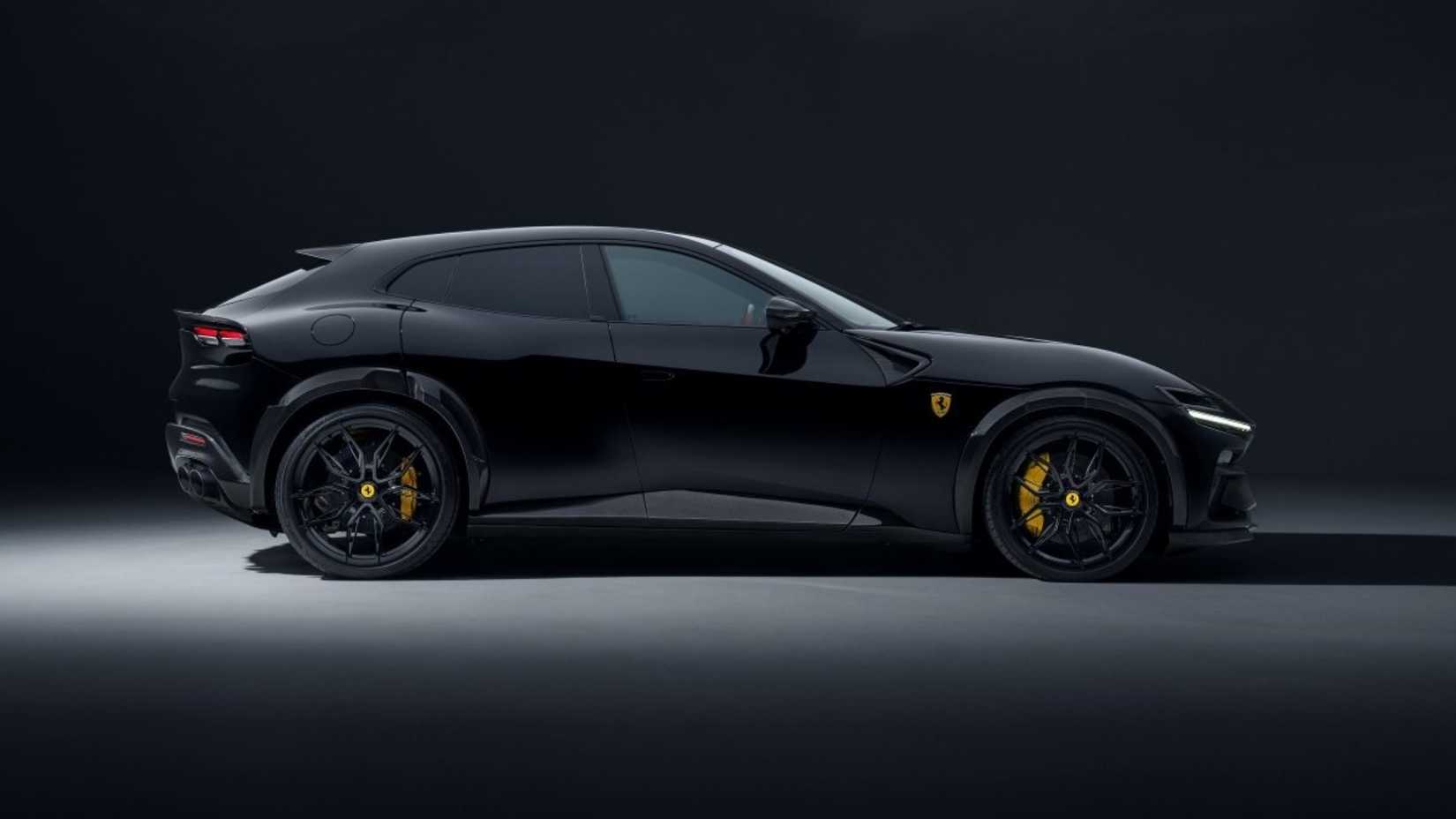
For some Ferrari enthusiasts, the Purosangue represents evolution. For others, it represents compromise, and I still feel somewhat on the fence about it myself. One could argue that it simply does not make the cut as a Ferrari in the traditional sense. Ferrari built its reputation on lightweight sports cars, exotic supercars and racing pedigree.
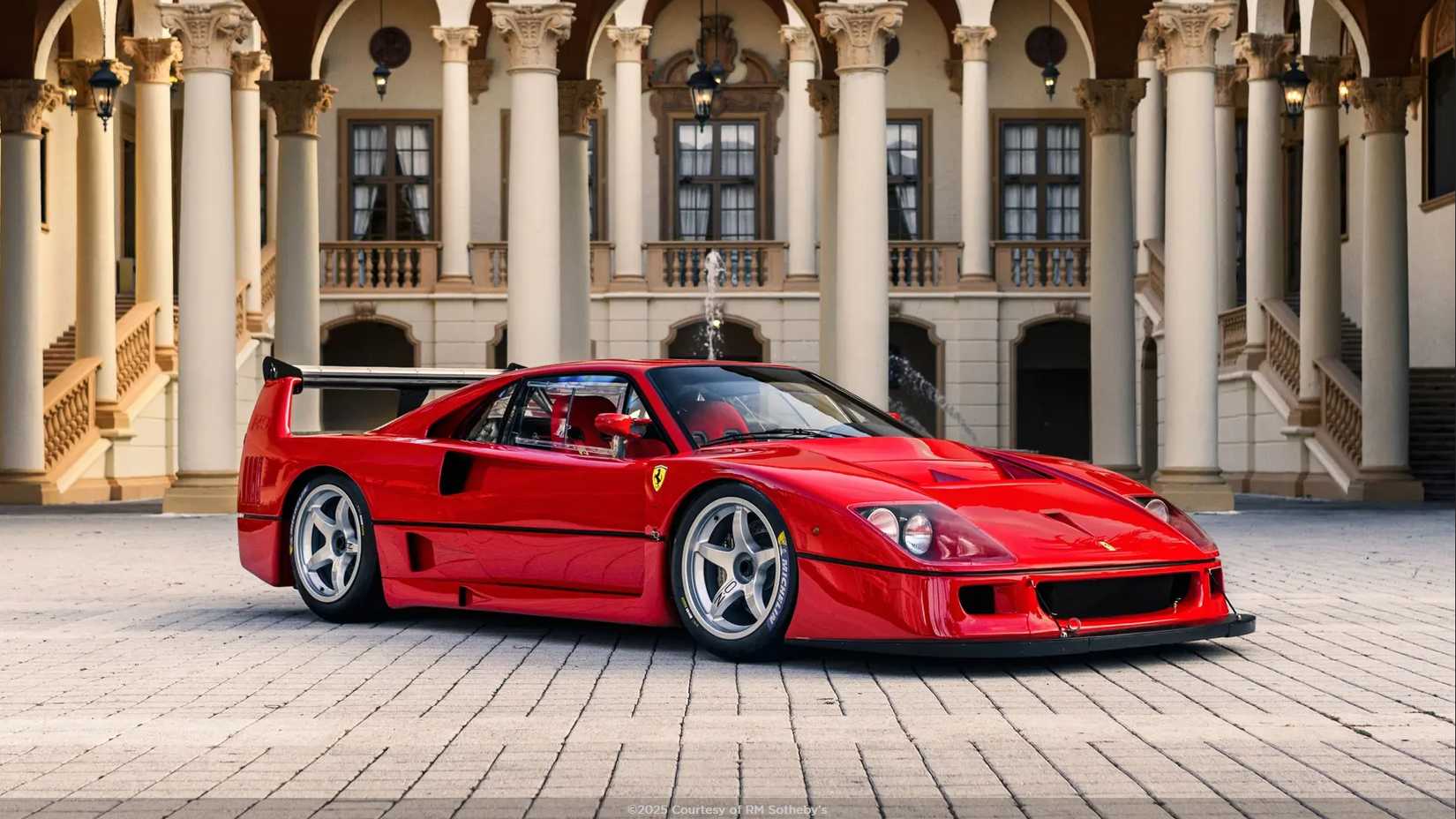
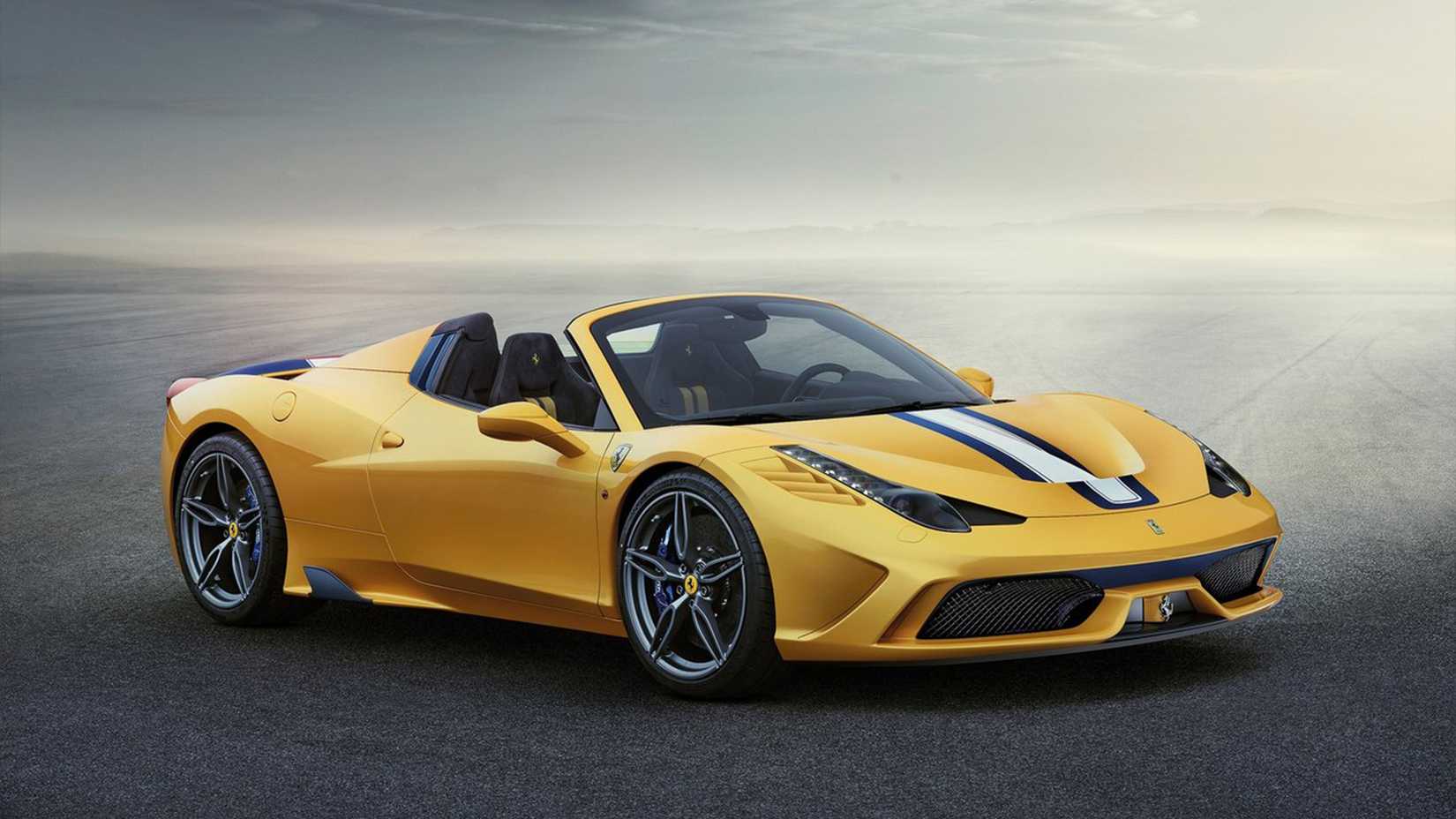
Cars like the Ferrari F40, Ferrari 360 Challenge Stradale, Ferrari 430 Scuderia, and Ferrari 458 Speciale became icons partly because of their sharp handling, relatively lightweight construction, and uncompromising focus on driver engagement.
Historically, practicality played almost no role in the company’s identity. Even Ferrari’s grand tourers prioritized theater and performance over everyday usability. That’s why the idea of a four-door Ferrari still feels uncomfortable to some purists. The concern is not simply about the SUV shape itself. It is about what the Purosangue represents symbolically. To some enthusiasts, it signals Ferrari adapting to market demand in ways the company once resisted fiercely.
And yet, Ferrari arguably approached the project more carefully than many expected. Rather than creating an ultra-luxury SUV focused purely on comfort and status, Ferrari engineered the Purosangue to retain much of the brand’s traditional character. The naturally aspirated V12, aggressive chassis tuning, low-slung proportions, and driver-oriented interior all suggest Ferrari understood exactly what enthusiasts feared losing.
The company also resisted turning the Purosangue into a high-volume product. That matters because exclusivity has always been central to Ferrari’s appeal. Unlike some rivals that aggressively expanded SUV production, Ferrari appears determined to prevent the Purosangue from becoming overly common. In a strange way, the Purosangue almost feels like Ferrari acknowledging market realities while still trying to protect its identity.

10 Luxury SUVs That Can Outrun A Muscle Car
These athletic utes prove that luxury SUVs are no longer just land yachts.
How Ferrari Keeps The Purosangue Exclusive
High Pricing And Limited Numbers Matter
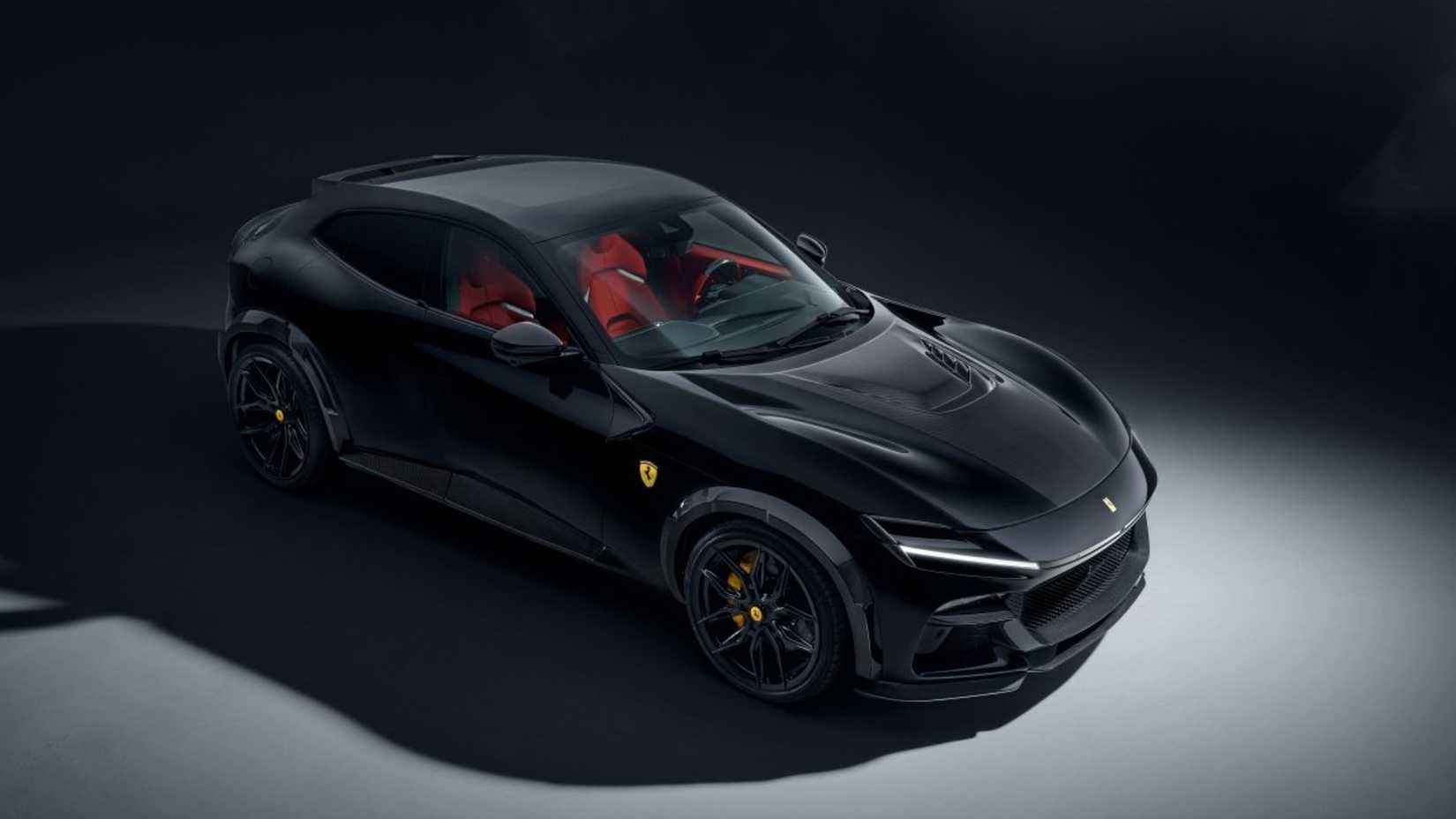
Exclusivity remains one of the defining elements of the Ferrari Purosangue experience. Pricing starts at over $400,000 before options, placing the Ferrari well above rivals such as the Lamborghini Urus, which starts at roughly $260,000 and focuses heavily on explosive twin-turbo V8 performance and everyday usability.
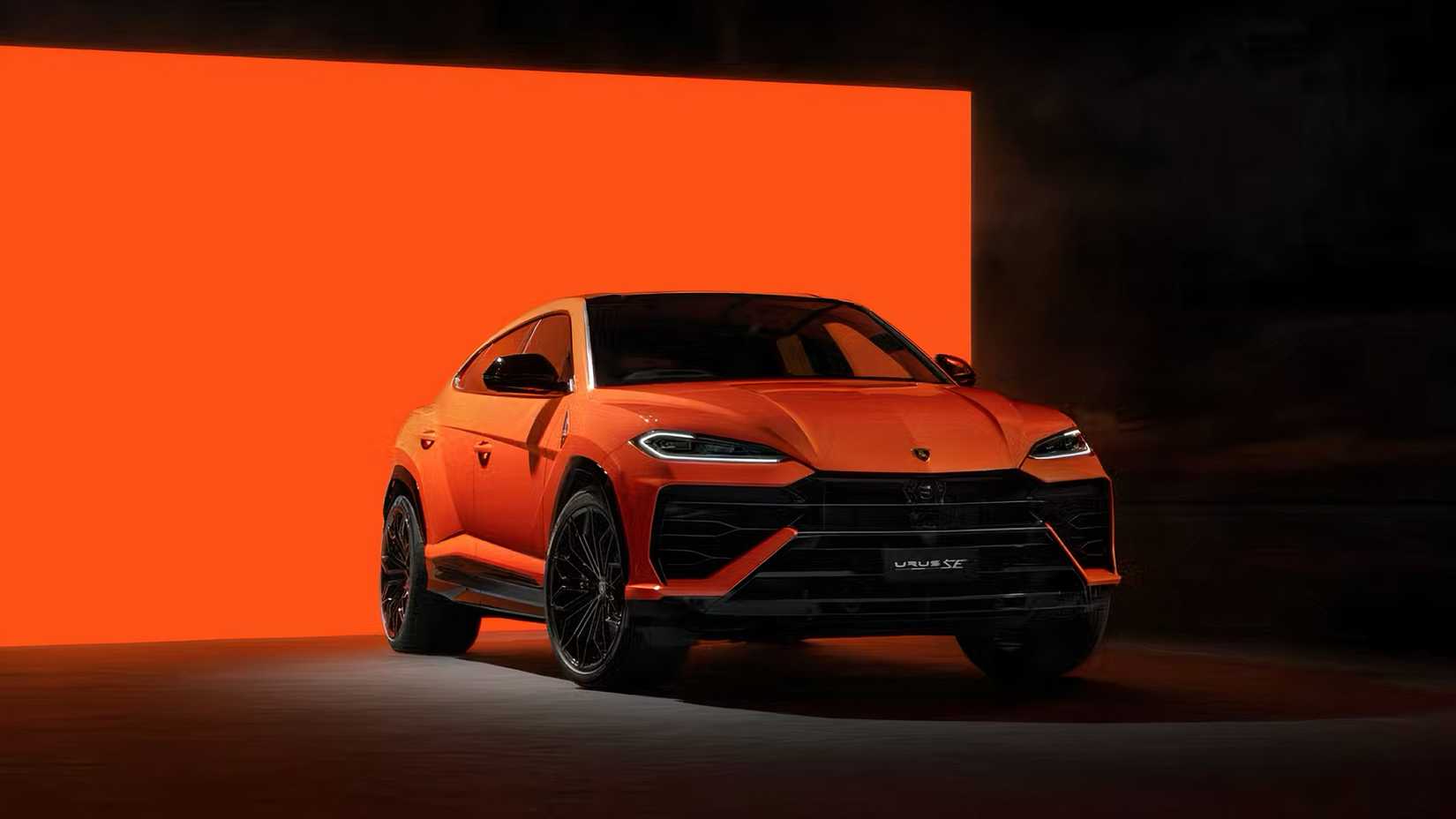
Having driven the closely related Audi RS Q8, which shares some underpinnings and engineering DNA with the Urus, there is already an incredible level of brutality and performance on offer there. The Lamborghini undoubtedly adds more theater, drama and aggression to the experience, but it also raises the question of whether Ferrari pushed the Purosangue’s pricing too far simply to preserve exclusivity and hype around the badge.
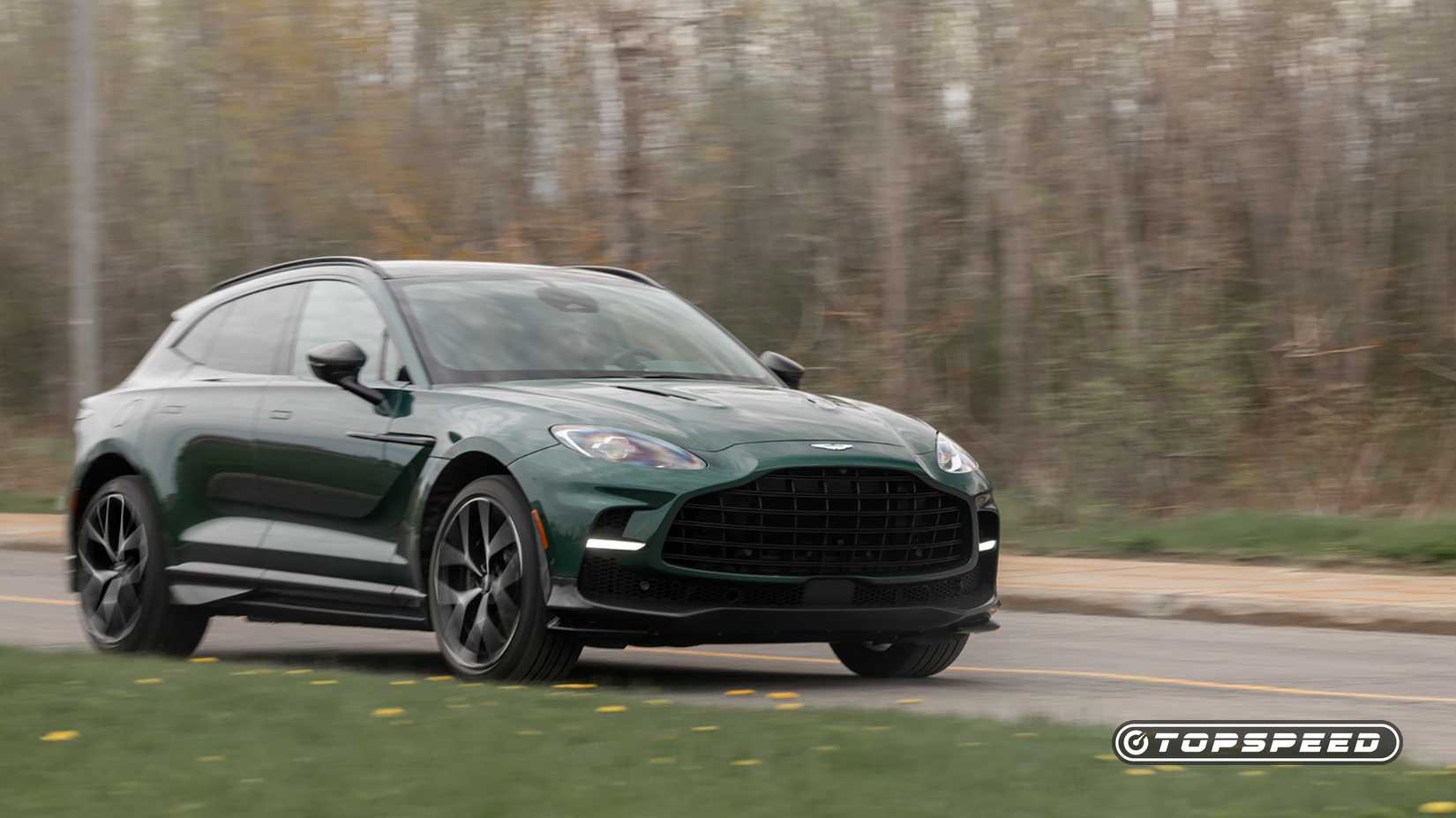
The Aston Martin DBX707 undercuts the Ferrari significantly at around $250,000 while offering a more traditional luxury-performance blend with a powerful twin-turbo V8 and aggressive styling.
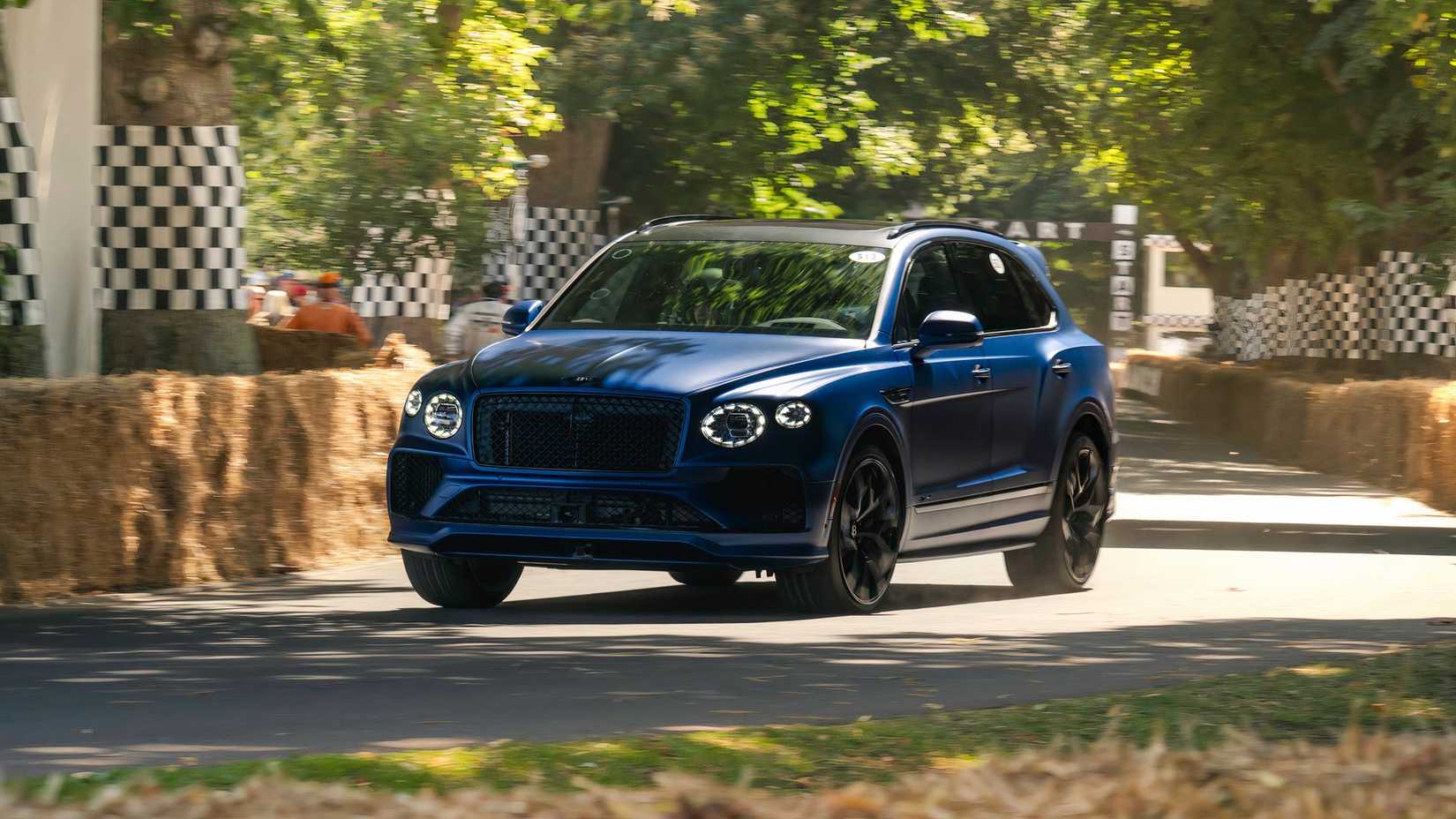
Meanwhile, the Bentley Bentayga Speed leans harder into comfort and craftsmanship with pricing starting above $270,000, while the Porsche Cayenne Turbo GT delivers some of the sharpest handling in the segment for closer to $200,000.
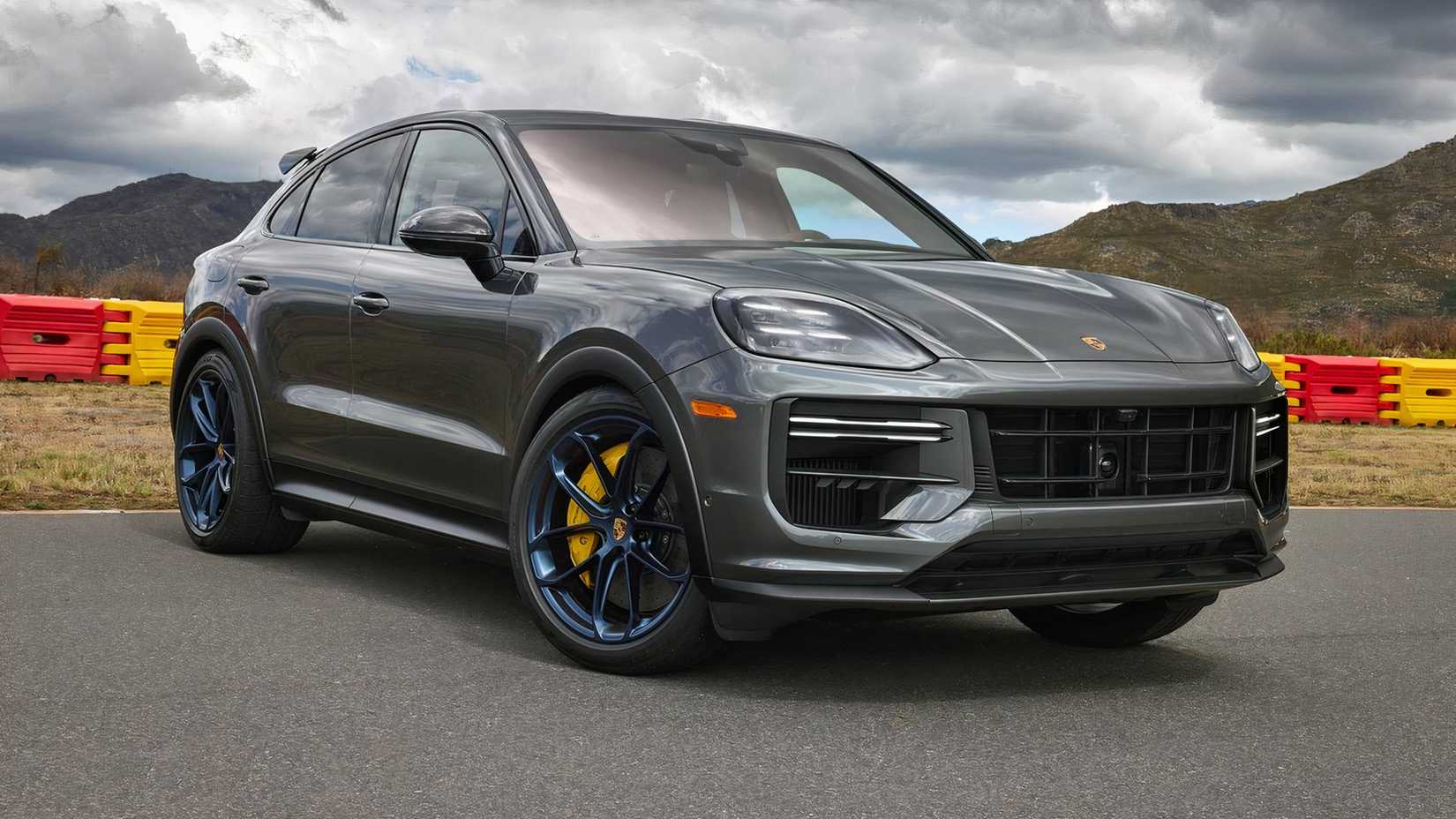
Buyers can also spend heavily on customization through Ferrari’s extensive personalization program, allowing each Purosangue to feel highly individual. But price alone is not what keeps the vehicle exclusive. Ferrari has reportedly been careful about controlling production numbers and avoiding oversaturation. Long waiting lists have become common, and Ferrari appears aware of the risks associated with allowing the Purosangue to dominate its lineup financially or numerically.
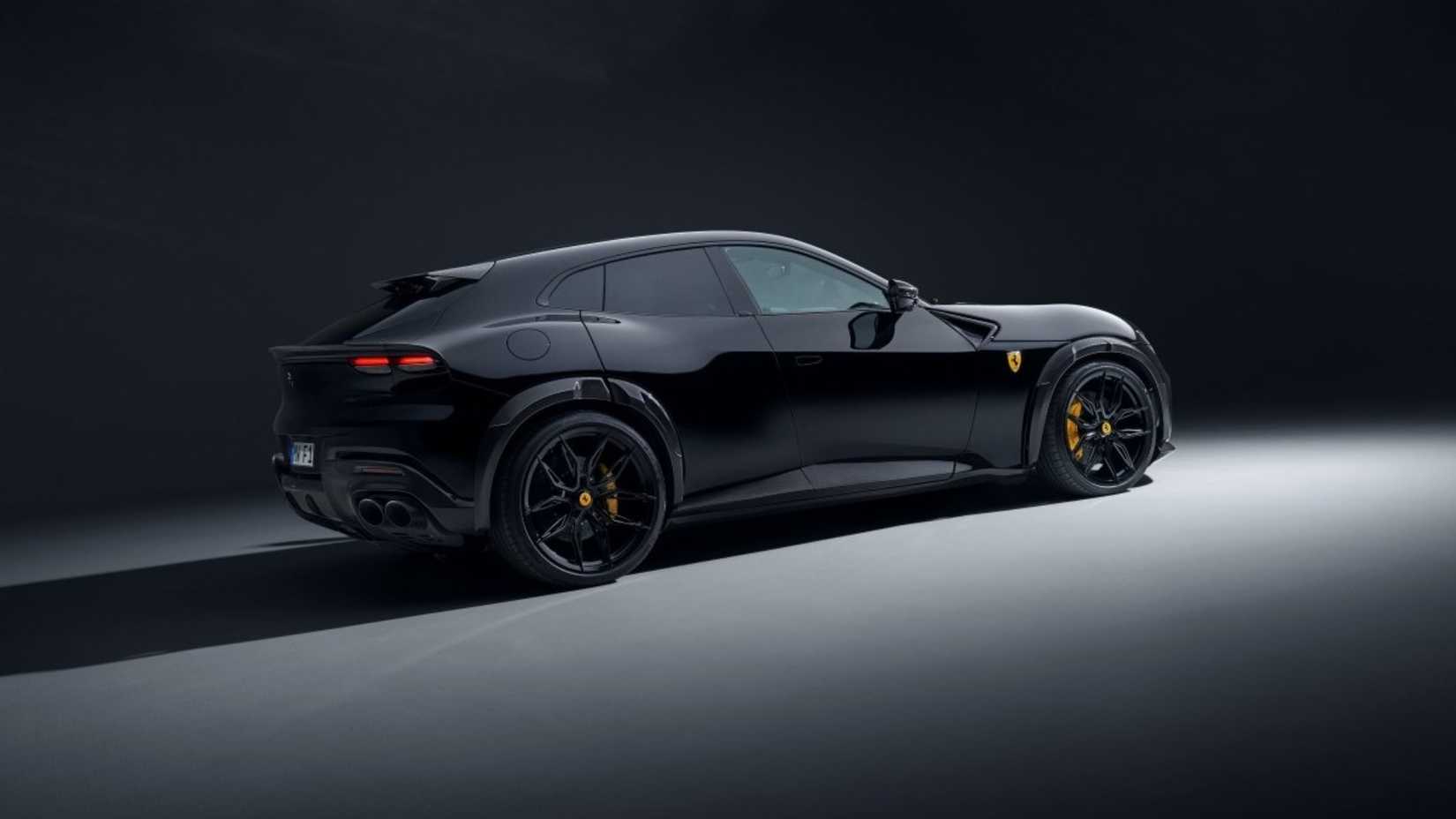
Still, there is an argument that Ferrari may be leaning too heavily into artificial exclusivity here. If the brand truly wanted to compete head-on in the high-performance luxury SUV segment, limiting supply while charging dramatically more than rivals almost feels contradictory. At some point, “exclusive” can start sounding like an excuse for being both extremely expensive and intentionally unattainable.
Ferrari Purosangue Specifications And Rivals
|
Model |
Engine |
Horsepower |
Torque |
Transmission |
Driveline |
0-60 mph |
Top Speed |
|
Ferrari Purosangue |
6.5-liter naturally aspirated V12 |
715 hp |
528 lb-ft |
8-speed dual-clutch automatic |
AWD |
3.3 sec |
193 MPH |
|
Lamborghini Urus SE |
4.0-liter twin-turbo V8 plug-in hybrid |
789 hp |
701 lb-ft |
8-speed automatic |
AWD |
3.4 sec |
194 MPH |
|
Aston Martin DBX707 |
4.0-liter twin-turbo V8 |
697 hp |
663 lb-ft |
9-speed automatic |
AWD |
3.1 sec |
193 MPH |
|
Bentley Bentayga Speed |
4.0-liter twin-turbo V8 |
626 hp |
664 lb-ft |
8-speed automatic |
AWD |
3.8 sec |
190 MPH |
|
Porsche Cayenne Turbo GT |
4.0-liter twin-turbo V8 |
650 hp |
626 lb-ft |
8-speed automatic |
AWD |
3.1 sec |
190 MPH |
Why The Ferrari SUV Still Feels So Controversial
It Challenges Everything Ferrari Once Stood For
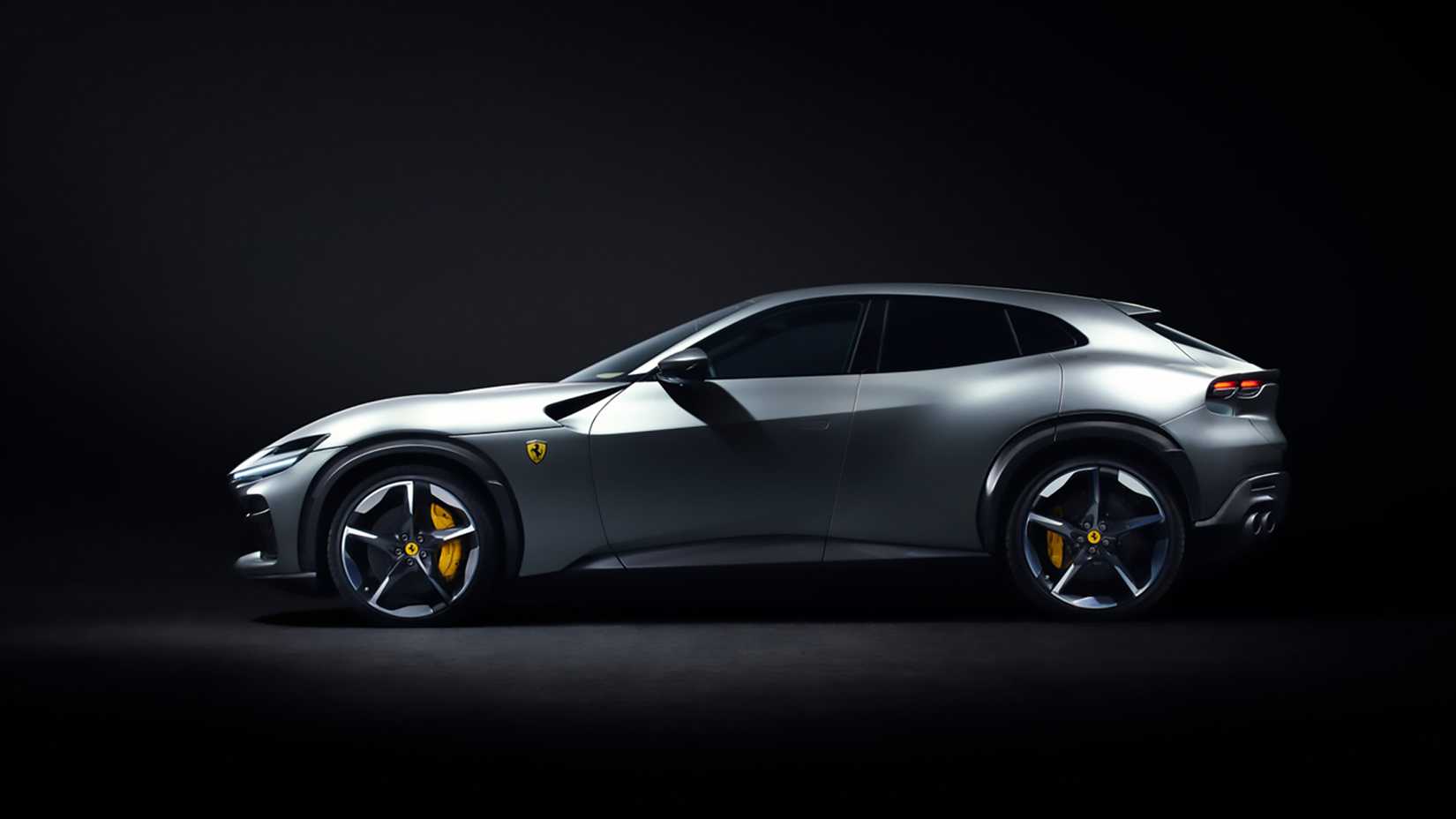
While I still have mixed feelings about the Purosangue, it remains a controversial vehicle because it definitely defies decades of Ferrari philosophy while simultaneously trying to preserve it. On paper, the idea sounds almost absurd: a practical four-door Ferrari capable of carrying luggage and rear passengers comfortably. But instead of building a traditional luxury SUV and simply adding more power, Ferrari created something that still caters to the inner enthusiast.
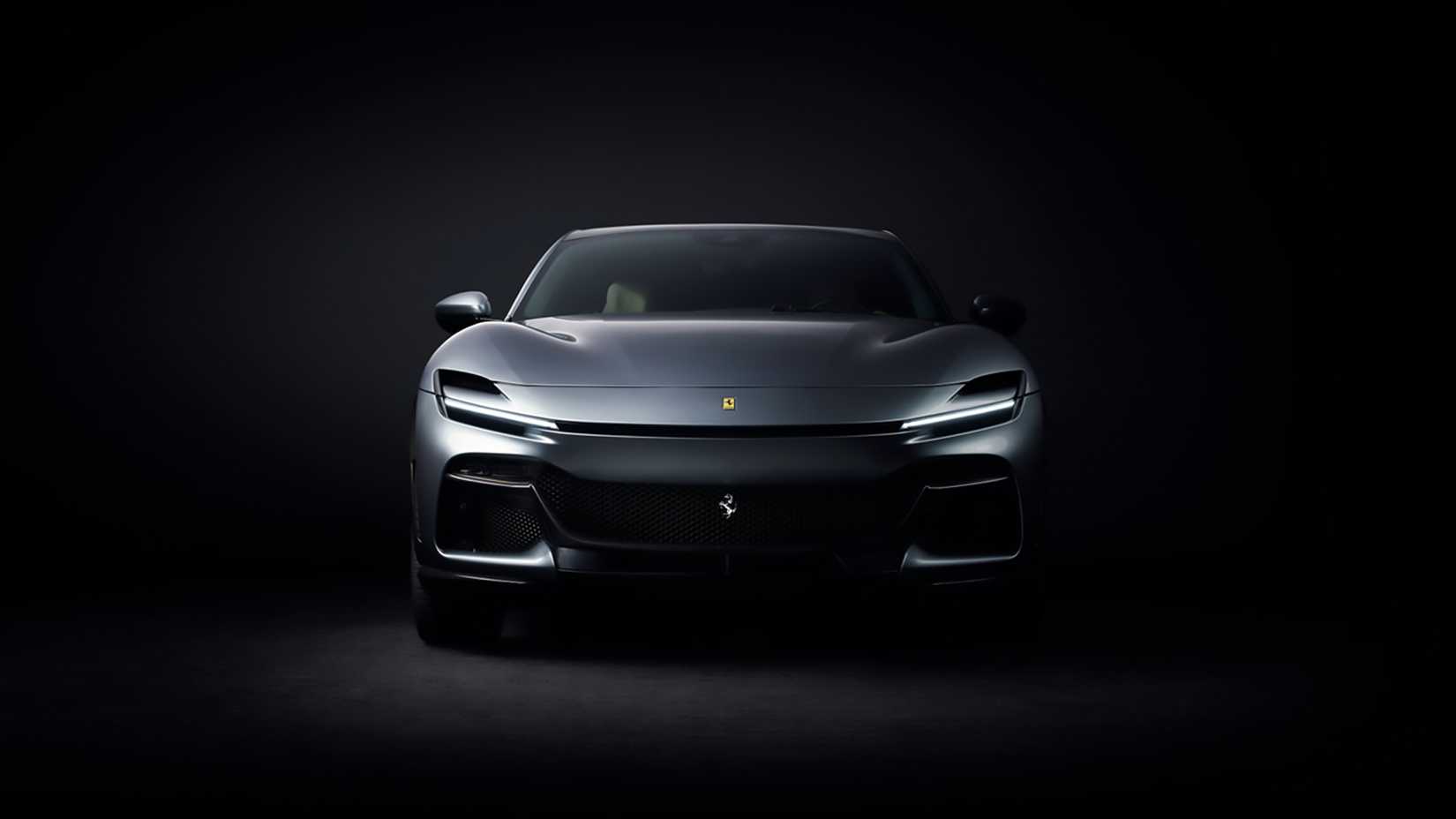
The naturally aspirated V12, dramatic styling, and active chassis systems all exist to ensure the Purosangue behaves more like a Ferrari than buyers might expect from something this large. The Purosangue is slightly rebellious in nature because Ferrari itself once resisted the very idea behind it.
But perhaps that is also why it works. Rather than abandoning its identity completely, Ferrari attempted to reinterpret it for a changing automotive landscape. The result is a vehicle that leans towards being unconventional not only within the SUV world, but within Ferrari’s own history as well.
Sources: Ferrari USA, Carbuzz, Topspeed