
Why Luxury Sedans Are No Longer Just About The Badge
Comfort, Refinement, And What Buyers Really Value Today
Sliding behind the wheel, everything feels deliberate. Solid. Composed. The kind of engineering that reminds you this is a car built with purpose. The E 220d, in particular, left a lasting impression. That 2.0-liter turbo-diesel engine—paired with a mild hybrid system—was eerily quiet. Quiet enough that a few friends genuinely thought it was electric. Out on the road, it delivered exactly what you’d expect: a smooth, controlled drive with just the right amount of power when you needed it.
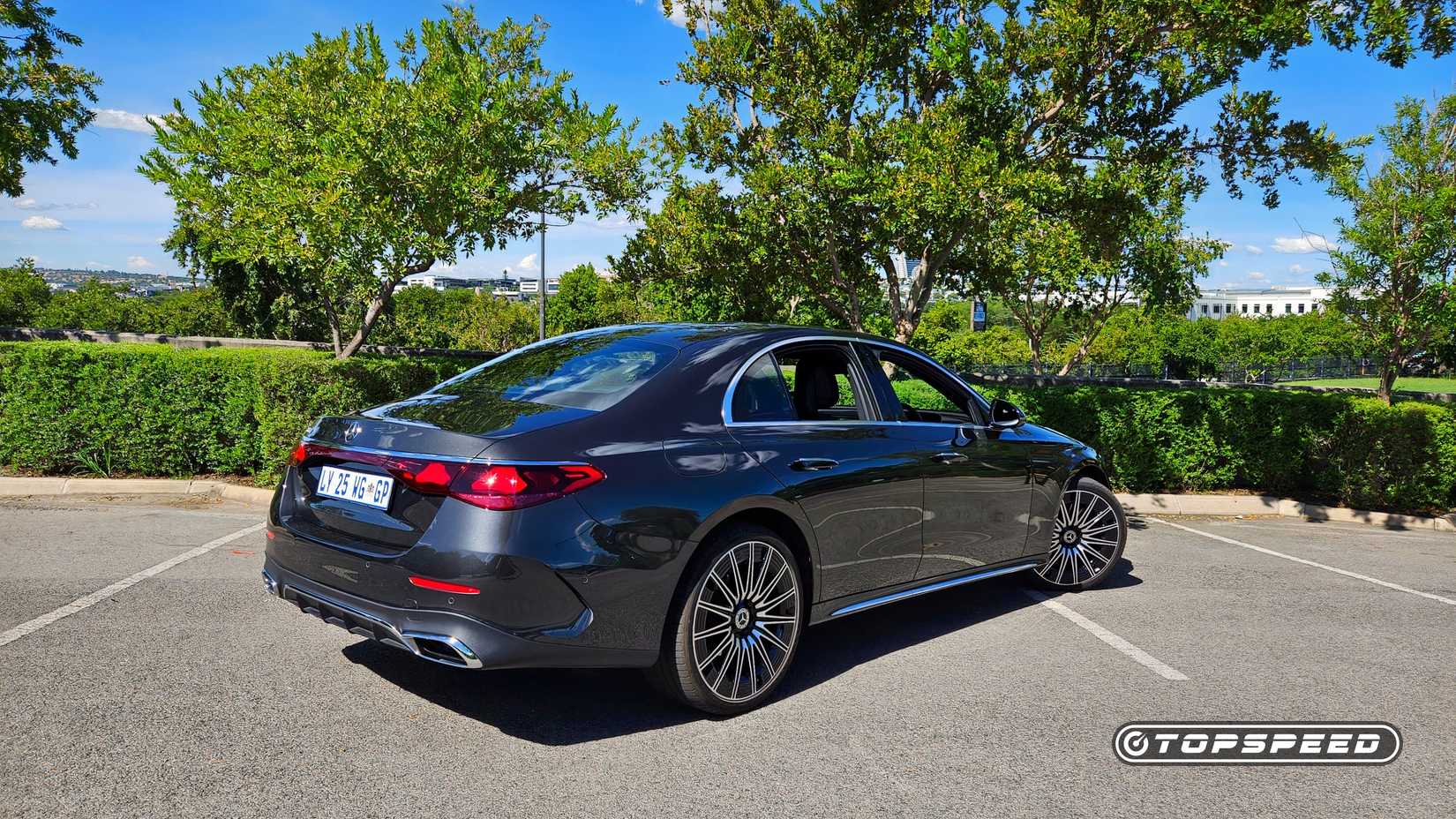
It felt like a presidential suite on wheels. Long distances faded away. The cabin insulates you from the outside world, while features like massaging seats and the Burmester sound system turn every drive into more of an experience than a commute. It’s refined in the way a luxury car should be. But here’s the thing. That kind of luxury—while still impressive—has started to feel… complicated.
The Japanese Car That Quietly Beats Luxury Brands At Their Own Game
A luxury sedan that shuns the spotlight, yet outshines its rivals in the areas that truly matter.
The Lexus ES Delivers A Different Kind Of Luxury
A Comfort-Focused Sedan That Prioritizes Smoothness
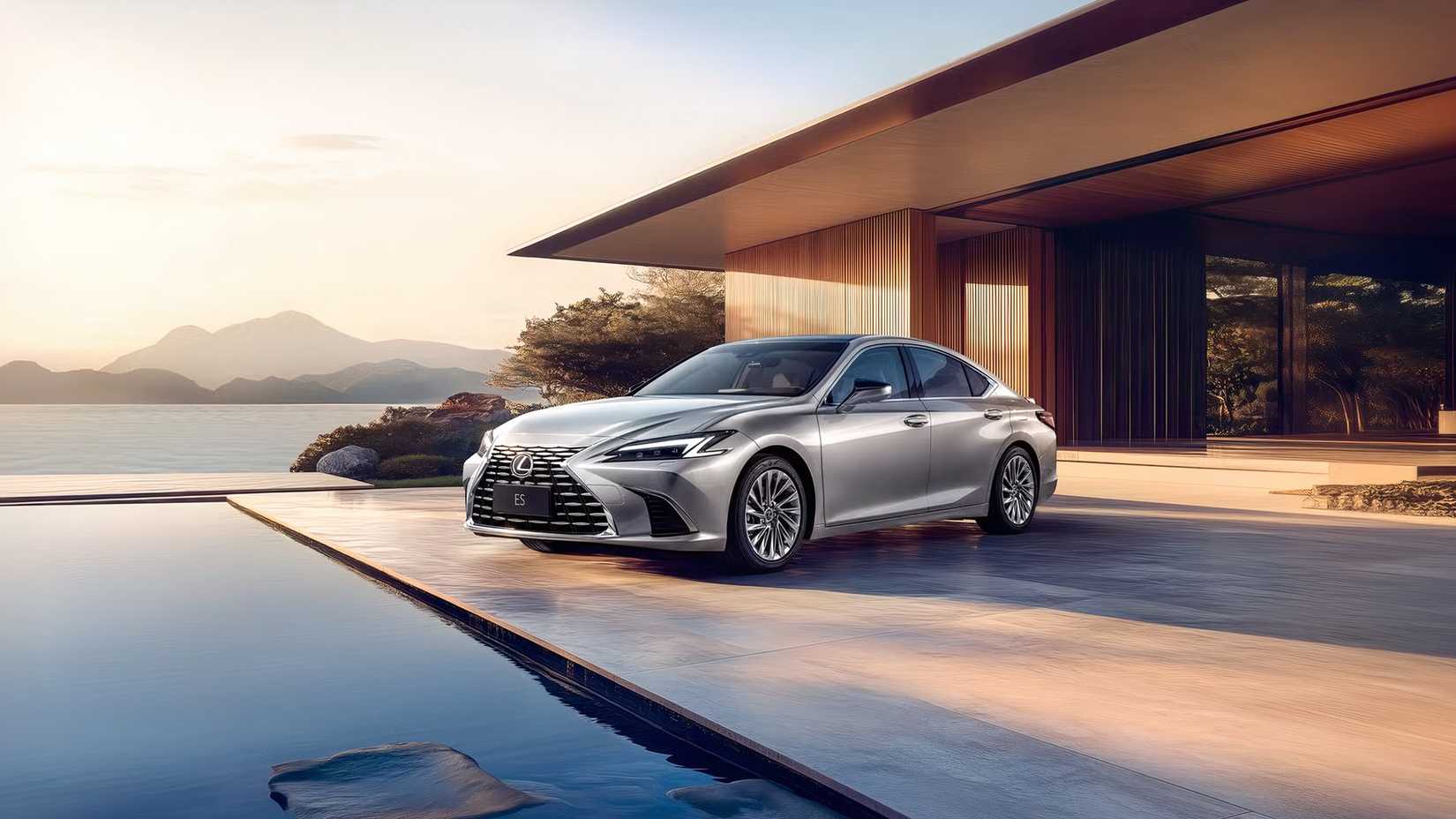
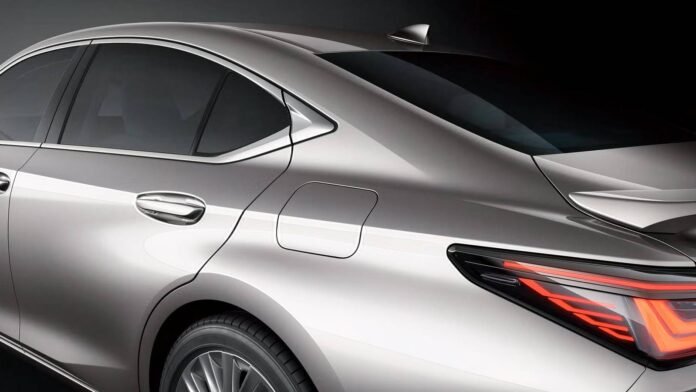
This is where the Lexus ES steps in, forgoing the complexities. It doesn’t try to impress in the flashiest way. It avoids overwhelming drivers with unnecessary complexity or pursuing high-power figures just for show. Instead, it sticks to its own lane—ease, comfort, and real-world usability, all without the hefty price tag. The 2025 Lexus ES started at around $42,040, while the upcoming 2026 ES model climbs to $48,895 at base. And that’s where the shift becomes clear.
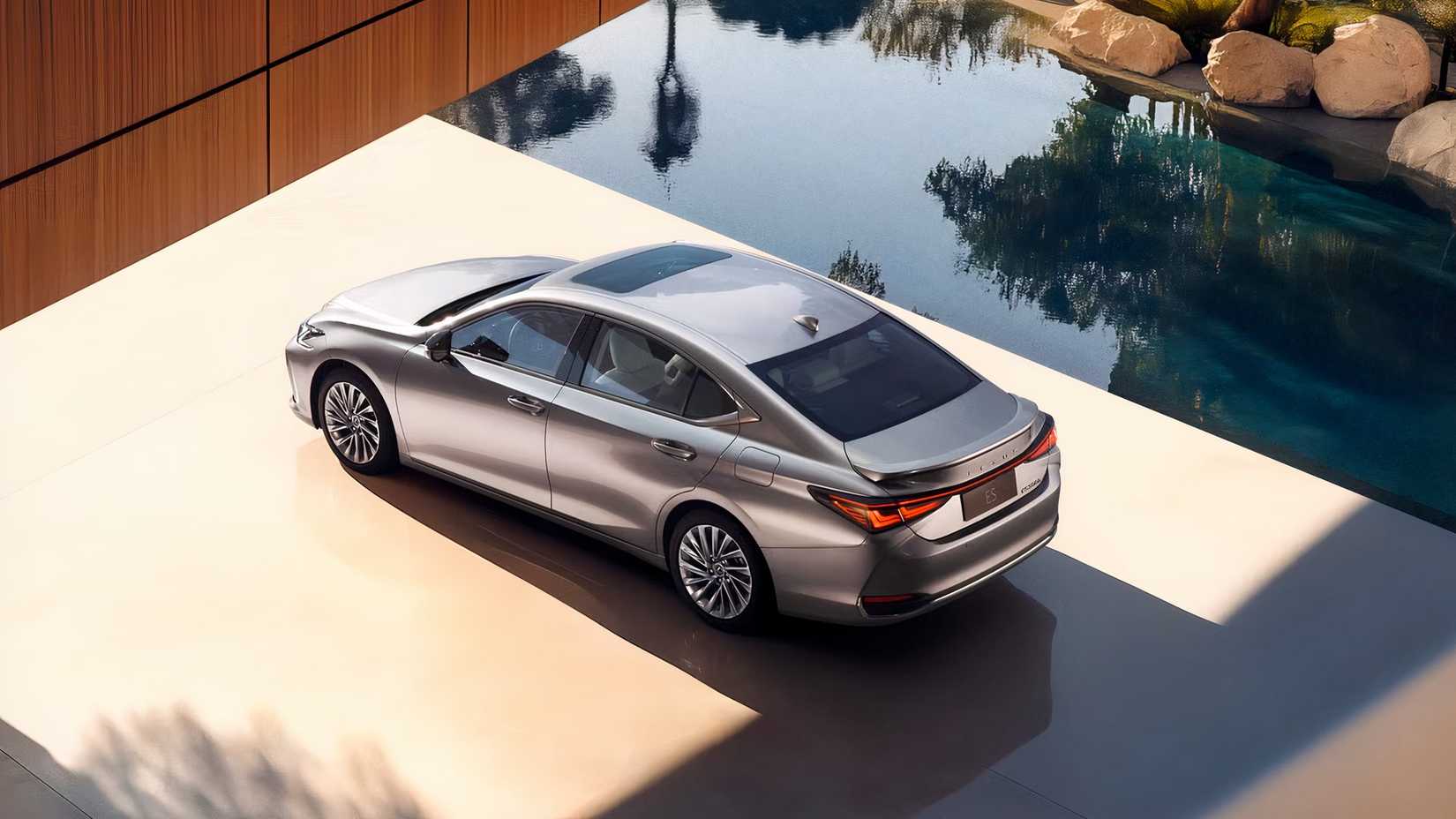
The current ES is all about simplicity and proven refinement, while the new one moves toward electrification, more power, a larger footprint, and a more tech-focused interior. It’s progress, no doubt—but also a change in character. Now compare that to the Mercedes-Benz E-Class, which starts closer to $63,900. If you’ve got the extra cash, by all means, go for it. But if you’re after something more sensible—something that still delivers comfort, features, and added reliability—the ES makes a very strong case for itself.
This Luxury Car Blends Classic Styling With Modern Tech
A sedan that whispers luxury, not screams it. Discover the car that stays true to its roots while embracing modern advancements.
Up To 302 Horsepower At Your Disposal
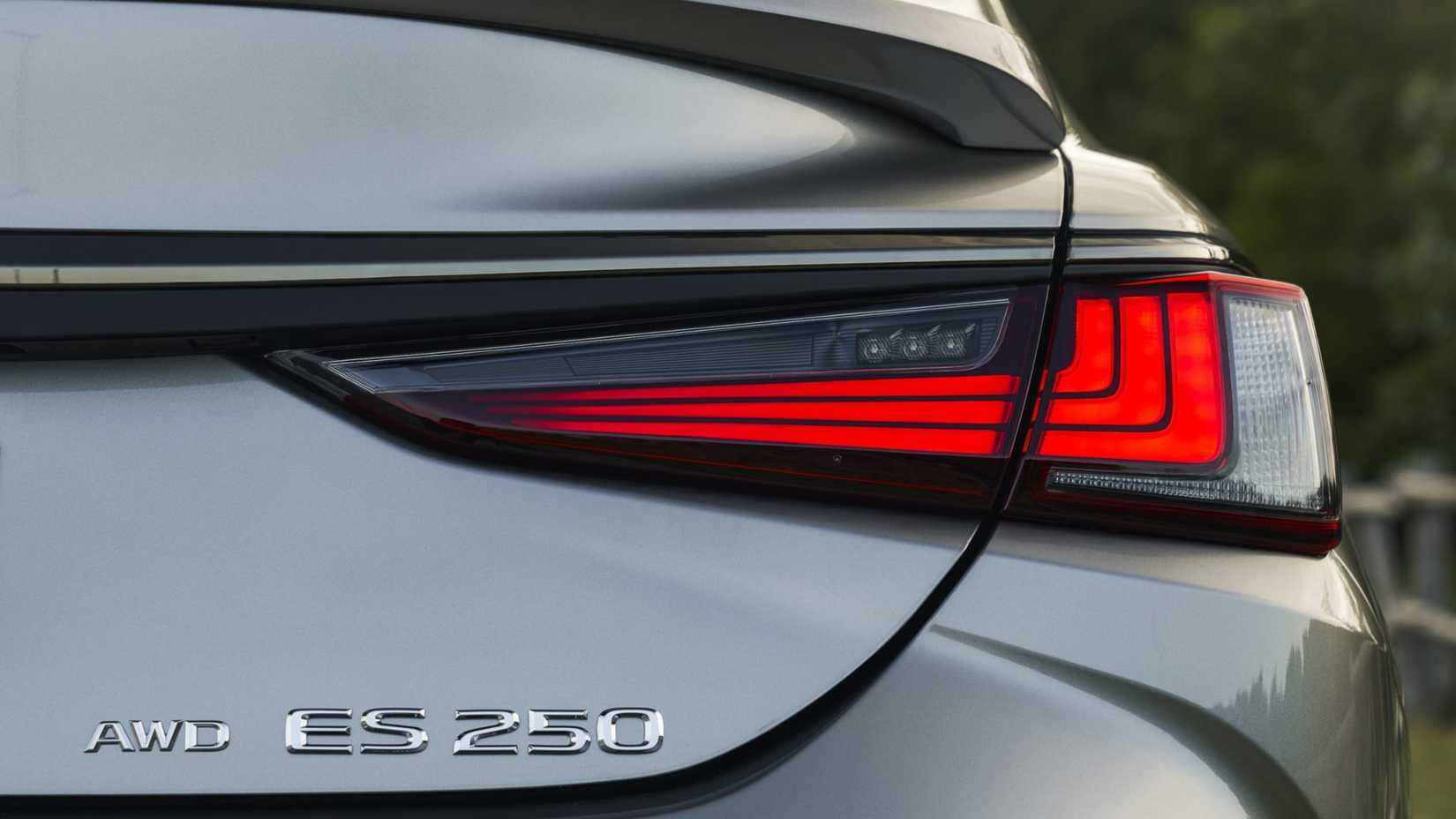
The 2025 lineup offers three powertrains. The ES 250 uses a 2.5-liter four-cylinder with 203 horsepower, the ES 350 steps things up with a 3.5-liter V6 producing 302 horsepower, and the ES 300h hybrid delivers a combined 215 horsepower with impressive efficiency—up to 44 mpg combined.
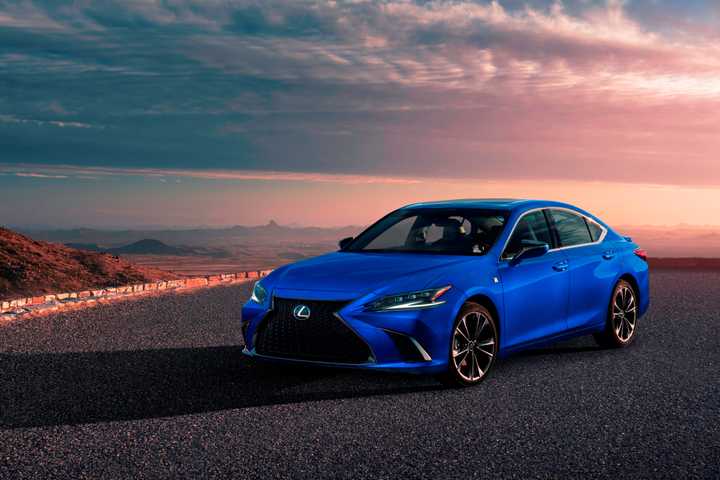

- Base Trim Engine
-
2.5L I4 ICE
- Base Trim Transmission
-
8-speed automatic
- Base Trim Drivetrain
-
All-Wheel Drive
- Base Trim Horsepower
-
203 HP @6600 RPM
- Base Trim Torque
-
184 lb.-ft. @ 4000 RPM
- Base Trim Fuel Economy (city/highway/combined)
-
24/33/28 MPG
- Base Trim Battery Type
-
Lead acid battery
- Make
-
Lexus
- Model
-
ES
On paper, those figures are solid. But what stands out—something both Car and Driver and Edmunds point to—is how that power is delivered. Smoothly. Quietly. Effortlessly.
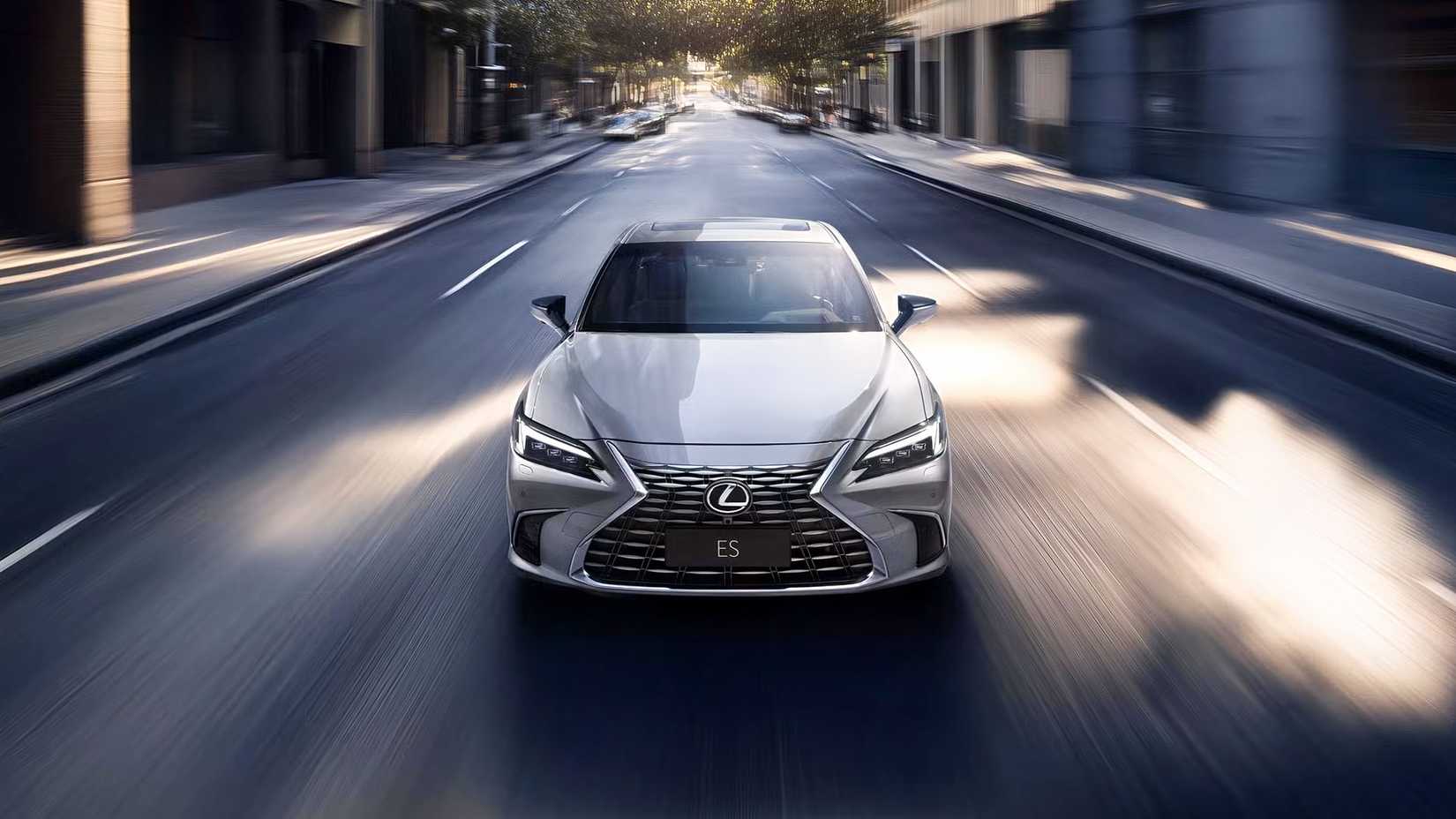
Even the quickest version, the V6 ES 350, reaches 60 mph in about 6.1 seconds, but it still doesn’t feel aggressive. The hybrid is slower, yes—but calmer, more relaxed, and better aligned with the car’s character. In fact, many reviews point to the hybrid as the sweet spot in the lineup. That same philosophy carries through the rest of the experience. Reviews consistently describe the suspension as soft and compliant, soaking up imperfections with ease, while the cabin remains exceptionally quiet—even at highway speeds.
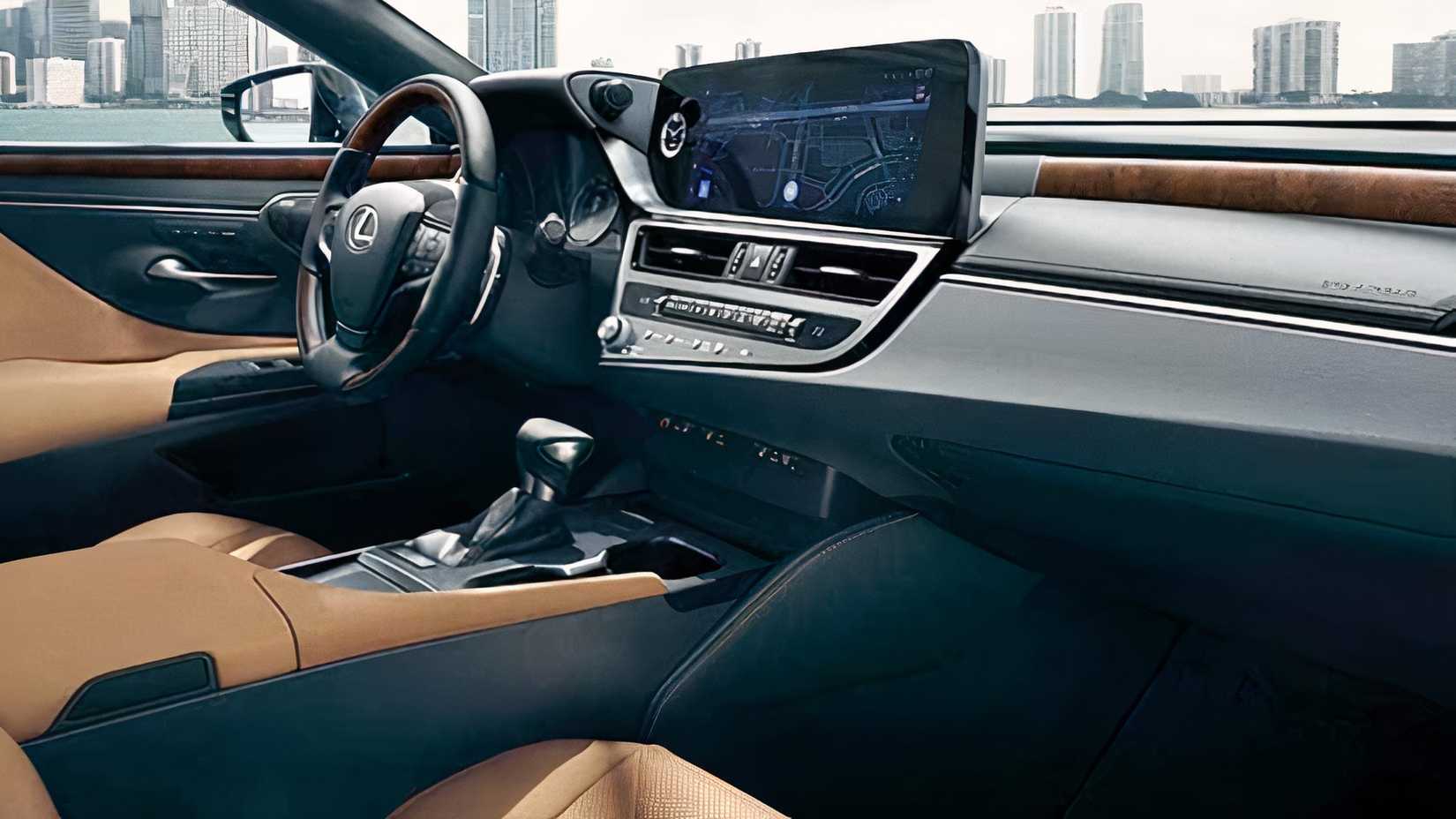
Road and wind noise are well suppressed, reinforcing that sense of isolation. One can say this luxury saloon or executive suite on wheels is merely not trying to excite you, but rather to relax you and evoke emotions of peace, and perhaps that’s what gives it wings and makes it different.
The Toyota Hybrid That Makes Lexus Feel Harder To Justify
This refined hybrid sedan delivers luxury comfort and tech at a surprisingly accessible price point.
What Makes The Lexus ES Feel More Luxurious Than The Mercedes E-Class
Ride Quality, Cabin Quietness, And Overall Refinement
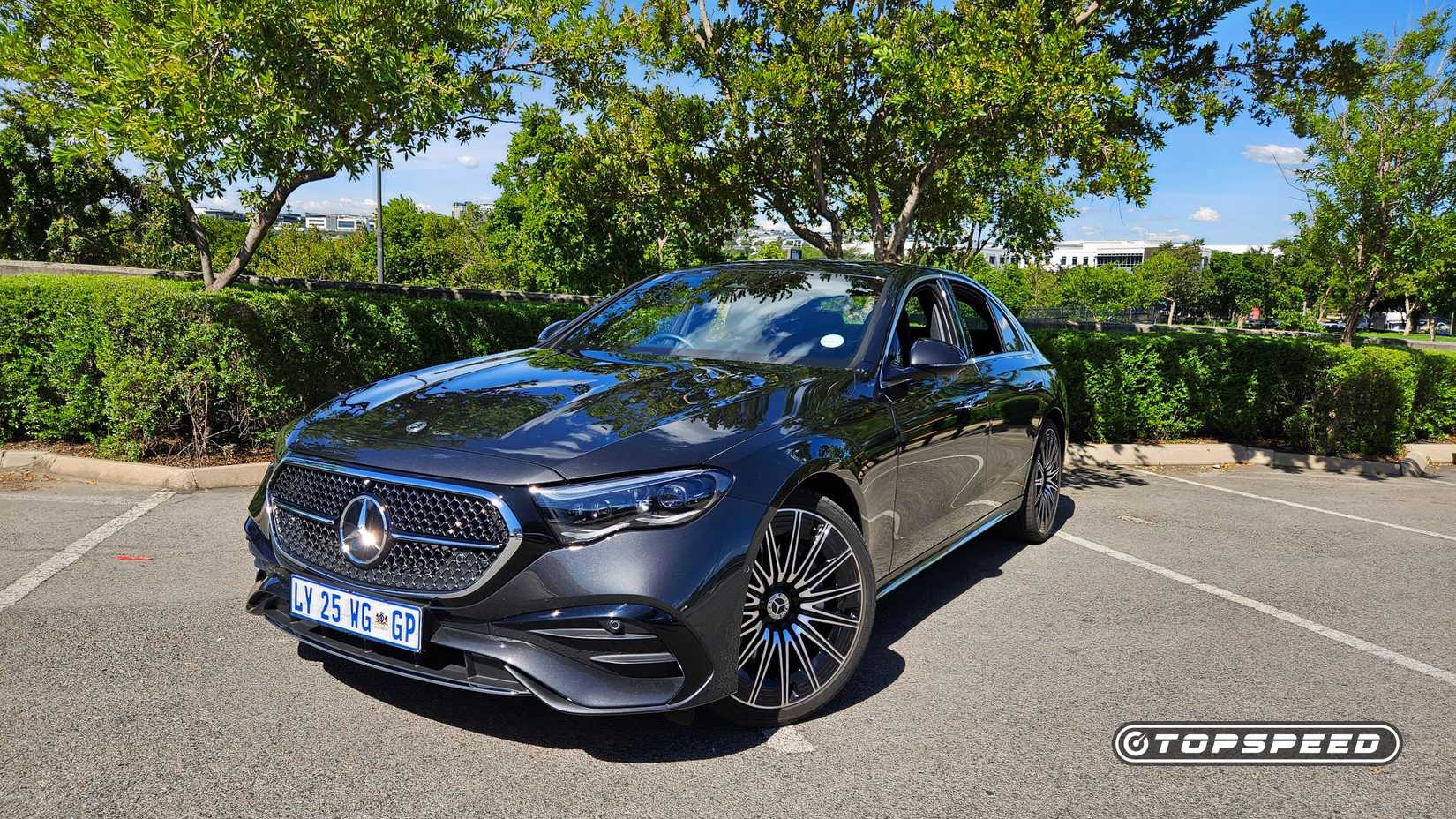
This is where things get interesting. Having spent time with the Mercedes-Benz E-Class, it’s easy to understand why it’s long been the benchmark. It feels composed, solid, and incredibly refined on the road. The suspension balances comfort with control, and the cabin isolates you well, even at speed. It’s a car that leans into precision—everything feels engineered, deliberate, and well-thought-out.
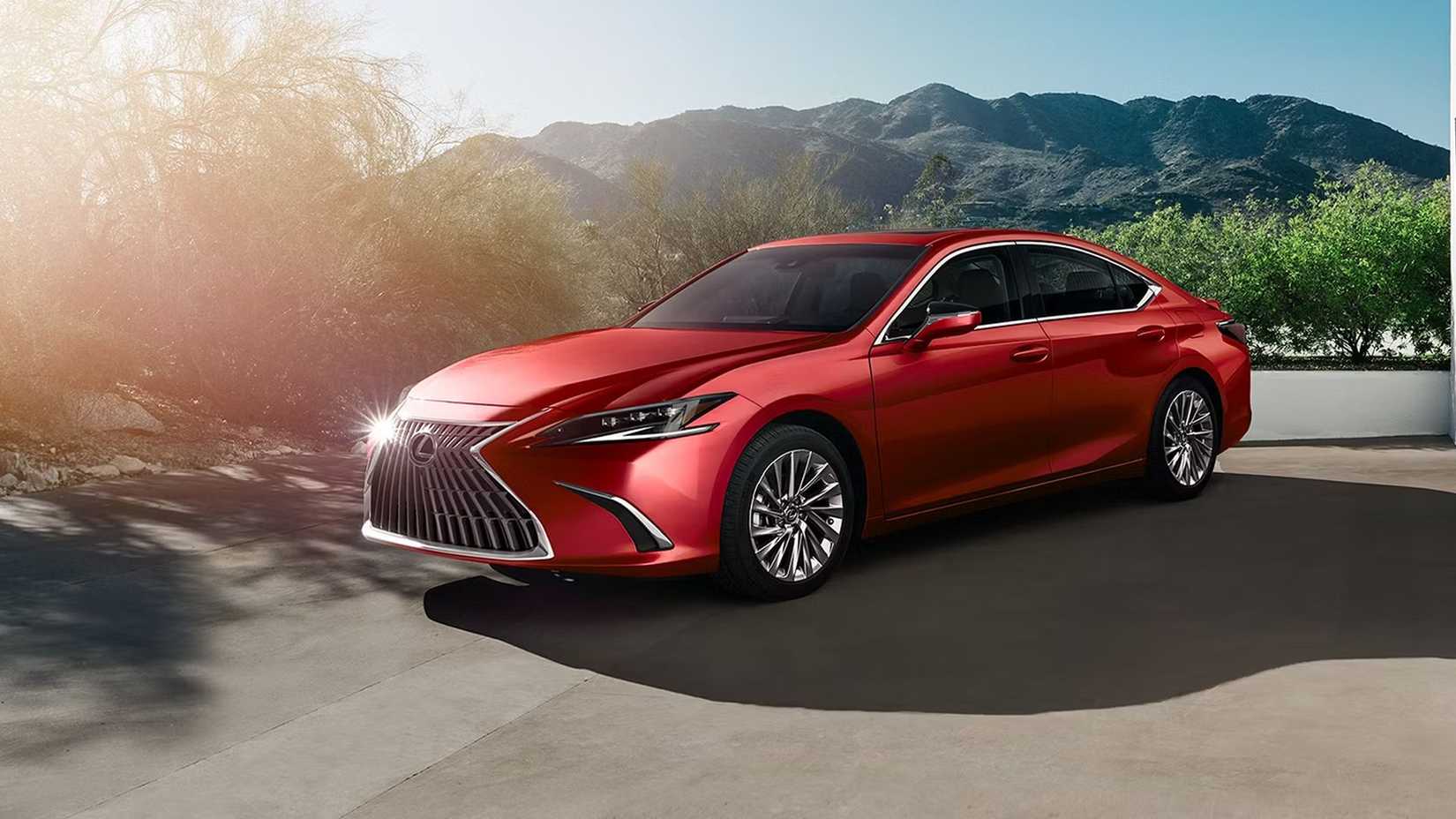
The Lexus ES approaches things differently. Reviews consistently describe its ride as more compliant, absorbing imperfections with less focus on sportiness. It’s not trying to match the E-Class in dynamics—it’s aiming for a more relaxed, less demanding experience.
That Difference Carries Into The Cabin
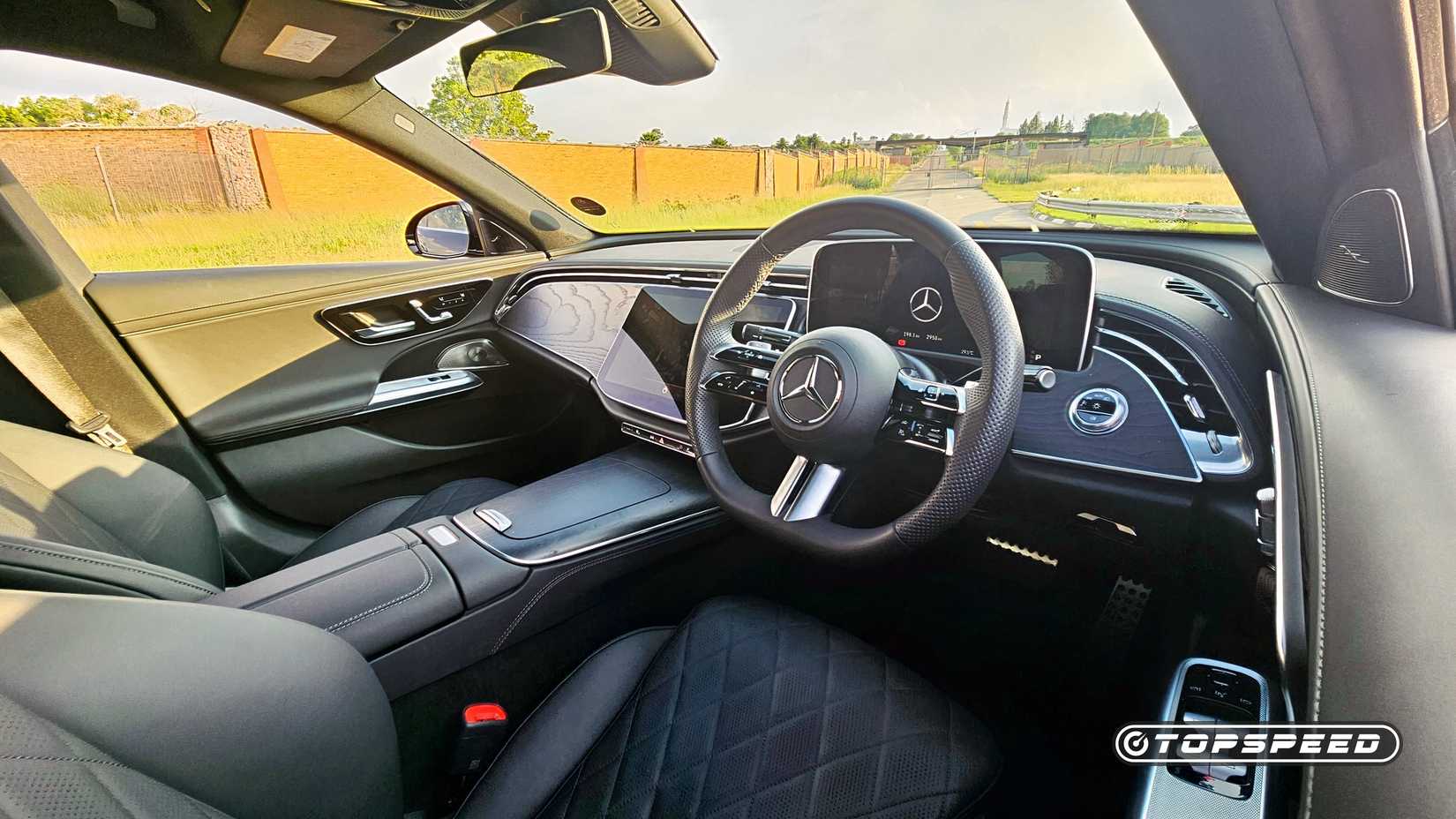
The E-Class feels modern and tech-forward. Large displays, the latest MBUX system, ambient lighting, and features like the optional passenger screen create an environment that feels cutting-edge. But it can also feel complex, especially when many of those features sit behind optional packages.
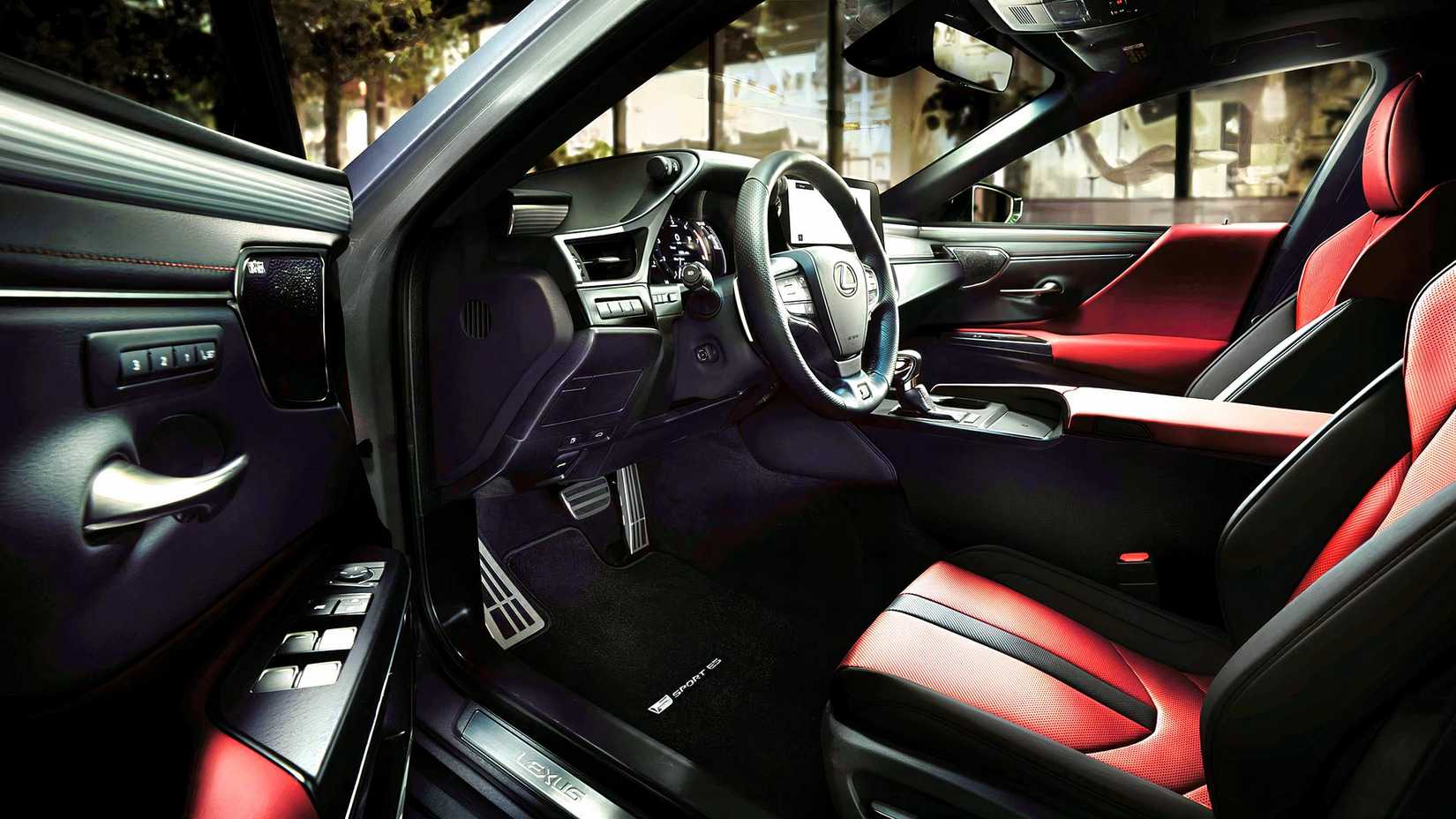
The ES takes a more restrained approach. The layout is simpler, the interface more straightforward, and the overall atmosphere more focused on calmness than stimulation. Feature-wise, both are well-equipped—but the way they deliver those features differs. The E-Class offers a wide range of advanced technology, including a large central touchscreen with MBUX interface, augmented reality navigation, and advanced driver assistance systems like Active Distance Assist and evasive steering assist.
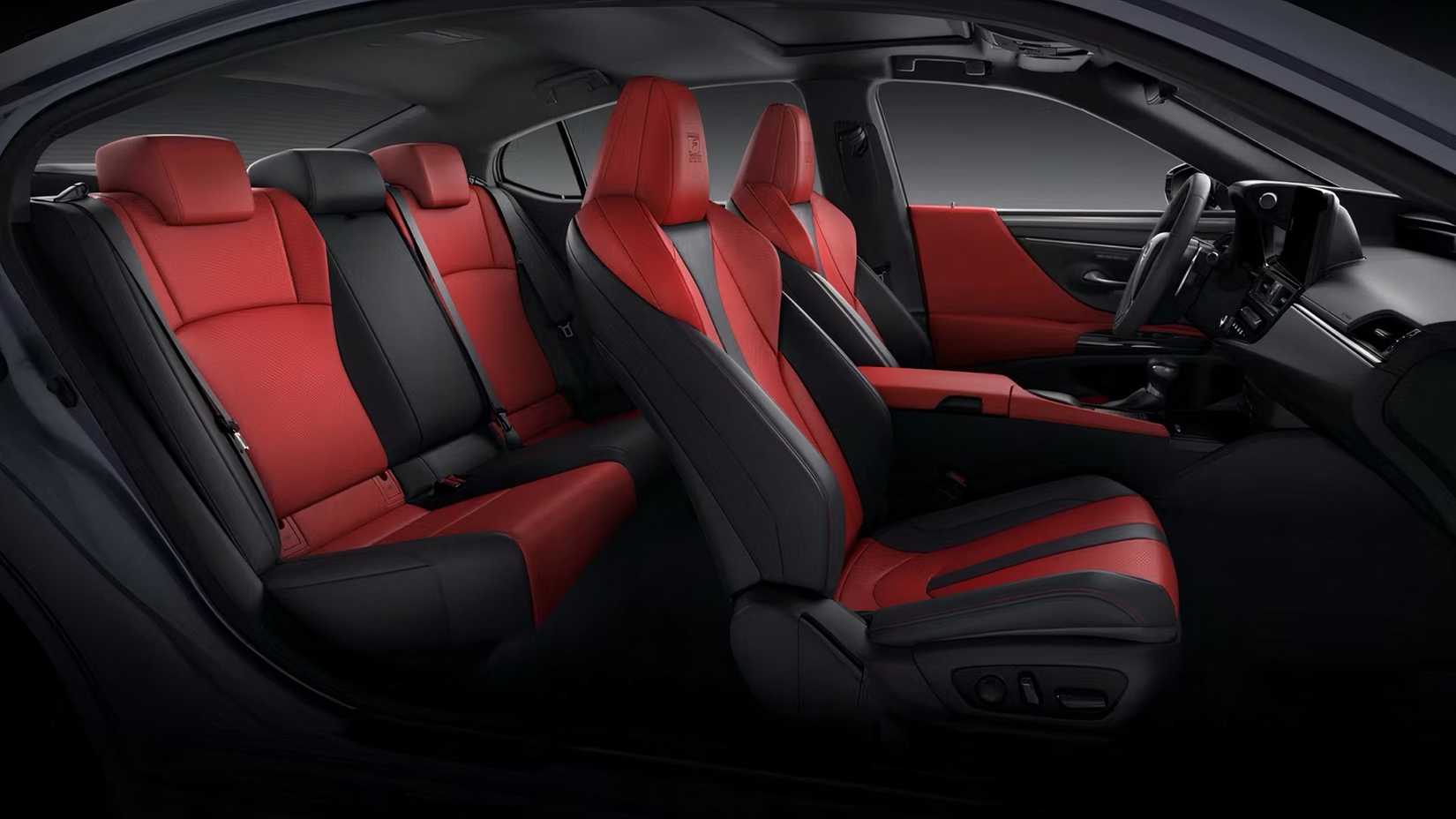
That said, many of these are optional and can significantly increase the price. So while the E-Class offers more cutting-edge technology, the ES tends to include more everyday essentials at no extra cost. The ES includes a strong set of features as standard:
- Apple CarPlay and Android Auto
- Available in a 12.3-inch display
- Lexus Safety System+ 2.5 with adaptive cruise control, lane-keeping assist, and pre-collision braking
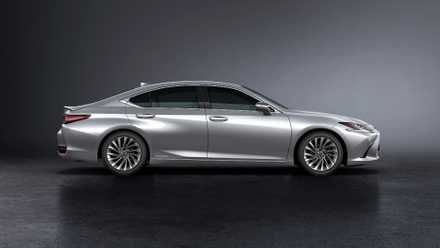
The Hybrid Sedan That Balances Luxury And Practicality Perfectly
Luxury might sound expensive, but this hybrid sedan offers both class and practicality at an affordable price.
Where It Beats The E-Class In Everyday Ownership
Reliability, Lower Costs, And Stress-Free Driving
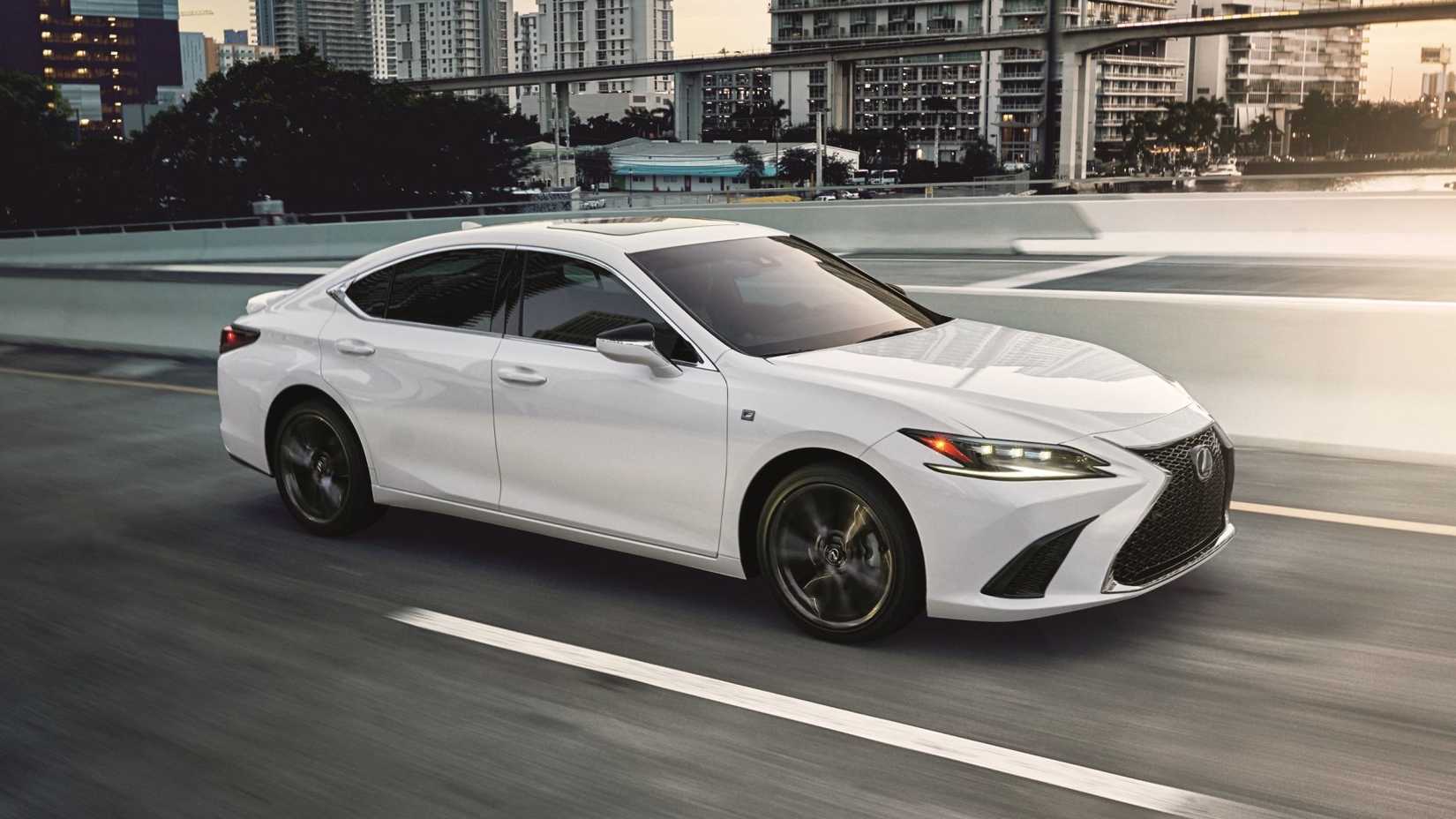
Ownership is where the contrast becomes clearer. German luxury cars—like the Mercedes-Benz E-Class—are celebrated for their engineering sophistication, but that complexity often comes with higher long-term maintenance costs. Parts, servicing, and optional extras can quickly add up, and as systems age, upkeep can become less predictable. By comparison, the Lexus ES leans into a different philosophy—one built around consistency and dependability. Lexus has long ranked at or near the top of industry studies from organizations like J.D. Power, which track real-world reliability through owner-reported problems per 100 vehicles.
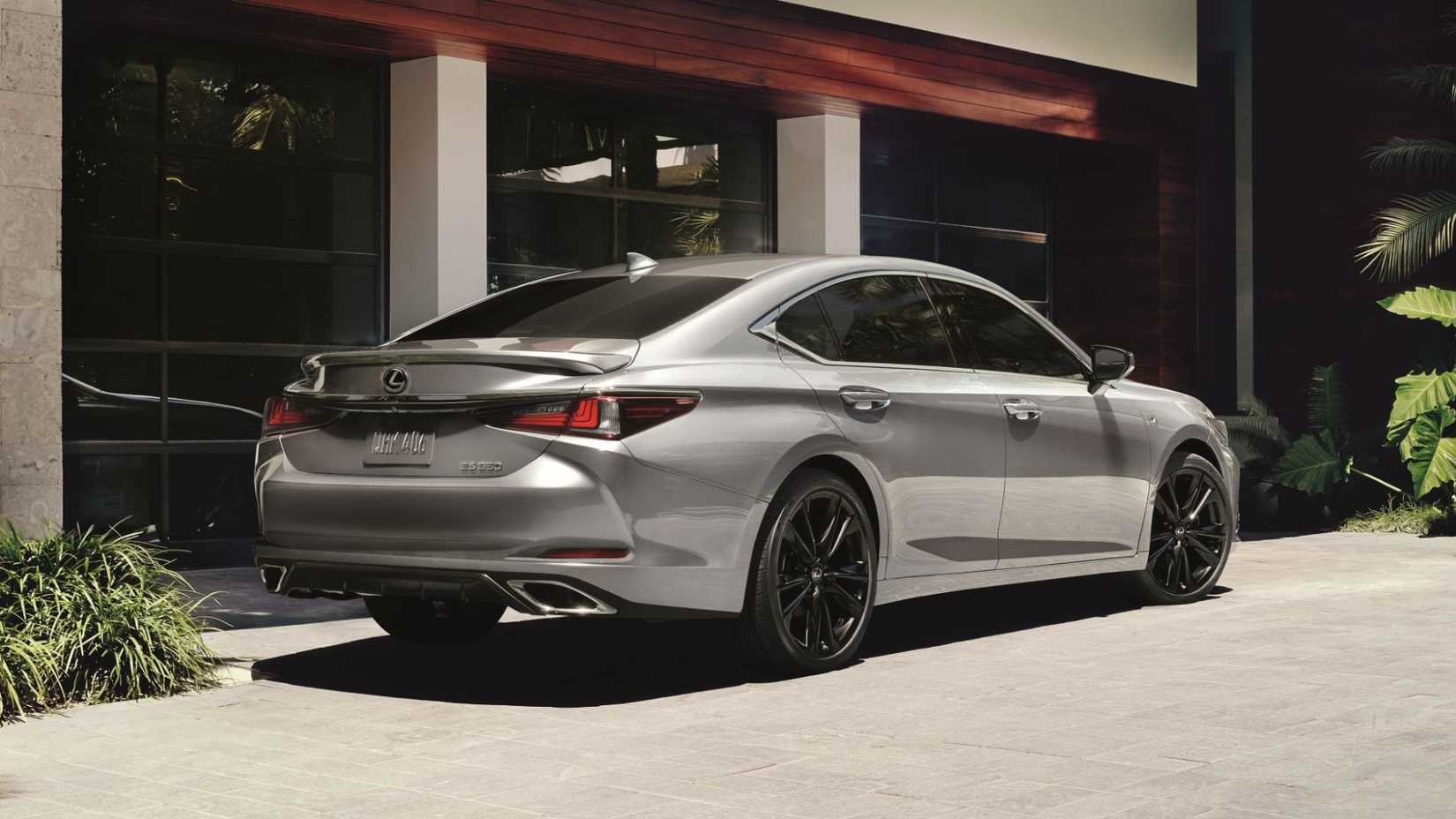
These findings consistently show Lexus outperforming the industry average—and many European rivals—translating into fewer issues, lower running costs, and a smoother ownership experience over time. And that’s ultimately where the distinction lies—subtle but worth noting. The E-Class defines modern luxury through innovation and cutting-edge technology. The ES delivers it through simplicity, predictability, and peace of mind. Luxury doesn’t end when you park the car—in many ways, that’s when the real experience begins. Owning a car like the E-Class comes with expectations, but also variables.
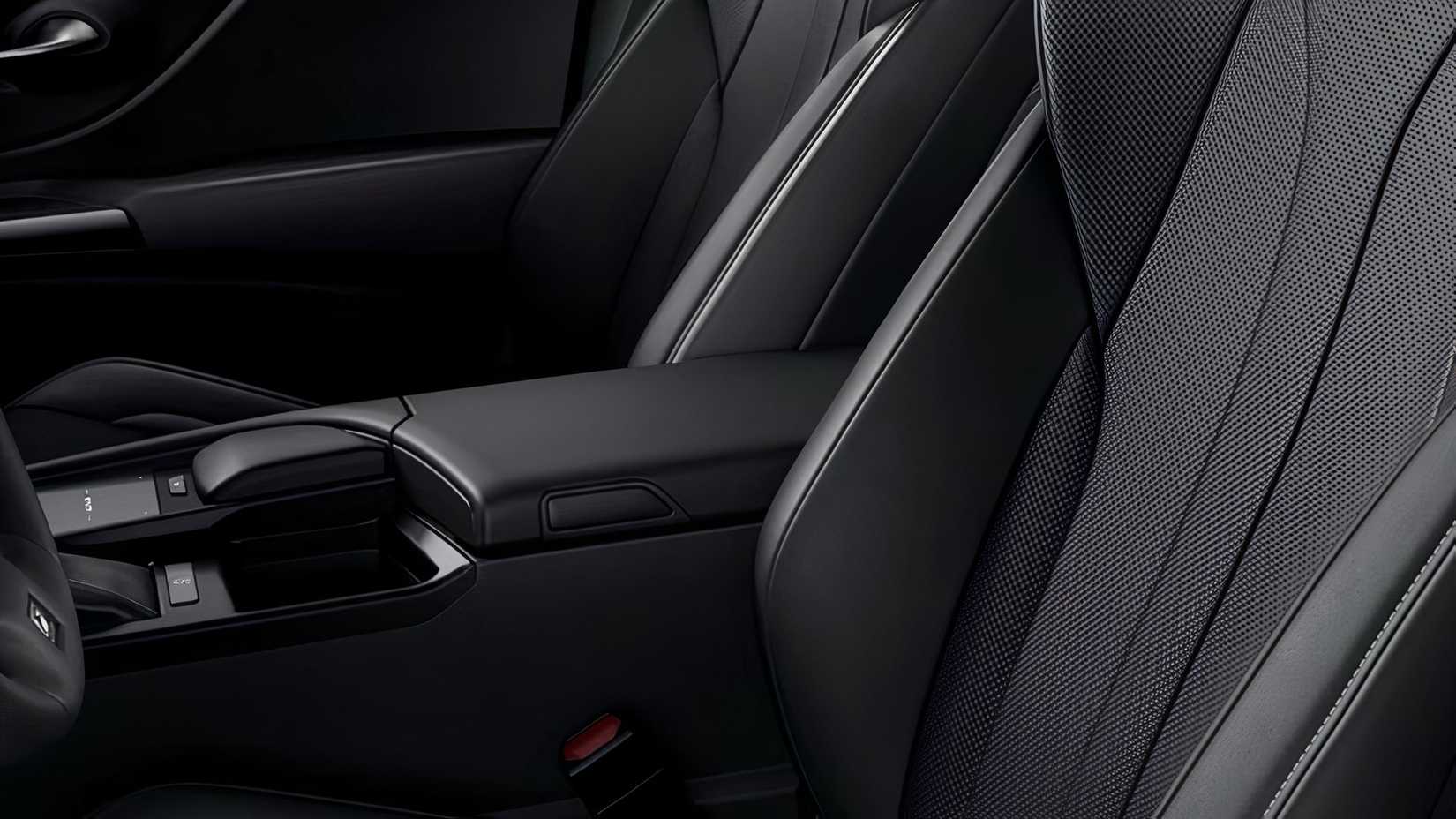
I remember having a look at the spec sheet for the E-Class I had on test and being baffled. It’s absolutely ridiculous, to be frank, and then there’s long-term maintenance, but in reality, whoever buys an E-Class buys into the weight of the badge, and simply costs do not freeze them. For me, it does. And looking at the ES, it approaches ownership differently. Built on a proven platform and backed by Lexus’ reputation for durability, it’s widely regarded as one of the easiest luxury sedans to live with. Servicing is typically more straightforward, costs are more manageable, and there’s a level of reassurance that’s hard to quantify—but easy to appreciate.
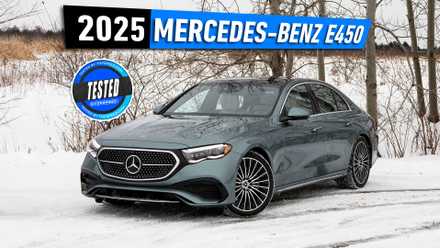
Review: 2025 Mercedes-Benz E450 Proves Some Things Shouldn’t Be Messed With
Mercedes may have been accused of losing its way in recent years, but its latest E-Class is nothing short of a masterpiece.
Why It’s The Smarter Luxury Sedan For Most Buyers
Premium Experience Without The Premium Price Tag
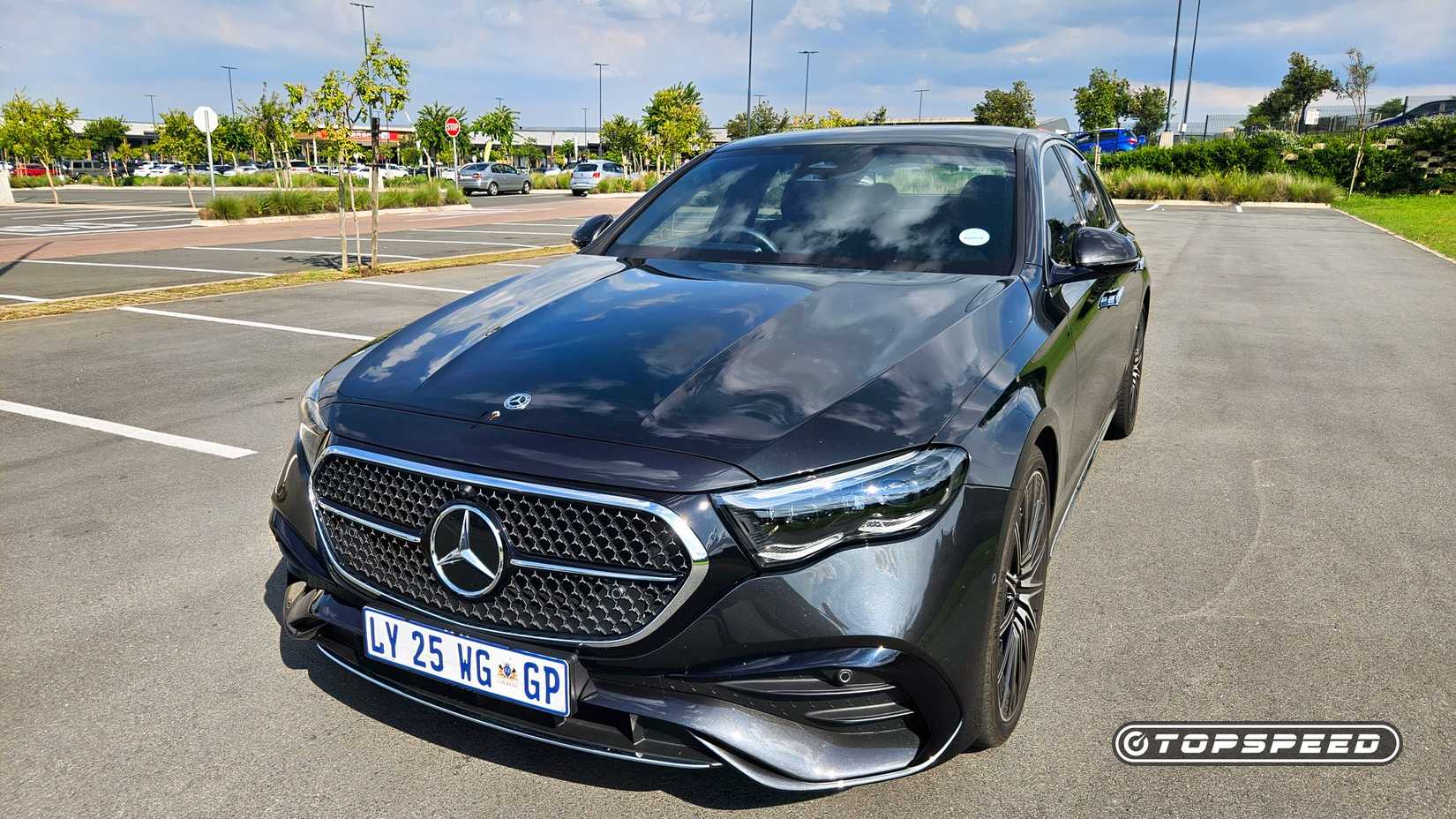
So let’s circle back to the price. The Lexus ES starts in the low-$40,000 range, while a comparably specified Mercedes-Benz E-Class can easily climb well beyond $60,000—before even dipping into the options list. It’s a gap that’s difficult to ignore.
But more importantly, it raises a fundamental question: what are you really paying for? Strip everything back—look at the daily experience, the comfort, the refinement, the ease of ownership—and the ES delivers where it matters most. The Lexus ES won’t shout for attention. It won’t dominate conversations around outright performance or cutting-edge tech. But it doesn’t need to.
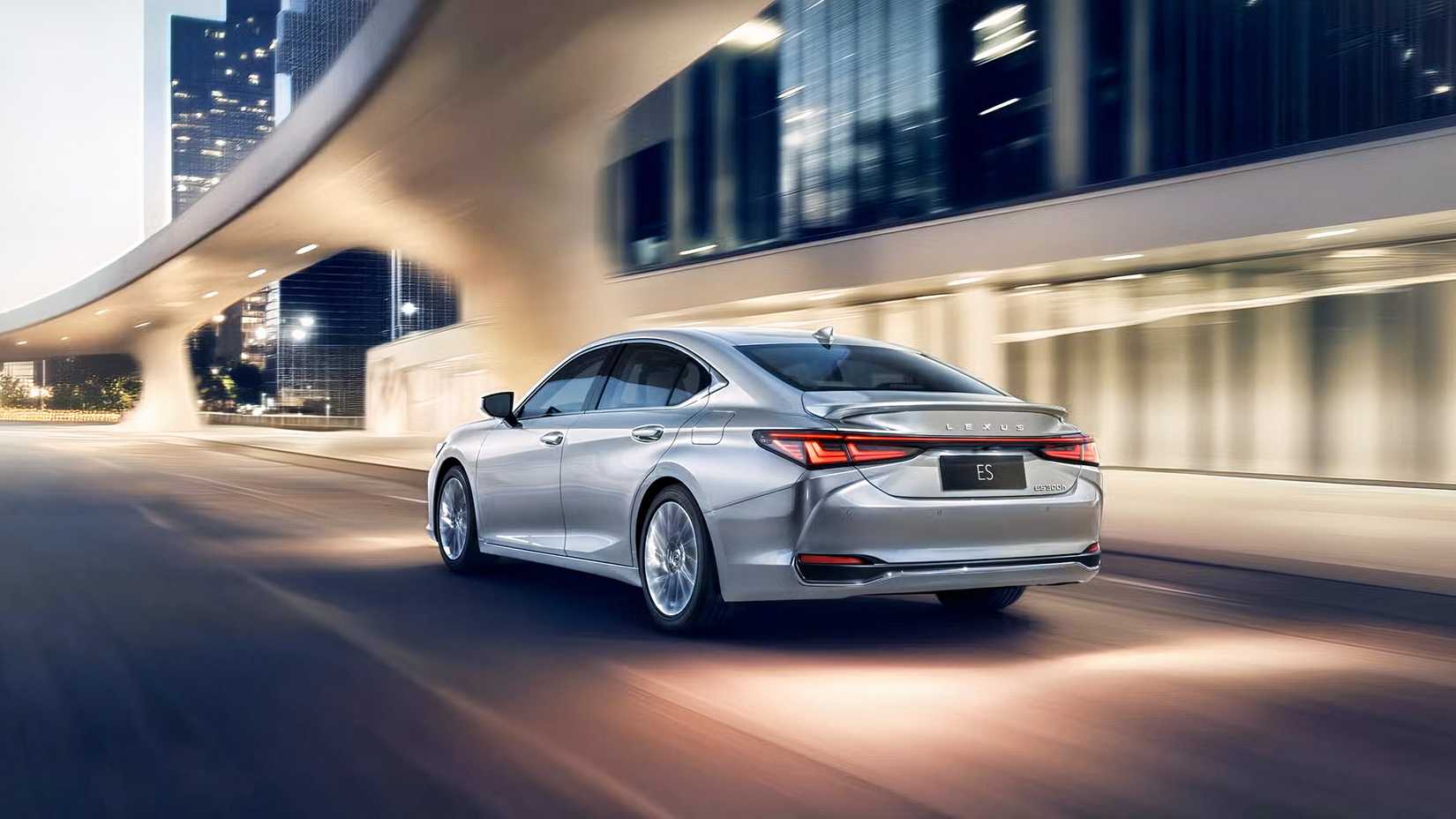
What it offers is something far more valuable: effortless luxury and long-term satisfaction. And while the E-Class remains an exceptional machine—one that continues to define engineering excellence—the ES quietly proves that luxury doesn’t have to be complicated to be exceptional. Sometimes, the best luxury car… is simply the one that asks the least of you.
Sources: Lexus, Car And Driver, Edmunds, The EPA, J.D. Power, CarEdge