
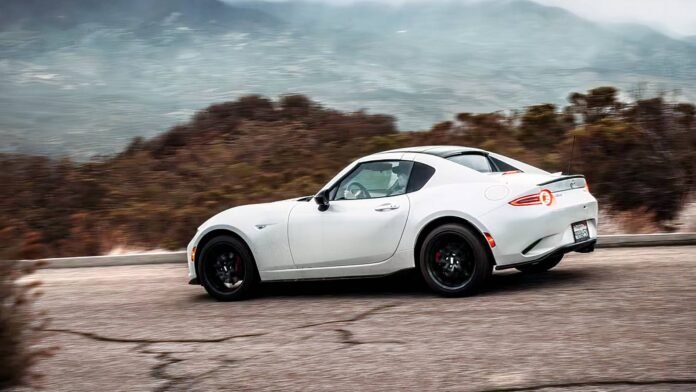
The sports car market has never been the biggest, but it has always been one of the most competitive. It is a market where brands can really show off what they can build, whether that’s by packing in all the latest tech or by offering a more old-school rig that prioritizes hands-on driving in a sea of tech.
Convertible sports cars have always split opinion; some see them as unnecessary trinkets, while others see them as one of the best ways to hit the road when the sun is out. However, most can agree that when a convertible sports car is done right, it is done right. This convertible sports car is the ideal mix of fun and affordability.
Affordable Sports Cars Are Getting Rarer
New affordable sports cars are becoming increasingly difficult to find. As automakers roll out more and more SUVs, crossovers, and EVs, the traditional lightweight performance car has slowly turned into a niche choice. More safety regulations, electrification costs, and market shifts toward luxury-level tech have also pushed prices up beyond a lot of budgets for a car that isn’t always the most practical.
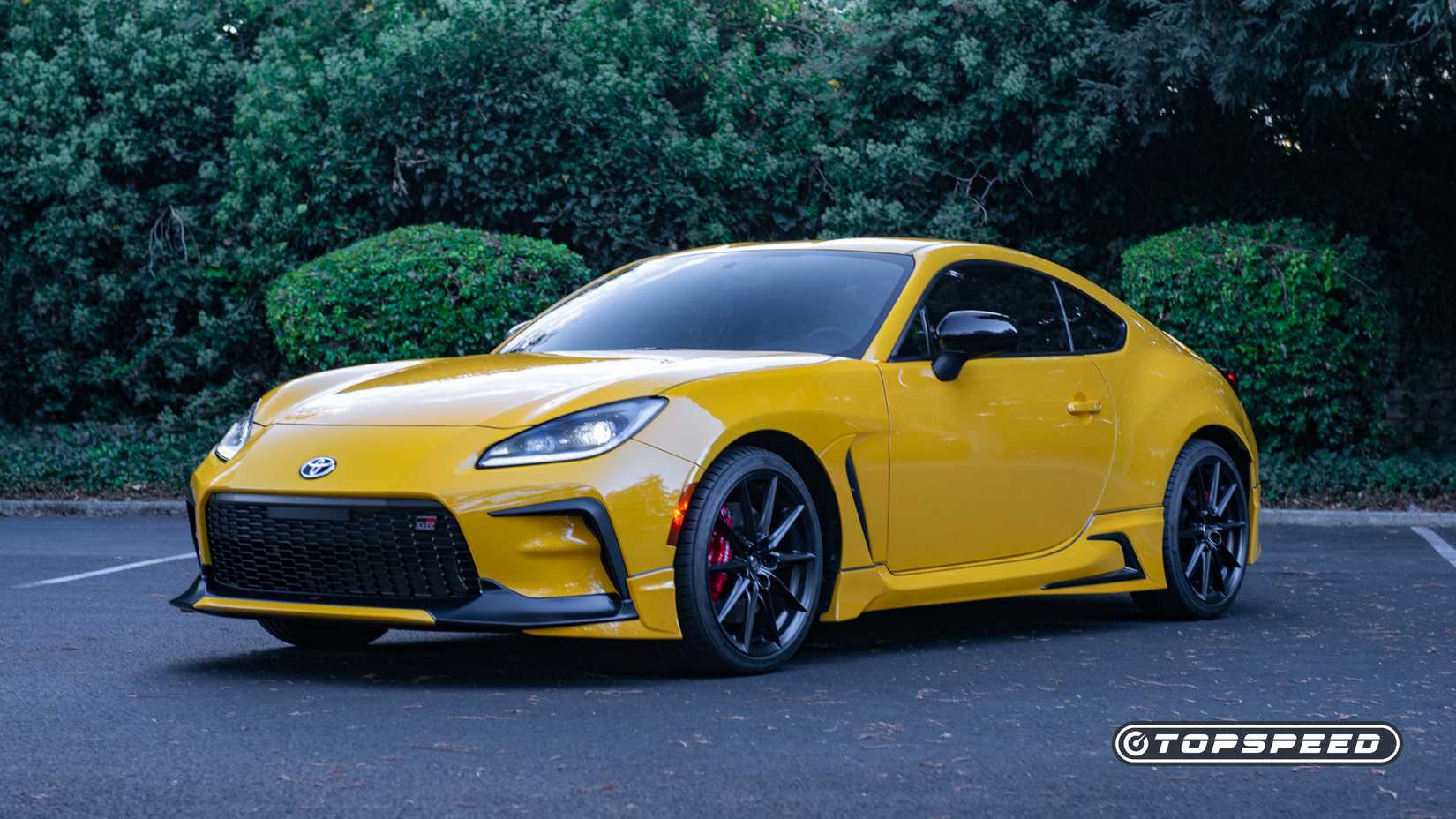
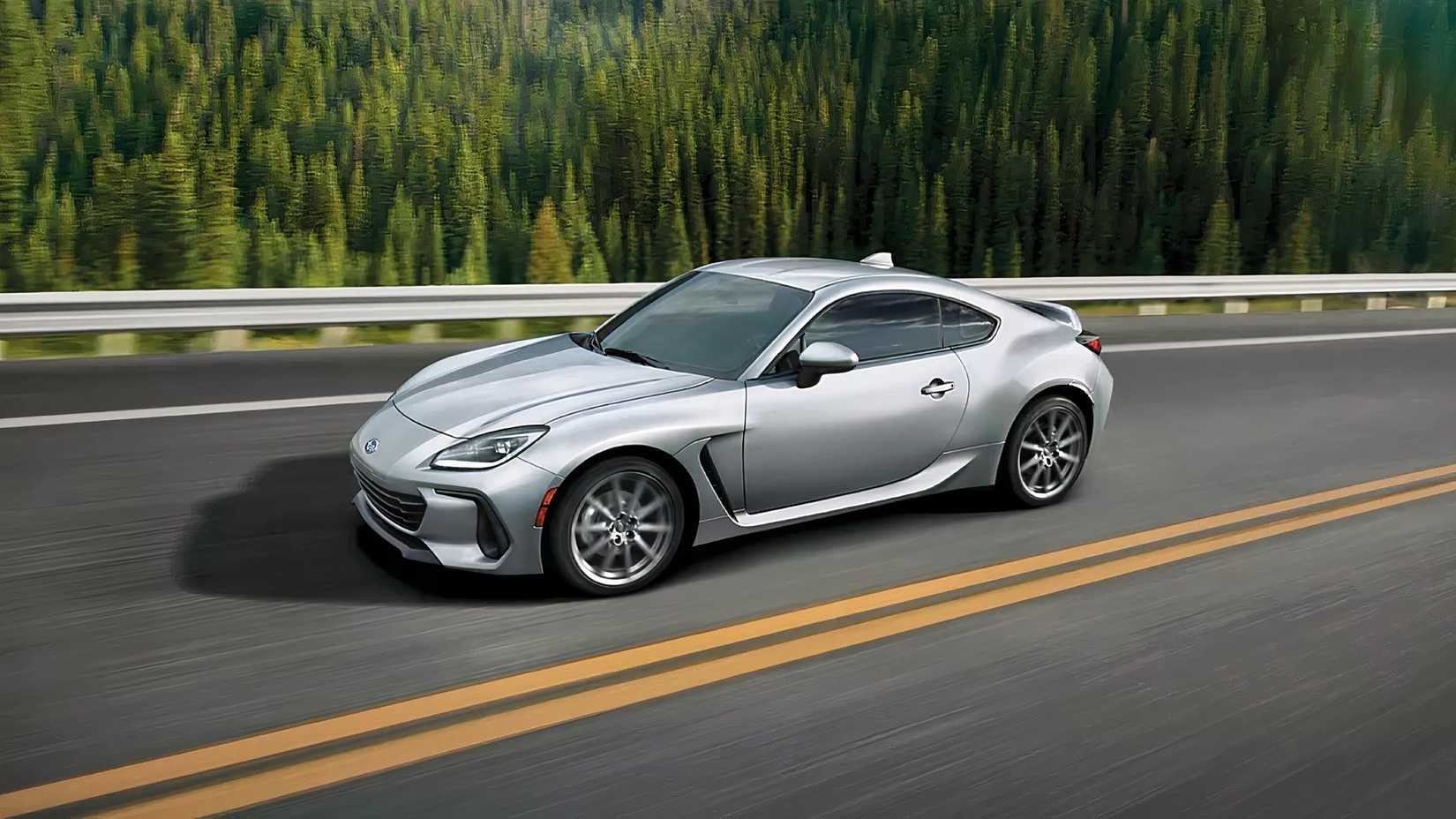
Among the most affordable new sports cars in 2026, models like the new Toyota GR86 cost $31,400; the new MX-5 Miata still has a low base-level price of $30,430, and the 2026 Subaru BRZ has a low starting price of $35,860. They are good and meant for driving, but they are now part of a very select market that doesn’t require a huge budget.
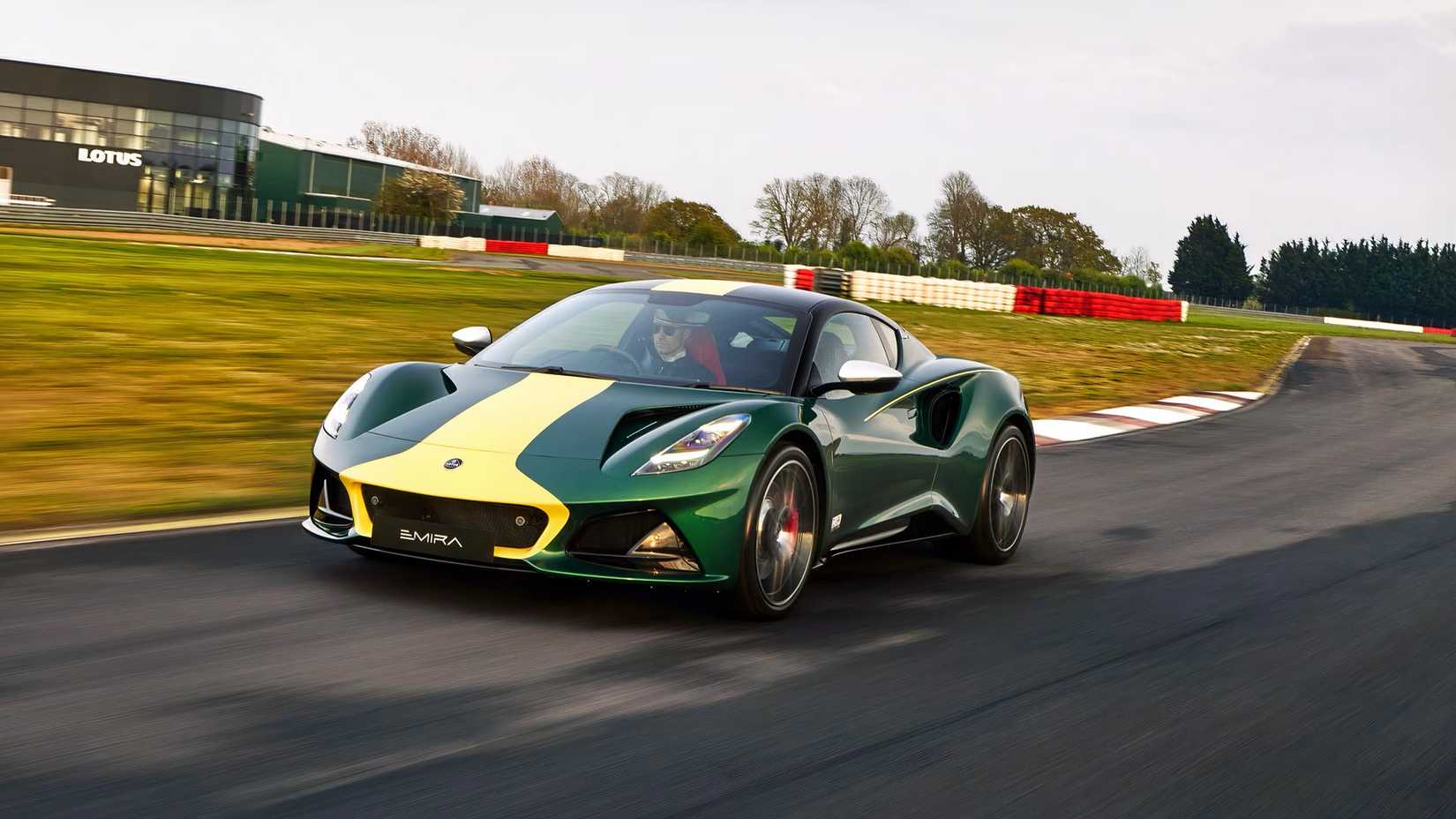
The more expensive, luxury-oriented sports car market is still alive and kicking, with models like the final model year of the BMW Z4 available from $56,100, the Porsche 911 available from $135,500, and the new Lotus Emira with a starting price of $106,000.
We Still Want Lightweight Drivers’ Cars
Despite the market’s obsession with horsepower and sub-three-second 0–60 mph times, a lot of us would still opt for a lightweight sports car that delivers something that raw performance numbers can’t: real interaction. Cars like the 2026 BRZ and GR86 still prove that balance, steering feel, and chassis feel matter far more on back roads than sheer output. Neither is especially fast, with rest-to-60 times between 5.4 and 5.5 seconds, but both feel alive in a way that many heavy turbocharged sports cars can’t.
The BRZ is equipped with a naturally aspirated flat-four good for 228 horsepower that forces you to work through the rev range instead of relying on low-end turboboost, while the available six-speed manual box keeps the drive feeling mechanical and hands-on. At under 2,900 pounds, the BRZ is made to change direction quickly, rotate predictably, and reward smooth inputs.
Even some high-end sports cars are somewhat sticking with this formula. The 2026 Lotus Emira, despite costing more than $100,000, follows the same kind of principle. Engine options are between a turbocharged AMG inline-four and a supercharged V6, but Lotus has given the Emira electro-hydraulic steering, precise chassis tuning, and a relatively low curb weight of between 3,132 and 3,279 pounds.
Some may want a car that hits 100 mph in less than five seconds, but a lot of drivers still want a car that lets you feel the corners, gear changes, and throttle inputs.
Convertibles Give Us A Driving Experience
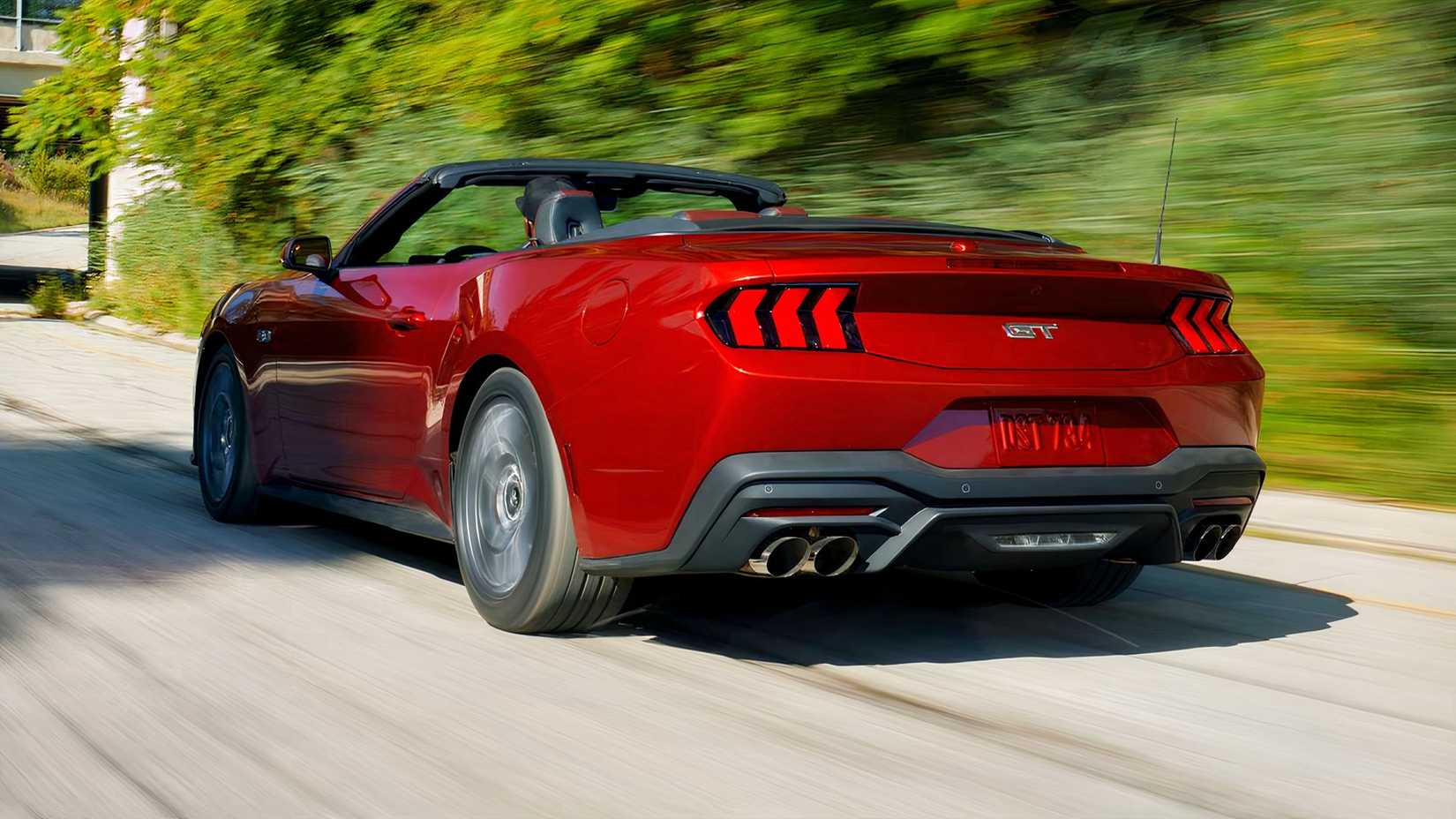
Then there are convertibles; they don’t always get the best rap. Some point out that removing a fixed roof can reduce chassis rigidity and make the drive feel less precise; the weight can be higher than coupes; road noise can get annoying, and they can be seen as a bit “tacky,” but they do add something extra.
Removing the roof can change the whole atmosphere of the cabin; you can hear more induction noise, more exhaust, and more of the environment around you. Even at slower speeds, things feel connected to the road and heightened. Then there is the emotional connection some get from a drop top. Models like the Ford Mustang Convertible and BMW Z4 can turn ordinary drives into events thanks to the noise, wind, and closer feel to the tarmac.
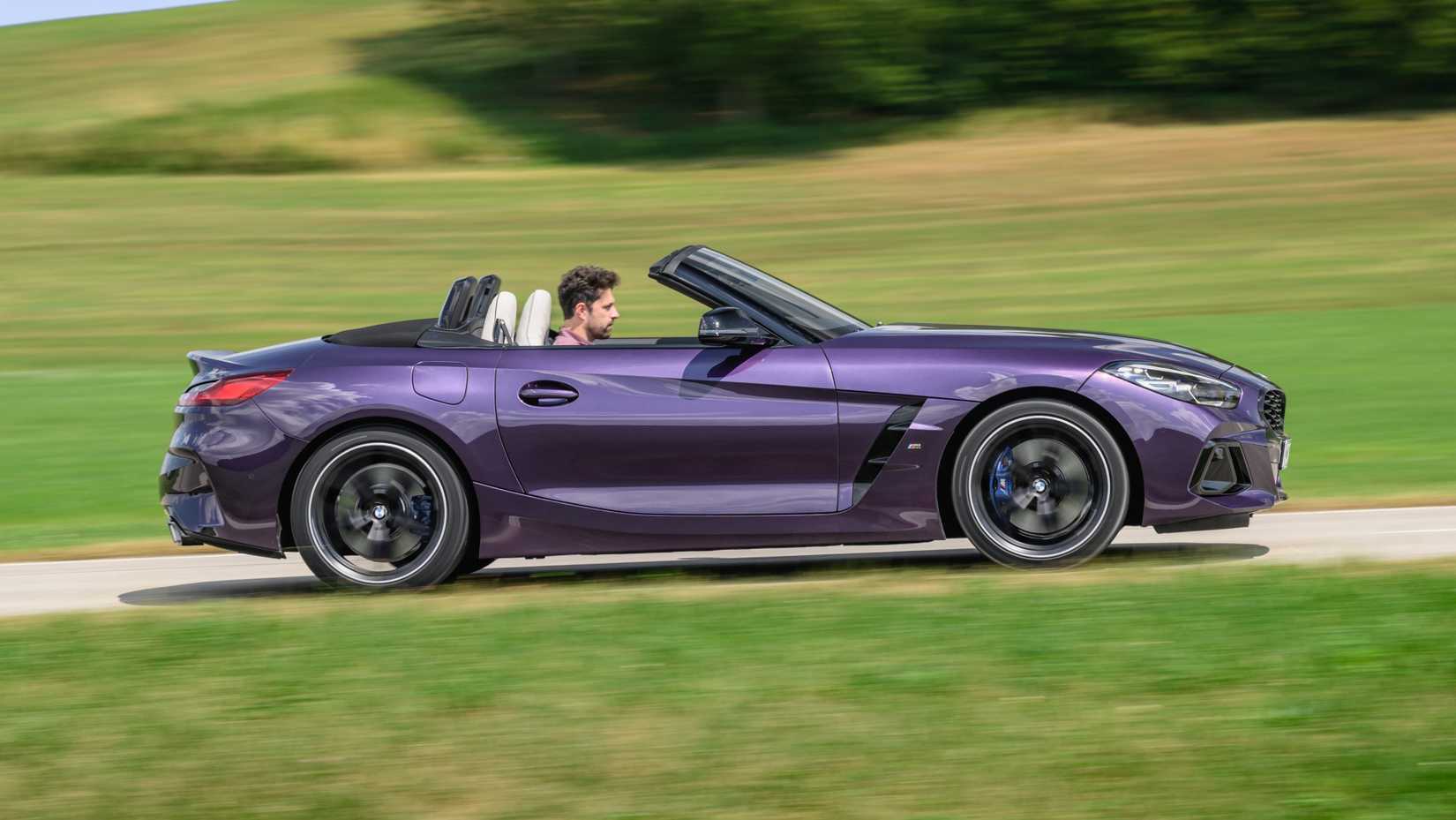
Love them or hate them, convertible sports cars are made for something different from coupes. Despite their drawbacks, a dropped roof on summer drives and the noise of the engine bouncing off canyon walls adds something a fixed roof can’t. That, and some people just prefer the look of them.

Turns Out Convertibles Are Awesome (Please Don’t Tell My Younger Self)
I used to hate convertibles. But, now, I kind of love them. What happened?
Why The 2026 Mazda MX-5 RF Still Gets The Formula Right
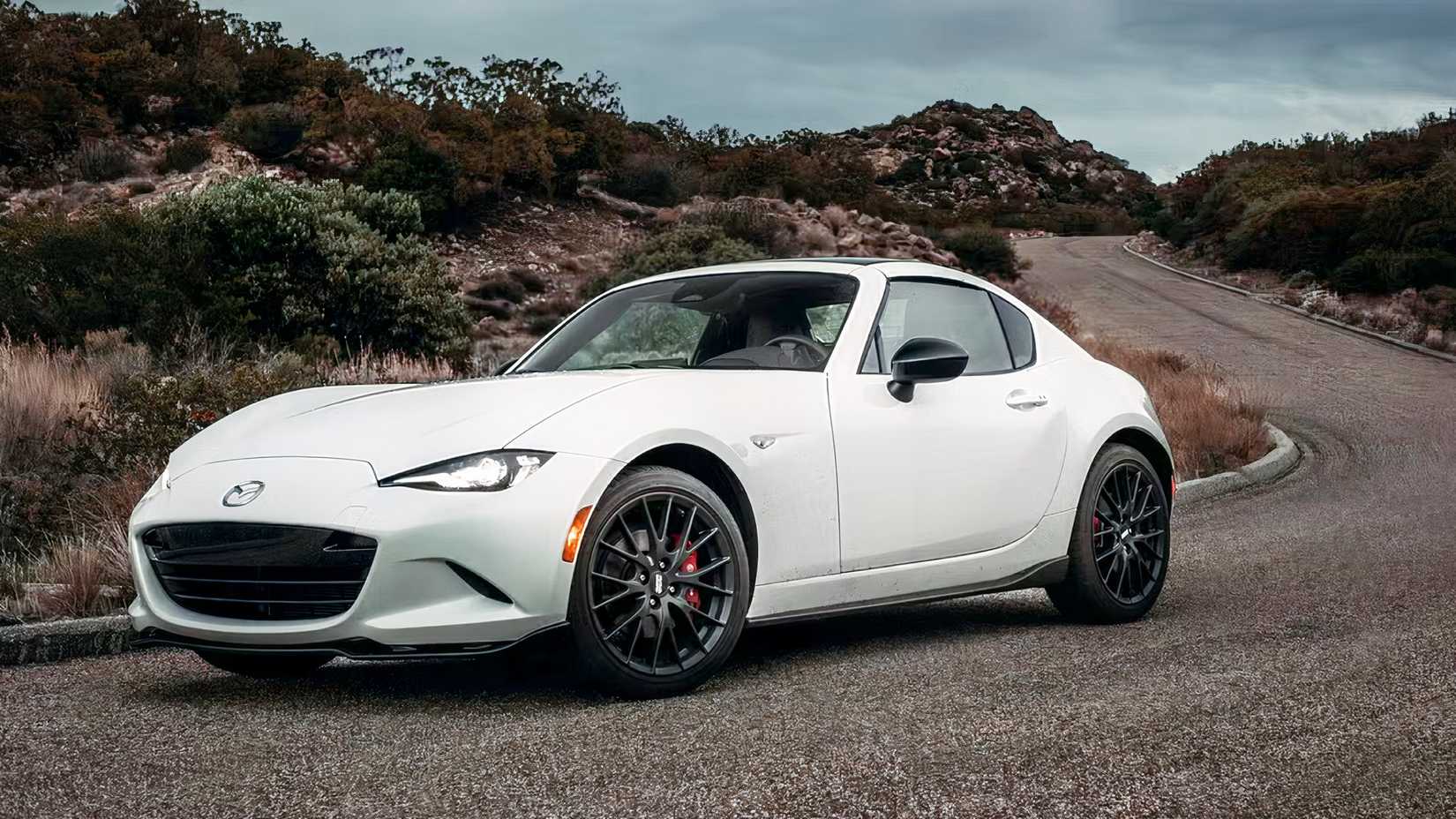
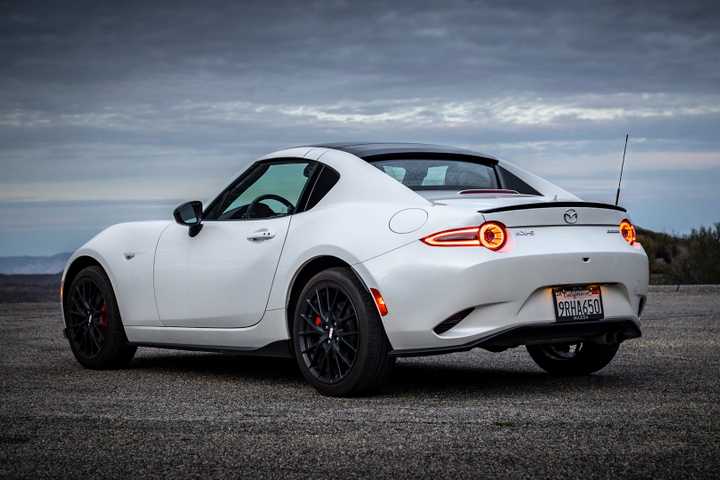
As one of the higher trims of the 2026 Mazda MX-5 Miata, this year’s RF (retractable fastback) is the ideal convertible to buy for a combination of relatively low prices and on-road fun. There are just two trims of the MX-5 Miata RF this year: the Grand Touring and the Club. The 2026 MX-5 Miata RF lineup and prices are as follows.
|
2026 Mazda MX-5 Miata RF Grand Touring |
2026 Mazda MX-5 Miata RF Club |
|---|---|
|
$38,450 |
$41,900 |

- Base Trim Engine
-
2L SKYACTIV-G I4 ICE
- Base Trim Transmission
-
SKYACTIV-MT 6-speed manual
- Base Trim Drivetrain
-
Rear-Wheel Drive
- Base Trim Horsepower
-
181 HP @7000 RPM
- Base Trim Torque
-
151 lb.-ft. @ 4000 RPM
- Base Trim Fuel Economy (city/highway/combined)
-
26/34/29 MPG
- Make
-
Mazda
- Model
-
MX-5 Miata RF
- Segment
-
Sports Car
The new MX-5 is also available as the ST (soft top), with a lower starting price of $30,430, and while it is more affordable and still the simple genius that is the MX-5, you don’t get some features and have less chassis rigidity, whether the roof is up or down.
Perky Engine And Lightweight Engineering Keep It Fun
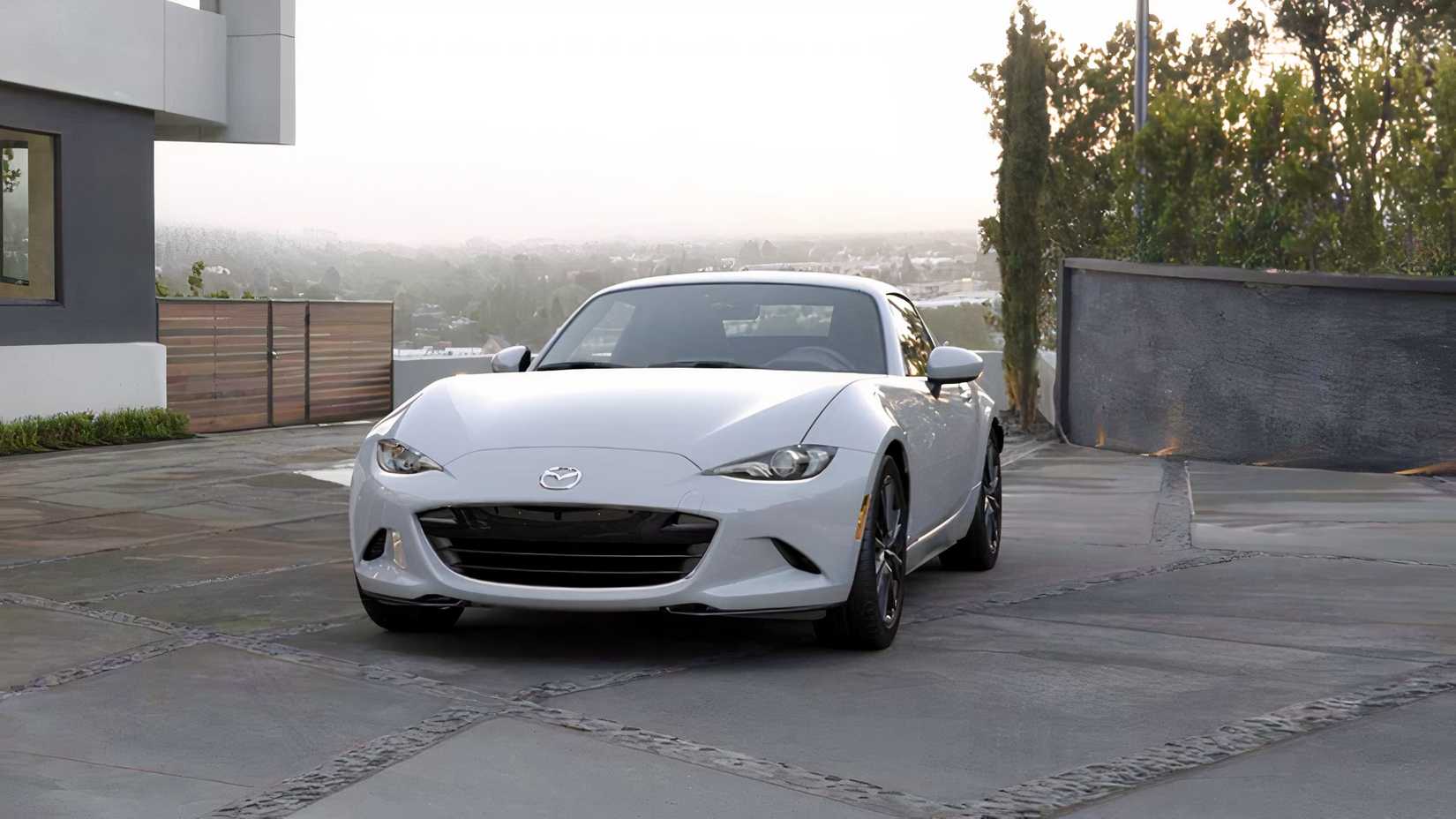
At the center of what makes the MX-5 RF such a well-rounded convertible sports car is the sole engine choice: a 2.0-liter inline-four. It has the following specifications.
|
2026 Mazda MX-5 Miata RF |
|
|---|---|
|
Engine |
2.0-Liter NA Skyactiv-G Inline-Four |
|
Transmission |
Six-Speed Manual or Six-Speed Automatic |
|
Horsepower |
181 hp @ 7,000 rpm |
|
Torque |
151 lb-ft @ 4,000 rpm |
The Skyactiv-G inline-four under the hood isn’t about brute force, but more about climbing through the rev range all the way to its 7,500 rpm redline. The high-revving nature of it gives it character, while the lightweight internal components, pistons, connecting rods, and crankshaft all let it spin freely without feeling strained.
The engine in the MX-5 RF runs a high 13.0:1 compression ratio, which means you get decent fuel efficiency and sharp throttle responses the moment you touch the pedal. The intake and exhaust systems are tuned to keep airflow clean and consistent, which helps the mill maintain its rhythm as the revs build rather than falling off sharply at the top end.
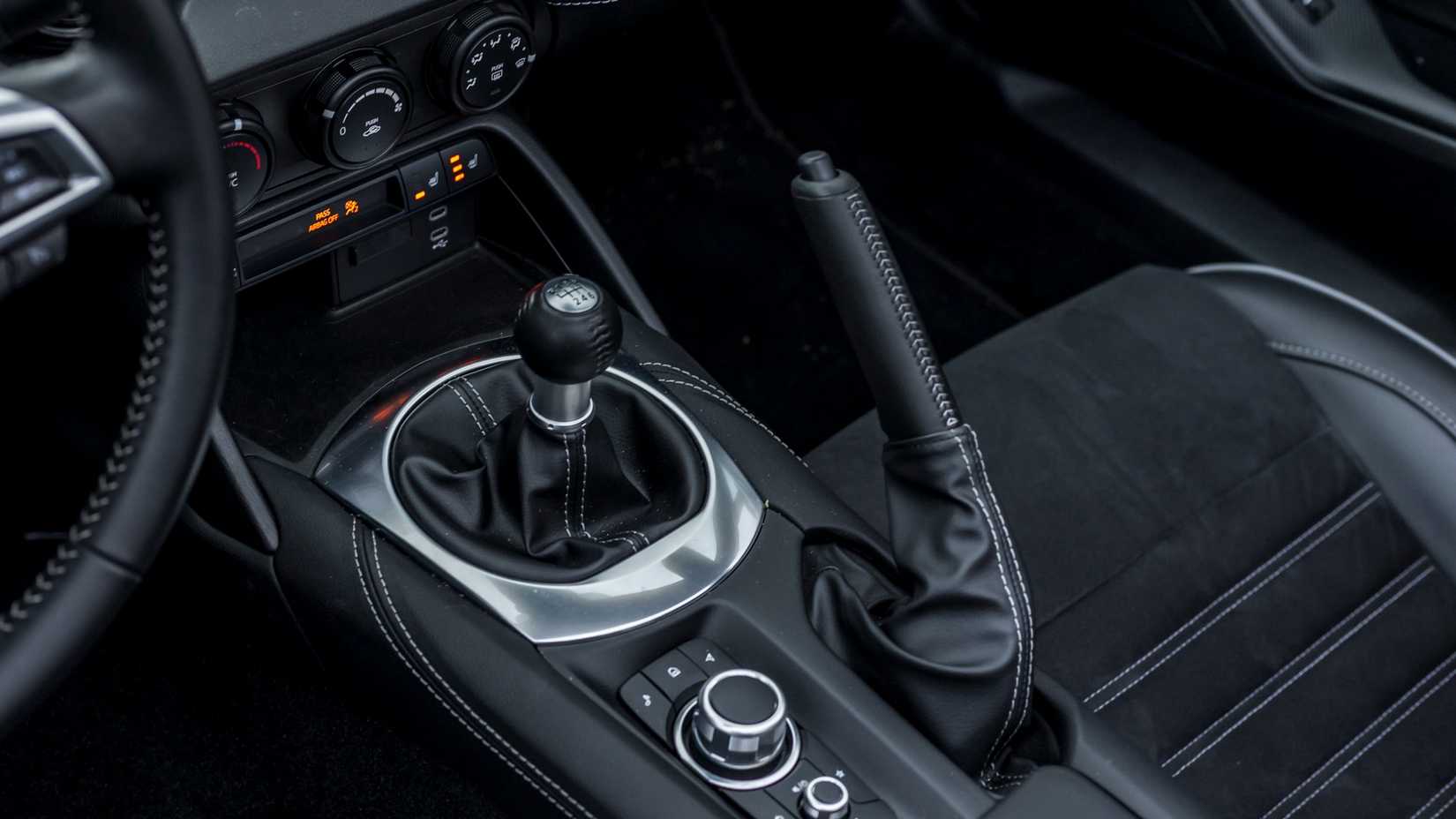
Then there are the transmission choices. Manual transmission sports cars are getting rarer today, but the MX-5 RF still has one as standard. You can opt for a six-speed auto box with a torque-converter rig and paddle shifters in the Grand Touring trim, which is still impressive and convenient, but if you want the real hands-on experience, choose the manual box.
The six-speed manual has short, tightly spaced gear ratios and a very direct shift action that feels mechanical rather than isolated. The throw is compact, the gates are clearly defined, and the clutch has enough weight to make changing gears deliberate. In short, the MX-5 is still a real driver’s machine.
The Retractable Roof Makes It A Breeze
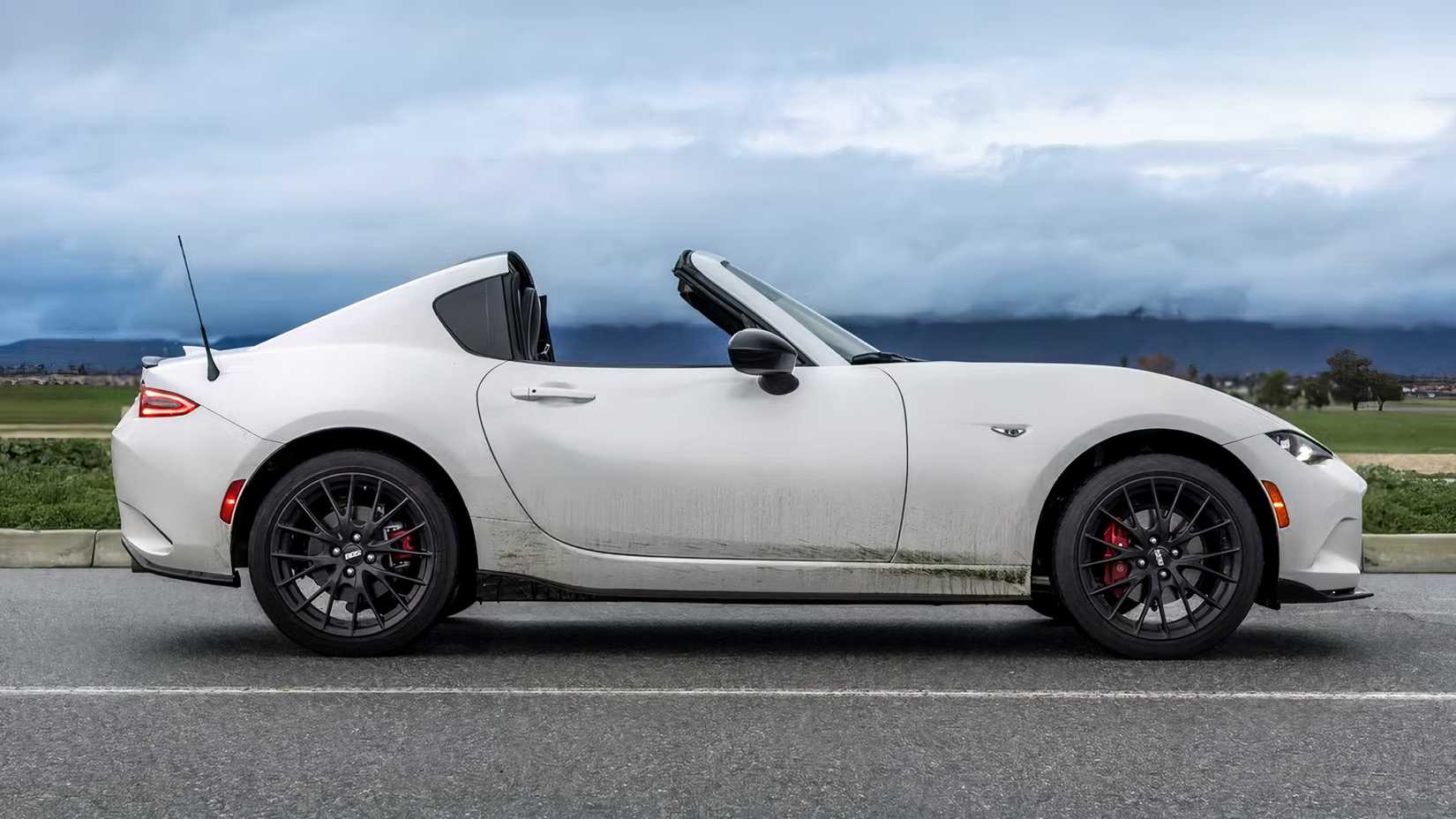
The MX-5 ST models are cheaper; some of the reasons for that are that the fabric soft top has to be lowered by hand, and it doesn’t have a retraction unit. It is lighter, tipping the scales between 2,341 and 2,366 pounds, while the RF weighs in between 2,467 and 2,513 pounds, but the RF is more convenient and provides a far stiffer ride.
Putting the retractable hardtop down on the RF is easy; you just park up, press a button, wait 13 seconds until it folds away, and drive off. It isn’t as quick to fold away as the roof on the Aston Martin Vantage Roadster, which takes just 6.8 seconds and can be operated while driving up to 31 mph, but you’re not paying Vantage money here; you are paying MX-5 money.
Best Hardtop Convertibles: 10 Models That Nail Open-Air Driving
Hardtop convertibles offer increased refinement and weatherproofing over soft tops, along with a coupe-like silhouette – these are some of the best.
Why The New MX-5 RF Is So Easy To Live With
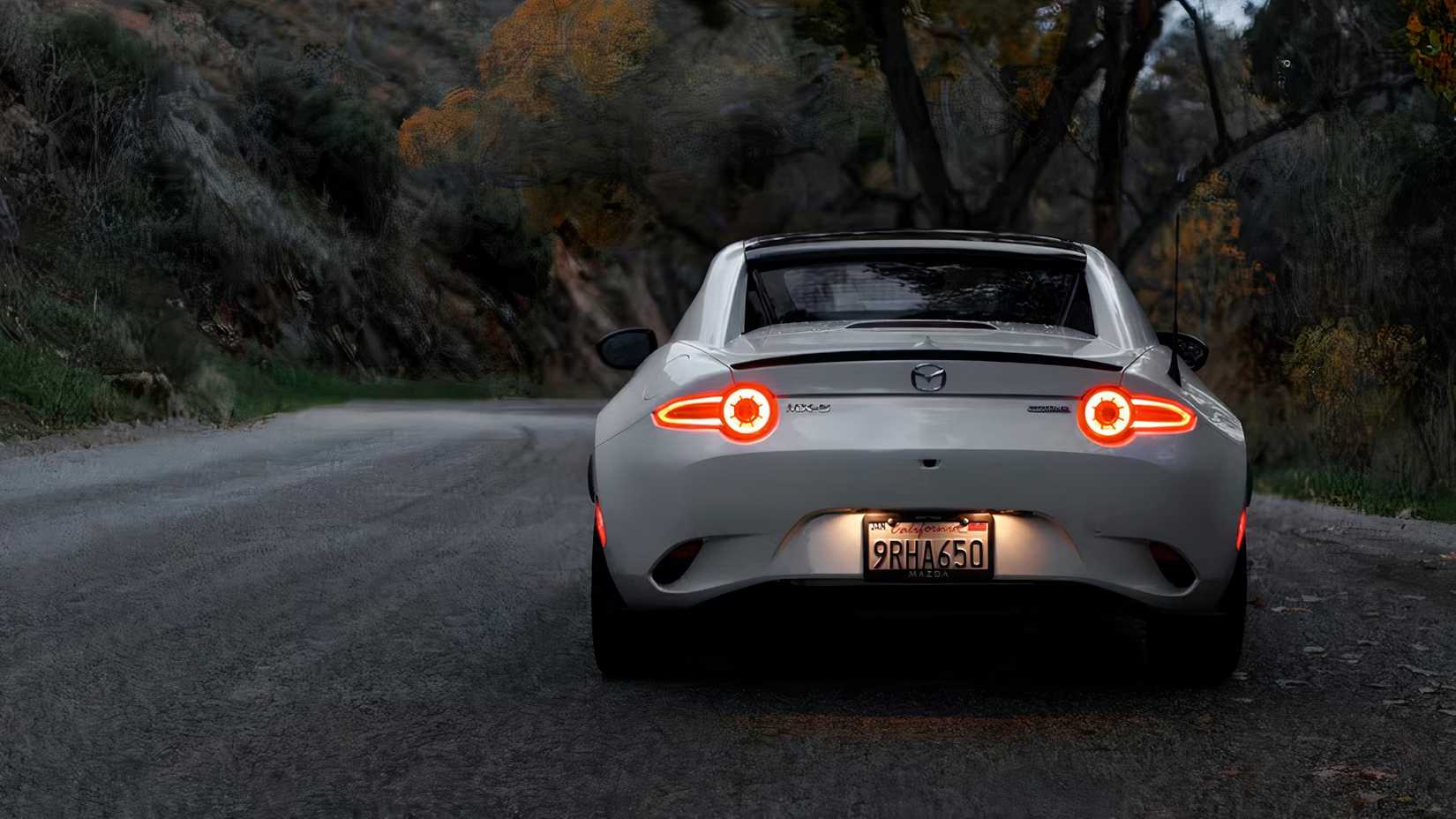
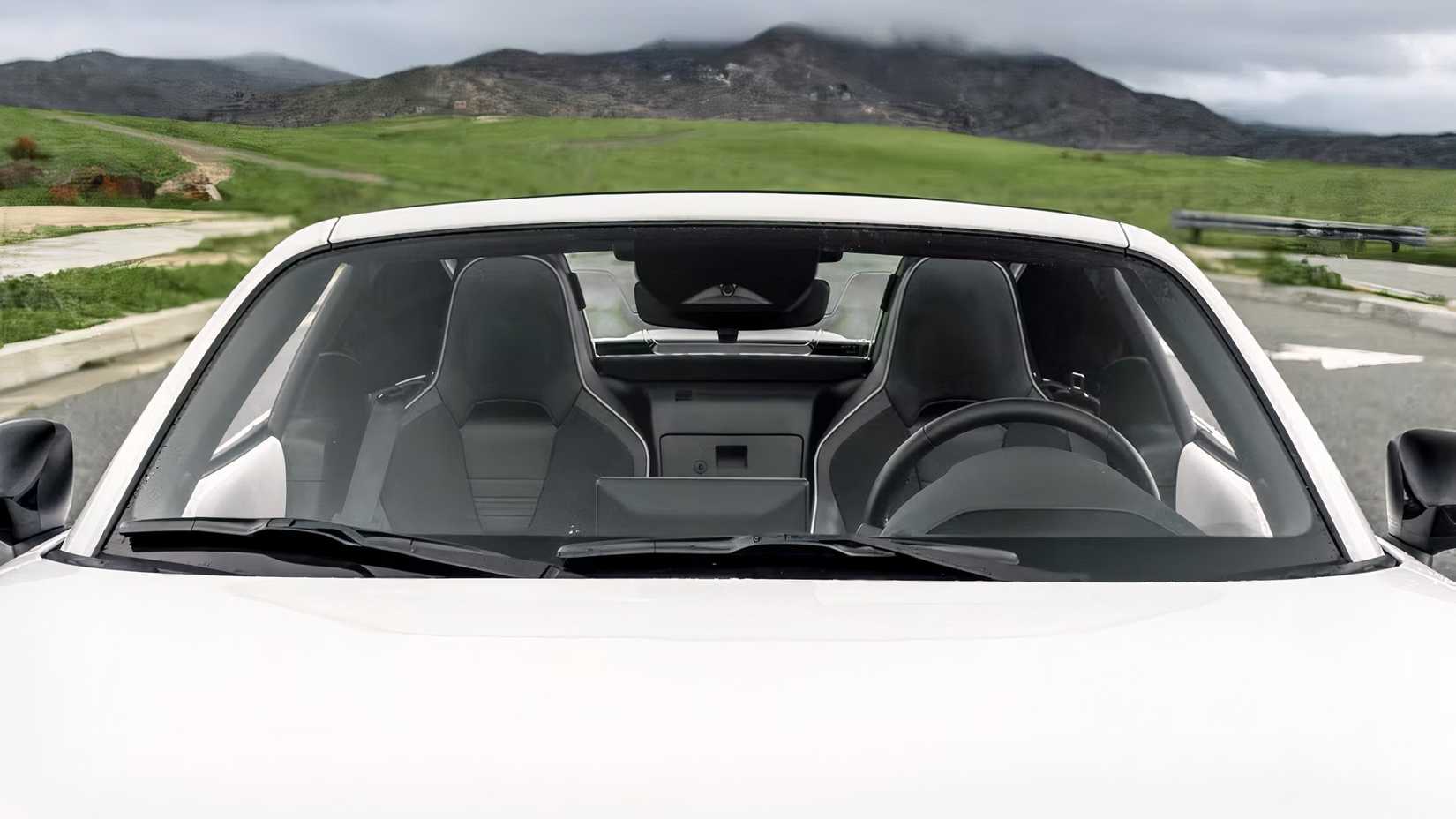
Sports cars are famously not the most convenient type of vehicle to own, and we can’t argue that the new MX-5 RF is much different. There are just two seats, and the cargo capacity of 4.5 cubic feet leaves a lot to be desired. However, that isn’t really the point of the MX-5, and despite its sporty breeding, it is still an easy car to get along with.
You get high rates of reliability, low running costs, and, if you are looking for a car that is meant to be driven for fun on the back roads, around the track or on summer days, then it is ideal. Plus, the space in the front for you and a passenger is respectable considering its small dimensions (154.1 inches x 68.3 inches x 49 inches, with a 90.9-inch wheelbase). The interior space in the MX-5 RF is as follows.
|
Headroom |
Shoulder Room |
Legroom |
|---|---|---|
|
36.9 Inches |
52.2 Inches |
43.1 Inches |
Simple Build Keeps The Experience Pure
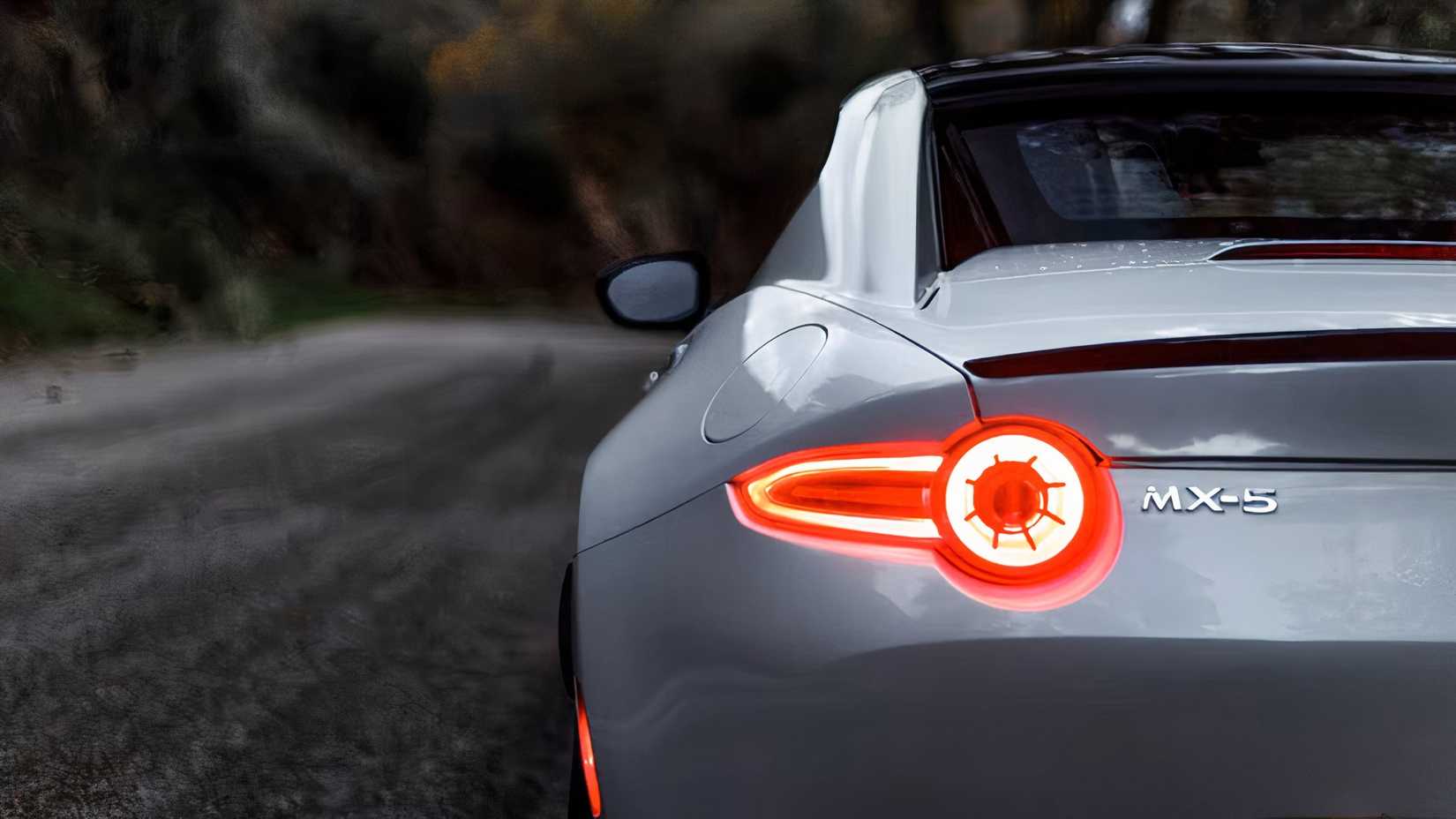
The MX-5 is a timeless sports car, and we don’t see the love for it changing anytime soon. It is rear-wheel drive, has a front-mid engine mounting, and 50:50 weight distribution. There isn’t much not to like. What makes the RF so coherent, though, is the way Mazda has reinforced the chassis specifically to support the retractable fastback roof without dulling driving fun. At the heart of it is Mazda’s Skyactiv chassis: a lightweight but highly rigid platform that prioritizes balance and steering feel.
The RF is designed around the folding hardtop mechanism, so you get extra structural reinforcement running through the sills, transmission tunnels, and rear bulkhead. The targa-style B-pillars are also fully integrated into the roof structure and act as structural members that help maintain torsional rigidity on twisty roads, whether the roof is up or down.
The suspension is also simple but effective. Up front, it is equipped with a double-wishbone rig that is tuned to keep tire contact patch stable when you’re flooring it, while the rear multi-link setup separates cornering and bumps so you don’t feel unsettled mid-corner. You get a progressive feel rather than a harsh one, which helps make everything feel predictable behind the wheel.
Mazda has also kept electronic interference to a minimum. You get stability and traction control, but they are set up to stay in the background when you are driving normally. Even in Sport mode, it allows for a fair amount of chassis movement before stepping in, so you still feel the rear of the car rotate naturally instead of getting the artificial feel that is such a part of modern sports cars.
Affordable Running Costs Are What You’d Expect
Then there are the running costs of a new MX-5 Miata RF; for a fun sports car, it is very affordable to own. RepairPal says that it will cost you, on average, $429 a year to maintain. RepairPal also says that the MX-5 has a reliability rating of 4 out of 5, which is above average for its segment.
Fuel costs are also reasonable, considering how much fun you can have with one. According to FuelEconomy.gov, the manual-transmission 2026 MX-5 RF can achieve 29 combined mpg (26 mpg city/34 mpg highway), which will cost you an estimated $2,800 a year for gas. Fueling and fuel consumption information for the new MX-5 RF is as follows.
|
Gas Tank Range |
345 Miles |
|---|---|
|
Tank Size |
11.9 Gallons |
|
Cost To Fill Tank |
$65 |
|
Cost To Drive 25 Miles |
$4.70 |
To put that into perspective, a 2026 GR Supra will cost you an estimated $3,050 a year for gas, while an entry-level Z4 will cost you $2,900 a year.

10 Oddball Convertibles That Actually Exist
Automakers have made a wide range of weird convertibles over the years, and some are still in production.
The 2026 Mazda MX-5 RF Gets The Balance Perfect
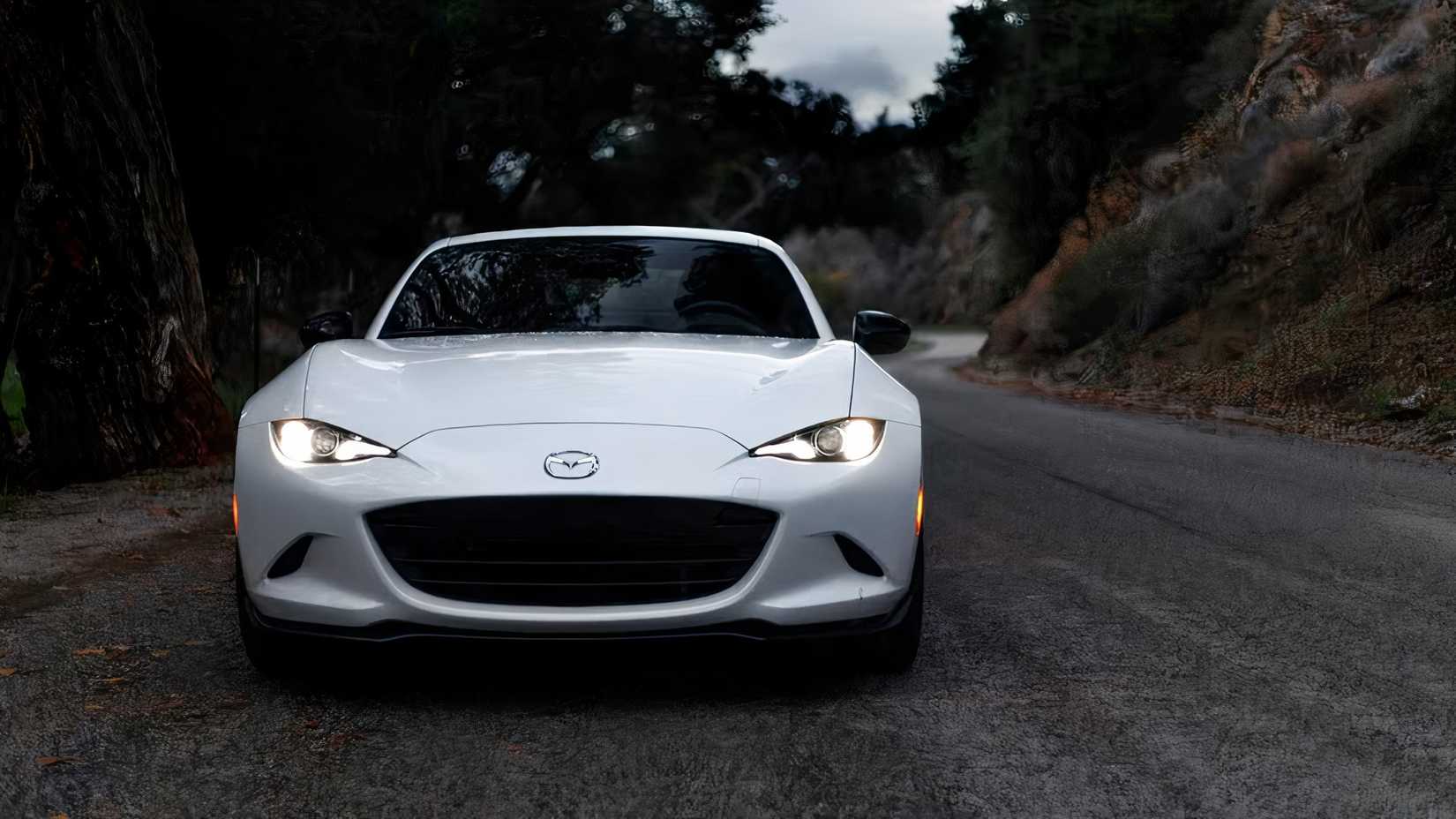
The price of a new MX-5 Miata RF may be higher than the ST range, but the added benefits you get look to be worth it. Its simplicity is what makes it a convertible sports car that gets the balance just right. The two well-equipped trims make the ride comfortable and just techy enough without overloading the cabin.
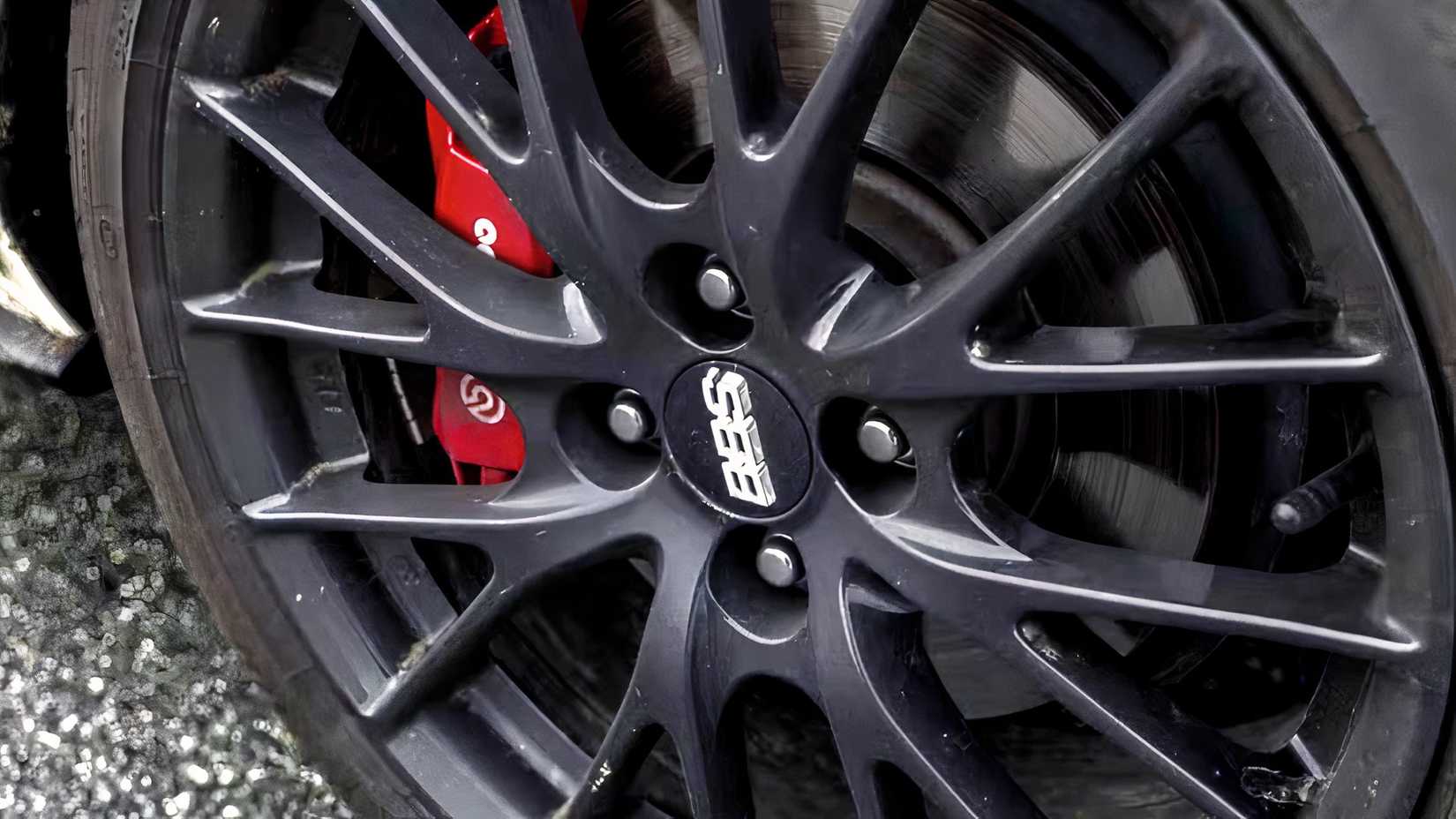
Both the Grand Touring and Club trims are slightly different in spirit. The Club trim leans into a more track-focused setup with a limited-slip differential paired with Bilstein dampers, optional BBS wheels and Brembo brakes, and front shock tower bracing that sharpens up the ride, while the interior is simple but effective. You get optional Recaro seats, a leather-wrapped steering wheel, and an 8.8-inch infotainment screen with a rotary dial.
The Grand Touring trim still has a limited-slip diff, but gets more comfort features without changing the core. You get leather-trimmed heated seats, dual-zone climate control, a Bose nine-speaker rig, built-in navigation, and headrest speakers. Owners on Kelley Blue Book rate the new MX-5 4.7 out of 5 overall, and give it a rating of 4.4 out of 5 for comfort, 4.7 out of 5 for performance, value and quality, and 4.8 out of 5 for styling and reliability.
Mazda has resisted the urge to go fully digital while so many are, and its measured approach, spot-on engineering, and relatively simple design thought for the 2026 MX-5 Miata RF make it such an ideal convertible sports car. You get the low running costs that are usually reserved for less fun cars, proper hands-on engagement, the drop-top fun without losing loads of chassis rigidity, a 1960s sports coupe-esque exterior design, and an engine that doesn’t need to shoot out 300+ horsepower to prove that it is good. A recent CarBuzz test drive of the 2026 MX-5 RF sums it up nicely.
“Anyone who enjoys the act of driving in the slightest and has space for a small sports car and weekends to enjoy should absolutely go test drive an MX-5. It’s an incredibly niche car, but there’s a reason it still sells well – the MX-5 remains fun and beautifully engineered, so anyone of any skill level can enjoy it.”
– Ian Wright, CarBuzz Journalist
Sources: Mazda, Kelley Blue Book, RepairPal, and FuelEconomy.gov.