
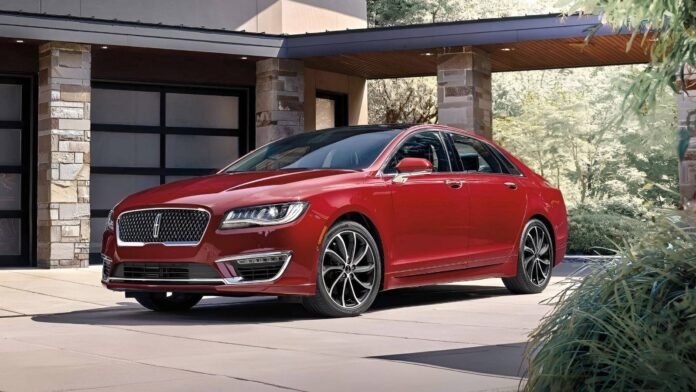
Luxury sedans have always been defined by prestige, but some of the smartest used-car buys come from vehicles that were unfairly overlooked when new. The Lincoln MKZ is one of those rare examples. Overshadowed by German rivals and forgotten during the SUV boom, Lincoln’s midsize sedan quietly evolved into a genuinely impressive luxury car by the end of its production run. It offered elegant styling, a whisper-quiet cabin, advanced technology, and even serious performance from its available twin-turbocharged V6 engine.
Yet, despite producing up to 400 horsepower and offering premium features like massage seats, adaptive suspension, and Revel audio systems, the MKZ never received the same recognition as competitors from BMW, Audi, or Mercedes-Benz. That lack of attention caused resale values to plummet, turning the MKZ into one of the biggest hidden bargains in the modern used luxury market. Today, buyers can find well-equipped examples for the price of an ordinary family sedan at around $22,000, making the Lincoln MKZ one of the most underrated luxury cars of the past decade.
How Lincoln’s Overlooked Sedan Quietly Slipped Off Luxury Buyers’ Radar
Luxury sedan buyers have always been creatures of habit. For decades, shoppers looking for premium comfort, executive styling, and performance naturally gravitated toward German badges like BMW, Mercedes-Benz, and Audi. In the United States, Cadillac traditionally dominated domestic luxury conversations, while Lexus built a reputation around bulletproof reliability and quiet refinement. That left Lincoln in an awkward middle ground, particularly during the 2010s, when the brand was trying to reinvent itself.
The Lincoln MKZ became one of the clearest examples of this struggle. Despite offering handsome styling, strong engine options, advanced technology, and impressive comfort, the midsize luxury sedan never managed to capture widespread attention. Buyers simply overlooked it. Sales numbers steadily declined as crossovers exploded in popularity and sedans lost market share across the industry. Ironically, that lack of popularity is exactly what makes the MKZ such an incredible bargain today.
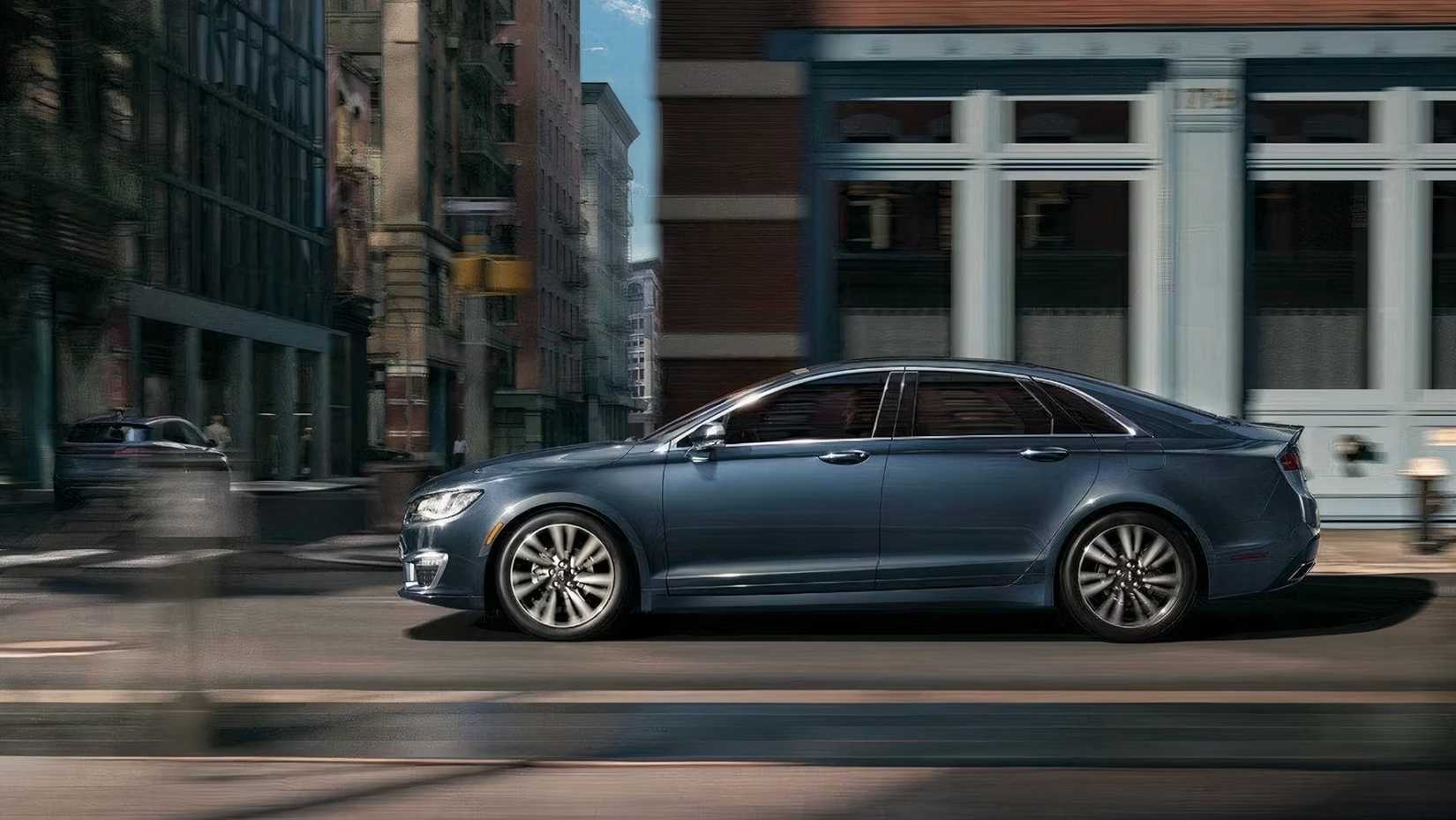
Introduced in its second generation for the 2013 model year and heavily refreshed in 2017, the MKZ evolved into a genuinely compelling luxury sedan by the end of its production run in 2020. Lincoln sharpened the styling with a cleaner grille design, improved the interior materials, upgraded infotainment technology, and introduced a seriously powerful twin-turbocharged V6 variant that transformed the sedan’s personality. Yet even with these improvements, the MKZ struggled to compete with the prestige associated with European luxury brands. Buyers shopping in this segment often prioritized badge recognition over value, and Lincoln simply could not match the status appeal of a BMW 5 Series or Mercedes-Benz E-Class.
That perception problem caused the MKZ to depreciate rapidly. Today, however, used buyers benefit enormously from that reality. Models that originally stickered near $50,000 can now be found for a fraction of their original price while still delivering modern luxury features, smooth ride quality, and impressive performance. The result is one of the most underrated used luxury sedans of the modern era.
The Forgotten American Sedan That Still Holds Its Own Against Luxury Rivals
This American sedan may not get the attention it deserves, but it is still an alluring combination of power, luxury, and performance-focused features.
Twin-Turbo Power And Comfort At A Fraction Of German Rivals’ Prices
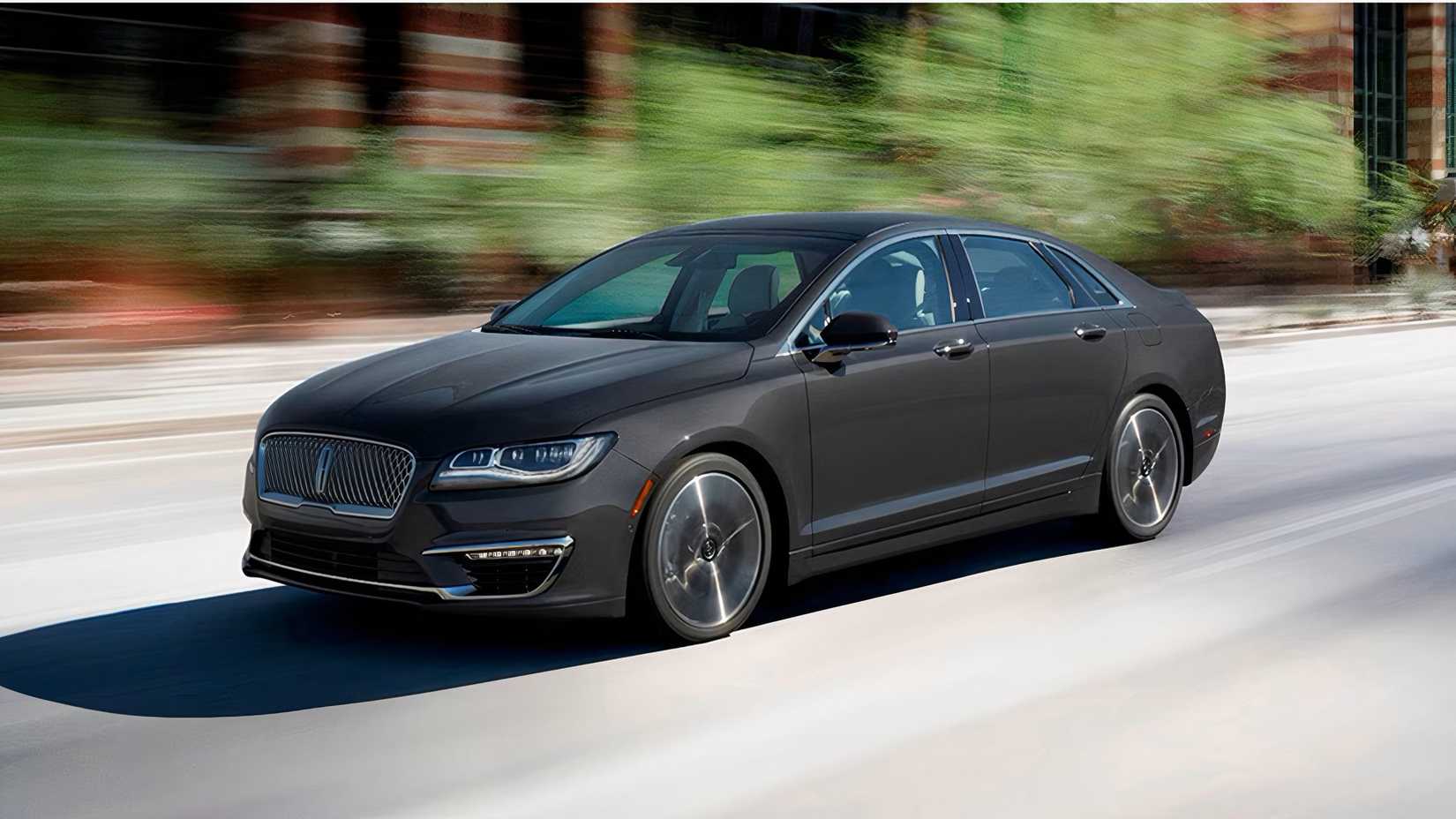
The most surprising aspect of the 2020 Lincoln MKZ is just how capable the range-topping models became. While many people remember Lincoln as a comfort-focused brand, the MKZ Reserve and MKZ Black Label equipped with the 3.0-liter twin-turbocharged EcoBoost V6 delivered genuinely impressive performance numbers. The engine produced 400 horsepower and 400 pound-feet of torque when paired with all-wheel drive. Front-wheel-drive versions still generated 350 horsepower. Those are serious numbers, especially considering that many German rivals demanded significantly more money for similar performance. For comparison, the BMW 540i from the same era produced 335 horsepower from its turbocharged inline-six, while the Audi A6 3.0T generated 335 horsepower.
Lincoln paired the twin-turbo V6 with a six-speed automatic transmission that prioritized smoothness over aggressive shifting behavior. While it lacked the razor-sharp character of German sport sedans, the MKZ excelled as a fast, effortless highway cruiser. Independent testing recorded 0-60 mph times in the low five-second range for AWD twin-turbo models, making the MKZ surprisingly quick for a car many buyers barely noticed.
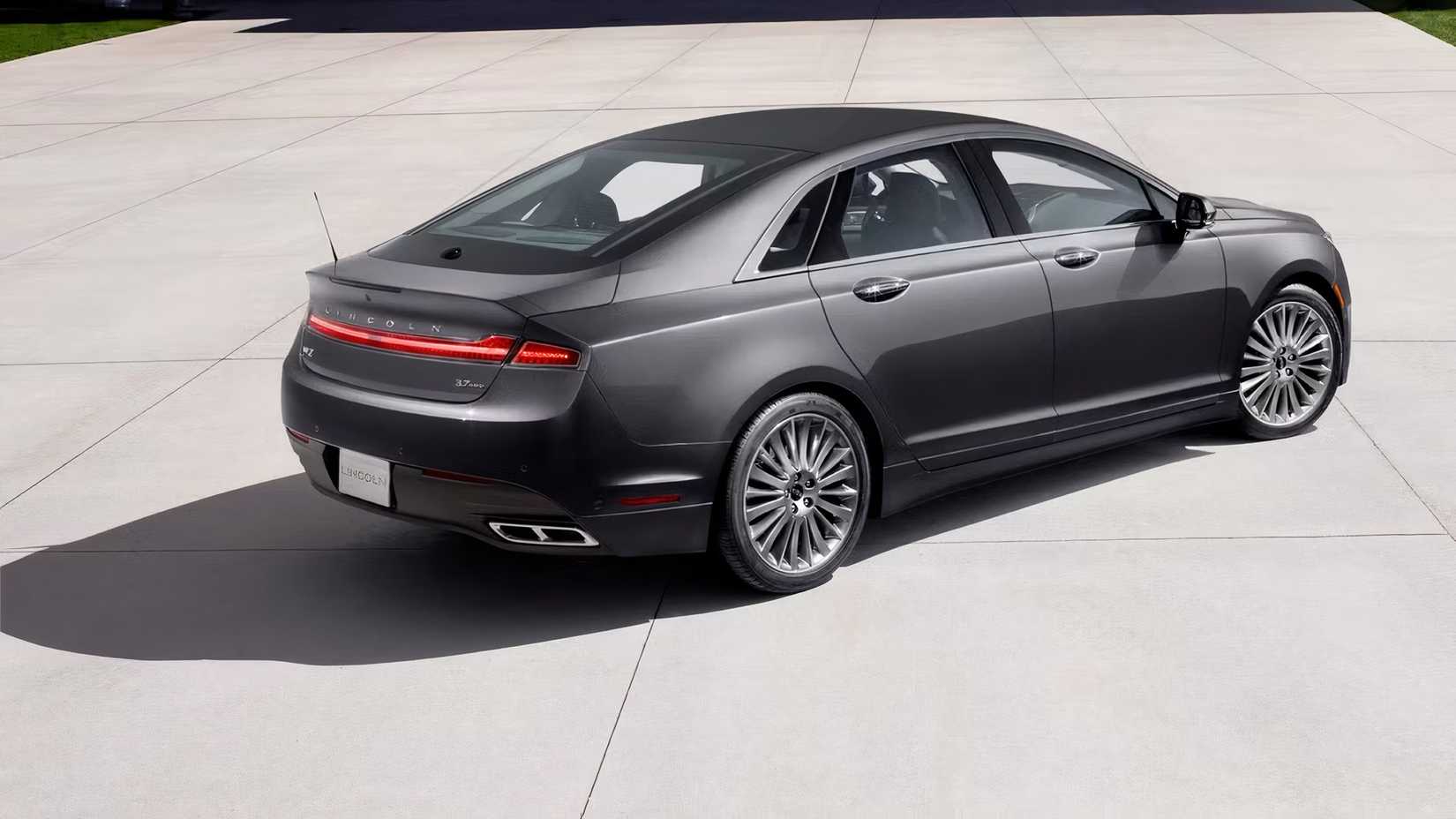
The chassis tuning also reflected Lincoln’s broader philosophy. Instead of chasing Nürburgring lap times, the MKZ focused on comfort and composure. Adaptive suspension dampers helped isolate occupants from rough pavement, while precise steering and available all-wheel drive gave the car confidence during long-distance driving. The cabin remained whisper quiet at highway speeds thanks to extensive sound deadening, laminated glass, and active noise cancellation technology. Lincoln engineers clearly prioritized refinement over outright sportiness, and it gave the MKZ a unique personality compared to many firmer-riding German competitors.
Fuel economy remained respectable considering the available performance. The twin-turbo AWD model achieved EPA ratings of 17 mpg city and 26 mpg highway, while hybrid variants delivered an impressive 41 mpg combined. That hybrid model became another overlooked gem in the lineup, offering luxury sedan comfort with remarkable efficiency. Perhaps most importantly, the MKZ achieved all of this while undercutting competitors dramatically on the used market. Today, well-maintained twin-turbo MKZ models often cost less than entry-level German luxury sedans with far less power and equipment.
10 Slightly Used Luxury Cars That Won’t Break The Bank
With depreciation hitting premium models hard, there’s a sweet spot where buyers can score high-end vehicles for a fraction of their original cost.
Why The Lincoln MKZ Delivered More Luxury Than Buyers Expected
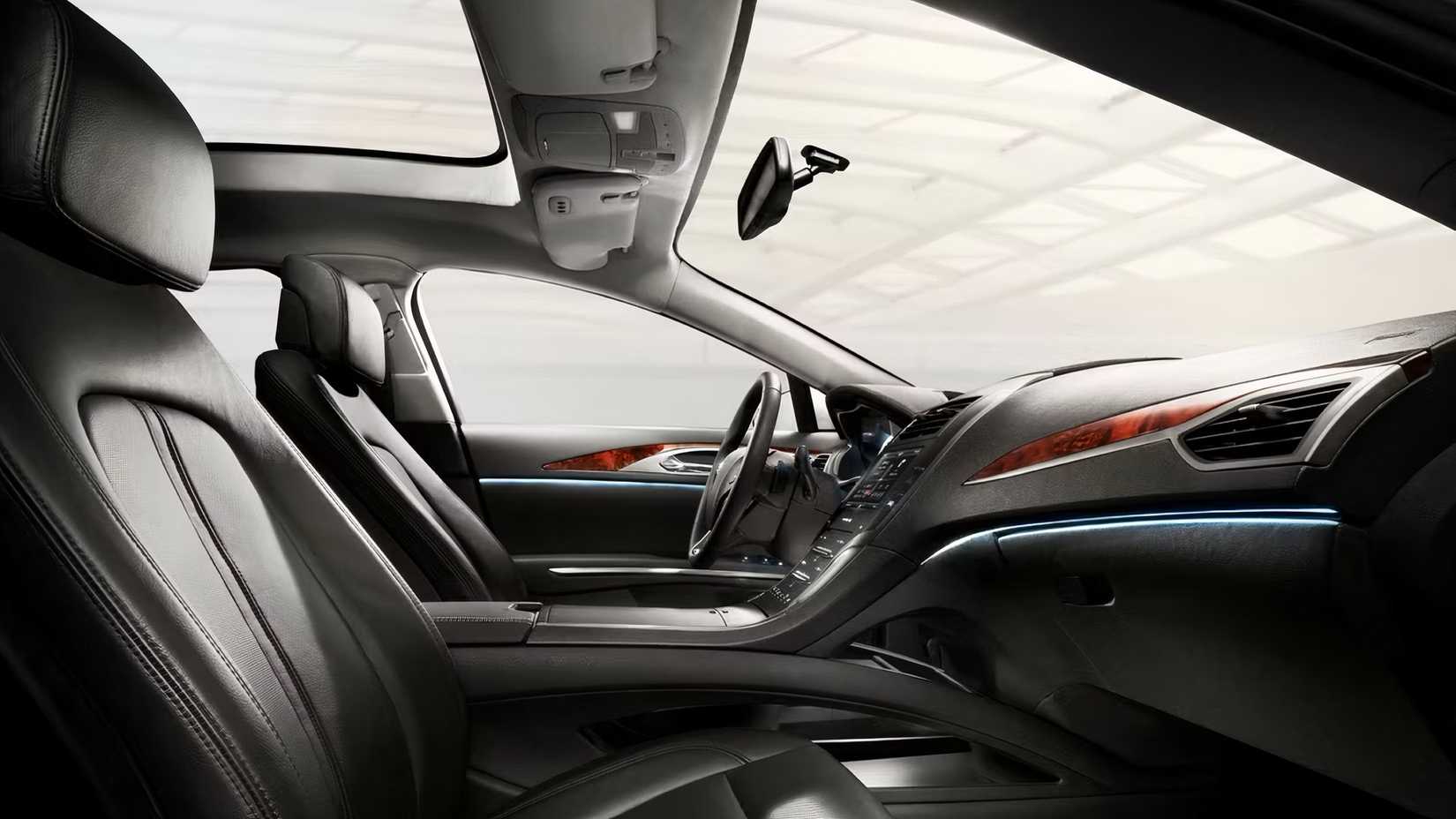
One of the Lincoln MKZ’s greatest strengths was its ability to feel genuinely upscale inside. Lincoln invested heavily in improving interior quality during the late 2010s, and the results were obvious once you stepped into higher-trim MKZ models. Soft-touch materials covered most major surfaces, real wood trim added warmth to the cabin, and available Bridge of Weir leather seats elevated the overall experience. The dashboard design prioritized elegance rather than aggressive sportiness, creating a calm and inviting atmosphere that suited the car’s personality perfectly.
The seats themselves became a major selling point. Lincoln’s available 22-way adjustable front seats offered heating, ventilation, and massage functions rarely found at the MKZ’s price point. These seats delivered exceptional long-distance comfort and rivaled what many flagship luxury sedans offered at the time. Technology also improved significantly after the 2017 refresh. Lincoln replaced the controversial MyLincoln Touch system with the much more user-friendly SYNC 3 infotainment interface. The system featured quicker response times, Apple CarPlay and Android Auto compatibility, improved voice controls, and a cleaner layout. The available Revel audio system further reinforced the premium feel. Developed in partnership with Harman, the 20-speaker setup delivered rich sound quality that easily competed with optional systems from European rivals.
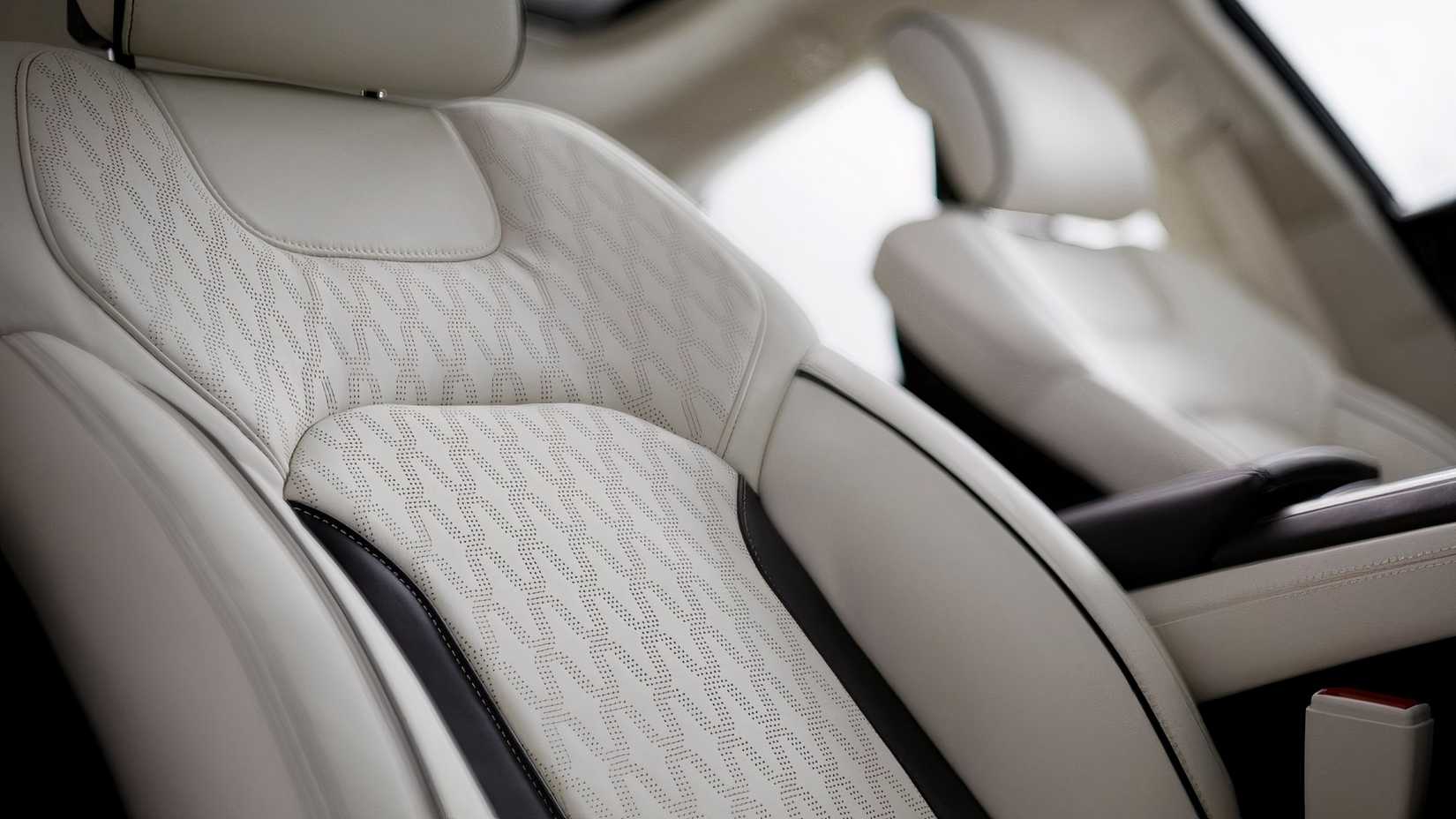
Passenger space remained competitive for the segment as well. Rear-seat comfort was respectable, and the cabin’s airy design helped the car feel larger than it actually was. Lincoln also equipped the MKZ with a generous list of standard and optional safety technologies, including adaptive cruise control, lane-keeping assist, automatic emergency braking, blind-spot monitoring, and active park assist.
Visually, the MKZ aged surprisingly well too. The 2017 facelift introduced a cleaner front fascia inspired by Lincoln’s Continental flagship sedan, helping the car look more sophisticated and modern. Full-width taillights gave the rear end a distinctive appearance, while sleek body lines maintained an understated elegance. That understated nature became part of the MKZ’s appeal. Unlike some aggressively styled luxury sedans that constantly demand attention, the Lincoln projected quiet confidence. It looked expensive without trying too hard.

This 10-Year-Old Hybrid Is Still One Of The Most Reliable Cars On The Road
This hybrid sedan is one that you’ve possibly never heard of. Sometimes the underdogs come out on top and this hybrid offers some hefty reliability.
The Used Luxury Bargain That Still Feels Premium Today
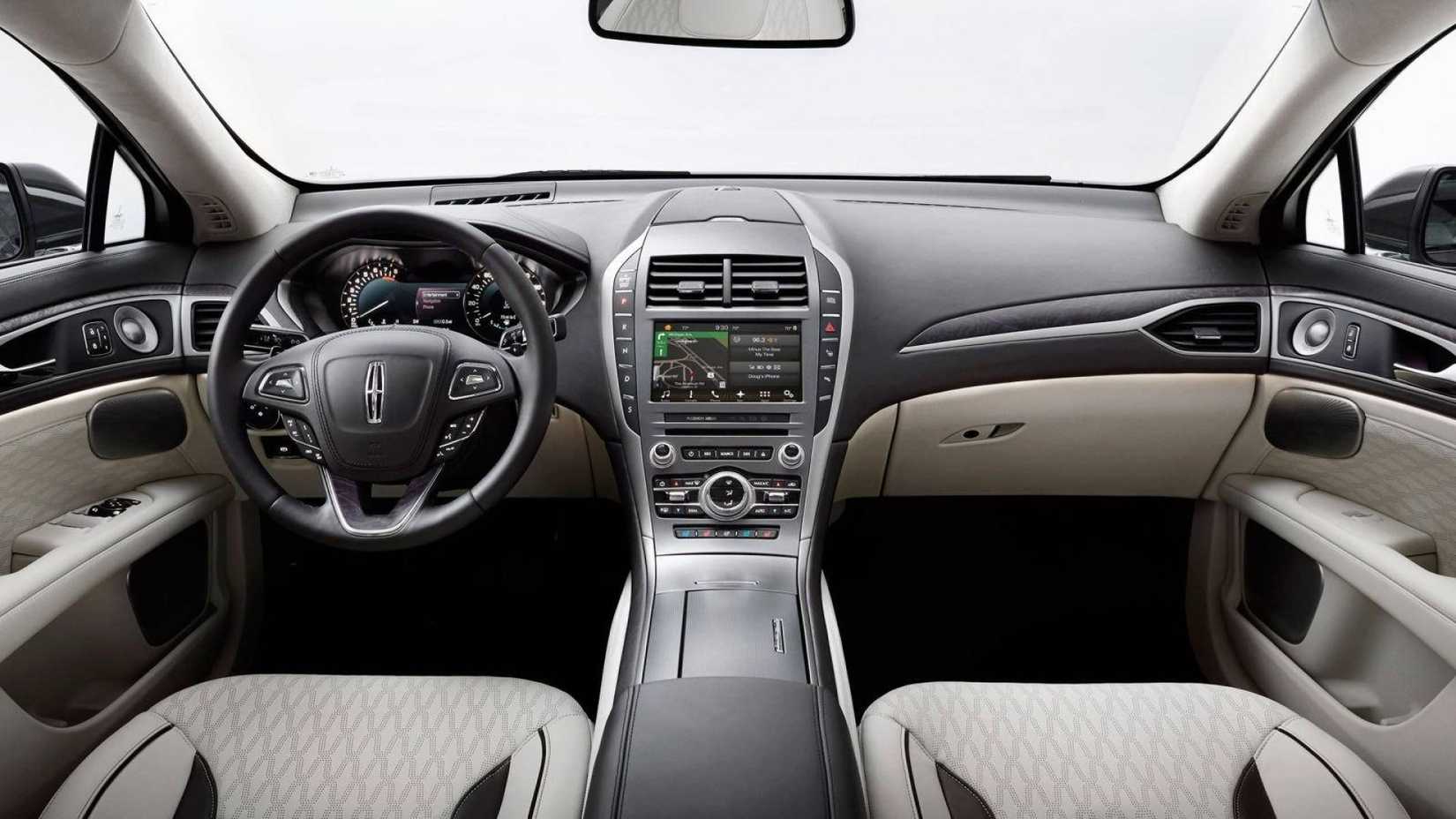
Depreciation can destroy the value proposition of a new luxury sedan, but it creates tremendous opportunities for used buyers. Few vehicles demonstrate this better than the Lincoln MKZ. A well-equipped 2019 MKZ Reserve AWD with the twin-turbocharged V6 originally carried an MSRP approaching $50,000. Today, many examples sell in the low-to-mid $20,000 range, depending on mileage and condition. That puts the MKZ directly against mainstream midsize sedans and entry-level crossovers despite offering significantly more performance and luxury equipment. Even lower-trim MKZ models provide impressive value. Standard features often included leather upholstery, dual-zone climate control, push-button transmission controls, remote start, heated front seats, and a large touchscreen infotainment system. Many competitors required expensive option packages to match the same equipment list.
Reliability has also proven better than many buyers expected. While the MKZ is not entirely free of maintenance concerns, the underlying Ford CD4 platform was shared with vehicles like the Ford Fusion, giving the sedan relatively accessible servicing and parts availability compared to some European rivals.
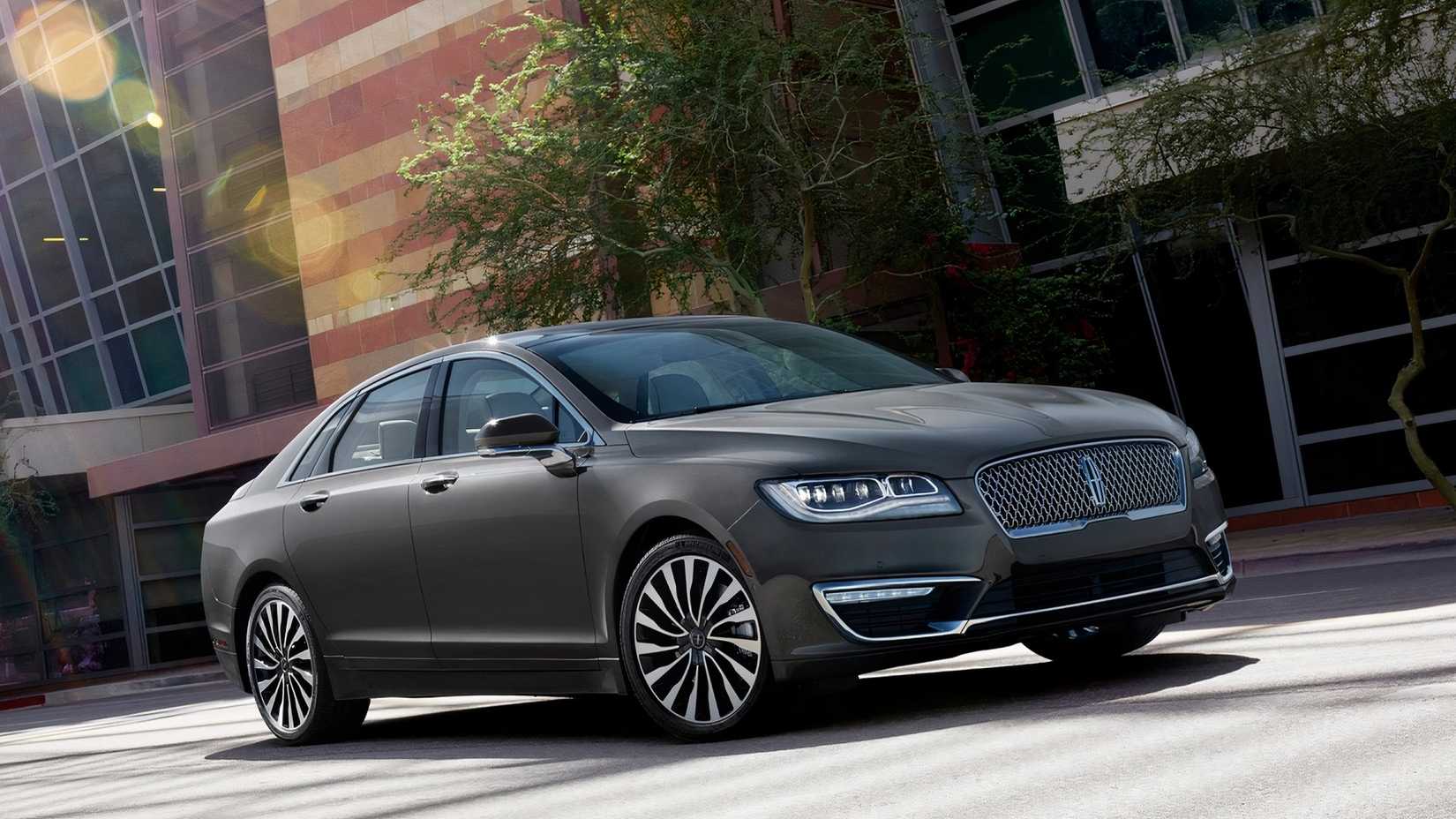
The hybrid models have earned particularly strong reputations for durability. Lincoln used a proven hybrid system closely related to Toyota-style planetary gear technology, helping the MKZ Hybrid achieve strong long-term reliability ratings. Maintenance costs generally remain lower than German competitors as well. Replacement parts, labor rates, and repair complexity tend to be less intimidating than what owners encounter with aging European luxury sedans. For buyers seeking affordable luxury ownership, that matters tremendously.
The MKZ also benefits from being somewhat anonymous. Insurance costs are often lower than equivalent German luxury models, and the car does not attract the same premium pricing on the used market because demand remains relatively modest. That lack of hype works heavily in favor of informed buyers.
How Depreciation Turned The MKZ Into A Hidden Gem
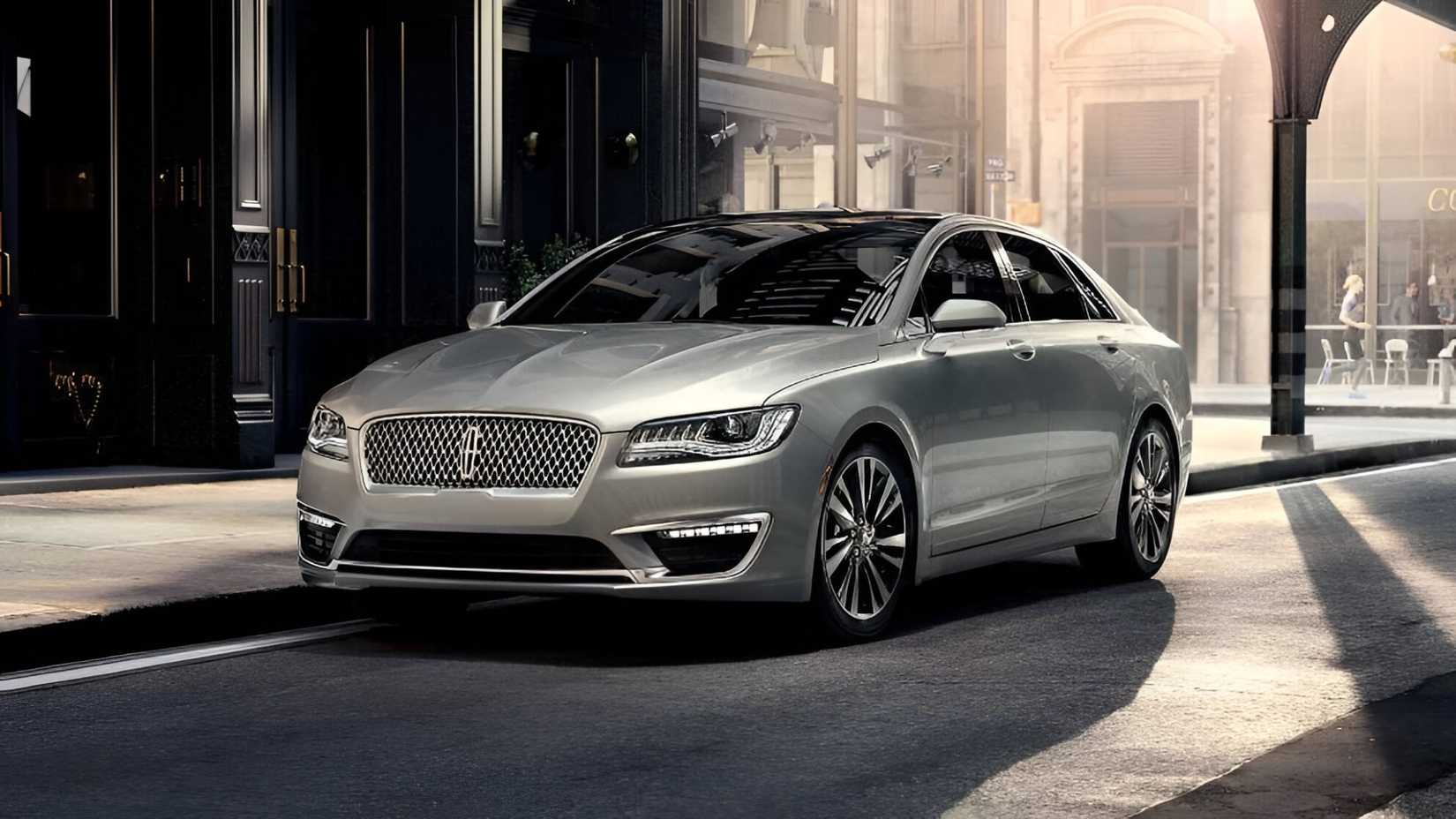
Luxury car depreciation is brutal, but the Lincoln MKZ may have suffered more than most because of shifting consumer trends and brand perception issues. Sedans rapidly lost popularity throughout the late 2010s as SUVs and crossovers dominated the market. At the same time, Lincoln’s image struggled to resonate with younger luxury buyers. That combination devastated resale values. But from a used buyer’s perspective, the depreciation story completely changes the equation. The MKZ now offers an extraordinary amount of car for the money. Buyers gain access to premium leather interiors, advanced driver assistance systems, powerful turbocharged engines, smooth ride quality, and upscale design at prices that overlap with economy vehicles.
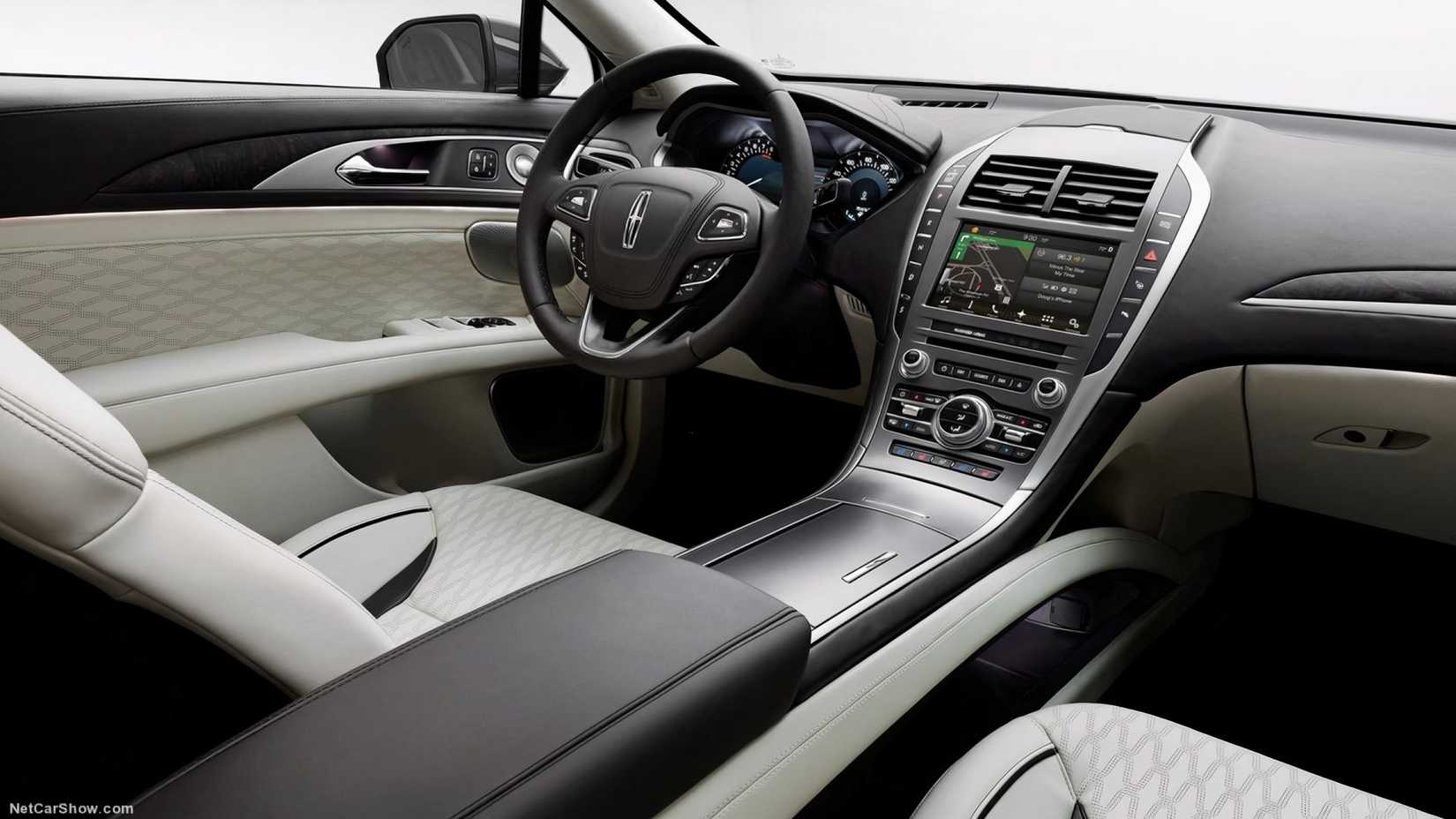
Even the flagship twin-turbo models remain attainable today. Finding a 400-horsepower luxury AWD sedan for the price of a new Honda Civic is almost unheard of in the modern market. The MKZ also occupies a unique niche among used luxury cars because it does not feel excessively outdated. The styling still looks modern, the technology remains competitive, and the cabin materials continue to impress. Unlike some older luxury sedans that immediately reveal their age, the MKZ still feels contemporary enough for daily use.
In hindsight, the MKZ may have simply arrived at the wrong moment. Buyers were abandoning sedans, luxury shoppers remained fixated on German prestige, and Lincoln’s crossover lineup overshadowed its passenger cars. Yet beneath all those market realities sat a genuinely good luxury sedan that deserved far more recognition than it received. Today, that oversight benefits used buyers immensely.
Sources: Lincoln U.S.