
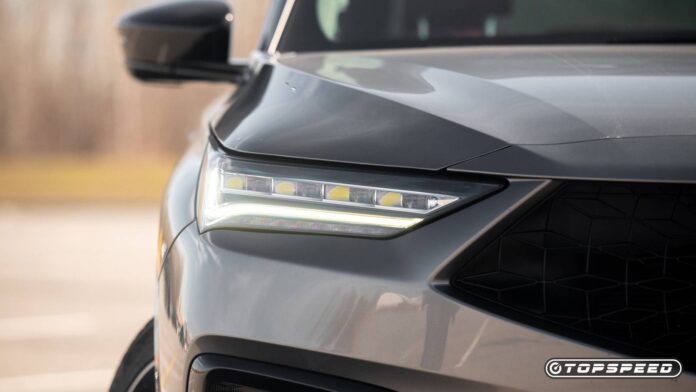
Luxury SUV shoppers tend to follow familiar patterns. For decades, German automakers have successfully positioned vehicles like the BMW X5 as the default choice for buyers seeking performance, prestige, and upscale comfort in one package. The X5, in particular, has built a reputation as the benchmark midsize luxury SUV, combining sharp road manners with a premium badge that immediately signals status. But the luxury SUV market has quietly evolved. Buyers today are increasingly prioritizing long-term reliability, ownership costs, interior practicality, and real-world usability just as much as outright badge prestige. That shift has created opportunities for alternatives that many consumers overlook entirely during the shopping process.
While many premium buyers walk directly into BMW dealerships and never consider anything outside the German establishment, a surprise contender has steadily matured into a genuinely compelling luxury SUV. It offers three-row practicality, advanced technology, strong performance, and a refined driving experience without many of the maintenance anxieties commonly associated with European luxury ownership. For many buyers, the surprising reality is that this Japanese SUV delivers nearly everything they actually use and appreciate in a luxury SUV, while avoiding some of the compromises they simply assume are unavoidable.
Why Many Luxury SUV Buyers Automatically Default To German Badges
The German luxury market has spent decades building an image around engineering superiority. Vehicles like the X5 and Porsche Cayenne became symbols of success because they combined upscale interiors with genuinely engaging performance. BMW, Mercedes-Benz, and Audi essentially created the modern luxury SUV formula that many competitors still follow today.
That reputation carries enormous influence at dealerships. Buyers entering the luxury segment often assume German vehicles automatically provide the best driving dynamics, the best interiors, and the most sophisticated technology. In many cases, shoppers narrow their search before even comparing alternatives. The X5 especially benefits from this perception. The current 2026 BMW X5 xDrive40i uses a turbocharged 3.0-liter inline-six producing 375 horsepower and 398 pound-feet of torque. Paired with an eight-speed automatic transmission and BMW’s xDrive all-wheel-drive system, it delivers impressive acceleration, reaching 60 mph in 5.3 seconds.
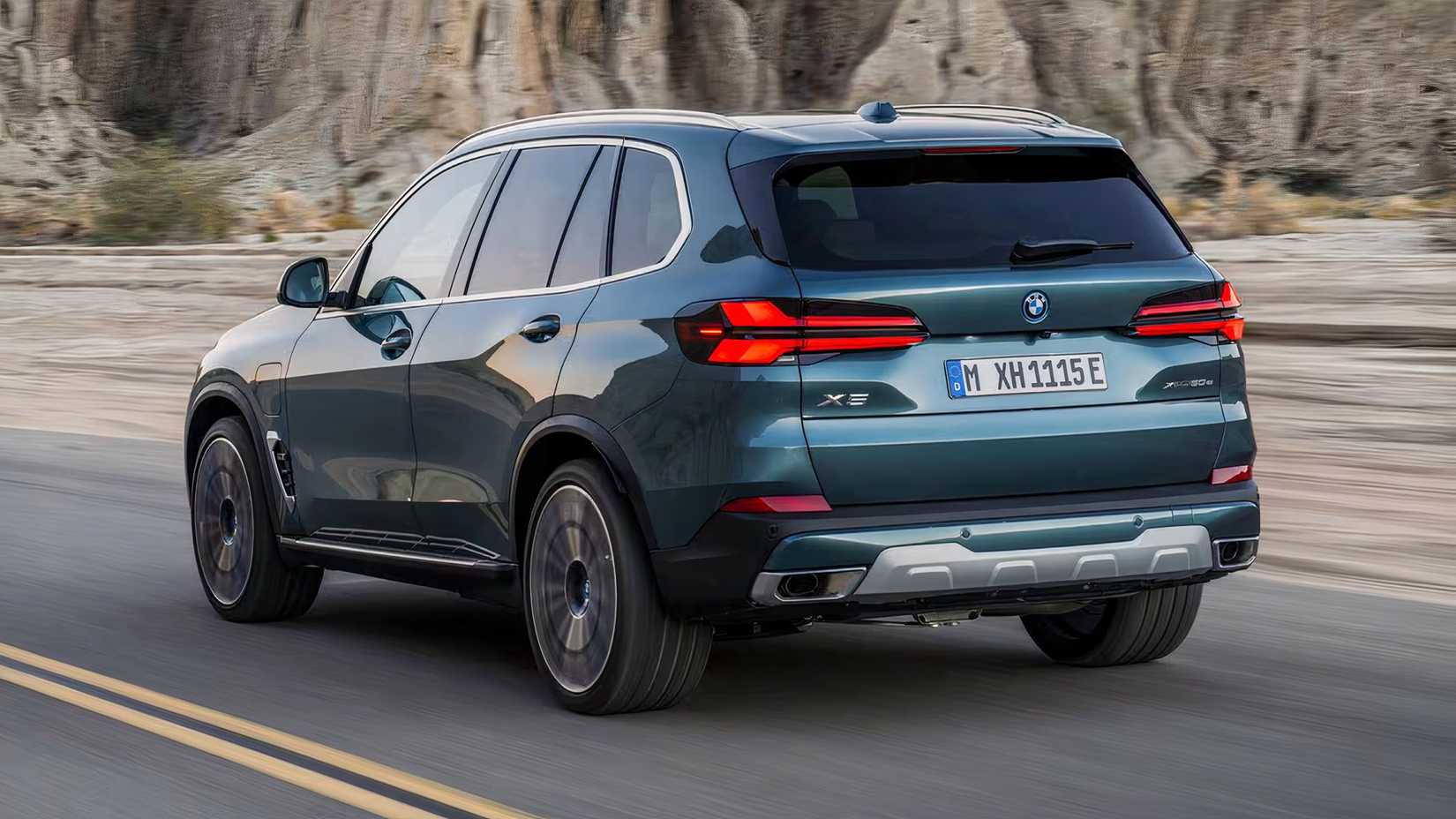
The X5 also excels in cabin execution. BMW’s curved digital display system, high-end material quality, and composed ride characteristics create the type of premium experience buyers expect when spending well over $65,000. However, luxury ownership involves far more than a short test drive. Modern German luxury vehicles are extraordinarily complex machines. Turbocharged engines, air suspension systems, intricate electronics, complicated cooling systems, and expensive maintenance requirements can significantly increase long-term ownership costs once warranty coverage expires.
That reality matters more today because luxury SUV buyers are increasingly keeping vehicles longer. A growing number of consumers now prioritize durability and lower maintenance stress alongside prestige and performance. That is exactly where overlooked alternatives like Acura have become surprisingly competitive.
These Are The First 10 Production Cars In History With Factory Turbochargers
We may love a good turbo today, but they had to start somewhere – here are the first 10 production cars to boast a turbocharged engine under the hood.
How The Acura MDX Quietly Delivers Premium Comfort Without The European-Car Headaches
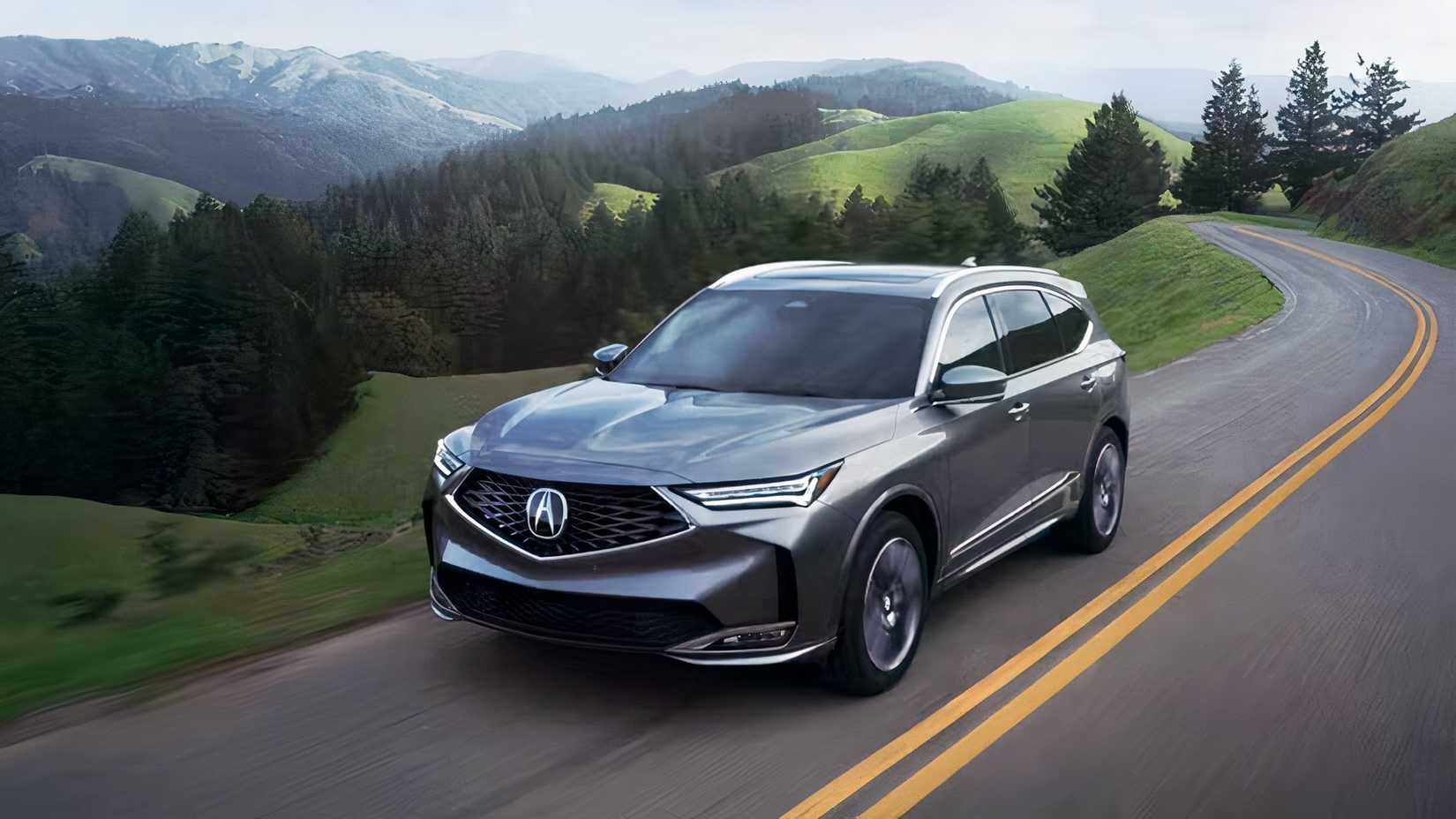
The modern MDX no longer feels like a near-luxury compromise trying to imitate German competitors. Acura has evolved the MDX into a genuinely premium product with a distinct personality centered around comfort, usability, and intelligent engineering. At the core of the standard model is a naturally aspirated 3.5-liter V6 producing 290 horsepower and 267 pound-feet of torque. It is paired with a responsive 10-speed automatic transmission. While the horsepower figure trails the turbocharged BMW X5, the MDX compensates with exceptionally linear power delivery and smooth responsiveness. That naturally aspirated setup is increasingly rare in the luxury market.
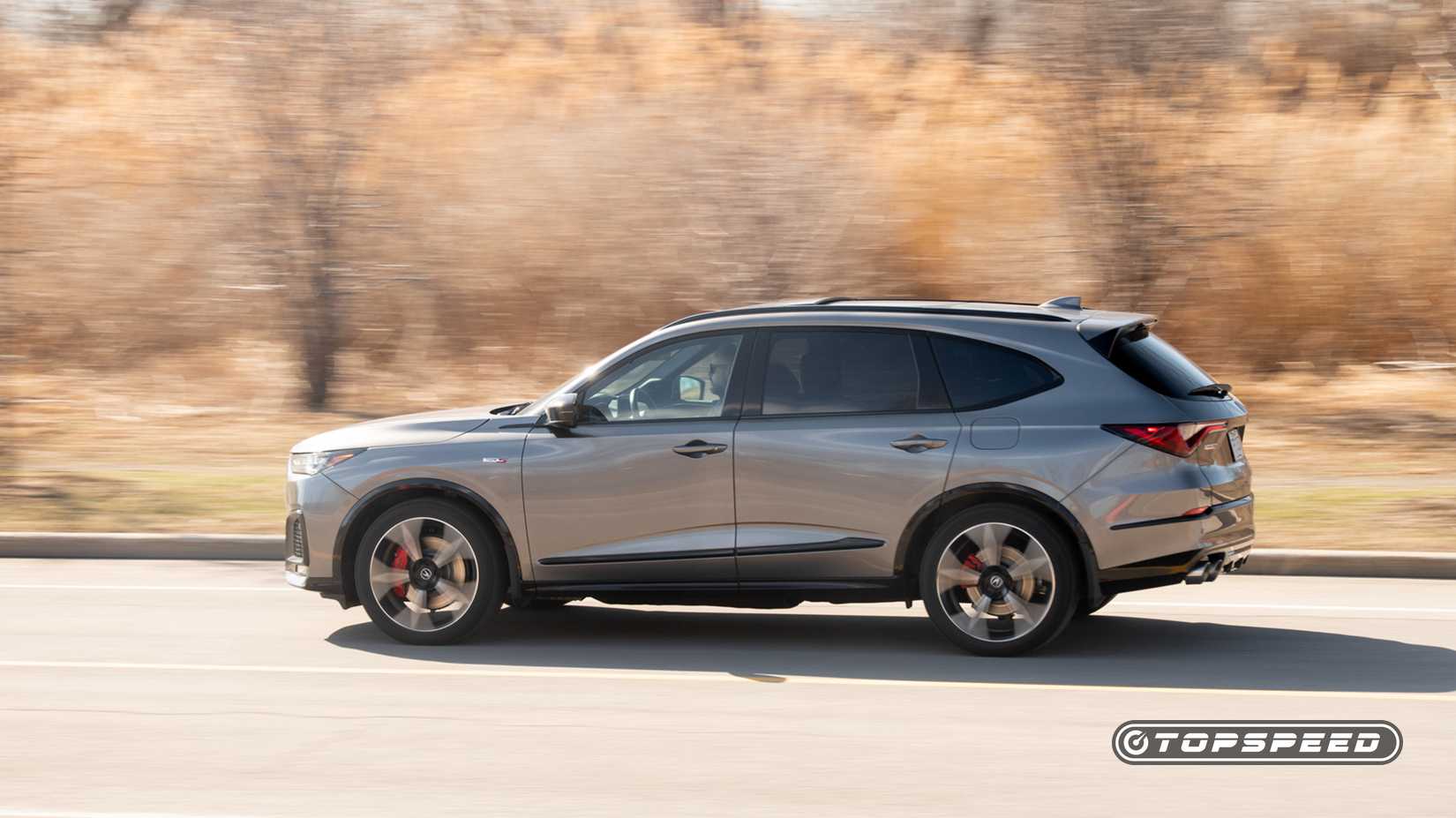
Many competitors rely heavily on turbocharged four-cylinder engines in their base trims, often prioritizing efficiency targets over refinement. Acura’s V6 feels relaxed, predictable, and smooth in everyday driving situations. Throttle response remains immediate without waiting for turbo boost, and the engine delivers power progressively across the rev range. The 2026 Acura MDX Type S raises the performance ceiling significantly further. Its turbocharged 3.0-liter V6 generates 355 horsepower and 354 pound-feet of torque while introducing adaptive air suspension, Brembo brakes, and a more aggressive chassis setup. But the real strength of the MDX is not outright speed. It is the way the vehicle delivers luxury without creating unnecessary ownership anxiety.
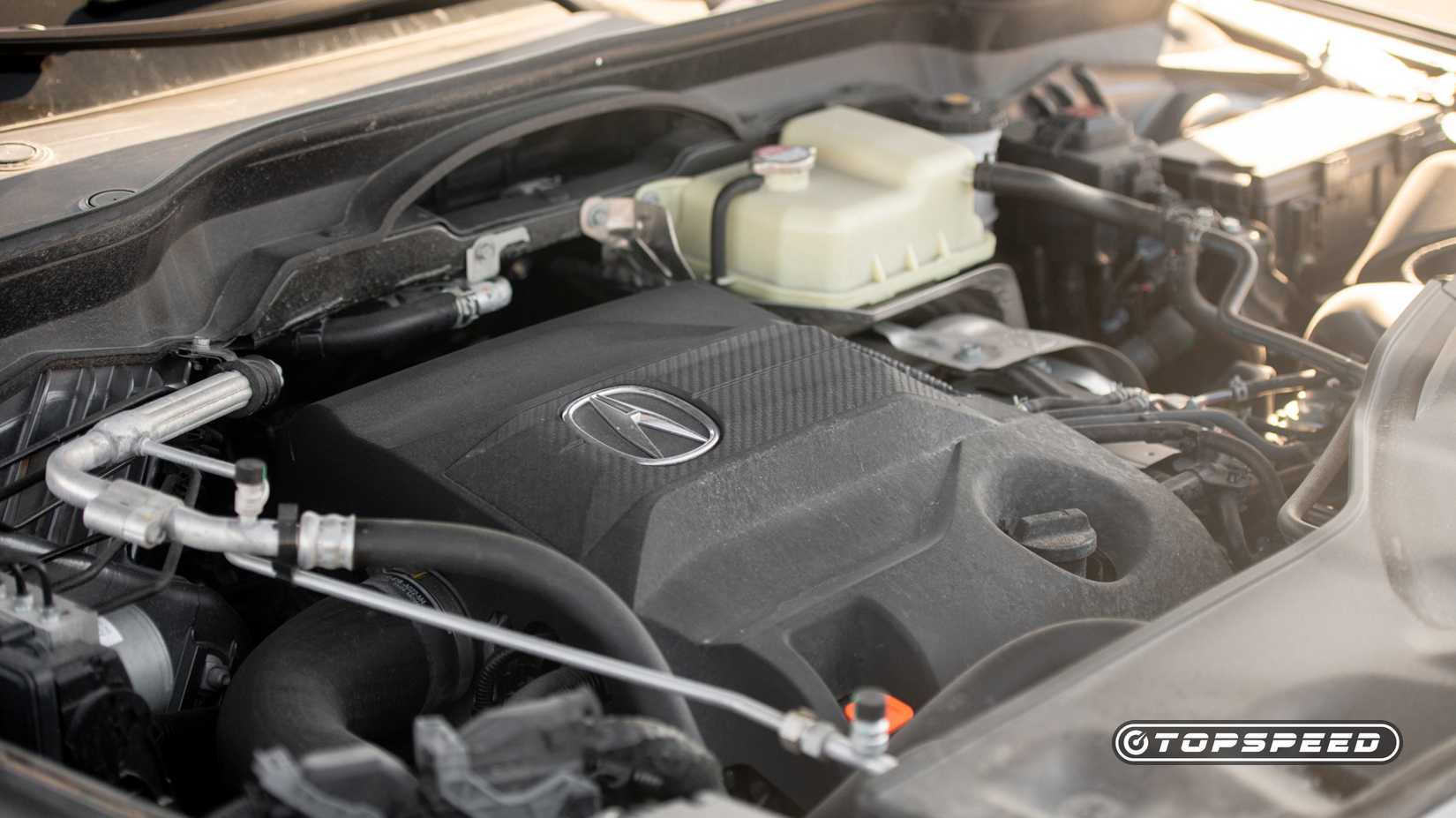
Acura benefits from Honda’s conservative engineering philosophy. The MDX prioritizes long-term durability, sensible engineering, and mechanical simplicity relative to many European rivals. Owners often experience lower repair frequency and reduced maintenance costs over extended ownership periods compared to similarly equipped German SUVs. That difference becomes substantial after several years. For most buyers, a luxury SUV is not merely a purchase; it is a long-term financial commitment. The MDX quietly appeals to buyers who want premium comfort without accepting that expensive repairs and complicated maintenance schedules are simply part of luxury ownership.
Acura also deserves credit for cabin refinement. The MDX features double-wishbone front suspension architecture, a setup typically associated with more performance-oriented vehicles. This allows Acura to deliver a ride that feels composed and sophisticated while maintaining precise steering response. Road noise suppression is particularly impressive on higher trims thanks to acoustic glass, improved chassis rigidity, and active noise cancellation technology. The result is a luxury SUV that feels genuinely upscale rather than merely “good for the price.”
These Are The First 10 Production Cars In History With Factory Turbochargers
We may love a good turbo today, but they had to start somewhere – here are the first 10 production cars to boast a turbocharged engine under the hood.
A Three-Row Cabin That Feels Built For Real Families
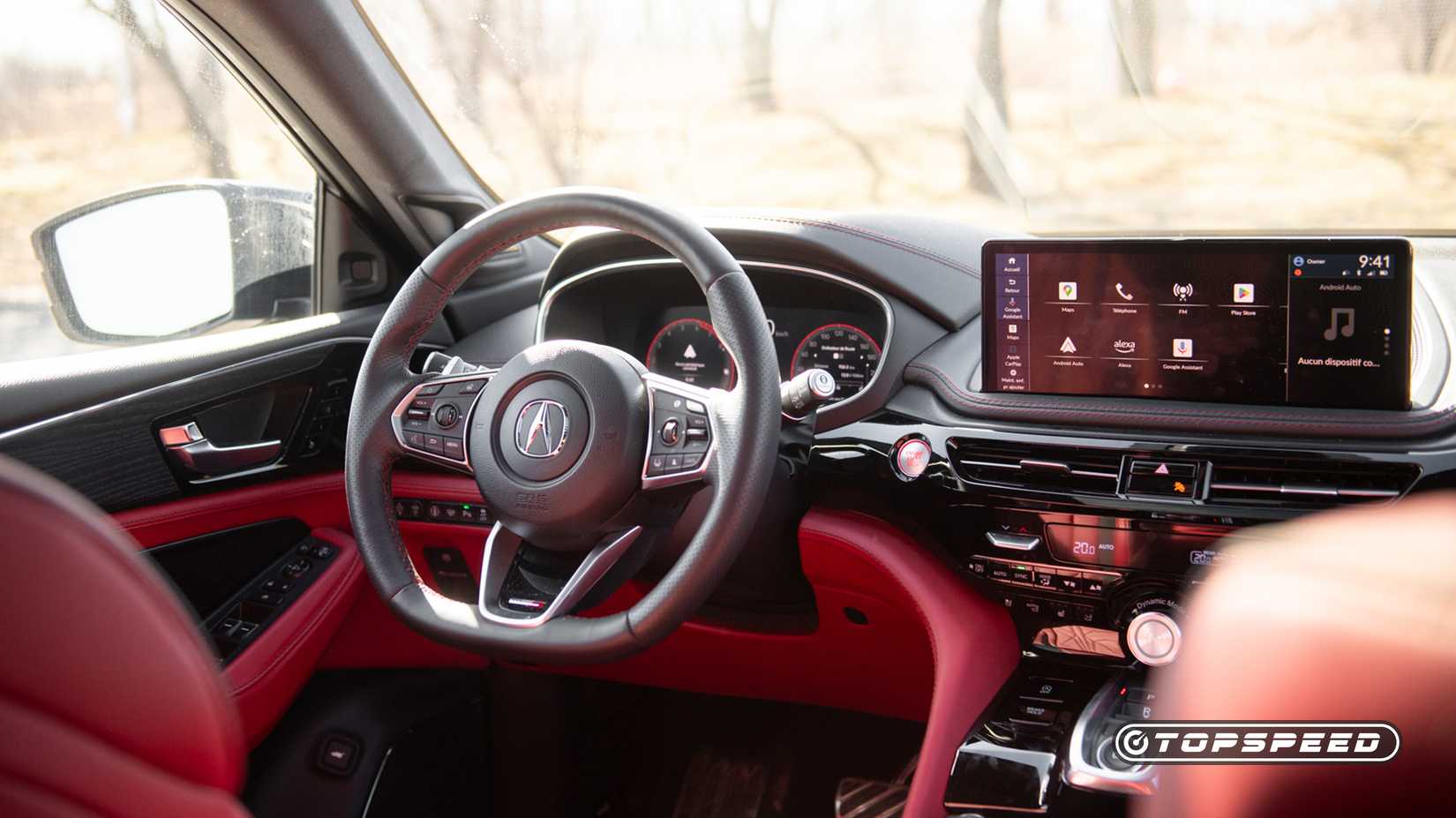
One of the most important distinctions between the MDX and the X5 is practicality. The BMW X5 technically prioritizes two-row luxury SUV dynamics, although an optional third row is available in limited form. The Acura MDX, by contrast, was designed from the outset as a three-row family SUV. That difference dramatically impacts interior usability. The MDX offers seating for up to seven occupants and features one of the most intelligently packaged interiors in the segment. Acura’s removable second-row center seat creates multiple seating configurations, allowing owners to prioritize passenger space, cargo flexibility, or easier third-row access depending on daily needs. This flexibility matters for real-world families.
Parents transporting children, sports equipment, luggage, or road-trip cargo often discover that luxury SUVs emphasizing sleek styling and sporty proportions sacrifice interior practicality. Acura clearly engineered the MDX around actual family usage rather than purely showroom appeal. Cargo space further highlights the advantage. The MDX offers approximately 18.1 cubic feet behind the third row, expanding to over 71 cubic feet with rear seats folded. The low cargo floor and wide opening improve usability for strollers, luggage, and larger items.
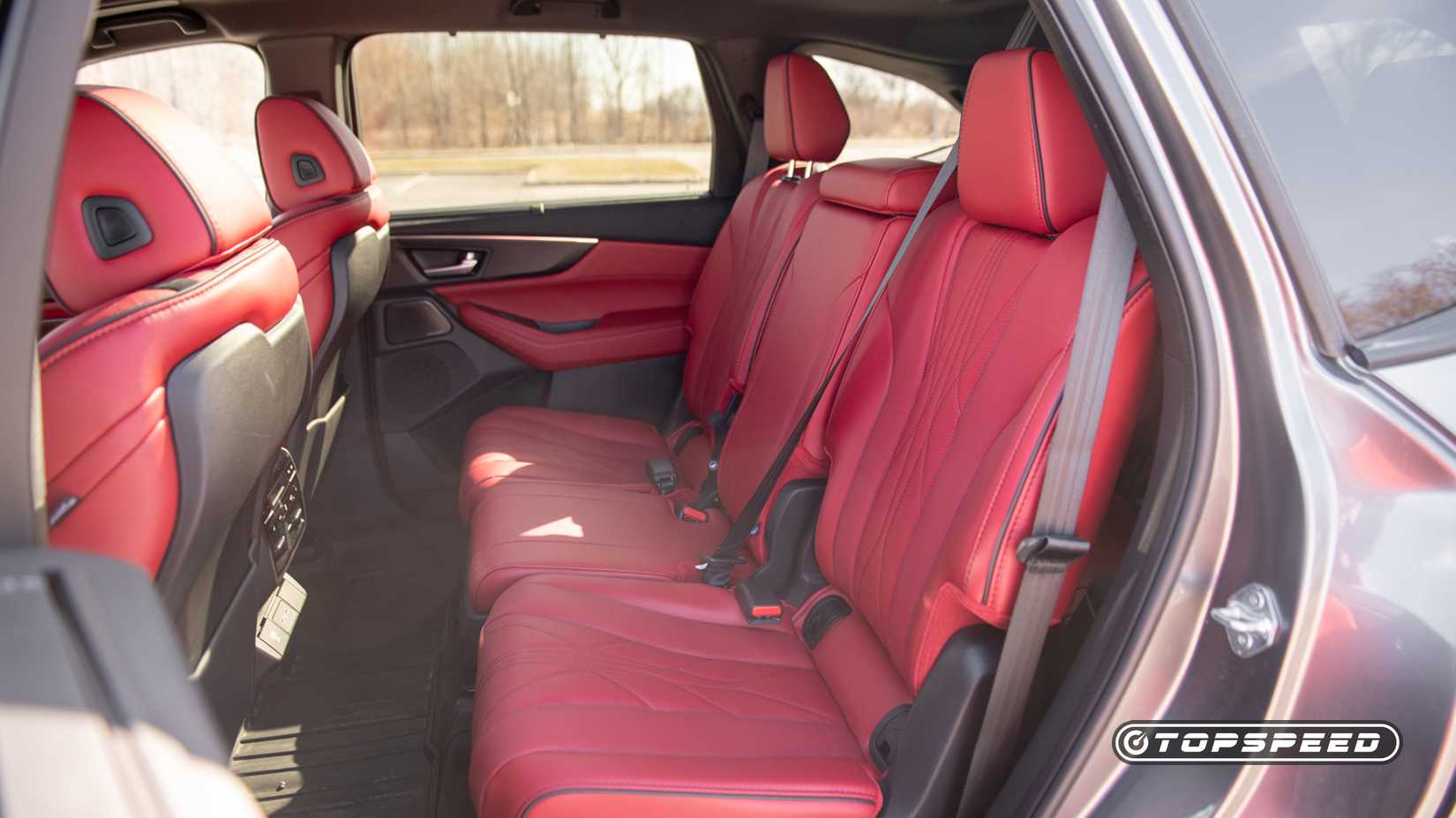
Interior quality has also improved dramatically in recent generations. Higher MDX trims feature open-pore wood, Milano leather upholstery, contrast stitching, ambient lighting, and high-quality metal switchgear that finally give Acura an authentically premium atmosphere. The cabin design feels clean, upscale, and ergonomic without overwhelming users with excessive touch-sensitive controls. Acura’s 12.3-inch digital instrument cluster and 12.3-inch infotainment display provide modern technology integration, while wireless Apple CarPlay and Android Auto come standard. The ELS Studio 3D premium audio system is another standout feature. Developed with Grammy-winning producer Elliot Scheiner, the system delivers exceptional clarity and spatial sound reproduction that rivals far more expensive luxury SUVs.
Importantly, the MDX also maintains Acura’s longstanding reputation for ergonomic simplicity. Climate controls remain intuitive. Physical buttons still exist where they matter. Seating positions feel natural. Visibility remains excellent. These are details that become increasingly valuable during daily ownership but are often overshadowed during short dealership comparisons.
These Are The First 10 Production Cars In History With Factory Turbochargers
We may love a good turbo today, but they had to start somewhere – here are the first 10 production cars to boast a turbocharged engine under the hood.
Why Acura’s Proven V6 And SH-AWD System Make Daily Driving Surprisingly Rewarding
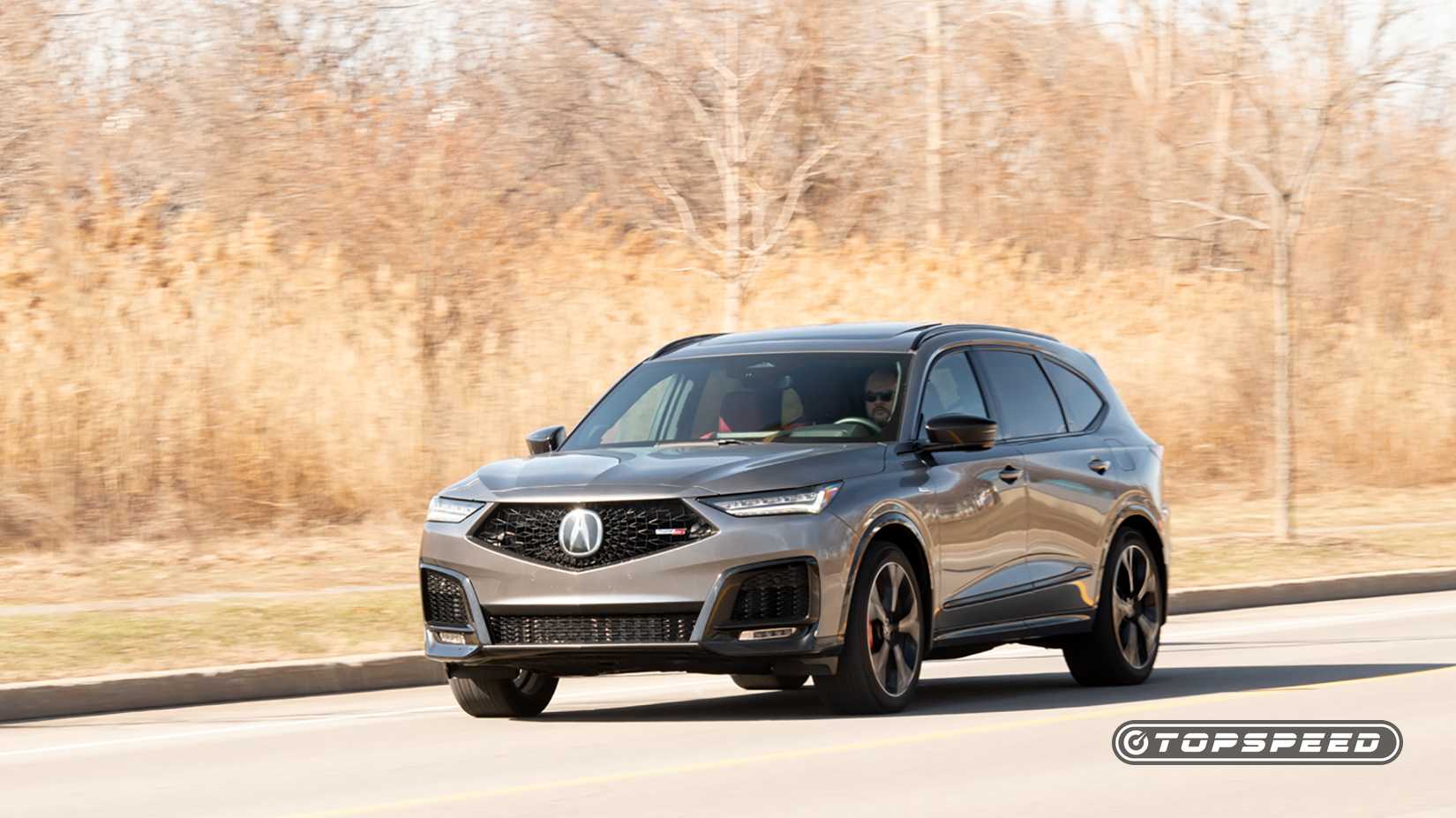
Luxury SUVs today frequently chase performance numbers at the expense of driving feel. Massive wheels, stiff suspensions, turbocharged engines, and increasingly artificial steering systems can create vehicles that impress during aggressive driving but feel tiring during everyday commuting. The MDX approaches the segment differently. Acura’s Super Handling All-Wheel Drive system, commonly known as SH-AWD, remains one of the brand’s defining technologies. Unlike conventional all-wheel-drive systems that primarily react to wheel slip, SH-AWD actively distributes torque between the rear wheels to improve cornering stability and agility. The system can send up to 70 percent of engine torque to the rear axle and distribute 100 percent of that rear torque to either wheel when necessary. That capability significantly changes how the MDX behaves on the road.
Instead of feeling nose-heavy or reluctant during cornering, the MDX rotates predictably and maintains composure through sweeping turns. Steering feels accurate and confidence-inspiring, particularly for a three-row SUV weighing over 4,300 pounds. The double-wishbone front suspension again plays a critical role here. By improving wheel control during aggressive cornering and reducing unwanted steering inputs over bumps, the MDX achieves a balance between comfort and athleticism that many larger SUVs struggle to replicate. The naturally aspirated V6 also complements this character perfectly.
Where many turbocharged competitors deliver explosive low-end torque followed by abrupt power tapering, the MDX’s V6 encourages smooth, progressive acceleration. It feels refined rather than aggressive, which suits the vehicle’s luxury-family mission exceptionally well.
Fuel economy remains respectable too. Front-wheel-drive MDX models achieve EPA estimates around 19 mpg city and 26 mpg highway, while SH-AWD versions return approximately 19 mpg city and 25 mpg highway. Those figures remain competitive considering the vehicle’s size, standard V6 powertrain, and three-row capability.
The MDX Type S deserves separate mention because it demonstrates Acura’s growing confidence in blending performance and luxury. Adaptive dampers, air suspension, wider tires, and increased power give the Type S noticeably sharper dynamics while retaining impressive ride comfort. It may not outperform dedicated German performance SUVs on a racetrack, but that is largely irrelevant for most buyers. In everyday conditions, the Type S feels fast, composed, and engaging without becoming punishing or overly stiff.
The Luxury SUV Value Advantage Most BMW X5 Shoppers Never Realize Exists
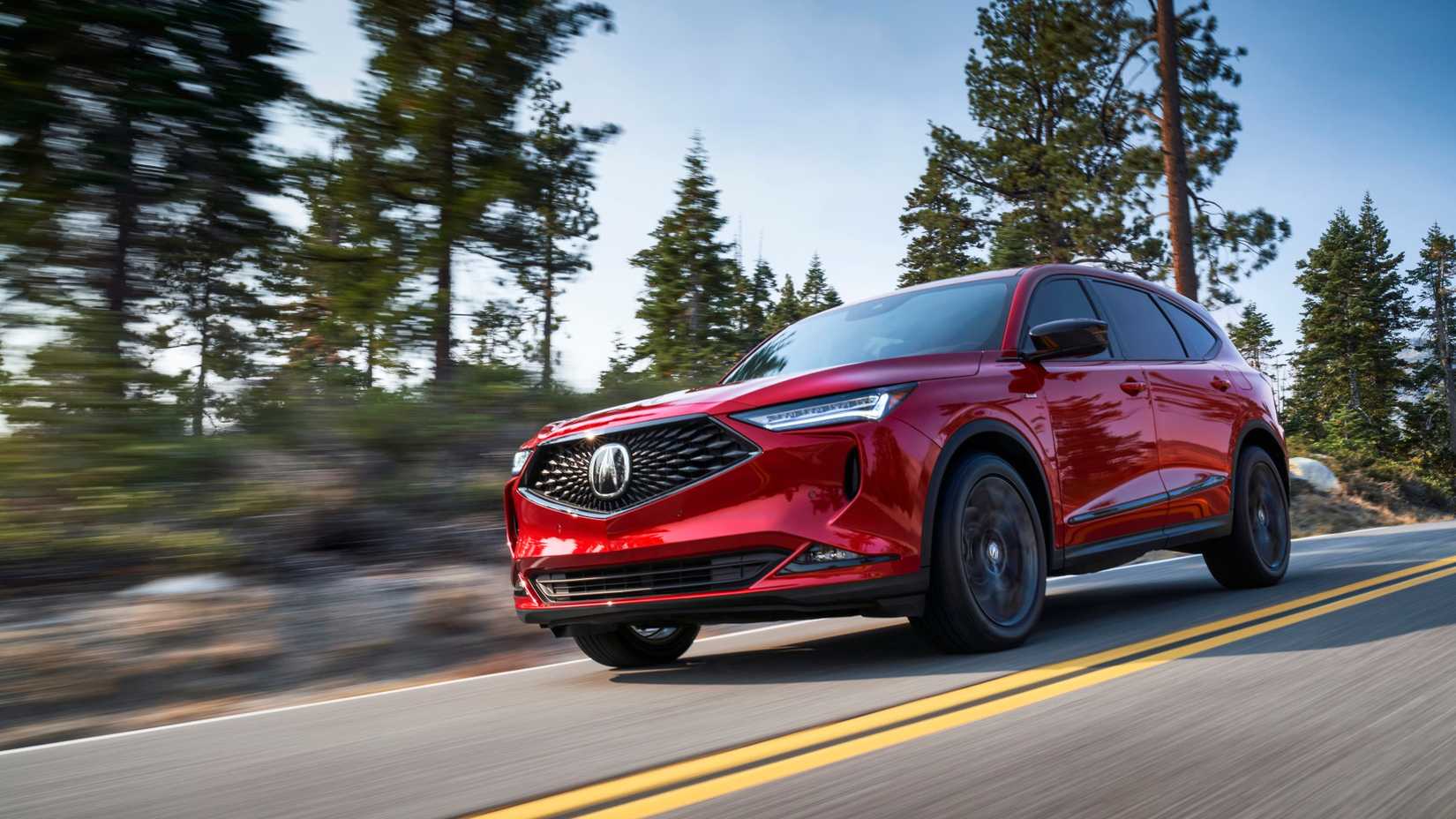
Perhaps the strongest argument for the MDX is value, not merely purchase price, but overall ownership value. A well-equipped MDX Advance with SH-AWD typically costs substantially less than a comparably equipped X5. Yet many buyers would struggle to identify major functional compromises during normal daily use. The MDX includes extensive standard equipment such as panoramic sunroof availability, premium audio systems, advanced driver assistance technology, leather upholstery, wireless smartphone integration, and multiple drive modes. AcuraWatch safety technology also comes standard, including adaptive cruise control, lane-keeping assist, traffic jam assist, blind-spot monitoring, and collision mitigation braking.
Beyond equipment levels, depreciation and maintenance costs further strengthen Acura’s position. Historically, Acura vehicles maintain strong long-term reliability ratings while avoiding many of the expensive post-warranty repairs associated with European luxury vehicles. Routine servicing tends to be less expensive, parts availability is typically better, and independent repair familiarity remains widespread due to Honda’s engineering commonality. Insurance costs can also favor Acura over German competitors. For buyers planning to keep a luxury SUV beyond lease periods, these factors accumulate into thousands of dollars saved over several years.
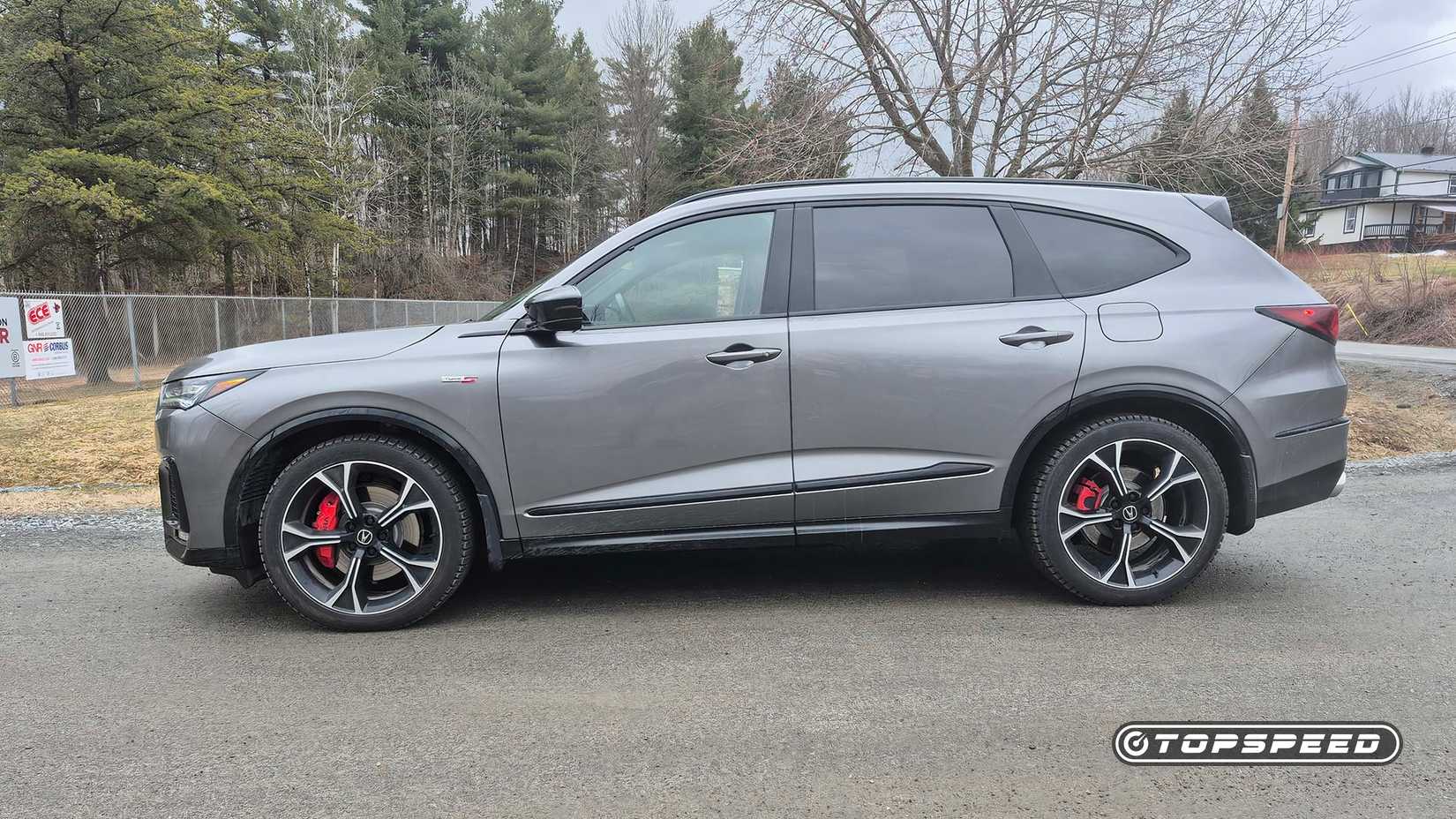
That reality increasingly matters in today’s market. Luxury buyers are becoming more pragmatic. Many consumers still want refinement, technology, and premium design, but they no longer automatically accept high repair bills as the unavoidable cost of driving something upscale. The MDX speaks directly to that changing mindset. It delivers luxury through intelligent engineering rather than sheer badge prestige. It prioritizes comfort without becoming soft, technology without becoming frustrating, and performance without sacrificing reliability. Most importantly, it satisfies the needs luxury SUV buyers actually live with every day: commuting comfort, family practicality, quiet refinement, confidence in bad weather, and reduced ownership stress. That is precisely why the Acura MDX remains one of the most underrated alternatives in the luxury SUV market, and why more BMW X5 shoppers should probably test drive one before making assumptions based purely on the badge.
Sources: Acura U.S. & MotorTrend