
Automotive luxury has long been perceived to have stemmed from three main cities – Stuttgart, Munich and Ingolstadt. The Germans have done remarkably well to make their car brands synonymous with opulence, and for time immemorial, Mercedes-Benz, BMW, and Audi have gained from an aspirational tag, a halo of sorts. But time waits for no one, and in today’s era of fast-paced technological and material-based advancements, motorized splendor is getting democratized quicker than you can say ‘Guten Tag’.
It isn’t as if the German troika of Mercedes, BMW, and Audi is facing an existential crisis. Far from it. In the US in particular, the luxury and exotic car segments are expected to grow by leaps and bounds, and these brands are entrenched deep enough to benefit. But there is intense competition coming from more ‘regular’ car brands, some of whom have offerings that hold massive potential to take luxury mainstream. The Chinese are redefining extravagance, the Koreans are fitting in more features than ever, and then there are the Japanese brands that are building on their insurmountable reputation of reliability. Toyota, in particular, is eagerly eyeing a bite of the luxury pie while letting Lexus, its sub-brand, do most of the munching. The strategy? More for less and balance before bounty.
Piggybacking On Tech In The Name Of Luxury
Luxury car brands from Germany have a problem at hand. And it’s called reliability. With more and more tech-based features being crammed in for the sake of luxury, instances of faults and malfunctions have also climbed. According to the 2026 JD Power US ‘Vehicle Dependability Study’, Lexus ranks highest for vehicle dependability among brands across all segments. BMW is far lower at the 11th spot, while Mercedes-Benz is ranked 23rd and Audi even lower at 24th.The report makes note of vehicular problems after a three-year ownership period across nine study categories. It observes that while overall dependability has fallen compared to previous years, the premium car segment is reporting more problems in seven of the nine study categories compared to the mass-market segment. This is most notable in features/controls/displays (FCD) and driving experience.
In a day and age when luxury cars are running more lines of code than gigacomputers from just a few decades back, how many of the features offered are actually relevant, actually used, and actually easy on the pocket to fix in case an error occurs? A 2025 Consumer Reports study highlighted how a Land Rover ($19,640) is the most expensive to maintain over a 10-year ownership period, followed by German brands like Porsche ($17,900), Mercedes-Benz ($12,630), Audi ($11,350), and BMW ($11,000).
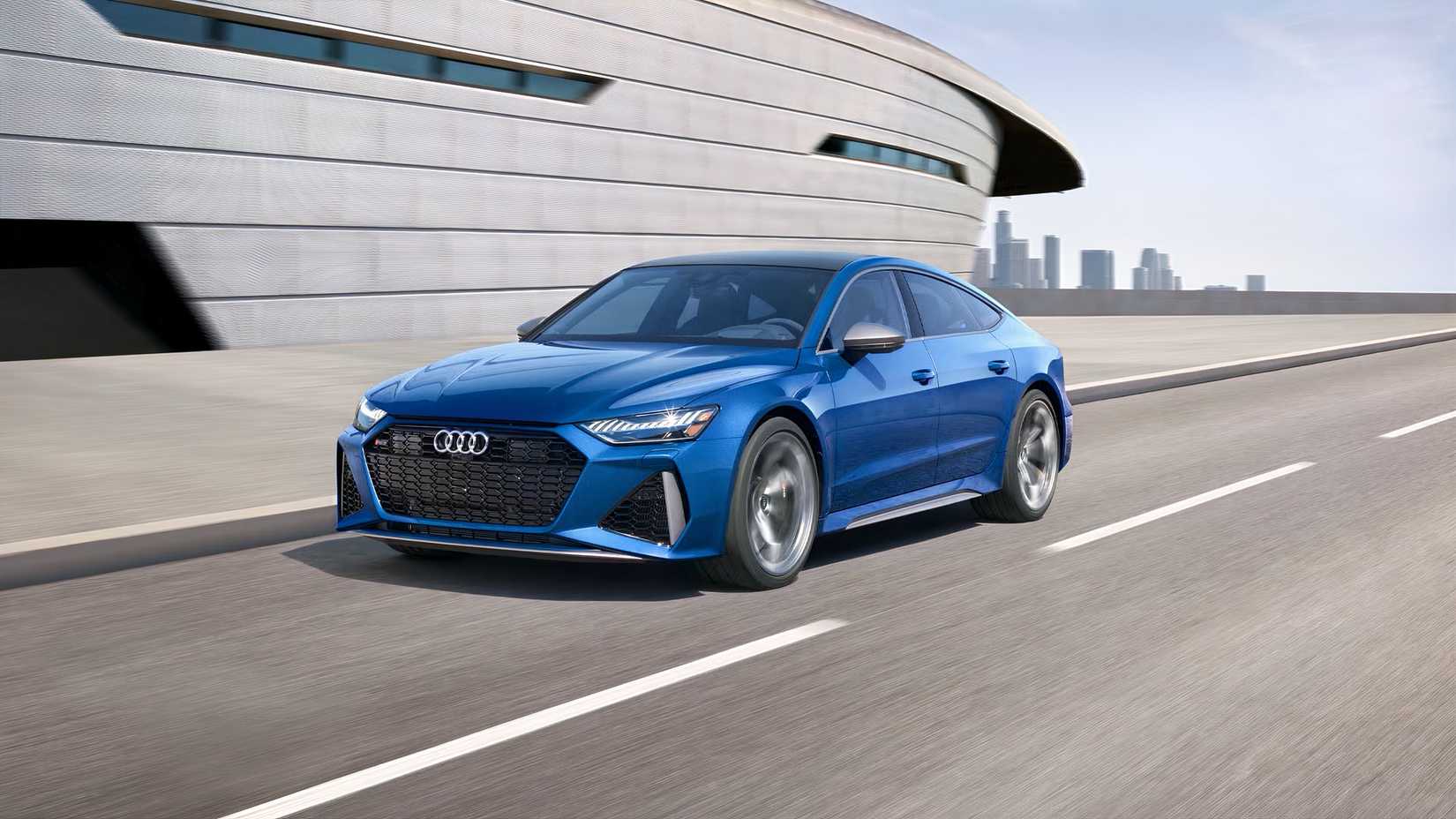
The majority of the blame is put on replacing mechanical parts as well as on fixing software glitches. Is that hyperscreen on the dashboard, or the 50-way massage function, worth the big bucks needed to fix when something goes wrong? Here’s where Toyota’s balance before bounty strategy is coming into play big time.
Toyota Crown In Command Position
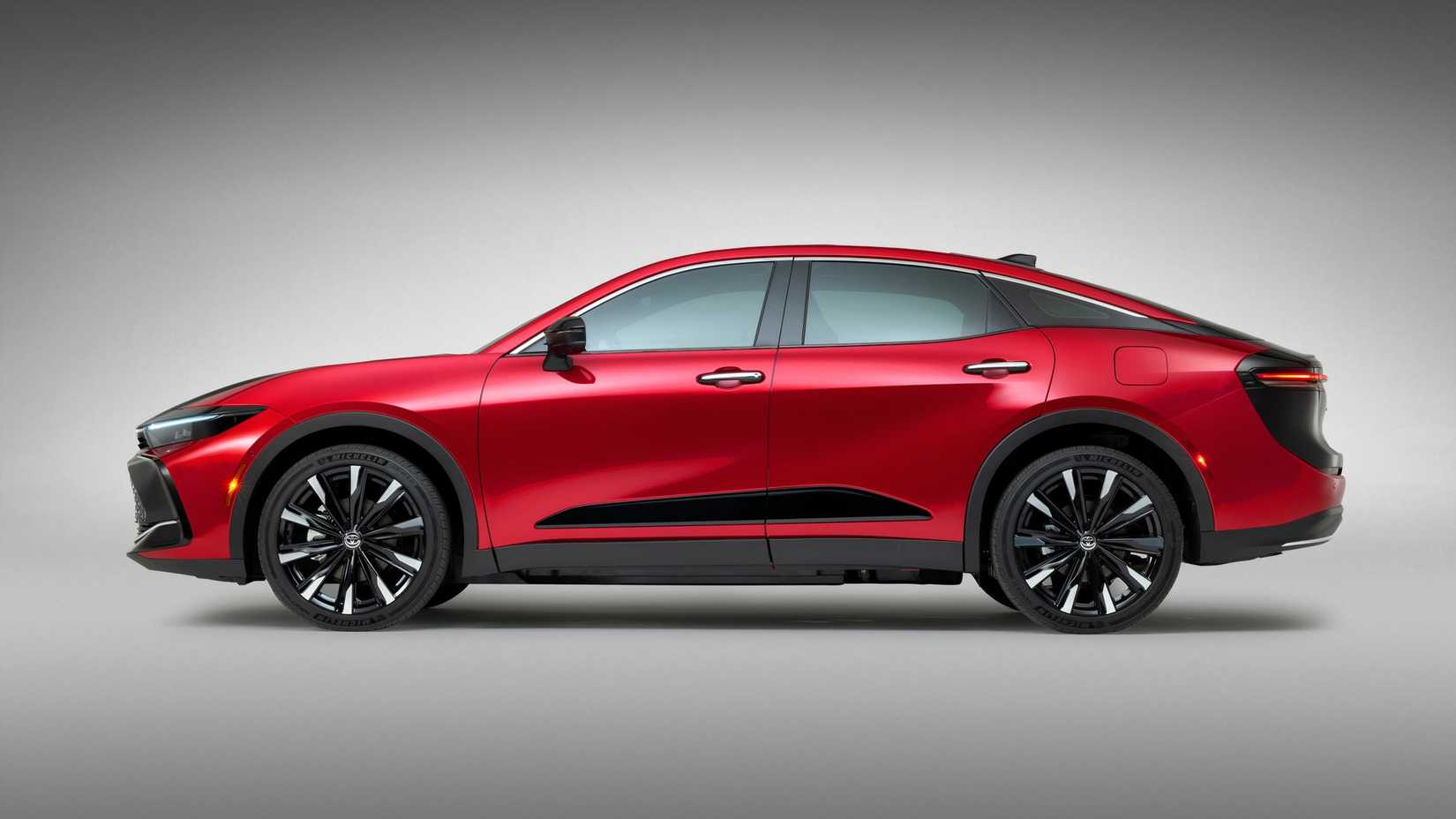
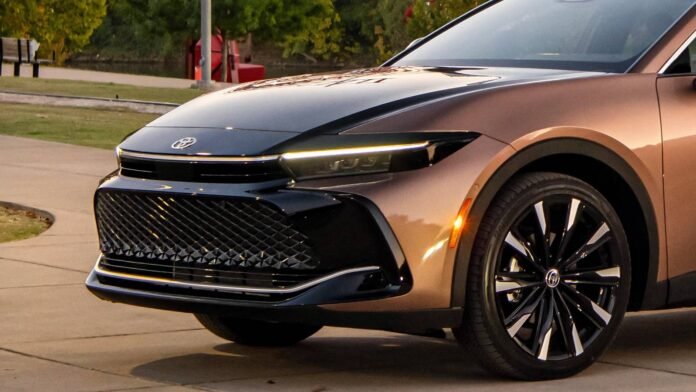
The Toyota Crown marked its return to American shores in a premium, full-size sedan avatar in 2023, after a gap of nearly 50 years. It replaced the fairly popular Toyota Avalon. The goal wasn’t exactly to charge down against traditional luxury brands but to give a generous insight into how premium appeal isn’t the exclusive bastion of a select few expensive offerings. The Crown isn’t opulent and doesn’t exactly pamper occupants in first-class comfort. Fundamentally, what the Crown does is offer all that any other Toyota always has, and adds sensible luxury features to the resume at price points that threaten entry-level models like the Audi A4, BMW 3 Series, and Mercedes-Benz C-Class.
Toyota Crown vs Lexus ES300h vs Audi A4 vs BMW 3 Series vs Mercedes C-Class
|
2026 Crown |
2025 ES300h |
2025 A4 |
2025 3 Series |
2025 C-Class |
|
|
MSRP Range |
$41,440–$54,990 |
$43,540–$49,835 |
$44,000-$58,000 |
$46,000-$60,000 |
$49,000-$62,000 |
|
Powertrain |
2.5L I-4 or 2.4L turbo I-4 + 2 motors |
2.5-liter inline-4 + 2 motors |
2.0L turbocharged 4-cylinder |
2.0L turbo 4-Cyl or 3.0L turbo I-6 |
2.0L turbo 4-Cyl + mild hybrid |
|
Transmission |
CVT or 6-speed auto |
Continuously variable |
7-speed S tronic dual-clutch automatic (DCT) |
8-speed ZF torque-converter automatic |
9-speed (9G-TRONIC) torque-converter automatic |
|
Power |
236-340 hp |
215 hp |
201-261 hp |
255-382 hp |
255 hp |
|
Torque |
163-400 lb-ft |
163 lb-ft |
236-273 lb-ft |
295-369 lb-ft |
221-325 lb-ft |
|
Combined Efficiency |
30–41 MPG |
44 MPG |
27 MPG |
30 MPG |
29 MPG |
While coming in at lower price points than entry-level German luxury sedans, the Crown comes with an authentic hybrid unit that aids its fuel efficiency while also offering great drive dynamics. Even within the extended Toyota family, the Crown slots itself perfectly in the middle of its younger sibling, the Camry, and its flashier cousin, the ES.
The cabin of the Crown is substantially more premium than what’s inside the Camry, and while the ES may be more plush with its smoother ride and perfect sound insulation, the Crown offers more features as part of its standard list, and rear-seat space that’s at par. Here’s a sedan that promises to be the jack of all trades and proves to be a master of most as well.
The Toyota Hybrid That Makes Lexus Feel Harder To Justify
This refined hybrid sedan delivers luxury comfort and tech at a surprisingly accessible price point.
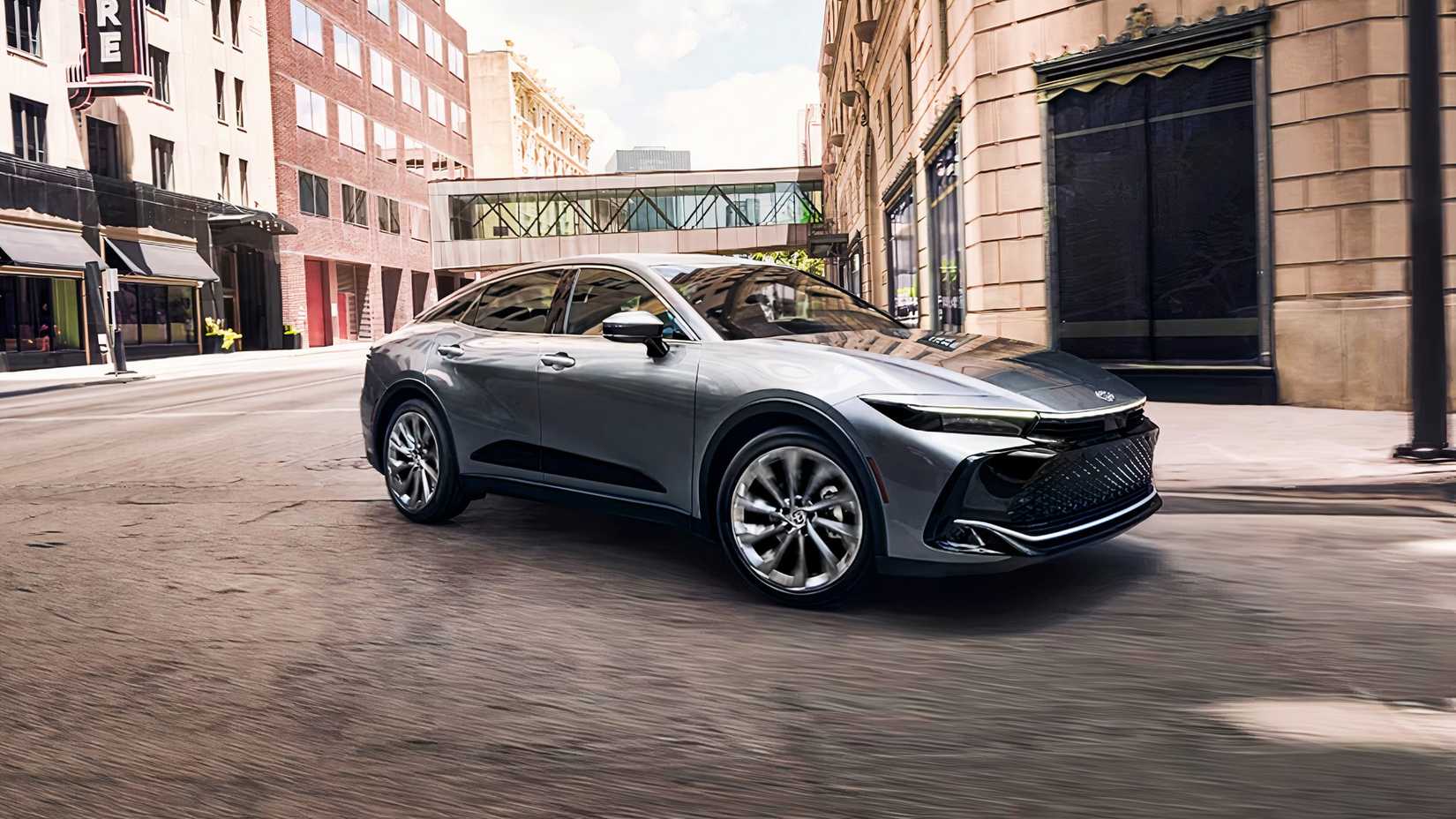
The Toyota Crown is offered in four trims — XLE, Limited, Nightshade, and Platinum. Even in its base trim, the Crown packs in quite a lot of features like heated and ventilated leather-trimmed front seats, heated rear seats, wireless Android Auto and Apple CarPlay, and wireless device charging. Many of these are only offered as part of costly premium packages on the A4, 3 Series, and the C-Class. Move up further through the trims of the Crown and the top-end Platinum showcases the best Toyota has to offer. At $54,990, it may seem like a lot to pay for a Toyota, but one look at what is offered for that asking price, and even German luxury models would begin to appear unjustifiably expensive.
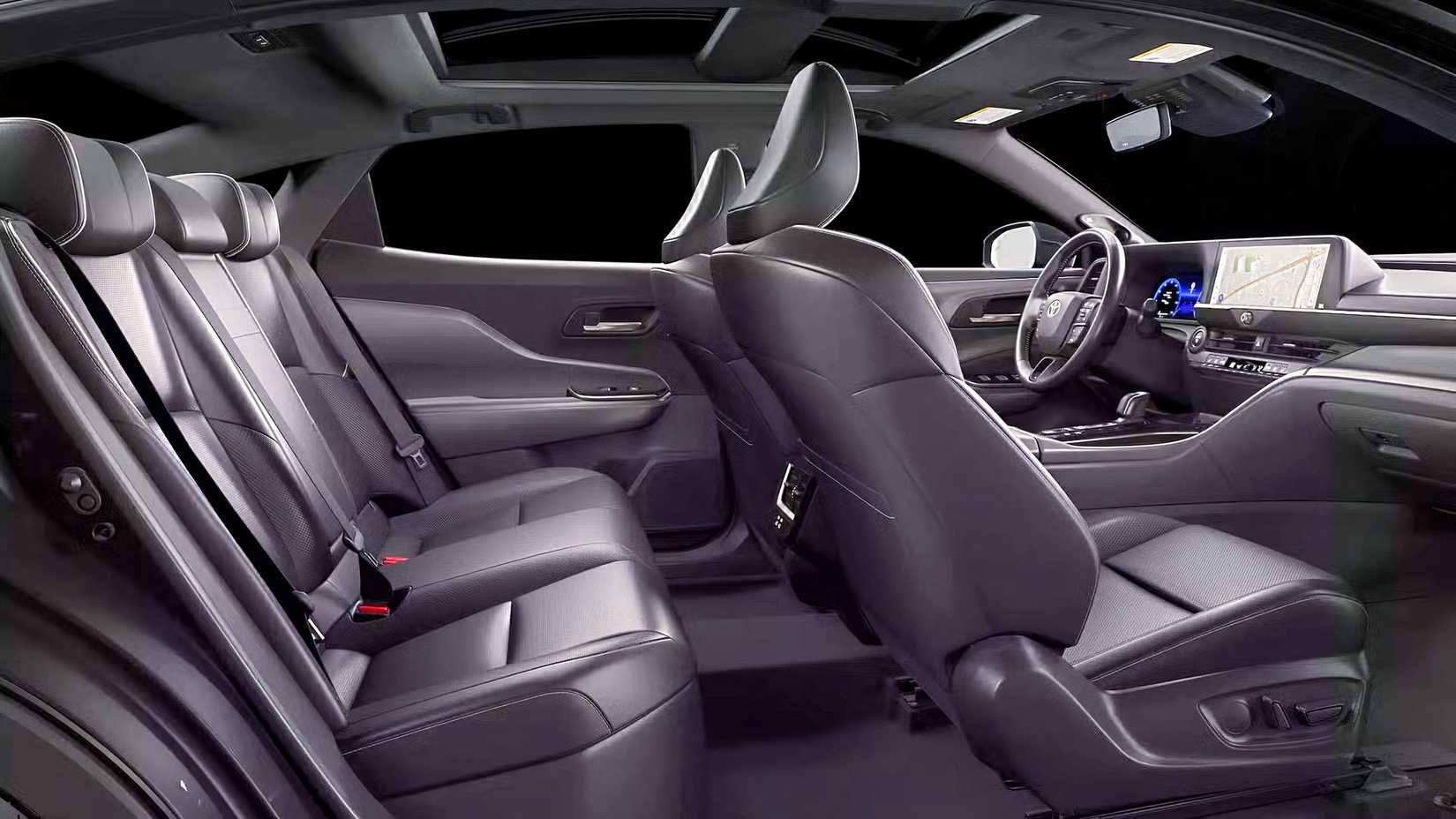
The top trim of the Toyota Crown has more power than the Lexus ES and IS, and can go head-on against the entry-level Audi, BMW, and Mercedes models mentioned above. It gets All-Wheel Drive (AWD), panoramic view monitor, dynamic rear steering, adaptive variable suspension, and configurable drive modes. The feature list also includes:
- 12.3-inch main touchscreen unit
- 12.3-inch digital driver display screen
- 10-inch color Head-up Display (HUD)
- 11-speaker JBL audio unit with subwoofer and amplifier
- Digital Key
- Eight-way power adjustable front seats
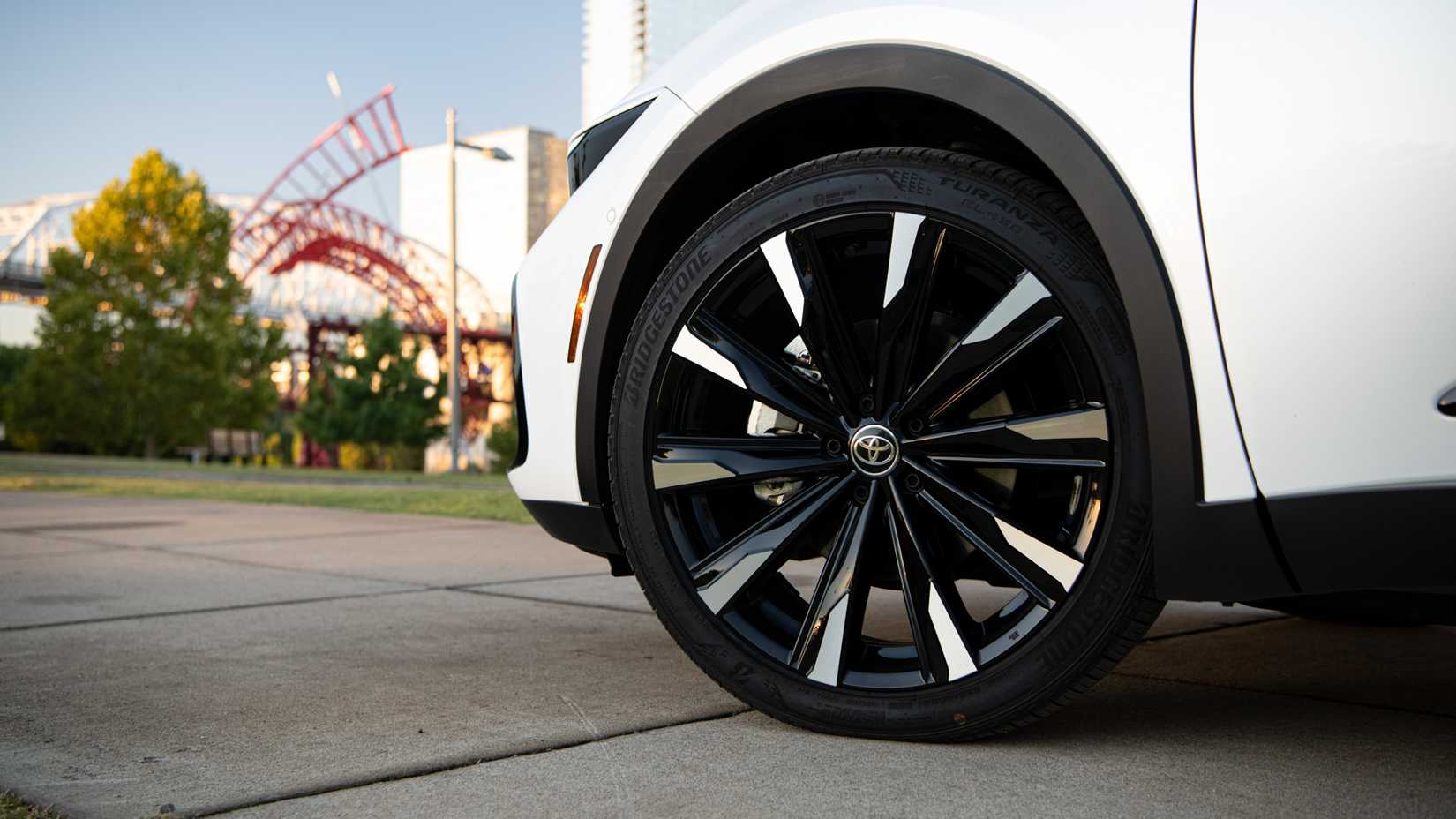
- 21-inch machine-finish alloys
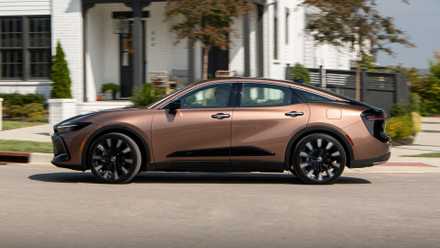
The Toyota Crown Fills The Gap We Didn’t Know Existed
You’ll be surprised by how truly versatile this Japanese hybrid sedan is in every regard.
Unmatched Value Of A Non-Glamourous Badge
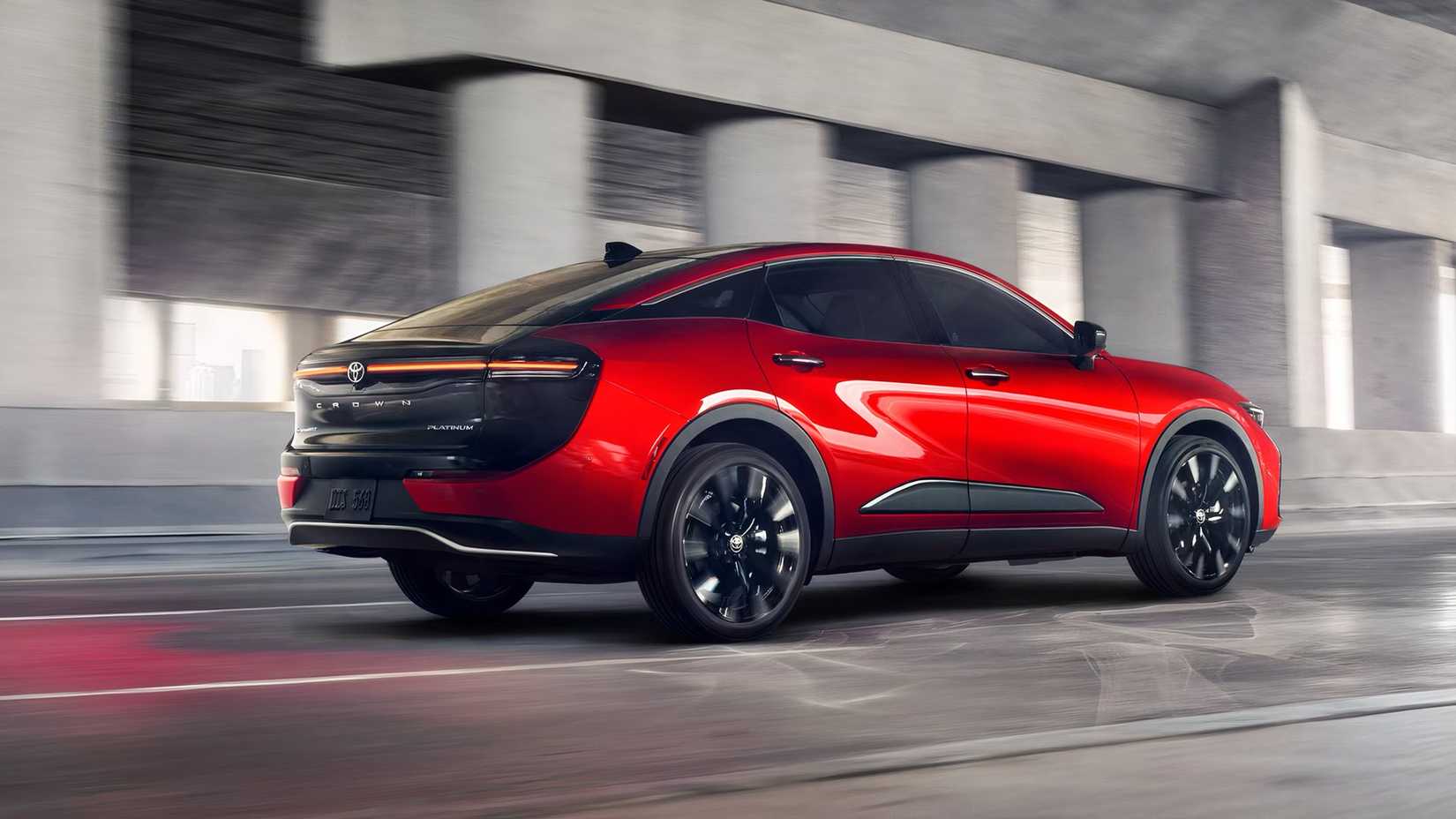
No one ever parked a Toyota next to an Audi, BMW, or Mercedes with hopes of evoking envy. The Crown, while lacking the luxury badge value, has enough overall value to both influence and impress potential luxury car buyers who are focused on long-term ownership experience. In its price range, the Crown is nearly impossible to beat as a practical choice that doesn’t compromise on luxury and drive dynamics.
Easy To Own, Easier To Maintain
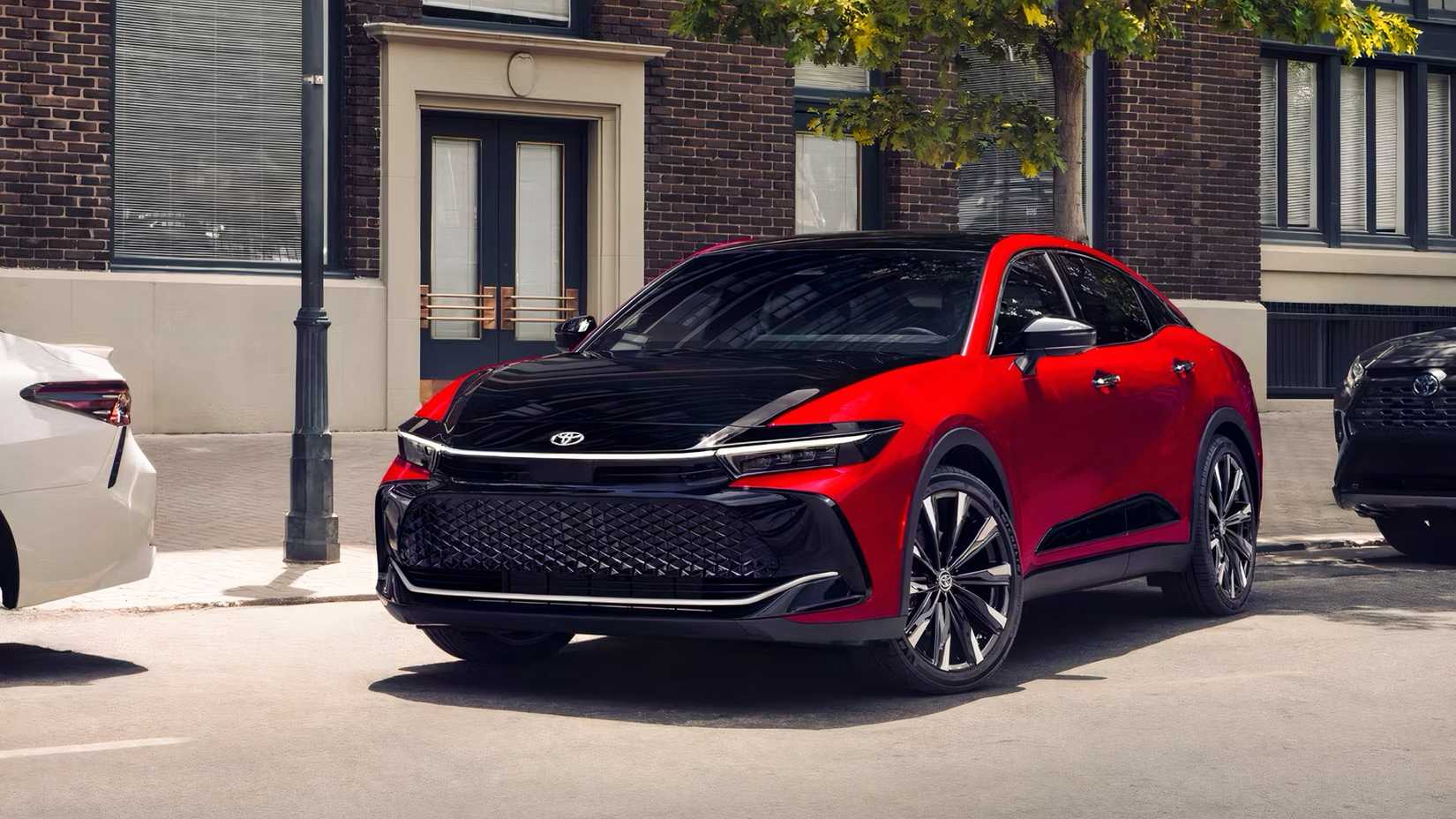
The Crown may be the most expensive Toyota sedan on the market, but it is an absolute value proposition. This is largely thanks to how Toyota has maintained its reputation for reliability and kept a solid grip on maintenance costs. As per CarEdge, the maintenance cost of the model over a five-year period is just $1,662, and it is $4,895 over a 10-year period. This is only a small fraction of what it would take to maintain an A4, 3 Series, or a C-Class, and slightly less than the ES, too.
Toyota Crown vs Lexus ES vs Audi A4 vs BMW 3 Series vs Mercedes C-Class: Maintenance Costs
|
Crown |
$4,895 |
|
ES |
$5,919 |
|
A4 |
$9,645 |
|
3 Series |
$14,345 |
|
C-Class |
$12,942 |
*CarEdge estimated maintenance costs over a 10-year period
Even in terms of reliability, the Crown takes the crown with JD Power giving the model an overall rating of 80/100 and an even more impressive 82/100 in the ‘Quality & Reliability’ category. And then there’s the obvious advantage of having an authentic hybrid system at work, which allows the Crown to offer a superb fuel efficiency of an EPA-estimated combined figure of 41 MPG on the naturally-aspirated models. The far peppier turbocharged Platinum model offers an EPA-estimated combined figure of 30 MPG, which, too, is quite fantastic considering the power at hand and taking into account that it can sprint from zero to 60 MPH in 5.7 seconds.
Delivering Against Depreciation
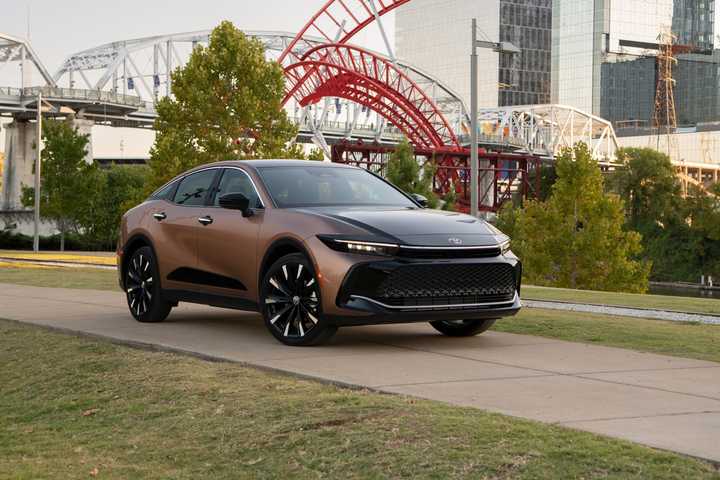
The Toyota Crown is still relatively new in the US market, and as such, there aren’t too many units available in the pre-owned segment. According to Kelley Blue Book estimates, the expected price of a 2024 model would be anywhere between $28,800 and $35,300 for the lower trims currently, while the Platinum models are likely to be priced anywhere between $37,000 and $40,000.
This Is The Crown(ing) Glory Of Toyota’s Luxury Ambitions
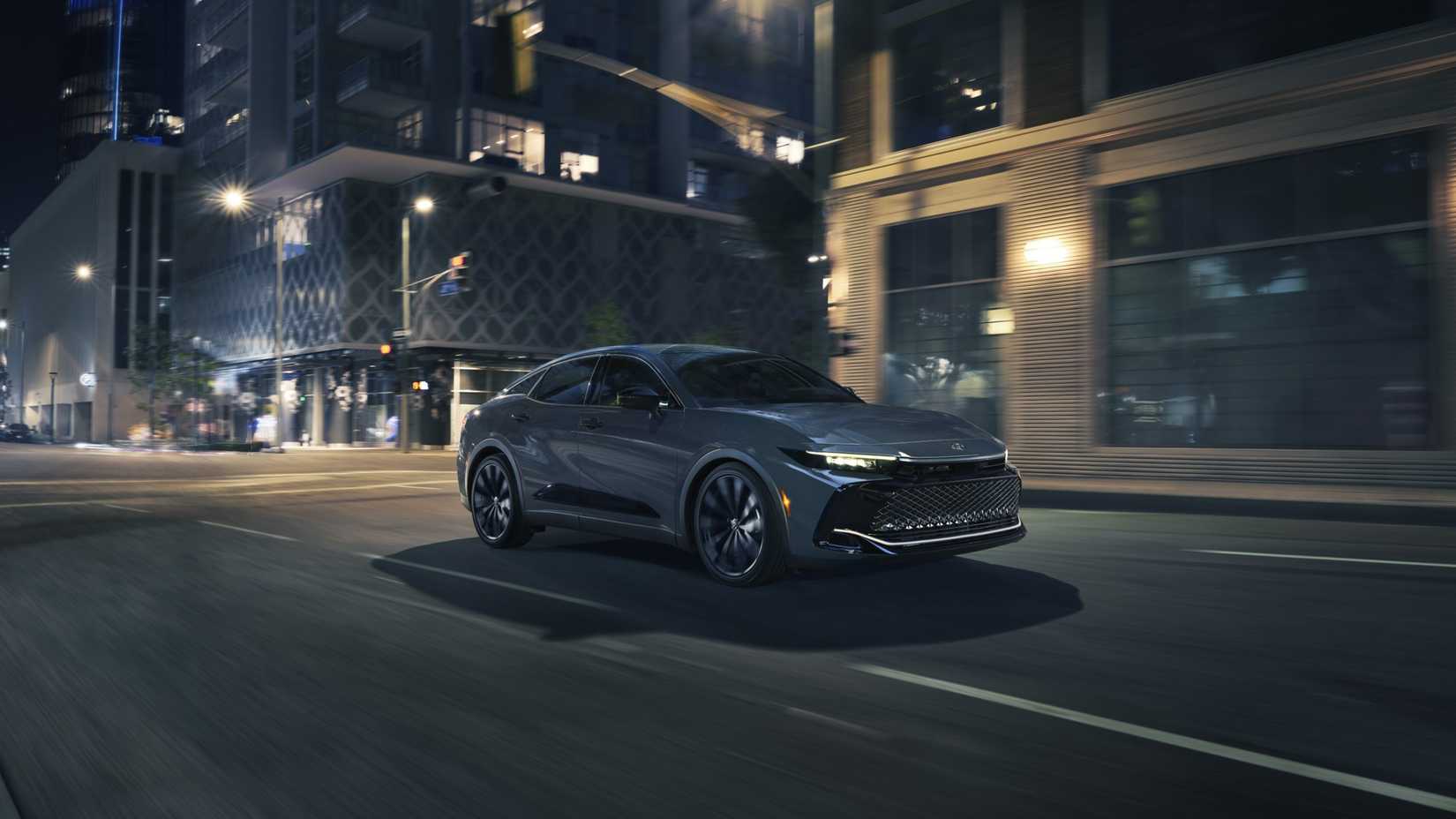
The Toyota Crown is a niche vehicle attempting to play a variety of roles. As such, it hasn’t exactly sold in big numbers that most other Toyota models usually do. The company sold 19,063 units in 2023, 19,648 units in 2024, and 12,309 units last year. This is significantly less than over 300,000 Camry units finding takers last year. But comparisons may not be fair.

- Base Trim Engine
-
2.5L Dynamic Force I4 Hybrid
- Base Trim Transmission
-
CVT
- Base Trim Drivetrain
-
All-Wheel Drive
- Base Trim Horsepower
-
184 HP @6000 RPM
- Base Trim Torque
-
163 lb.-ft. @ 3600 RPM
- Base Trim Fuel Economy (city/highway/combined)
-
42/41/41 MPG
- Base Trim Battery Type
-
Lead acid battery
- Make
-
Toyota
- Model
-
Crown
The Crown was always going to be a low-volume model from Toyota by design and was always going to face the uphill task of convincing luxury car buyers to look beyond the badge. The price overlap with entry-level luxury car models, on the face of it, doesn’t help, and it does have a rather polarizing exterior design too. But the Crown isn’t about initial impressions at all, but far more about deeper connections. It comes in as a refined sedan that offers a high degree of passenger-oriented luxury while adding high-end features as standard.
The top trim is exciting to drive, and hybrid technology makes the model offer fuel efficiency that the Germans just cannot come close to. With the basics done right and the extras assimilated well, the Toyota Crown does a fantastic job of making German luxury models appear pompous and, often, unnecessarily expensive. It is a purchase decision that stems from both the mind and the heart, rather than an impulse that is often at the core of traditional luxury car buys.