
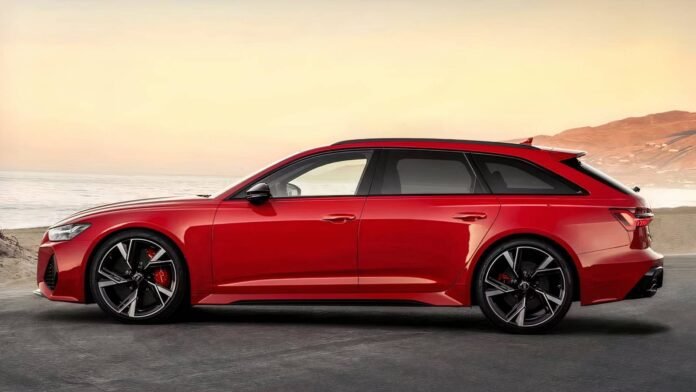
Now that SUVs are not just the hard-working, mud-hunting brutes that they used to be, there is little room in the market for other segments to get a good look-in. We have compact crossovers that have taken over from sedans; mid-sized SUVs that have taken over from station wagons; luxury SUVs that have taken over from luxury cars, and super SUVs that have taken over from supercars.
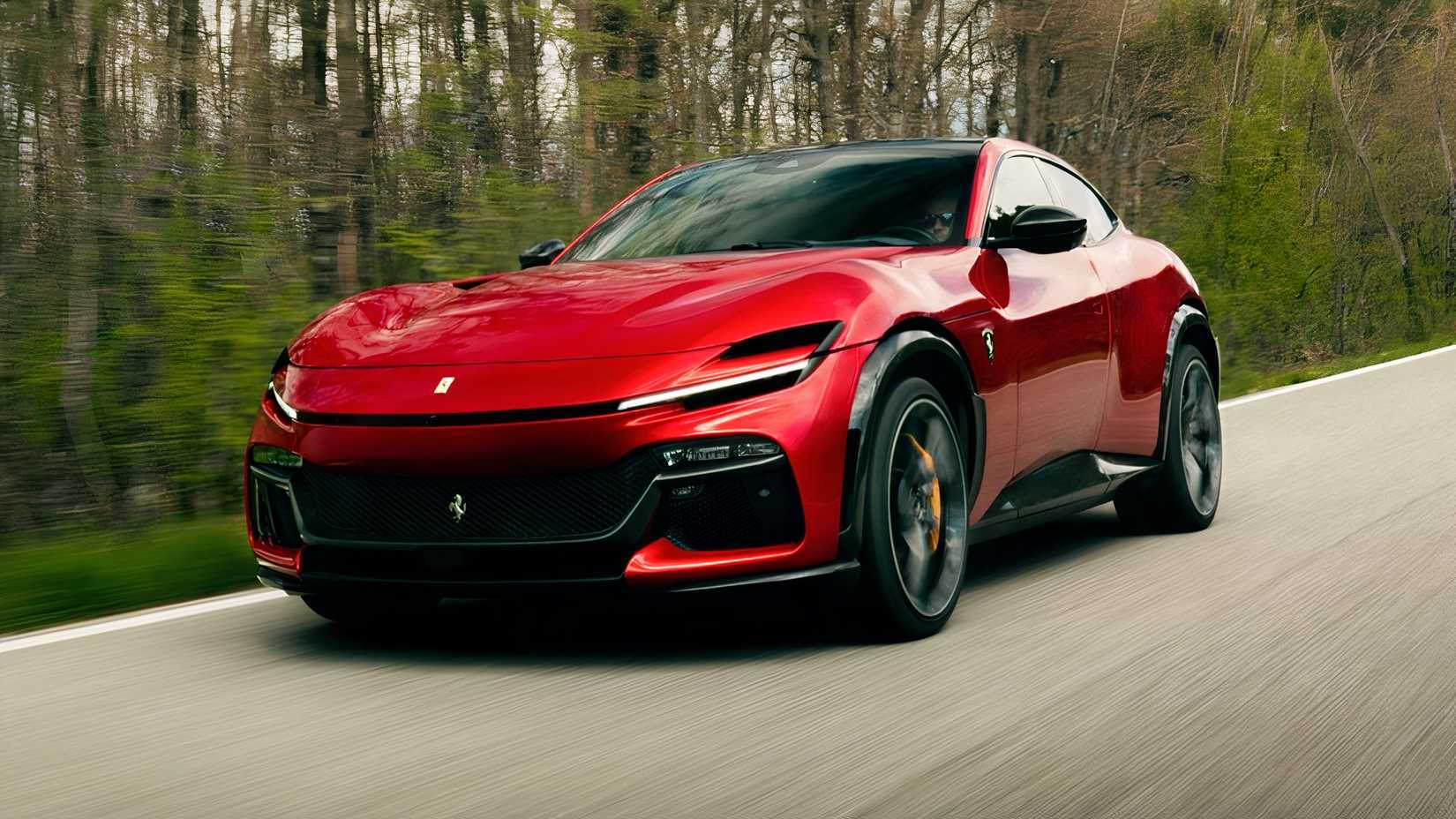
Ferrari is making them; so are Aston Martin, BMW, Audi, and Porsche – the sports SUV competition is hot. However, the now-overlooked luxury station wagon market is producing some exceptional models that will make you think twice about buying a Ferrari Purosangue or Aston Martin DBX.
The Rise Of The High-Performance Luxury SUV
The luxury SUV has evolved from a practical status symbol into the market’s Swiss Army Knife. It wasn’t long ago that if we wanted serious performance, we had to choose models like the BMW M5, Mercedes-AMG E63, or Porsche Panamera Turbo. Today, though, we can ignore the sedans and find an SUV that is just as capable and far more practical.
The new Porsche Cayenne Turbo GT is packed with a 650-horsepower 4.0-liter twin-turbo V8 and can hit 60 mph in as little as 3.1 seconds, while still carrying 52.5 cubic feet of luggage. The plug-in powertrain in the BMW XM Label pushes out 738 horsepower combined, while the new Lamborghini Urus SE gets a twin-turbo V8 mated with a hybrid system good for 789 horsepower.
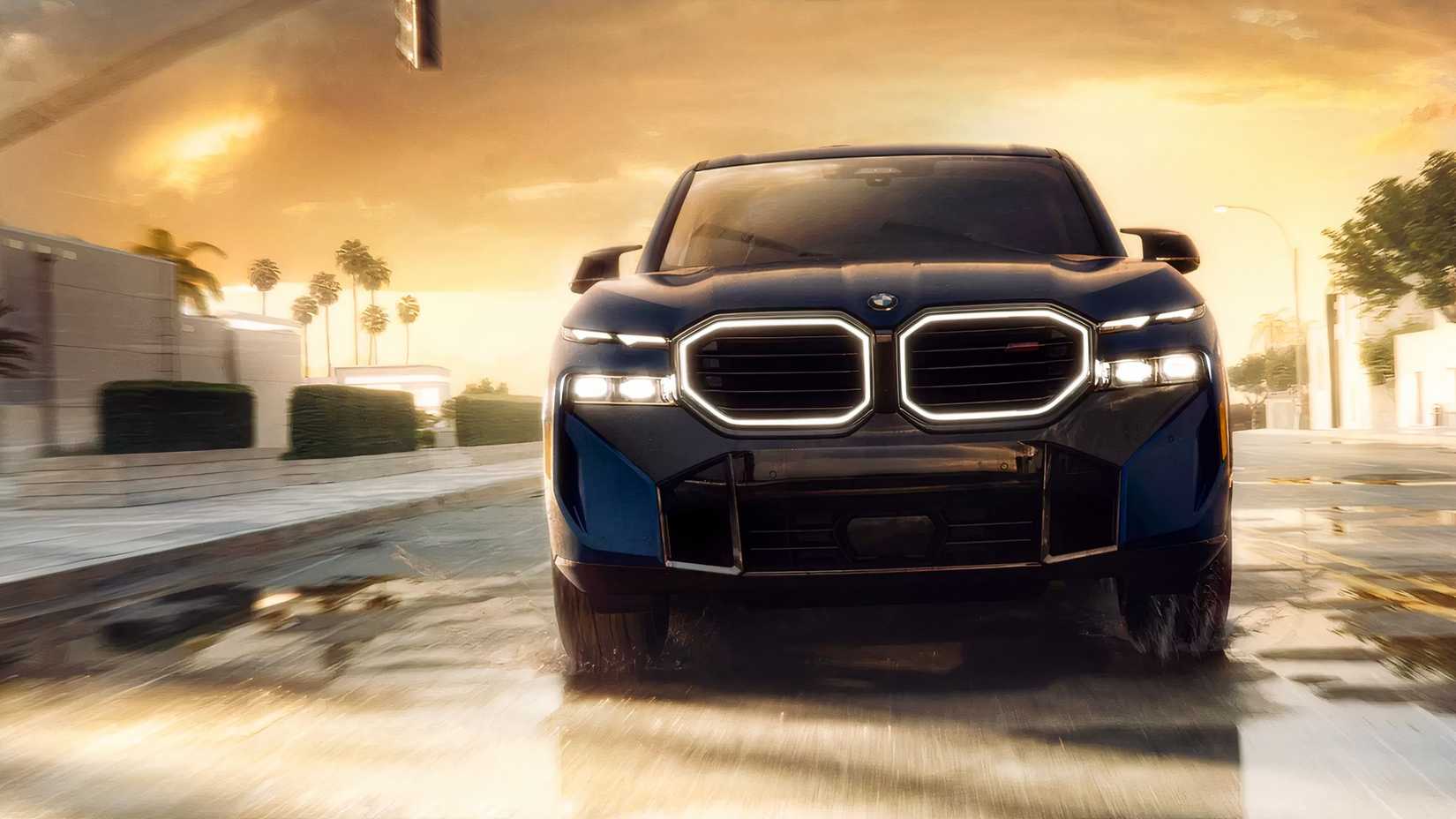
What is most impressive about this new sports SUV market is how it has normalized insane figures that would have been headline-grabbing supercar territory a decade ago. Most performance SUVs now get sophisticated all-wheel-drive systems, adaptive air suspension, active anti-roll tech, and launch control.
That means we can get vehicles that weigh well over 5,000 pounds that can outrun sports cars while carrying a week’s worth of luggage and a family of five. If you have the budget, a luxury performance SUV is the one-stop choice.
Six-Figure SUVs Have Become The New Status Symbol
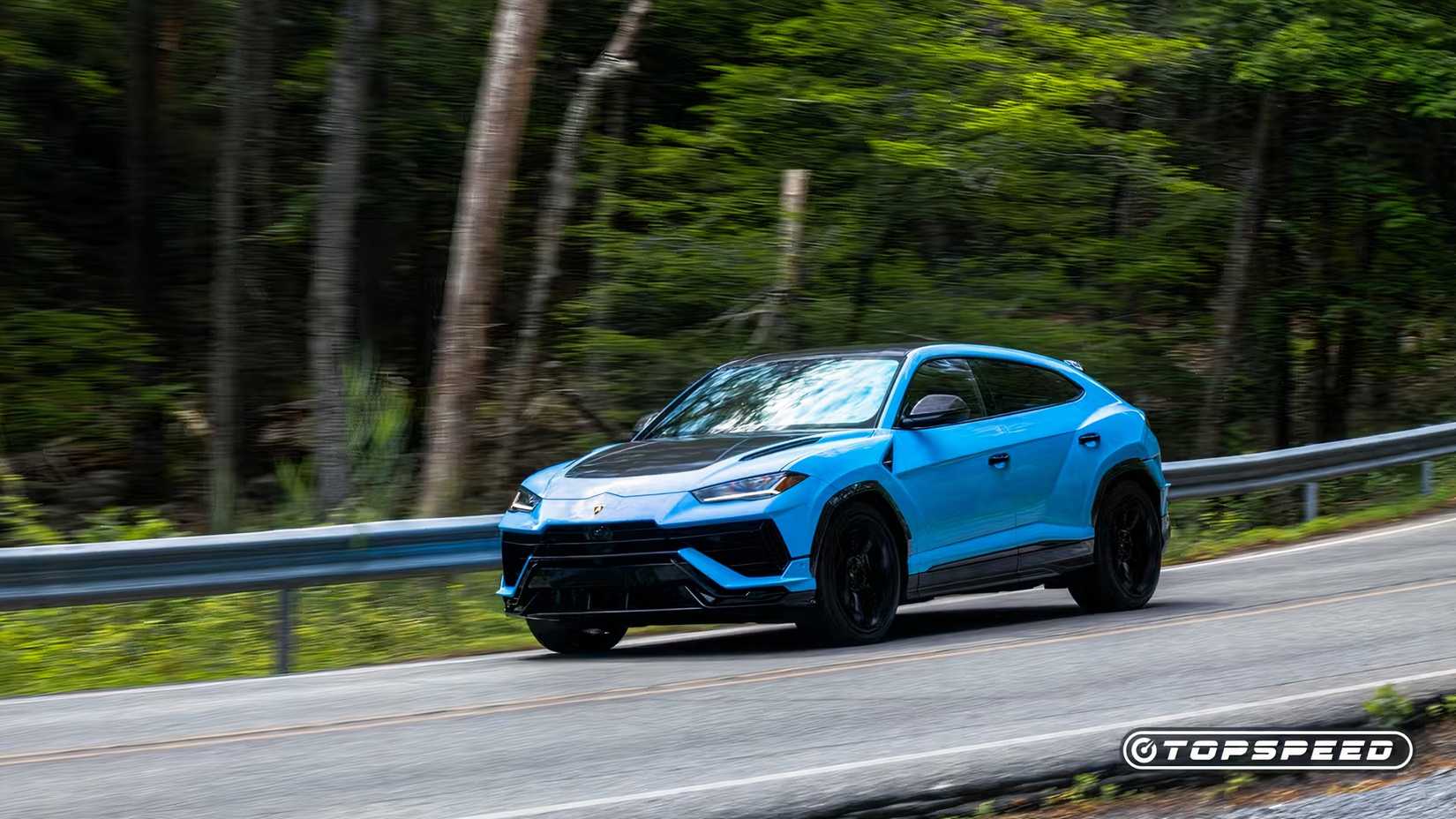
The rise of the performance SUV has also transformed the luxury market. Flagship sedans once represented the pinnacle of success, but now models like the Ferrari Purosangue, Aston Martin DBX707, Bentley Bentayga Speed, and Lamborghini Urus have become the cream of the crop.
The new Purosangue has a base price of over $400,000; the Bentayga Speed has a starting price of just under $300,000, and the new DBX707 will set you back at least $250,000. If you can spend that on a fun SUV, then you’re proving a point.
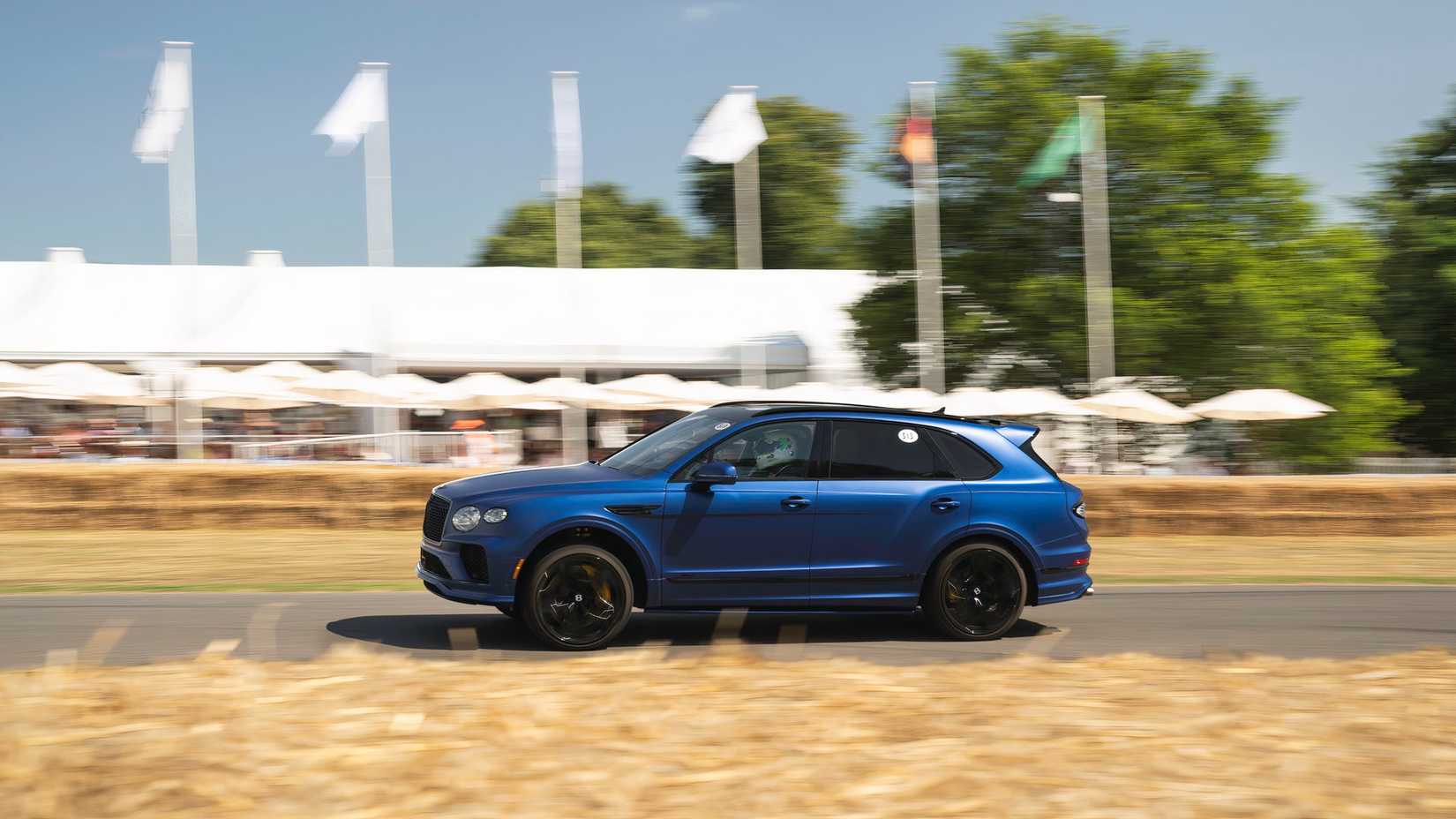
A Bentley Flying Spur might be the more traditional choice for luxury, but a Bentayga Speed offers similar levels of craftsmanship with a high-up seating position and far more versatility. Likewise, if you were in the market for something fun and posh, an Aston Martin DB12 or Porsche 911 in the past would have done the job. Today, though, you may consider looking at the DBX707 or Cayenne Turbo GT because they offer comparable straight-line speed while still being able to ferry the family around.
Buyers Expect Supercar Speed From Family Haulers
Gone are the days (for the most part) when deep-pocketed drivers spending $90,000 on a luxury SUV like an Escalade would be happy with 0–60 mph times of five to six seconds. We know we can do better now, and the benchmark is very high.
The 697-horsepower twin-turbo V8 in the DBX707 launches it to 60 mph in under four seconds; the naturally aspirated V12 under the hood of the Purosangue is good for 715 horsepower and gets it to 60 in 3.3 seconds, and even the Range Rover SV, an SUV that prioritizes luxury and off-road prowess, can sprint to 60 mph in as little as 3.6 seconds.
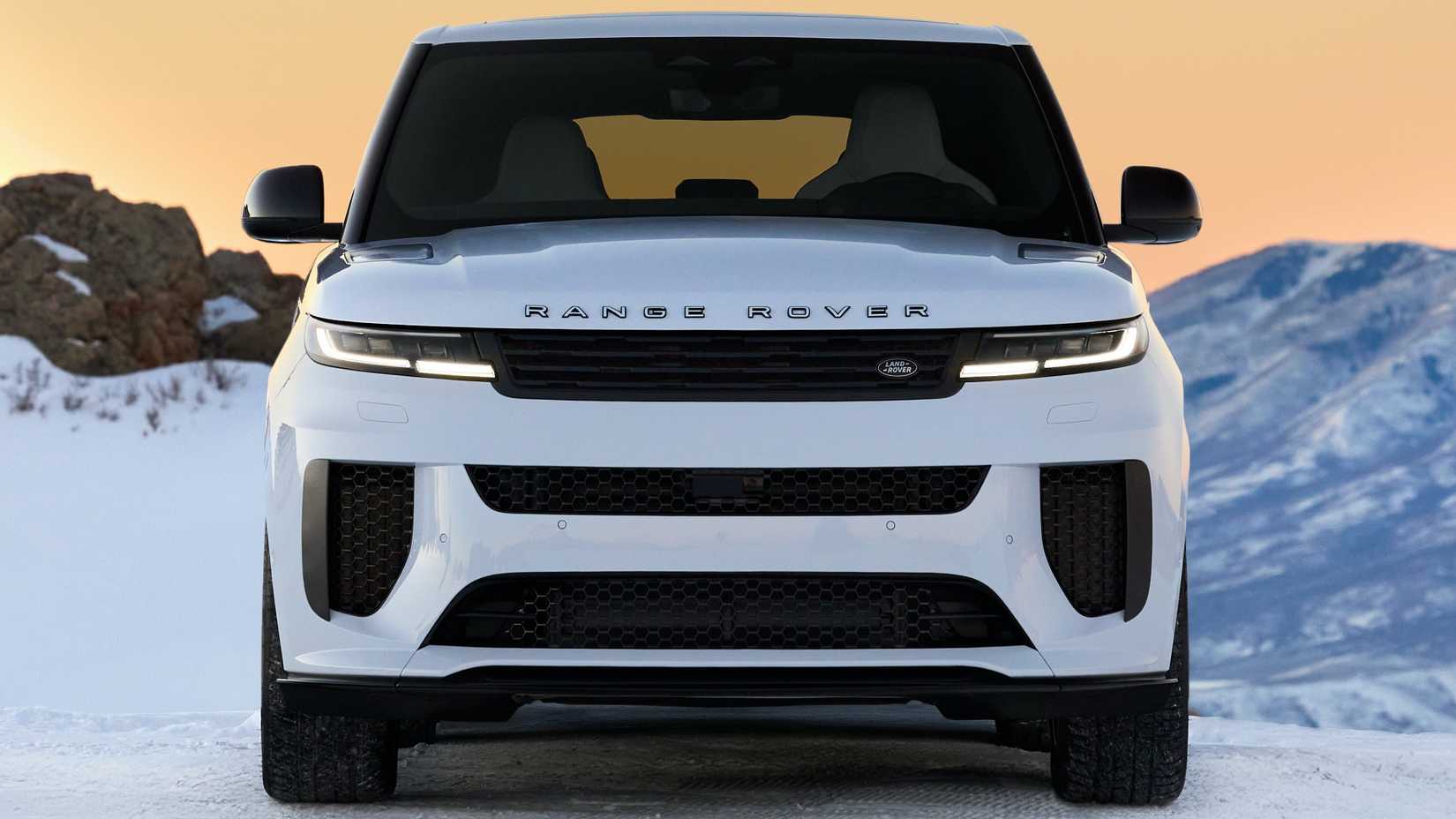
The performance SUV segment has become so steady that many traditional enthusiast cars, especially station wagons, have quietly faded from the spotlight despite offering many of the same kind of strengths in a more focused package.
Speed And Practicality: The Fastest Wagons Of The Last Decade
The fast wagon niche promises excellent practicality with the kind of power and fun that you’d normally expect from a sports sedan or sports car.
The Audi RS6 Avant Is The Wagon Nobody Saw Coming
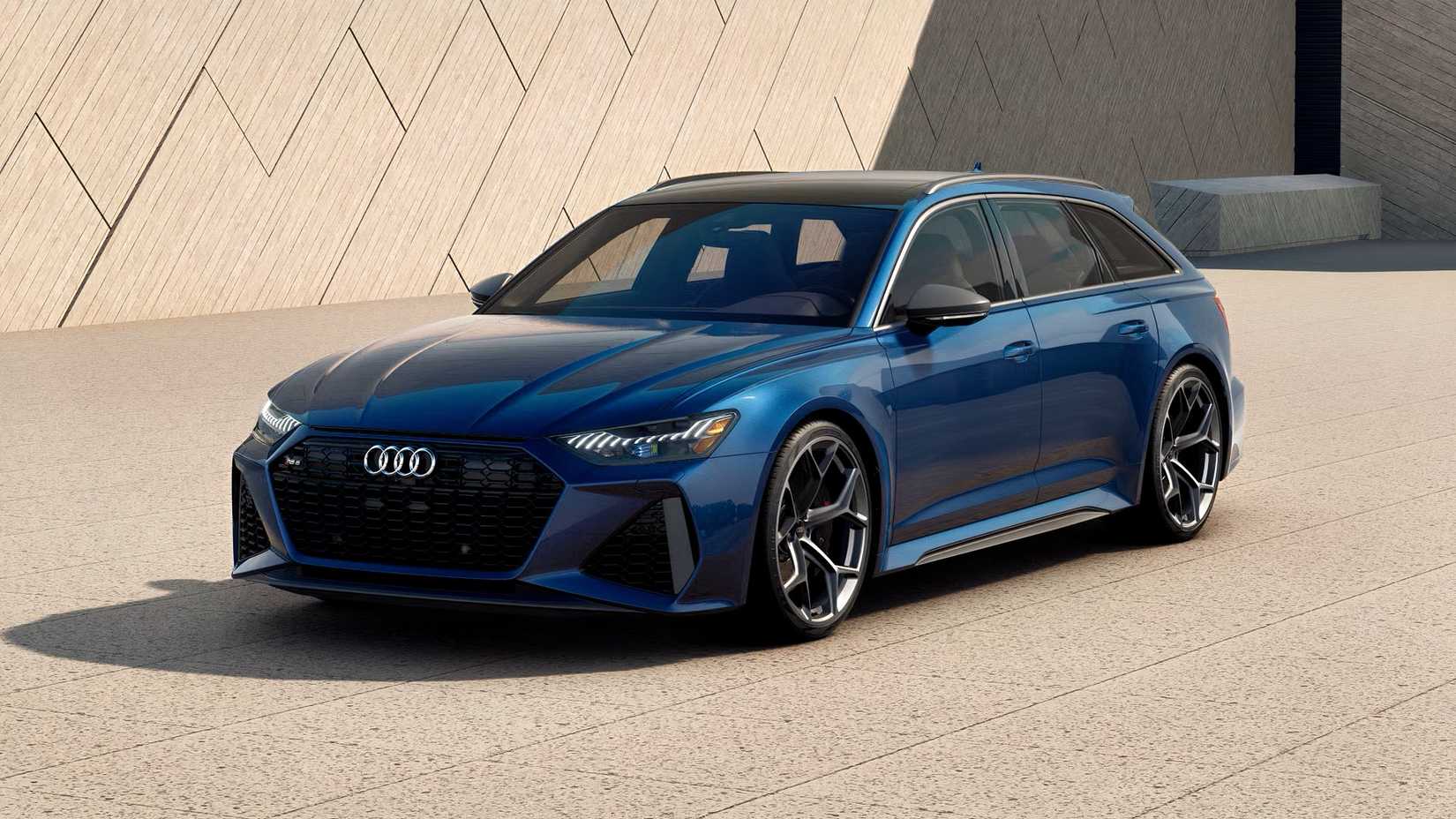
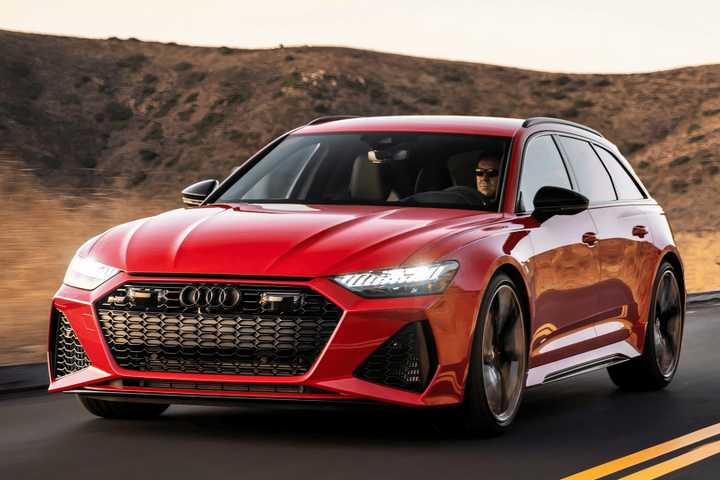
This is where the 2026 Audi RS 6 Avant comes in, though. Audi has been turning out some of the best and most successful luxury SUVs of the last few years, like the Q3, Q5, Q6 e-tron, and SQ8, so many probably wouldn’t have expected them to release a luxury performance wagon in a market where SUVs rule.
Luxury sports wagons are making somewhat of a comeback in the U.S. market, but it is still currently nothing compared to the European market, where they are far more popular.

- Base Trim Engine
-
4L V8 Hybrid
- Base Trim Transmission
-
8-speed automatic
- Base Trim Drivetrain
-
All-Wheel Drive
- Base Trim Horsepower
-
621 HP @6000 RPM
- Base Trim Torque
-
627 lb.-ft. @ 2050 RPM
- Base Trim Fuel Economy (city/highway/combined)
-
14/21/17 MPG
- Base Trim Battery Type
-
Lithium ion (Li-ion)
- Make
-
Audi
- Model
-
RS6 Avant
There is just one trim this year: the 2026 RS Avant Performance. Audi says it has a starting price of $130,700 before any additional extras and is available in a plethora of colors that range from Nardo Gray and Mythos Black to Sebring Black with a crystal effect. With the RS6 Avant, not only do you get an exceptional-looking beast that does a lot, but also a very collectible one in a crowded luxury performance market.
Bring A Trailer says that prices of the 2024–2026 C8-gen RS6 wagons still range from $120,000 to a whopping $256,000 for the final model year of the Avant Performance GT, while we tend to see luxury SUVs lose a lot of their value quickly, regardless of how good they are.
A Twin-Turbo V8 Gives It Supercar-Rivaling Power
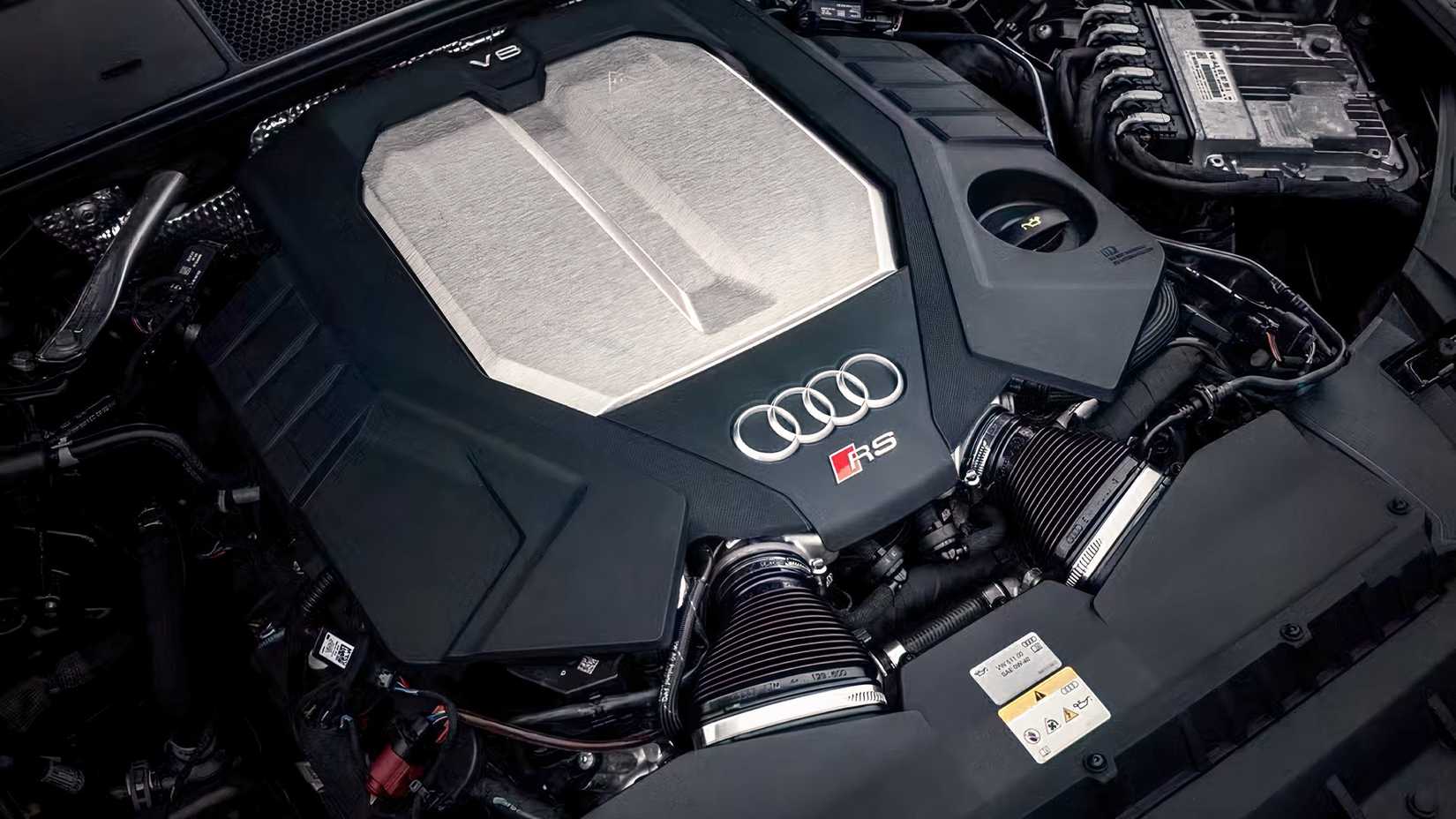
There is just one engine option this year, but we don’t think you could ask for much more in terms of sheer brute power in a luxury-SUV-beating model. The 2026 RS6 Avant has the following specs.
|
2026 RS6 Avant Performance |
|
|---|---|
|
Engine |
4.0-Liter Twin-Turbocharged V8 Mild-Hybrid |
|
Transmission |
Eight-Speed Tiptronic Automatic |
|
Horsepower |
621 hp |
|
Torque |
627 lb-ft |
The V8 under the hood of the RS6 Avant is a VW Group EA825 all-aluminum, hot-V twin-turbocharged unit shared with everything from the Cayenne Turbo GT to the Urus. The twin turbos sit within the cylinder banks rather than outside them, which means you get reduced lag and a very snappy throttle.
While it is a shared engine with its performance SUV competition, mapping is different; in the RS 6 Avant, you get peak power at 6,000 rpm and a flat but punchy torque delivery from 2,050 rpm to 4,500 rpm.
It Delivers Sports-Car Dynamics With Everyday Practicality
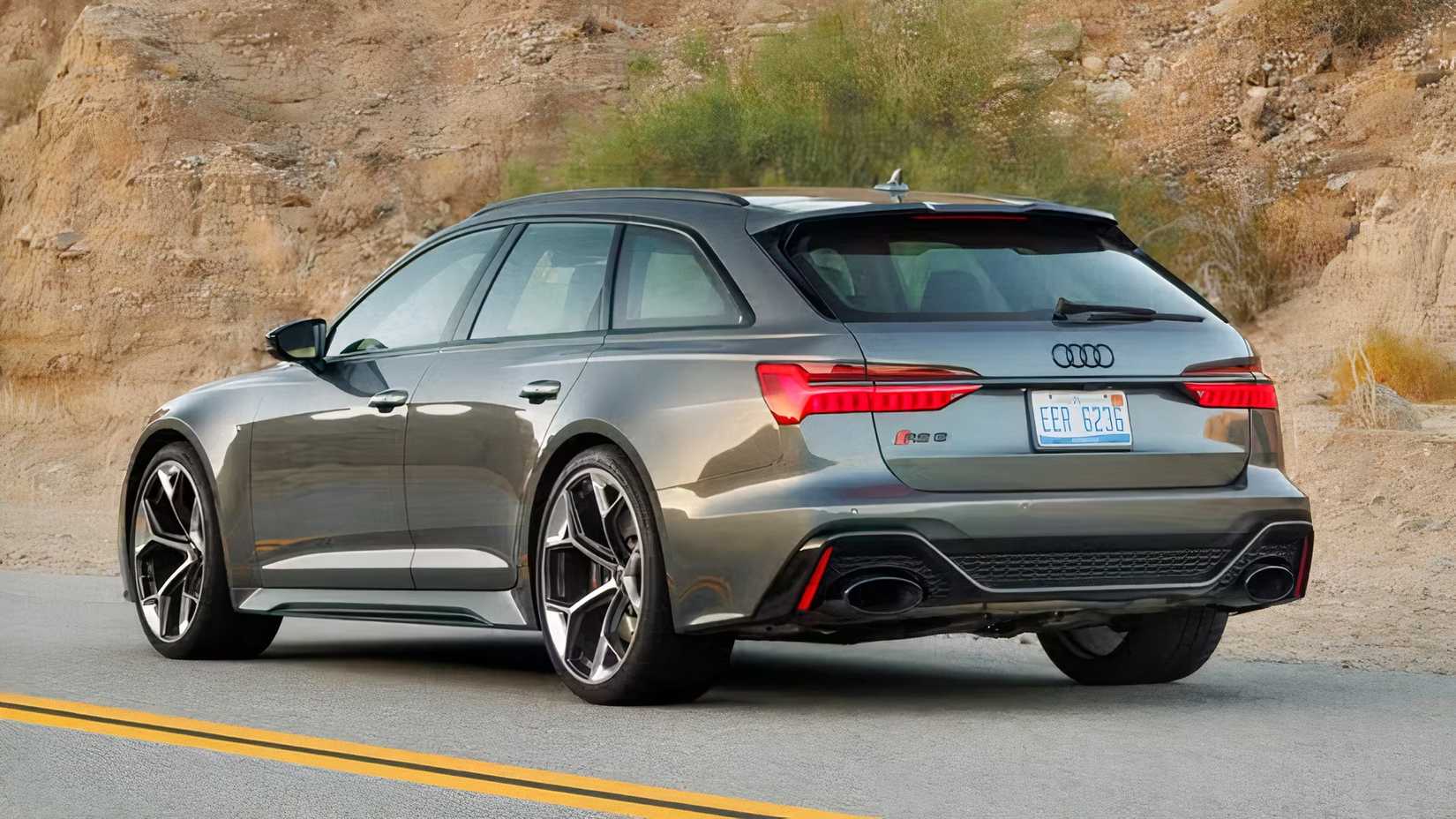
Unlike some performance SUVs, the new RS6 Avant in the U.S. isn’t rated for towing. However, you do get a maximum payload of 948 pounds, 30 cubic feet of trunk space, and a maximum cargo capacity of 69.5 cubic feet of space with the 40:20:40 split rear seats folded away.
Then you get the sporty prowess of a much smaller vehicle. The RS6 Avant rides on the RS air suspension system, which constantly monitors movement and road conditions and adjusts damping forces in milliseconds to give you a fine balance of ride comfort and control. You also get Audi’s legendary Quattro All-Wheel Drive system as standard.
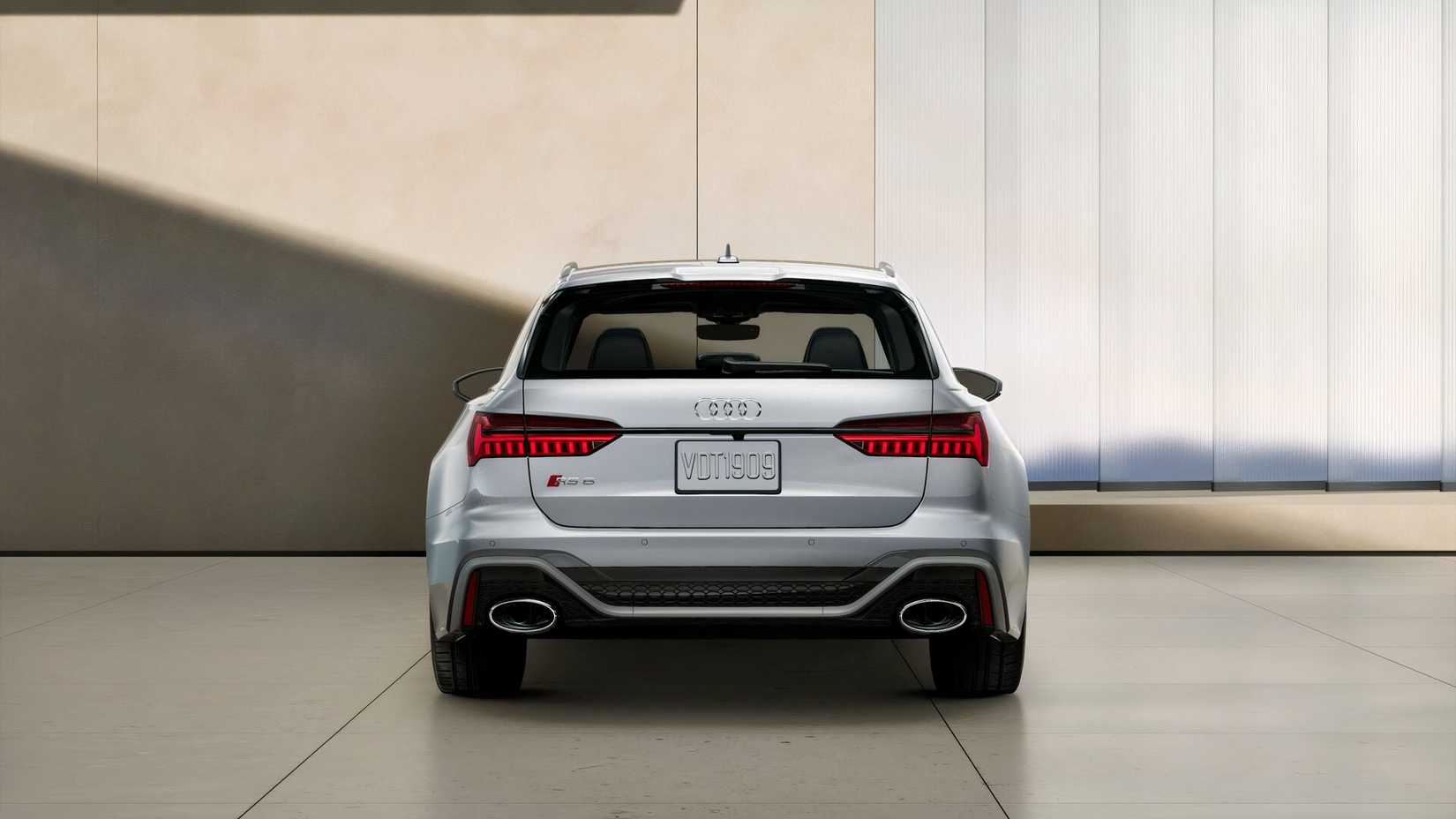
In simple terms, the Quattro rig pushes the wagon through corners more naturally by working alongside a self-locking center diff to constantly vary how power is distributed between the front and rear axles. When you are driving normally, 40 percent of torque is sent to the front and 60 percent to the rear, giving it a noticeably rear-biased feel. When grip levels change, as much as 70 percent of available torque can be sent to the front or up to 85 percent to the rear.
The RS 6 Avant also gets a sport rear differential that actively sends torque between the left and right rear wheels. When you are cornering hard, more power can be sent to the outside rear wheel, helping the wagon rotate into a bend and reducing the need to push wide.
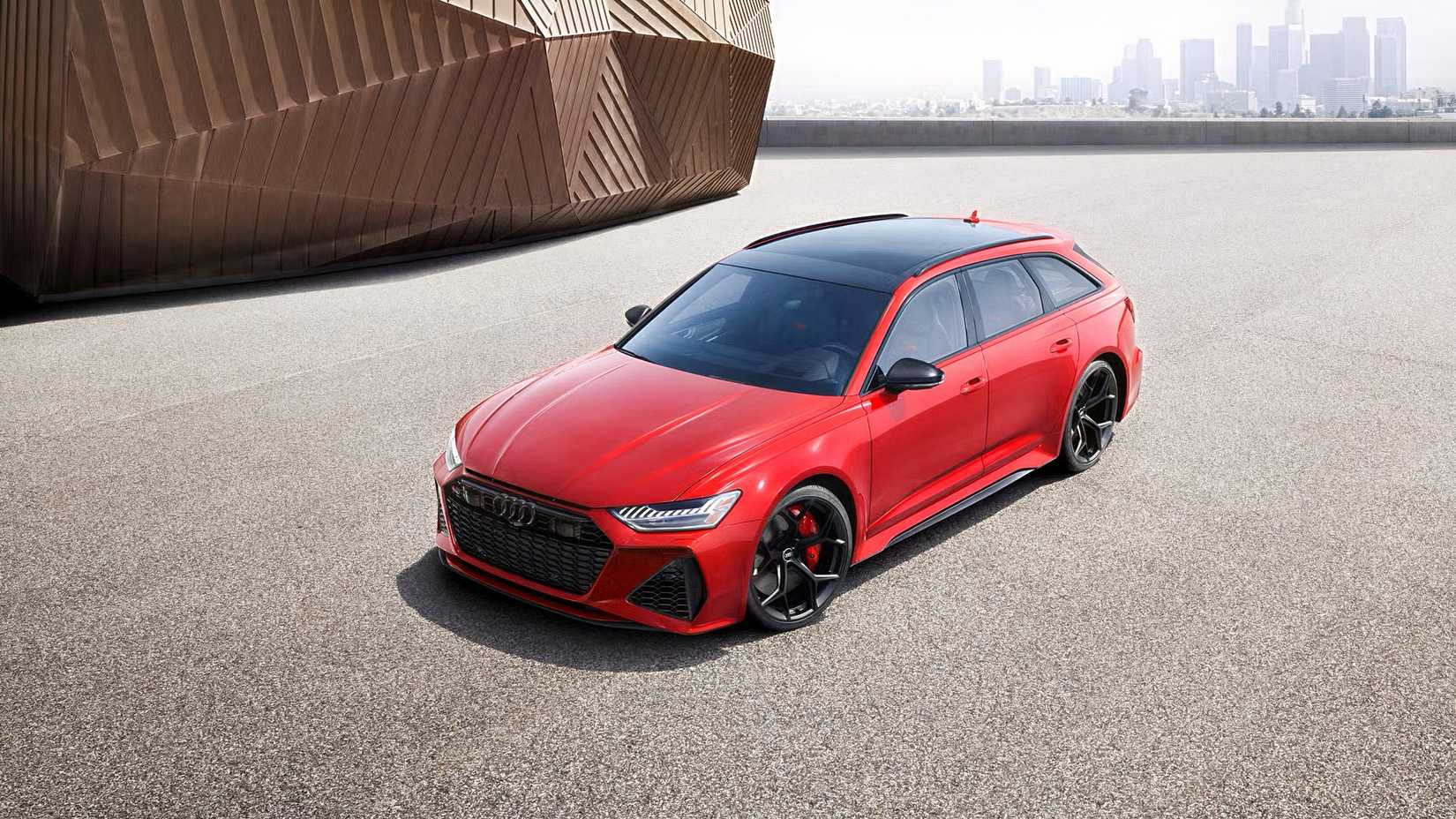
Audi has also given the RS6 Avant standard all-wheel steering. At low speeds, the rear wheels turn slightly opposite to the front ones to reduce the turning circle, while at high speeds, they turn in the same direction, making high-speed cornering and changing lanes more predictable. Combined with adaptive suspension, the RS6 Avant delivers RennSport levels of precision that few practical performance cars can match.
Why The RS6 Avant Beats Sports SUVs At Their Own Game
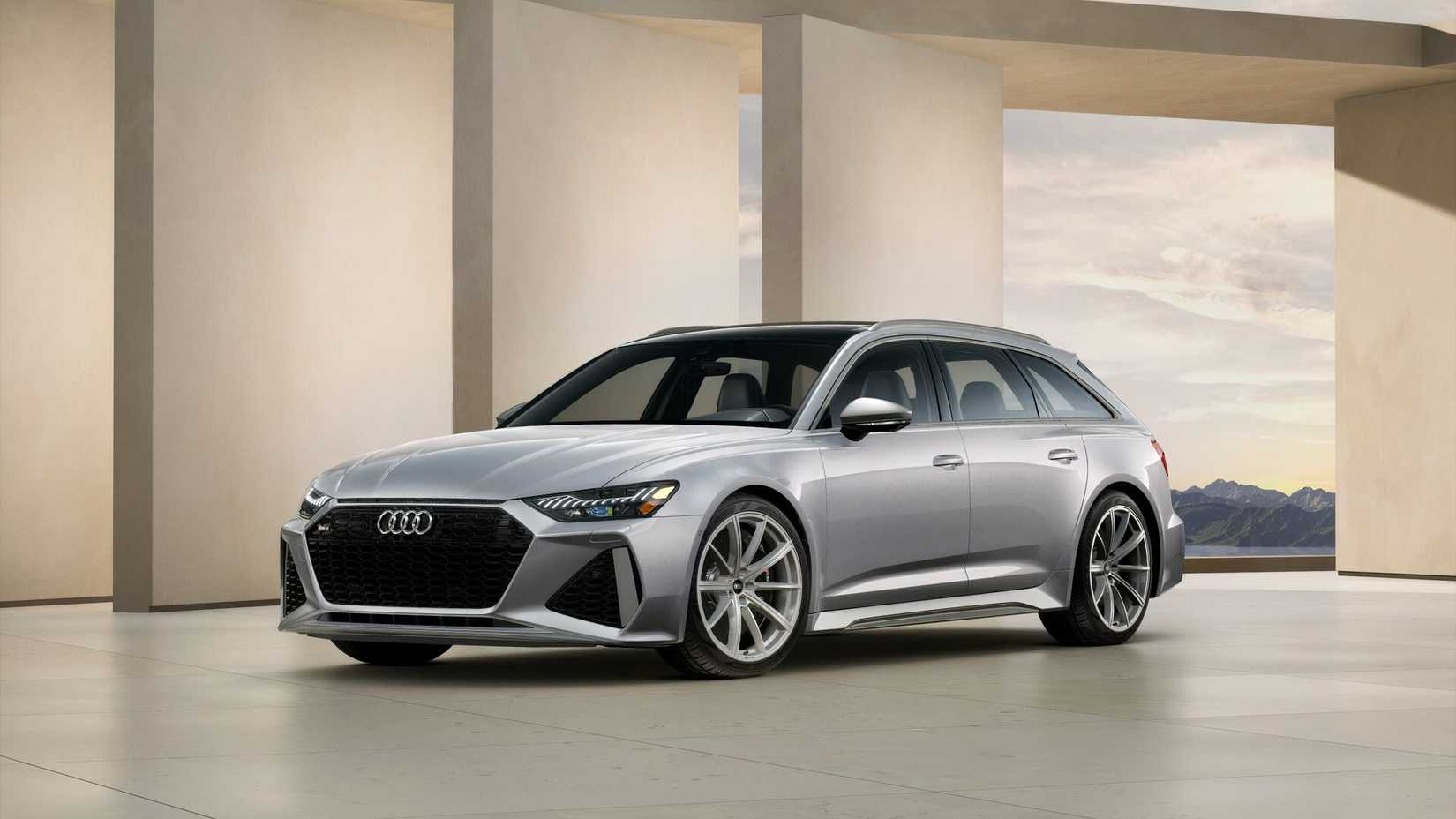
When thinking about practical vehicles that can also be driven at breakneck speeds, many will think about the very generous performance SUV offerings this year. However, an SUV being an SUV means that it is big and bulky. The RS6 Avant is not as much.
It has dimensions of 196.7 inches in length by 83.6 inches in width (with mirrors) by 57.5 inches in height, and rides on a 115.3-inch wheelbase. Something like the DBX707 has dimensions of 198.4 inches by 87.4 inches by 66.1 inches, and the Urus measures in at 201.7 inches by 85.9 inches by 64.5 inches.
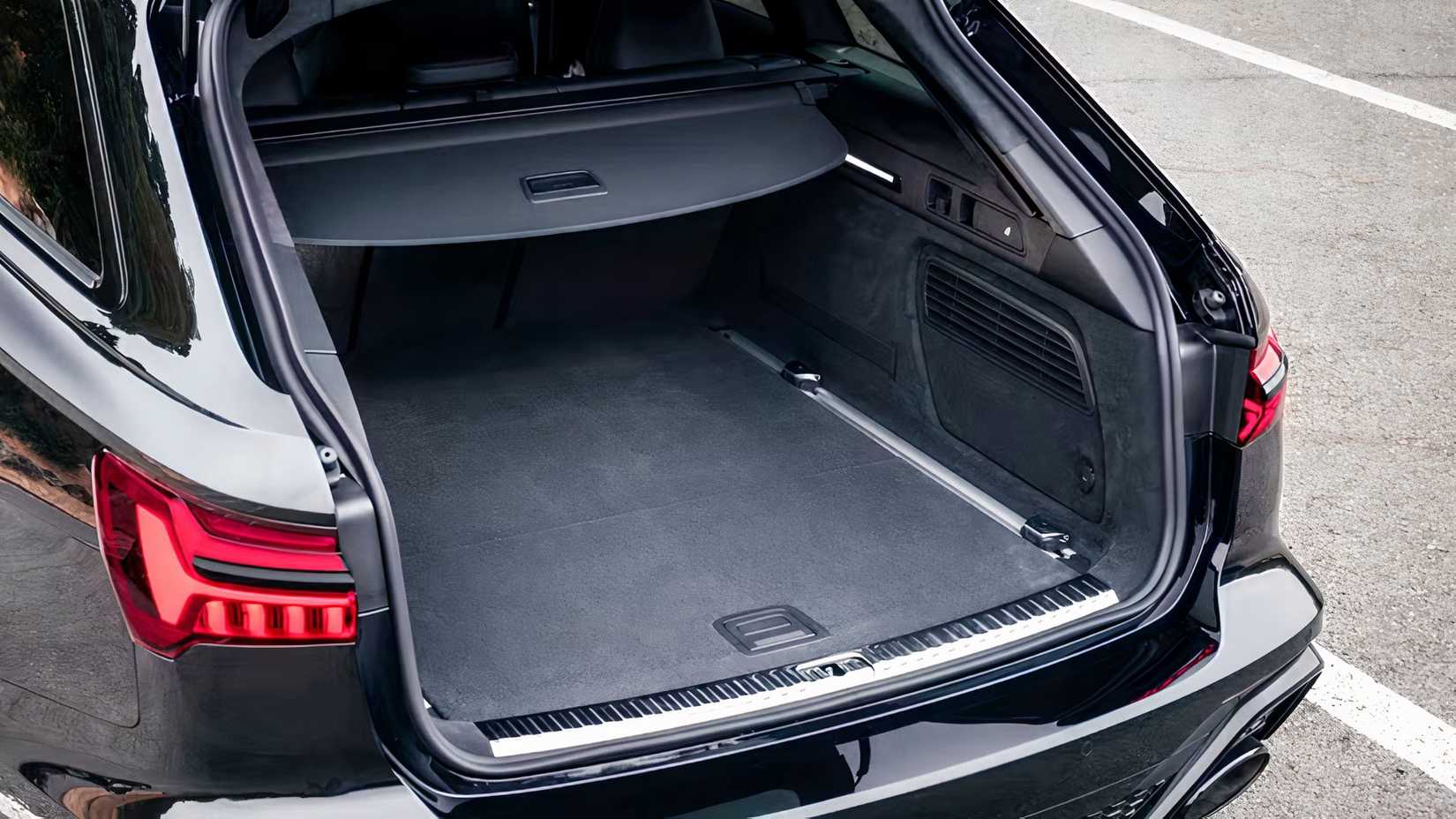
Despite the smaller stature, though, the 69.5 cubic feet of cargo space you get in the RS6 Avant is more than you get in larger performance SUVs. Compared to some of the market’s finest, this is how they stack up.
|
2026 Ferrari Purosangue |
2026 Lamborghini Urus |
2026 Aston Martin DBX707 |
2026 Bentley Bentayga Speed |
2026 BMW XM Label |
|
|---|---|---|---|---|---|
|
Maximum Cargo Capacity |
17 Cubic Feet |
34.4 Cubic Feet |
54 Cubic Feet |
62.6 Cubic Feet |
64.3 Cubic Feet |
Smaller Dimensions Make A Big Difference All Around
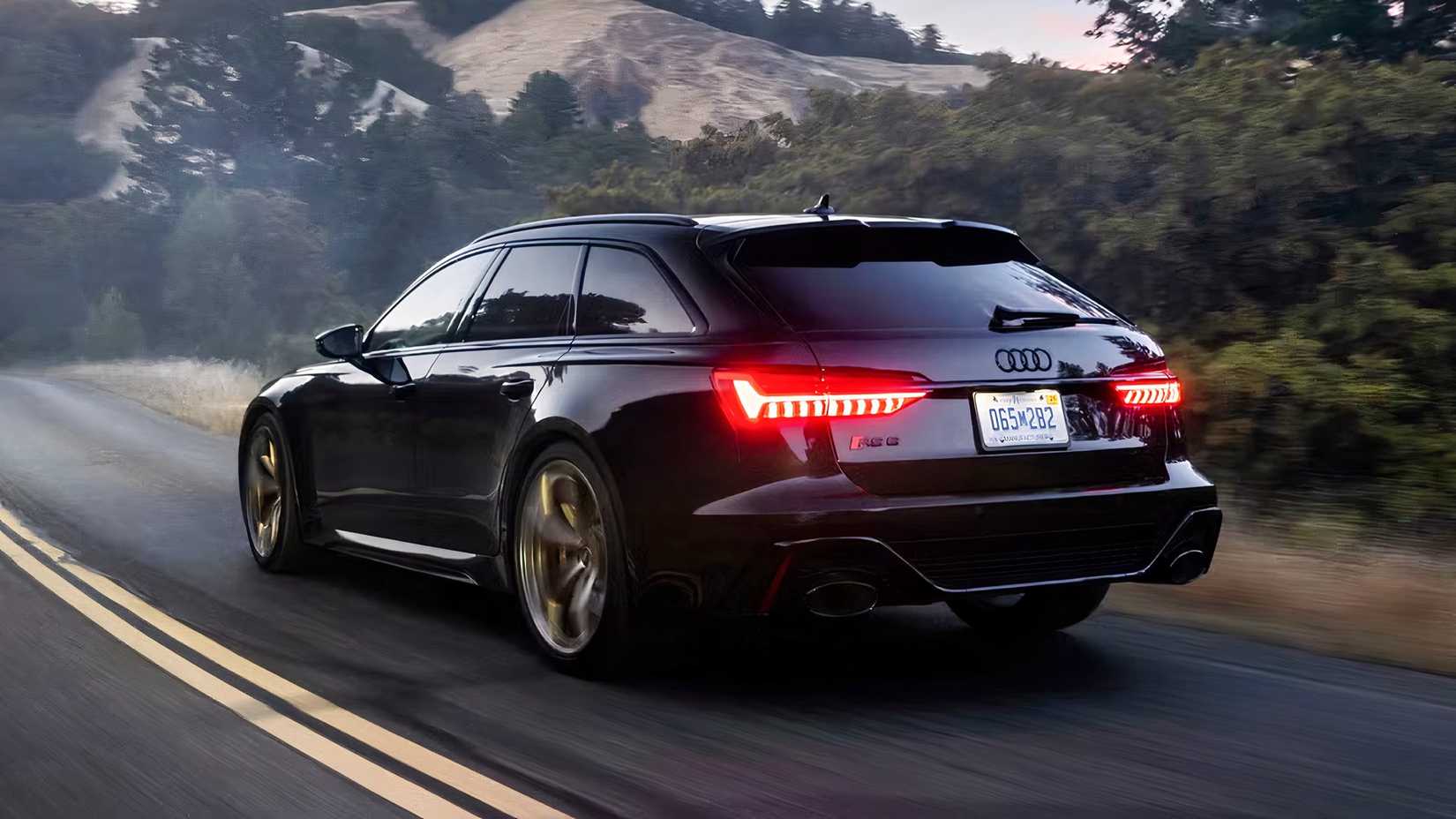
There is no ignoring the fact that the new RS6 Avant is a heavy beast. It tips the scales at 4,982 pounds. It is heavier than the 4,940-pound DBX707, the 4,482-pound Purosangue, and the Urus S and Performante, which weigh up to 4,850 pounds, but is slightly lighter than the PHEV Urus SE (5,523 pounds), the gargantuan XM Label (5,941 pounds), and the 5,435-pound Bentayga Speed.
However, the lower height makes the RS6 Avant feel faster in a straight line, while the low ground clearance of 4.5 to 5.2 inches means you feel well-sorted in corners compared to the higher, though still impressively stable, performance SUVs. Plus, that means the RS6 Avant should be a lot easier to drive around in the cities, on tighter roads, and when you just want to rinse it down to the shop.
Interior Design That Takes On Luxury SUVs
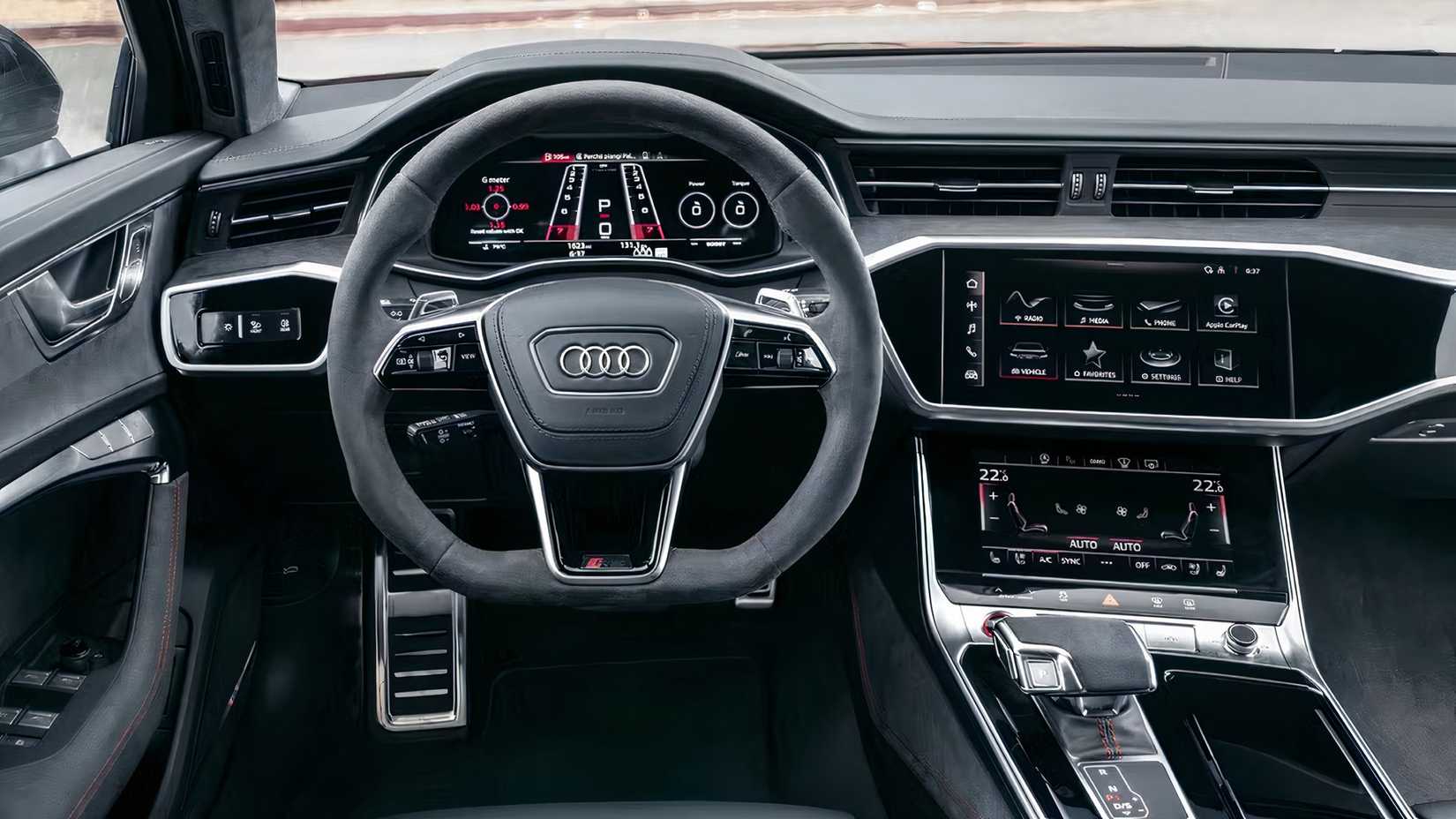
The point of buying a luxury SUV for many is having a comfortable and connected cabin that you don’t mind being stuck in traffic in, and while some of the interiors of modern luxury SUVs are palace-like, the RS6 Avant Performance also has some genuine luxury tricks up its sleeve.
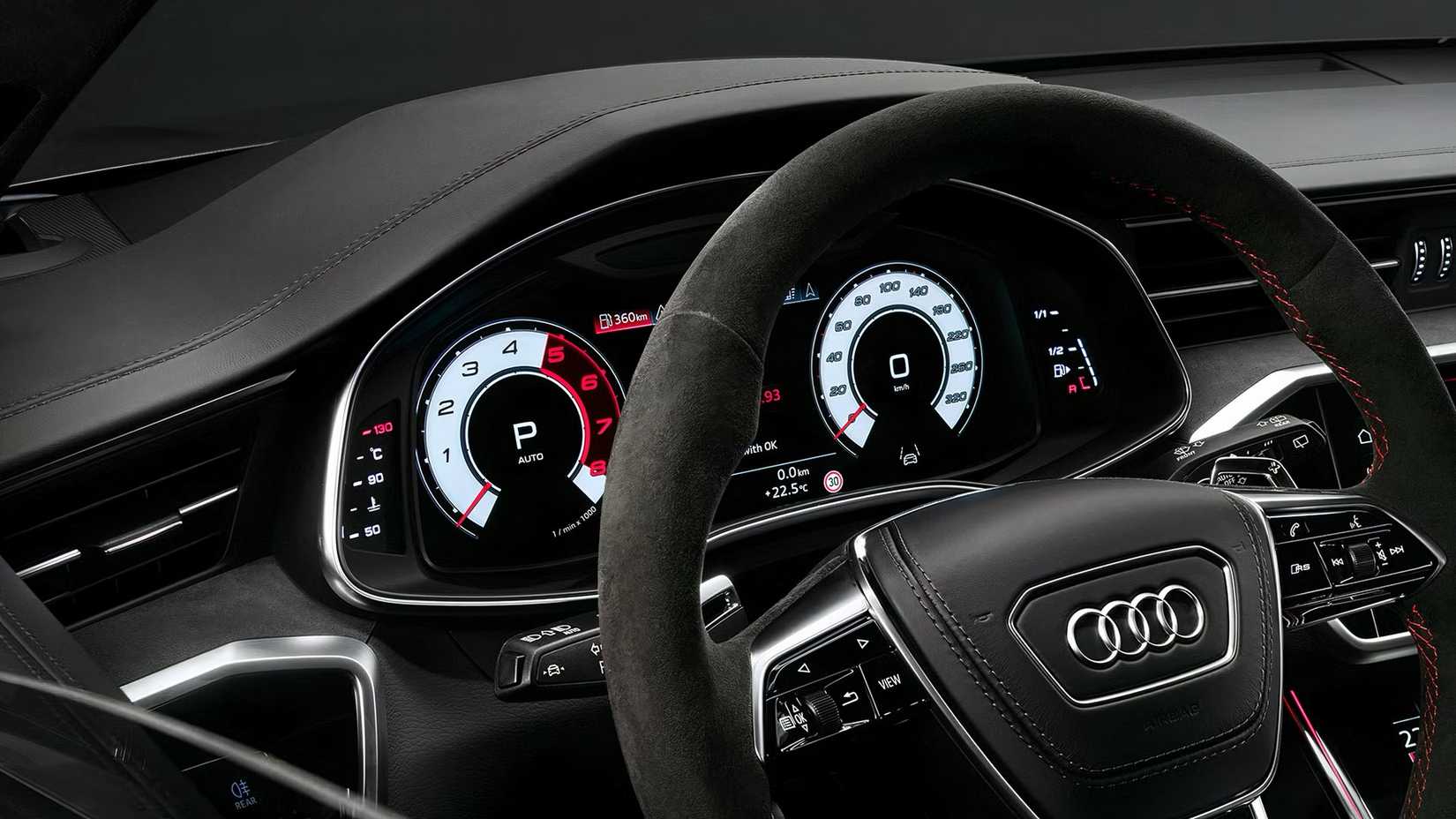
The centerpiece is Audi’s dual-screen MMI Touch Response system, which combines a 10.1-inch upper infotainment display with an 8.6-inch lower screen for climate and vehicle functions. You also get Audi’s 12.3-inch Virtual Cockpit Plus instrument cluster, which gives you exclusive RS displays for performance data, navigation, or traditional gauges; you can choose. You can also opt to add a HUD that projects everything you need ahead of you.
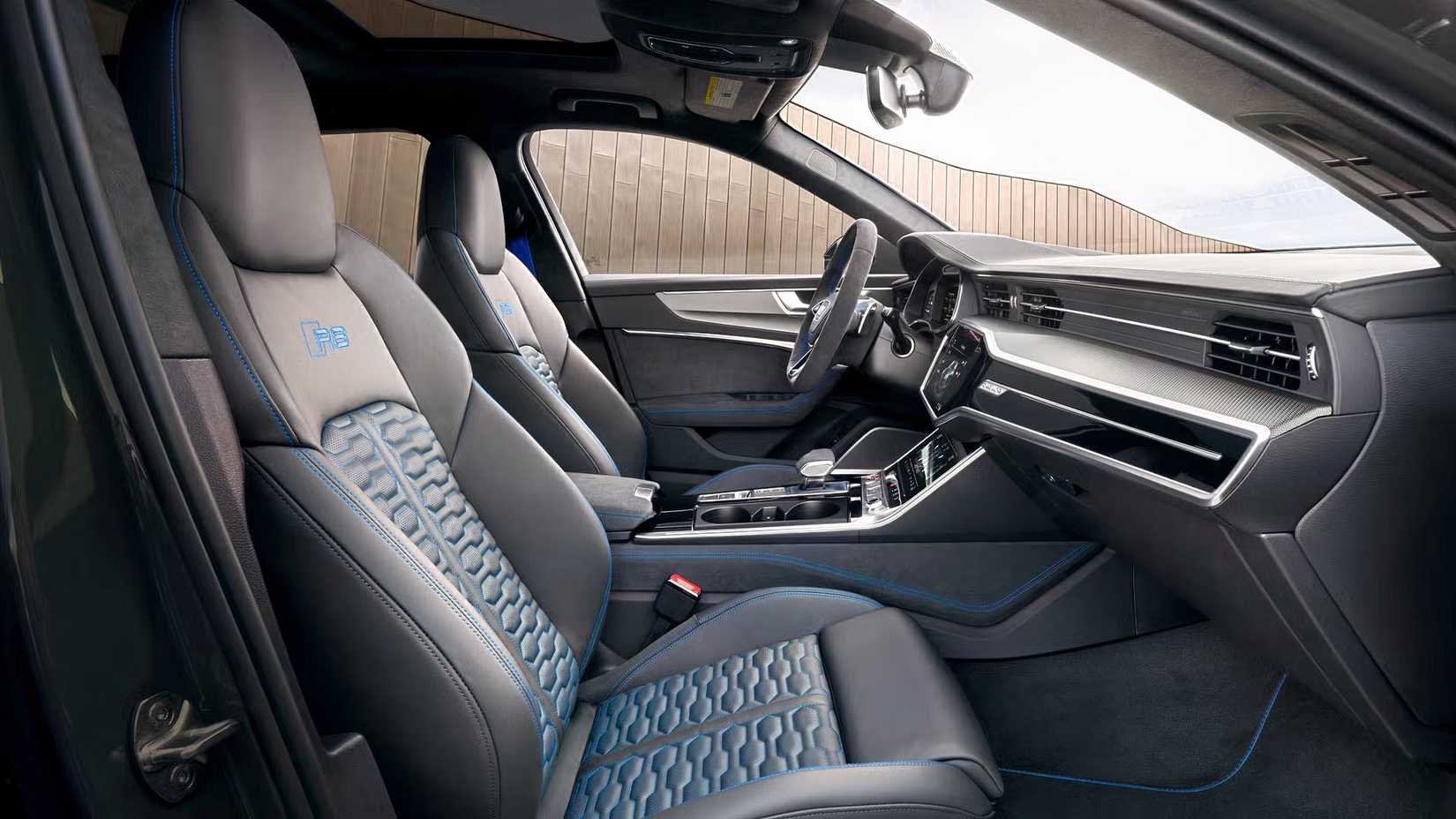
The standard RS sport seats are upholstered in premium Valcona leather; they feature aggressive bolstering to keep you in place when you are planting it, and you can add the RS Design Package Plus, which adds blue contrast stitching, blue seat belts, a Dinamica-wrapped steering wheel, and carbon twill inlays with blue detailing.
If you want even more luxury, you can also opt for the Executive Package. This gets you extended leather across the upper dash, center console, armrest, and the airbag cover, plus heated rear seats, soft-close doors, and remote parking assist.
Audi hasn’t overlooked connectivity or audio either. A premium Bang & Olufsen sound system is included, and you get wireless Apple CarPlay and Android Auto. Combined with four-zone climate control, the rear folding seats, and a touch of well-measured athletic class, the RS6 Avant does a lot, and a lot better than some luxury SUVs. A reasonable amount of space for you and your passengers is also included, with the following dimensions.
|
Headroom |
Shoulder Room |
Legroom |
|
|---|---|---|---|
|
Front |
38.3 Inches |
57.8 Inches |
41.3 Inches |
|
Rear |
39.5 Inches |
56.5 Inches |
37.4 Inches |
The Performance Numbers Back Up The Hype
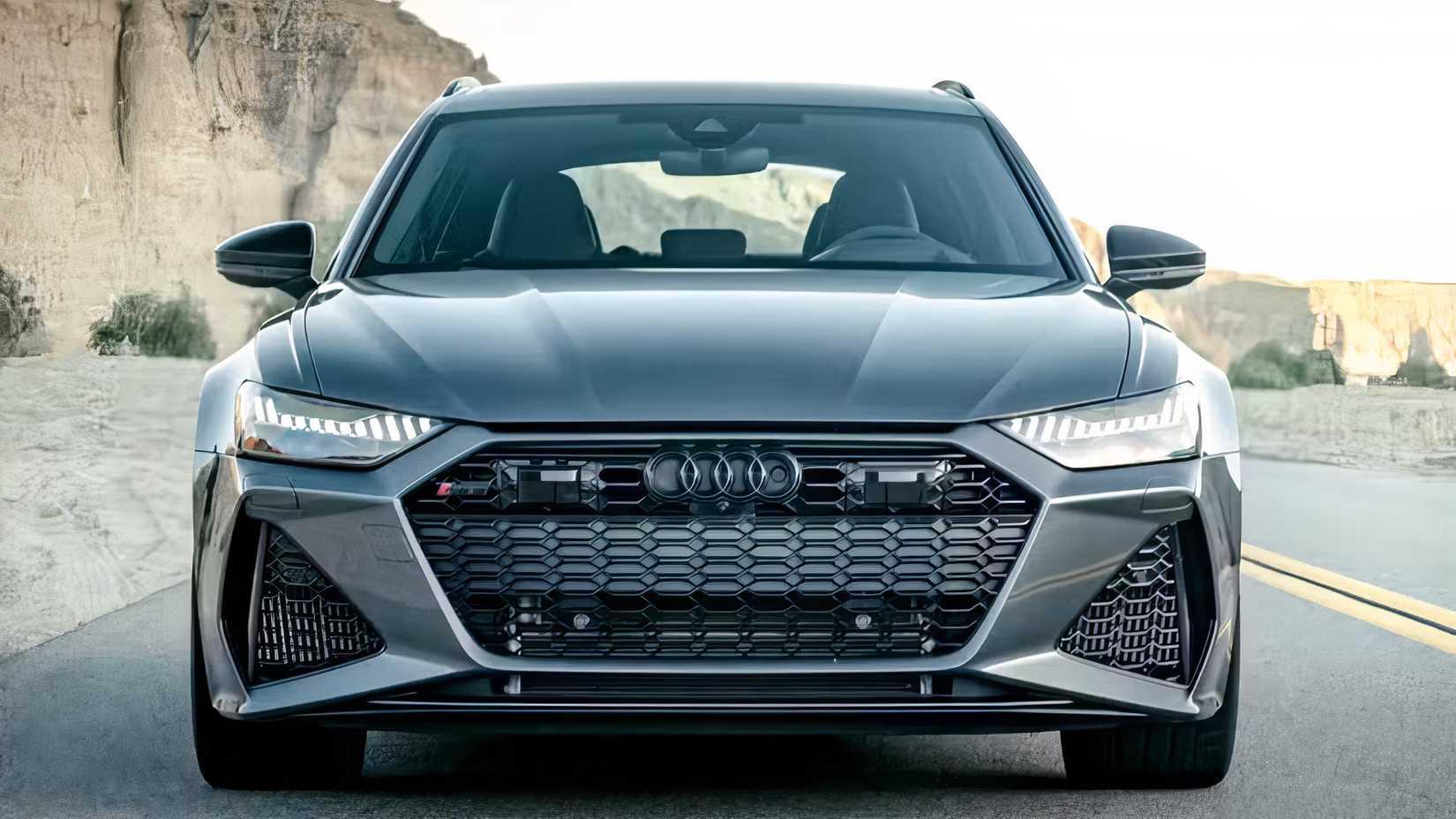
On top of everything, the new RS6 Avant Performance is built to be a luxury station wagon that can also perform up against the best sports SUVs on the market. Audi says that the standard top speed is limited to 155 mph; if you add the Dynamic Package, this top speed is raised to 174 mph, and if you add the RS Dynamic Plus package, you get a top speed of 190 mph. 0–60 mph times have also been clocked at 3.3 seconds. Compared to some of the fastest performance SUVs in 2026, this is how the RS6 Avant Performance compares.
|
2026 BMW XM Label |
2026 Range Rover Sport SV |
2026 Bentley Bentayga Speed |
2026 Lamborghini Urus SE |
2026 Ferrari Purosangue |
|
|---|---|---|---|---|---|
|
0–60 MPH |
3.6 Seconds |
3.6 Seconds |
3.4 Seconds |
3.4 Seconds |
3.3 Seconds |
|
Top Speed |
175 MPH (M Driver’s Package) |
180 MPH |
193 MPH |
194 MPH |
193 MPH |
The 2026 Audi RS6 Avant Is The Cult Performance Wagon Buyers Should Get
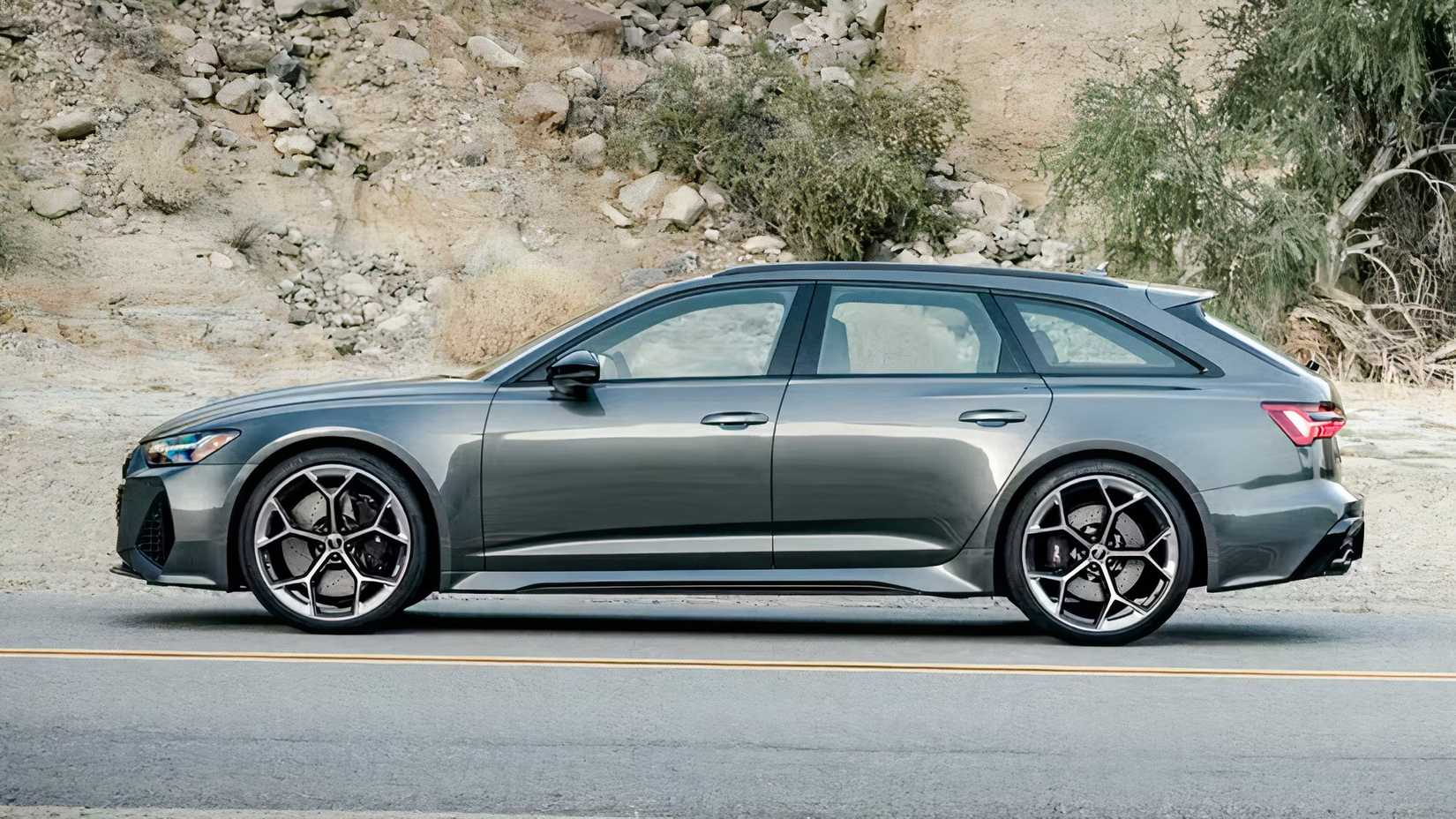
If you are looking for a fuel-efficient station wagon in the U.S.A., the RS6 Avant isn’t it. FuelEconomy.gov says that it can achieve 16 combined mpg (14 mpg city/21 mpg highway), and it is recommended that you run it on premium gas. It has an estimated full fuel tank range of 309 miles, and it is estimated to cost $5,100 a year to fill it up, or $13,500 more than your average modern vehicle over five years.
The starting price of nearly $131,000 is also not for the faint-hearted, but the fact that there is a recent emergence of awesome sports wagons for true enthusiasts shows the luxury performance SUV dominance isn’t as steady as it seems, and gives those of us in the market for an expensive but very fun and practical vehicle more choice.
Compared to the starting price of the new Purosangue, the XM Label, the DBX707, the Bentayga Speed, and the Urus, $432,986, $159,600, $276,500, $288,450, and $252,000, respectively, the RS6 Avant can be seen as well-priced. Especially as it can carry more, is arguably more drivable day-to-day, has comparable speeds and sprint times, and can be driven around a track like a sports car.
Up against the luxury performance SUV market, the new RS6 Avant starts to look less like a nice enthusiast model and more like a rational performance buy. You get genuine supercar-grade engineering, lots of collectors’ kudos, relatively stable value retention, oodles of luxury features, everyday usability, and understated presence: everything you could want from a unique performance vehicle/everyday hauler.
Sources: Audi, Bring A Trailer, and FuelEconomy.gov