
Sedans in the modern market have taken on a different role than models from a decade ago. What were once seen in every driveway and were go-to family haulers have become more niche and a second choice for many; the everyday vehicle is now the SUV. The market has also changed very quickly toward efficiency, and with the changing of the guard, we are now seeing very few sedans with a V8.
That means one of the best engine configurations is now nearly completely missing from the modern market, and while some would argue about the power and efficiency we get from turbocharged mills, there is something that modern engines and hybrid powertrains may not be able to achieve: high-mileage durability.
The V8 Sedan Is A Dying Breed
For decades, the V8 sedan took up a unique space in the market. Models like the Chevrolet SS, Chrysler 300C, Dodge Charger, Lexus GS 460, and the Mercedes-Benz E-Class and BMW 5 Series V8 flavors offered us a combination that few models can truly match: real performance guts, long-distance comfort, and enough practicality to serve as an everyday car.
They weren’t just niche models for fun, but mainstream performance sedans that could be found everywhere. However, the market has changed so much in the last decade that many of these nameplates have disappeared completely, while others have dropped the V8 option for smaller turbo engines or electric powertrains.
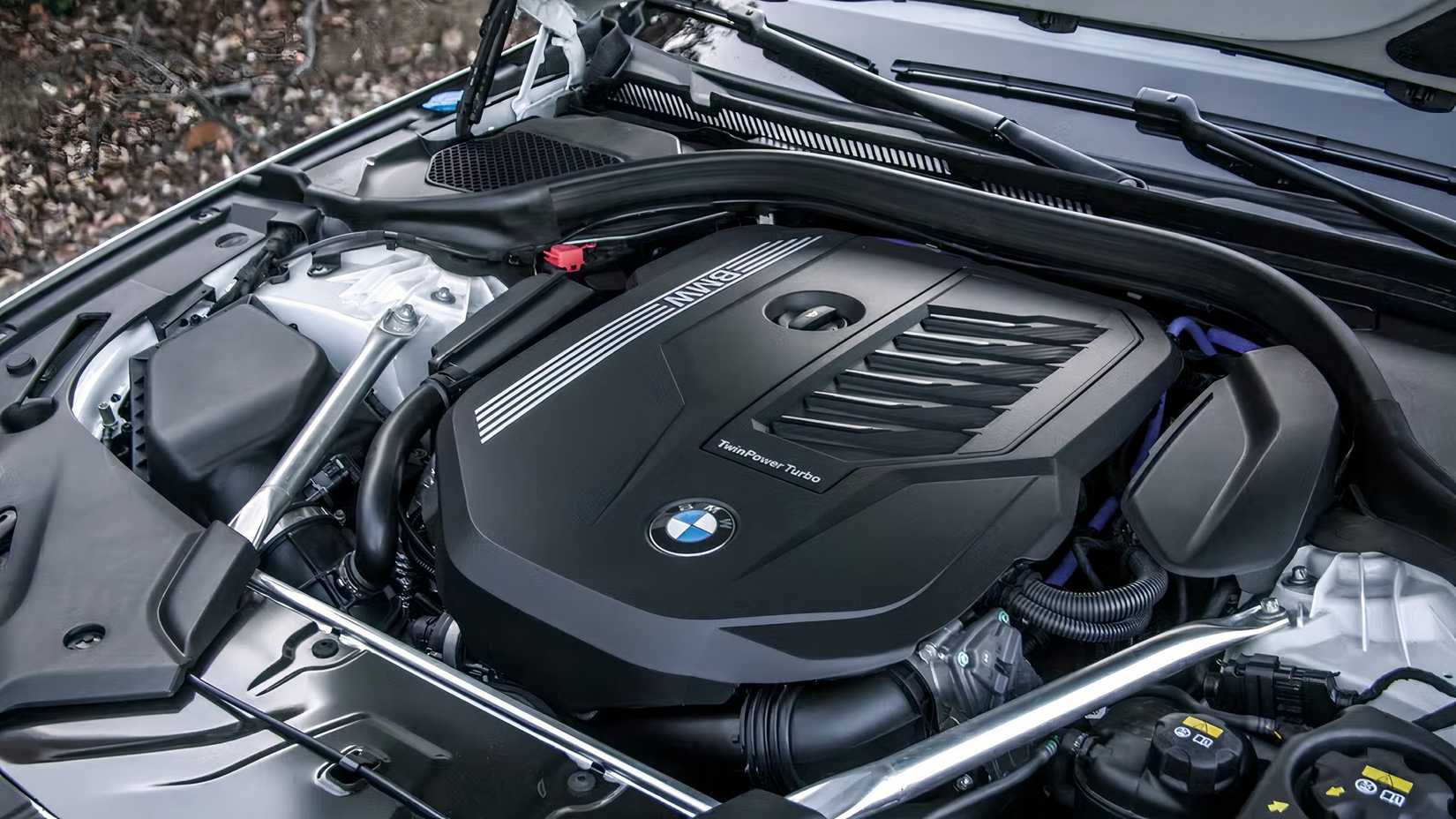
The current BMW 5 Series lineup no longer offers a naturally aspirated V8; Mercedes-Benz has downsized much of its sedan helpings, and Stellantis has already begun moving away from most of its iconic HEMI-powered models.
At the same time, models like the Toyota RAV4, Honda CR-V, and Chevrolet Equinox have become the default family mover, pushing traditional sedans further away, while making the naturally aspirated V8 very rare today.
Turbocharged Efficiency Has Replaced Old-School Durability
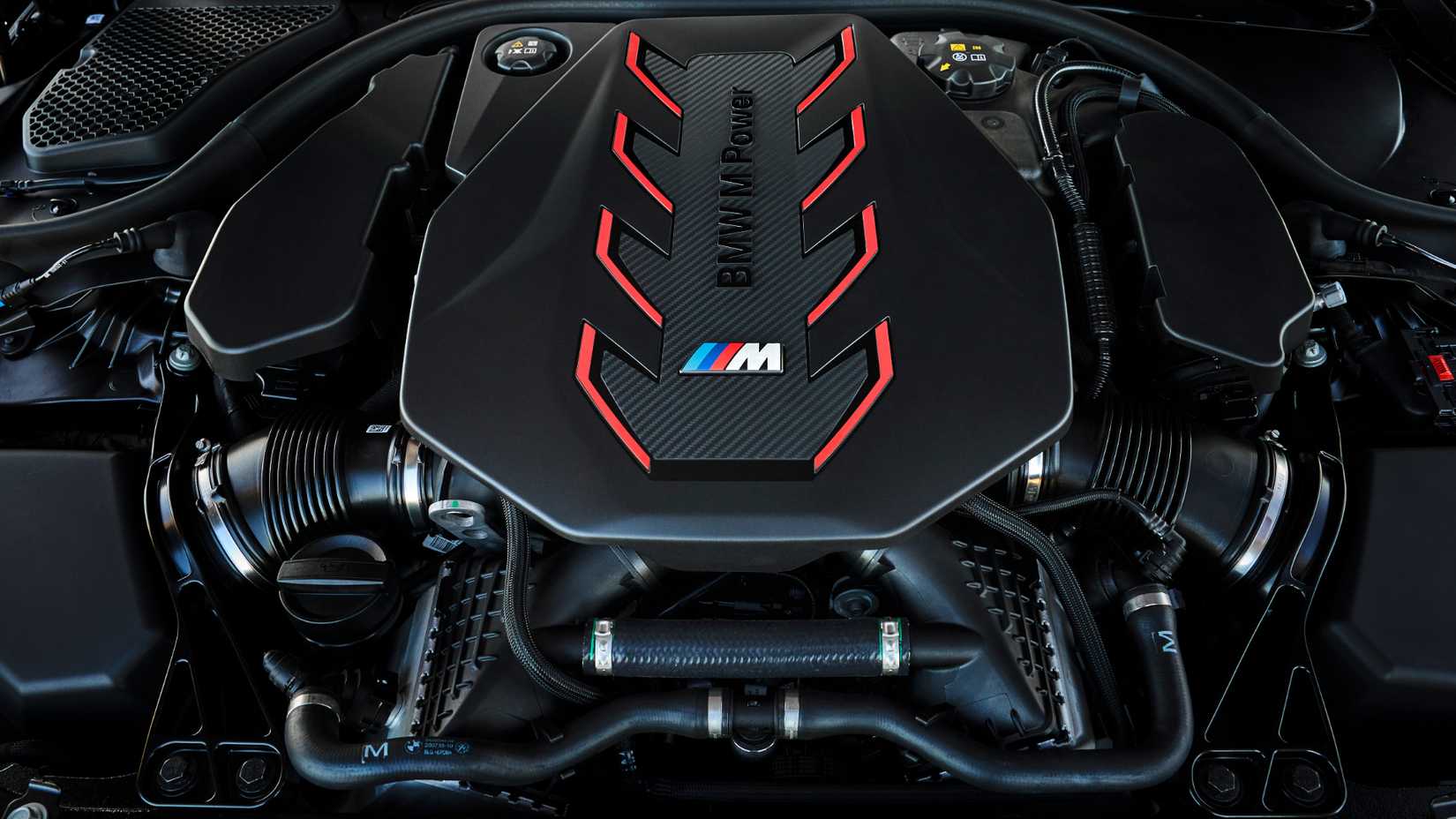
There is no doubt that the engines and powertrains that have replaced the V8 are engineering and technological marvels, and the evolution of turbo technology and hybrid systems have ensured that it is unlikely we will ever go back to naturally aspirated V8s in the mainstream sedan market.
BMW’s B58 inline-six, Mercedes-Benz’s turbocharged six-cylinder family, and the Ford EcoBoost engines all show that you can get power from smaller displacements without sacrificing a huge amount in the way of fuel efficiency. Take the 2026 BMW 330i; it comes equipped with a 255-horsepower/295-pound-foot twin-turbo B48 inline-four mated to a 48-volt mild-hybrid rig, which gets you to 60 mph in as little as 5.4 seconds.
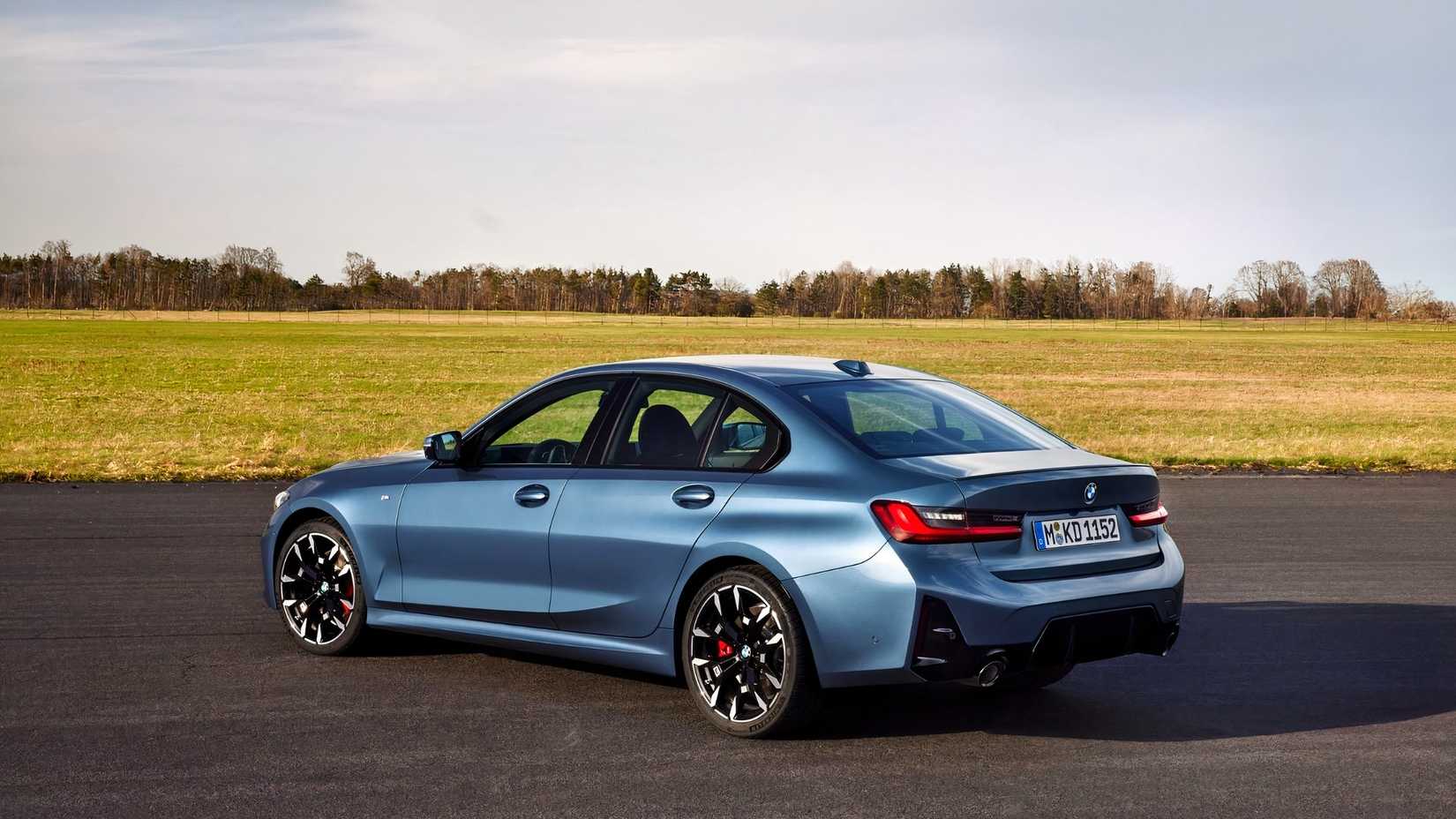
FuelEconomy.gov says that the 2026 330i can achieve 31 combined mpg (28 mpg city/35 mpg highway). So, we get it; you get the best of both worlds from the newer engines. Something like the Chrysler 300C has a 5.7-liter HEMI V8 under the hood that can kick out up to 364 horsepower and can get you to 60 in around 5.5 seconds, but it can only achieve 19 combined mpg, costing you roughly $4,000 a year for gas.
However, where older naturally aspirated V8 engines come into their own is in terms of comparably simple engineering. To get to the stage we are at now, modern turbo engines have a lot of systems in place.
Few Modern Sedans Are Built To Last Decades
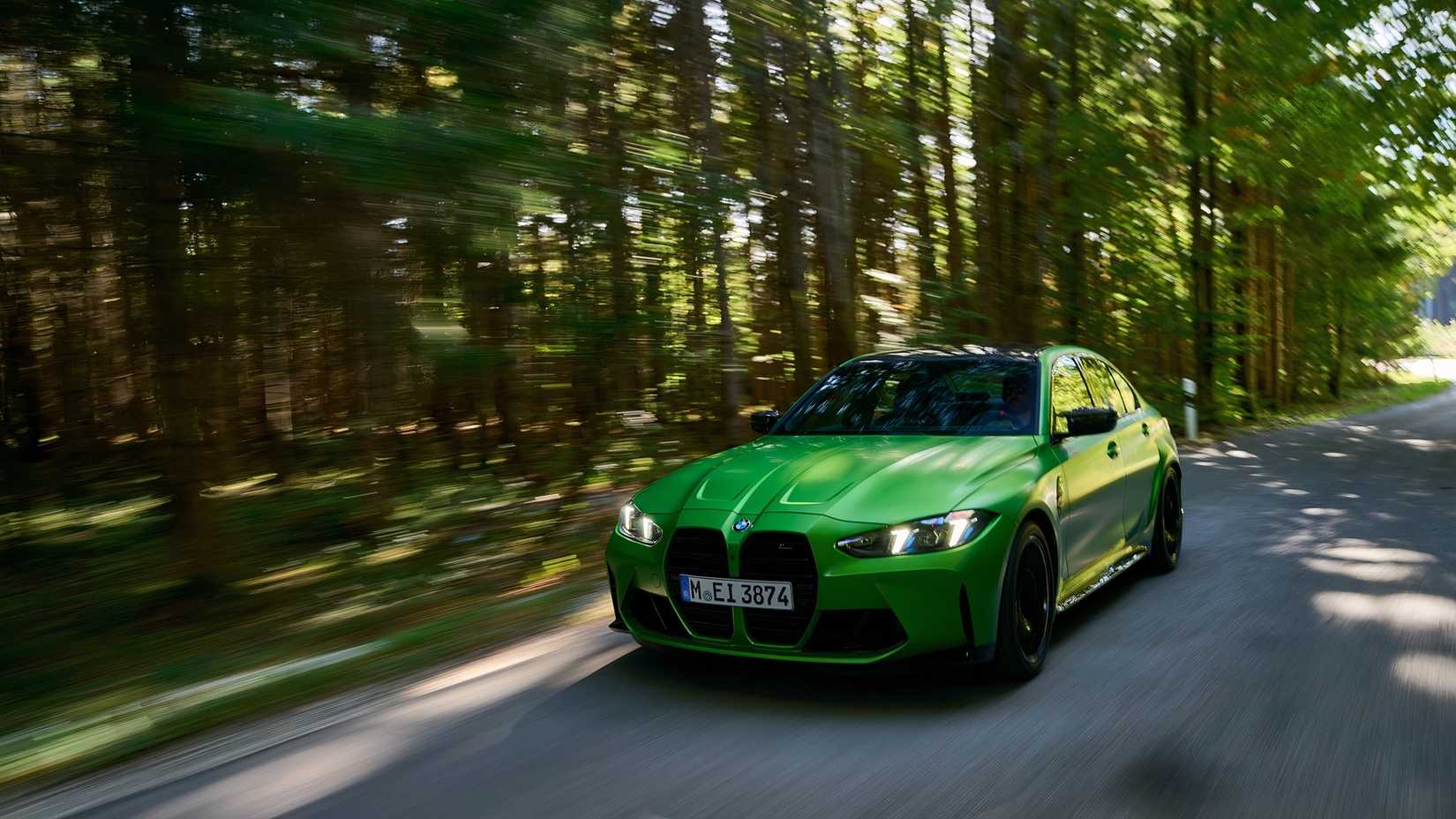
Automakers are also simply not building cars for the same type of ownership length they once did. The average new-car buyer today typically keeps a vehicle for around eight years, and many are leased for even less than that.
That means priorities have shifted (for the most part) toward fuel economy, tech, connectivity, and meeting strict emissions standards rather than engineering every component with the expectation that it could still be on the road in 20 or 30 years.
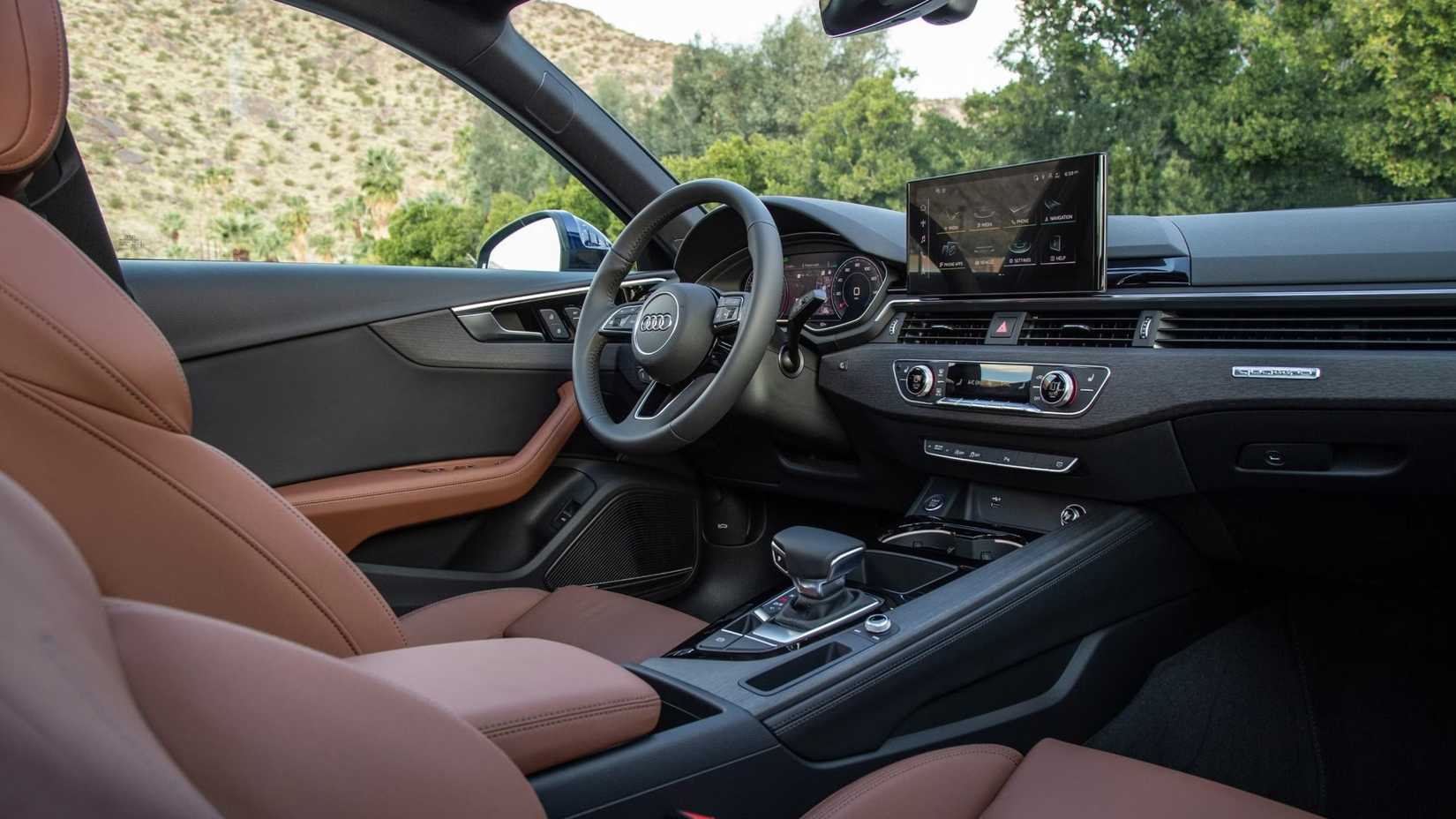
Models like the Audi A4 and BMW 3 Series come loaded with advanced driver-assistance systems, large touchscreens, complex electronic suspension, and hybrid systems. Of course, this is what we want and what the market demands, but it also means a lot more can go wrong.
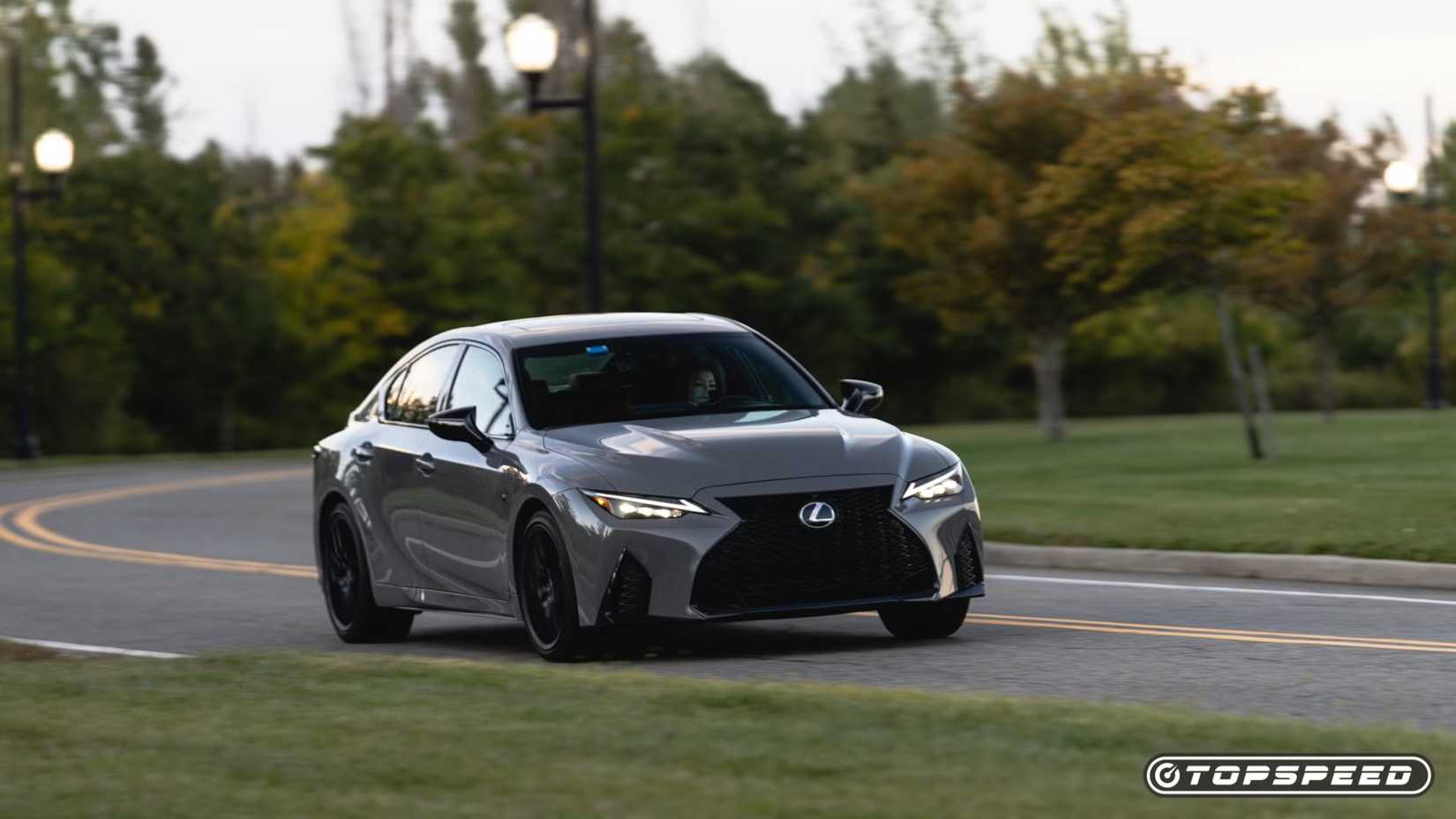
We’re not saying modern sedans aren’t reliable. In fact, many are incredibly well-put-together machines; the 2025 Lexus IS, for example, is rated 91 out of 100 for reliability by J.D. Power, but the focus has shifted from massively overbuilt platforms to maximizing efficiency, performance, and technological comfort within very demanding requirements.
Many of the V8 sedans that gained a reputation for 300,000+ miles came from a different era. Models like the Ford Crown Victoria, Lexus LS, and some GM and Chrysler V8-powered sedans were built with durability margins that were far more generous. This matters for high-mileage claims.
V8 power in sedans and SUVs is certainly missed in the modern market. These ten models are reminders of what once was but might never be again.
The High-Mileage V8 Sedans That Just Won’t Quit
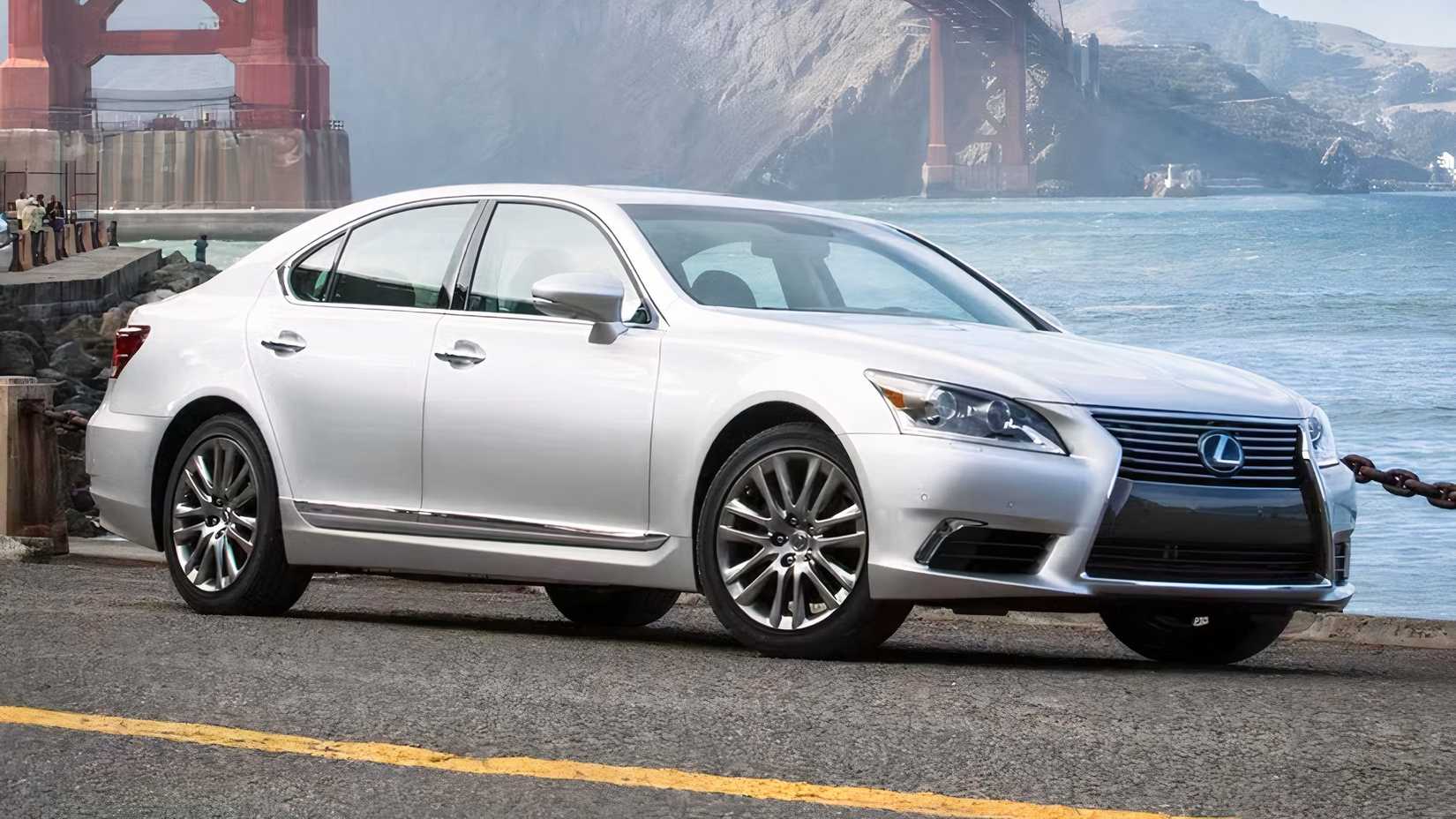
Among V8-powered sedans, there are a handful of models that repeatedly appear whenever discussions turn to 250,000- and 300,000-mile vehicles. What gives V8 power a big win is the fact that some of the highest-mileage models aren’t all from the same market; some are luxury flagships, some are fleet workhorses, and others are performance-oriented family sedans that just happen to age very well.
The Lexus LS 460 Became The Benchmark For Luxury V8 Longevity
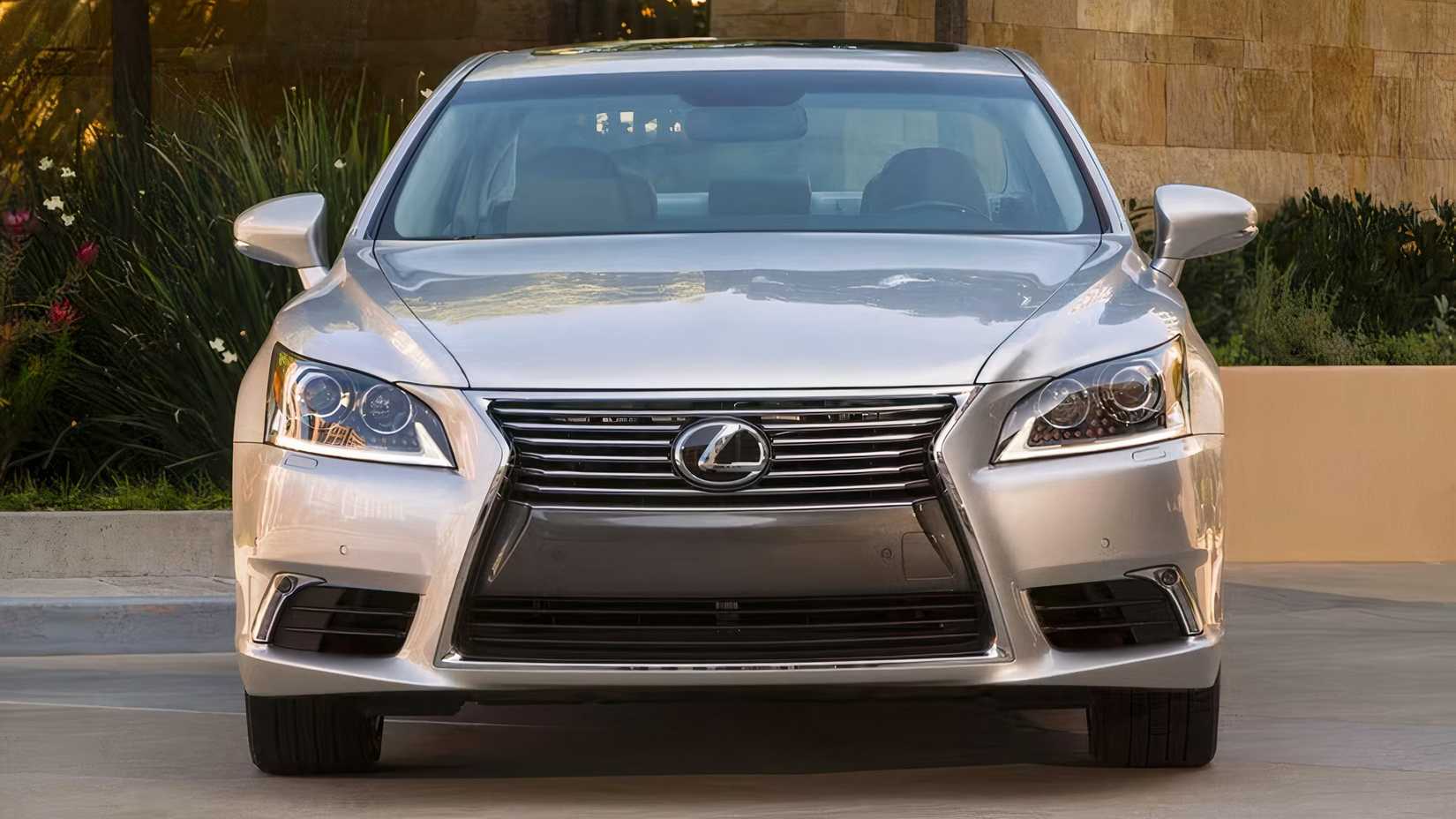
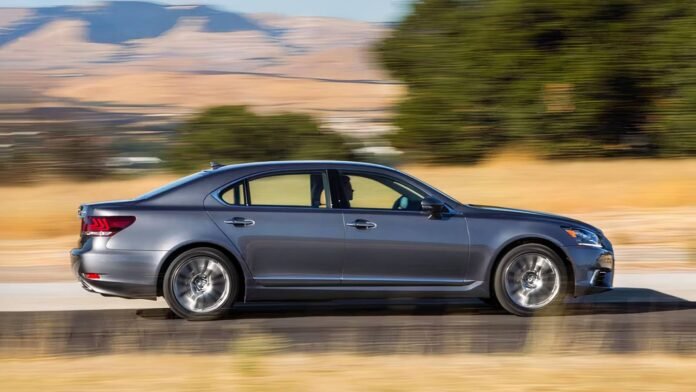
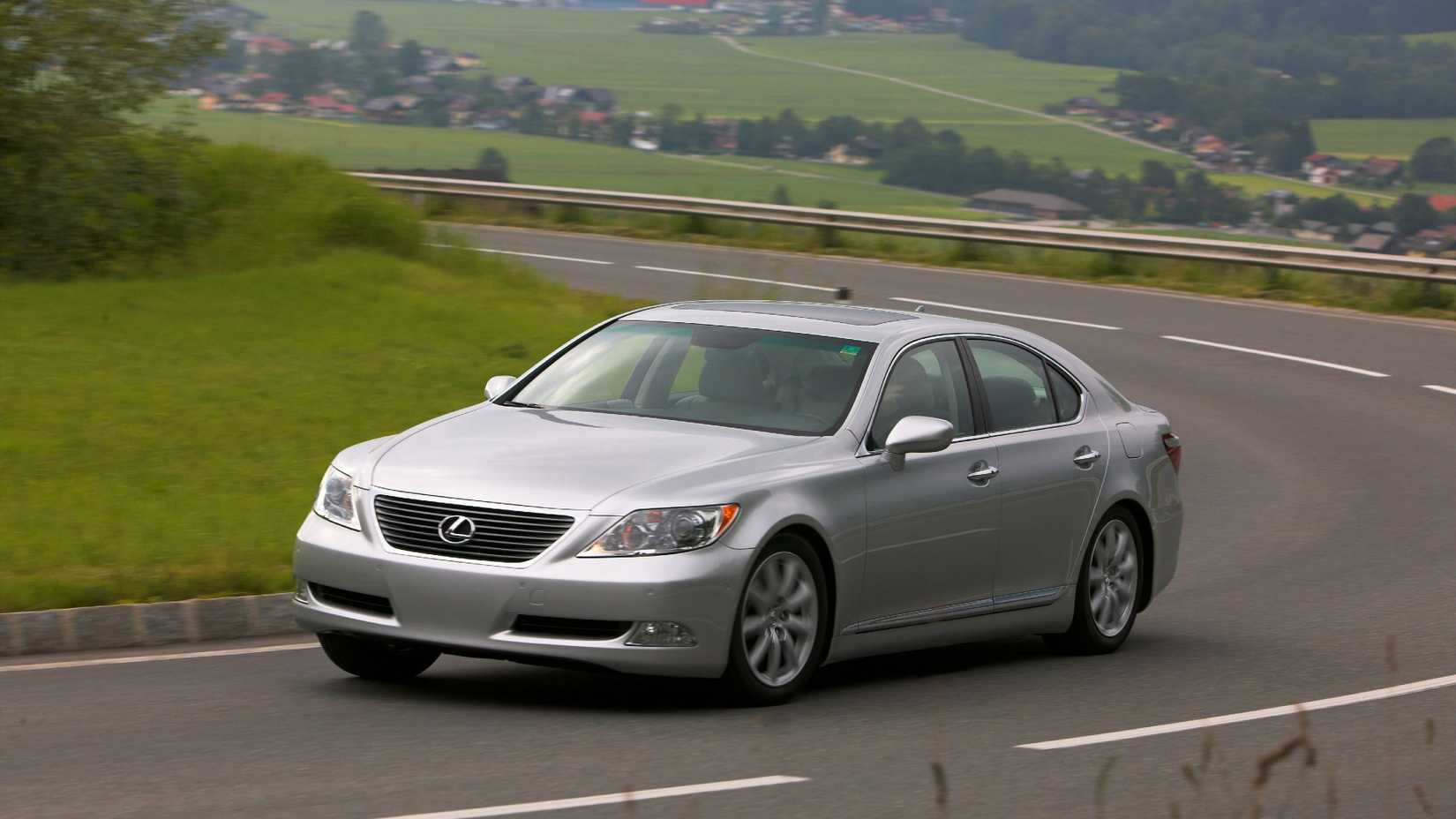
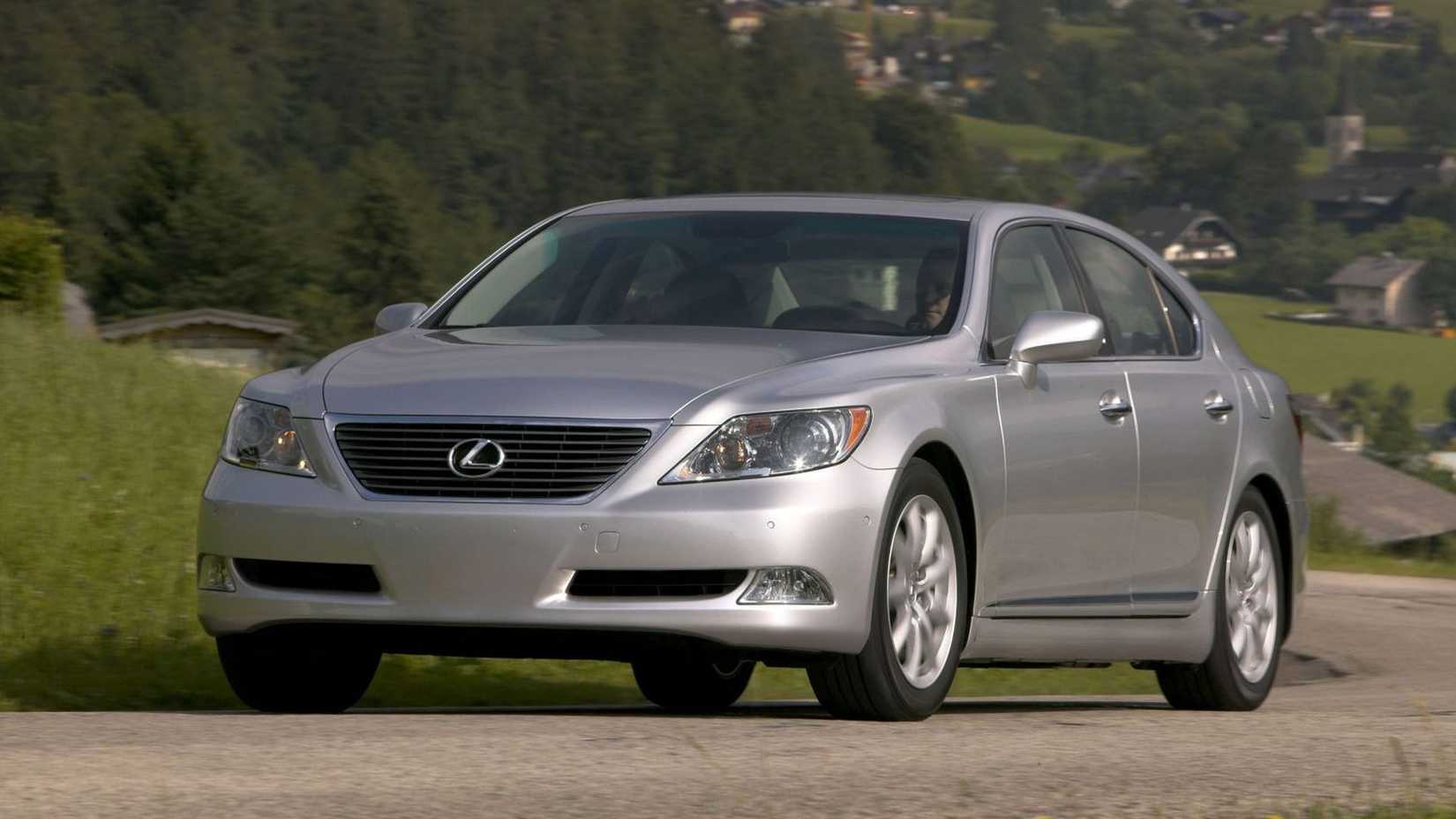
Luxury vehicles don’t usually have the best reputation for reliability, thanks to more complex systems, but the LS 460 built by the ever bulletproof Lexus is something different. Introduced as the fourth-generation LS flagship sedan, the 2007–2017 Lexus LS became a notable exception to the luxury market’s reputation, and combines the refinement expected from a six-figure luxury sedan with durability.
Built for ten years, the 2017 LS 460 was unfortunately the last model year of this special V8 sedan, but there are still a fair few of them on the road. All the LS 460 models come equipped with the Toyota 1UR-FSE V8, but output ratings differ over the model years depending on whether they are on rear-wheel drive or all-wheel drive configurations, with AWD models kicking out the lower end of horsepower and torque. They have the following specs.
|
2007–2017 Lexus LS 460 |
|
|---|---|
|
Engine |
4.6-Liter NA V8 |
|
Transmission |
Eight-Speed Automatic |
|
Horsepower |
357 hp – 380 hp |
|
Torque |
344 lb-ft – 367 lb-ft |
Crown Vics, HEMIs, And Other Outliers Keep Defying Expectations
Elsewhere, other V8 sedans have done the same. The Ford Crown Victoria hasn’t become a high-mileage legend because it was pampered by enthusiasts or preserved as a collector’s item. Instead, it spent decades serving police departments, taxi fleets, and government agencies around the U.S., often accumulating mileage at a rate few privately owned vehicles could ever match. Many models spent thousands of hours idling and still just kept going after their fleet days were finished.
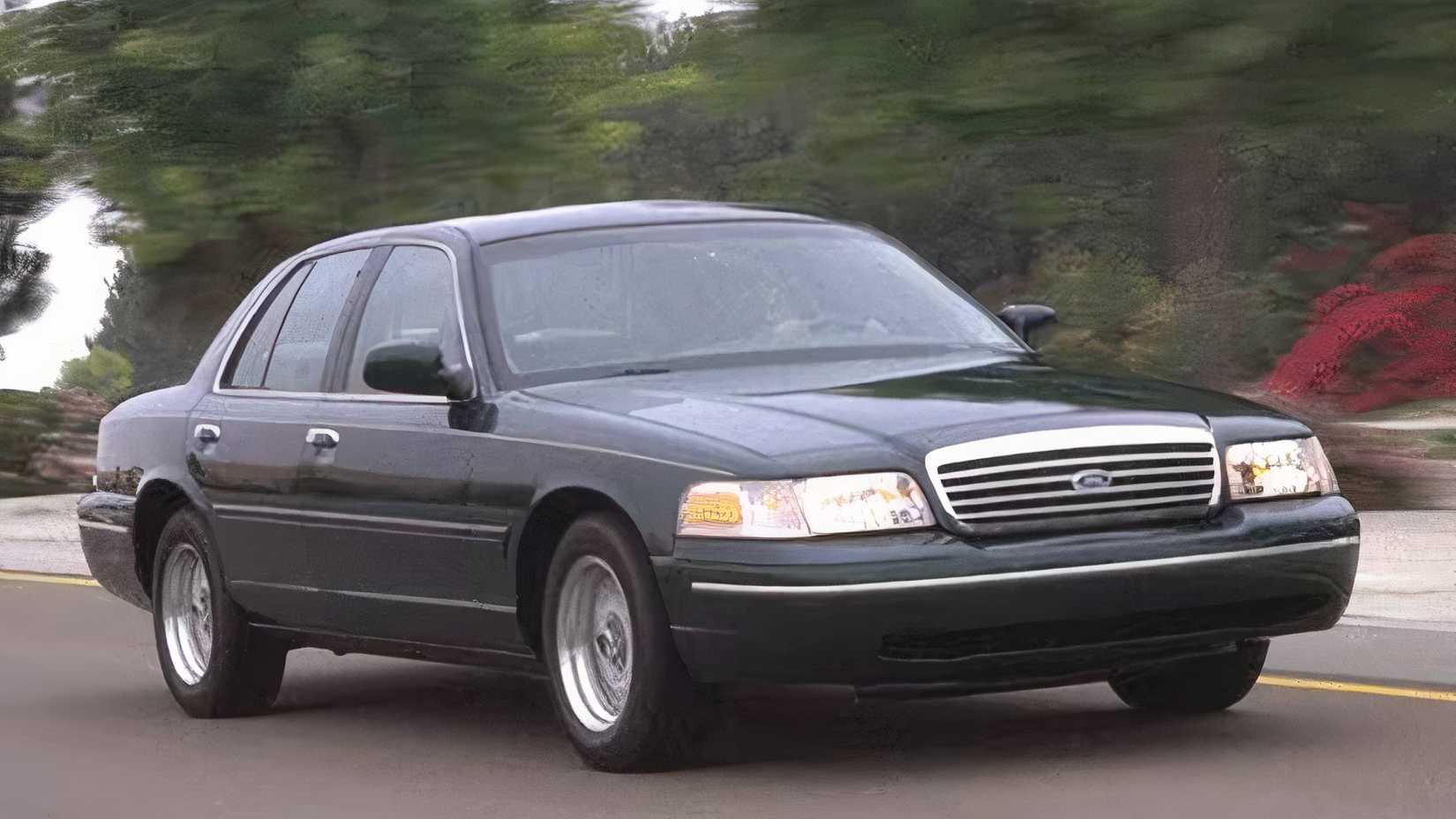
By the end of the Crown Victoria’s production run, six-figure mileage was almost expected, and models with well over 200,000 miles were commonplace. Fleet operators didn’t just value them for durability under the hood, but also because they could withstand years of heavy use while remaining good for ferrying people around. You can’t get this kind of reputation through advertising.
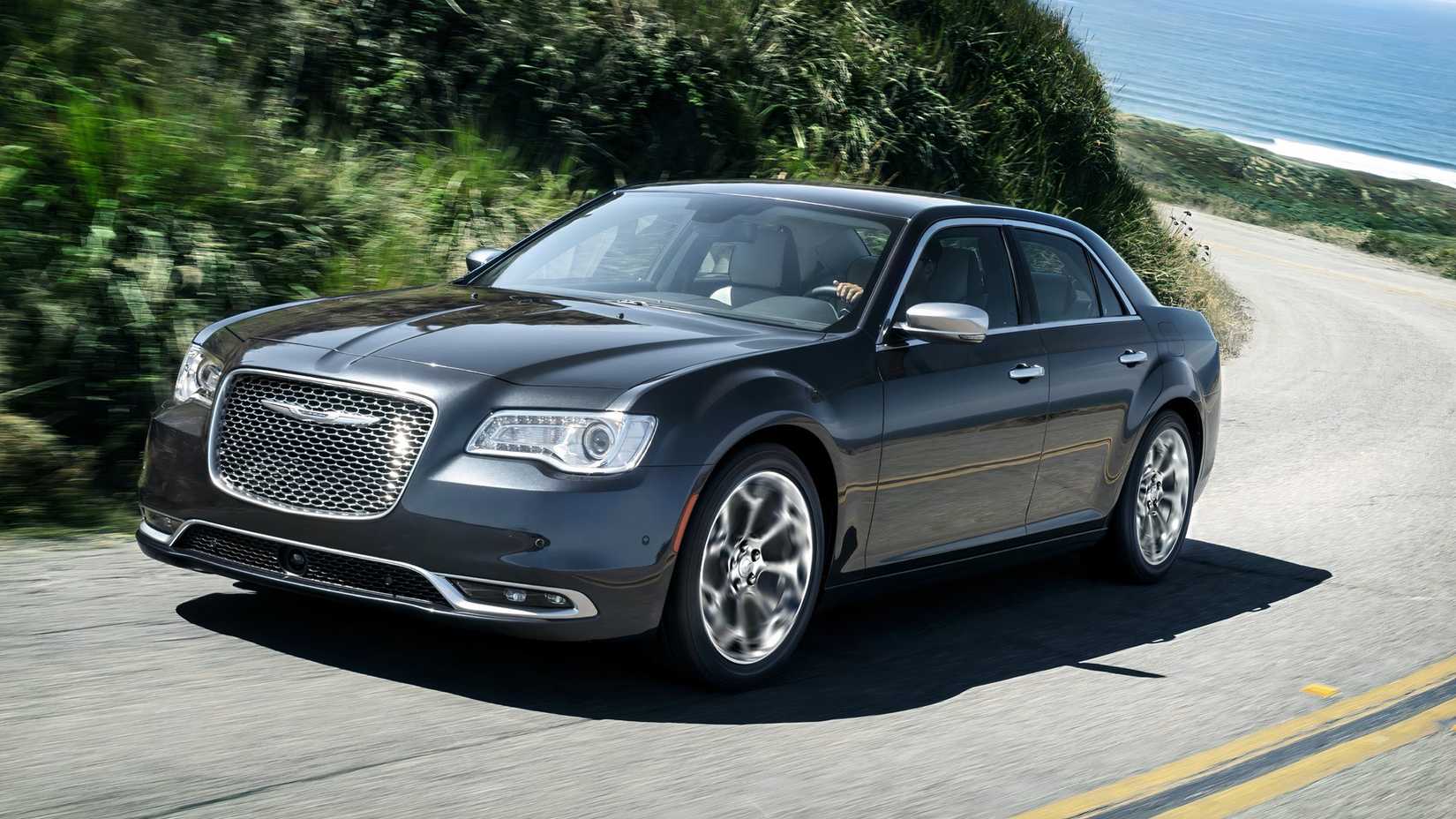
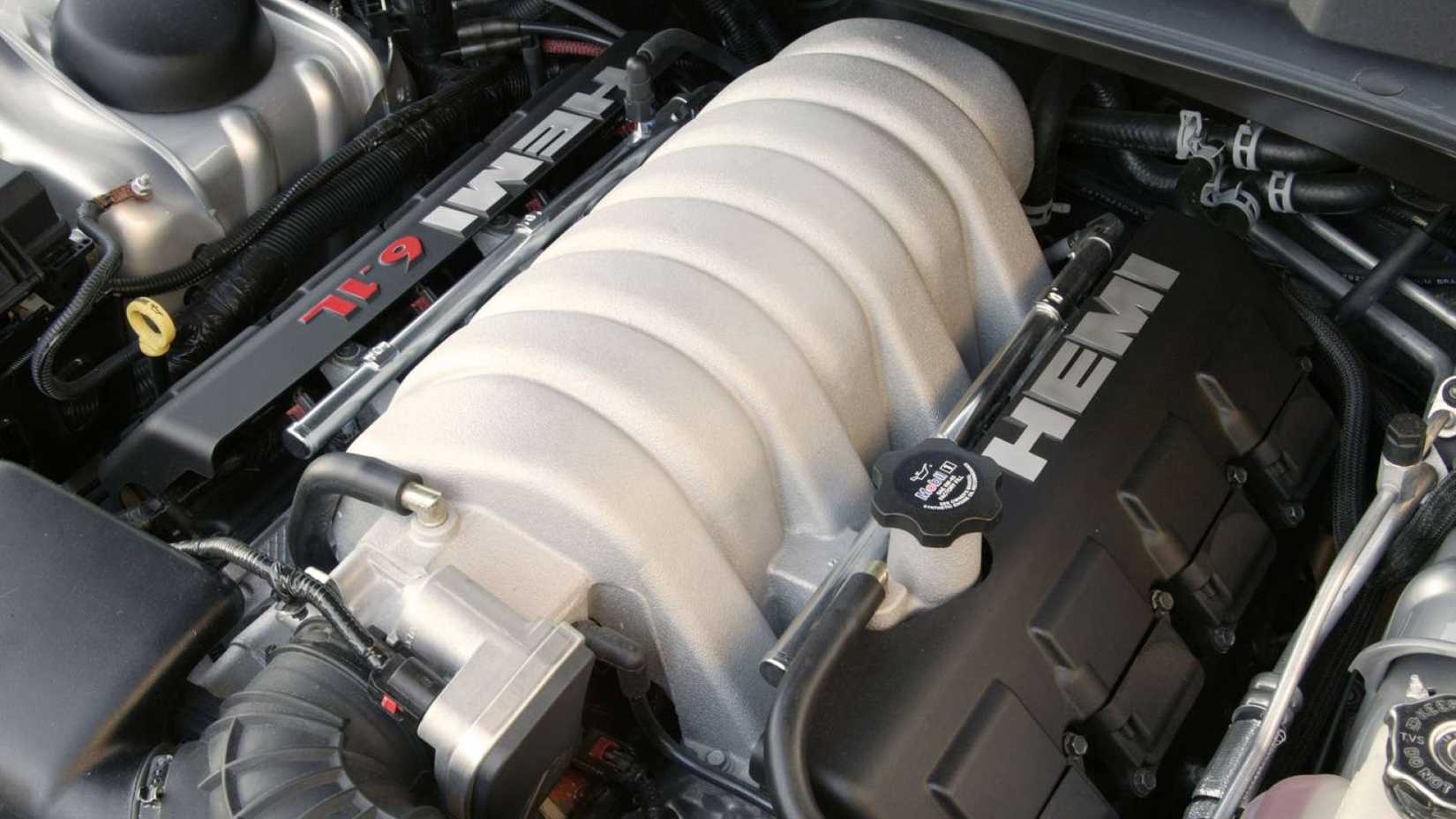
We have seen the same with certain HEMI V8-powered Chrysler models and a handful of GM sedans. Models like the Chrysler 300C, Pontiac G8 GT, Chevrolet Caprice PPV, and Chevrolet SS were all originally praised for their performance, rear-wheel drive fun, and effortless V8 power.
However, as the models have aged, a lot of owners have discovered that they are capable of far more than just delivering straight-line power, but also high mileage when looked after. Alongside the Crown Victoria and LS 460, enough have accumulated serious mileage that they have joined the ranks of high-mileage legends.
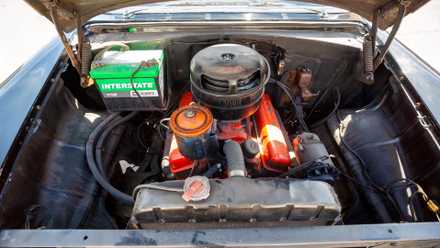
The American V8 Engine That Has Powered Cars And Trucks For 70 Years
For seven decades, the GM small-block V8 has powered cars and trucks with legendary reliability, strong performance, and an unmatched legacy.
The Secret Behind Their Incredible Longevity
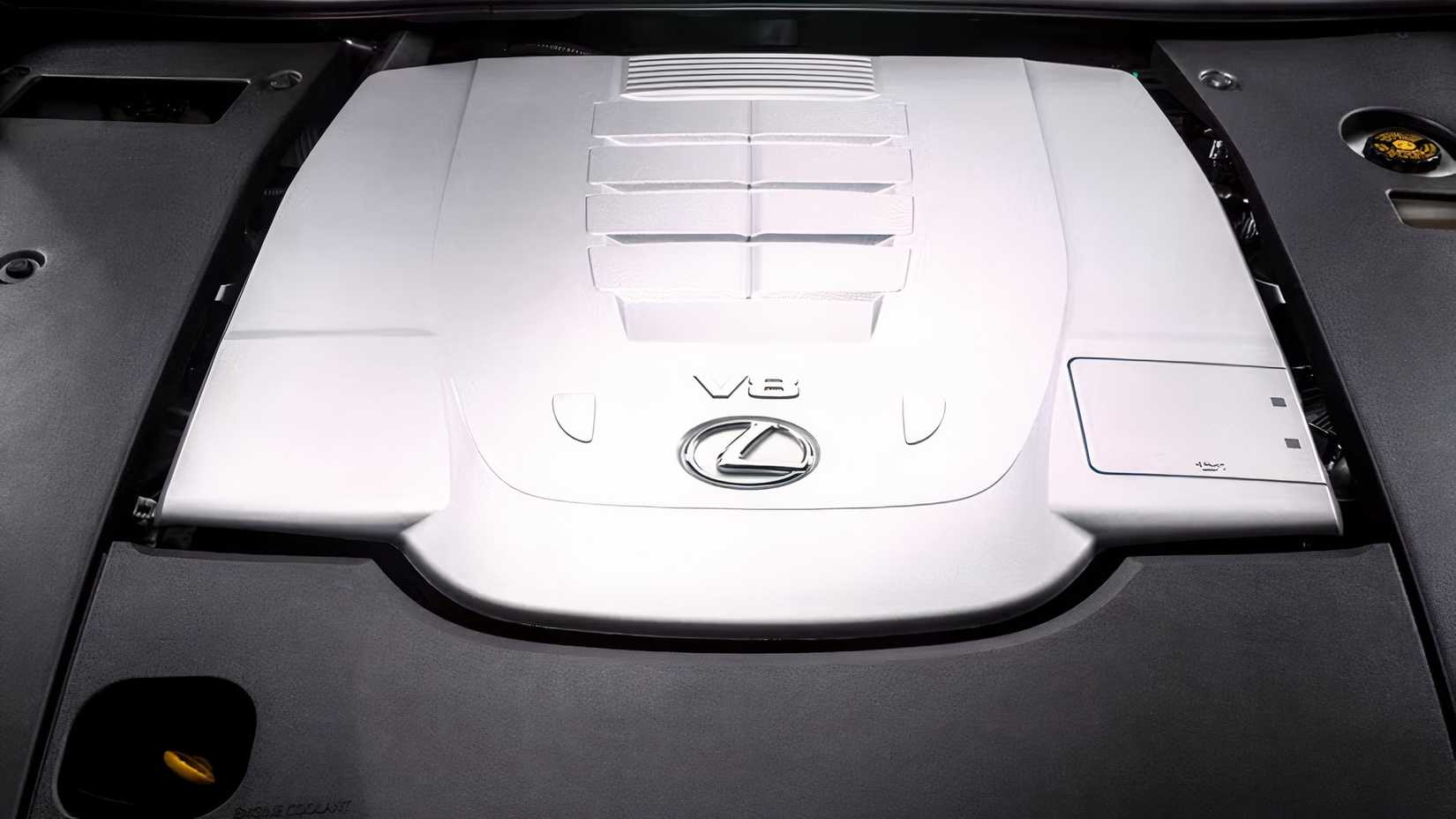
The durability of these V8 sedans isn’t just about a single standout component or good maintenance. Both help, but it is more about how the entire drivetrain was engineered to tolerate imperfect, long-term use. Engines like Toyota’s 1UR-FSE V8, the Ford 4.6-liter Modular V8, and Chrysler’s 5.7-liter HEMI V8 in the 300C all represent different engineering philosophies, but are all built around long-term operation.
They were developed in an era when brands expected to move through multiple owners and rack up big miles under varying levels of maintenance. This expectation shaped how engines, transmissions, and cooling systems were designed, not just for peak performance.
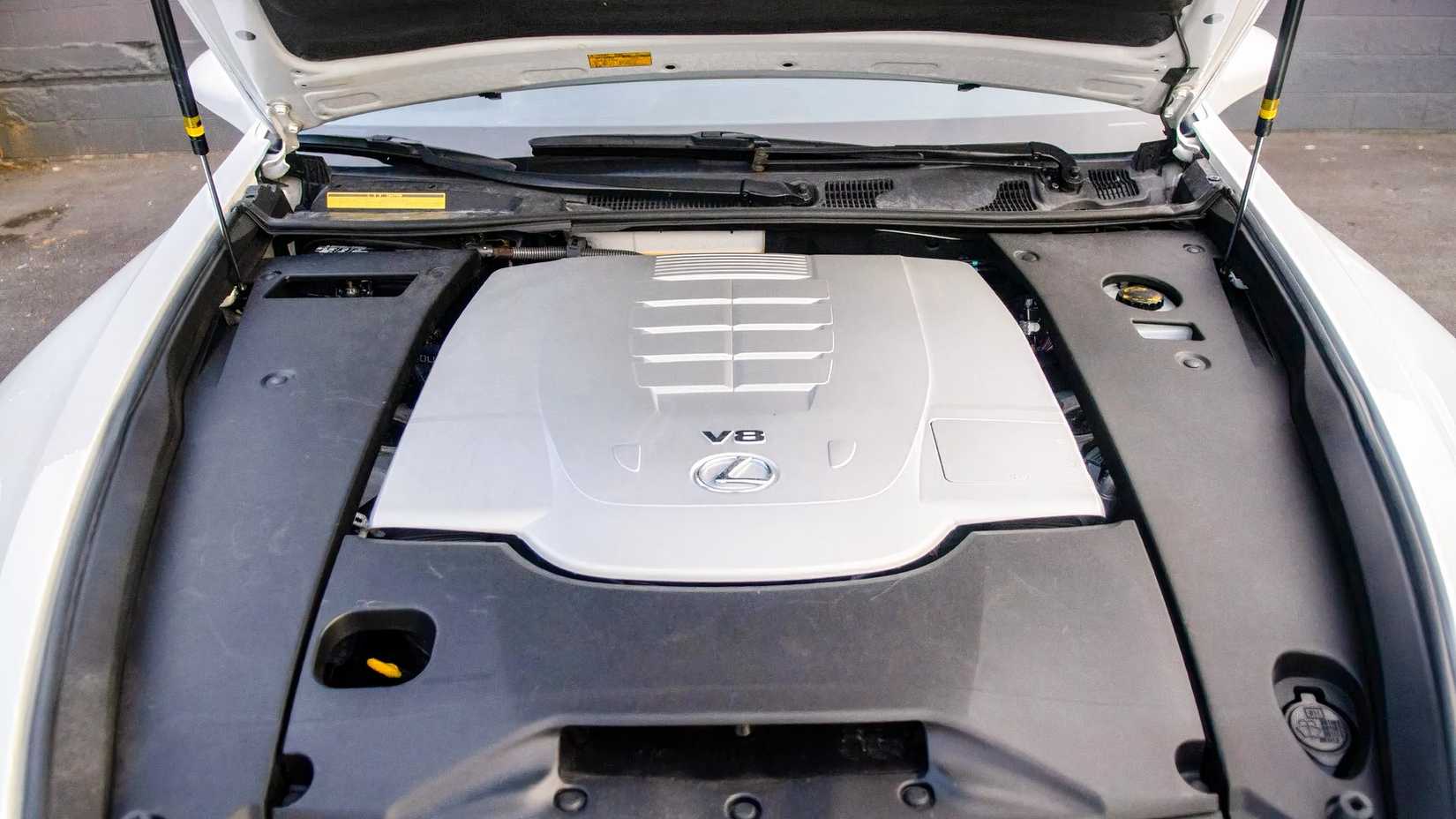
The Toyota 1UR-FSE V8 has an aluminum block with dual VVT-i and a dual-injection setup and is tuned for smooth torque delivery across a wide torque range (1,500 rpm – 4,800 rpm). Ford’s Modular V8 leans on a long-production architecture with a deep-skirt block and conservative tuning over aggression; maximum factory output in a Crown Victoria was only 250 horsepower and 297 pound-feet.
The HEMI V8 under the hood of the 300C has a large-displacement pushrod layout that helps it produce torque early and keeps sustained engine speeds relatively relaxed when you are driving normally. Across all three, the aim was not to offer peak output but low engine stress to achieve everyday performance.
Then there is the transmission pairing. Heavy-duty automatics, whether that is the Aisin unit in the LS 460 or torque-rated Chrysler and Ford boxes, were calibrated to manage sustained load without constant gear hunting or aggressive shifting. Cooling systems were similarly overbuilt relative to output, with good radiator capacity, substantial oil volume, and conservative thermal targets that keep temperatures stable over the years.
Naturally Aspirated V8s Avoid Many Modern Failure Points
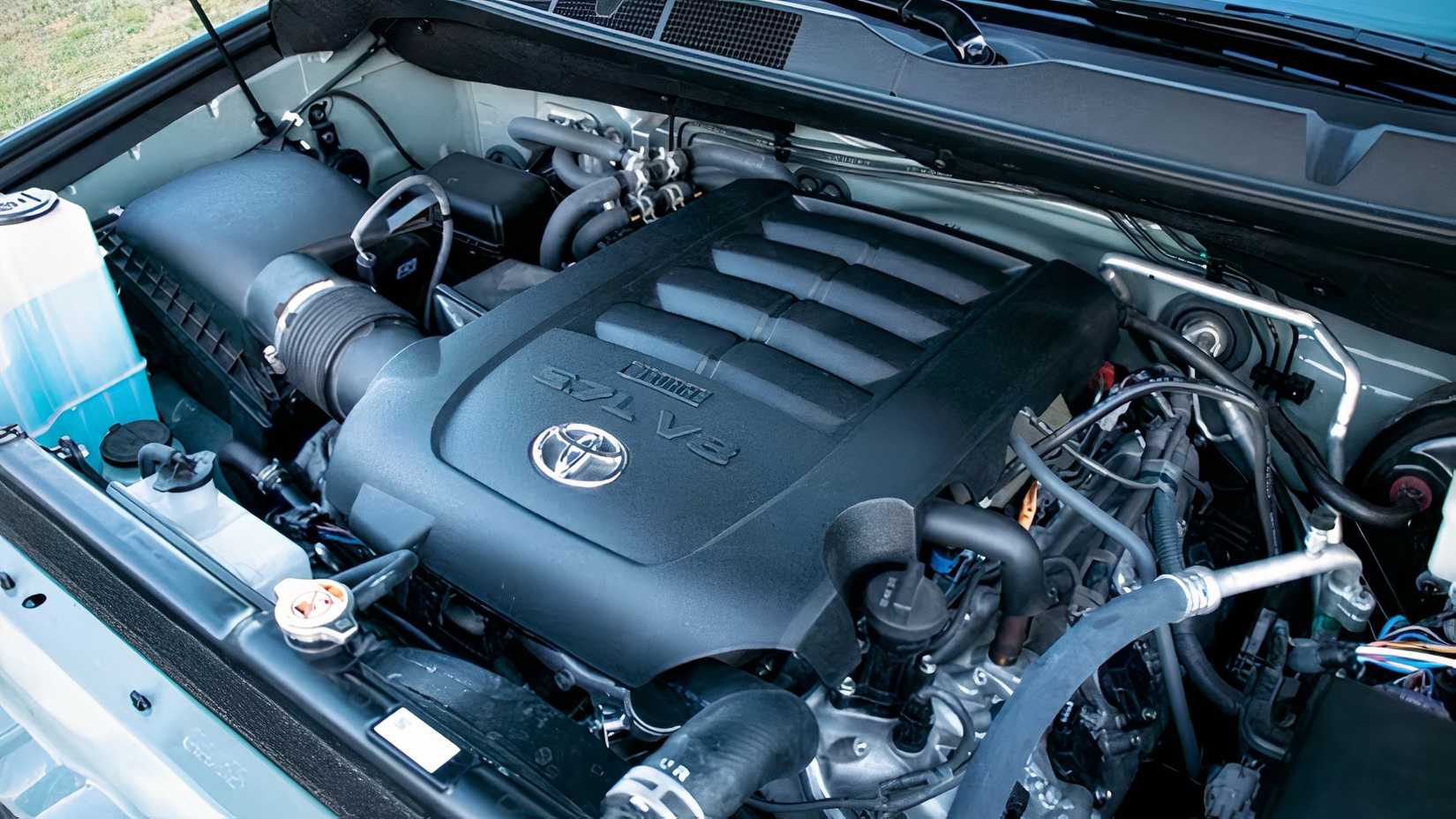
One of the key differences between the old-school V8s and modern turbocharged powertrains is the absence of a forced-induction system and the thermal and pressure management that comes with it. These NA V8s get the job done without turbos, meaning there is no boost stage, no intercooler circuit managing compressed air temperatures, and no continuous boost-pressure regulation.
Modern engines such as the BMW B58 inline-six and Mercedes-Benz’s 3.0-liter M256 inline-six receive turbocharging to get higher output from smaller displacement. The B58 inline-six is paired with a twin-scroll turbo which works under sustained exhaust-driven heat, with intake charge temperatures managed through intercooling and electronic boost control.
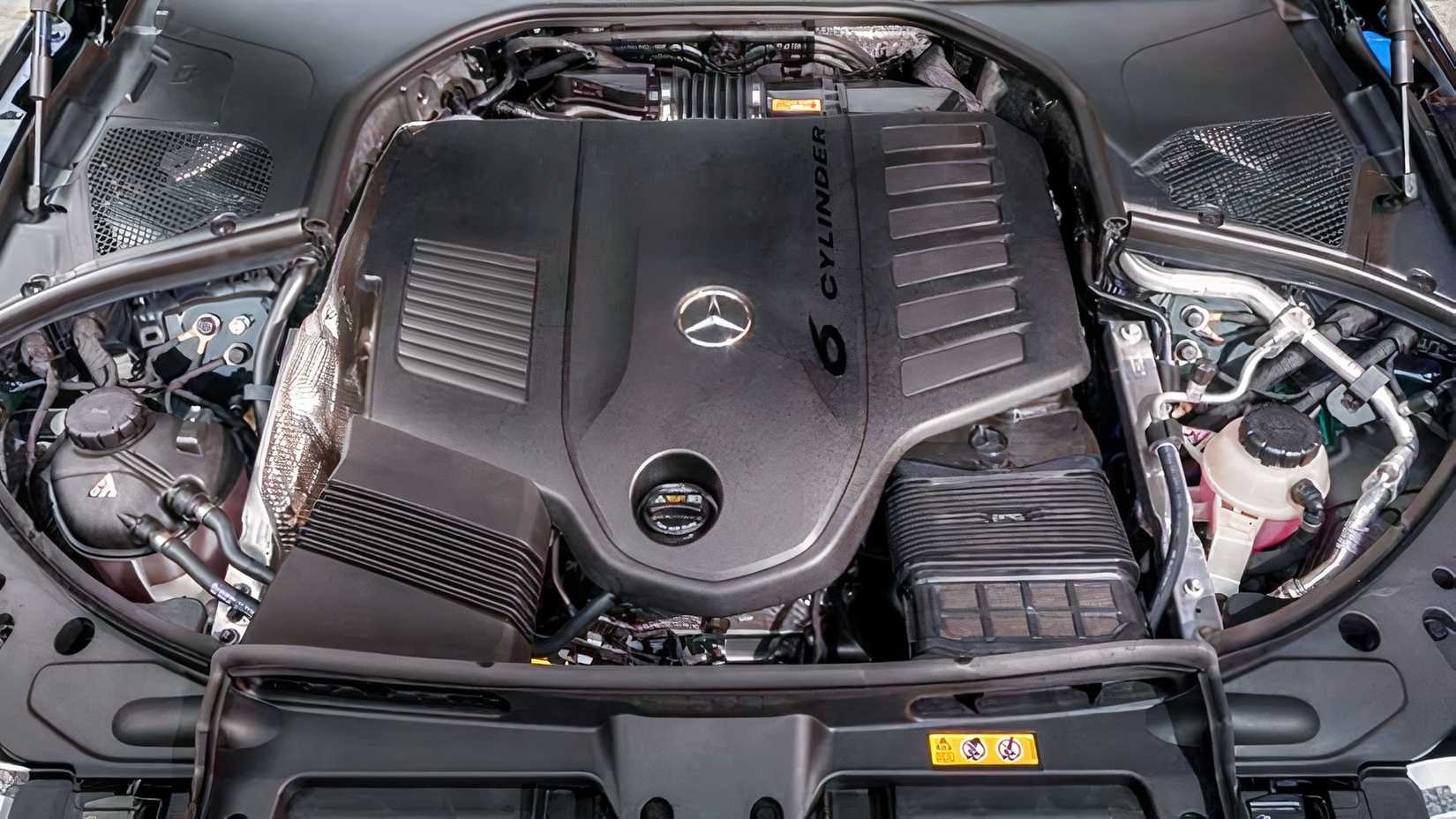
The M256 adds an electrically assisted turbo and 48-volt system, which smooths torque delivery nicely by coordinating boost pressure, throttle input, and combustion timing. These systems are exceptionally refined, but they are complicated and add a broader thermal management task, where intake air density, compressor speed, and charge speed need to be regulated all the time for it to work properly.
For the V8 used in the LS 460, airflow is not compressed before entering the cylinders, so combustion pressure rises in response to throttle input and engine speed. The Ford Modular V8 operates with a similarly linear intake behavior, which keeps peak cylinder pressure and thermal loading conservative, and even the HEMI in the 300C, despite its output, generates torque through displacement rather than boost, avoiding some of the repeated high-pressure cycling seen in modern turbo engines.
Simplicity Is The Ultimate Reliability Upgrade
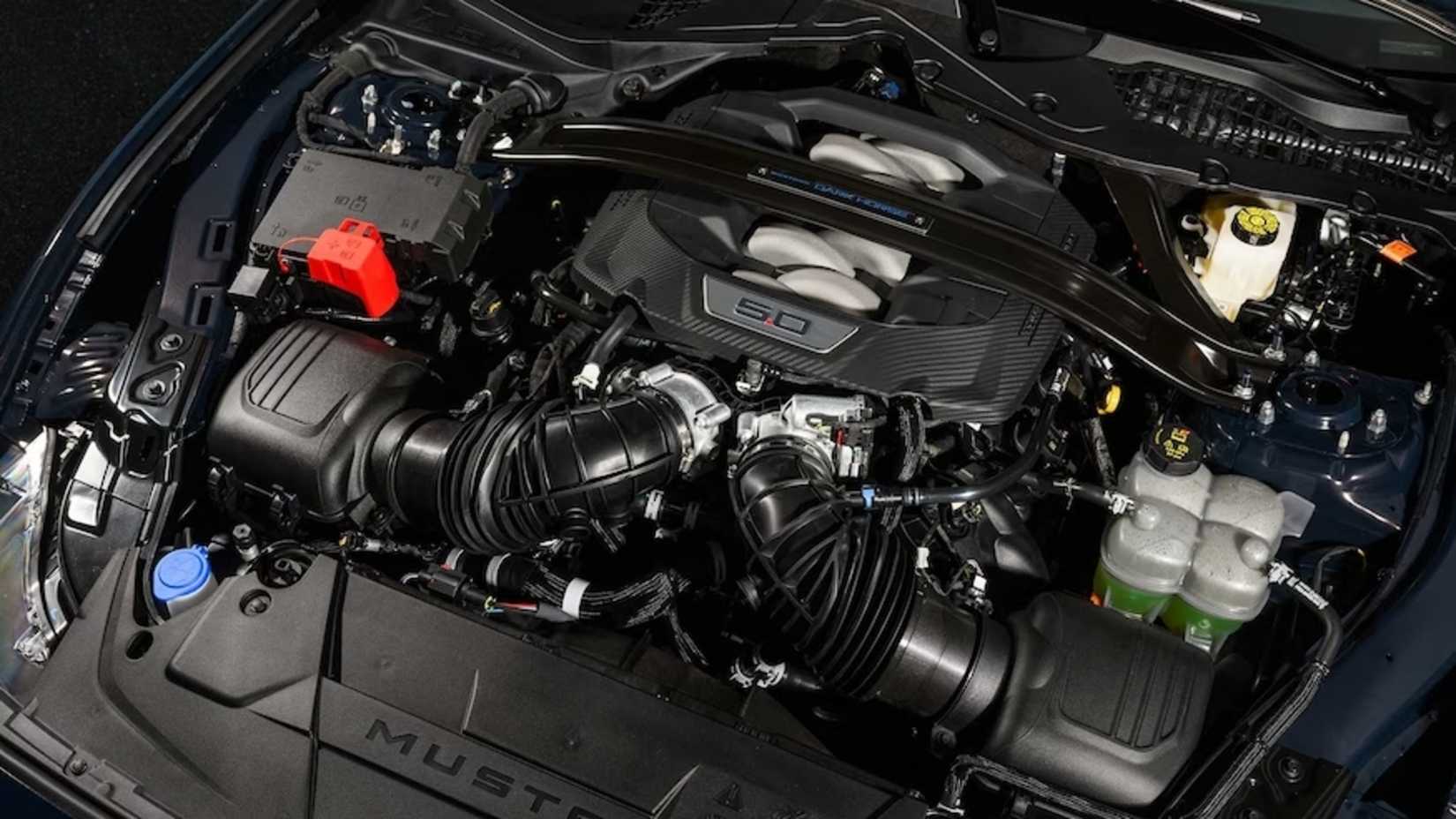
What makes the older V8 sedans useful is how few layers sit between driver input and mechanical response. The engine, transmission, and cooling system are largely self-contained, with straightforward coordination: throttle input translates to torque, the transmission selects ratios based on load, and thermal control is handled mainly through hardware rather than continuous software intervention.
Modern drivetrains often use integrated systems; turboboost control, electronic throttle mapping, a lot more direct injection, transmission logic, and in a lot of cases today, hybrid assistance all work together for efficiency and high performance. However, it also increases the number of variables influencing how the drivetrain works, or complexity.
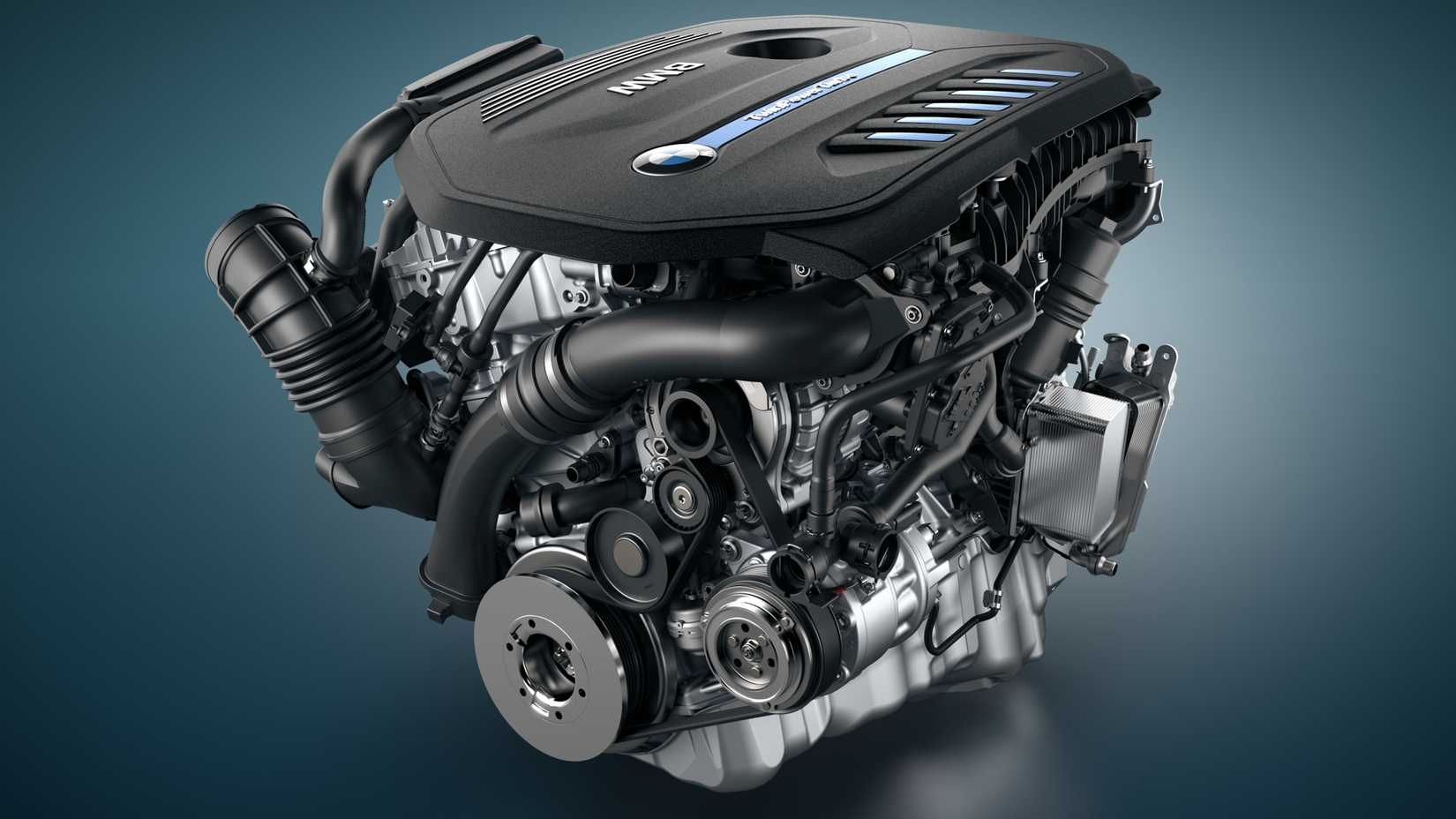
Some of the most reliable V8 sedans avoid much of that, with no systems needed to regulate charge-air conditions and fewer subsystems needed in general. This means you get a more direct, predictable drive that tends to remain more consistent as you rack up the miles.
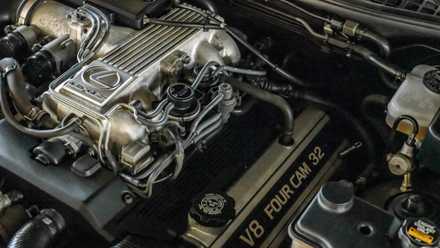
The Durable Japanese V8 That Powers Everything From Luxury Sedans To Pickups
From luxury sedans to pickup trucks, this Toyota V8 engine series laid the groundwork for Japanese engineering’s pursuit of perfection.
Real Owners Have Crossed The 300,000-Mile Mark
Just because some older V8 sedans look good on paper, it doesn’t mean that you are 100 percent going to see 300,000+ miles. In fact, iSeeCars says that the average lifespan of an LS 460 is 135,769 miles, with a 15.9 percent chance of reaching 200,000 miles; a Chrysler 300C has an average lifespan of 124,879 miles, with a 6.6 percent chance of reaching 200,000 miles, and a Crown Victoria has an average lifespan of 123,479 miles, with a 6.9 percent chance of reaching 200,000 miles.
Lexus LS, 300C, And Crown Victoria Owners Have Claimed Remarkable Mileage Records
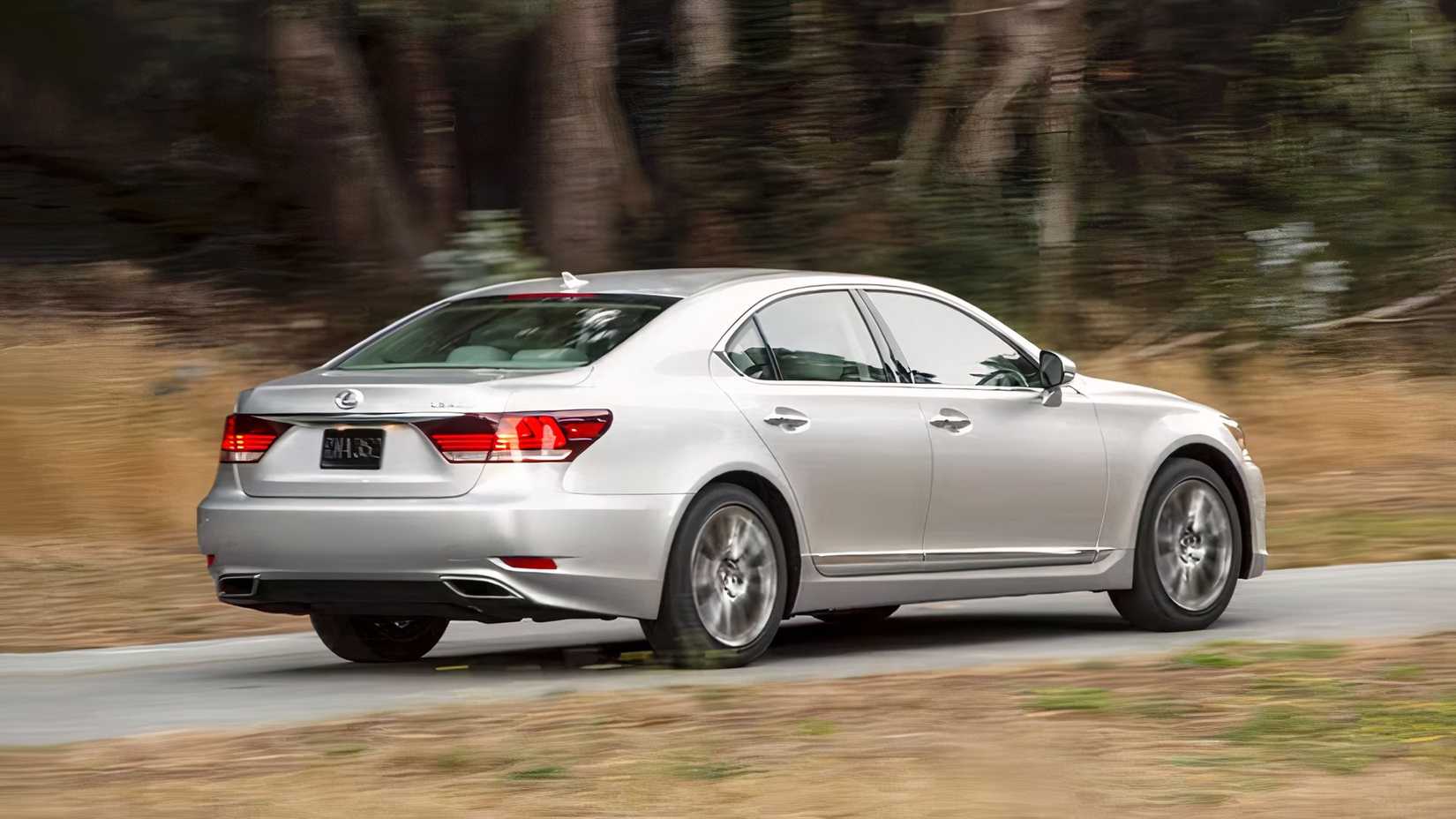
Despite modest estimations, one owner of an LS 460 on ClubLexus provided a service report that said a final service was done on their model with 329,580 miles on the clock, while others have routinely claimed to have reached 200,000+ miles with simple maintenance and changing consumables as and when they are needed.
Numerous Chrysler 300C owners have claimed to have put 250,000 miles on their models; they are generally owners of 2005 to 2008 models, while one owner on the 300C Forum has claimed to own a 2006 model with a whopping 401,000 miles on the clock.
Despite having the lowest estimated iSeeCars lifespan, the Ford Crown Victoria is the undisputed high-mileage icon of the three. An owner of a 2003 model has claimed to have put 465,000 miles on the clock, while the highest verified mileage is of another 2003 model, with 1,023,574 miles on the original V8 engine, transmission, exhaust, and rear end.
How Chevrolet’s Small Block V-8 Became America’s Engine
By blending simplicity, affordability, and adaptability, Chevrolet’s small-block V8 powered generations of cars.
The Reality Of Owning A 300,000-Mile V8 Sedan
Looking after a car that lasts over 300,000 miles is an achievement that very few owners have the pleasure of. It does take dedication, spot-on maintenance, and, despite how some are designed to perform, not pushing it to its limit all the time to keep a V8 sedan going for so long. You should also consider that it will likely cost you more in fuel, parts, and maintenance as the miles tick along.
RepairPal says that a 150,000-mile service on an LS 460 will cost you between $1,403 and $1,807 alone, before taking into consideration whether any major parts need replacing. Though Lexus is sturdy, LS 460 owners have complained that at high mileage, the air suspension struts and brake actuators tend to need replacing, which can cost up to $3,500 alone.
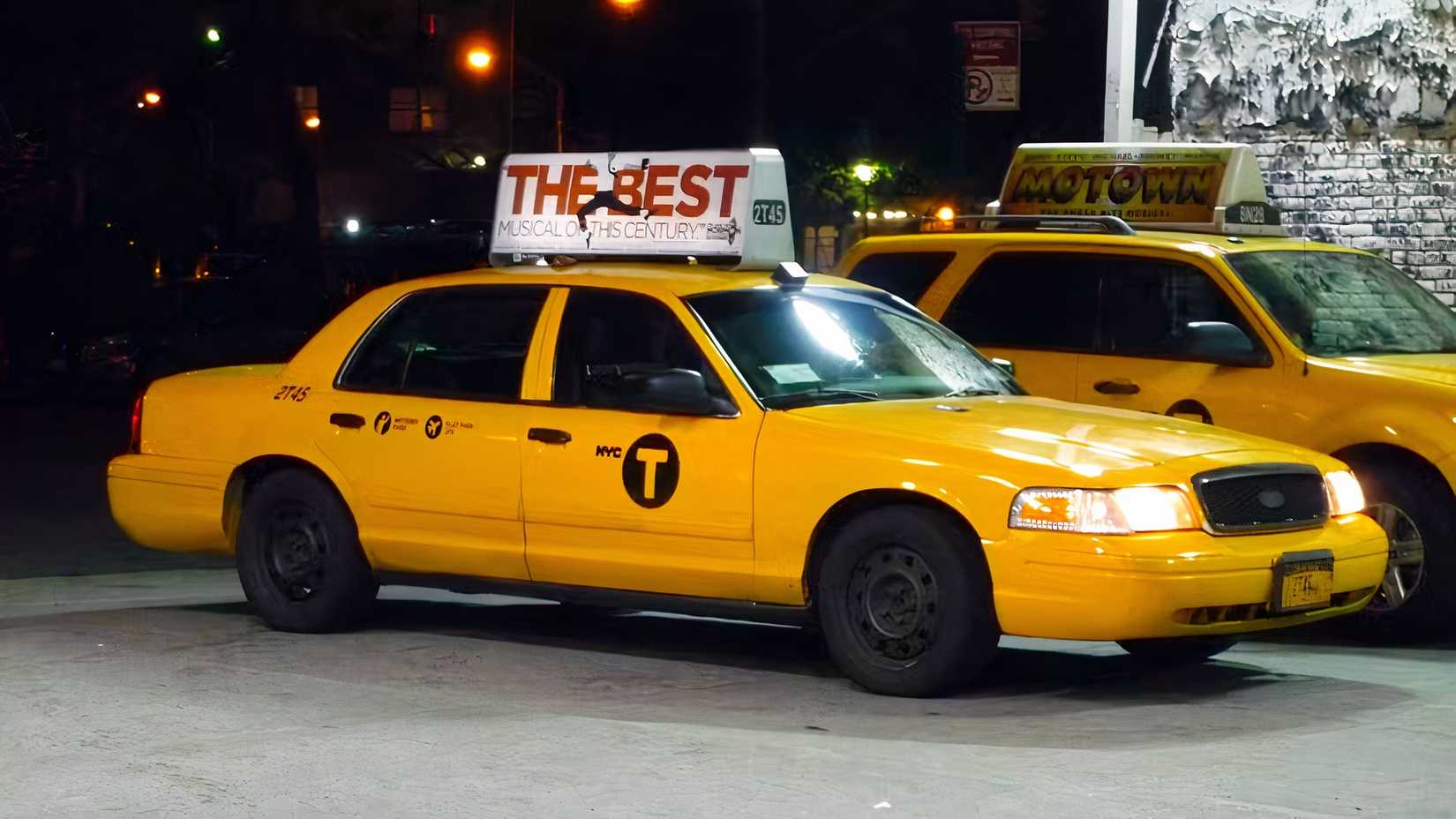
RepairPal also says that the Crown Victoria has an estimated annual maintenance cost of over $1,000, and a 150,000-mile service will cost approximately $1,200. The 300C has substantially lower annual maintenance costs of around $630 and a low 150,000-mile service cost of approximately $601, but owners have complained that high-mileage models will likely need a fuel pump replacement (around $850), and the pre-Eagle HEMIs used in the 2005–2008 models can drop a valve seat if maintenance is neglected and they overheat.
It is also worth noting that these 150,000-mile services don’t include all the other servicing done up to this mileage, and the next 150,000 miles. It can be a labor of love keeping a V8 sedan going for so long, and these models have the potential, but it is likely going to take some dedication.
Sources: Lexus, Ford, Chrysler, J.D. Power, 300C Forums, ClubLexus, FuelEconomy.gov, iSeeCars, and Kelley Blue Book.