
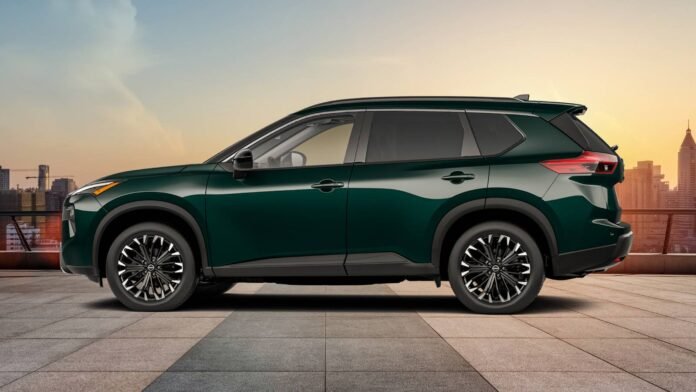
For years, Toyota has dominated many a conversation about mainstream vehicles. Specifically, we love how reliable they are, how well priced they are, how useful they are, and how they are built for real everyday use. However, there is a Nissan SUV that may just make you think twice before buying a Toyota SUV.
Nissan has a mixed reputation for SUVs, and while some of their most iconic models are their sports cars, the modern SUV market wouldn’t be the same without them, especially this value-packed compact model.
Why Toyota Still Defines The SUV Market
Toyota is arguably one of the brands that has shaped the SUV market over the last couple of decades. From the RAV4 to the Highlander, they have spent a long time refining a formula that blends efficiency, practicality, resale value, and forward-thinking designs into one useful package. They aren’t a flashy brand, but they are one that nearly consistently delivers everything that matters to mainstream buyers.
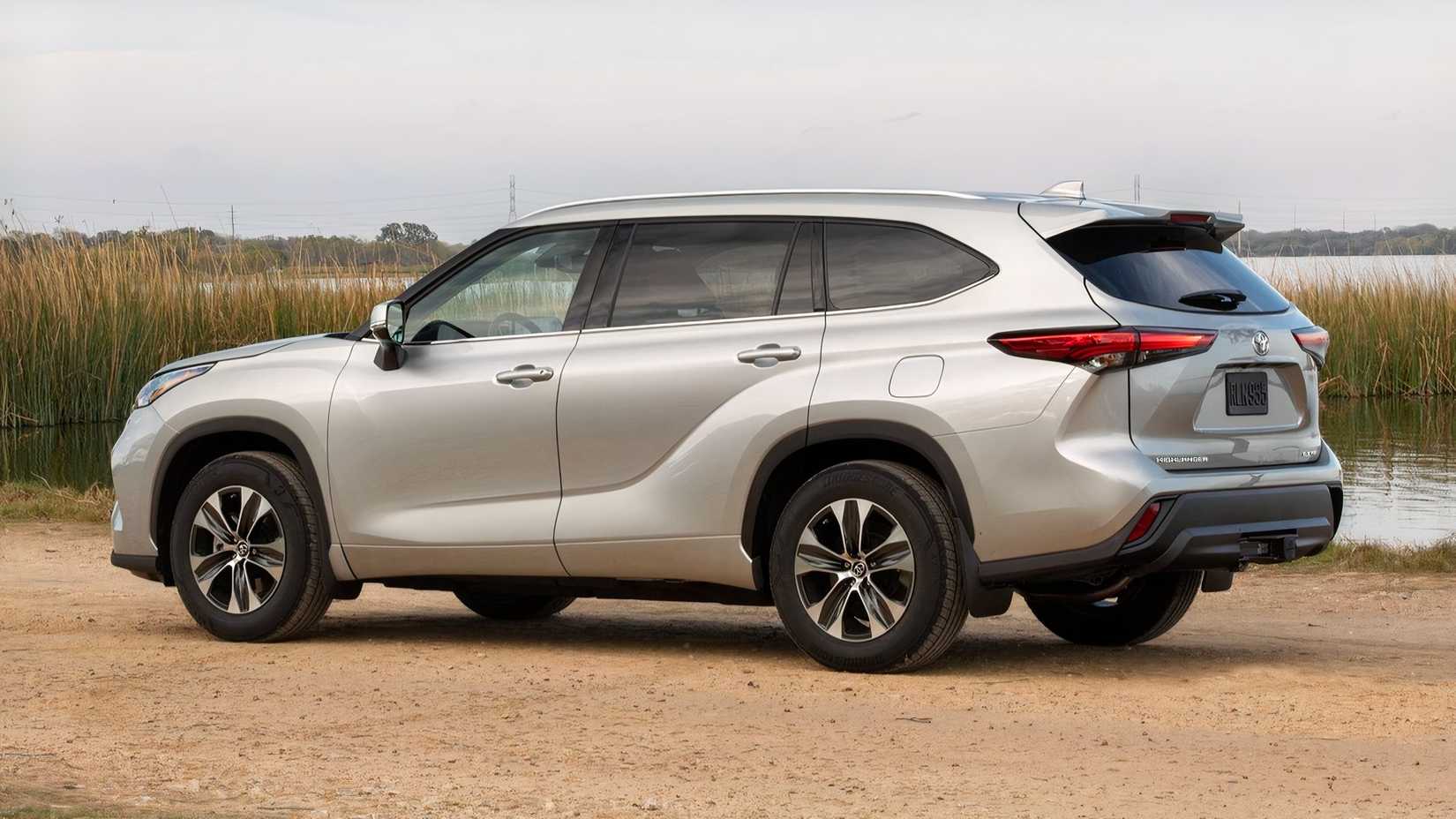
That near-consistency has made Toyota the default choice for many of us. Plus, despite recent Toyota Tundra V6 problems, they are still an exceptionally well-trusted brand. Their approach to incremental improvement, instead of radical reinvention, means that you have a good idea of what you’re getting. Rivals chase bigger screens and trends while Toyota sticks to usability and durability. That’s why they continue to define the SUV segment, even when rivals get ahead in features and style.
Toyota’s Reliability Reputation Is Hard To Beat
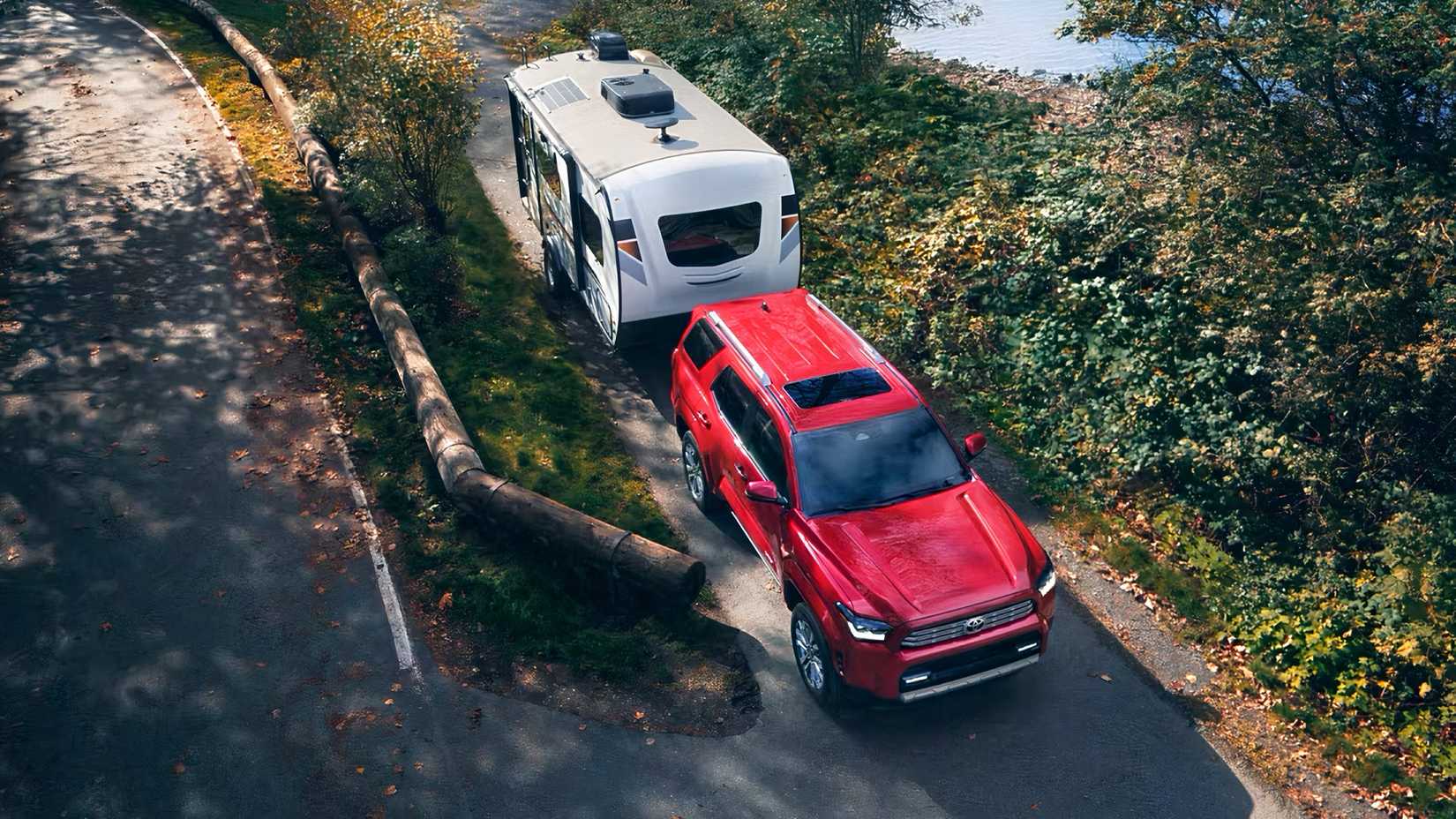
Possibly the first thing you think of when talking about Toyota is reliability and fuss-free ownership. According to data on RepairPal, Toyota has a reliability rating of 4 out of 5 and low brand-wide average maintenance costs of $441, which makes them nearly $200 cheaper a year to maintain than the average modern vehicle brand.
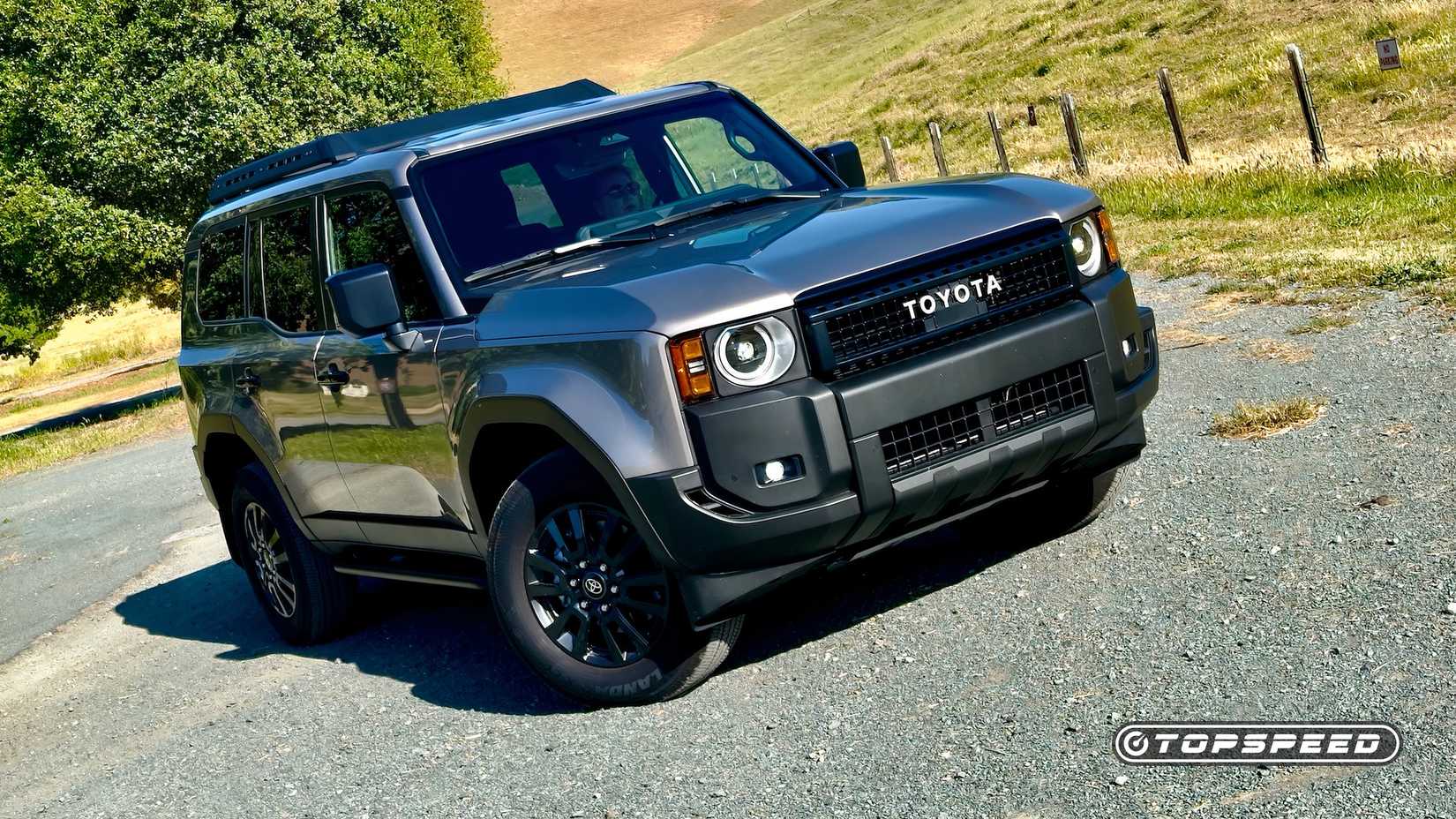
Models like the Land Cruiser are overlanding legends, thanks to their all-around rock-hard construction; Toyota has built some of the most unkillable engines on earth (think the 5.7-liter NA 3UR-FE V8); some owners have claimed to put over 500,000 miles on Camry models, and the RAV4 has achieved things that most compact SUV makers can only dream of. In short, Toyota has built a reputation based on trust that many of its rivals find it hard to match, and that really counts in a crowded market like the SUV one.
Where Nissan Stands In The 2026 SUV Market
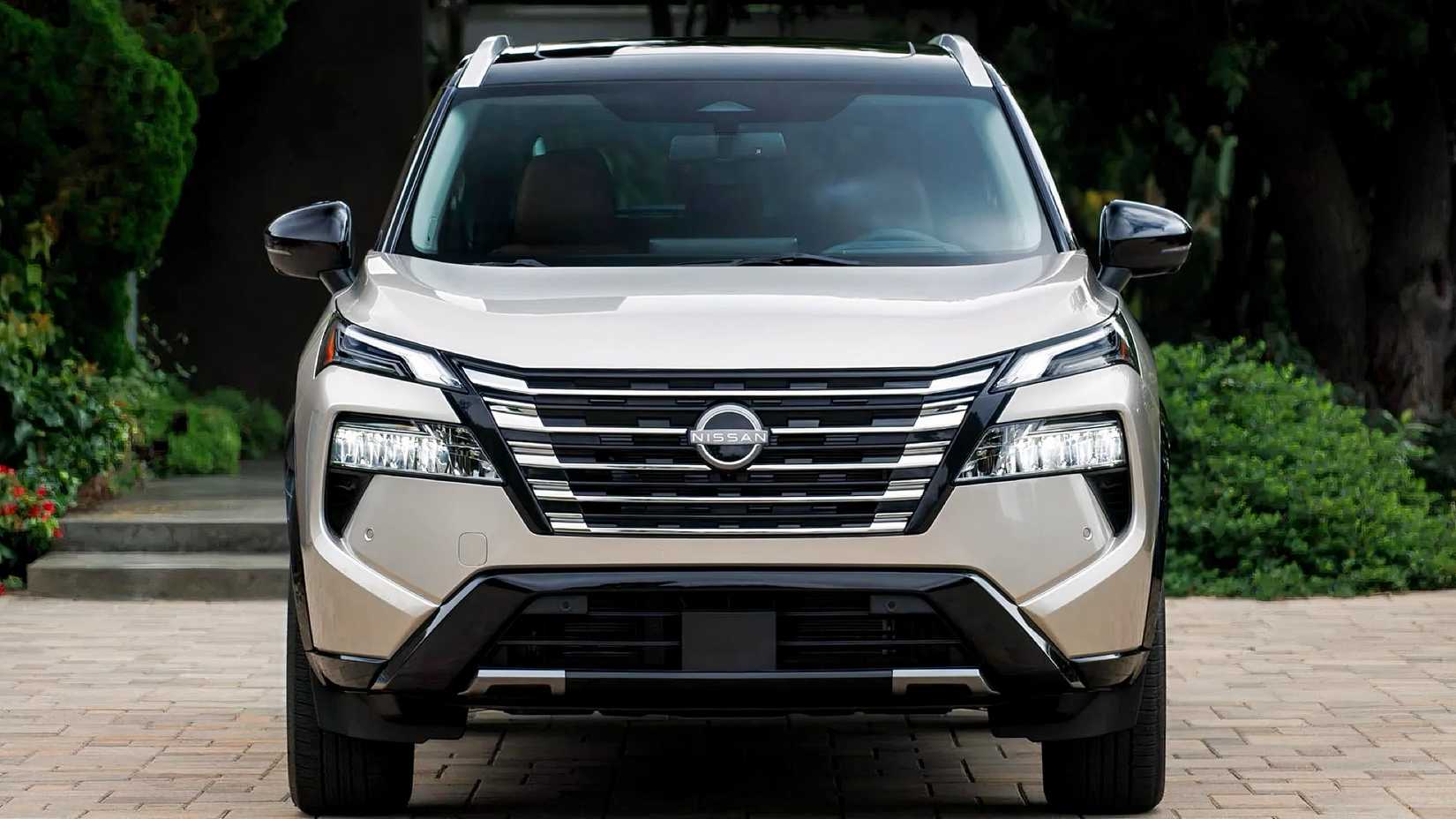
It can be argued that Nissan has spent the last decade or so chasing the likes of Toyota, and while they are reportedly more expensive to maintain, at $500 per year according to RepairPal, chasing them is now not the case. For 2026, Nissan’s strategy seems to be more focused, with a clear emphasis on delivering immediate and usable value rather than leaning on long-term reputation alone.
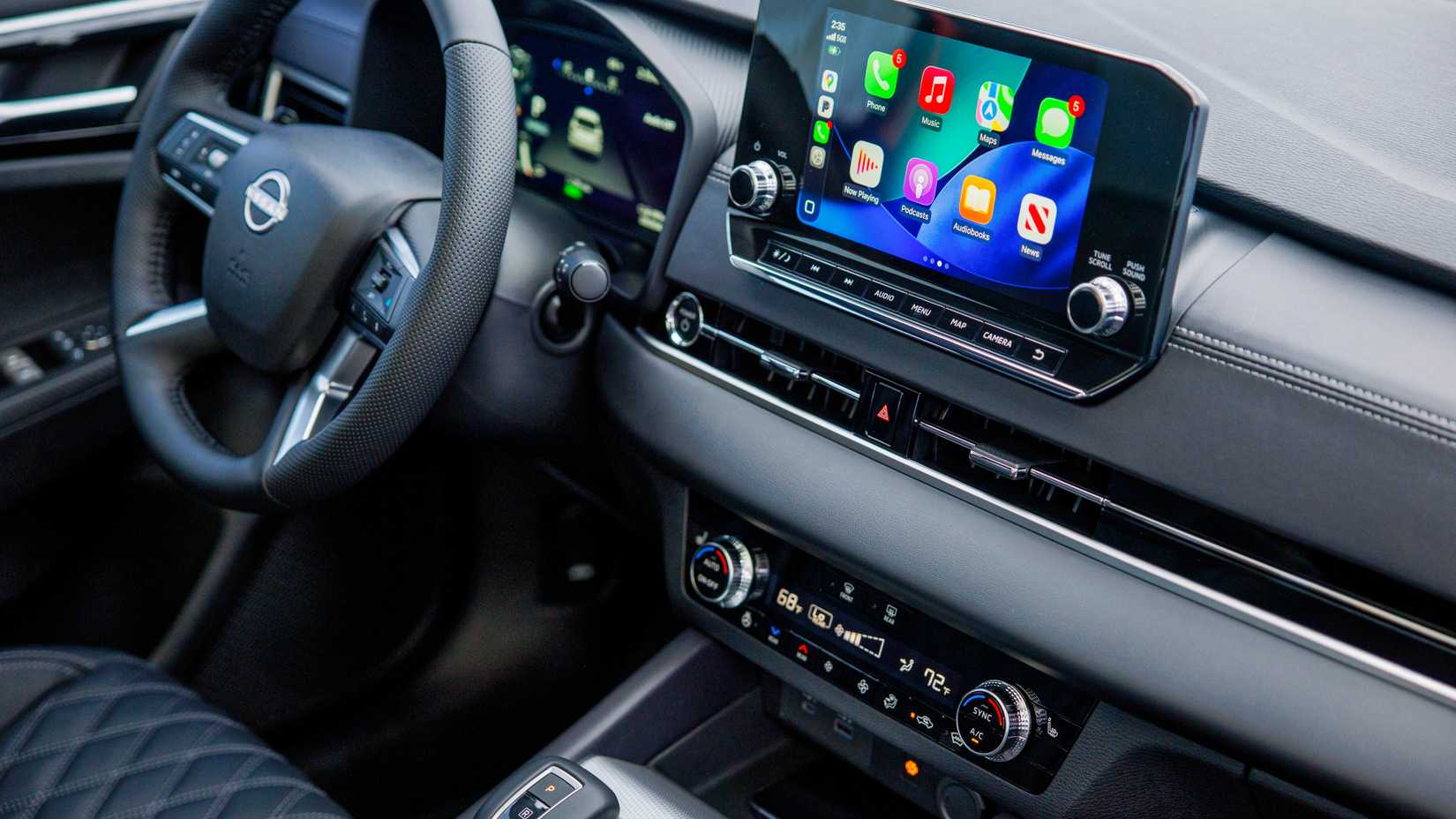
Exterior designs, interior quality, and a noticeably improved fit throughout the 2026 lineup have turned Nissan into a brand that no longer feels second fiddle to Toyota. There has also been a push in refinement, with smoother powertrains, better ride control, reduced noise in the cabin, and smarter cabin designs. Nissan’s reputation may not match Toyota’s reliability reputation, but the gap is shrinking between the two, and Nissan is making a strong argument for those of us who want value features, comfort, and good pricing.
10 Reliable Used Japanese SUVs That Are Surprisingly Affordable Today
Reliability and affordablity are qualities you expect from Japanese SUVs. Here are ten used models that could be great to drive.
The 2026 Nissan Rogue Is Upsetting The Affordable SUV Market
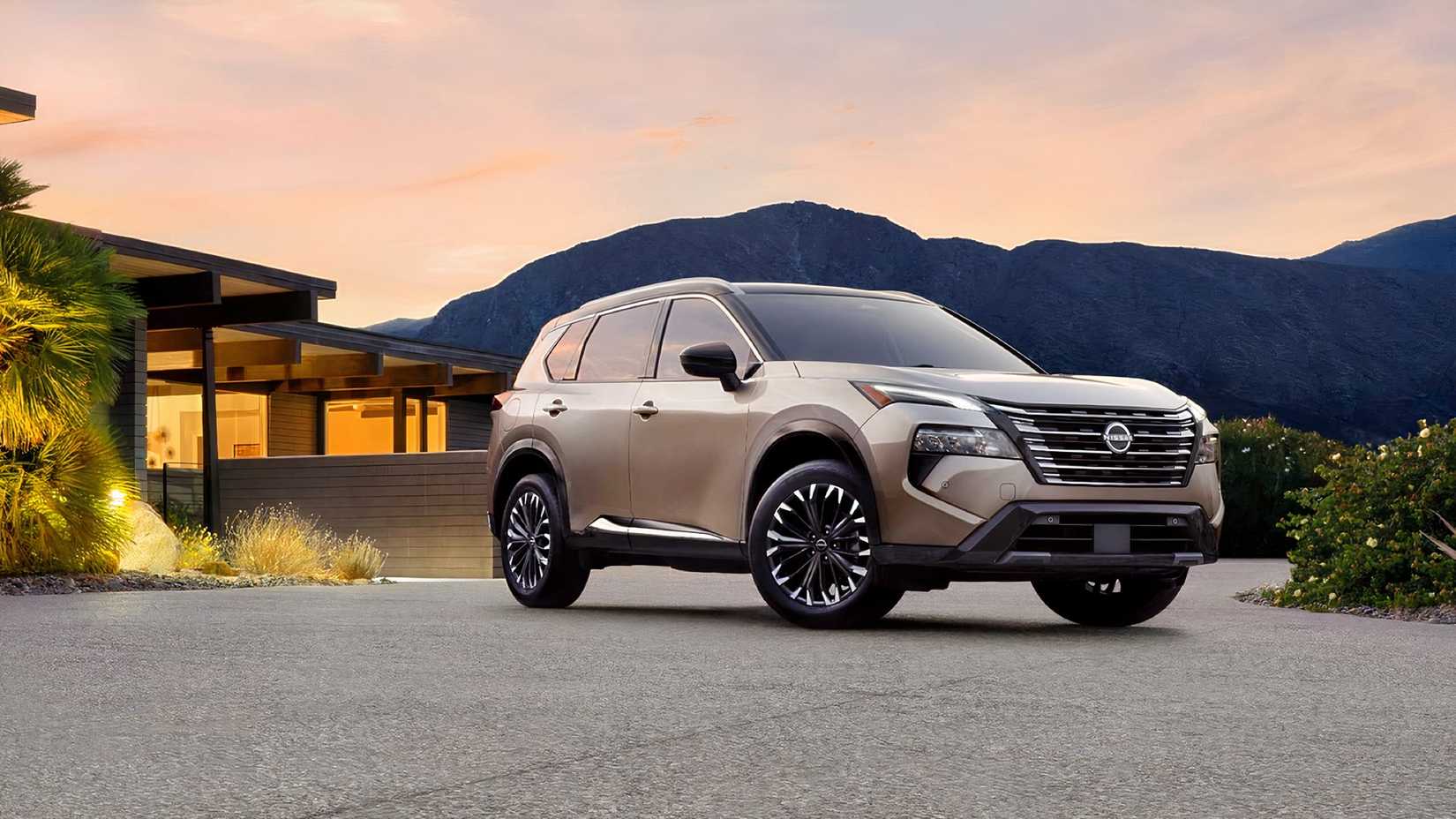
At the forefront of taking on a very crowded SUV market and taking on Toyota-esque value is the 2026 Nissan Rogue compact SUV. There are five trims of this year’s ICE Rogue: the S, the SV, the Dark Armor, the Rock Creek, and the Platinum, with starting prices ranging from $29,490 to $39,390. The 2026 Rogue lineup’s MSRPs are as follows.
|
Rogue S |
Rogue SV |
Rogue Dark Armor |
Rogue Rock Creek |
Rogue Platinum |
|
|---|---|---|---|---|---|
|
MSRP |
$29,490 |
$30,490 |
$33,340 |
$34,390 |
$39,390 |
The Rogue is also available as a plug-in hybrid SUV (PHEV), with the following trims and prices.
|
Rogue PHEV SL |
Rogue PHEV Platinum |
|
|---|---|---|
|
MSRP |
$45,990 |
$49,990 |
Low Starting Prices That Compete With Toyota’s Best
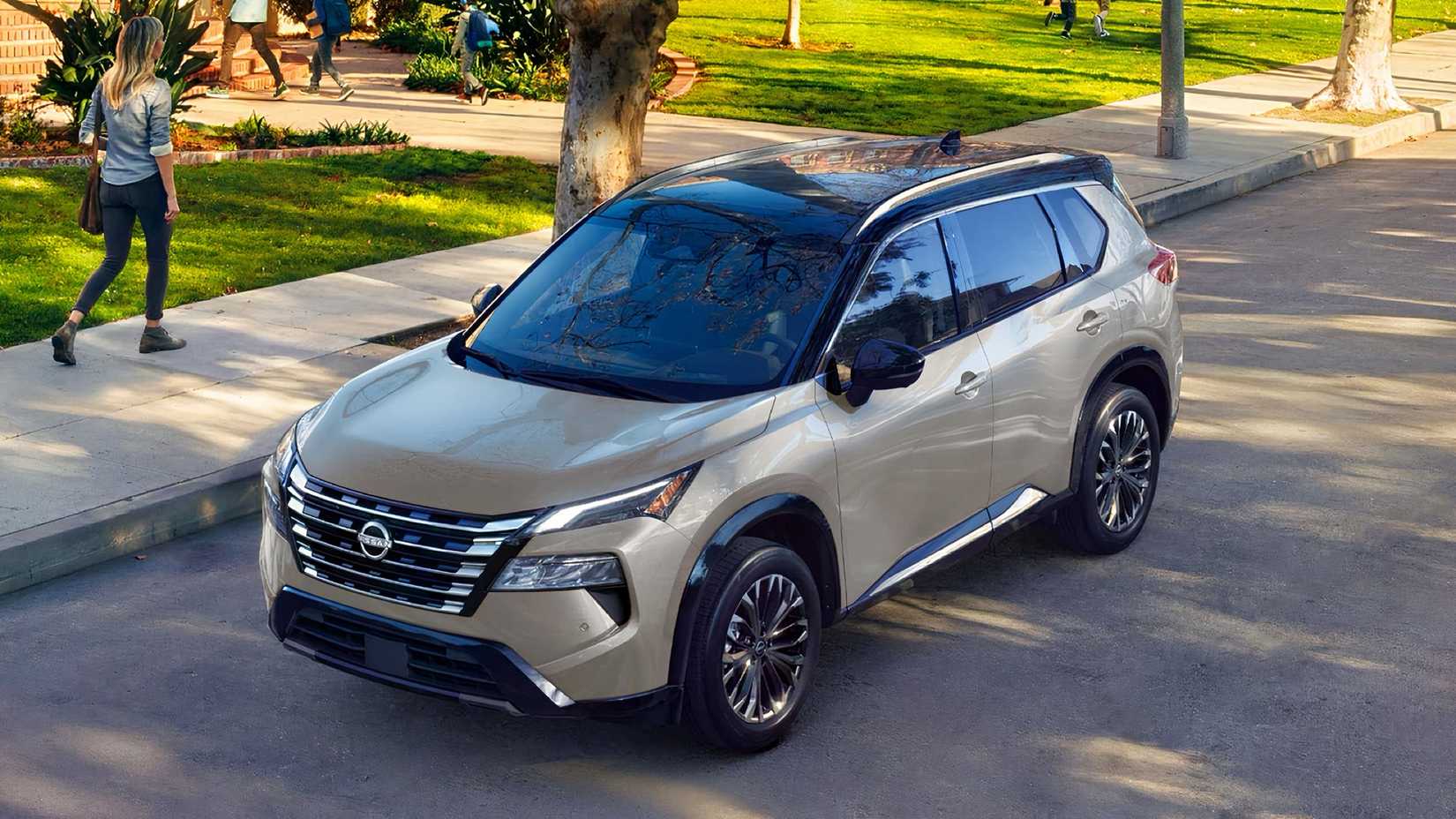
With starting prices south of $30,000, it sounds very reasonable for a new SUV as it stands. However, what makes the new Rogue sound even more appealing is that it directly beats one of Toyota’s most successful SUVs in price: the RAV4. This year’s RAV4 Hybrid has a starting price of $31,900 and a top-end price of $43,300. At both ends of the spectrum, the ICE Rogue is cheaper from the off.
|
2026 Rogue Trim |
MSRP |
2026 RAV4 Trim |
MSRP |
|---|---|---|---|
|
S |
$29,490 |
LE |
$31,900 |
|
SV |
$30,490 |
SE |
$34,700 |
|
Dark Armor |
$33,340 |
XLE Platinum |
$36,100 |
|
Rock Creek |
$34,390 |
Woodland |
$39,900 |
|
Platinum |
$39,390 |
XSE |
$41,300 |
|
Limited |
$43,300 |
Where the Rogue is more expensive and less catered for is in PHEV form, with the RAV4 PHEV cheaper at both ends of the spectrum and available with more trims.
|
2026 Rogue PHEV Trim |
MSRP |
2026 RAV4 PHEV Trim |
MSRP |
|---|---|---|---|
|
SL |
$45,990 |
SE |
$41,500 |
|
Platinum |
$49,990 |
Woodland |
$45,300 |
|
XSE |
$47,200 |
||
|
GR Sport |
$48,500 |
More Standard Features Than You Might Expect
There are some big differences between what you get from both the RAV4 and Rogue; for example, the RAV4 is solely a hybrid and PHEV lineup this year, while the Rogue is available as both an ICE machine and a PHEV. However, despite the lower prices for the ICE models, the new Rogue is very nicely kitted out, even in the lower trims.
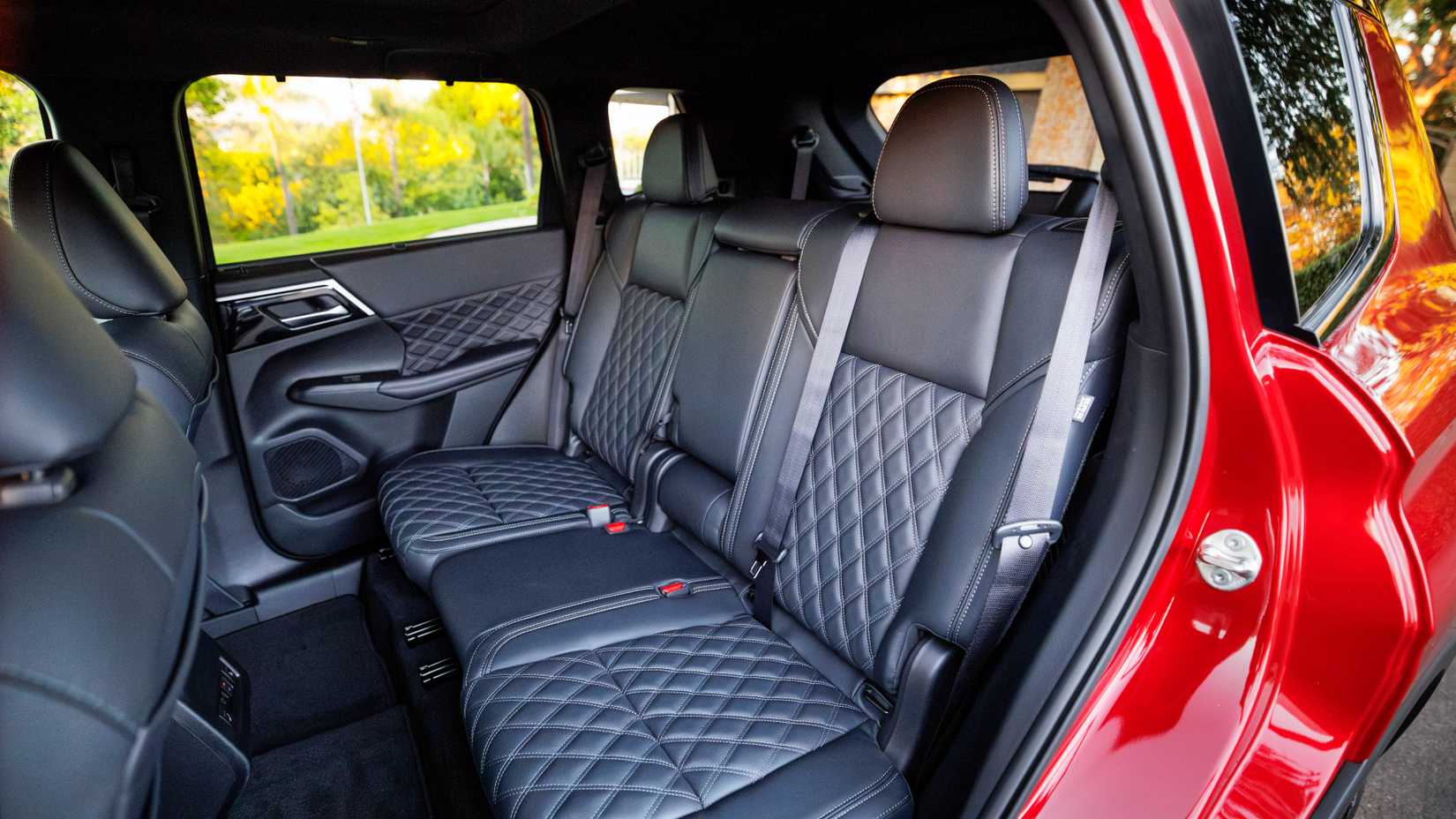
The base trim of the Rogue comes standard with an eight-inch NissanConnect touchscreen, Apple CarPlay, Android Auto, Bluetooth connectivity, and multiple USB ports, so nothing groundbreaking individually, but it is all there without forcing you into buying packages. Maybe more importantly, you also get the Safety Shield 360 suite.
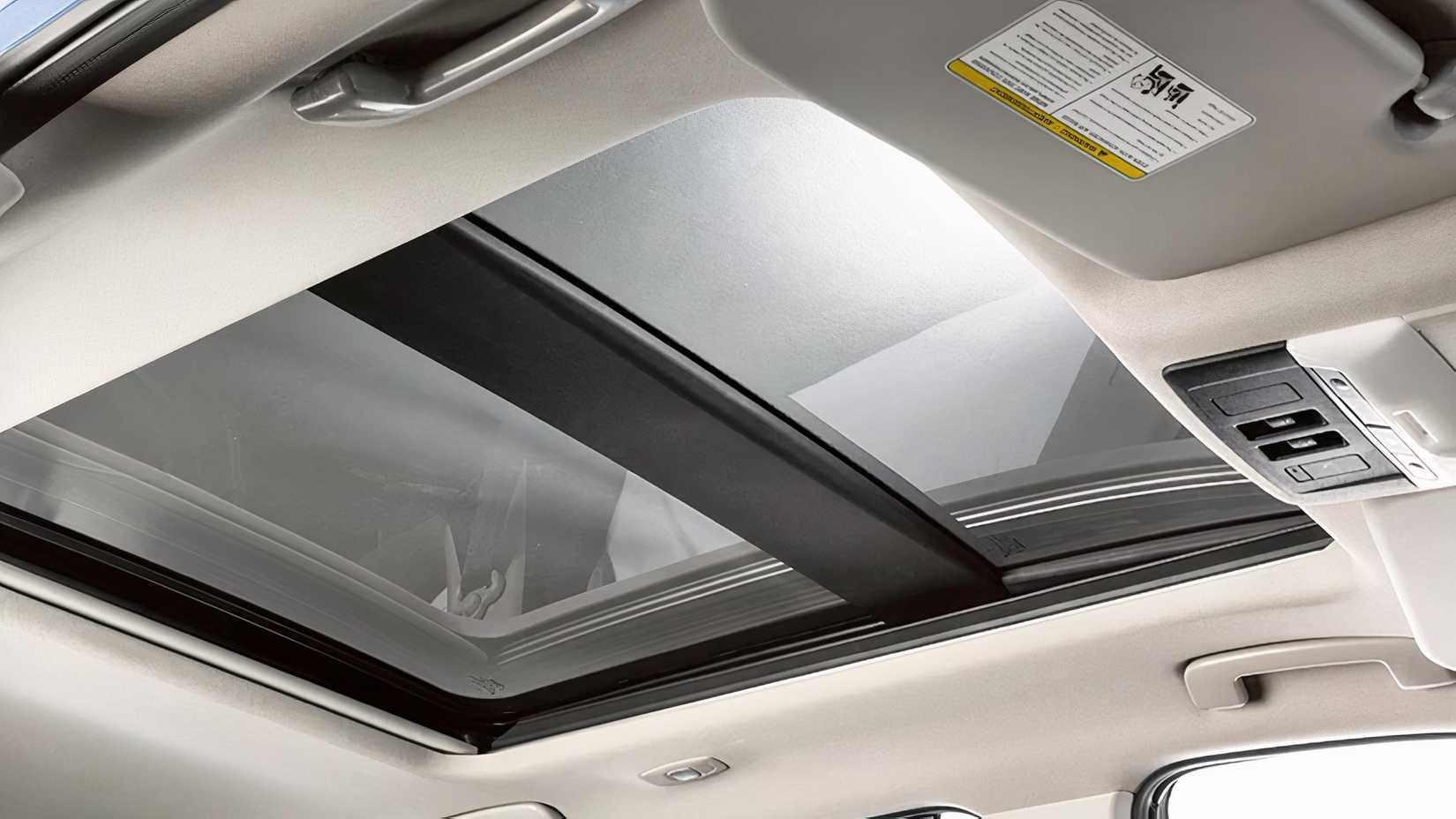
The Rogue SV is a noticeable step-up; you get a 12.3-inch touchscreen, dual-zone climate control, a power liftgate, remote start, and adaptive cruise control. The screen used in the SV also brings along a clearer interface and a more modern feel to it. As you go up into the SL and Platinum trims, you get more tech in the shape of wireless charging, a Google-based interface, and an available Bose audio rig.
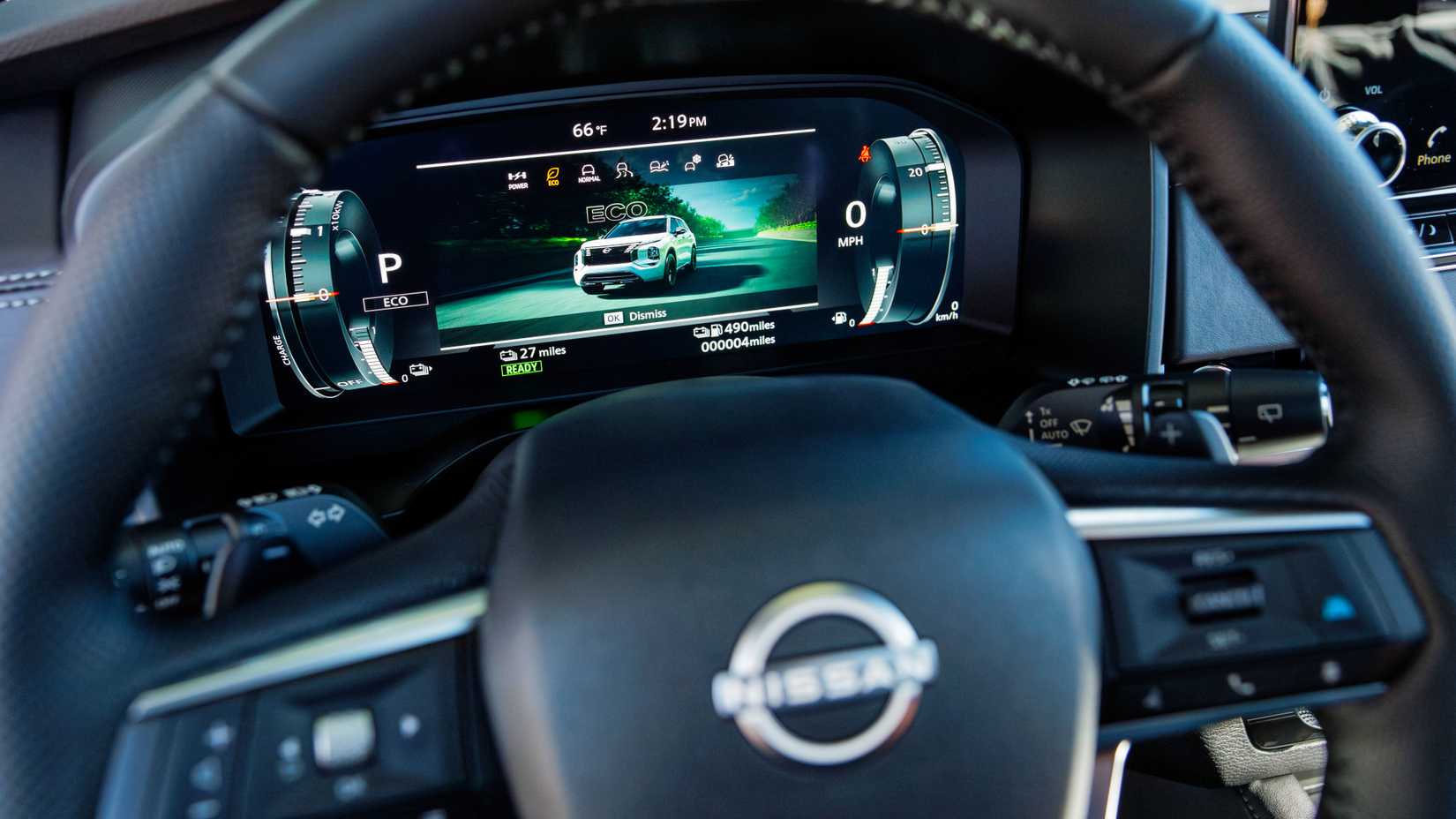
By comparison, the RAV4 LE gets a 10.5-inch touchscreen and a 12.3-inch digital driver display, but it does cost $2,400 more than the entry-level Rogue. The RAV4 SE also gets a 10.5-inch screen; it is not until you opt for the XSE that you get a 12.9-inch touchscreen, and it costs over $41,000. Of course, we aren’t saying the new RAV4 isn’t worth the money, but when you look at what you get at a lower starting price from the Rogue, you can see how it is playing Toyota SUVs at their own game.
The 10 Most Affordable SUVs With All-Wheel Drive
How affordably can you get an SUV with AWD? Here are the ten most affordable SUVs that can be had with AWD, giving you the desired driving setup.
Where The Rogue Wins The Everyday Value Battle
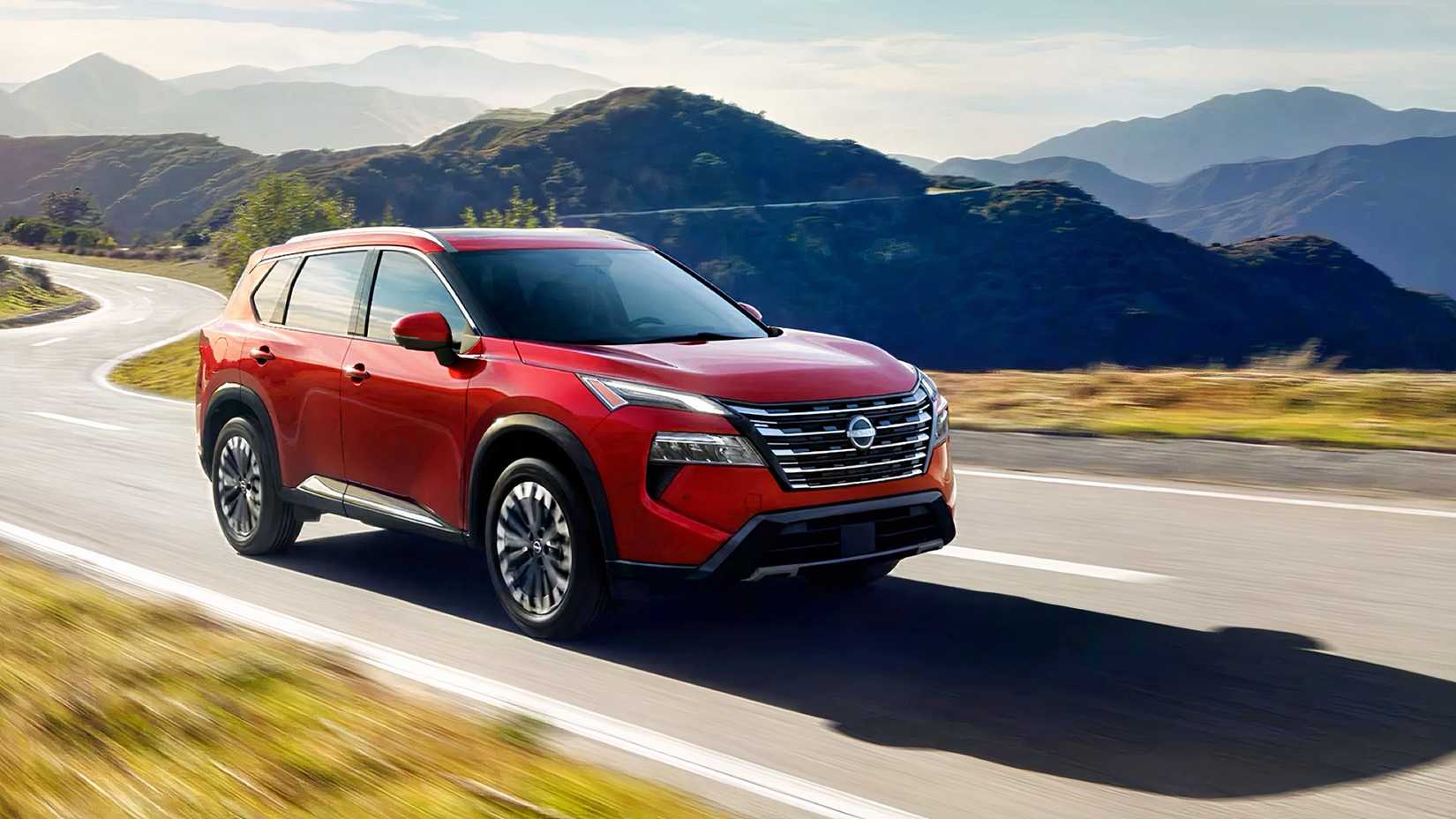
Not only are the starting prices for the gas-engined Rogue enticingly low, but there is also a bit of substance to match its good value feel. According to owner reviews on J.D. Power, the new Rogue SUV is a very well-received model; it gets an overall rating of 84 out of 100, and a reliability rating of 84 out of 100. Overall owner reviews on Kelley Blue Book are a little lower, at 3.7 out of 5, but compared to the new RAV4, the new Rogue seems to be showing it up. The new RAV4 gets 79 out of 100 on J.D. Power and an owner rating of 2.3 out of 5 on Kelley Blue Book, with only 32 percent of reviewers recommending it.

- Base Trim Engine
-
VC-Turbo 1.5L ICE
- Base Trim Transmission
-
2-speed CVT
- Base Trim Drivetrain
-
Front-Wheel Drive
- Base Trim Horsepower
-
201 HP @5600 RPM
- Base Trim Torque
-
225 lb.-ft. @ 2800 RPM
- Base Trim Fuel Economy (city/highway/combined)
-
30/37/33 MPG
- Base Trim Battery Type
-
Lead acid battery
- Make
-
Nissan
- Model
-
Rogue
An Understressed Engine And Low Running Costs To Match
This year’s gas-engine Rogue is available with one engine option: an inline-three paired with a CVT. Horsepower and torque specifications are as follows.
|
Spec |
2026 Nissan Rogue |
|---|---|
|
Engine |
1.5-Liter Variable-Turbocharged Inline-Three |
|
Transmission |
Xtronic CVT |
|
Horsepower |
201 hp |
|
Torque |
225 lb-ft |
As standard, most Rogue models are equipped with front-wheel drive for everyday, easy driving, but all-wheel drive is also available. The Rogue PHEV is also available with just one engine choice, but all-wheel drive comes as standard. 2026 Rogue PHEV specifications are as follows.
|
Spec |
2026 Nissan Rogue PHEV |
|---|---|
|
Engine |
2.4-Liter Turbocharged Inline-Four Plug-In Hybrid |
|
Transmission |
eCVT |
|
Horsepower |
248 hp |
|
Torque |
332 lb-ft |
The new Rogue can also tow up to 1,500 pounds. Except for the difference in output, the real difference is between the two lineups’ fuel economy. While the output of the gas-engine Rogue may be a little meek for some, its fuel economy makes up for it.
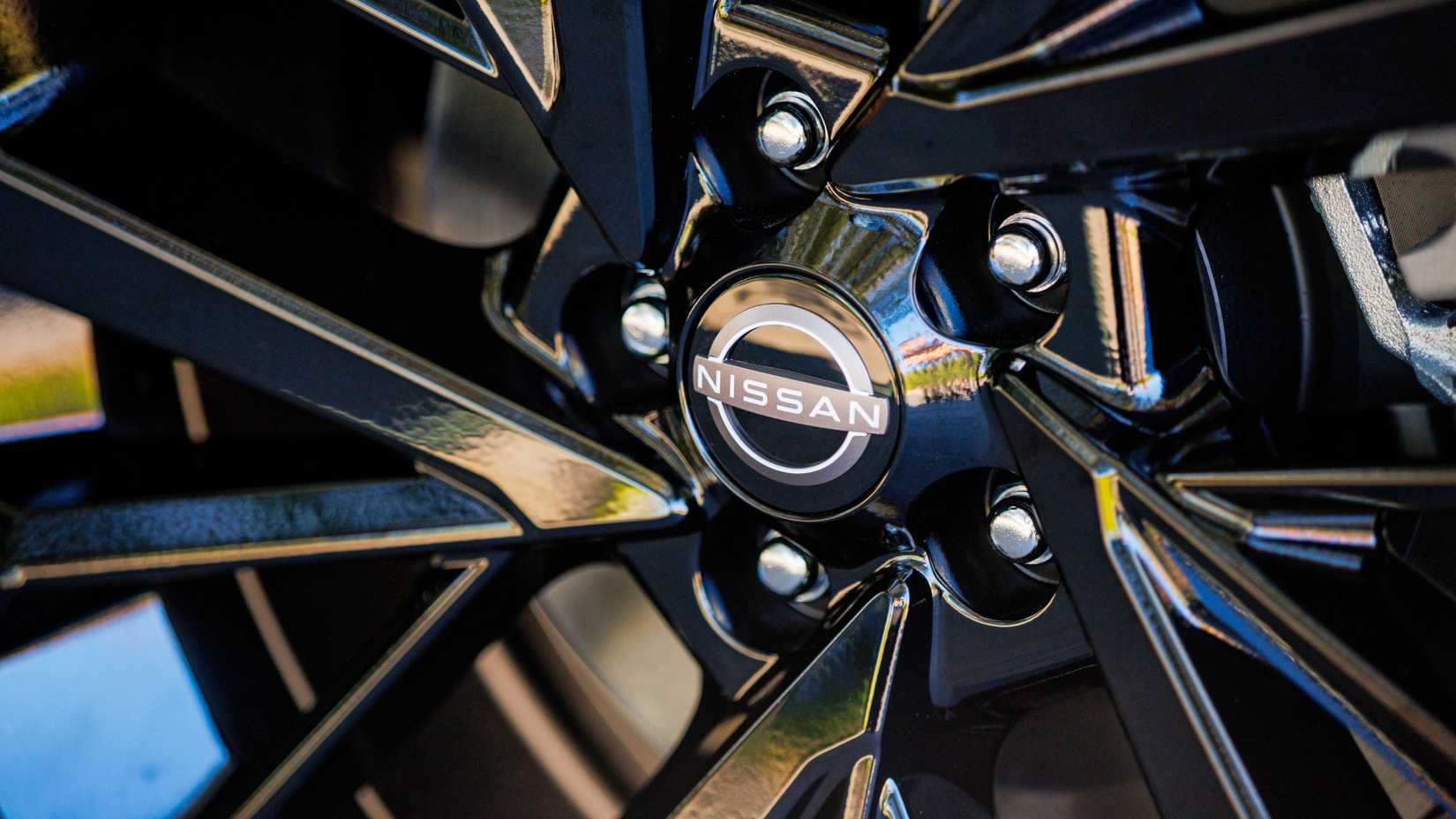
According to FuelEconomy.gov, the FWD Rogue can achieve 32 combined mpg (29 mpg city/36 mpg highway), the AWD Rogue can achieve 31 combined mpg (28 mpg city/35 mpg highway), and the more adventurous Rogue Rock Creek can achieve 29 combined mpg (27 mpg city/32 mpg highway). This is estimated to cost you between $1,850 and $2,050 a year for gas. The Rogue PHEV can reportedly achieve up to 64 MPGe and give you an all-electric range of up to 38 miles, so we will likely see less money spent at the pump and on electricity.
Strong Interior Space Despite Small Dimensions
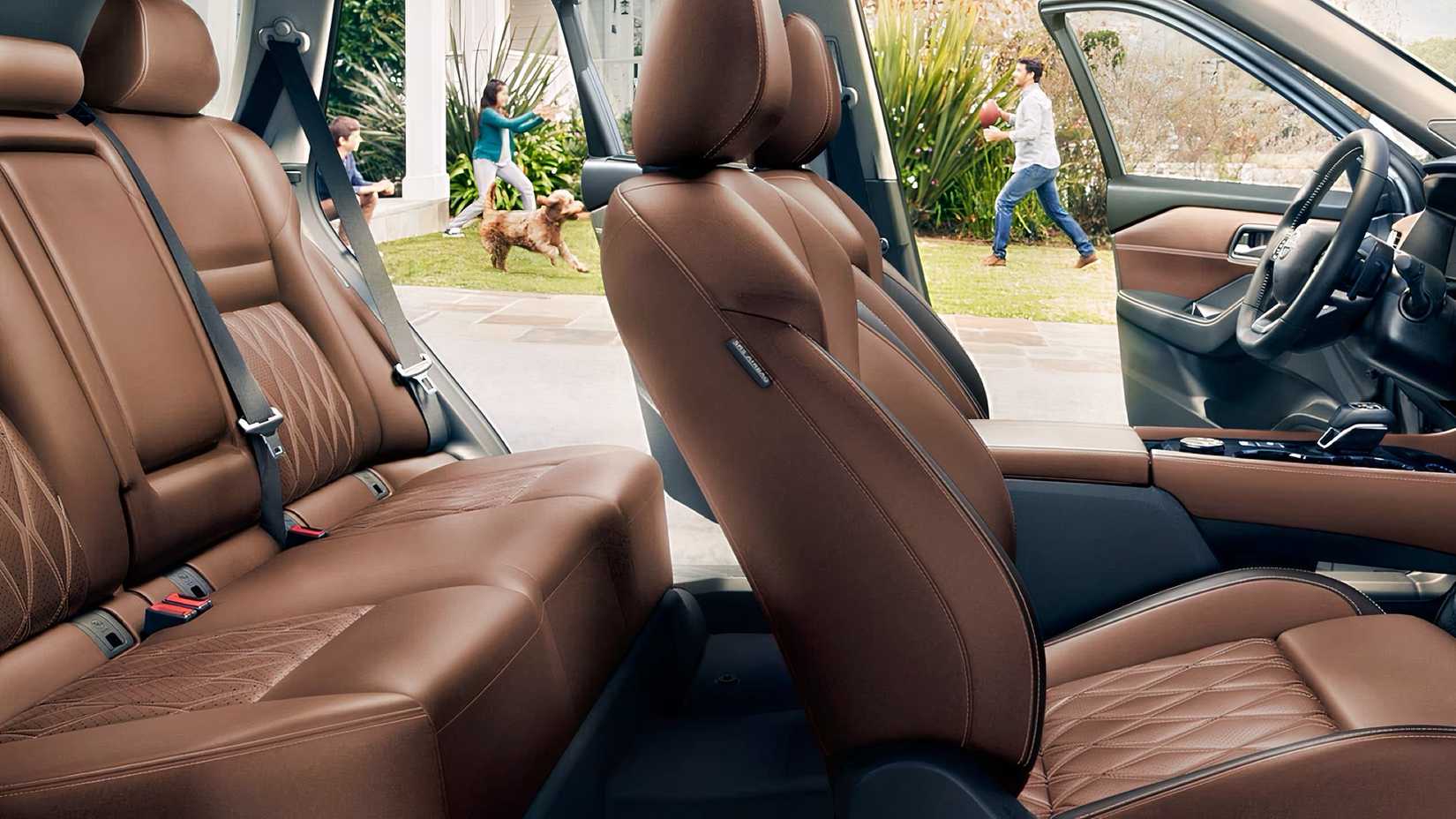
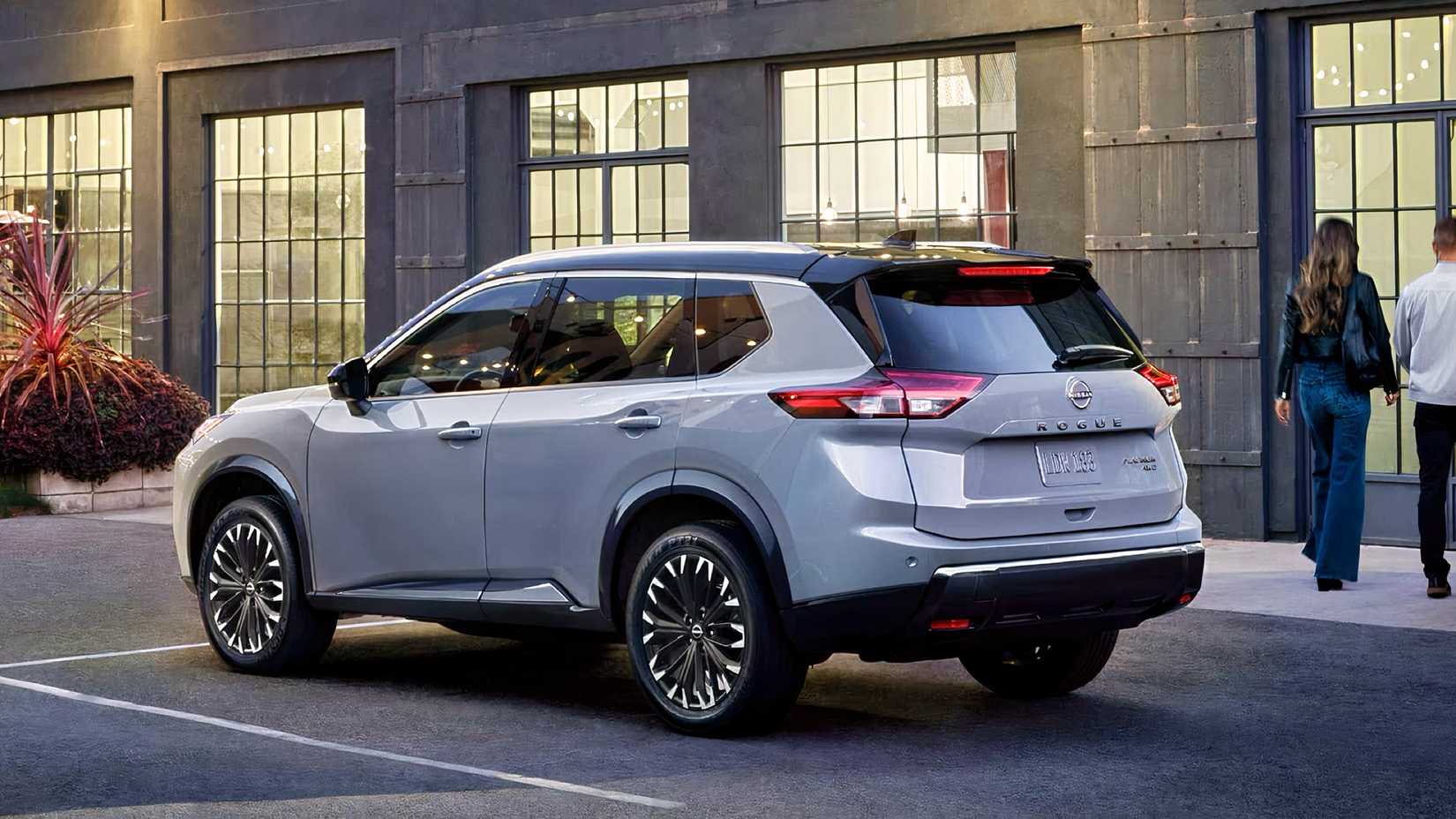
This year’s Rogue is a compact SUV in every sense of the word; it only measures in at 183 inches in length, 72.4 inches in width, and 66.5 inches in height. In other words, it is an ideal SUV for easy city driving. Though it may be small, it is very spacious, with the following interior space.
|
Headroom (Front/Rear) |
Shoulder Room (Front/Rear) |
Legroom (Front/Rear) |
Maximum Cargo Capacity |
|---|---|---|---|
|
41.1 Inches / 39.2 Inches |
57.1 Inches / 55.9 Inches |
41.5 Inches / 38.5 Inches |
74.1 Cubic Feet |
Behind the second row of 60:40 split-folding seats, you get 36.5 cubic feet of space; the Divide-N-Hide cargo system is available, which allows for six different ways to organize the rear cargo area, and you also get a low load floor and a wide trunk opening, so loading up is easy. The new Rogue PHEV gets 64.7 cubic feet of space, and, as a rarity in the compact SUV market, a third row of seating. Granted, it is small and primarily good for children, but it still makes the new PHEV model a viable option for families. No models of the new RAV4 or RAV4 PHEV have a third row of seating, and the maximum cargo capacity is just 70.4 cubic feet.
10 Most Affordable Entry-Level SUVs From Mainstream Automakers, Ranked
What are the most affordable entry-level SUVs you can buy? These ten have the lowest starting prices for new SUVs, making them easy to afford.
The 2026 Rogue Does A Huge Amount For Less
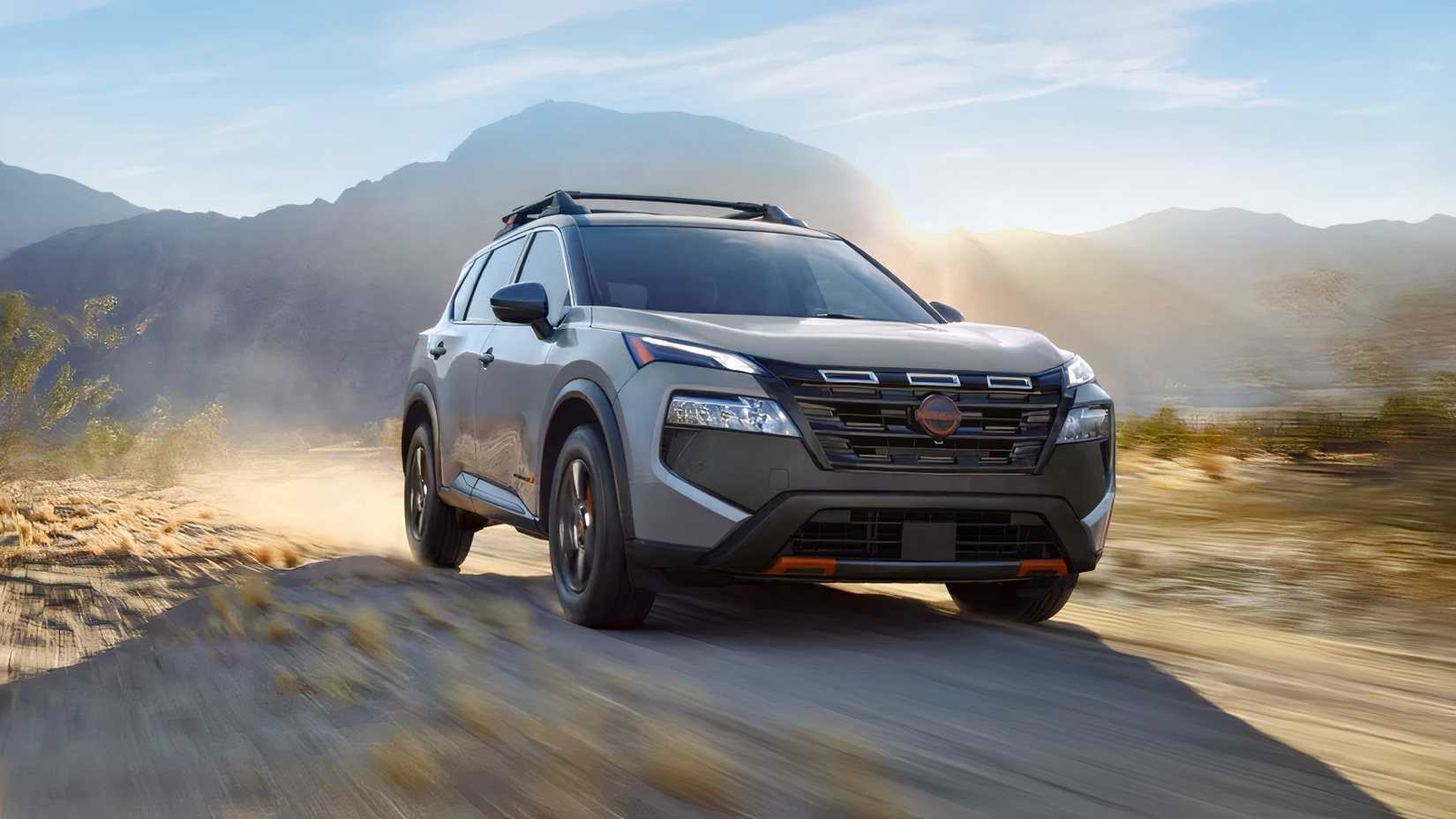
Unfortunately for the Rogue, both the RAV4 Hybrid and RAV4 PHEV are more fuel efficient, with FuelEconomy.gov saying that combined mpg ratings range from 38 to 43 mpg, costing between $1,400 and $1,600 a year for gas. However, with the higher starting prices for the RAV4, the new Rogue looks to be worth it. The Rogue isn’t designed to out-Toyota Toyota in long-term reputation, but it is undercutting it with entry prices while loading more standard equipment where it matters. Even when the RAV4 brings stronger efficiency and a more hybrid-focused lineup, you do have to pay a sizable amount more for it (ICE trim).
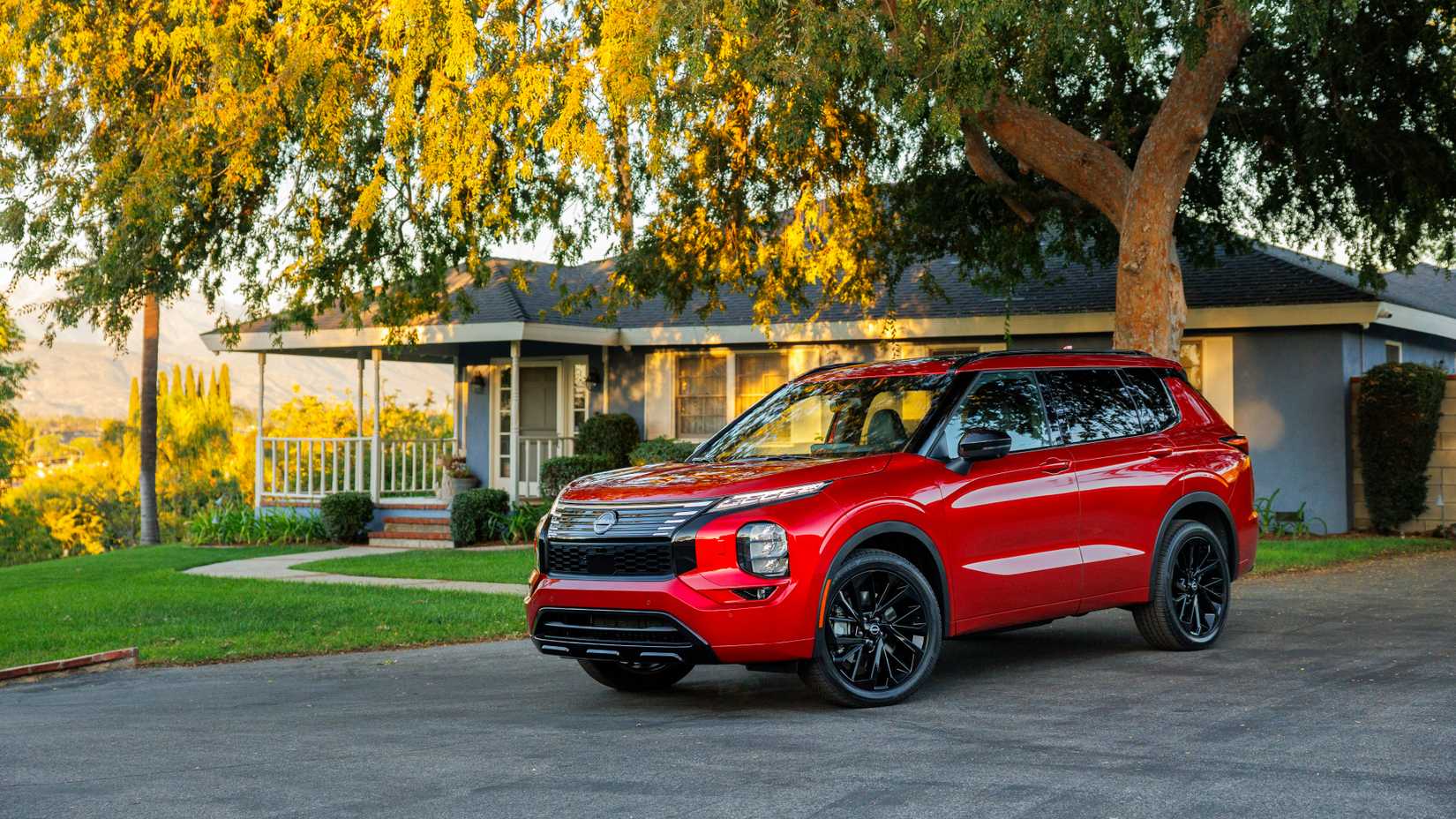
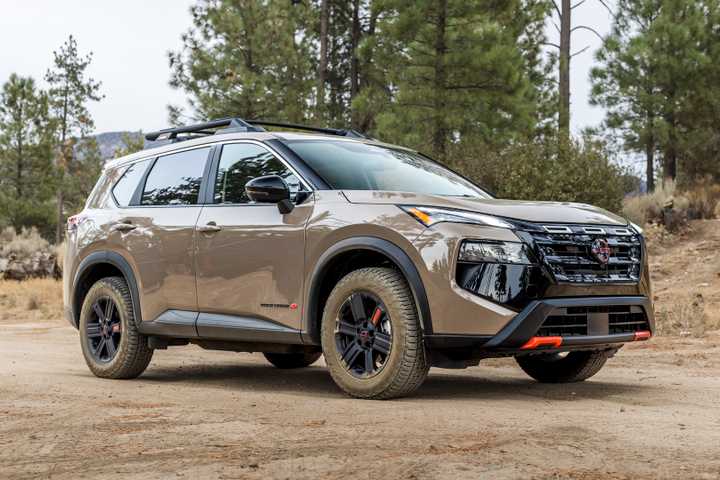
The new Rogue shares the same underpinning as the Mitsubishi Outlander, and that ruggedness comes through in the Rock Creek trim. You get a more rugged, outdoors-focused look with A/T tires, higher ground clearance, and a more adventure-tuned suspension. It doesn’t turn the Rogue into a hardcore off-roader, but it does give it a very clear identity of a value SUV that is cut out for a little more but for less, which is ideal in a very crowded and ever-growing compact/crossover market.
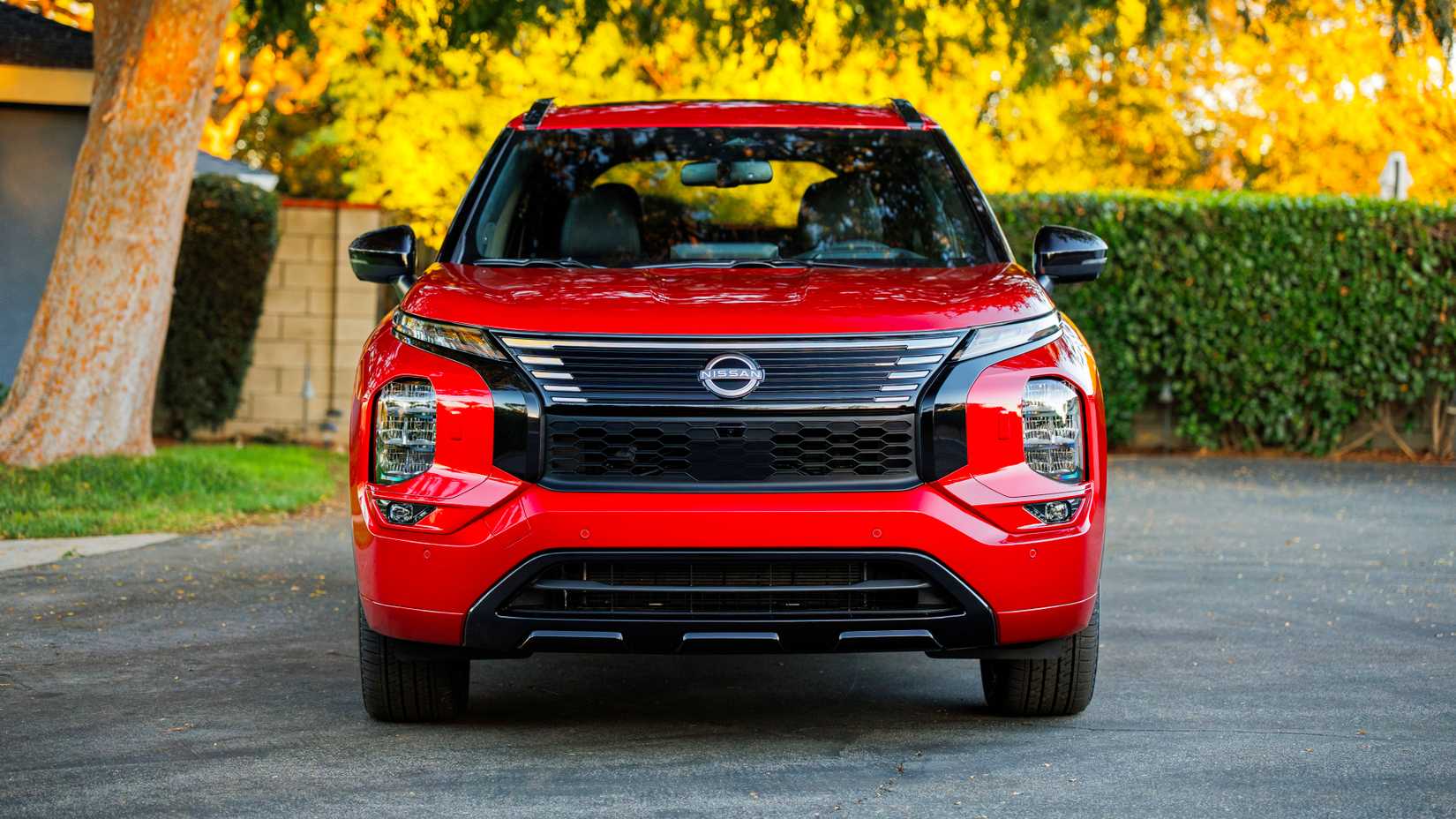
What we get is a compact SUV that feels good in the value SUV market, with affordable prices, real-world usability, and trims that don’t feel stripped out at the low end. Toyota may still have the long-term trust of its fans, and there is no beating the new RAV4’s fuel efficiency, but the 2026 Rogue is a compact SUV that is making us look at the math behind its rivals twice.
The 2027 Nissan Rogue Hybrid Is Coming
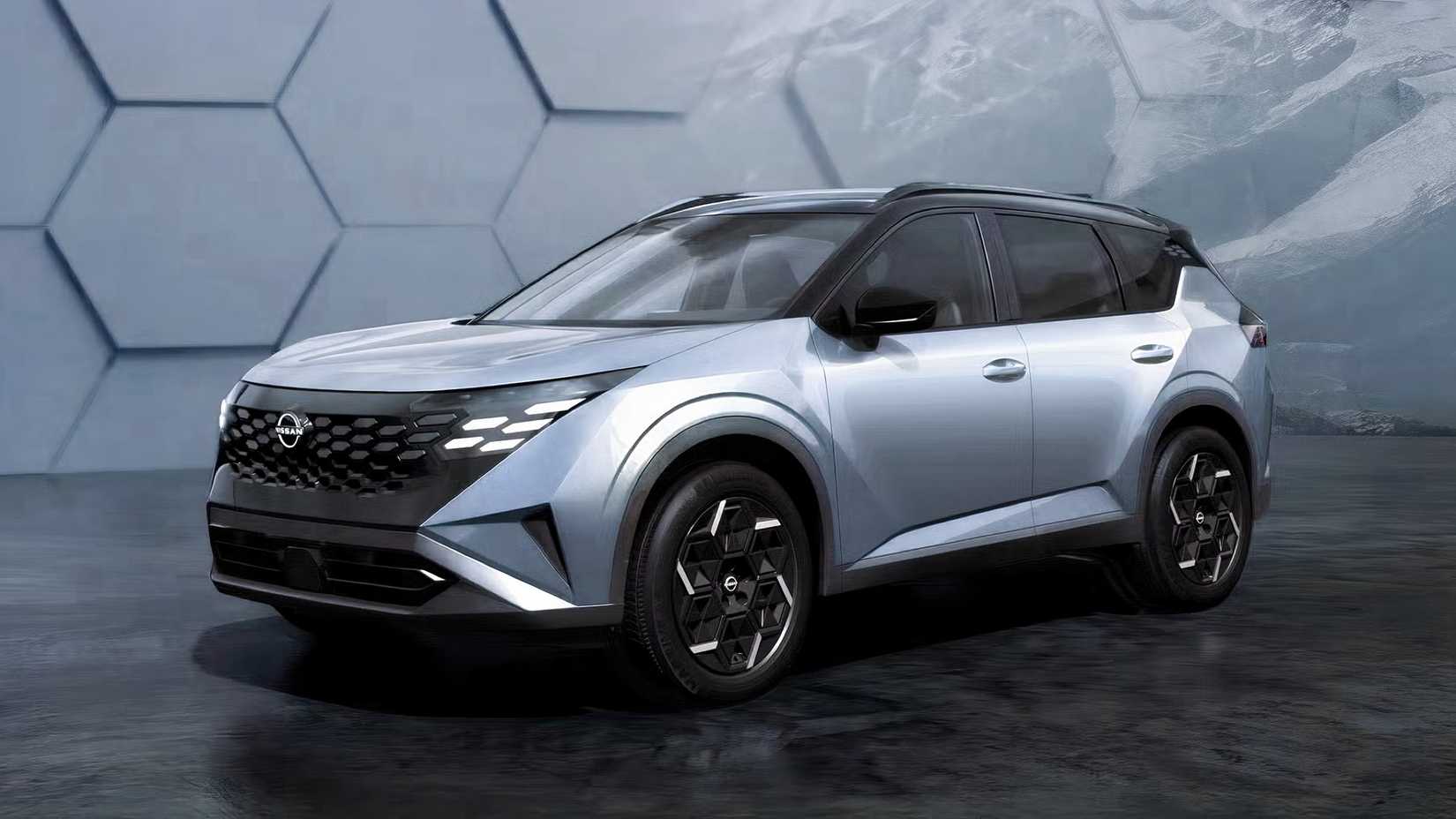
2026 may not offer a non-plug-in hybrid Rogue, but 2027 is going to. Nissan has said that they expect to release the 2027 Nissan Rogue Hybrid near the end of 2026. The new model is expected to come equipped with and introduce the e-POWER hybrid system to the nameplate. We think this is a good move by Nissan; most of their rivals have both a hybrid and a PHEV SUV now, not just an ICE and hybrid option.
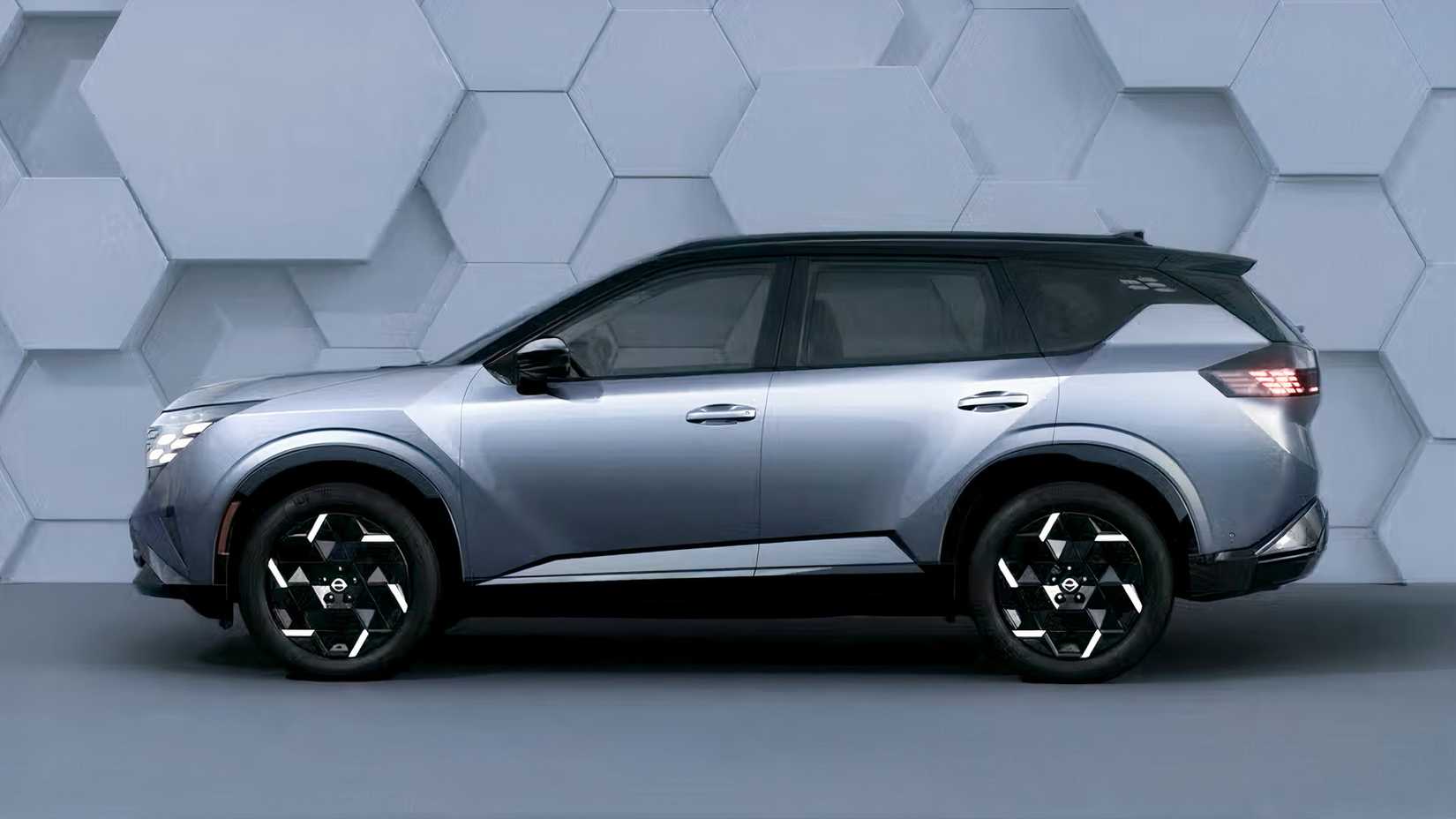
We can make a good assumption that the new Rogue Hybrid will get the same kind of everyday-usable treatment as this year’s iteration in the shape of usable and roomy interiors, and generous features lists from build, for it to stay competitive in a very busy market. However, pricing is going to be a clincher. Industry reports suggest that starting prices will be around the $40,000 mark, which is still cheaper than the new RAV4 PHEV but slightly more expensive than the RAV4 Hybrid.
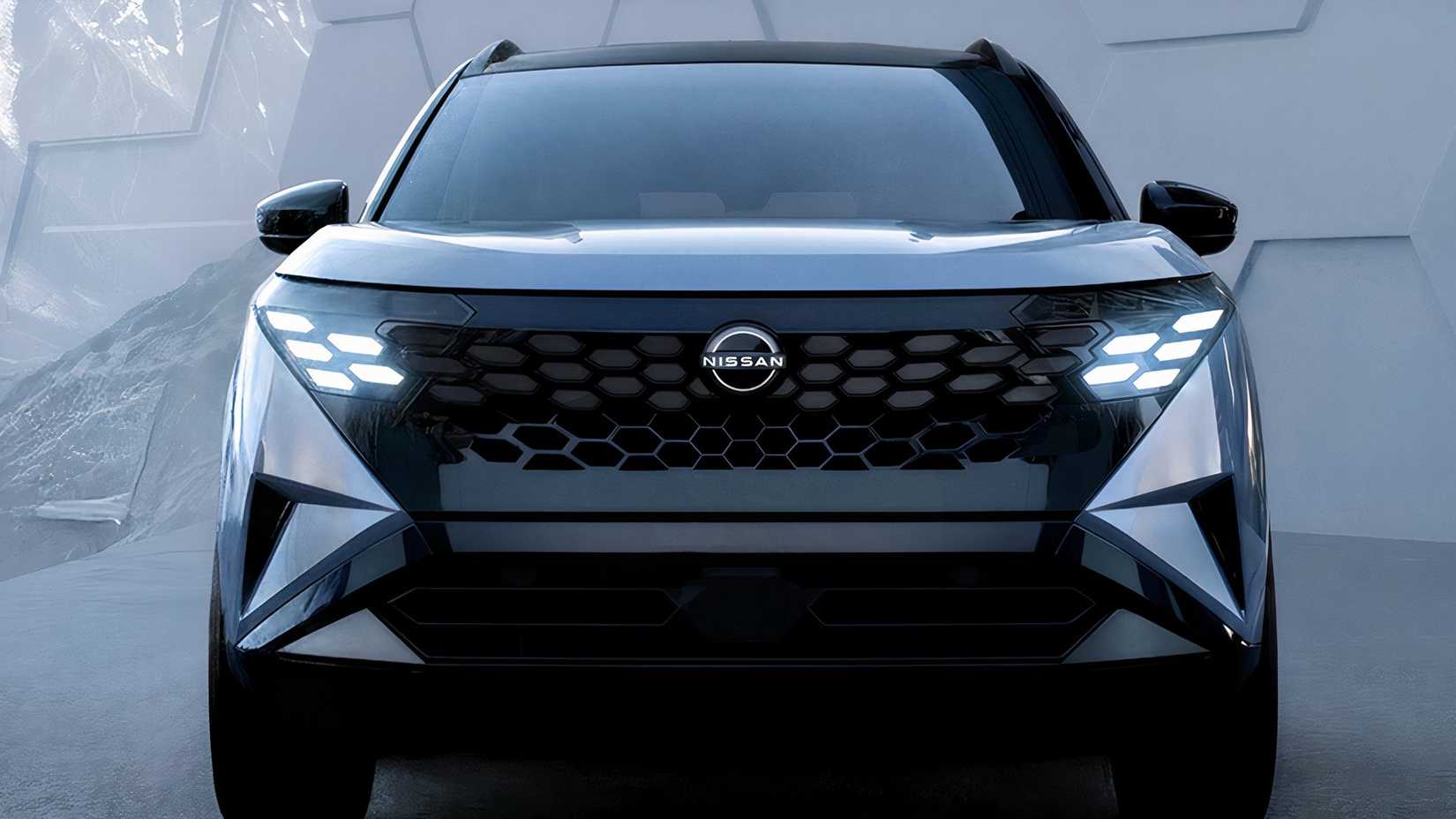
For the 2027 Rogue Hybrid to be another value-driven SUV, the fuel returns will need to be competitive with the RAV4, and the high trims will have to be comparable in price and style to the likes of the RAV4 Limited. Considering what Nissan has done with the Rogue this year, though, we are looking forward to seeing it.
Sources: Nissan, RepairPal, Toyota, J.D. Power, FuelEconomy.gov, and Kelley Blue Book