
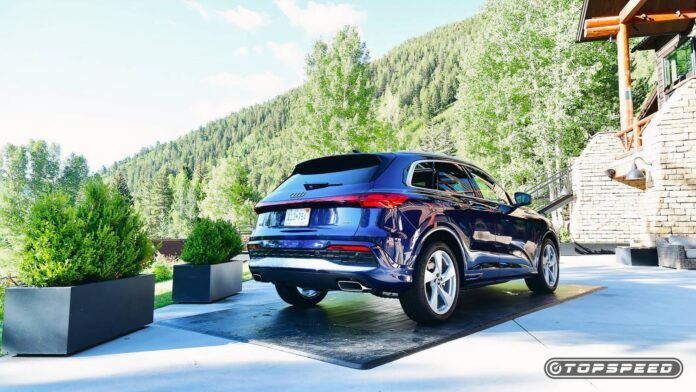
In recent years, the luxury SUV market has become increasingly mainstream. Most brands are either building luxury SUVs en masse or are turning out high-end lines of some of their more approachable models. Japanese, European, and American marques are all at it, and while some of the flashiest SUVs on the market tend to steal the limelight, brands like Audi take a slightly different approach.
Audi is one of those brands that has nearly always been here and has become a master of delivering the luxury SUV goods without having to shout about it. This is why Audi SUVs work so well without having to be in your face.
Audi Luxury Without The Loudmouth Attitude
The first Audi luxury SUV launched in the U.S.A. was the Audi Q7 back in 2007, and since that market-changing release, Audi has become a go-to brand for quiet, precise luxury. In 2026, there are six core Audi SUV model lines, ranging from subcompact entry-level models to full-sized performance beasts. The 2026 Audi SUV lineup includes:
- 2026 Audi Q3.
- 2026 Audi Q5.
- 2026 Audi Q7.
- 2026 Audi Q8.
- 2026 Audi Q4 e-tron.
- 2026 Audi Q6 e-tron.
There is no denying that there is an air of grandeur about Audi SUVs, but while other brands may lean into massively oversized grilles and uber-aggressive styling, Audi SUVs are designed a little differently. It is not accidental either; what you get is a strategic approach to design and refined luxury that sets them apart.
Audi SUV Models Prove You Don’t Need Flash To Feel Expensive
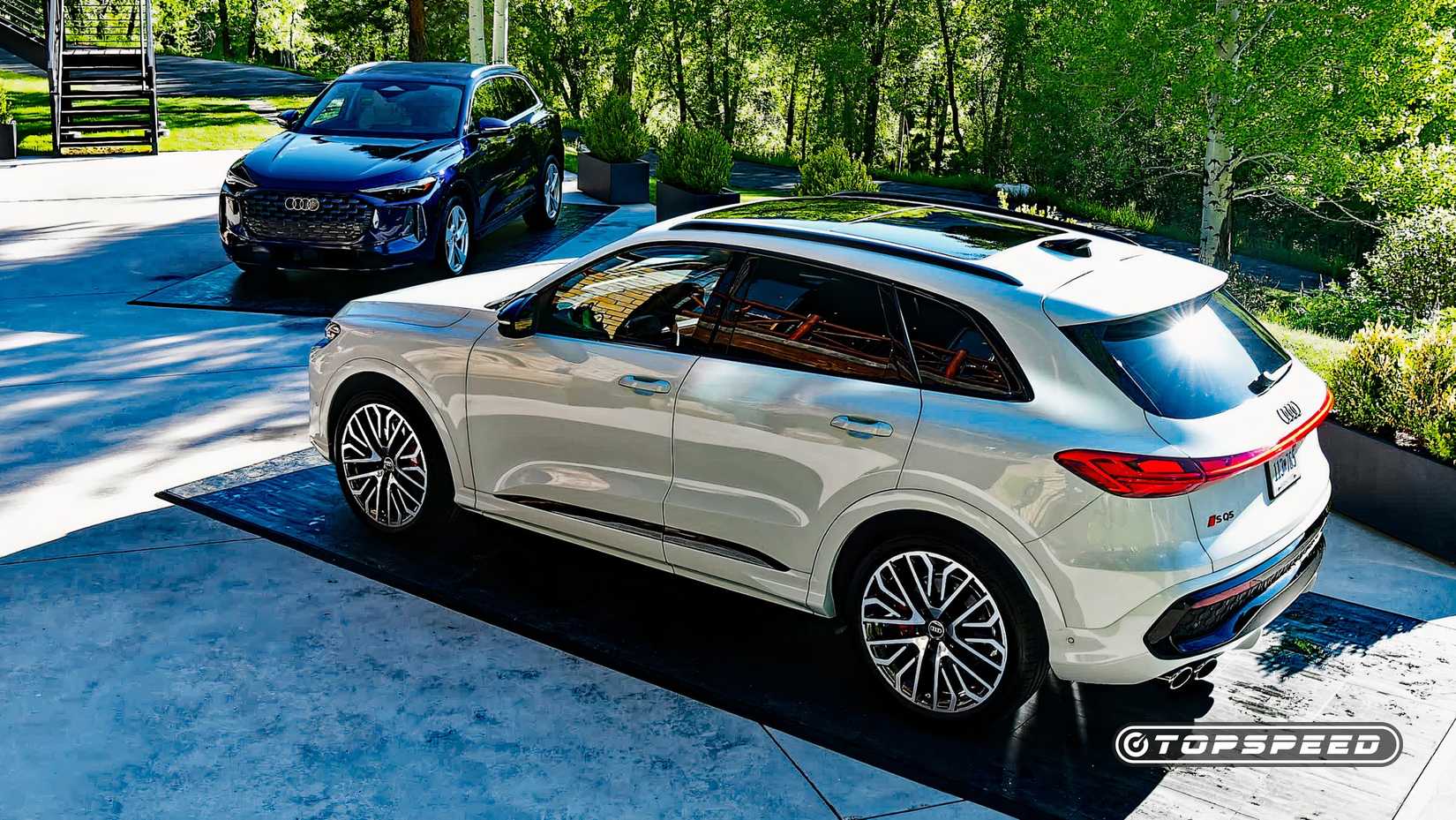
There is no denying that some Audi SUV models this year are expensive. Take the new Audi SQ5, it has a starting price north of $65,000, and the Audi Q8, it has a starting price of $75,600. However, the cheapest Audi SUV in 2026, the Audi Q3, has an MSRP of just $43,700 and still delivers.
Across the lineup, Audi’s emphasis is on proportion and precision rather than visual noise. The 2026 Q3 comes standard with LED lighting signatures, a sunroof, and sound deadening; all features that are not generally found on the mainstream market without pricey upgrades. Then you have the likes of the $52,800 2026 Audi Q5; it comes equipped with Audi’s Virtual Cockpit as standard; the interior is refined and comfortable, and the exterior design is luxe without being garish.
Clean, Understated Styling That Quietly Outclasses
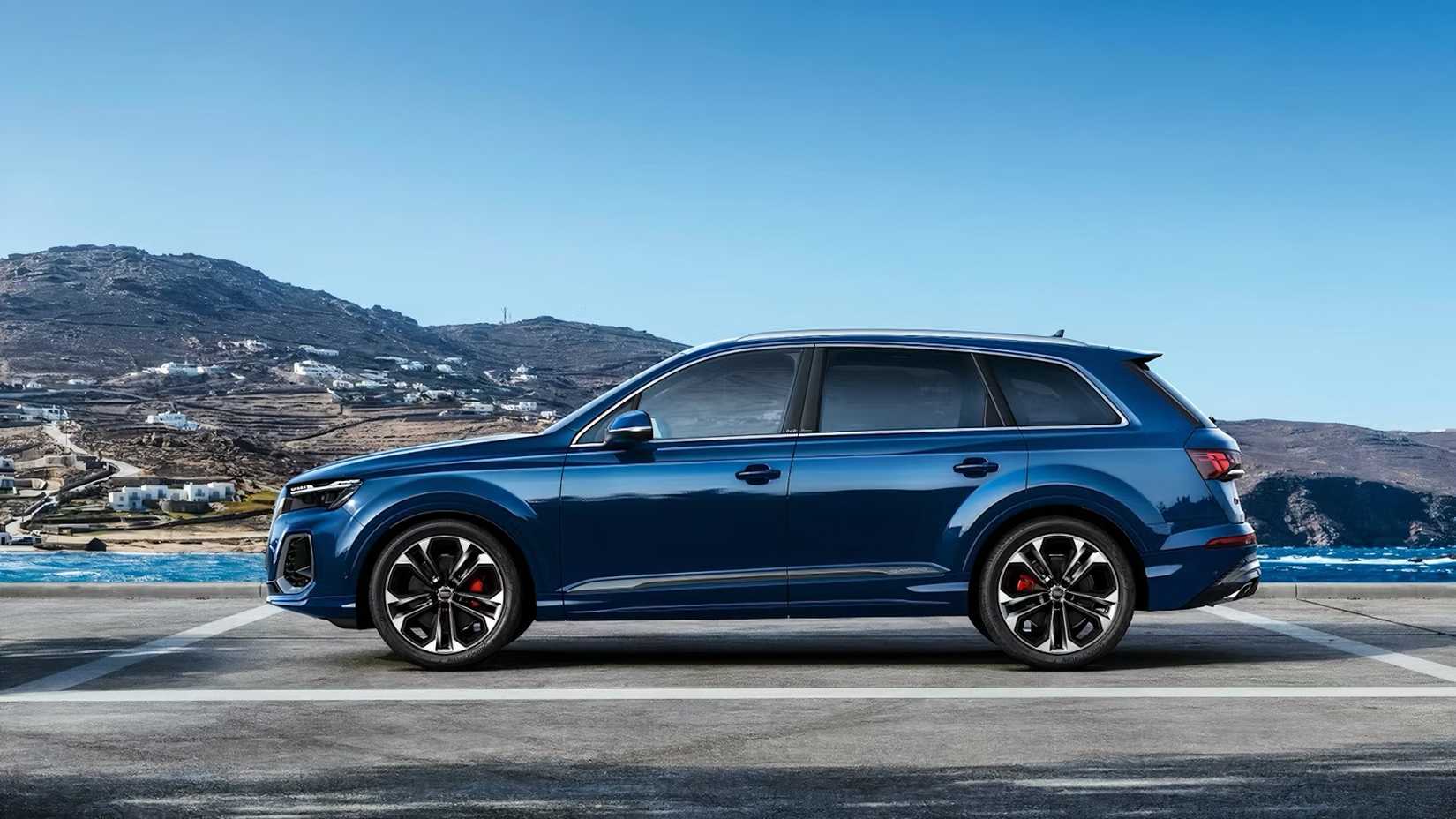
The difference between Audi’s design approach becomes very clear when you look at the Q5 and Q7 side by side. The Q5 leans into clean, sculpted surfaces and a fairly restrained silhouette, with a sleek roofline and sharp LEDs that add definition without the clutter you may find on the face of some of its rivals (think the BMW XM). Even details like the subtle rear light bar and carefully integrated grille give it presence without relying on oversized styling.
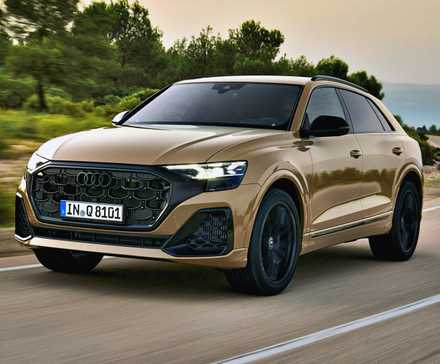
Then there is the Q7, and that same philosophy scales rather than changes. It is longer, and three rows are standard fare, but the same discipline has been applied thanks to simple character lines, balanced surfaces, and lighting tech like HD Matrix LED headlights.
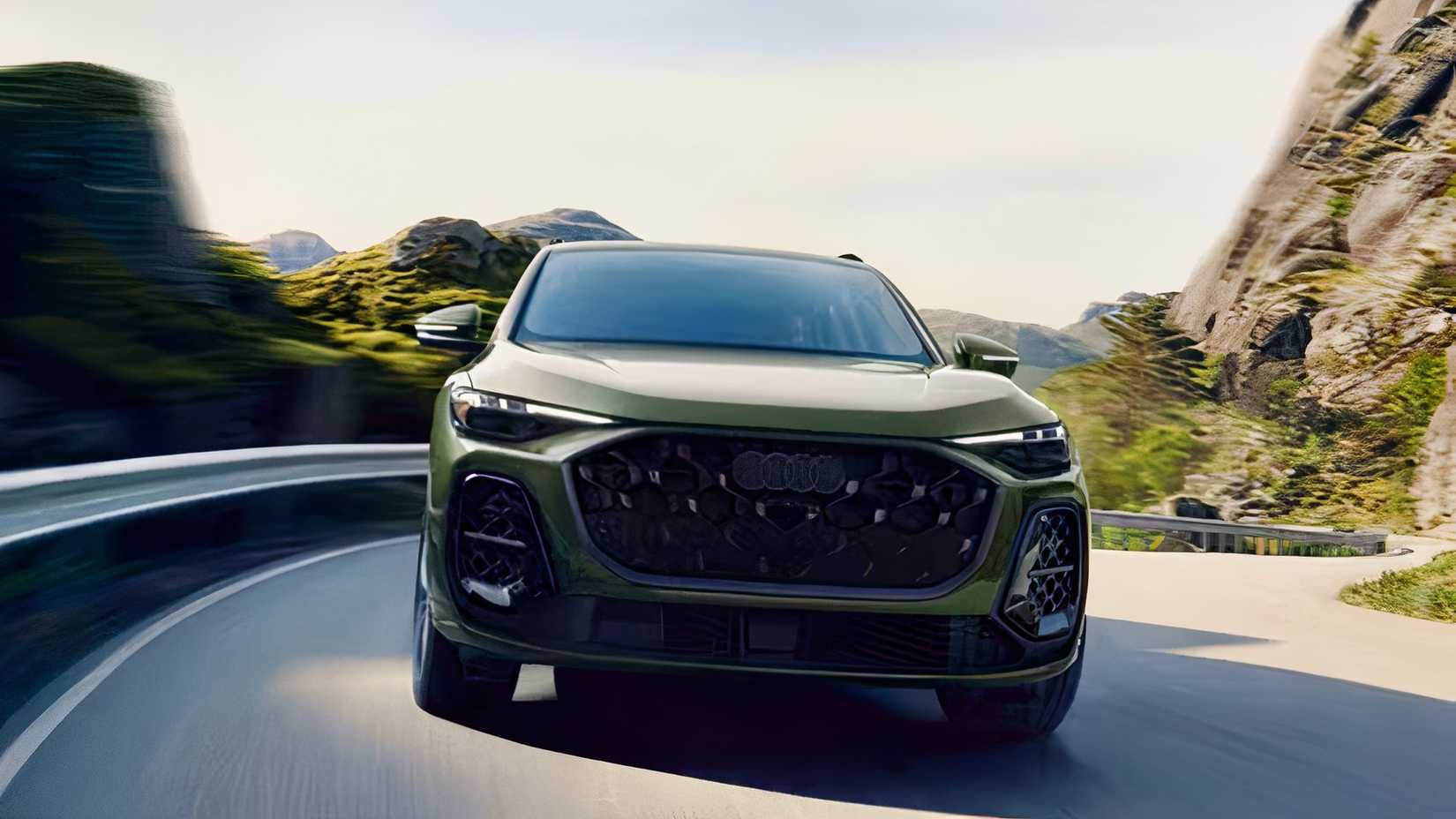
What makes current Audi SUVs (for the most part) impressive is consistency. Most models don’t try to dominate the luxury SUV market visually, but with a quiet authority that feels deliberate rather than dramatic. Some of the best luxury SUVs on the market don’t need to prove themselves with gimmicky exterior design features, and this is where Audi has nailed it.
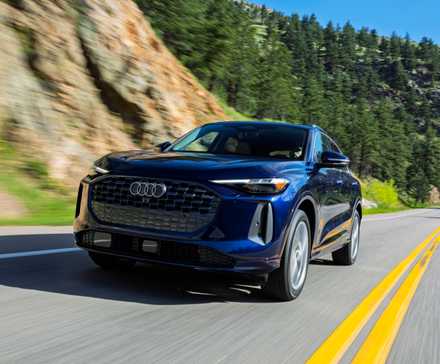
The Full 2025 Audi SUV Lineup, Ranked By Size
Here’s a detailed look at the full 2025 Audi SUV lineup ranked from smallest to largest.
The Real Reason Audi SUVs Hook Us In
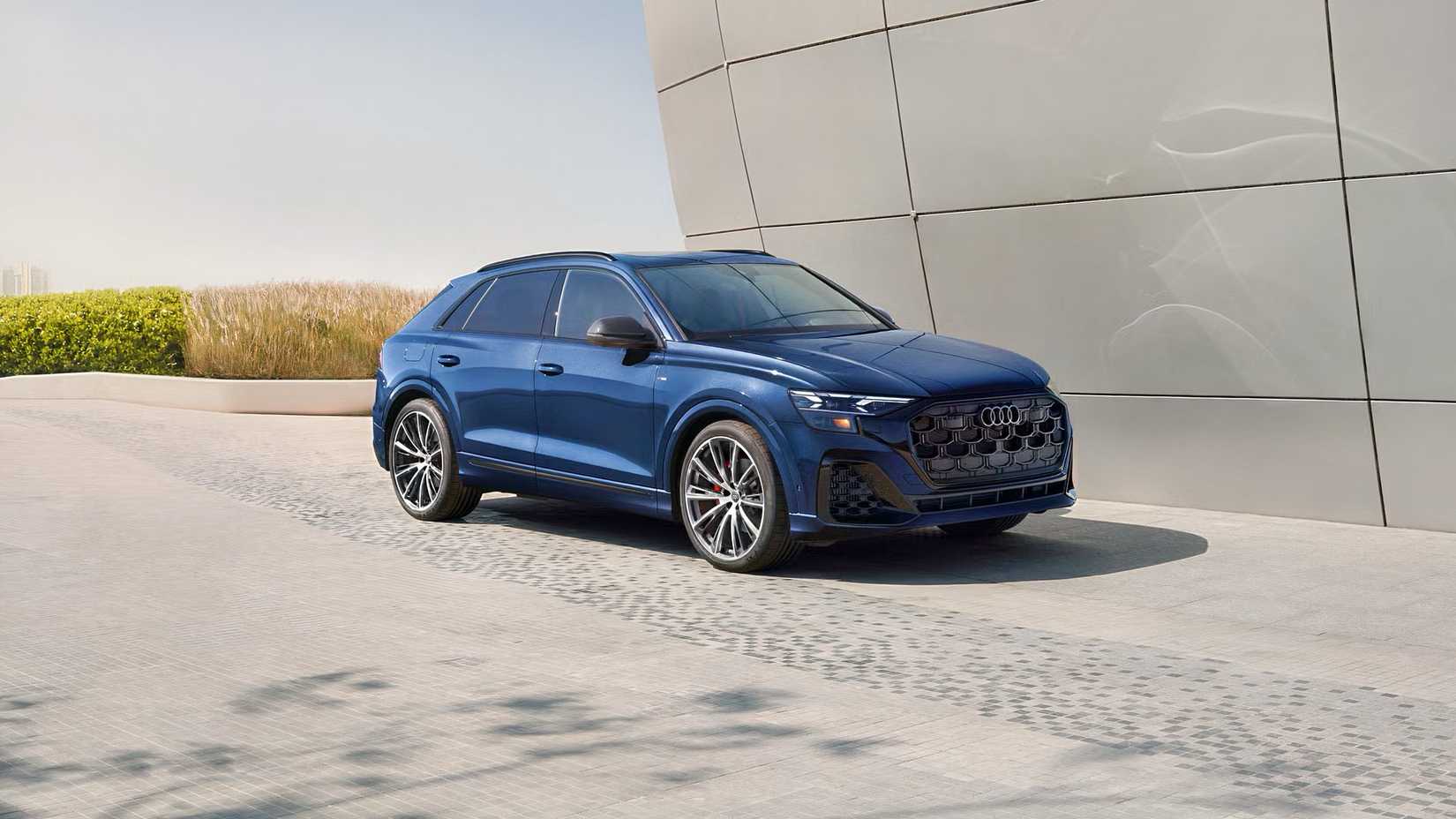
The real appeal of Audi’s SUV lineup isn’t something you notice on a five-minute test drive; it is what is revealed over time. Models like the Q5 and Q7 are engineered around ease of use. Everything from seating position to visibility feels natural, while standard features like Quattro All-Wheel Drive and oodles of driver assistance tech quietly remove stress from driving.
That consistency is what makes them stand out. Whether you get into a compact Q3 or a larger Q7, there’s a brand-wide feeling of effortlessness. Nothing feels exaggerated or overly complex. Instead, Audi focuses on making starting, driving, and parking intuitive. It’s not the kind of luxury that is in your face, much like how Volvo does it, but rather luxury that still feels good after the flashy novelty of its rivals has worn off.
Interiors That Feel Thoughtful, Not Overdesigned
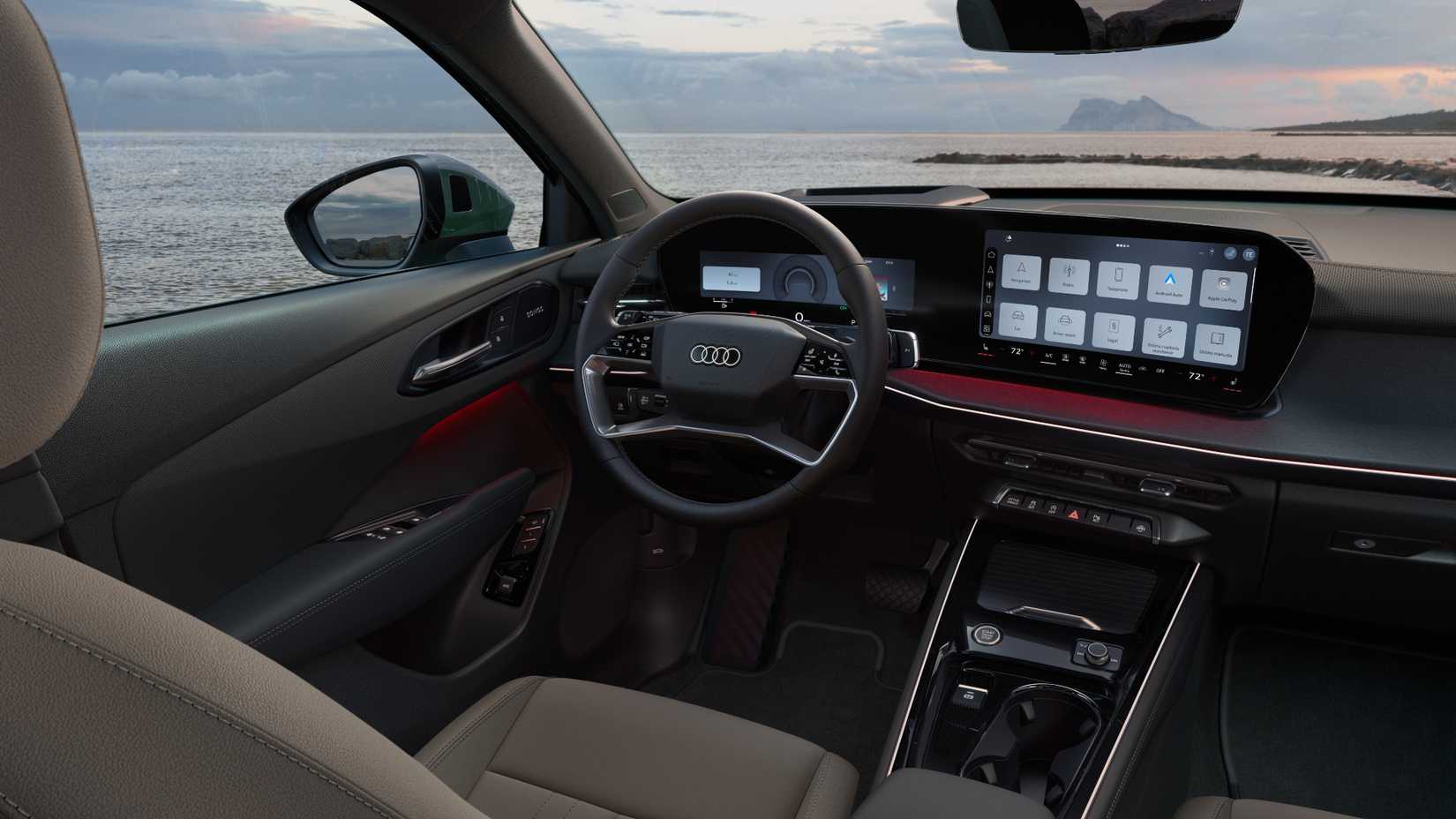
When you get into a Q3, the first thing you notice isn’t flash; it is clarity. The dual-display is angled toward usability rather than theater, and the driving position feels natural thanks to its compact SUV proportions. Even in its entry-level position, features like ambient lighting, a panoramic sunroof, and acoustic front glass feel far from “base model luxury.” The focus is simple: everything is where it should be, and you don’t need to learn how to use the interior features.
Moving up to models like the Q5, the same design thought is used, but has matured. The cabin design in the Q5 is more premium, with cleaner horizontal lines, higher-grade materials, and a more refined finish overall. It is also where Audi’s digital interface feels more balanced, with a large central touchscreen integrated and easy-to-read driver displays and controls that don’t feel complicated.
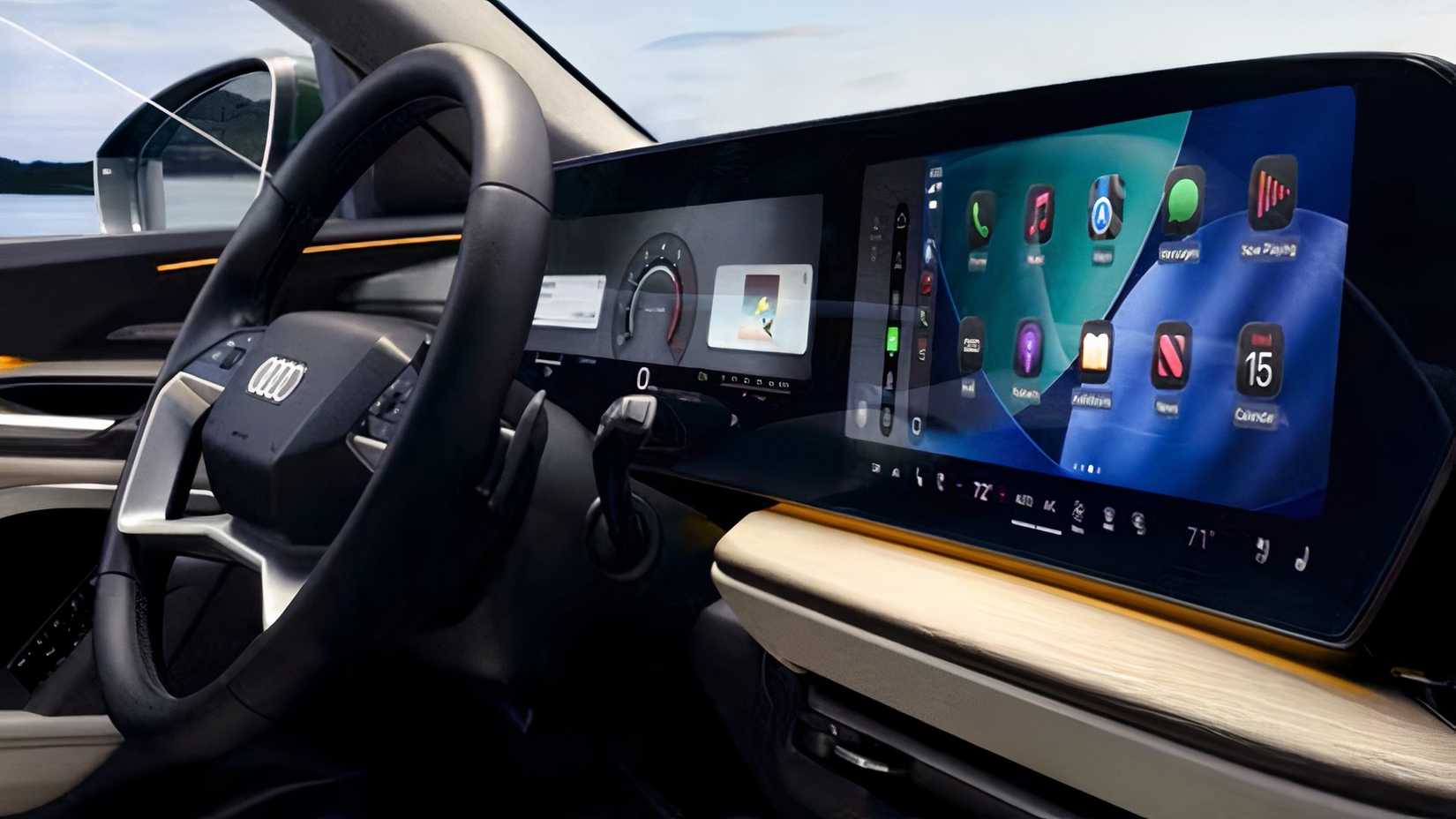
At the top end of the Audi SUV lineup, the Q8 shifts the tone slightly. You get everything you find in high-end models like the Q7, but it is sharpened for a more driver-focused ride without going overboard. The cabin gets Audi’s dual MMI setup, which includes a 10.1-inch upper display paired with an 8.6-inch lower touchscreen for secondary control. Instead of feeling like a tech showcase, even with the 12.3-inch Audi Virtual Cockpit display as well, it is integrated cleanly with a horizontal dash layout that keeps clutter to a minimum.
The materials used also do a lot of heavy lifting. Available Valcona leather, brushed inlays, ambient lighting, aluminum door inlays, a leather-wrapped dash, and carbon fiber inlays create a very plush environment, but it is still not excessive. Even with available features like massaging front seats, a Bang & Olufsen audio rig, and a panoramic glass roof, it still doesn’t feel overloaded and is unlikely to fall out of design favor anytime soon.
Ride Quality And Refinement That Make Every Drive Effortless
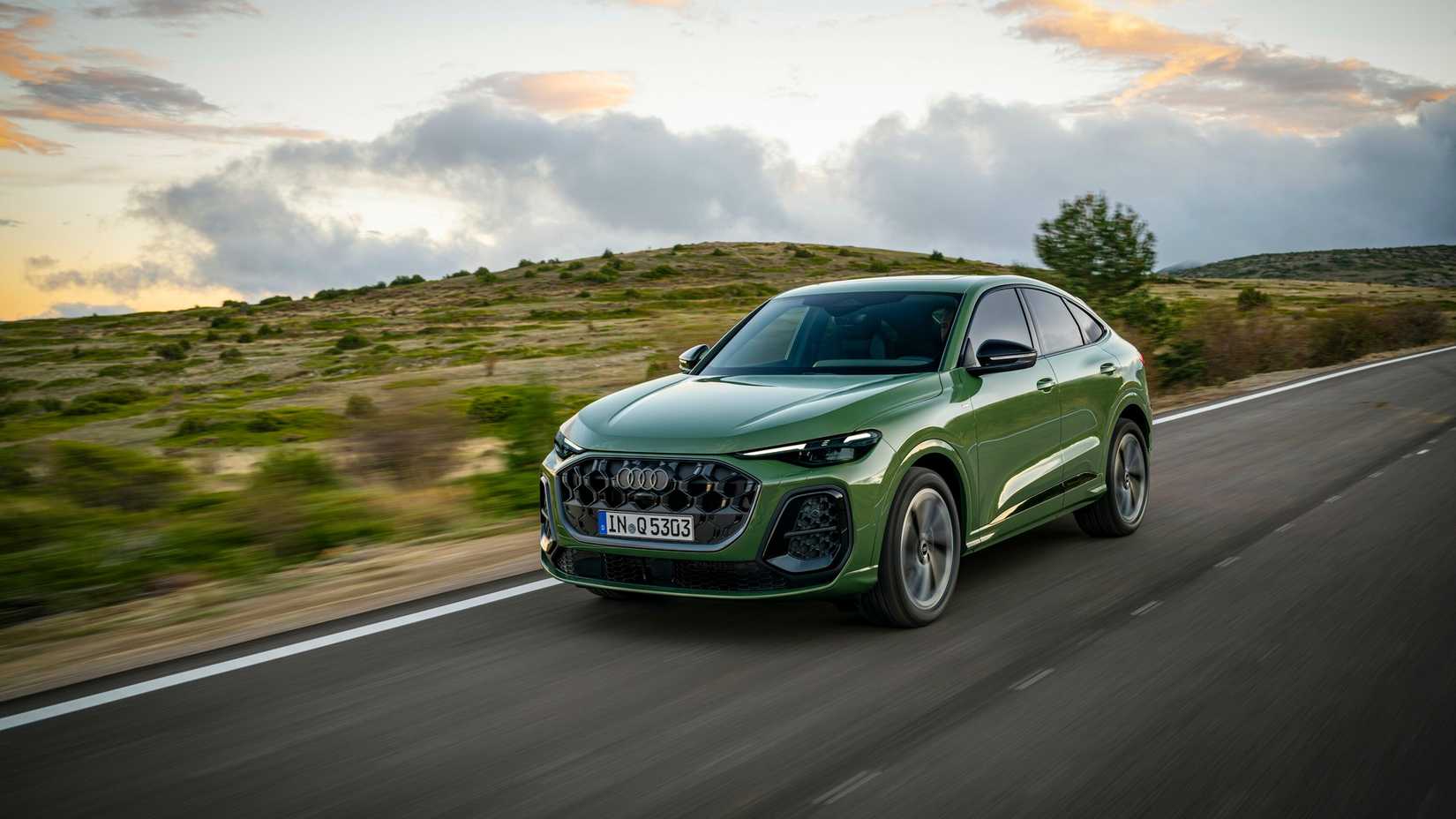
Audi also champions engineering that is needed to make their models some of the smoothest-riding SUVs on the market, something that isn’t always achieved by some of their rivals. The interesting part about Audi SUVs, and one of the primary reasons why they work so well, is that, regardless of whether you buy a gas-engined Q5 or an electric Audi Q6 e-tron, you still get an easy feeling behind the wheel.
The Q5 runs a steel-spring suspension with a five-link layout front and rear, which basically means each wheel is given a decent amount of independence to deal with holes in the road. On higher trims, Audi adds adaptive damping, which constantly adjusts compression and rebound in real-time depending on how and where you are driving. The Quattro AWD system ties it all together. In the Q5, it doesn’t just handle traction but also distributes torque between the wheels and helps to smooth out acceleration and stopping. A recent CarBuzz test drive of the Audi Q5 and Audi SQ5 describes it best.
“The SQ5 has an adaptive air suspension standard, and this setup is also found on the Q5 Prestige. That suspension is firmer on the SQ5, but still more comfortable than the comparable X3 or GLC. Neither of those vehicles is available with air suspension, giving the Q5 and SQ5 an advantage in comfort.”
The Q6 e-tron, by contrast, takes a more modern approach. Built on Audi’s EV platform, it uses adaptive air suspension with electronically controlled damping. Instead of fixed springs, it adjusts ride height on the fly, lowering itself at speed for stability and efficiency and raising for rougher roads. Around town, the system prioritizes absorbing bumps, while at higher speeds, it firms up and settles the body for a steady ride.
Even here, Quattro AWD (in its electronic form) still plays a big part. With instant torque distribution between the front and rear motors, it maintains the same stability under acceleration and braking that Audi is famous for, just without any mechanical lag. There are differences in engineering, but the outcome is the same.
Every Audi SUV Model Ranked By Reliability
Explore Audi’s SUV lineup reliability: From dependable to outstanding, discover rankings for each model’s performance and longevity.
The Perfect Balance That A Lot Of Luxury SUVs Miss
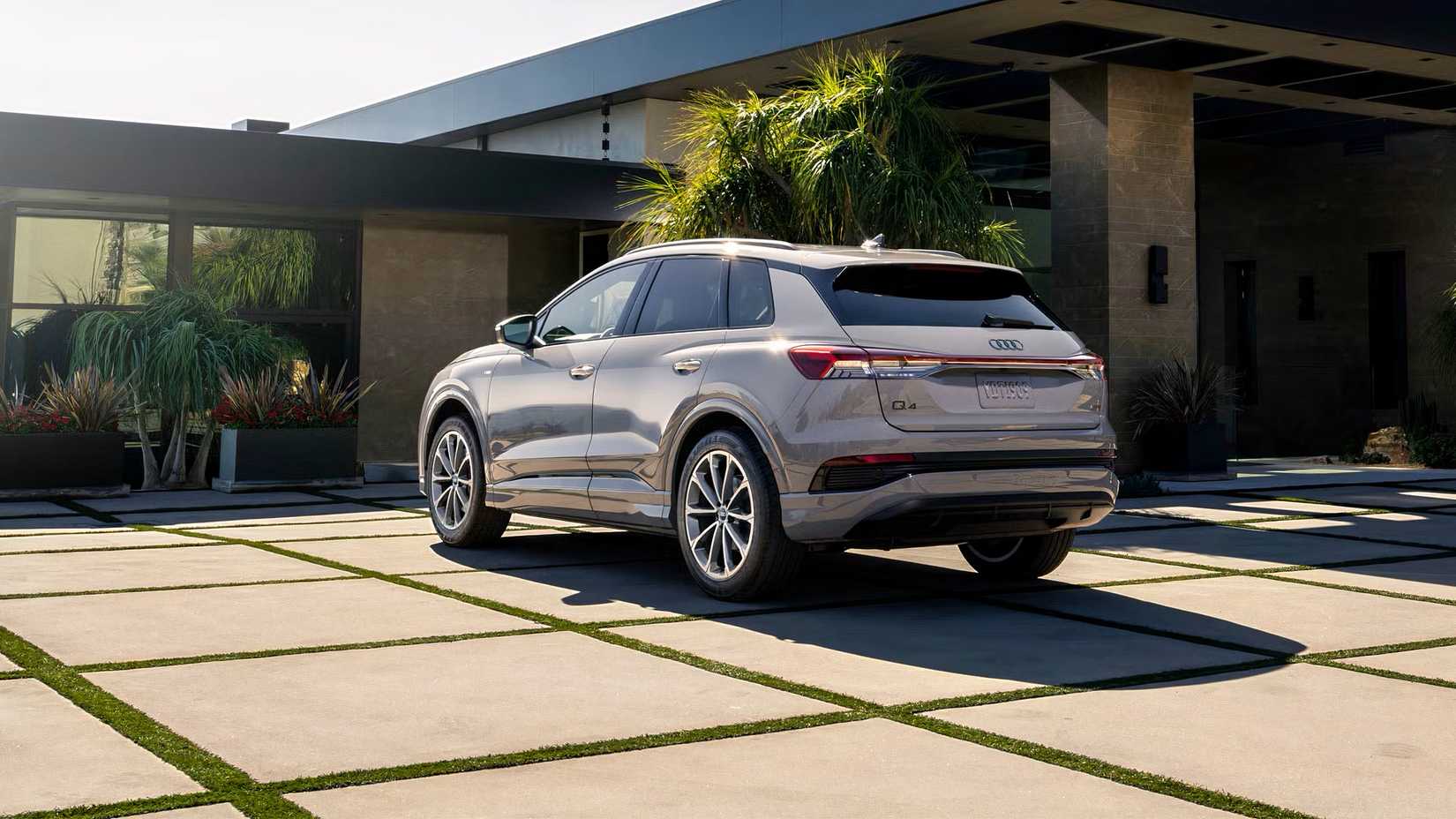
There is no shortage of luxury SUVs on the U.S. market this year, but not all of them have the consistent air of grace that makes them truly luxurious. This is where Audi excels: from the Q3 to the Q8, there is no awkward step change in character as you move up the lineup, just a gradual increase in space, technology, and capability.
Steering stays light and precise, visibility is well-judged, driving positions don’t feel like a compromise, and engine and motor choices are what you’d expect as you climb a luxury lineup. Even packaging is handled well, with usable rear space, flexible seating options, and trunk designs that don’t sacrifice practicality for over-the-top styling.
Strong, Usable Performance Without Drama
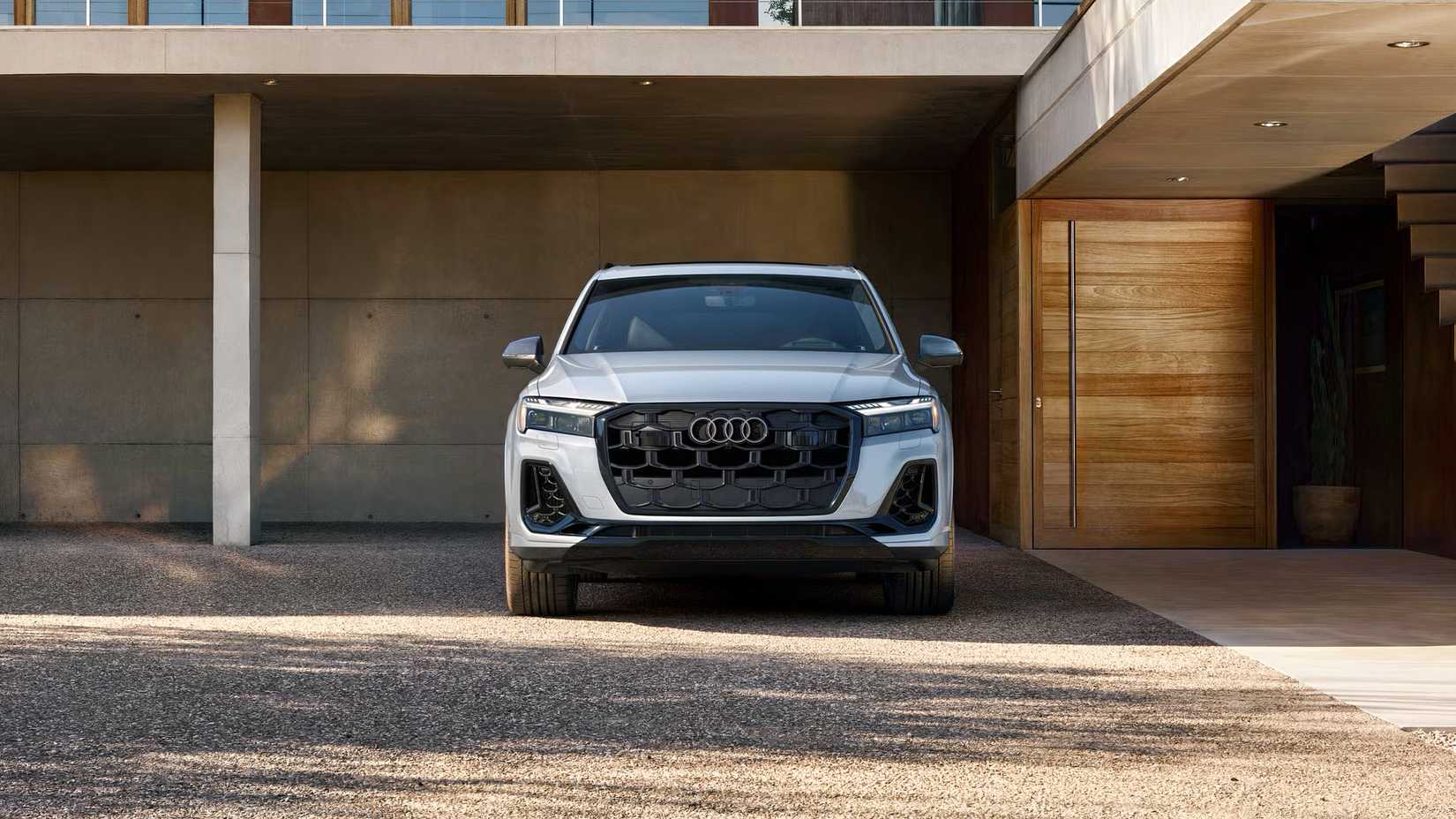
This year’s Audi SUV lineup comes equipped with a wide range of engines and motors, depending on what model and option you choose. The main point to take away from the engine and motor options is that there is a scalable increase in performance as you work up the line.
|
Audi Q3 |
Audi Q5 / Q5 TFSI e / SQ5 |
Audi Q7 / SQ7 |
Audi Q8 / SQ8 / RS Q8 |
Audi Q4 e-tron |
Audi Q6 e-tron / SQ8 e-tron |
|
|---|---|---|---|---|---|---|
|
Engine/Motor |
2.0-Liter Turbocharged Inline-Four |
2.0-Liter Turbocharged Inline-Four / 2.0-Liter Turbocharged Inline-Four Plug-in Hybrid / 3.0-Liter Turbocharged V6 |
2.0-Liter Turbocharged Inline-Four / 3.0-Liter Turbocharged V6 Mild-Hybrid / 4.0-Liter Twin-Turbocharged V8 |
3.0-Liter Turbocharged V6 Mild-Hybrid / 4.0-Liter Twin-Turbocharged V8 / 4.0-Liter Twin-Turbocharged V8 Mild-Hybrid |
Single PSM / Dual PSM (AWD) |
Single PSM / Dual PSM (AWD) |
|
Transmission |
Seven-Speed S tronic Dual Clutch Automatic |
Seven-Speed S tronic Dual Clutch Automatic |
Eight-Speed Tiptronic Automatic |
Eight-Speed Tiptronic Automatic |
Single-Speed Automatic |
Single-Speed Automatic |
|
Horsepower |
255 hp |
268 hp / 362 hp / 362 hp |
261 hp / 335 hp / 500 hp |
335 hp / 500 hp / 631 hp |
282 hp / 335 hp |
248 hp – 301 hp / 422 hp – 517 hp |
|
Torque |
273 lb-ft |
295 lb-ft / 362 lb-ft / 406 lb-ft |
273 lb-ft / 369 lb-ft / 568 lb-ft |
369 lb-ft / 568 lb-ft / 627 lb-ft |
339 lb-ft / 402 lb-ft |
358 lb-ft / 630 lb-ft |
Across the lineup, the no-drama feel comes from specific drivetrain calibrations. In the Q7 and Q8, the eight-speed Tiptronic automatic uses a wide torque converter lock-up window and early upshift at low throttle, which keeps engine revs suppressed and prevents abrupt torque spikes when you’re driving in the city.
The Q5 and SQ5 come equipped with a seven-speed S tronic dual-clutch, which is calibrated with softened clutch engagement in first and second gear, which means torque is intentionally ramped up rather than snapped in like a performance DSG. Gear pre-selection is still active, but shift logic is tuned for smoothness—just what you want from a luxury SUV for everyday use.
Everyday Practicality That Actually Fits Real Life
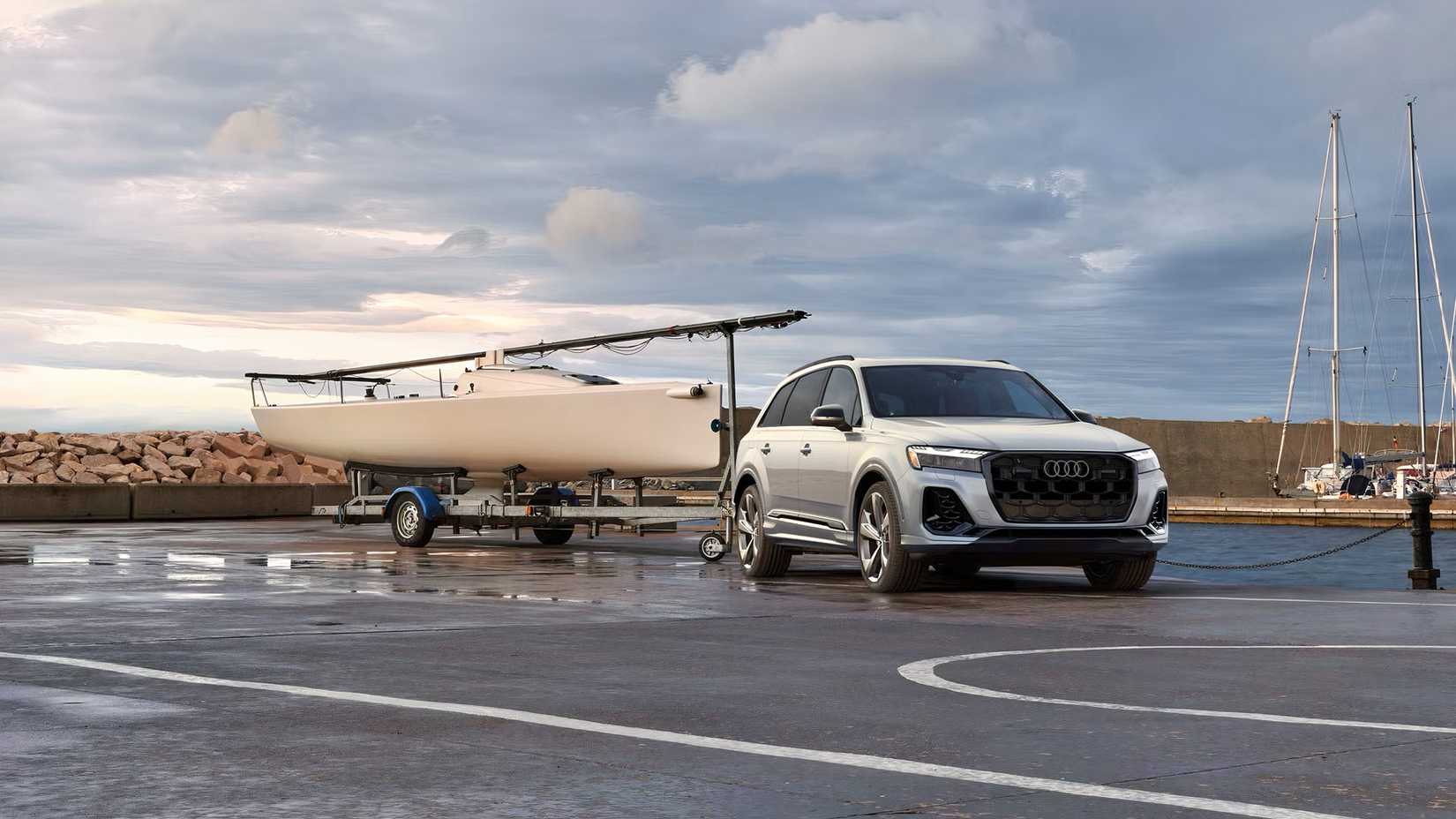
With many luxury SUVs, you get the illustrious looks and performance that you only find in models over $70,000, but they don’t always have the versatile build that makes an SUV an SUV. With a good number of Audi SUVs, you get this as well.
The 2026 Q3 gets 50 cubic feet of cargo space with the rear seats folded down. Compared to its closest rival, it does lack slightly compared to the BMW X1’s 57.2 cubic feet of space. However, as you move up the lineup, the blend of versatility, refined design, and luxury is still apparent.
|
Audi Q5 |
Audi Q7 |
Audi Q8 |
Audi Q4 e-tron |
Audi Q6 e-tron |
|
|---|---|---|---|---|---|
|
Maximum Cargo Capacity |
56.9 Cubic Feet |
69.6 Cubic Feet |
60.7 Cubic Feet |
54.4 Cubic Feet |
54 Cubic Feet |
|
Headroom (Front/Rear/Third Row) |
38.2 Inches / 39.3 Inches |
39.9 Inches / 38.8 Inches / 35.9 Inches |
37.1 Inches / 38.1 Inches |
38.5 Inches / 38.3 Inches |
N/A |
|
Legroom (Front/Rear/Third Row) |
40.9 Inches / 38 Inches |
41.7 Inches / 38.8 Inches / 29.2 Inches |
41.6 Inches / 40.2 Inches |
41.2 Inches / 37.2 Inches |
N/A |
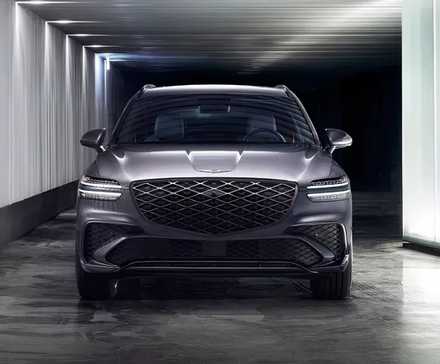
10 Luxury SUVs That Perfectly Blend Style And Speed
These quick and sophisticated compact SUVs mean transport and practicality have never looked so appealing, making the daily grind more fun.
Why Audi Subtlety Ends Up Being The Ultimate Win
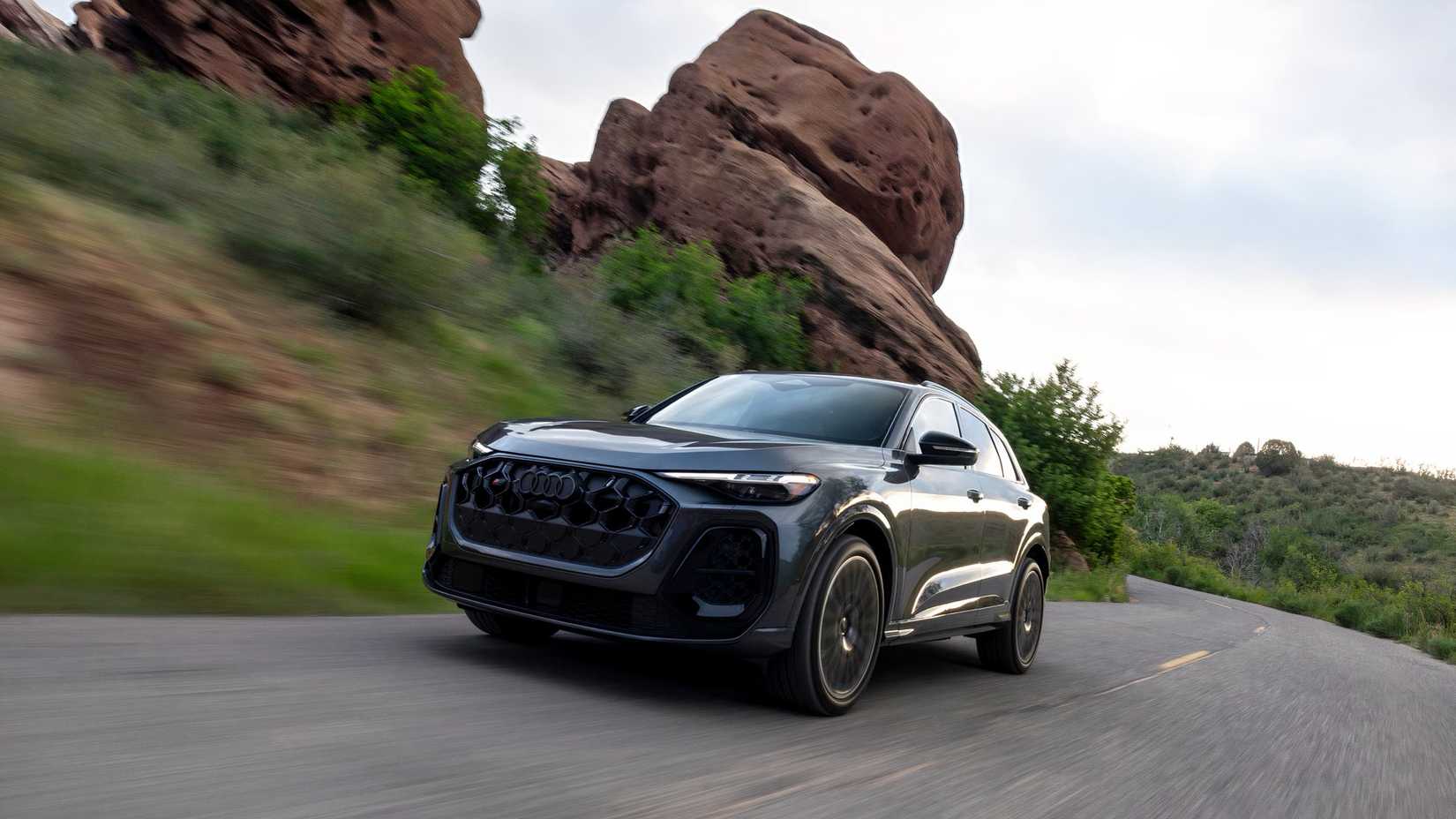
Over the years, Audi has fine-tuned the art of offering more without overdoing it, and that is why their SUVs work so well, both new and used. Where rivals might chase attention, aggressive tuning, or overly complex interiors, Audi has focused on keeping things measured across their SUV lineup. From the Q3 through the Q8 and Q6 e-tron, there is a familiarity with how they drive, how they feel, how they can be used, and how they respond to you.
Audi SUVs aren’t designed to impress in a showroom for five minutes but are designed to feel right after five months. Audi SUVs don’t always enjoy the reliable reputation of some of their luxurious Japanese rivals and tend to continue the German reputation for high maintenance costs.
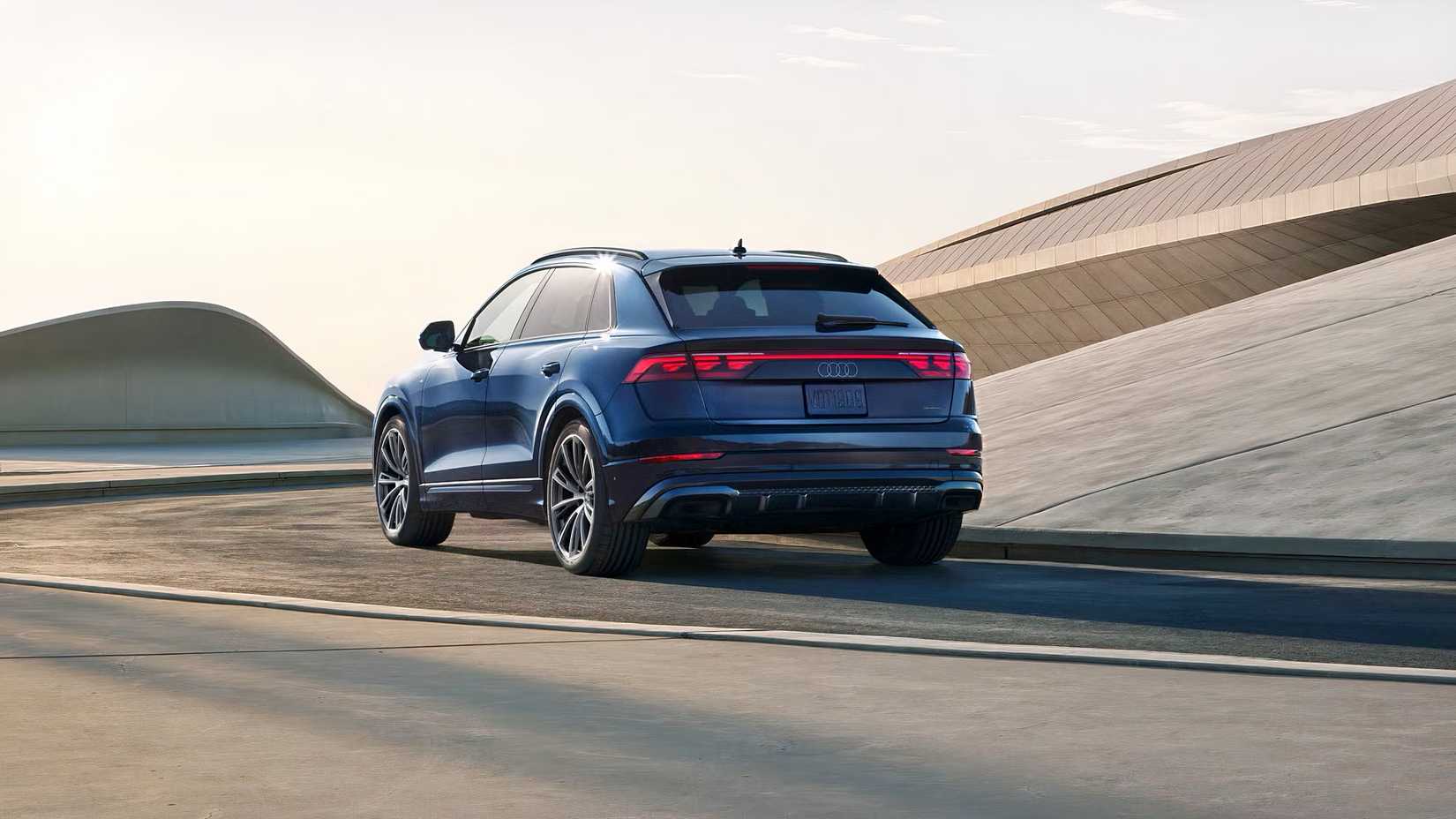
RepairPal says that it will cost you $987 a year to maintain an Audi model, but with a reputation for subtly designed yet plush rides and impressive power from under the hood, Audi SUVs maintain an undeniable draw.
Audi’s subtlety is the real win here, though. Designs aren’t based on what is going to go out of fashion quickly; exteriors look good after five years; the technology in the cabin tends to be intuitive and clear; cabin materials are comfortable and upscale; a lot of models are usable every day, and the four rings on the grille carry a lot of weight, even if they don’t shout about it.
Sources: Audi, RepairPal.