
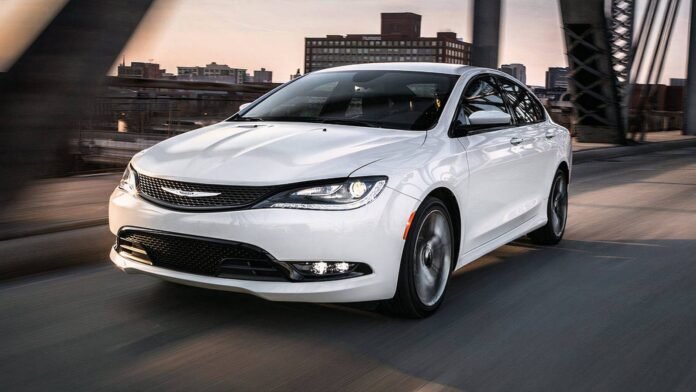
The midsize sedan market was once one of the most fiercely contested battlegrounds in the automotive industry. For decades, cars like the Honda Civic and Toyota Corolla have built reputations on reliability, resale value, efficiency, and long-term ownership satisfaction. Into this environment stepped the Chrysler 200, a car Chrysler hoped would redefine its standing in the passenger-car market. Introduced as the replacement for the Sebring, the 200 aimed to deliver more upscale styling, improved interior quality, and competitive technology while giving buyers a distinctly American alternative to the dominant Japanese sedans.
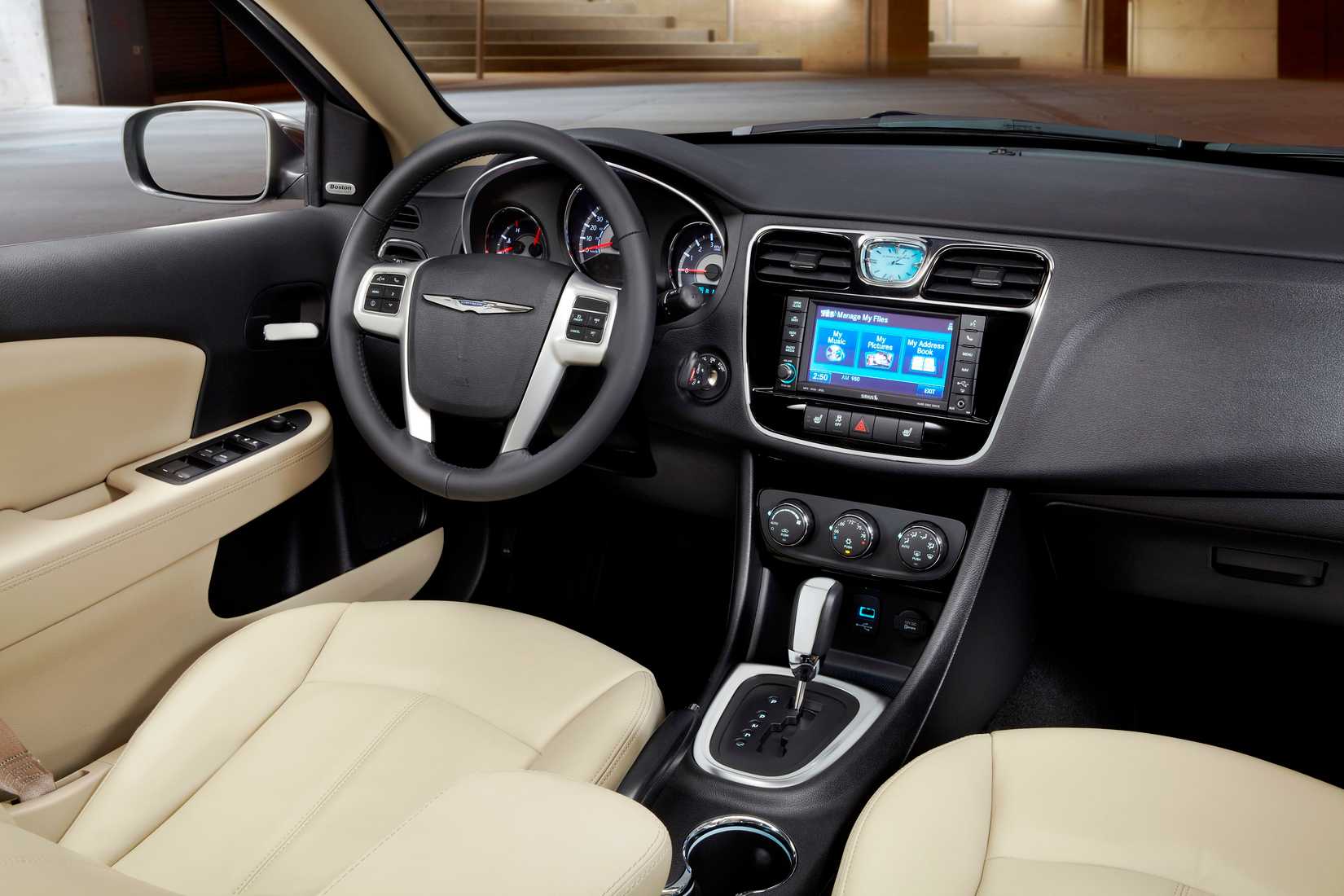
On paper, the Chrysler 200 had genuine strengths. The second-generation model introduced for 2015 rode on Fiat Chrysler’s Compact US Wide platform, offered available all-wheel drive, and packed one of the strongest V6 engines in the segment. Higher trims featured upscale materials, rotary gear selectors, large touchscreen infotainment systems, and advanced safety features uncommon for the price point at the time. Yet despite these improvements, the 200 never managed to establish itself as a consistent segment contender. Its story ultimately became less about one fundamentally flawed car and more about timing, perception, and the brutal competitiveness of the midsize sedan market during the 2010s.
Chrysler 200 Sales That Never Came Close to Segment Leaders
The Chrysler 200 entered the market at a difficult moment for traditional sedans. By the mid-2010s, consumer preferences were already shifting rapidly toward crossovers and SUVs, shrinking the potential audience for midsize sedans across the board. Even so, competition remained intense, with the Nissan Altima and Ford Fusion all posting massive sales figures annually.
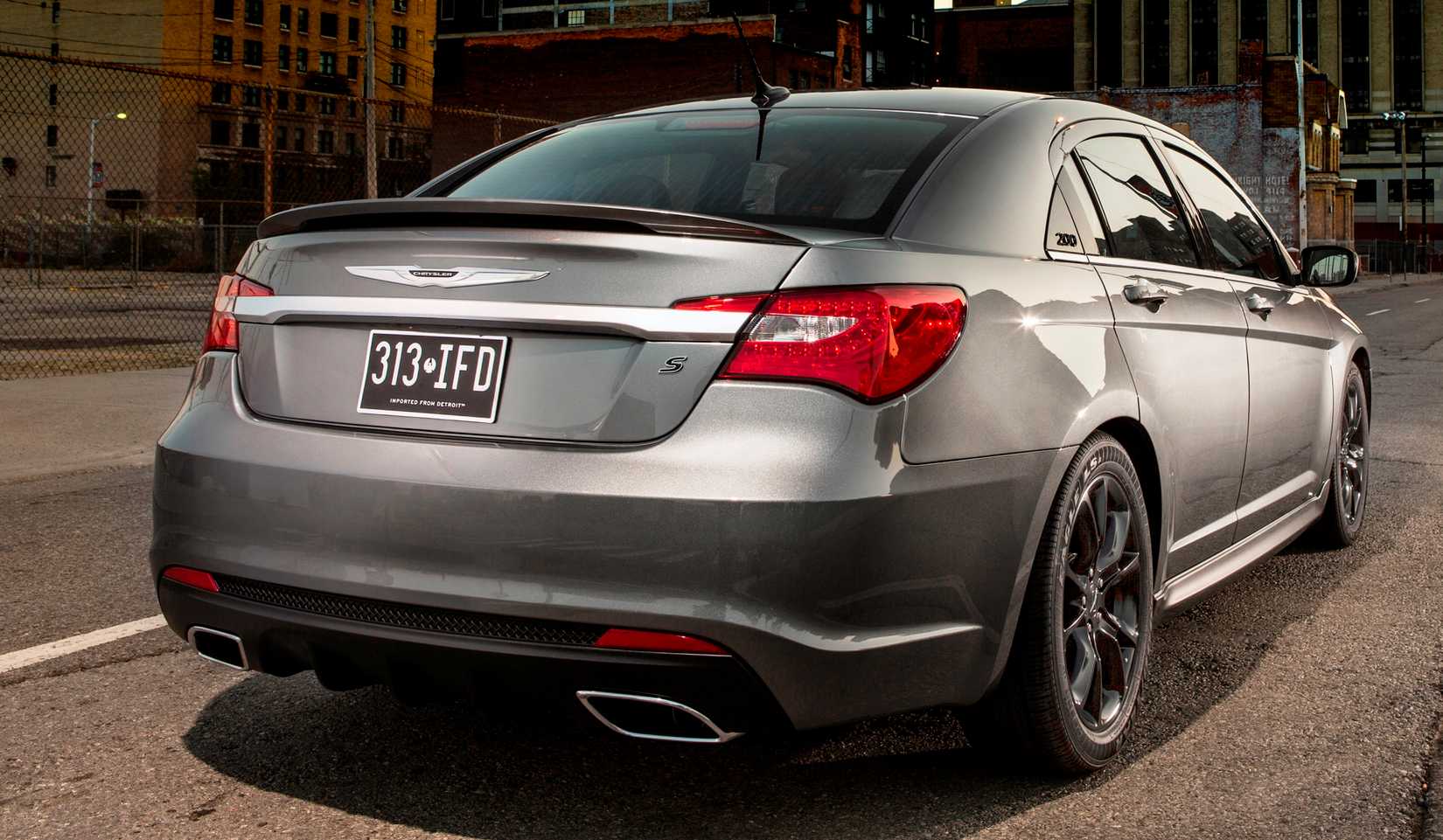
The first-generation Chrysler 200 launched for the 2011 model year as a heavily revised replacement for the Sebring. Chrysler attempted to reposition the vehicle with improved styling, better interior materials, and more refined powertrains. Early sales were respectable, with the model reaching 135,193 units in 2012. However, those numbers still fell far short of the segment leaders, many of which consistently exceeded 300,000 annual sales.
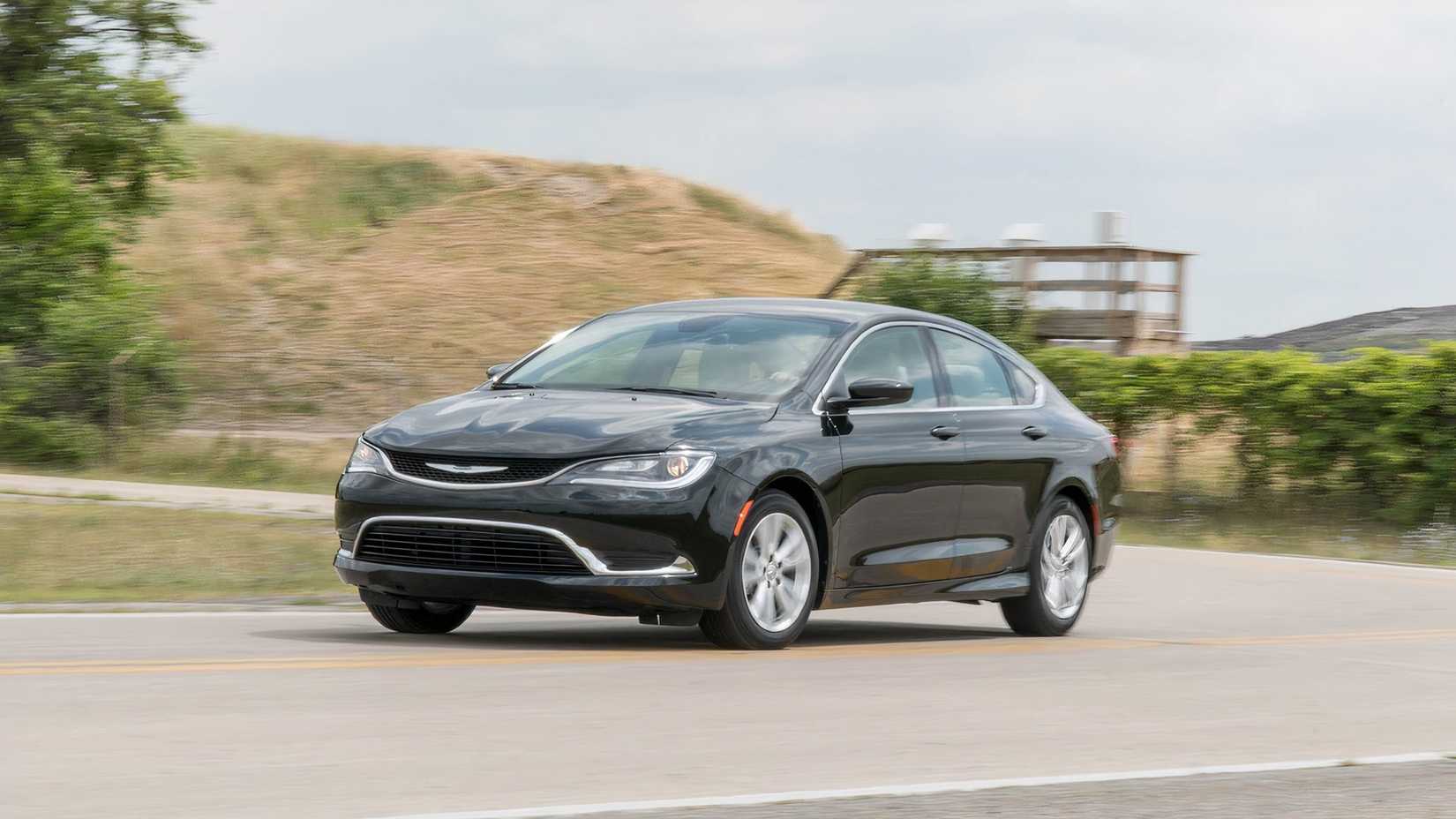
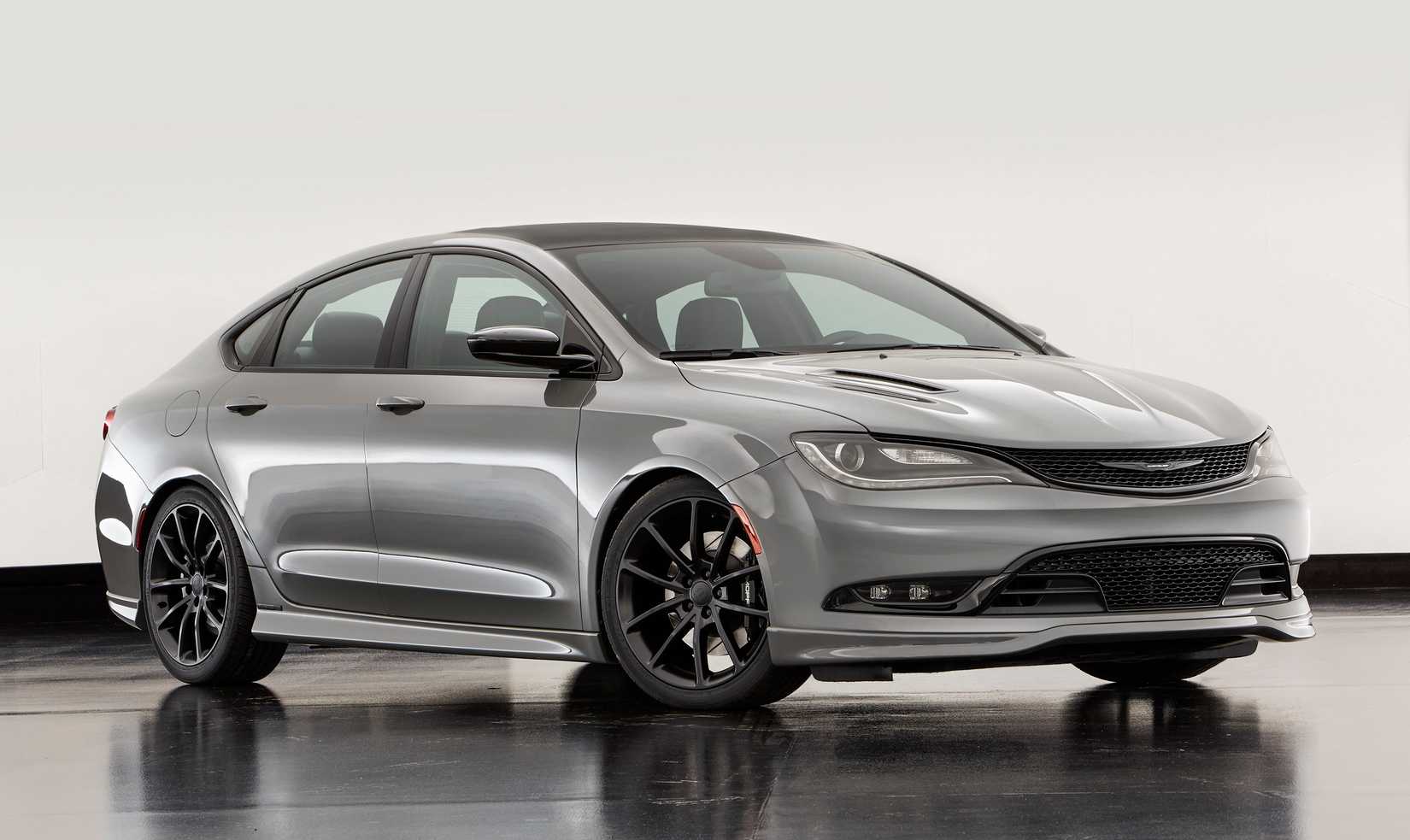
The second-generation 200 introduced for 2015 represented a much more ambitious effort. Built on a modern platform shared with vehicles like the Jeep Cherokee, the new 200 featured sleeker styling, improved chassis rigidity, and significantly upgraded technology. Chrysler clearly aimed to move the car closer to premium territory rather than simply compete on value.
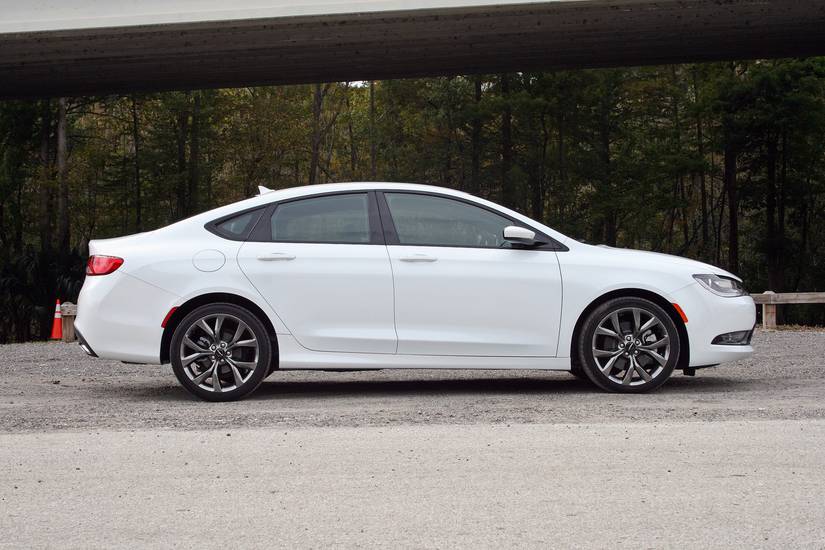
Technically, the 2015 model was competitive in several areas. The standard 2.4-liter Tigershark inline-four produced 184 horsepower and 173 pound-feet of torque, while the optional 3.6-liter Pentastar V6 generated an impressive 295 horsepower and 262 pound-feet. At the time, that made the V6-powered 200 one of the most powerful front-wheel-drive sedans in its class. The car also offered an available all-wheel-drive system, a relatively rare feature among mainstream midsize sedans. Sales initially responded positively. Chrysler sold 177,889 units in 2015, making it the model’s strongest sales year. However, that momentum proved short-lived. Sales collapsed to just 62,185 units in 2016 before dropping even further in 2017.
Several factors contributed to the decline. The midsize sedan segment itself was shrinking, but the 200 also struggled to establish a clear identity. Buyers looking for long-term reliability gravitated toward Japanese competitors, while buyers seeking premium refinement often stretched toward entry-level luxury brands instead. The Chrysler badge itself lacked the strong sedan reputation enjoyed by Honda or Toyota, making conquest sales particularly difficult. The result was a car that briefly gained attention but never managed to secure long-term market confidence.
The Japanese Car That Quietly Beats Luxury Brands At Their Own Game
A luxury sedan that shuns the spotlight, yet outshines its rivals in the areas that truly matter.
A Reliability Reputation That Undermined Buyer Confidence
Chrysler
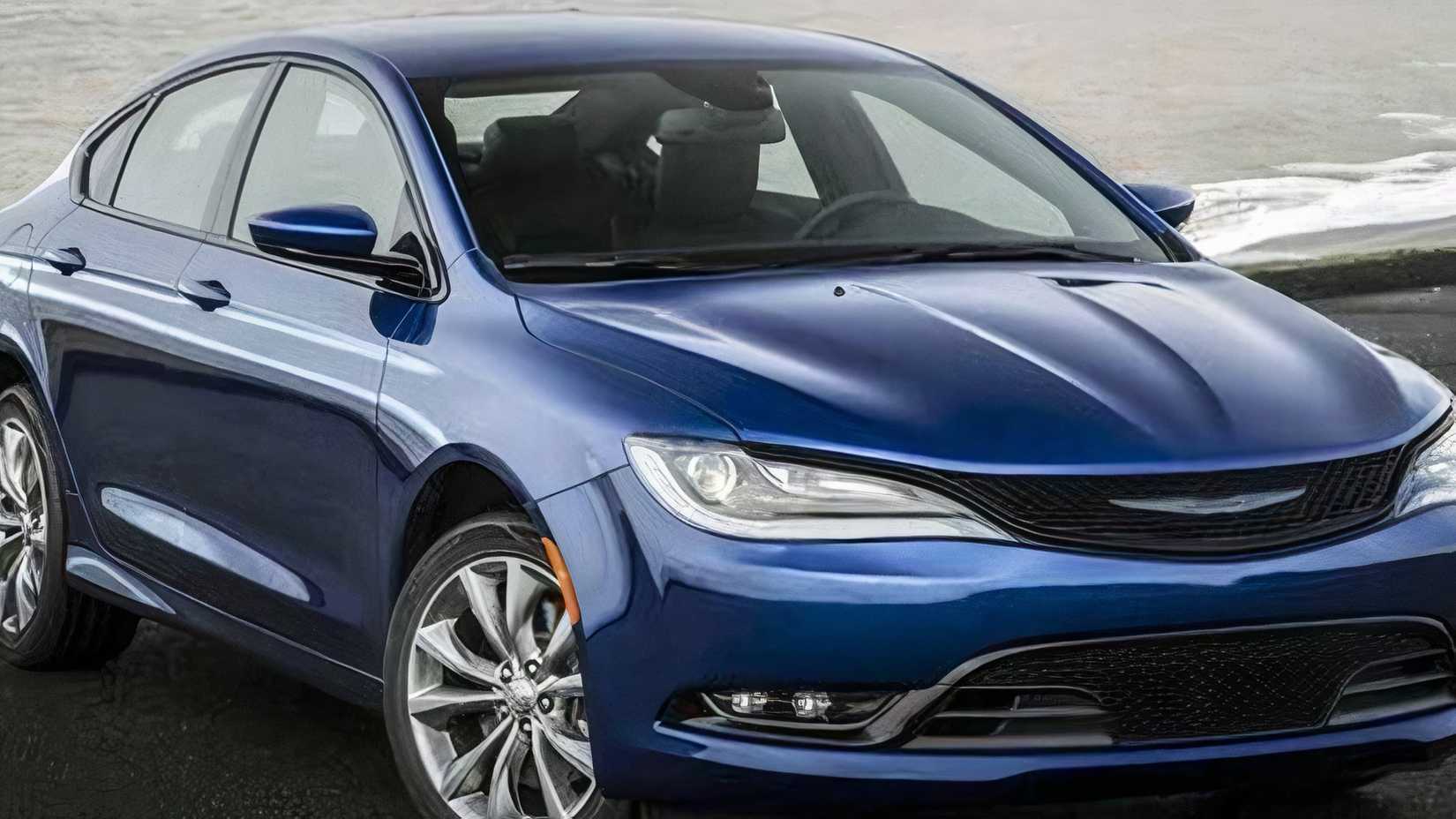
Reliability perception plays a major role in the midsize sedan segment because many buyers prioritize low operating costs and long-term dependability over outright performance. This became one of the Chrysler 200’s biggest hurdles. The first-generation 200 inherited some of the reputation issues associated with the Sebring, particularly regarding interior quality and refinement. While Chrysler substantially improved the vehicle compared to its predecessor, consumer perception often lagged behind the actual improvements made to the product.
The second-generation car introduced more advanced engineering but also introduced greater complexity. One of the most discussed issues centered around the ZF-sourced nine-speed automatic transmission paired with the 2.4-liter engine. The transmission was intended to improve fuel economy and drivability, but early calibration issues resulted in complaints about rough shifting, hesitation, and inconsistent behavior.
Owners also reported concerns involving excessive oil consumption on some 2.4-liter Tigershark engines. Reliability tracking sites accumulated significant numbers of complaints related to drivetrain and electrical systems, particularly for early second-generation models. Importantly, not every Chrysler 200 owner experienced major issues. Many owners praised the car’s comfortable ride, quiet cabin, strong V6 performance, and attractive design. Still, perception matters enormously in this segment. Vehicles like the Camry and Accord built decades-long reputations for dependability, making buyers more forgiving of isolated issues. Chrysler did not have the same margin for error.
Consumer Reports noted that although the redesigned 2015 model represented a substantial improvement over earlier versions, it still trailed leading competitors in refinement, packaging, and overall execution. For many shoppers, especially those seeking predictable long-term ownership costs, the Chrysler 200 struggled to overcome its reputation challenges.
The Unexpected Budget Alternative To A Mercedes GLC
Mercedes-Benz’s compact SUV is one of the most desired premium family-movers in its class, but it’s easily matched in ability and surpassed in price.
Average on Paper, Problematic in Practice
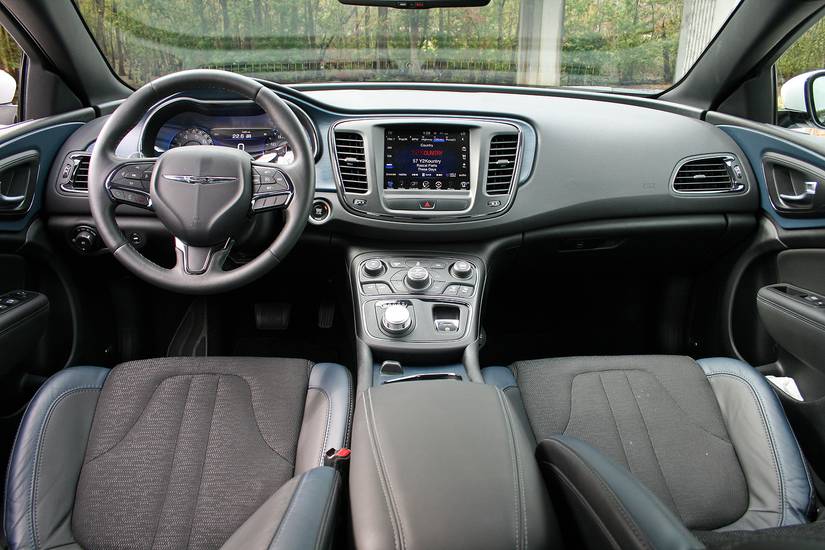
From a specification standpoint, the Chrysler 200 often appeared highly competitive. In several measurable categories, it even outperformed some rivals. The available Pentastar V6 remains one of the car’s standout features. With nearly 300 horsepower, the 200S V6 delivered acceleration that rivaled some entry-level sports sedans. Contemporary testing regularly showed 0-60 mph times in the low six-second range, making it genuinely quick for a mainstream family sedan.
The interior also represented a major leap forward compared to the Sebring era. Higher trims featured soft-touch materials, leather seating, available panoramic sunroofs, heated and ventilated seats, and Chrysler’s highly regarded Uconnect infotainment system. At a time when some competitors still relied on complicated infotainment interfaces, Uconnect earned praise for its intuitive operation.
Fuel economy figures were also respectable. The four-cylinder model achieved EPA ratings of up to 36 mpg highway, positioning it competitively within the segment. The nine-speed transmission was largely responsible for these efficiency gains, even if its real-world behavior sometimes frustrated owners.
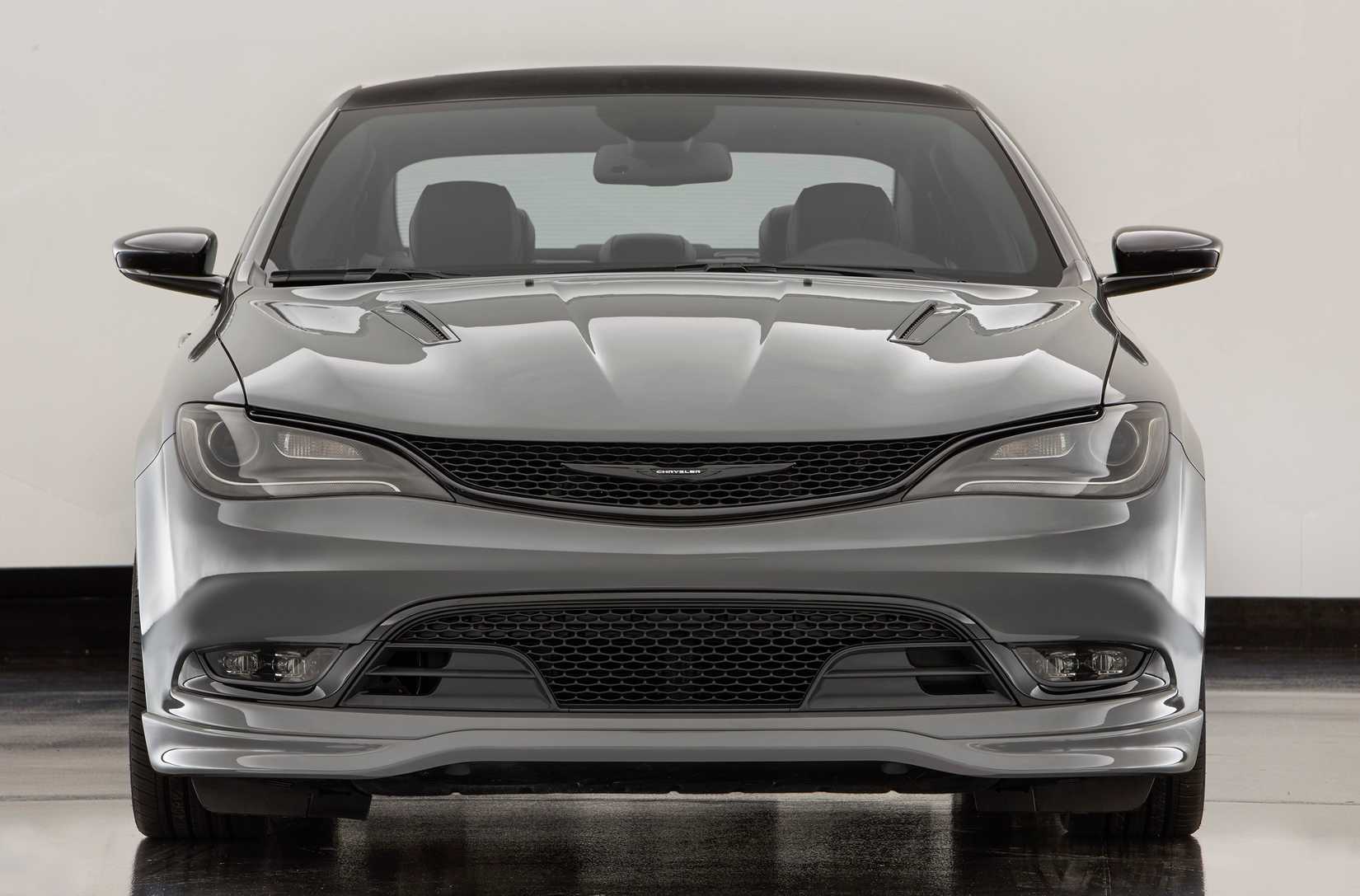
Yet the ownership experience revealed several compromises that became more noticeable over time. Rear-seat packaging was one example frequently mentioned by reviewers. The car’s sleek roofline contributed to attractive styling but reduced rear passenger headroom and made rear-seat access tighter than some rivals. The platform itself prioritized style and driving character over maximum practicality. Compared to segment benchmarks, the Chrysler 200 offered less rear-seat space and a smaller trunk than some competitors. In a segment where practicality heavily influences buying decisions, these shortcomings mattered.
The car’s dynamic behavior also drew mixed reviews. Some praised its composed highway ride and confident handling, particularly with all-wheel drive. Others felt competitors offered more polished steering, better ride compliance, or more predictable transmission tuning. In many ways, the Chrysler 200 occupied an awkward middle ground. It was more stylish and ambitious than many expected from Chrysler, but it also asked buyers to overlook certain compromises in practicality and refinement. In a brutally competitive market, “good enough” is rarely sufficient.
10 Compact SUVs That Depreciate The Most After 5 Years Of Ownership
From luxury sport to mainstream commuter, these small utility vehicles can lose up to half their value in the first five years.
Rapid Depreciation That Reflected Weak Demand
Chrysler
One of the clearest indicators of the Chrysler 200’s market struggles was its depreciation curve. While most midsize sedans lose value over time, the 200 depreciated particularly quickly compared to segment leaders. Part of this stemmed from simple supply-and-demand economics. Rental fleet sales played a significant role in the 200’s market presence, especially during its peak production years. Large numbers of ex-rental vehicles entering the used market placed downward pressure on resale values. The model’s strong association with rental fleets also affected public perception.
Reliability concerns further contributed to weaker resale performance. Used-car buyers tend to research long-term durability heavily, and reports of transmission and engine issues reduced confidence in higher-mileage examples. As a result, used values dropped more rapidly than rivals known for long-term dependability. This rapid depreciation created an interesting paradox. For new buyers, the low resale value hurt the 200’s overall ownership proposition compared to competitors like the Accord or Camry. However, for used-car buyers, the Chrysler 200 eventually became something of a bargain.
Well-equipped V6 models with leather interiors, large touchscreens, and all-wheel drive could often be purchased for thousands less than comparable Japanese rivals. In hindsight, the 200 arguably offered more equipment and performance than its used values suggested. Yet resale value is often closely tied to long-term confidence, and the market consistently valued the Chrysler below segment leaders. That depreciation became both a symptom and a cause of the car’s broader struggles.
Discontinued Early After Failing to Find Its Audience
The Chrysler 200’s production run ended surprisingly quickly. Fiat Chrysler Automobiles officially discontinued the sedan after the 2017 model year, with production ending in late 2016. The decision reflected broader industry trends as much as the car itself. By the mid-2010s, automakers increasingly shifted investment toward trucks, SUVs, and crossovers due to significantly higher profit margins and rapidly changing consumer demand. FCA in particular leaned heavily into Jeep and Ram products, both of which were experiencing strong sales growth.
The Sterling Heights Assembly Plant that produced the Chrysler 200 was eventually repurposed for Ram truck production following major investment from the company. That move highlighted where FCA believed its future profitability would come from. Former FCA CEO Sergio Marchionne openly criticized certain aspects of the 200’s design, particularly rear-seat accessibility. But the reality was likely more complicated. Even if the car had been more competitive dynamically, the shrinking sedan market and FCA’s strategic priorities made its future uncertain.
Today, the Chrysler 200 occupies an unusual place in automotive history. It was neither a catastrophic failure nor a breakthrough success. Rather, it represented a serious attempt by Chrysler to compete in a segment dominated by deeply entrenched rivals with decades of consumer trust behind them. In the end, the Chrysler 200’s story demonstrates how difficult it is to succeed in the midsize sedan segment without exceptional reliability, strong resale value, and an instantly recognizable brand identity.
Sources: Chrysler U.S. & Consumer Reports