
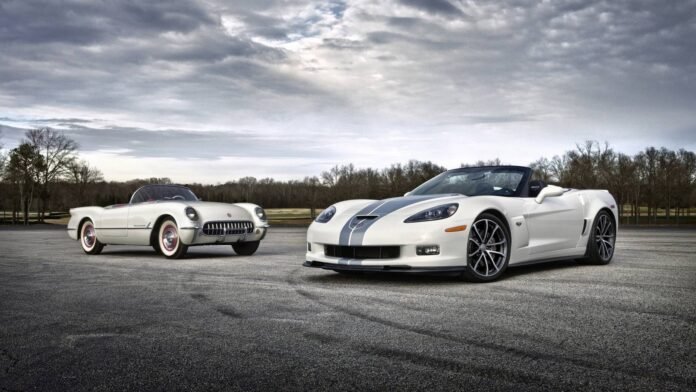
The Chevrolet Corvette is more than a car; it’s a living piece of automotive history. Across eight generations spanning more than seven decades, the Corvette has continually redefined what a true American sports car should be. From its humble beginnings as a fiberglass-bodied cruiser to its current mid-engine supercar incarnation, each generation has brought something unique to the table, whether that’s breathtaking performance, groundbreaking design, or cultural significance.
But with such a rich lineage comes inevitable debate: which Corvette truly stands above the rest? In this ranking, we evaluate each generation not just on performance and innovation, but also on reliability and collector value, the two metrics that matter most to enthusiasts and buyers alike. From modern engineering triumphs to vintage classics that command heart-pounding prices on the auction block, this list lays out the complete Corvette journey, from best to worst.
Corvette generations are listed in descending order, from best to worst, based on mechanical and performance innovation, as well as collectability, reliability, and all-around impact on the sports car landscape.
8
C8 Corvette
2020–Present
The mid-engine C8 Corvette represents a seismic shift in Corvette history. For the first time in its 67-year history, Chevrolet abandoned the traditional front-engine, rear-drive layout in favor of a European-style mid-engine configuration. The payoff has been enormous: blistering acceleration, significantly improved handling balance, and a dramatic leap in performance that catapults the Corvette into genuine supercar territory. In its latest Z06 form, the C8 even tangles with cars costing twice as much, thanks to a naturally aspirated flat-plane crank V8 that produces intoxicating power and sound. In terms of performance alone, the C8 sits at the top of the Corvette pantheon, making it an instant icon for a new generation of buyers.
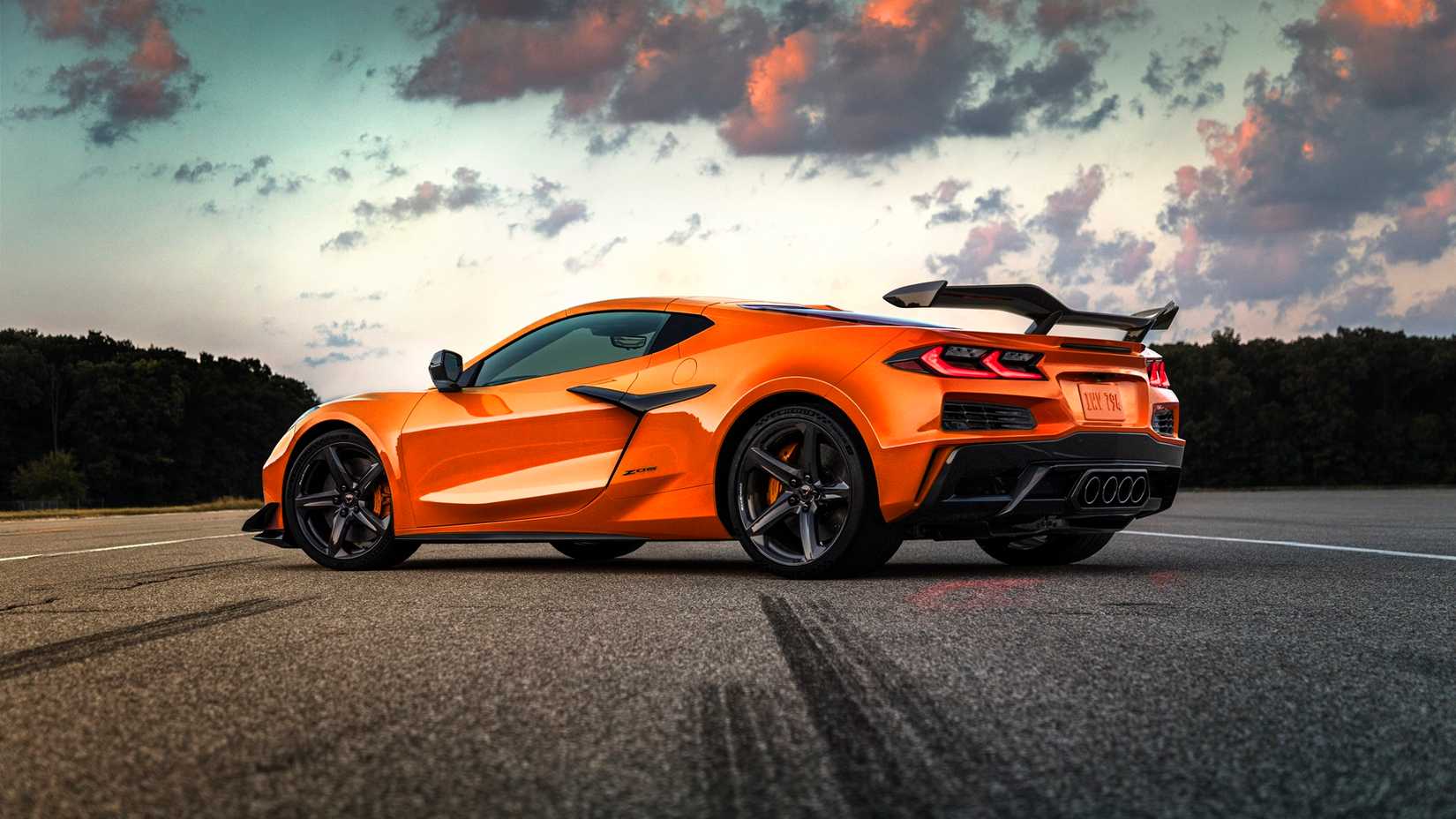
Reliability for the C8 has been a mixed bag early in its lifecycle. Some owners report teething issues common to all new architectures, from software quirks to fit-and-finish complaints, but overall mechanical durability has held up surprisingly well given the radical redesign. Warranty claims are average for a performance car, and improvements continue as Chevrolet refines the platform. On the collector front, the C8’s groundbreaking status almost guarantees strong future value, especially low-production variants like the Z06 and the electrified E-Ray. Early adopters may see significant appreciation, particularly if Chevrolet limits production numbers over time.
Ultimately, the C8’s combination of supercar-level performance, distinct styling, and future collectibility earns it the top spot. It may not have the nostalgia of classic Corvettes, but it represents the boldest reimagining of what a Corvette can be, and for many, that’s enough to make it the best of the bunch.
7
C1 Corvette
1953–1962
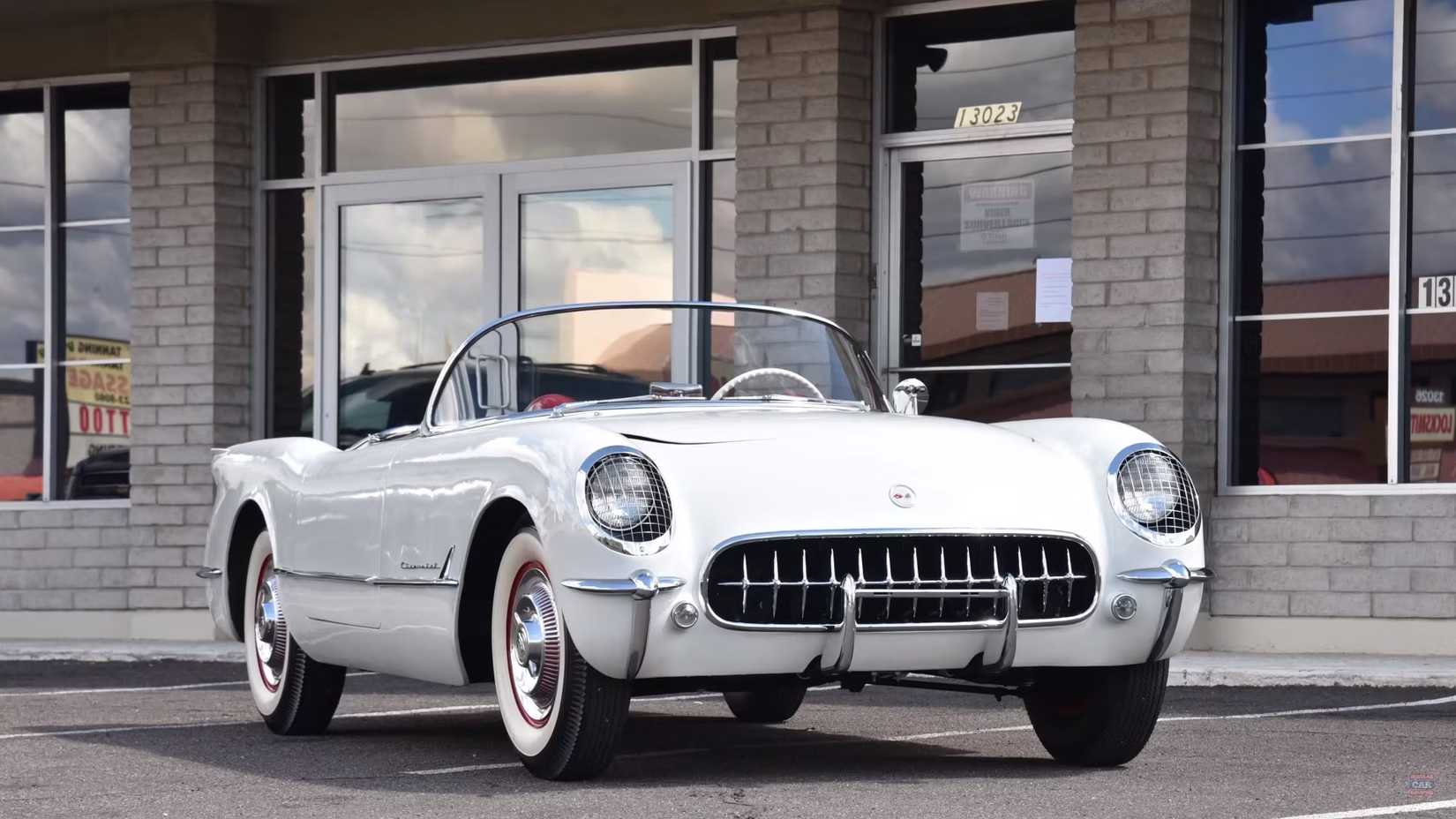
The C1 Chevrolet Corvette is where it all began: America’s first mass-produced fiberglass sports car. Introduced in 1953, the Corvette stunned the automotive world with its futuristic design and bold promise of performance. Early models were powered by an inline-six, but the introduction of V8 engines by 1955 transformed the Corvette into a legitimate contender on the performance stage. Throughout its tenure, the C1 blended elegant styling with continual mechanical evolution, setting the foundation for every Corvette that followed.
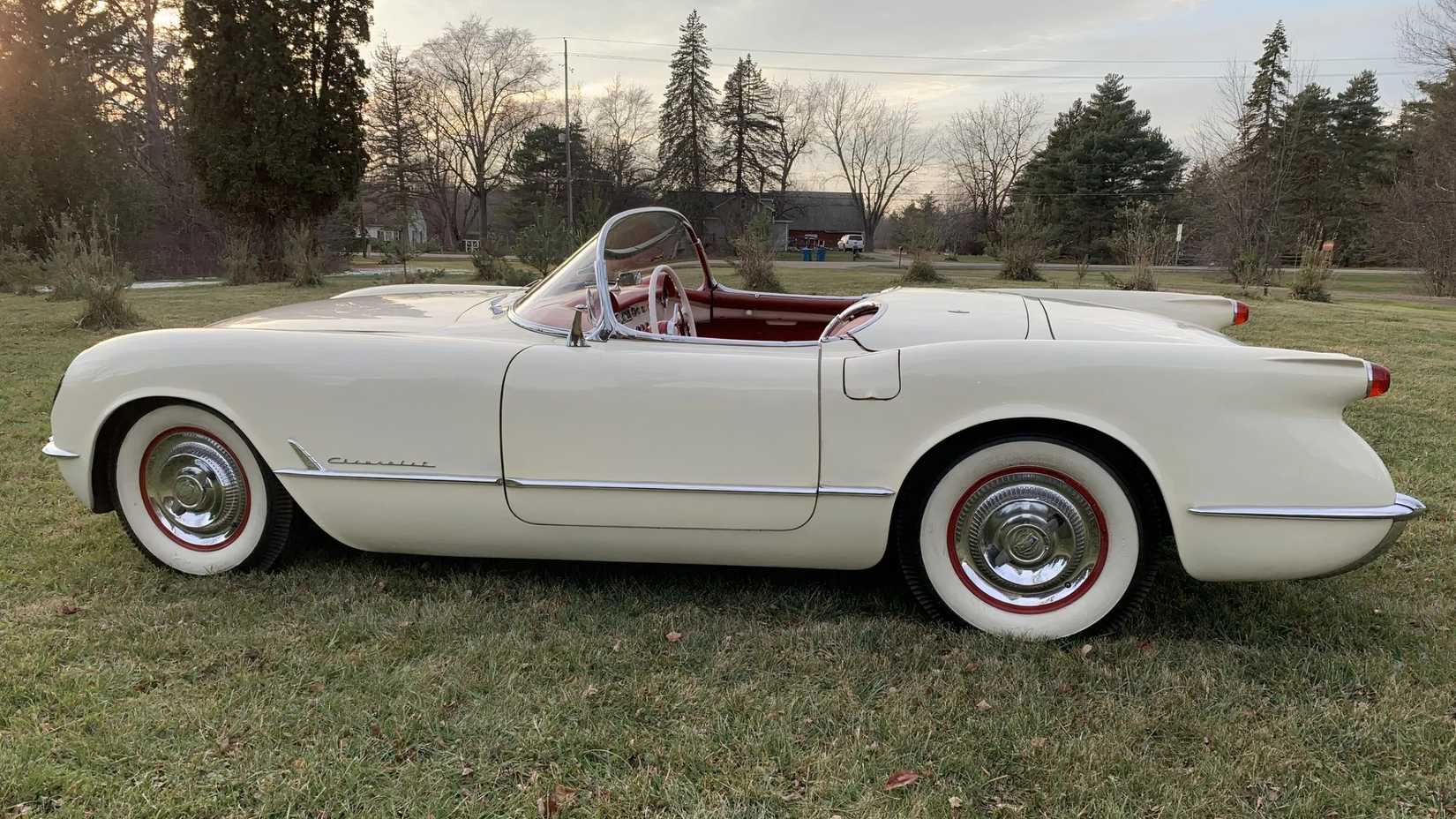
From a reliability perspective, the C1 reflects its era. Early fuel-injected models could be temperamental, and spare parts for some variants remain expensive due to low production volumes. However, the simplicity of the original design also contributes to a level of mechanical tunability that modern cars can’t match, making them popular projects for restoration and performance upgrades. For enthusiasts who appreciate hands-on involvement, the C1’s mechanical character is part of its enduring charm.
Collector value for the C1 is consistently strong, particularly for rare, early-production models and those equipped with fuel injection or rare option packages. Well-restored examples can command six-figure prices at auction, often surpassing more modern, higher-performing Corvettes simply because of their historical significance. While it may not match the performance of later generations, the C1’s combination of heritage and desirability places it high on any Corvette ranking.
6
C7 Corvette
2014–2019
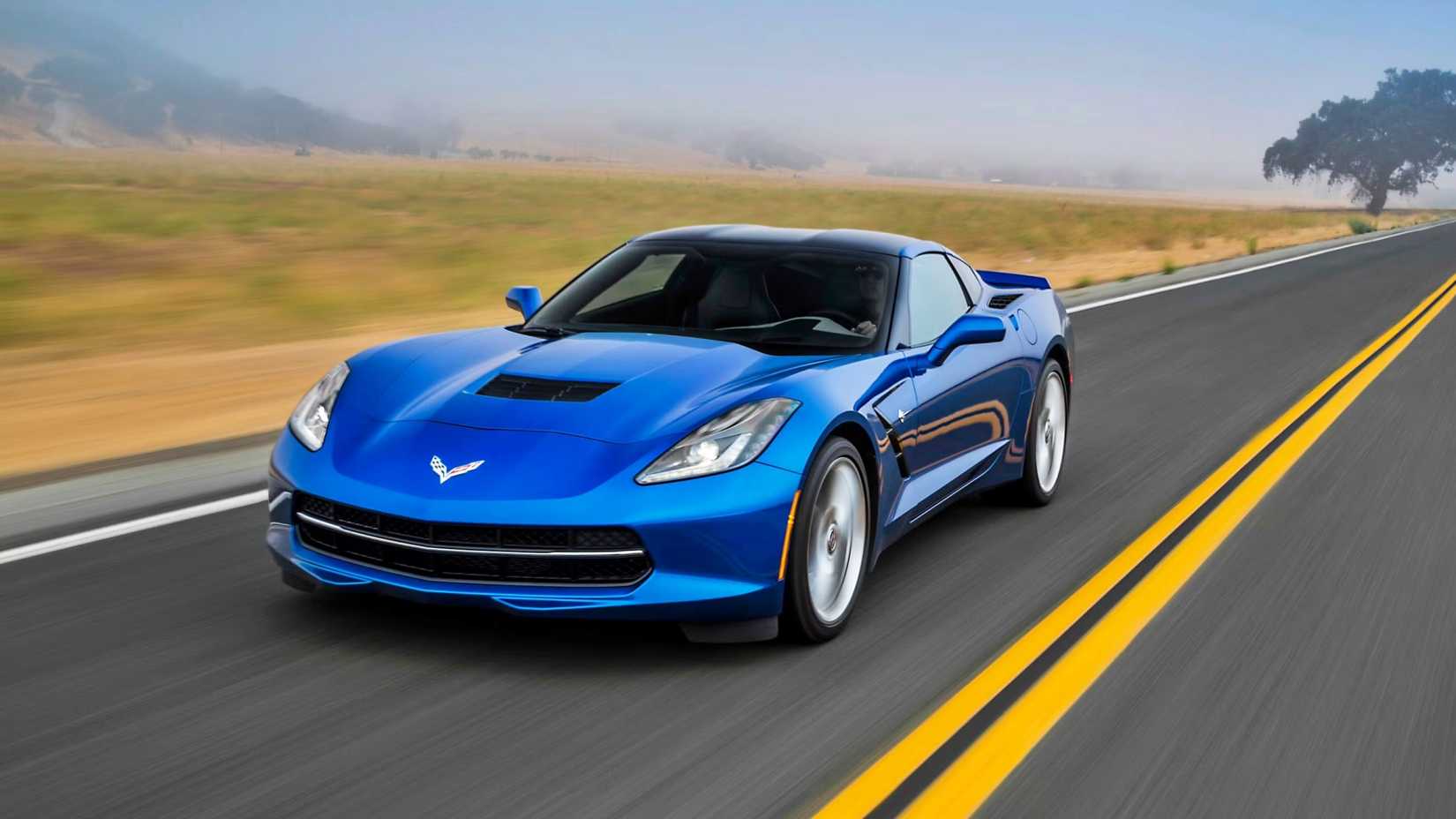
The C7 Corvette marked a return to form for Chevrolet after the lukewarm reception of the C6 and C4. Launched in 2014 with the all-new LT1 V8, the C7 delivered substantial gains in power, handling, and refinement. Its aggressive exterior design, featuring sharp lines and modern aerodynamics, signaled a more serious performance intent. The range-topping Z06 and ZR1 variants pushed the Corvette into exotic car territory, offering supercar-beating lap times and raw speed at a fraction of the price.
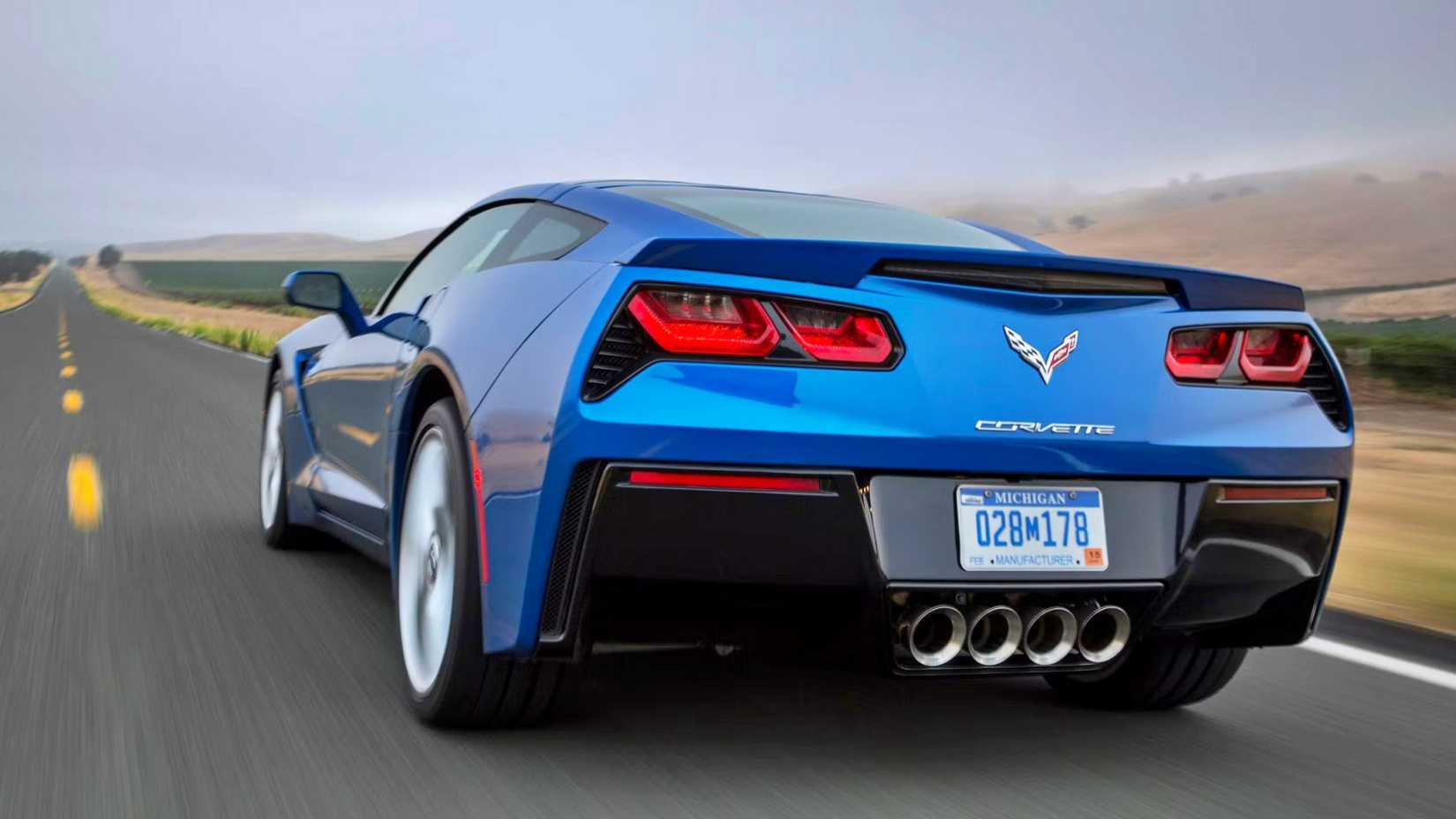
In terms of reliability, the C7 is one of the more dependable Corvettes in recent memory. The LS and LT series engines of this generation have proven durable in everyday use and high-performance settings alike. While some owners report sporadic electrical gremlins, these issues are generally minor compared to the overall robustness of the car. Maintenance costs remain reasonable relative to its performance level, adding to the C7’s appeal as a daily driver meets track weapon.
The collector value for the C7 is evolving but promising. The Z06 and ZR1, particularly in limited trims or with rare options, already command premium prices on the secondary market. Standard Stingray models, while more abundant, still hold decent value due to strong enthusiast interest. Though not yet as blue-chip as early Corvettes, the C7 has established itself as a modern classic.
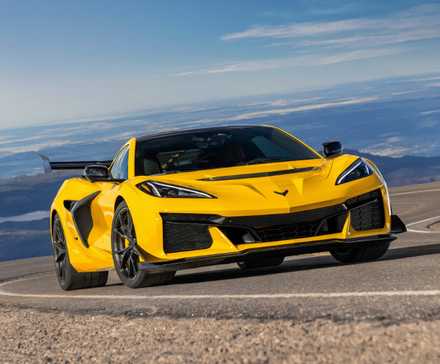
How Fast Can a Corvette Go? Top Speed Stats Revealed
The Corvette and its various models have consistently made headlines since the C8 hit the scene. Here’s how fast they are.
5
C6 Corvette
2005–2013
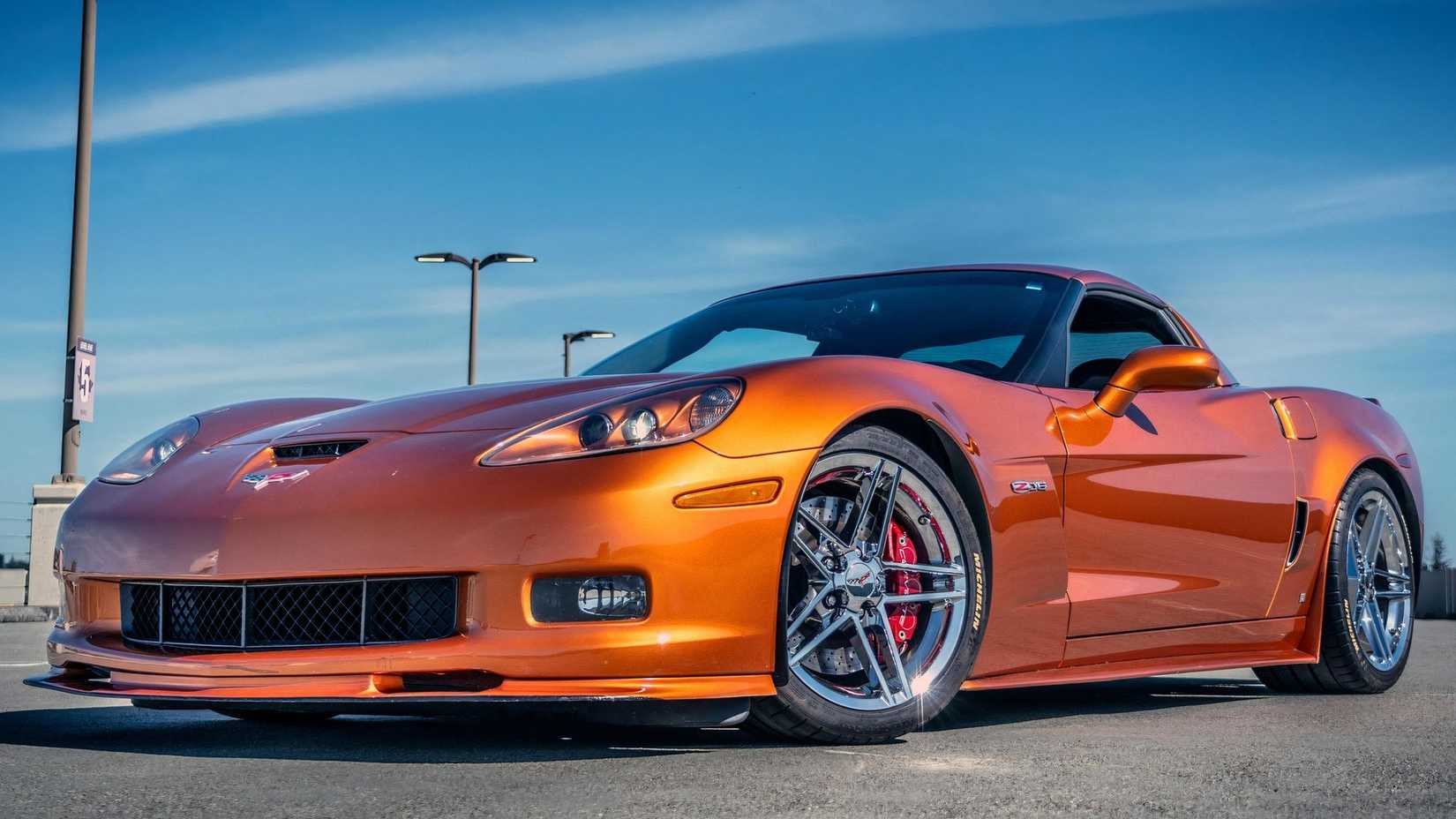
The C6 Corvette represented an important evolutionary step, refining the formula introduced by its predecessor and delivering consistent performance improvements over its long production run. With a lighter, stiffer chassis and improved aerodynamics, the C6 was a significant step up from the C5, and the introduction of the ZR1 brought blistering supercharged power to the lineup. Special editions like the Z06 and Grand Sport are particularly admired for their blend of everyday usability and track performance.
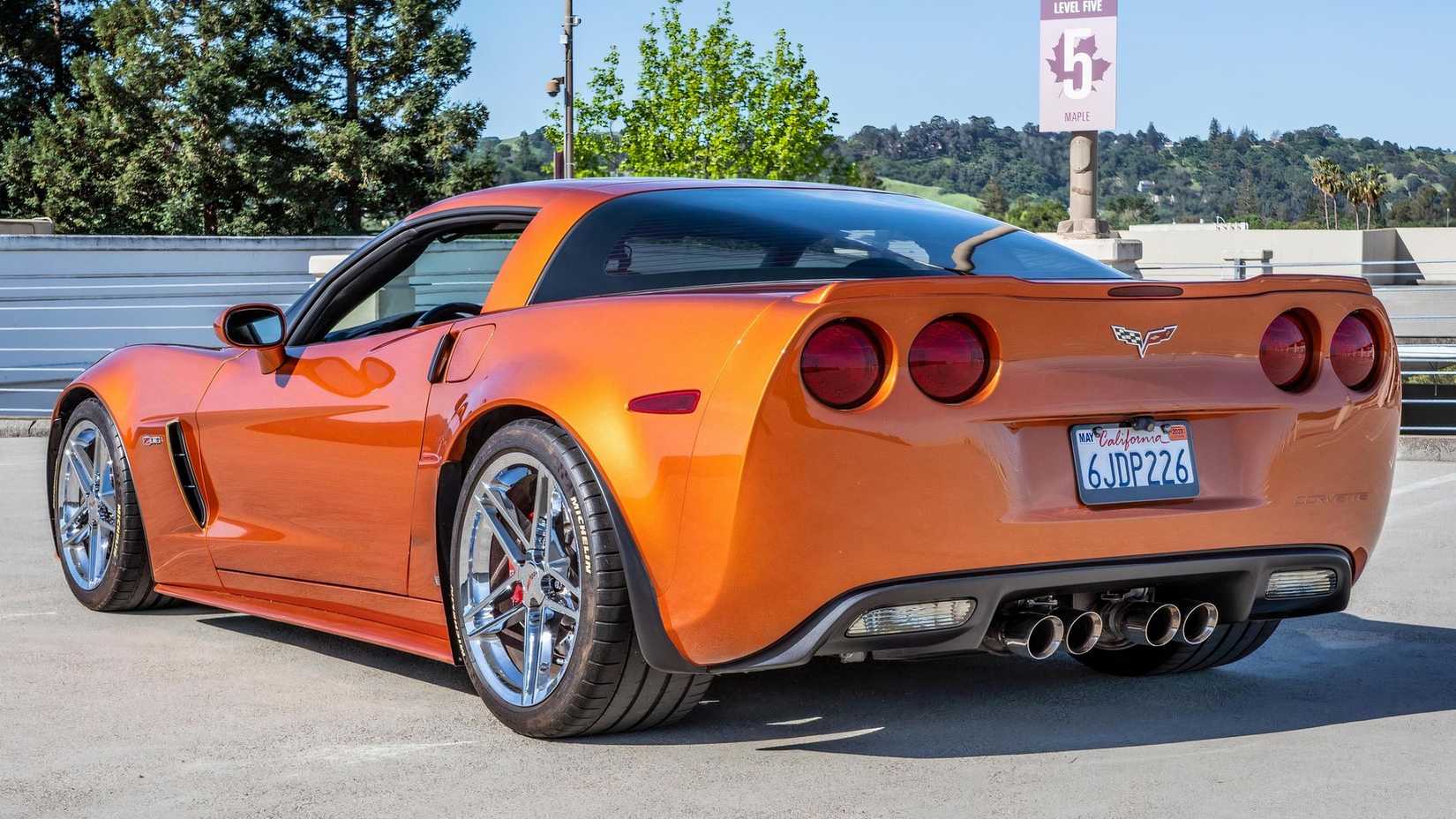
Reliability for the C6 is generally solid, though not without concerns. Some owners report issues with early production models, including electrical quirks and occasional drivetrain issues. That said, the LS3 and LS7 engines are known for durability when maintained properly, and the Corvette’s overall mechanical simplicity contributes to lower long-term ownership costs compared to many European rivals.
Collector value for the C6 remains strong, especially for rare trims and low-mile examples. The Z06 and ZR1, in particular, have developed a loyal following and retain value well on the used market. While the C6 may not yet have reached the same collector fervor as earlier generations, serious enthusiasts appreciate its performance potential and value proposition, making it a compelling choice in the Corvette lineage.
4
C2 Corvette
1963–1967
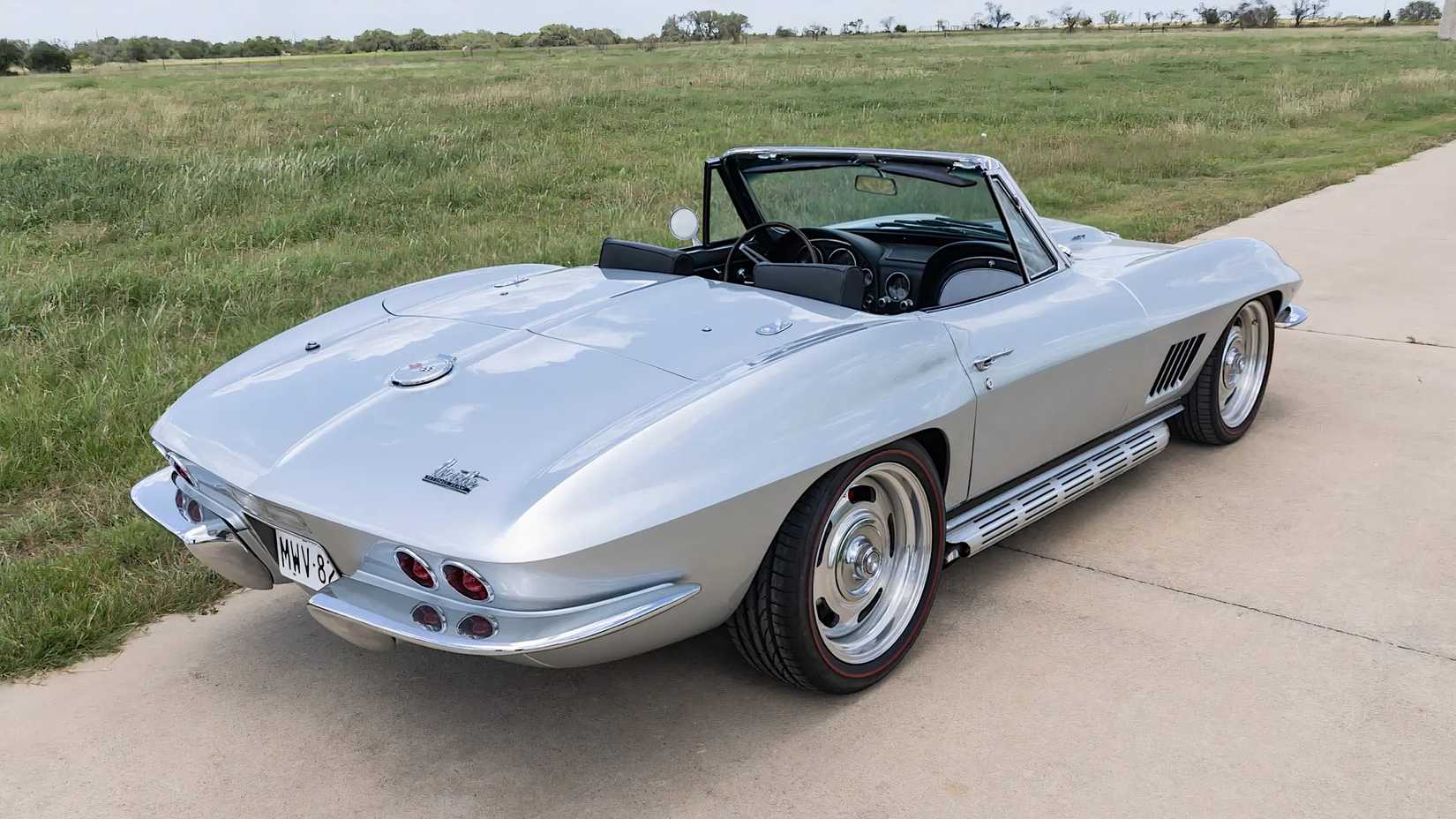
The C2 Corvette, better known as the Sting Ray, is often considered the first “true” Corvette, thanks to its radical design and performance-centric engineering. With a distinctive split-window coupe (1963) and the introduction of independent rear suspension, the C2 was a major departure from the first generation. It also marked the era of high-performance small-block and big-block V8s, including the legendary 427 engines that solidified the Corvette’s reputation on road and track alike.
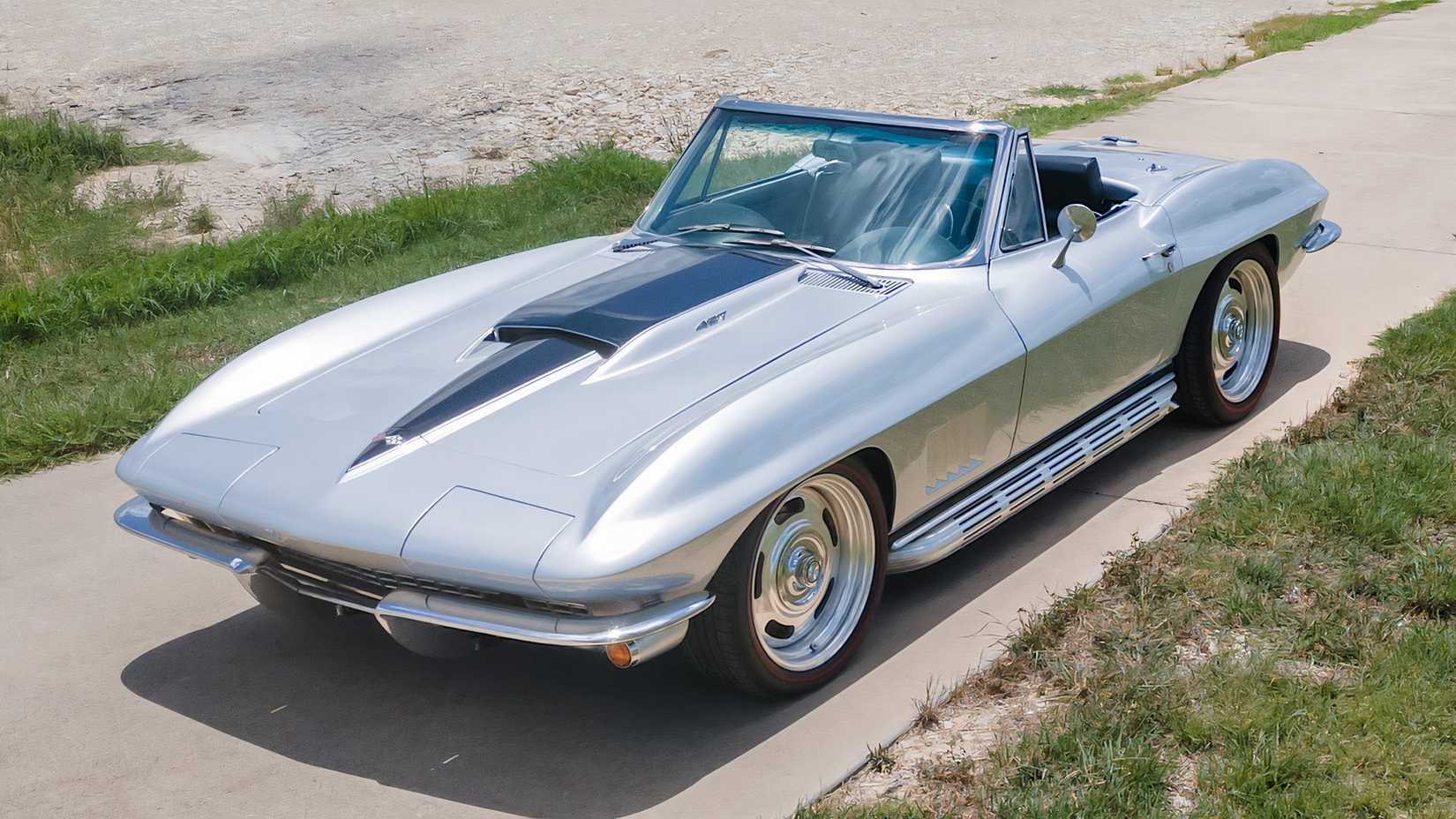
From a reliability standpoint, the C2 benefits from the simplicity of its mechanicals, but like all classic cars, it requires careful maintenance. Rust and aging electrical components are common concerns, and parts availability can be expensive, though the robust collector market helps keep usable components in circulation.
Collector value for the C2 is among the highest in Corvette history. Early, low-production models, particularly those with rare options or high-performance engines, regularly achieve strong auction results. The 1967 L88, for example, sits near the top of price charts, often selling for millions. This combination of performance pedigree and collectibility makes the C2 one of the most revered Corvettes ever built.
3
C5 Corvette
1997–2004
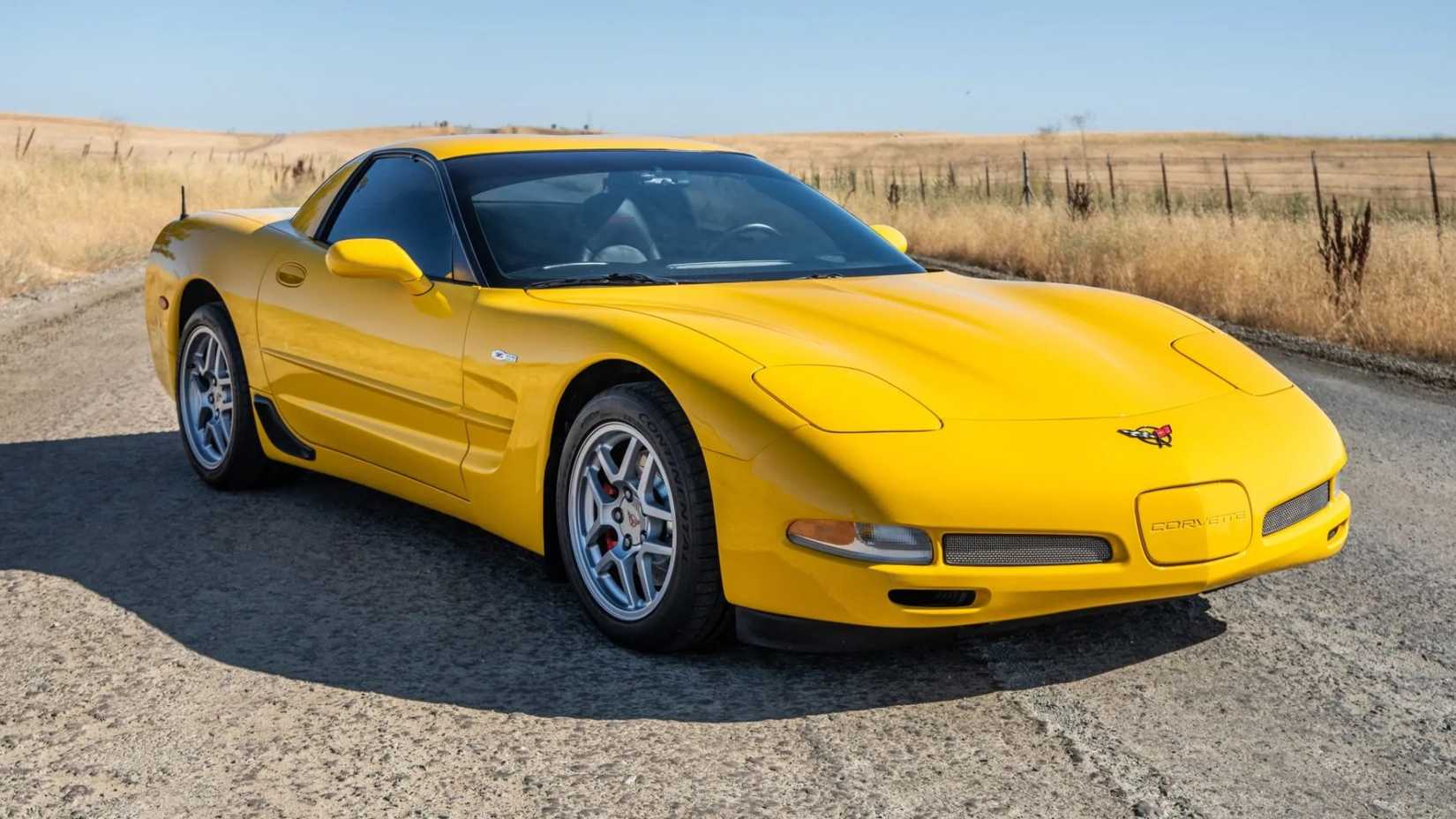
The C5 Corvette returned the nameplate to a simpler, more performance-focused ethos after the C4’s mixed reception. Featuring a new hydroformed chassis and a more refined LS1 engine, the C5 delivered substantial improvements in ride quality and dynamic balance. The introduction of the Z06 in 2001 gave buyers a bona fide track threat with an all-aluminum LS6 engine, elevating the C5’s performance credentials significantly.
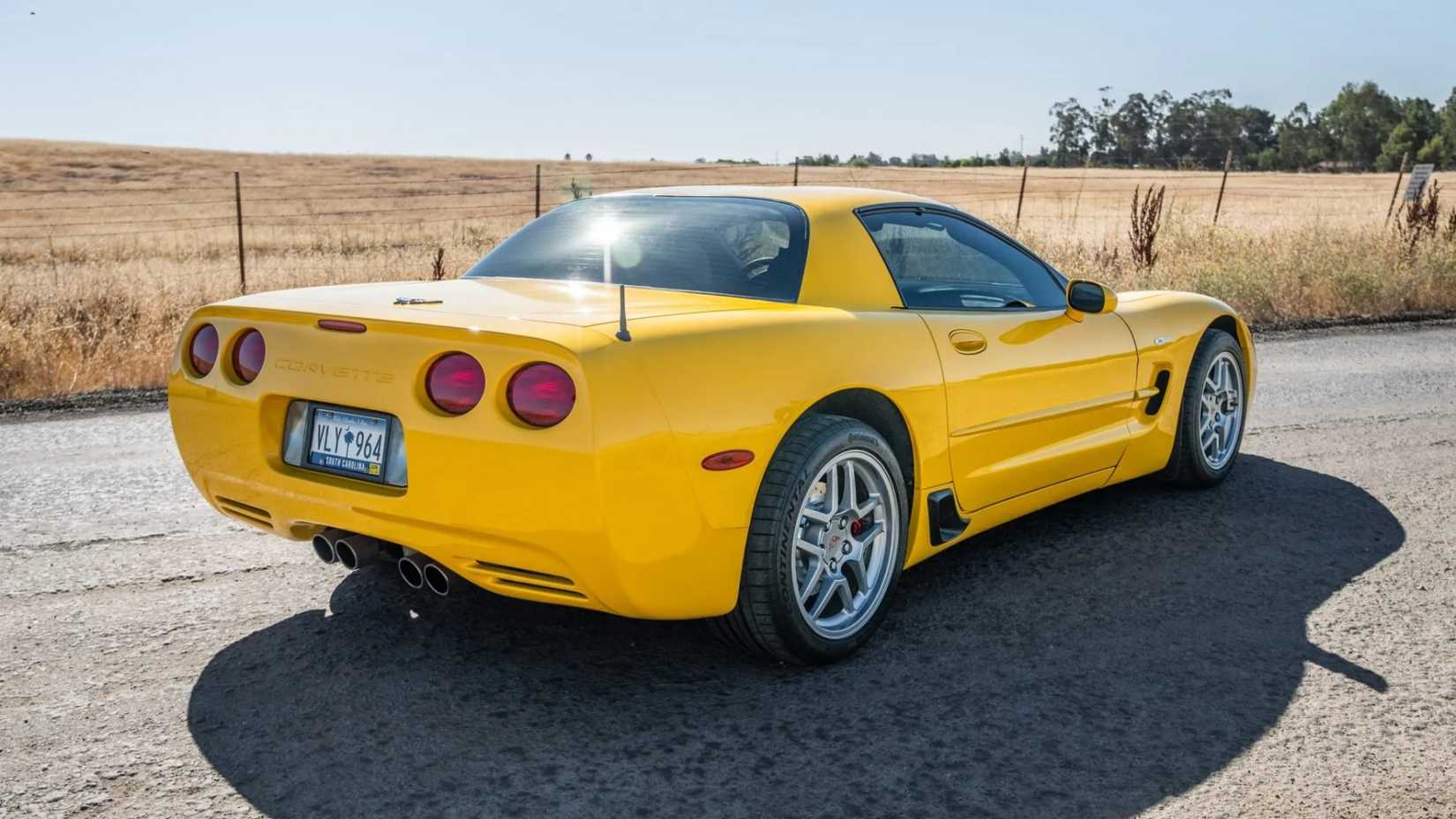
Reliability for the C5 is one of its strongest selling points. The LS series engines have developed a reputation for durability and ease of maintenance, with many examples covering high miles without major issues. The car’s relatively modern engineering also means that getting parts and service is easier and more affordable than for older generations, making it ideal for both daily driving and enthusiast use.
Collector interest in the C5 is growing, particularly for low-mile Z06s and special models like the ’01 50th Anniversary edition. While it doesn’t yet command the high prices of classics like the C2 or C1, its combination of performance, reliability, and value makes it an increasingly attractive option for collectors on a budget.

The first-ever hybrid Corvette is fast on an entirely new level, yet somehow exhibits its performance in a very livable manner.
2
C3 Corvette
1968–1982
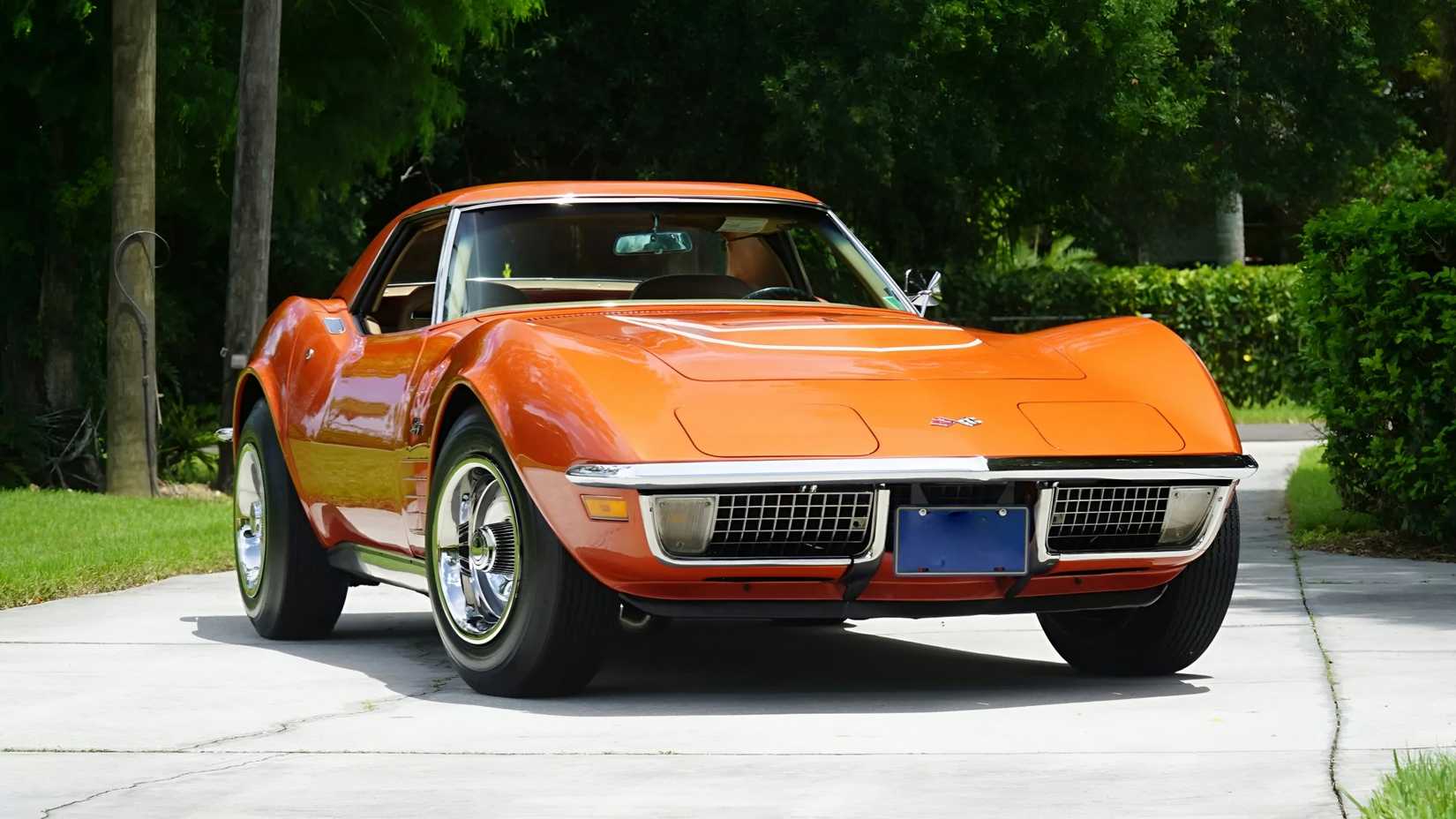
The C3 Corvette is one of the most visually distinctive generations, with its long, flowing “Coke bottle” curves and dramatic proportions. Early C3s delivered strong performance, particularly in the late ’60s and early ’70s, with big-block engines capable of serious horsepower figures. However, the 1973 oil crisis and tightening emissions regulations led to a dip in performance through much of the 1970s, leaving some later models underpowered compared to earlier predecessors.
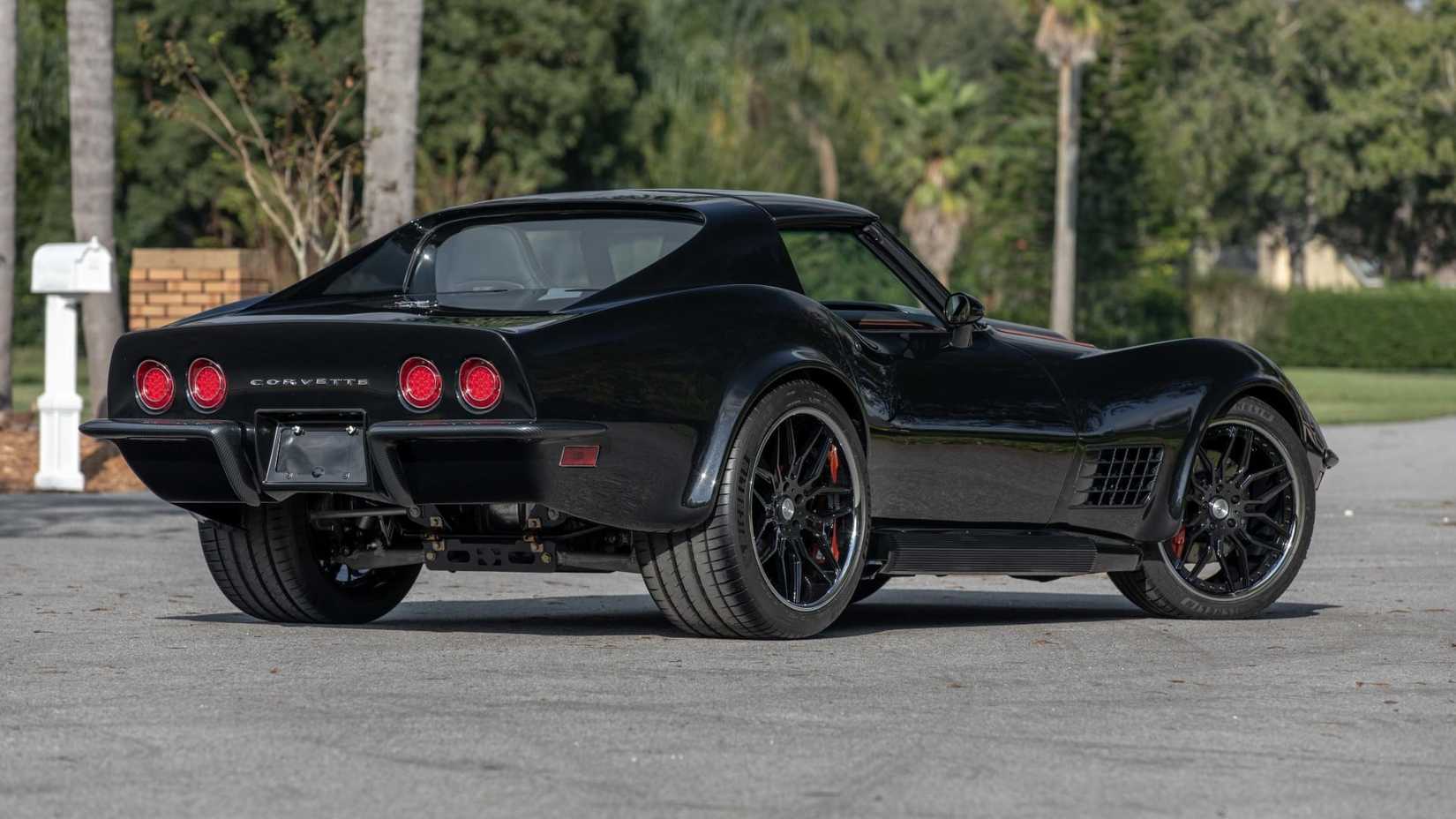
From a reliability perspective, the C3 is typical of its era: straightforward mechanics that are relatively easy to work on, but with components that are aging and often in need of refurbishment. Electrical systems and emissions hardware from the later years can be finicky, and rust remains a perennial concern on these older frames.
The collector value for the C3 is highly dependent on model year and configuration. Early, high-performance versions such as the L88 or high-option big-block cars still generate collector interest, but mid- to late-1970s models are quieter on the auction block due to their reduced performance. As a result, the C3 sits at the lower end of the Corvette ranking, beloved for style and nostalgia, but not as universally lauded for performance or investment value.
1
C4 Corvette
1984–1996
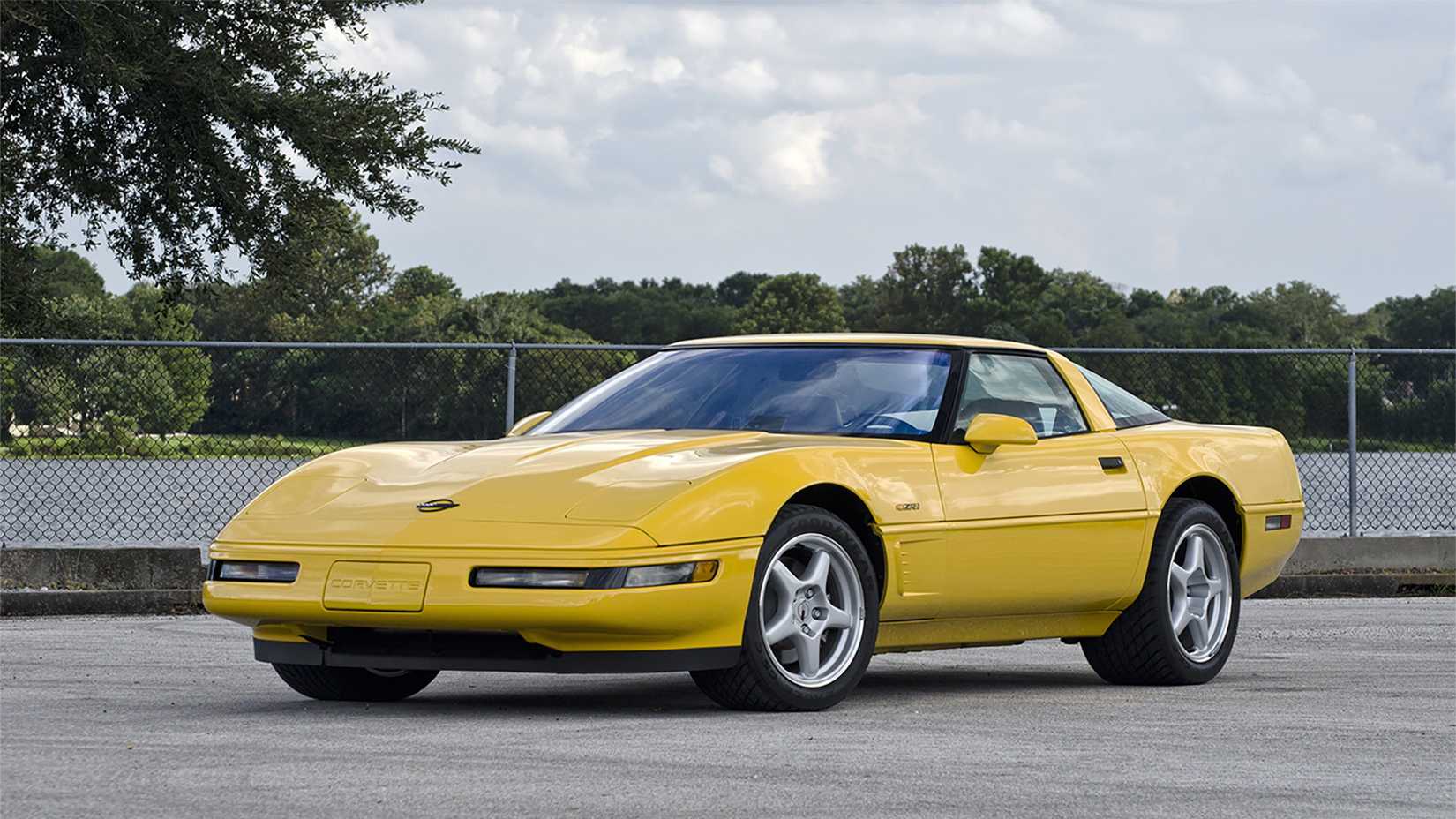
The C4 Corvette was a bold technical pivot for the brand, introducing modern digital dashboards and new suspension technologies aimed at improving handling precision. While later versions like the ZR-1 pushed the envelope with a powerful DOHC engine and significant performance gains, the generation as a whole suffered from an identity crisis. Early C4s were criticized for lackluster power and uninspiring driving dynamics compared to both their predecessors and contemporaries.
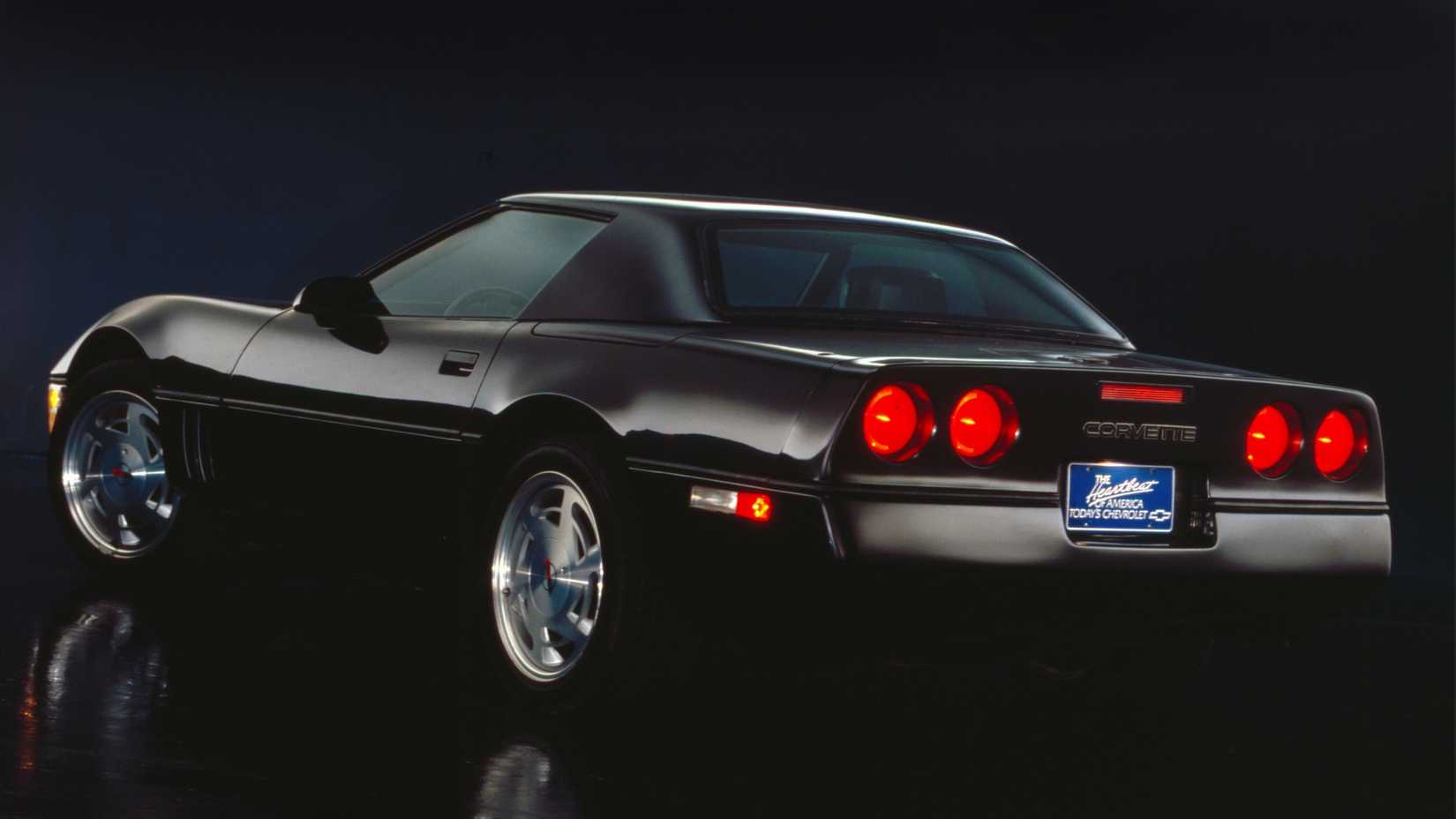
Reliability for the C4 is mixed. Some owners praise its robustness, while others report issues with early electrical systems and dashboard electronics that have not aged gracefully. Parts can be harder to source than for more popular generations, and the overall ownership experience is often described as “dated” compared to newer Corvettes.
Collector value for C4s remains relatively modest, with only the rarest performance variants commanding significant prices. While the ZR-1 and some special editions have their fans, the broader C4 lineup lacks the universal desirability of other generations. Its technical daring is admirable, but on balance, the C4 sits at the bottom of the Corvette hierarchy, a bold experiment that never fully captured the heart of the Corvette tradition.
Sources: GM, Classic.com, Hagerty