
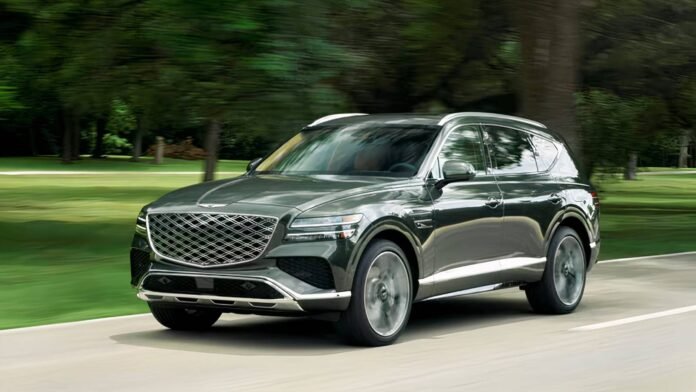
German luxury SUVs have long set the benchmark for refinement, performance, and prestige, but the 2026 Genesis GV80 is no longer content to play the value alternative. With a richly finished cabin, powerful turbocharged engines, advanced technology, and one of the strongest warranties in the segment, Genesis has built a flagship SUV that challenges the BMW X5, Mercedes-Benz GLE, and Audi Q7 on substance, not just price. The GV80 still gives up some badge cachet and ultimate athleticism, but its combination of comfort, standard equipment, ownership benefits, and distinctive design makes it one of today’s most convincing luxury SUV contenders.
Genesis GV80: The Korean Luxury SUV That Outshoots German Expectations
The Genesis GV80 is the South Korean brand’s flagship luxury SUV, based on the same rear-wheel-drive platform as the G80 executive sedan. Genesis’s decision to base this model on its poised sedan results in a midsize luxury crossover that directly targets long-standing industry benchmarks such as the BMW X5, Mercedes-Benz GLE, and Audi Q7. Genesis divides the GV80 model line into four distinct trims, starting its MSRP at $57,700. The flagship Prestige Black commands an $83,250 starting price.
The GV80 steers clear of a reputation as a lower-cost substitute and establishes its authority through perceived interior quality, strong powertrain options, and comprehensive warranty protection that outmatches its European counterparts. Buyers who evaluate luxury crossovers on tangible build quality, standard feature content, and long-term operating costs find that the Korean flagship meets or exceeds established segment standards across almost every key metric.
Interior Craftsmanship: Where Genesis Outbuilds The Germans
Material Quality And Sourcing
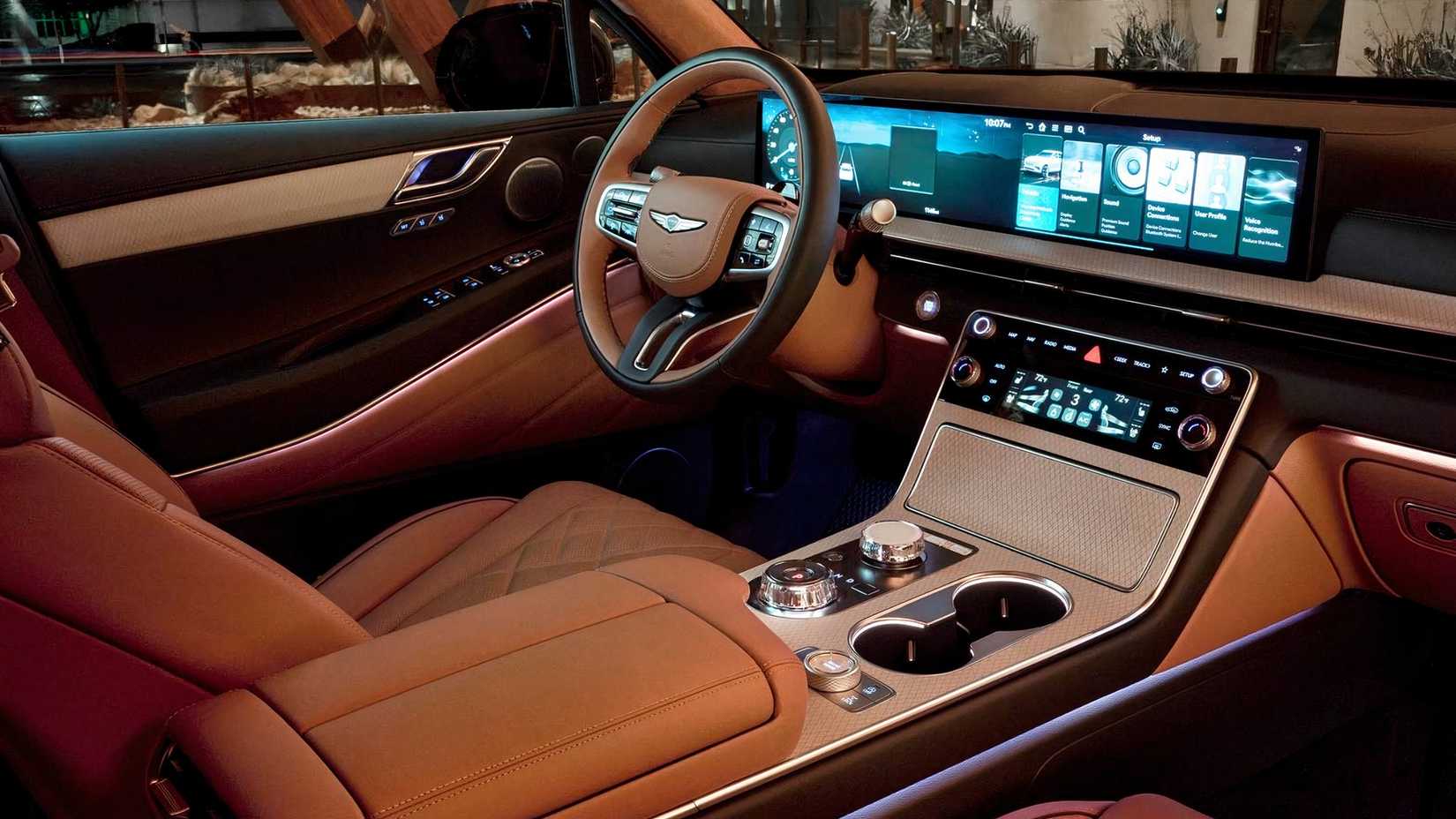
Genesis gains the edge in this segment by applying high-quality materials with tasteful designs to the GV80’s cockpit. The brand applies authentic wood trim, knurled metal control knobs, and available Nappa leather across the cabin. These components establish a tactile environment that feels bespoke in its design and texture. Genesis also lines the headliner and roof pillars with microfiber suede at higher trim levels, elevating the overall tactile impression beyond the standard plastic trim or synthetic materials found on lower-trim derivatives.
Complementing this are soft-touch materials that cover the bulk of the lower surfaces. This extends to the bottom door pockets and the outer sides of the center console. Competitor entry-level premium SUVs typically feature hard plastics. To keep cabin noise minimal, engineers fit acoustic double-laminated glass on the front windshield and all side door windows. An advanced Active Noise Control system further lowers ambient cabin frequencies by emitting inverted sound waves through the audio speakers. This active suppression delivers a quieter highway ride than standard acoustic insulation setups in the BMW X5 or Audi Q7.
Ambient Design And Tech Integration
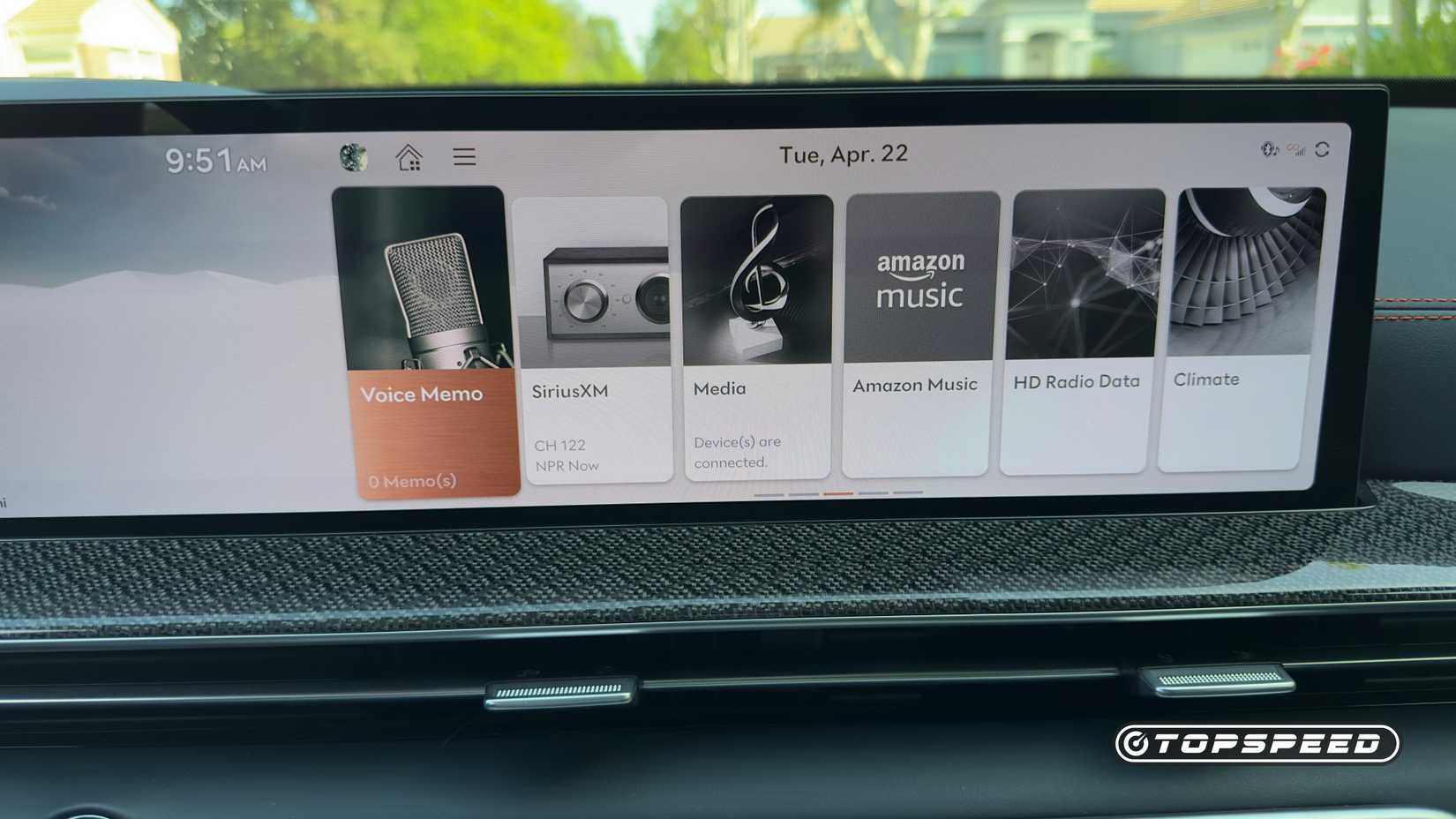
The 2026 Genesis GV80 introduces a single 27-inch OLED display that joins the driver’s digital instrument cluster and the infotainment interface into one high-definition screen that stretches across the dashboard. The touchscreen system manages climate settings with haptic feedback. To avoid confusion, Genesis intentionally avoids hiding basic HVAC adjustments behind secondary digital submenus.
Physical dials are retained for primary audio controls, tuning adjustments, and gear selection. The shift-by-wire rotary dial uses tempered glass over a patterned base, boasting adjustable ambient backlighting. Drivers can customize this interior lighting using 64 distinct color choices that extend across the instrument panel, lower footwells, and door trim panels to match dynamic driving conditions or personal preference.
Spatial Comfort And Rear-Seat Experience

The GV80 seats five passengers in its standard two-row layout. An optional power-folding third row expands seating capacity to seven for families needing occasional extra seats. Front passengers enjoy 40.2 inches of headroom and 41.6 inches of legroom, while second-row occupants receive generous dimensions with 38.4 inches of headroom and 38.7 inches of legroom.
Cargo capacity remains a major practical advantage, measuring 34.9 cubic feet behind the second row and expanding to a massive 84.0 cubic feet when you fold the rear seats flat. Second-row passengers benefit from available power-adjustable seats that offer both heating and ventilation controls. Integrated rear side-window sunshades come standard on upper 2026 Genesis GV80 trims, providing rear passengers with comfort and privacy features that typically carry high option costs on German competitors.
Powertrains: Performance And Efficiency Across Three Engines
The 2.5-Liter Turbocharged Four
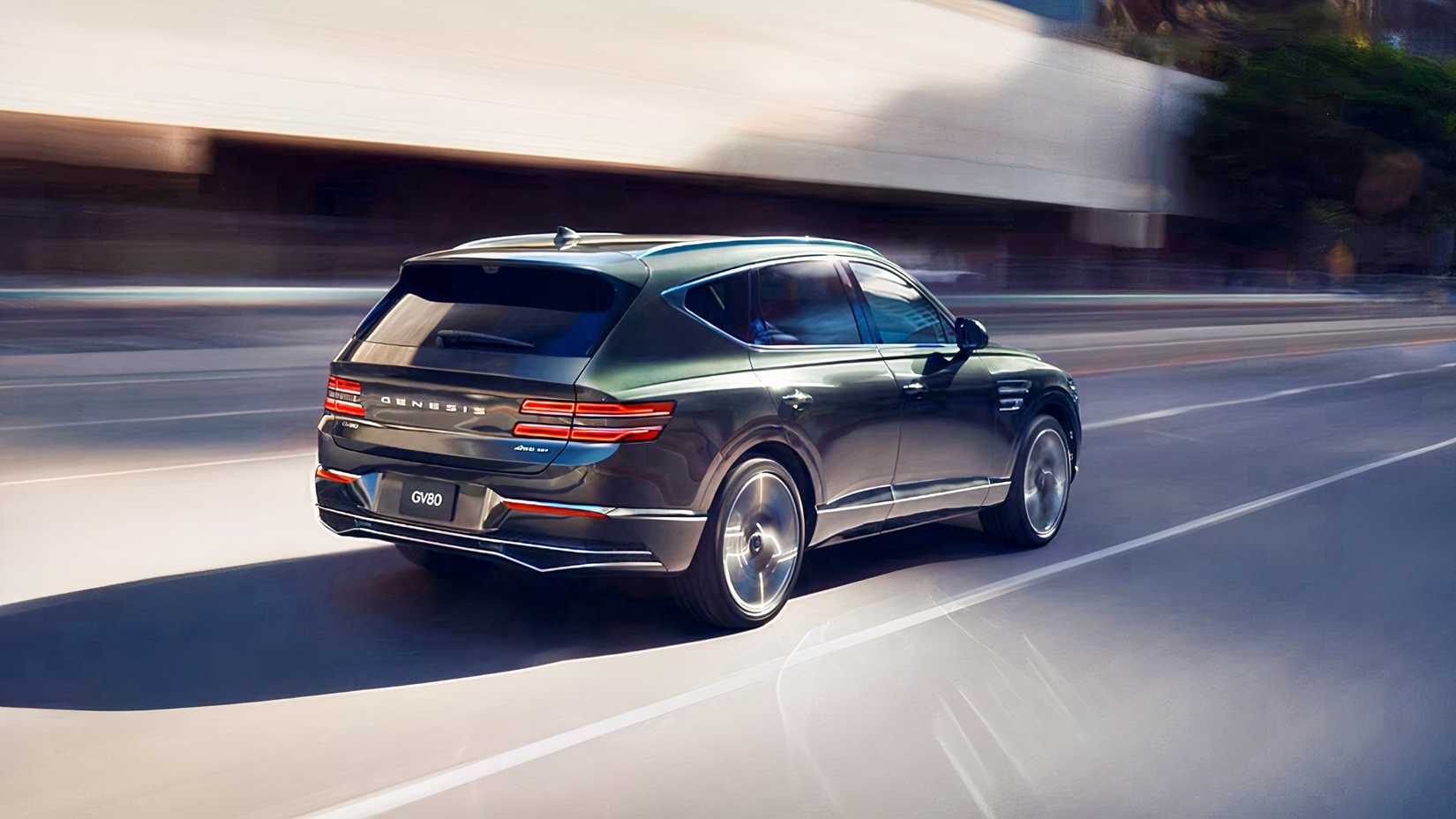
The entry-level powertrain for the 2026 Genesis GV80 is a turbocharged 2.5-liter four-cylinder engine equipped with direct and port fuel injection. This engine generates 300 horsepower and 311 pound-feet of torque, routing power through a smooth-shifting eight-speed automatic transmission.
All-wheel drive comes standard on North American models. This system ensures predictable traction across varying weather conditions without forcing you to select expensive option packages. This 2.5T configuration achieves an EPA-estimated fuel economy rating of 20 MPG city and 24 MPG highway. Acceleration from 0 to 60 MPH takes a claimed 6.1 seconds, which matches the entry-level performance of four-cylinder rivals like the Mercedes-Benz GLE 350.
The 3.5-Liter V-6 Twin-Turbo
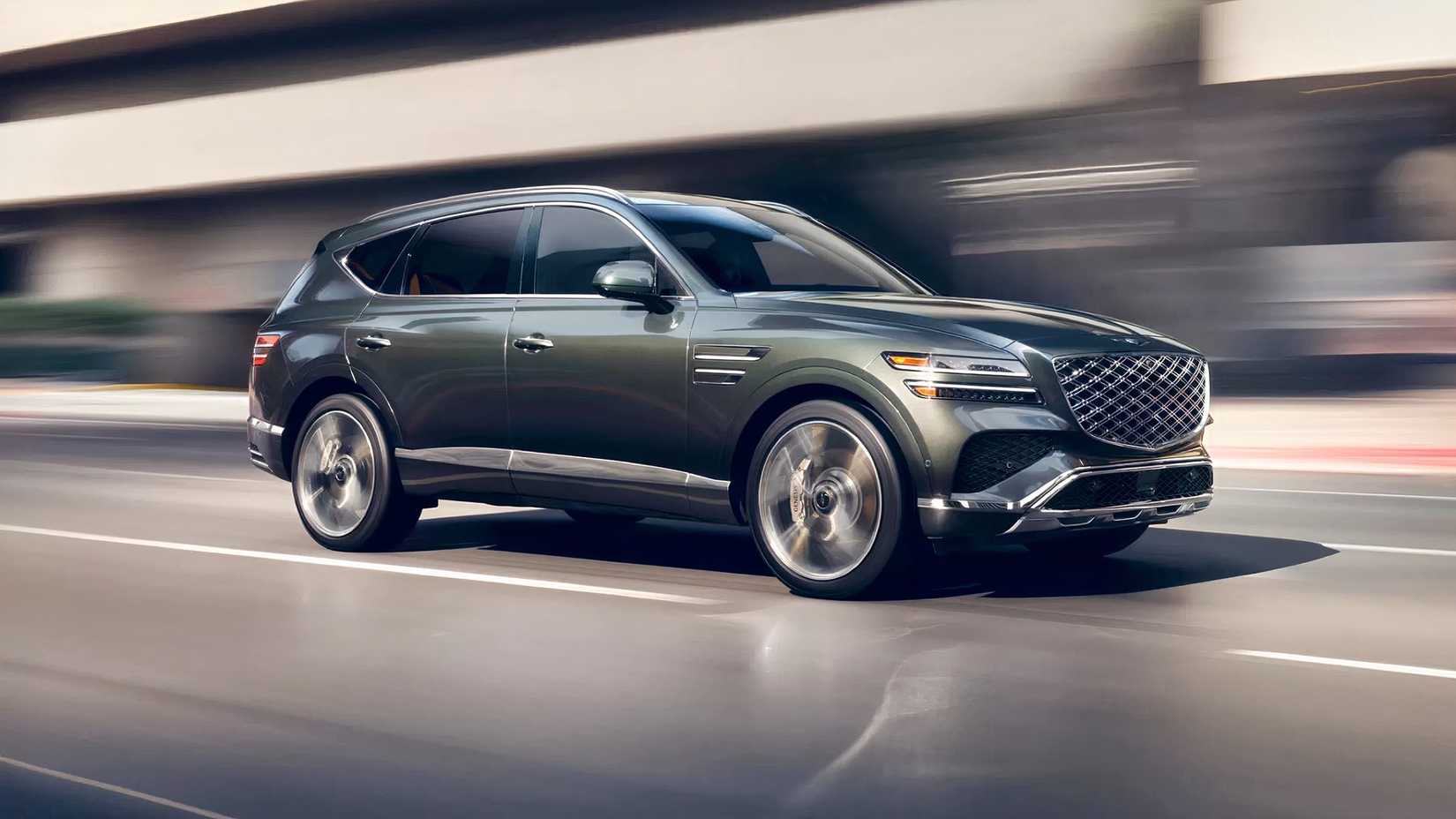
Upgrading to the Genesis GV80 3.5T replaces the four-cylinder engine with a twin-turbocharged 3.5-liter V-6 engine. This configuration raises output to 375 hp and 391 lb-ft of torque. This powertrain launches the heavy crossover from 0 to 60 MPH in 5.3 seconds, providing effortless merging power and confident high-speed passing capability. Fuel economy drops slightly to an EPA-estimated 16 MPG city and 22 MPG highway.
The maximum towing capacity reaches 6,000 pounds when properly equipped with factory towing hardware, making the 3.5T a capable vehicle for pulling boats, recreational trailers, or weekend equipment. Models equipped with this engine also benefit from an electronically controlled suspension with road preview, which uses a forward-facing camera to scan the road surface ahead and preemptively adjust adaptive shock damping to neutralize potholes and pavement imperfections before the wheels encounter them.
The GV80 Coupe 3.5T e-Supercharged
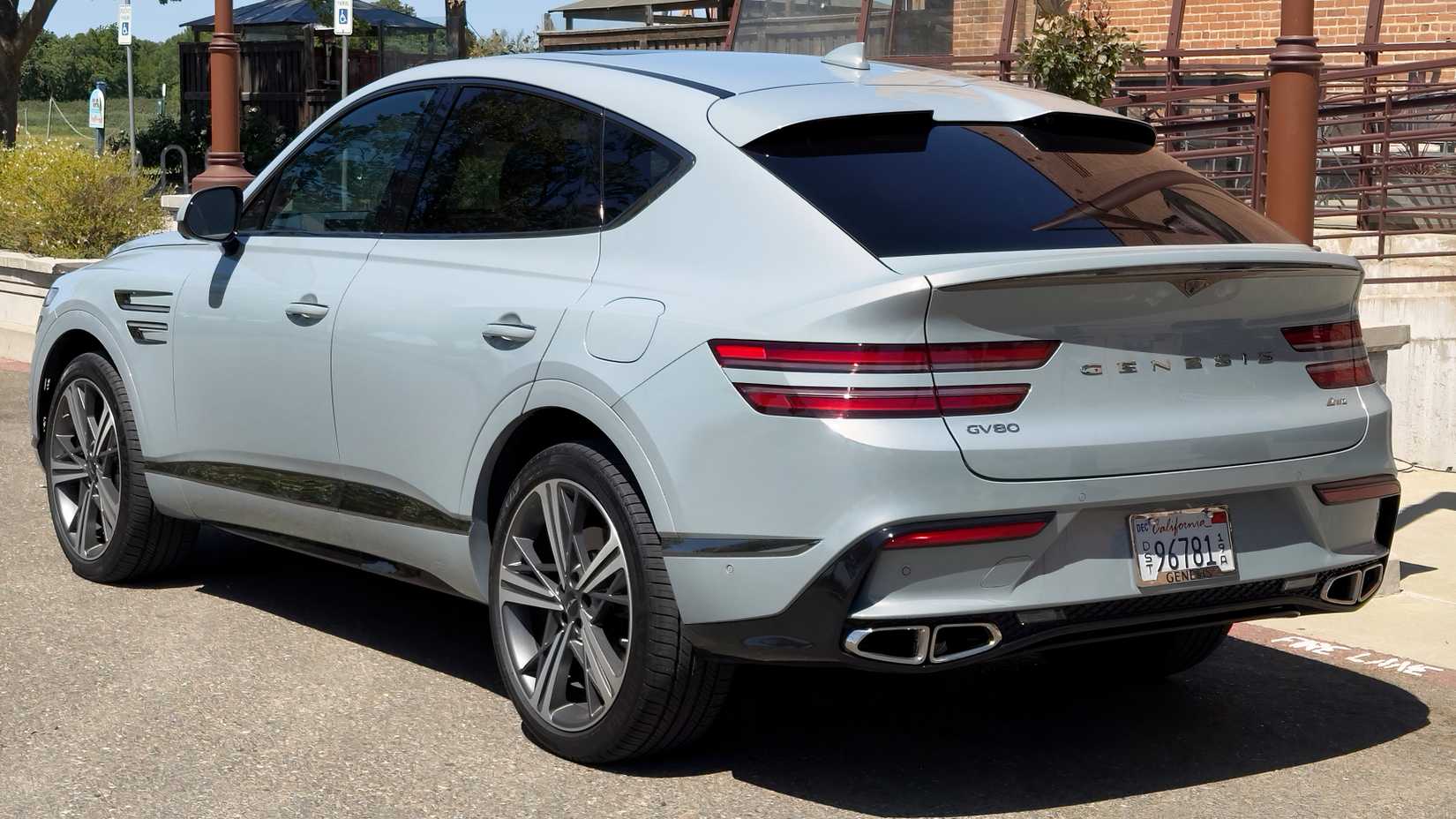
The performance-oriented GV80 Coupe variant offers an advanced iteration of the twin-turbo V-6 engine featuring a 48-volt electric supercharger. This specialized powertrain increases total system output to 409 hp and 405 lb-ft of torque. The electric supercharger active in this setup forces immediate air pressure into the intake tract at low engine speeds, effectively eliminating traditional turbo lag before the primary exhaust-driven twin turbos reach full boost.
The result is rapid throttle response and punchier low-end acceleration across the entire rev range. The Coupe variant complements this added performance with recalibrated steering geometry, stiffer anti-roll bars, larger vented brake rotors, and exclusive Sport+ driving modes that sharpen transmission shift patterns for a far more driver-focused experience.
Warranty And Reliability: Genesis’s Ownership Advantage
Warranty Coverage Breakdown

Factory warranty terms represent one of the clearest operational differences between Genesis and the established German luxury brands. Genesis covers the original owner with a 10-year or 100,000-mile powertrain limited warranty, accompanied by a five-year or 60,000-mile comprehensive bumper-to-bumper warranty. By comparison, BMW, Mercedes-Benz, and Audi cap both their limited powertrain and comprehensive warranties at four years or 50,000 miles.
Genesis also includes three years or 36,000 miles of complimentary scheduled maintenance via the Genesis Service Valet program. Under this program, a dealership representative picks up the owner’s vehicle from their home or office and leaves a premium loaner car for the duration of the service appointment. This complete concierge approach exceeds BMW’s standard three-year maintenance program and stands in contrast to Mercedes-Benz and Audi, neither of which includes standard complimentary maintenance in their base purchase prices.
Reliability And Long-Term Ownership Costs
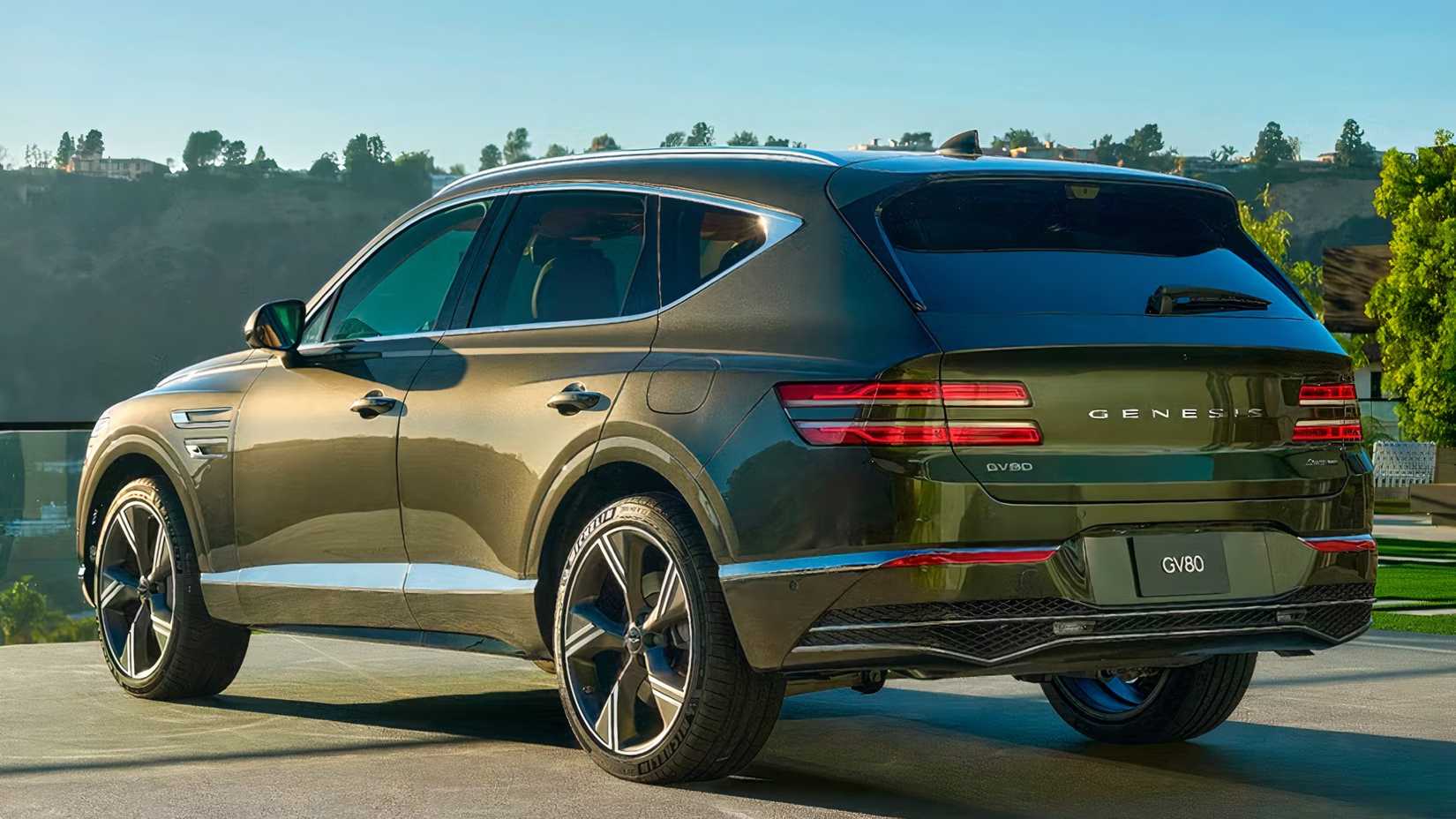
The Genesis GV80 scores consistently well in independent quality and long-term durability evaluations. Genesis regularly ranks among the top premium brands in annual J.D. Power Dependability Studies, benefiting from proven corporate hardware and shared mechanical architecture across the broader Hyundai Motor Group portfolio. The model currently holds a 79/100 consumer-verified overall score, which includes 83/100 for quality and reliability, 85/100 for the driving experience, and 79/100 for resale. On the depreciation front, iSeeCars highlights that the model will lose $28,969 or 50.2 percent of its value over five years.
The extended 10-year factory Genesis GV80 warranty coverage insulates owners against out-of-pocket expenses for major mechanical components long after typical German warranties expire. European competitors often require specialized labor routines and expensive replacement components that increase total cost of ownership after four years. Reduced routine servicing fees, predictable maintenance intervals, and strong component durability keep the five-year and ten-year ownership costs of the GV80 lower than equivalent German models.
Genesis GV80 vs. BMW X5: The Direct Comparison
Spec-for-Spec Breakdown
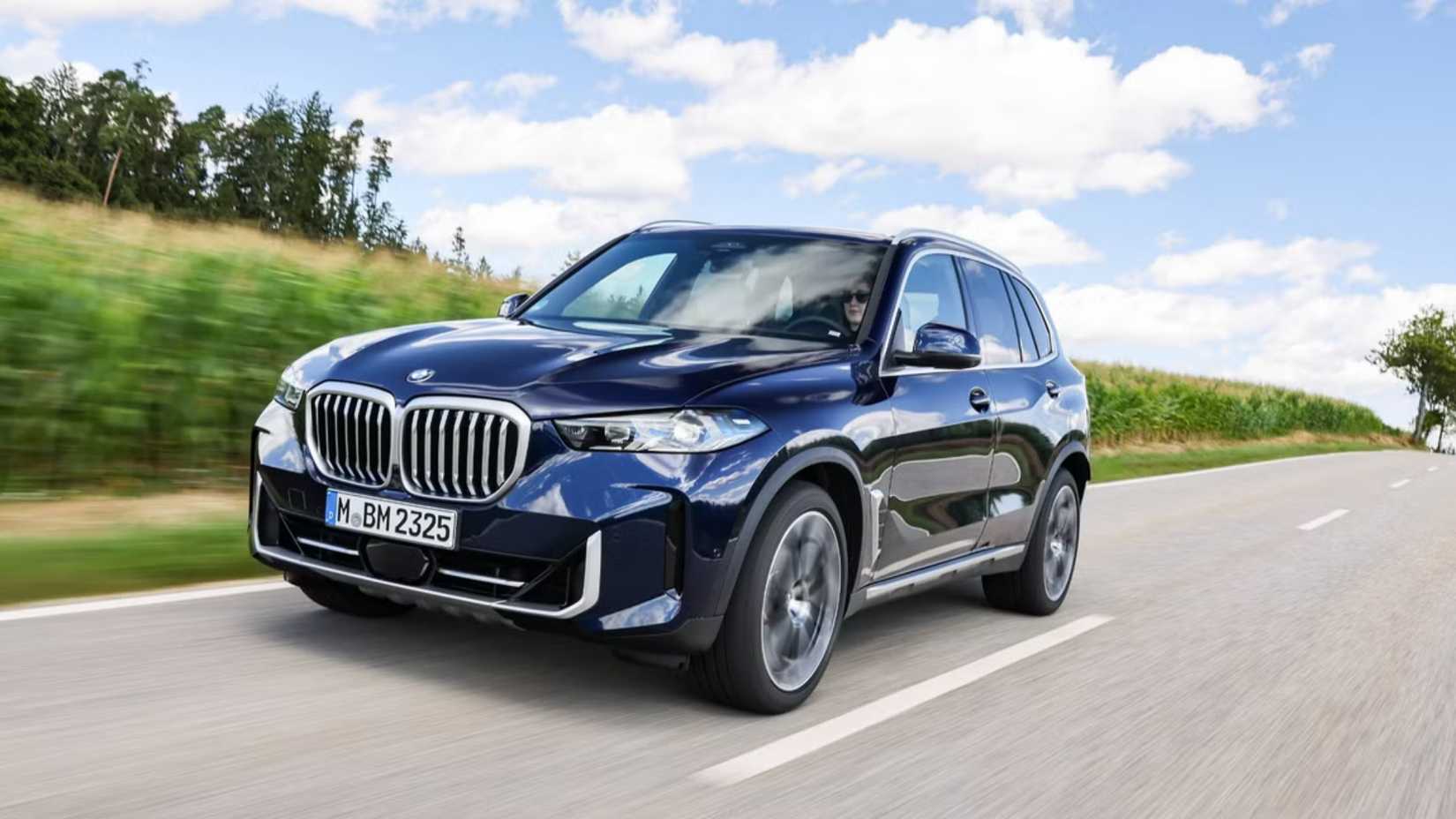
The Genesis GV80 vs. BMW X5 is the most noteworthy matchup in this segment. The BMW X5 xDrive40i sources power from a turbocharged 3.0-liter inline-six, producing 375 hp and 398 lb-ft of torque, matching the horsepower generated by the Genesis GV80 3.5T V-6 engine. However, BMW’s B58 engine achieves slightly higher torque output. The X5 holds an edge in outright acceleration, sprinting from 0 to 60 MPH in 4.8 seconds compared to the 5.3-second sprint of the GV80 3.5T.
The BMW also offers a higher maximum towing capacity of 7,200 pounds and superior fuel efficiency, achieving 25 MPG combined versus the 19 MPG combined rating of the twin-turbo Genesis. However, the Genesis GV80 interior responds by offering more overall passenger volume, superior standard seating comfort, and a longer list of standard interior convenience features at a starting purchase price that sits thousands of dollars below a comparably equipped X5.
Interior, Tech, And Value Verdict

Inside the cabin, the X5 features the BMW Curved Display driven by iDrive 8.5 software. The system processes inputs quickly, but it hides primary climate controls and frequently used driver functions within complex digital touchscreen menus that may be confusing to the driver. The Genesis 27-inch OLED panel merges driver information and infotainment displays while preserving simple, tactile HVAC controls on the lower console.
The BMW X5 maintains its legacy strengths in straight-line efficiency, ultimate towing capability, and sporty driving dynamics. However, the Genesis GV80 delivers superior value by including longer warranty terms, standard all-wheel drive, premium Nappa upholstery at lower trim tiers, and a comprehensive package of driver assistance technology that BMW locks behind extra-cost option groups.
GV80 vs. Mercedes-Benz GLE And Audi Q7
Competition with the Mercedes-Benz GLE

The GV80 vs. Mercedes GLE debate highlights Genesis’s impressive core value strategy. The Mercedes-Benz GLE 350 uses a small 2.0-liter turbocharged four-cylinder engine that generates 255 hp. The standard Genesis GV80 2.5T delivers 300 hp, giving the Korean model a clear advantage over the entry-level Mercedes for less money. While the GLE cabin showcases high-tech graphics via its MBUX software platform, the Genesis counters with superior standard interior materials like real wood trim, soft leather surfaces, and quieter cabin acoustics on lower trim levels. Mercedes requires buyers to add expensive option packages to acquire safety features that come standard on every GV80, such as adaptive cruise control, blind-spot monitoring, and lane-centering assist.
Competition with the Audi Q7
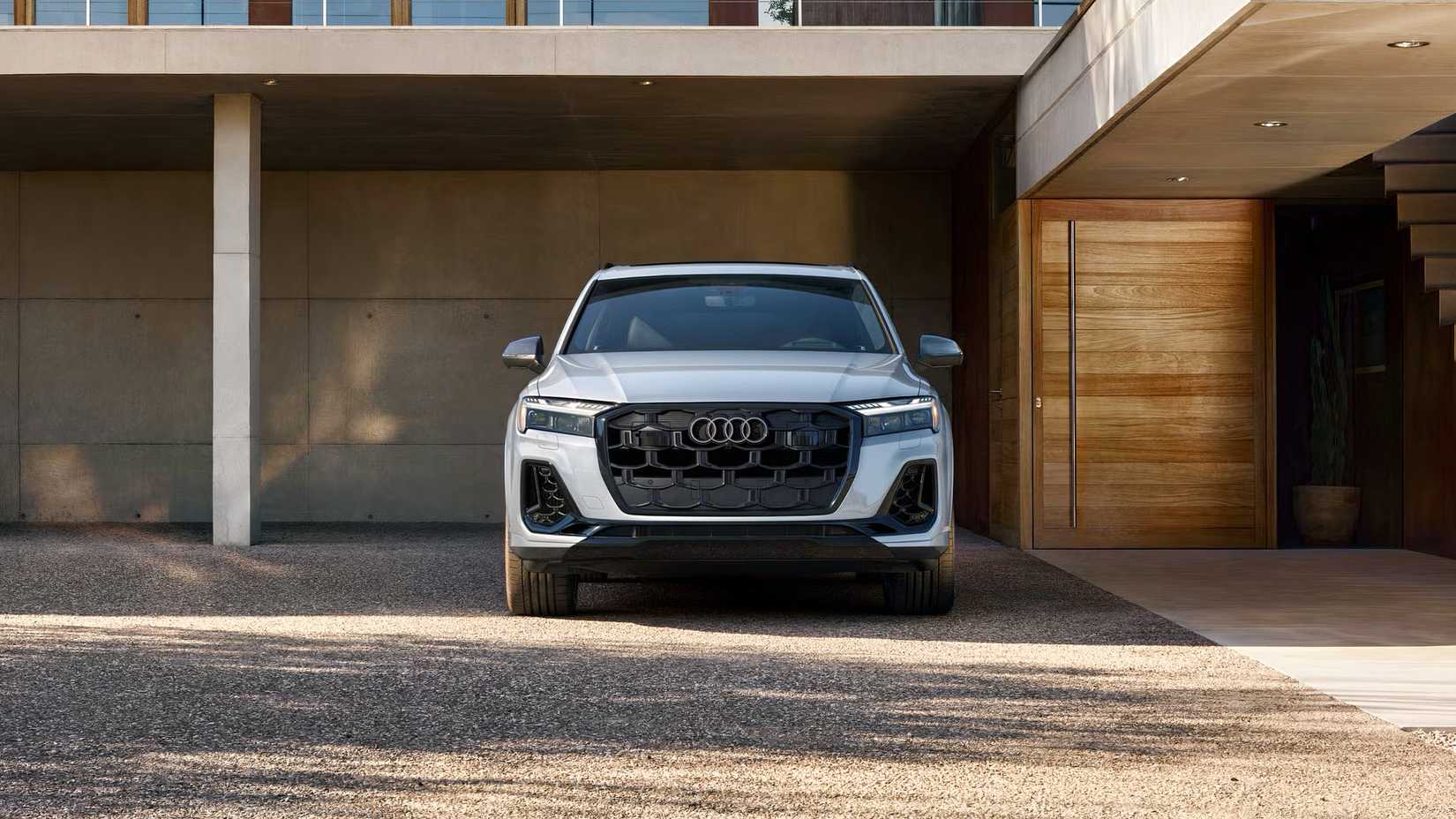
The Audi Q7 comes standard with three rows of seats and Quattro all-wheel drive, but its base 2.0-liter engine produces a modest 261 hp. The GV80 offers significantly more second-row legroom and greater overall cargo volume behind the second row than the tighter dimensions of the Audi cabin.
The Q7 center console relies heavily on a dual-touchscreen setup that quickly collects fingerprint smudges and creates bright glare under direct sunlight. The clean single-screen design in the 2026 Genesis GV80 provides an uncluttered visual field that works alongside physical climate toggles to minimize driver distraction.
The Case for the Genesis GV80
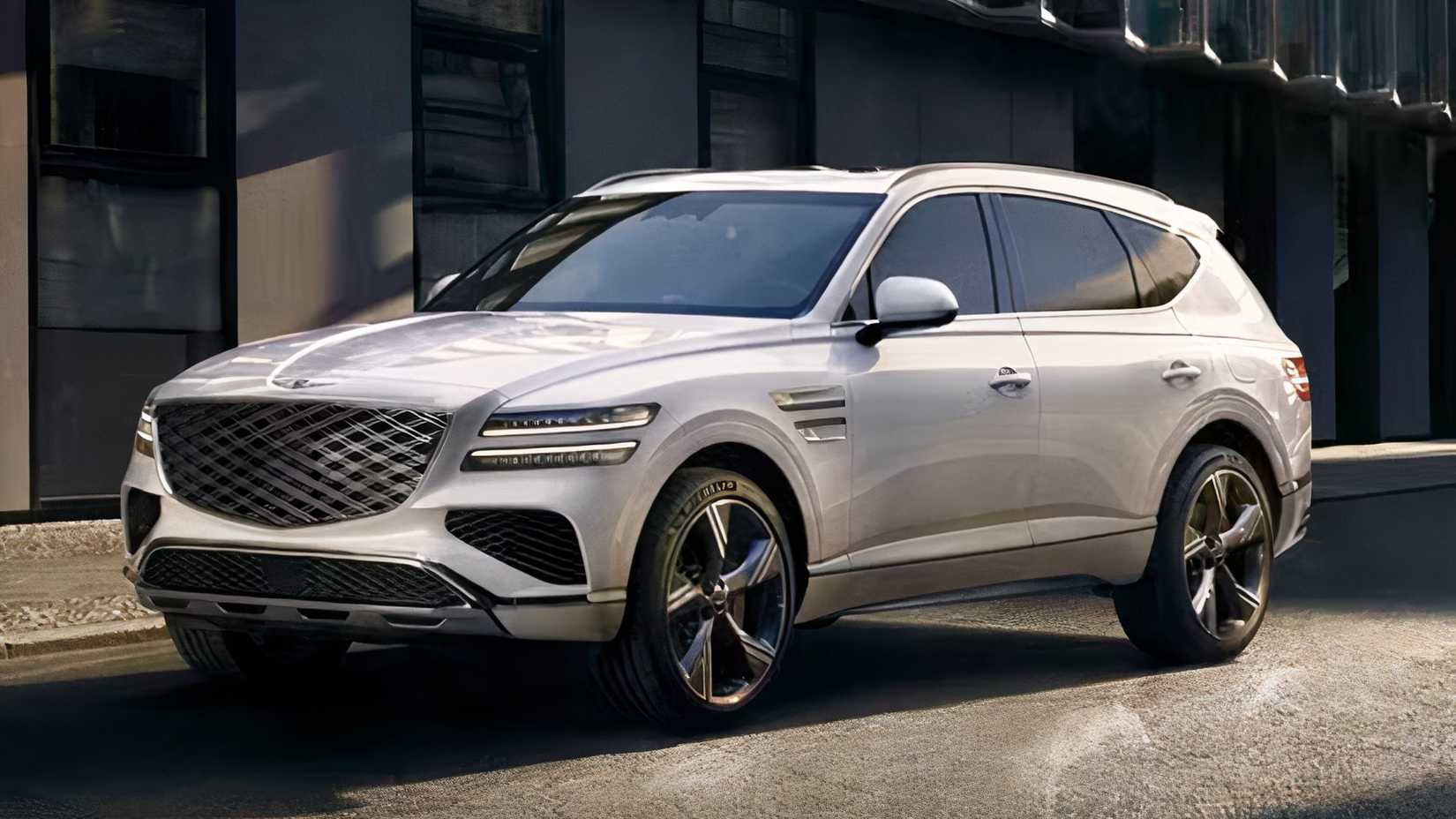
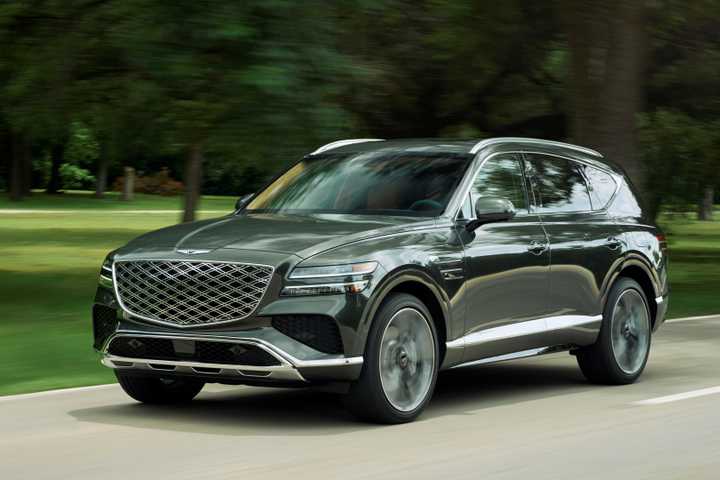
The Genesis GV80 proves that a modern luxury crossover can directly challenge established German icons through quantifiable product advantages rather than discounted pricing alone. Its standard four-cylinder and available six-cylinder engines provide equal or superior power output when compared to base German powerplants. The cabin combines rich materials, double-laminated glass, and advanced noise cancellation to create an atmosphere that feels truly upscale.
Owners gain long-term financial security through a 10-year or 100,000-mile powertrain warranty paired with three years of complimentary valet servicing. While buyers give up long-standing badge prestige and extreme track-oriented chassis tuning, they gain a quieter interior, richer standard features, and lower ownership costs over time. These combined strengths make the Genesis GV80 a fully equal rival to the best midsize luxury crossovers coming out of Germany today.

- Base Trim Engine
-
2.5L I-4 ICE
- Base Trim Transmission
-
8-speed automatic
- Base Trim Drivetrain
-
Other
- Base Trim Horsepower
-
300 HP @5800 RPM
- Base Trim Torque
-
311 lb.-ft. @ 1650 RPM
- Base Trim Fuel Economy (city/highway/combined)
-
20/26/22 MPG
- Base Trim Battery Type
-
Lead acid battery
- Make
-
Genesis
- Model
-
GV80
Sources: J.D. Power, the EPA, and iSeeCars.