
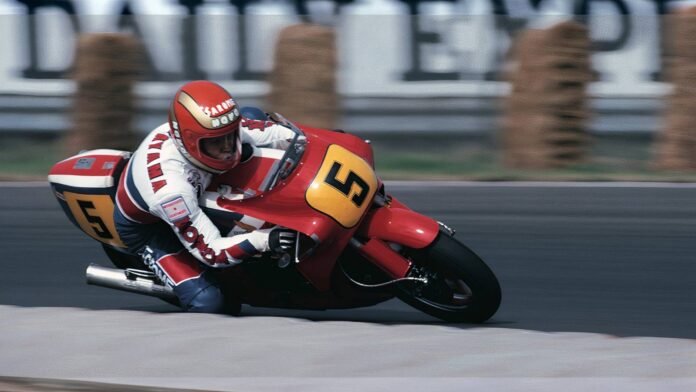
The ‘70s were a wild time for Japanese motorcycle manufacturers. It was when the Big Four started making a mark, offering better performance, quality, reliability, and economy at lower prices than international manufacturers. This changing landscape also created some of the most iconic motorcycles ever: the 1974 Honda Gold Wing, the 1971 Suzuki GT750, the 1973 Yamaha RD350, the 1972 Kawasaki Z1, and many more.
Along with exciting and innovative motorcycles came some weird oddballs. Like the rotary-powered 1974 Suzuki RE5 or the six-cylinder Honda CBX1000. None, however, were as weird and amazingly groundbreaking as the bike Honda chose to take over the two-stroke race bikes that dominated the Grand Prix during the time. Here’s the story of Honda’s weird engine experiment that was nothing less than sheer obsession.
Honda Got The Itch For Grand Prix Racing Again In The ‘70s
Between 1959 and 1967, Honda made a name for itself by winning 16 world championships. This victory was led by Honda’s daringly developed multi-cylinder four-stroke race bikes, ranging from 50cc to 350cc. In 1967, however, Honda decided to stop racing and focus its R&D on entering the car market. That ended a decade later, in 1977, when Honda’s new president, Kiyoshi Kawashima, announced Honda’s return to Grand Prix racing at the launch of the CBX1000.
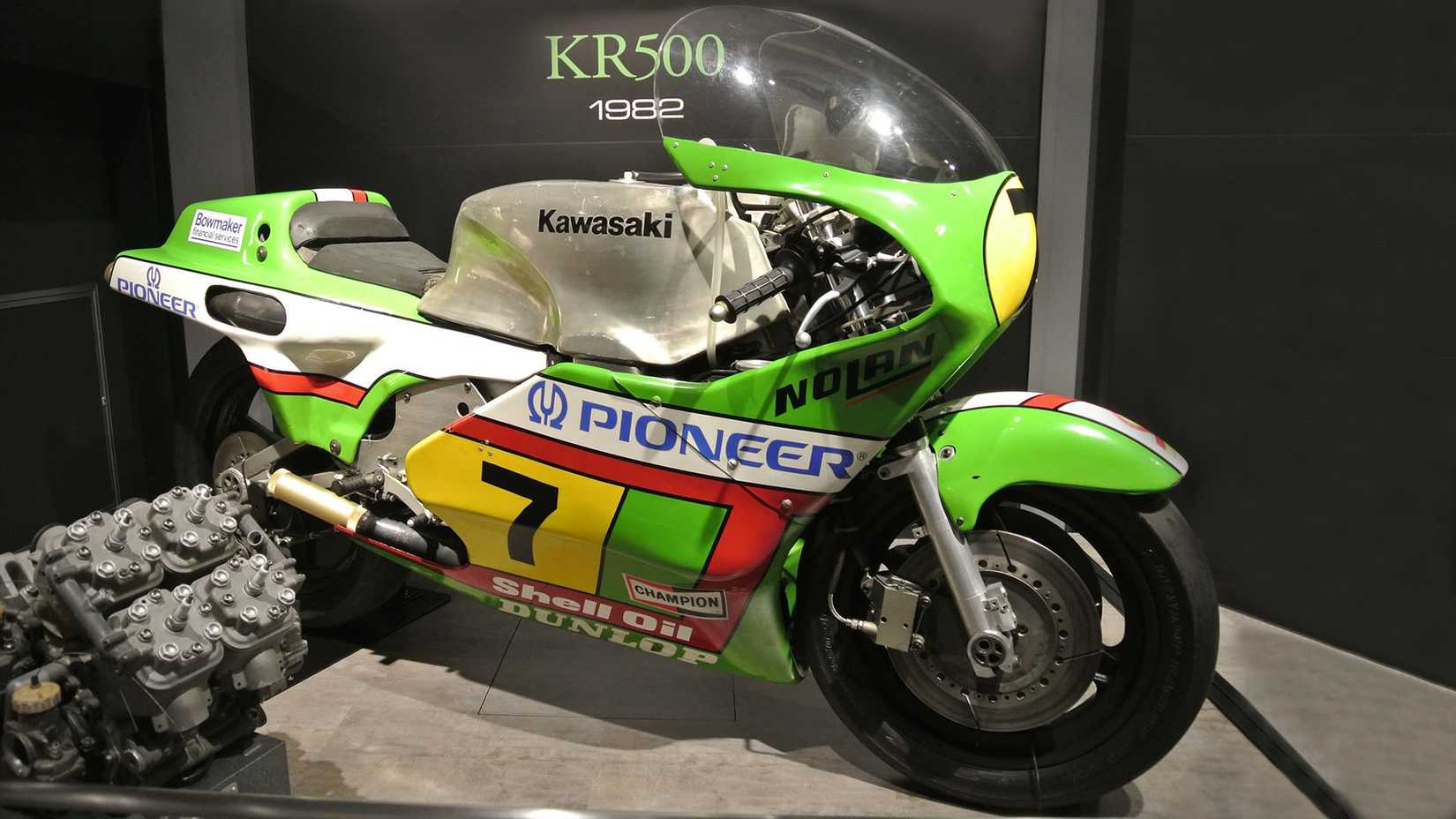
Things had changed now, and GP Racing was dominated by two-stroke motorcycles. To the point that even MV Agusta, the last holdout for four-strokes, was close to giving up the fight. For context, MV Agusta had 38 world titles, of which 18 were in the 500 class. But Honda was stubborn; it felt compelled to race what it sold to the public: four-stroke motorcycles. So, it decided to go against the two-stroke grain with a four-stroke GP motorcycle.
Honda Was Limited By GP Regulations
contri from Yonezawa-Shi, Yamagata, Japan, CC BY-SA 2.0, via Wikimedia Commons
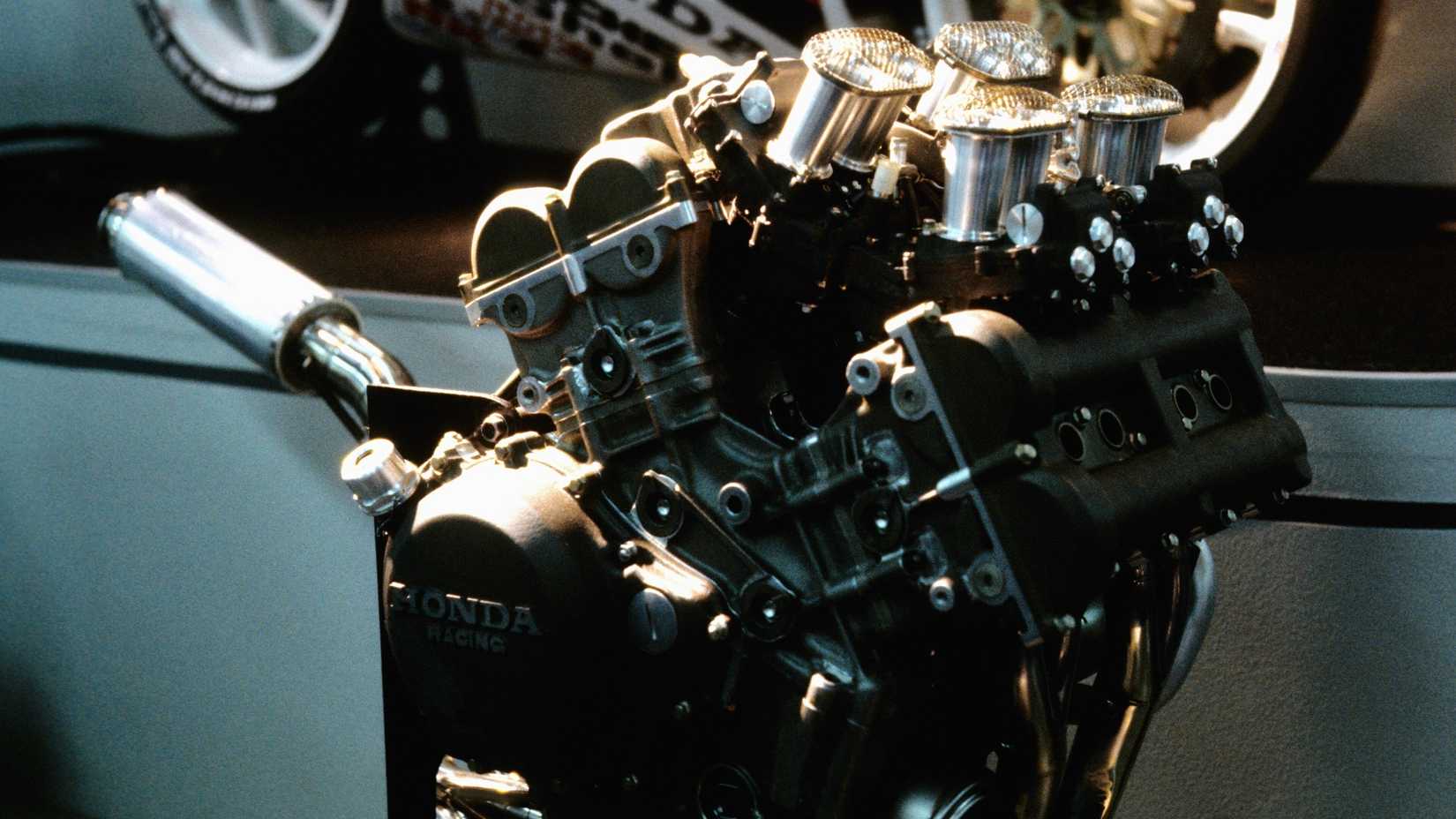
The thing about four-stroke motorcycles is that they don’t produce as much power as their two-stroke competitors. And Honda was limited by regulation as to what it could do to offset that difference in performance between four- and two-strokes. It couldn’t push past 500cc displacement, nor could it increase the number of cylinders with shorter strokes to raise the rev ceiling. Instead, it had to produce a sub-500cc motorcycle that could push well past 20,000 rpm to even be on par with its two-stroke rivals; this was unprecedented.
Rainmaker47, CC BY-SA 3.0, via Wikimedia Commons
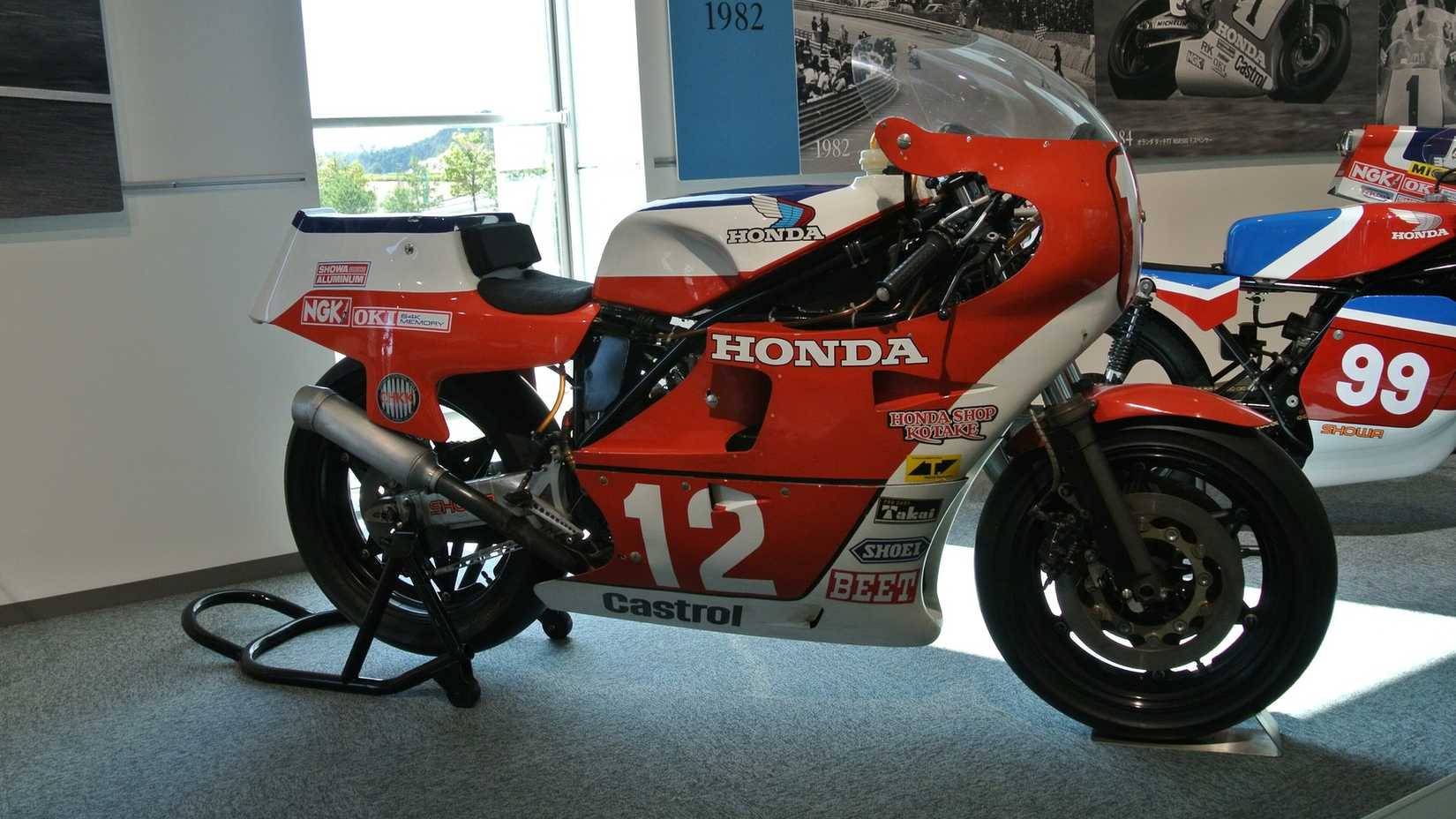
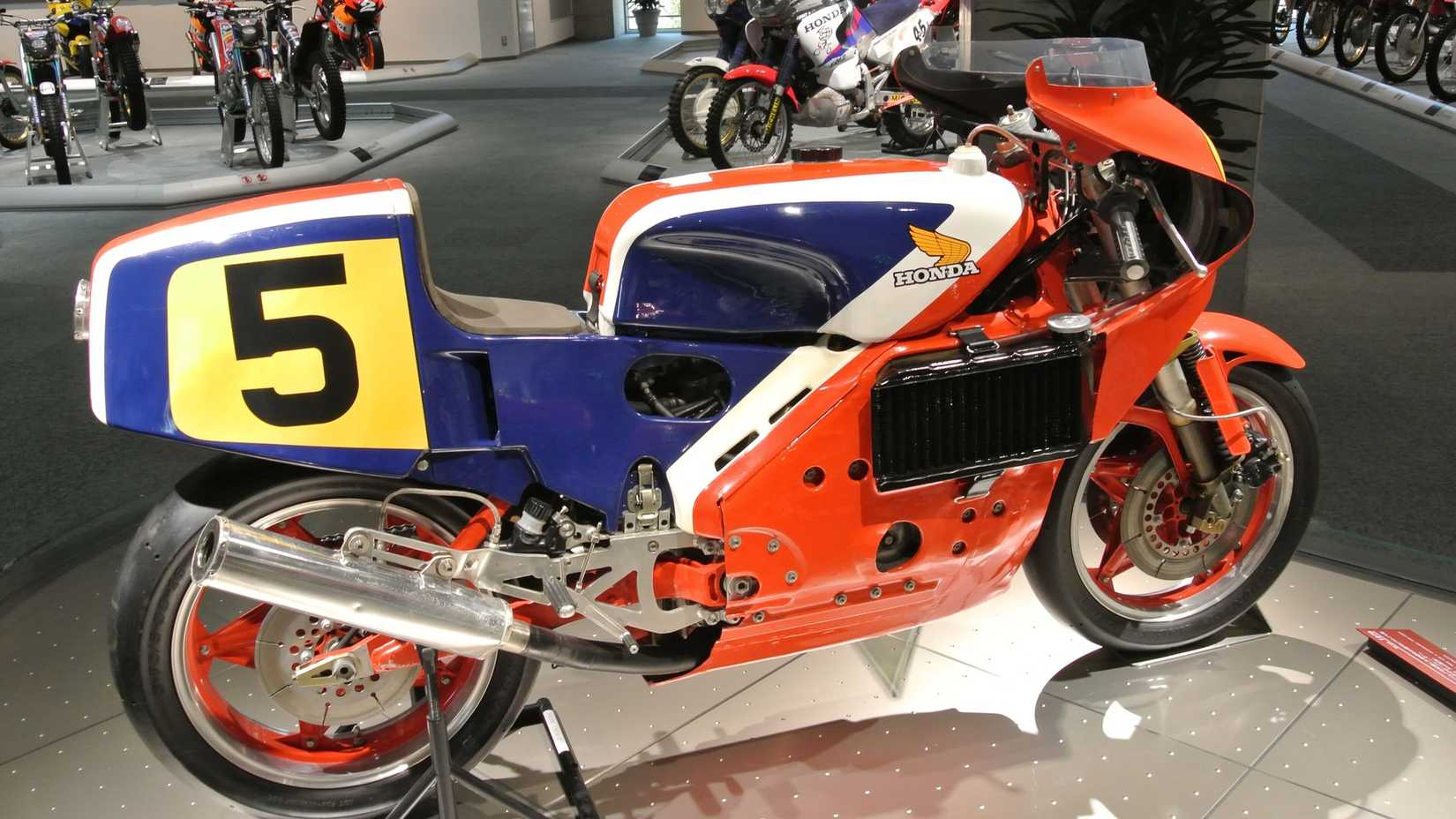
Honda started a new project to produce this engine and the surrounding bike, giving it the name NR500, where ‘NR’ stood for New Racer. It even set up the NR Block within its Asaka R&D Center. The engine design was led by Shoichiro Irimajiri, whose designs had once led Honda to success during the 60s’ championships. That was the start of Honda’s obsession with an engine format that is equal parts radical and weird.
10 Vintage Japanese Bikes That Turn Heads Like Supermodels
These ten Japanese bikes will give any enthusiast whiplash when spotted. Here’s why.
The NR500 Had An Oval Piston Engine
Rainmaker47, CC BY-SA 3.0, via Wikimedia Commons
Like it is with many innovations in racing, Honda’s oval piston engine was forced by racing regulations. To beat the two-stroke bikes, Honda would’ve wanted to build a multi-cylinder engine, something like a V8, so it could get ultrashort-stroke cylinders that would rev insanely high to produce enough power to rival two-strokes. Unfortunately for Honda, rules dictated that it couldn’t use more than four cylinders in its motorcycles.
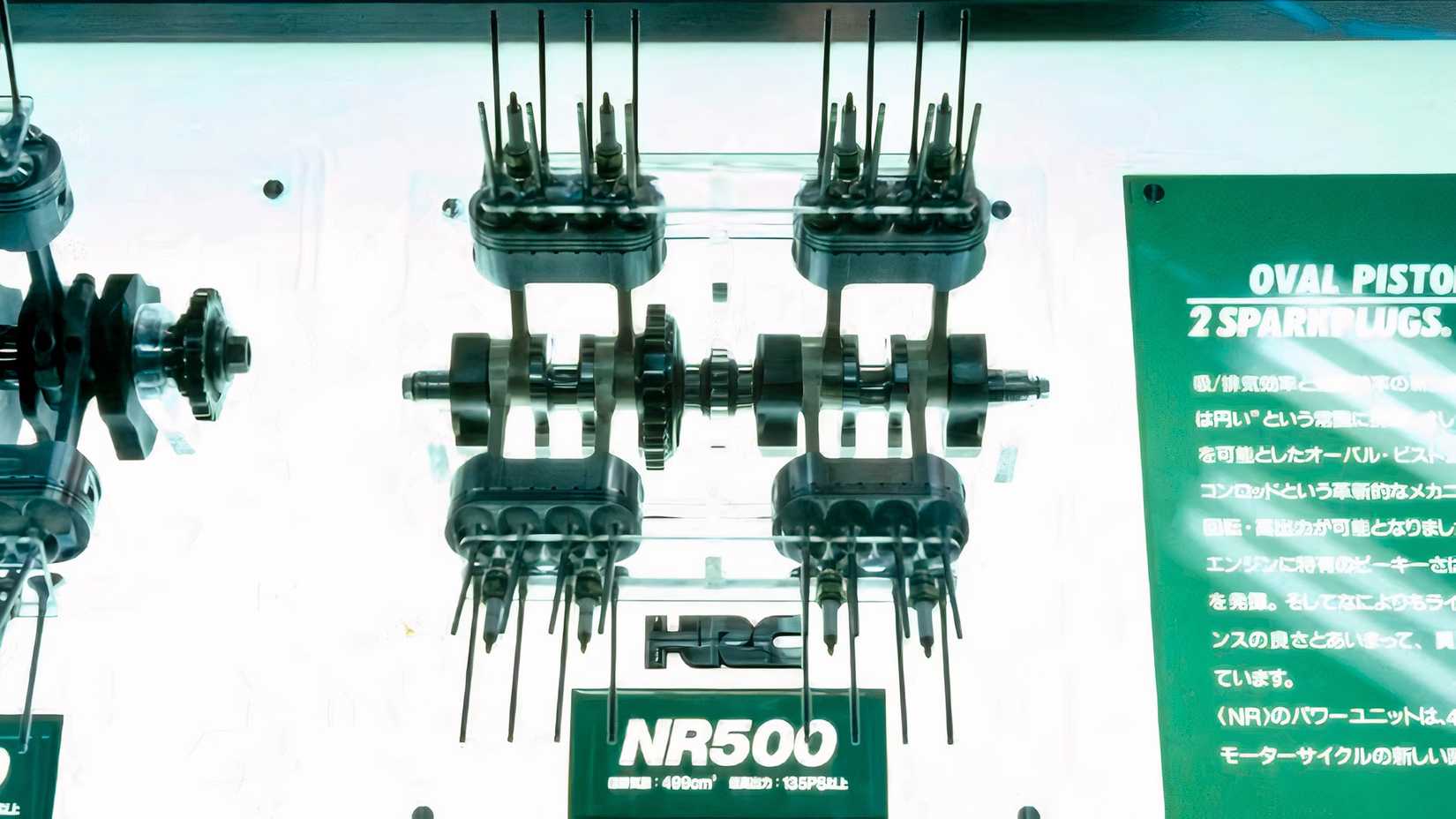
According to Honda, Irimajiri got an idea about the oval piston engine on his way home after another late night at the NR Block. He saw an oval board behind a traffic light, which gave birth to an idea to make an oval piston engine. Of course, the oval pistons would have to still seal as well as round-piston ones, but if the team managed to do that, they could apply the right fuel-air mixture at very high rpm.
It’s Essentially A Quasi-V8
Ux z at Japanese Wikipedia, CC BY-SA 3.0, via Wikimedia Commons
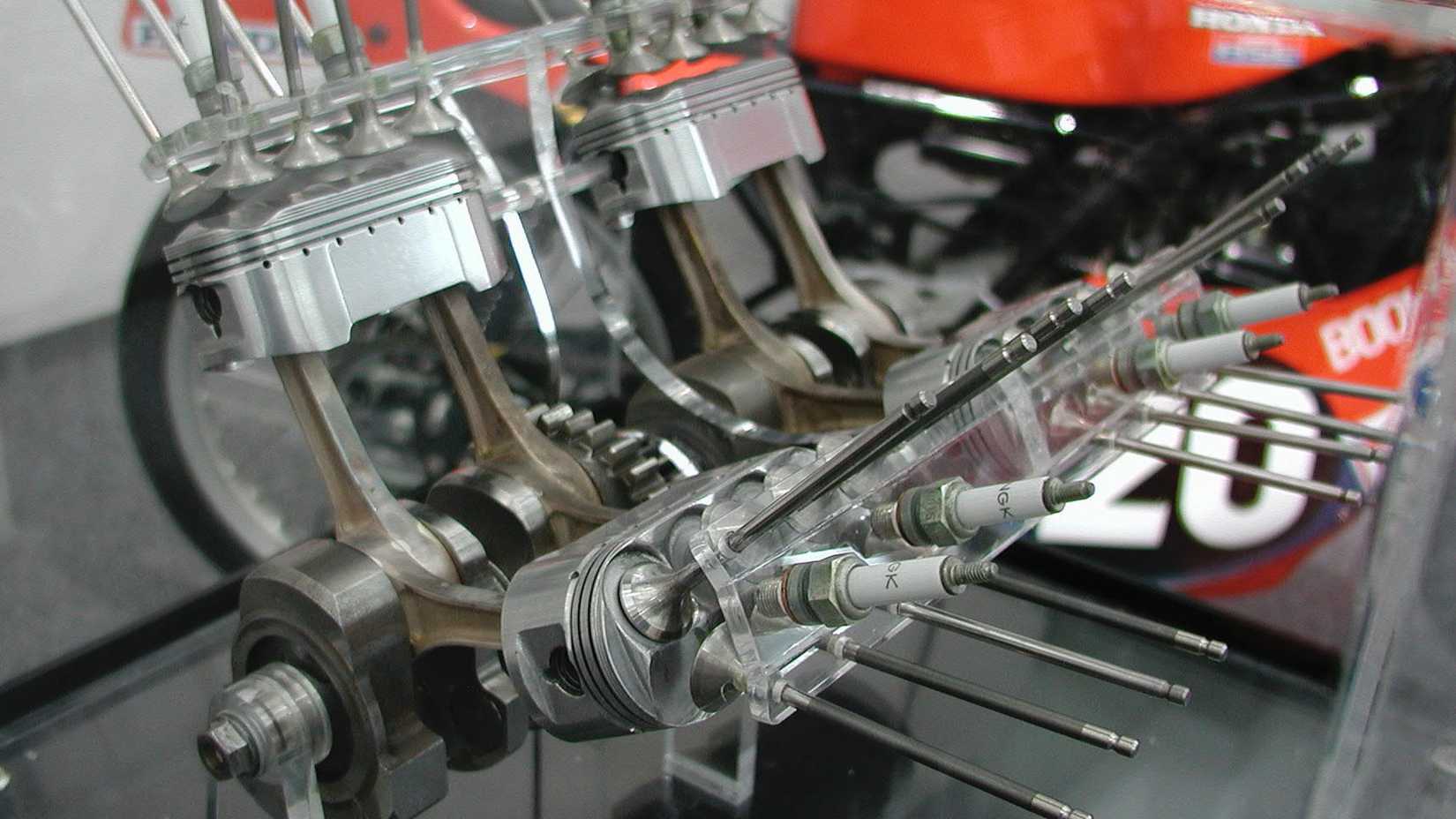
Think of the oval piston design as something that’s meant to replicate a V8 engine. Each cylinder had eight valves, two spark plugs, two connecting rods, and a single piston and combustion chamber. That’s equivalent to a V8 engine whose pistons had fused together in pairs to create an oval design. That is the Honda oval piston that the NR500 used. The design was announced in 1979, and it was a radical departure from what was considered normal at the time, both in engineering and racing. Honda proposed that this engine could make up to 130 horsepower at 23,000 rpm.
High Rev Ceiling And Plenty Of Power (At Least On Paper)
After plenty of trial and error, Honda managed to develop a 500cc oval-piston 100-degree V4 engine for the NR500. This wasn’t the first of its kind, though; Triumph had already drawn up an oval piston engine before WWII. Honda just became the first manufacturer to actually make one work. Initially, this engine did not make a lot of power. The first version could only pump out 100 horses, which was bumped up to 110 horsepower for the second version. By the end of next year, Honda had managed to squeeze out 10 more horsepower from that engine. In its final form, the engine had finally managed to reach the target of 130 horsepower.
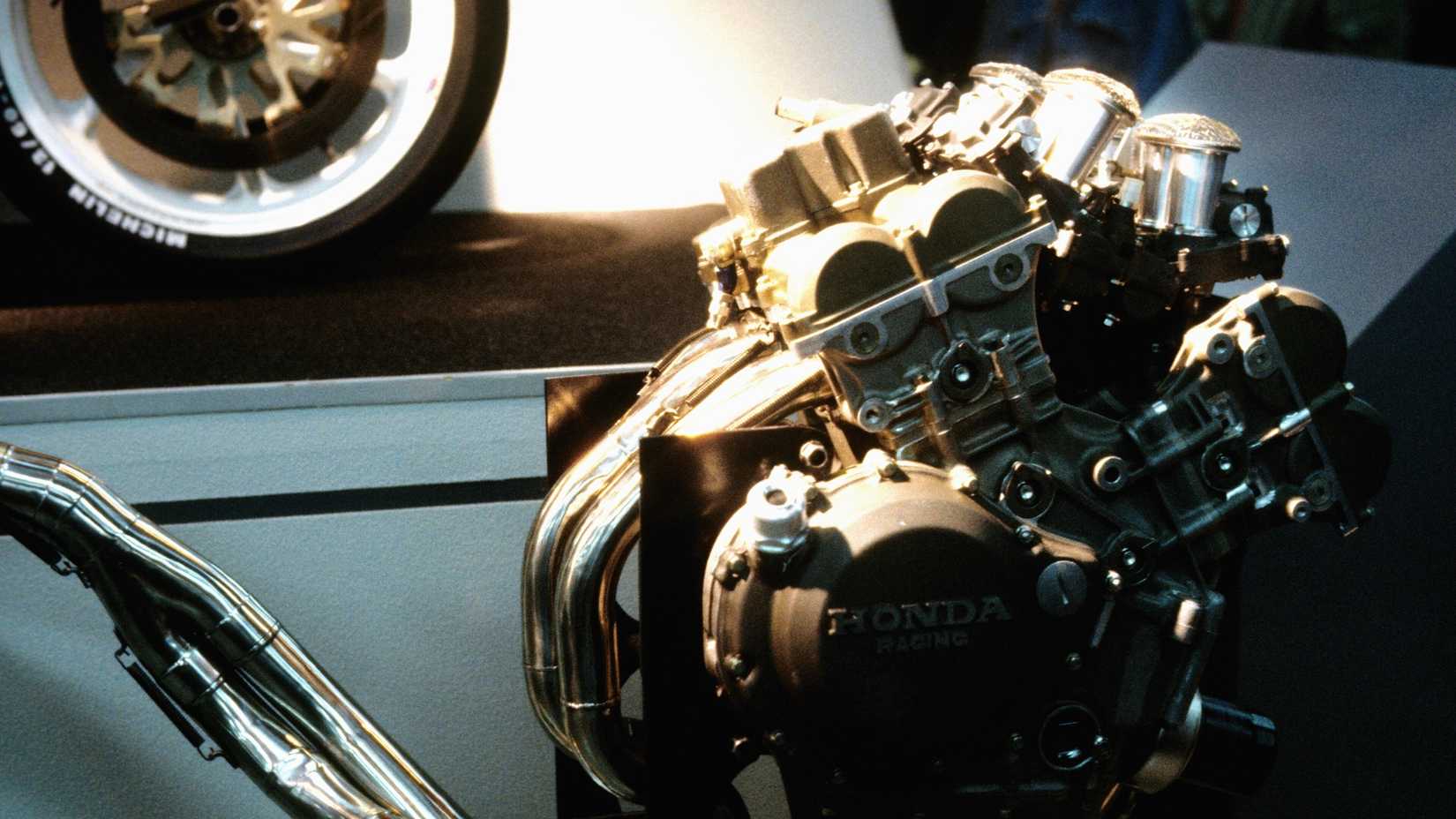
contri from Yonezawa-Shi, Yamagata, Japan, CC BY-SA 2.0, via Wikimedia Commons
This engine had an ultrashort stroke of just 36 mm at first, which was further reduced in later versions. And despite the large pistons, it could rev to a screaming 21,000 rpm ceiling and beyond. In its final versions, the engine is said to make peak power at a whopping 17,500 rpm, a feat that’s still out of reach for present-day MotoGP race bikes. Over time, the engine also got other updates along the way. The Vee angle was reduced, and the second version also featured a slipper clutch to avoid wheel hopping. It had also been civilized, so it could now idle at a sane 1,000 rpm instead of 7,000 rpm like the earlier versions. In its last year of racing, the engine evolved further; it was canted forward, so the front bank was closer to the horizontal.
The Oval Piston Engine Was Accompanied By Other Innovations
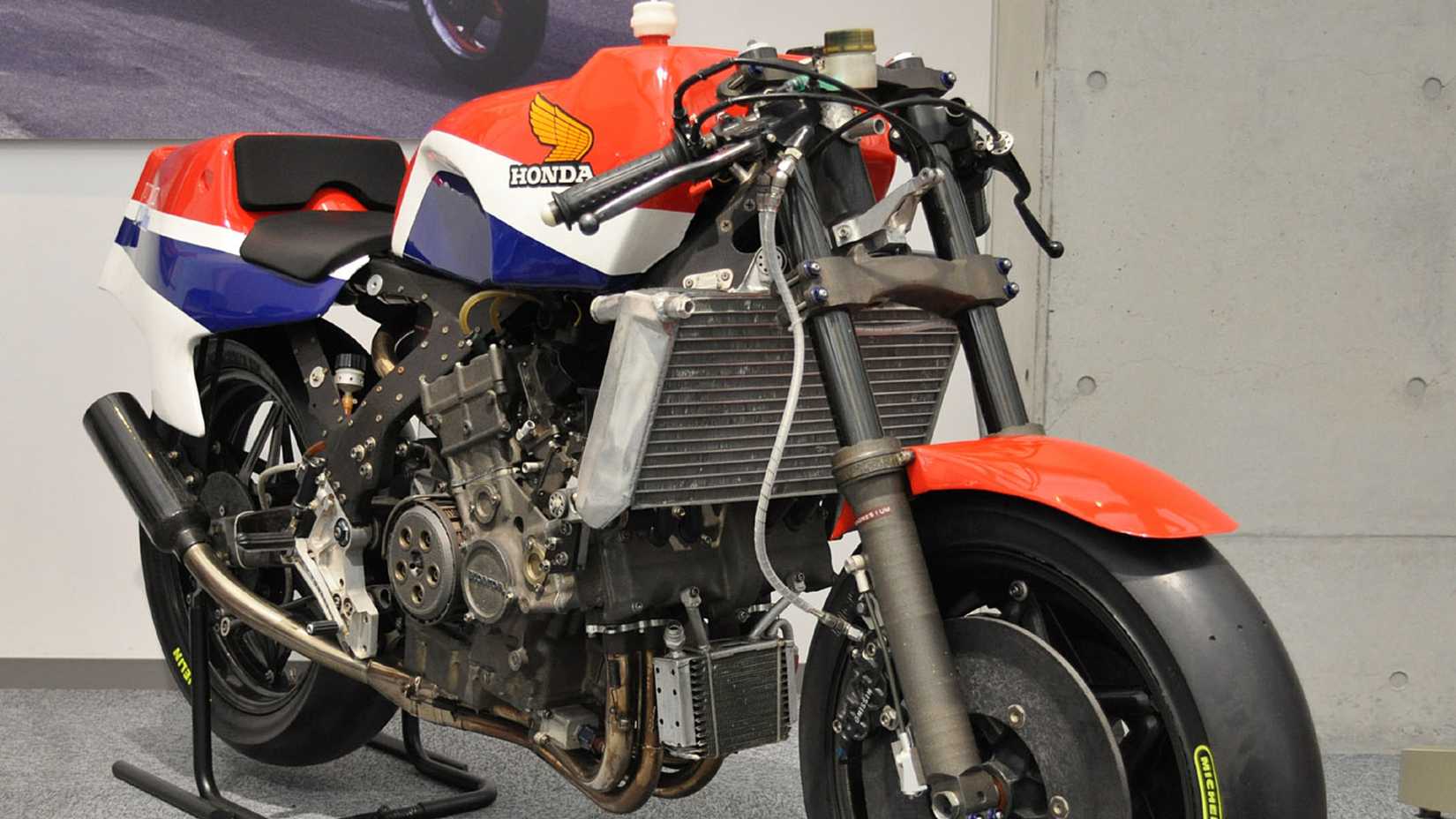
Rikita, CC BY-SA 3.0, via Wikimedia Commons
Apart from the radical engine, the NR500 also featured other pioneering features, many of which were years ahead of their time. The first of which was the lightweight monocoque frame, which wrapped around the engine like a shrimp shell. This frame made working on the engine, which was rather demanding, quite difficult for engineers, so it was later swapped out for a more conventional frame. Today, monocoque frames are found on some very few, very special bikes, like the Ducati Panigale and Multistradas and the Kawasaki ZX-14R.
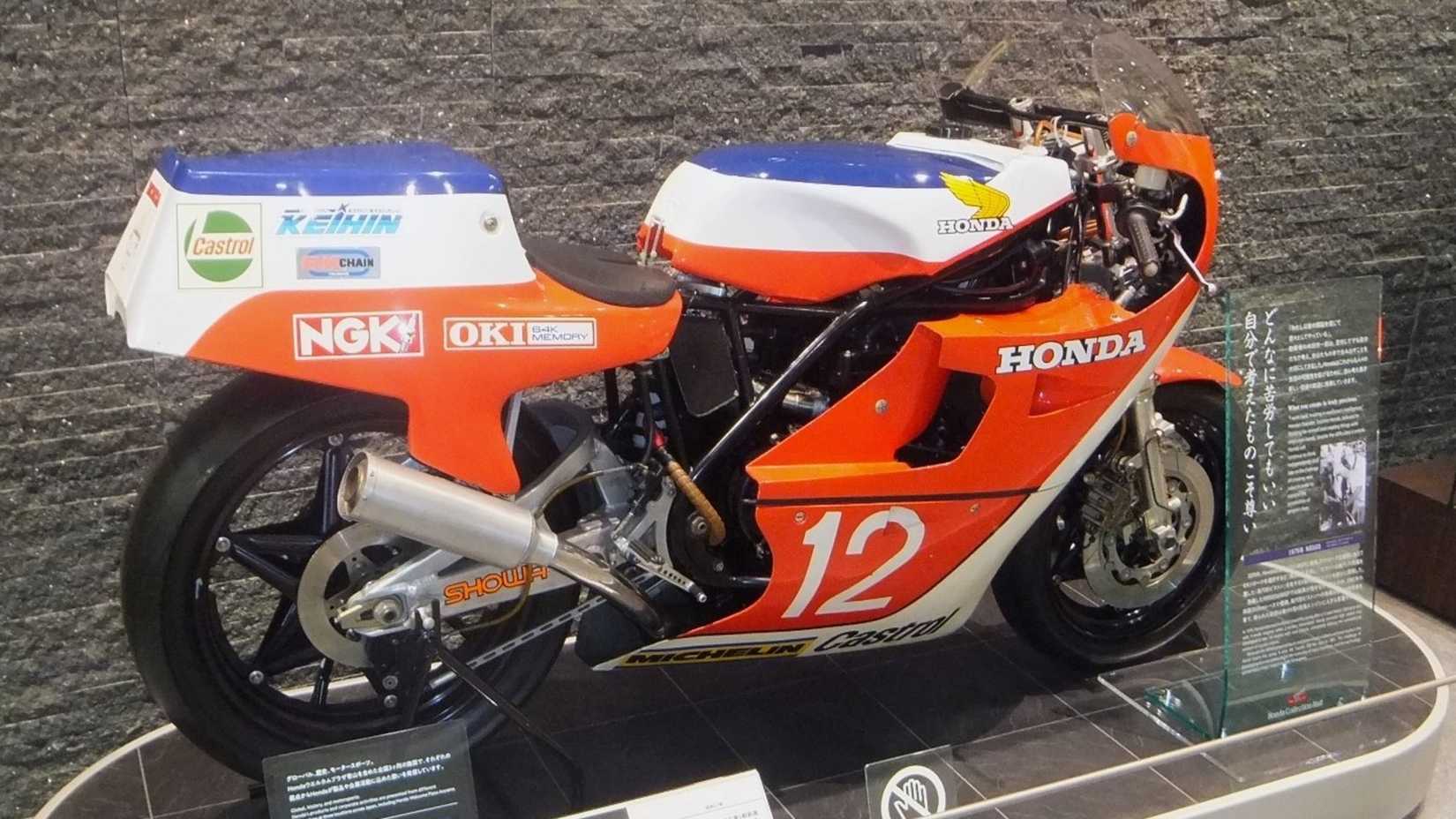
Other innovative features the NR500 featured included carbon brakes, upside-down forks, rising-rate rear suspension linkage, and a slipper clutch. It also used 16-inch Comstar wheels instead of 18-inchers, which were used by other GP bikes at the time. Like the frame, Honda still had to swap out the smaller wheels for larger 18-inch units over time. Many of these features remained in R&D centers and circuits before making their way into production motorcycles.
10 Powerful Sports Bikes From The 1980s That Are Dirt Cheap Today
If you are looking for a powerful motorcycle on a budget, one of these incredible sports bikes from the 80s might be for you
Unfortunately, The NR500 Wasn’t The Two-Stroke Killer Honda Had Hoped
Rainmaker47, CC BY-SA 3.0, via Wikimedia Commons
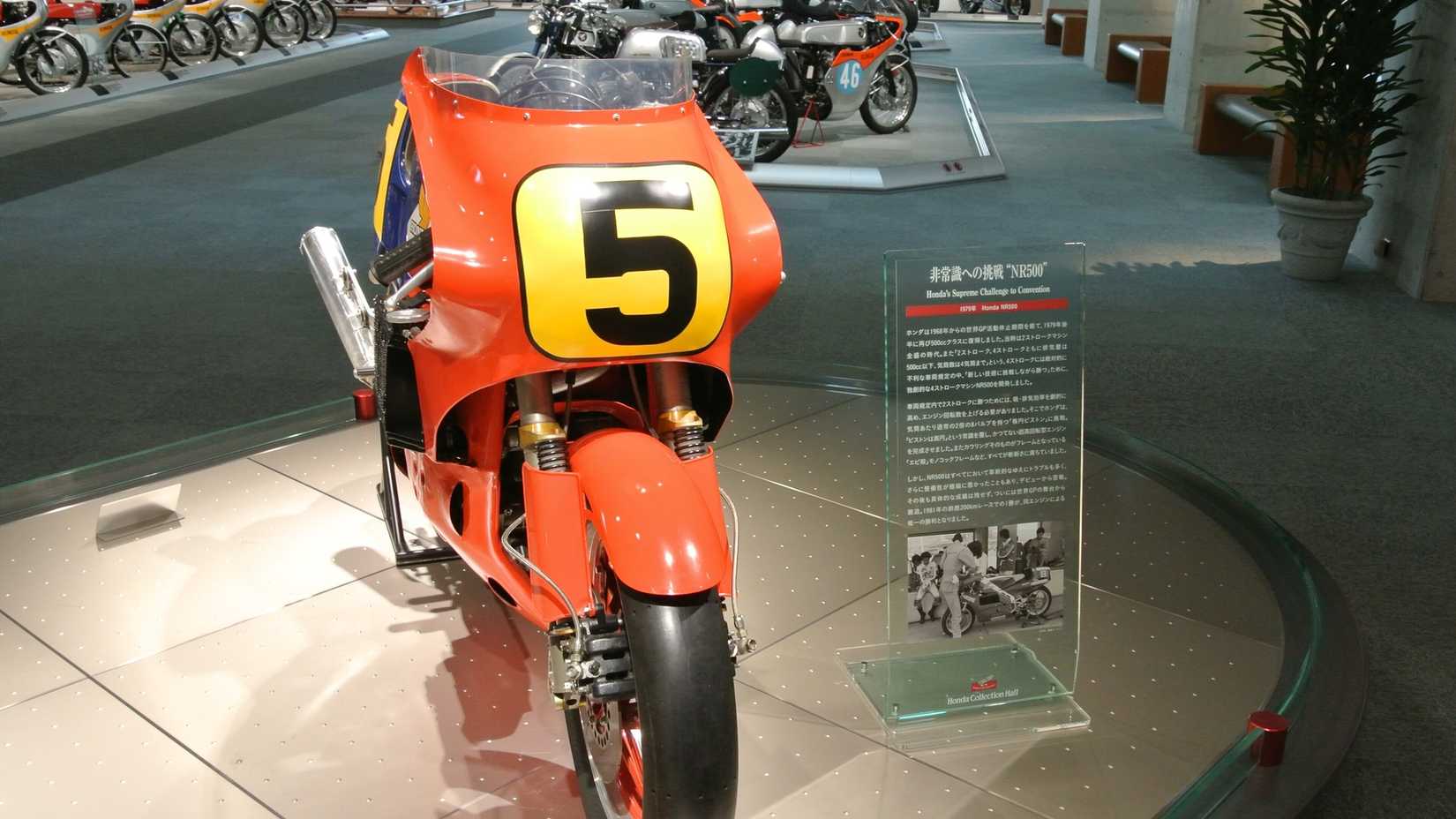
The bike made its debut at the British GP in 1979, ridden by Takazumi Katayama and Mick Grant. But before even finishing the race, both bikes had to be retired. The bikes were difficult to push-start, which was the norm at the time. And once up and running, Grant crashed on his first turn after the bike leaked some oil on the rear tire. There was even a small fire. On the other hand, Katayama retired on his seventh lap due to ignition problems when running second last. Reportedly, Honda had not hoped to win just yet but put on a good show.
Rikita, CC BY-SA 4.0 <https://creativecommons.org/licenses/by-sa/4.0>, via Wikimedia Commons
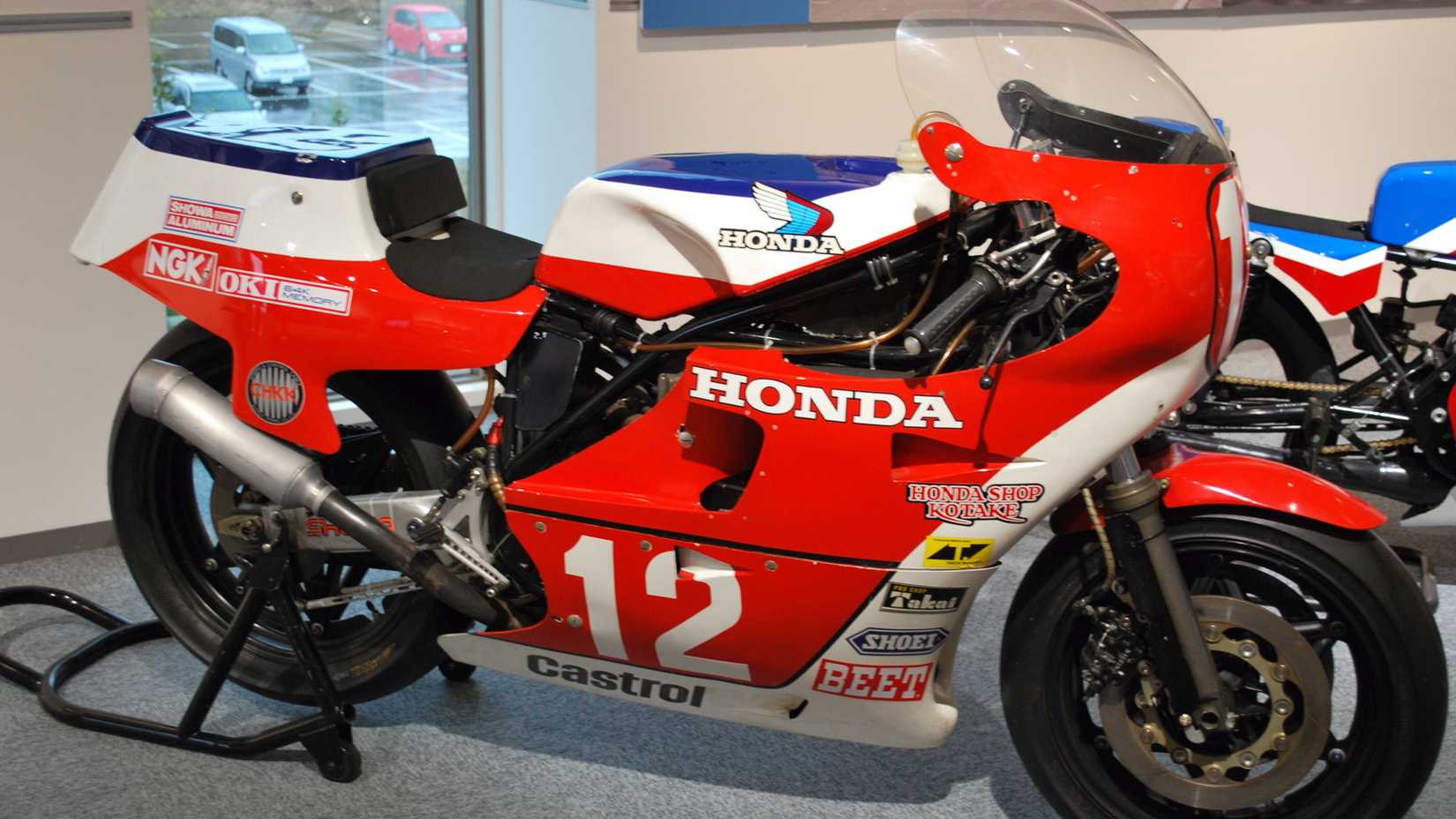
During the 1979 French GP finale, the Honda NR500 even failed to qualify. As a result, for the next season, Honda updated the motorcycle with a new frame, a redesigned cooling system, and more performance. Still, the NR500 failed to make a mark in Grand Prix racing. Honda continued for two more seasons but never quite made the bike good enough to hang with its two-stroke rivals. It never won the GP, and its best showing was Katayama’s thirteenth place at the Austrian GP in 1981.
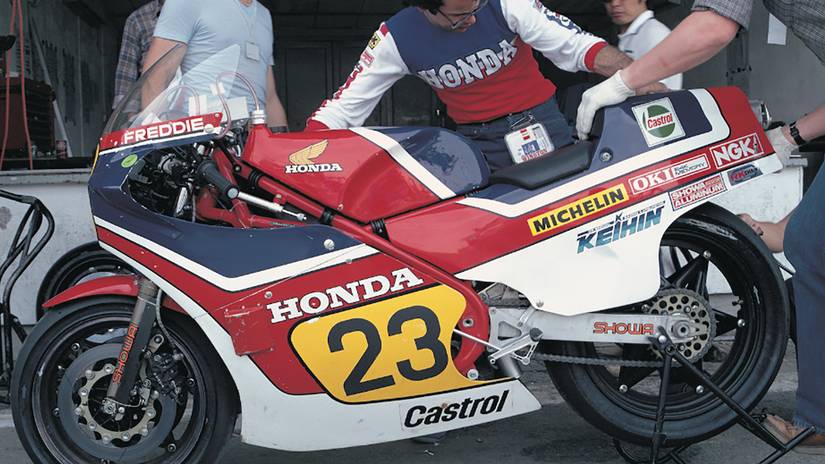
Outside GP racing, the NR500 did see some success. For example, American racer Freddie Spencer rode it to victory at Laguna Seca in 1981, and Kengo Kiyama took the first spot at the Suzuka 200 race the same year. Still, the NR500 failed to be the two-stroke killer that the Japanese manufacturer had hoped for. Instead, it was abandoned, and Honda switched to the NS500, a two-stroke motorcycle to compete in the 1982 GP season. The next year, Spencer would ride this two-stroker to Honda’s first 500cc world championship.
10 Hondas That Hold Value Better Than Their Rivals
The Honda bikes that have now become collector specials.
Still, Calling It A Failure Is Missing The Point
The problem with the NR500 was that Honda tried to cram in too many innovative ideas and technologies into one, most of which were not well-tested before getting on the circuit. The same applied to the radical oval piston engine. It was highly demanding and finicky, and it lacked the mid-range oomph of two-strokes. Still, calling the NR500 a failure is missing the point. Sure, it may not have succeeded at Grand Prix racing, but it managed to set things in motion that Honda still reaps benefits from.
Honda’s Philosophy Of Letting Engineering Lead
The NR project lead, Takeo Fukui, eventually became the president of Honda Motor. One of the engineers, Sugura Kanazawa, went on to become the president of HRC before moving on to head Honda’s UK manufacturing plant. Similarly, the engineer behind the frame, Satoru Horiike, worked alongside Kanazawa as the MD of HRC. For this team, the NR project was a crash course on what not to do, teaching them a lot about racing and engineering.
Honda
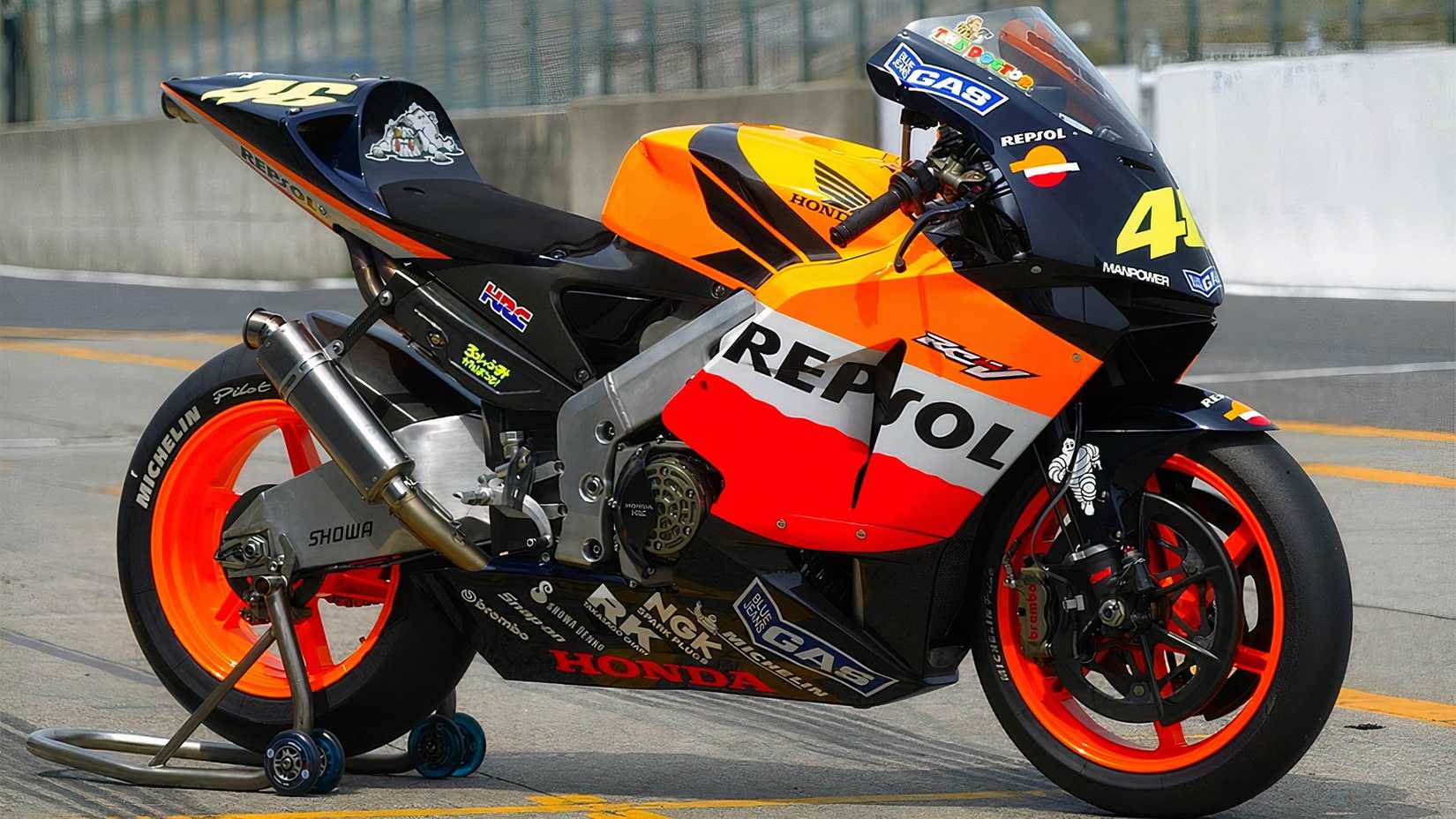
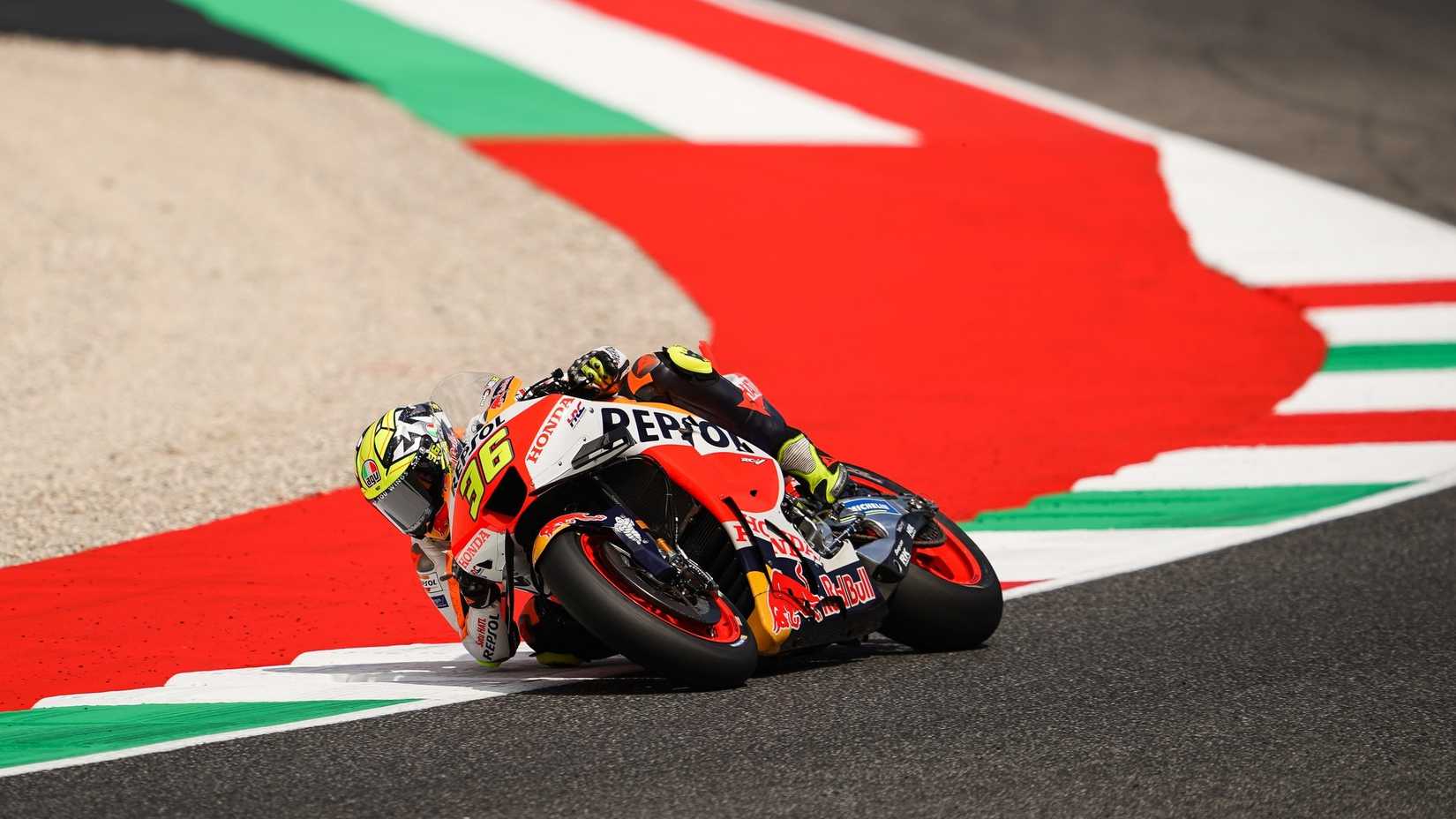
The project also demonstrated Honda’s stubbornness, reflecting its philosophy to lead with engineering and engineers. In the late days of 2001, new MotoGP four-strokes were introduced. This time, it was evident that Honda had put thought and effort; the Big Red was finally prepared with theRC211V five-cylinder, which would finish as the ultimate 990. This bike, along with Honda’s V4 RCV racer, was informed by the NR500, at least in its practical approach and overall philosophy.
Honda NR750 Was The Ultimate Realization Of This Weird Experiment
Michael Gaylard from Horsham, UK, CC BY 2.0, via Wikimedia Commons
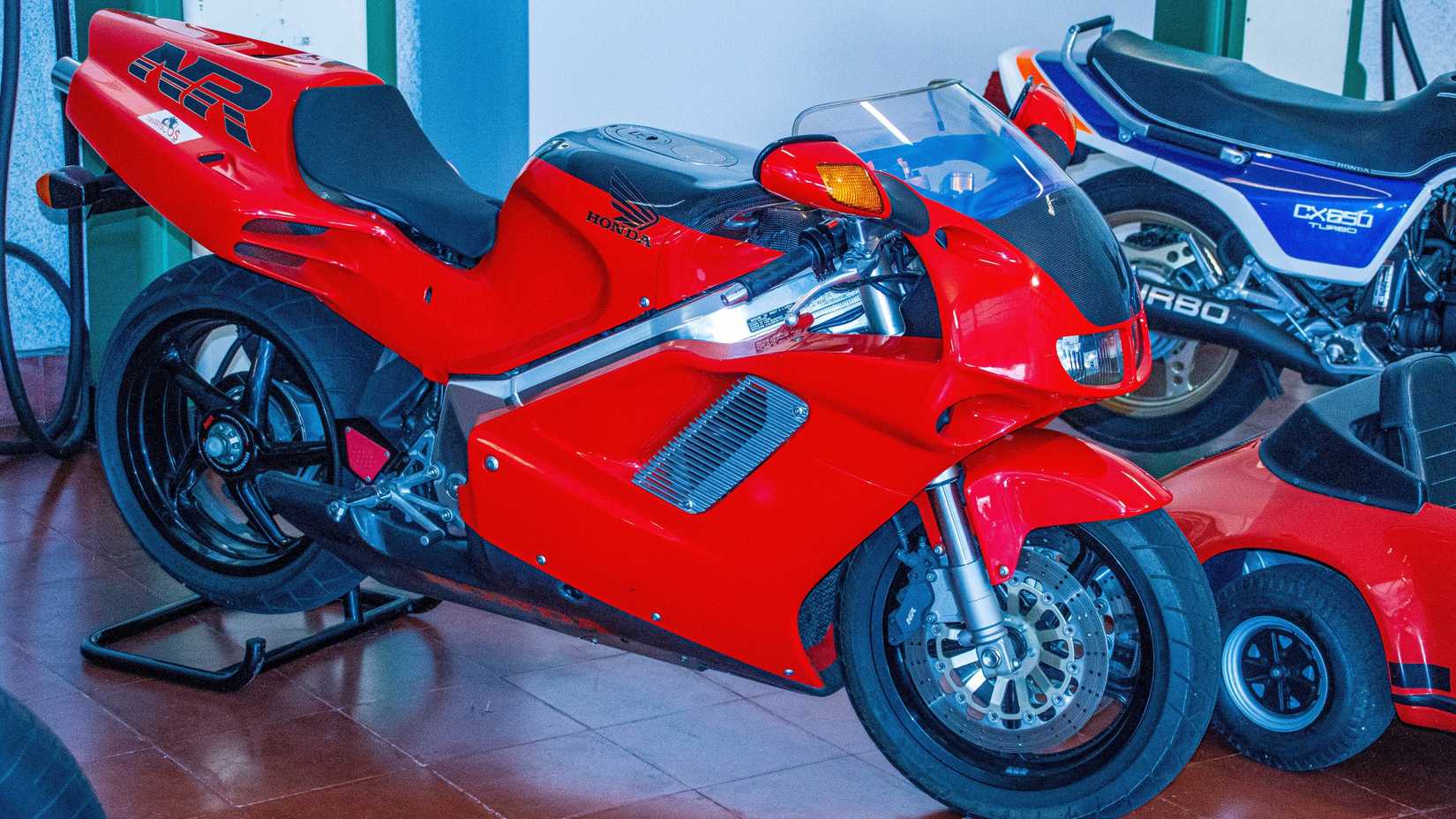
What Honda started back in the ‘70s with the oval piston V4 engine would eventually pay off a decade or so later, in 1992, with the launch of the legendary NR750. Between the ‘70s and ‘90s, Honda spent the time refining precision machinery and metallurgy required to produce reliable oval pistons. And determined to make the oval pistons work, Honda had managed to make the NR750 a motorcycle that could be sold to customers. At $60,000, the NR750 was the most expensive motorcycle any Japanese manufacturer had made then.
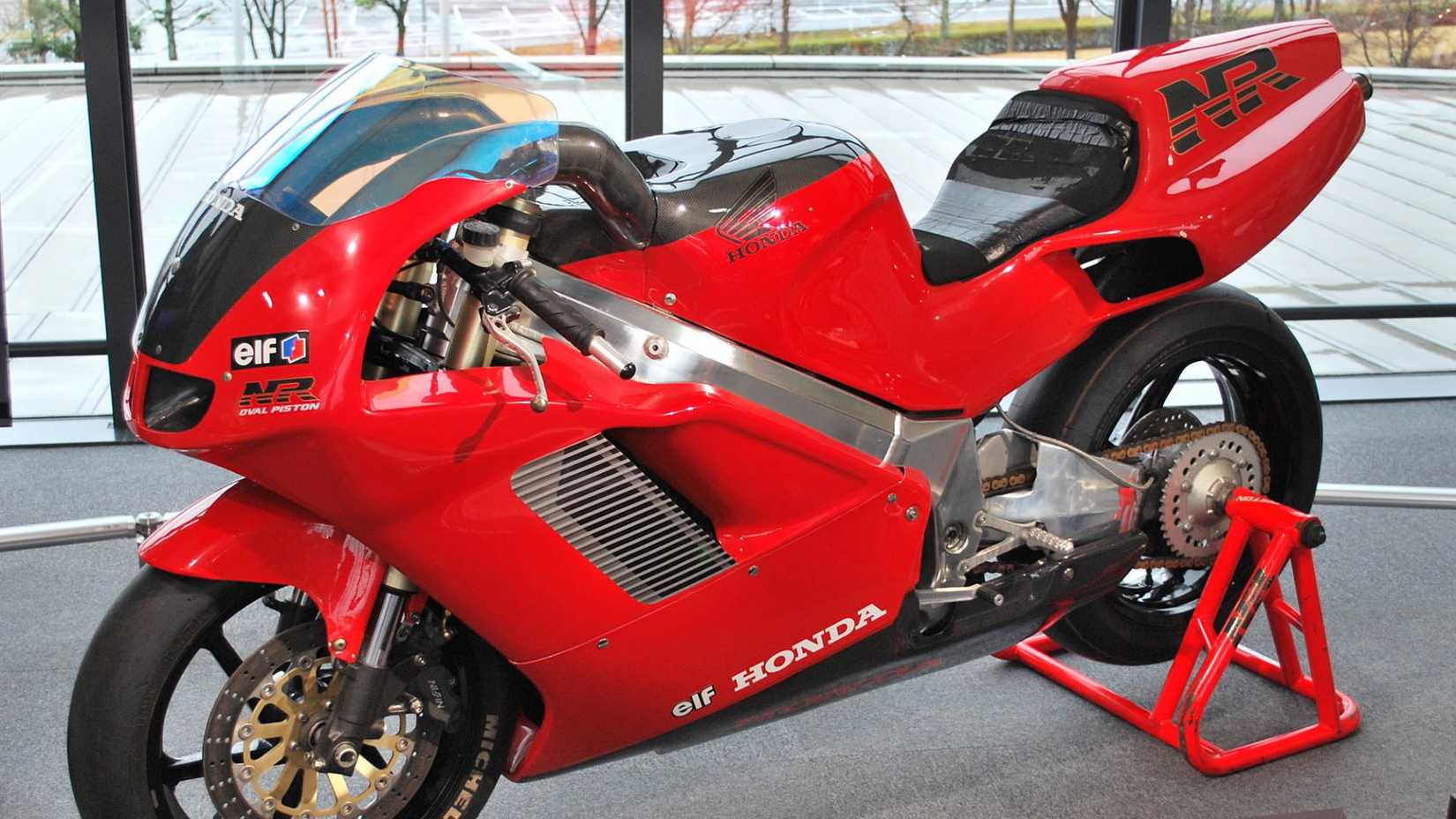
The NR750 was also insanely overengineered, which earned it a reputation for being the closest thing you could buy to a GP bike in the early ‘90s. It featured a highly refined 748cc liquid-cooled 90-degree oval-piston V4, with Honda having filed over 200 patents for it. It was rated at 125 horsepower for export models with a 15,000 RPM redline. Reviewers at the time praised this quasi-V8 engine for its remarkably smooth power delivery with a noticeable output increase at around 7,500 rpm.
Rikita, CC BY-SA 4.0, via Wikimedia Commons
The NR750 brought the first of many features to production bikes. It was the first Japanese bike to use electronic fuel injection, and it was the first production bike to get upside-down forks. It also featured carbon fiber fairings, cassette-style transmission, side-mounted radiators, and magnesium wheels. Reviewers also praised the bike for its high fit and finish. Heck, even Massimo Tamburini’s magnum opus, the Ducati 916, arguably the prettiest bike ever, took some design cues from the NR750.
Honda only made a few hundred units of the NR750, which also makes them incredibly rare today. This rarity has made the NR750 a collector’s dream today, often valued at well over $100,000. The bike stands as proof of what happens when a manufacturer is obsessed with an idea and gives a blank check to the engineers. And this legendary motorcycle wouldn’t be here if not for Honda’s experiment with oval pistons that began back in the ‘70s. Racing success or not, the NR500 will remain among the most important Hondas ever made.
Source: Honda, Cycle World, RoadRacing World