
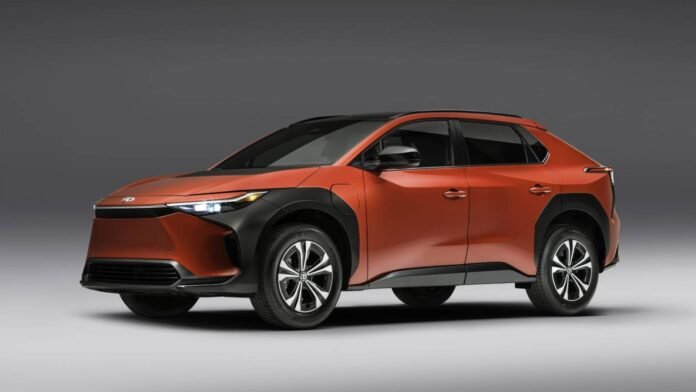
Even the biggest car company on earth can’t make batteries alone. Toyota, the company that introduced Americans to cars that last long enough to justify a six-digit odometer, has so far hesitated to enter the EV game. This is somewhat baffling since Toyota was one of the first companies to put an electric motor in the powertrain when it . Later, the company removed the engine entirely and produced the hydrogen-powered Mirai, which is propelled by an electric motor alone. But even though Toyota could theoretically replace the Mirai’s hydrogen tank with a battery, the company has taken an almost desultory approach to BEVs.
But while Toyota isn’t exactly cranking out EVs as fast as it does hybrid Corollas, it has pioneered solid-state EV batteries. Toyota was the first automaker to throw serious money at the solid-state cause in 2012. Its partnership with the petroleum company Idemitsu has been instrumental to the project.
This Is When Solid-State Batteries Are Expected To Become Mainstream
After many years of waiting, the time for solid-state batteries could finally be here.
What Toyota And Idemitsu Bring To The Table
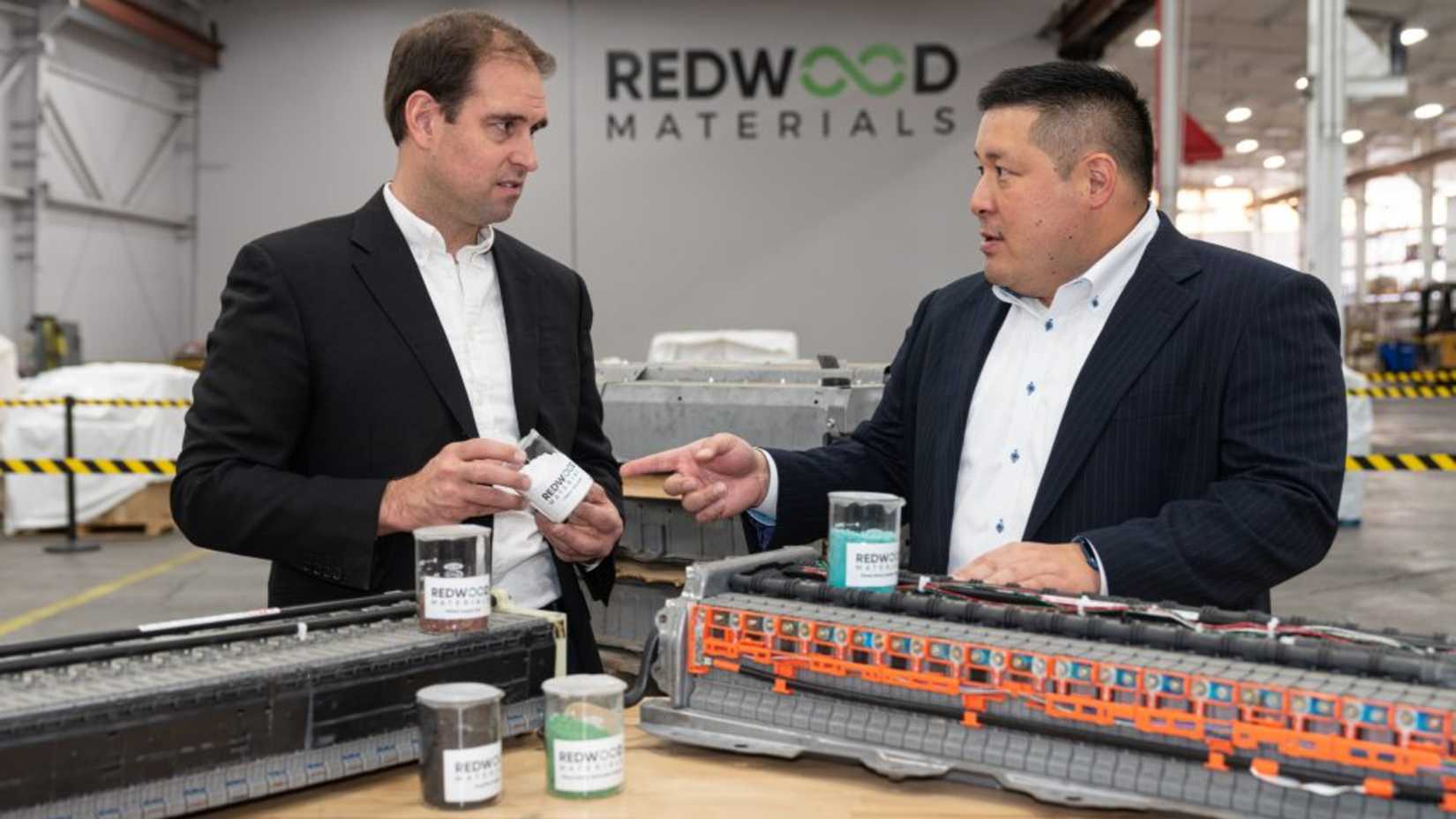
Toyota
- Toyota and Idemitsu both have specialized research teams and other engineers and scientists.
- Idemitsu is providing the raw materials that Toyota will use for its batteries.
- Toyota has collaborated with other companies, including Idemitsu, but is retaining sole control over its battery project.
Both Toyota and Idemitsu bring generous funds and passels of scientists to the solid-state project. But in a more general sense, the two companies are a near-perfect match. Idemitsu is providing the raw materials for the batteries, and Toyota is producing the cars that they will eventually go in. Toyota already had several years of solid-state battery research before partnering with Idemitsu, which allows the two companies to skip several years of misdirected initial trials.
Idemitsu Is Providing Raw Materials And Refining Processes

Idemitsu is providing Toyota with sulfides, which are byproducts of petroleum refining. In other words, one company’s trash is another company’s treasure. Toyota will use the sulfides to make the electrolytes for its solid-state batteries. To be clear, it is not true that Toyota is filling its batteries with petroleum byproducts. Instead, the sulfides are the starting ingredients for the process that ultimately yields the batteries’ electrolytes.
Toyota Has Collaborated With Outside Companies To Develop Its Own Battery, But Will Manufacture It Alone
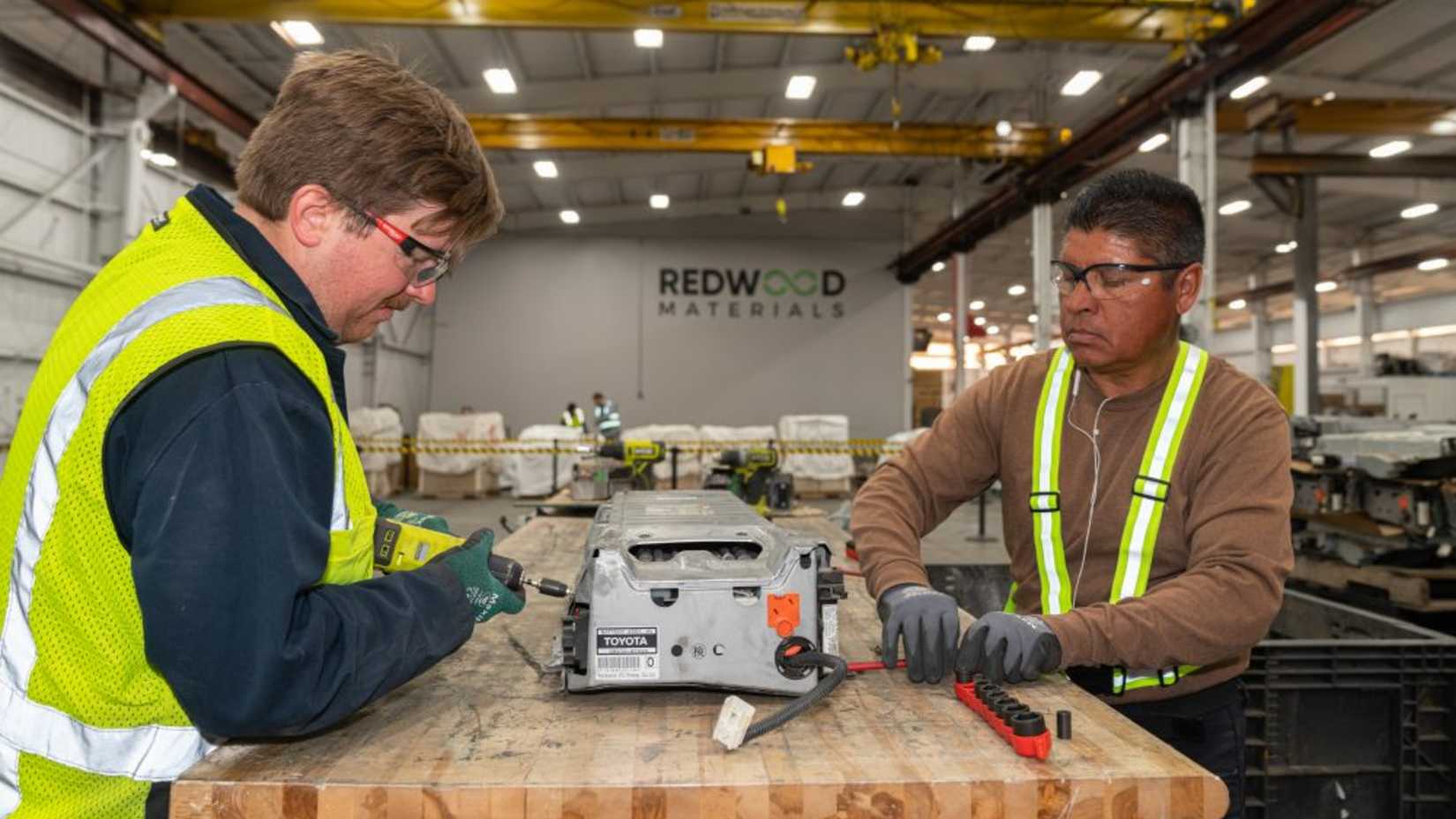
Toyota
Toyota is apparently planning to completely control its battery production instead of contracting with outside manufacturers. This desire for total control may seem surprising given Toyota’s relatively halfhearted history with EVs. However, Toyota can better maintain its legendary reliability if it avoids any unnecessary tangles with outside suppliers.
But even though Toyota has not announced any plans to collaborate on battery production or completely contract it out, it is not attempting to develop its solid-state battery without outside help. In addition to its partnership with Idemitsu, Toyota shares over 1,000 patents with fellow Japanese company Panasonic.
Maybe Solid-State Batteries Aren’t As Good As We Thought
Compared to some lithium-ion battery designs currently in production the energy-density difference is negligible.
Toyota’s Uneven History On The Cutting Edge Of Technology
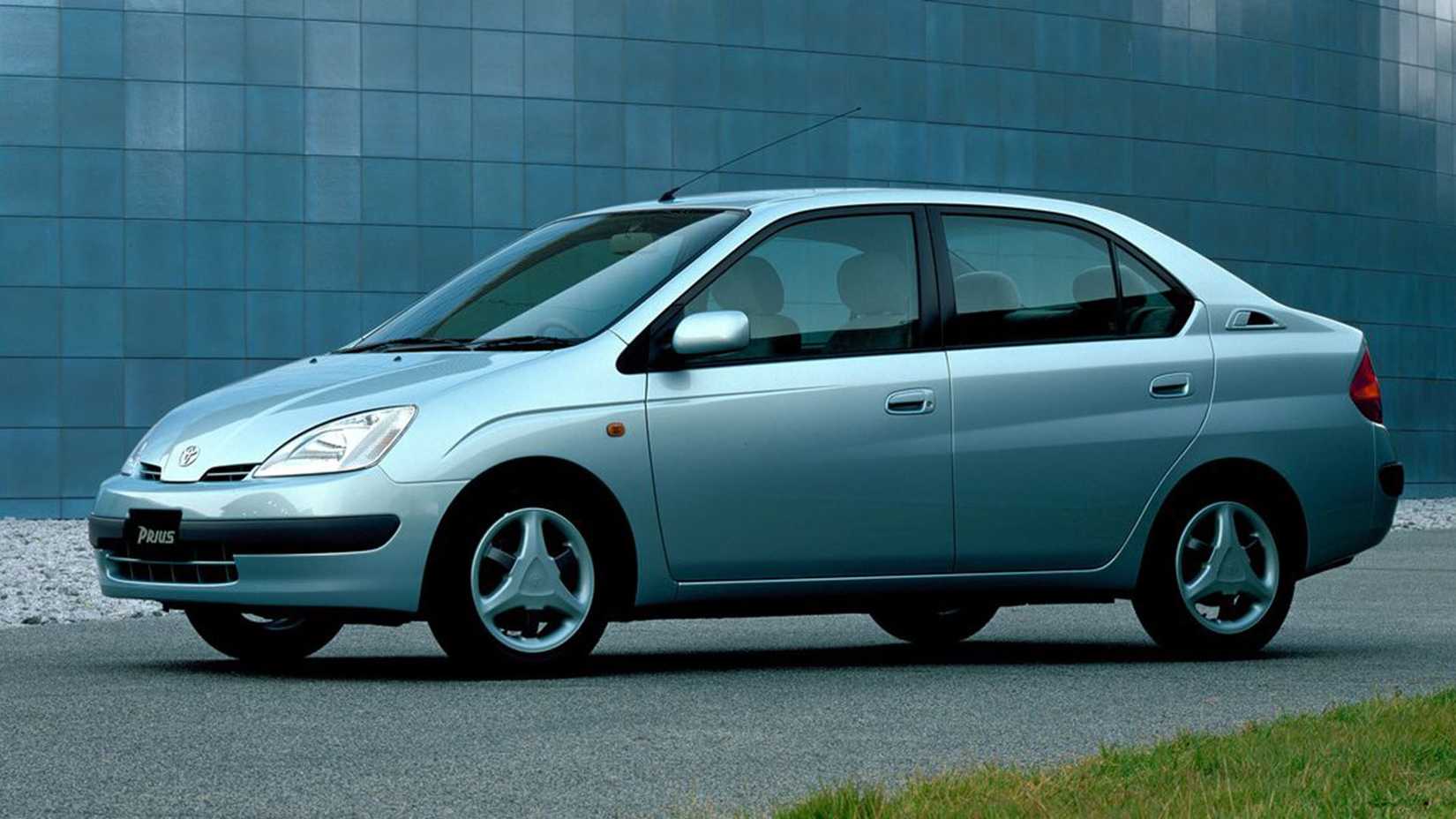
- Despite its public image as a manufacturer of unimaginative and reliable cars, Toyota has introduced multiple revolutionary technologies to the automotive industry.
- Toyota introduced the driving public to hybrids, which no automaker had been able to successfully sell before.
- Toyota was the first company to seriously research solid-state EV batteries.
Toyota tends to downplay its history of technological breakthroughs. After all, the latest technology may be exciting, but it also tends to be finicky and break down. However, Toyota has radically changed the auto industry multiple times. As early as the 1970s, Toyota introduced Americans to the then-radical concept of cars like the Camry, which were pleasant to drive but didn’t burn one gallon of fuel per mile. American automakers had sold small cars before then, but they tended to be punitively economical. (Indeed, American automakers still struggle to reconcile the concepts of “fun to drive” and “fuel economy”.)
Toyota’s Success With Hybrids Still Defines The Industry
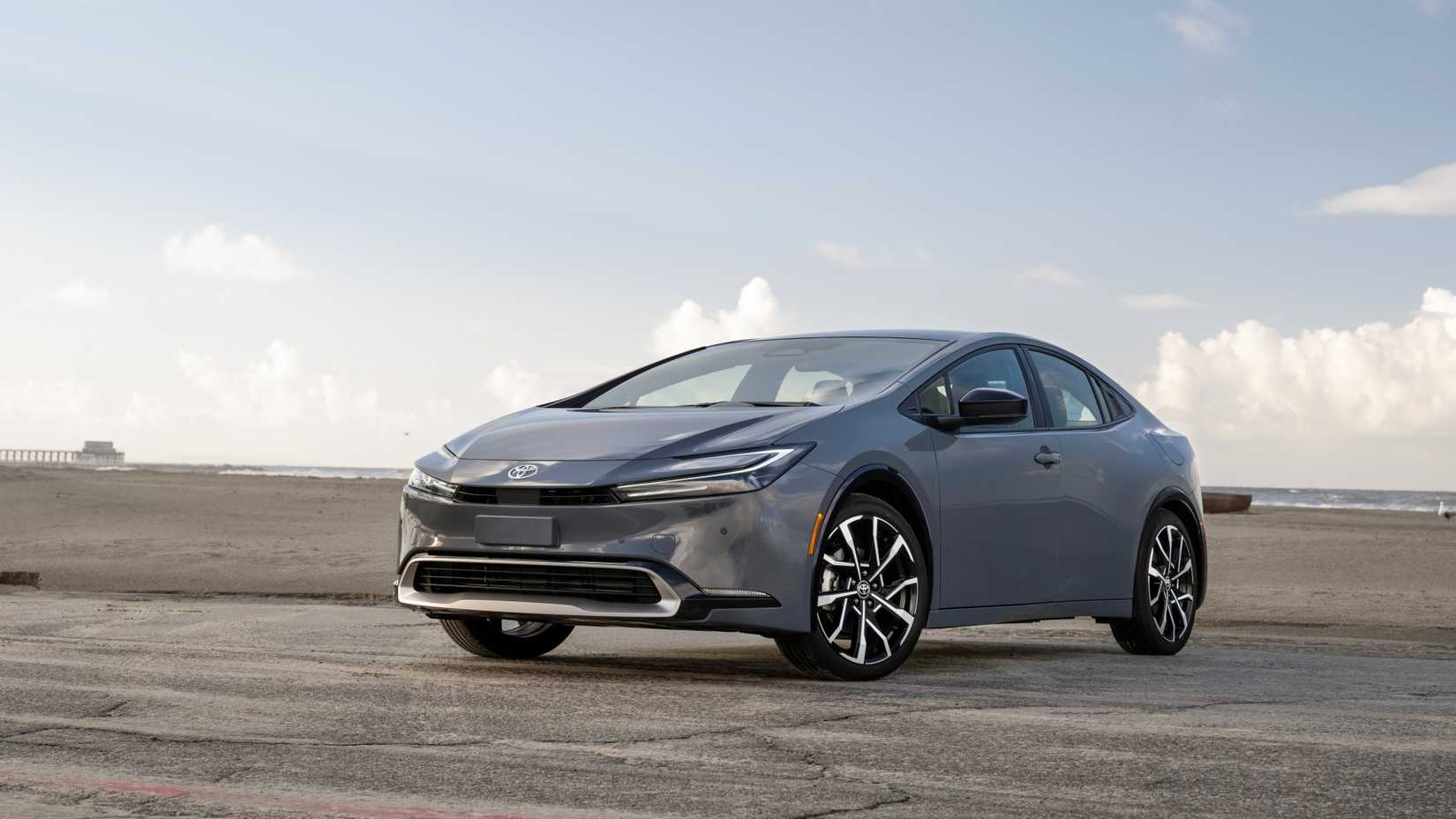
Toyota was the first company to successfully sell cars with an electric motor going to the wheels, albeit with a conventional engine still under the hood. Of course, Toyota did not invent hybrid cars, no more than Tesla invented EVs. However, Toyota was the first company to successfully get them into people’s driveways.
It’s easy to forget how bonkers a hybrid car seemed in 1997. As evidenced by the many years of previous marketing failures, only Toyota could have convinced people that such a complicated car wouldn’t break down. Toyota bypassed the enthusiast community and aimed the first mass-market hybrid directly at commuters and other people who actively avoid popping the hood of their cars. The Prius was almost punitively unimaginative (aside from the novelty powertrain). It was also so successful that no hybrid can escape its shadow. Indeed, automakers often avoid the dreaded “H-word” when advertising hybrid pickups to avoid any association between trucks’ open-bed burliness and the Prius.
Indeed, Toyota’s successful Prius launch may have informed how it entered the then-nonexistent hydrogen market in 2014. As it did with the Prius, the company bypassed the “two doors, two seats, two inches of ride height” purism of car enthusiasts and put a hydrogen fuel system into an otherwise forgettable commuter sedan.
Toyota Launched The Solid-State Revolution
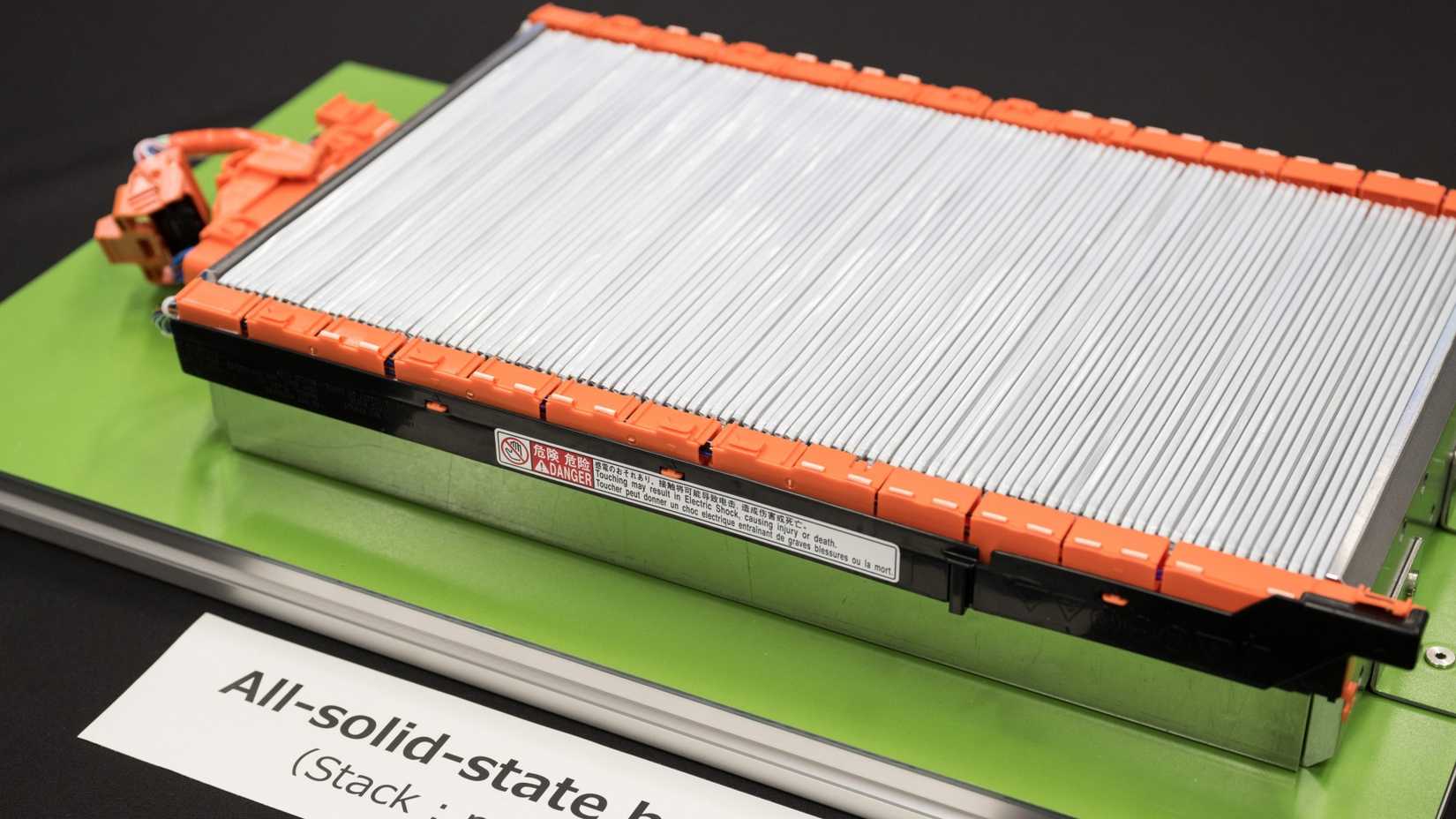
When Toyota first announced it would attempt to produce a solid-state EV battery in 2012, few people (if any) took the news seriously. After all, Toyota had only made a few half-hearted attempts towards EVs before then. But as Toyota got closer to a working prototype, companies throughout the auto industry rushed to develop their own. But for reasons known only to those who can read internal memos, Toyota’s battery development started faltering around this time. Things went from uncertain to unlikely at the 2020 Tokyo Olympics. Toyota had announced that it would have a demonstration battery on display. Despite getting a one-year homework extension when the pandemic delayed the Olympics to 2021, Toyota was absent without comment.
In 2025, the world got definitive proof that Toyota had squandered its lead. Mercedes installed its own solid-state battery into a car and actually drove it. This was the first time anyone had actually bolted a solid-state battery into a car and made it move, a previously insurmountable hurdle despite several billions of dollars of industry spending. Toyota still has the chance to be the first company to get a solid-state battery into production, but it is clear that it is falling behind in its own revolution.
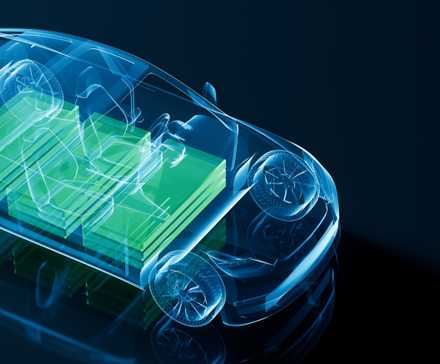
10 Ways Solid State Batteries Will Change EVs Forever
The main benefit of solid-state batteries compared to conventional lithium-ion is they have significantly more energy density.
Hydrogen Is Toyota’s Beloved Pet Project
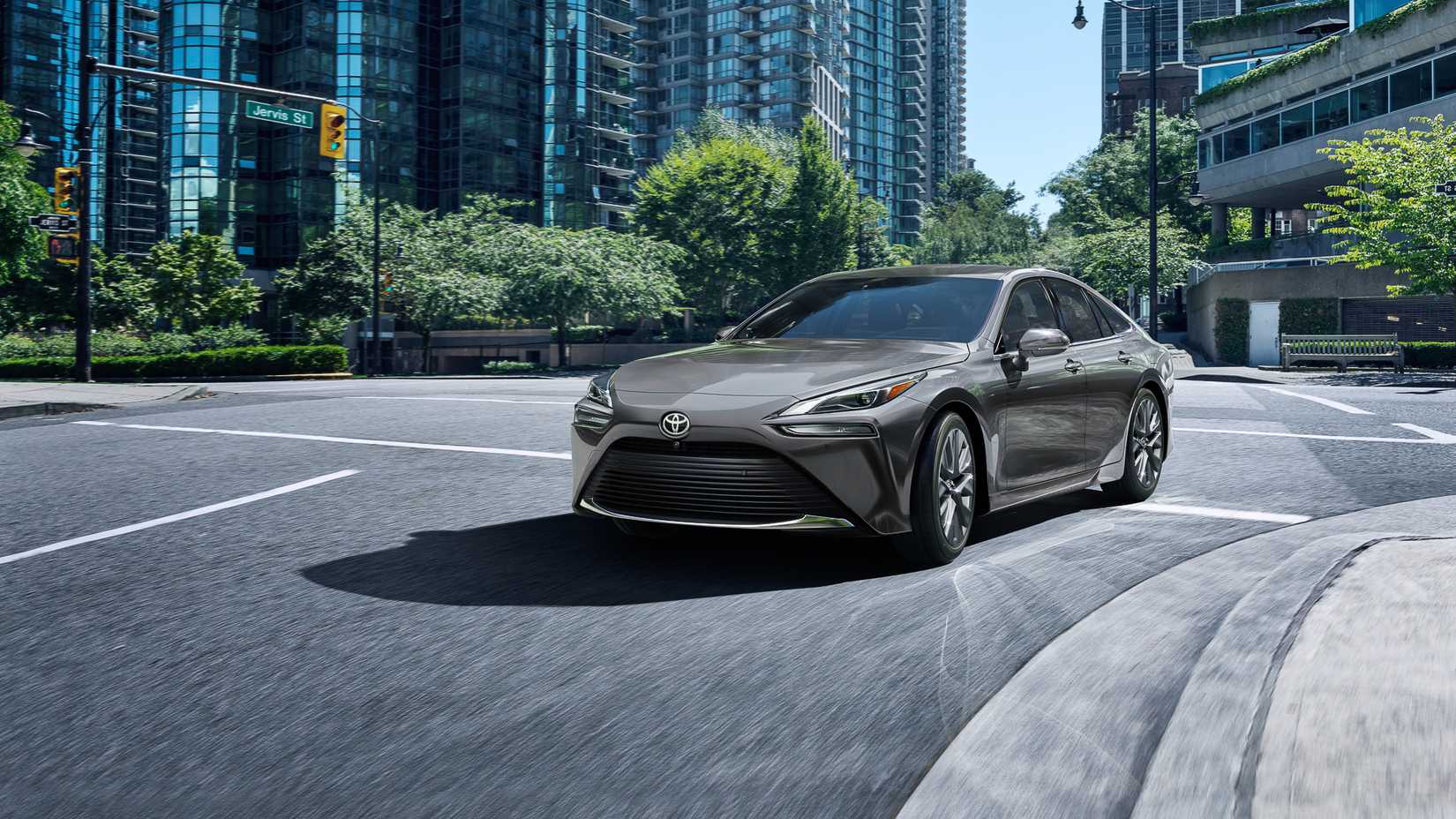
- Toyota didn’t invent hydrogen cars, but it has successfully sold them for over a decade.
- Hydrogen fuel-cell systems might be a good fit for the trucking industry.
It is impossible to avoid mentioning hydrogen cars when discussing Toyota’s EV initiatives. Toyota’s hydrogen-powered Mirai sedan is the company’s longest-running vehicle that is powered solely by an electric motor. Indeed, it is somewhat baffling that Toyota has been hesitant to swap out the Mirai’s hydrogen fuel cell system for a battery. After all, an EV’s motor does not care whether its energy comes from fuel cells or a battery.
However, Toyota has been preparing for the hydrogen-based future of cars, regardless of whether that future actually comes. It’s tempting to say that all of those hypothetical hydrogen distribution networks will never come to be. However, Toyota can afford the financial risk. It is one of the most profitable companies in the automotive industry, regardless of one’s preferred metric.
Toyota Has Been Producing Hydrogen Cars For Over A Decade
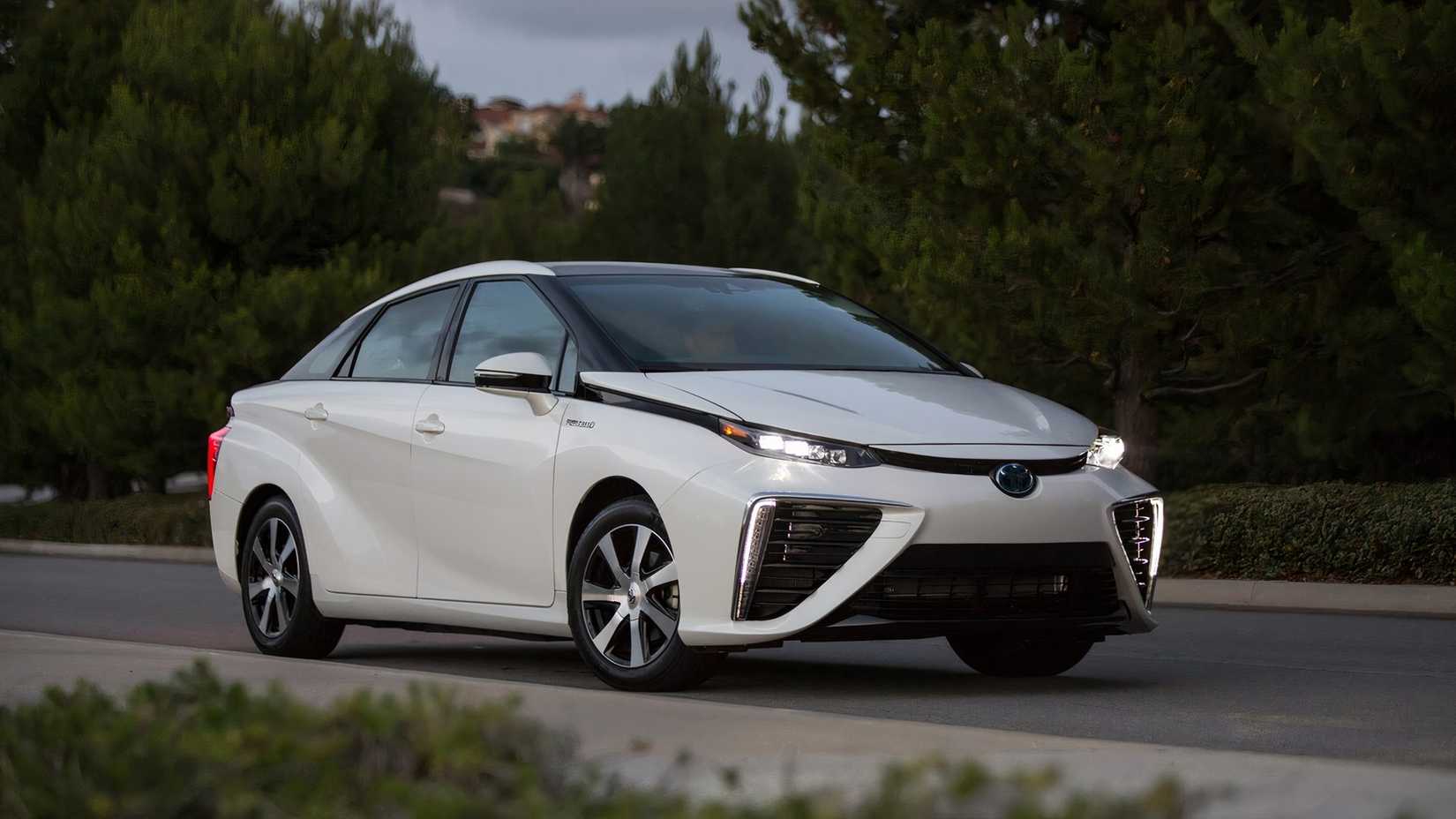
Toyota introduced the Mirai in 2014. Interestingly, Toyota chose not to woo automotive journalists by making its first hydrogen car into a sports coupe. Instead, Toyota aimed its car directly at the commuting public. Aside from the novelty fuel system, it is functionally interchangeable with the Camry.
Of course, the Mirai isn’t Toyota’s first all-electric vehicle. The company offered an all-electric Rav4 at irregular intervals, but production figures were so low that Toyota could have called them “bespoke.” (The company currently offers a plug-in hybrid Rav4 instead of an EV.)
Is Hydrogen The Future Of Trucking?
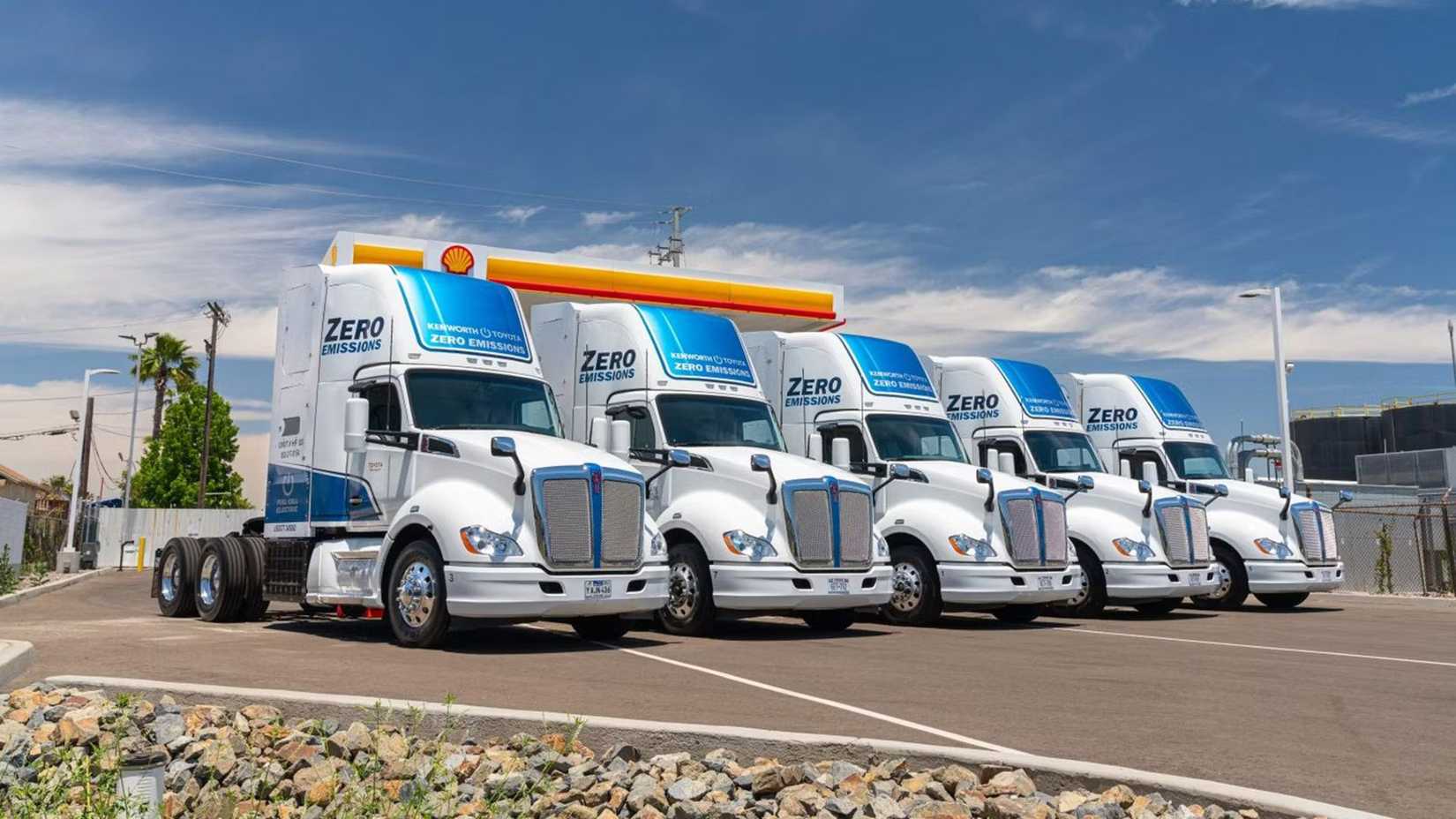
Although the Mirai is Toyota’s only hydrogen model in production, the company has been planning for a bigger future— both in terms of market reach and gross tonnage. The company has been looking to bring hydrogen to the trucking industry, and has made a working prototype.
The company essentially installed two Mirai powertrains in a Kenworth truck. (This was easier than putting multiple engines under one hood because electric motors don’t have a long list of delicately-timed parts to synchronize.) Trucking may be a better fit for hydrogen than domestic passenger vehicles. So the sales pitch goes, hydrogen fuel cells are far lighter than the batteries a commercial truck requires. Additionally, it would be easier to establish a hydrogen fueling network for a trucking company than to put hydrogen stations in every city and small town.
The Current Status Of Toyota’s Solid State Battery Development
Toyota confirms plans to introduce solid-state batteries as soon as 2027 with up to 745 miles of range.
Cars On The Bleeding Edge Love To Break Down
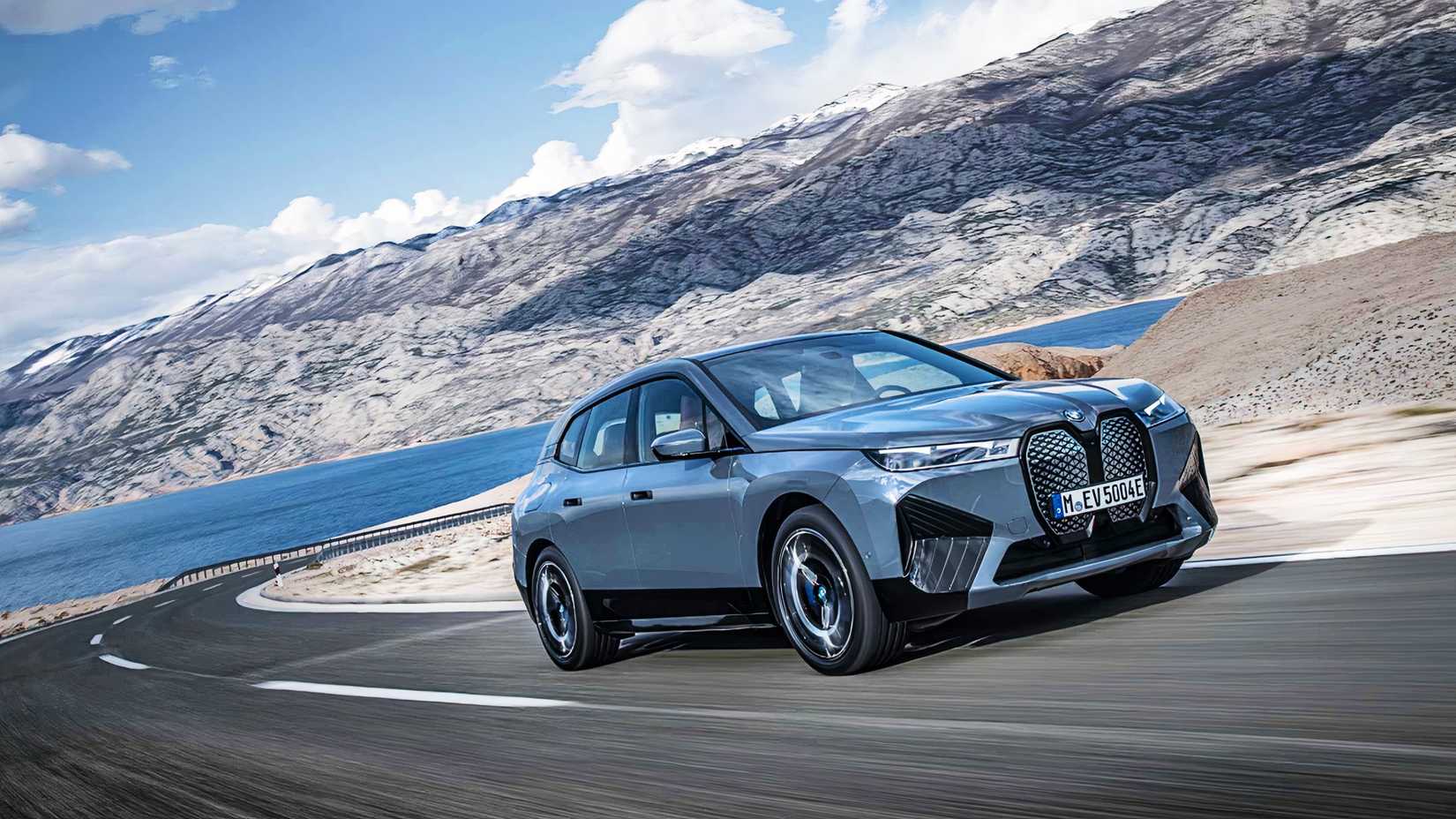
Toyota’s own history may explain why its batteries have taken so long. Toyota’s biggest asset is its reliability. A Chevrolet Equinox crossing the 200,000-mile line is a miracle, but a Toyota Camry doing the same is barely noteworthy. Because of Toyota’s well-earned reputation for cars that routinely last longer than 200,000 miles, Toyota has been able to sell more cars than nearly every other company in the industry with far less advertising.
Toyota Might Be The Only Company To Get Respect For Ordinary Cars
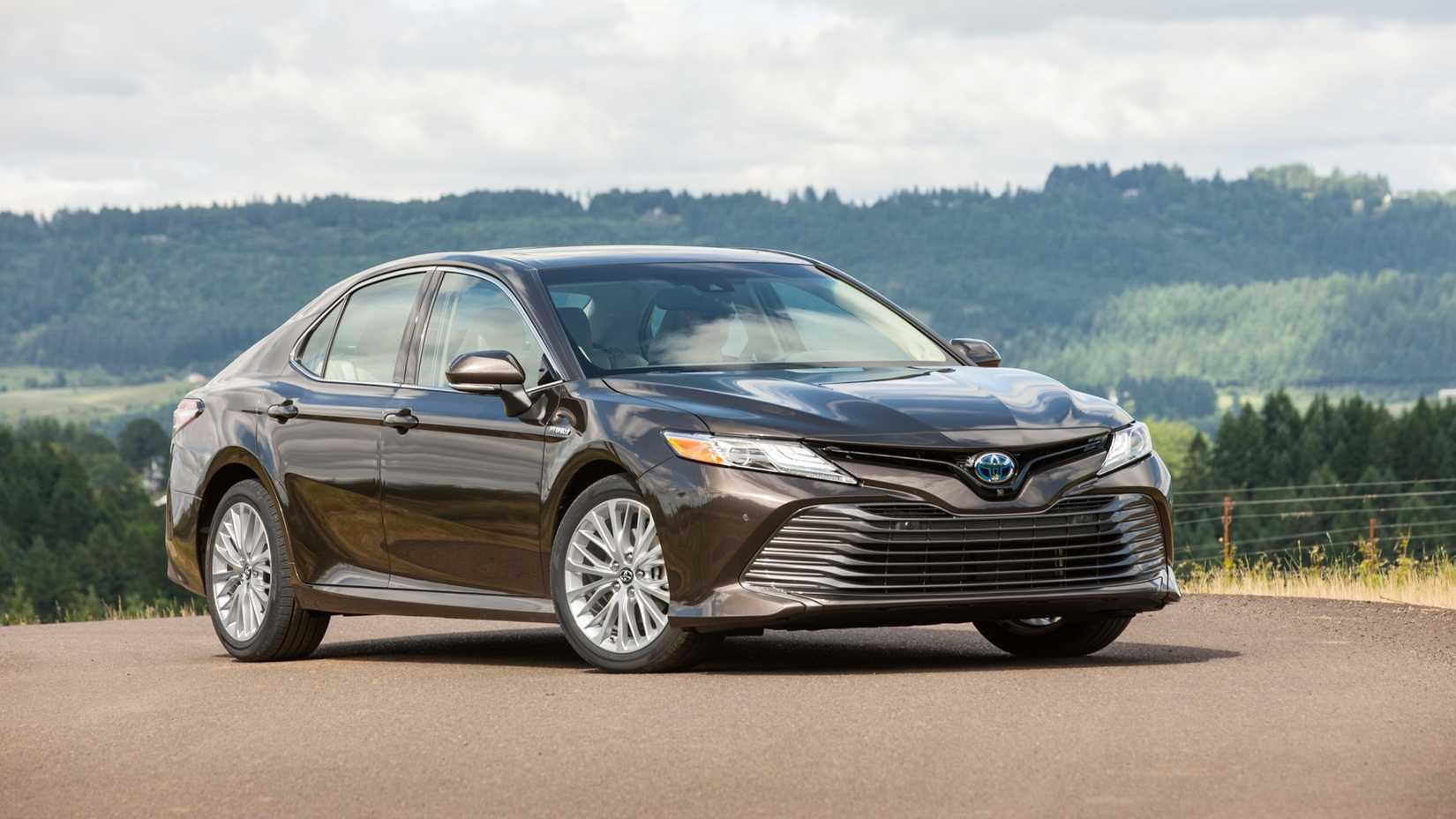
Toyota owners tend to hold their cars to a higher standard than other companies. People who drive supercars or so-called “exotic cars” tend to treat frequent problems as part of the ownership experience. This is especially true for cars that are designed more for track days than for public roads. But Toyota owners often consider selling a car if it needs more than two repairs in one year (maintenance excepted).
Toyota is perhaps the only company in the auto industry that gets respect from the car community for such boring vehicles. Usually, a car needs to either be ultra-luxurious or superfluously powerful before car experts lose their contempt. In short, Toyota’s mundane mainstays like the Corolla and Camry get respect that similarly unremarkable cars from other companies will never get.
Toyota’s Batteries May Be A Long Time Coming, But They Will Never Break Down Once They’re Here
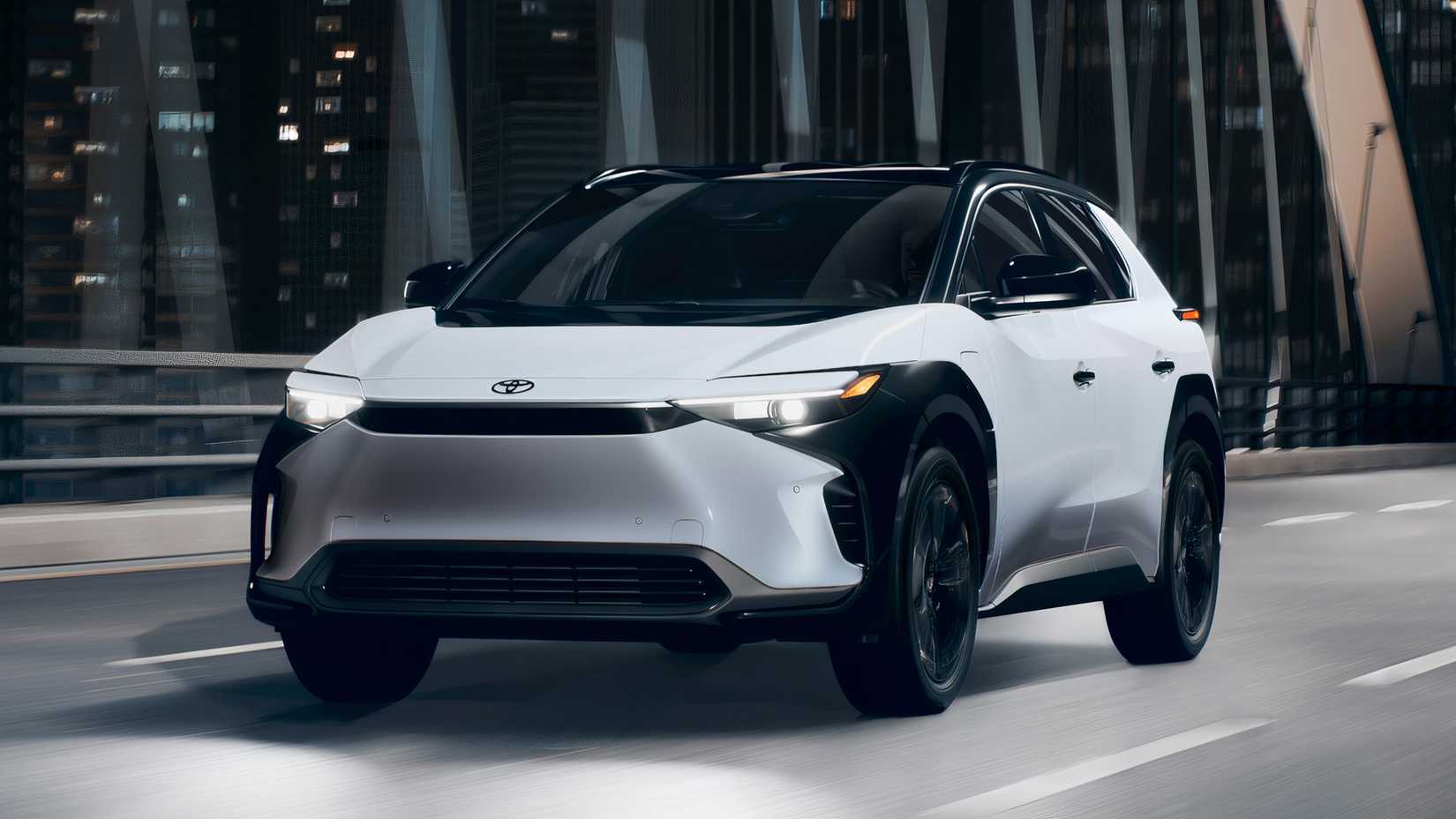
This is only possible because Toyota never rushes a design out the door. Every aspect of Toyota’s vehicles is thoroughly tested, regardless of how long it takes. Other car companies might shove a faulty design out the door, such as Ford’s dual-clutch PowerShift transmission that led to a class-action lawsuit and a manufacturer buyback. However, Toyota does not disrespect its customers like this. By the time Toyota allows a new design to go into production, it is ready for the road. This includes its solid-state battery, which is expected to be on dealer lots by 2027 or 2028. Toyota respects its customers too much to use them as unwitting beta testers, no matter how long development takes.