
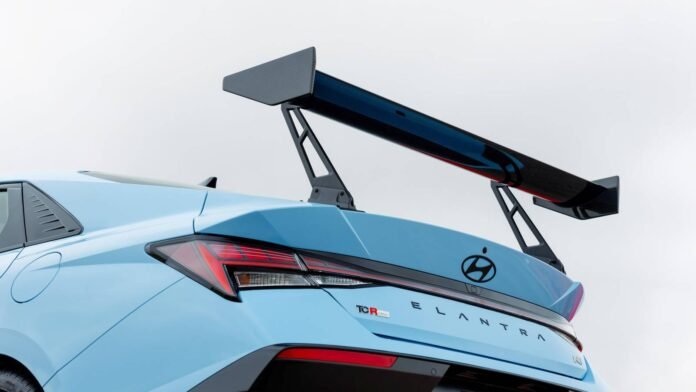
Buying a new vehicle from any brand can be a bit of a challenge. From insurance costs to financing options, there are different rules for different makes, and they don’t all make total sense straight away. One of the trickiest things to get your head around, though, is what is and isn’t included in warranty agreements. Sometimes, it is not clearly spelled out what you get from each brand’s new vehicle warranty.
Hyundai is often described as the brand with the best warranty for new vehicles in the U.S.A., with a generous long-term powertrain warranty and limited warranties. But what exactly do you get with a Hyundai warranty? What is included and what is not included? This guide to Hyundai warranty is the only one you will need; we have created a complete outline of exactly what you get from Hyundai in terms of warranty when you buy from them, what isn’t included, how warranty limitations affect you, and which vehicles it applies to.
Understanding Hyundai Warranty Coverage
Hyundai’s warranty program is one of the most generous in the U.S.A., especially when it comes to new vehicle warranty coverage. Every new Hyundai comes with Hyundai Assurance, which includes multiple layers of protection to give you greater confidence when driving compared to what some competitors offer.
At the core of Hyundai’s warranty offering is the Hyundai new car warranty, officially known as the New Vehicle Limited Warranty, which covers repair or replacement of most components that are defective due to material or factory construction under normal use. Plus, you get Powertrain Limited Warranty, 24-Hour Roadside Assistance, and Anti-Perforation Warranty, meaning that a lot of components are covered under normal usage from the start.
Hyundai New Car Warranty And Bumper-To-Bumper Protection
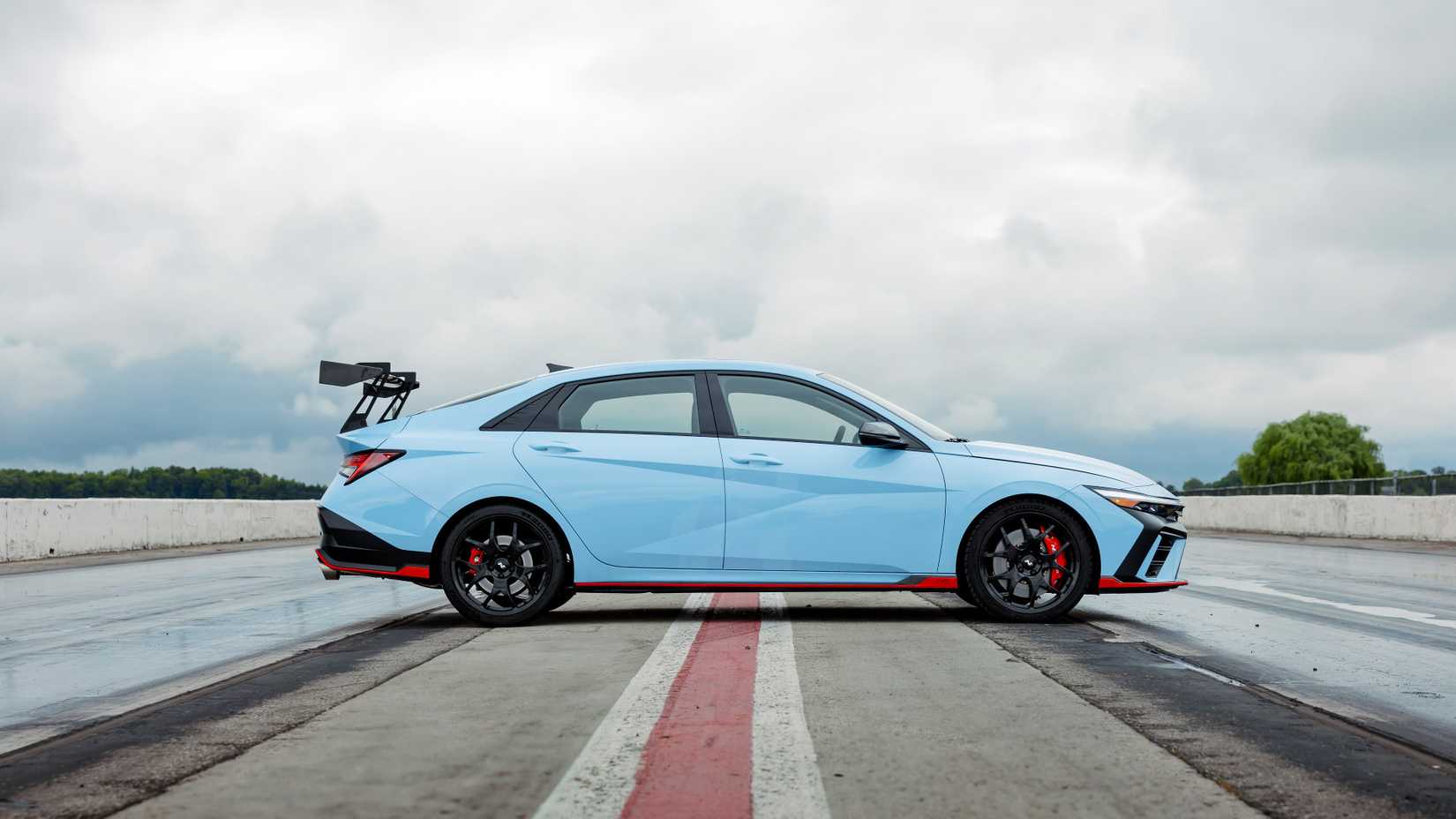
When you buy a new Hyundai model, the foundation of warranty coverage is the New Vehicle Limited Warranty. This coverage applies for five years or 60,000 miles (whichever comes first) and protects your new vehicle against defects in materials or factory problems for most components bumper-to-bumper. This warranty coverage has been added by Hyundai to give you peace of mind in the early years of ownership, when a lot of unexpected issues can crop up.
Under this warranty, Hyundai covers a good number of components and parts, including:
- Mechanical & Electrical Components. Parts include the engine, transmission, onboard computers, sensors, and control modules.
- Interior Technology & Cabin Features. Factory-installed parts like radio/audio/navigation systems, Bluetooth connectivity, and climate controls are covered.
- 12-Volt Battery. Covered for the first three years or 36,000 miles.
- Accessories installed at time of purchase.
It is clear that Hyundai backs its new vehicles for dependability, and we can see why. According to the 2025 U.S. Initial Quality Survey (IQS), Hyundai is currently ranked third for the fewest problems per 100 vehicles (PP100). The market average currently sits at 192 PP100. Hyundai has a reported 173 PP100, just behind Nissan and Lexus (169 and 166 PP100, respectively).
Powertrain Coverage And What The Hyundai Warranty Includes
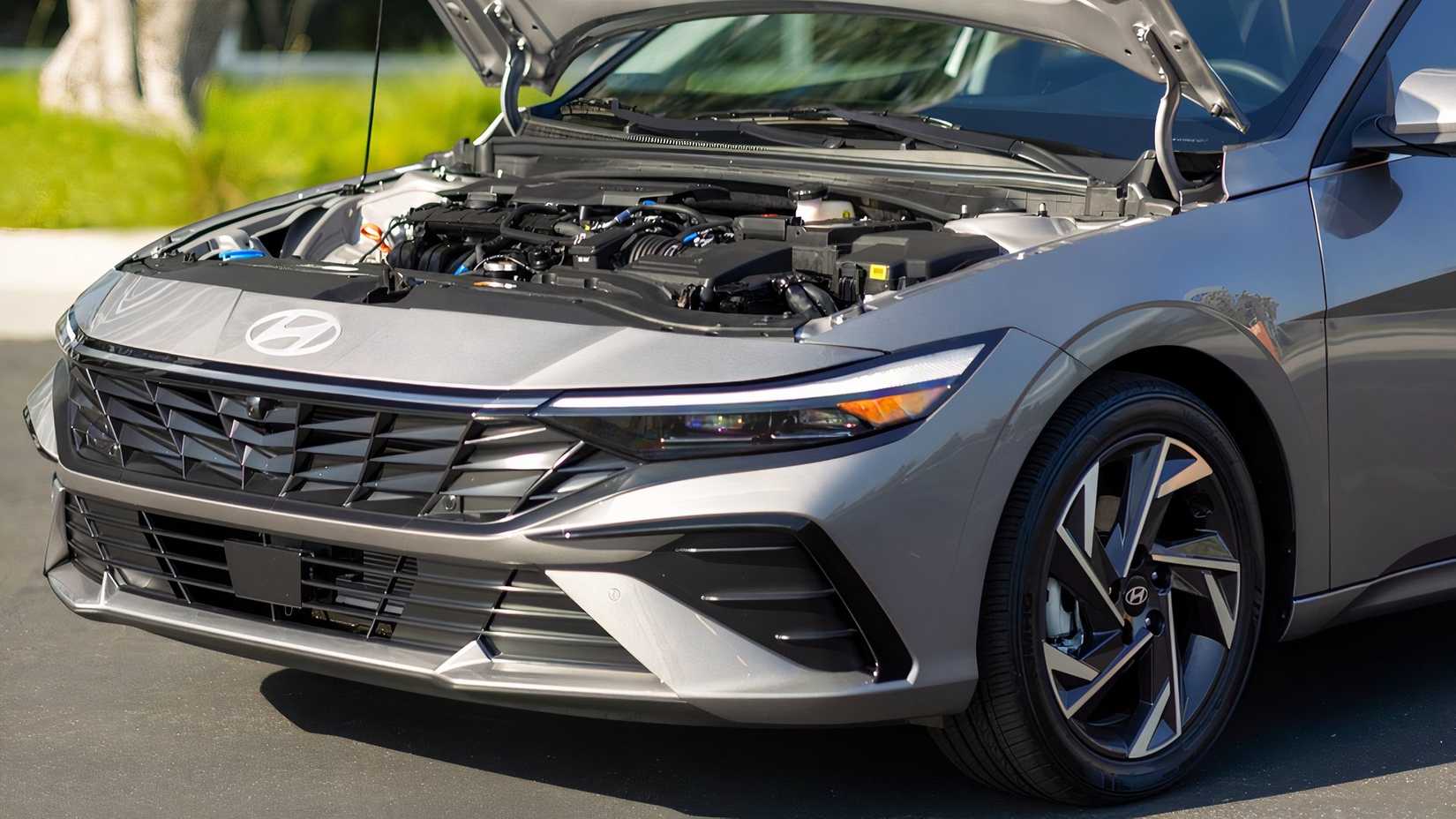
The new Hyundai warranty package is often described as America’s best warranty, and we can see why. The centerpiece element of the warranty coverage is the Powertrain Limited Warranty. This warranty protects essential components such as the engine, transmission, and transaxle against defects in material for 10 years or 100,000 miles, a longer term than most of its rivals. For example, Honda’s standard powertrain warranty is for just 5 years and 60,000 miles.
Alongside the powertrain and bumper-to-bumper protection, Hyundai adds several other coverage layers under its factory warranty umbrella, which include:
- Anti-Perforation Warranty – 7 Years/Unlimited Mileage. Covers against body panel perforation due to manufacturing defects.
- 24-Hour Roadside Assistance – 5 Years/Unlimited Miles. 24/7 support for common roadside issues like flat tires or getting locked out.
- Replacement Parts & Accessories Limited Warranty – 12 Months/12,000 Miles. Covers genuine parts and accessories not installed by a dealer.
- Emissions Warranty Coverage. Covers federal and state emission warranties, such as the 8-year/80,000-mile Federal Emission Defect and Performance Warranty, and the 7-year/70,000-mile California Emissions Control Systems Warranty.
Original owners of hybrids and EVs are likewise covered for 10 years or 100,000 miles of high-voltage battery usage.

Hyundai Working To Improve Child Safety, Both In Cars And As Pedestrians
There are real dangers both inside vehicles and out, and this program aims to address them.
What Is Not Covered Under The Hyundai Warranty

While Hyundai’s warranty coverage is robust and viewed as one of the best, it is important to note that not everything is covered. Like most manufacturers’ warranties, it protects against defects and failures, not routine wear and tear or maintenance.
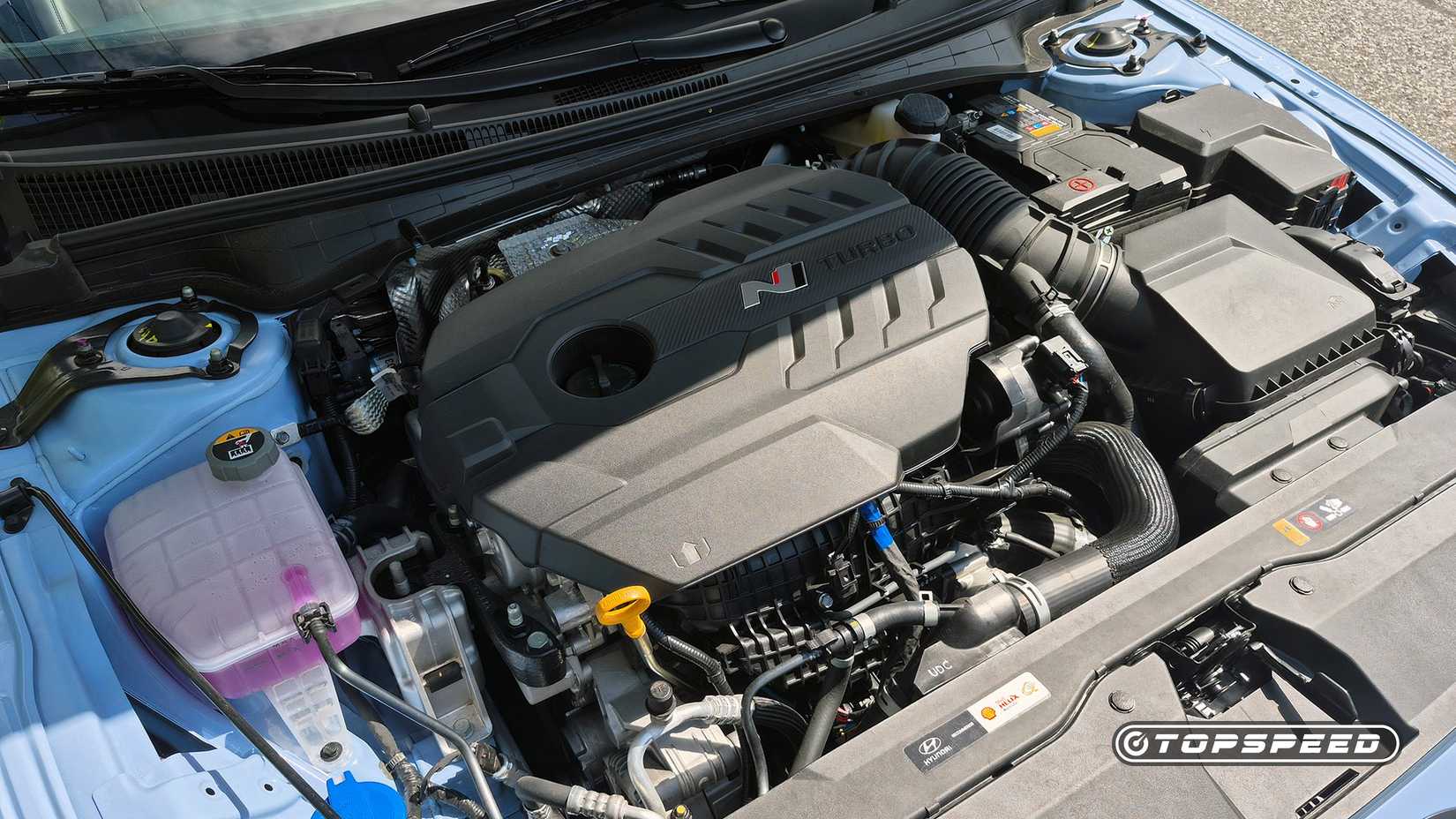
Cosmetic issues that don’t affect function, like minor scratches or finish imperfections, are usually not covered either. Similarly, damage from accidents, collisions, misuse, neglect, or lack of proper maintenance won’t be covered by the standard warranty. You can’t buy a new Hyundai Elantra N, spin it into a barrier on the track, and then expect Hyundai to cover it.
Maintenance Items And Wear-And-Tear Exclusions
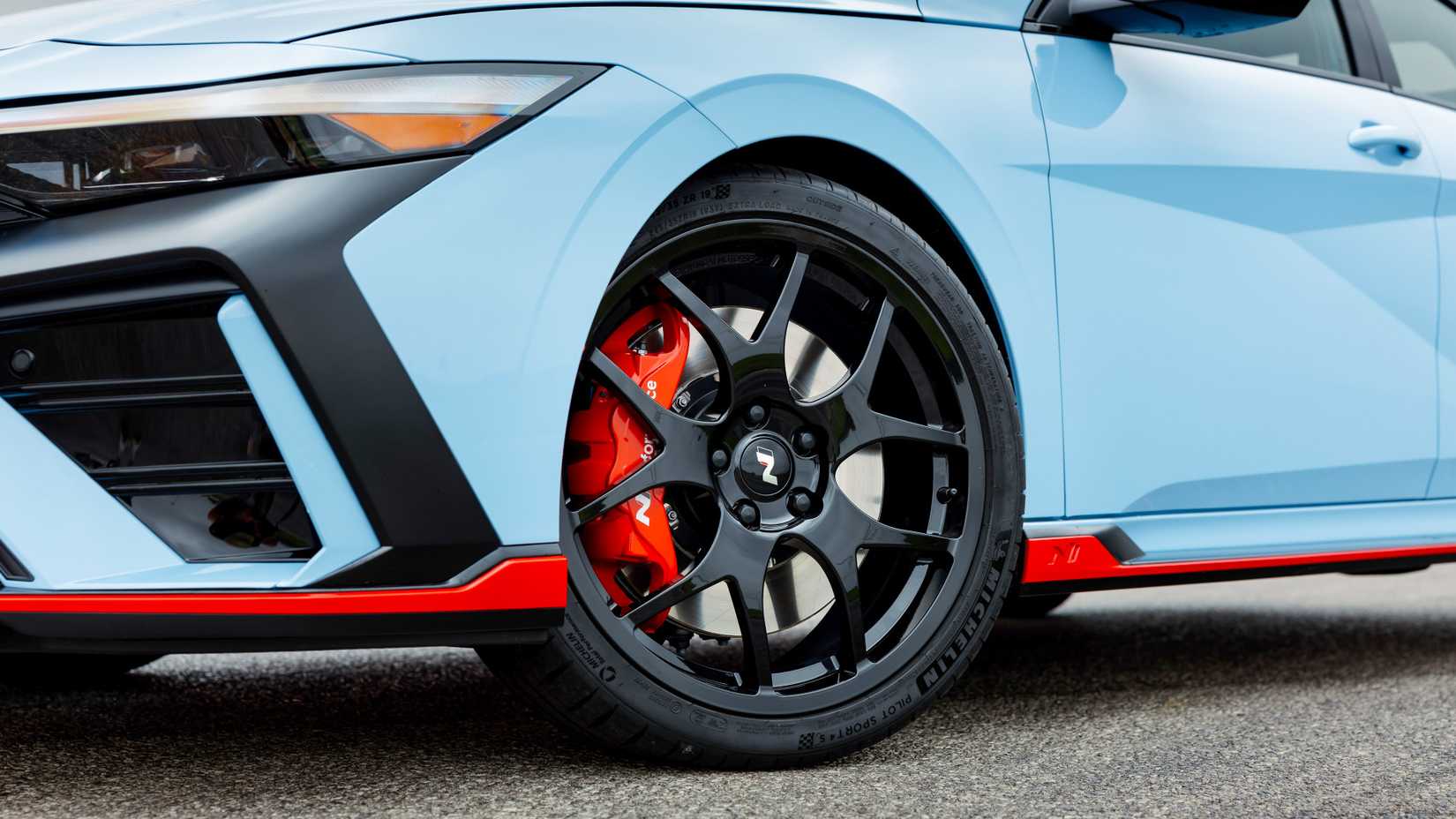
It is important to distinguish what is warranty-protected and what is your responsibility. The New Vehicle Limited Warranty and Powertrain Limited Warranty cover failures due to defects, not items that need to be replaced over time due to usage.
Routine maintenance tasks such as engine oil and filter changes, brake pad and rotor replacement, tire rotations, coolant and fluid refreshes, and suspension inspections are your responsibility, and are not covered by the standard warranty. These kinds of jobs are considered part of normal vehicle upkeep rather than unexpected failures.

Wear-and-tear exclusion extends to items that degrade with everyday use, including wiper blades, light bulbs, tires, windshield washer nozzles, belts, and hoses. Even components with their own specific coverage, like hybrid or EV high-voltage batteries and air conditioning, may have degradable parts that are considered wear-and-tear items that are likely to be left out of Hyundai warranty coverage.
Situations That Can Void Your Hyundai Warranty
If you buy a new Hyundai model that comes with their warranty package, there is no doubt that it is generous, but it does assume that you keep your vehicle maintained, used, and repaired in accordance with Hyundai’s specs. Certain things you do and circumstances can void part or all of your warranty coverage. These common reasons include:
- Failure to follow scheduled maintenance. Skipping oil changes, coolant flushes, and brake inspections can result in denied warranty claims for related failures.
- Use of improper fluid or parts. Using non-Hyundai-approved engine oil, transmission fluid, coolant, or aftermarket parts that alter performance can void warranty coverage.
- Unauthorized modifications or alterations. Installing lift kits, non-factory tuning software, or aftermarket performance parts that modify the suspension, transmission, or engine performance can void Hyundai’s warranty.
- Accident or collision damage. Any defect resulting from a crash or off-road abuse is excluded from warranty coverage.
- Neglect or abuse. Intentional misuse, overloading your vehicle beyond Hyundai’s recommended towing or carrying capacities, racing, or driving it outside recommended usage conditions can invalidate the warranty coverage.
- Environmental damage. If your vehicle suffers corrosion caused by improper storage, flood damage, or exposure to extreme weather outside normal driving, it won’t be covered.
If you want to make a warranty claim with Hyundai, they may request service records and proof of proper maintenance to confirm that repairs or failures are eligible for coverage, and that you are upholding your end of the deal. Remember, warranty coverage, even a generous one like Hyundai’s, is an agreement between two parties (you and them), not a gift.
Are Kia And Hyundai The Same Company?
It’s commonly thought that the two brands – marketed as independent of each other – are actually one and the same: here’s what you need to know.
Hyundai Extended Warranty Options Explained
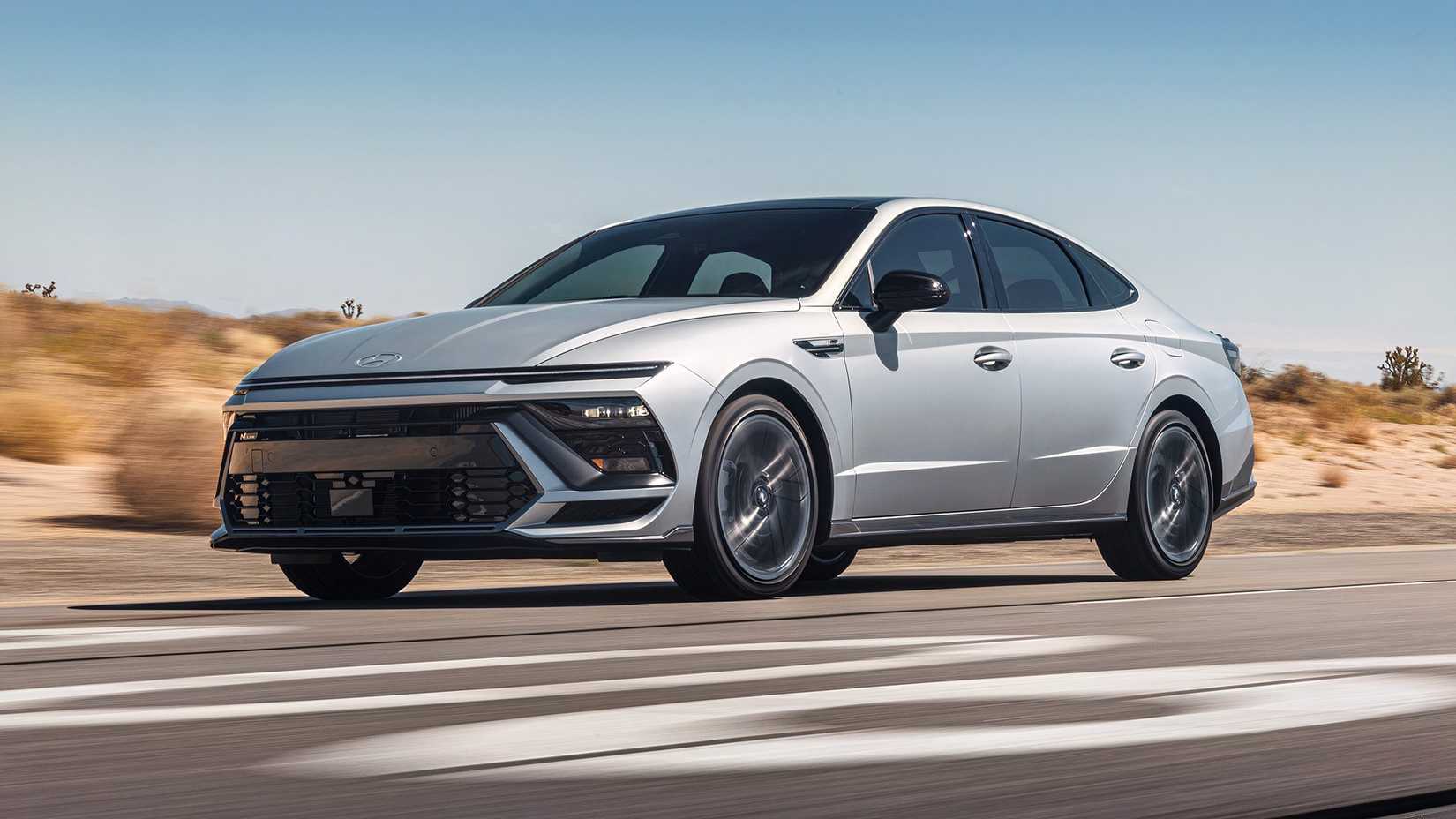
For new Hyundai models, the Hyundai new car warranty is relatively simple and lasts a fair while, but when it is nearing expiration, you might want to look at adding an optional Hyundai extended warranty through what Hyundai calls the Protection Plan Vehicle Service Contract (VSC).
This vehicle service contract is offered by Hyundai dealers and is there to extend protection beyond the original factory warranty, helping to keep some repair and mechanical jobs in check after the factory warranty expires. Unlike the complimentary factory warranty, the extended Hyundai warranty is optional and has to be purchased while your vehicle still has enough factory warranty remaining.
What The Hyundai Extended Warranty Covers
Hyundai’s extended warranty options generally come in three tiers: Powertrain, Gold, and Platinum. Each tier offers progressively more protection, from powertrain components all the way up to comprehensive protection for a lot of the systems in your Hyundai. The extended Hyundai Protection Plan VSC tiers and what each covers are as follows:
- Powertrain Plan. Focuses on core components that keep your vehicle moving, like the engine, drive axle, and transmission.
- Gold Plan. Expands on the Powertrain Plan and includes systems such as climate control, fuel delivery, electrical, and suspension.
- Platinum Plan. The most all-encompassing plan. It covers most parts of the vehicle except for components not implicitly included in the contract at the time of purchasing it. This typically includes steering, brakes, CV boots, and high-tech electronics.
Alongside the mechanical coverage, many Hyundai extended warranty plans include additional benefits for you, such as 24/7 roadside assistance, rental car reimbursement, and trip interruption coverage.
Hyundai Extended Warranty Cost And Long-Term Value

The cost of the Hyundai extended warranty, officially the Hyundai Protection Plan Vehicle Service Contract, depends on the coverage you want, the vehicle’s age and mileage, and the length of the contract you want. Pricing varies by dealer, but they tend to cost several thousand dollars, with the Platinum coverage costing the most.
Typically, purchasing coverage while your Hyundai is still under Hyundai new car warranty status will mean lower pricing and more flexible options. Long-term value-wise, you should think about how long you plan to keep hold of it, and your tolerance for unexpected repair costs. With a Hyundai, you should be relatively confident, as CarEdge says it will cost, on average, just over $7,000 to maintain a Hyundai over 10 years. This makes it cheaper than brands like Subaru ($7,291) and Kia ($7,321).
However, the extended coverage can offset expensive repairs to high-tech electronics, suspension systems, or climate control components after the factory Hyundai warranty expires. If you plan to keep a Hyundai longer than the original warranty period, a Protection Plan can help you work out ownership costs and may even increase resale appeal.
Kia’s Famous Warranty Isn’t What You Think
Kia’s warranty has been a major part of the brand’s value proposition, but is it really as good as it seems?
How To Complete A Hyundai Warranty Check
Doing a Hyundai warranty check is a useful thing to do as an owner and as a buyer of a Hyundai vehicle, because it tells you exactly what warranty protections are still active on your vehicle. Hyundai provides several ways to check your warranty, either by using your vehicle identification number (VIN), which is the 17-character code unique to your vehicle, or by contacting them.
The simplest way to check is by using the online tool that allows you to enter your VIN. However, if, for any reason, Hyundai’s online tool doesn’t work, you can call the Hyundai customer support line or visit an authorized Hyundai dealer.
How To Check Hyundai Warranty By VIN
A Hyundai warranty check by VIN is the most accurate way to confirm coverage details, expiration dates, and what aspects of the warranty are still active. To do this, find your VIN, which is usually on the driver’s side dashboard near the windshield or on your vehicle registration, and then visit Hyundai’s U.S. warranty page. There, you’ll find a field where you can enter the VIN to confirm current factory warranty data.
Once submitted, the system will show the warranty start and end dates, remaining mileage or time left on active coverage, and which specific warranties still apply to your vehicle. This includes how long you have left for roadside assistance, anti-perforation, emissions coverage, and hybrid/EV battery protection.
Hyundai Warranty Transfer And Ownership Changes
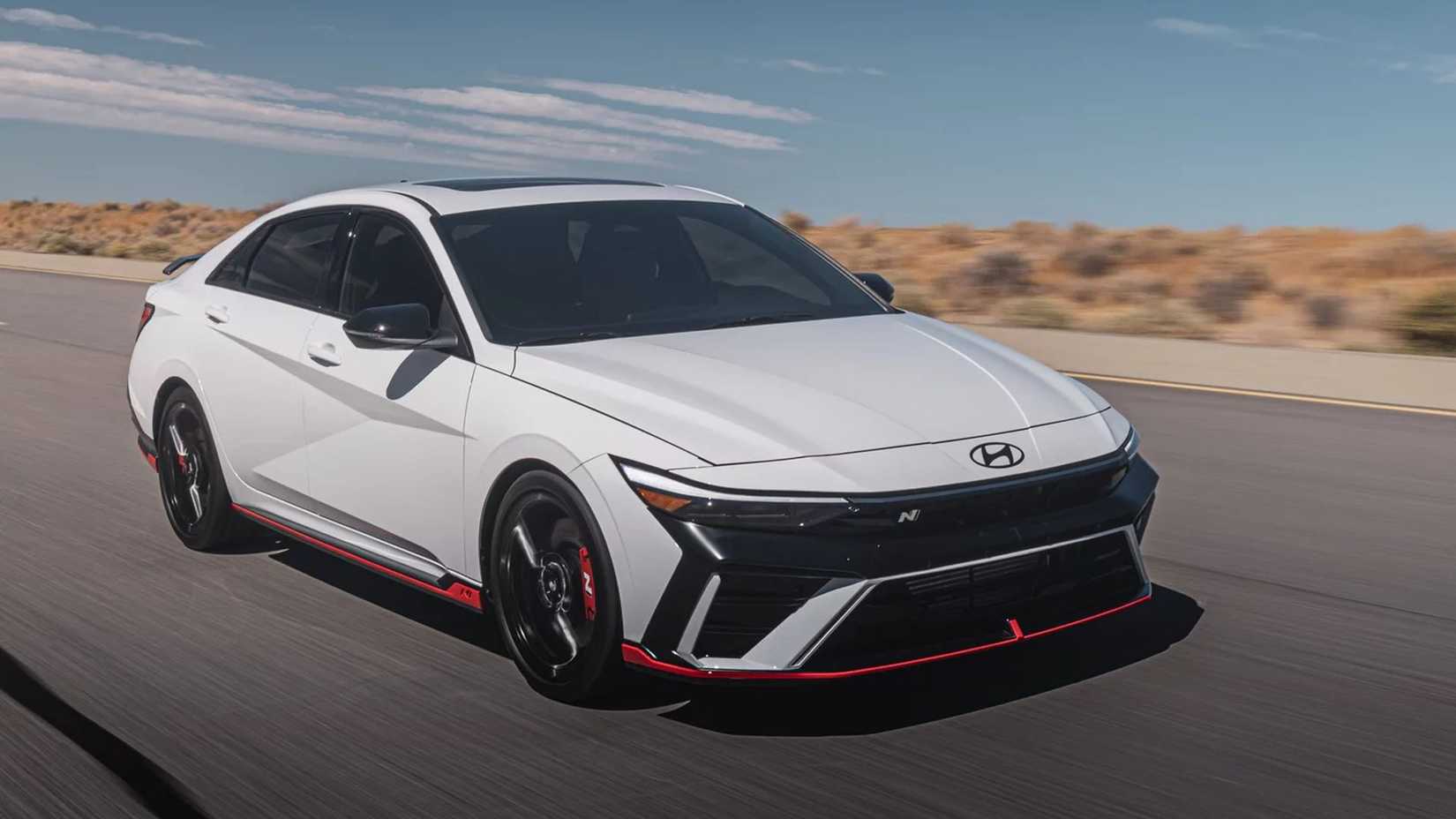
What about if you buy a nearly new Hyundai, though? Understanding how warranty coverage transfers when a Hyundai changes hands is crucial. In most cases, the factory Hyundai warranty coverage that’s still valid at the time of sale transfers with the vehicle to the new owner.
According to official Hyundai procedure, warranties like the New Vehicle Limited Warranty and other remaining factory protections continue to apply as long as they haven’t expired. You don’t usually have to do anything formal for this transfer; the warranty stays with the vehicle rather than the original owner. However, you should update the ownership details with Hyundai through your MyHyundai account. This just keeps things clean and simple if you need to claim on warranty or use roadside assistance.
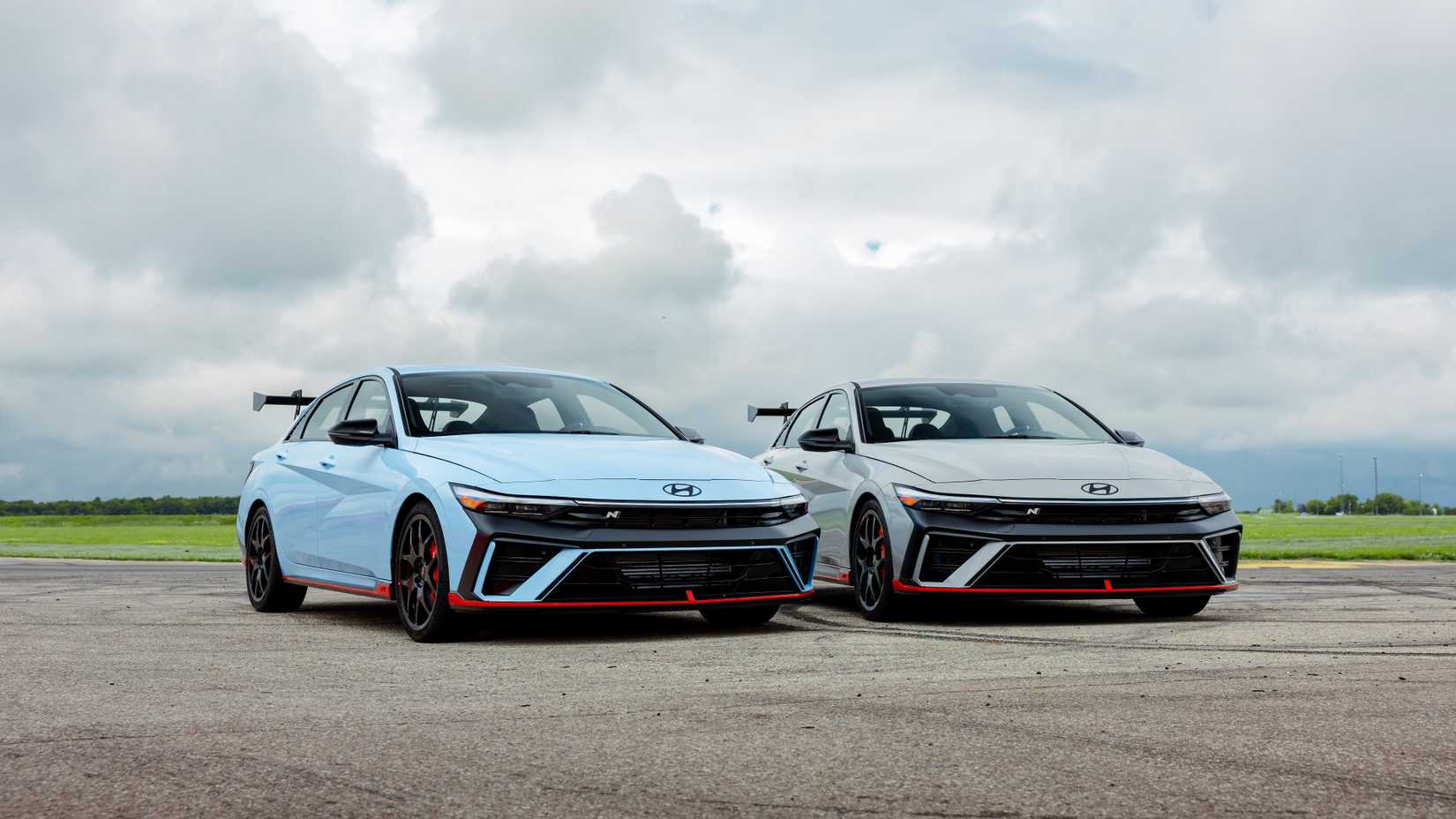
It is important to note that the Powertrain Limited Warranty for the original owner can sometimes be subject to specific terms for new owners, depending on the model year and exact warranty agreement. Most importantly, while the Powertrain Limited Warranty does transfer to a new owner, it is capped at 5 years or 60,000 miles. Buying a used Hyundai model of certain years can still be protected by Hyundai, so alongside their bulletproof reliability reputation, you get some backing from the brand.
10 Reliable Cars That Make Great Daily Drivers For 2025
Are there any good cars left? These ten reliable cars can be great daily drivers and are part of the 2025 model year lineup.
2026 Hyundai Lineup And Standard Warranty Coverage
This year’s Hyundai lineup is an extensive one; they offer sedans, crossovers, SUVs, pickup trucks, ICE models, hybrids, and EVs. If you are looking for a typically well-priced and useful new vehicle, Hyundai is likely to offer something that fits your needs.
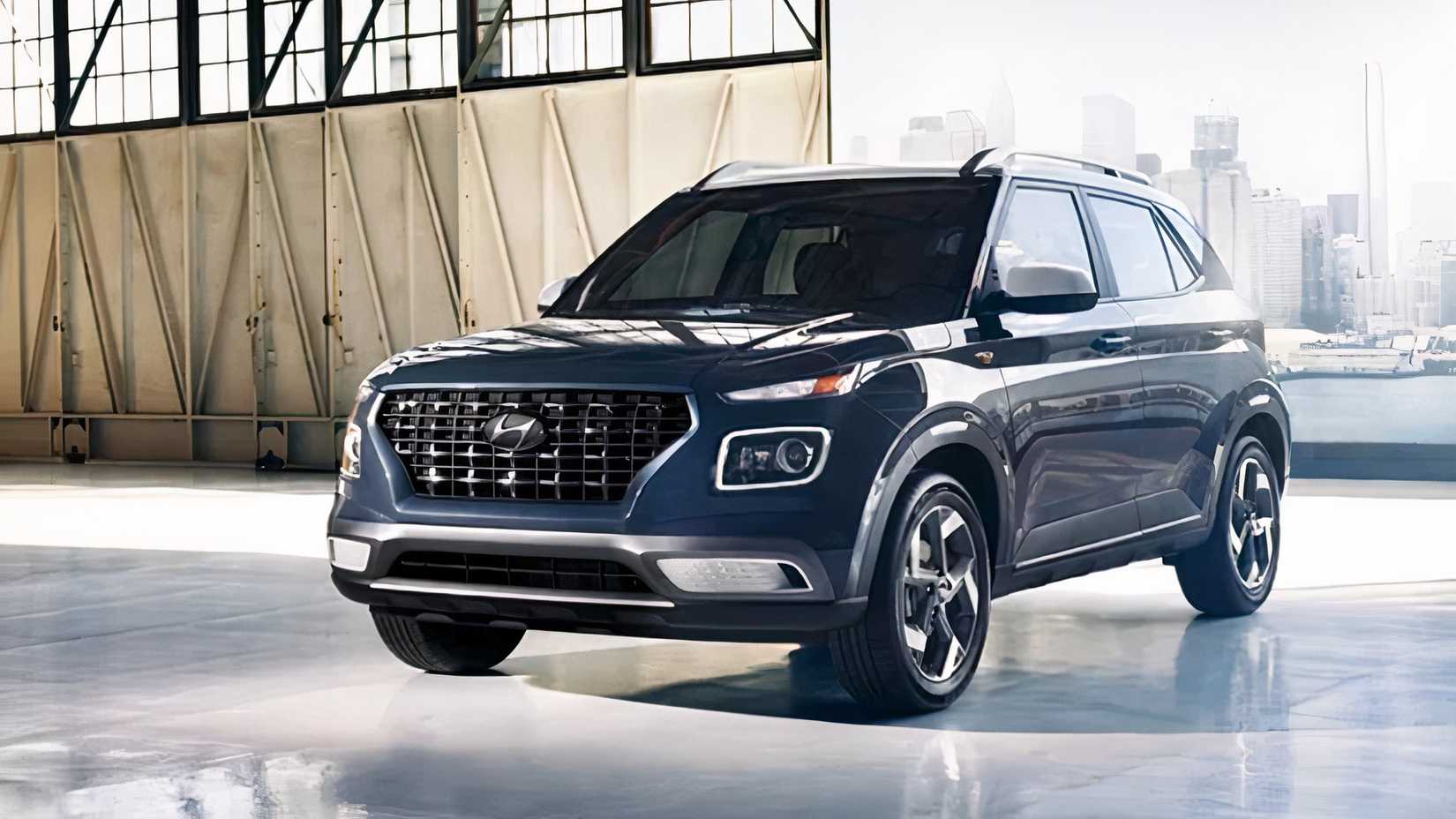
The lowest-priced 2026 Hyundai is the 2026 Hyundai Venue, which has an MSRP of $20,550, while the most expensive new Hyundai is the 2026 Hyundai Ioniq 5 N, which has an MSRP of $66,200. Regardless of what you go for, though, you do get one of the most generous new warranty lineups for new vehicles in 2026.
2026 Hyundai Sedan Lineup
|
Model |
MSRP |
Segment |
|---|---|---|
|
2026 Hyundai Elantra |
$22,625 |
Compact Sedan |
|
2026 Hyundai Elantra Hybrid |
$25,450 |
Compact Hybrid Sedan |
|
2026 Hyundai Sonata |
$27,450 |
Mid-Sized Sedan |
|
2026 Hyundai Sonata Hybrid |
$29,200 |
Mid-Sized Hybrid Sedan |
|
2026 Hyundai Elantra N |
$35,100 |
Performance Sedan |
2026 Hyundai SUV, Crossover & Pickup Truck Lineup
|
Model |
MSRP |
Segment |
|---|---|---|
|
2026 Hyundai Venue |
$20,550 |
Compact SUV |
|
2026 Hyundai Kona |
$25,550 |
Compact SUV |
|
2026 Hyundai Tucson |
$29,450 |
Compact SUV |
|
2026 Hyundai Santa Cruz |
$29,750 |
Small Pickup Truck |
|
2026 Hyundai Tucson Hybrid |
$32,450 |
Compact Hybrid SUV |
|
2026 Hyundai Tucson PHEV |
$39,730 |
Compact PHEV SUV |
|
2026 Hyundai Santa Fe |
$35,050 |
Three-Row SUV |
|
2026 Hyundai Santa Fe Hybrid |
$36,400 |
Three-Row Hybrid SUV |
|
2026 Hyundai Palisade |
$39,435 |
Three-Row SUV |
|
2026 Hyundai Palisade Hybrid |
$44,160 |
Three-Row Hybrid SUV |
2026 Hyundai EV Lineup
|
Model |
MSRP |
Segment |
|---|---|---|
|
2026 Hyundai Kona Electric |
$32,975 |
Electric SUV |
|
2026 Hyundai Ioniq 5 |
$35,000 |
Electric SUV |
|
2026 Hyundai Ioniq 6 |
$37,850 |
Electric Sedan |
|
2026 Hyundai Ioniq 9 |
$58,955 |
Electric SUV |
|
2026 Hyundai Ioniq 5 N |
$66,200 |
Electric Performance SUV |
Sources: Hyundai, J.D. Power, and CarEdge.