
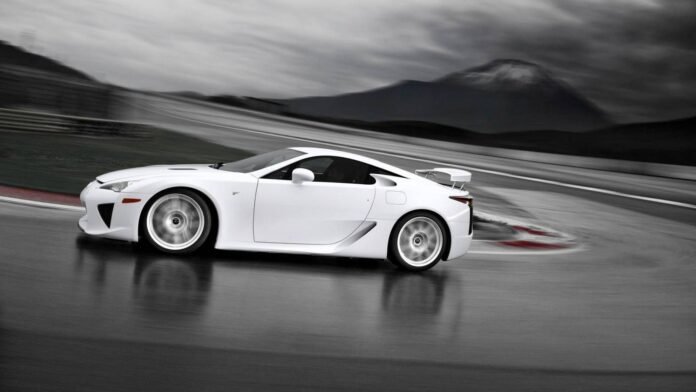
Built in limited numbers, equipped with a beast of a V engine, fun to drive, and now a supercar icon, there may be little explanation needed for why the value of the Lexus LFA has risen so much and is now worth a fortune. However, there is more to this iconic Lexus supercar, and the Lexus LFA arguably means more to JDM culture than almost any other model ever created.

- Base Trim Engine
-
4.8L V10 Gas
- Base Trim Transmission
-
6-Speed Automatic
- Base Trim Drivetrain
-
Rear-Wheel Drive
- Base Trim Horsepower
-
552 hp
- Base Trim Torque
-
354 lb-ft @ 6800 rpm
- Fuel Economy
-
11/16 MPG
- Base Trim Battery Type
-
Lead acid battery
- Make
-
Lexus
- Model
-
LFA
The Lexus LFA has captured the imagination of petrol heads since its limited release in the early 2010s, so we are taking a deeper look into the Lexus LFA, the V10 engine under its hood, and why it now costs a fortune to buy one.
The Lexus LFA Origin Story: A Supercar No One Saw Coming
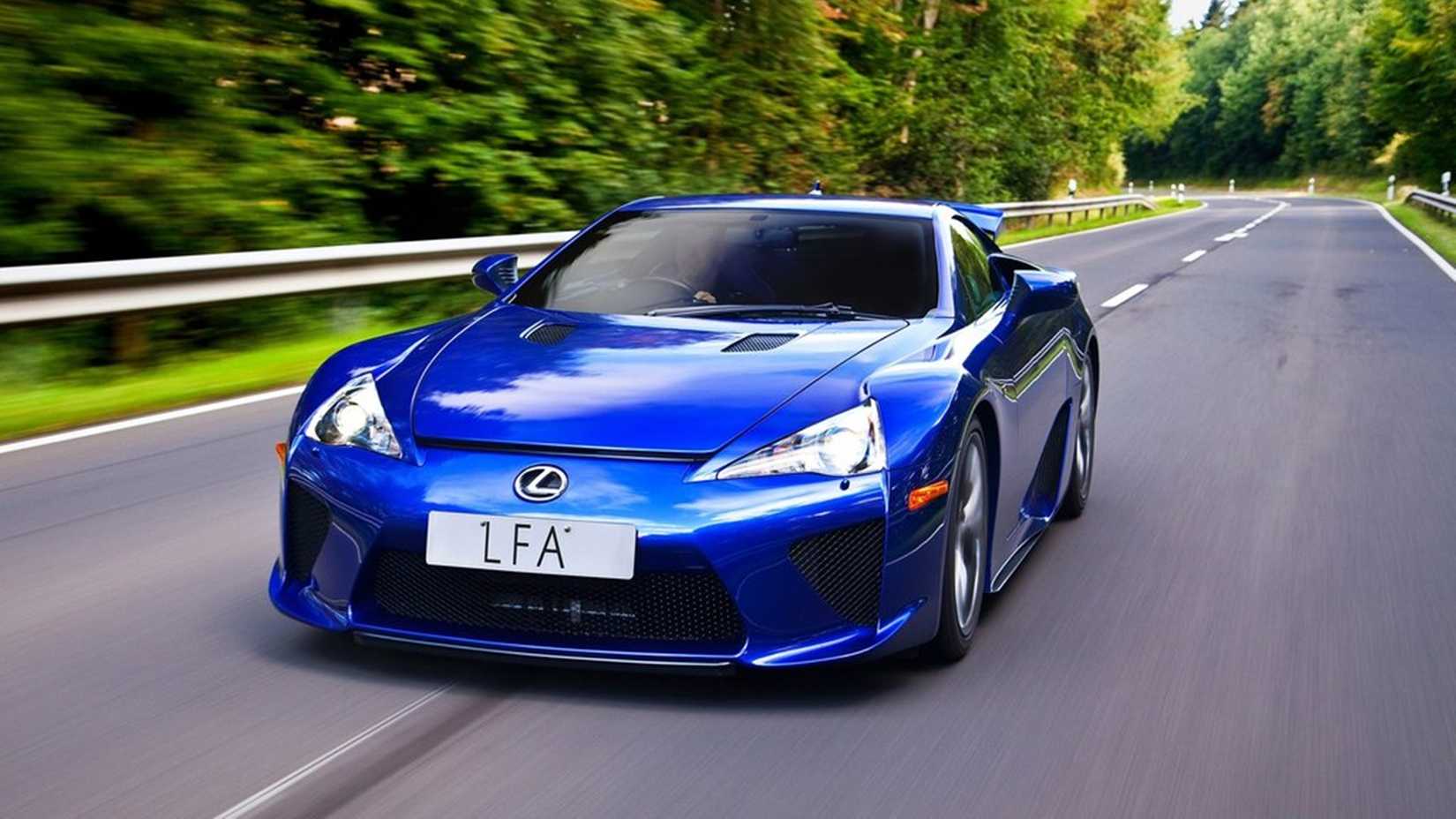
At the start of the 20th century, Lexus was known for refinement, not redlines. Lexus already built sports cars you’d likely forgotten about, but no Lexus sports car could really take on the might of the European and American sports car scenes. The aim of their game was squarely in the luxury segment.
Quietly, around 2000, a small group of Toyota engineers began working on something very different for the Japanese marque: a no-nonsense supercar designed to take on the world’s best in engineering prowess alone. Considering what Toyota/Lexus had been turning out before this, it is safe to say that the LFA Lexus blindsided a lot of the market.
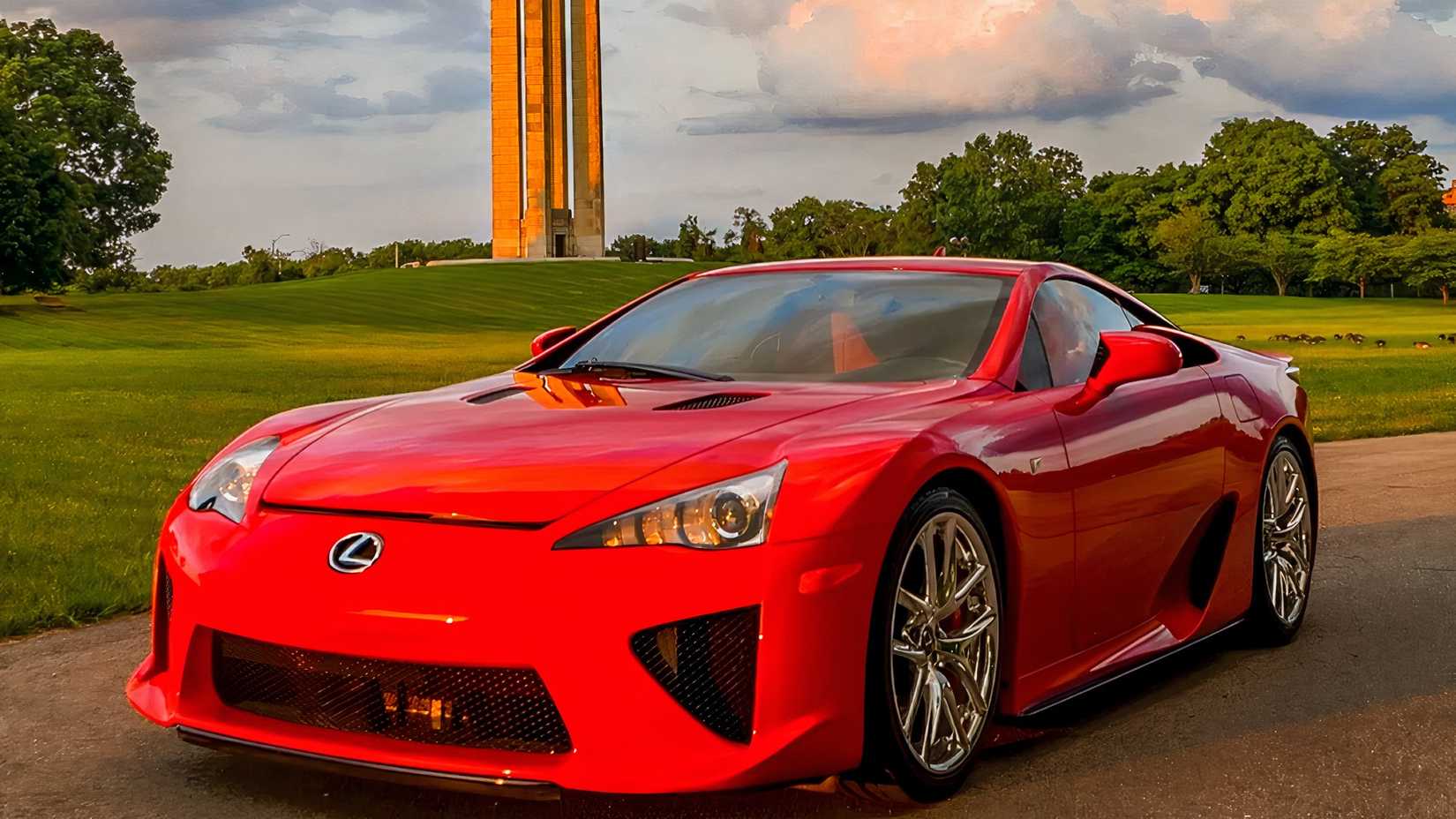
Internally known as Project P280, the idea wasn’t to chase sales volume or brand image, but to prove that Lexus could do more than just turn out high-end luxury vehicles. Chief engineer Haruhiko Tanahashi took the helm, and with a team set out to make a supercar defined by mechanical purity and precision.
We all got a first glimpse of the now coveted LFA at the 2005 Detroit Auto Show, where the LF-A concept first appeared. This sleek and purposeful-looking Japanese sports car must’ve caught the eye of more than one European brand in 2005, and what followed was not loads of marketing hype and promises, just careful planning.
How Toyota’s Secret “F1 Project” Became The LFA
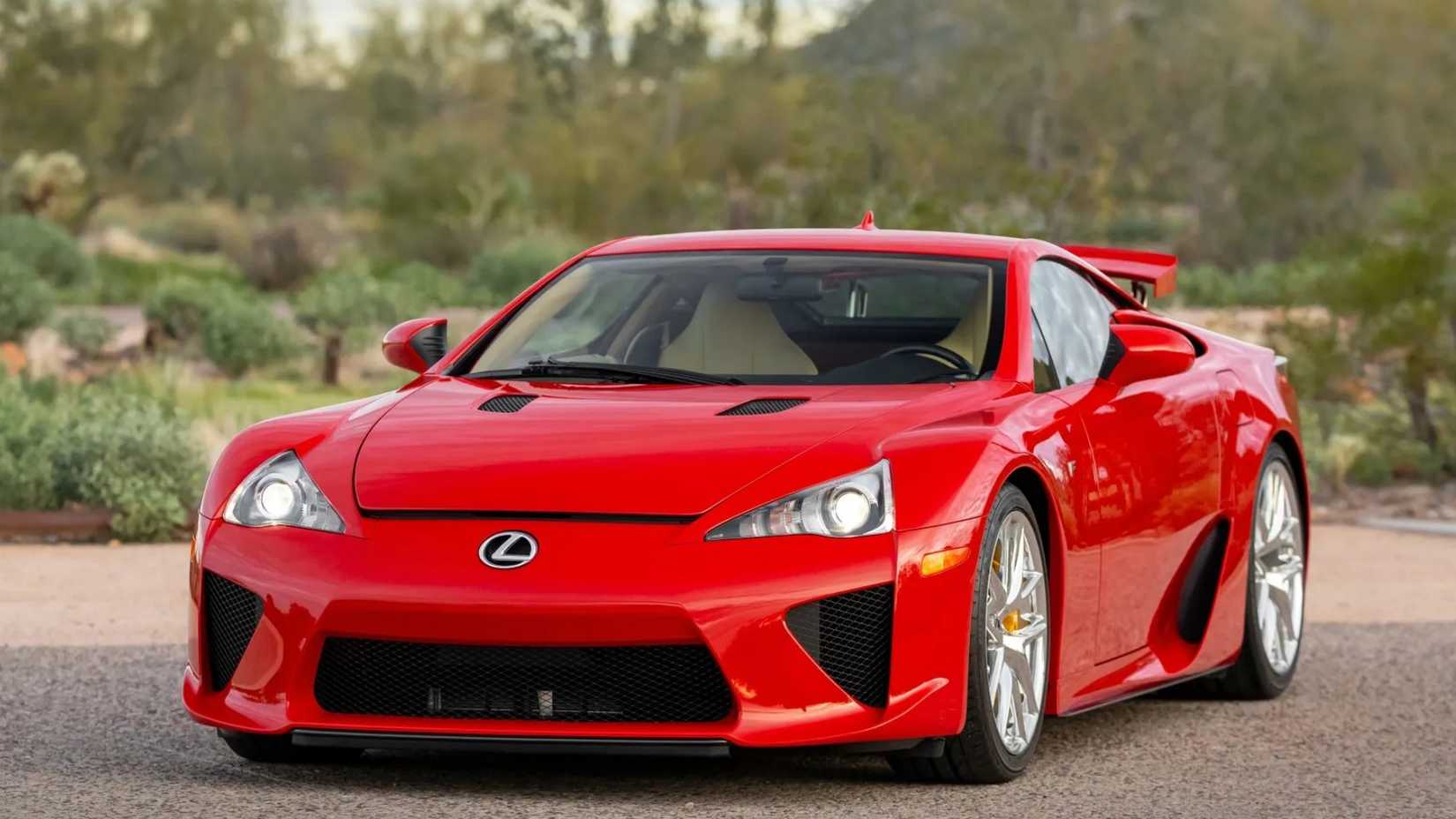
The start of the best Lexus sports car goes further back than you’d probably realize; it has its roots in Toyota’s original F1 (Flagship One) project of the late 1980s. We got the near-instant success that was the Lexus LS 400 from the F1, and it solidified Lexus as a brand that is obsessed with engineering detail.
Decades later, when the LFA Lexus idea was being floated, the same mindset resurfaced when the engineers proposed a supercar that made little financial sense. Like the original LS, which got more than a billion dollars of Lexus’ money, it was a high-risk idea, but it did make philosophical sense for them.
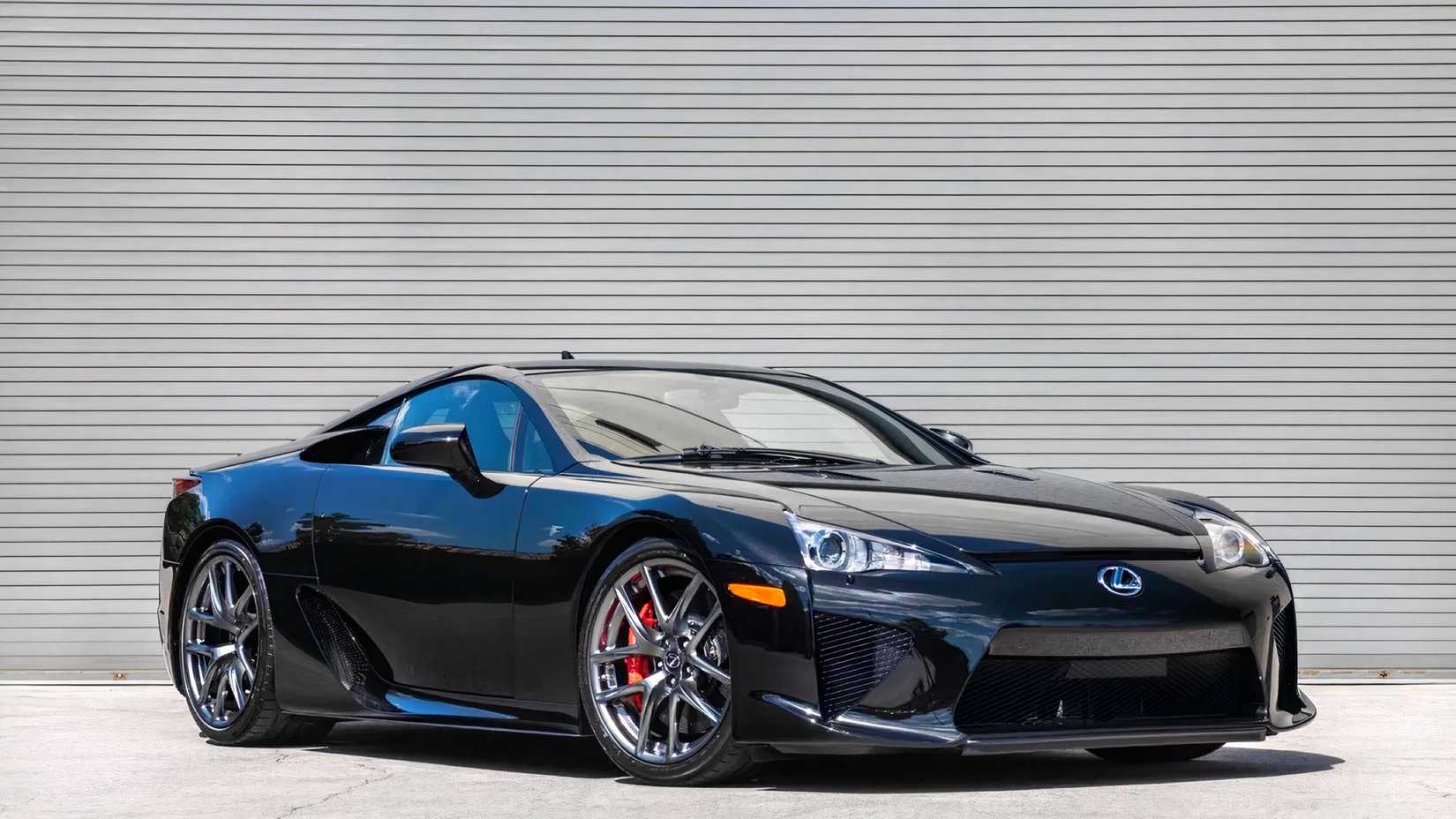
The Lexus LFA project got the backing of Akio Toyoda, now chairman of Toyota and grandson of Kiichiro Toyoda, the man who founded the brand. Akio, a driving enthusiast himself, test driver Hiromu Naruse, and their team set about to make a supercar that was not shaped by committees and board meetings (to an extent), but by hands-on development and hours and hours of track testing.
What was an engineering exercise quietly became Lexus’s halo supercar, one that would define Toyota and Lexus sports car creation ever since, and create the most expensive Lexus model ever sold at auction.
Why Lexus Took A Decade To Get It Right
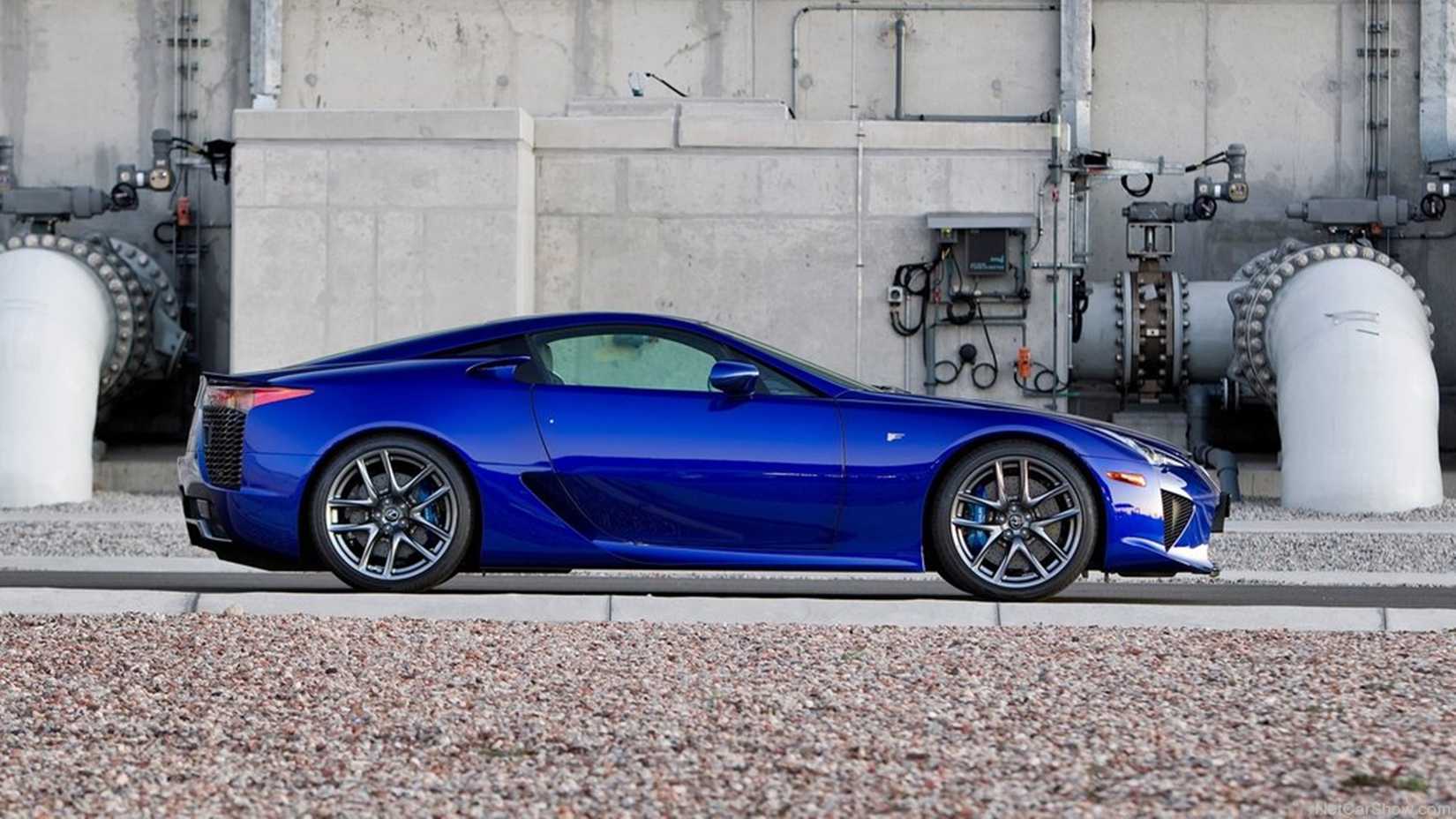
Lexus took around six years to create the Lexus LS 400, making hundreds of prototypes and involving hundreds of engineers. From conception to first release, the Lexus LFA supercar took nearly 10 years for Lexus to get it right. However, this is not a tale of hesitation, but of obsession. The LFA was originally built upon an aluminum chassis, but Lexus scrapped it in favor of a carbon-fiber-reinforced plastic one, which meant developing their own weaving machines and production methods from scratch.
The LFA’s Lexus-Yamaha-developed V10 was designed to rev so quickly that a new digital tacho was needed, and every aspect of the car was refined far beyond what nearly everyone in the road-going market was doing at the time. Of course, production and tech also started to ramp up in the 2000s, so to make the LFA as cutting-edge as they could, Lexus also moved with the times (to a degree) while shaping it themselves.
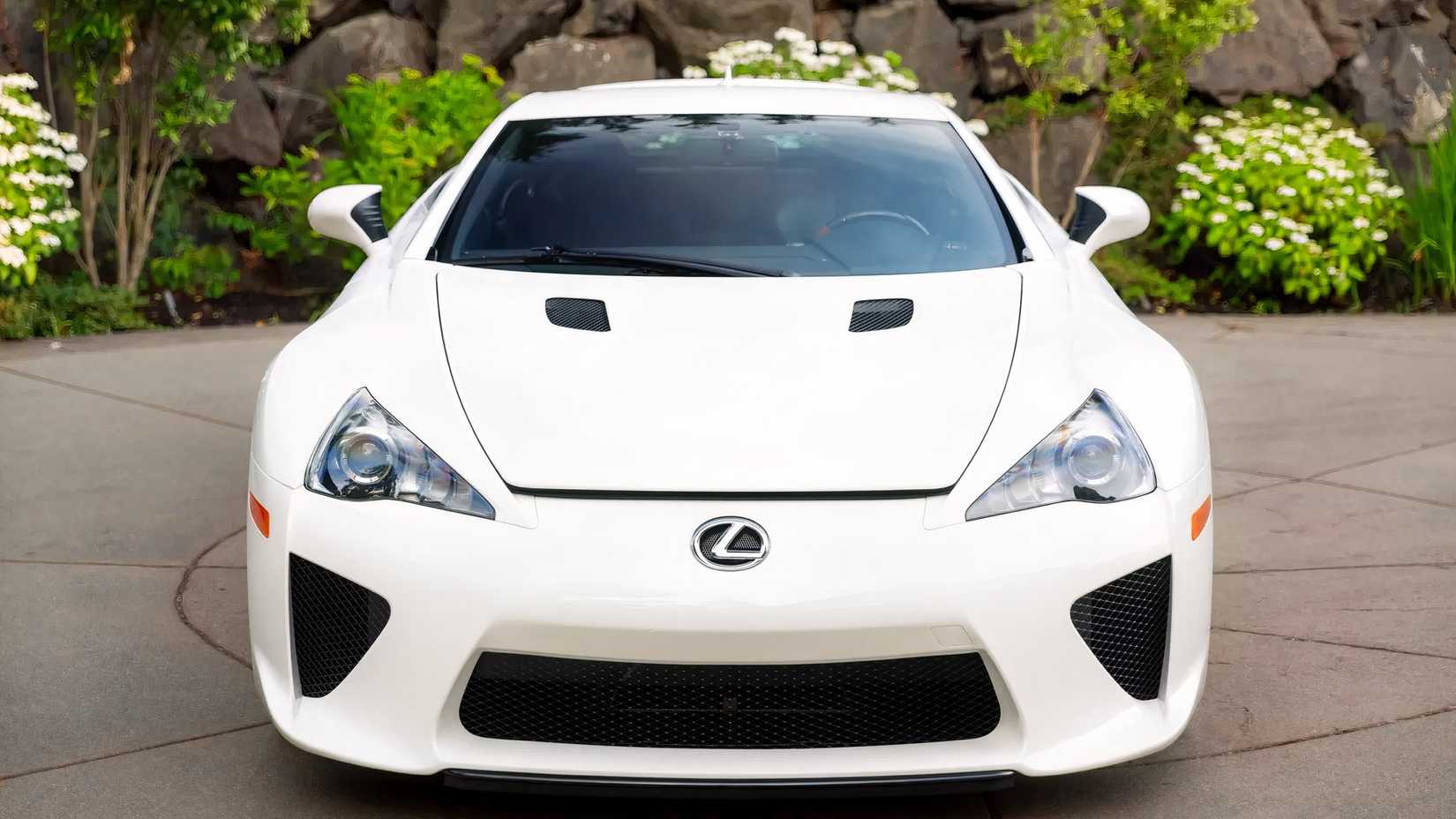
Everything was tested and tested again, and according to reports, engineers working on the LFA would refuse to release it until it met their exact performance targets, many of which were rewritten as the LFA project got better.
The evolution of turbo technology was also hitting new heights, but instead of chasing what was being done by everyone else, Lexus chose patience, Takumi-Master precision, hand-built near-perfection, and strenuous testing to offer the absolute pinnacle of supercar design. In 2010, the Lexus LFA was in production, but all models were designated as 2012 models.
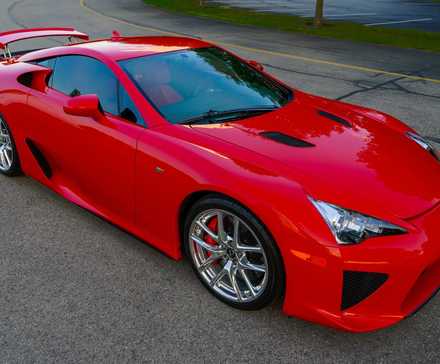


Find 2012 Lexus LFA and more cars for sale on our Marketplace
The Legendary 4.8-Liter V-10 Powering The LFA
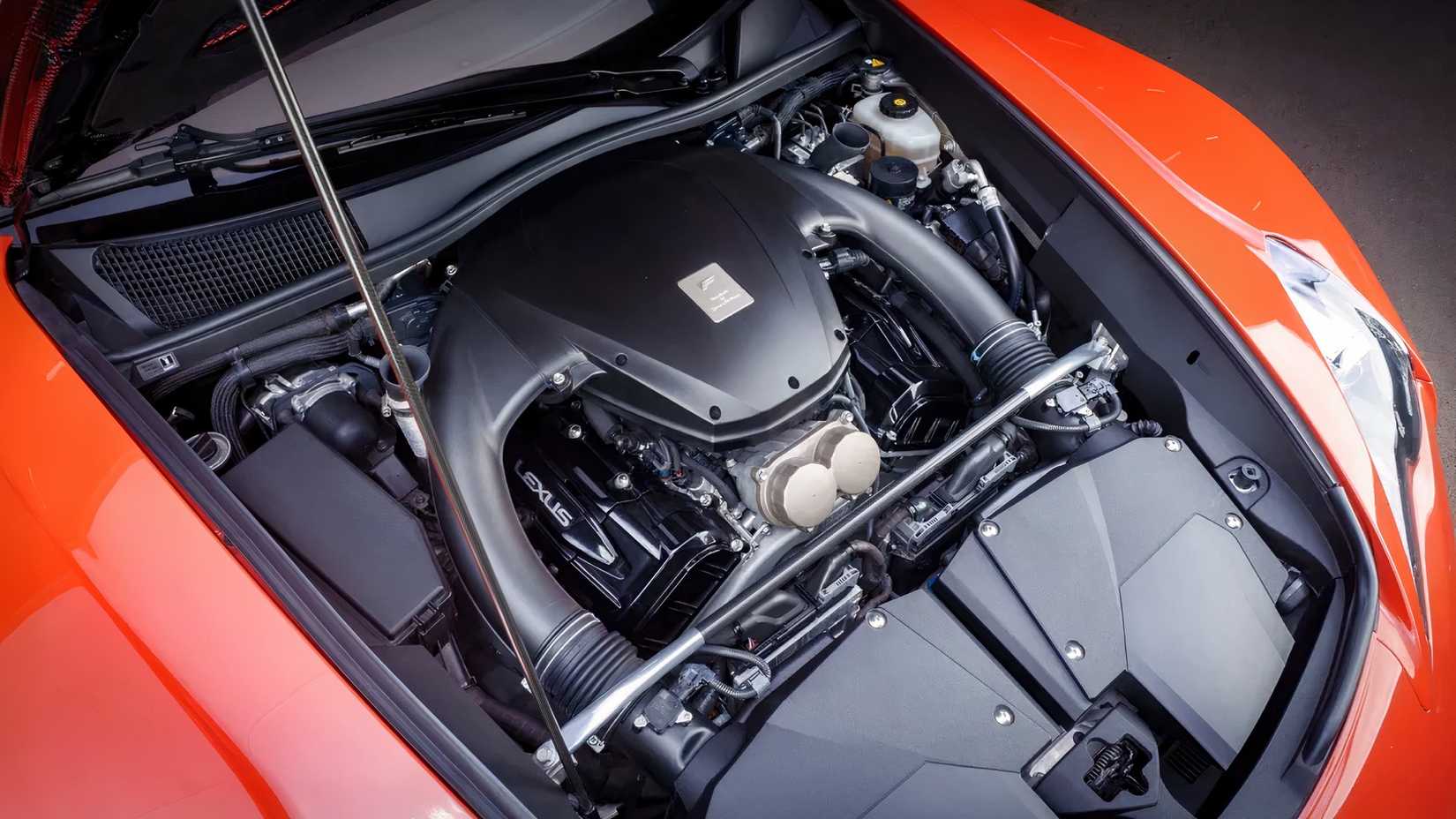
It may sound astounding that Lexus spent a decade designing and creating a limited run of sports cars that were not guaranteed to sell, but we are glad they put the hours in. The Lexus-only tech for the time, the BMW and Porsche-burning build, and the limited numbers of the Lexus LFA all make it a legend for many sports car fans. What really makes it stand out, though, especially today, is the Lexus LFA’s 4.8-liter naturally aspirated V10.
|
Spec |
Lexus LFA |
|---|---|
|
Engine |
4.8-Liter V10 |
|
Horsepower |
553 Horsepower |
|
Torque |
354 LB-FT |
|
0–60 MPH |
3.7 Seconds |
|
Top Speed |
202 MPH |
At the heart of the Lexus LFA is one of the best engines that changed the game forever: the 1LR-GUE V10. The LFA engine is a naturally aspirated V10 created for this Lexus sports car, nothing else. It shares no meaningful components with any other Toyota engine, and was a clean-sheet design, engineered with racing precision and for on-road guts.
The Lexus LFA’s V10 boasts an oversquare layout (88 mm bore/79 mm stroke), which enables extreme engine speeds, with a redline at 9,000 rpm and peak power output at 8,700 rpm. Internally, it has forged titanium connecting rods, lightweight aluminum pistons, and a fully counterweighted forged crankshaft to cut down on rotational inertia.
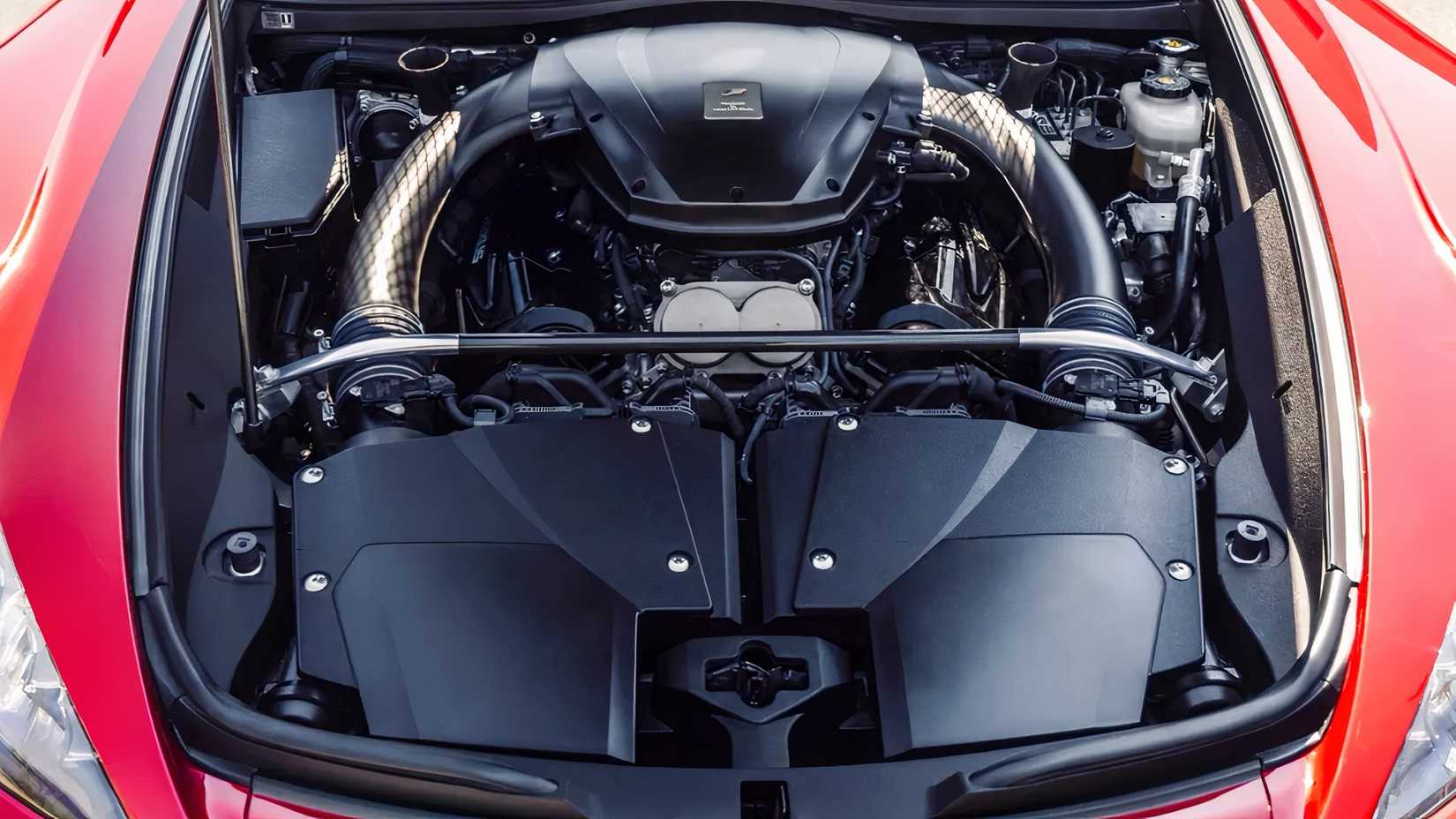
Dry-sump lubrication allows the engine to sit low in the chassis, while individual throttle bodies and tuned intake runners give it one heck of a kick underfoot. Despite kicking out 553 ponies and producing a racket that can only be described as animalistic, the LFA’s V10 still meets emissions standards and boasts Lexus-grade dependability.
If you are like us and geek out a bit over engine design, you’ll likely realize why the Lexus LFA is such a coveted Lexus supercar and why we love its engine; it has all the trademarks of track-worthy design and build, but you can use it on the road with some confidence that it will just keep going. Takumi mastery and Lexus’s mechanical obsession have a real point to it.
Yamaha’s Role In Creating One Of The Best-Sounding & Highest-Revving Engines Ever
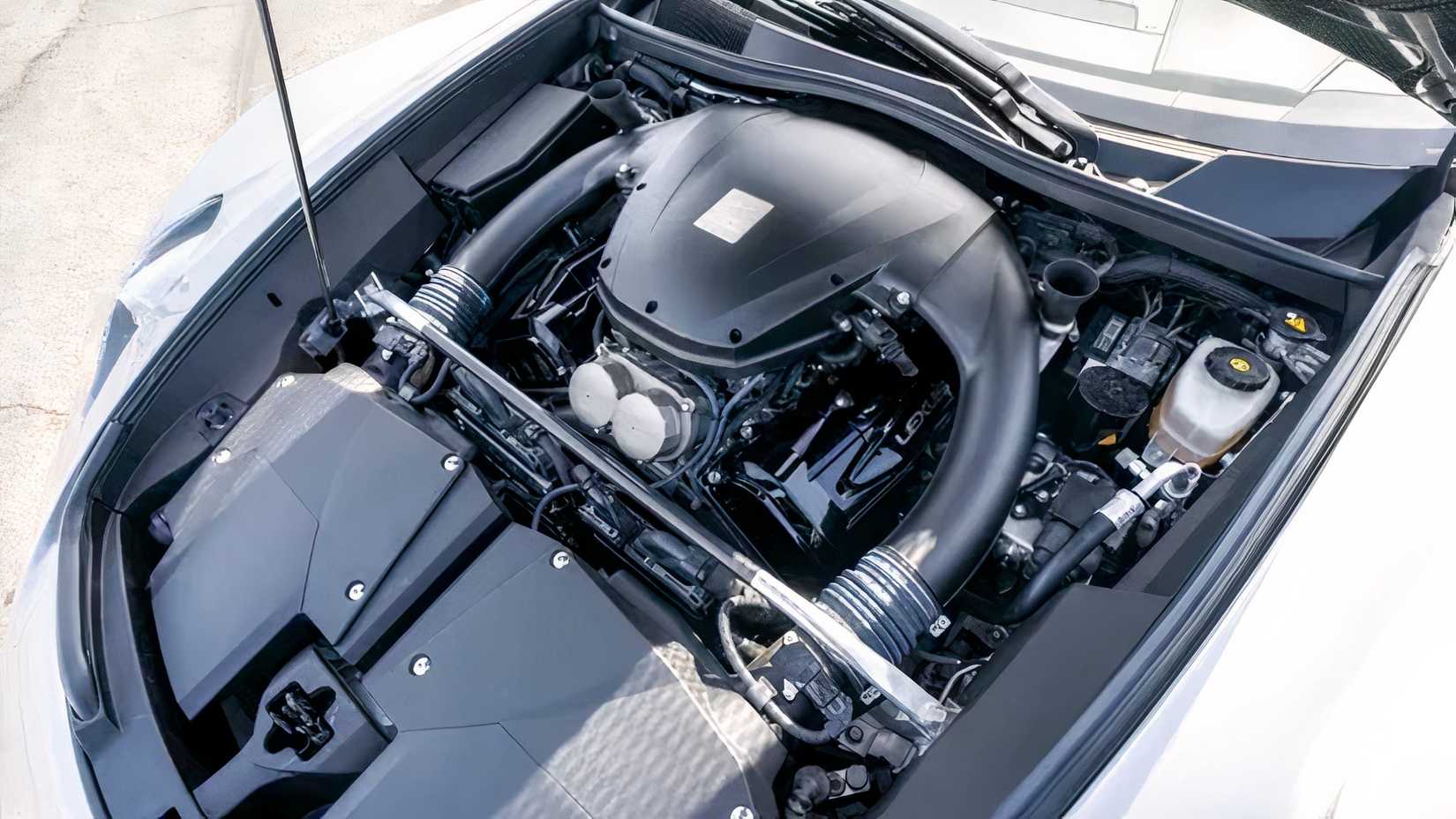
As we find with some of the best engines ever made, the Lexus LFA engine was not just an in-house Lexus build. Yamaha, a brand that is epic with motorcycles and F1 engines, and has more than made a case for being able to create its own successful sports car, had a big hand in creating the 1LR-GUE V10. The whole project may be unconventional for a Lexus car of the time, but with Yamaha’s input, the V10 utilized in the LFA can rev freely up to 9,000 rpm while producing an almost lyrical scream.
Specifically, Yamaha was responsible for the intake and exhaust tuning, designing über precise velocity stacks and resonance chambers that give the LFA its racket. They also contributed to valvetrain design by making lightweight titanium valves and rocker arms capable of taking extreme stress at high rpms, and help to ensure that air flows cleanly through the intake, across the cylinder heads, and out the exhaust without being hindered.
In essence, the collaboration between Lexus and Yamaha resulted in a mighty Japanese motorsport engine that is one of the most coveted on earth.
Why The Lexus LFA Engine Is One Of The Most Iconic Engines Ever
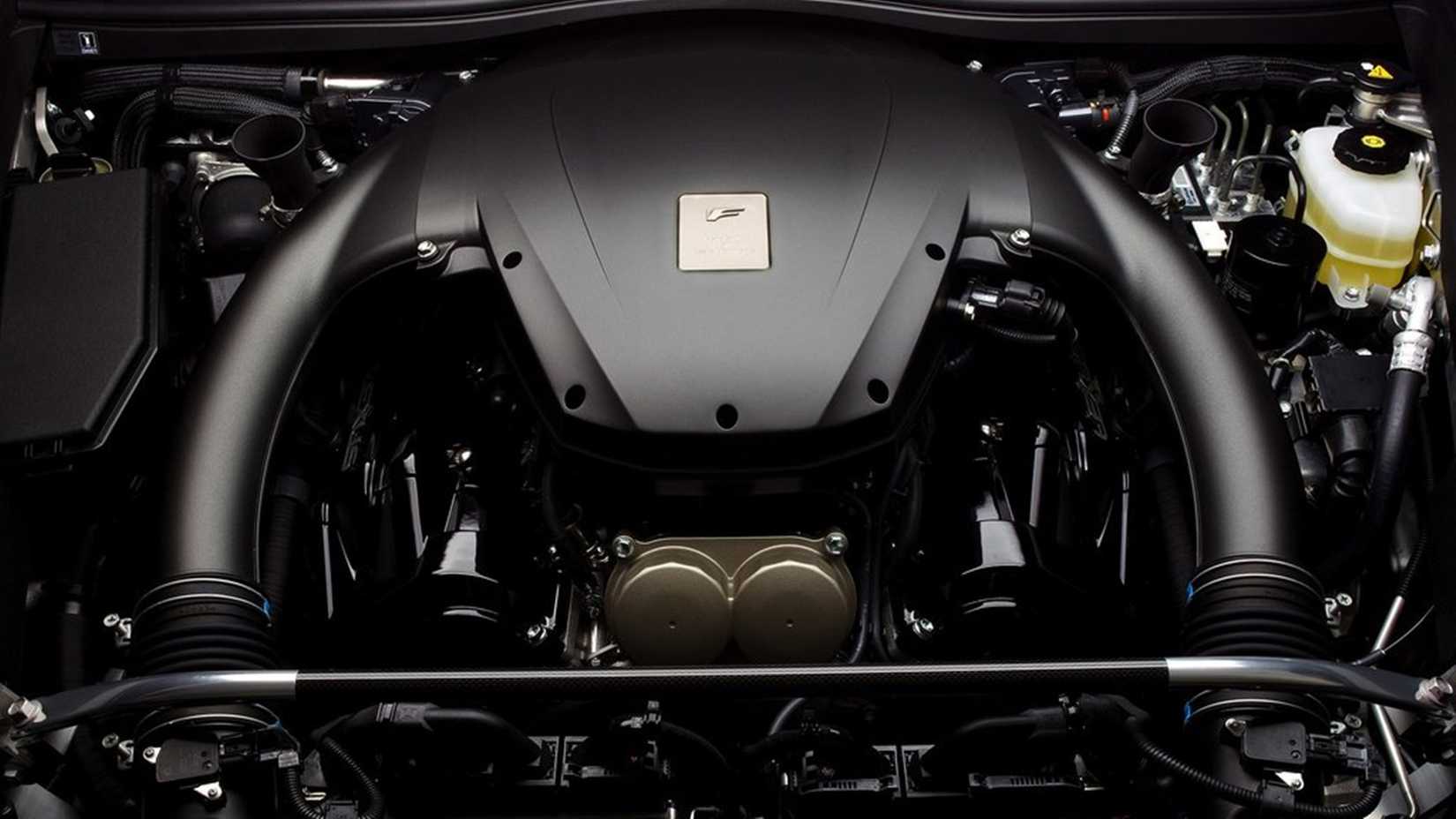
In short, the Lexus LFA’s V10 is iconic because how it is constructed reads like how a vast swathe of petrol heads would put together an engine. It is high-revving, it sounds the business, it gets you to 60 mph in less than four seconds, there is no turbo interference, it is rock-solid, it is a torquey V, and it keeps giving and giving through the rev range.
In the age of electric sports cars, turbocharged motivation, and small, yet still perky, inline-fours, there just isn’t anything like the LFA’s V10 left on the market. Even when it debuted, the market had moved along to some extent. Lexus stuck to its guns and turned out an engine that could perform as well as some of the supercar stalwarts’ engines. They made an engine that is a real delight to put your foot to, and sounds more aggressive than some of the more expensive supercars on the market.
Plus, this is an engine not used to being seen in a Lexus; there isn’t much luxury cruising about it. The V10 in the LFA showed exactly what Lexus could do.

Would You Pay $1.1 Million For This Dark Green Lexus LFA Nurburgring Edition?
Lexus LFAs are definitely appreciating in value
Carbon Fiber Construction And A Lexus-Grade Build
The Lexus LFA was a moonshot, especially for a marque better known for obsessive refinement than experimental materials. Roughly 65% of the LFA’s structure is carbon-fiber-reinforced plastic, while most of the rest is made from aluminum. CFRP was chosen for its exceptional stiffness-to-weight ratio, and rather than outsourcing, Lexus built their own looms to weave complex shapes with precise fiber alignments to get it how they wanted it.
The result is a rigid monocoque structure that is also lighter than aluminum builds. This layout gave Lexus engineers a stable foundation to fine-tune handling and aerodynamics, and the LFA only tips the scales at 3,263 pounds.
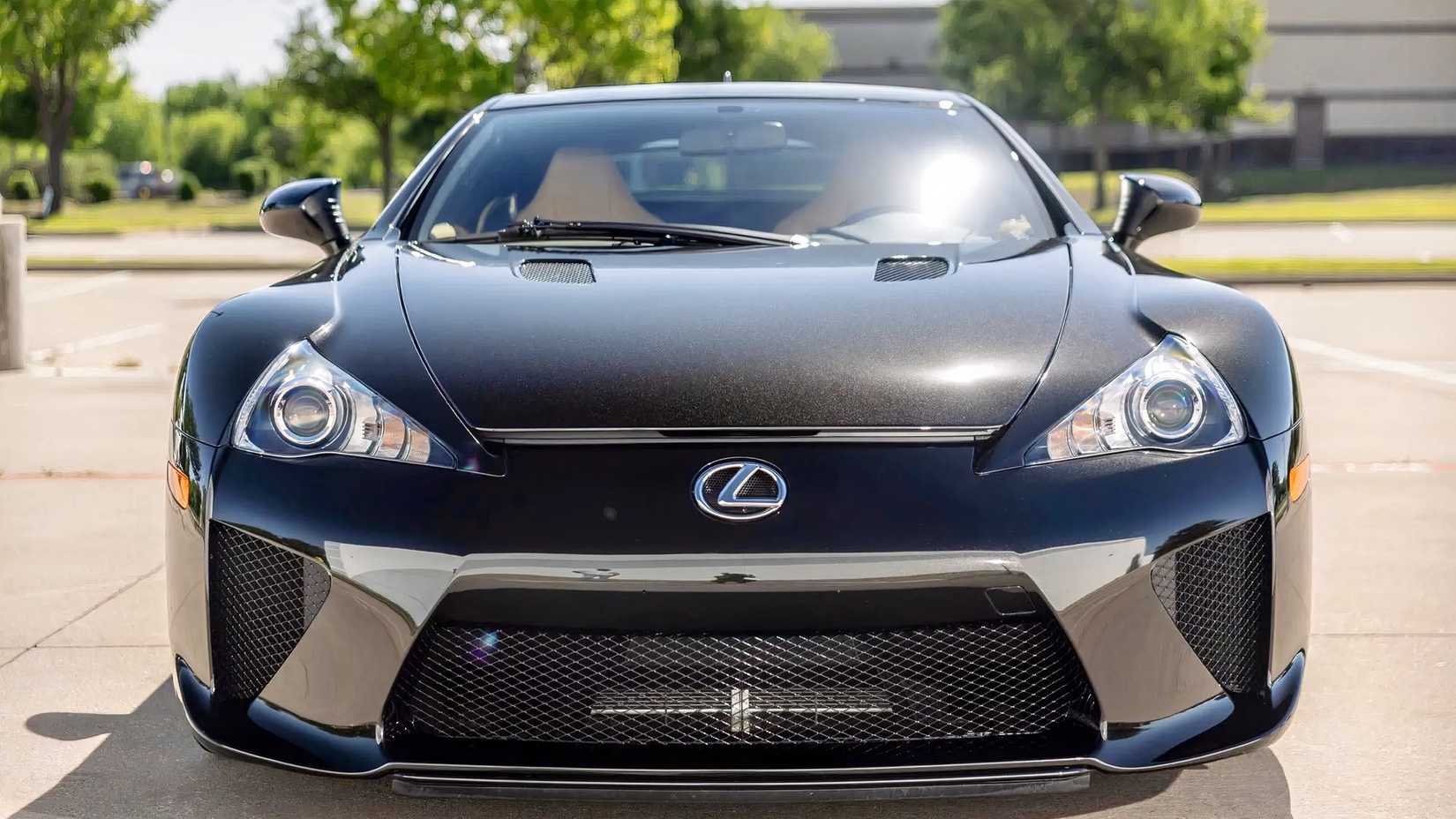
What truly defines the LFA, though, is how the cutting-edge tech of the time was paired with human skill. Each one of the limited run of the LFA was hand-built by Takumi masters, individuals with thousands of hours in their field. Carbon panels were individually inspected, finishes perfected by hand, and tolerances handled at an almost surgeon-like level. The LFA is undoubtedly one of those supercars that feels engineered, not manufactured.
Active Aero, Race-Bred Suspension, And Track-Focused Details
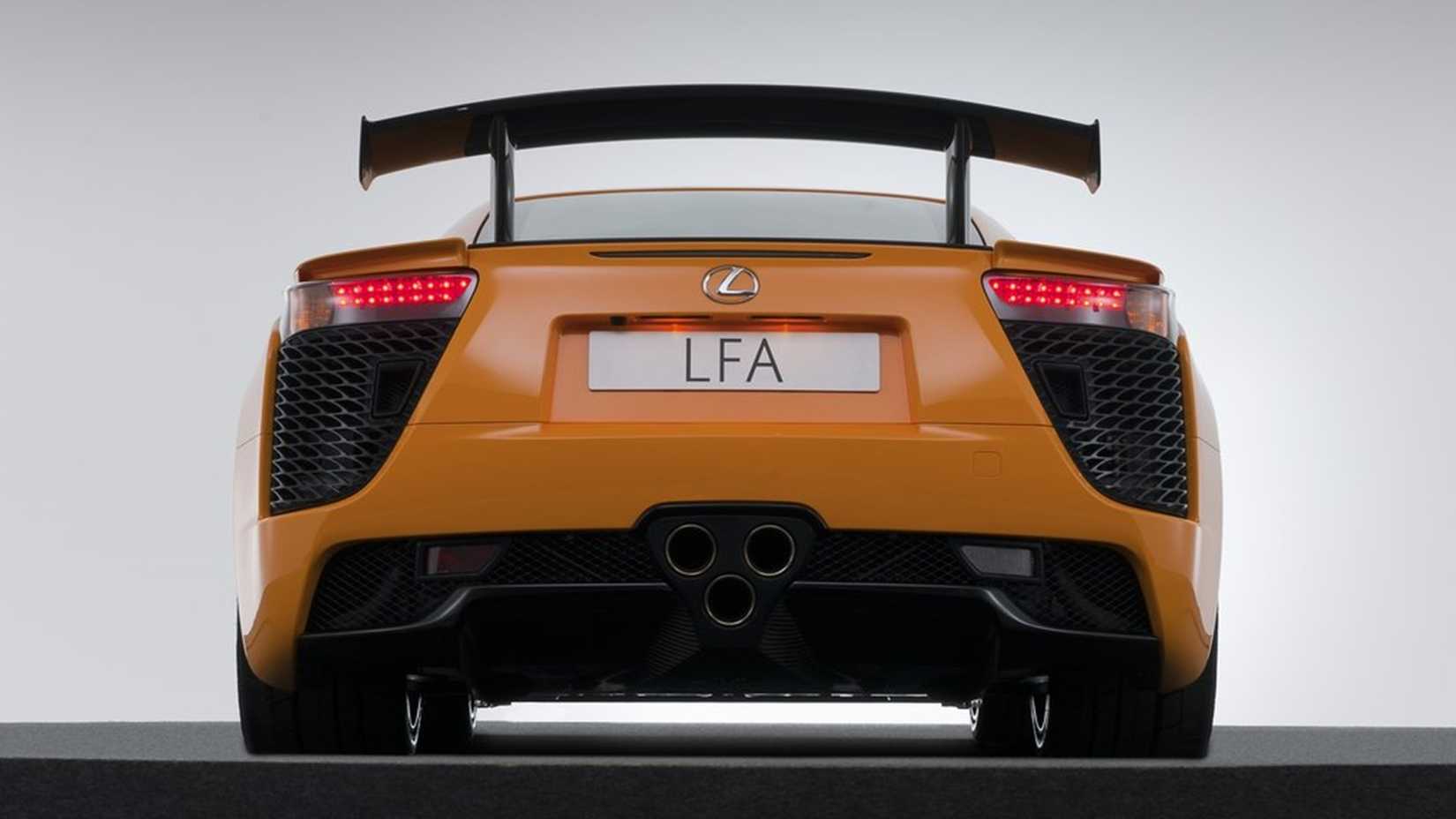
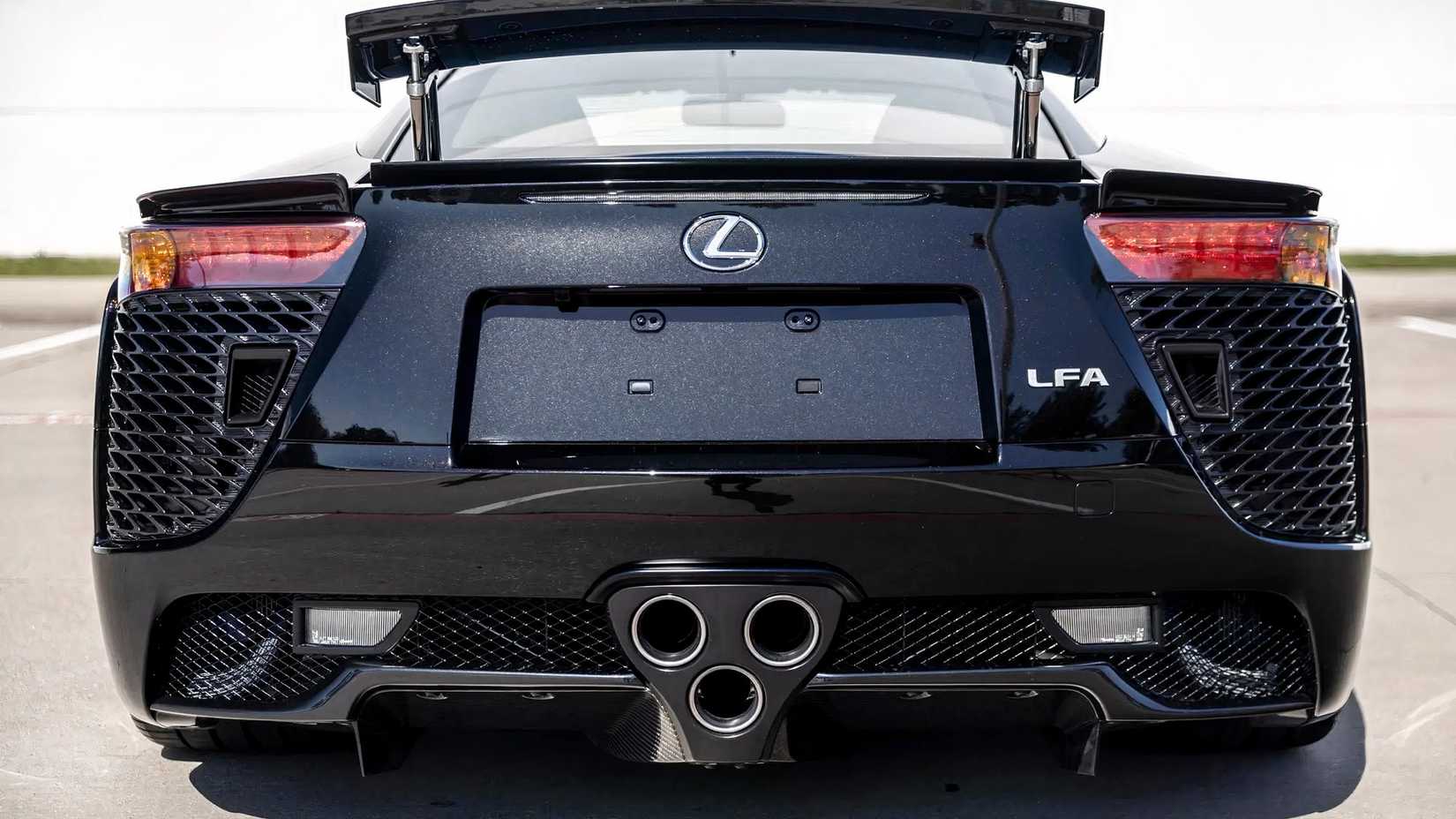
Like everything else on the Lexus LFA, the whole rig is designed with extreme focus on making a bespoke car that can be driven hard. Airflow is carefully managed by a flat carbon-fiber underbody and rear diffuser, and the active rear wing automatically deploys as you pick up speed, which in turn makes things more stable in a straight line. Unlike fixed-wing models (base trim only), the deployable wing also allows the LFA to look elegant at lower speeds, and when needed, far more aggressive and planted.
Chassis tuning and suspension are equally obsessive. The LFA utilizes a double-wishbone front and a multi-link rear layout, both chosen for their ability to maintain good tire contact under extreme loads. Lexus engineers racked up thousands of kilometers of Nürburgring testing, using real-world data to refine damper rates and geometry. The result is exceptional balance, helped along by a near 50:50 weight distribution and a rear-mounted transaxle.
Steering feedback is also as good as you’d expect. While we haven’t been fortunate enough to get behind the wheel of the LFA, it is set up to be pushed. The steering is designed to be immediate and natural, with mid-corner composure kept in check, even over slightly uneven tarmac. Combined with carbon-ceramic brakes and lightweight forged wheels, the LFA is made to match what its exotic powertrain can muster: precision and confidence.
How The LFA’s Construction Changed Lexus Sports Car Production Forever
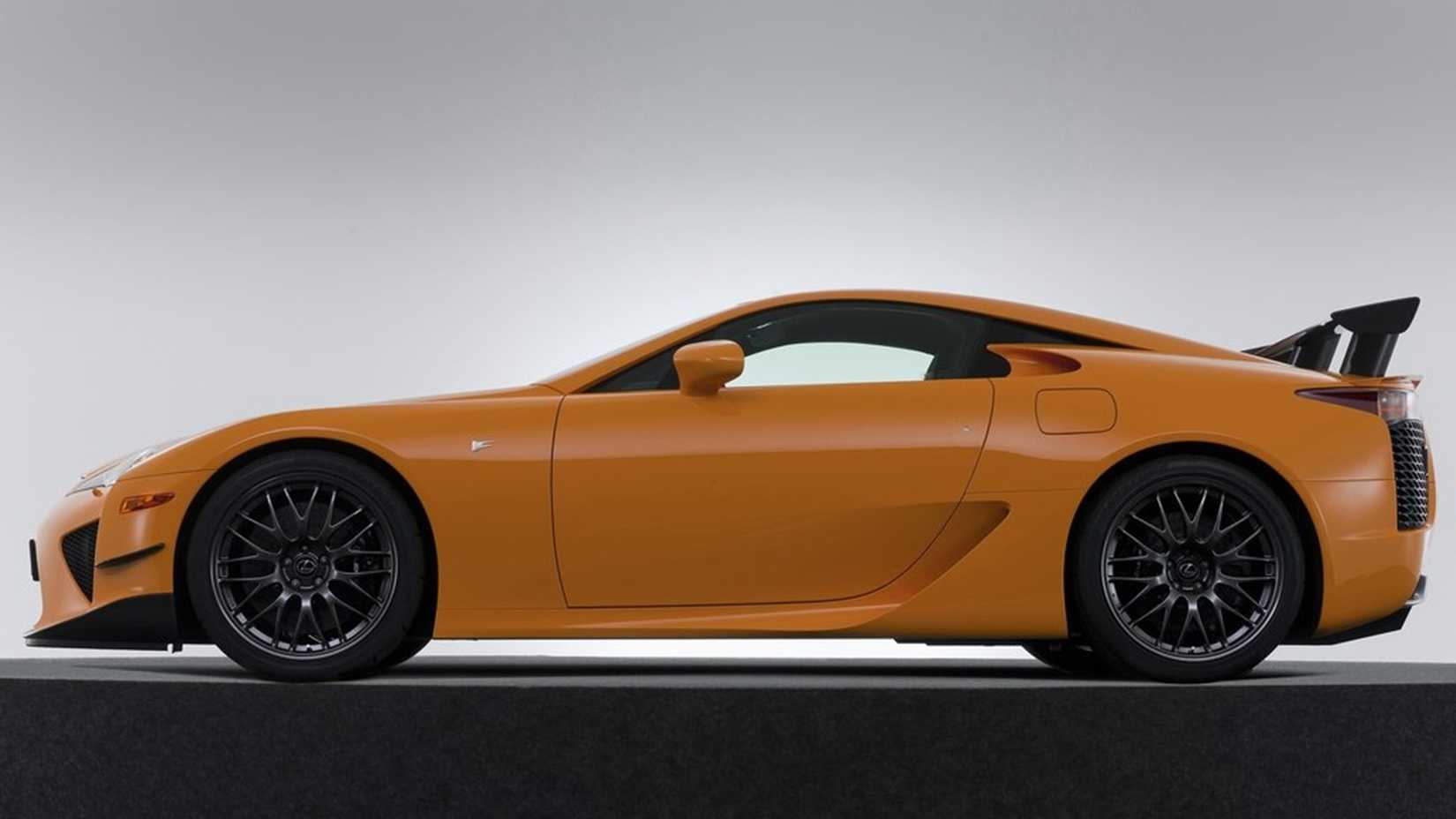
There’s little doubt in our minds that the LFA was a turning point for Lexus as a brand and as an engineering powerhouse. Models before the LFA were impressive and very precisely put together, but with the use of a carbon-fiber structure, bespoke manufacturing methods, and the LFA’s hand-built nature, it made Lexus more than a luxury car brand; it turned them into a boutique supercar maker.
Thanks to the obsessive testing done on the LFA, the mindset of test, test, test has been carried over to other Lexus sports cars and engaging models. While extensive Nürburgring testing was once unusual for Lexus, since the LFA, it has become procedure for F and F Performance models. The rigid structure paired with finely-tuned suspension setups clearly shows up in the LC’s GA-L platform, which prioritizes torsional rigidity to improve steering feedback. Most importantly, though, what the creation of the LFA did was prove to the auto market that Lexus is not to be messed with.
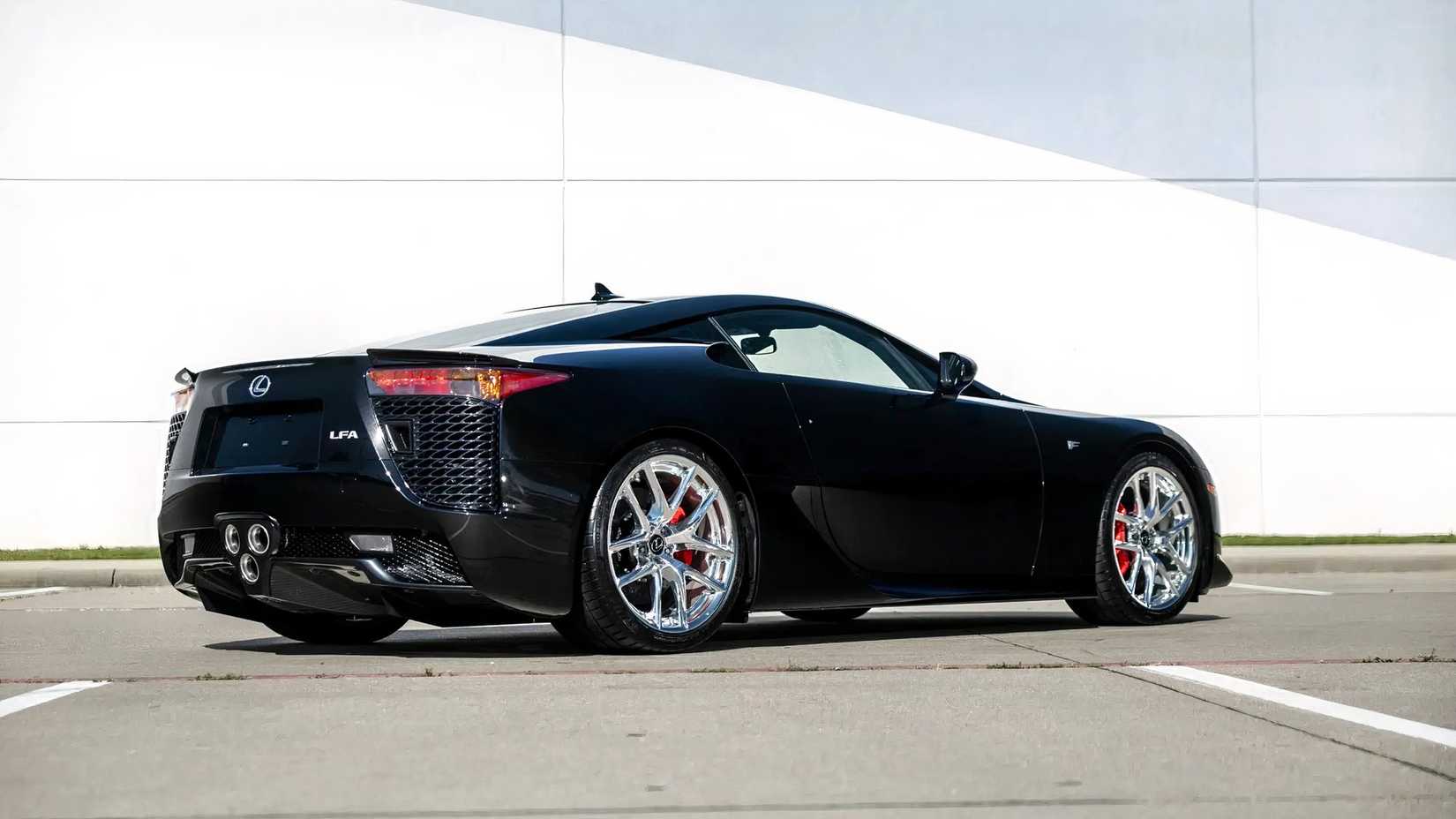
We have had some fantastic Lexus sports cars since the LFA (think the LC 500), and though nothing has lived up to the LFA yet, we and the other supercar brands know that Lexus can do it very well. With all the new techniques, immense testing, hands-on engineering, and real results, Lexus proved that they can do more than just turn out subtle and comfortable luxury vehicles; they can make a supercar just as well as anyone else.
Slow Beginnings For The Lexus LFA: Lexus LFA MSRP, Price, And Value Explained
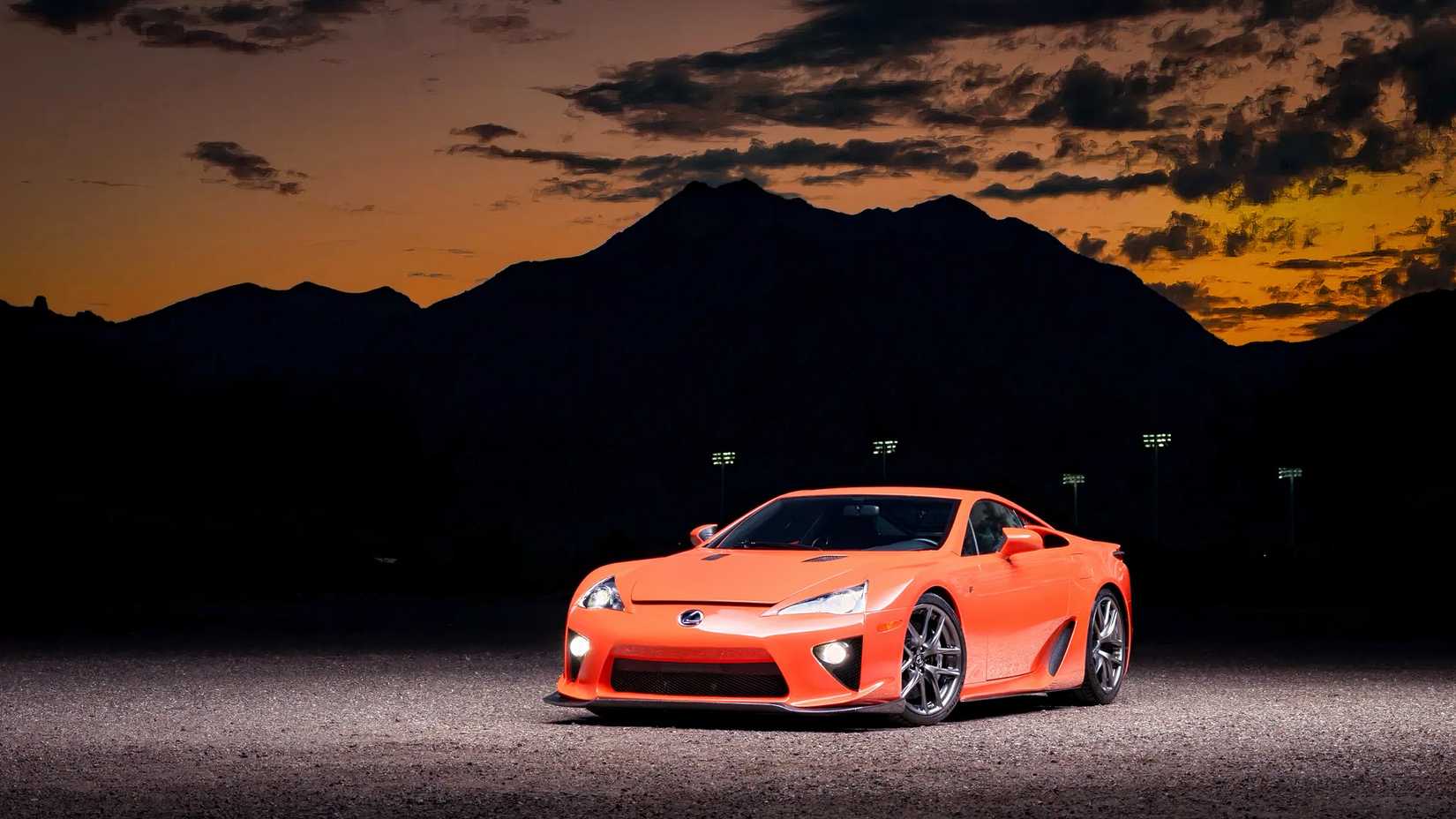
So, how much does a Lexus LFA cost? When it was released, the Lexus LFA MSRP was $375,000 (circa $557,000 today). The Lexus LFA price in 2012 was significantly higher than anything else they had ever rolled out, and its price was a bit of a shock to the market. Surprisingly, given what Lexus had poured into it and how good it is, it took until 2020 for dealers to shift all new models of the LFA Lexus.
Today, the story is very different. The Lexus LFA’s value has shot up, and Classic.com says that the average auction price of a Lexus LFA is a whopping $815,643. The lowest price of an LFA at auction was $325,000, the highest: $1.87 million. We have even seen a flood-damaged Lexus LFA go up for auction at around $400,000. They are extremely expensive Lexus supercars today, out-pricing original competition like the 2013 Aston Martin Vanquish ($99,823) and the Ferrari F12berlinetta ($222,537).
What an investment it would’ve been to get a Lexus LFA at its original price.
Why The LFA Has Become Such A Collectible Lexus Supercar
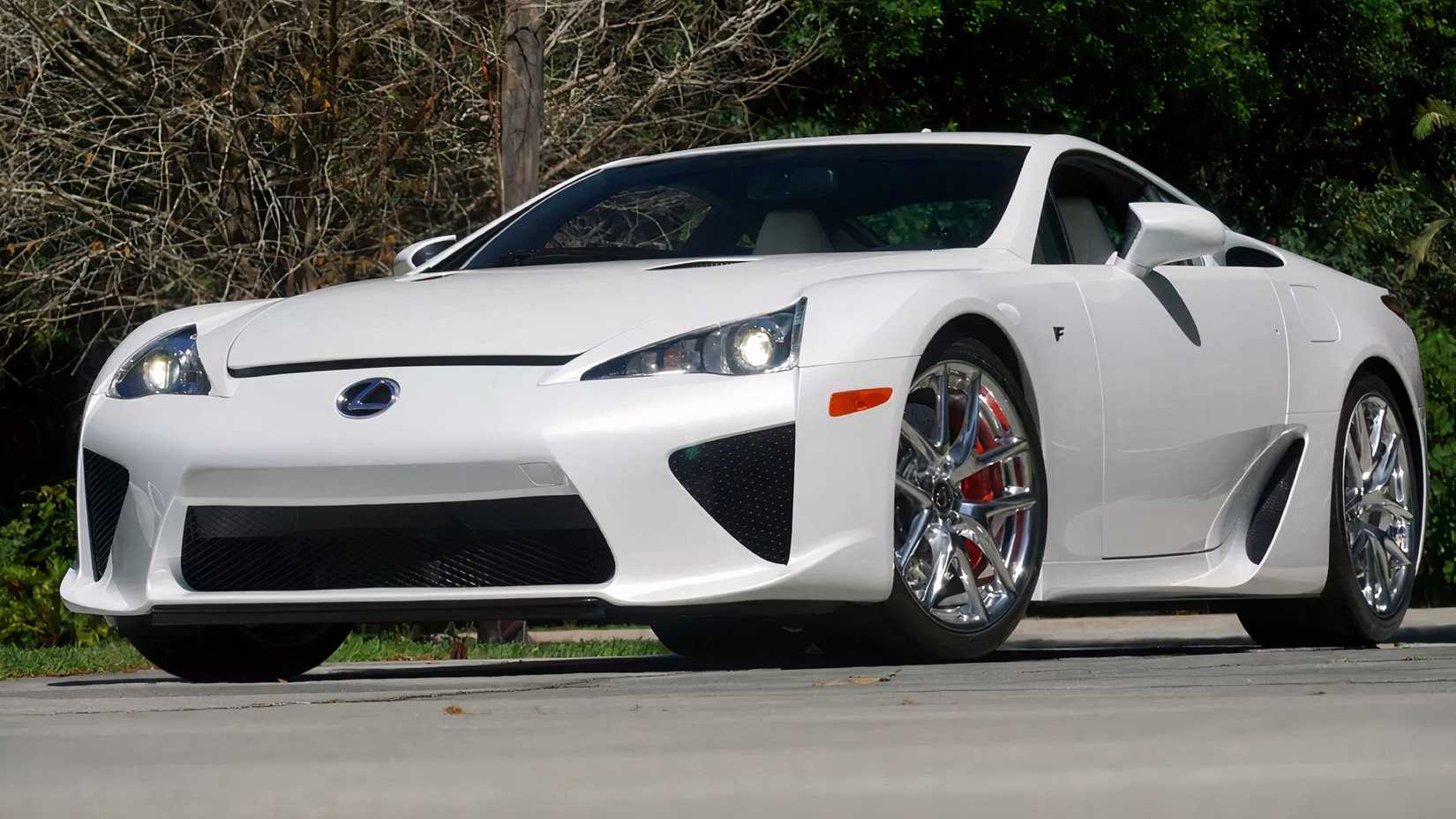
There were only 500 Lexus LFA models ever created. Of these, only 177 were allocated to the U.S. market, and only 50 of the global numbers were planned to boast the Nürburgring Package (NP) (64 were built in the end). The NP gets a larger fixed wing, front dive planes, revised ECU mapping, and 10 more ponies under the hood. The Lexus LFA price today truly reflects its rarity and status in the supercar market. The most expensive model sold was, in fact, a Lexus LFA Nürburgring Package with just 143 miles on the clock. The ‘cheapest’ model was sold back in 2017, before the prices really started to hike up.
However, both the standard trim and the Nürburgring Package models are more than just rare Lexus sports cars; they are the Lexus supercar halo model. A halo car that was not as revered when it was released as it should have been; now the market has caught up with what Lexus did with the LFA.
Lexus wasn’t chasing the ridiculous numbers and most expensive price tag; they made a supercar with a fine blend of old-school guts, soul, and modern techniques. In a world of Ferraris, Porsches, Lamborghinis, McLarens, and Bugattis, the LFA was wrongly dismissed at the time, but now, everyone can see why it is so special.
The market is rapidly moving away from V engines and high-revving mills altogether; the V10 is effectively extinct today. So, alongside the bespoke build, pinpoint accuracy, ear-thumping noise, insane redline, drivability, rarity, and what you can do in one, the Lexus LFA price is high for all the right reasons. It is something we are likely never going to see being produced again in the modern market, and it is a usable, reliable Lexus supercar that possesses all the bite and fun of originally pricier models, but with a touch more uniqueness.
Sources: Lexus and Classic.com.