
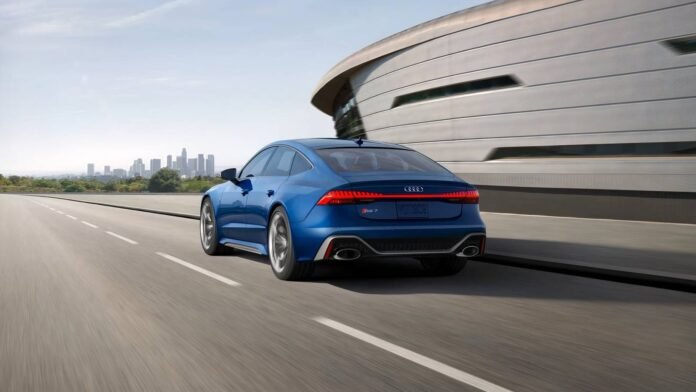
German sports cars are getting a better name for themselves in terms of reliability, but how does the sedan that Audi boasts as one of its lineup’s most powerful and ultra-luxe models fare? The Audi RS7 has only been available since 2014, with a three-year break between 2018 and 2021, until the new generation was released, but it has made a heck of a name for itself. German cars have earned a reputation for high maintenance costs, but brands like BMW, Porsche, and Audi all turn out models that are far more than their expensive garage bills; they are some of the best performance vehicles ever created. So, how reliable is an Audi RS7? Can you get intense performance and dependability? This used guide explores how reliable an Audi RS7 is after 50,000 miles.

- Base Trim Engine
-
4L V8 Hybrid
- Base Trim Transmission
-
8-speed automatic
- Base Trim Drivetrain
-
All-Wheel Drive
- Base Trim Horsepower
-
621 HP @6000 RPM
- Base Trim Torque
-
627 lb.-ft. @ 2050 RPM
- Base Trim Fuel Economy (city/highway/combined)
-
14/21/17 MPG
- Base Trim Battery Type
-
Lithium ion (Li-ion)
- Make
-
Audi
- Model
-
RS7
What Reliability Means For A High‑Performance Luxury Vehicle
Reliability in a high-performance sedan isn’t just about keeping things simple; it’s about how well a complex machine holds itself together when being pushed. Models like the BMW M5, Mercedes-AMG E63, and the RS7 are engineered with immense power outputs, intricate cooling systems, adaptive suspension rigs, and software controlling all of it.
All of this has to work together, often under much more extreme conditions than your average bulletproof Honda or Toyota, which makes consistency the real benchmark of reliability rather than outright toughness. For high-end, high-performance sports cars, a reliable one delivers repeatable hard-driving performance without having to constantly be taken apart.
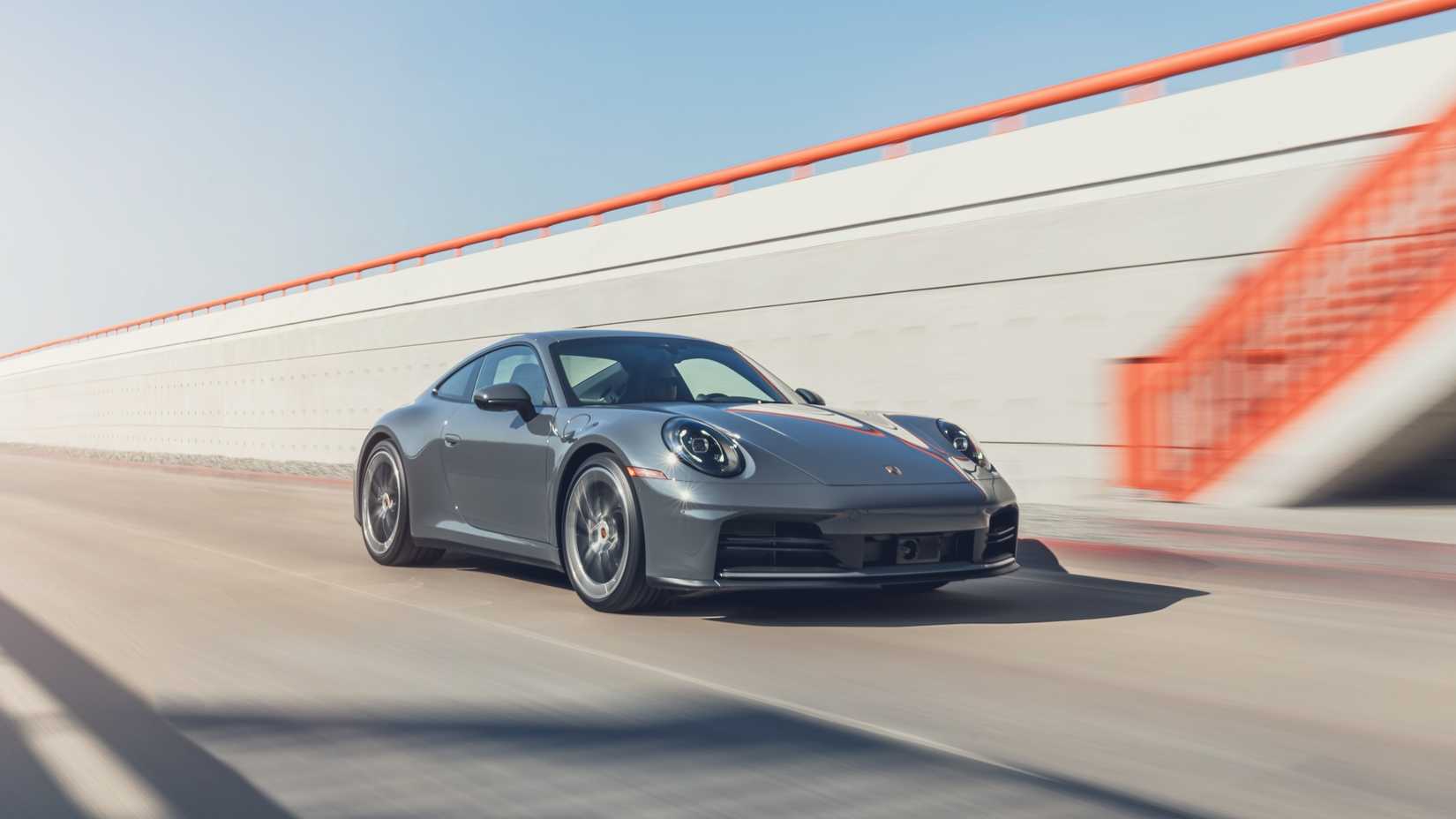
That means maintaining stable temperatures after multiple hard pulls, transmissions that shift cleanly under load, engines that don’t give out when you floor it, and electronics that don’t burn out under a hot hood. Models like the newer Porsche 911 continue to get huge praise from owners for their reliability and performance grit. They are not one-and-done models, you can drive them hard day after day.
How Gutsy Driving Affects Longevity And Wear
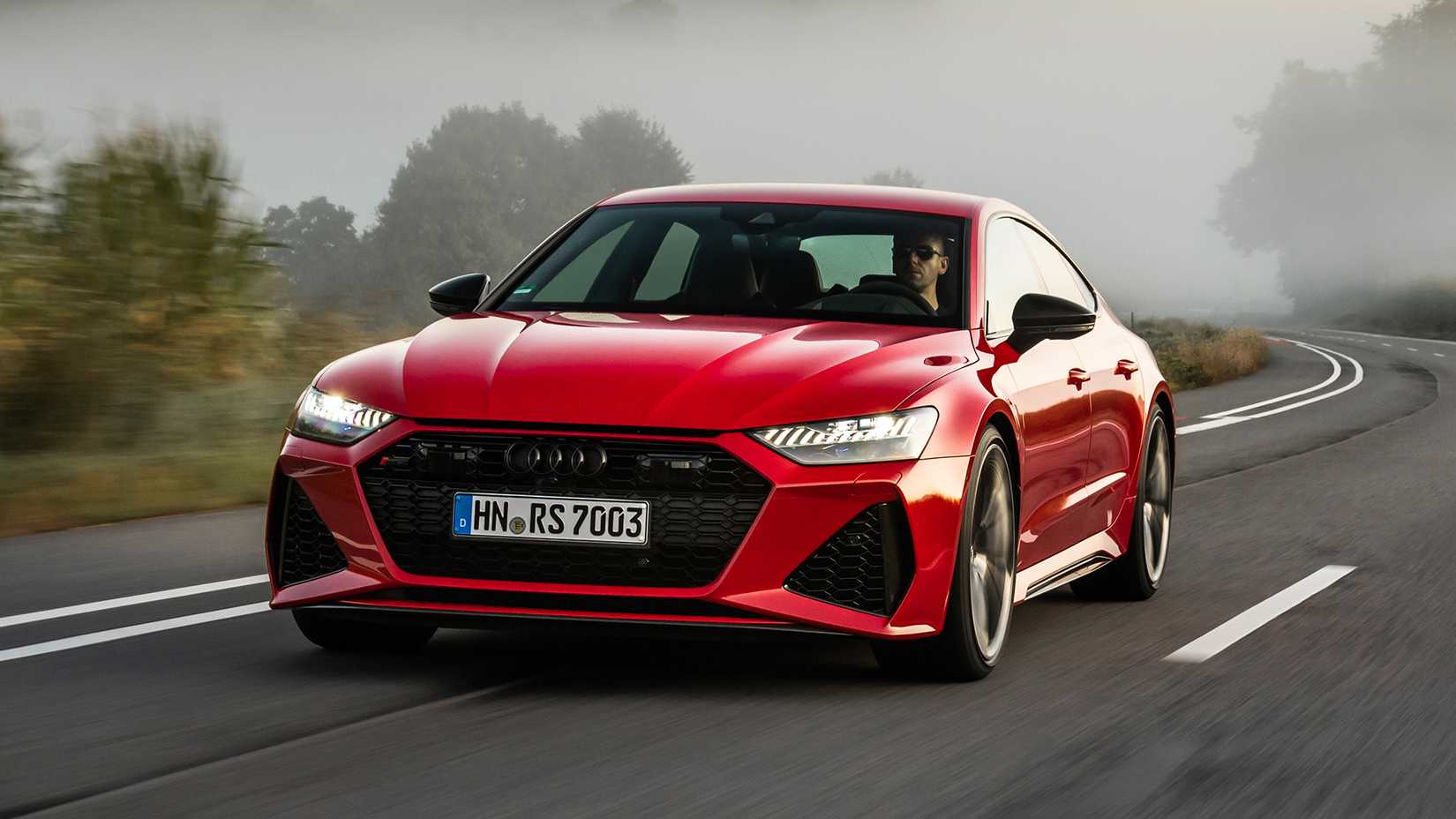
If you push a high-performance car hard all the time, wear is going to be noticeable across nearly every major system. That means if you are constantly launching off the line, strain can be put on the transmission, differentials, and driveshafts, while repeated heavy braking will see you go through pads and discs quickly.
In models like the M5, which can kick out over 600 horsepower, components are already close to their limits, so driving it hard simply compounds the strain. Heat is one of the biggest factors. Every aggressive drive means intense thermal loads and repeated heat cycles. Expansion and contraction of metal and rubber components gradually degrade seals and gaskets.
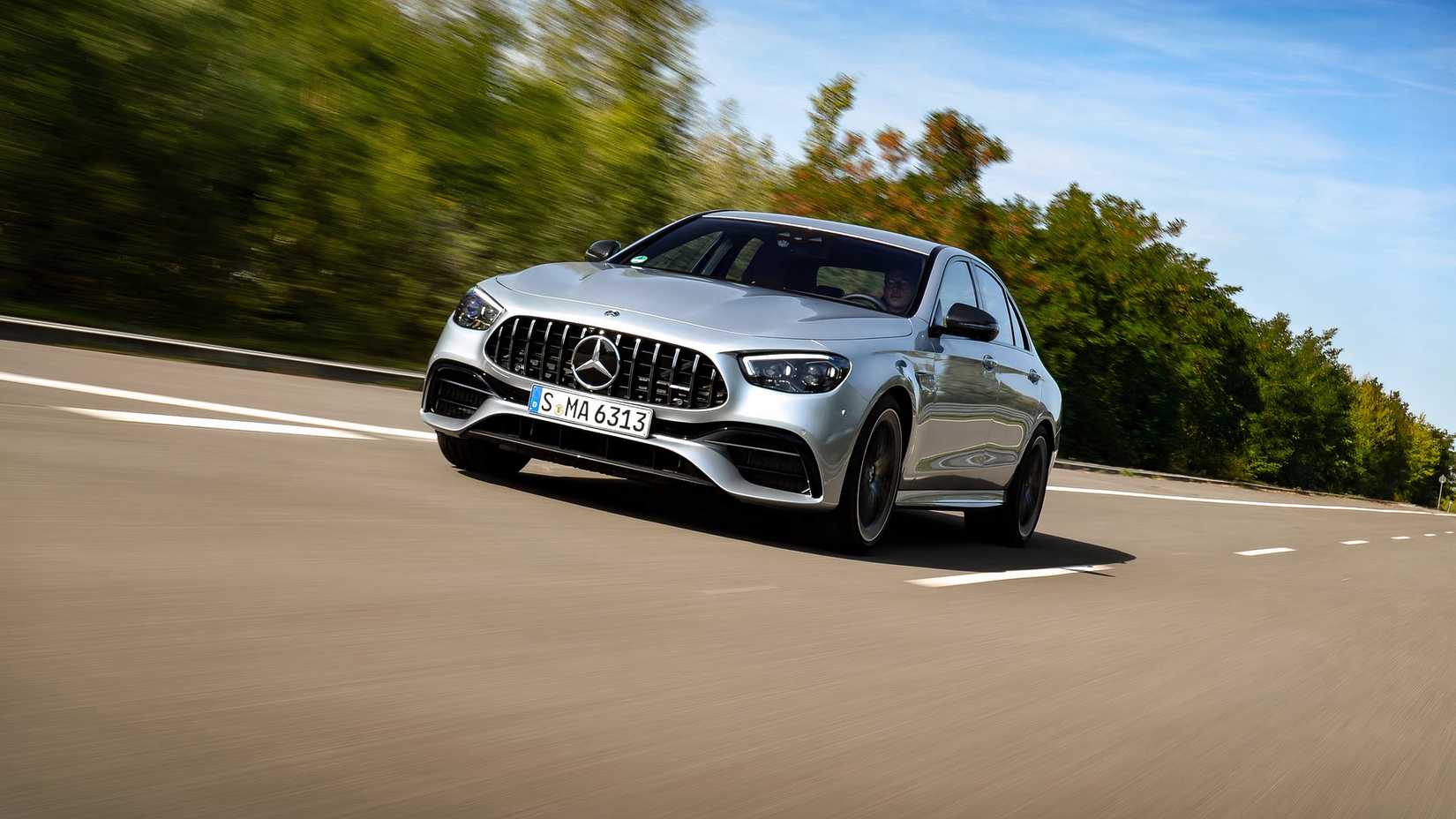
Turbocharged engines, in particular, can suffer because of sustained boost; high pressures and temperatures can increase the likelihood of long-term wear, and cooling system problems that can be triggered by hard driving start small but can turn into major issues later.
The suspension and chassis don’t escape either; aggressive cornering loads up bushings and control arms beyond what they’d experience in everyday driving, and over time, this can lead to reduced precision and more maintenance.
Why Performance Cars Like The Audi RS7 Set Different Expectations
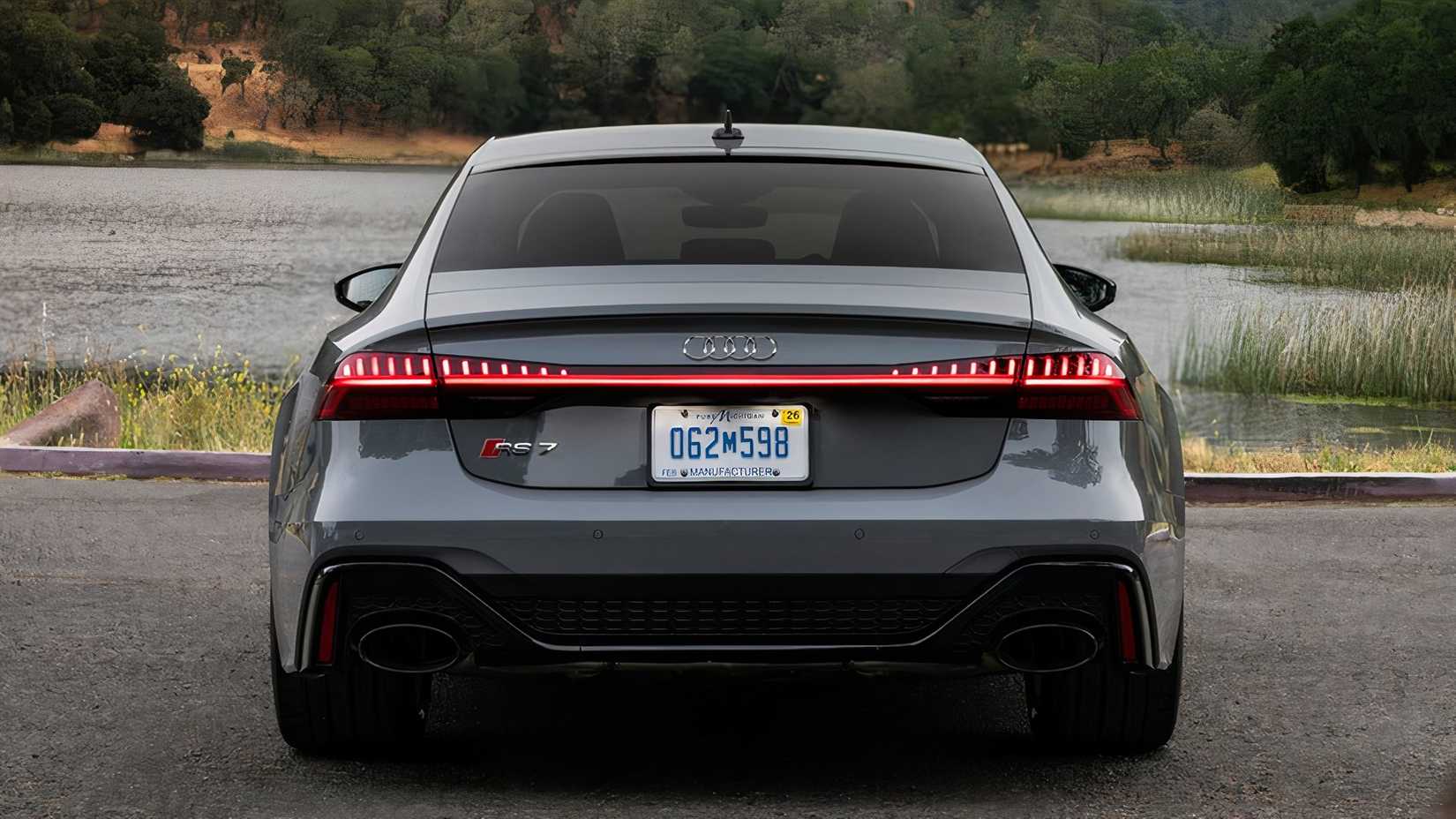
Some performance cars don’t handle the strain of hard driving as well as others. The 911 is renowned for its reliability; owners say that the Toyota GR86 rarely breaks down, and the C6 Camaro generation gets great owner feedback in terms of reliability and performance.
Audi doesn’t always stack up against some of its luxury rivals in terms of dependability. The 2026 U.S. Vehicle Dependability Survey (VDS) indicates that Audi suffers from 244 problems per 100 vehicles (PP100) when the market average is 204 PP100. The good news, though, is that the new generation of RS7 does slightly change the narrative for the German market, and for high-performance luxury cars in general.
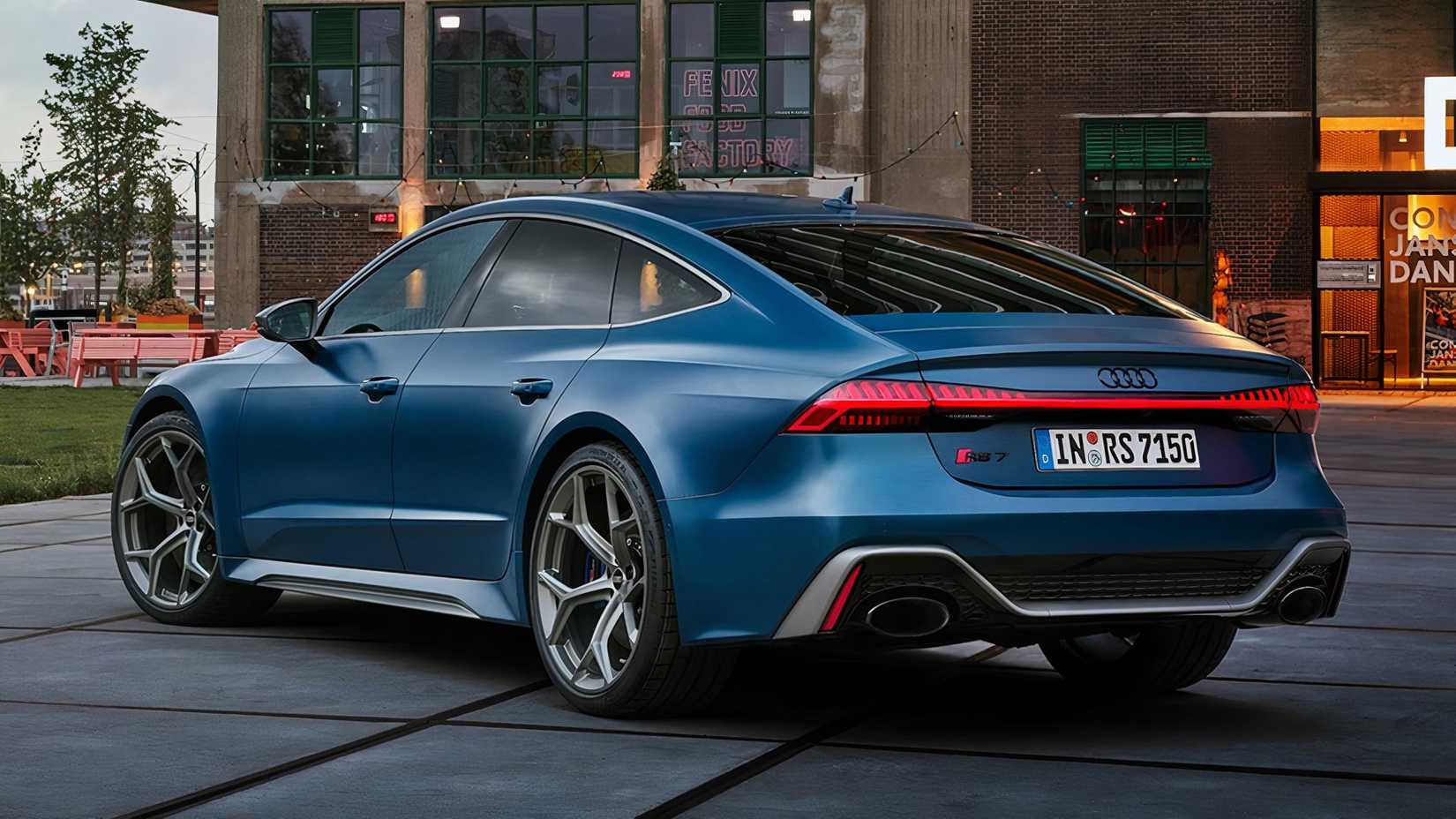
According to reviews on Kelley Blue Book, the 2021–2025 Audi RS7 model years are rated by owners as 4.7 out of 5 for reliability and 5 out of 5 for performance. To put that into perspective, the 2025 Mazda MX-5 Miata is rated for reliability only slightly higher at 4.8 out of 5, and the 2025 Porsche 911, which is famously sturdy, gets 4.3 out of 5 for reliability.
Now that the word is out about the RS7’s balance of high reliability and performance nous, Audi has set a new expectation for what to expect from not only the for-now-continuing luxury RS7, but also other exceptionally potent sports sedans.
Audi RS7 Performance: A True Competitor To The BMW M5 CS
Audi did not abandon the RS6 Avant, which now appears to be the most powerful wagon among the Germans
Real‑World Insights About The Audi RS7
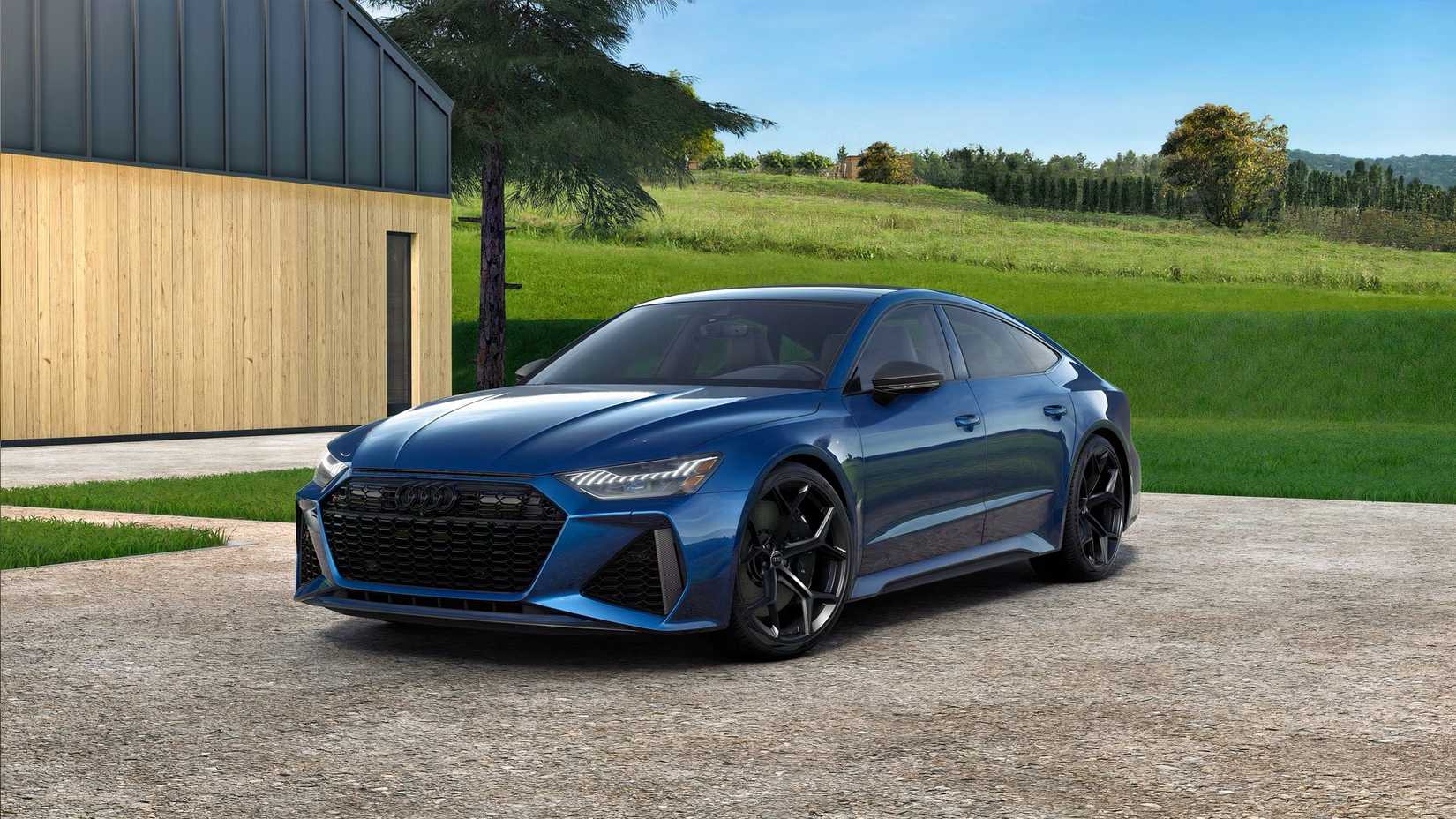
Models of the latest generation of the RS7 that are more likely to have seen 50,000 miles; models like the 2021–2023 model years, all receive high reliability ratings from owners on Kelley Blue Book. However, RepairPal reports that it will cost you $1,849 per year to maintain them. The Audi RS7 is not a cheap car to buy or run.
The 2026 Audi RS7 Performance has a starting price of $130,700 before adding any optional features. The new RS7 does come equipped with what many agree makes certain Audi models exceptional: the Quattro all-wheel-drive system; Audi says that it can hit 60 mph in under 3.5 seconds; an exceptionally powerful twin-turbocharged V8 sits under the hood, and power is sent through an eight-speed Tiptronic transmission.
|
2026 Audi RS7 Performance |
|
|---|---|
|
Engine |
4.0-Liter Twin-Turbocharged V8 |
|
Transmission |
Eight-Speed Automatic |
|
Horsepower |
630 hp |
|
Torque |
850 Nm (627 lb-ft) |
|
0–60 MPH |
3.3 Seconds |
In short, it is a weapon of a sedan. The EA825 V8 that is equipped in the new RS7 has a hot-V design with the turbos mounted inside the cylinder banks for sharp throttle feedback.
It also comes equipped with a 48-volt mild-hybrid system that uses a belt alternator to recover energy when you brake and adds extra torque to the crankshaft when you plant it, so you also get smooth power underfoot. To top it off, Audi also says that the top speed of the new RS7 is 190 mph.
Audi RS7 Mileage Milestones
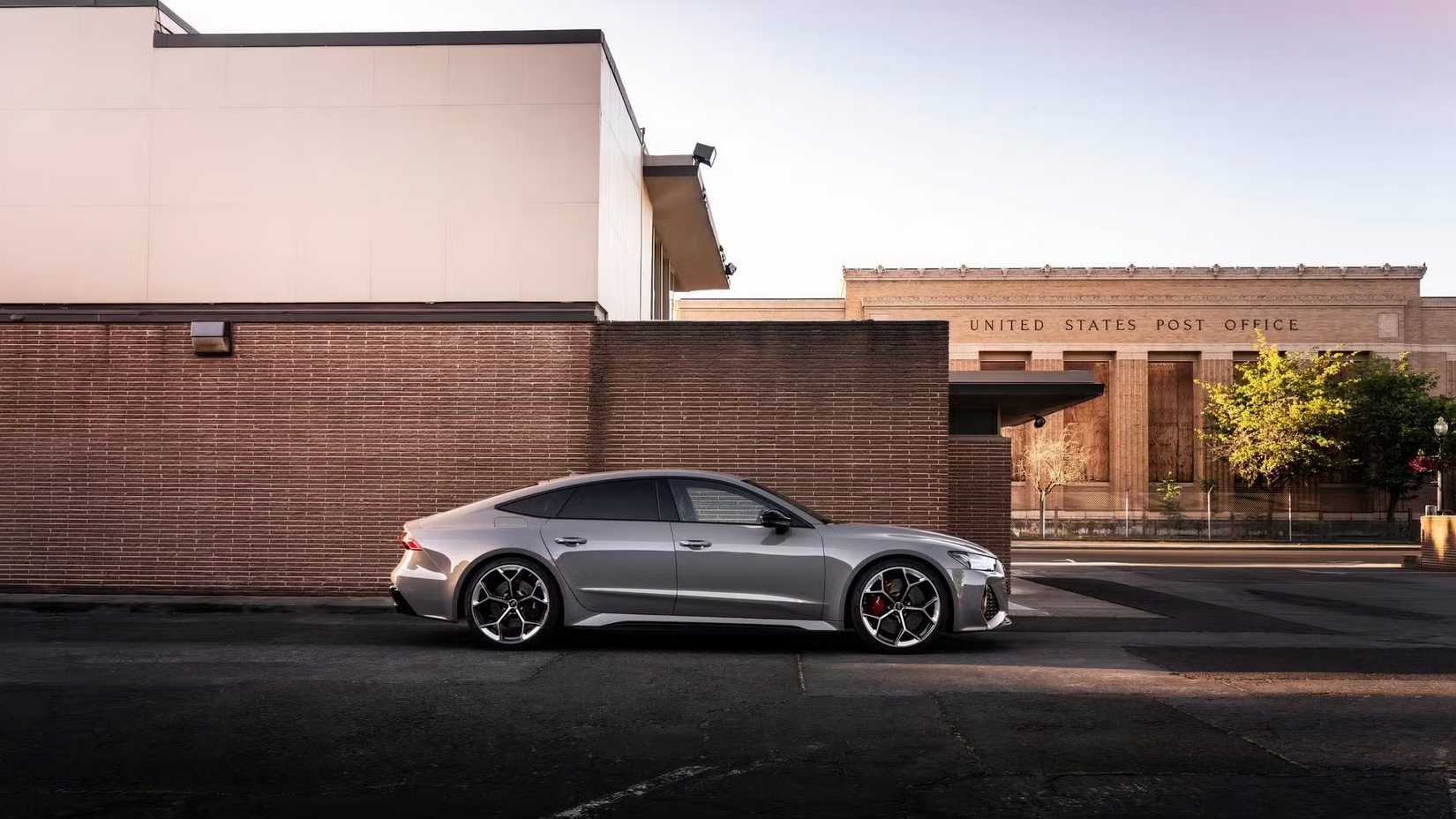
There’s no denying that the RS7 is a beast, but how does it hold up after putting some miles on it? According to data on Kelley Blue Book, today, you can buy a 2022 MY for the average used price of $73,100, down from the original price of just shy of $120,000, and a 2023 MY for the average used price of $81,700, down from the original price of just under $125,000.
Prices have come down quickly, as is generally expected in the segment, and this is because of the high maintenance costs involved with owning a luxury performance vehicle, significant competition from models like the M5 and E63, and because the introduction of the 2026 RS7 Performance has made the 591-horsepower 2022 and 2023 models less desirable.
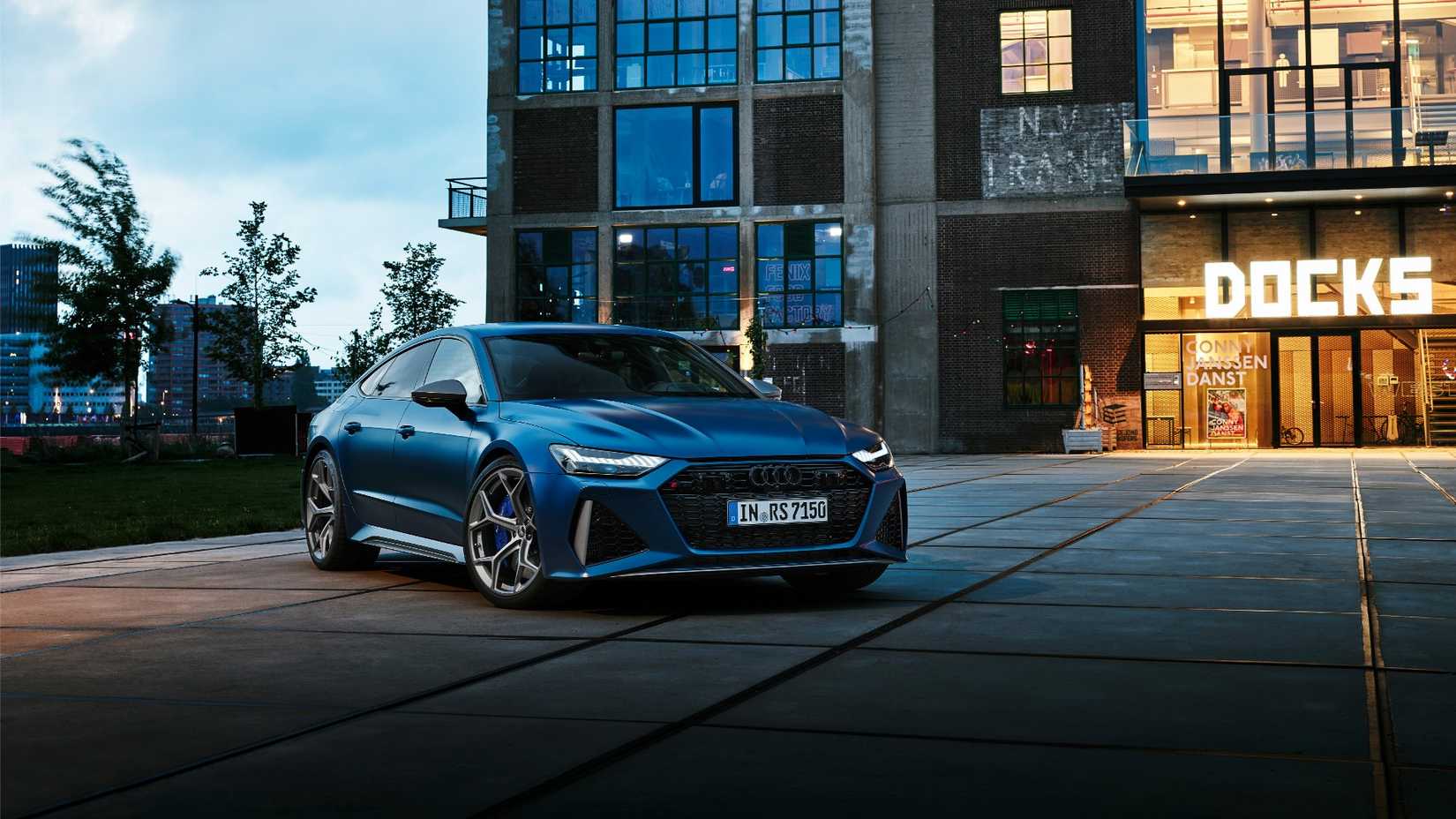
Owners say that around the 50,000-mile mark and above, you can expect a still-robust and snappy feel behind the wheel, thanks to the V8 under the hood and a still-smooth ride, but there are some things that need to be taken into consideration, most notably: the maintenance schedule.
|
Mileage |
Recommended Maintenance |
Maintenance Cost Range |
|---|---|---|
|
10,000 Miles |
Engine Oil Change/Check Disc Brake Pad Thickness/Check Tire Repair Kit |
$113–$188 |
|
20,000 Miles |
Engine Oil Change/Replace Air, Dust & Pollen Filter/Check Disc Brake Pad Thickness/Check Battery State Check/Check Freeze Protection/Check For Engine, Transmission & Final Drive Leaks/Check Dust Seals On Ball Joints/Check Underbody For Damage |
$252–$421 |
|
30,000 Miles |
Engine Oil Change/Change Spark Plugs/Check Disc Brake Pad Thickness/Check Tire Repair Kit |
$557–$829 |
|
40,000 Miles |
Engine Oil Change/Replace Air, Dust & Pollen Filter/Check Disc Brake Pad Thickness/Check Battery State Check/Check Freeze Protection/Check For Engine, Transmission & Final Drive Leaks/Check Dust Seals On Ball Joints/Check Underbody For Damage |
$252–$421 |
|
50,000 Miles |
Engine Oil Change/Change Spark Plugs/Check Disc Brake Pad Thickness/Check Tire Repair Kit |
$113–$188 |
At 60,000 miles, things get more expensive. According to data on Kelley Blue Book and RepairPal, a 60,000-mile service will cost you between $708 and $1,061, and that is if there are no repairs. The recommended maintenance jobs include everything needed for the 40,000-mile service, and the following:
- Lubricate hinge and door latch.
- Check front and rear lighting, and hazard lights.
- Check first aid kit.
- Check headlight leveling.
- Check all interior lights.
- Check drainage system on panoramic sunroof.
- Check for dirt in the plenum chamber and water valves.
- Check seatbelt tongue clip.
- Check for damage in wheel well arches.
- Check for chassis for corrosion.
There have been reports of oil coking from some models, and while some sources say that oil changes should be carried out every 10,000 miles, an oil change every 5,000 miles can help to avoid this.
Audi RS7 Common Issues And Complaints
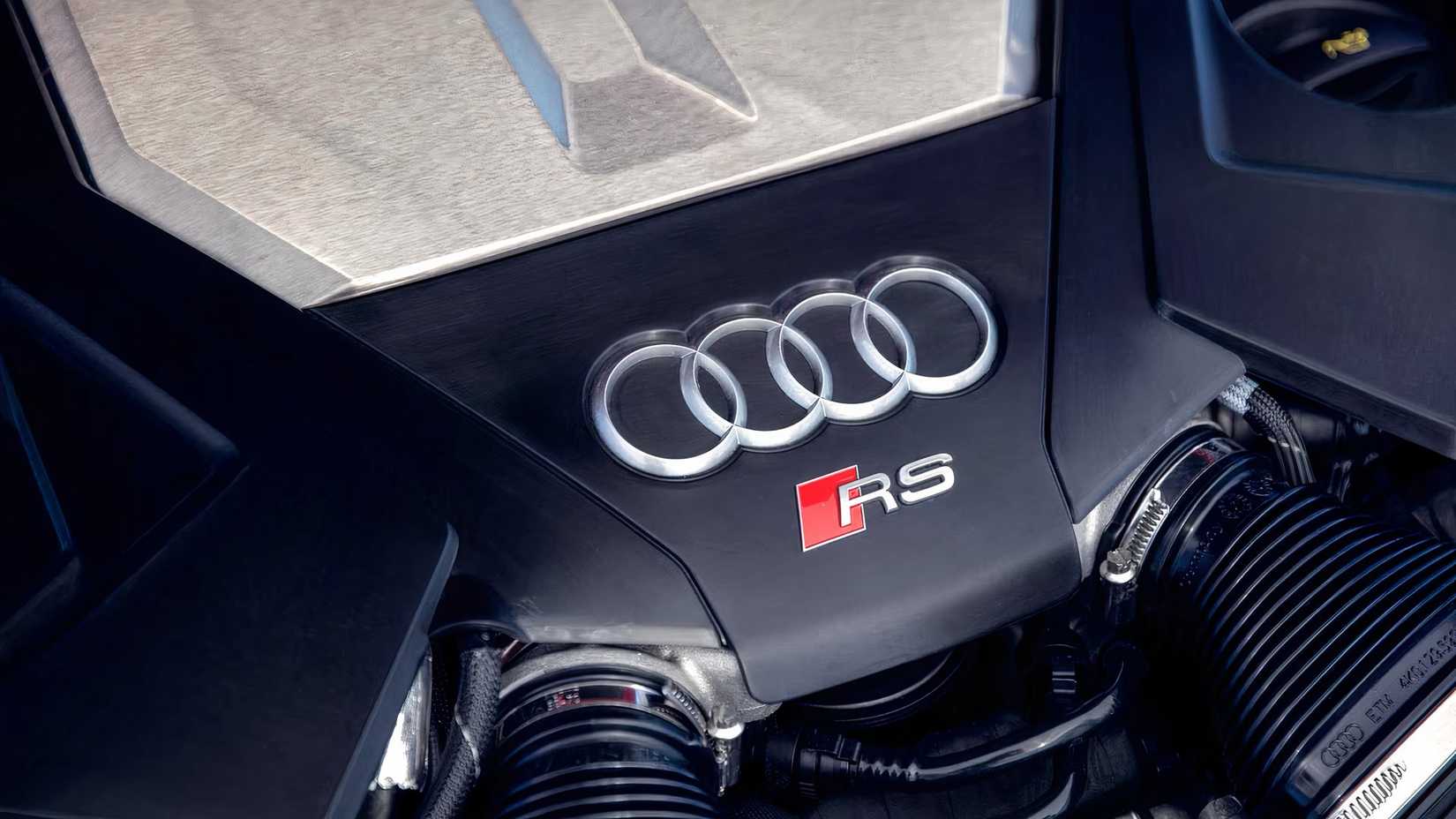
While the RS7 is a well-renowned luxury high-performance sports sedan, owners report a few issues with 50,000-mile+ models. These include mild-hybrid system failure, which can cause a no-start; HPFP failure, which can break the turbos; coolant leaks; clunks and rattles from the suspension; and worn-out brakes, which can lead to inner-edge tire wear all too often.
Some owners also mention that the multimedia screen lags and fails, and rattling from the sunroof. The biggest complaint, though, is that the RS7 requires significant financial commitment as a sports sedan. Parts are generally not cheap, and servicing costs are a lot more expensive than you can expect from owning something like a Lexus LC 500 or an Acura TLX.
The German Super Coupe That Proves The Formula Isn’t Dead Yet
As performance coupes fade, this Audi stands firm in a changing market.
Where The Audi RS7 Holds Up Well Over Time
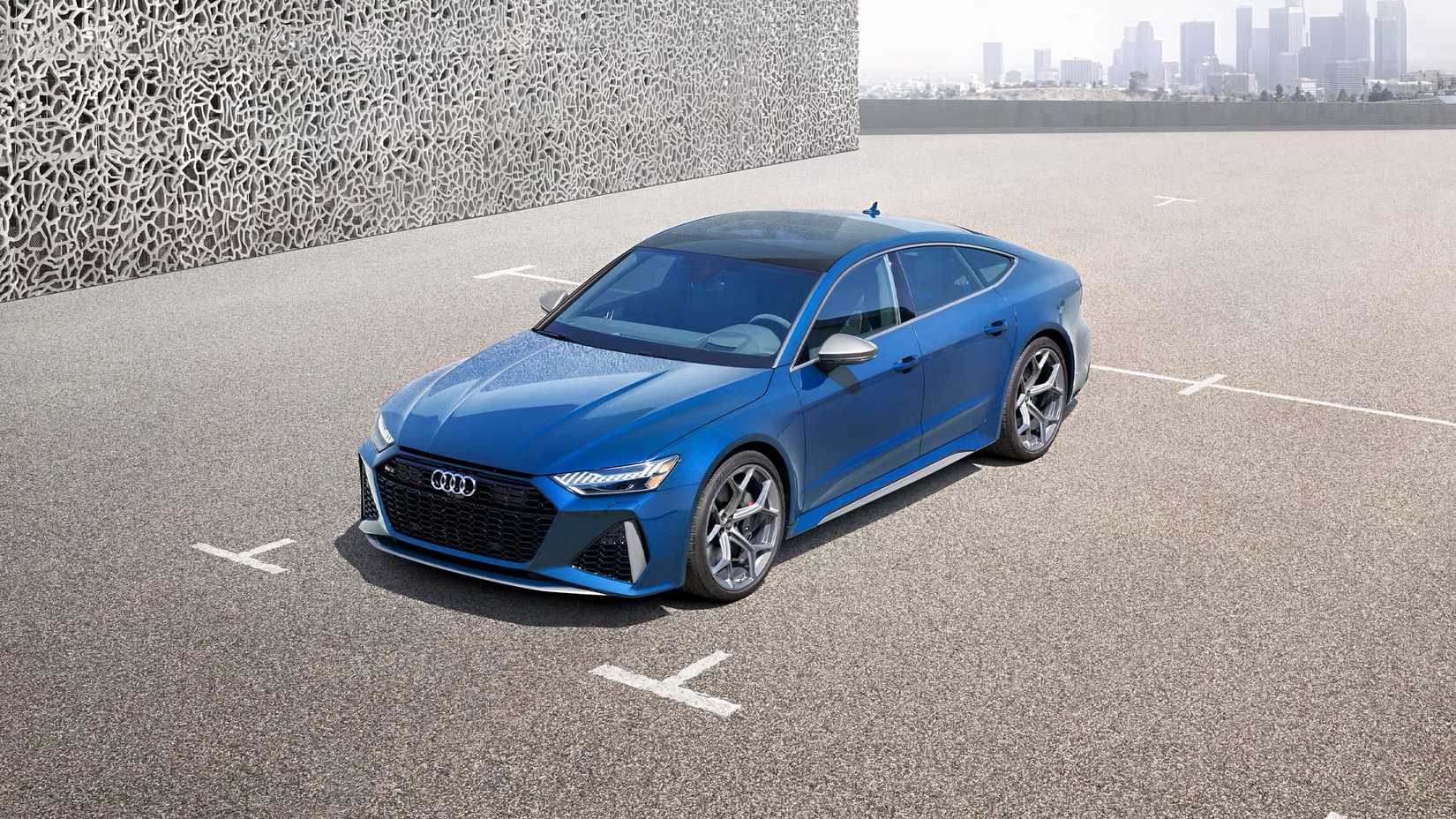
Once you get over the fear of complex German engineering and have saved up enough to get it through its services, the RS7 actually settles into a surprisingly solid long-term rhythm.
Owners on forums and in their reviews shed good light on the build quality and strength of an RS7 over the mid- to long-term, and, though owners constantly mention the high costs involved, they say it is worth the dedication to it.
Strengths In Engine, Transmission, And Build Quality
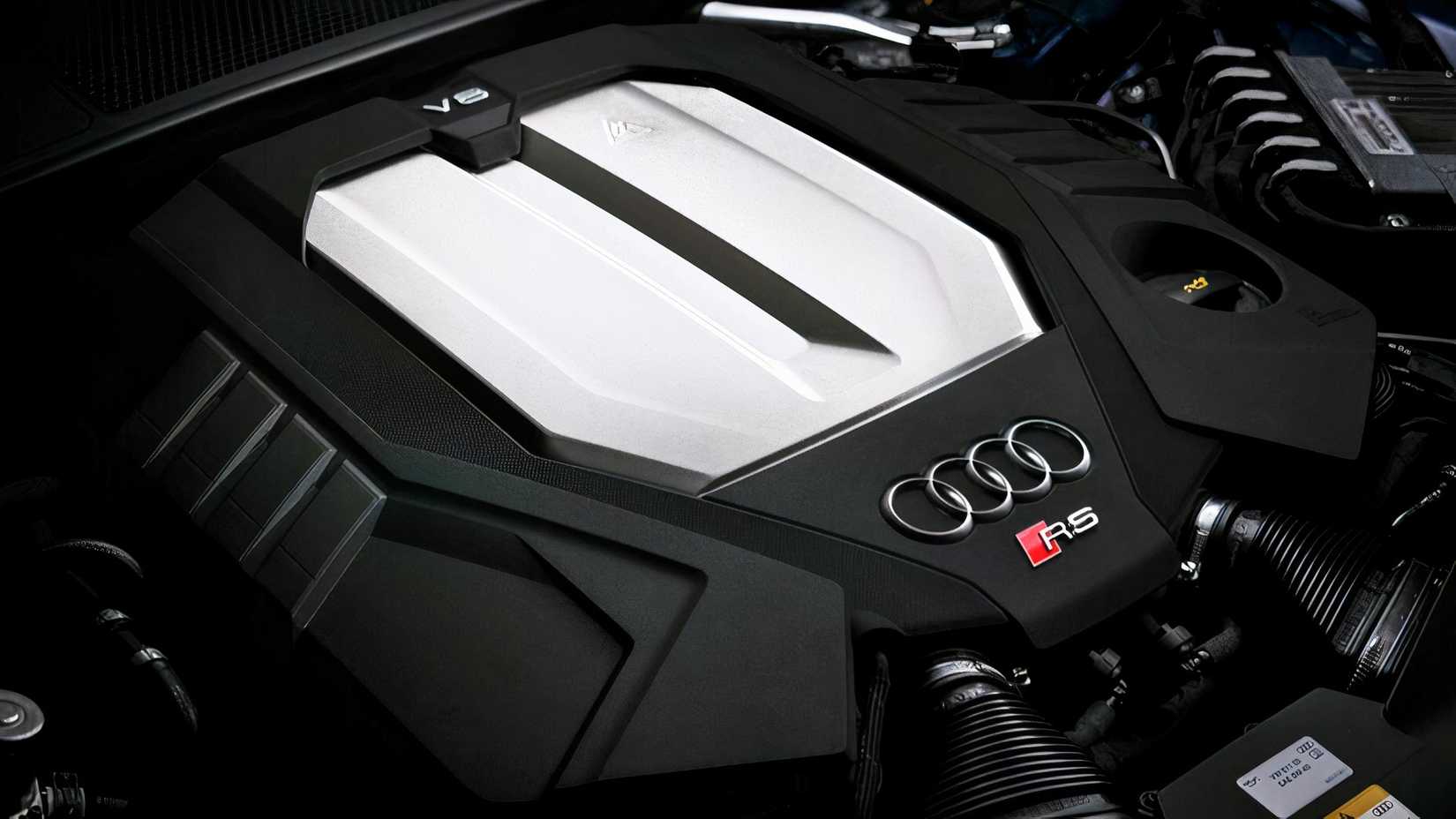
A big part of why the RS7 holds up well comes down to how overbuilt its components are, despite some reports of leaks and turbo problems. The EA825 4.0-liter V8 isn’t just about big output, but it is designed to take heavy loads.
The hot-V layout shortens the exhaust path to the turbos, which not only gives you a responsive feel, but also keeps heat more centralized and controlled. This matters in the long term; better heat management reduces stress on surrounding components like wiring and seals. Add in a sturdy bottom end with a forged crankshaft and robust internals, and you have an engine that doesn’t feel strained even when pushed hard regularly. One owner sums it up the best:
“Found the perfect 2021 RS7… the car has been absolutely immaculate. Drives just as tight and strong as the day I picked it up.”
The eight-speed Tiptronic that is used is another reason the RS7 can age well; unlike dual-clutch packs, this torque-converter unit is better suited to handling repeated high-torque loads without wearing out. It absorbs shock during hard accelerations, smooths out power delivery, and avoids the heat buildup that shortens the lifespan of more aggressive-feeling transmissions.
Then there is build quality. Owner feedback suggests it holds together pretty well. Audi designed the chassis with rigidity and durability in mind, with subframe mounting points, suspension linkages, and drivetrain components that are all engineered to cope with the immense force of a 4,766-pound, 600-hp, AWD sedan. The Quattro AWD system itself is also a well-proven system at distributing torque without putting strain on just one axle, so some faith can be put in it holding up well.
Materials, Interior Durability, And Long‑Term Comfort
Inside, the 2026 RS7 is as executive and sporty as you’d expect, with RS sport seats wrapped in Valcona leather and honeycomb stitching. It isn’t all just for show; the close-grained leather helps to maintain structure over time. For the 2026 MY, there is no long-term feedback, but owners have said that two- to three-year-old models still feel solid inside.
Audi has also leaned heavily on luxury material layering, which has been a mainstay of the RS7 since it was released. You can opt for extended leather trim across the dashboard, armrests, center console, and even the airbag cover of the 2026 RS7, which means fewer hard plastics that are prone to wear. The same can be said about older models, which all get high-quality interiors that, owners say, stand up to a lot of hard use.
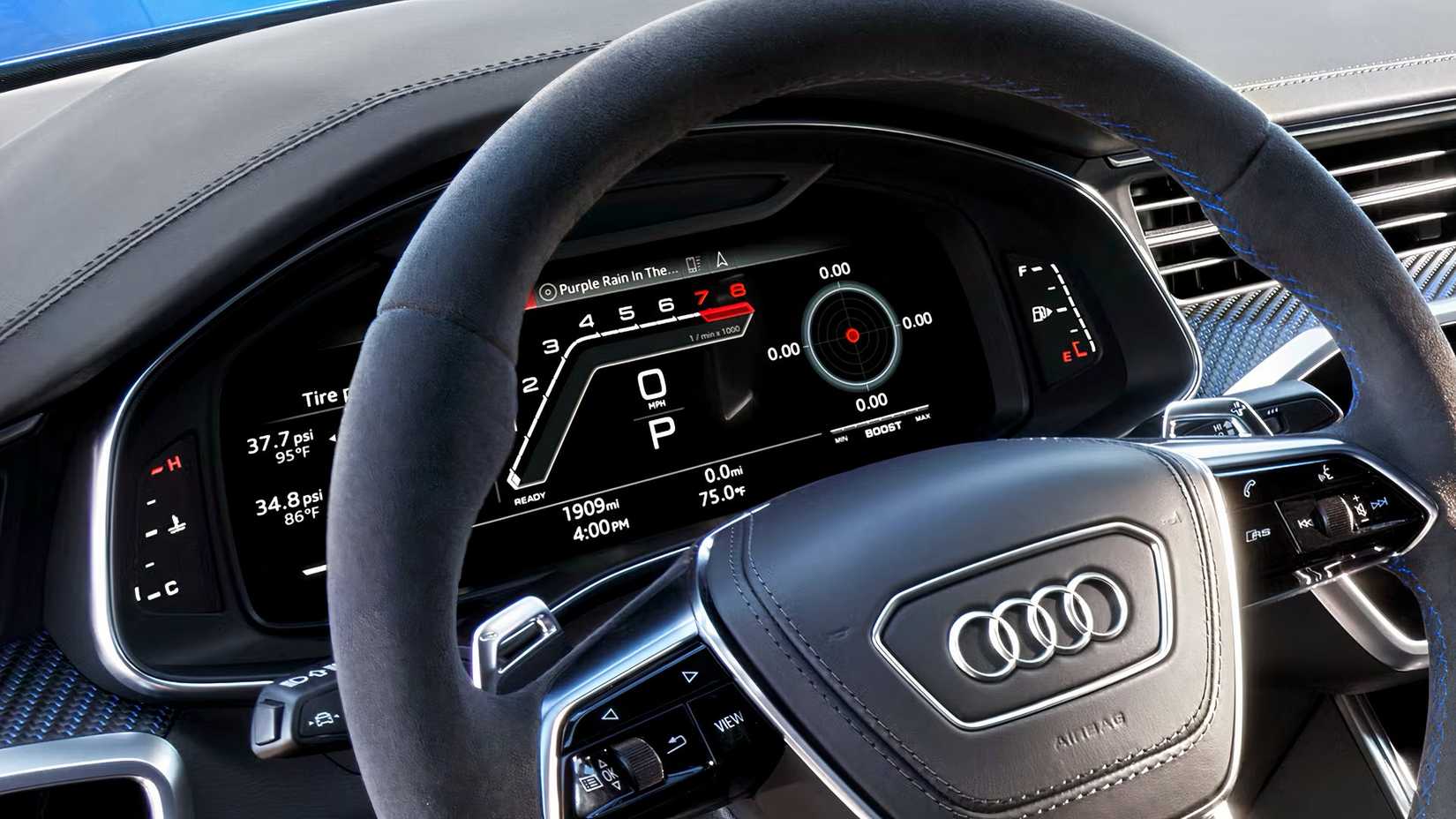
The RS7 was built to be a sedan that can be used every day and provide a lot of fun behind the wheel, and despite its aggressive build, the heated seats, techy features, and high-end insulation still make it a comfortable and serene place to be. Yes, some owners say some things get worn out a little in the cabin over a long time, but on the whole, it stays comfortable.
The German Sports Car With Toyota Reliability And Ferrari-Level Handling
2010’s supercar performance, a Toyota-backed heart, yet untouchable in its German attention to detail.
What To Watch Out For Beyond 50,000 Miles With An Audi RS7
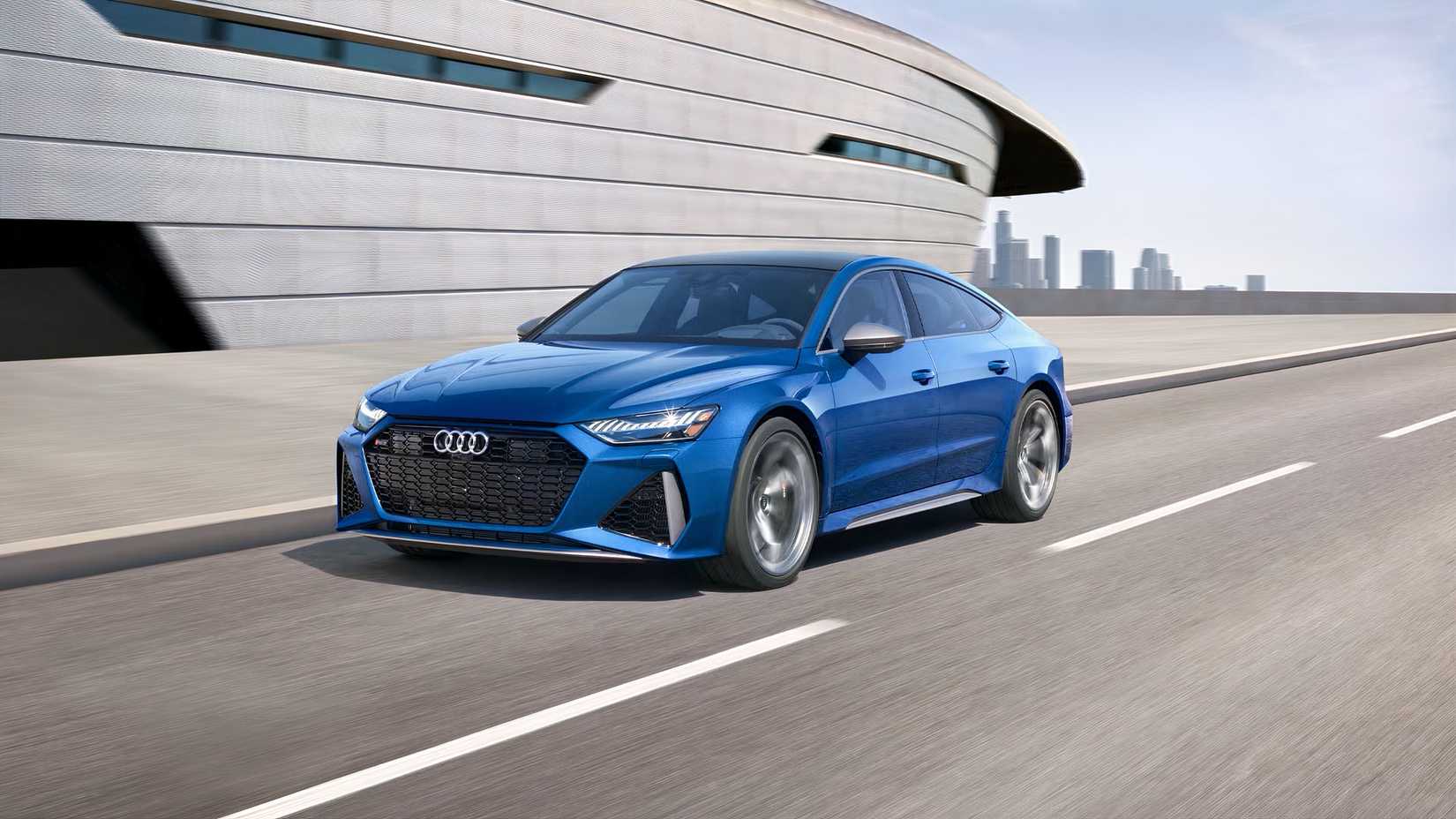
Like any high-end performance car, especially one that needs to be serviced like the RS7 does, there are some things that need to be kept on top of and inspected before buying a 50,000+ mile model.
You should check that the turbo oil screen filter is not clogged and ask if it has been seen to lately; this can cause very expensive turbo breakages. Also listen for whistling noises from the turbo; if there are, you could also be looking at a very expensive repair.
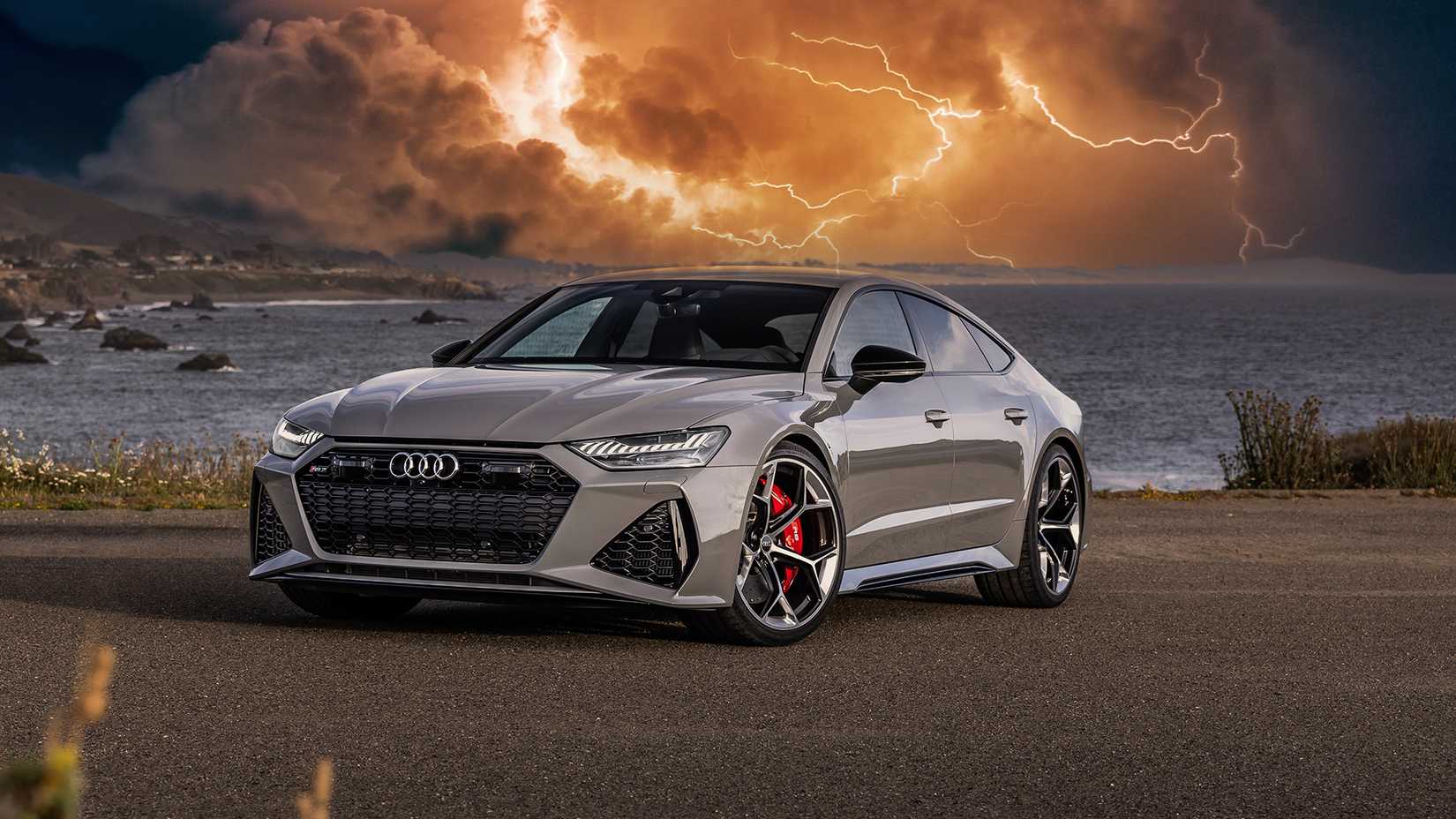
The V8 used is a direct-injection model, so carbon buildup is not uncommon; make sure it has been cleared before buying one, and take a good look at the upper and lower control arm bushings; even only a couple of years of hard driving can take a toll on them. The same can be said for wheel condition and brakes; lots of hard use can affect their integrity, so getting up close to the wheels for a check and testing brake feedback on your test drive is very important. It can cost a fortune to replace these components.
As a very impressive luxury performance car, the Audi RS7 has slightly changed the market’s opinion on the German marque’s reliability record, and it can be a very sturdy car to buy, but maintenance and upkeep is key here. 50,000 miles in a model like a Toyota GR86 may sound like breaking-in mileage, but the RS7 is designed for a lot more power and much higher loads, and with that comes a far more involved checklist of maintenance tasks that cannot be ignored.
Sources: Audi, RepairPal, J.D. Power, and Kelley Blue Book.