
In the 2026 American and global automotive landscape, vehicle reliability has e volved to be the most noteworthy factor influencing the consumer’s decision more than ever before, even across luxury and performance segments. This is becoming a bit more of a complicated subject as brands transition toward electrification and software-defined cars.
With new vehicle prices remaining high and ownership cycles lengthening, choosing a dependable brand is no longer just about avoiding a breakdown. You, as a buyer, now have to engage in a critical strategy that sees you avoid substantial resale value losses and minimize the total cost of ownership. Studies by J.D. Power, including the 2025 U.S. Vehicle Quality Study and 2026 U.S. Vehicle Dependability Study, are a key tool because they provide an objective and data-driven reality check against manufacturer marketing.
Common Problems Affecting Cars Today
J.D. Power‘s most reliable car brands 2025 quality study covers the first 90 days of ownership, while the 2026 dependability study stretches over three ownership years. These reports are particularly vital now, as the publication identified a sharp rise in long-term problems that reaches an industry average of 204 problems per 100 vehicles, driven largely by problematic infotainment systems and over-the-air software updates.
This empowers consumers to distinguish between flashy tech and proven mechanical integrity by ranking brands that are less experimental at the top. If you consider yourself a modern buyer, this transparency reduces the risk of inheriting mechanical and software headaches, while ensuring that your purchase remains a mobile asset rather than a digital liability.
For the 2026 Vehicle Dependability Study, we see that Lexus leads the race in the premium segment. Buick leads the mass market with 160 PP100, while Cadillac places fourth overall and second in the premium segment with a 175 PP100. Chevrolet doesn’t fare too poorly with a 178 PP100, placing it third in the mass market.
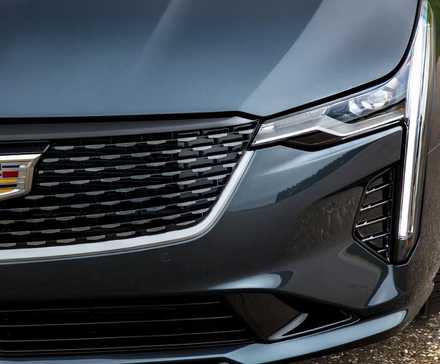
The Most Reliable Cadillac That You Can Buy New In 2026
The Cadillac CT4 skips the drama and delivers something better: calm reliability, solid engineering, and a luxury sedan that just keeps showing up.
The Best Japanese Brands For Reliability
Craig Cole | TopSpeed
For 2025 and 2026, Japanese brands dominate the top 10 most reliable car brands studies once again, primarily thanks to a cultural and engineering commitment to mechanical perfection over radical and unproven change. Central to this success is the Toyota Production System, which employs the philosophy of continuous improvement and automation with a human touch. This allows any worker to stop the assembly line to fix a defect immediately, without creating substantial production delays.
By the 2026 landscape, this approach has protected Japanese automakers from the software glitches plaguing rivals. This is because they prioritize carryover mechanical components and well-tested electronics over more futuristic but unstable technologies. Applying this slow and steady strategy ensures that critical systems like powertrains are under-stressed and engineered for survival, often allowing models from Lexus, Toyota, and Mazda to exceed 200,000 miles with only routine maintenance.
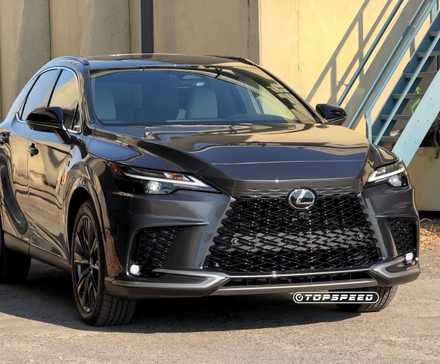
Lexus Tops The Reliability Charts
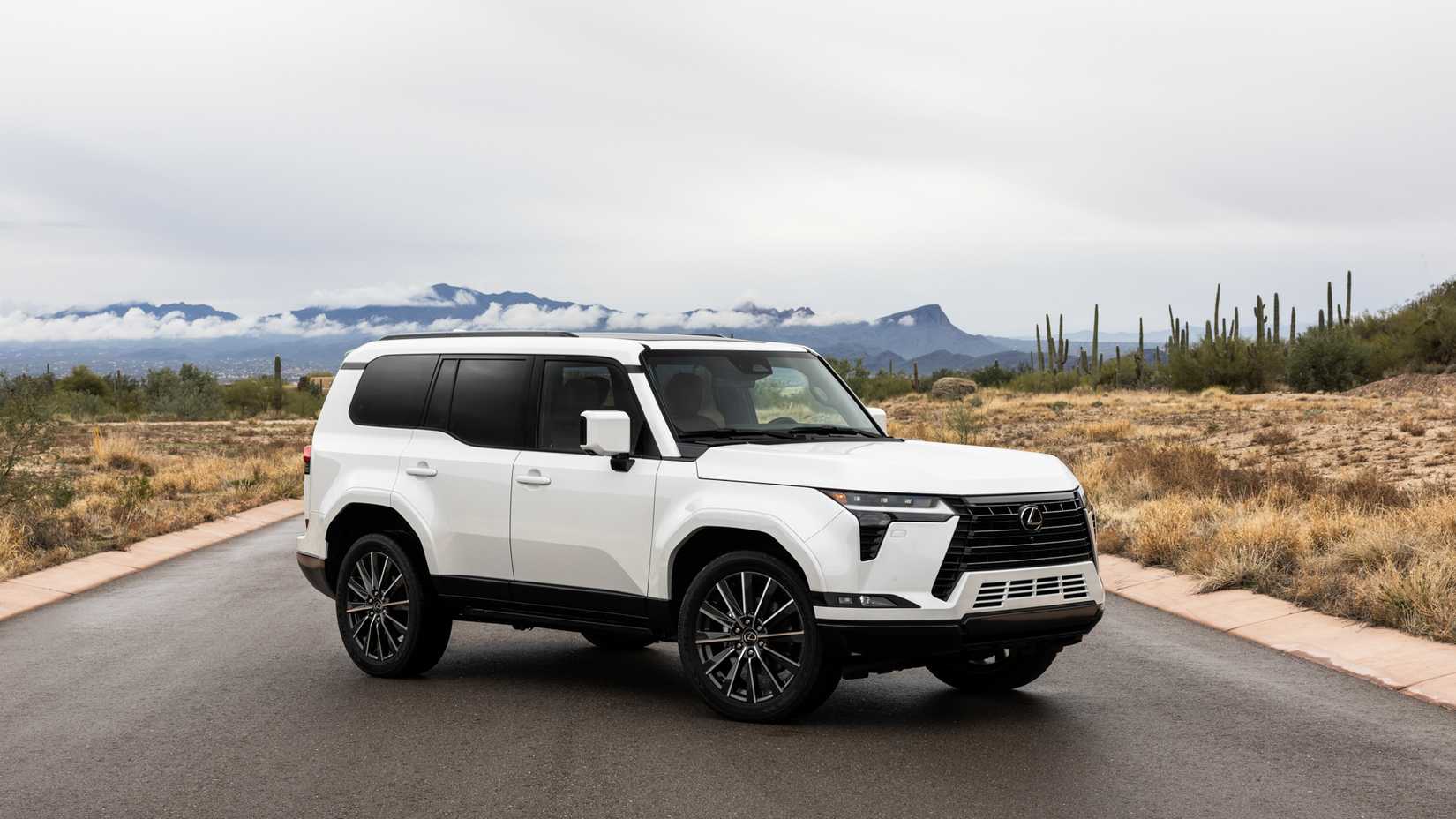
In the 2026 J.D. Power U.S. Vehicle Dependability Study, Lexus secured the top spot for premium brands for the fourth consecutive year, following its achievement for one of the most reliable car brands in 2024 and the year prior, recording a score of 151 problems per 100 vehicles.
Key segment winners include the Lexus GX for the Midsize Premium SUV category and the Lexus IS for the Compact Premium Car segment. By prioritizing physical controls and proven hybrid powertrains over complex software-heavy interfaces, Lexus effectively avoided the industry-wide surge in infotainment and connectivity defects.



Toyota’s Broad Catalog Proves Its Worth
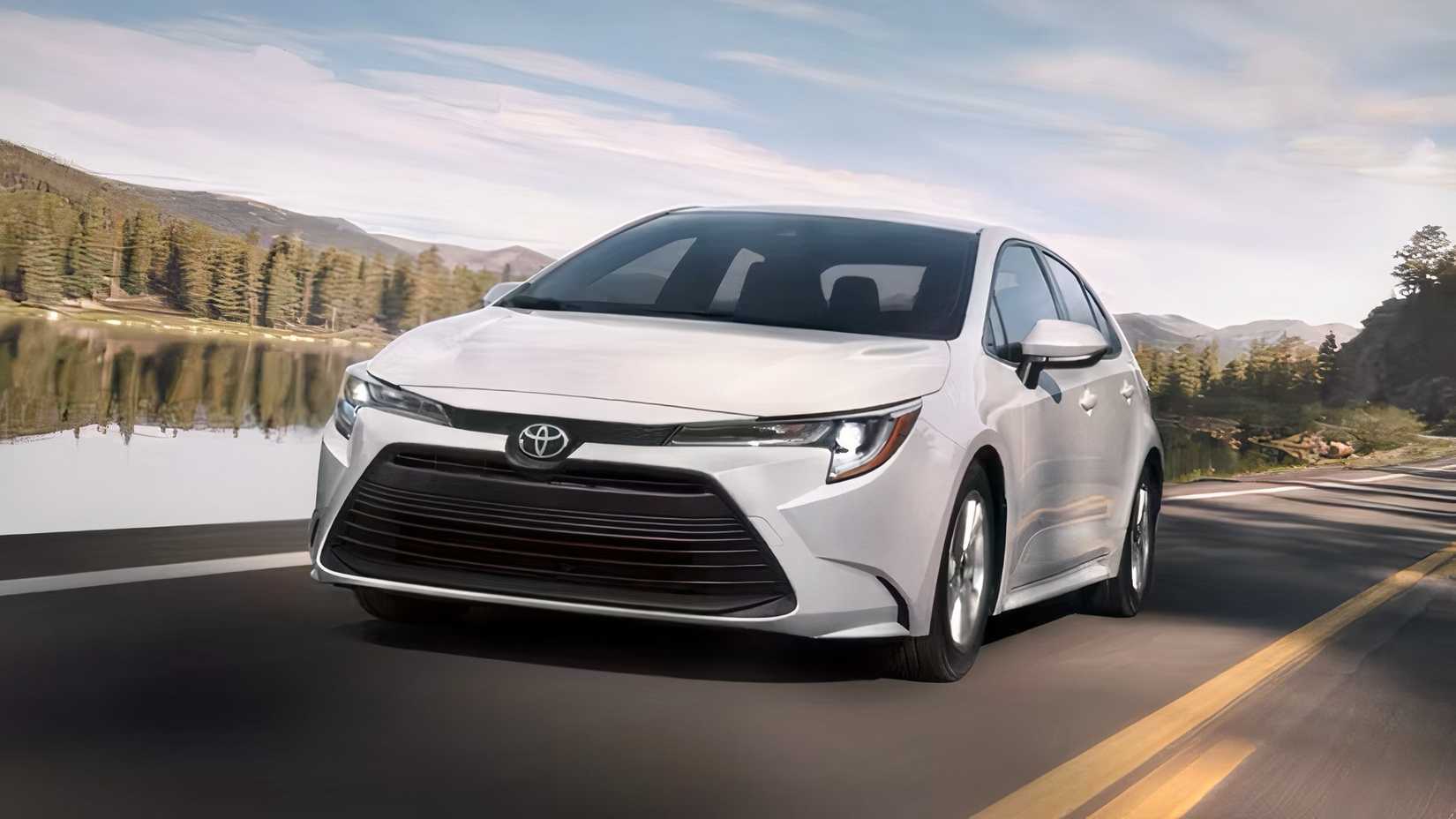
In the 2026 Vehicle Dependability Study, Toyota reinforced its reputation by ranking fourth among all mass-market brands and eighth overall, with a score of 185 problems per 100 vehicles, outperforming the industry average.
Key segment winners for 2025 and 2026 include the Corolla for the Compact Car category, Camry for the Midsize Car segment, RAV4 for the Compact SUV market, Sienna for Minivans, and the 2026 Toyota Tacoma for the Midsize Pickup segment. Toyota is well-known for making the most reliable cars, so its position here really shouldn’t come as a surprise.
Mazda’s Concentrated Line Up Plays Things Safe
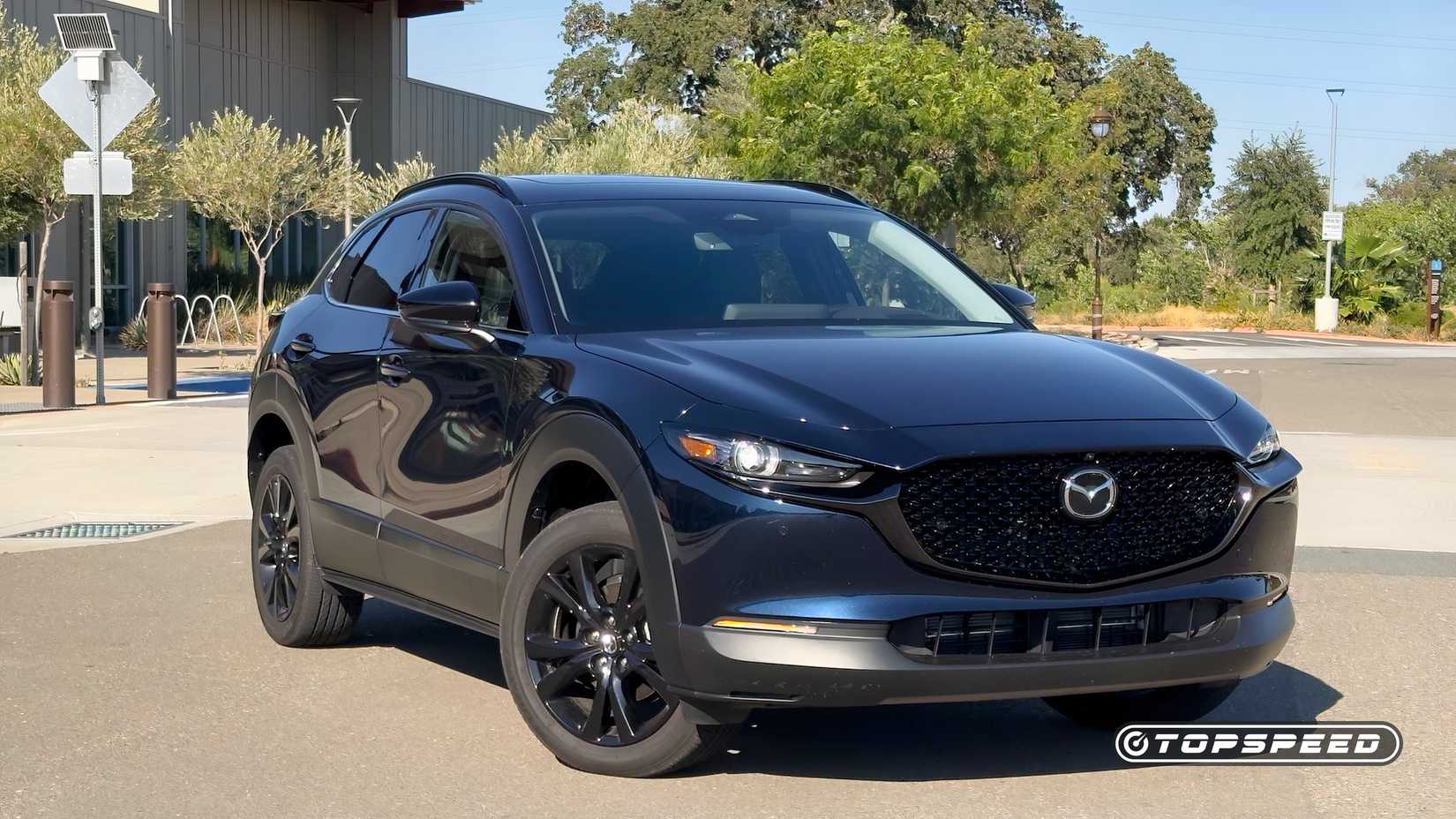
For 2026, Mazda doesn’t perform too well, scoring 210 PP100. However, in 2025, the Japanese brand delivered one of the year’s most impressive performances, climbing four positions to rank third overall and second among mass-market brands. With a score of 161 problems per 100 vehicles, the Japanese brand significantly outperformed the industry average of 202 PP100.
Key models driving last year’s ranking include the CX-5 and CX-9, both of which were recognized as top-three finalists in the Compact and Upper Midsize SUV categories, respectively. For 2026, the Mazda3 and MX-5 Miata continue to be cited by Consumer Reports for their mechanical simplicity and robust Skyactiv powertrains.
Subaru Improves From Previous Years
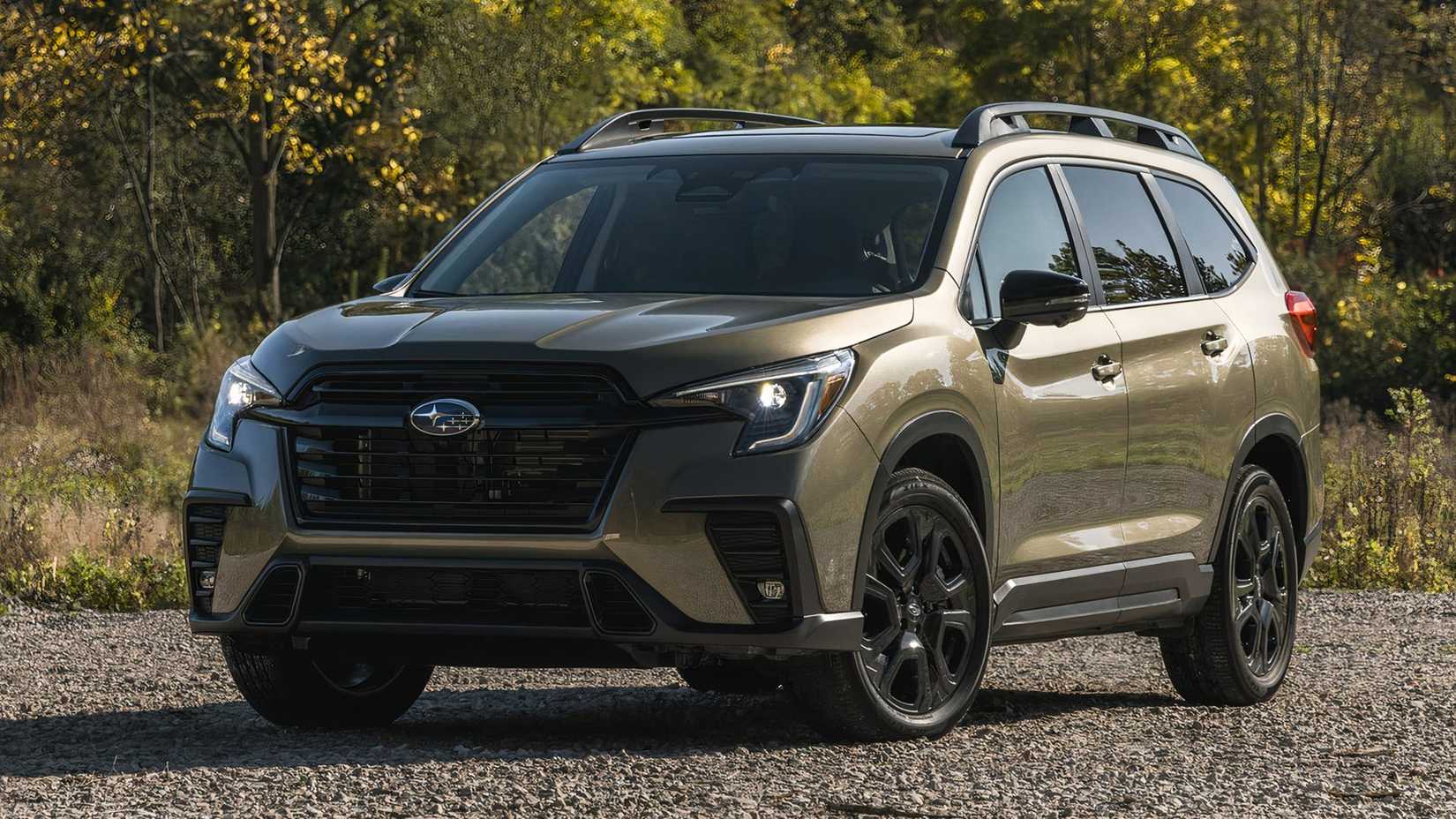
Subaru delivered a solid performance, ranking with a score of 181 problems per 100 vehicles, placing it respectably better than the industry average. While its J.D. Power ranking is impressive, Subaru truly soared in the 2025 and 2026 Consumer Reports rankings, where it was crowned the Most Reliable Brand overall. This discrepancy often stems from Subaru’s high owner satisfaction and mechanical robustness over longer five-to-ten-year periods, even if minor infotainment glitches are reported in the first three years of ownership.
Key models positioning Subaru at the top include the Crosstrek, leading the 2026 J.D. Power segment for Best Small SUV quality and reliability, and the Forester and Outback. Subaru’s Symmetrical All-Wheel Drive and boxer engine architecture provide a low center of gravity and natural balance, contributing to the brand’s reputation for longevity. By 2026, improvements to the EyeSight Driver Assist software and updated CVTs have addressed previous pain points, making models like the Impreza and Ascent top-tier choices for those seeking all-weather reliability.
Honda Could Perform A Bit Better
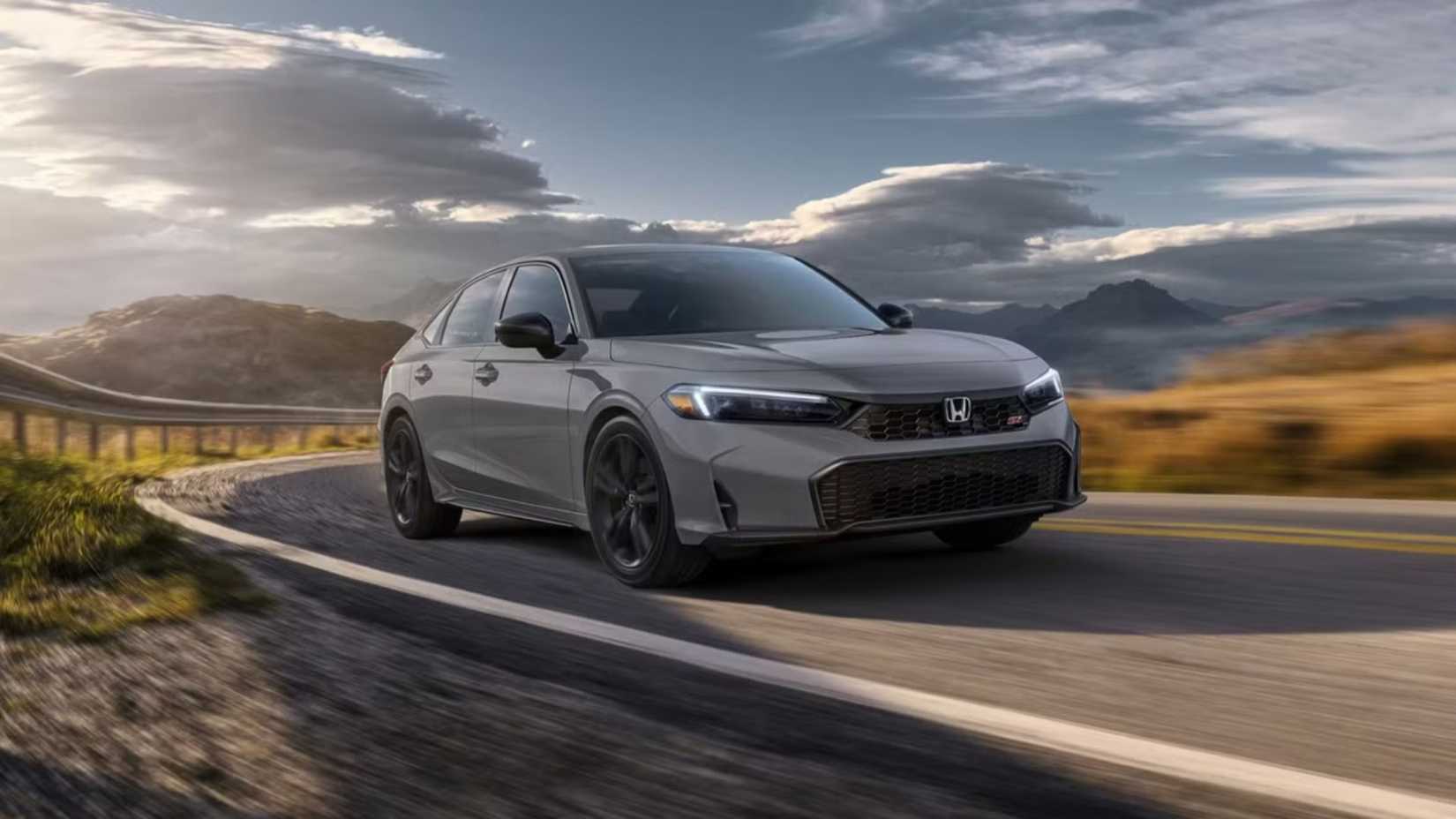
Honda delivered a steady performance with a score of 201 problems per 100 vehicles. This places it in line with the industry average, which isn’t an ideal result compared to key rivals. However, the Japanese brand remains a top-tier mass-market choice due to its high Initial Quality scores and exceptional resale value. For 2026, the brand has seen a reliability boost from its new hybrid-first strategy, which replaces complex turbocharged engines with more durable electrified systems.
Key 2026 models like the Honda Civic and Honda HR-V are segment leaders. J.D. Power recently ranked the 2026 Civic one of the leading Compact Car options with a quality and reliability score of 85/100. The CR-V Hybrid also remains a reliability standout, praised for its mechanical simplicity and lack of the infotainment freezes common in luxury rivals.
Lexus Just Proved Why It’s Still The Most Reliable Luxury Brand
Lexus maintains its top spot for long-term durability despite industry challenges. Here’s how.
The Best Korean Brands For Reliability
Noah Washington
Korean brands typically excel in recent reliability studies, thanks to their revised strategy of combining aggressive research and development with a unique vertical integration strategy. The Hyundai group owns its steelworks and key electronics suppliers, allowing it to maintain tighter quality control over components that often fail in competitors’ vehicles.
For 2026, the group’s success is further bolstered by human-centered technology, which prioritizes physical buttons for high-use functions, reducing the software-related frustration that drives up PP100 scores. Supporting this is a fail-fast engineering culture that uses advanced testing facilities like K-City to stress-test parts before they reach consumers. Finally, their industry-leading 10-year warranty acts as a self-imposed quality mandate; because the manufacturer bears the long-term repair costs, they are incentivized to over-engineer powertrains for lasting durability.
Hyundai Leads The Korean Reliability Charge
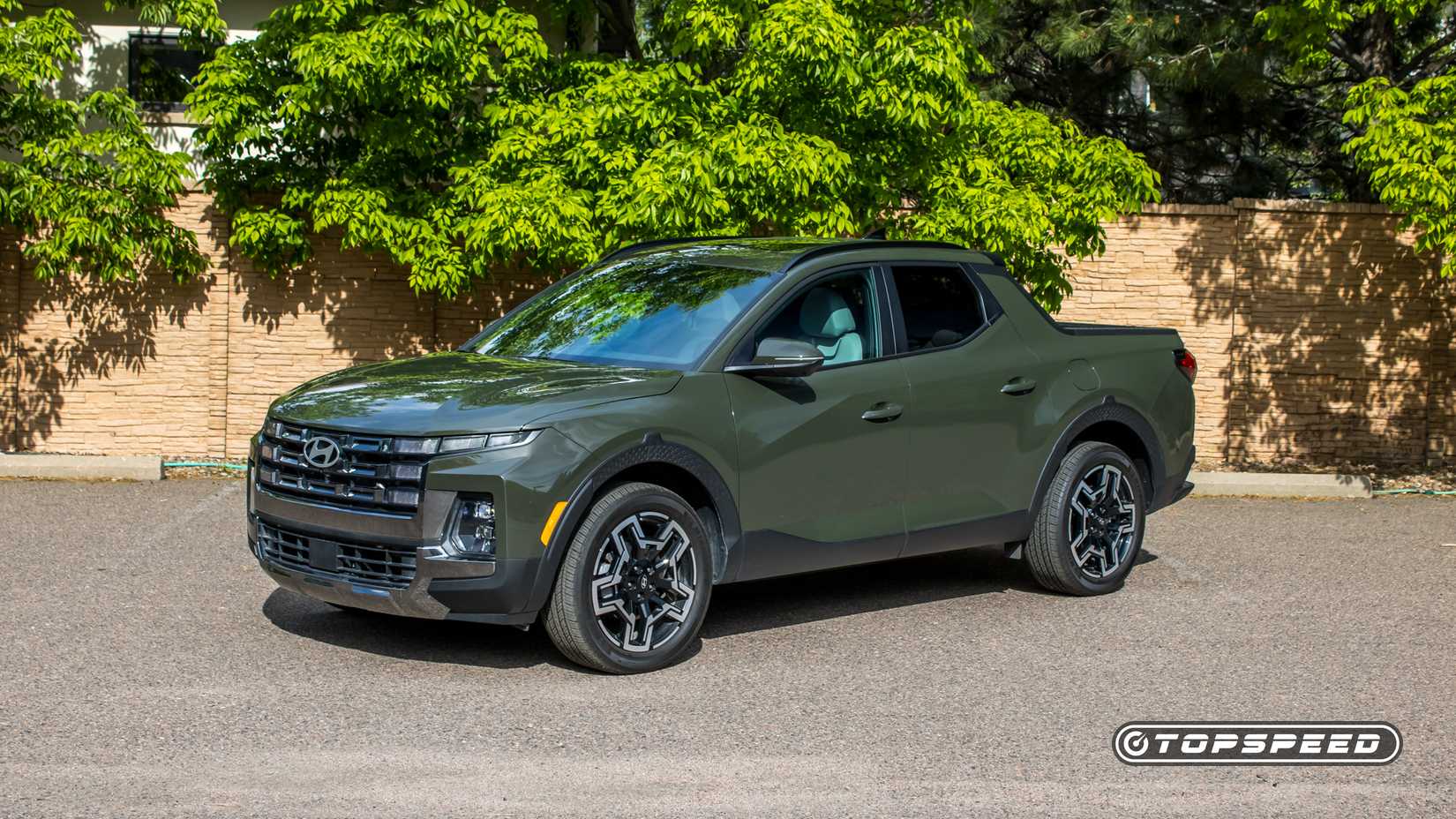
In this year’s dependability study, the brand earns 198 PP100, which is better than the average, but only slightly. The 2025 Initial Quality Study sees Hyundai deliver a standout performance, ranking second among all mass-market brands and third overall in the entire automotive industry. This achievement marks the second consecutive year that Hyundai Motor Group has been named the highest-ranked corporation for new-vehicle quality. For 2026, Hyundai continues this momentum by focusing on rigorous manufacturing standards and intuitive, user-friendly technology that avoids software bloat.
Key models driving Hyundai’s success over the last two years include the Santa Cruz, which earned the top spot in the Midsize Pickup segment for the second year in a row, and the Sonata, which consistently ranks as a top-three midsize sedan with a reliability score of 86/100. The Venue has also emerged as a hidden gem of dependability due to its mechanical simplicity, while the Palisade and Elantra maintain high quality marks. Furthermore, Hyundai’s industry-leading 10-year or 100,000-mile powertrain warranty remains a cornerstone of its value proposition, providing consumers with long-term peace of mind that few other brands can match.
Kia Doesn’t Fall Too Far Behind
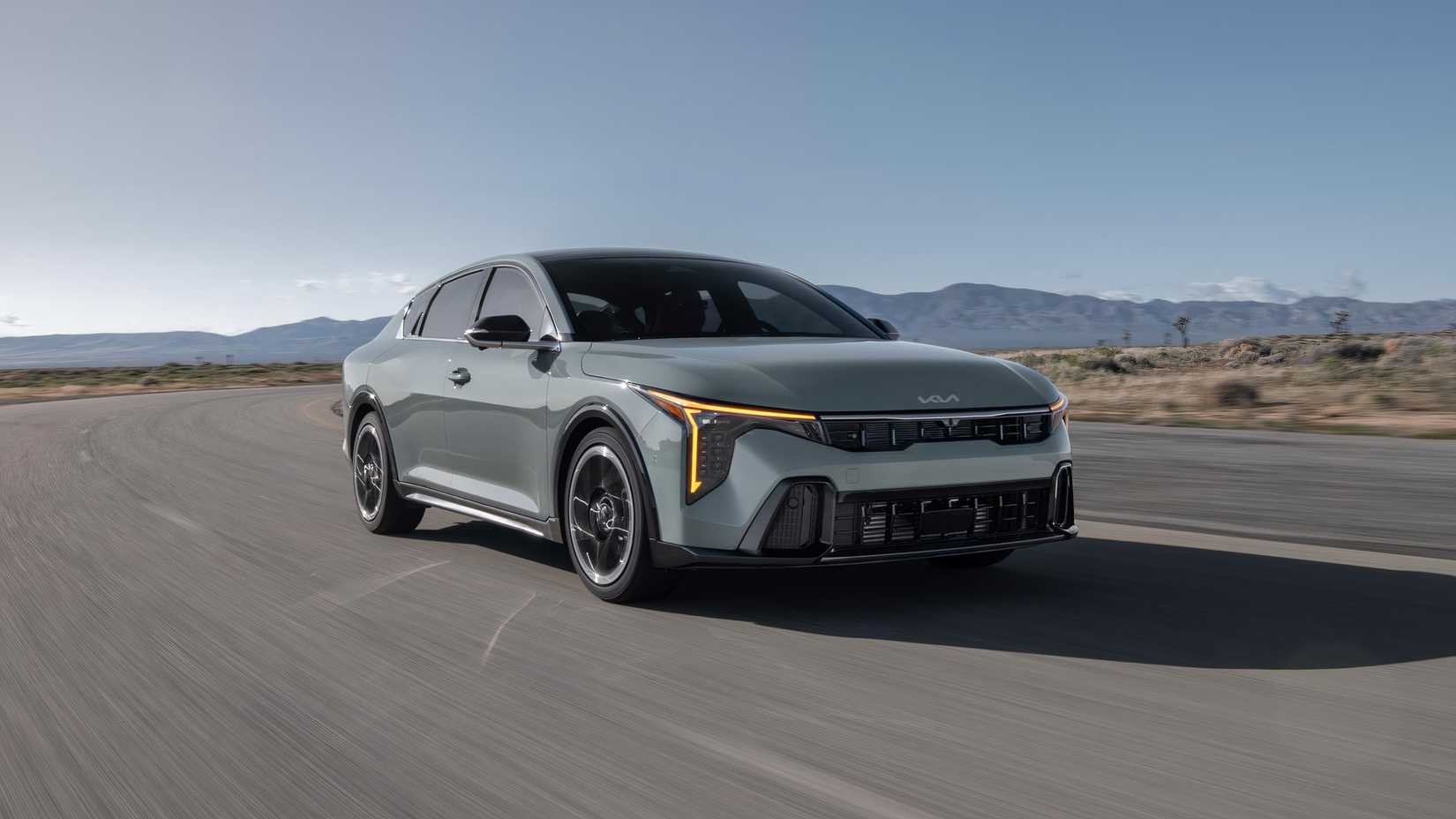
Kia continued its streak of strong performances, ranking as a top mass-market brand with a score of 193 problems per 100 vehicles, which is a little bit better than the industry average. For 2026, Kia’s reliability story is defined by its ability to balance high-tech features with mechanical durability. A major highlight is the Kia Telluride, which earned the 2025 J.D. Power segment award for Upper Midsize SUV, while the Kia Sorento Hybrid was named the most reliable three-row SUV by Consumer Reports for 2026.
Other key models positioning Kia at the top include the Sportage, Soul, and the new-generation K4 sedan, all of which maintain high reliability ratings, averaging between 84 and 88/100. A major reason for this is the brand’s use of proven engines and transmissions. While its electric models like the EV9 have seen typical first-year software growing pains, Kia’s comprehensive warranty provides a safety net that remains the gold standard for consumer confidence.
Genesis Leads The Luxury Segment
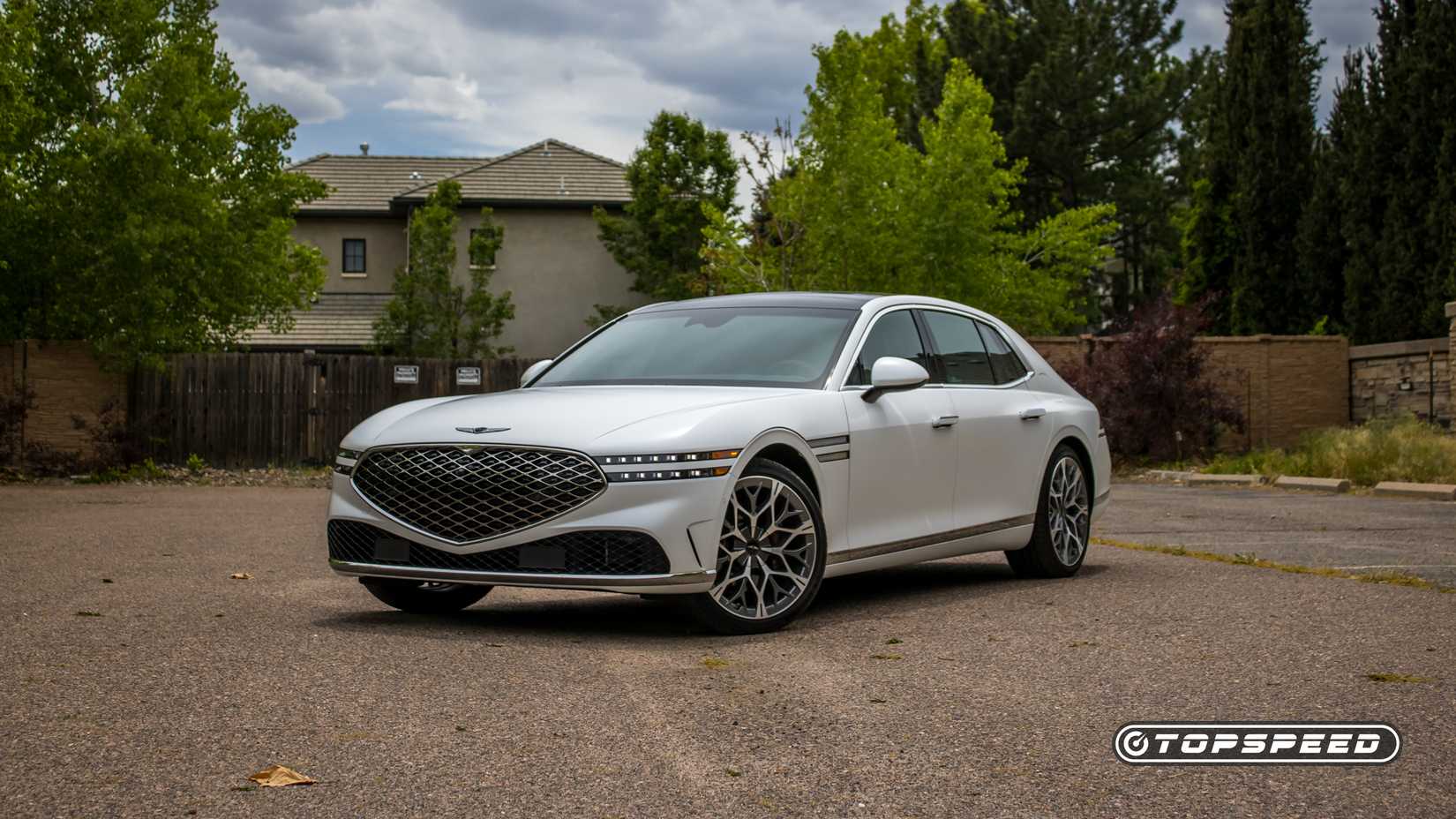
Genesis continues to distinguish itself as a reliability leader in the luxury segment, finishing as the third-highest ranked premium brand, trailing only Lexus and Cadillac in the Vehicle Quality Study race. It records a competitive score of 188 problems per 100 vehicles, notably outperforming the premium average. For the 2026 Dependability study, Genesis saw a decline in performance to a staggering 208 PP100, which is still better than some key German rivals.
The premium South Korean arm has shifted its focus to technology execution, resulting in it winning the overall spot in the 2025 Tech Experience Index for the fifth consecutive year. This award highlights that while other luxury brands struggle with troublesome features, Genesis owners find their advanced systems intuitive and reliable.
Key models driving this success include the G80and G90 sedans, which consistently earn quality and reliability scores of anywhere between 83 and 88/100. The GV80 remains the brand’s reliability anchor in the SUV category, while the GV70 has seen significant improvements for 2026, particularly after early fuel-injector and software issues from 2021 and 2022 were resolved through iterative engineering.
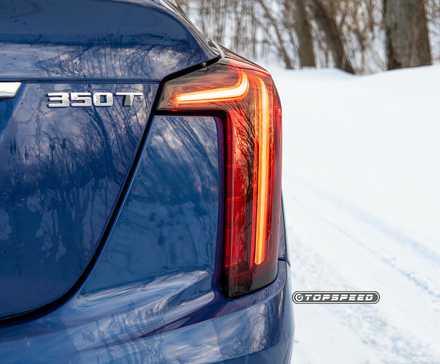
This Is The Most Reliable American Luxury Car
A luxury sedan that defies trends, focusing on what truly matters.
The Least Reliable Car Brands
Two segments that appear to be struggling the most with reliability ratings are the domestic truck and high-tech electric vehicle groups, based on performance over the last two years. The Vehicle Dependability Study highlights Volkswagen with a 285 PP100, Chrysler with a 282 PP100, and Jeep with a 275 PP100 as having the highest number of problems per 100 vehicles, significantly exceeding the industry average.
Volkswagen’s EV Catalog Brings Things Down
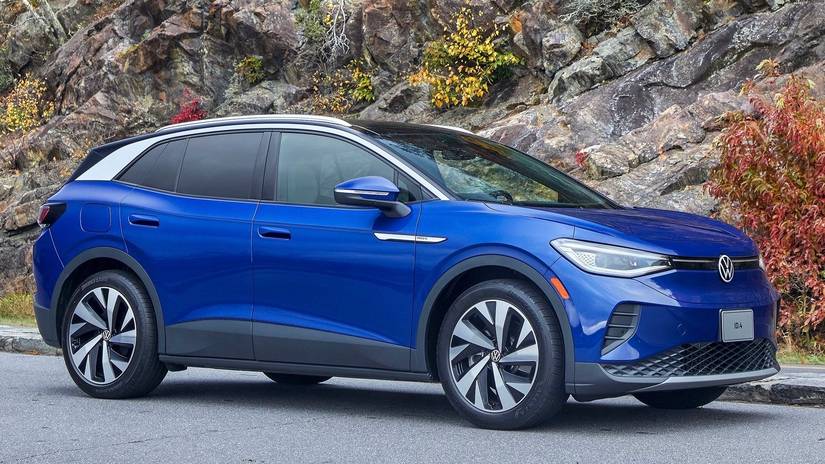
Volkswagen unfortunately ranked as the least reliable brand overall, finishing dead last among 32 automakers with a score of 301 problems per 100 vehicles. While mechanical icons like the Jetta and Tiguan maintain respectable individual scores, the brand’s ranking has been dragged down by persistent electrical glitches and infotainment freezes in its newer fleet. Furthermore, the ID.4 and Atlas faced major Do Not Drive recalls in late 2025 due to potential wheel detachment, underscoring the quality control hurdles VW continues to face in 2026.
Chrysler’s Single Model Wins Not Favors
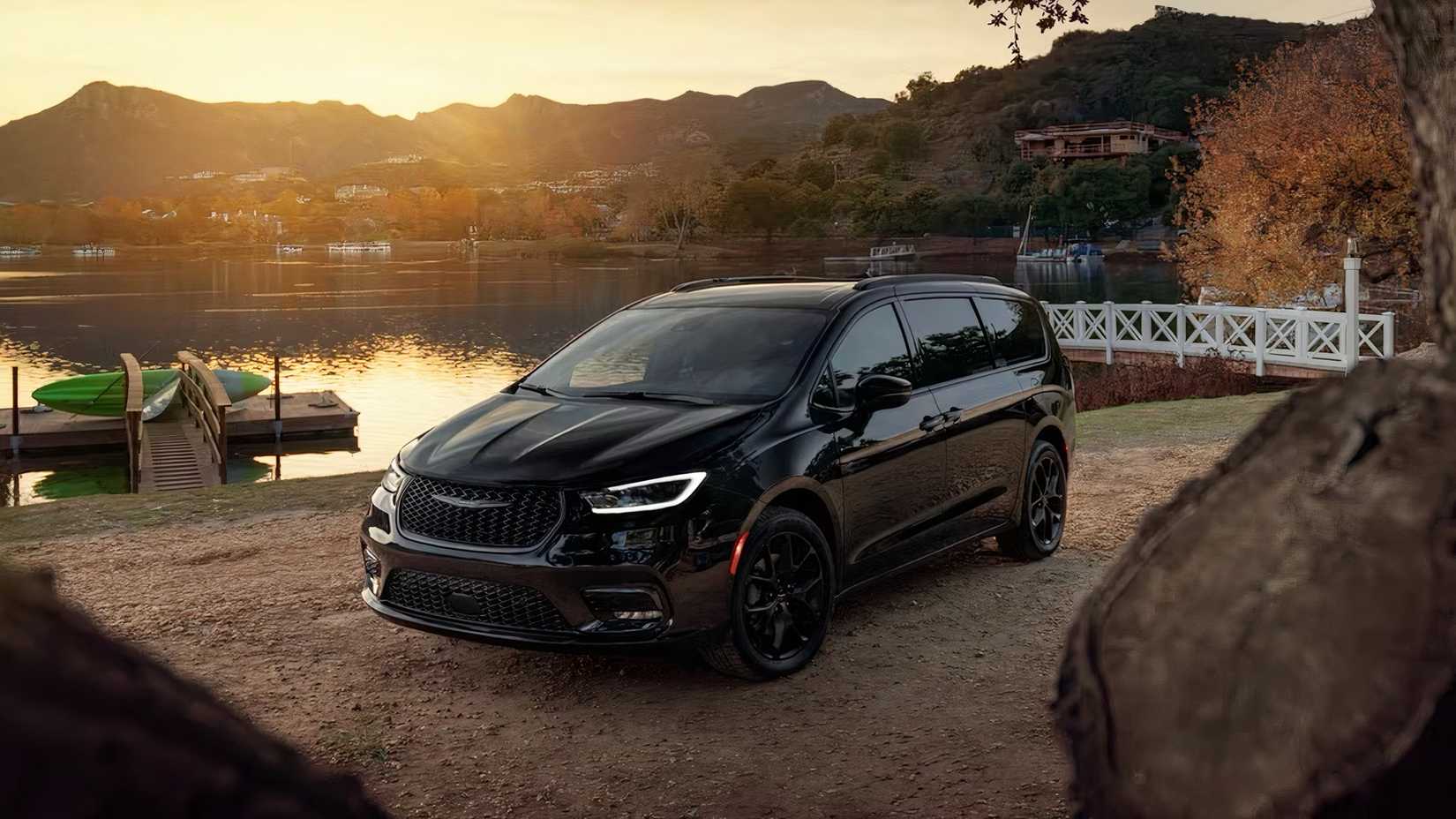
Chrysler struggled significantly, ranking second-to-last overall with a score of 282 problems per 100 vehicles, missing the industry average by a wide margin. By 2026, the brand’s reputation remains heavily tied to the Chrysler Pacifica, which faces ongoing scrutiny for its Plug-in Hybrid system. Consumer Reports gave the 2026 Pacifica Hybrid a predicted reliability score of just 22/100, citing persistent issues with high-voltage battery fires, transmission slipping, and limp mode failures. While the gas-powered V-6 models fare better, the brand is frequently penalized for glitchy Uconnect infotainment systems and expensive out-of-warranty repairs.
Jeep Woes Have No End
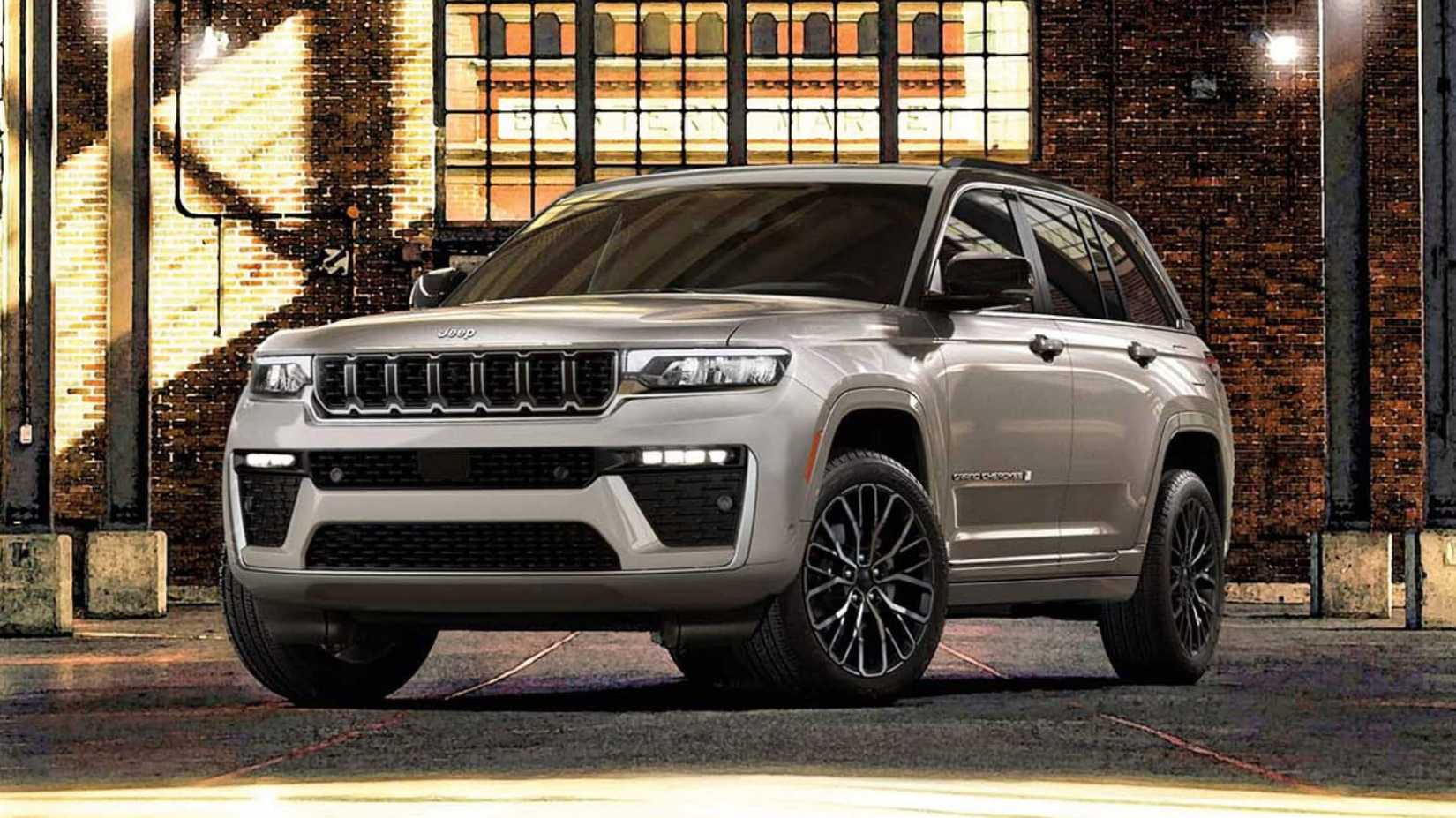
Jeep continues its lineage of problematic mechanical and digital integrity with a score of 267 problems per 100 vehicles. While iconic models like the Wrangler maintain high resale value and Great quality scores of 85/100 due to their mechanical simplicity, the brand’s overall standing has been damaged by its transition to electrified platforms.
The primary culprits in 2026 are the 4xe Plug-in Hybrid models, specifically the Wrangler 4xe and Grand Cherokee 4xe. These vehicles have faced severe issues, including a late-2025 recall for potential engine fires caused by manufacturing debris in the engine blocks and a disastrous over-the-air software update in October 2025 that left many owners stranded with inoperable vehicles.
While Jeep’s traditional V-6 and 2.0-liter turbo engines remain rugged and proven, persistent electrical gremlins in the Uconnect 5 infotainment system and complex hybrid hardware continue to make the brand a high-risk choice for long-term reliability.
Additional Noteworthy Culprits
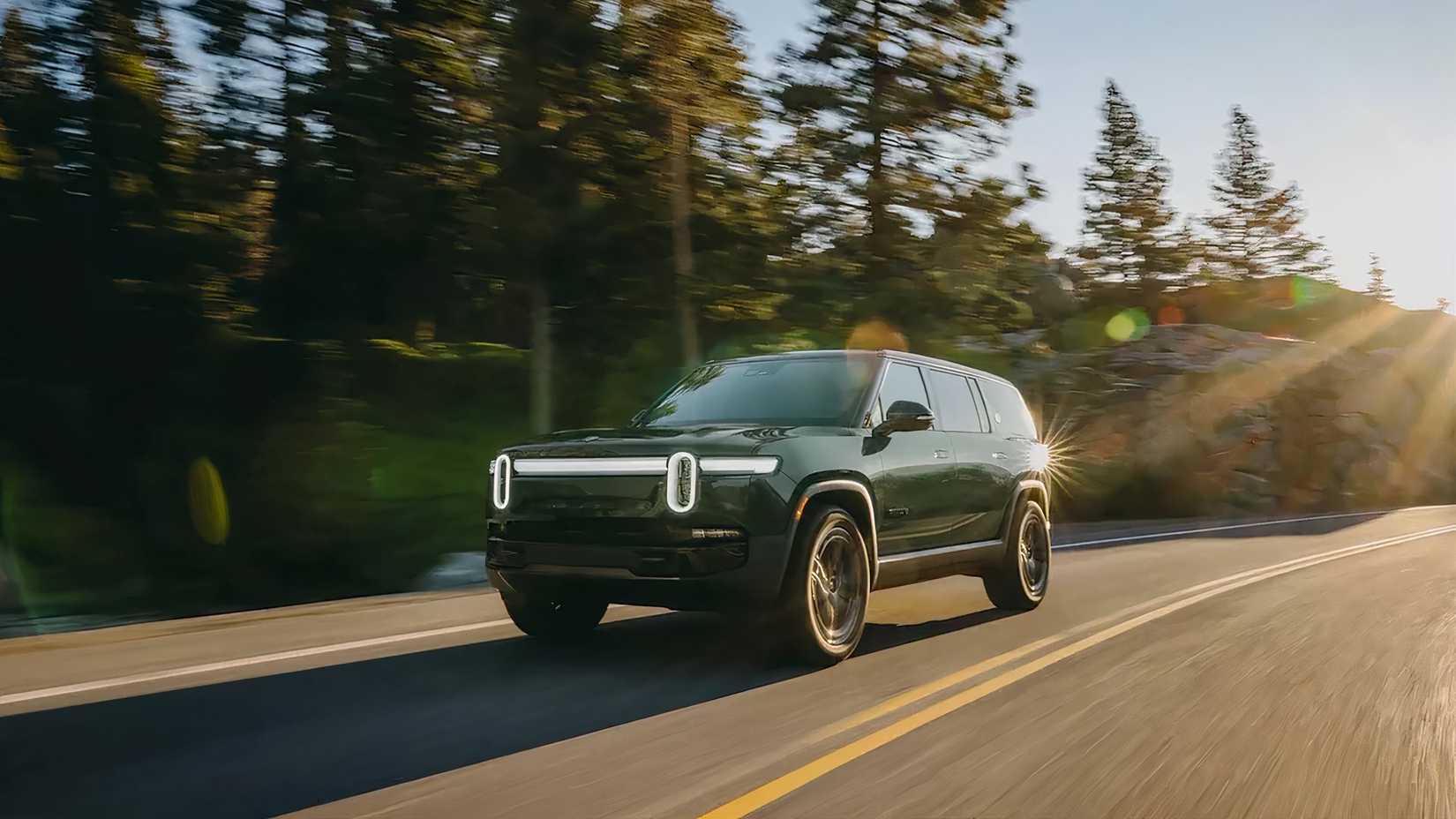
For 2026, Consumer Reports placed Rivian and GMC at the bottom of its predicted reliability list, with the GMC Acadia and Rivian R1T suffering from frequent hardware and software defects.
Luxury stalwarts with over a century of automotive experience are also culprits of poor reliability standards in these studies, with Mercedes-Benz and Audi’s rankings slipping into the bottom tier for 2026 with 235 and 244 PP100, respectively. This is largely due to infotainment system problems and complex plug-in hybrid powertrains. Land Rover and Volvo also performed considerably worse than the likes of Jeep and Chrysler, scoring as high as 274 and 296 PP100, respectively.
Notably, the 2026 Consumer Reports data identifies a recurring beta-testing trend where brand-new EV models, such as the Chevrolet Blazer EV and Honda Prologue, score as low as 19/100 for reliability, fundamentally boasting the same product quality as an unfinished vehicle. These studies highlight that while legacy mechanical issues persist for brands like Land Rover and Ram, the new frontier of unreliability is dominated by software instability and first-generation battery tech.
Sources: J.D. Power and Consumer Reports