
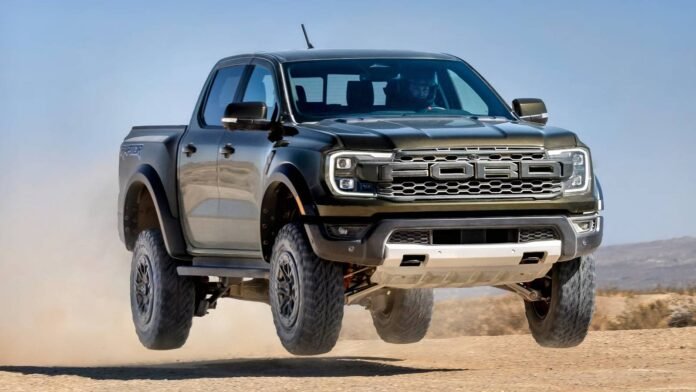
The Ford Ranger Raptor isn’t a trim level. It isn’t a graphics package or a ride-height tweak bolted onto a workhorse pickup. It is, in almost every meaningful way, a different vehicle from the standard Ranger that shares its doors and roof glass—a machine built from the ground up by Ford Performance to go fast over terrain that would destroy a conventional truck.

- Base Trim Engine
-
EcoBoost 3L ICE
- Base Trim Transmission
-
10-speed automatic
- Base Trim Drivetrain
-
Four-Wheel Drive
- Base Trim Horsepower
-
405 HP @5750 RPM
- Base Trim Torque
-
430 lb.-ft. @ 3250 RPM
- Base Trim Fuel Economy (city/highway/combined)
-
16/18/17 MPG
- Base Trim Battery Type
-
Lead acid battery
- Make
-
Ford
- Model
-
Ranger Raptor
The Raptor name carries serious expectations, having been established by the legendary Ford F-150 Raptor as synonymous with high-speed off-road capability. Delivering that experience in a midsize package meant rethinking the chassis, suspension, drivetrain, and electronics entirely. Understanding why the Ranger Raptor performs the way it does requires looking beyond the spec sheet and examining the engineering decisions that make each number meaningful. That’s exactly what this piece aims to do.
Why The Ranger Raptor’s Suspension Is Built For Speed Over Rough Terrain
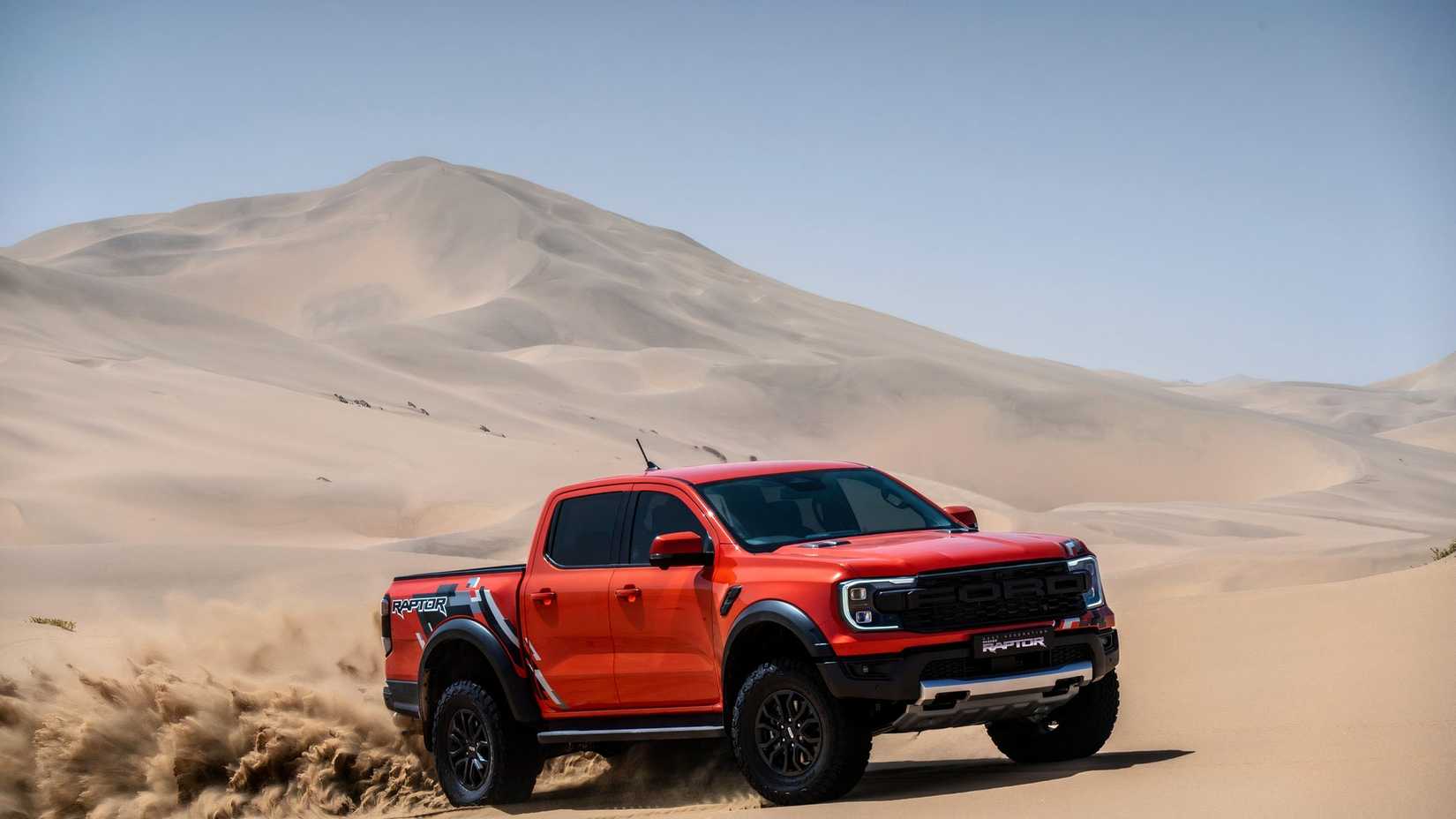
The most revealing way to understand the 2026 Ford Ranger Raptor is to look at what Ford replaced rather than what they added. A standard Ranger uses a leaf-spring rear suspension, a robust and cost-effective setup found on the majority of midsize and full-size pickups. Leaf springs are durable and capable of handling significant payload, but they’re fundamentally limited in how much suspension travel they allow and how predictably they manage high-speed impacts. When you hit a sharp undulation at speed, the axle can skip and lose contact with the terrain rather than tracking through it smoothly.
The Ranger Raptor abandons that architecture entirely at the rear in favor of a coil-spring multi-link setup with a Watts linkage, a geometry arrangement borrowed from motorsport and performance sedans. The Watts link constrains lateral axle movement while allowing near-straight vertical suspension travel, which means the rear axle tracks the terrain precisely rather than squatting sideways under load or bouncing laterally over bumps. The result is a rear suspension that maintains composure under stress instead of hunting around.
Up front, forged aluminum double A-arm suspension replaces the standard stamped-steel setup. Forged aluminum is stronger per unit of weight than its conventional equivalent, which matters because Raptor-spec suspension components need to survive the kinds of repeated high-amplitude impacts that standard suspension geometry was never designed for.
Ford
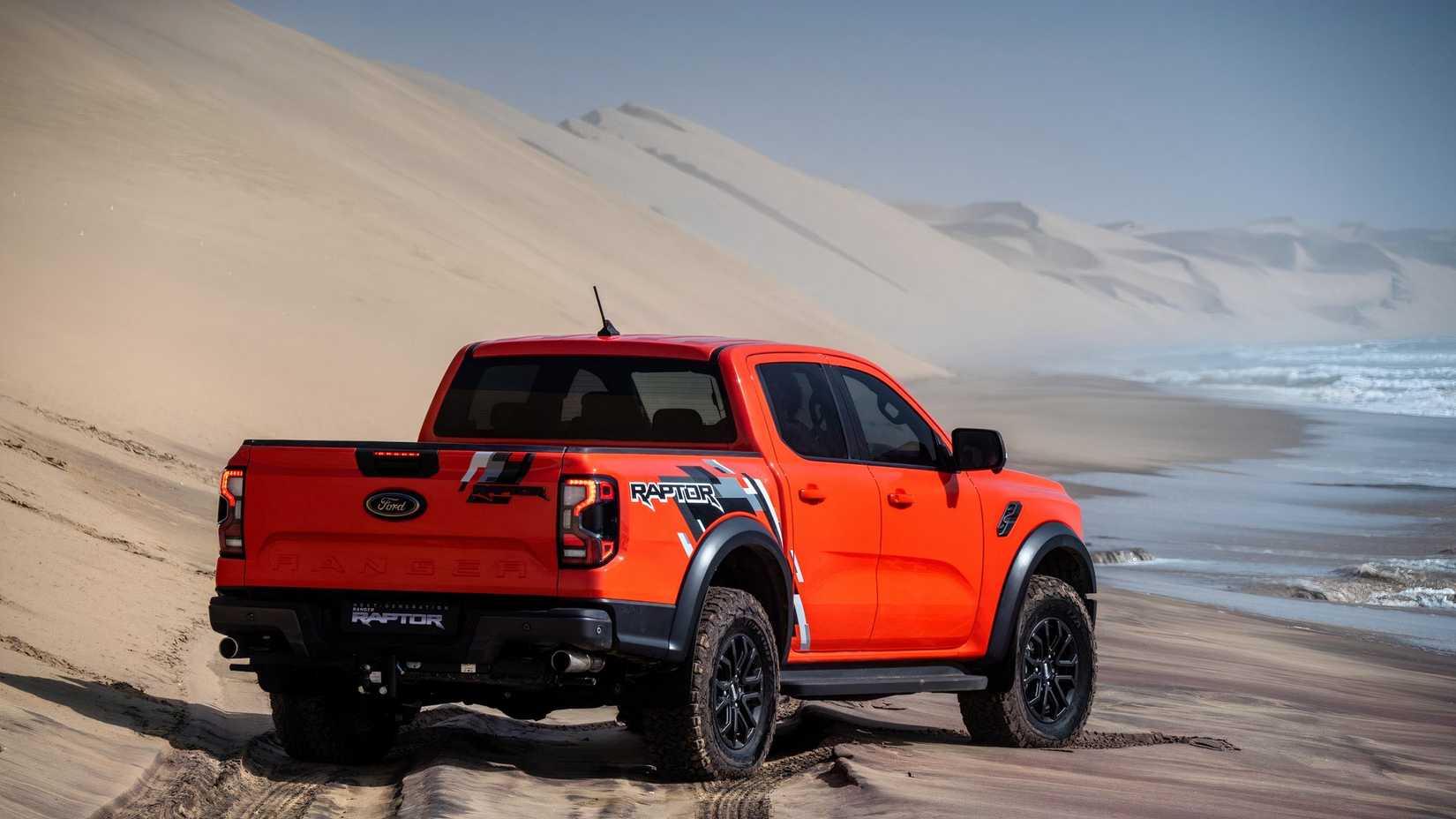
Both ends are fitted with Fox Racing 2.5-inch Live Valve shocks that adjust damping automatically based on driving conditions, and the size matters. Larger-diameter shock absorbers have more oil volume, which means they resist fade better during prolonged abuse. In Normal mode they’re comfortable; in Baja mode they stiffen to match high-speed demands without manual adjustment.
The track width has also been widened by 3.5 inches compared to a standard Ranger, which increases lateral stability during cornering and reduces the risk of rollovers during aggressive off-road maneuvers. Wider track, longer travel, better geometry, and smarter shock calibration work as a system, each element amplifying the effect of the others.
Against rivals like the Chevrolet Colorado ZR2, which uses Multimatic DSSV sway-bar-disconnecting shocks, the Raptor’s approach is different but equally capable. The ZR2 prioritizes articulation and sway-bar independence for rock crawling; the Raptor prioritizes high-speed terrain absorption. Understanding that distinction helps set realistic expectations for both trucks.
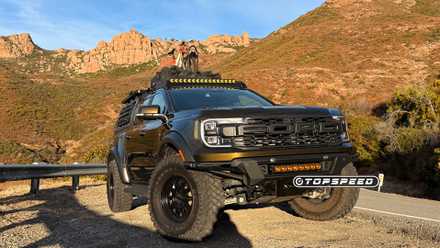
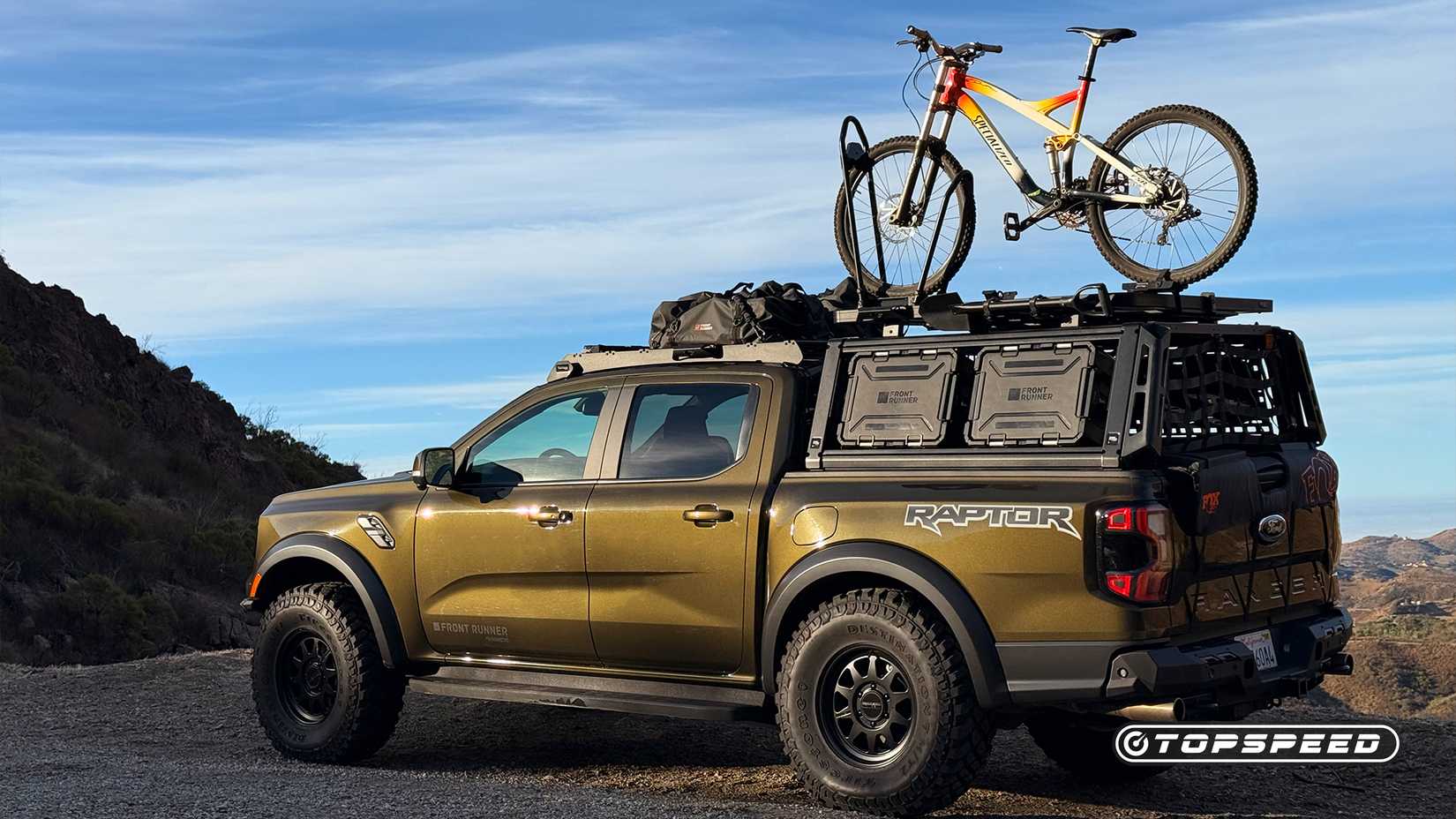
Ford’s Ranger Raptor Is Great, But Front Runner Outfitters Makes It Even Better
Front Runner by Dometic takes the Ford Ranger Raptor to a new level of off-road capability in every way possible.
The Engineering Behind Its Power Delivery And Off-Road Drivetrain
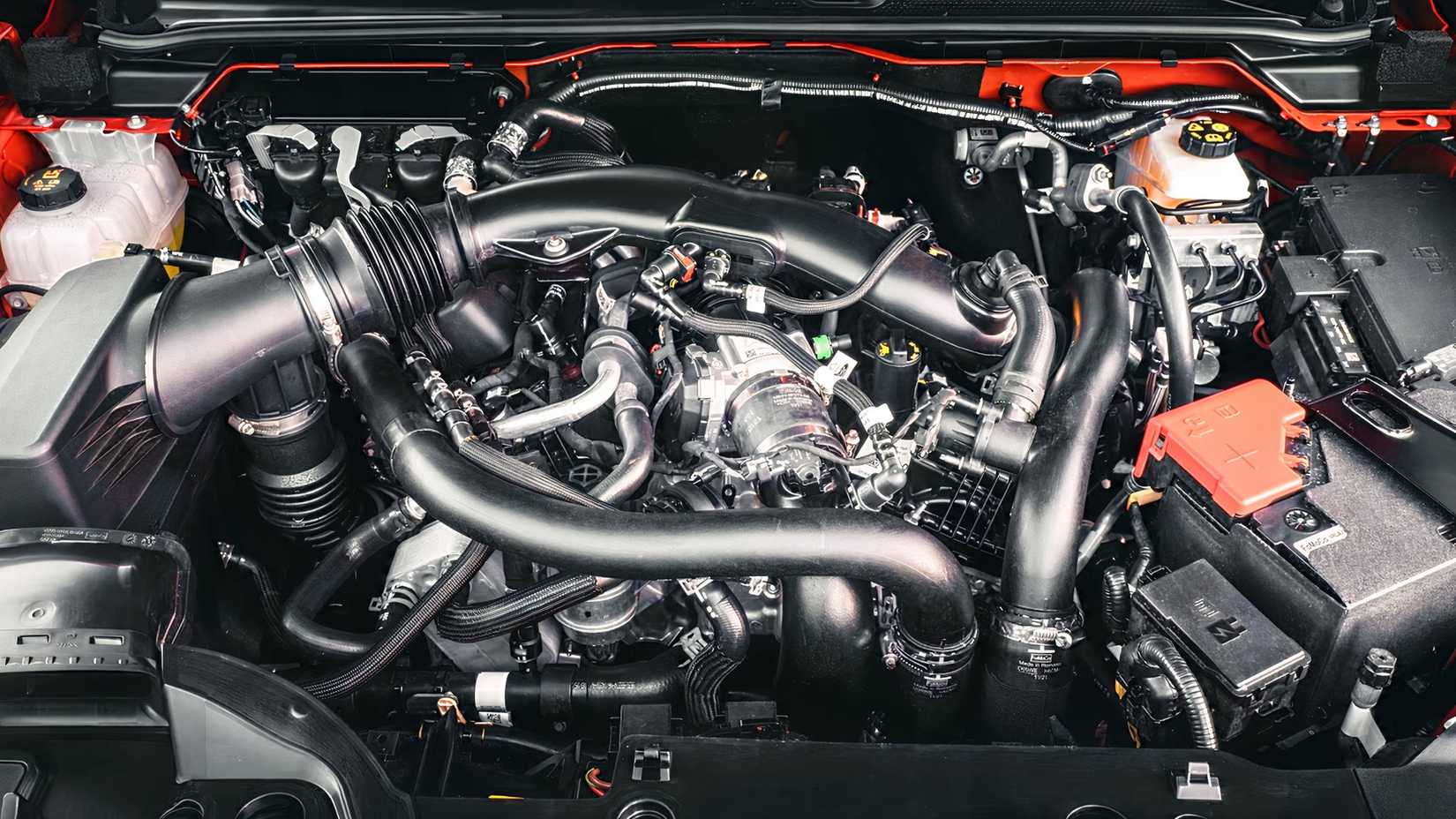
The engine underpinning the Ranger Raptor is a 3.0-liter twin-turbocharged V6 producing 405 horsepower and 430 pound-feet of torque, the most output of any Ranger configuration, and enough to make this one of the most powerful midsize pickups on sale. But raw horsepower is only part of the story. How that power reaches the wheels, and how the truck manages traction across different surface types, is where the engineering earns its keep.
Power is routed through a 10-speed automatic transmission calibrated differently depending on the active drive mode. In normal road use it shifts smoothly and prioritizes efficiency. In Sport mode it holds gears longer and responds more aggressively to throttle inputs. In Baja mode it prioritizes keeping the engine in its power band with minimal upshift interruptions, critical when maintaining momentum over variable terrain.
A part-time four-wheel-drive system with a dedicated low-range transfers power to all four wheels when required, while locking rear and front differentials ensure that wheel spin on loose or uneven surfaces is managed mechanically rather than relying entirely on electronics. Electronic traction management has its limits in extreme off-road conditions; a true locker keeps all four tires pulling regardless of how much one wheel lifts or slips.
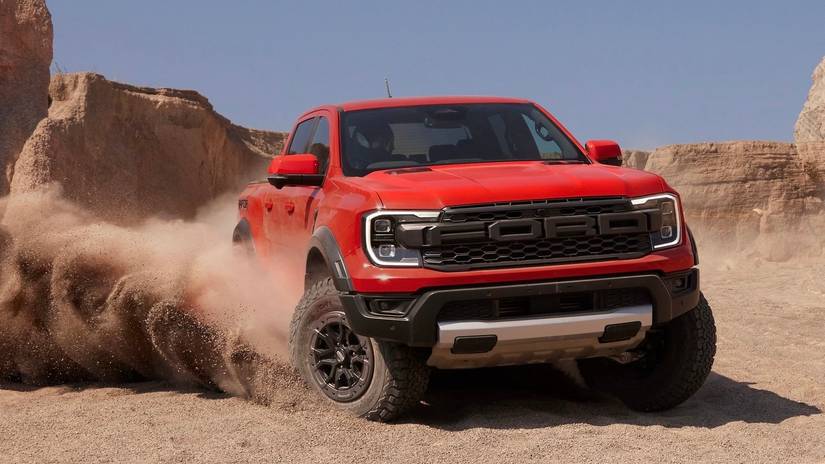
Heavy-duty steel skid plates protect the underbody, transmission, fuel tank, and transfer case from rock strikes, a necessary precaution when a truck capable of this kind of performance is also expected to go anywhere its driver points it. The reinforced chassis that underpins everything is designed to handle not just the Raptor’s output but the amplified loads that come from high-speed off-road driving, where impacts are significantly more violent than anything a conventional tow rating measures.
It’s worth noting that the powertrain setup makes the Raptor a more capable daily driver than many performance-truck alternatives. Maximum towing capacity sits at 5,510 pounds, meaning the Raptor can haul a reasonable trailer without drama alongside its off-road duties.
This Full-Size SUV Thinks It’s A Raptor
This full-size Ford SUV may be lump and a comfortable ride, but it acts like the almighty, off-road-ready Ford Raptor lineup.
How Drive Modes Transform The Ranger Raptor’s On- And Off-Road Behavior
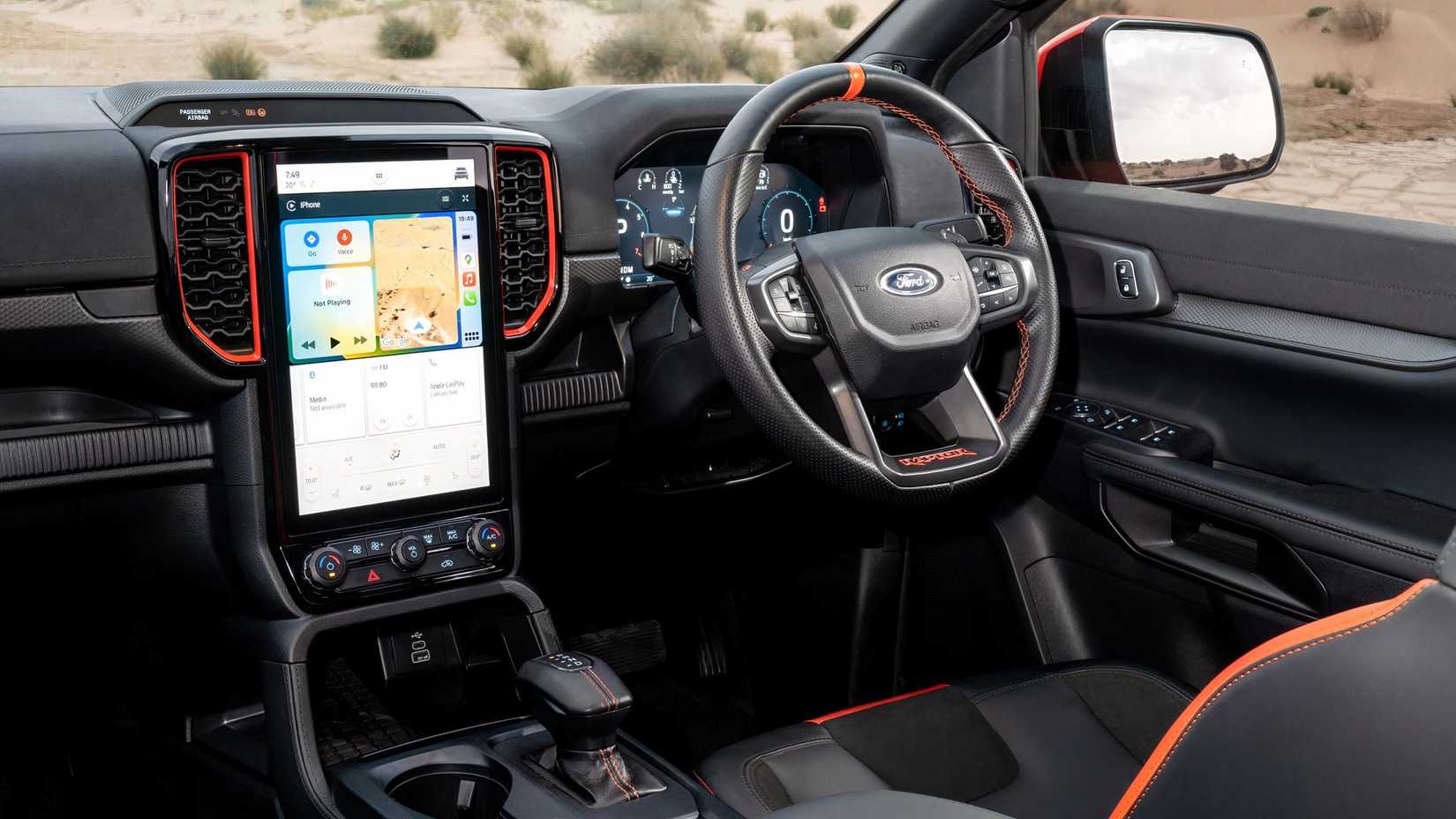
Seven selectable drive modes adjust throttle response, transmission mapping, steering calibration, and stability control thresholds. Each makes genuinely distinct changes, meaning the truck you drive on a Monday morning commute is calibrated differently from the truck you drive on a Saturday desert run. The full roster runs Normal, Tow/Haul, Sport, Slippery, Off-Road, Rock Crawl, and Baja.
Normal mode balances all systems for everyday use. Tow/Haul mode adjusts shift points to manage the additional inertia of a trailer, holding gears longer during deceleration to aid engine braking. Sport mode sharpens throttle response and keeps the transmission in lower gears for more immediate power delivery. Off the pavement, terrain-specific modes address distinct surface types.
Rock Crawl mode activates Trail Control, a low-speed off-road cruise control that manages individual wheel braking to maintain a steady crawl without driver throttle input, alongside maximum stability control intervention to prevent rollovers.
Ford
Baja mode dials down stability control, opens up the throttle map, and firms up the steering’s power assistance. Named after the legendary Baja 1000 desert race that Ford uses as a proving ground for Raptor development, this mode reduces electronic intervention to allow committed, speed-carrying driving that rough terrain demands. The shocks firm up to manage the higher-amplitude, higher-frequency inputs of fast desert running.
The transition between modes is instantaneous via a physical dial on the center console, meaning the driver can adapt to changing terrain without stopping or navigating menus. Off-road conditions change quickly, and the ability to switch from Rock Crawl to Baja without interrupting progress is a practical advantage that matters more than any spec sheet entry.
2025 Ford Bronco Everglades Sasquatch Review: Fording Is Its Forte
The Ford Bronco, reintroduced in 2021 after a 25-year hiatus, easily bests its Jeep Wrangler antagonist—in most areas.
Ground Clearance, Approach Angles, And The Capability To Go Far Beyond The Pavement
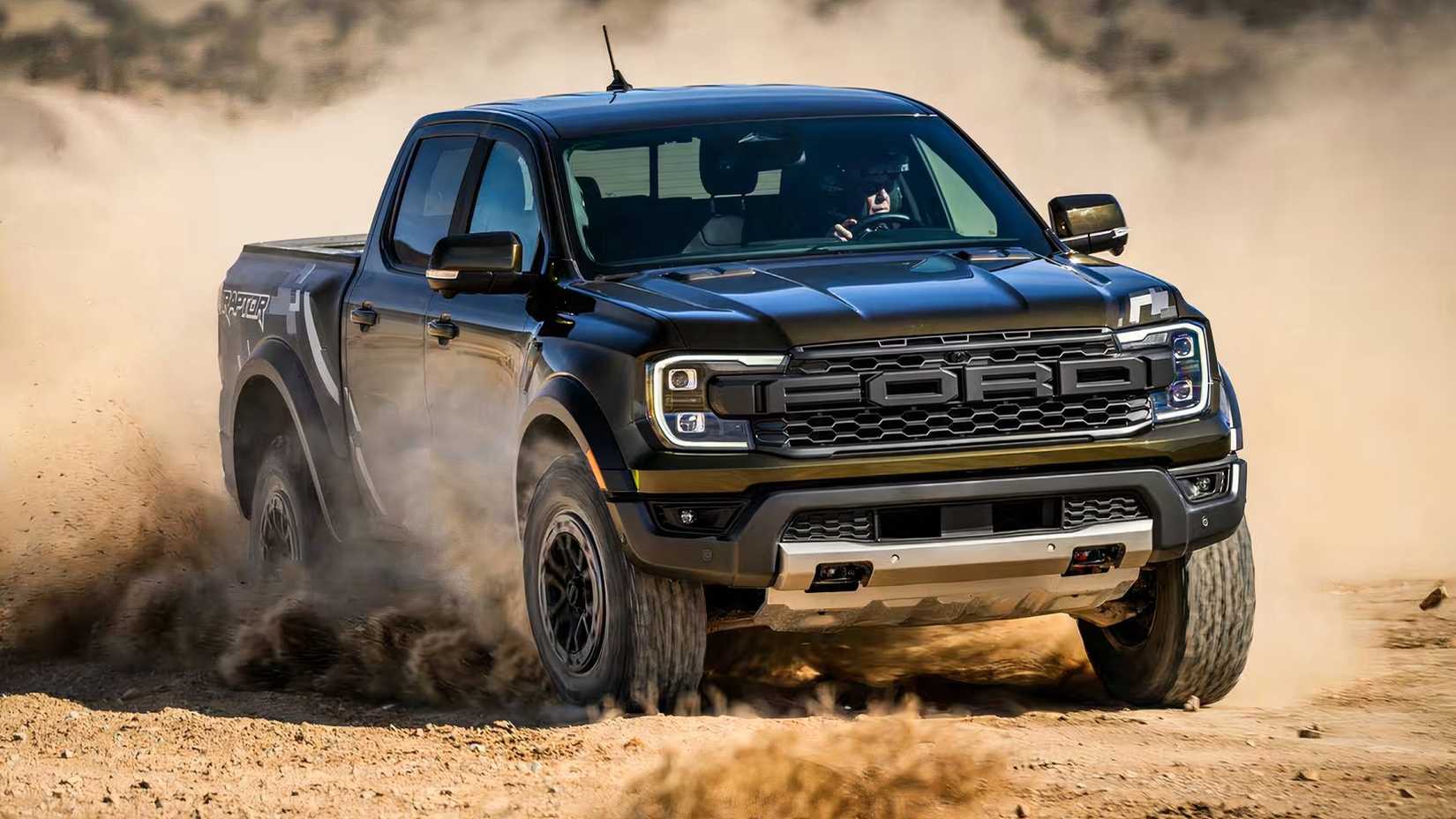
Capability numbers only mean something when you understand what they’re describing. The Ranger Raptor sits at approximately 10.7 inches of ground clearance, the space between the lowest underbody point and the ground, and the number that determines whether a rock, ledge, or terrain feature will contact the vehicle or pass beneath it.
Approach angle is approximately 33 degrees, departure angle is roughly 25.8 degrees, and breakover angle is around 24.2 degrees. Together, these three figures define the physical envelope of what the truck can negotiate on the trail. A higher approach angle means steeper climbs before the front bumper grounds out; a better departure angle means steeper descents before the rear bumper drags; a higher breakover angle means sharper ridges can be straddled without the undercarriage grounding at the midpoint.
Wading depth sits at approximately 33 inches in U.S. specifications, or 850mm in global market terms, a genuinely usable figure for most backcountry water crossings, though slow and steady is the appropriate approach given the air intake position on the upper grille.
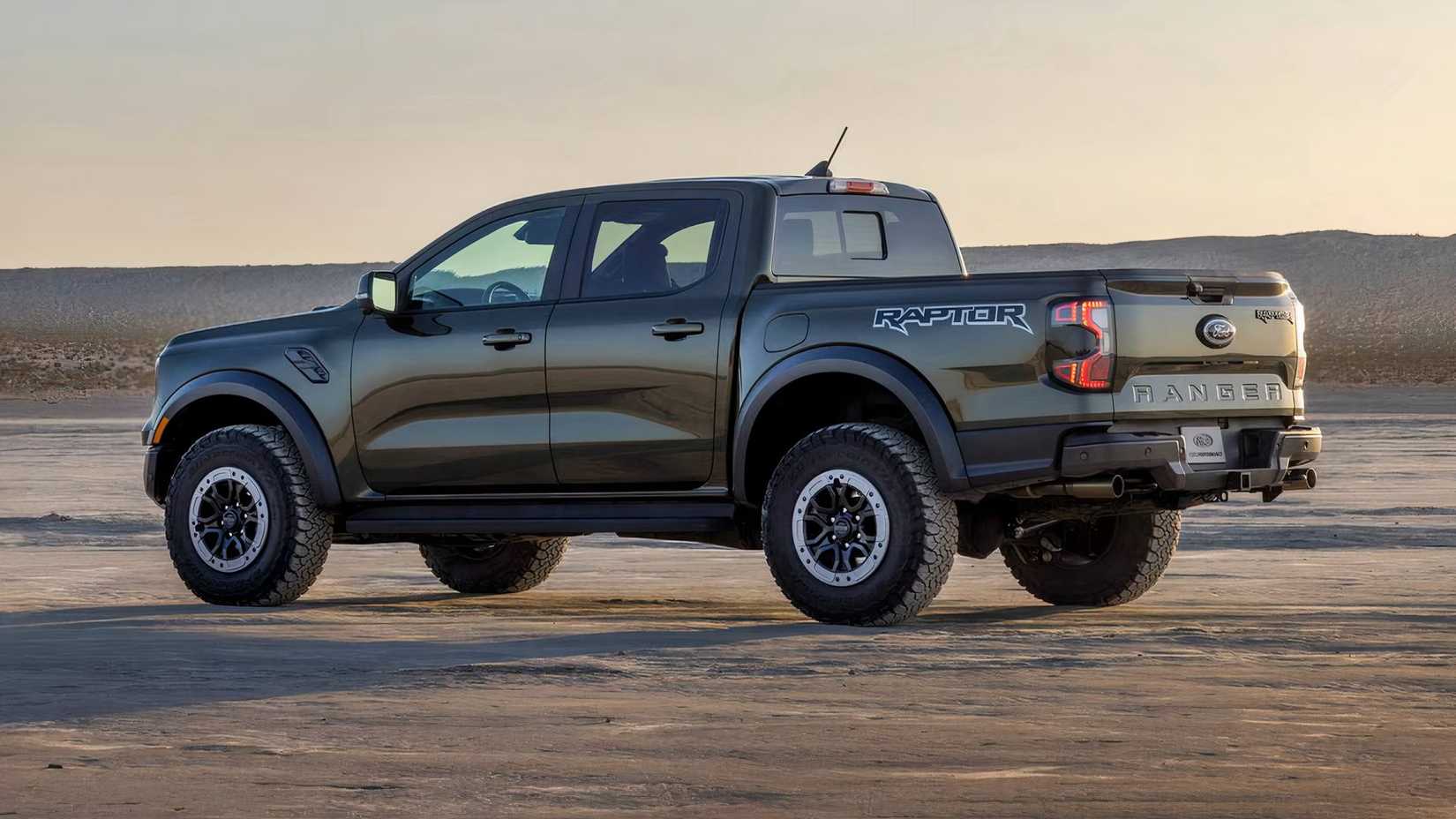
The 33-inch all-terrain tires on 17-inch wheels are a meaningful part of the capability picture. Larger-diameter tires effectively raise the vehicle’s contact point over obstacles, and the sidewall depth provides substantial puncture resistance compared to a lower-profile highway tire.
Where the Ranger Raptor reaches its limits is in extreme technical rock crawling, slow-speed, maximum-articulation terrain where the Jeep Gladiator Rubicon, with its solid front axle and sway-bar disconnect, remains better suited. The Raptor is a desert runner and a serious trail truck; it was never designed to be a maximum-articulation crawling rig, and honest buyers should understand that distinction before purchasing.
Where The Ranger Raptor Excels And Who Will Benefit Most From Its Performance
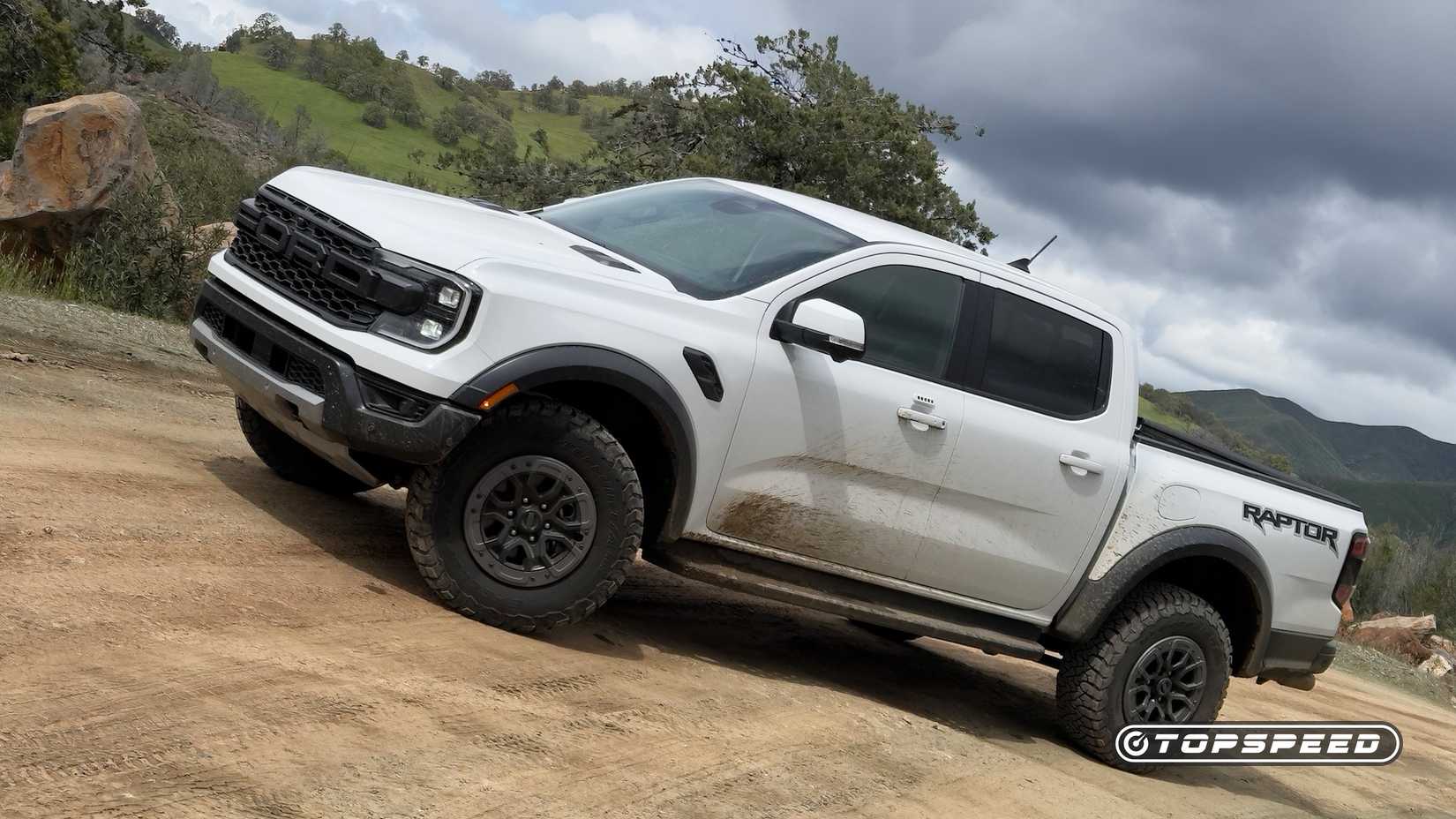
The Ranger Raptor makes its strongest case for buyers who need genuine off-road performance in a package that functions as a daily driver without significant compromise. This is a truck that can tackle a demanding trail on the weekend and handle weekday duties without feeling cumbersome, overpowered, or difficult to park. That balance, preserved through the Watts-link rear, adaptive shock calibration, and the 33-inch tire’s surprisingly smooth highway manners, is the Raptor’s most underappreciated quality.
Against the Toyota Tacoma TRD Pro, the Raptor offers a meaningful power advantage and more sophisticated shock technology. Against the Chevrolet Colorado ZR2, it trades some articulation for higher top-end performance and a more polished overall driving experience. Neither comparison resolves cleanly into a winner; each truck is built around different priorities, and the right choice depends on which kind of terrain the buyer actually covers.
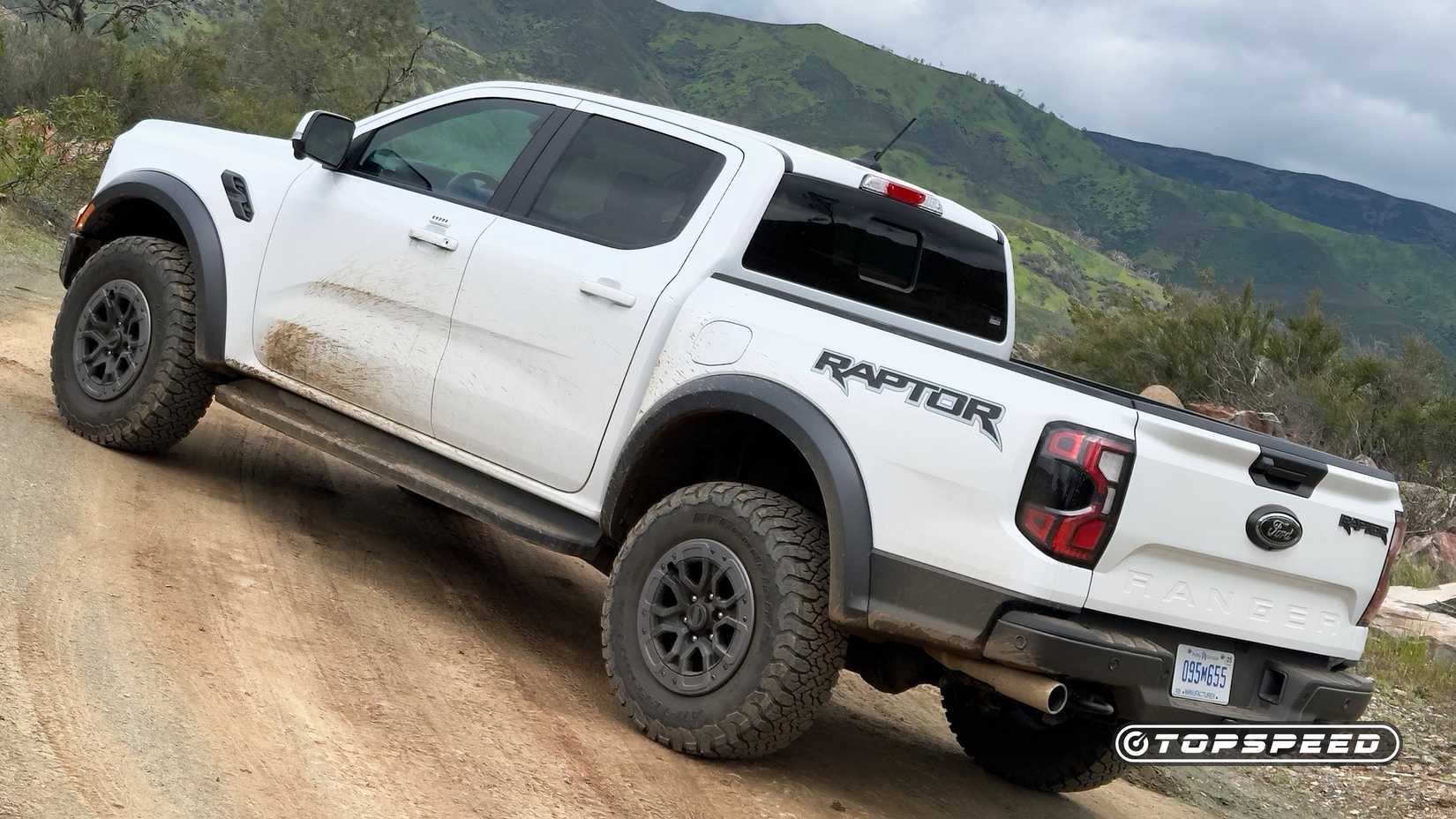
The buyer who gets the most from the Ranger Raptor is someone who takes off-road driving seriously enough to engage Baja mode, who covers genuinely varied terrain rather than just fire roads, and who values the performance ceiling of the platform even if daily use doesn’t demand it regularly. It also suits those who need the practicality of a midsize pickup, manageable dimensions, a usable bed, reasonable running costs, without giving up the off-road engagement that only purpose-built hardware can deliver.
The price premium over a standard Ranger is real, but so is the engineering gap. This is not a truck that received cosmetic upgrades and called it performance. It has a different chassis, engine, suspension, wheels, tires, and drive modes—rebuilt from the ground up. Understanding that distinction—that the Ranger Raptor was built to perform rather than packaged to appear capable—is what separates it from the trucks it competes against in the showroom and defines its advantage on the terrain where it matters most.
Sources: Ford U.S., CarBuzz