
For decades, American muscle cars represented one of the purest expressions of performance. Big-displacement V8 engines, rear-wheel drive, and relatively simple mechanical layouts made them thrilling, approachable, and unmistakably American. From drag strips to road courses, these machines carved out a cultural legacy that few automotive segments could ever hope to match.
But the automotive world is changing rapidly. Electrification, stricter emissions regulations, and shifting consumer demand toward SUVs have forced many traditional performance icons to either evolve dramatically or disappear altogether. As a result, enthusiasts and collectors have begun paying closer attention to the final examples of the classic muscle car formula.
History has repeatedly shown that when a legendary performance model reaches the end of its production run, especially in its most powerful and driver-focused configuration, values often begin climbing sooner than expected. Collectors understand that once the era closes, the opportunity to own an authentic piece of it becomes far more limited.
Why The End Of America’s Traditional Muscle Car Era Is Driving Collectors To Act Fast
For much of the last half-century, the American muscle car formula remained relatively consistent. Large-displacement V8 engines delivered massive horsepower figures, power was sent exclusively to the rear wheels, and manual transmissions allowed drivers to fully engage with the mechanical side of performance. This straightforward approach created some of the most exciting enthusiast cars ever built. Today, however, that traditional formula is quickly fading.
Automakers are facing unprecedented pressure to reduce emissions and improve fuel economy, which has accelerated the transition toward electrification. While electric performance cars offer staggering acceleration figures, they lack many of the visceral characteristics that defined the classic muscle car experience, namely the sound, vibration, and mechanical engagement of a naturally aspirated or supercharged V8 paired with a manual gearbox.
At the same time, market trends have shifted dramatically toward crossovers and SUVs. Even brands with deep performance heritage have redirected development resources toward vehicles that better align with current consumer demand. As a result, traditional two-door performance coupes are becoming increasingly rare.
This Shift Has Created A Sense Of Urgency Among Collectors
Historically, vehicles that represent the final chapter of a particular automotive era tend to attract significant attention. When production stops, and the industry moves on to new technologies, the cars that defined the previous generation suddenly take on greater historical significance.
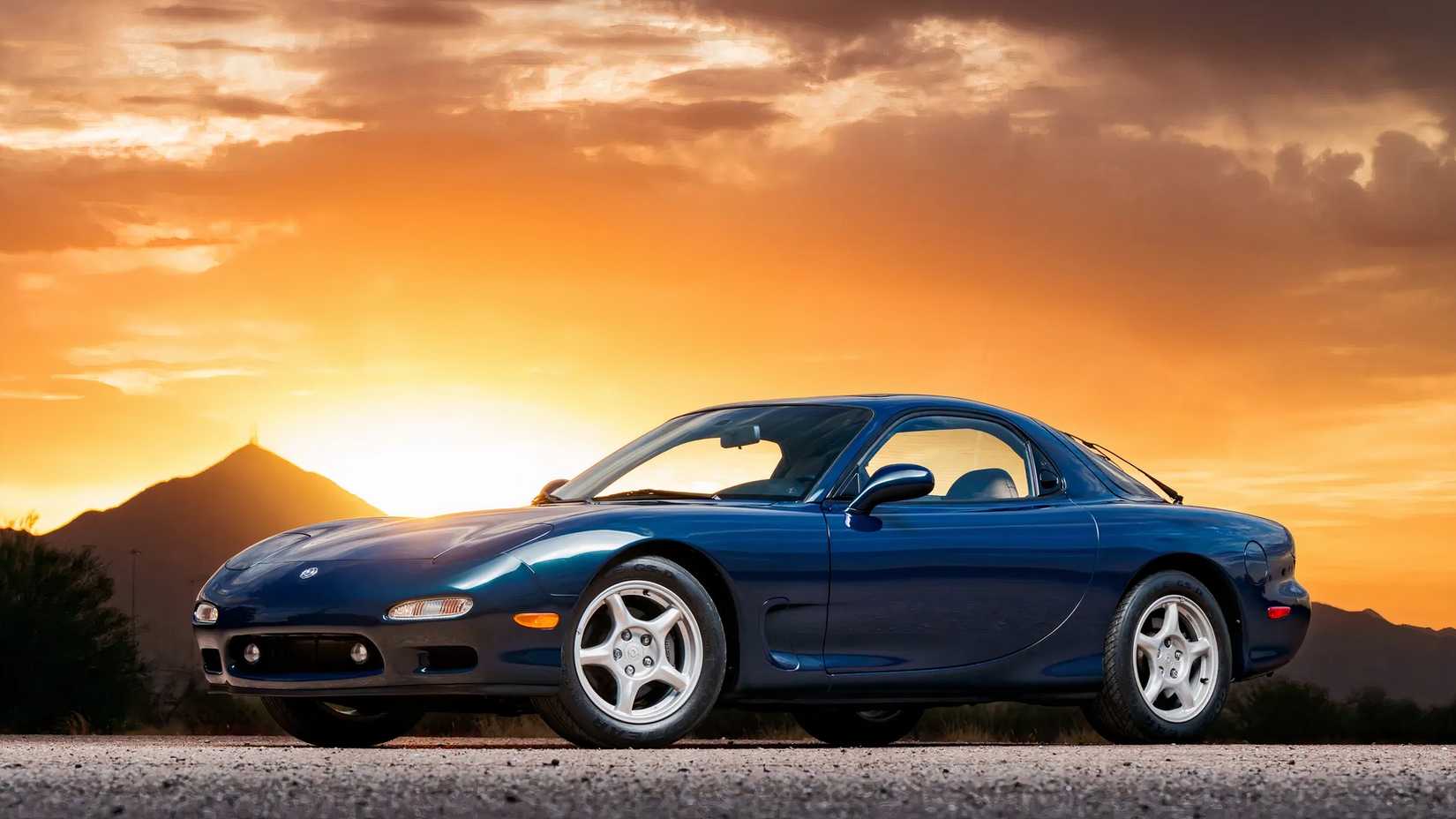
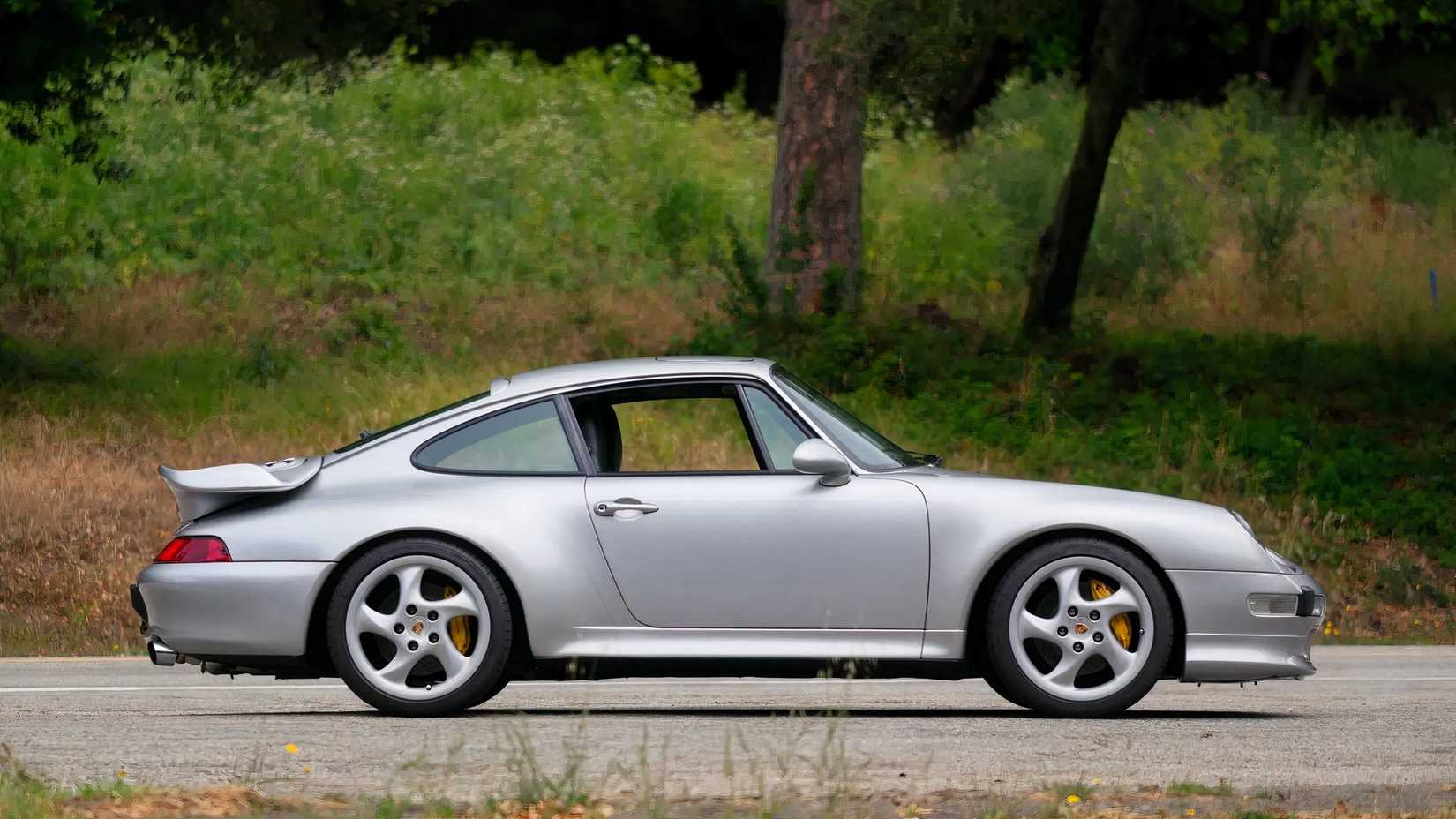
Examples from the past reinforce this pattern. The last air-cooled Porsche 911 models, the final naturally aspirated Ferrari V12s of certain generations, and the closing chapters of iconic Japanese performance cars have all experienced dramatic appreciation once enthusiasts realized their importance. American muscle cars are now approaching a similar moment.
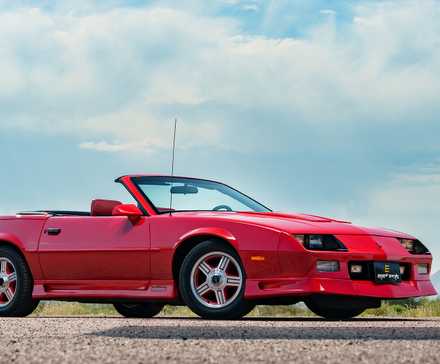
1992 Chevrolet Camaro: A Look Back At The End Of A Generation
Unleashing power and style, the 1992 Camaro is a true ’90s icon. With bold looks and the legendary Z28 trim, it roars into muscle car history.
The Chevrolet Camaro ZL1 Manual: A 650-HP Farewell To Analog American Performance
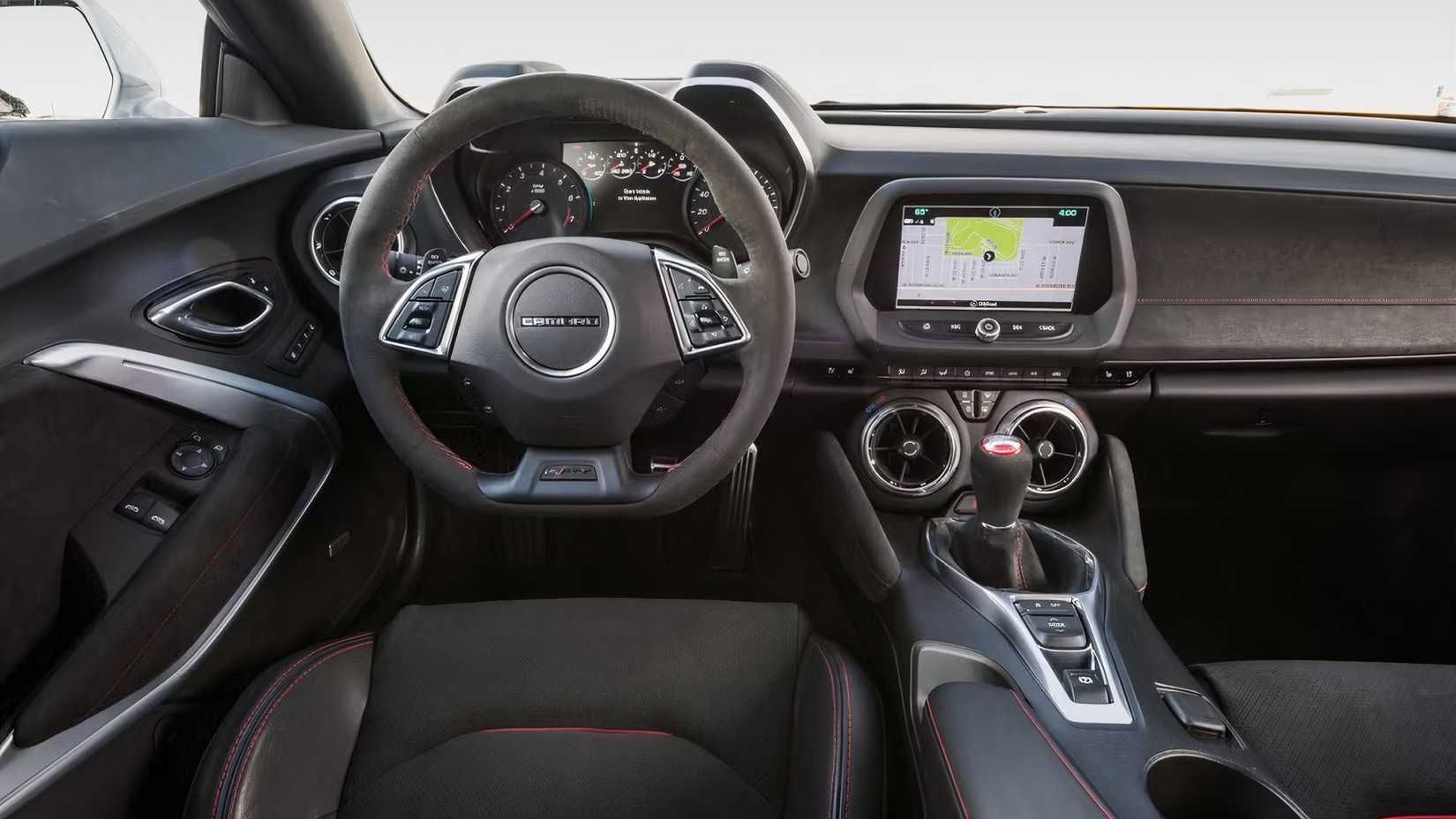
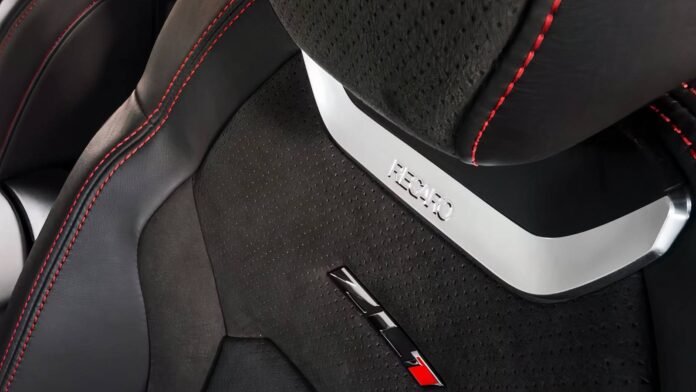
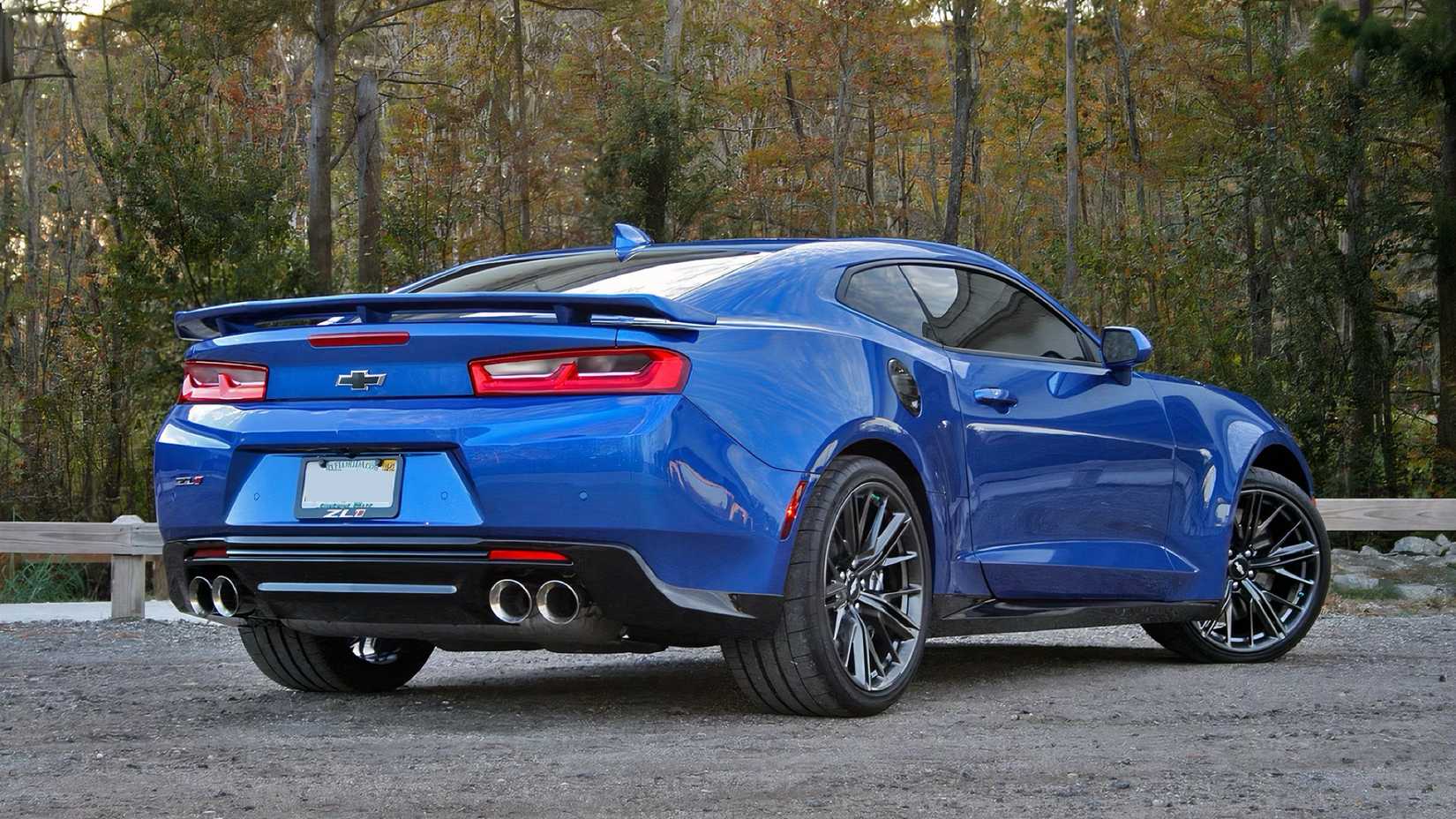
Few modern muscle cars embody the traditional American performance ethos quite like the final-generation Camaro ZL1 equipped with a manual transmission. At its heart lies a supercharged 6.2-liter LT4 V8 engine that produces a staggering 650 horsepower and 650 pound-feet of torque. This powerplant is closely related to the engine used in the Corvette Z06 of the previous generation, meaning the ZL1 delivers genuine supercar-level performance in a relatively accessible package. When paired with a six-speed manual transmission, the experience becomes even more special.
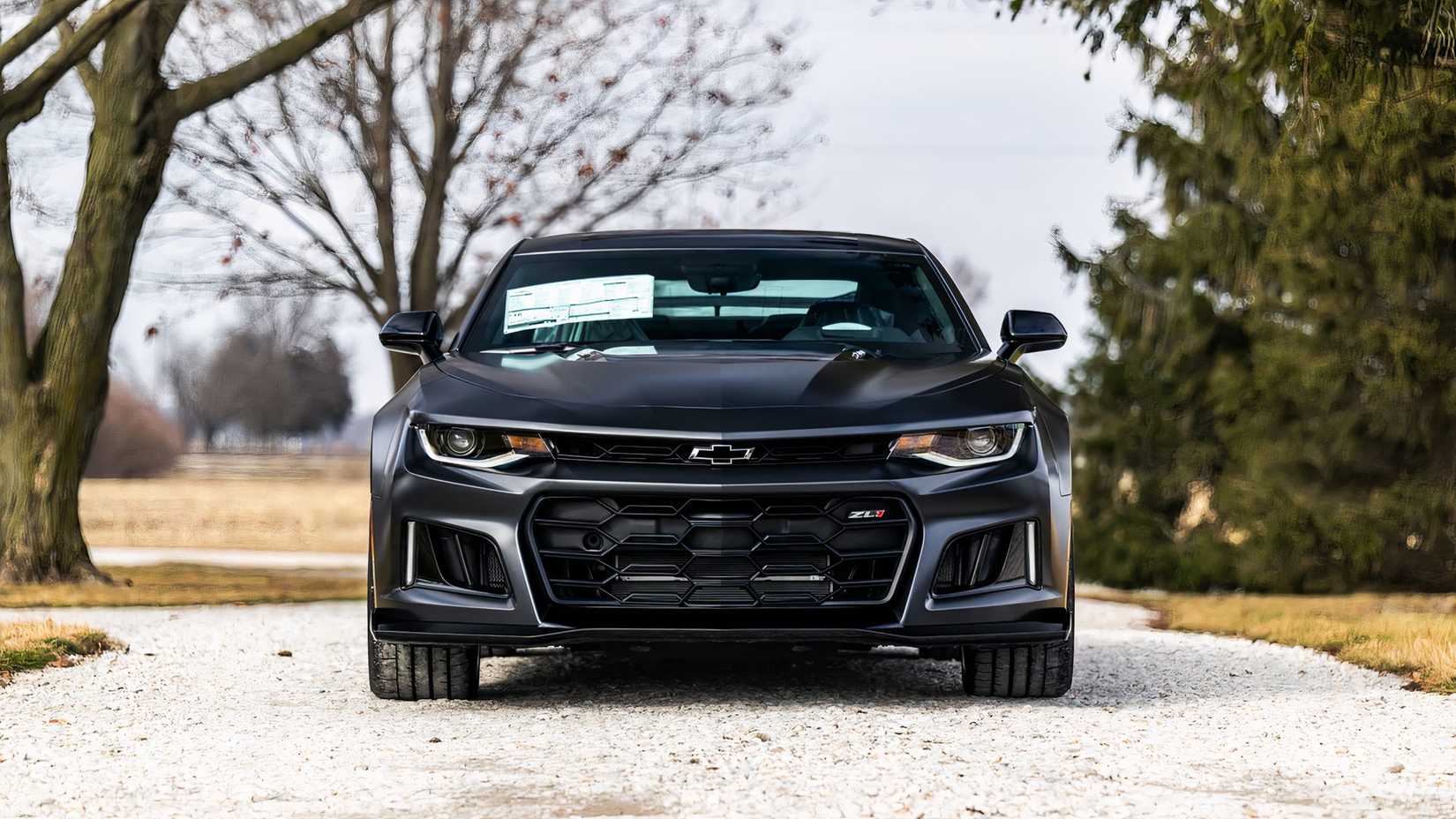
In an era where dual-clutch gearboxes and automatic transmissions dominate performance cars, the manual ZL1 offers a level of engagement that is becoming increasingly rare. Every shift requires deliberate driver input, and every surge of supercharged torque reminds you that this is a machine built for enthusiasts who value connection over convenience.
Performance Figures Reinforce Its Credibility
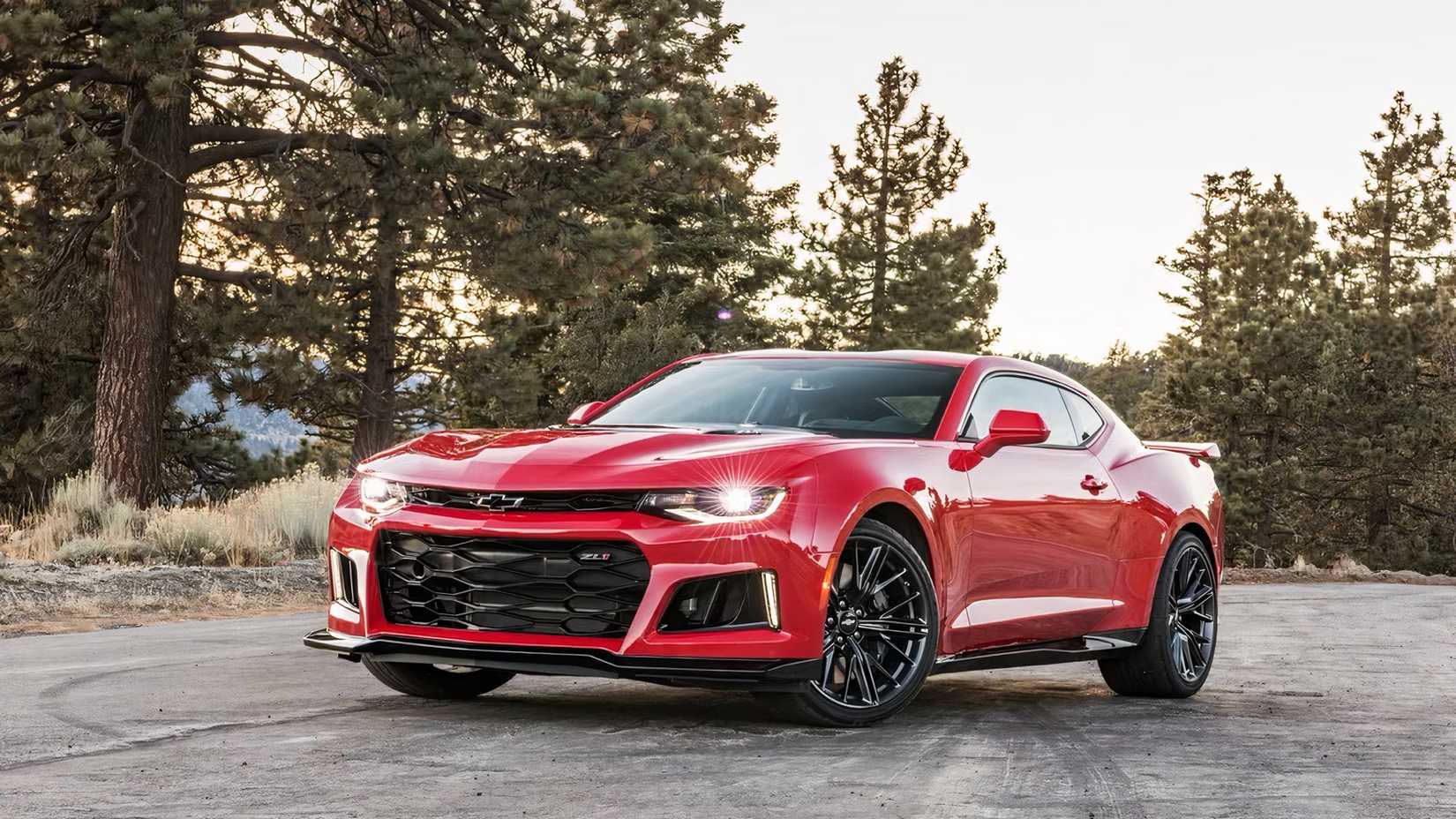
The ZL1 can sprint from zero to 60 mph in roughly 3.5 seconds and reach a top speed approaching 200 mph. Yet despite these extraordinary numbers, it remains unmistakably a muscle car, loud, aggressive, and unapologetically powerful.
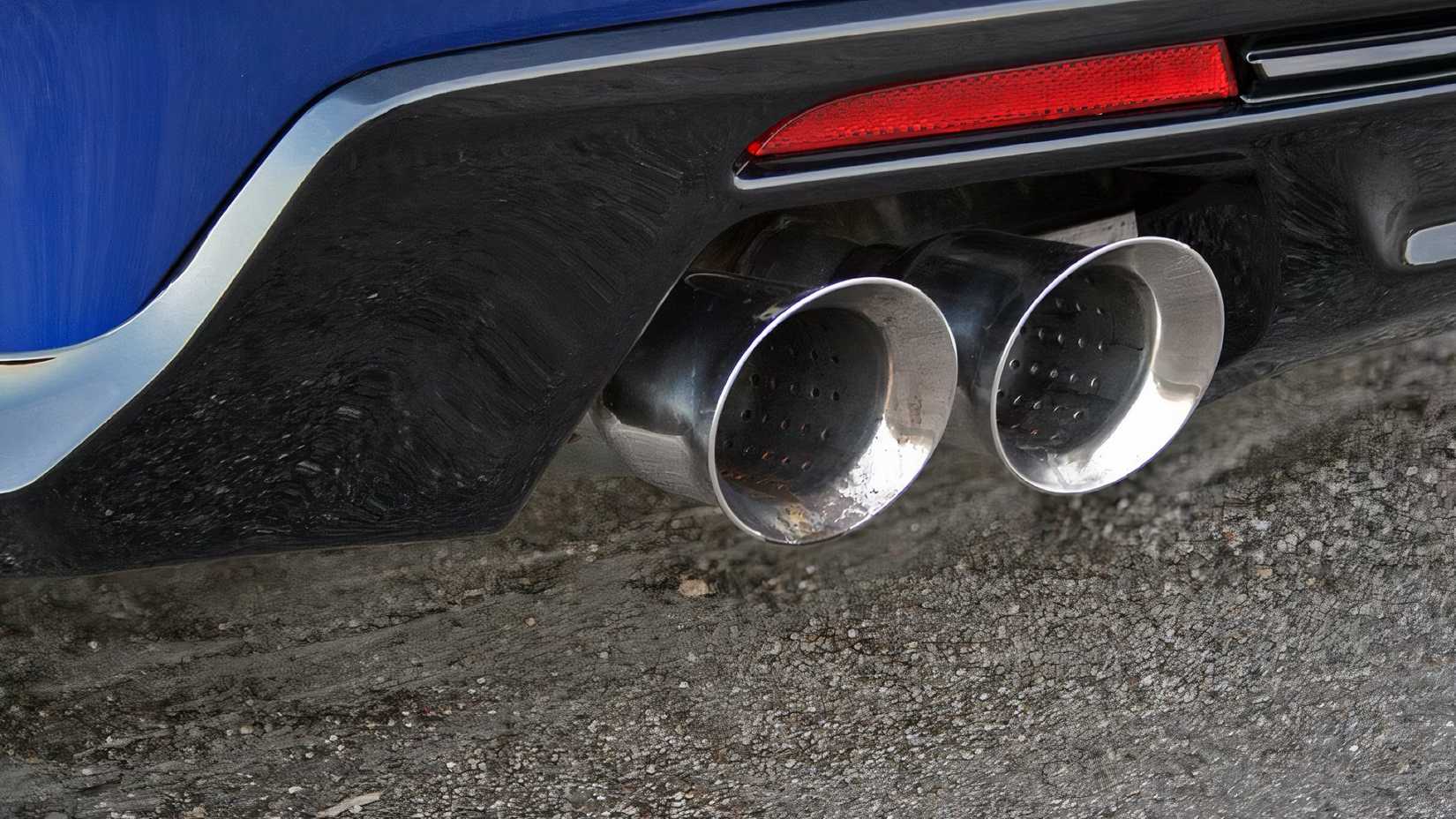
Beyond straight-line performance, the ZL1 also benefits from advanced chassis engineering. Magnetic Ride Control suspension, an electronic limited-slip differential, and massive Brembo brakes give the car genuine track capability. In fact, the Camaro platform has long been praised by professional drivers for its exceptional handling balance. But what makes the manual ZL1 truly special isn’t just its raw capability; it’s the fact that it may represent one of the last opportunities to buy an American muscle car with this exact combination of attributes.
The Legacy Of The Camaro: Why Its Demise Matters
The Chevy Camaro is one of the all-time most iconic American cars, and its discontinuation rips a hole in the muscle car time/space continuum.
Supercharged Power, Rear-Wheel Drive, And A Six-Speed — The Formula That’s Rapidly Disappearing
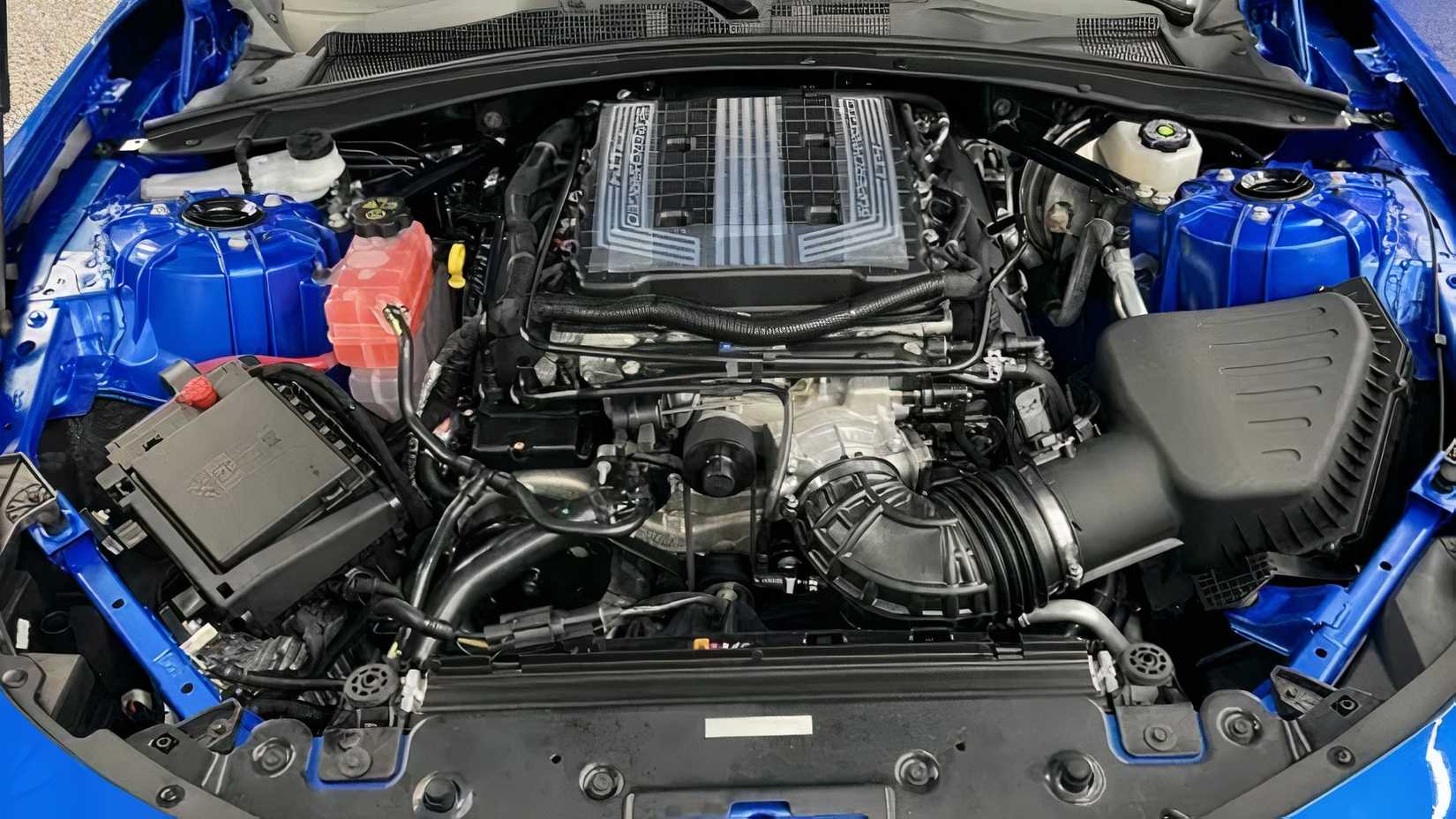
The appeal of the ZL1 manual lies in a performance formula that has defined American enthusiast culture for generations. At its core is the supercharged V8 engine, a configuration that delivers both immense power and a uniquely dramatic character. Unlike turbocharged engines, which rely on exhaust gases to build boost, a supercharger is directly driven by the engine itself. This creates immediate throttle response and a relentless surge of acceleration across the entire rev range.
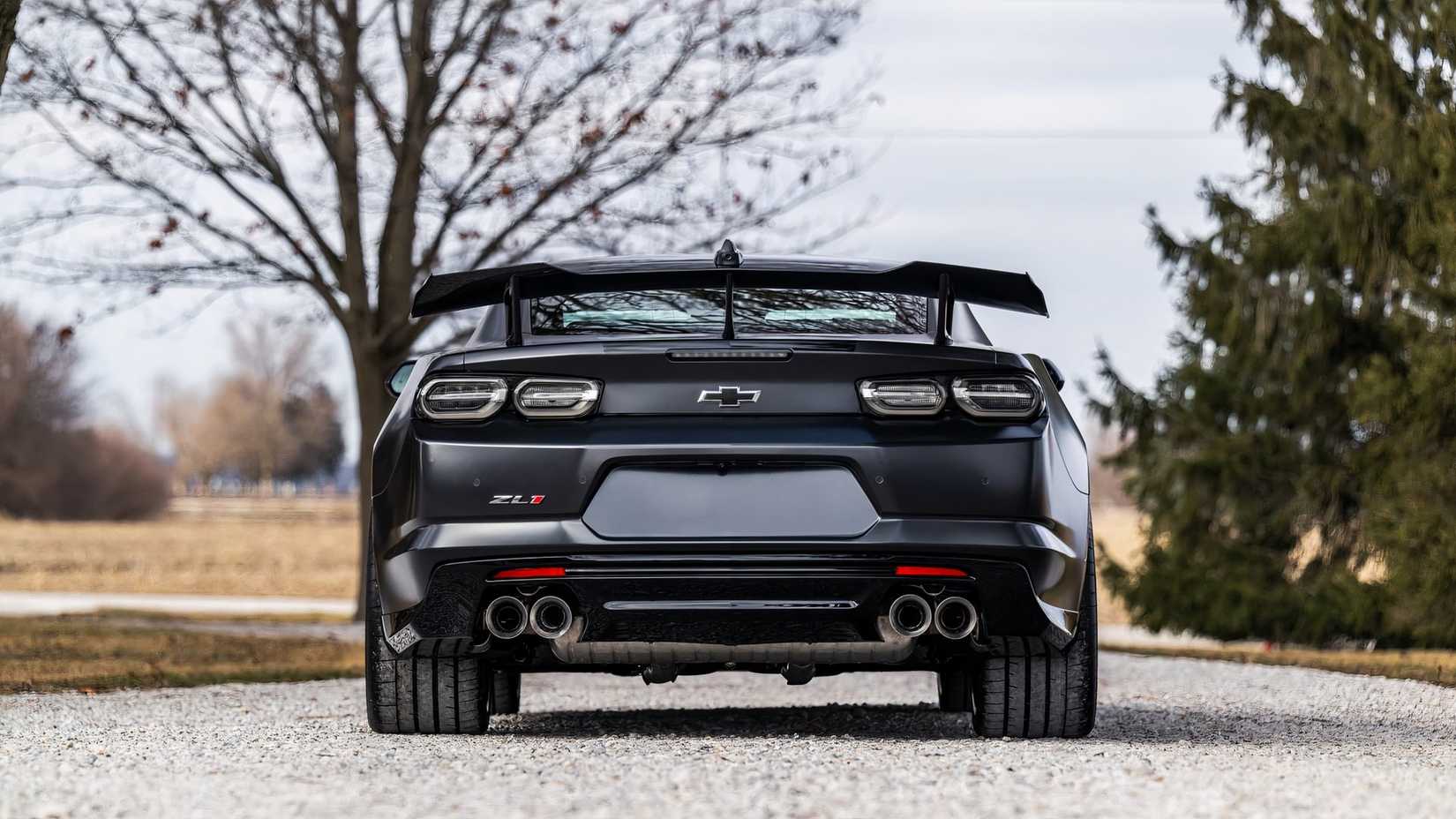
The result is a driving experience that feels both raw and exhilarating. Equally important is the rear-wheel-drive layout. By sending power exclusively to the rear axle, the car preserves the classic muscle car dynamics that enthusiasts love. Hard launches, controllable oversteer, and balanced corner exits are all part of the experience.
This Configuration Also Contributes To The Emotional Appeal Of The Car
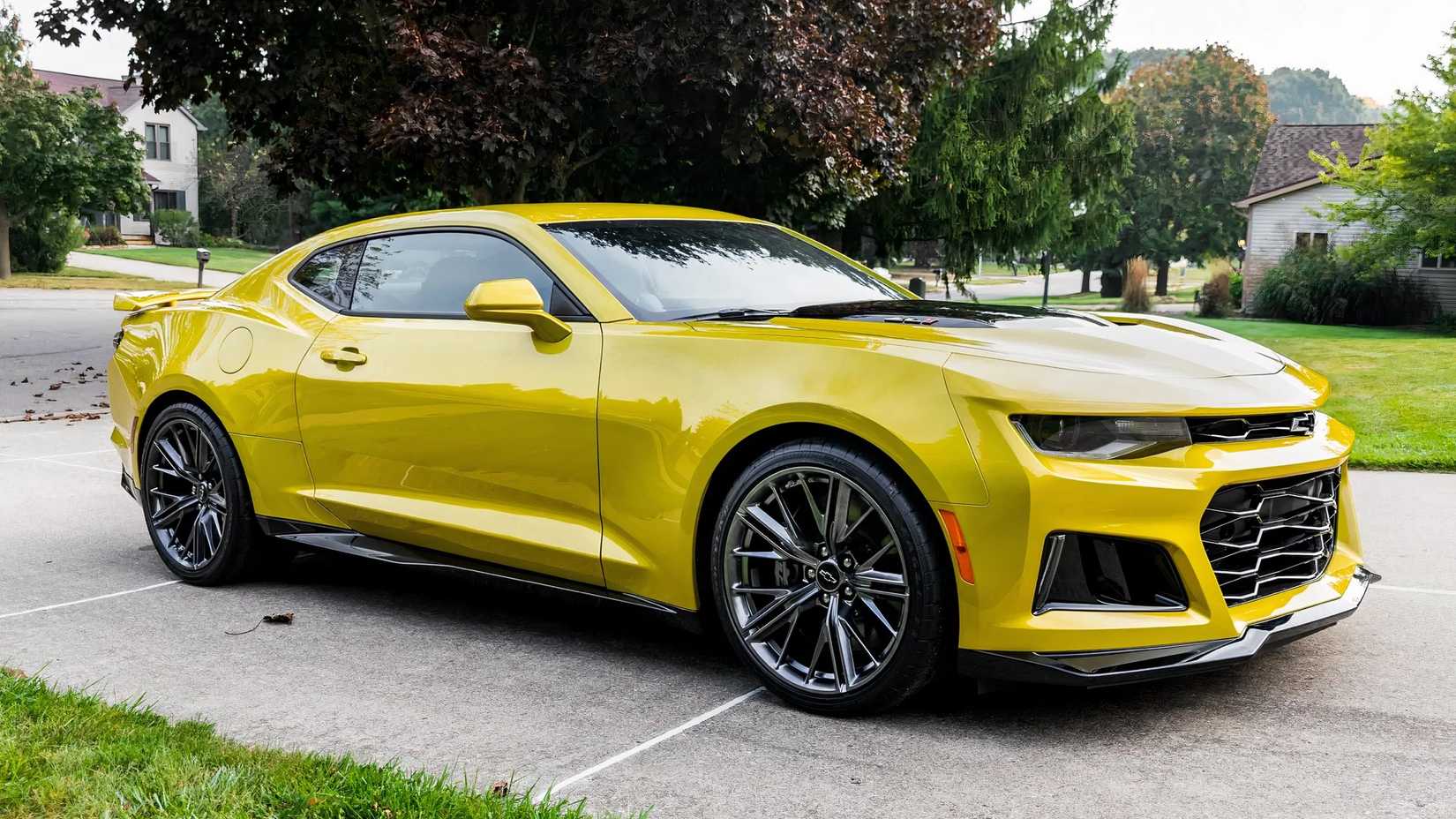
Rear-wheel-drive performance machines demand skill and engagement from the driver, creating a sense of partnership between human and machine that many modern all-wheel-drive performance cars simply cannot replicate. Then there’s the manual transmission. Once a staple of performance vehicles, manual gearboxes are rapidly disappearing from new cars.
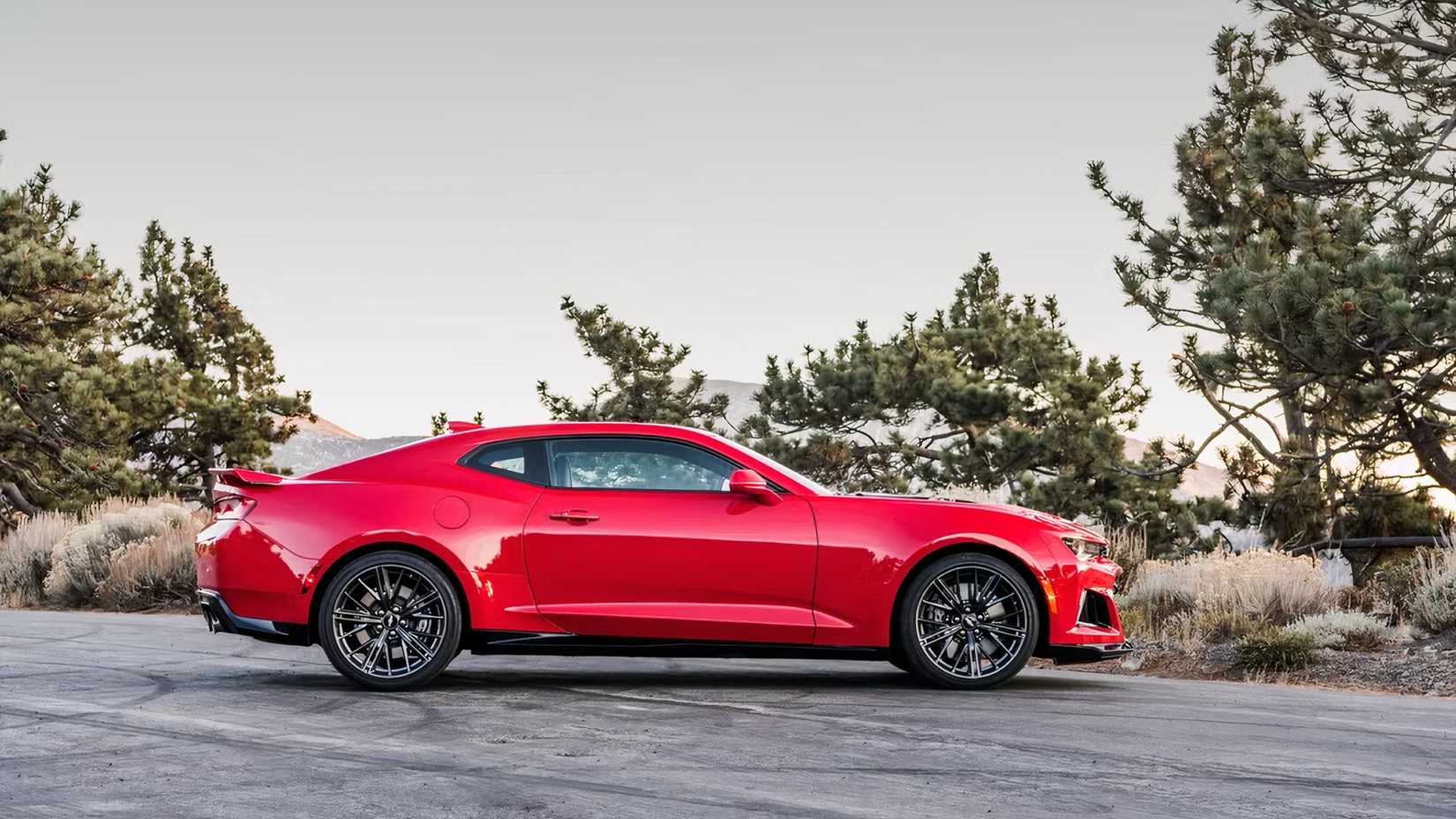
Many manufacturers have eliminated them entirely, citing declining demand and the superior performance metrics delivered by modern automatic transmissions. But for enthusiasts, the manual gearbox represents something far more meaningful than just a method of changing gears. It’s a direct connection to the mechanical heart of the car. Every clutch engagement, every perfectly timed shift, and every heel-and-toe downshift adds another layer of involvement that automated gearboxes can’t match.
The Most Reliable Modern Muscle Cars
We find the modern muscle car with the highest-ranking year for reliability – surprisingly, there is more than one reliable model to choose from.
Limited Production, The End Of Camaro, And Why Values Could Climb Sooner Than Expected
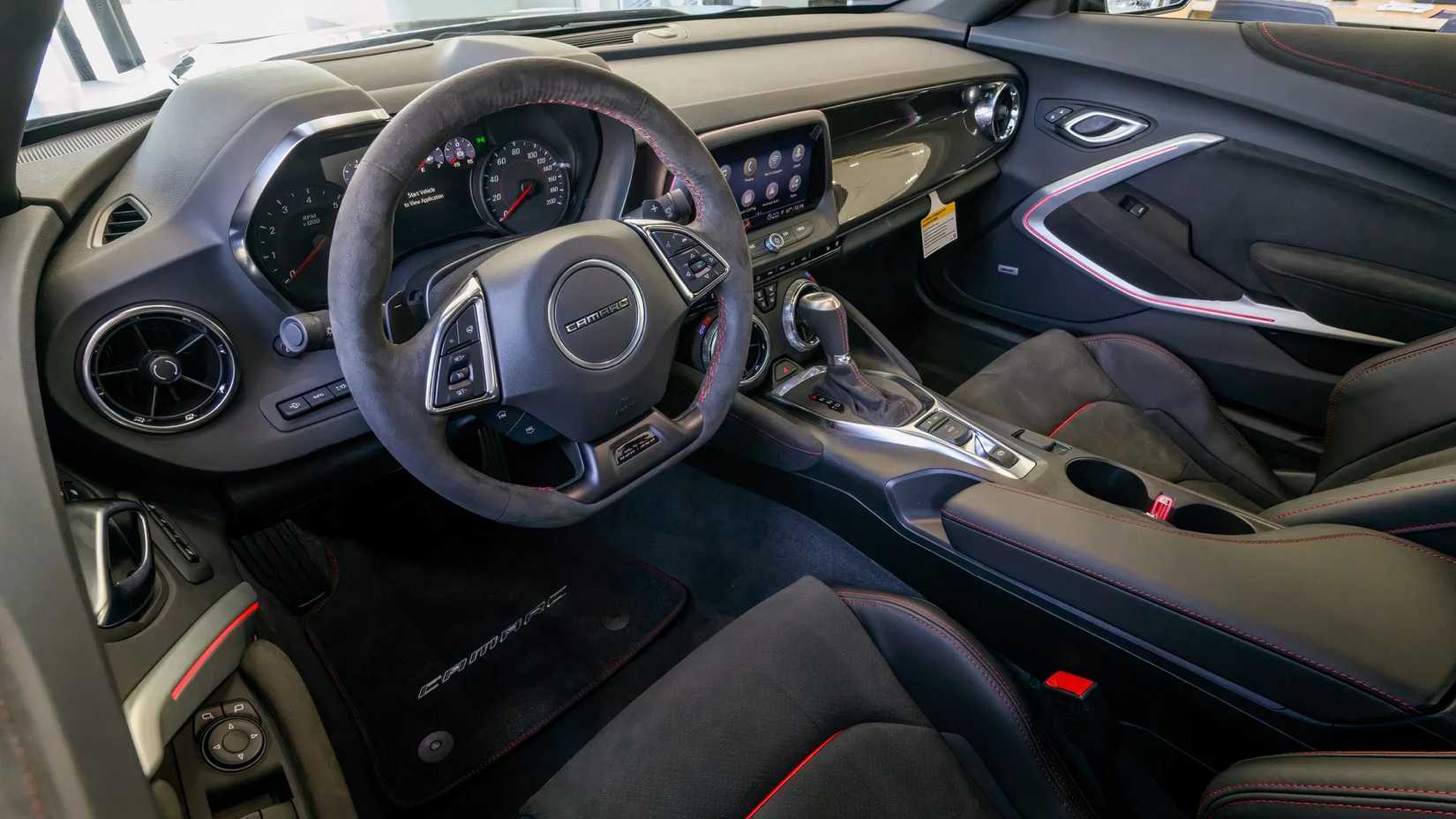
Another factor contributing to the ZL1 manual’s growing collectibility is the broader context surrounding the end of Camaro production. After decades as one of America’s most recognizable performance nameplates, the Camaro has left production following this final generation. While the name could eventually return in a different form, the traditional gasoline-powered muscle coupe has effectively reached the end of its lifecycle.
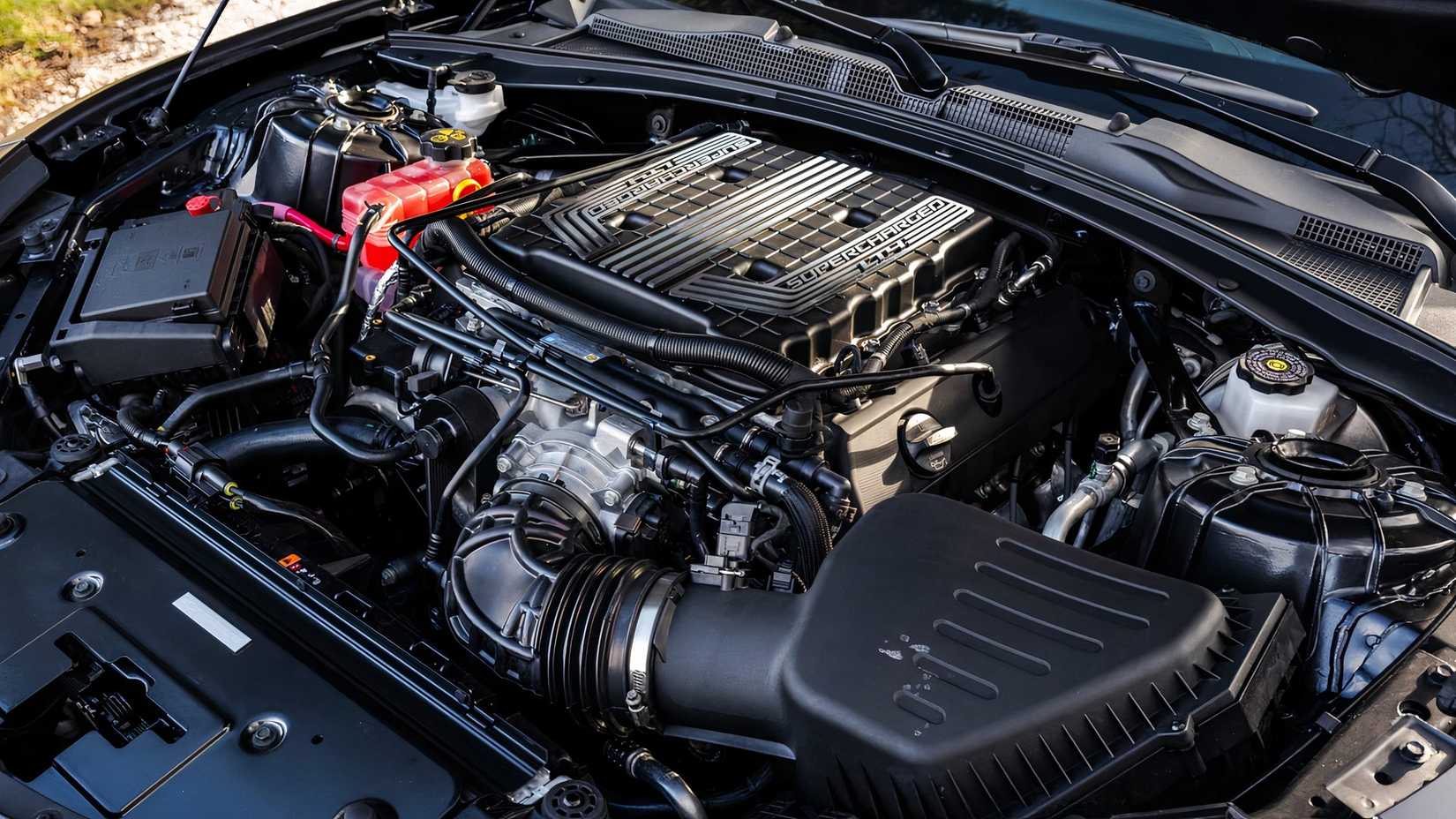
Moments like this often mark the beginning of collector interest. When a beloved performance model is discontinued, the final high-performance variants tend to become the most desirable examples. These cars represent the ultimate expression of the platform, refined after years of development and equipped with the most advanced technology available during their production run.
The ZL1 Sits At The Very Top Of The Camaro Performance Hierarchy
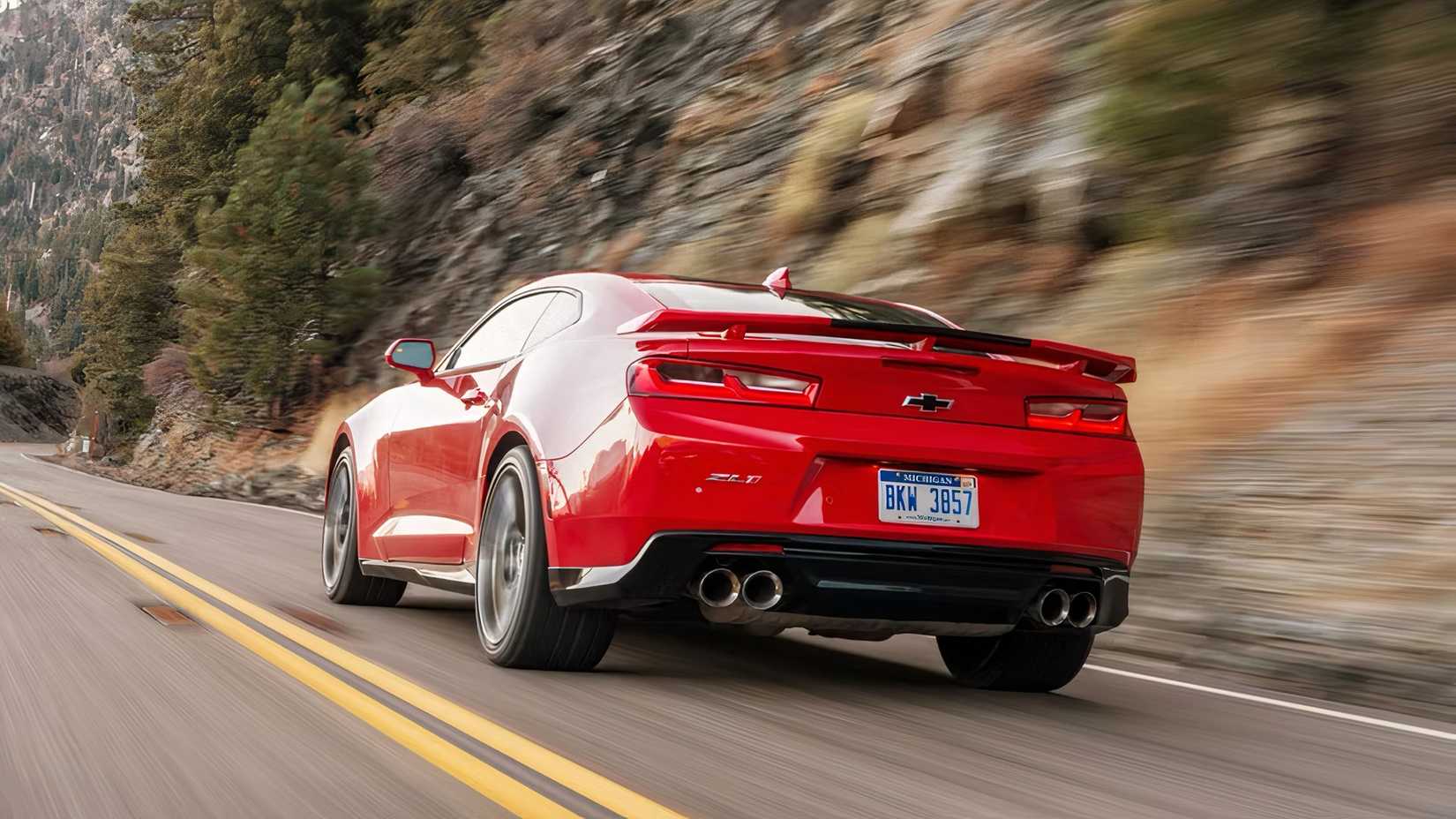
Production numbers for high-performance variants are always lower than those of standard models, and the manual transmission configuration is even rarer. As the industry continues shifting toward automatic transmissions and electrified powertrains, manual versions of high-output performance cars are becoming increasingly scarce.
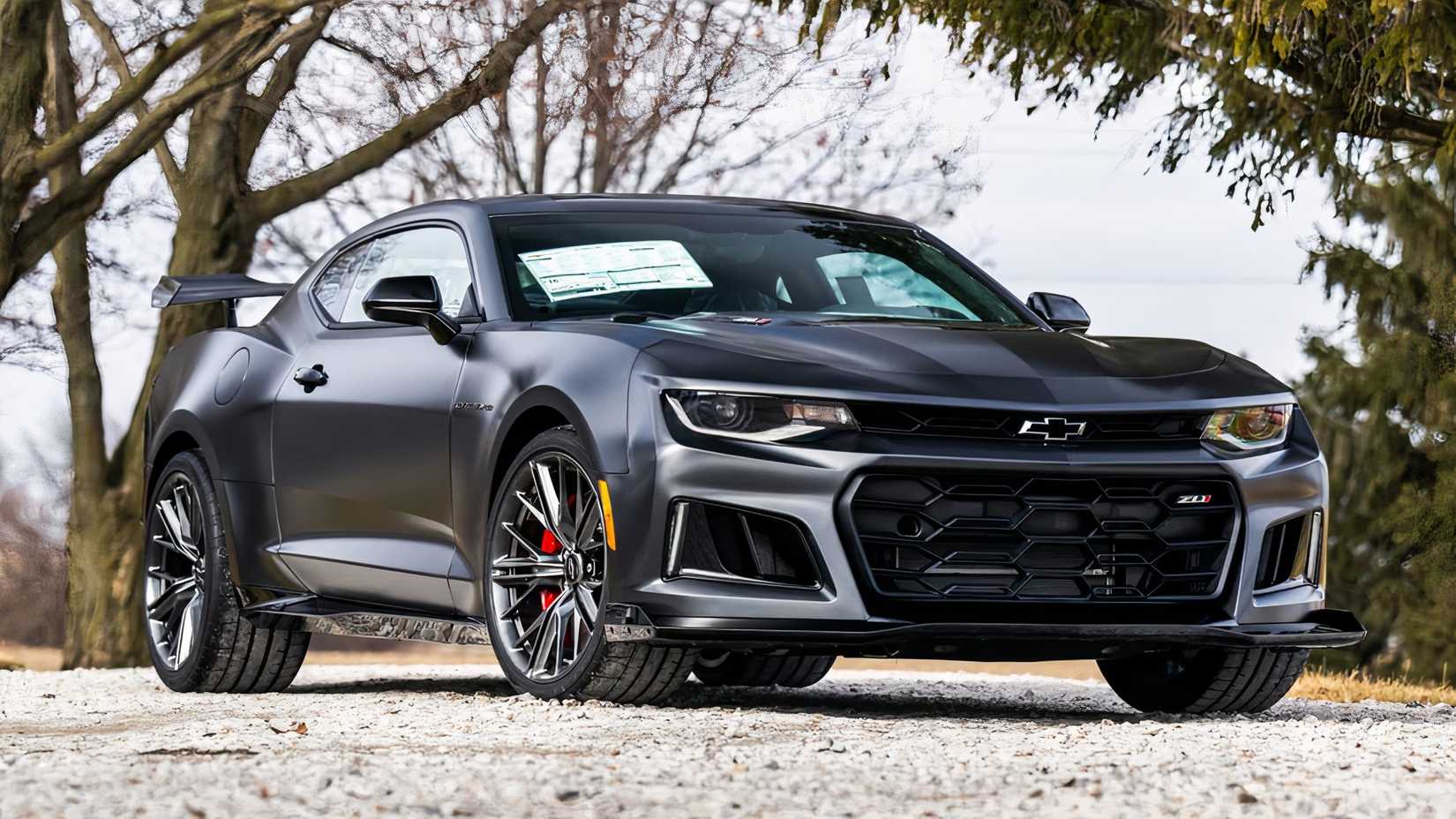
This scarcity plays a significant role in future collector values. History offers numerous examples where the most powerful, limited-production versions of discontinued performance models eventually became highly sought after. The sixth-gen Camaro ZL1, especially 1LE-equipped examples, are already going for six figures, according to Classic.com. Vehicles that initially sold at reasonable prices often gained substantial value once enthusiasts recognized their significance.
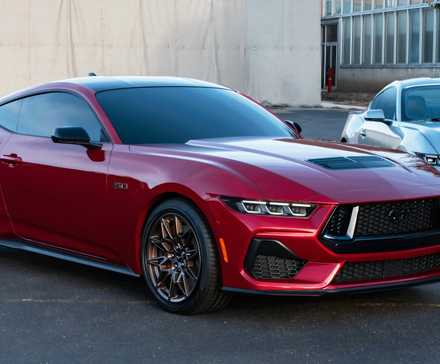
The Final Manual V8 Muscle Car Is A Last Stand Against Electrification
The Ford Mustang, the final V8 manual muscle car, resists electrification with 500 hp, six-speed shifting, and raw driving joy in a tech-driven era.
Why The Last True Driver-Focused American Muscle Car May Become One Of The Most Desirable Modern Classics
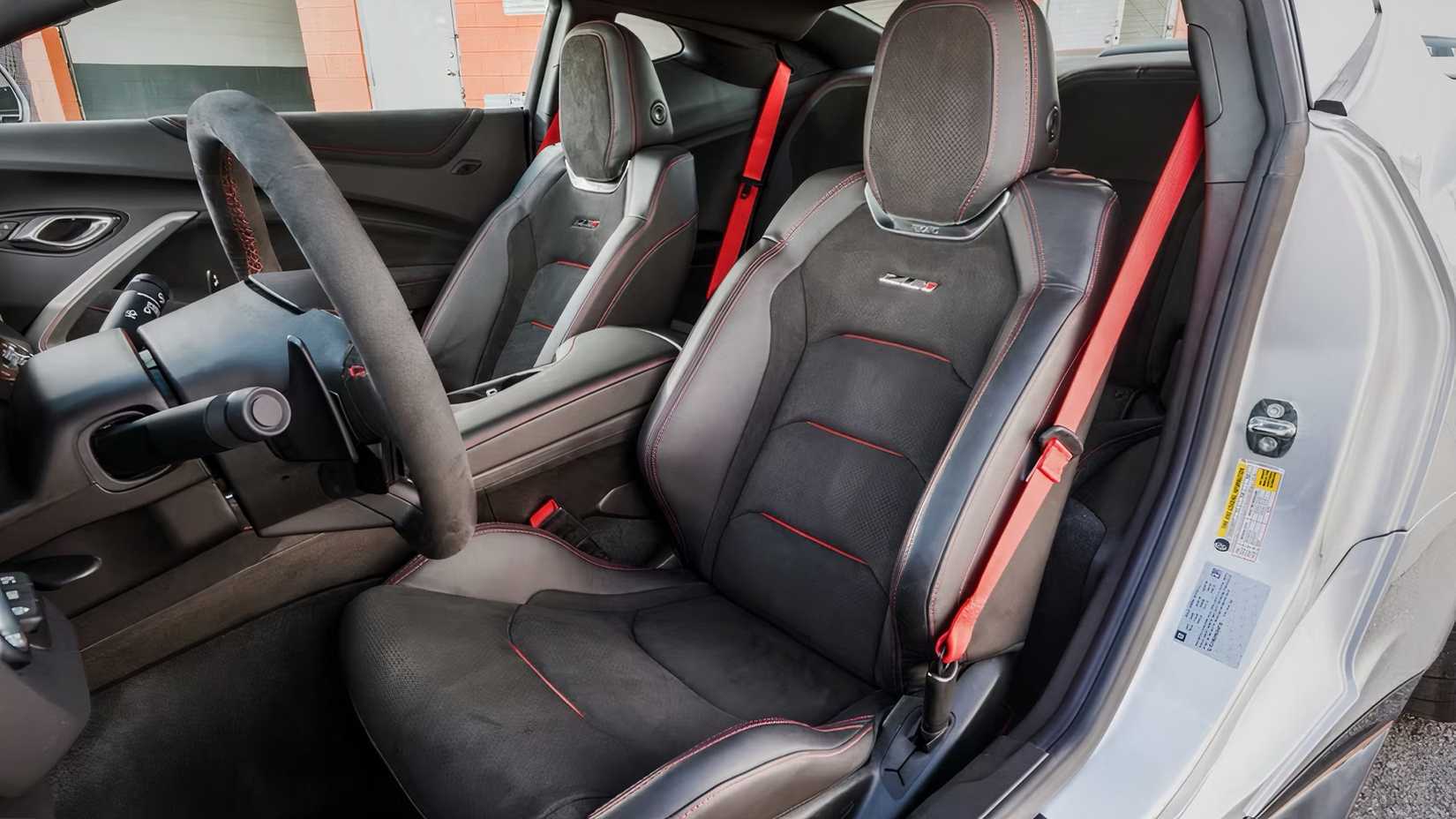
Collectibility often comes down to a simple formula: historical significance, exceptional performance, and a driving experience that can’t easily be replicated in the future. The Camaro ZL1 manual checks all three boxes.
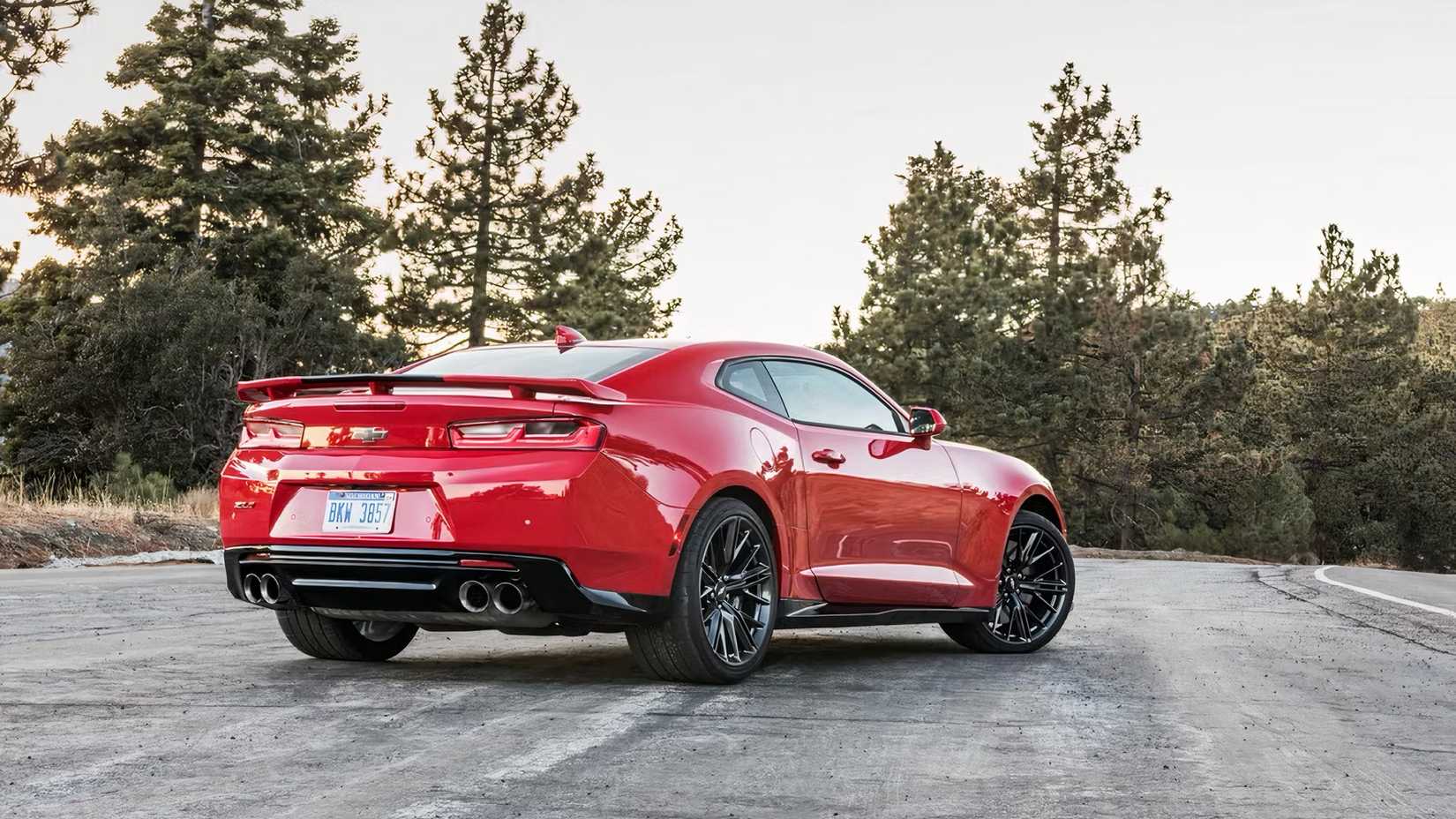
From a historical standpoint, it represents the closing chapter of one of America’s most iconic performance nameplates. Few cars carry the same cultural weight as the Camaro, and the ZL1 stands as the most extreme road-going version ever built. In terms of performance, the numbers speak for themselves. With 650 horsepower, world-class chassis tuning, and track-ready engineering, the ZL1 can compete with far more expensive sports cars while still retaining the personality of a traditional muscle car.
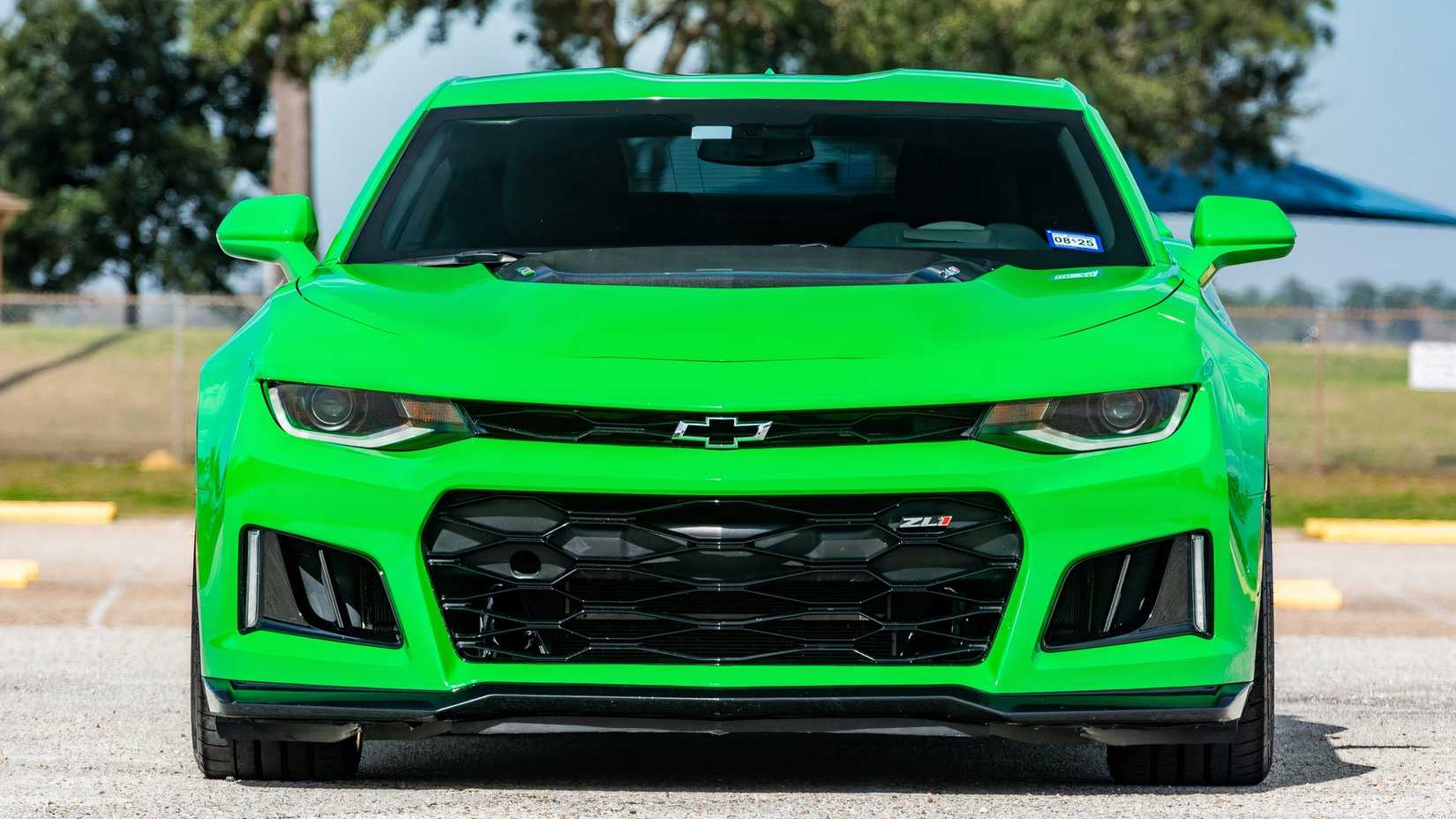
But perhaps the most important factor is the driving experience itself. Modern performance cars are becoming increasingly digital. Advanced driver aids, automated transmissions, and electric powertrains are transforming the way cars deliver speed. While these technologies bring undeniable advantages, they also remove some of the mechanical interaction that enthusiasts have cherished for decades. The ZL1 manual preserves that interaction.
Sources: Chevrolet U.S., Classic.com