
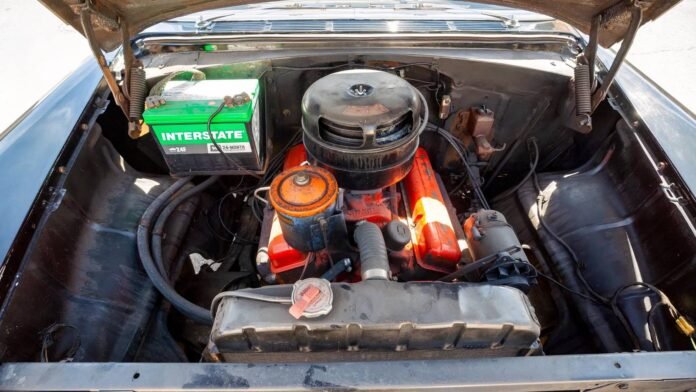
The first ever V8 engine wasn’t American; it was a French design by Léon Levavasseur, and it wasn’t used in sports cars or muscle cars, but in boats and planes. However, since its first use in 1904, American brands have popularized the V8 engine, making it exceptionally powerful, creating a cultural phenomenon, and ensuring that Levavasseur’s groundbreaking design only got better and better.
Among the best American V8 designs, one V8 family has arguably become the most iconic and well-received. The design is good and so tunable that over 100 million have been built since the mid-1950s, and today, it is still going. This American V8 design has been powering our trucks, cars, and SUVs for 70 years, and despite the changing face of the auto market, it shows no signs of going anywhere.
How The V8 Became America’s Engine Of Choice
The rise of the V8 in the U.S. wasn’t just about adding cylinders; it was about solving a very American problem: how to move large, heavy vehicles across long distances with ease. By the late 1940s and early 1950s, American cars got bigger and heavier, and drivers of the time expected effortless power. Inline-six engines, while reliable, struggled to offer smooth, sustained power for the new era. Automakers like General Motors quickly realized that a compact V8 was needed to provide more displacement in a shorter package.
Equally important was how well the V8 suited American manufacturing. Advances in casting techniques, like thin-wall casting, which was pioneered in the ’50s, allowed companies to make lighter and stronger engine blocks at scale. This made V8 engines not only more powerful, but a real option across entire model ranges. So, by the time the interstate highway system was signed into law under the Federal-Aid Highway Act in 1956, the V8 had already become the go-to for effortless travel.
The Early History Of American V8s
The V8’s American history begins with Cadillac, which introduced mass-produced V8s in 1914. Their 5.1-liter L-head V8 wasn’t just about output; it delivered a level of smoothness, balance, and refinement that inline engines of the time couldn’t match, ideal for the posh cars they used them in. Cadillac’s early V8 set the benchmark for premium performance and proved the configuration’s long-term viability. Arguably, though, it was Ford that changed everything in 1932 with the release of the flathead V8.
Using cost-effective casting techniques to bring eight-cylinder prowess to the masses, suddenly, the V8 wasn’t just reserved for luxury buyers; it was accessible. Post-war, OHV V8s replaced flatheads, and better airflow, higher compression, and more power followed. Racing, with special thanks to NASCAR, meant faster development, harder durability, and more speed for the V8. By the 1950s, V8s were in everything from family sedans to trucks, and became the quintessentially American engine.
Why Eight Cylinders Won The Hearts Of Drivers And Modders
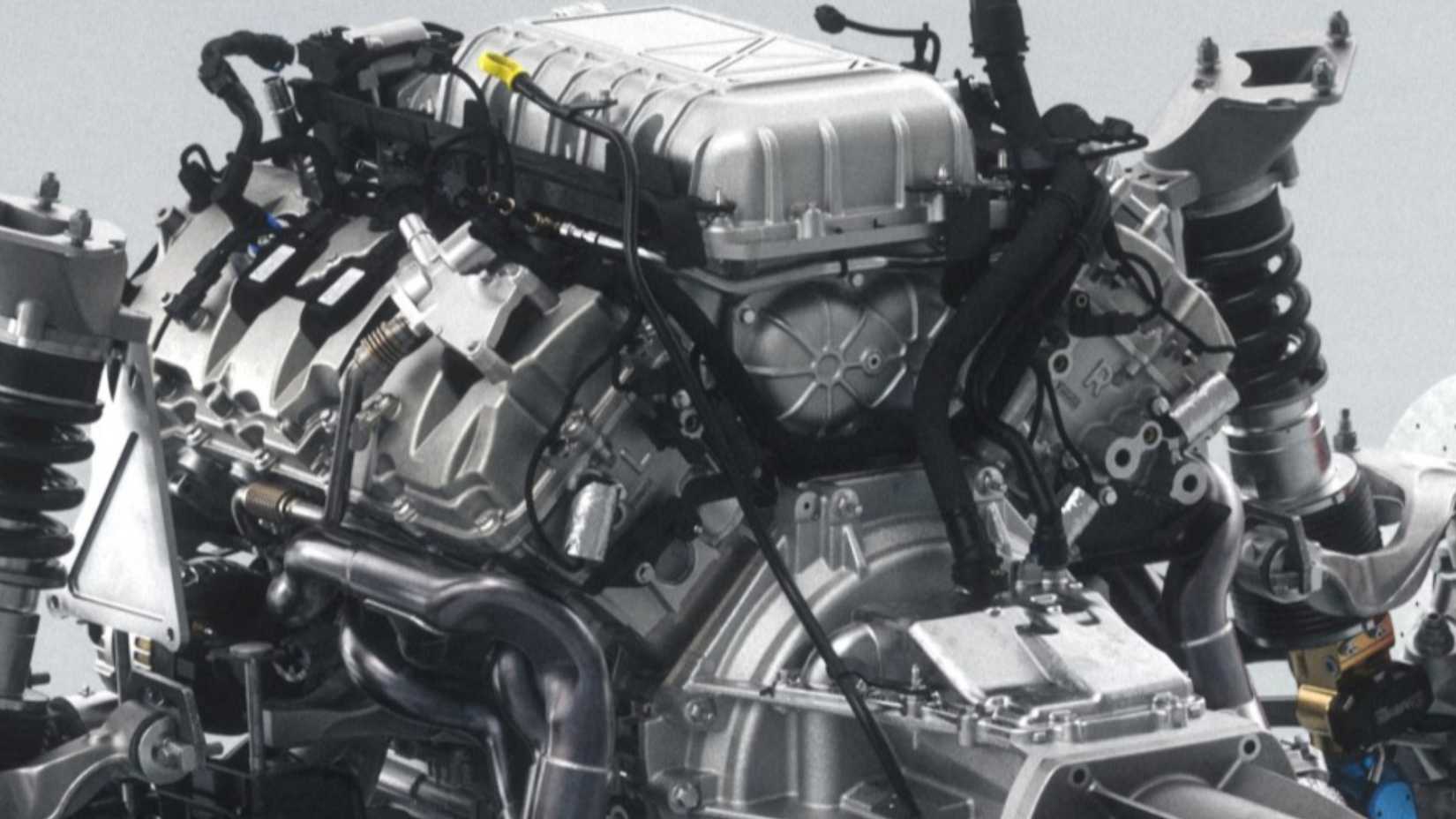
Then there is the appeal of the V8 for modders; to many, it is the best engine configuration. Not only have we seen some monstrous power from V8s, but it is also about the feel of them underfoot that makes them great. The cross-plane crankshaft design used in most American V8s creates a balanced firing order that produces that unmistakable loping idle and thundering exhaust growl. There is a mechanical theater, not replicated by V6s or inline engines. Even with newer tech, that is why we still see some V8s in modern vehicles and people swapping stock engines for them today.
From a tuning perspective, the V8’s appeal is even more practical. The traditional pushrod design found in older muscle cars and in newer models like the Corvette C7 means fewer moving parts compared to overhead cam rigs. For modders, this translates into easier access and a very, very high ceiling for performance gains. Whether it’s a cam swap, stroker kit, or forced induction, the V8 can respond well and with a real flair of the dramatics. This tunability, combined with decades of aftermarket support, turned the V8 into the go-to for American car culture, from grassroots drag racing to high-end restomods.
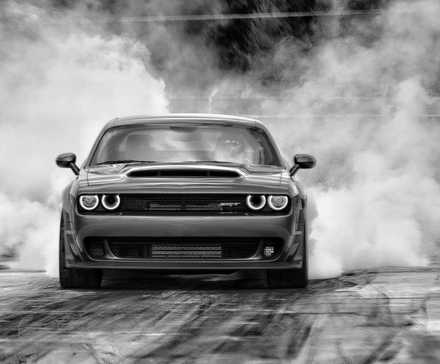
10 American Cars With The Best V8 Engines Of All Time
As the world turns against the V8, it’s time to remember the best variants of this engine that graced the bays of American cars throughout the years.
The GM Small Block: America’s Most Famous V8
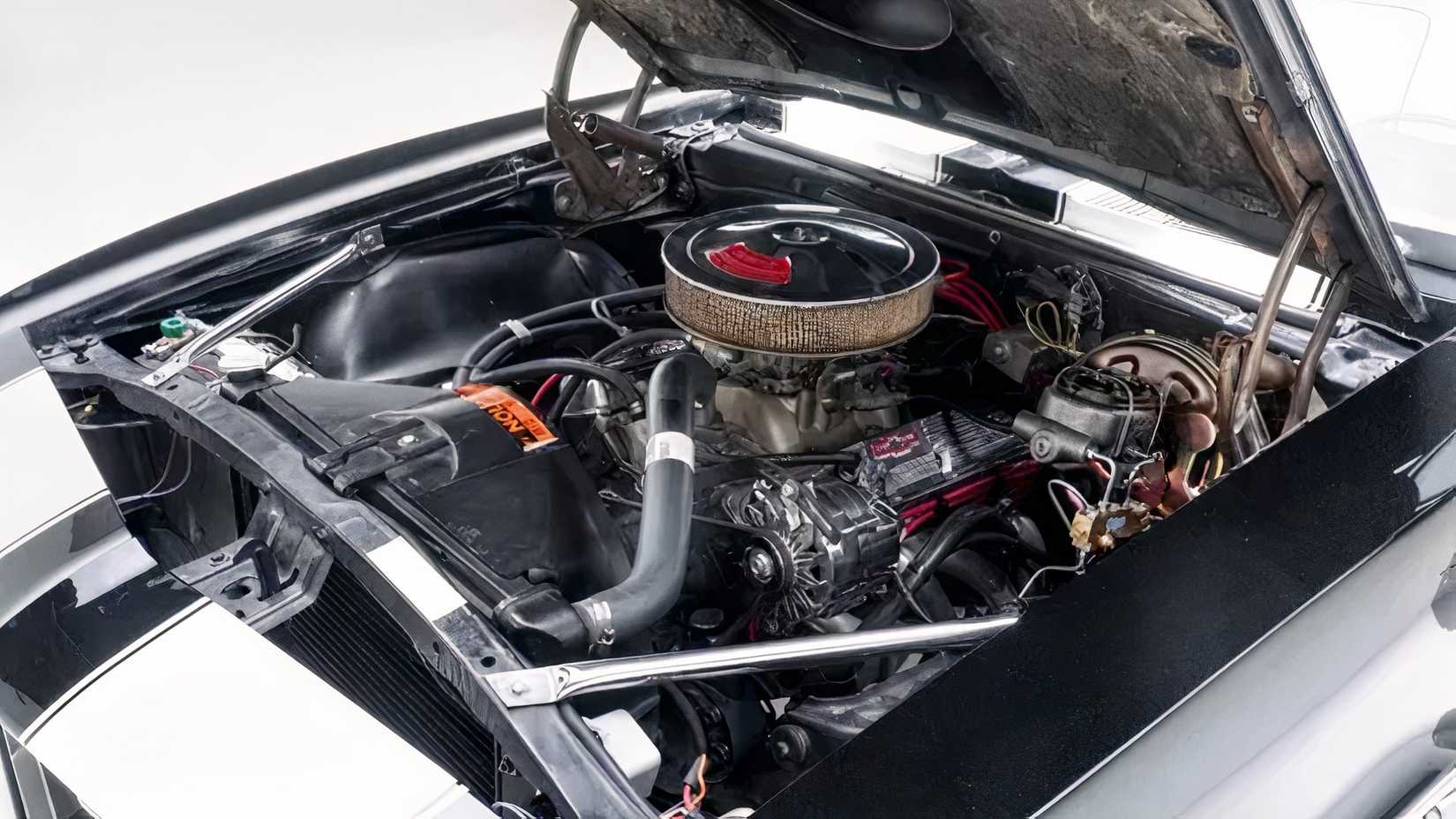
General Motors launched the small-block V8 back in 1955 under the hood of the Chevy Bel Air and Chevy Corvette, and it rewrote the rule book. Compact, lightweight, and endlessly adaptable, it powered everything from the sporty models to workhorse pickup trucks.
In 2025, the GM small block celebrated its 70th birthday, and we have a lot to thank it for. It has powered some of the most iconic American vehicles ever, but the real reason that it has done so well over seven decades? GM kept evolving without killing its core purpose. Broadly speaking, there are five generations of the GM small block, which are as follows:
- Gen I Small Block V8. 1955–1998
- Gen II Small Block V8. 1992–1997
- Gen III Small Block V8. 1997–2005
- Gen IV Small Block V8. 2005–2013
- Gen V Small Block V8. 2013–Present
How It Redefined Power And Reliability
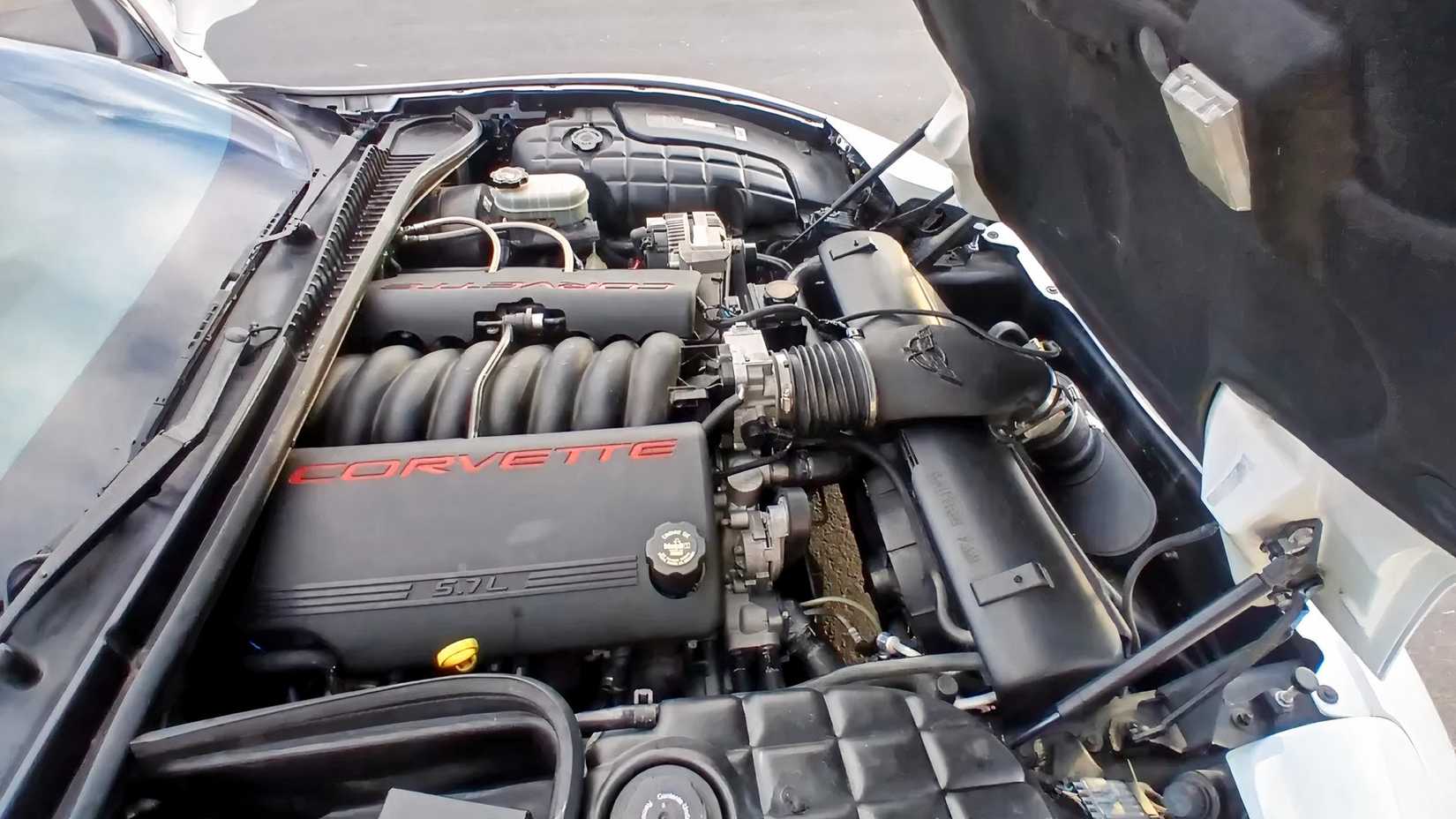
From the off, the small block’s brilliance was in its engineering design. The 1955 265-cubic-inch (4.3-liter) V8 boasts a deep-skirt cast-iron block, five main bearings, and a forged steel crankshaft. It can be seen as overbuilt for its time, very handy for heavy loads, and much stronger than its modest 162-horsepower output would suggest.
It also has a short-stroke setup and solid lifter cam, which allows for higher revs than most rivals of the time, while good coolant passages somewhat reduced hotspots. By the time the 350-cubic-inch (5.7-liter) small block was utilized in the 1969 Chevrolet Corvette, output had been upped to as much as 375 horsepower, while still being very strong.
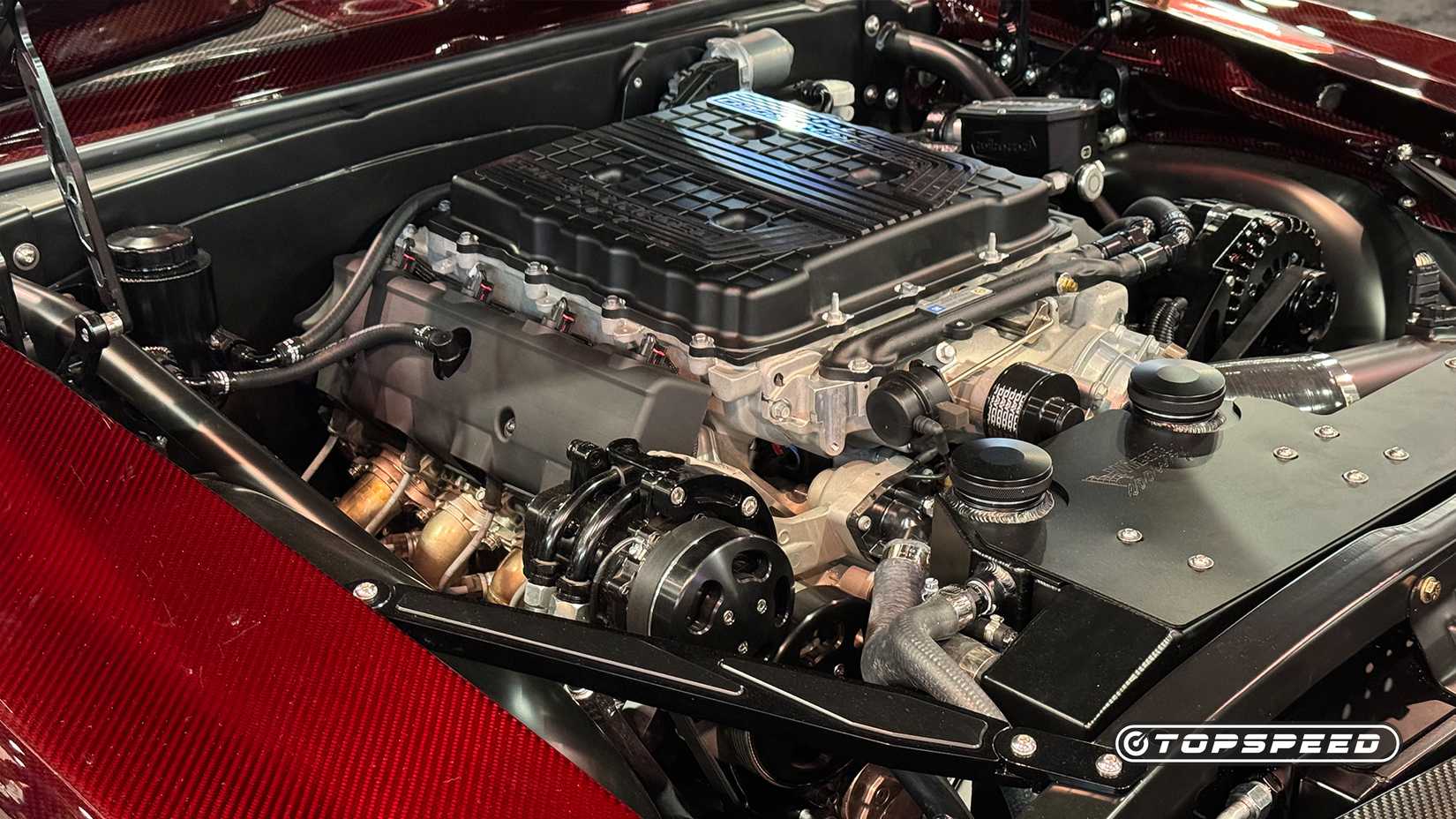
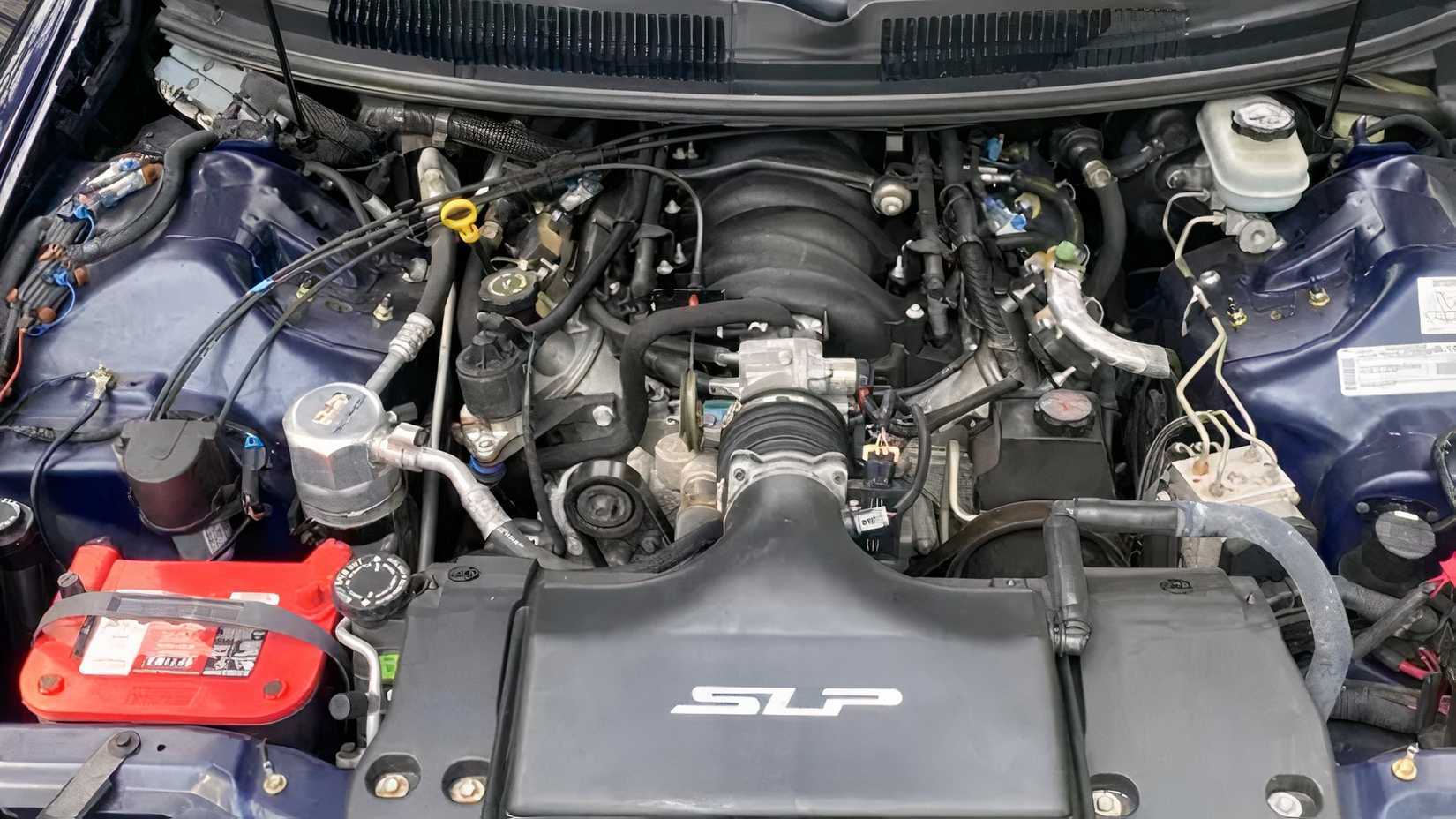
The 350-cubic-inch (5.7-liter) small-block V8 used for the 1967–1981 Chevrolet Camaro and 1960–1980 Chevrolet C and K is good for anywhere between 255 and 370 horsepower (lower because of the era’s tighter emission controls), depending on the model, but it still maintained a bulletproof build in a tough time thanks to improved tech, such as better oiling and hydraulic lifters.
Horsepower was again pushed with the release of the LS1 V8 in the late 1990s, with an aluminum build used to lighten it up. Today’s 6.2-liter LT V8 is being utilized for models like the 2014–present Silverado, and kicks out up to 420 horsepower, but combines a lot more modern tech and is still a go-to choice for drivers wanting a tough build.
Why SUV And Truck Owners Still Rely On The GM Small Block V8
While we usually laud brands like Toyota for not totally reinventing everything and gradually improving things over decades, GM has done the same thing here with the small block V8. Alongside the clear improvement in tech being used, the reason why the GM small block has maintained such a presence under the hood of American vehicles is that it is very useful for some of our most beloved segments: SUVs and pickup trucks.
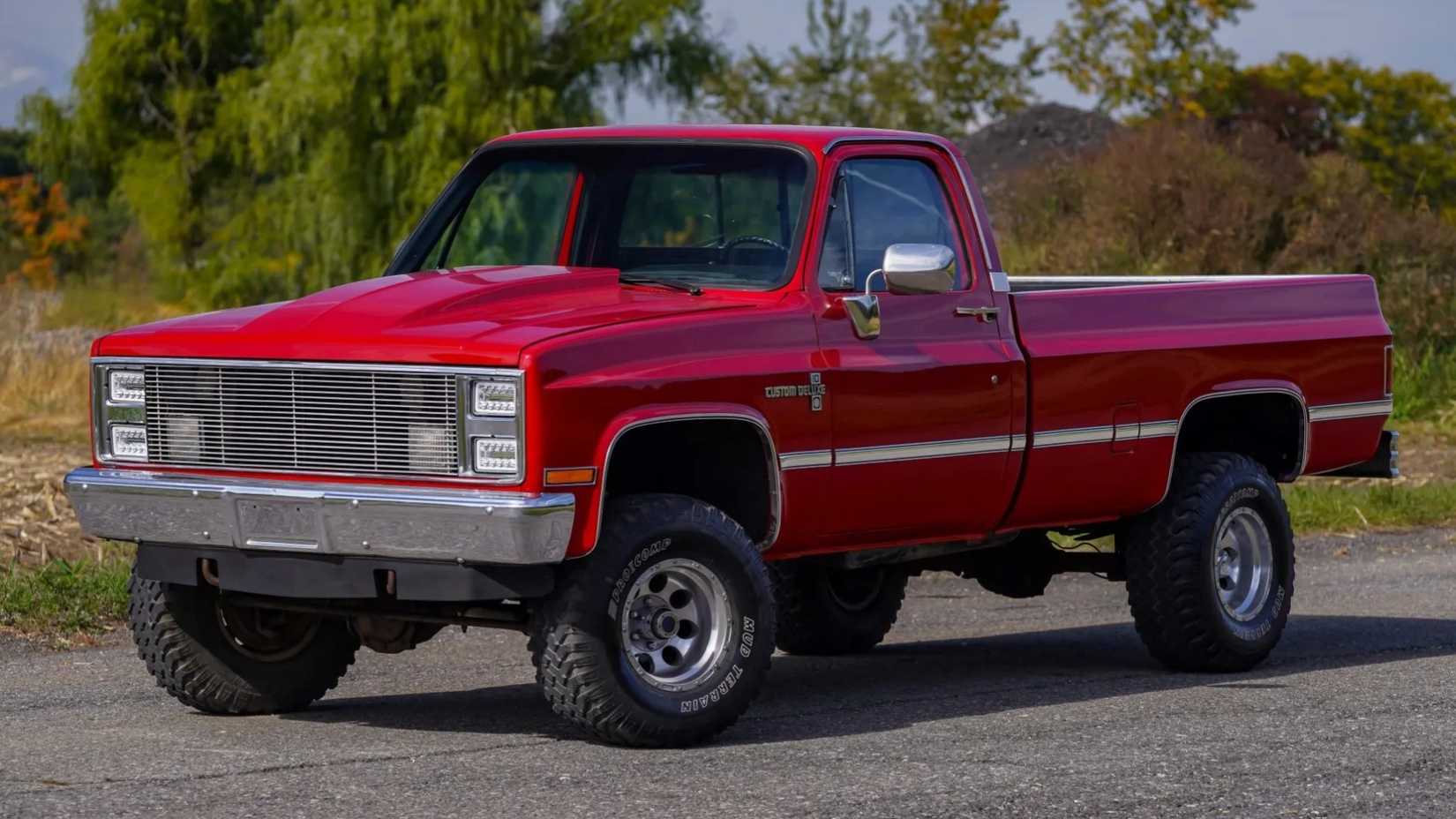
If you actually use your truck or SUV for towing, hauling, or hitting the boonies, then this iconic V8 makes sense. It is built around torque where it matters: in the low rev range. Even the older 5.7-liter V8s used in the early Chevy C and K models were about low-end grunt instead of scorching horsepower, and can tow up to around 6,000 pounds.
Fast-forward to the modern day, and that formula for the GM trucks and SUVs hasn’t changed; it has just gotten better. The modern 6.2-liter EcoTec3 V8 under the hood of the present-day Silverado and Tahoe puts out 420 horsepower and 460 pound-feet of torque, with peak torque wound out at around 4,100 rpm. It is not just big numbers; it’s how early and consistently that torque comes in.
Then you add in features like Dynamic Fuel Management and a solid bottom end with forged components, and you’ve got an engine that can tow hard all day long and then cruise you home without drama. This is why, decades on, the GM small block is still a very handy engine for workers and adventurers.
10 V8 Powerhouses Going Cheap Right Now
The iconic V-engine sits under the hood of some of the best cars ever, but none as cheap as these 10 V-8 powerhouses – all are available below $15K.
GM Small Block Innovations That Kept It On Top
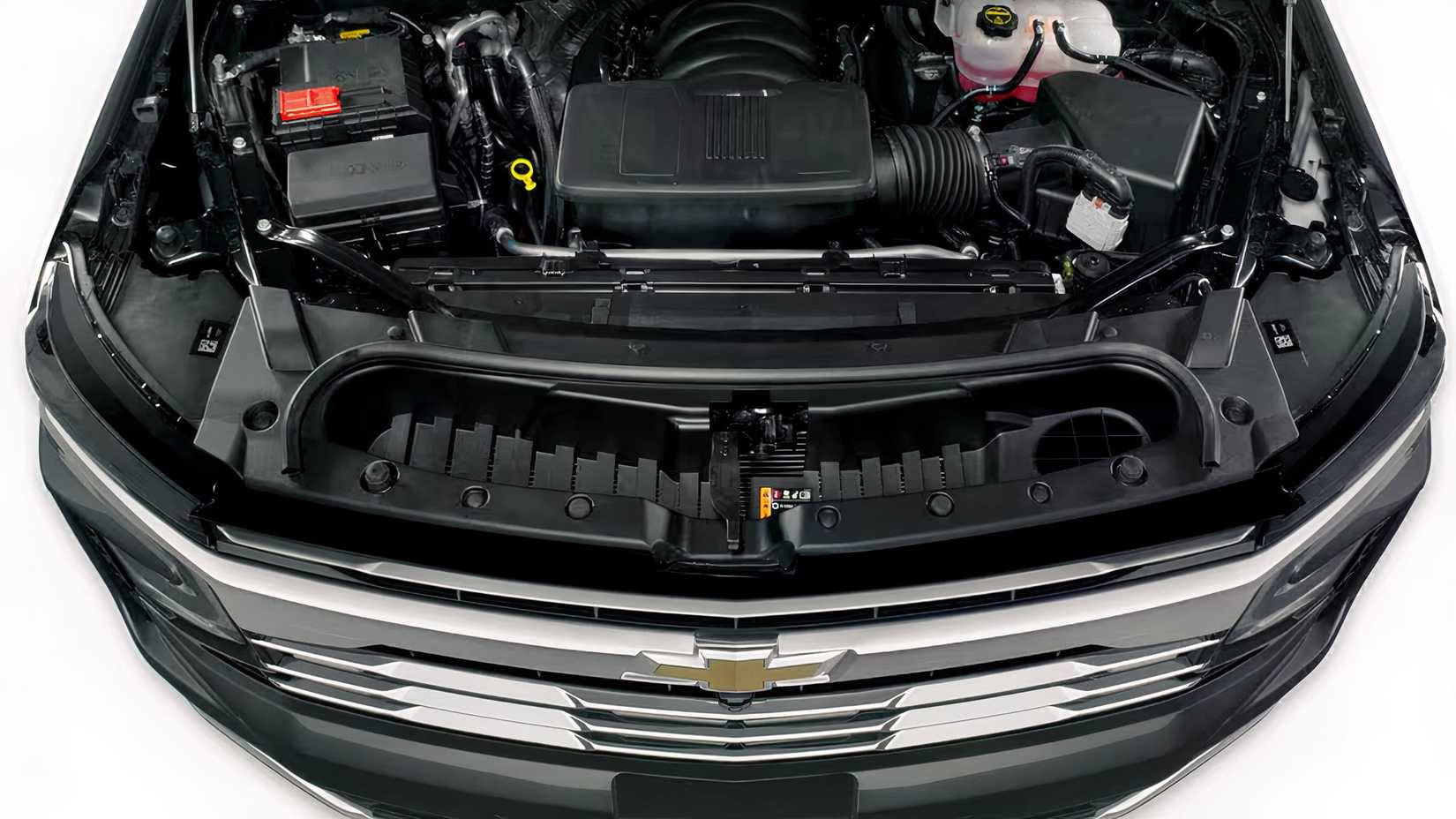
What has kept the GM small-block V8 ahead of the curve isn’t just evolution, but how GM deliberately refined the same core without overcomplicating it. The original Gen I engines were built with a thin-wall casting, which reduces weight while still being rigid, alongside a 4.4-inch bore spacing that would become a constant feature for decades. Early improvements mainly focused on airflow and combustion efficiency, with better cylinder head port design, larger valves, and higher compression ratios, all while still retaining a compact pushrod layout.
Gen II models brought along more meaningful engineering changes in the shape of reverse-flow cooling, which prioritizes cylinder head cooling first to reduce detonation and allow higher compression. The real leap, though, came with the Gen III and IV LS engines, where GM reworked the small block from the ground up.
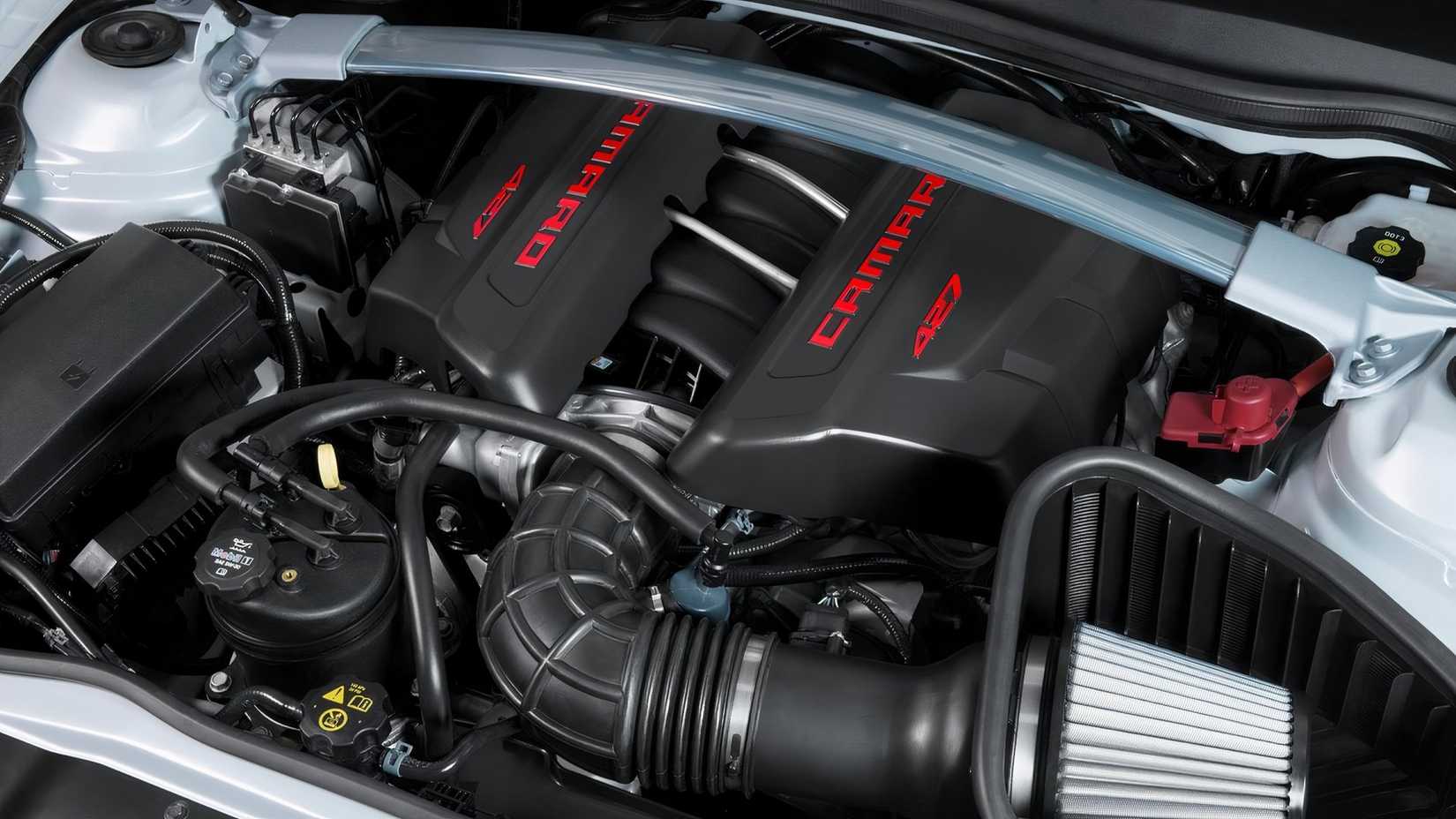
These engines boast deep-skirt aluminum blocks with cross-bolted four-bolt main caps for better bottom-end strength, which dramatically improved durability under heavy loads. Cathedral-port and later rectangular-port cylinder heads gave better airflow, while coil-near-plug ignition replaced traditional distributors for a more precise spark. Then we have the most recent Gen V LT engines; these engines have direct injection, continuously variable valve timing, and advanced combustion chamber geometry, boosting both power and efficiency without losing any of their ruggedness.
How GM Evolved The Small Block Across Generations
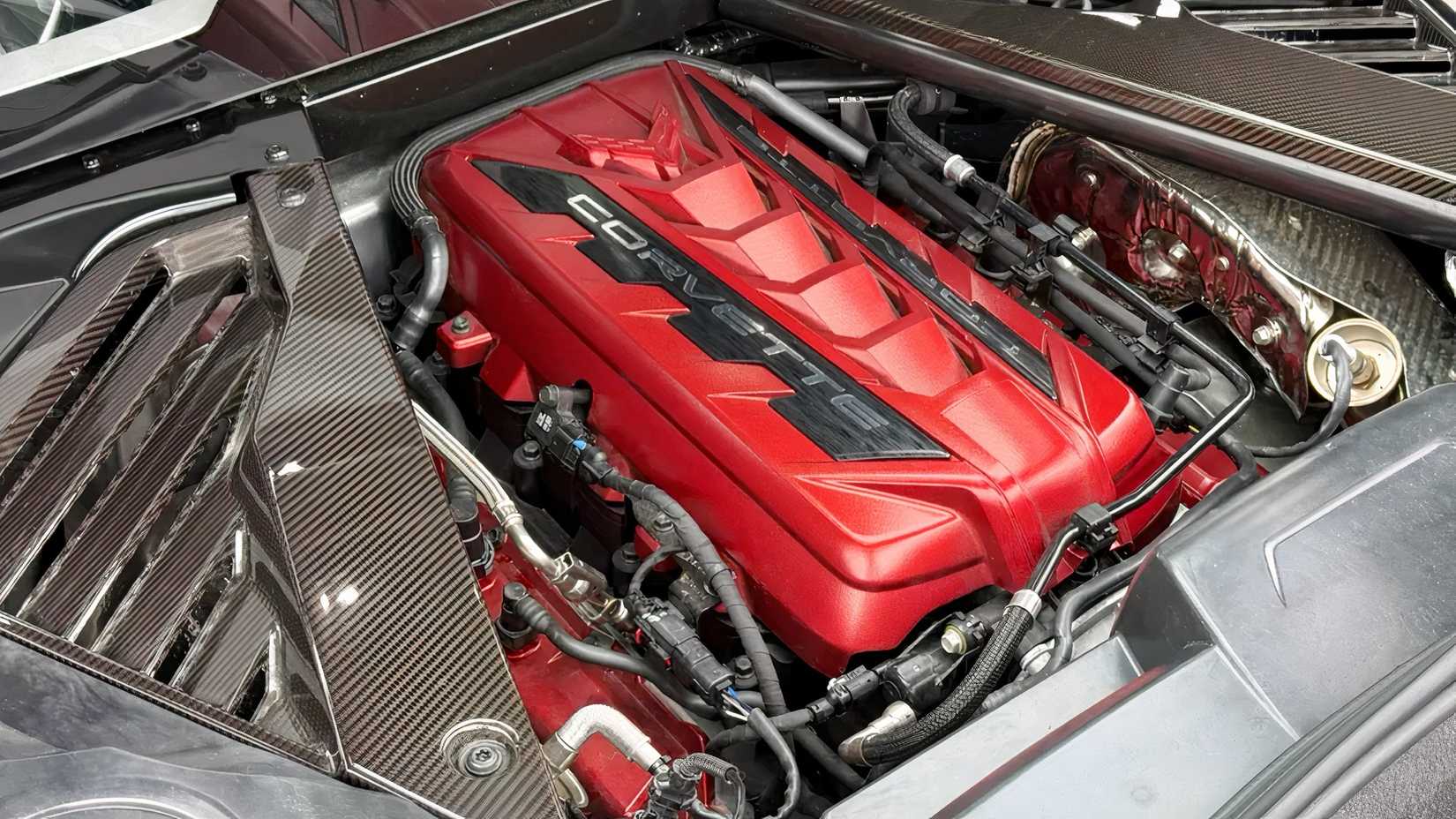
It is all in the small margins: GM has constantly refined the fundamentals. Early Gen I engines got incremental upgrades like stronger nodular iron crankshafts, improved bearing materials, and more efficient camshaft profiles. By the time Vortec cylinder heads were introduced in the ’90s, airflow and combustion efficiency had taken a huge step forward, especially in models like the GMC Sierra, where low-end grunt and durability are exactly what you need.
The Gen III/IV era got a heavier focus on reducing internal friction and improving airflow dynamics. Roller camshafts, lighter valvetrain components, and better intake runners increased efficiency, but you still get the rock-hard build and real usability. Oil control was also improved with better windage management and sump design, both key for high loads in heavy vehicles like the Escalade.
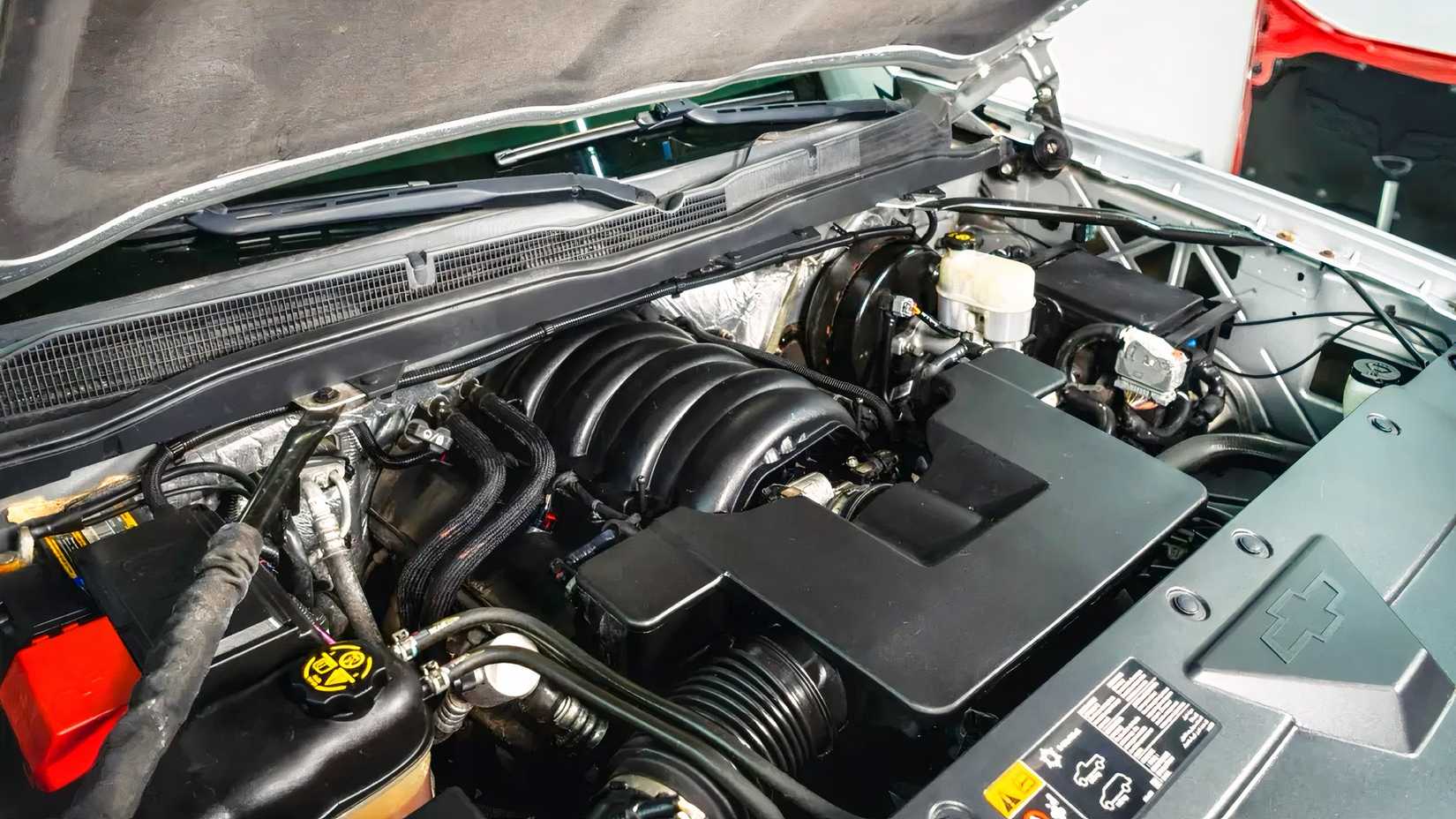
Gen V LT engines are even more refined. They boast high-pressure direct injection (over 2,000 psi), piston cooling jets, and VVT; in modern models like the GMC Yukon, this translates to smooth power delivery, strong mid-range torque, and even better durability over the long-run.
By keeping the same compact layout and beefy internals, GM moved with the times to keep the small-block V8 relevant in a market rapidly moving away from eight-cylinder engines. While some today would say that the newer flavors of the small-block V8 aren’t pure enough (thanks to all the things that are now in them to keep them more reliable and in line with modern driving), there is a good reason they are still on our roads: they still work well, they are trusted, and they are still a V.
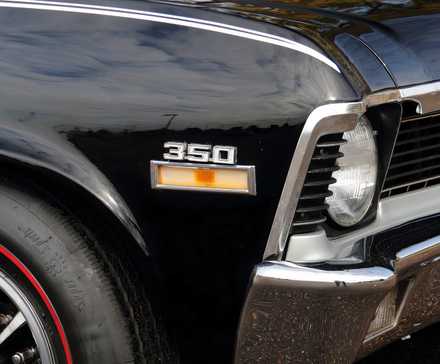
The Heart Of A Legend: One Of America’s Most Beloved Small Block V8s
The legendary Chevy 350 small-block V-8 is under the hoods of more vehicles than any other engine, including some of the baddest sports cars.
GM Small Block Legacy And Cultural Impact Across Seven Decades
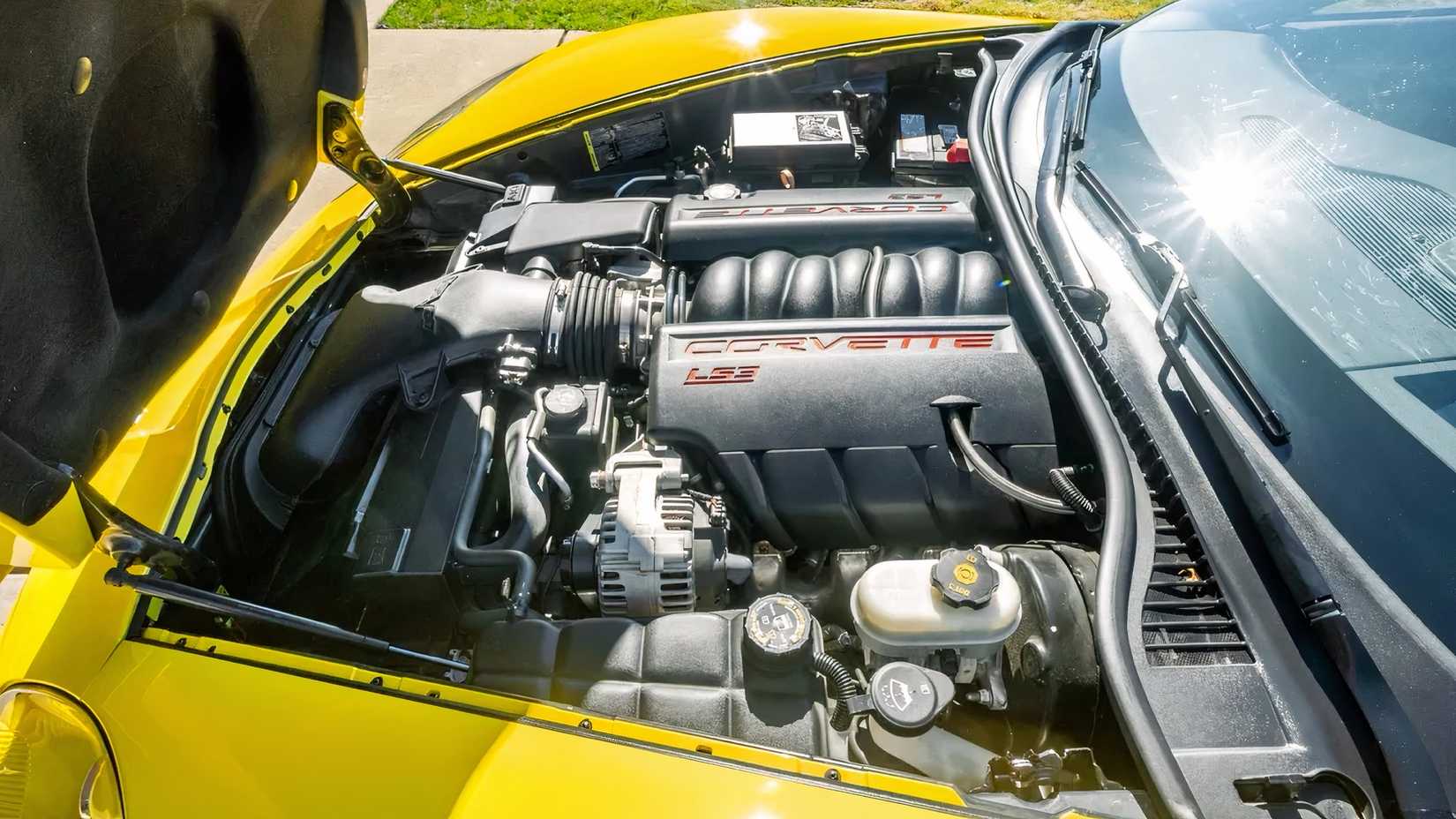
Few engines have quite left their mark on American automotive culture like the GM small block V8 has. When it was released, and to this day, it was not a powerful engine that could only be used by the rich and famous, but by everyone. It gives real power and noise to all drivers, from teenagers to racers, and it changed the way power was delivered in American vehicles forever.
How The Small Block Shaped Muscle Cars And Everyday Vehicles
It has given legendary American cars like the ’69 Corvette immense torque (380 pound-feet), thanks to the 350-cubic-inch L46 small-block, while perfecting a balance of street performance and relative daily usability for the time. The final model years of the Chevrolet SSR pickup get a 6.0-liter LS2 V8 good for 390 horsepower and 405 pound-feet of torque turned the pickup truck into a performance machine, while SUVs like the late-90s/early 2000s Tahoe Z71 get a 285-horsepower/325-pound-foot 5.3-liter number that blends off-road prowess with highway cruising into one package. The small block V8 has been there and done it for seven decades now, and everyday driving in America wouldn’t be the same without it.
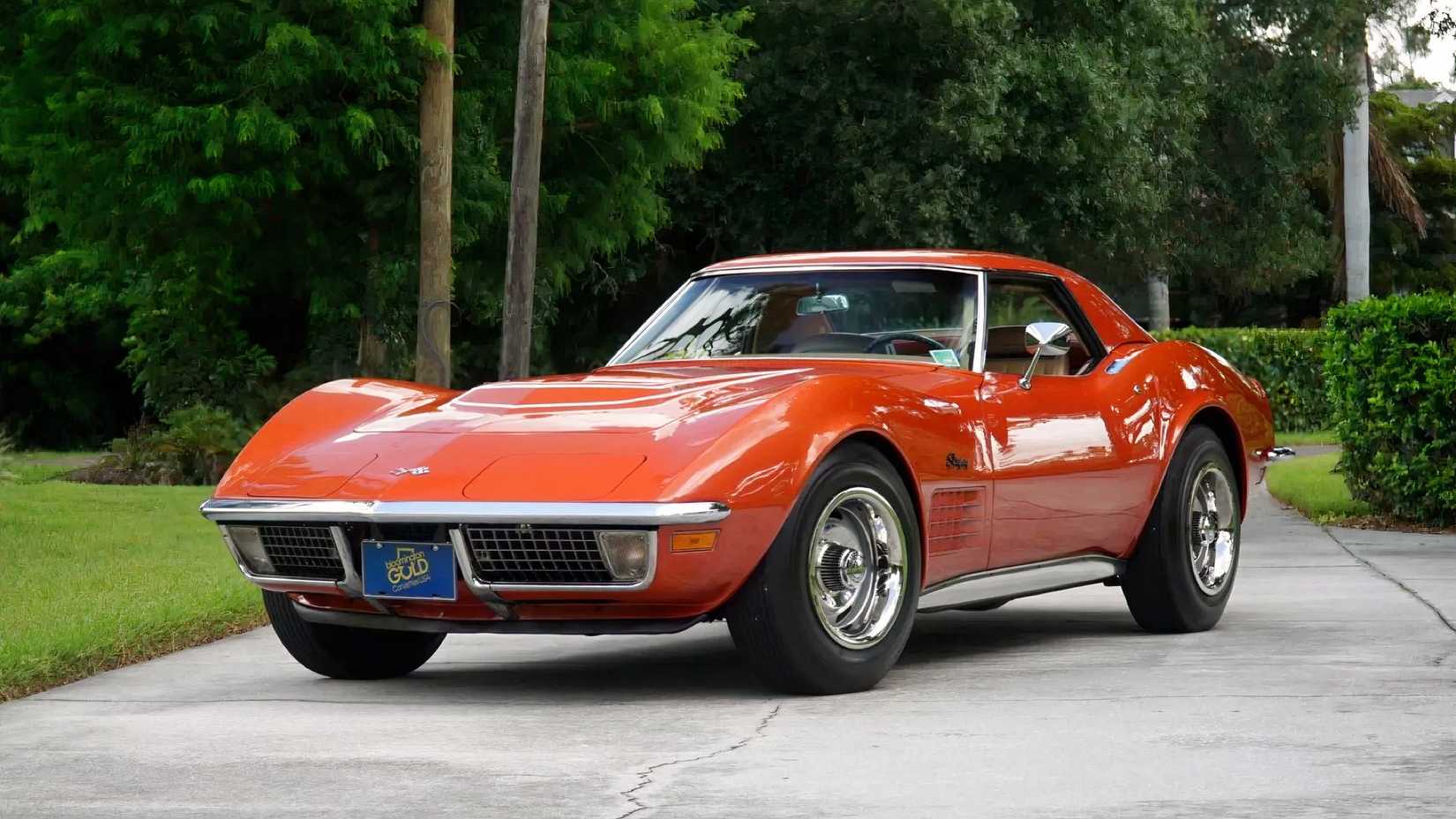
Throughout the GM small-block V8’s lineage, muscle cars are probably the most thought of, and we wouldn’t have legendary models like the late ’60s Camaro, the Nova SS, or the 1970 Corvette LT1 without it. It proved that smaller, lighter engines were a very good substitute for the big-block motors found in some of the era’s best muscle cars.
When the big-block V8 was phased out in the mid-70s, it may have irked some purists, but since then, the small-block has gone from strength to strength. We are not saying that it is better or worse than the big-block, but without it, we wouldn’t have accessible V power to the same extent as we do today.
Why It Remains A True Symbol Of American Engineering
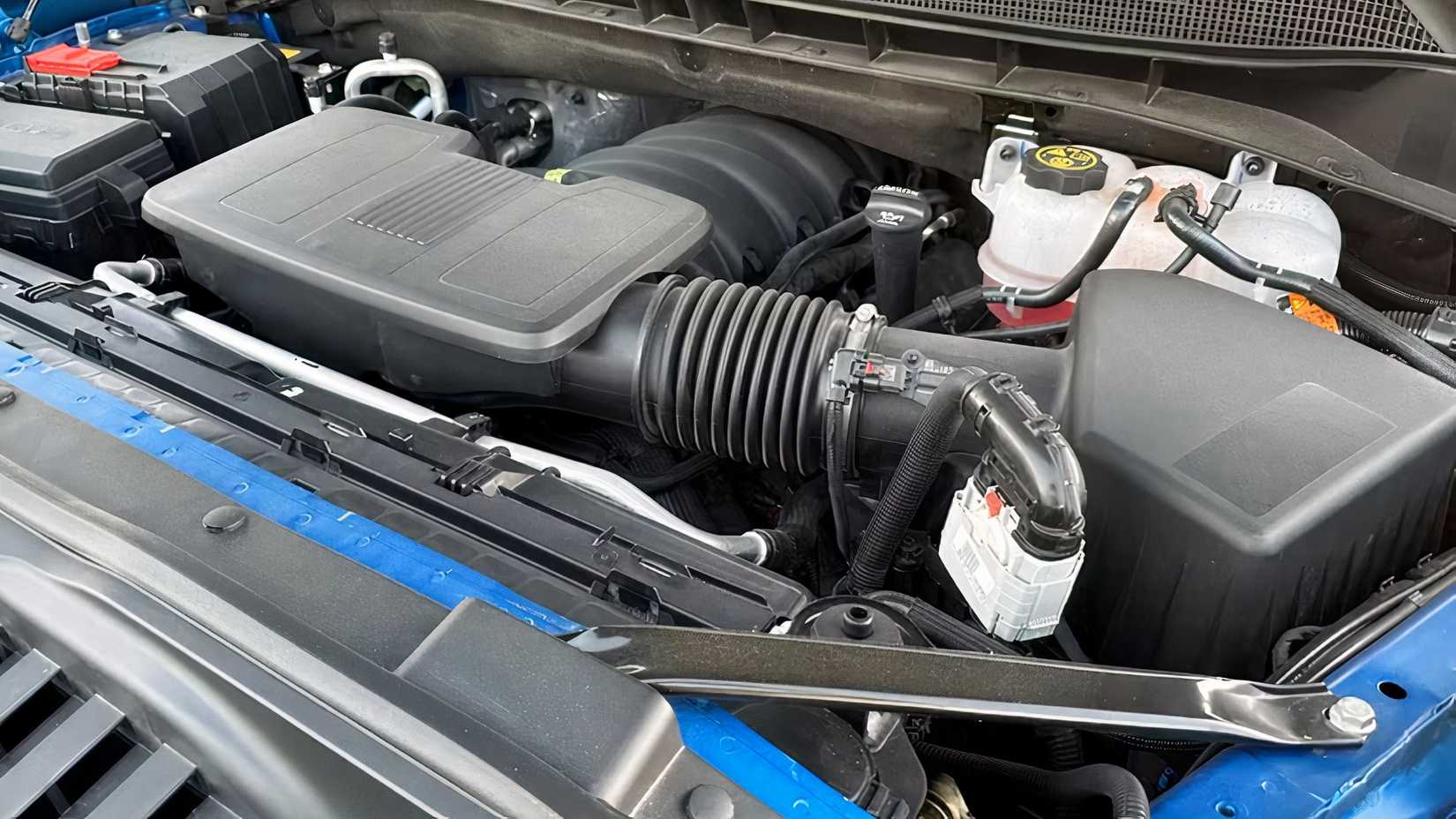
Today, the V8 is seen as the American engine, and even with very impressive competition from the likes of Ford and Stellantis, the GM small-block V8 is a bona fide American hero. It can be tuned, swapped out, beefed up, and used in a multitude of vehicles that it wasn’t built for. It has done everything for 70 years.
From its ability to provide immense horsepower for drag racing to taking on heavy loads of General Motors SUVs and trucks, this iconic engine proves that power doesn’t have to come at the expense of reliability or usability. For us drivers and American auto fans, it is a cultural icon and a true symbol of ingenuity. For generations of V8 fans who want a versatile and unmistakable pulse under the hood, the V8 landscape is hard to think about without the GM small-block.
Sources: Chevrolet, GM, Classic.com, and Bring A Trailer