
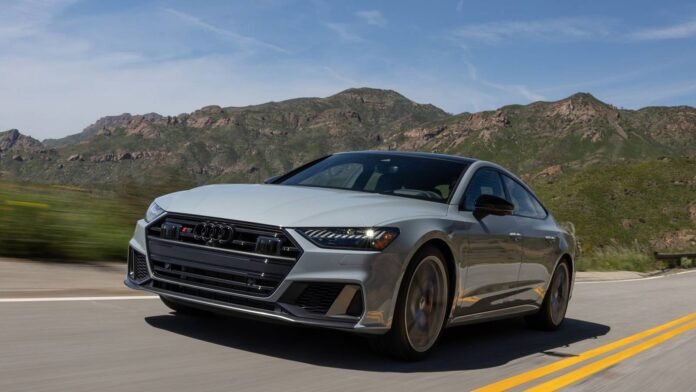
The used luxury performance market is usually predictable. Expensive German sedans lose value rapidly, wealthy first owners absorb the depreciation, and secondhand buyers eventually swoop in to grab incredible bargains for a fraction of the original sticker price. That formula helped turn cars like the BMW M5, Mercedes-Benz E63 AMG, and even older Audi RS models into tempting enthusiast purchases once they aged out of warranty coverage. On paper, the Audi S7 looked destined for the same fate.
After all, the S7 checked every box. It combined sleek coupe-like styling with real practicality, packed serious twin-turbocharged performance, and carried the kind of understated aggression enthusiasts love. The current-generation C8 S7 uses a 2.9-liter twin-turbocharged V6 producing 444 horsepower and 442 pound-feet of torque, enough for a 0-60 mph sprint in 4.5 seconds. Earlier C7 models packed an even more charismatic 4.0-liter twin-turbo V8 with 420 horsepower and 406 pound-feet of torque, giving the car genuine super-sedan pace years before downsized turbocharged engines became the norm.
Yet something unusual has happened. The S7 never truly collapsed into performance used-car bargain territory. Instead, the car now occupies a strange middle ground where prices remain stubbornly high while ownership risks continue to rise. Buyers searching for a luxury performance steal often walk away confused. The S7 is old enough to feel expensive to maintain but not cheap enough to justify the gamble. Enthusiasts still admire it, but mainstream buyers hesitate, creating one of the most fascinating contradictions in today’s used luxury market.
Why The Audi S7 Never Became The Used Luxury Bargain Buyers Expected
The formula seemed perfect from the start. The Audi S7 debuted as a stylish alternative to traditional executive sedans, blending hatchback practicality with high-end luxury and meaningful performance. It sat below the more expensive Audi RS7, which made many buyers assume the S7 would eventually become the attainable enthusiast option once depreciation took hold. Historically, large German luxury sedans are notorious for losing value quickly. First owners absorb enormous depreciation because technology ages rapidly, maintenance costs scare off secondhand buyers, and newer models quickly overshadow older generations. Cars that originally sold for well over six figures can sometimes be found for compact economy car money a decade later.
The S7 never followed that script. Part of the reason comes down to scarcity. Audi never sold the S7 in huge numbers, especially compared to rivals like the BMW 5 Series or Mercedes-Benz E-Class. Lower production volumes created a smaller used inventory pool, which helped preserve resale values. Buyers looking specifically for an S7 often discover there simply are not many clean examples available.
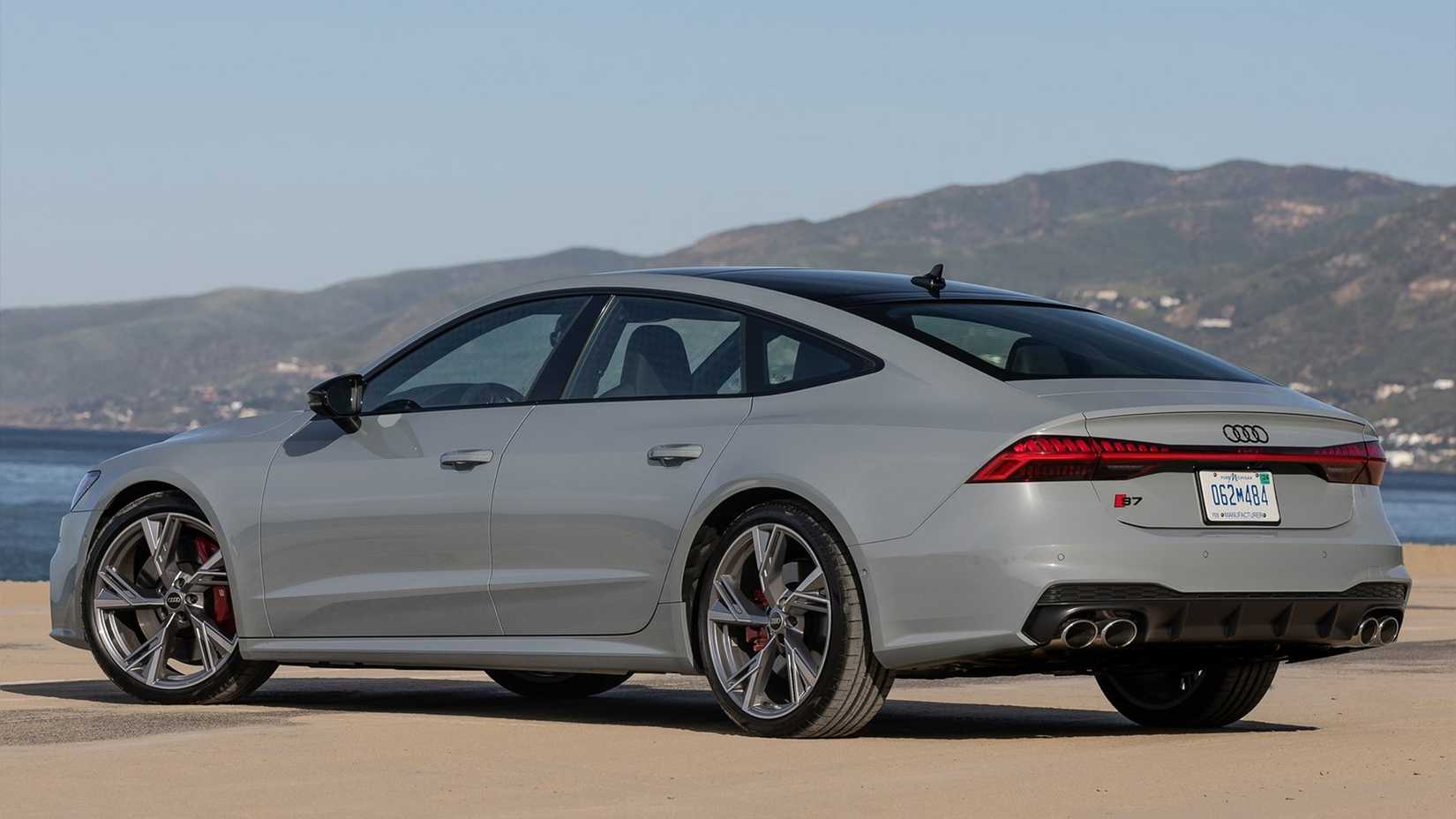
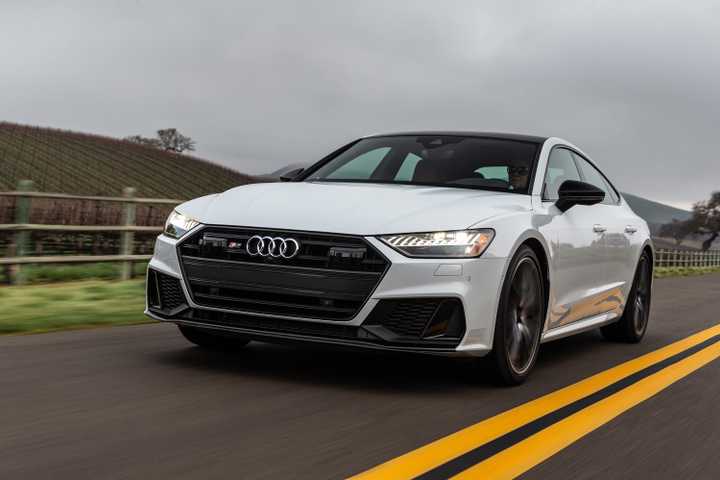
The styling also aged remarkably well. Even early C7-generation S7 models still look modern today. The low roofline, wide stance, sharp LED lighting, and elegant proportions give the car a timeless quality many luxury sedans lose after a few years. Unlike some German rivals that now appear overly complicated or dated, the S7 still turns heads.
Audi’s interior design also helped the car retain desirability. The cabin quality remains impressive even by modern standards, with restrained styling, excellent materials, and sophisticated technology integration. The hatchback-style Sportback layout also gives the S7 nearly 25 cubic feet of cargo space, making it significantly more practical than many traditional luxury sedans.
Performance certainly played a role too. The original twin-turbo V8 used Audi’s sophisticated “hot-V” turbocharger layout, mounting the turbos inside the cylinder banks to reduce turbo lag and improve throttle response. Meanwhile, the newer 2.9-liter V6 incorporates a 48-volt mild-hybrid system and electric compressor technology to sharpen low-end response while improving efficiency.
The Forgotten American Sedan That Still Holds Its Own Against Luxury Rivals
This American sedan may not get the attention it deserves, but it is still an alluring combination of power, luxury, and performance-focused features.
A $65,000 Used S7 Is Still Too Expensive To Feel Like A Smart Deal
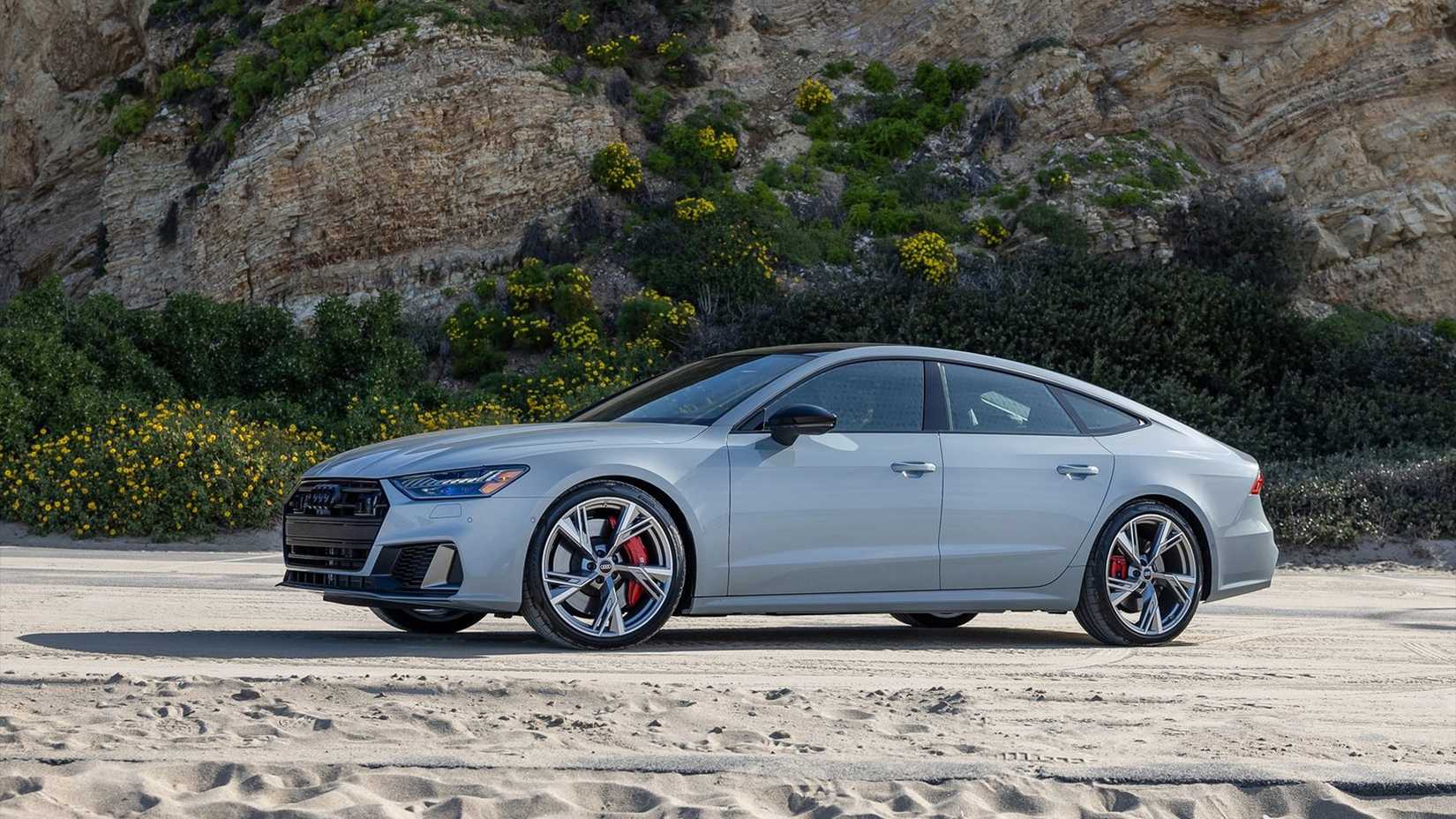
The biggest problem facing the used 2023 Audi S7 is simple: the numbers rarely make sense. For many buyers, spending around $60,000 to $70,000 on a used luxury performance sedan feels psychologically difficult. At that price point, expectations change dramatically. Buyers begin comparing the S7 not only to older competitors, but also to brand-new performance cars with warranties, updated technology, and lower ownership risks. That creates a serious problem for Audi.
A lightly used or certified pre-owned S7 can still command prices well above what many enthusiasts consider reasonable for an aging German luxury sedan. The issue is not necessarily that the car lacks value—it absolutely delivers premium materials, serious speed, and impressive comfort—but rather that buyers know what expensive German maintenance can look like once warranties expire. The fear factor matters enormously in this segment.
Potential owners understand the risks associated with adaptive air suspension systems, complex infotainment electronics, turbocharged engines, rear-wheel steering systems, and advanced driver assistance technology. Even buyers who adore the S7’s styling and driving experience often hesitate once repair costs enter the conversation.
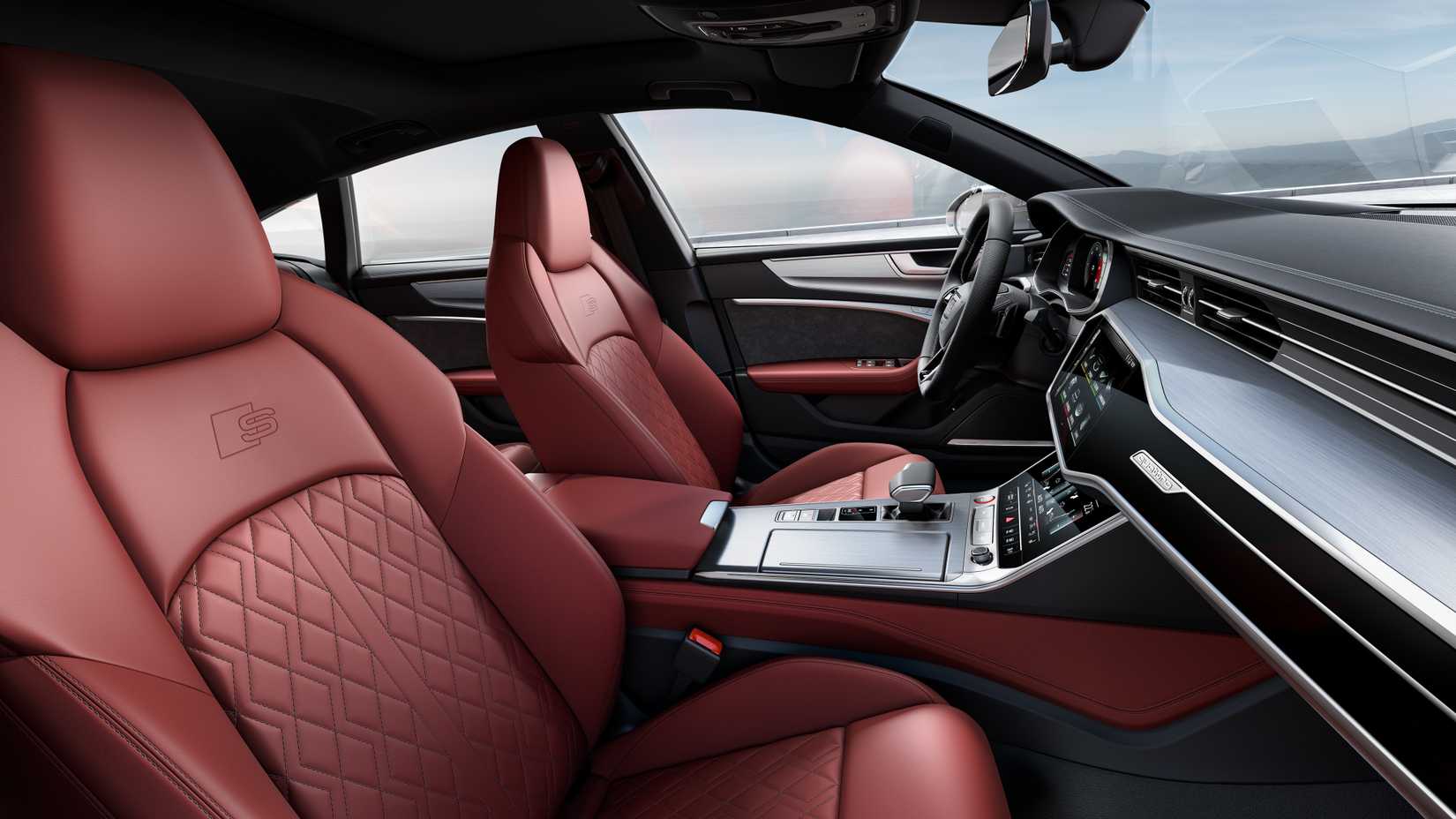
The S7 is also not a lightweight sports sedan. Current-generation models weigh roughly 4,600 pounds, which means consumables such as brakes, tires, and suspension components face significant stress. Massive front brake rotors with six-piston calipers help the car stop from 70 mph in approximately 151 feet, but replacing those high-performance components is far from cheap.
Fuel economy further reminds buyers they are still dealing with a high-end German performance machine. The modern S7 averages roughly 22 mpg combined, despite the mild-hybrid system and downsized engine. Premium fuel is mandatory, and insurance costs remain surprisingly steep because of expensive body panels, advanced sensors, and sophisticated lighting systems. That leaves the S7 trapped in an uncomfortable pricing zone.
If the car depreciated further, enthusiasts would accept the risks because the performance-per-dollar equation would become irresistible. But current pricing often places the S7 within striking distance of newer luxury sedans that carry fewer ownership concerns. Suddenly, the “used bargain” narrative falls apart.
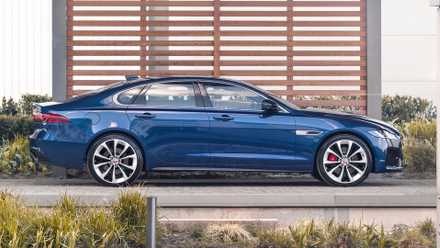
Luxury Sedans That Depreciate Faster Than Sports Cars
While these models offer posh accommodations and sophistication, they fail to retain value better than the average sports car.
Limited Depreciation Keeps The S7 Stuck In An Awkward Middle Ground

- Base Trim Engine
-
2.9L Twin-Turbo V6 Gas
- Base Trim Transmission
-
8-Speed Automatic
- Base Trim Drivetrain
-
All-Wheel Drive
- Base Trim Horsepower
-
444 hp
- Base Trim Torque
-
442 lb-ft @ 2700 rpm
- Fuel Economy
-
19/26 MPG
- Make
-
Audi
- Model
-
S7 Sportback
- Segment
-
Midsize Luxury Performance Sedan
Most used luxury cars eventually find clarity. They either remain highly valuable collector-grade machines or depreciate enough to become enthusiast bargains. The Audi S7 sits uncomfortably between those two outcomes. That awkward positioning defines the car’s entire used-market identity. The S7 has depreciated enough to lose its elite flagship status, but not enough to feel accessible to average enthusiasts. It occupies a strange financial gray area where buyers still need substantial disposable income to purchase one, yet ownership no longer delivers the prestige or warranty security associated with a new executive luxury car.
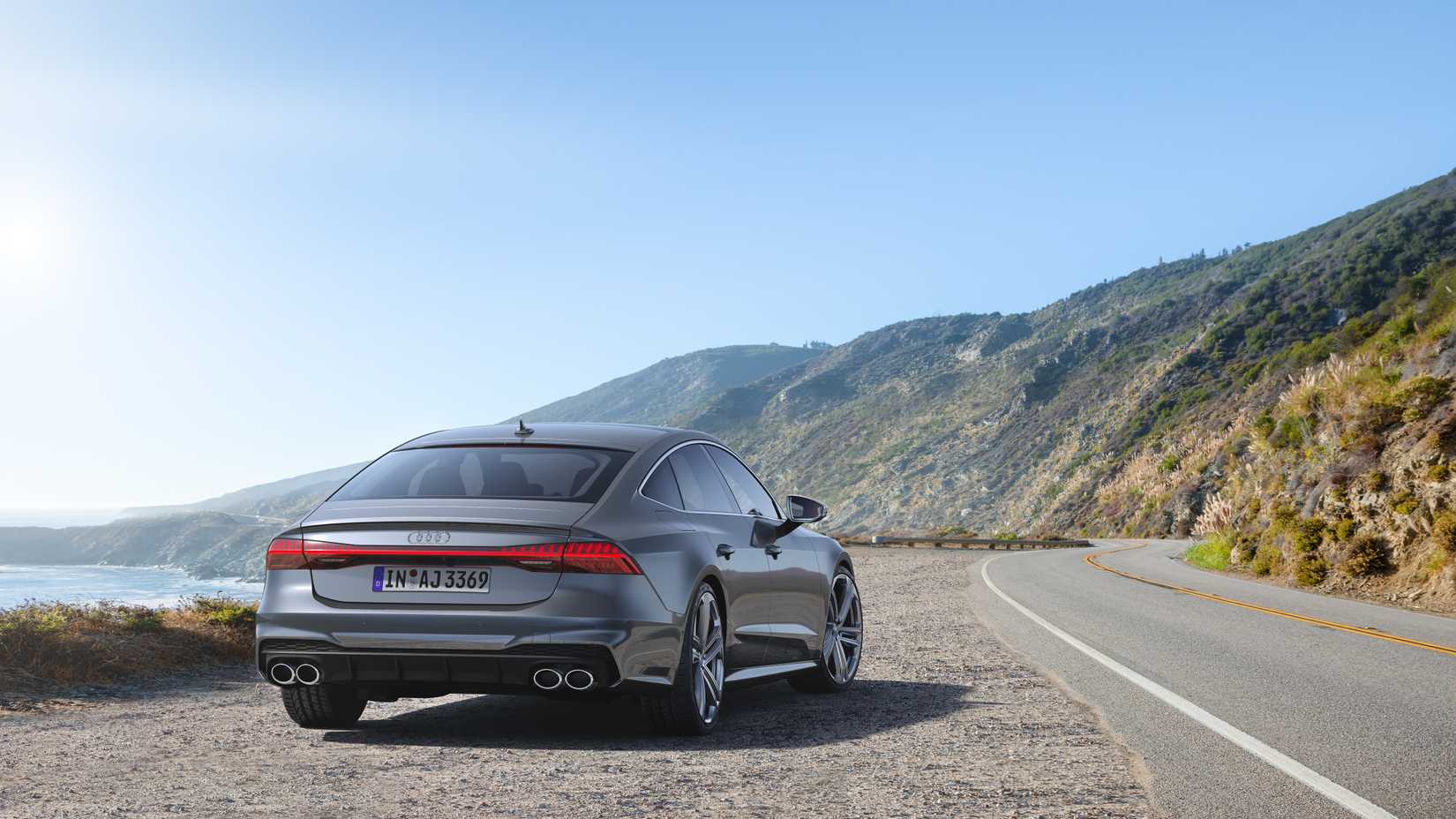
This creates a surprisingly narrow audience. Wealthy buyers typically move toward newer luxury vehicles with updated technology and factory warranties. Budget-conscious enthusiasts, meanwhile, often decide the S7 remains too expensive relative to its long-term risks. The people left in the middle are passionate Audi fans willing to accept the compromises. Limited depreciation also hurts the car psychologically.
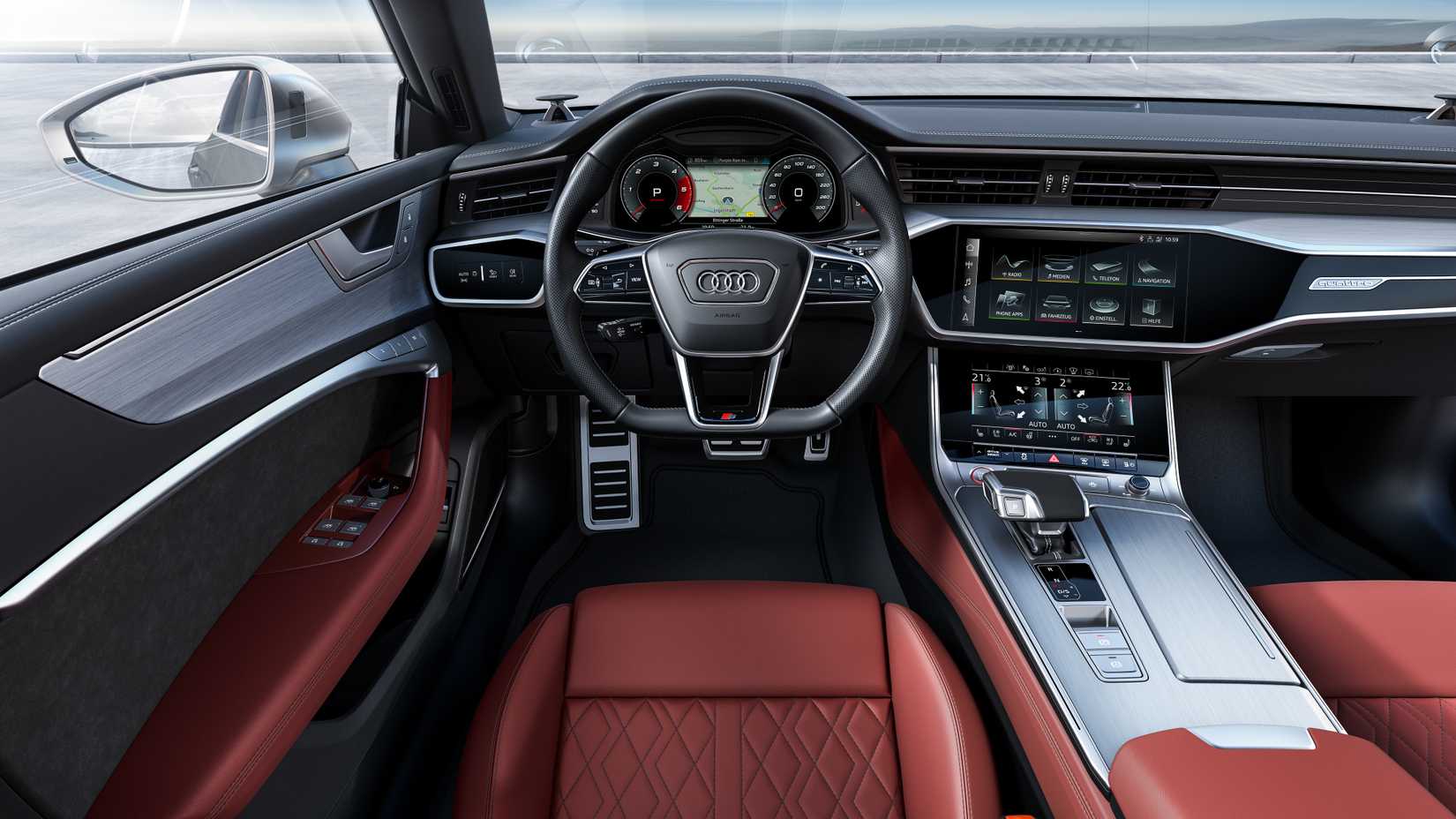
A ten-year-old German luxury sedan priced at $25,000 feels like an exciting opportunity because buyers mentally prepare for maintenance costs. The low purchase price creates emotional flexibility. But when a used S7 still costs as much as a brand-new mainstream luxury sedan, buyers become far less tolerant of potential headaches. The S7’s understated personality contributes to this issue too. Unlike an RS7, which carries undeniable super-sedan appeal with over 590 horsepower, the S7 lacks the outrageous image many buyers expect at its price point. It is elegant and fast but subtle. That subtlety becomes harder to justify when used prices remain high.
There is also the reality of changing buyer preferences. Modern consumers increasingly gravitate toward SUVs and crossovers, shrinking the audience for large luxury sport sedans altogether. While enthusiasts continue appreciating low-slung performance cars, mainstream luxury buyers often prioritize practicality, ride height, and modern infotainment systems over sleek fastback styling. Audi’s own lineup has complicated matters further. The rise of high-performance SUVs like the SQ8 and RS Q8 shifted attention away from sport sedans, making the S7 feel like a niche product even within Audi’s performance hierarchy.
Enthusiasts Love The Twin-Turbo V6, But Mainstream Buyers Stay Away
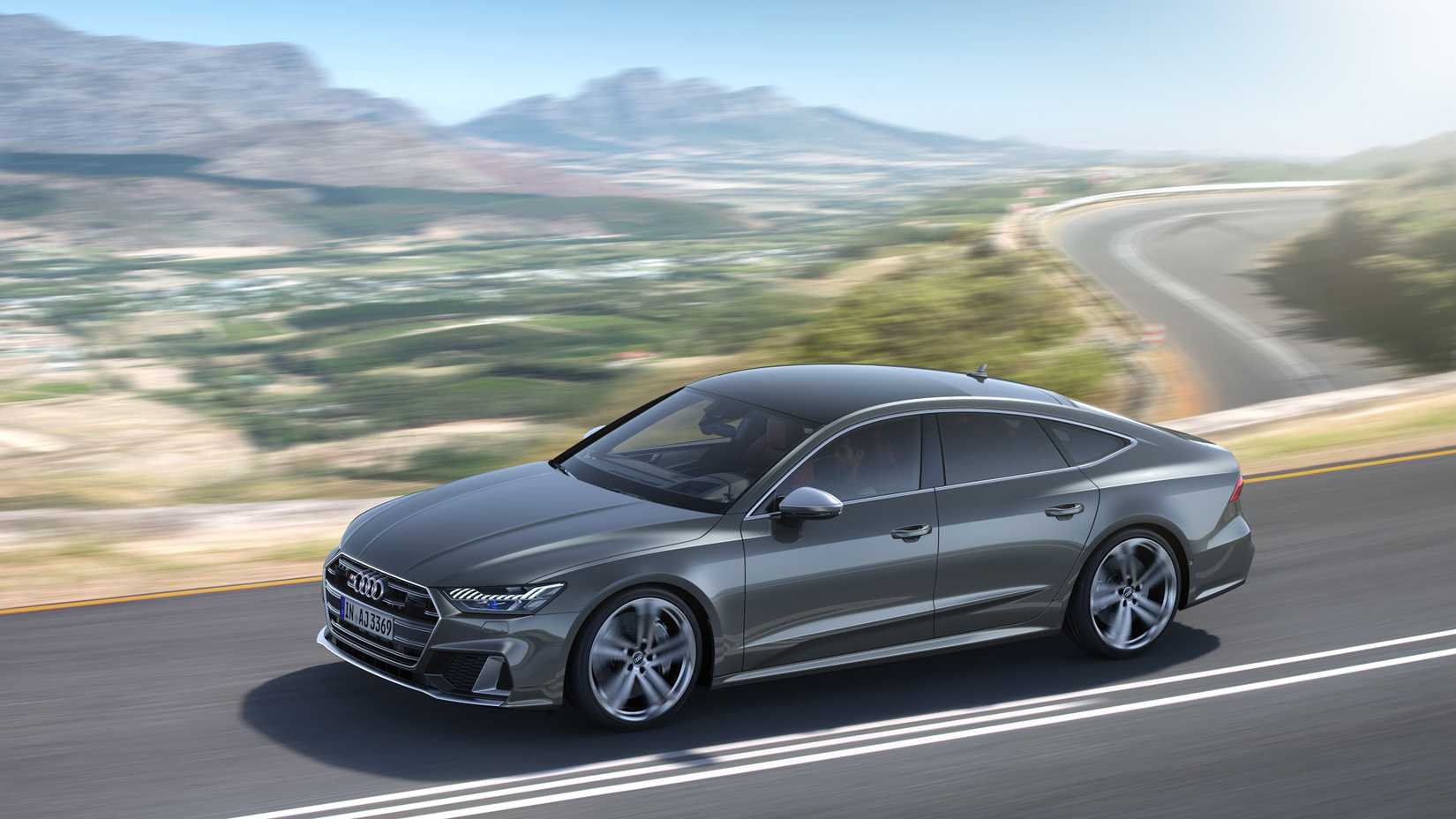
The modern Audi S7 deserves enormous credit for its powertrain. Audi’s twin-turbocharged V6 may not deliver the emotional drama of the old V8, but it remains an impressively capable engine that perfectly suits the car’s grand touring personality. The 2.9-liter EA839 engine produces 444 horsepower and 442 lb-ft of torque, while an electric compressor and 48-volt mild-hybrid system help eliminate low-rpm turbo lag. Power is routed through an eight-speed Tiptronic automatic transmission and Audi’s Quattro all-wheel-drive system, allowing the S7 to launch to 60 mph in roughly 4.1 seconds despite its hefty curb weight. Enthusiasts appreciate this balance.
The S7 is not a raw sports sedan chasing Nürburgring lap times. Instead, it excels as an understated high-speed luxury machine capable of devouring long-distance drives in total comfort. The combination of adaptive suspension tuning, confident all-wheel-drive traction, and smooth turbocharged power creates a uniquely mature driving experience. Yet mainstream buyers remain cautious.
Part of the issue comes down to perception. The average luxury buyer often struggles to distinguish the S7 from a standard A7. Audi’s restrained styling philosophy appeals to enthusiasts who appreciate subtlety, but mainstream consumers frequently prefer more visually dramatic vehicles when spending premium money.
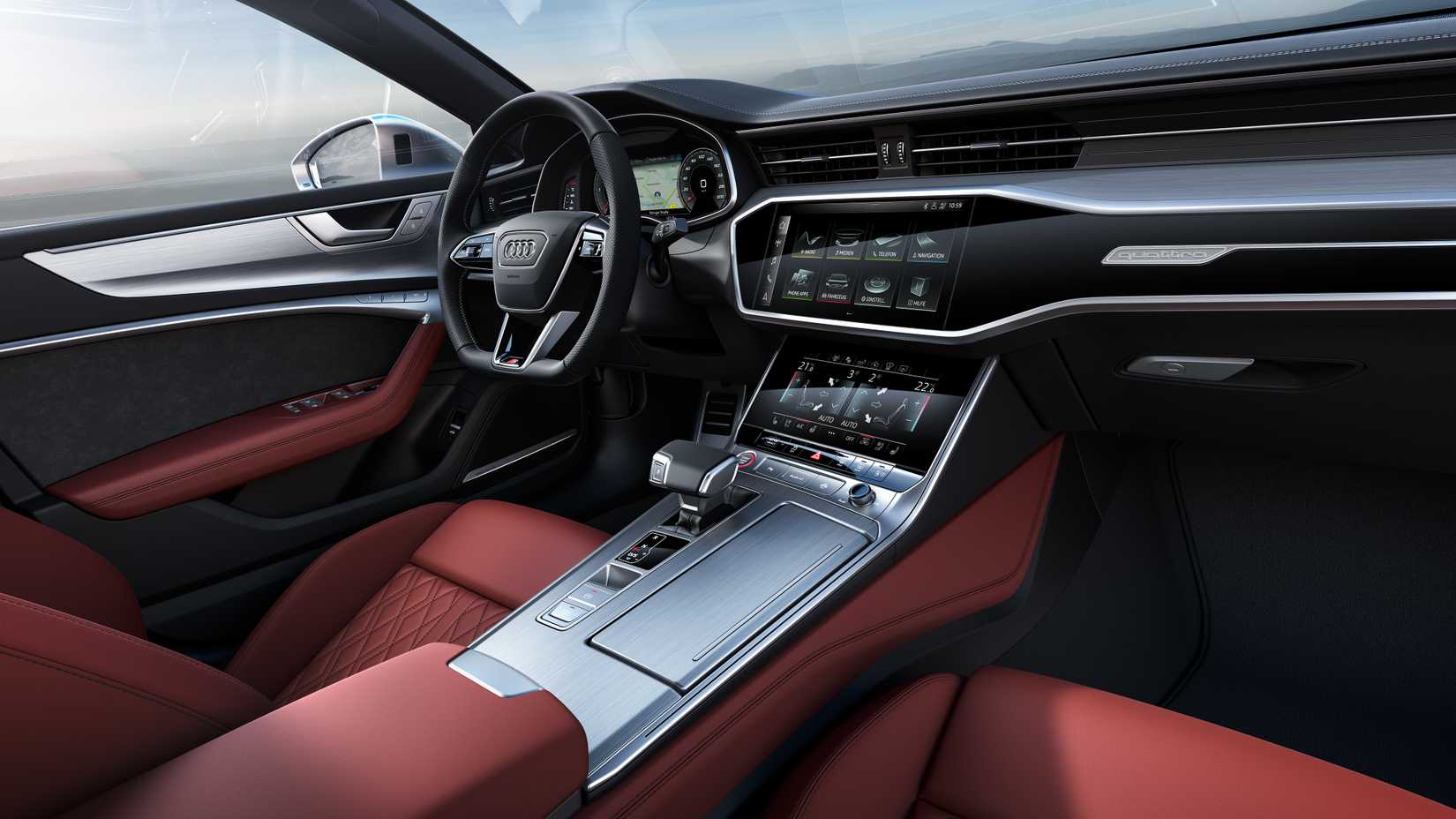
BMW’s M cars and Mercedes-AMG models tend to project their performance credentials more aggressively. The S7, by comparison, hides its capabilities beneath elegant sheet metal and understated badging. The move from V8 to V6 also divided opinions among loyalists. Many Audi enthusiasts strongly preferred the old 4.0-liter twin-turbo V8 for its character, sound, and tuning potential. The older engine also earned a reputation for enormous aftermarket gains, with tuned examples comfortably exceeding 500 horsepower.
The Audi S7 Is Still Priced Like A Dream Car, Not A Bargain Performance Sedan
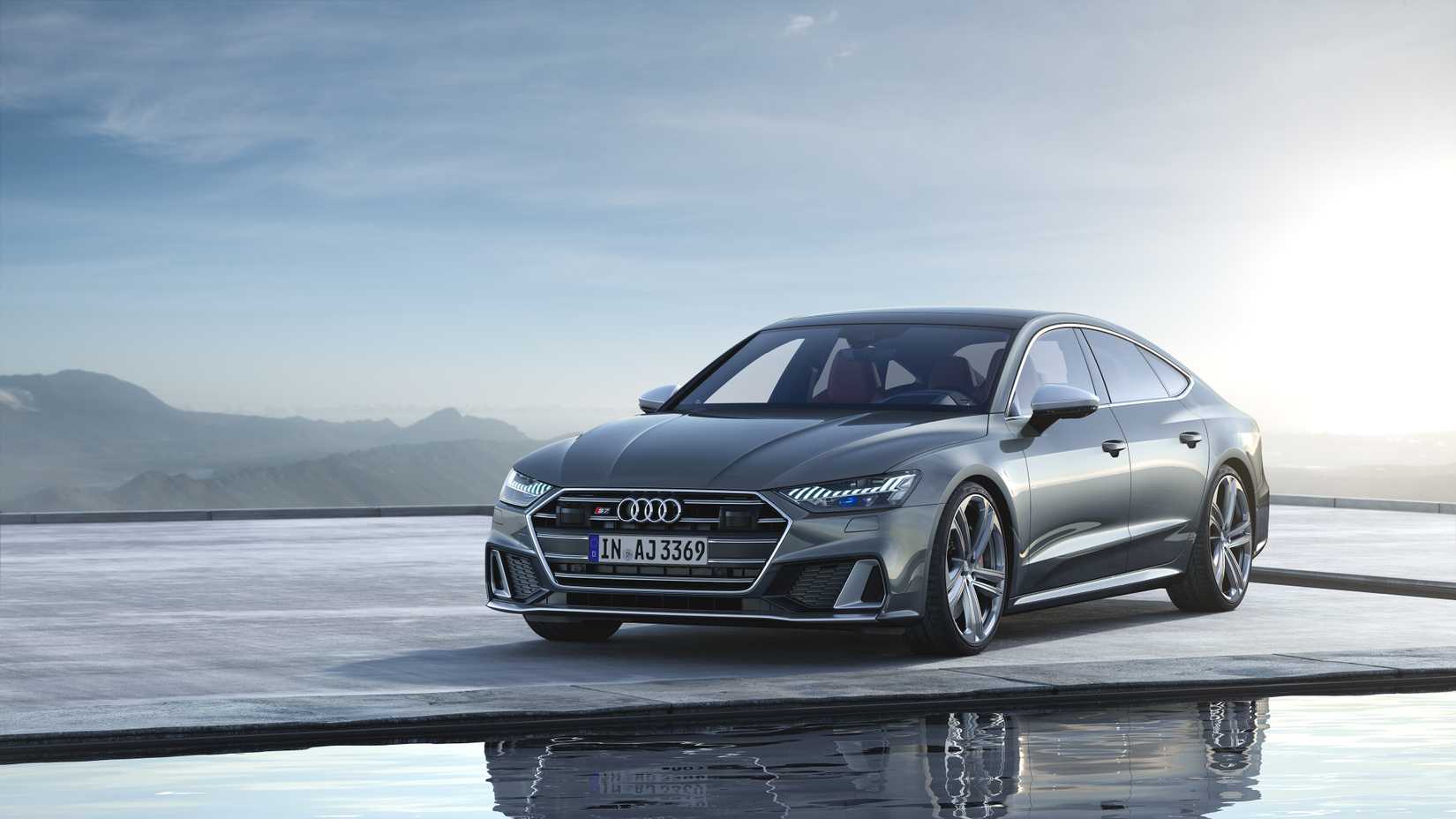
The strangest thing about the Audi S7 is that it still carries emotional pricing power years after launch. Even used examples retain a sense of aspiration. The sleek silhouette, premium cabin, and effortless performance continue making the car feel special in a way many aging luxury sedans simply do not. Owners often maintain them carefully, enthusiasts continue seeking clean examples, and the design still looks expensive on modern roads.
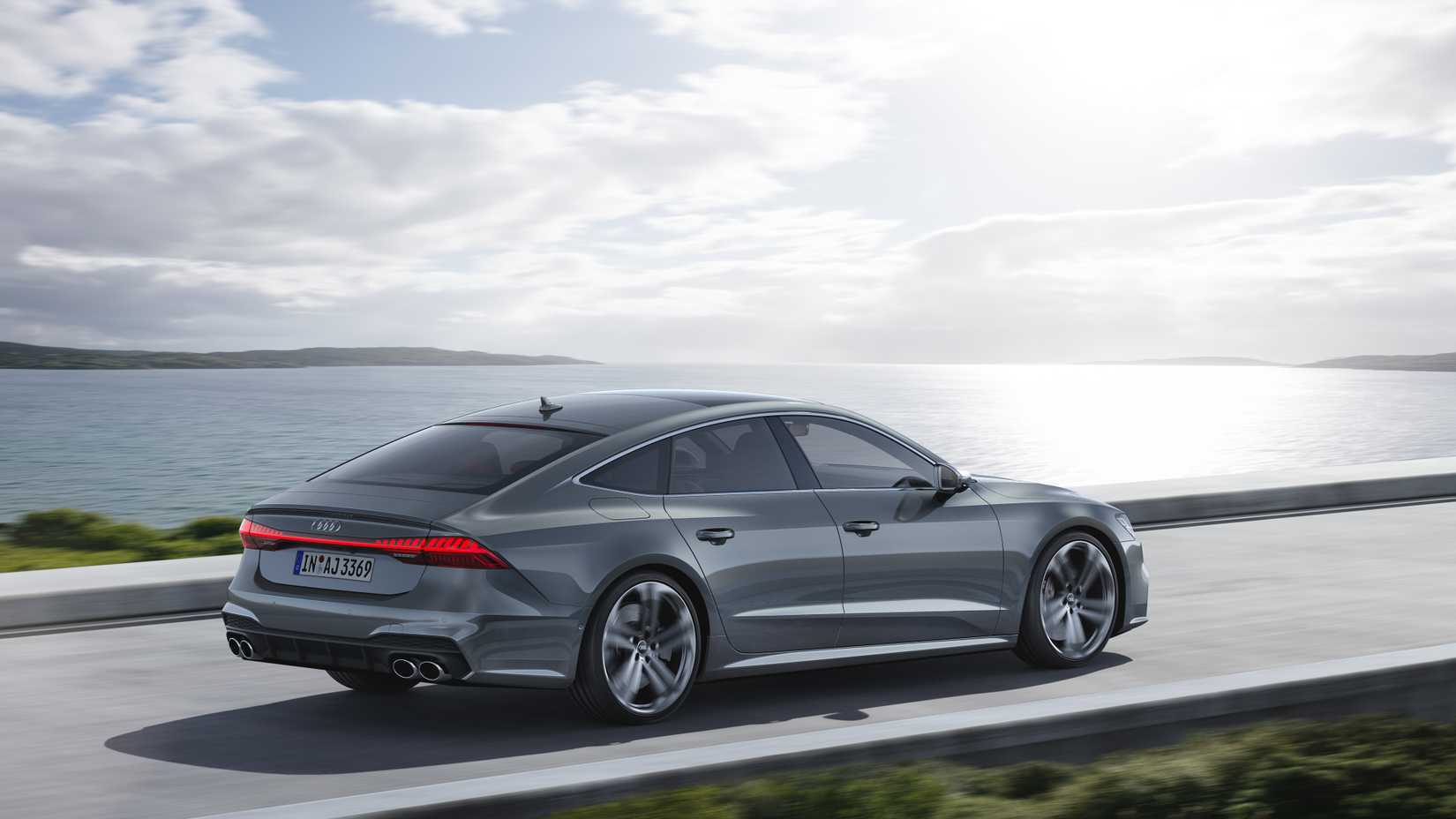
That emotional appeal matters enormously. Cars become bargains when buyers stop dreaming about them. The S7 never entirely lost its desirability, which prevented the kind of catastrophic depreciation many expected. Instead of turning into a forgotten used luxury sedan, it remained an object of admiration.
For some enthusiasts, that ambiguity is precisely what makes the S7 appealing. It remains relatively rare, understated, and deeply capable. The driving experience still feels special, especially on long highway journeys where the car’s blend of comfort and speed shines brightest. But for bargain hunters, the S7 can feel frustratingly close to greatness without ever fully becoming the obvious used luxury steal many predicted.
Sources: Audi U.S. & Carfax